Jana Dvořáková

* 1940

  • "My mother tried to make our father tell us as little as possible. We were little [my brother and I] and she wanted us to stay in school. For example, I remember when Stalin died. We had to stand guard of honor somewhere - in Jihlava already. My father then got out of bed and said, 'Stalin is a murderer!' For him, Stalin had always been a murderer. My mother said: 'Never say this you in school!' It wasn't the best upbringing. We were the pioneers, had been the scouts before, but my father was clearly against it."

  • "I once asked the headmistress how come just two guys and me had been expelled from the party out of the 40-member team at the Kollár school. Late, when we spoke about bonuses, I asked how come I didn't get any, and did that mean I was doing a bad job. The principal said, 'I can't say that. Your teaching performance is good, but your moral qualities...' Right then and there, I saw all team members looking at the floor. 'Your moral qualities are not fit for you to get bonuses.' I just said okay. Three people came up to me later and said they were terribly embarrassed. My moral qualities... that's what she said. That was because I didn't approve of the entry of [Warsaw Pact] troops into Czechoslovakia."

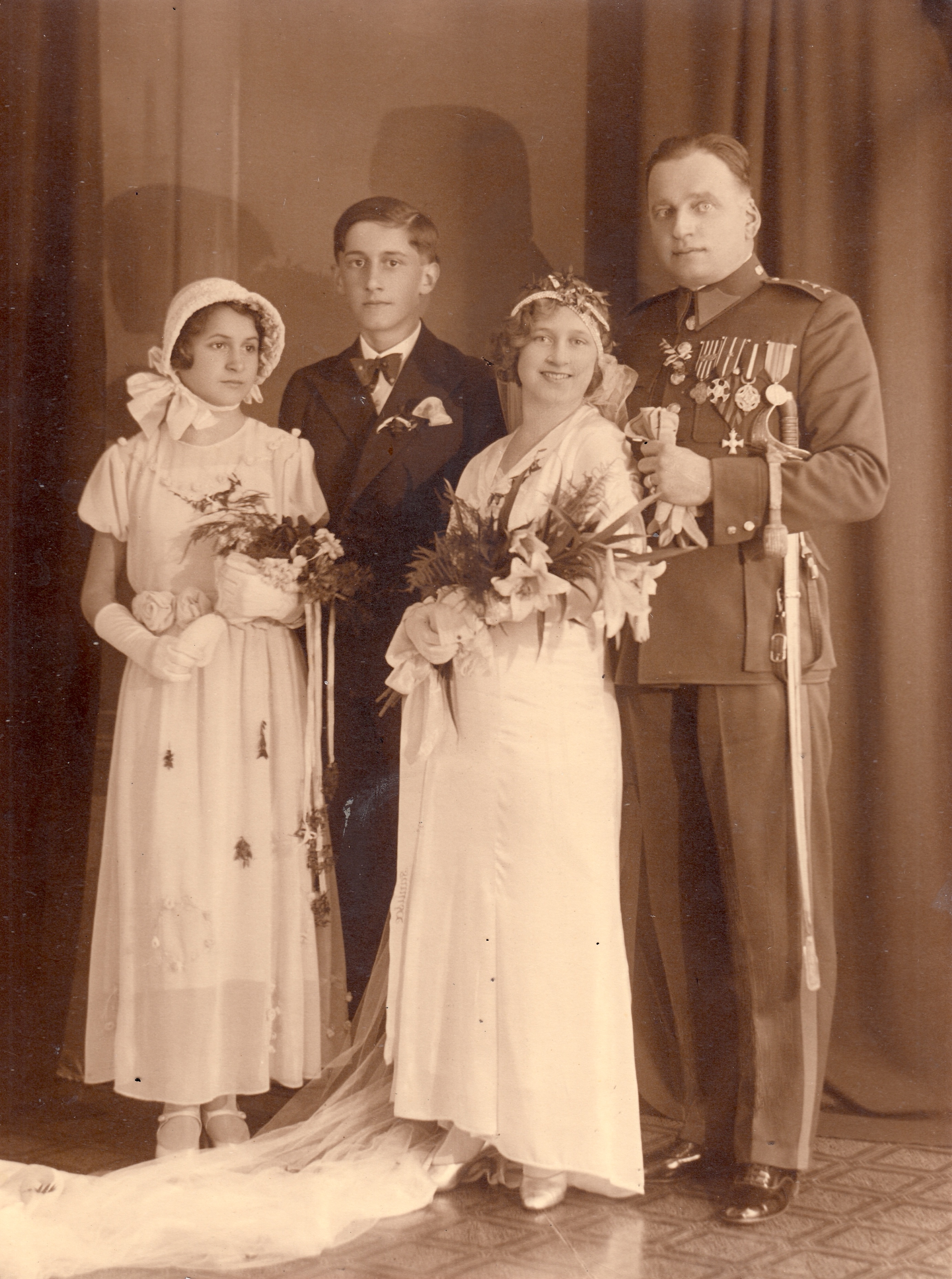
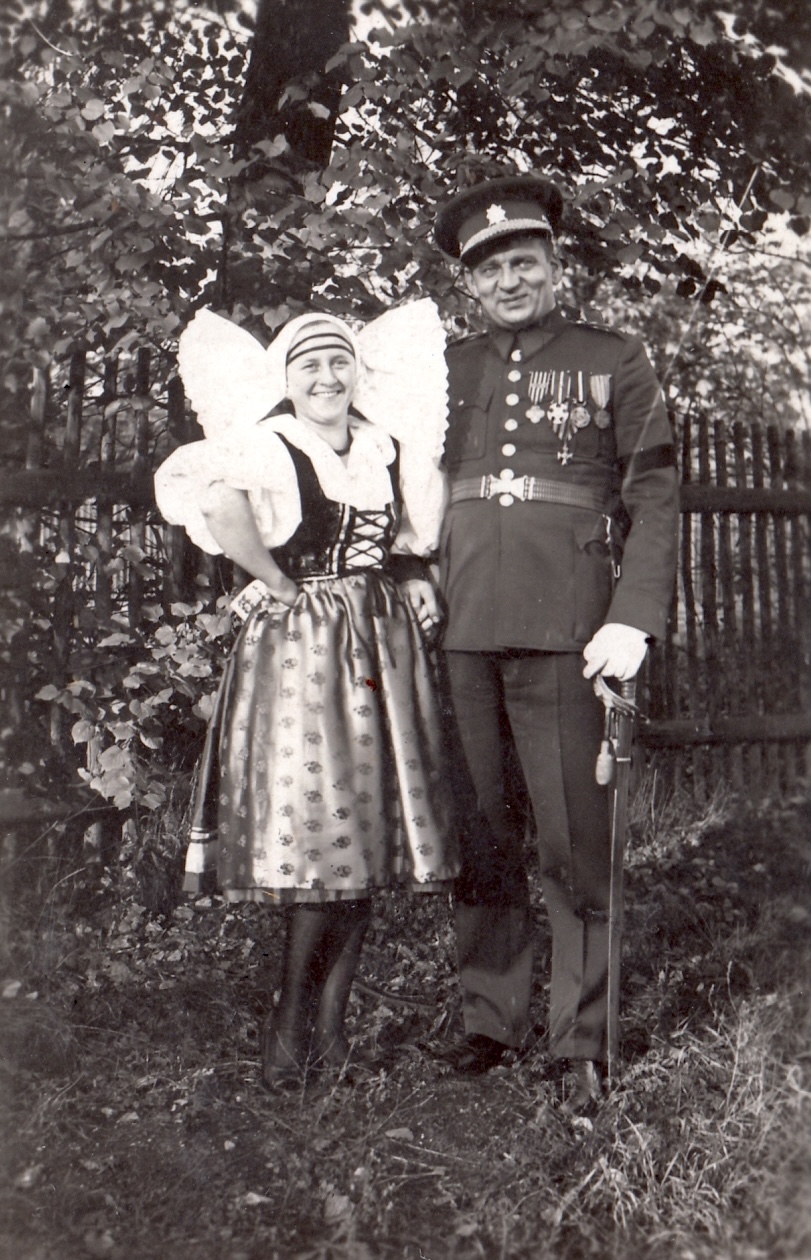
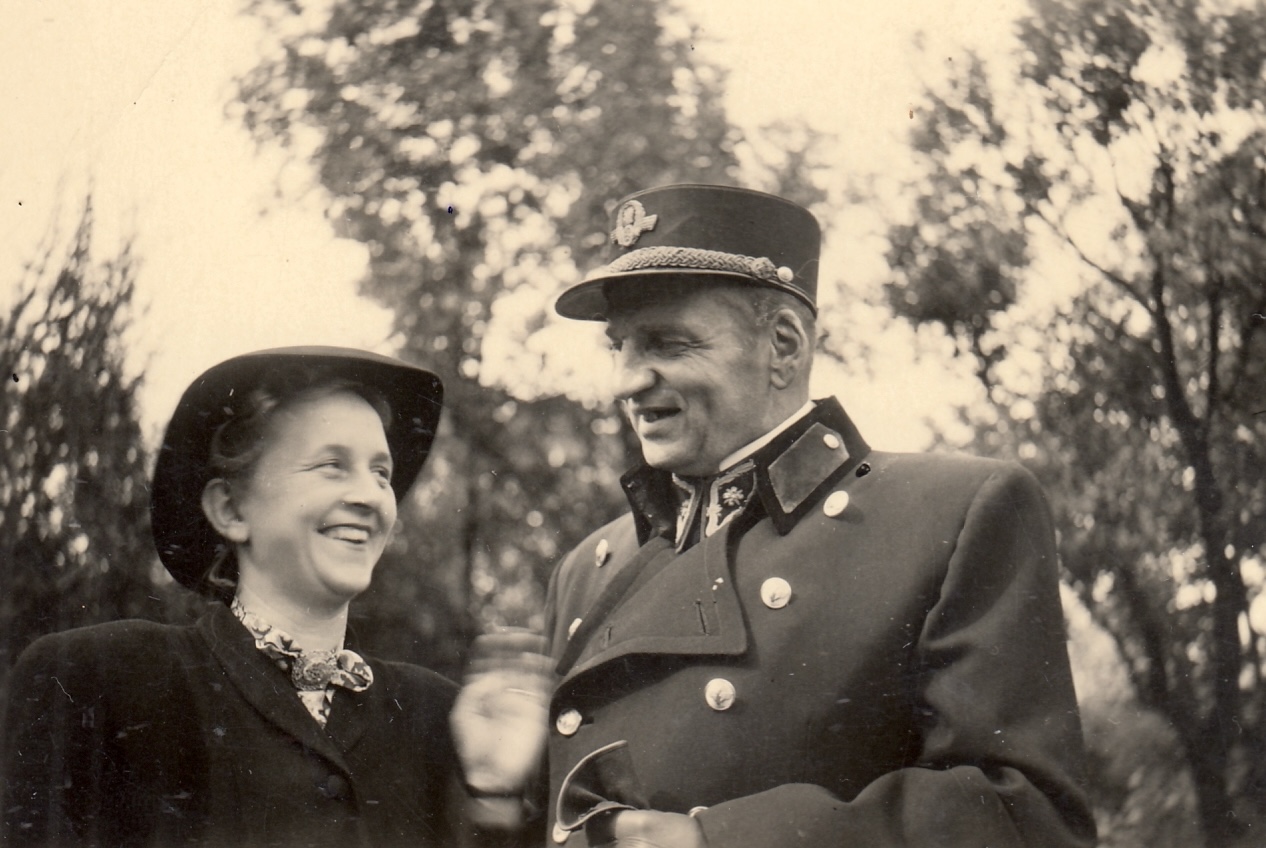
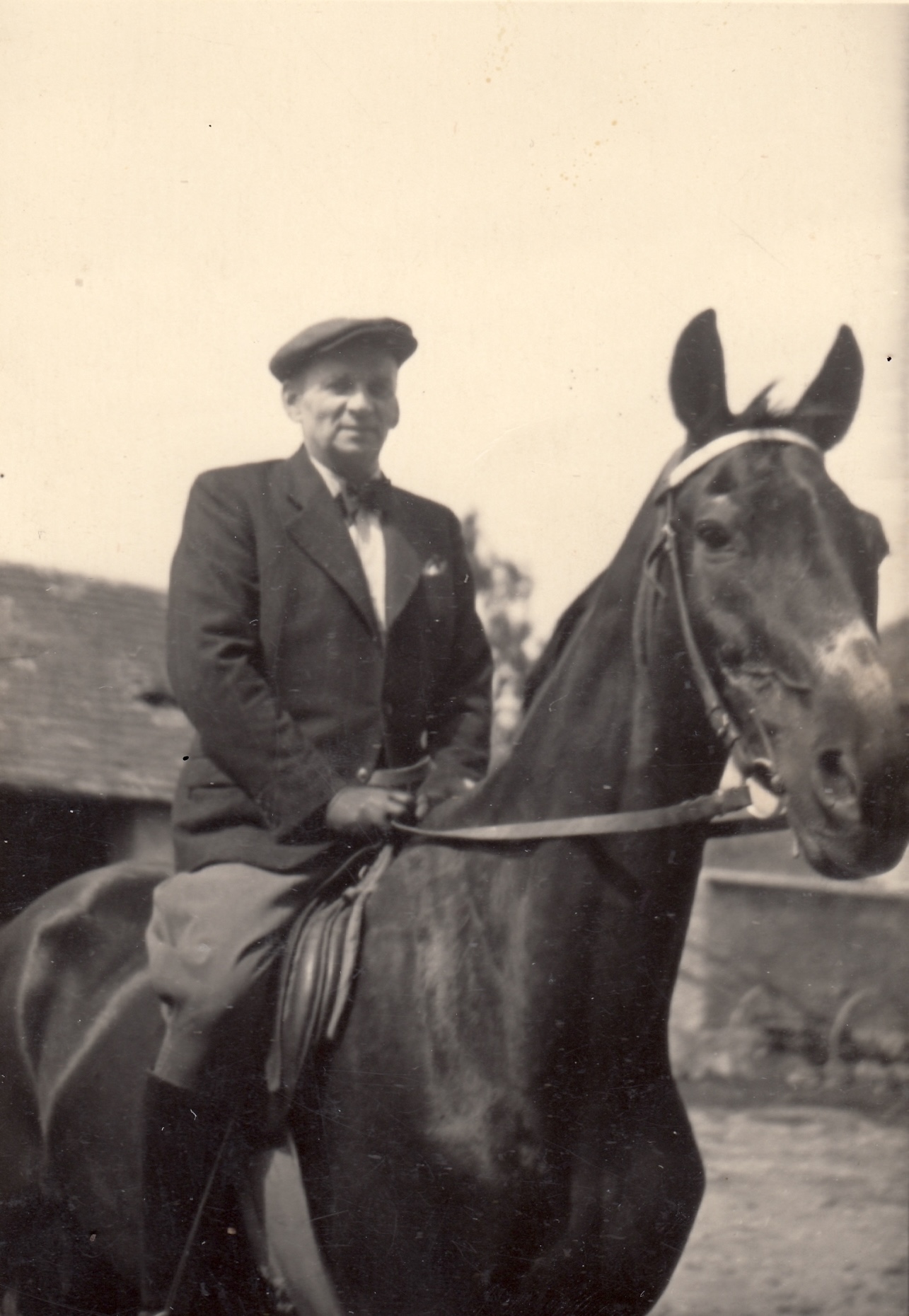
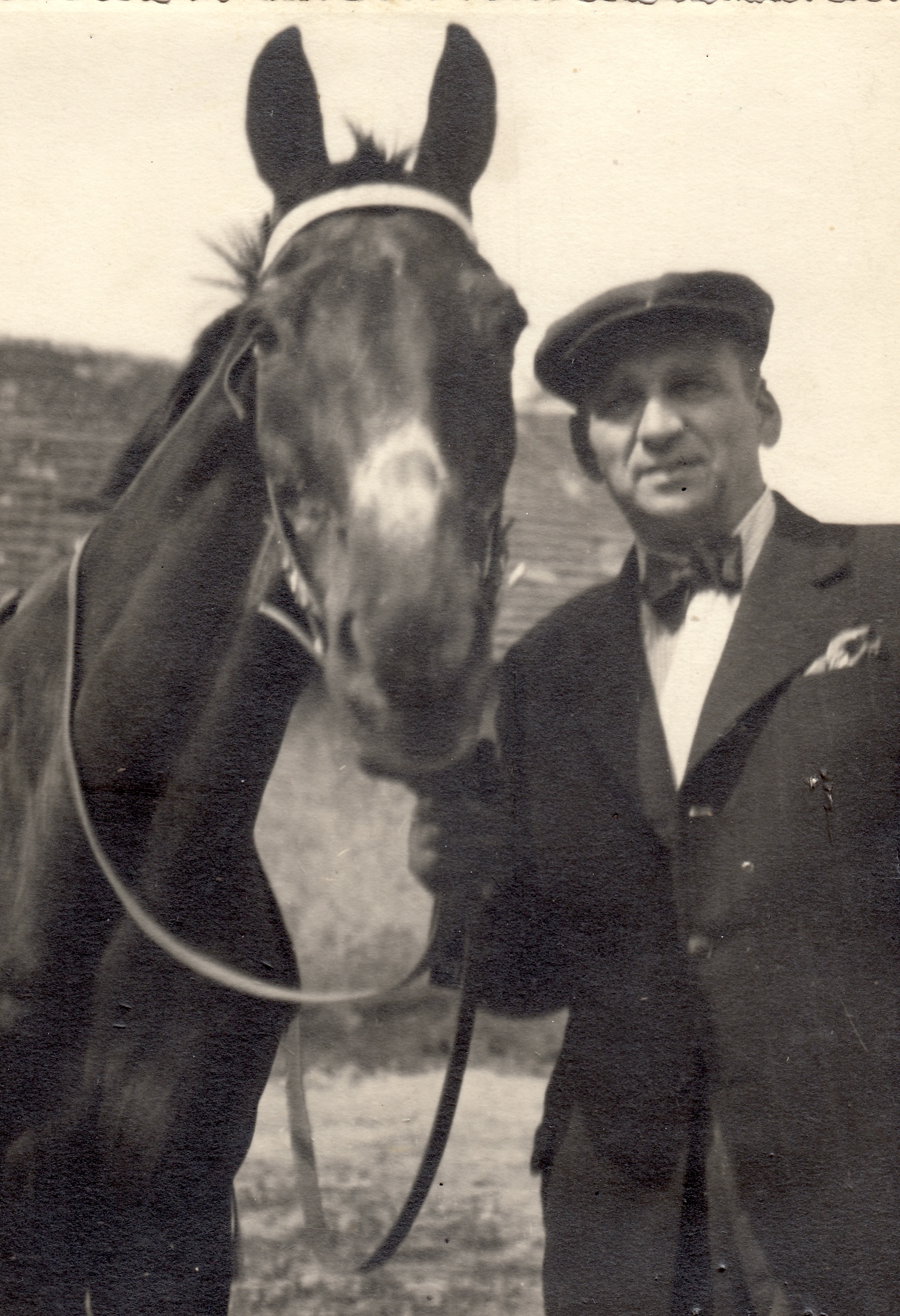
  • "Even though [my father] had already got a job in Jihlava, he refused any accommodation after the Germans because the people in Jihlava had stolen so much property left after the German deportees. We lived in Jihlava at the train station when my father was the station master - from 1946 to 1948 when he had a stroke and the two parties were merged and he 'became a communist'. Then we got evicted from the station and mum was looking for an apartment that wasn't left by the Germans. I recall she brought a mug from the market with German writing on it one day. Dad said, 'What's it doing here? Do you know how many tears it has on it?' And so mum immediately threw it away."

  • Celé nahrávky
  • 1

    Jihlava, 15.11.2024

    (audio)
    délka: 01:09:29
    nahrávka pořízena v rámci projektu The Stories of Our Neigbours
  • 2

    Jihlava, 06.07.2025

    (audio)
    délka: 02:10:51
Celé nahrávky jsou k dispozici pouze pro přihlášené uživatele.

Legionnaires? The regime spat on them after February 1948
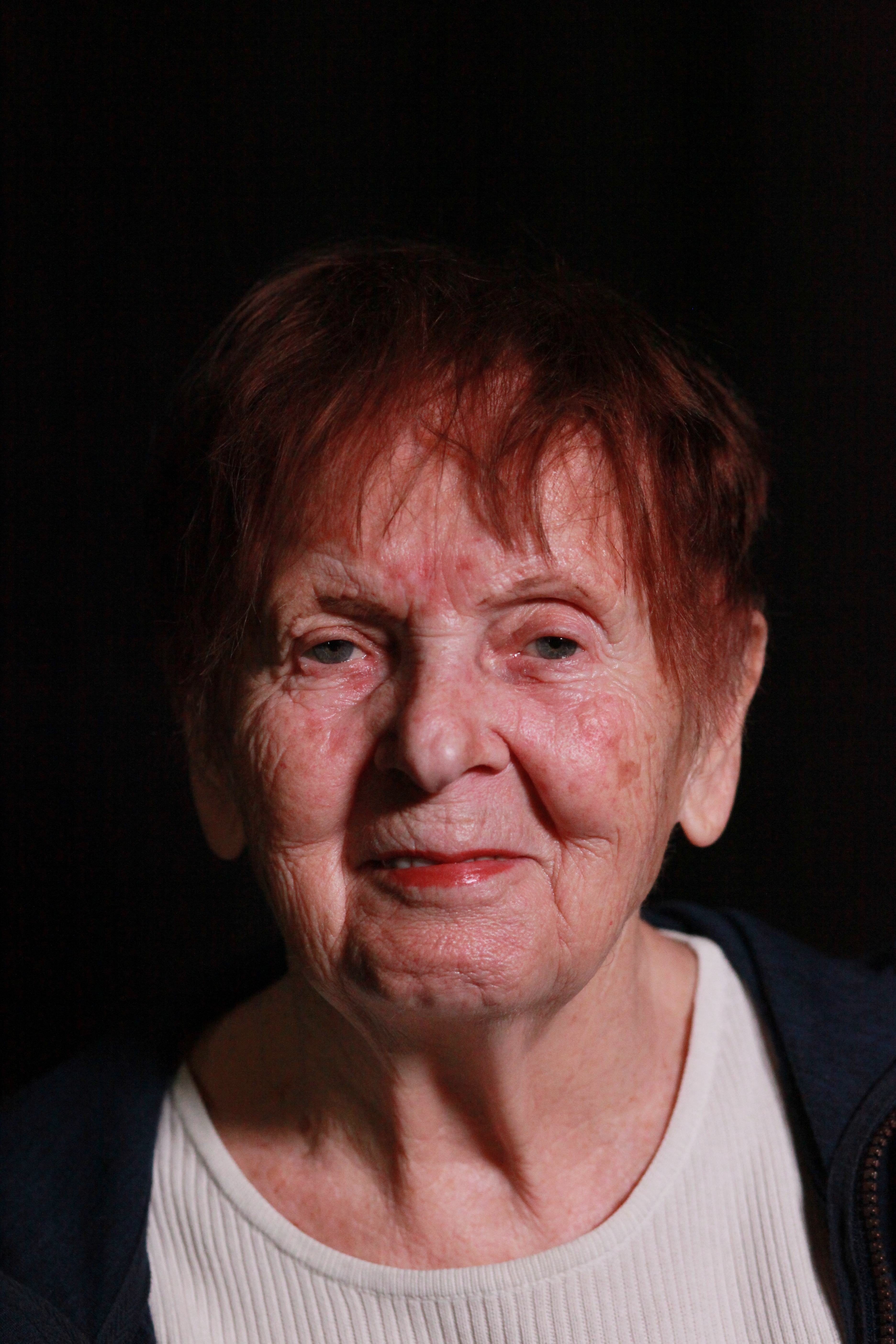
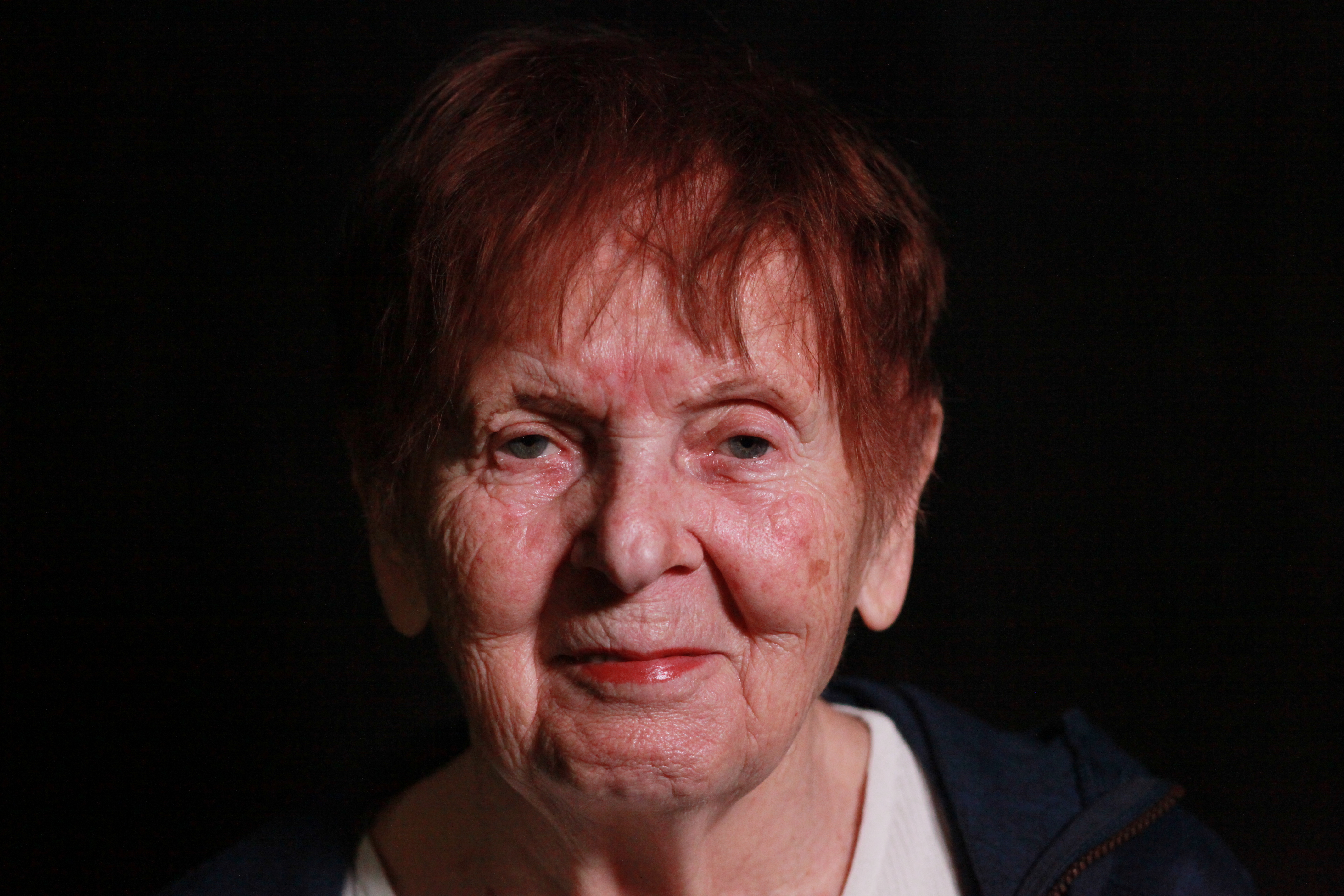
Jana Dvořáková during the filming for Memory of Nation, Jihlava, July 2025
zdroj: Post Bellum

Jana Dvořáková, née Čížková, was born in Prague on 20 October 1940 to Josef Čížek and Františka Čížková. She spent her childhood in Rudná u Prahy and in Jihlava from 1946. Her father, a Czechoslovak legionnaire in Russia and a long-time railwayman, was the Jihlava station master after 1945. As a social democrat, he refused the merger with the communists, which cost the family their home and his job. Having suffered a stroke, he was bedridden for a long time and died in 1958. The witness completed an eleven-year school in Jihlava. She was not admitted to the Faculty of Arts in Prague and worked as an accountant, then began studying in Prešov. Back home, she worked ass a school teacher in Jihlava and completed the Faculty of Science in Brno. She led a pioneer troupe in the 1960s. She joined the Communist Party of Czechoslovakia in 1966 and exited post-1968. She refused to agree with the invasion of Warsaw Pact troops during the ‚political vetting‘ period. He political stance limited her career opportunities for two decades - she was not allowed to teach history or be a class teacher. She joined the activities of the Civic Forum in late 1989. From 1992 on, she worked at a private high school and co-founded the Private High School of Social Work, remaining a board member to date. Jana Dvořáková lived in Jihlava in 2025.