“I grew up always hearing that this country was heading toward failure. My grandmother was a very strict woman, she raised eleven children and lived to be ninety-five years old. She lived through almost all the governments of the Cuban Republic and taught me about them, she taught me values, the Cuban way of thinking, love for family, respect, even respect for neighbors, because she always said that neighbors are our first family. She’s the person I owe everything to, everything I’ve learned and everything I am today, even now. Her older children all belonged to the Constitutional Army before 1959 and helped the anti-communist guerrillas, and one of them was even imprisoned. Because of that, from a very young age they taught me that this system didn’t work. They were always against me joining things like the Young Communist League. My relatives were never part of the CDR, they never wanted to leave Cuba, and they were already active in 1959, at the very beginning of that same revolution, in the organization La Rosa Blanca, because they were military. And they always told me that this country was heading toward failure. I heard that my whole childhood. Even though everything was always talked about carefully at home, there was this constant kind of quiet conspiracy, and that’s how they raised me all the time.”
“Yes, the order had already been given, I was released in 1991, and during the Special Period we bought horse meat, beef, like always, people always bought meat. We had bought meat, and during that trip I was detained again by the police. The insults came back, the memories of what happened in 1991 came back, and I got into another confrontation with the police, another fight, but I fought because I didn’t accept two things: I didn’t accept the illegal slaughter of cattle or theft. I didn’t accept insults, mockery, blackmail, and I didn’t accept being in prison over twenty pounds of meat. I’ll never forget how the officer slammed his fist on the table and said, either you talk or I’ll make you talk, and I told him to make me talk, and what that meant was a slap across my face. Then there was another fight, and that’s when they charged me with contempt, assault, disobedience, and illegal possession of cattle meat, and I was sentenced to ten years in prison. It was so serious that when I entered prison they told me I had ‘total re-education.’ I didn’t know what that meant, and when I asked, they told me it meant serving the full ten-year sentence. At first I thought it was a joke, but then I realized it was real.”
“In fact, there were two of them, but one was only imprisoned for a short time, because they couldn’t prove anything and he was underage at the time. His name was Ismael Ramírez Díaz, he was the youngest of my uncles. He was the one who supplied food to the anti-communist guerrillas known as the Asturians here in the municipality of Aguada de Pasajeros, and he also helped their parents, especially the mother, because the father had been killed. When they surrounded a house trying to capture one of the Asturians, he was detained because of that, but after a few months they released him because they couldn’t prove anything. My other uncle also helped several anti-communist organizations. His name was Pedro Ramírez Díaz, and he did spend several years in prison, in the provinces of Santa Clara and Cienfuegos. His story was very sad and very painful for me, the stories about bayonets, about how they fought with bayonets, how they tortured people, beat them, humiliated them, pushed them to the limit with blackmail, and how the treatment of political prisoners was completely degrading. He went through all of that, and he always taught me to walk with my head held high and never give up my ideas, because those ideas were what would one day take me to the grave.”
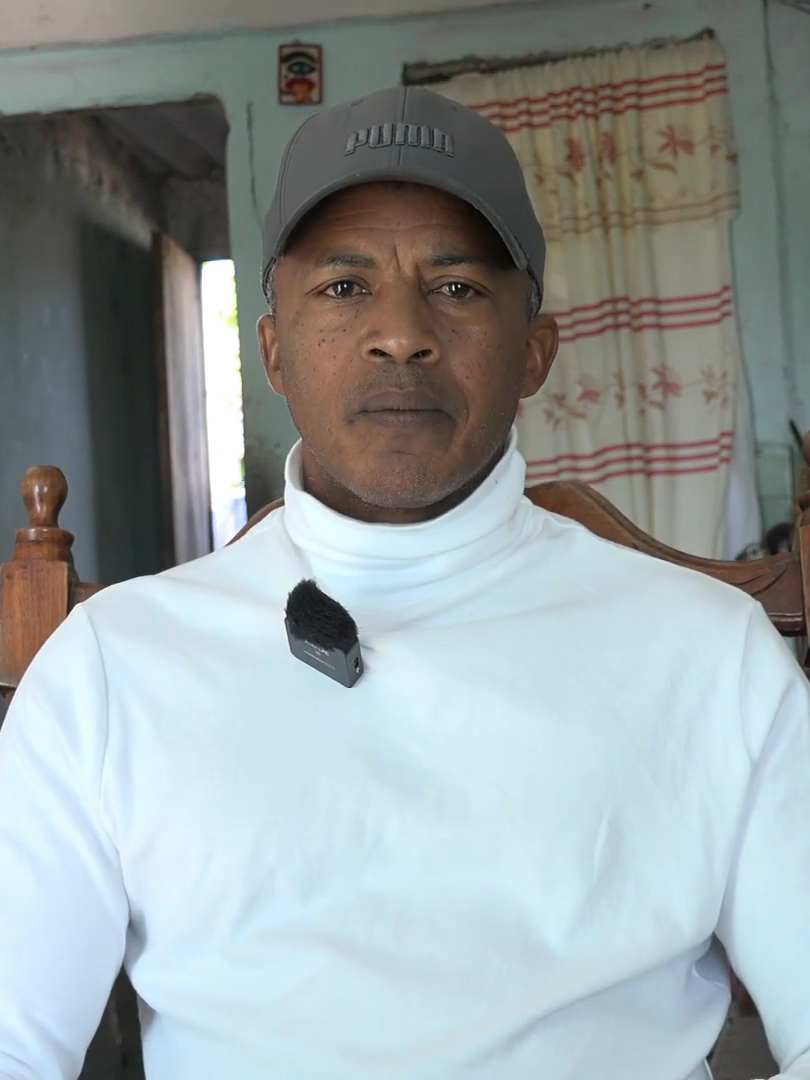
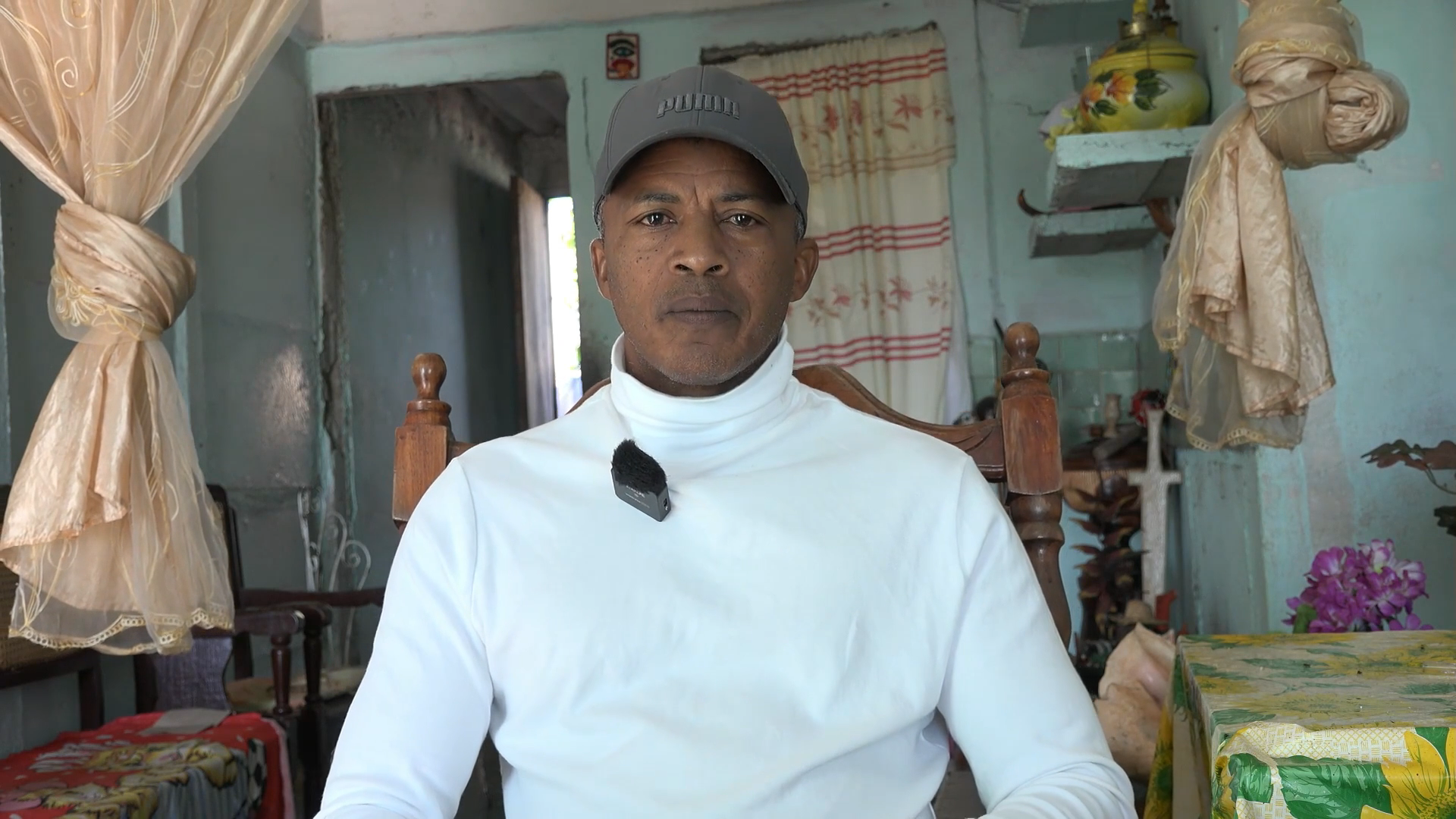
Juan Alberto de la Nuez Ramírez was born in Aguada de Pasajeros, in the province of Cienfuegos, Cuba. He comes from a working-class family. During his childhood, he did not live with his parents but was raised by his grandmother and other relatives in Aguada de Pasajeros, while his parents worked in the municipality of Rodas. He grew up in a family environment that emphasized care, respect, and strong values, and that was also shaped by a critical attitude toward the Cuban political regime. He studied up to the first year of university, where he planned to pursue mechanical engineering, but interrupted his studies after getting married and entering the workforce. He worked at the Cinco de Septiembre agro-industrial complex and later in other manual professions. During his compulsory military service, he was detained and repeatedly prosecuted, which resulted in long prison sentences for charges such as assault on authority, contempt, and disobedience. He served his sentences in various Cuban prisons, where he encountered other political prisoners. After his release, he decided to engage in open dissident activity. In 2005, he founded the independent Dan Smith Library, which was confiscated twice by the political police. As a result of repression, he was dismissed from his job as a barber and barred from holding official employment, forcing him to rely solely on informal work. In his testimony, he emphasizes the need for deep structural change in Cuba based on individual freedom, social reconciliation, and the active role of civil society.
Hrdinové 20. století odcházejí. Nesmíme zapomenout. Dokumentujeme a vyprávíme jejich příběhy. Záleží vám na odkazu minulých generací, na občanských postojích, demokracii a vzdělávání? Pomozte nám!