"From the beginning of 1968, we formed a youth group called the Young Agricultural Experts Club. And there were about ten or fifteen of us. We used to invite interesting people, they liked to come to us. There was also a psychiatrist with us, Dr. Plzák, and I don't remember the others, but I know that somebody always came at that time of that Prague Spring, that somebody interesting came to talk. And when we formed this and it started to get close to that August, we already had some idea and we were wondering which lamppost we were going to be hung on. Because we were making so-called anti-state talk."
"As for the shooting, we heard that from the Radio, because Czechoslovak Radio was 300 metres away. And we heard when the shooting was there, and at the same time when it was broadcast on the radio. There was a difference of that one second. That 300 meters, what is the speed of sound. We heard the gunfire twice within the space of a second. We all listened sadly to the radio in the lecture hall. Everybody was sad. And for some, the experience didn't last, but for me it has lasted to this day. The headmaster said to us afterwards, 'This is pointless, go home, I'm giving you the headmaster's leave. Come back tomorrow.' So we went home. I still remember that the gentlemen were taking the ladies around the park where the Russians, the ground soldiers, were already scattered. And so, out of fear that some bullet might come from there, my colleagues, who proudly said they were soldiers, took us through the park. And then we went alone. Slezská Street was full of tanks."
"And then Gottwald died, Stalin died. First Stalin, then Gottwald. And I know that in our classroom, which I went to somewhere other than that primary school in the first grade.... I went to the second grade at the Raisova School, which was down towards Radio. One stop on the tram, of course I walked that. And that's where I remember what was going on in the classroom. I made one of my friends there. Not the one of a lifetime, but at least a girl that I used to talk to. And when Stalin died, we both put a red ribbon in our hair to say we were happy. And when Gottwald died, we used it too. But nobody knew what it meant. They might have thought we were showing our love, but we were showing our satisfaction that they were no more."
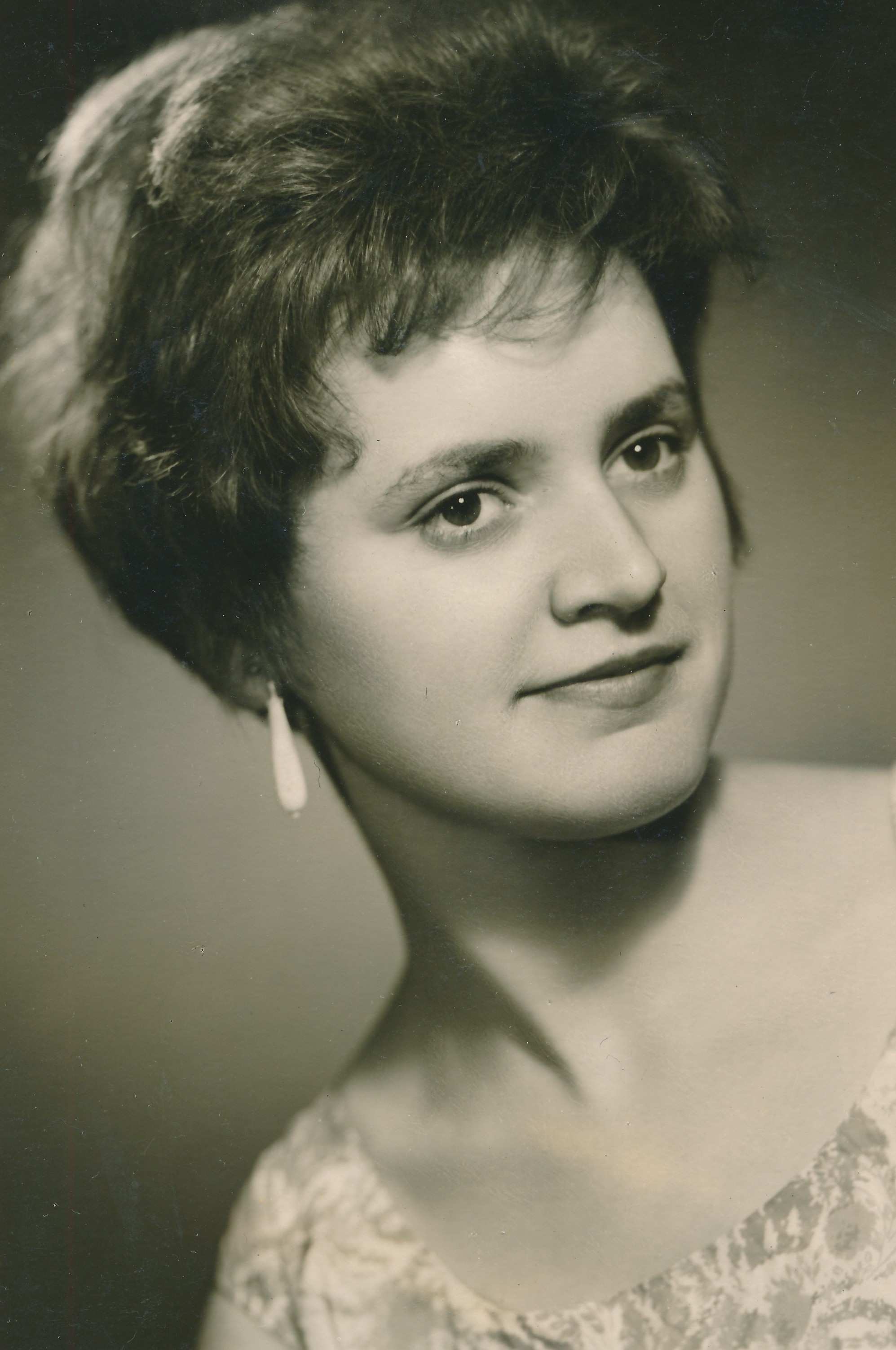
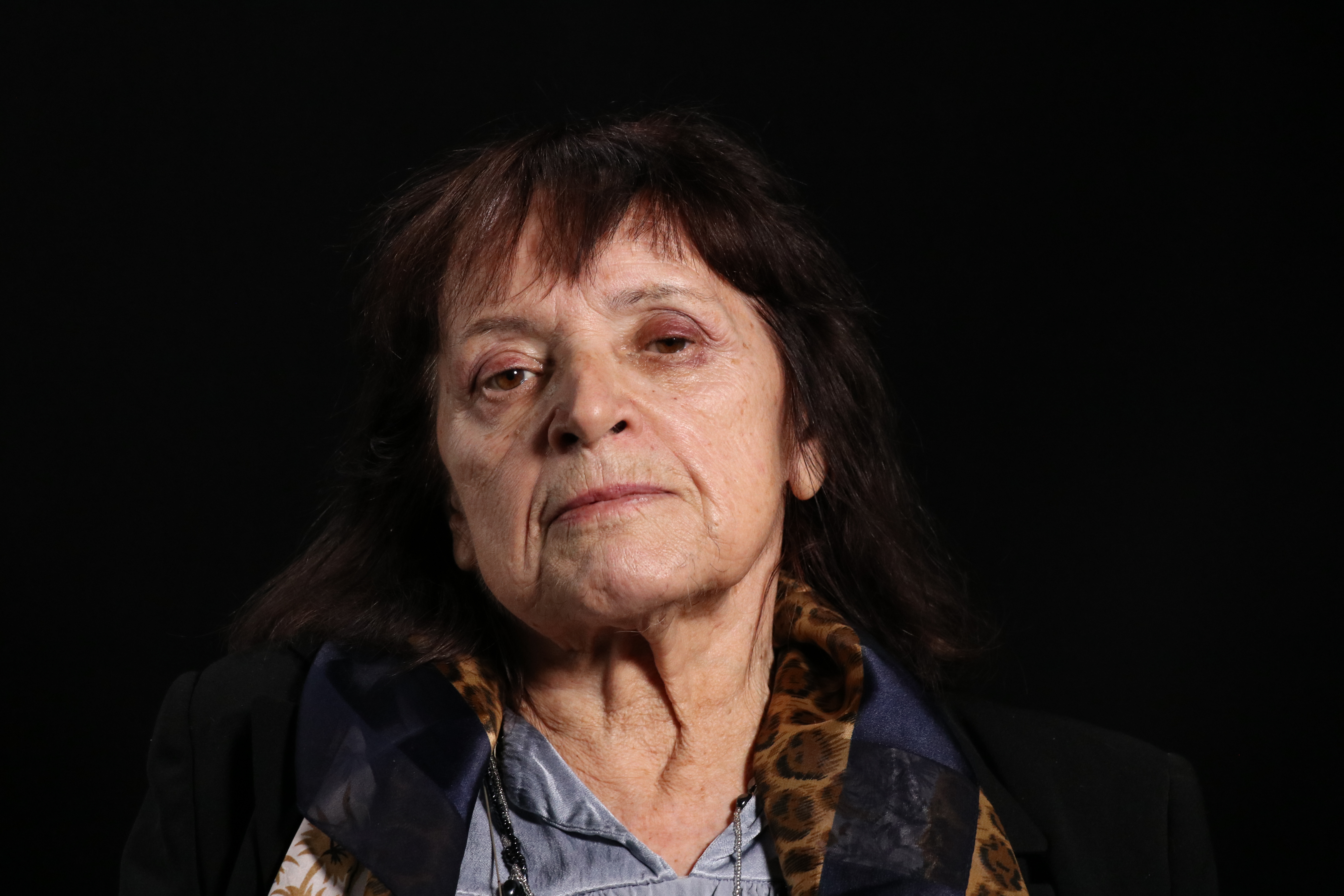
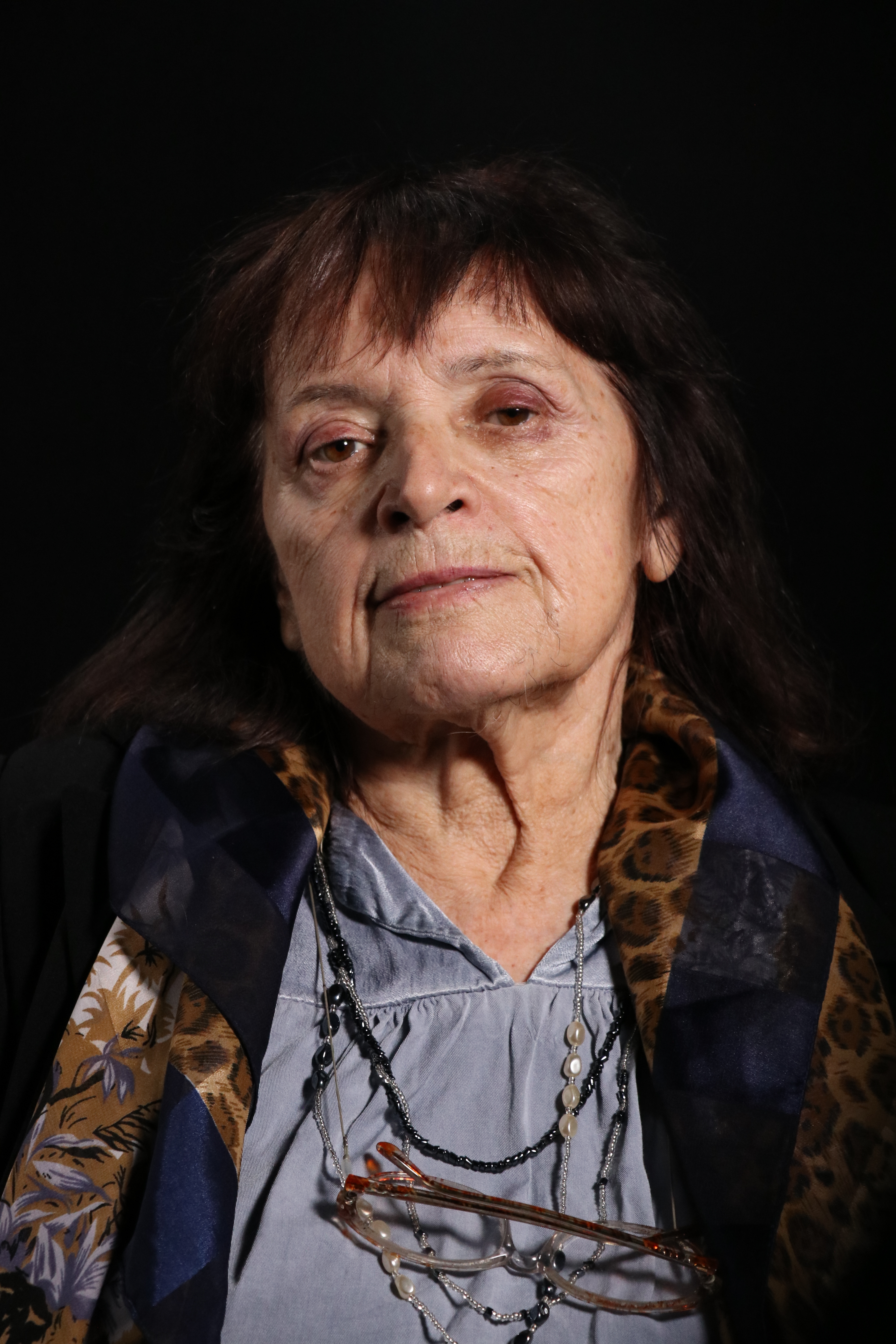
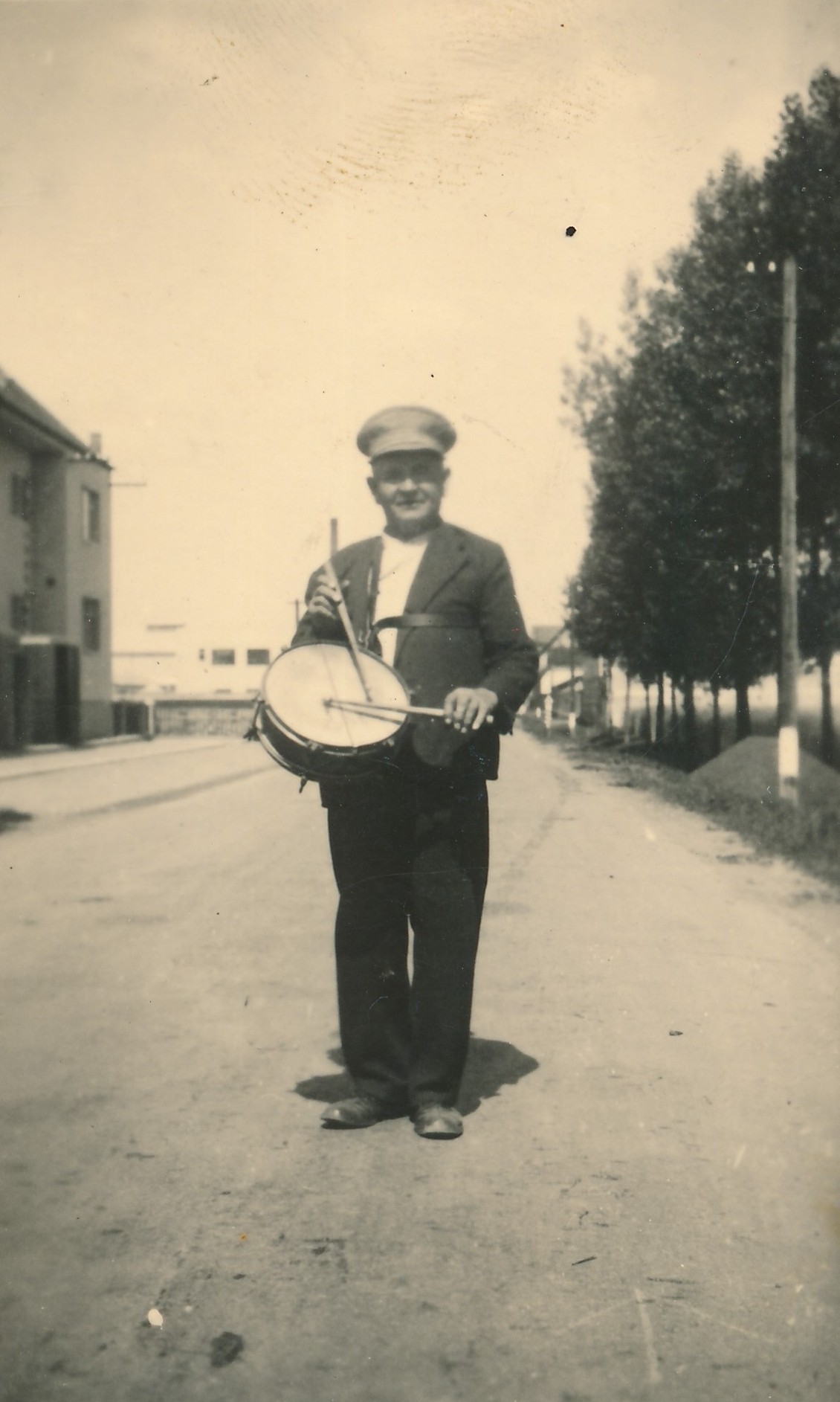
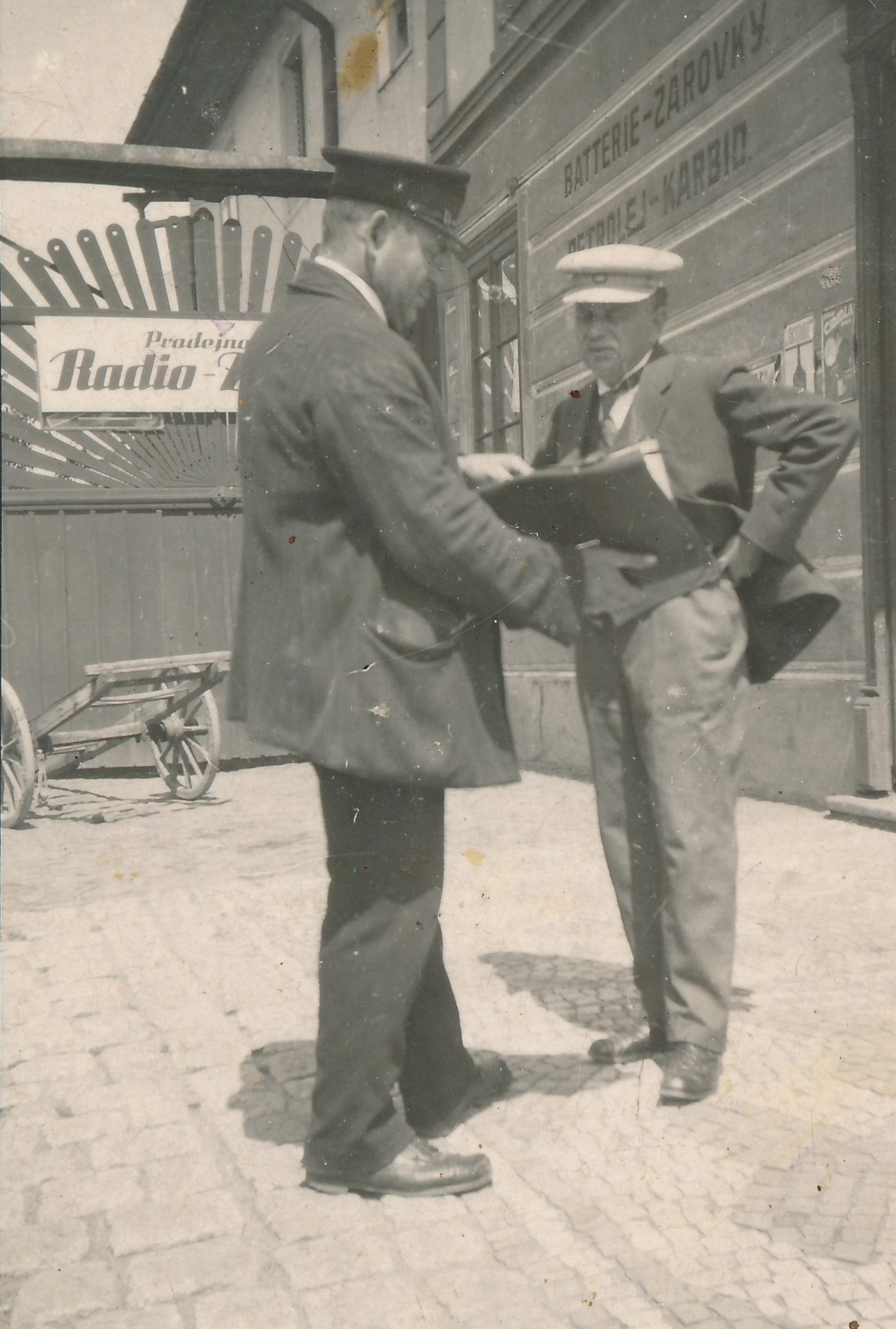
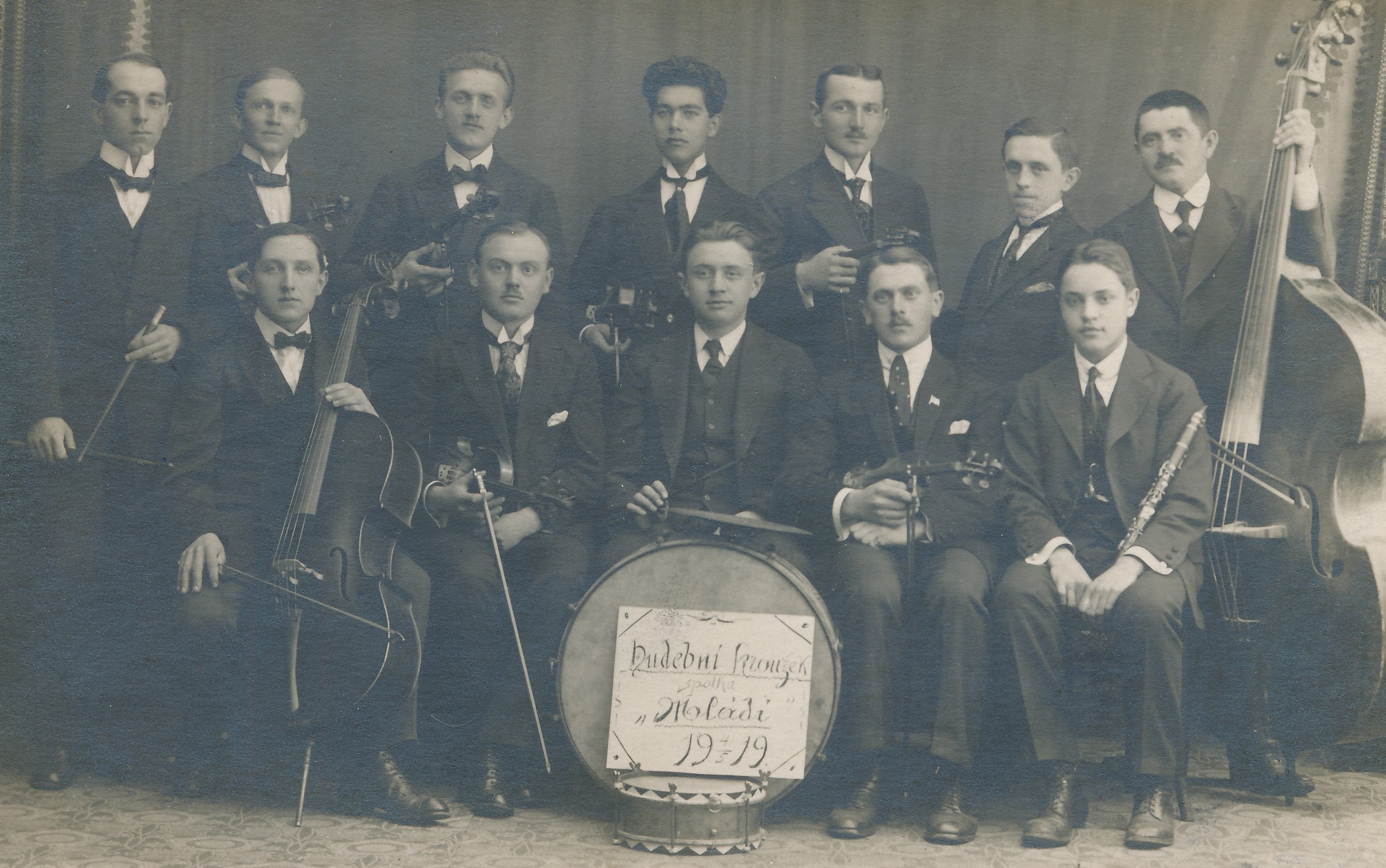
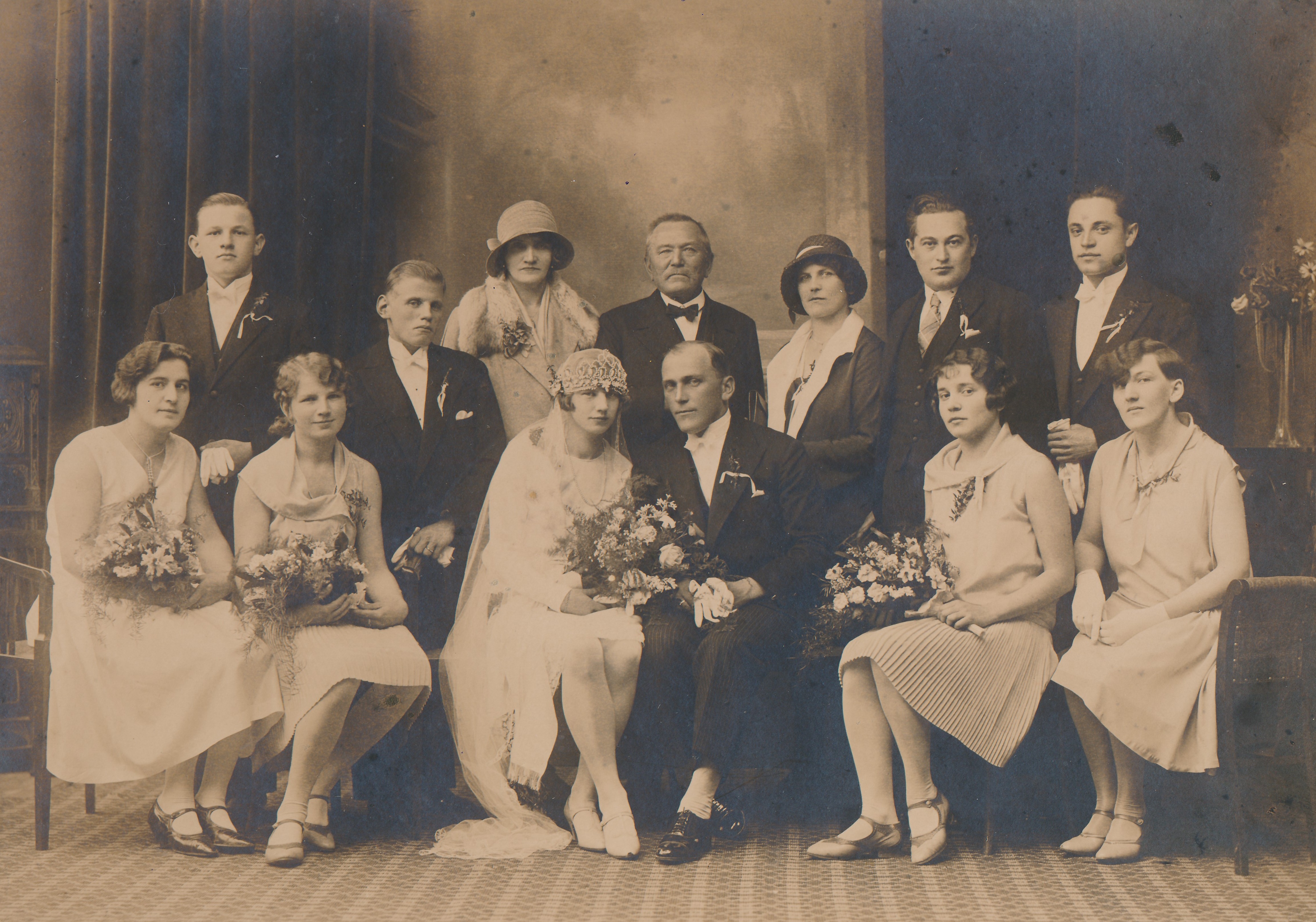
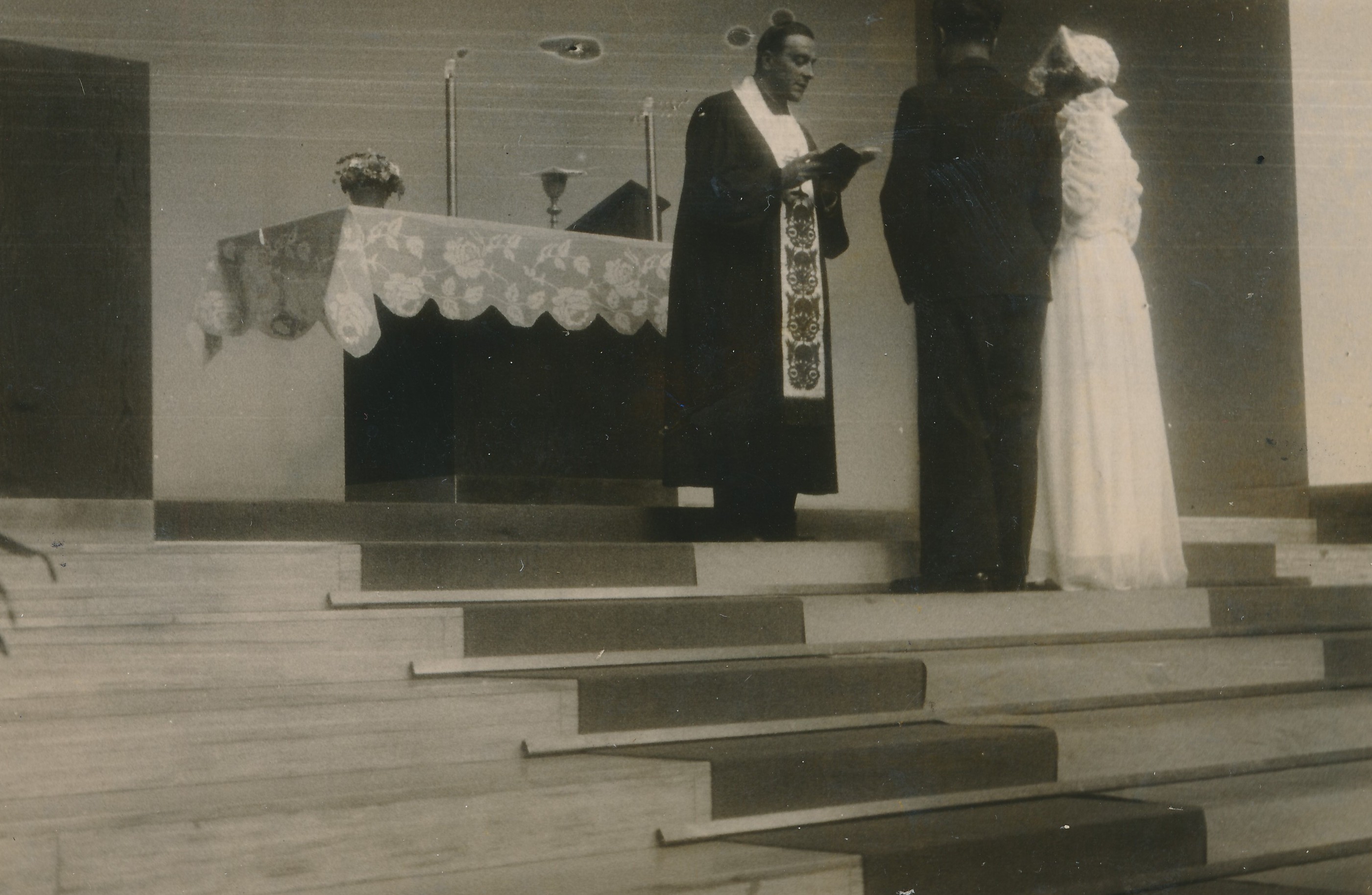
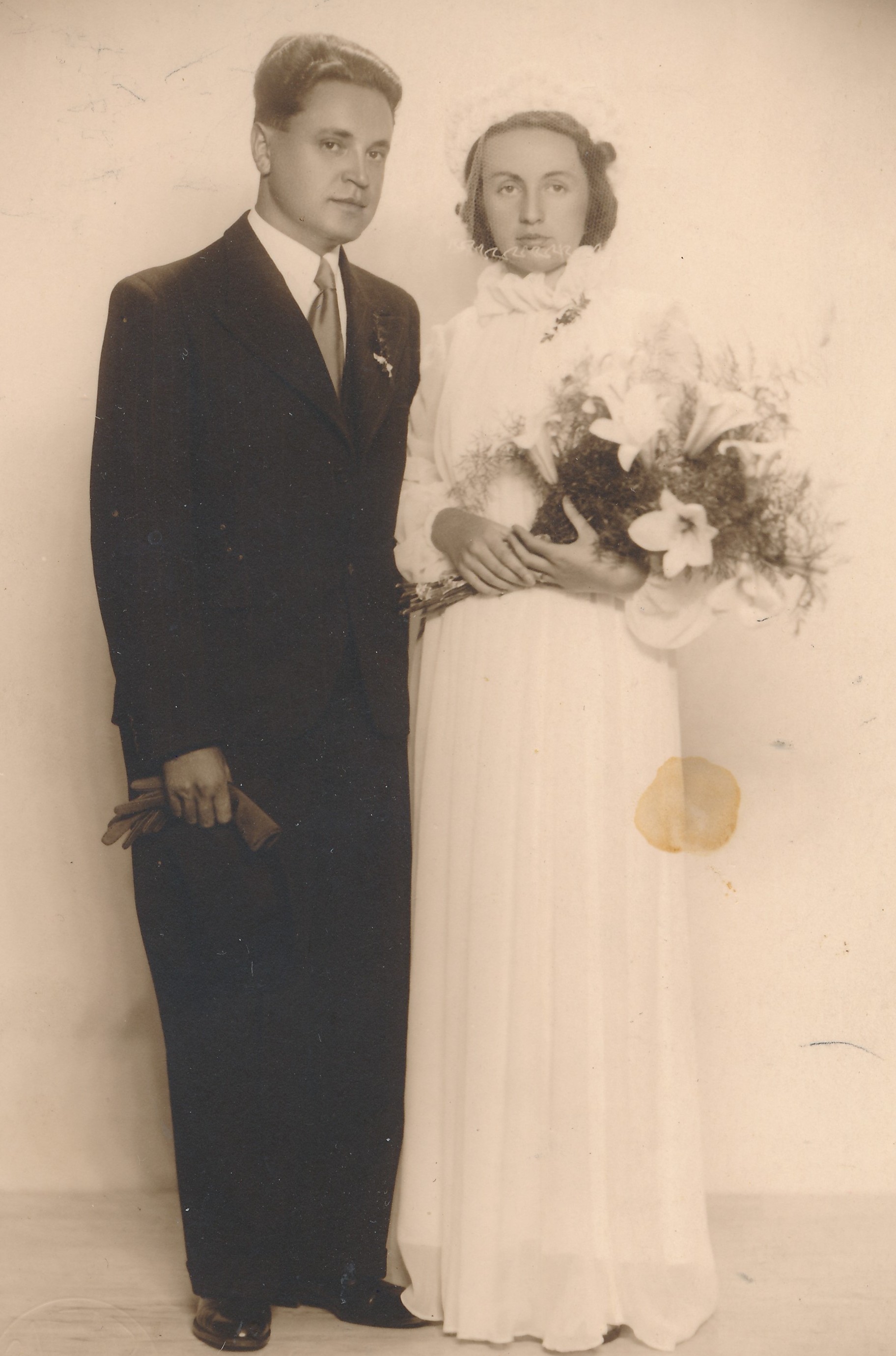
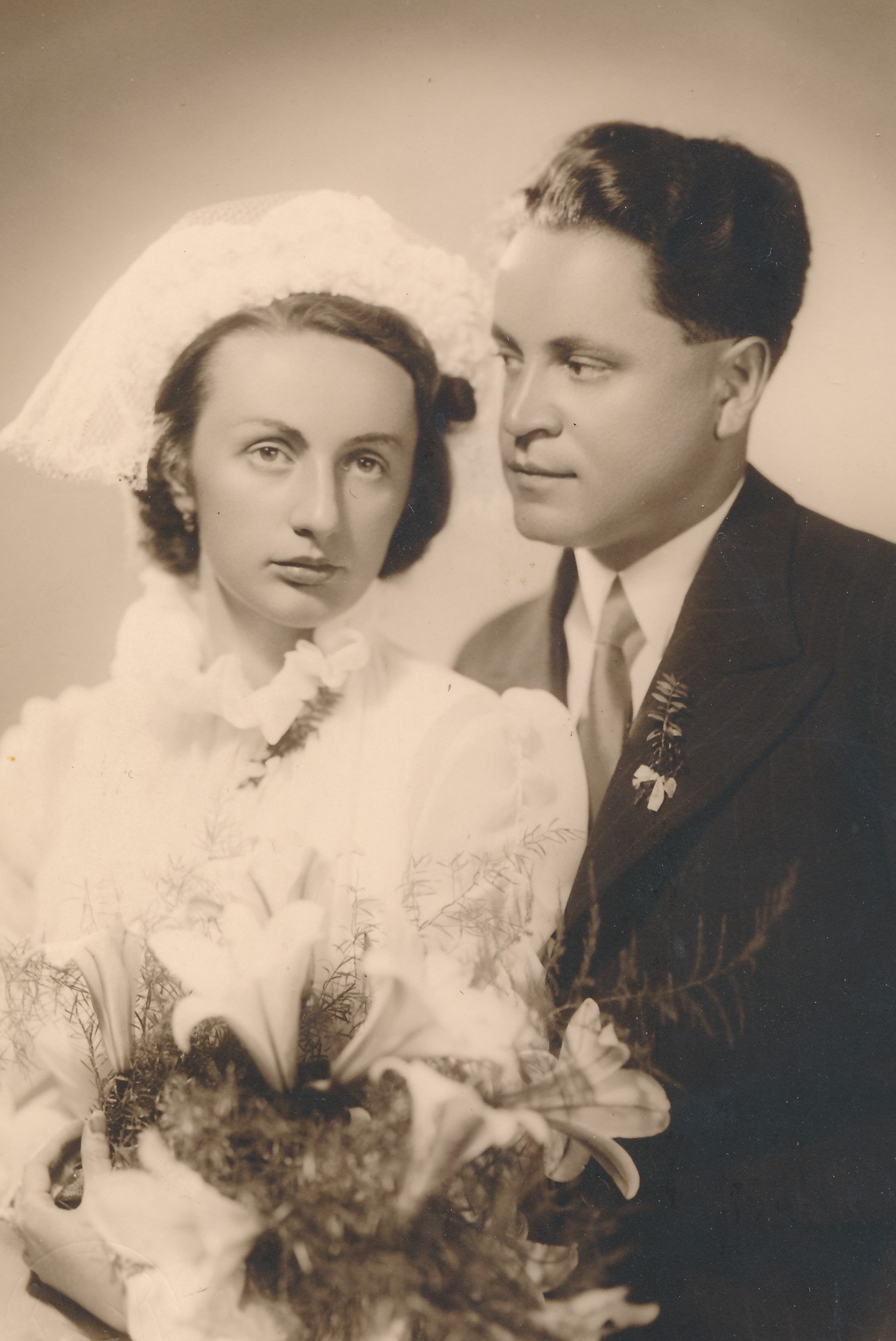
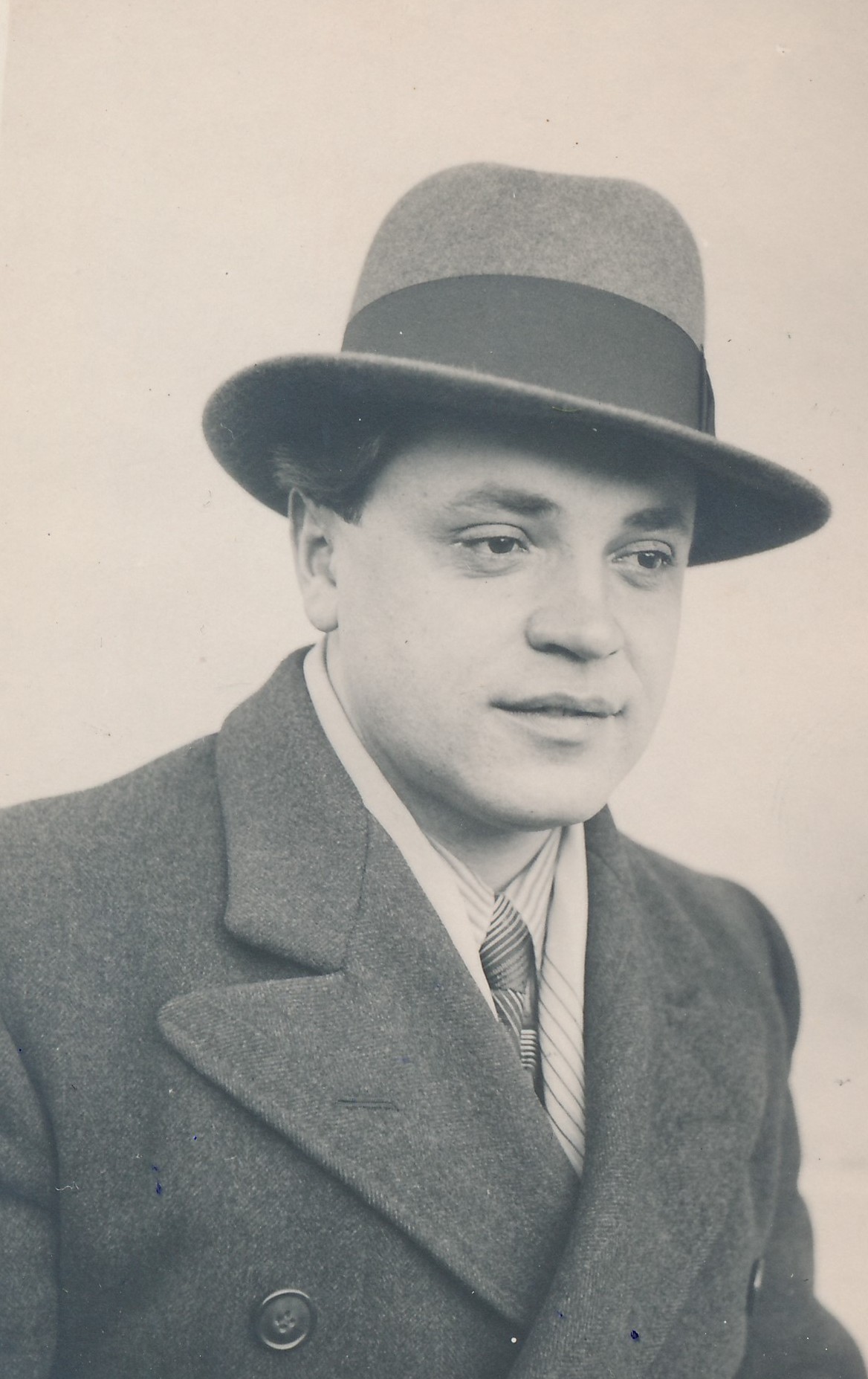
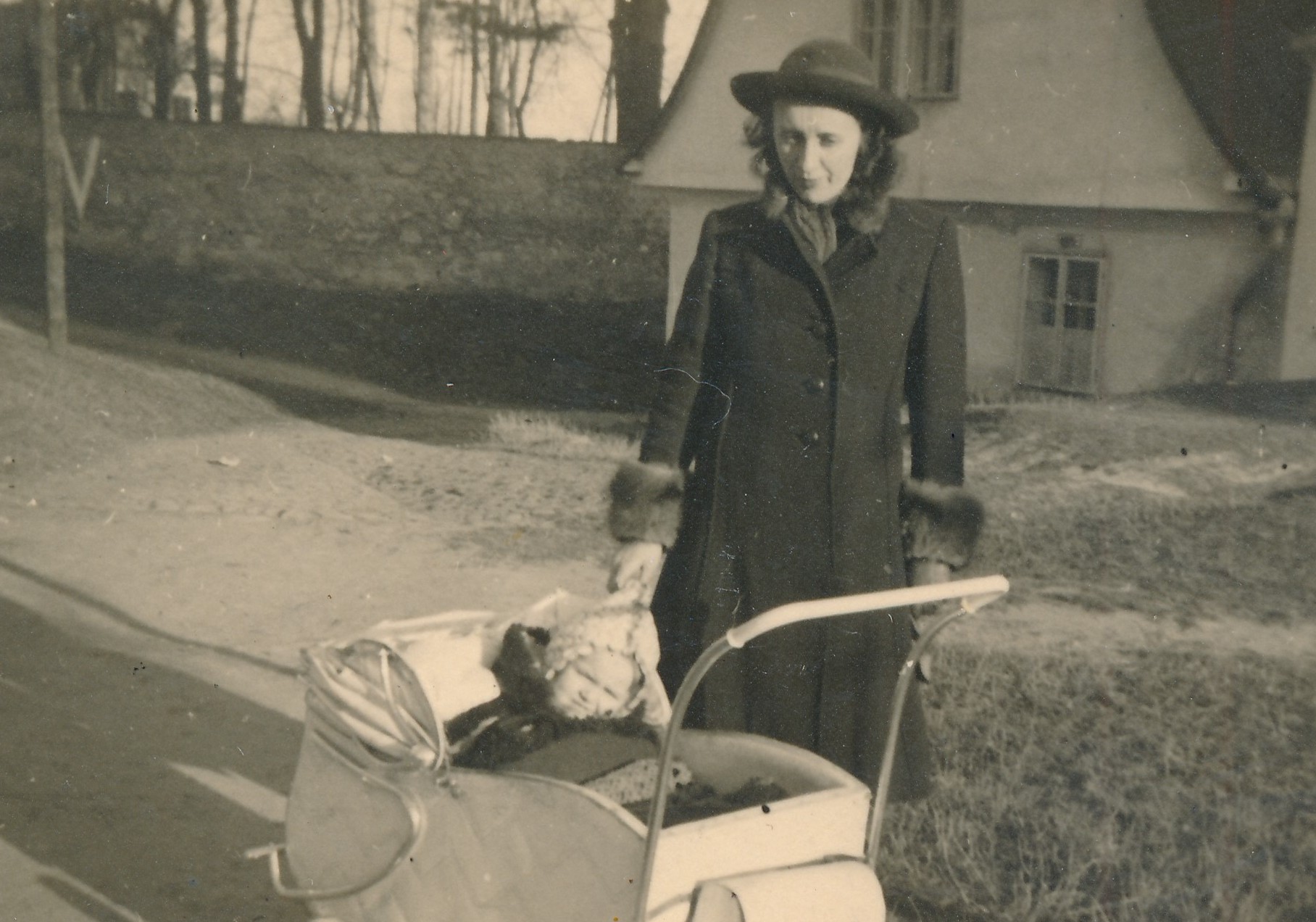
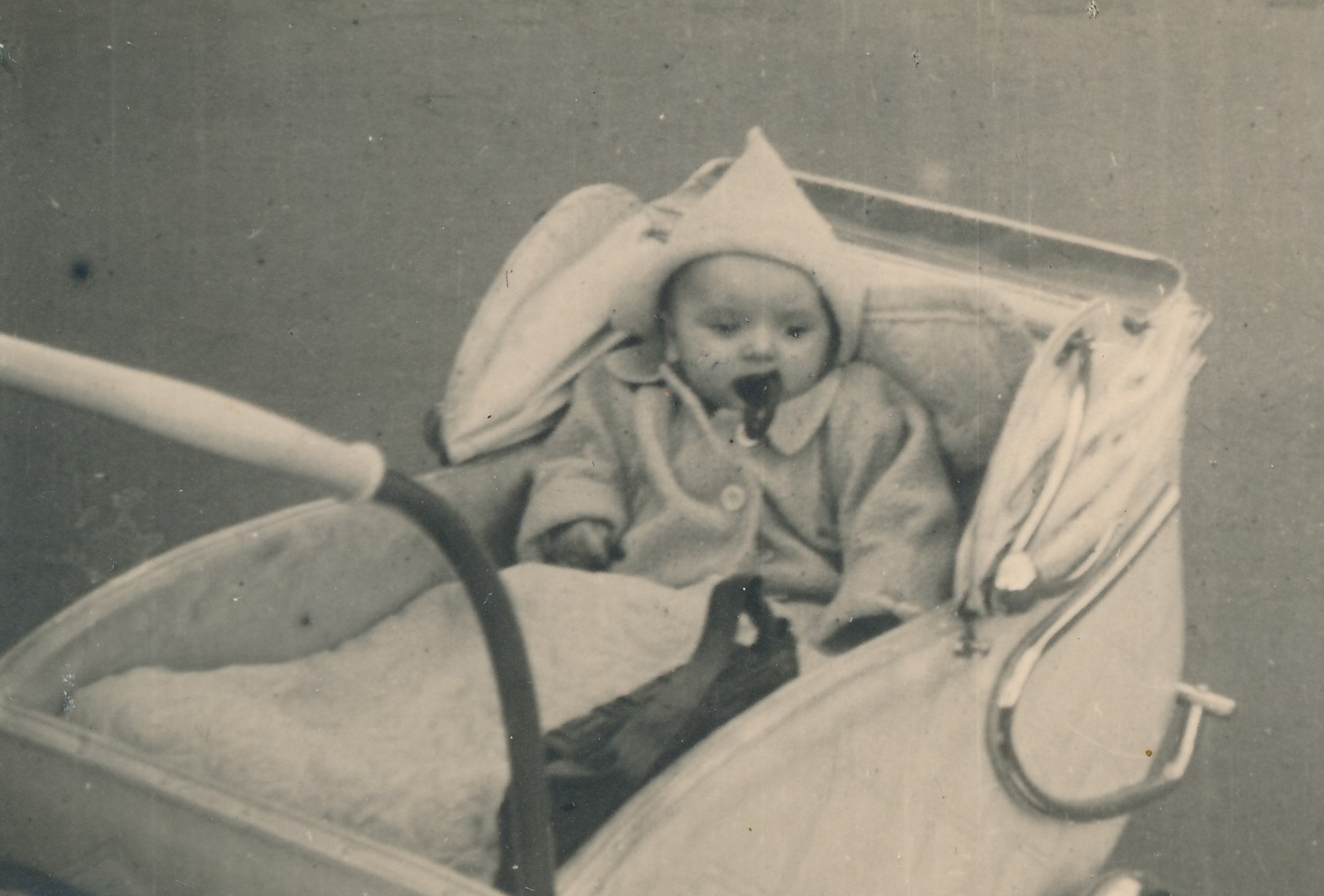
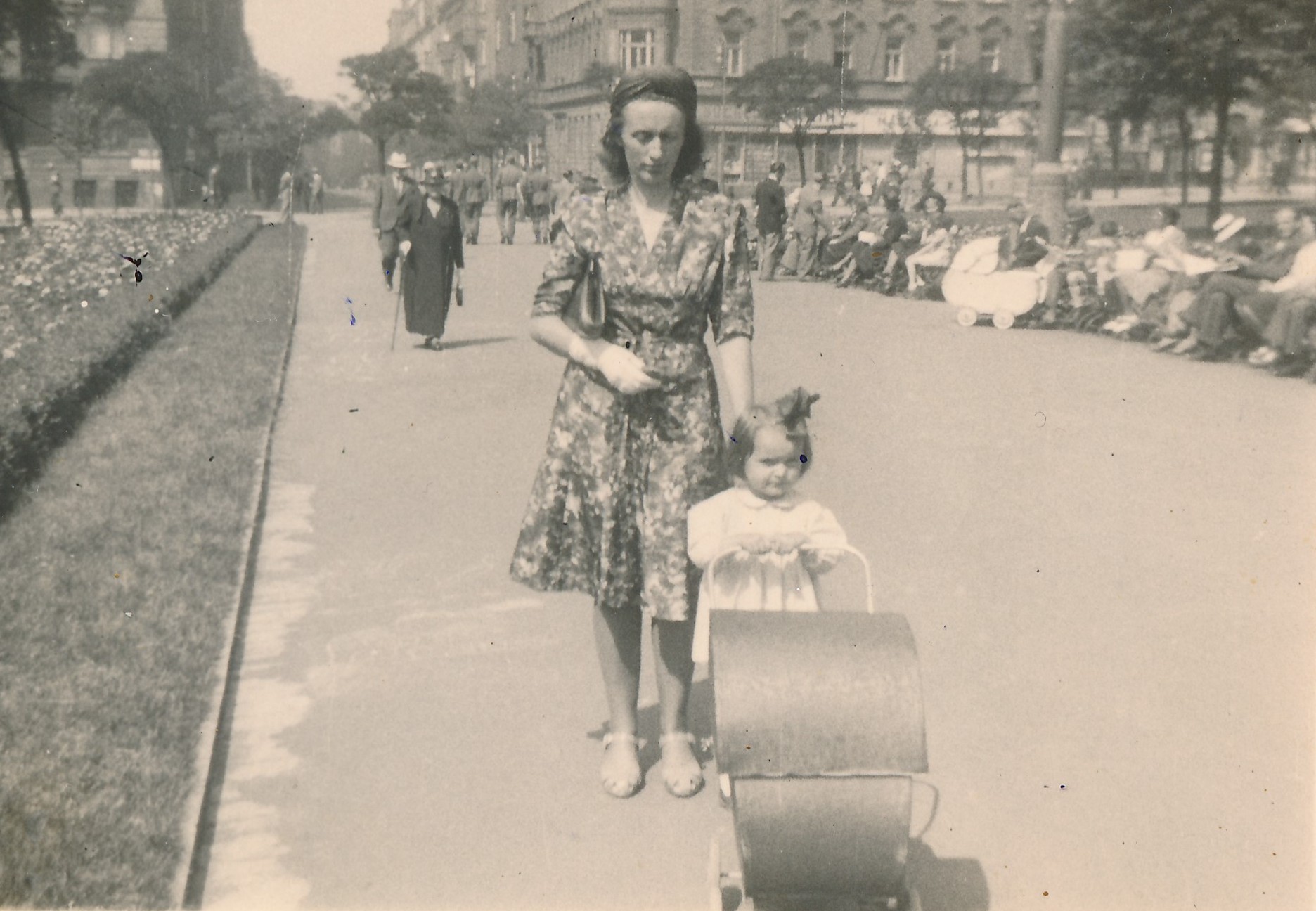
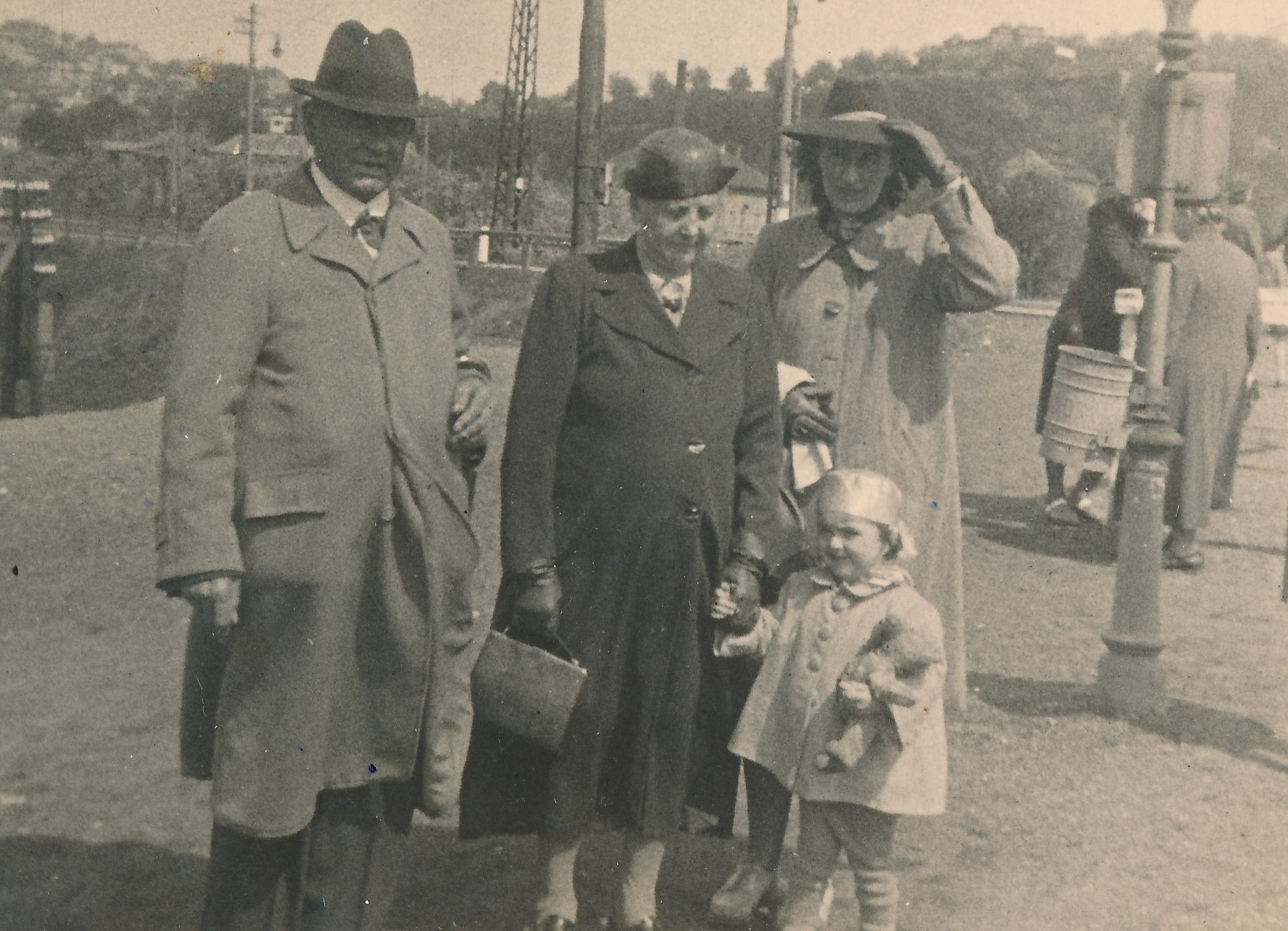
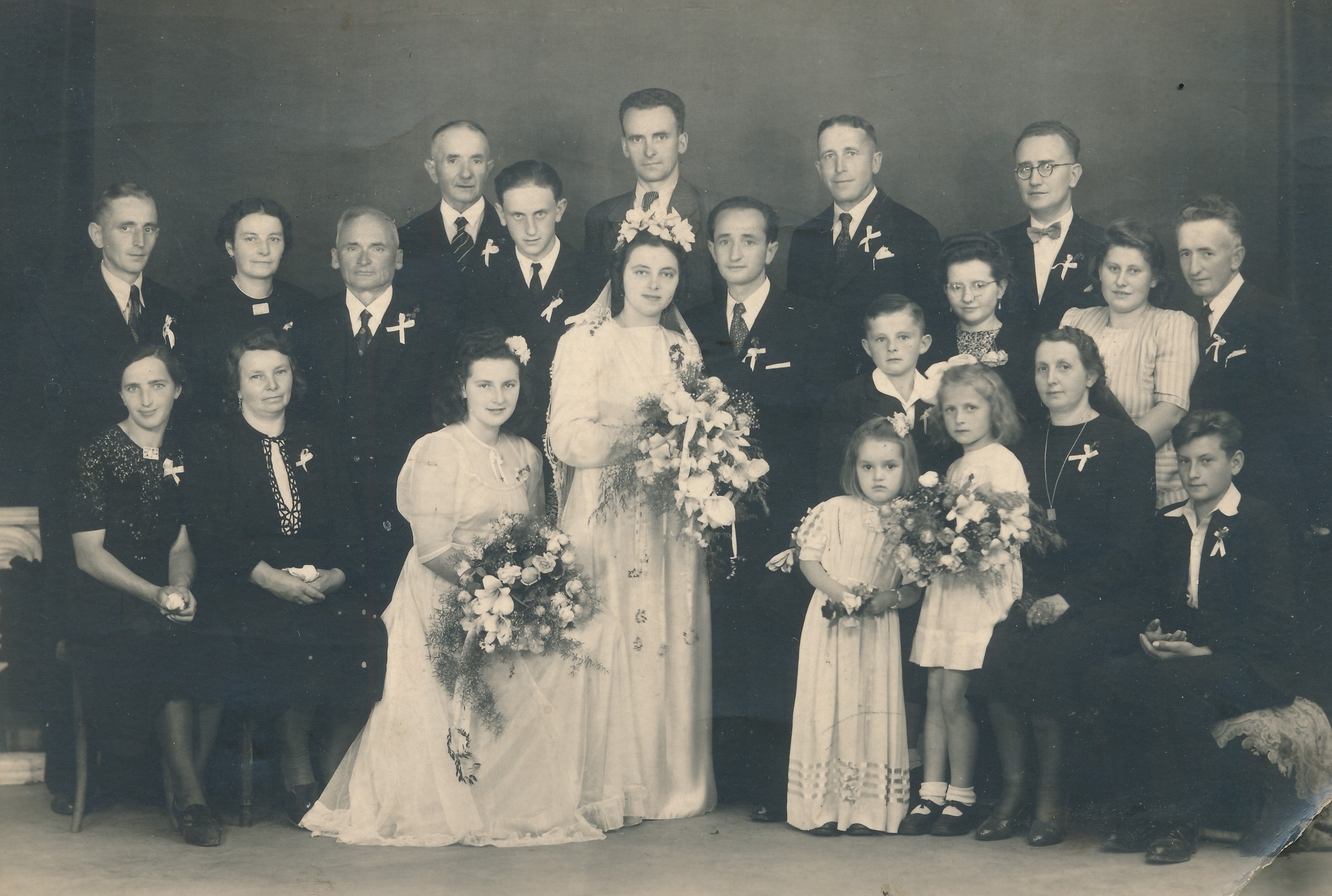
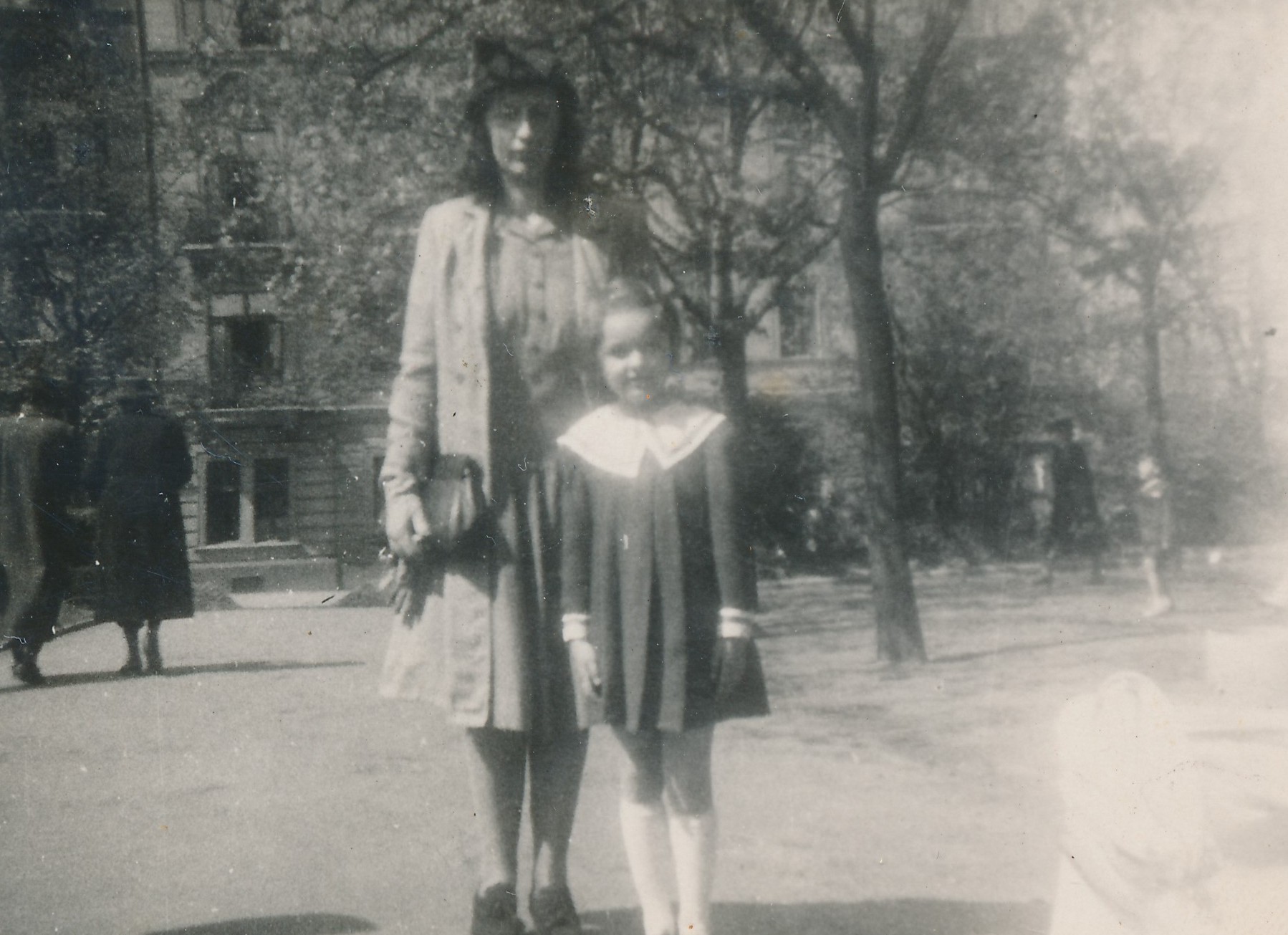
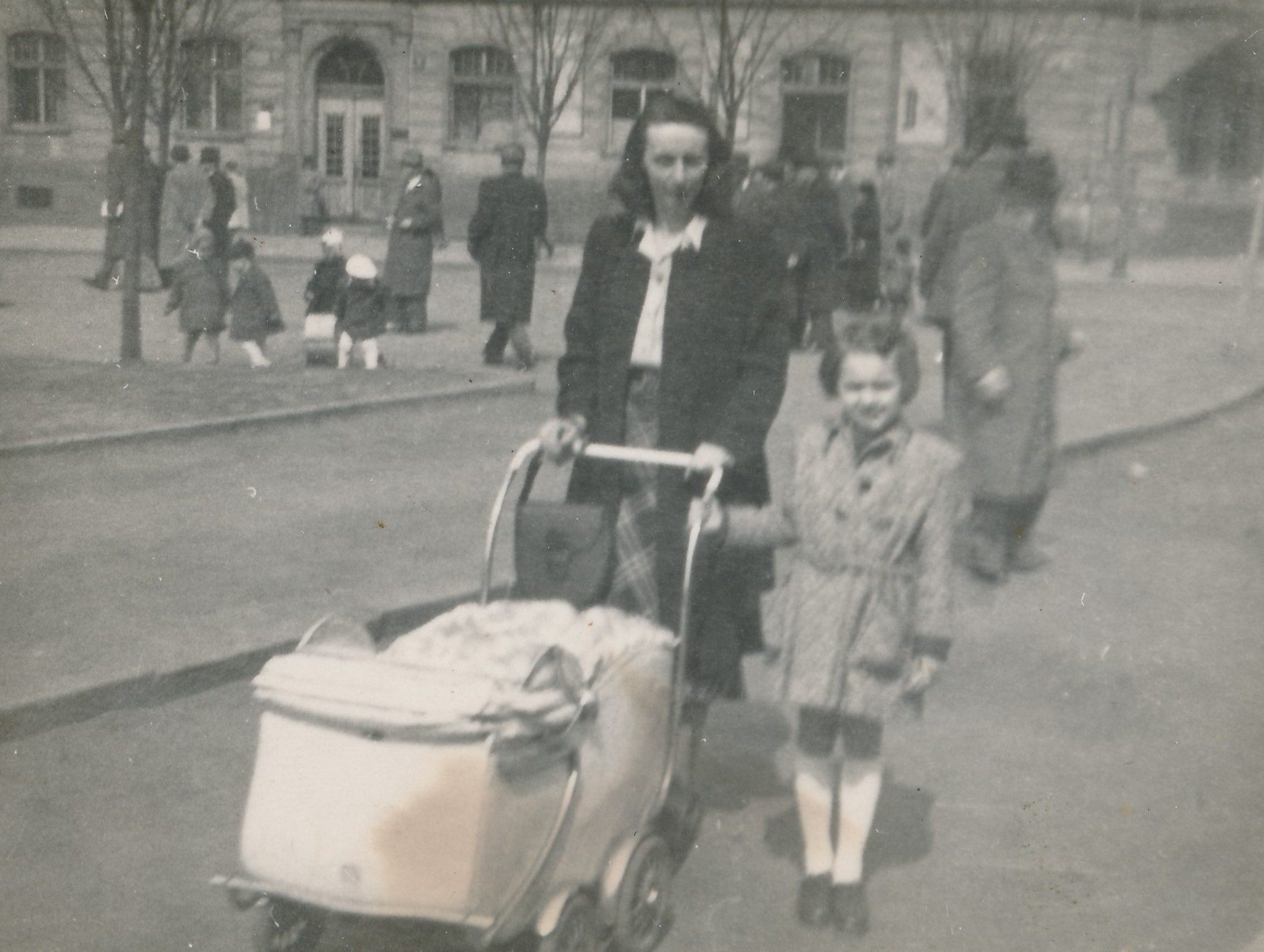
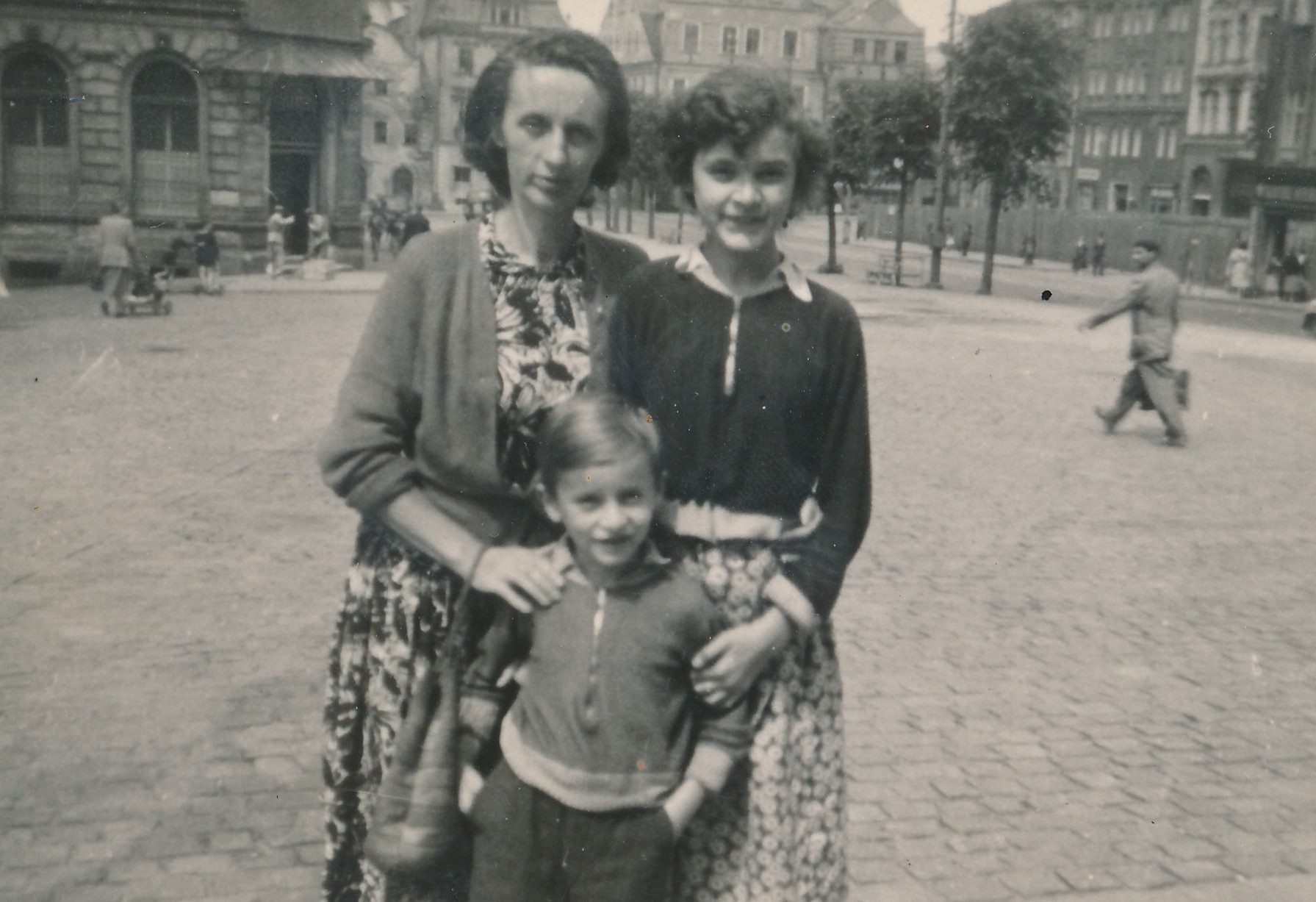
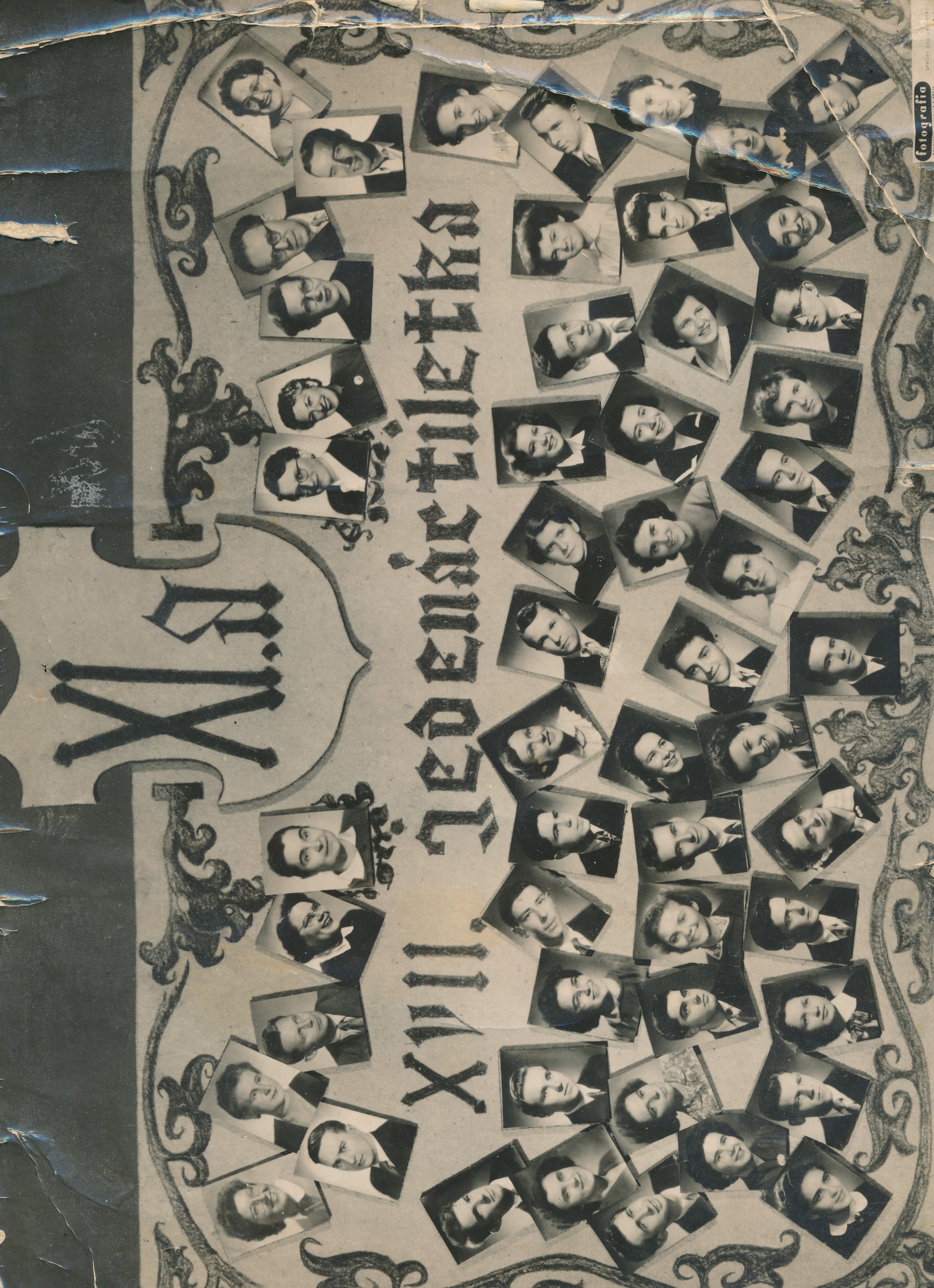
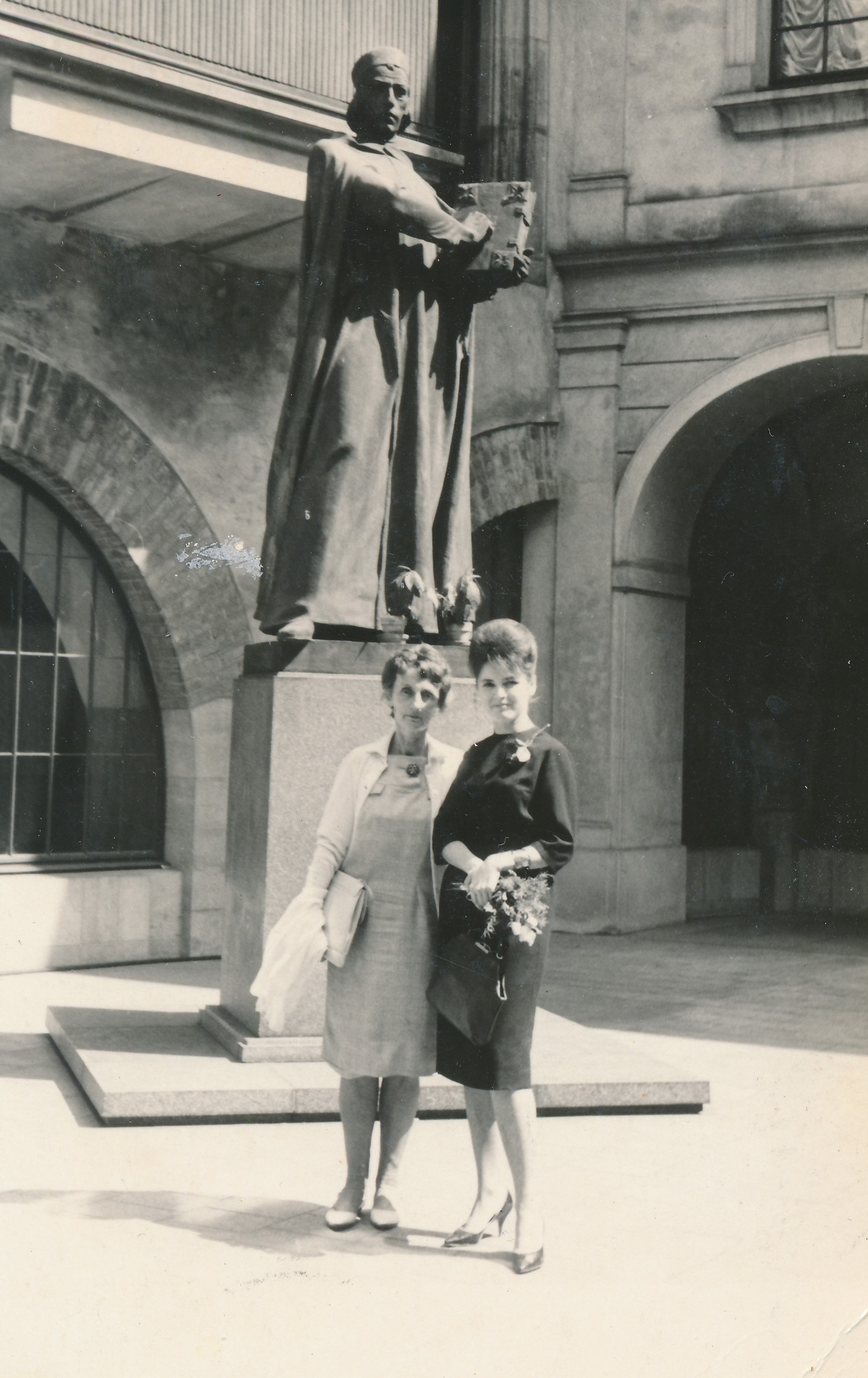
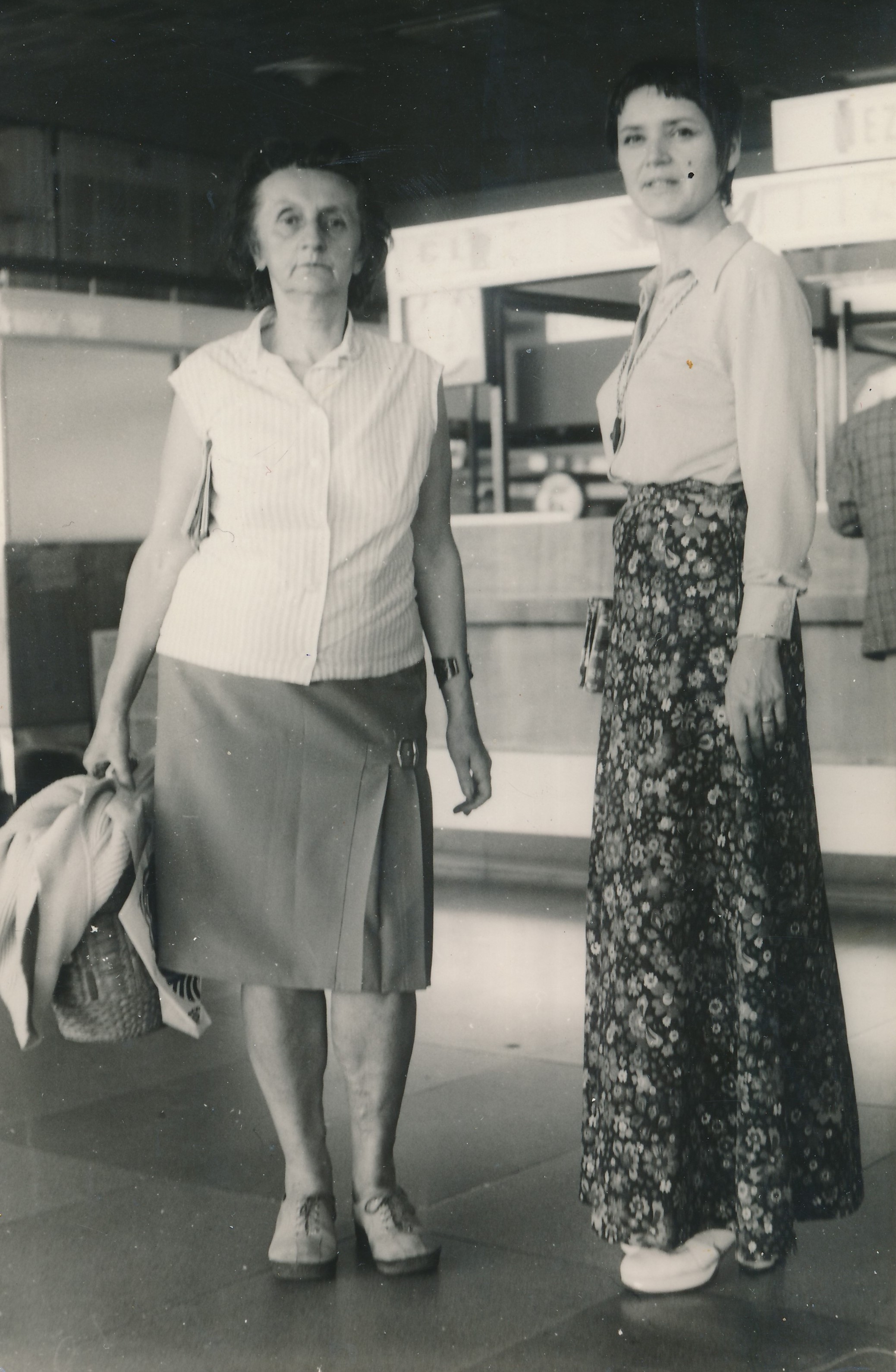
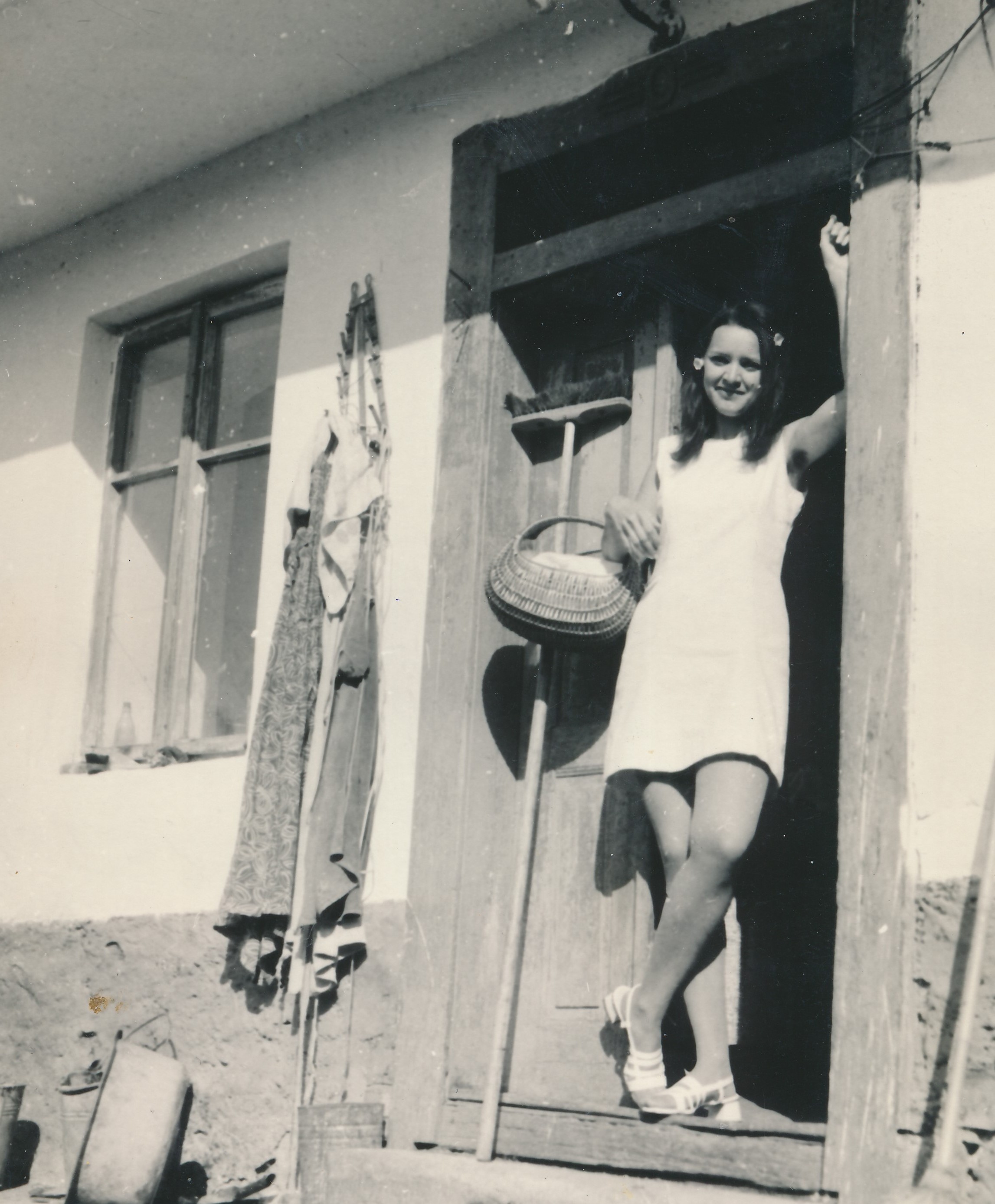
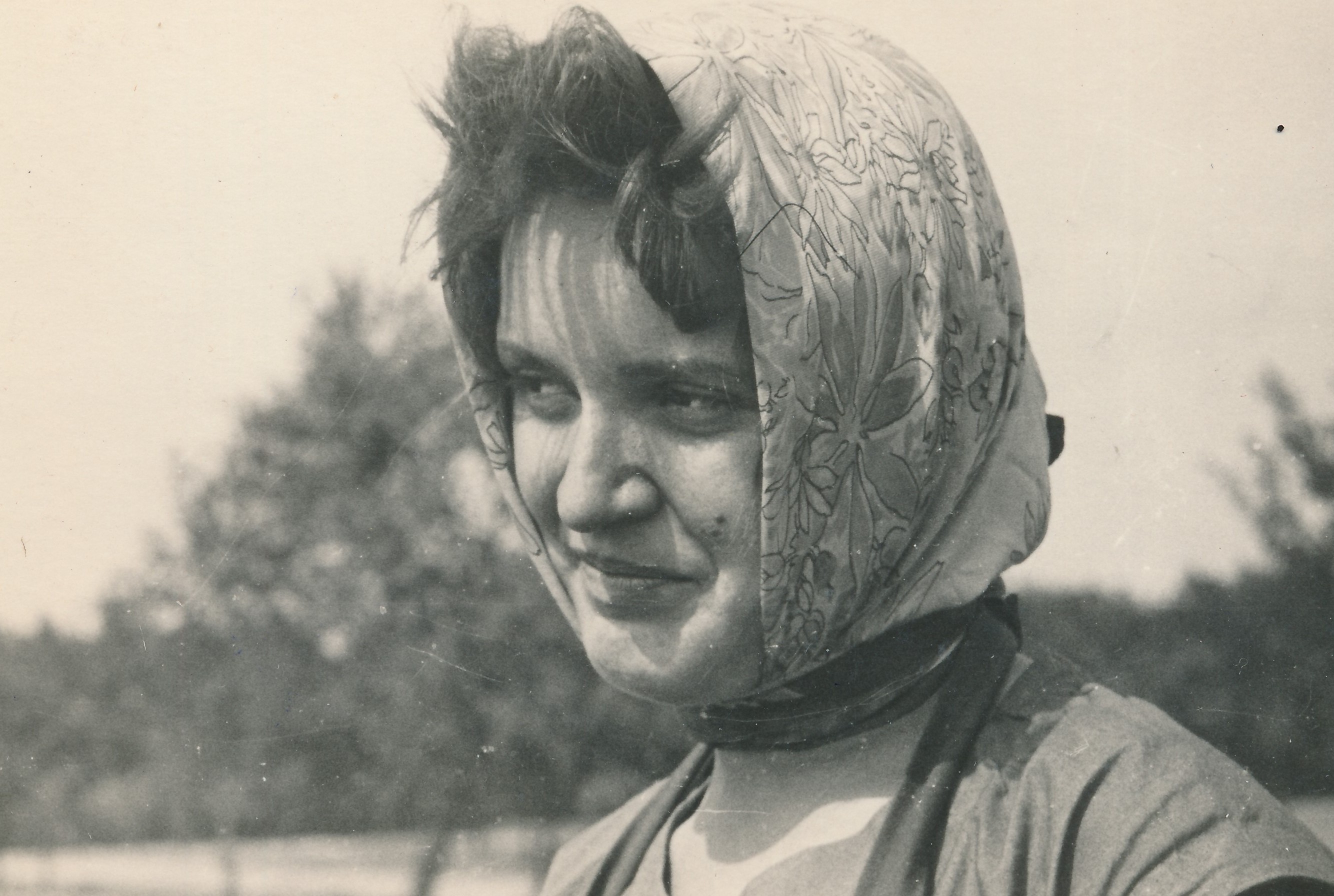
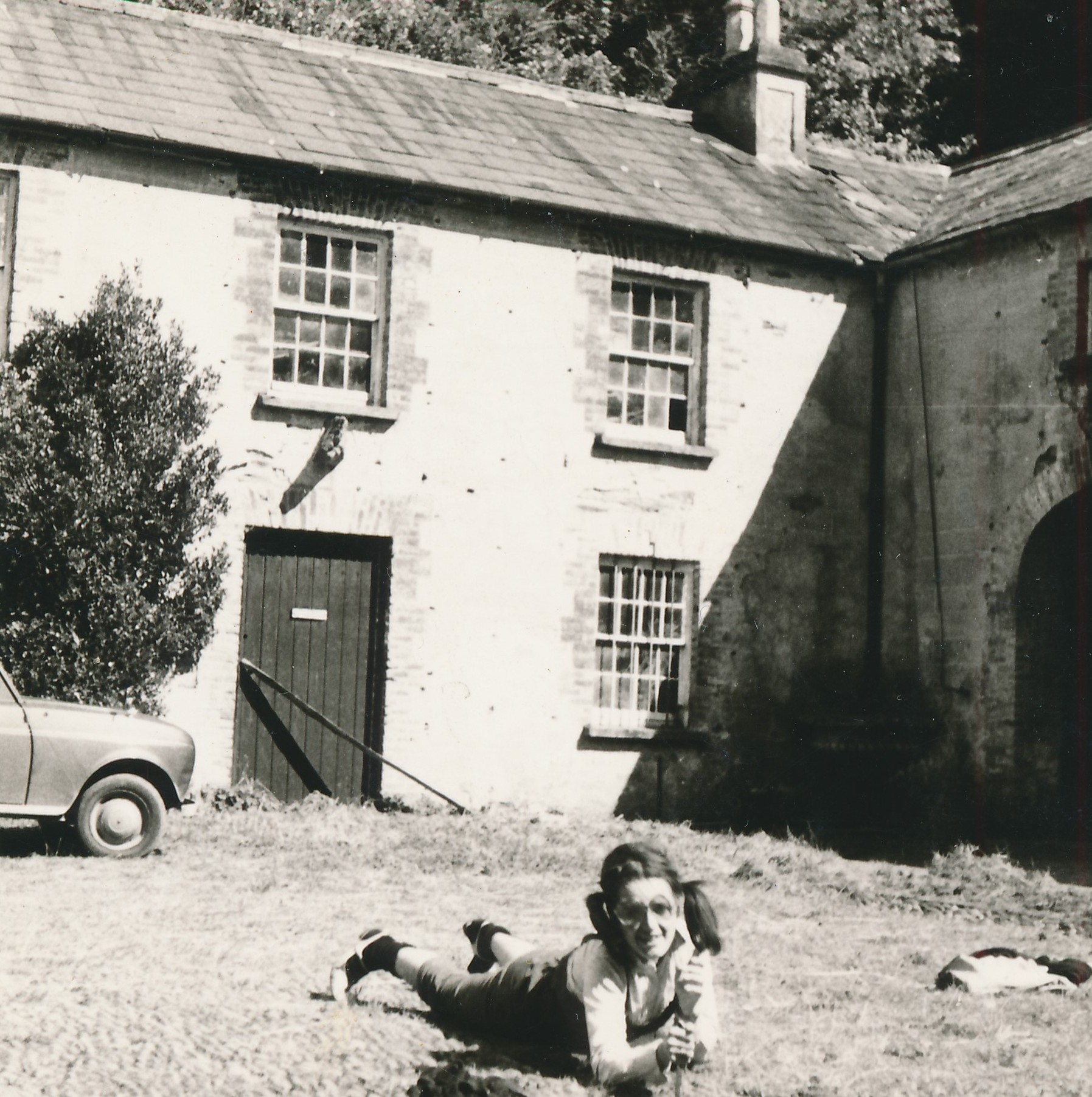
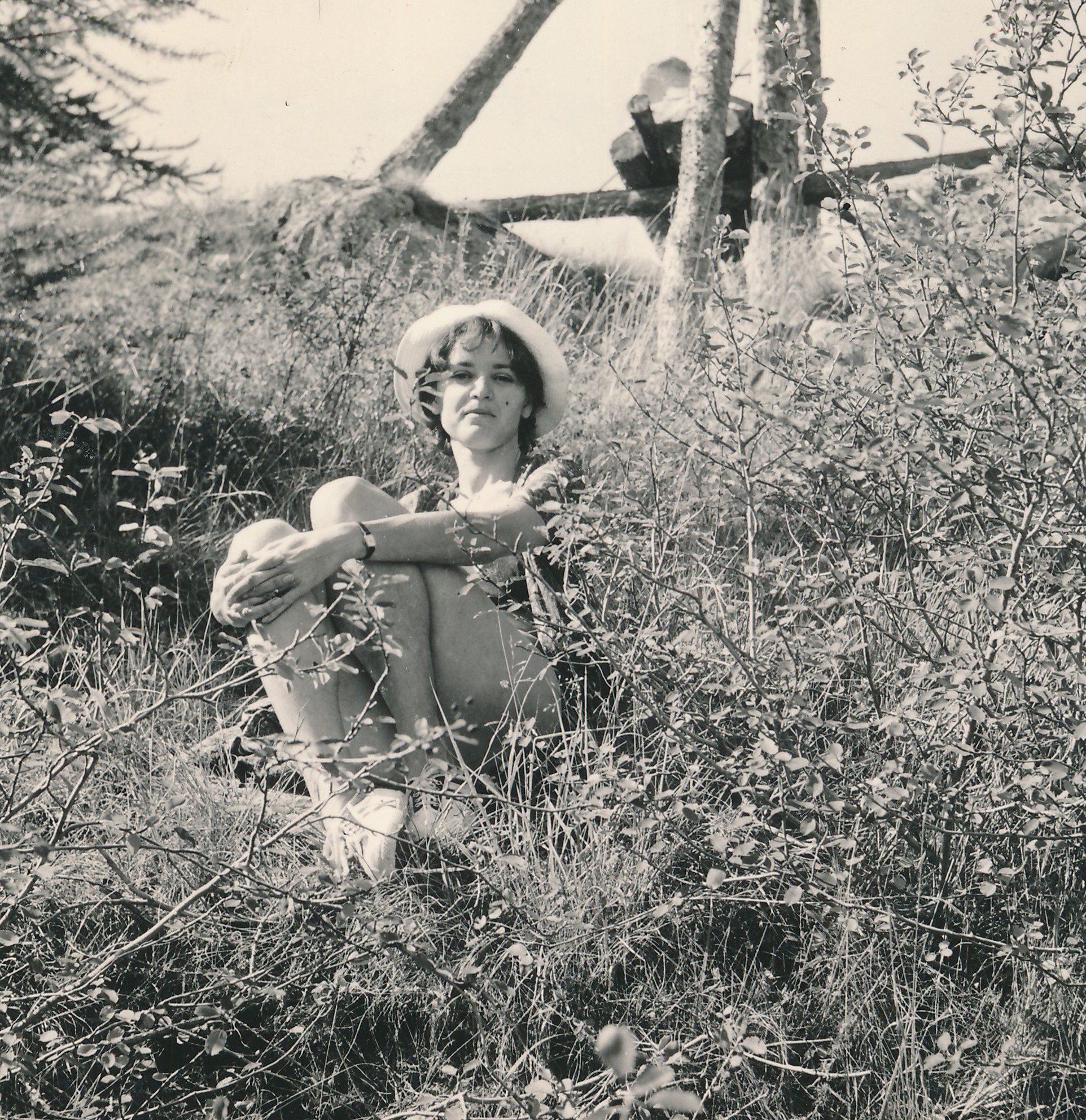
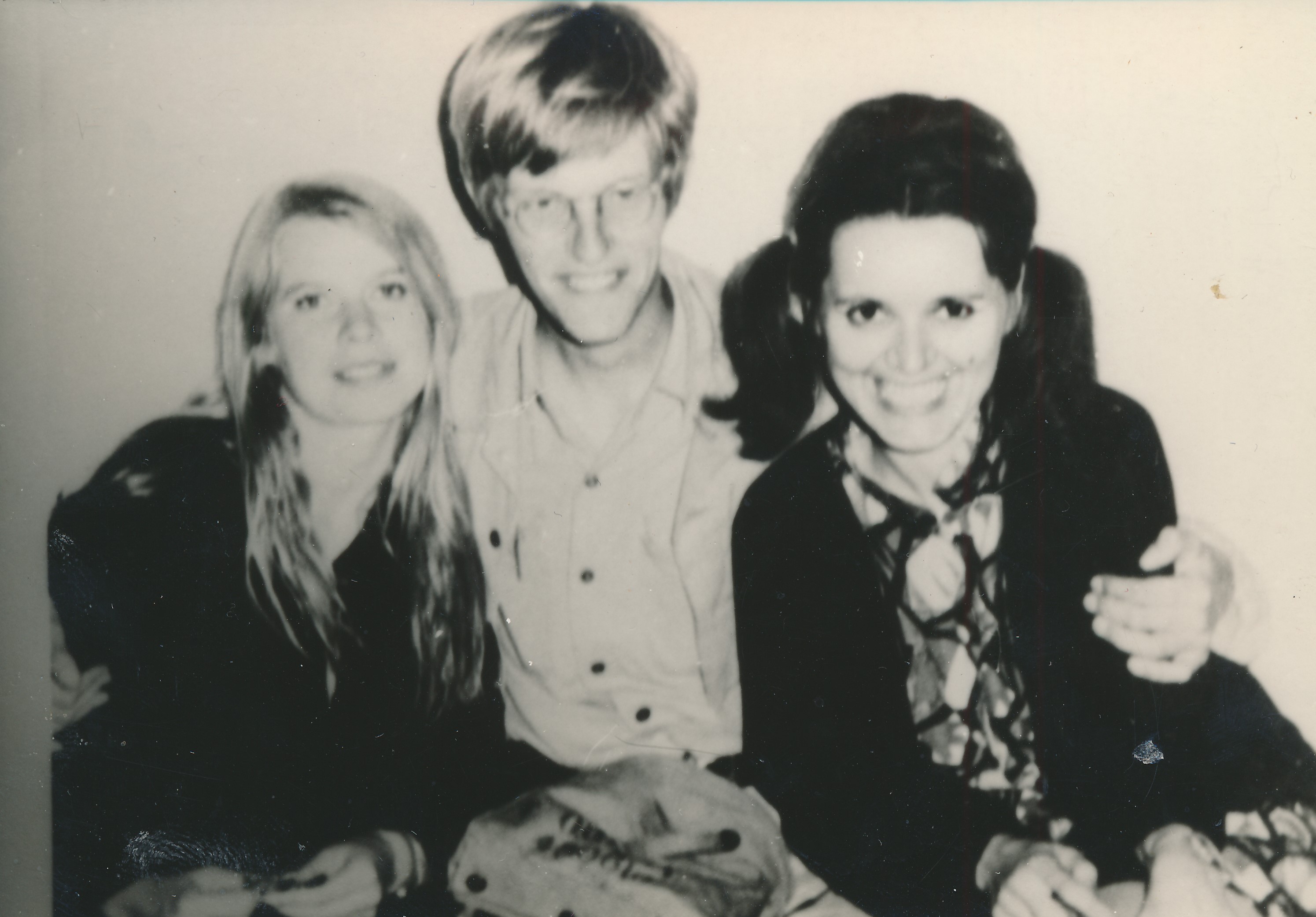
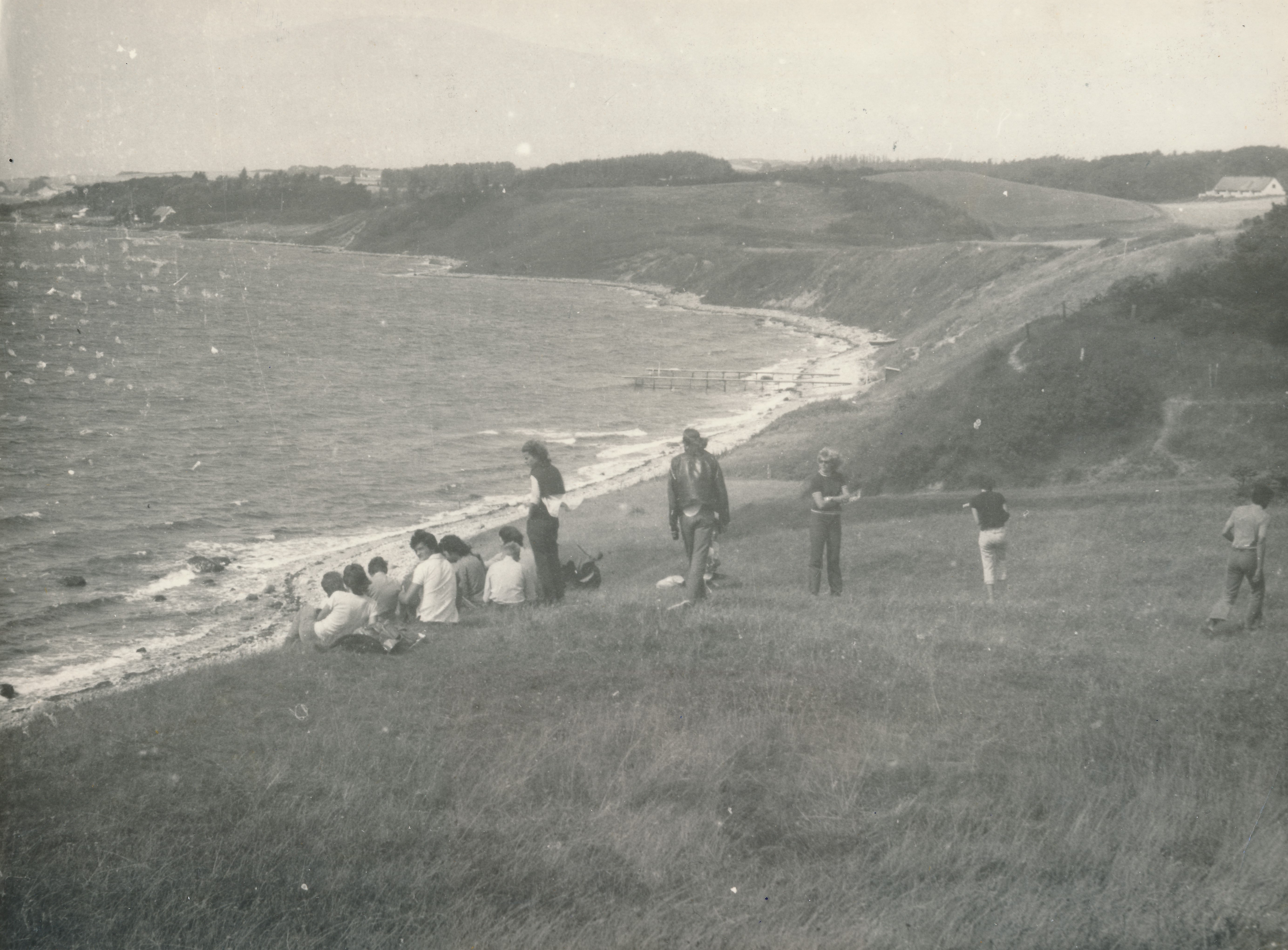
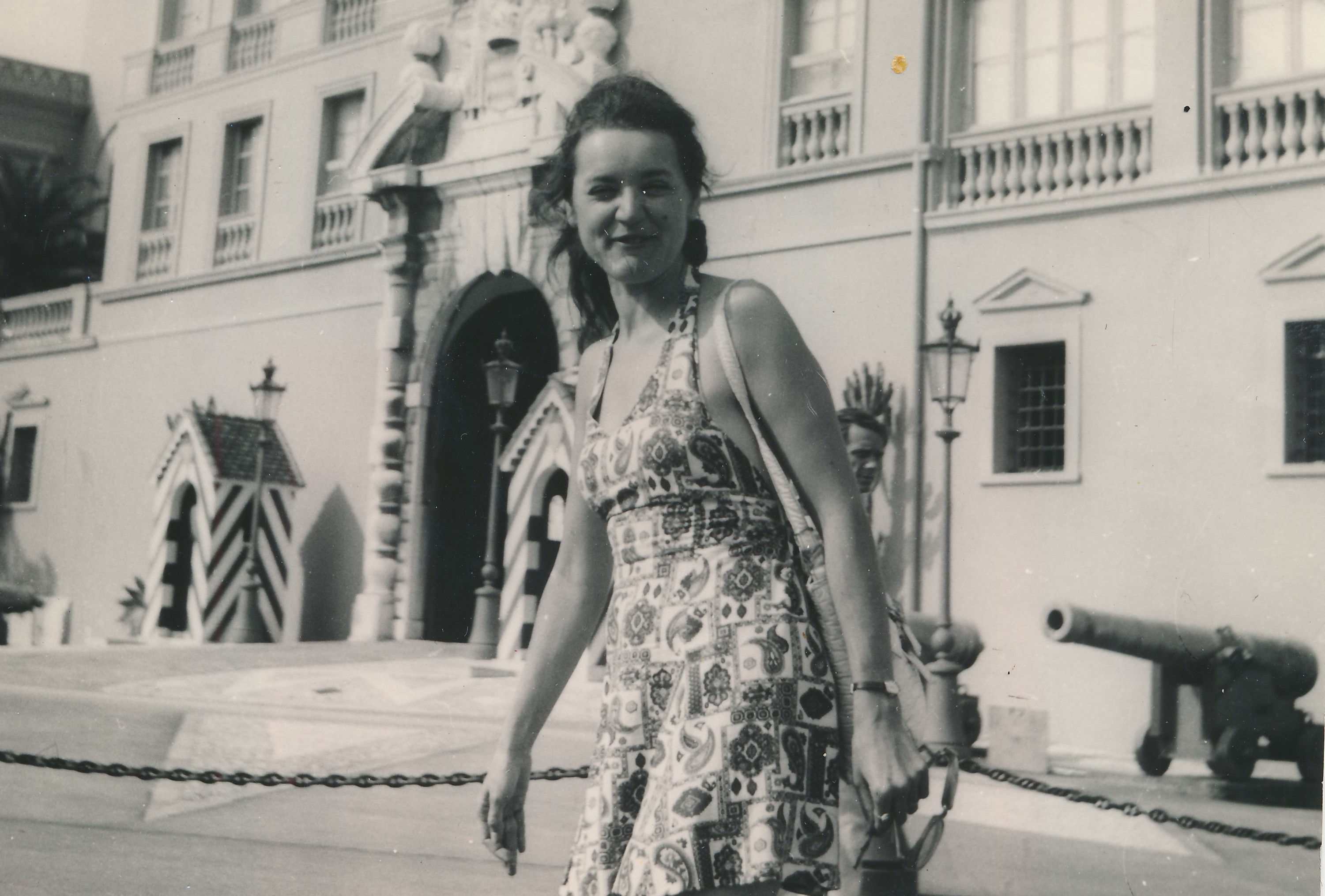
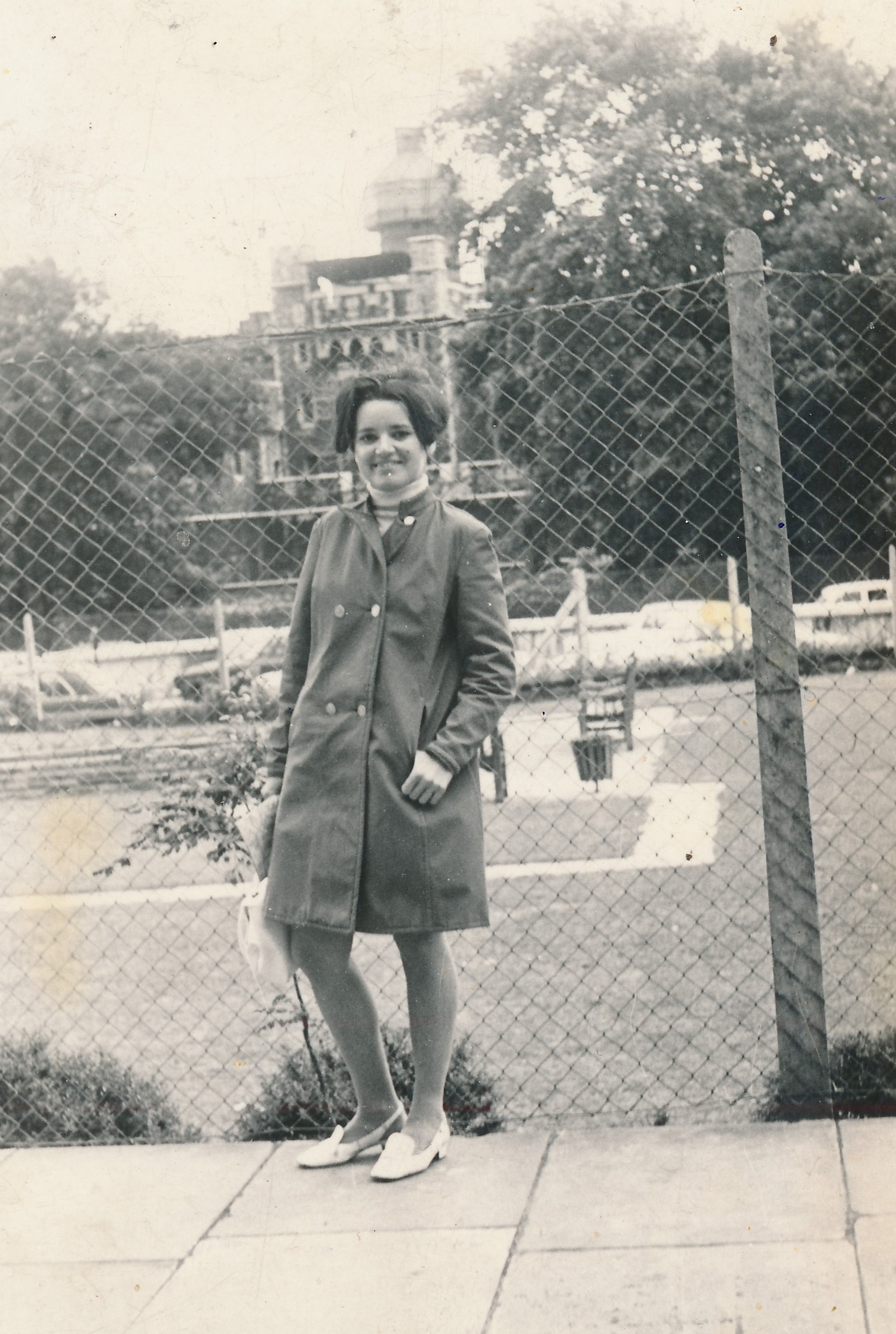
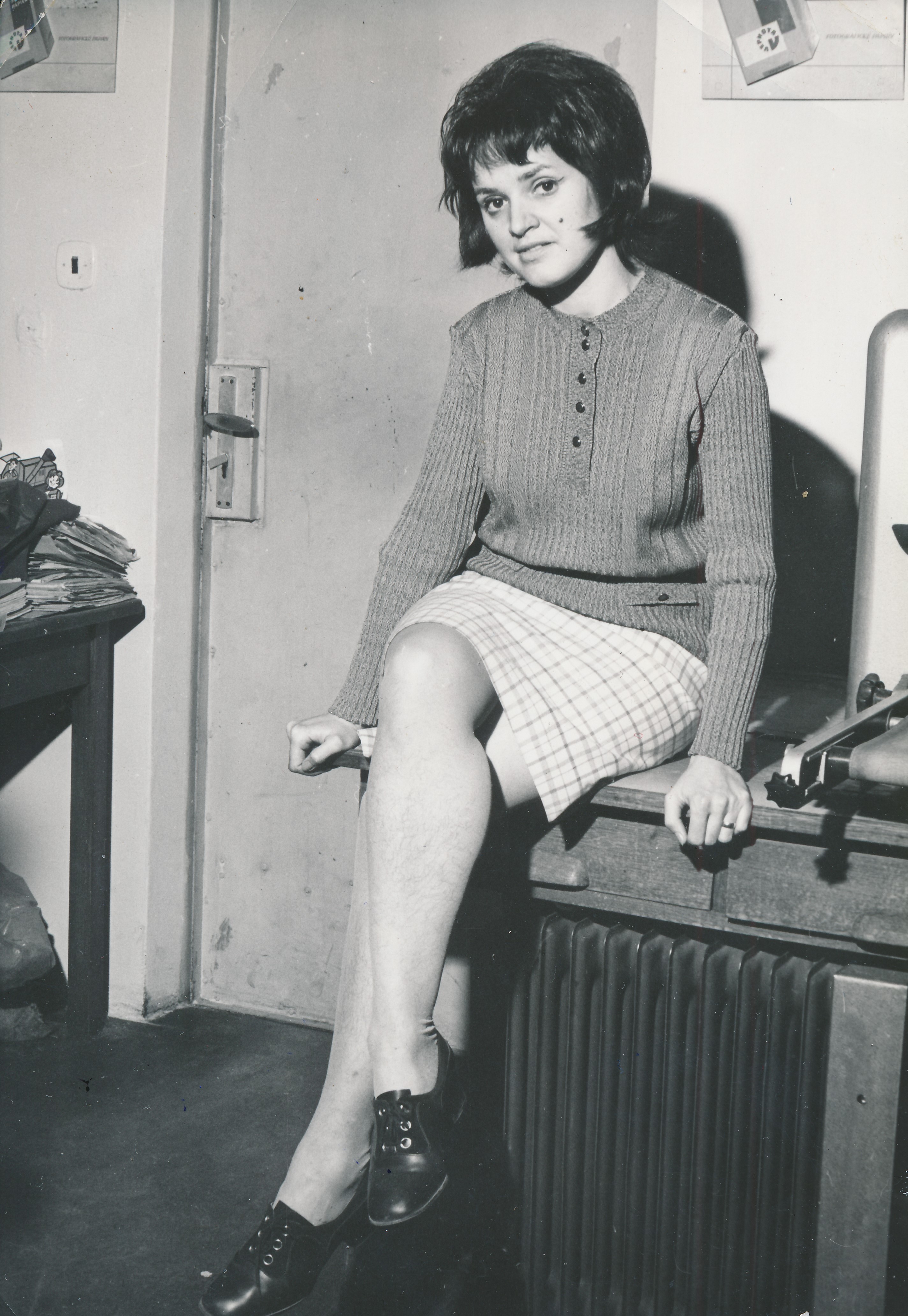
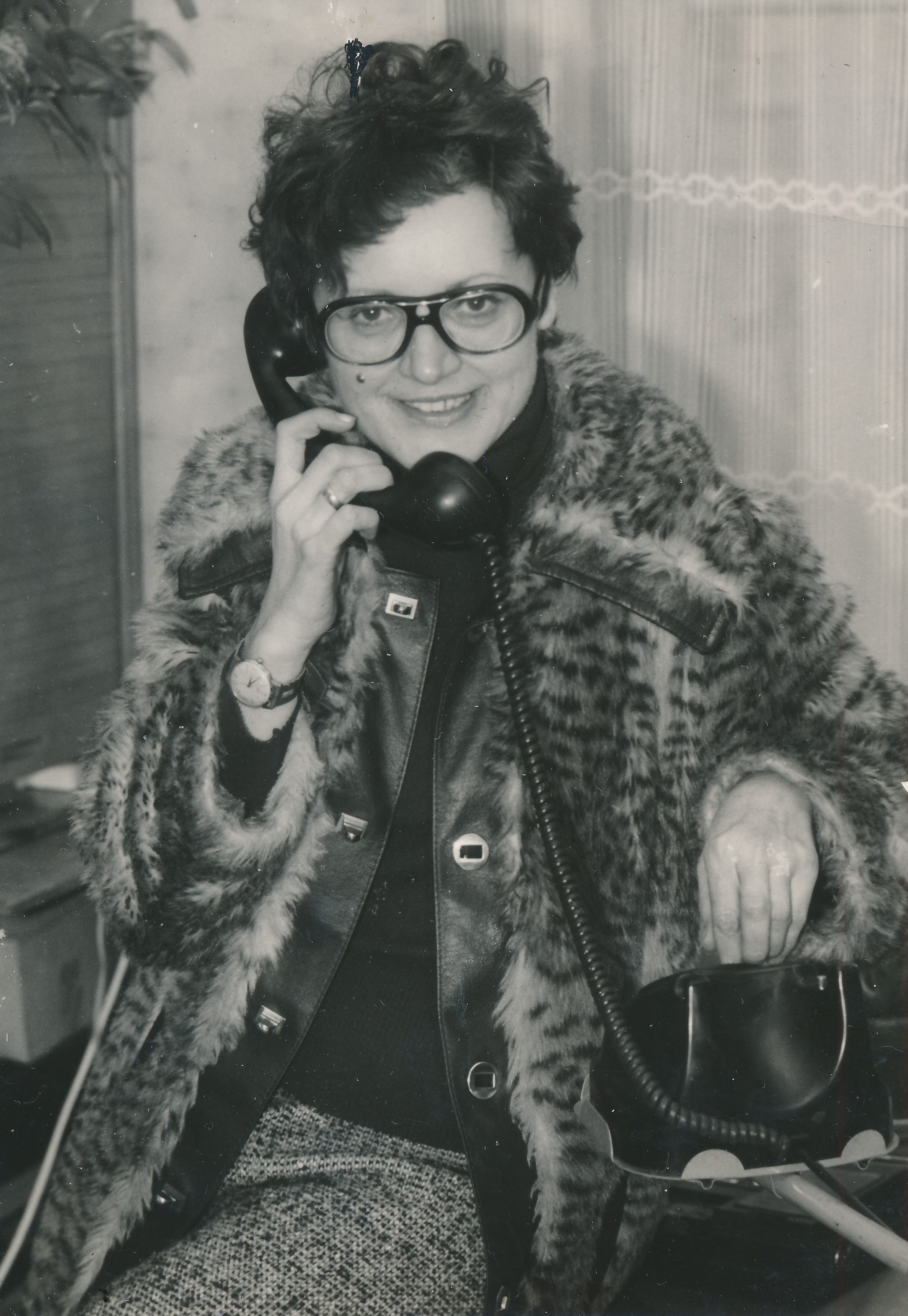
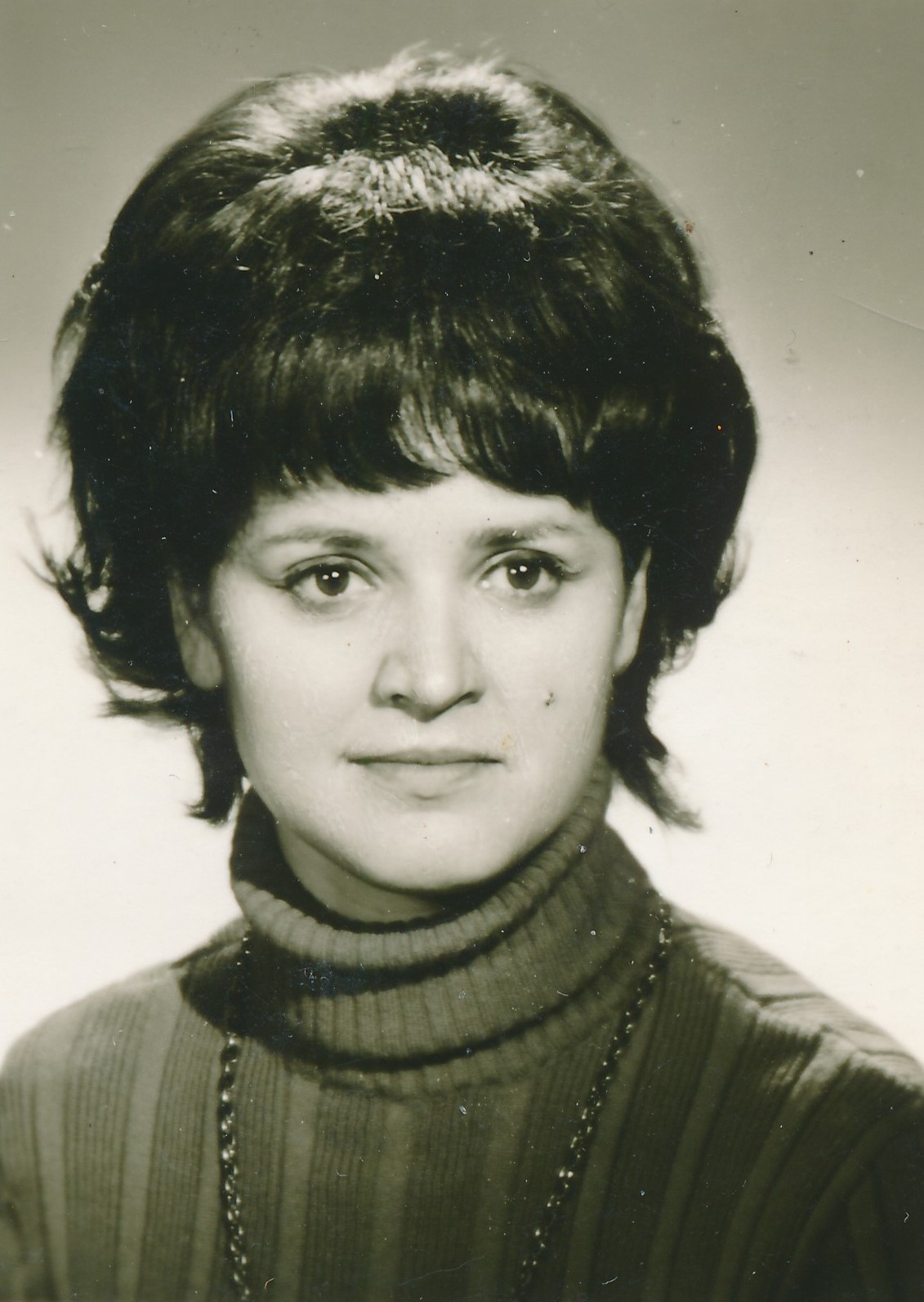
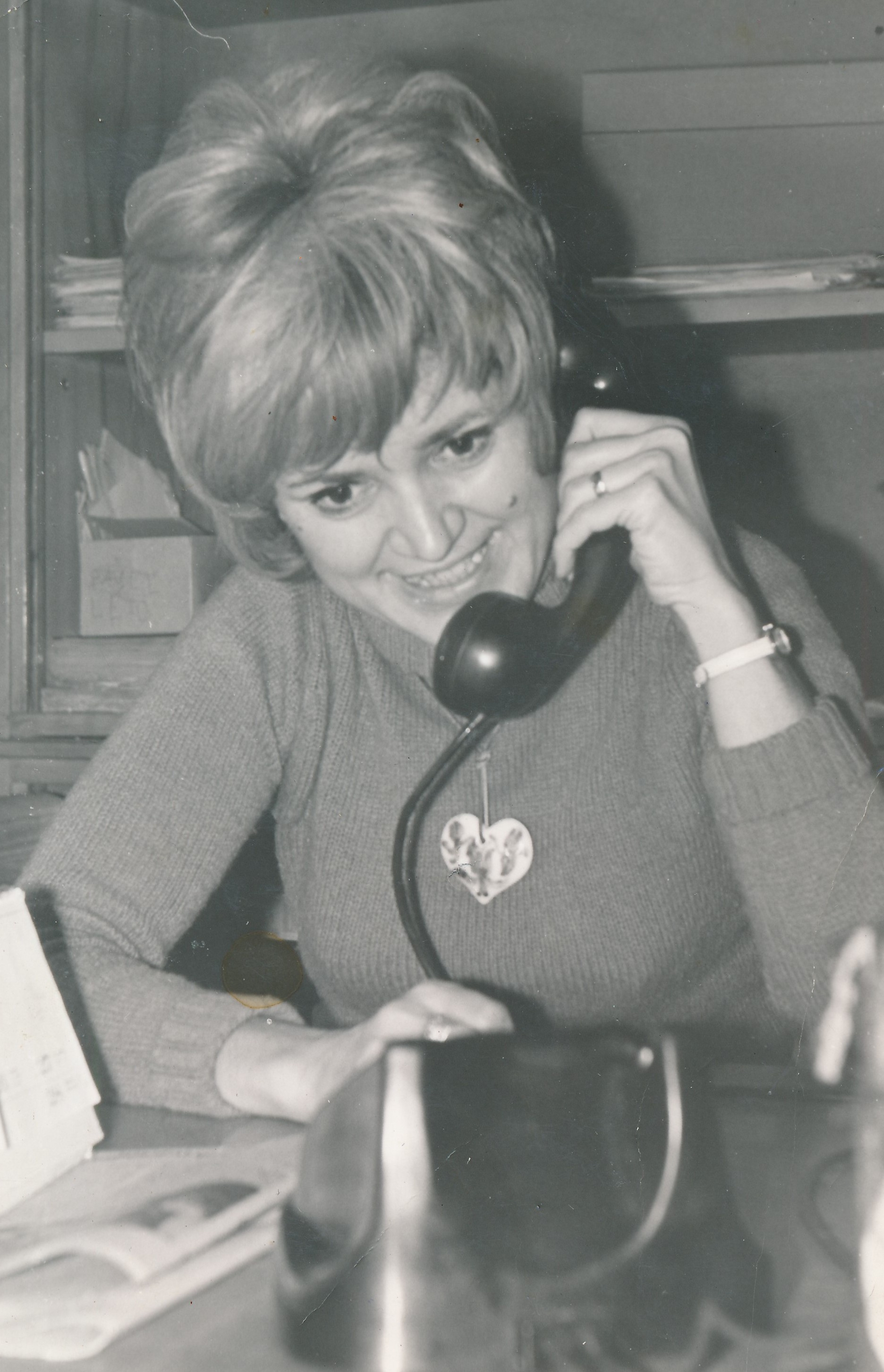
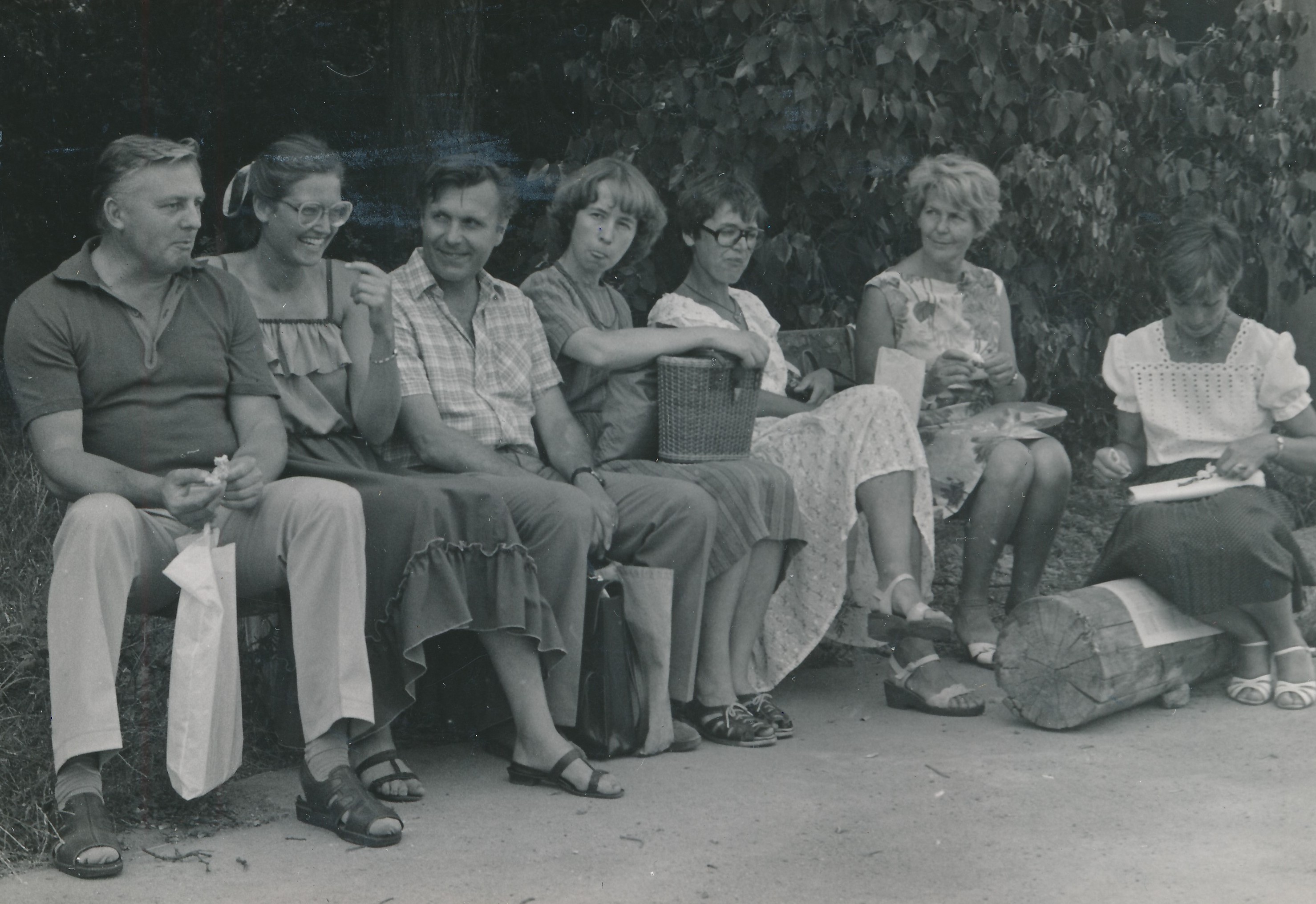
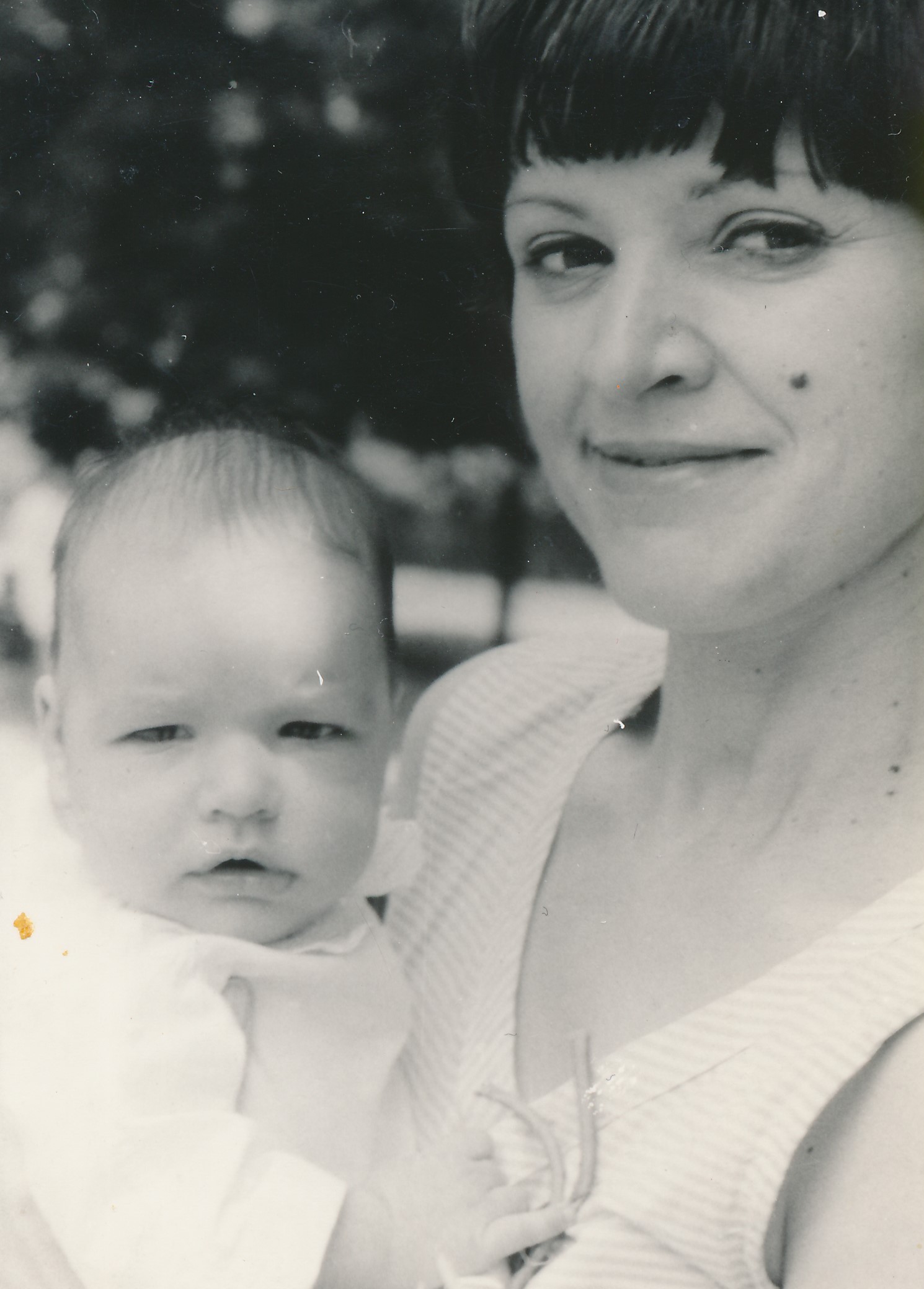
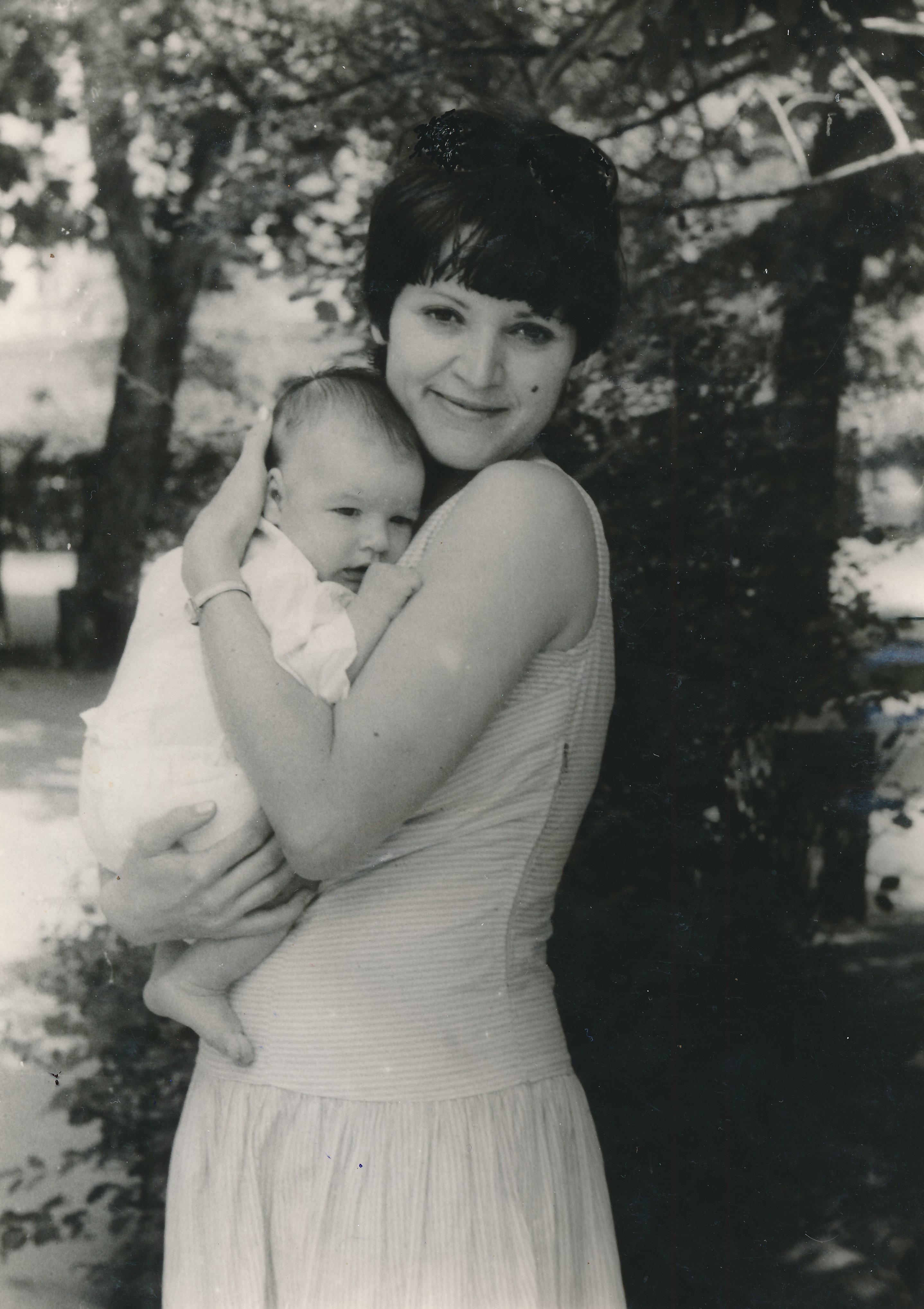
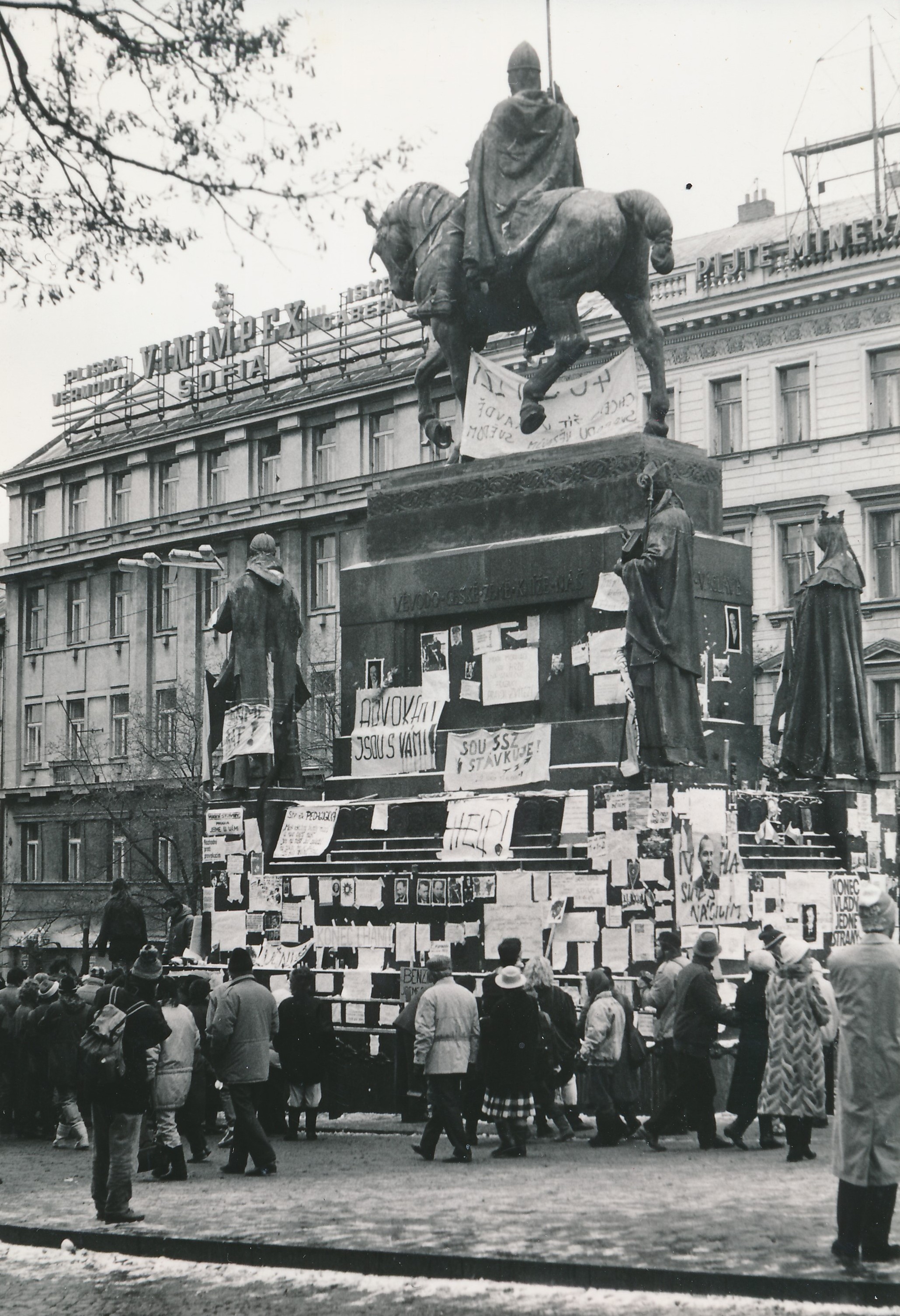
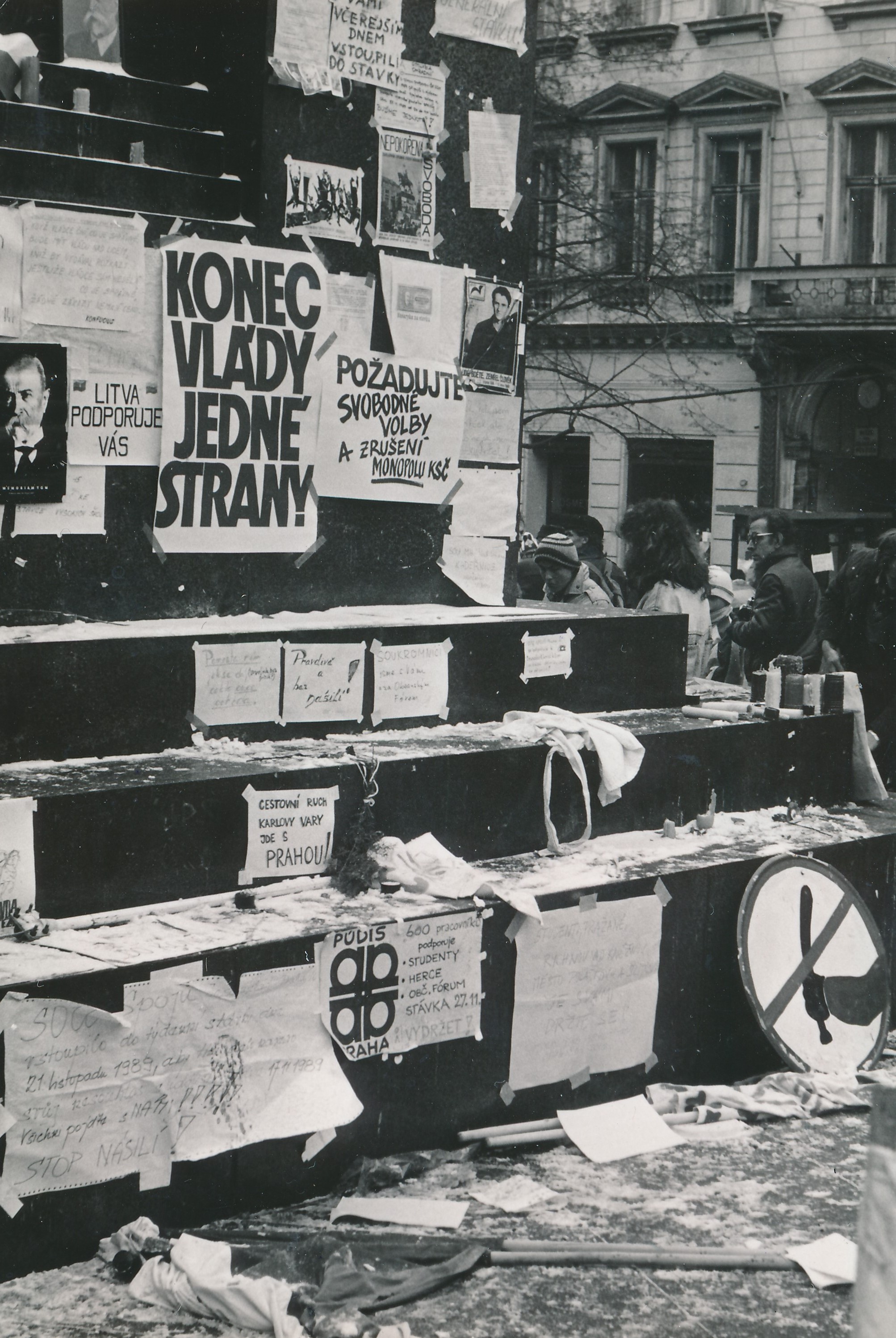
Vladimíra Čermáková was born on 8 September 1939 in Štvanice, Prague. Her father Josef Bubák was employed in the orchestra of the Czechoslovak Radio, her mother Vladimíra was a teacher. The family lived in Vinohrady, Prague. Vladimíra Čermáková survived an air raid there on 14 February 1945 and spent the end of the war with relatives in Mnichovo Hradiště. After the war, she entered the first grade, graduated from an eleven-year secondary school with extended Russian language teaching. The family belonged to the Czechoslovak Hussite Church, and after graduating from secondary school, the memoirist began studying at the Theological Faculty. After three years she interrupted her studies and studied economics at the agricultural college. She then worked briefly in a cooperatice farm in Kostelec nad Černými lesy. Later, she moved to the Institute of Scientific and Technical Information, where she worked as an economic editor of the Scientific Agricultural Dictionary. She spent August 1968 in Prague, before the onset of normalisation she attended several work camps abroad as a volunteer. Twice she visited Ireland and France, once she was in Denmark. In 1971 she married Miloš Čermák, a teacher, and in 1977 they had a son Martin. She participated in demonstrations during the Velvet Revolution in 1989. In 2025 she lived in Prague.
Hrdinové 20. století odcházejí. Nesmíme zapomenout. Dokumentujeme a vyprávíme jejich příběhy. Záleží vám na odkazu minulých generací, na občanských postojích, demokracii a vzdělávání? Pomozte nám!