"And that's when they started allocating new frequencies and the opportunity to build another TV station. So I wrote the TV project as I imagined it for the new reality. Remember, there was no commercial television anywhere in any communist or post-communist country. I submitted the project to the Council, nobody assumed that we would be the favourites, our group, and we won at that time, to everybody's surprise and to everybody's dismay. So I founded Nova. There was a catch. There was a condition that within a year you had to start broadcasting a full-length programme, as you have it in the project, and all the technology was in the Kavčí hory in public television. All the professionals were at the Kavčí hory in public television. All the resources were there. So in a year - first of all, today it would take a year to buy Měšt'anská beseda - we didn't just buy Měšt'anská beseda then, the Czech Savings Bank helped us then, Lauder only got involved a little later - but we remade it into a television, we equipped it with technology, we started producing the programme in parallel, we bought foreign films in parallel... Remember that all the programmes ever made in the Czech Republic were in the archive - where? In Kavčí Hory."
"...when we are sitting in Špalíček, there is a lot of smoke because there was possible to smoke, and the fundamental slogan with which we want to win the elections is being discussed. And Železný, as the campaign dramaturge, proposes the slogan: 'The parties are here for the parties, we are here for everybody'. 'That's a treacherous slogan,' it was said, 'it´s a foul trick, we won't do that - something like that!' Everybody imagined it would be the posters with the smiling... little children with flowers on them, happy future, we're opening the future for you, we're opening the door to a happy democratic future. Empty talk. At the time of the revolution, remember, it was a revolution - it was a so-called velvet revolution, maybe unfortunately, I don't know - but you are in a revolution when the words, a party member, was actually a pejorative. It was a swear word, almost. And now suddenly you come out with the slogan 'The parties are there for the party members, we are there for everybody'. That slogan has masterfully won over all the little kids with flowers and happy future and democracy and I don't know what all."
"I went with him [Vladimír Tosek] to Český Krumlov, from which we were picked up - because the top of Kleť was a military area, so we were taken by a military unit in armoured personnel carriers - it's a narrow road that leads up to Kleť. We drove up that and there, right at the transmitter, because we had brilliant technicians with us, so they were able to make TV cameras, tube cameras in those days - mind you, it wasn't any digital technology, it was all tube cameras, big, heavy-footed, clumsy, but we had it with us and they were able to connect those cameras directly to the transmitter. The transmitter was miraculous because it covered, let's say, sixty-five percent of the Czech Republic. Kleť is amazing, it has that cauldron of the Czech basin, as they say literally, underneath it, and it reached all the way to Liberec, that signal. And from there we were broadcasting. We took turns, we broadcast. Of course, we had no idea that one of those who was with us was recording it all, sending it somewhere..."
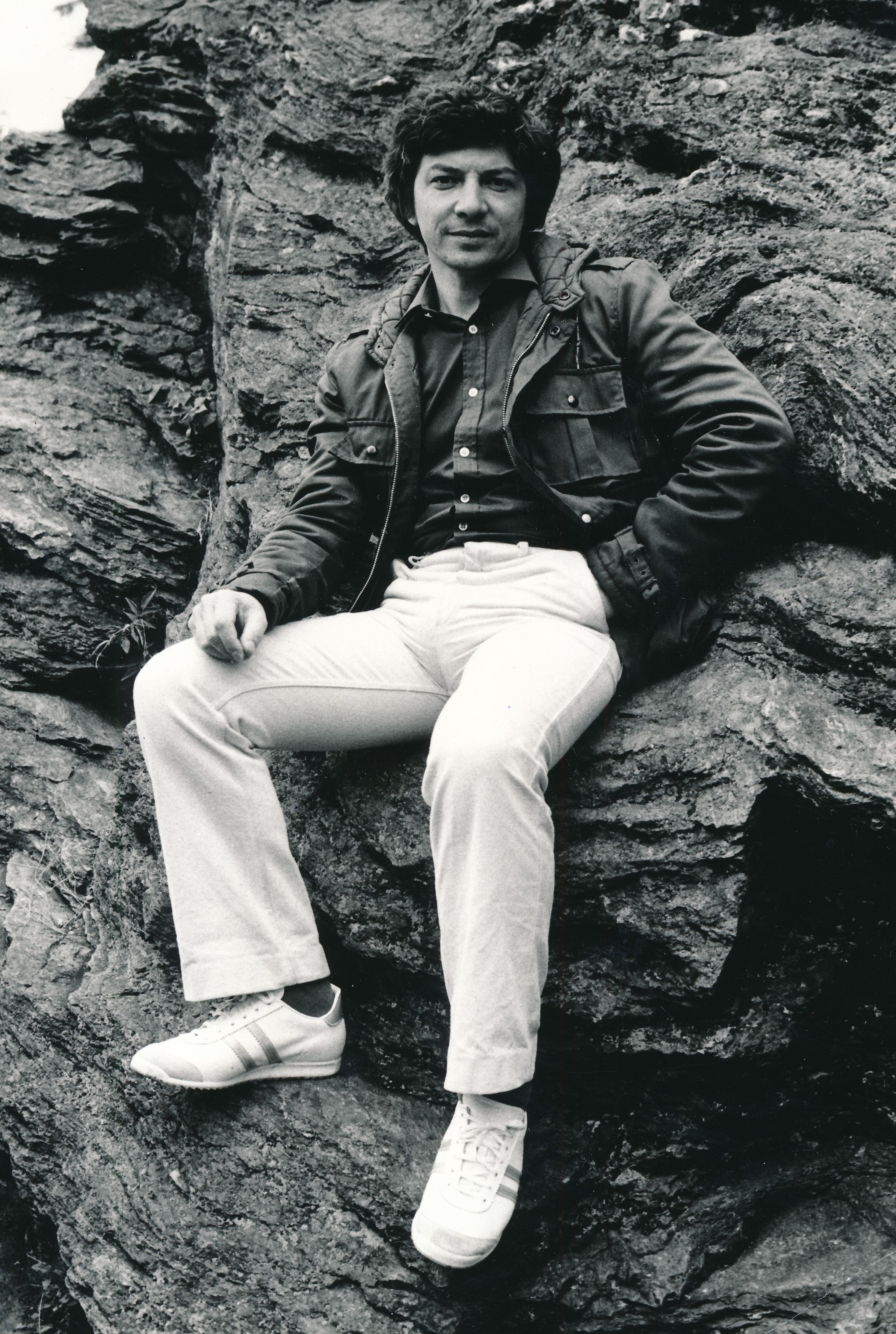
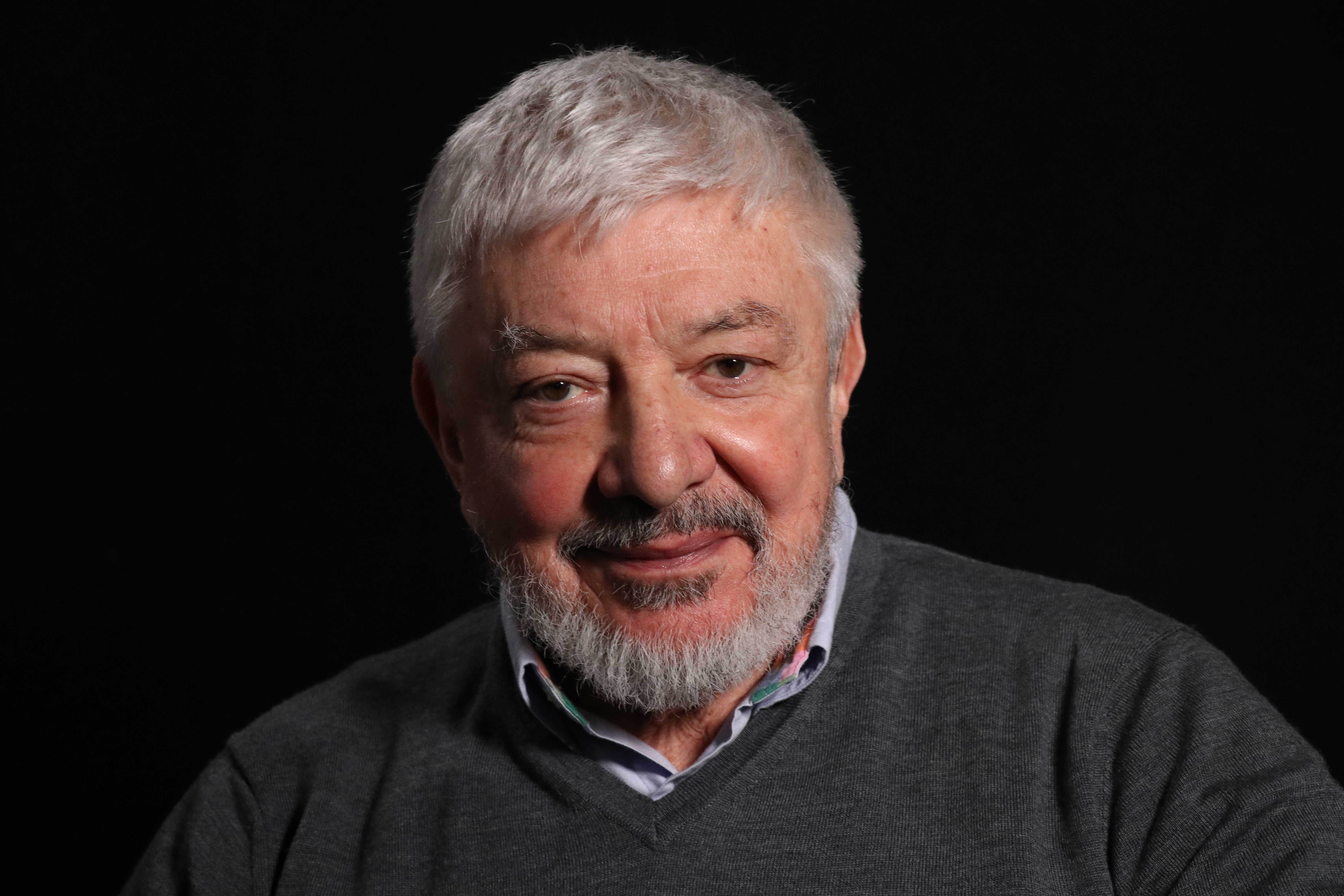
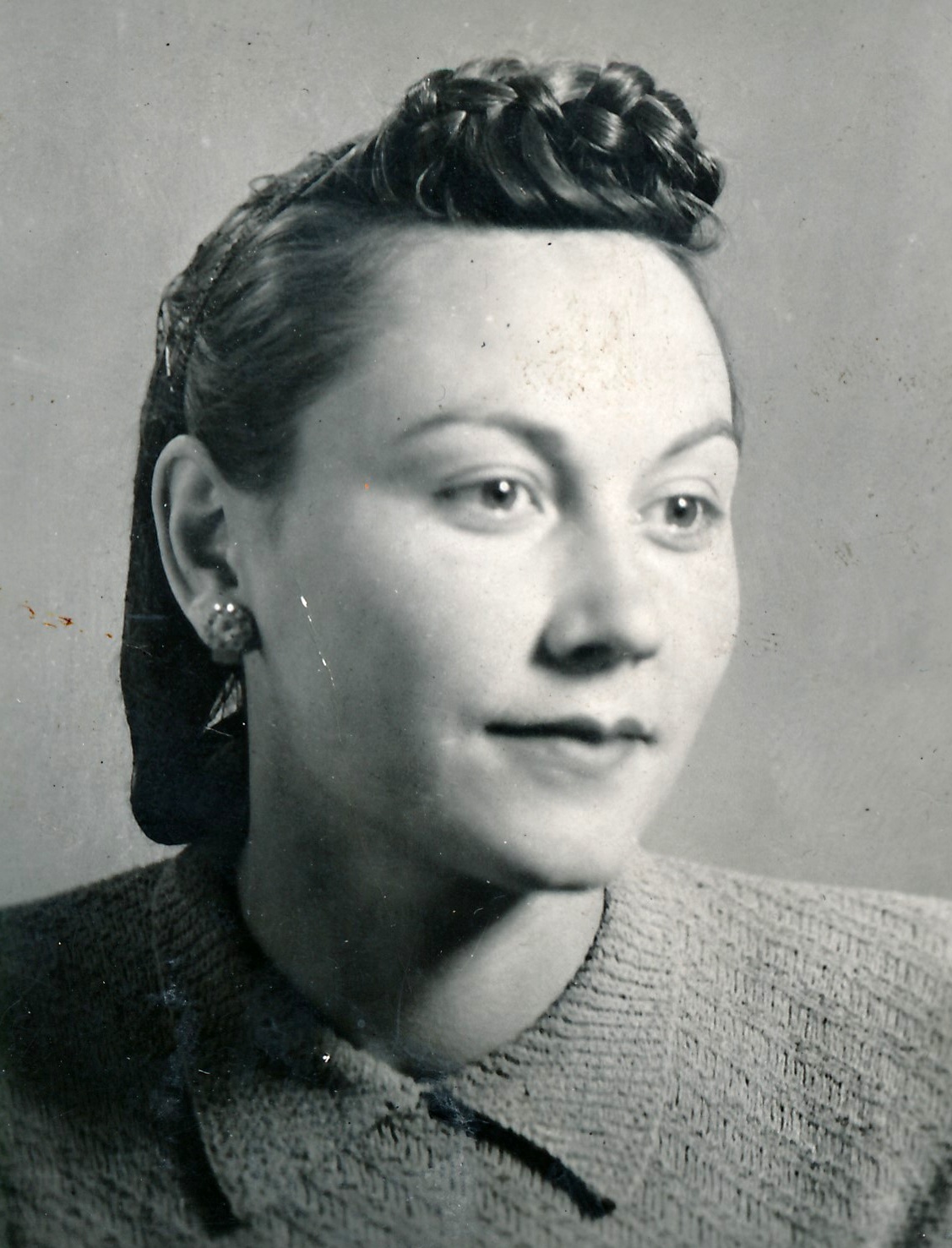
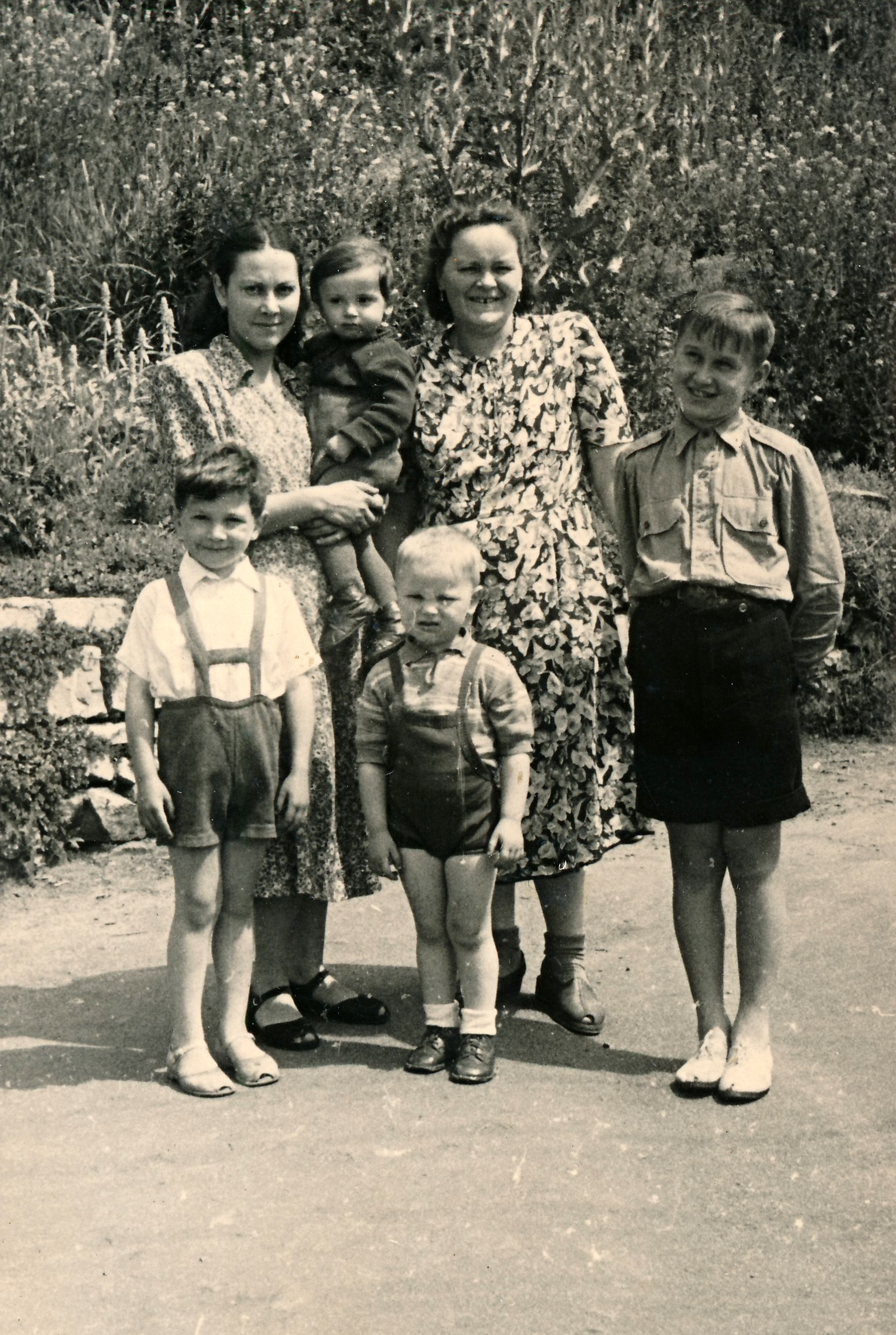
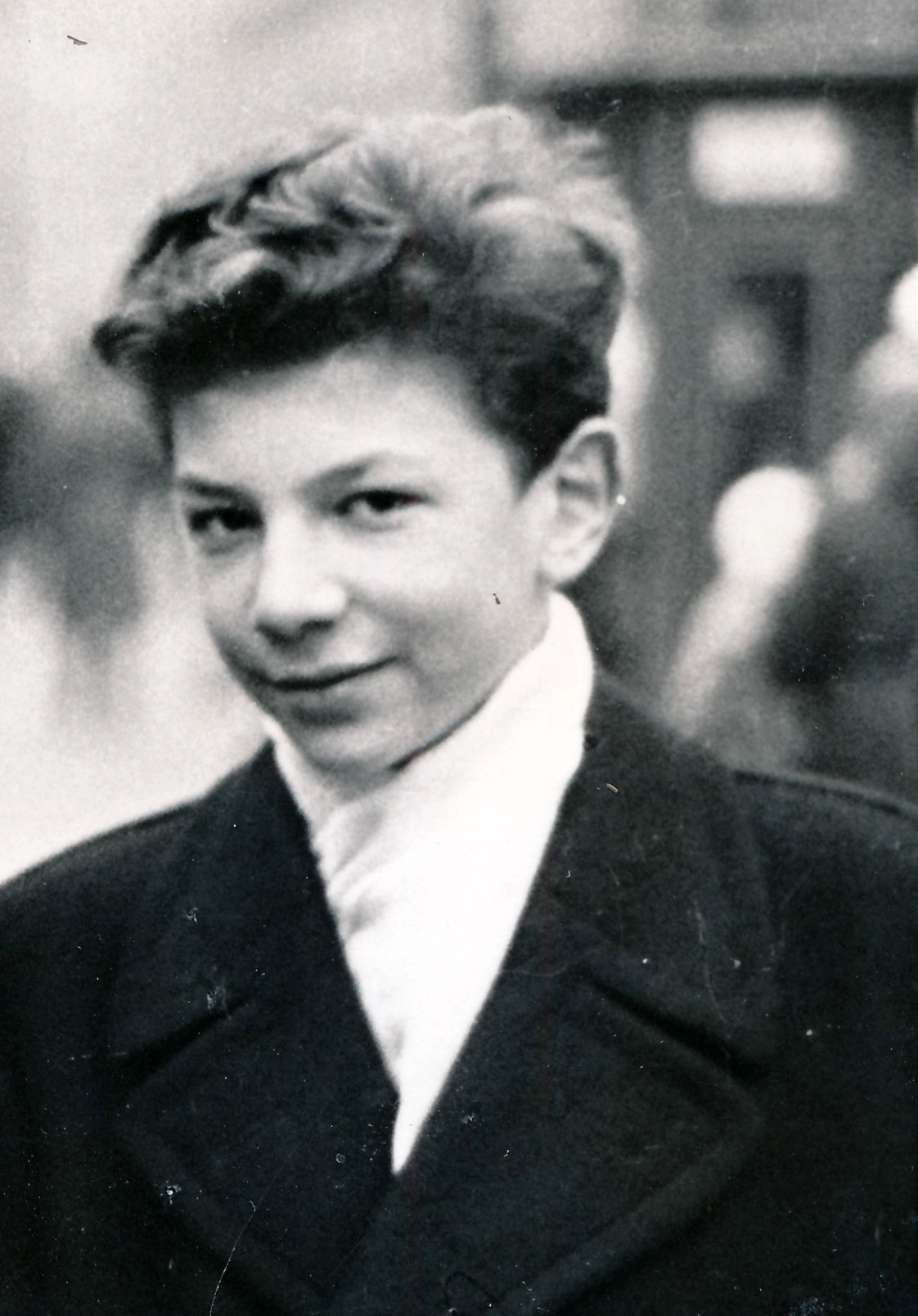
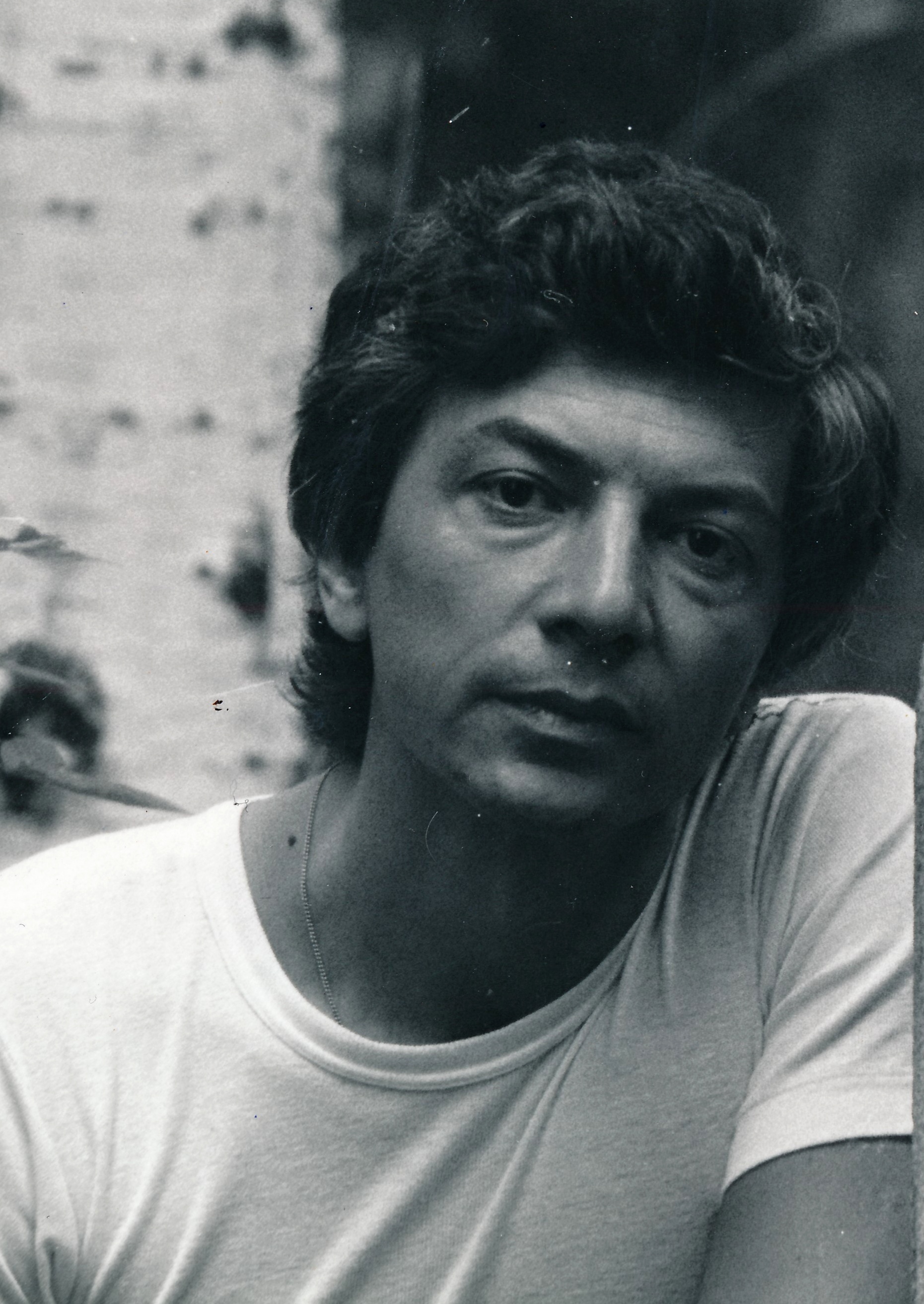
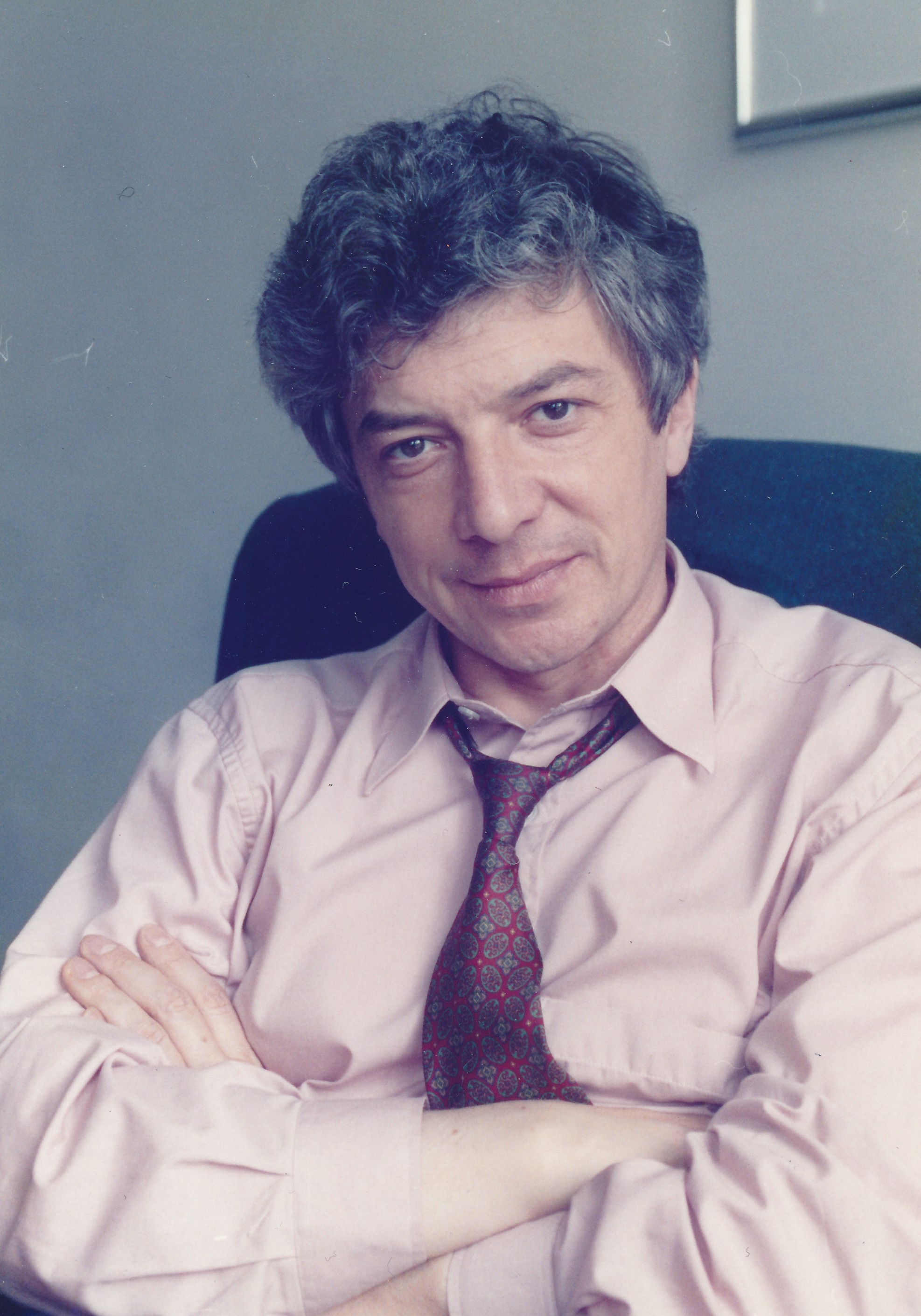
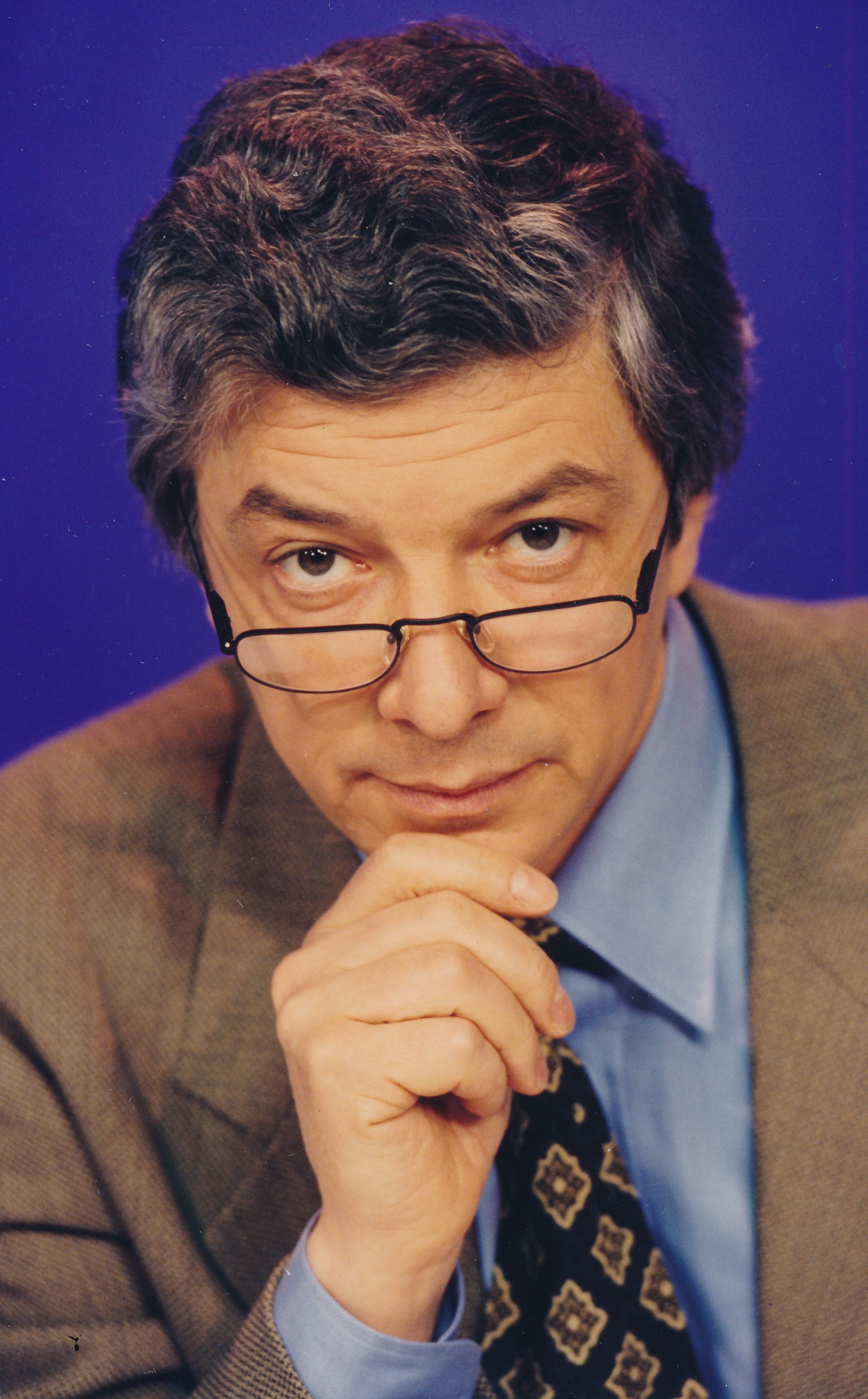
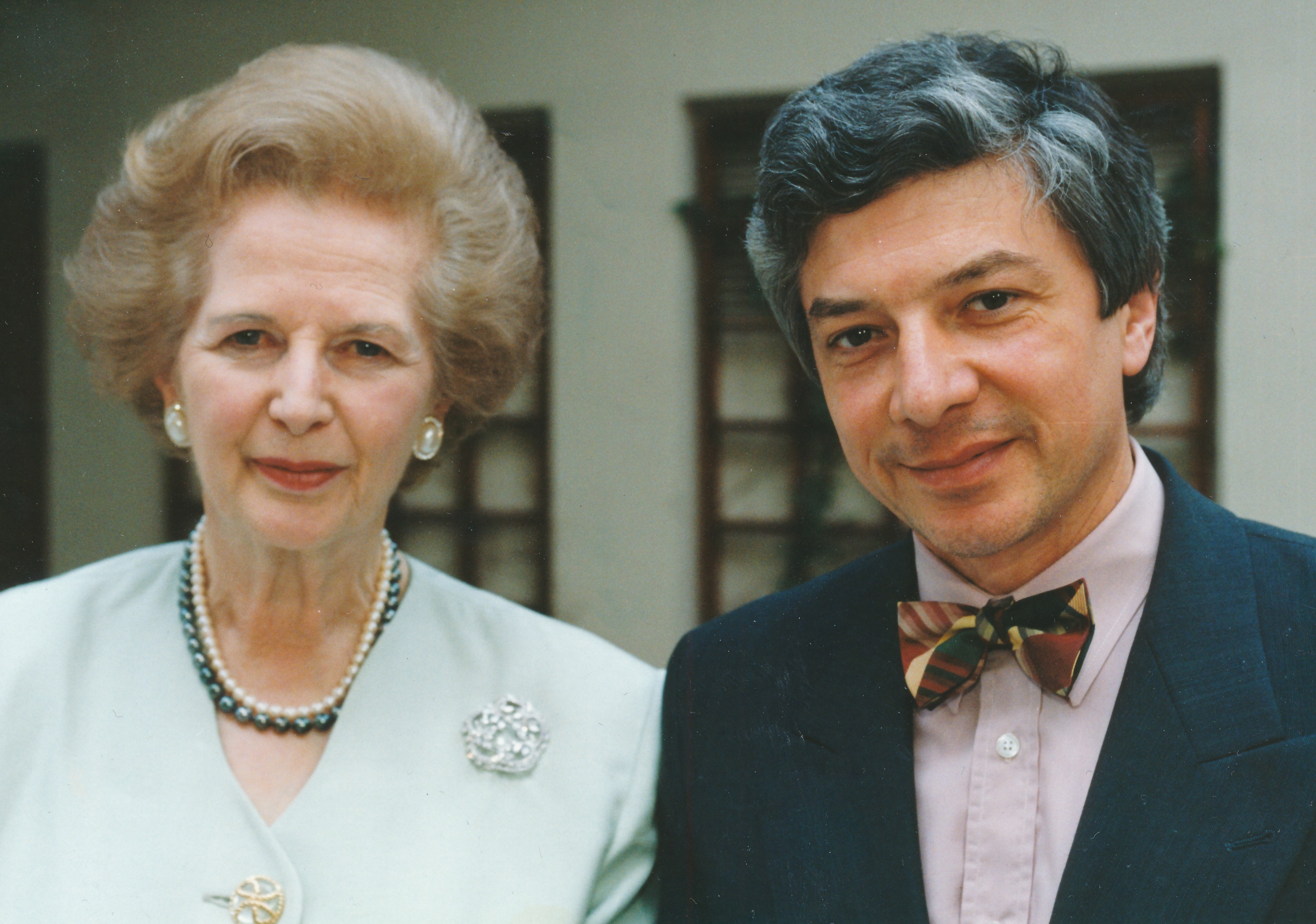
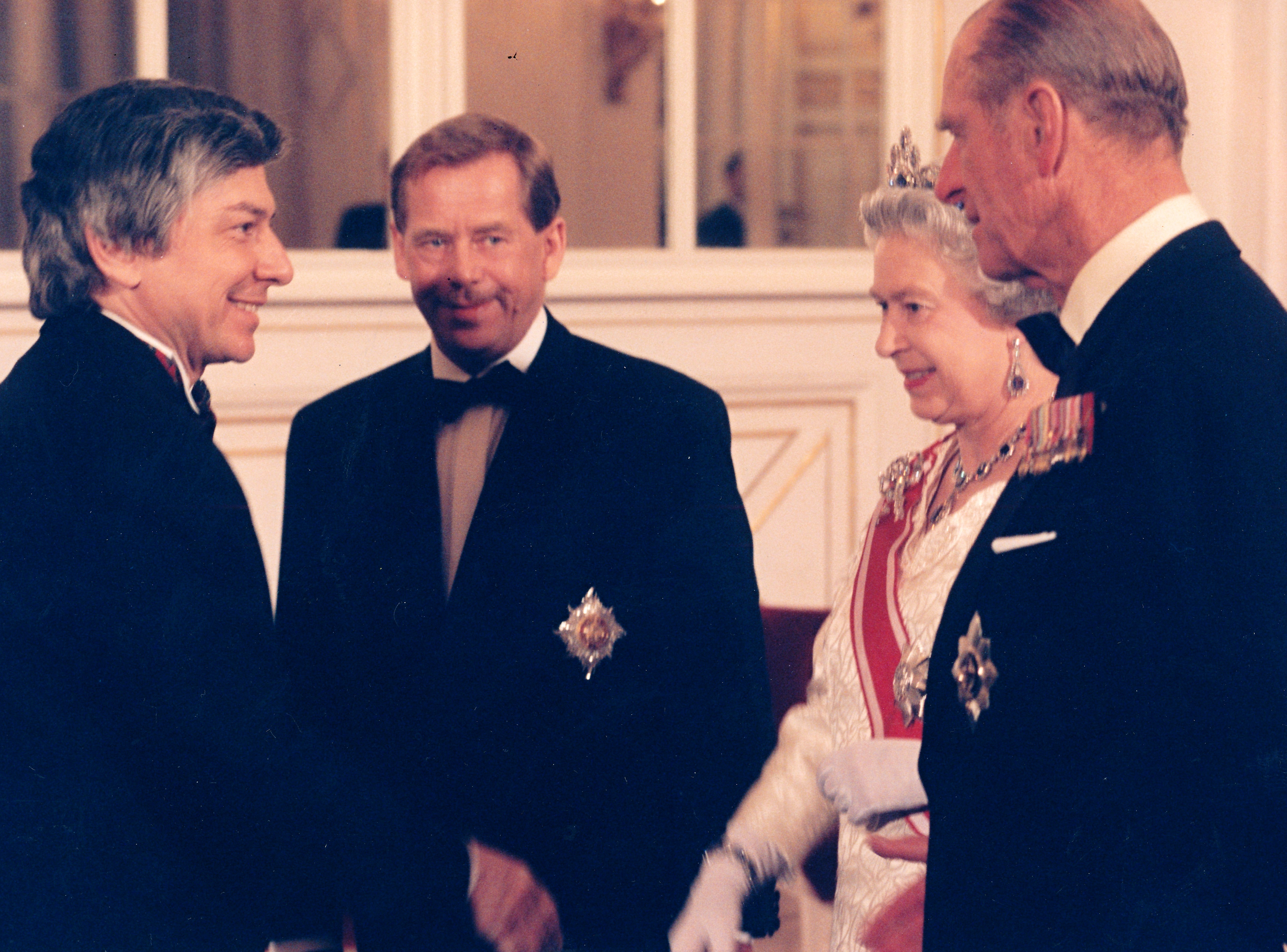
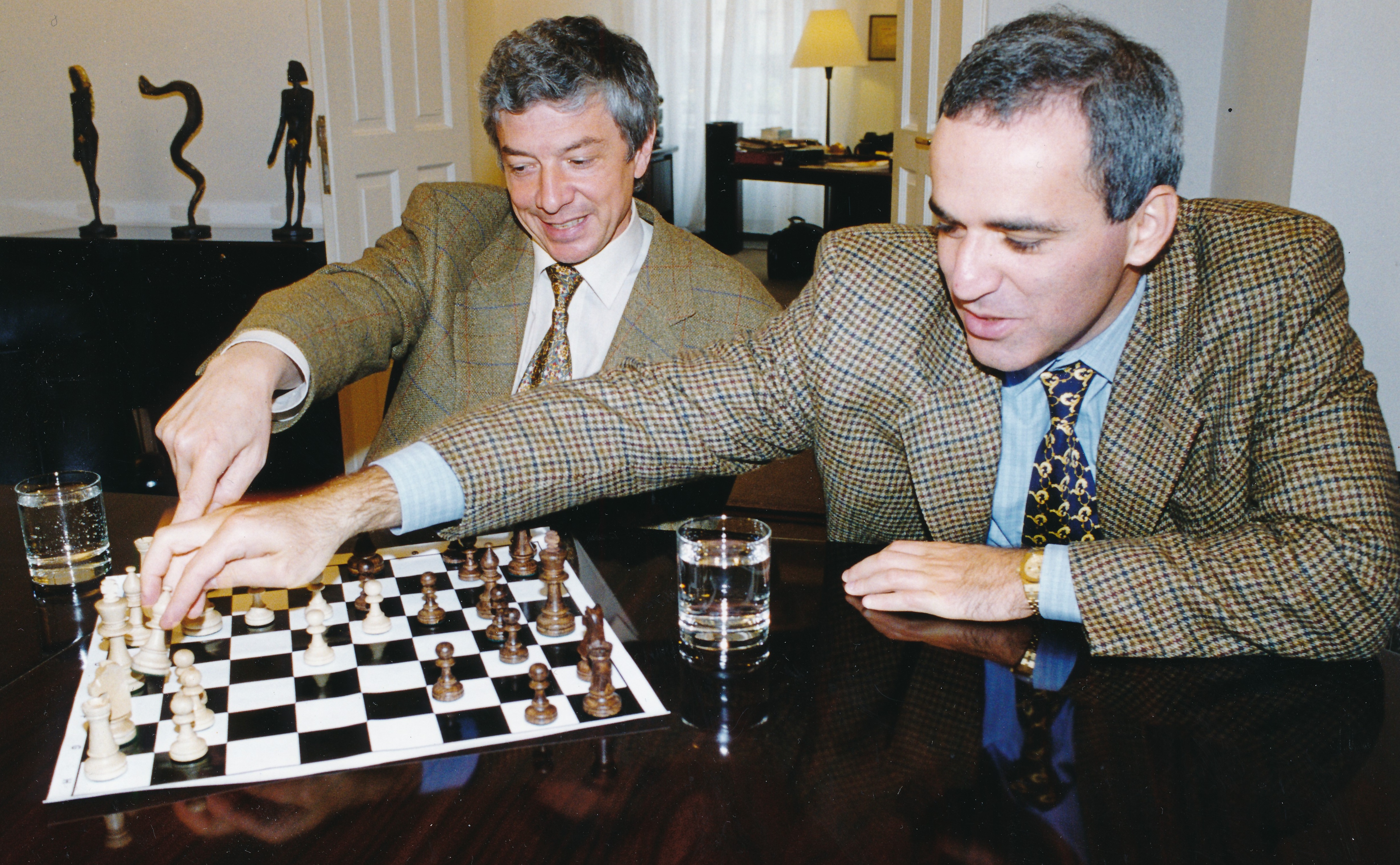
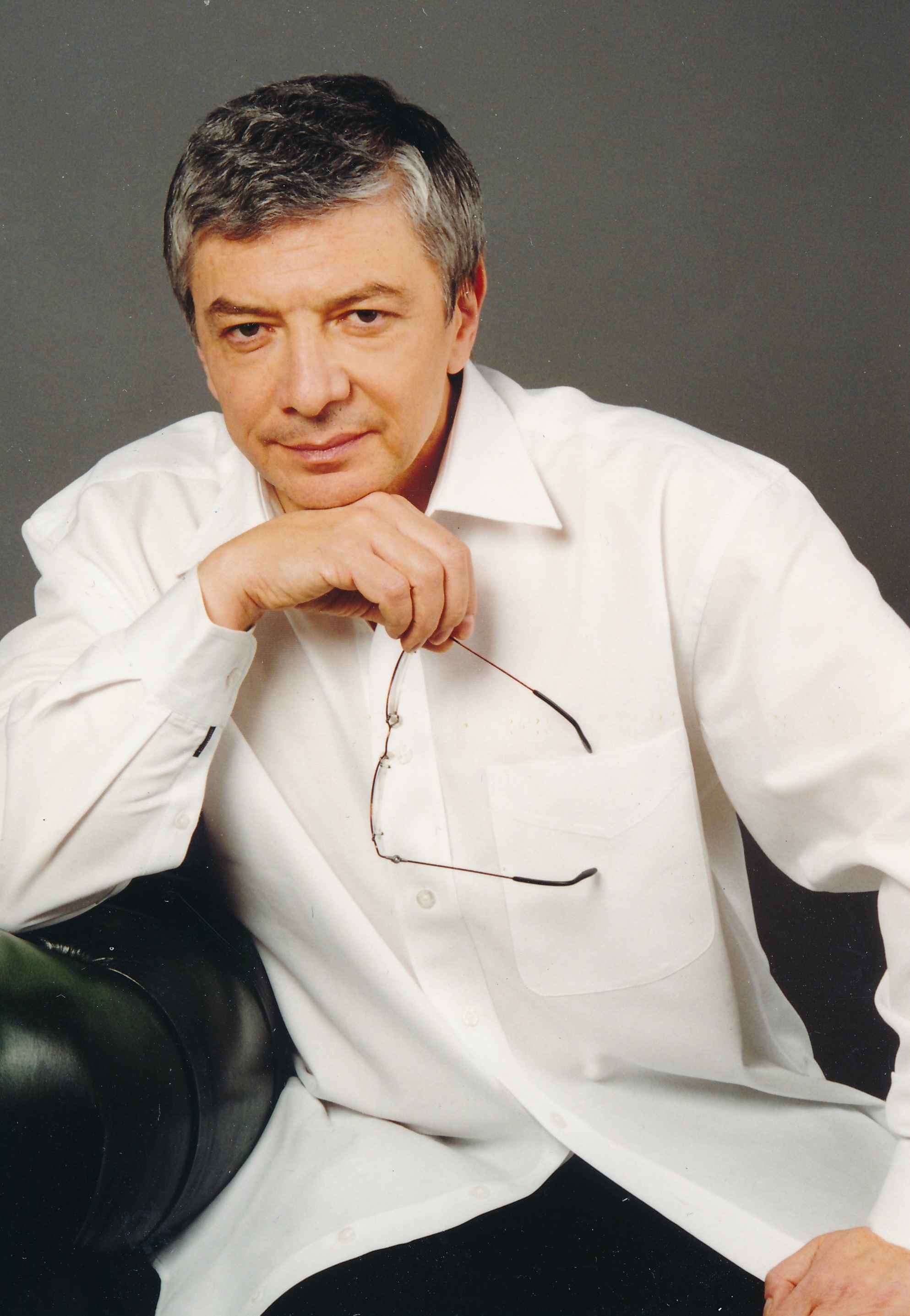
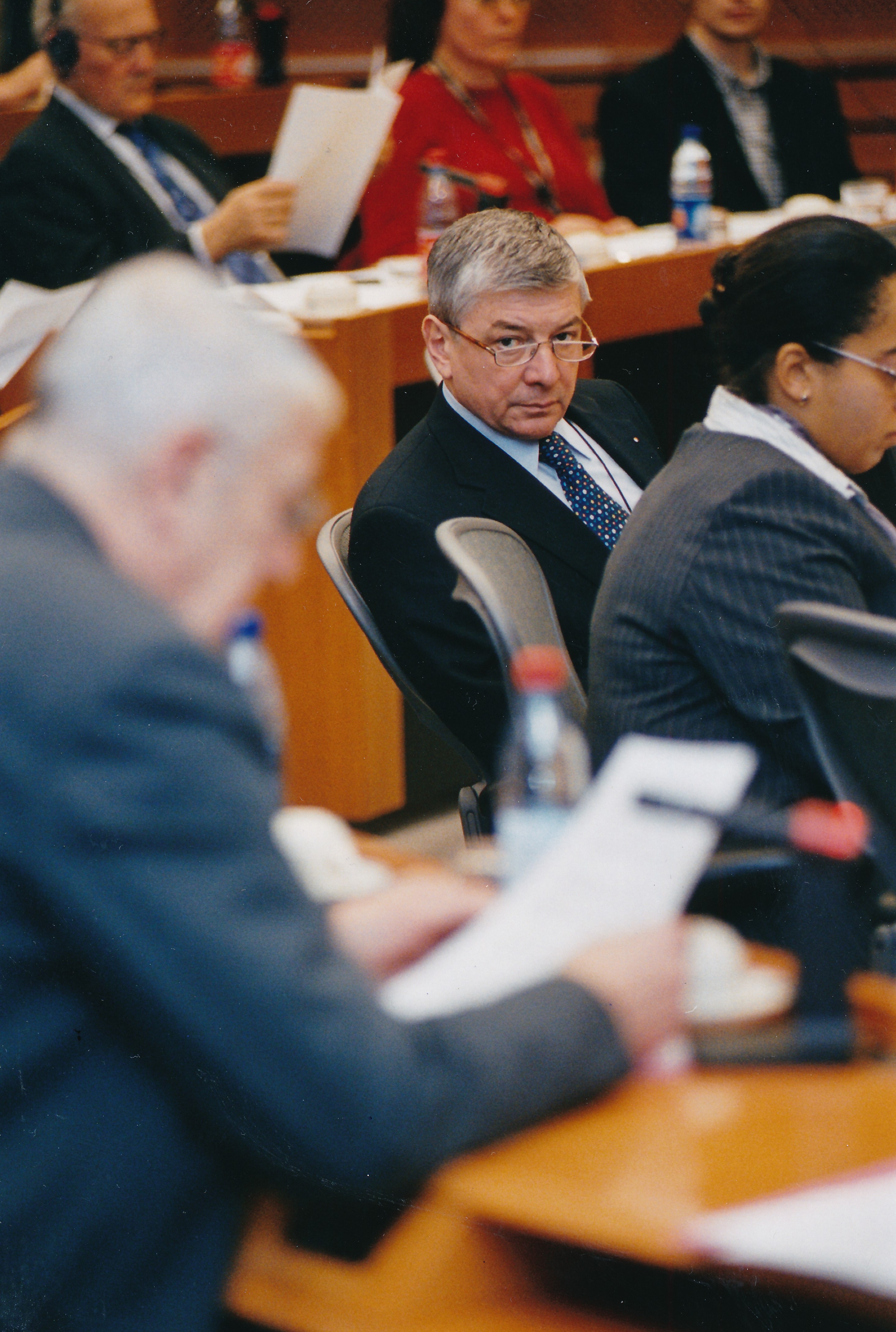
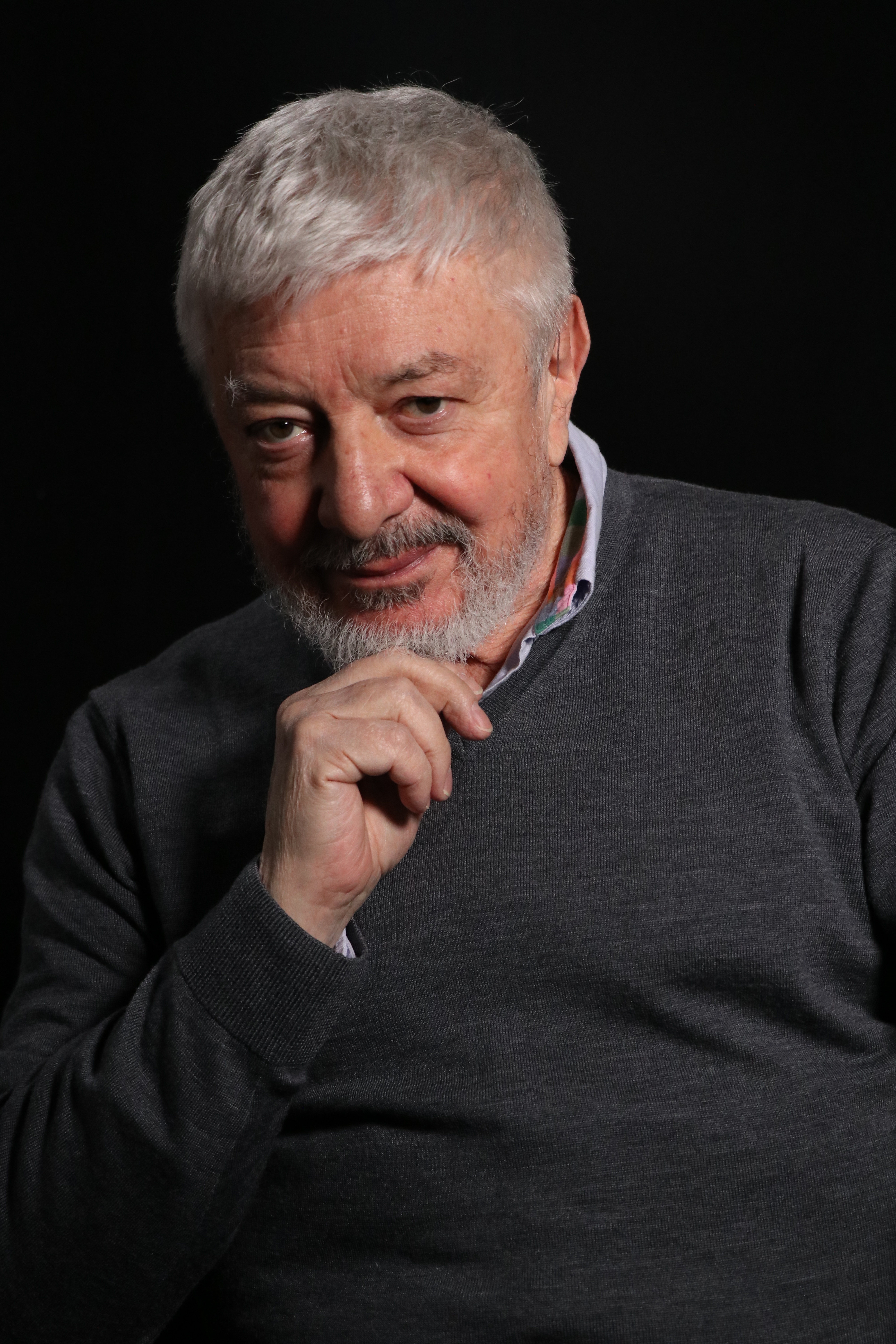
Vladimír Železný was born on 3 March 1945 in Kuybyshev into the family of Todres Eisenkraft, later Teodor Železný, a Jewish veteran from Sokolov, and Alexandra Astrjabova. He did not arrive in Czechoslovakia with his mother until February 1948, three years after his father‘s return. Teodor Železný worked in radio and telecommunications, but during the trial of Slánský he lost his job on charges of Zionism, which put the family in financial straits. The witness graduated from secondary school, at the same time trained as a locksmith and in 1963 joined Czechoslovak Television (ČST) as a production assistant, where he later worked while studying at the Faculty of Social Sciences. In August 1968, he participated in broadcasting from occupied Prague and subsequently fled with Vladimír Tosek via Austria to London, where he worked for the Associated Press. On his return in 1969, he completed his studies, but was dismissed from television during the normalisation period. He published in the technical magazine Téčko („T“) and wrote over 100 scripts for Slovak Television, including the series Okna vesmíru dokořán („Windows of the Universe Wide Open“) under the pseudonym Vladimír Silný. In the 1970s and 1980s he was repeatedly interrogated by State Security (StB) for contacts with dissent, but he refused to cooperate. After 1989, he became a spokesman for the Civic Forum, was the author of its successful election campaign and then a spokesman for the Pithart government. In 1993, he obtained a license for the commercial Television Nova, which he turned into the fastest growing station in post-communist Europe. A conflict with investor CME resulted in international arbitration, after which he was removed as director in 2003. Politically, Vladimír Železný gradually profiled himself as a eurosceptic: in 2002 he was elected senator for Znojmo and in 2004-2009 he served in the European Parliament, where he worked with Nigel Farage, among others. Later in life, he founded the Tanzberg winery and the Kvitl kosher winery, and devoted himself to photography, especially of the Hasidic communities. He owns an extensive art collection and runs the Golden Goose Gallery. In 2026 he lived in Prague.
Hrdinové 20. století odcházejí. Nesmíme zapomenout. Dokumentujeme a vyprávíme jejich příběhy. Záleží vám na odkazu minulých generací, na občanských postojích, demokracii a vzdělávání? Pomozte nám!