Hasan Zahirović

* 1975

  • "I remember the first time I bathed a sick gentleman. They were civilians who were dying. The imam was at the front and someone needed to do the job for him, so he entrusted me with it. I know the first time I didn't have food for about three days. I don't know. Moreover, I had to keep quiet, he told me that what I see there I must not tell anyone about the dead. I mustn't say that he had a disease, that he looked like this and that. I wasn't allowed to say that, so I had some secrets. My mother asked me why I was doing it, but I said it was better this way than having to go somewhere else. The job wasn't a choice and everyone had to be employed in some civilian way. No one in the village could be free, you couldn't be your own boss."

  • "When you think of Brčko, it's a plain. You're in some houses and you're shooting at other houses, there's other troops there and you're shooting at other people's houses. There weren't many shelters, but there were some. And usually you were shooting through those houses somehow and you knew where the boundary was. I felt sorry and I used to ask, if there were any books. And they said there was no roof there anymore, so it rained inside, but sometimes they would bring me books. Imagine I got the whole Mesha Selimović, Ivo Andrić. At that time I thought of it as saving other people's books, but today it makes me want to cry because I realise that they were actually other people's things. And that I would like very much for the books to be returned to those people, but I don't know whose books they are. In those journals I write who brought me what book, and I have exact descriptions of the books. And even some, sometimes there were papers in those books, or notes, or even photographs. One time I found a picture of a kid, so I taped it up in my journal, but I realise that half my library in my parents' house is strangers' books from those demolished houses. So did I save them or do I have stolen things on me, I don't know."

  • "This village is really huge. It's hills and hills, and I used to walk a kilometre and a half to school within the same village, even though I wasn't that far. There were kids who walked three kilometres. I don't know why the village is so vast. When I moved to the Czech Republic, I understood that a village is somehow compact, but not here. In our country, I guess because of the way the people hid in different ways, the village is still called the same, but it's huge. It's just up in the hills. Where my parents and I are from, people are always in the hills when there are some. Then the village kind of spreads out. For example, my grandmother was on the other hill and I could see the house, but I had to go down into the valley and then up the next hill. But when I was at my grandmother's on the other hill, I could hear our little dog barking down the hill when he was alone. And in the village, as there were hills everywhere, they made a mosque in the middle of the biggest hill so that everybody could see or hear the Azan from those hills during Ramadan when there were lights. There was no television and people didn't listen to the radio back then, so they would know when they could eat, when they could stop fasting."

  • Celé nahrávky
  • 1

    Praha, 29.05.2025

    (audio)
    délka: 02:21:32
    nahrávka pořízena v rámci projektu Stories of the 20th Century TV
Celé nahrávky jsou k dispozici pouze pro přihlášené uživatele.

During the war in Yugoslavia I became an old man, I grew up overnight
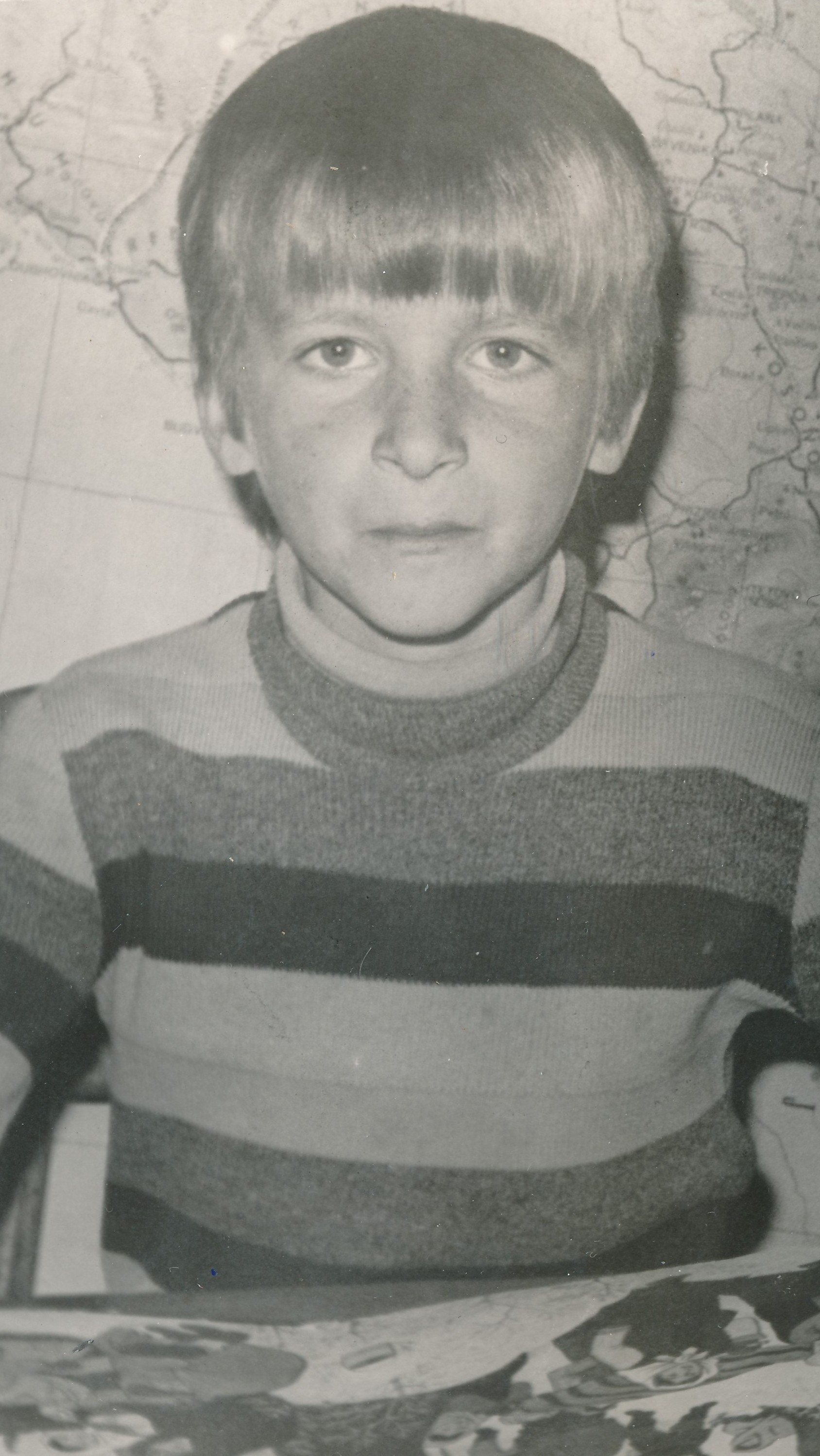
Hasan Zahirovic in the first grade, school year 1981/1982
zdroj: Witness archive

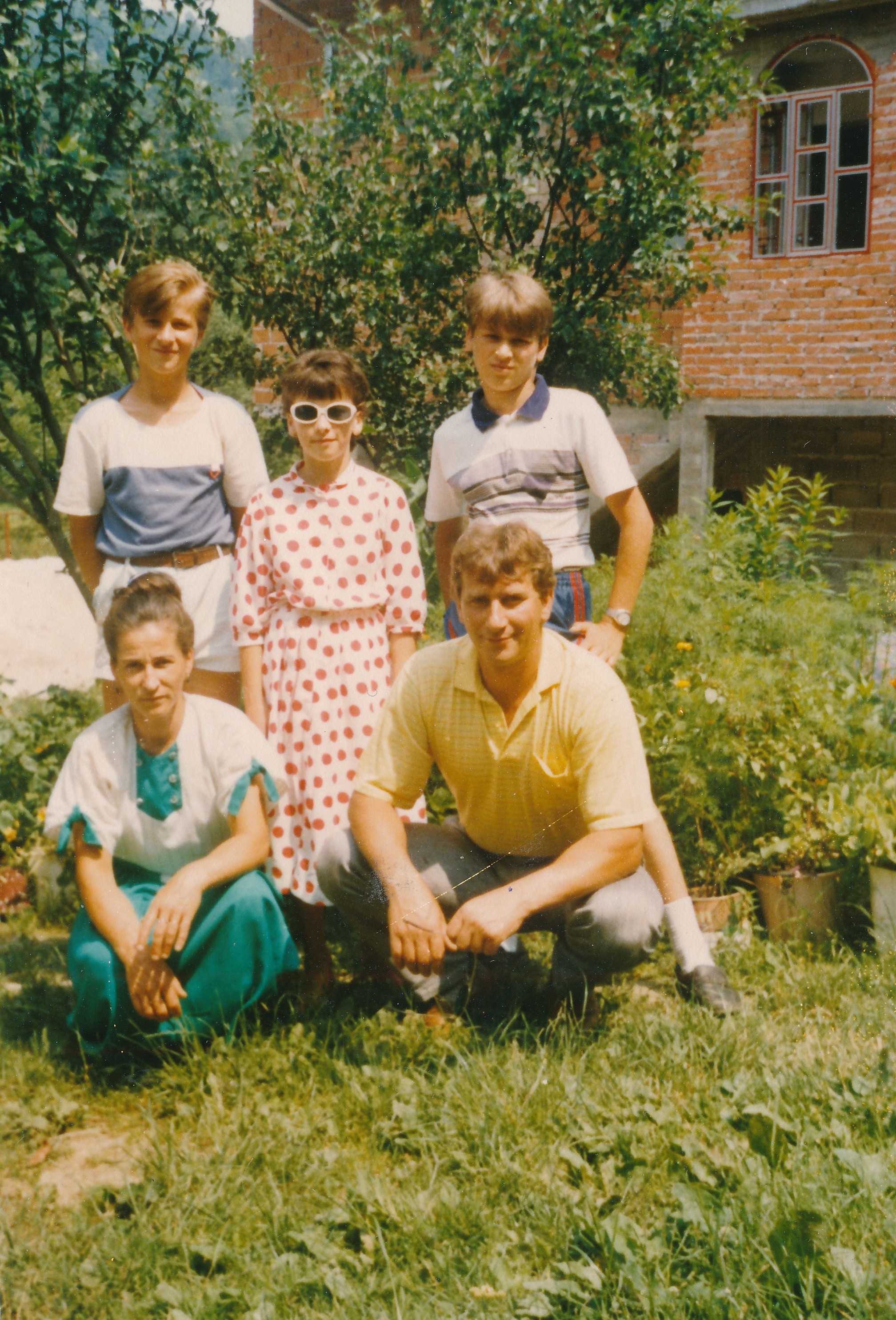
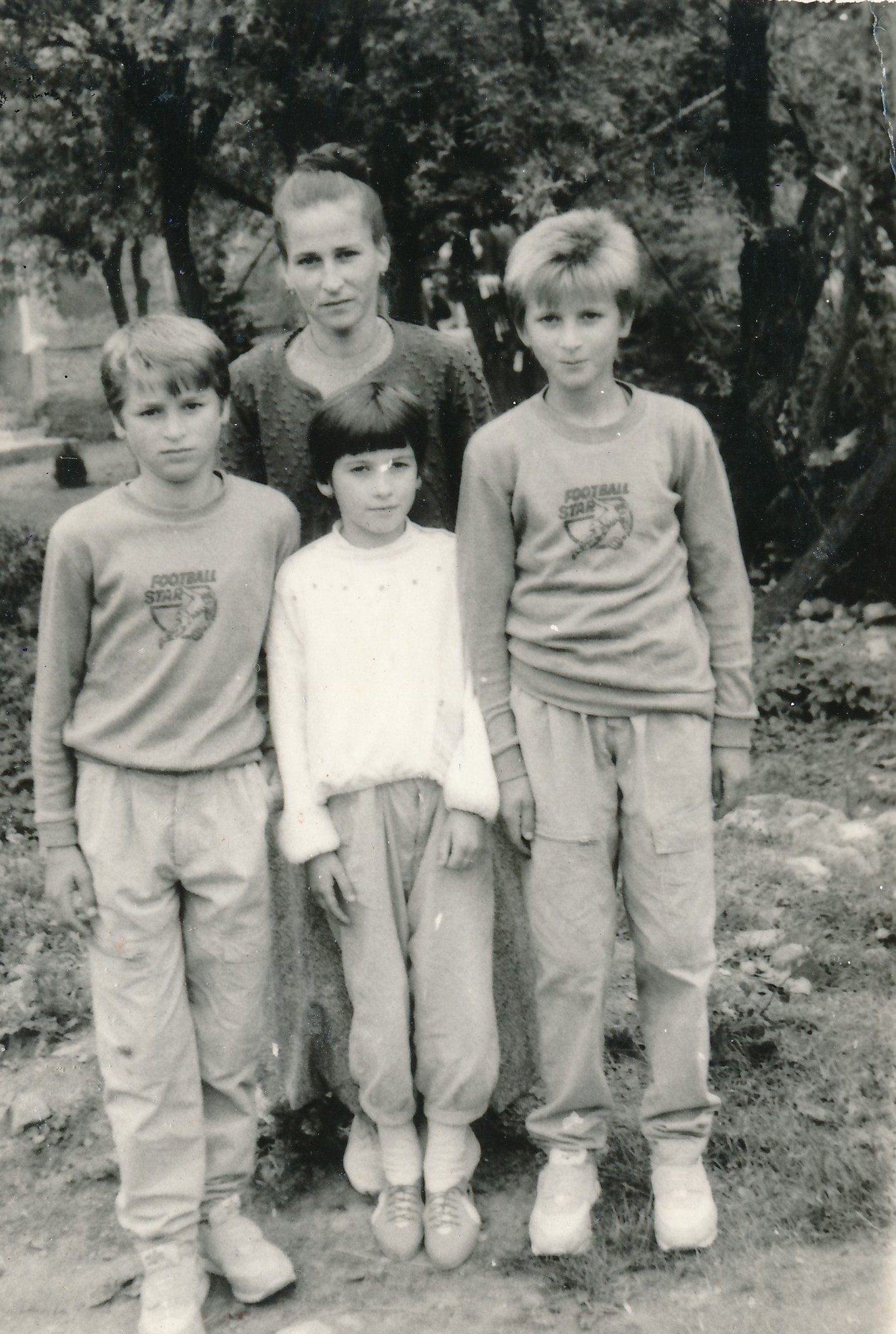
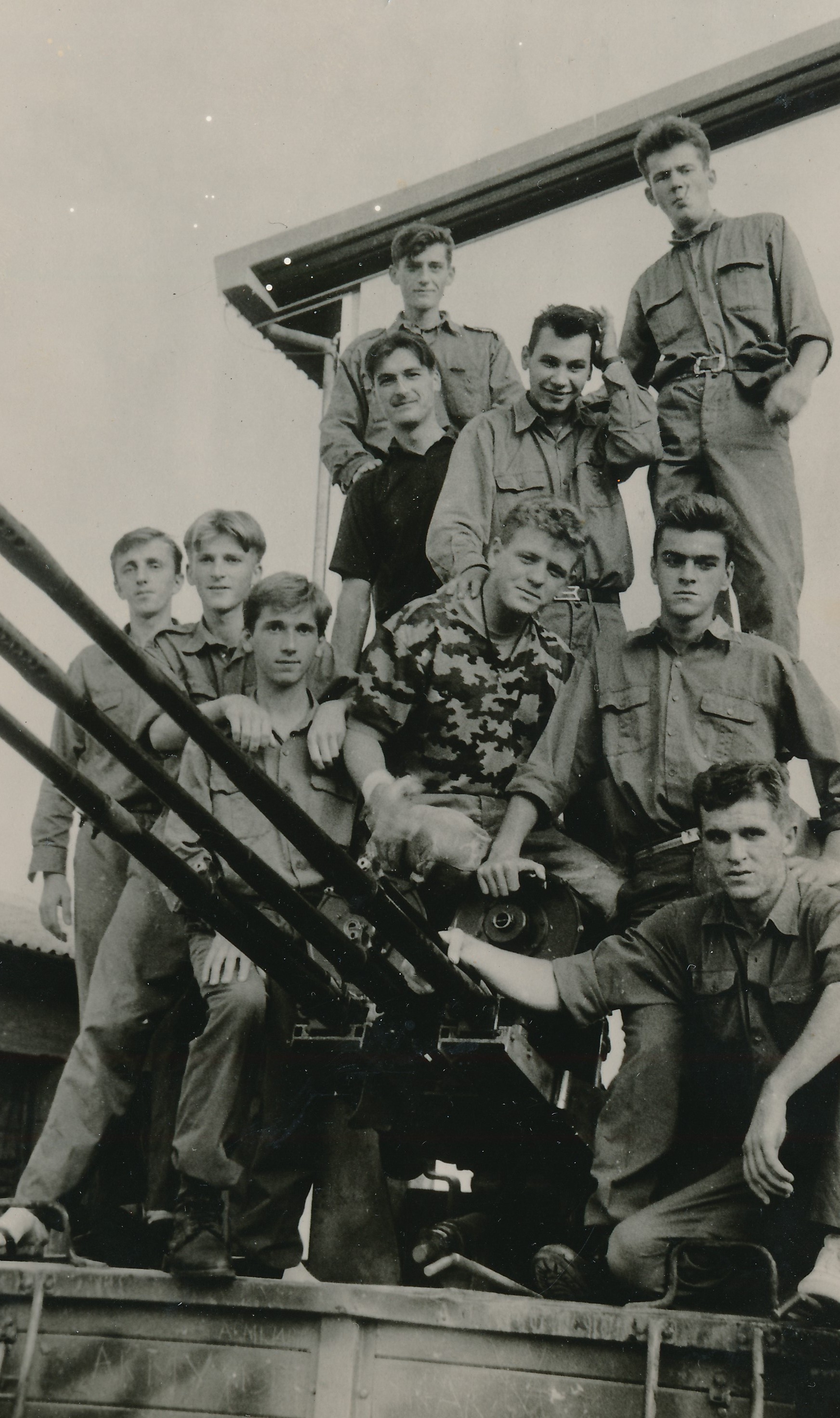
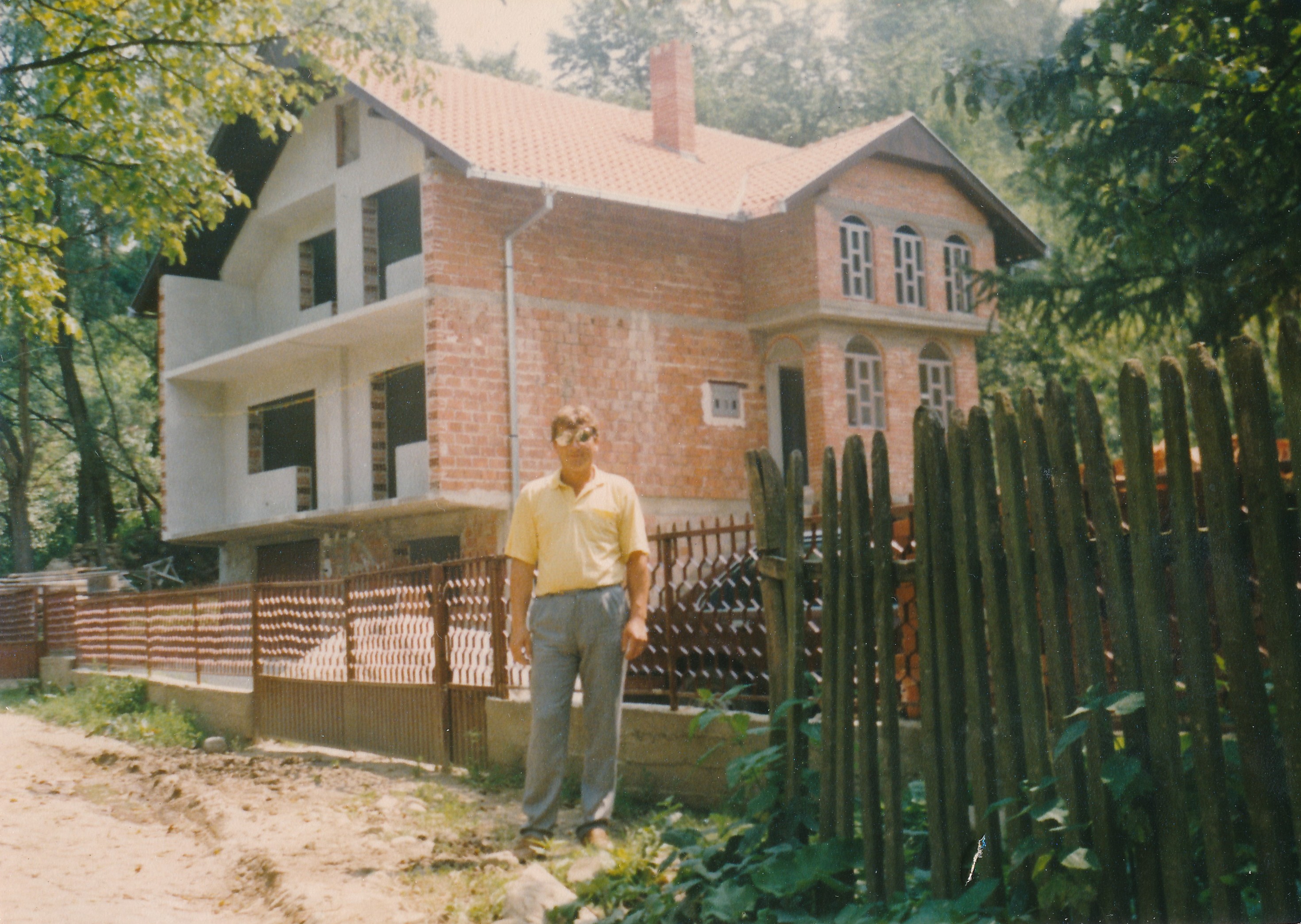
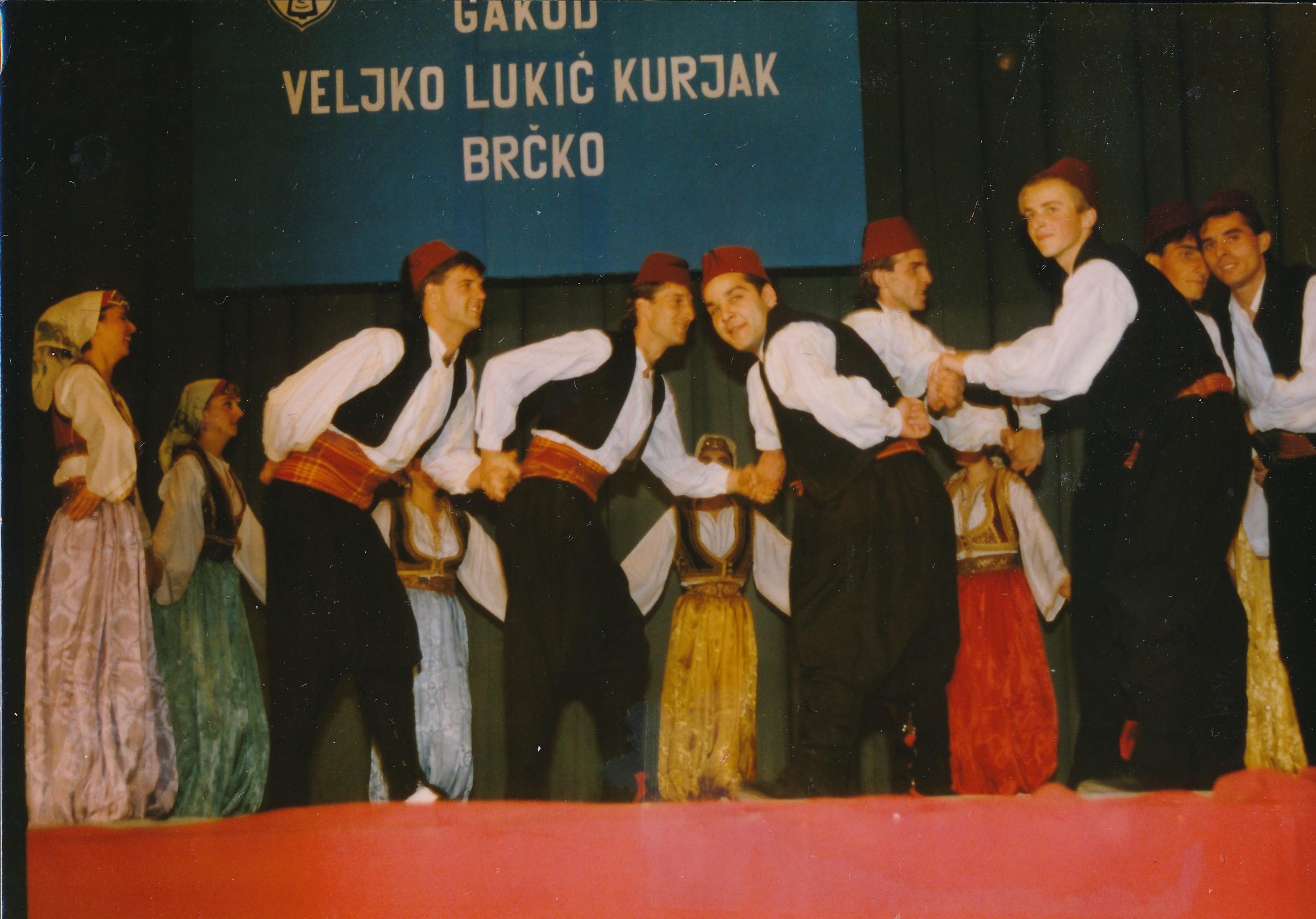
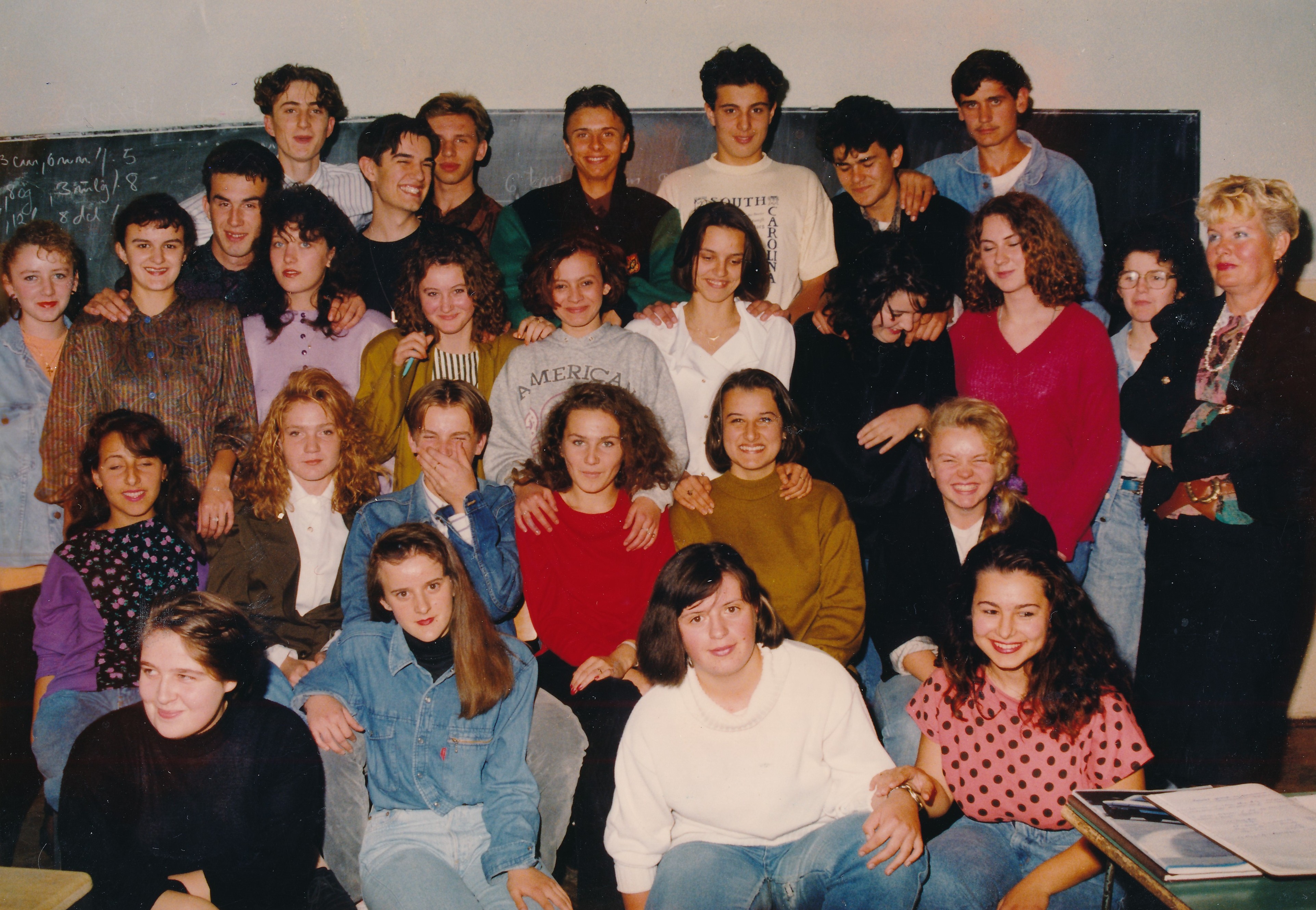
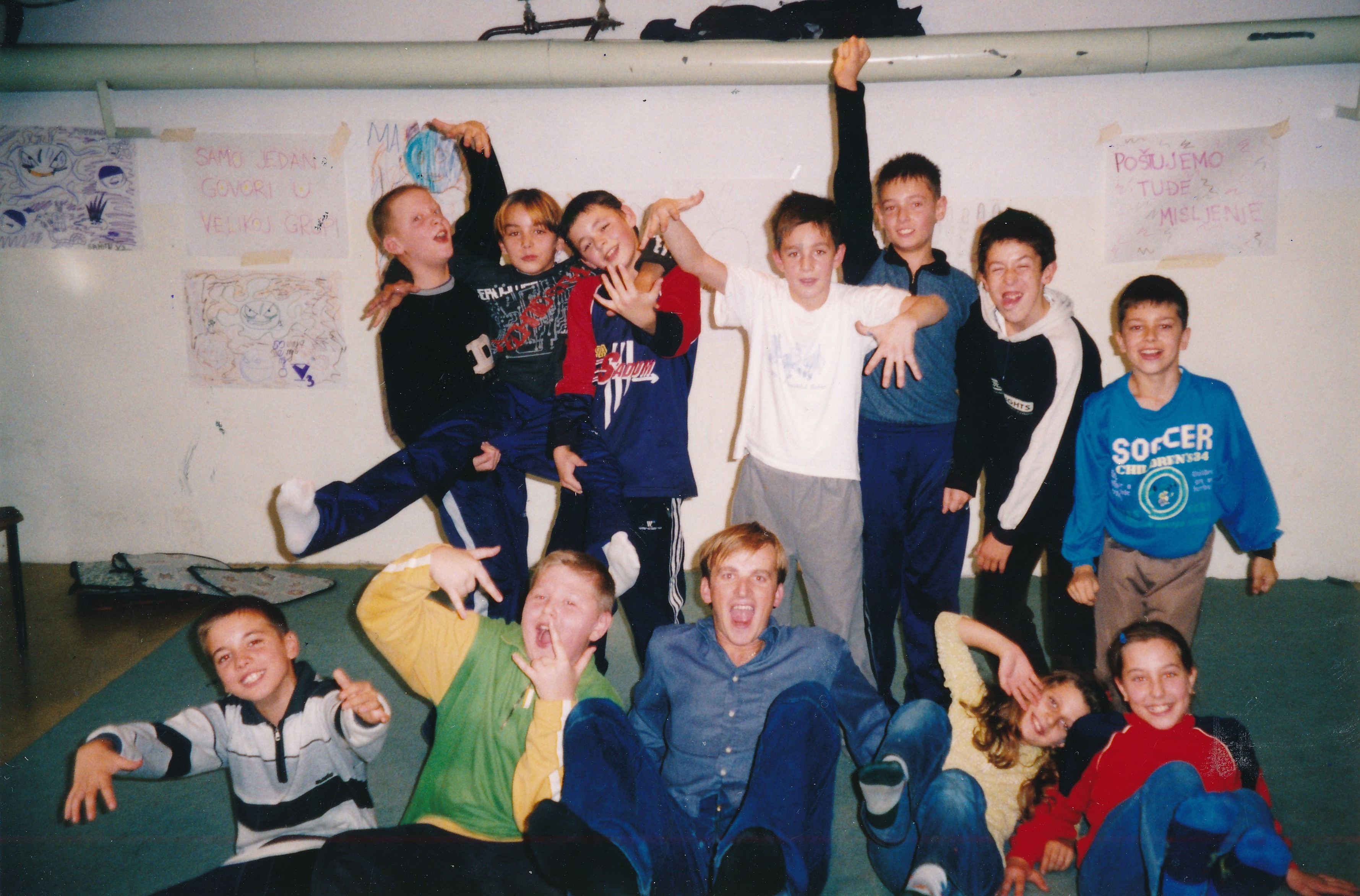
Hasan Zahirović was in fact born on January 20, 1975, in the eastern Bosnian village of Rašljani, near Brčko. However, as was often the case with village children in Bosnia, his official date of birth was recorded in the register a week later, on January 28 of the same year. He grew up in a family mostly with his mother, older brother and younger sister. Their father was working abroad and the family spent a large part of the year without him. However, he supported them financially. When the witness was sixteen years old, the war started in the former Yugoslavia. Hasan Zahirović had to drop out of high school and started working in the civil service. He also attended military exercises, but he did not have to go to the front. He managed to finish high school during the war and later graduated from the Islamic College for Teachers. He did not stop his education afterwards, graduating in pedagogy from the Faculty of Arts in Sarajevo and in acting from the Faculty of Humanities in Mostar. In Bosnia, he worked as an educational advisor at the Persian-Bosnian High School in Sarajevo. For six years, he was engaged in acting at the Bosnian National Theatre in Zenica. Since 2006 he has been living in the Czech Republic. He graduated in theatre studies at the Faculty of Arts of Masaryk University in Brno and completed his doctoral studies at the DAMU in Prague. He works at the D21 theatre in Vinohrady and as a teacher of Cultural Dramaturgy at the Silesian University in Opava. He is the chairman of the Culture Club at the Syndicate of Czech Journalists in Prague and a member of the Society of the Čapek Brothers. He is a translator of Czech and Slovak literature and also translates Bosnian, Croatian and Serbian plays into Czech.