"A man wanted to divorce his wife. The wife was a very committed party woman. He came to me with his new partner, whom he had been living with for years, and said he wanted a divorce. So I said, 'Well, surely that won't be a problem, since you've been separated for so long.' He said, 'Well, I guess it might be a problem, because I've tried twice, and they've never divorced me.' I said, 'That's impossible, so let's do it.' Well, they didn't divorce him, they didn't divorce him, because the comrade's wife didn't want to divorce. And neither the district court nor the county court went against her will. And yet, in that panel, I remember, in that county court, there were judges sitting, or at least some of the female judges, who I thought were decent people, decent persons. Well, I guess they were ordered to do it, and to defy and risk their careers, I don't know... But that's just my speculation. But in any case, they just didn't divorce the gentleman." - "But so it just shows the pervasiveness of that state system in everything." - "Into everything, that's what it is. So whenever there's a discussion about whether the regime was authoritarian or totalitarian, I always start from the definition of totalitarianism, which says that it's a regime that interferes in all areas of a person's life. And it is essential for a person's freedom that he should have a private space into which the state simply does not intrude and where he is allowed absolute autonomy of decision-making, and therefore also that his privacy is preserved. That was not the case with us - this case clearly demonstrates that - and I therefore think that the regime was totalitarian even in the 1980s."
"Even though there was a new constitution and even though the Constitutional Court said in its very first ruling that despite all formal continuity with the old law, it was necessary to insist on material discontinuity - that is, value discontinuity - and this thesis could then be worked with when deciding cases before the general courts, only... I did, I don't want to say 'excuse' them, but after all, one has to be fair - those judges didn't know how to handle it. You see, it was all so new procedures, new approaches that they hadn't been trained for. You know, I remember reading somewhere that when the European Convention on Human Rights and Fundamental Freedoms was adopted in Britain, that all the judges were given two months' training on how to work with it. Because it also demolished the existing doctrine and the existing practice - how the law was worked with in Britain. Well, and here in this country, when it came to the new constitutionalism and how it was reflected in the interpretation of sub-constitutional law, nobody got anything, any training, etc. - of those judges, prosecutors, perhaps even lawyers. So the development was very slow and it was really only because the Constitutional Court had to intervene in many places. Look, if it hadn't been for the Constitutional Court, restitution would not have taken place. The ordinary courts simply interpreted the restitution so narrowly and so formalistically that it would have been a fraction of what was actually restituted in the end."
"Even in that Free Europe, it was to a certain extent divided, that 1948 emigrants were one caste, 1968 emigrants were another caste. And then there were the newer ones who followed them up – those 1968 emigratns - and that was probably due to their older age or I don't know.. You know, that's the way it was, when I left Czechoslovakia, I really had a lot of anger towards communism and I really looked at it with anger, and this was also reflected in the attitudes towards people who were formerly communists who emigrated. And then they found themselves in some kind of limelight again, and I wasn't looking at the fact that they could do something, or what they could do, but rather that I expected them to go through some kind of purgatory. And they didn't. Well, I didn't get on very well with them. In other words, I simply didn't find my way to that group of 1968 emigrants, but rather I found my way to those 1948 emigrants. It just seemed to me that they were actually more authentic in the concept of democracy, or how to say. I don't know. Later, however, I found out that of course dividing people into such castes is completely useless, that of course it varies from person to person, that there are people who are capable of a certain development, and there are people who are not capable of a certain development."
"Once, it was in 1969, we were returning from there [from a concert evening in Kladno], and we were actually walking outside Kladno, past the Kladno cemetery. And it was the time of May, so we couldn't think of anything better than to start singing a song based on a John Brown song, that when Gustav Husák hangs on a branch, there will be peace in the Czech land... yeah, well. After that, when we passed the cemetery, a police car suddenly rushed out of the side street, from the first Kladno street. The policemen jumped out of it and those who were walking in the first rows, because there were really many of us, they grabbed them and took them to the Kladno police station. Well, I went with a boy whose brother was among those detained ones. Well, we went looking for them, to see what was happening to them. We went to the police station and tried to look into the windows, but it didn't work because they arrested us too. They put us there too, but they were no longer physically rough with us like with those who were there from the beginning. They really beat them, and they beat them badly. And, of course, they also had to listen to things like what do you think, that if you are educated, that you will act here like this, in such a way. We will show you something, and so on."
"When they arrested him [Vojslav Bušina, uncle of the witness]. I don't remember the atmosphere in the family. Because I think they were trying to hide it all from me somehow. But only later, much much later, I know that my father told me, for example, that they simply had to keep an eye on my grandmother [Vojslav Bušina's mother], because she, for example, tried to hang herself in the attic. Because for her it was just... she took it upon herself that she actually kind of got him into it by directing him to that political party. And I guess the atmosphere was somehow there, but I repeat again, they were really covering it up in front of me as much as possible, so that I wouldn´t actually recognize anything as a child."
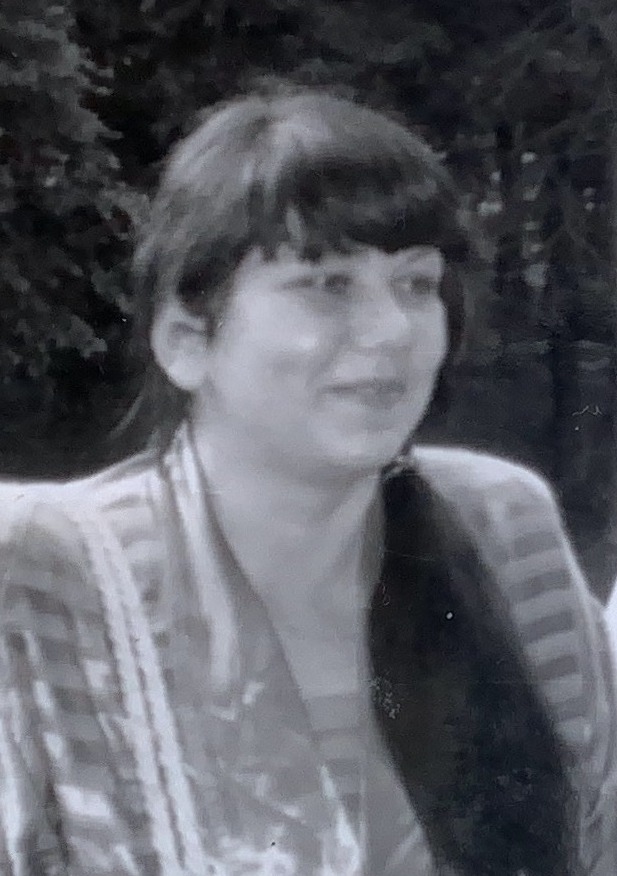
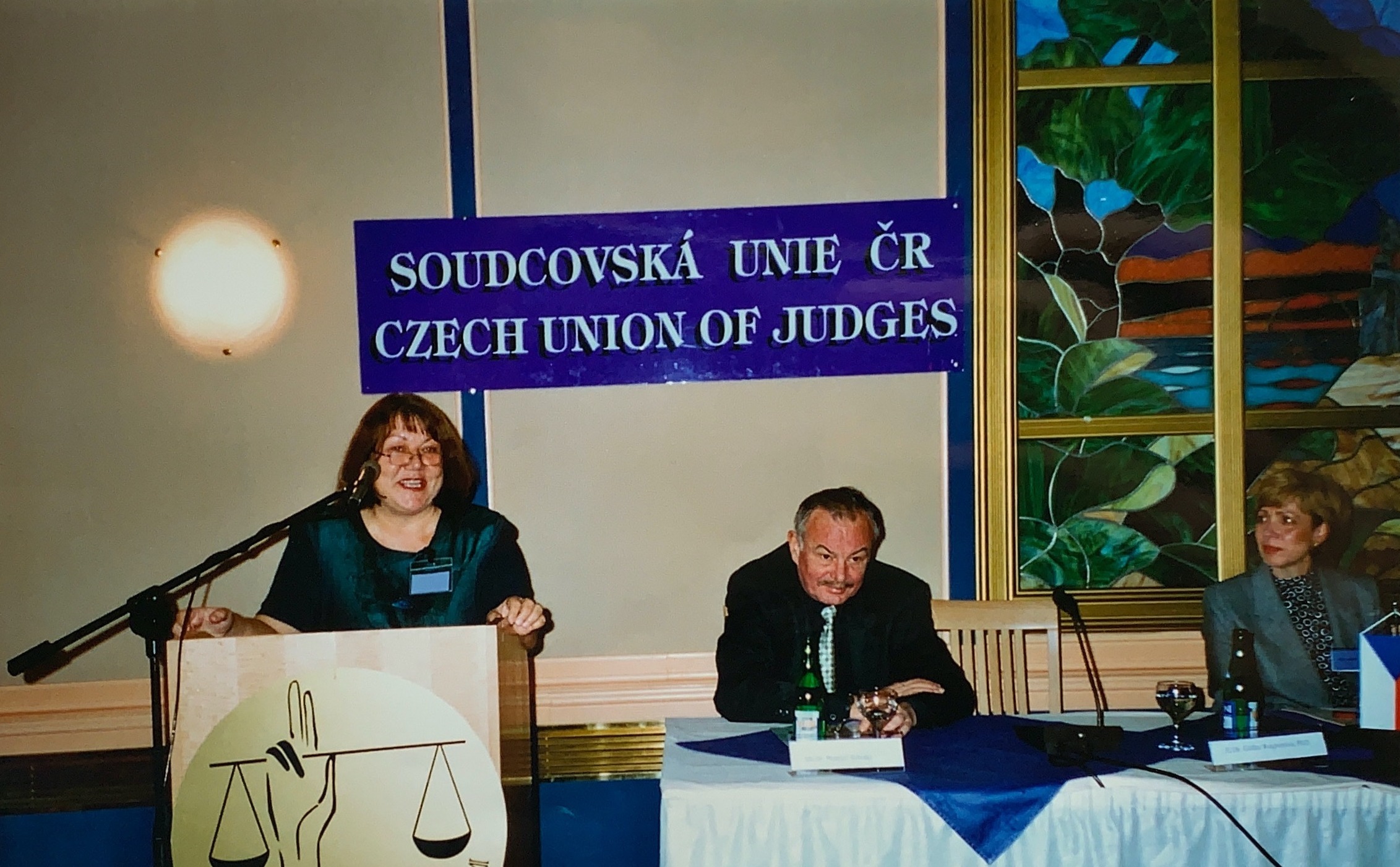
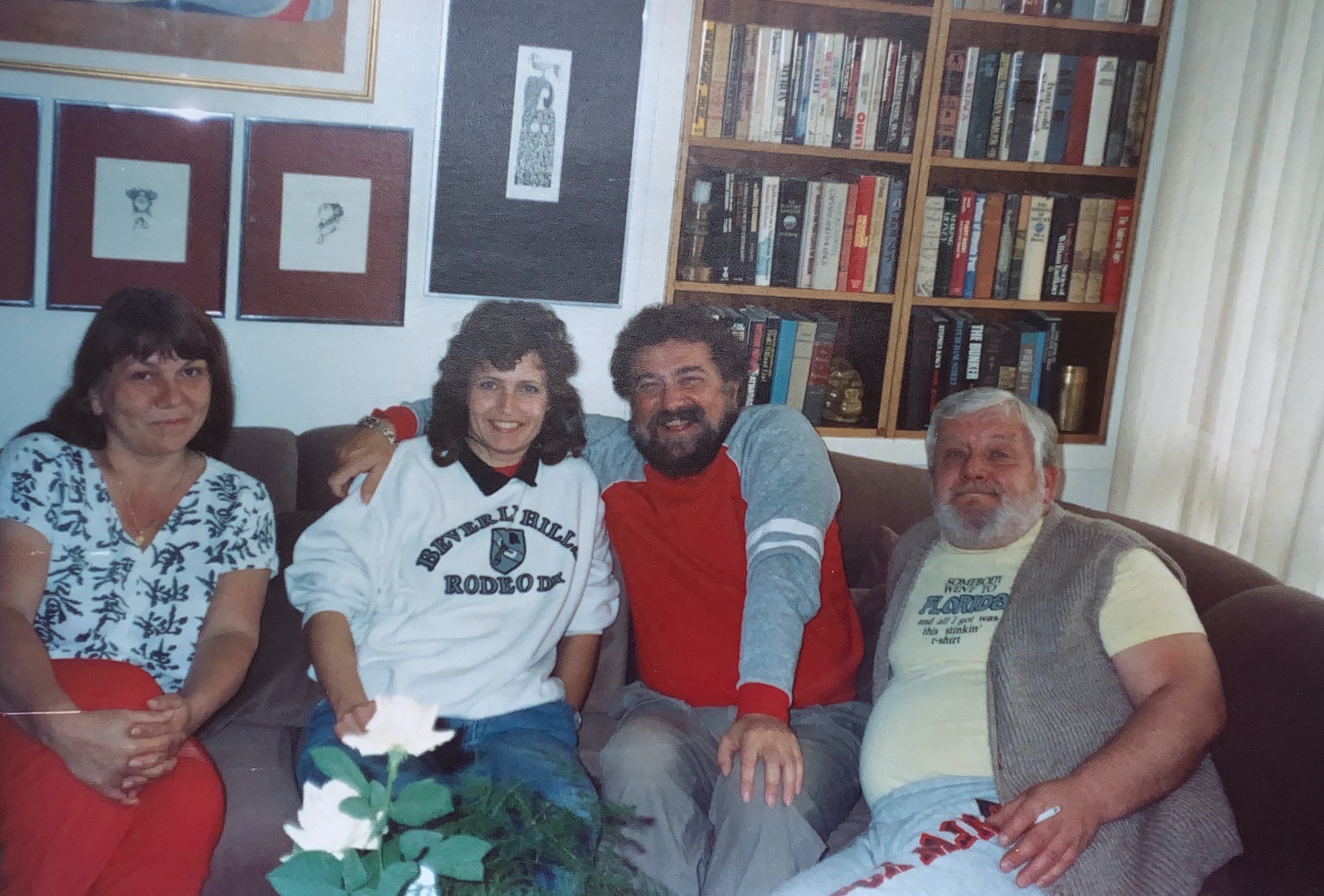
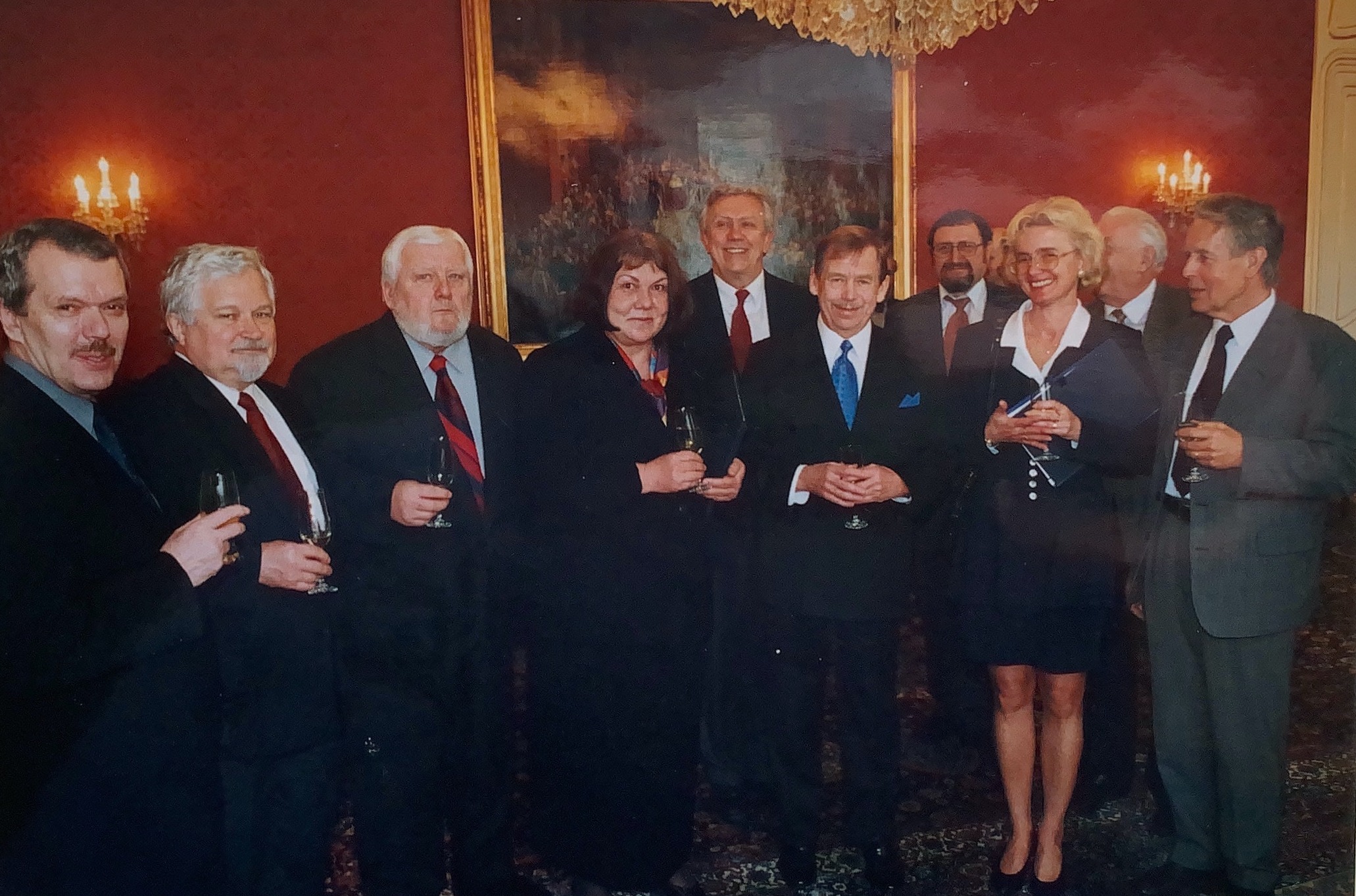
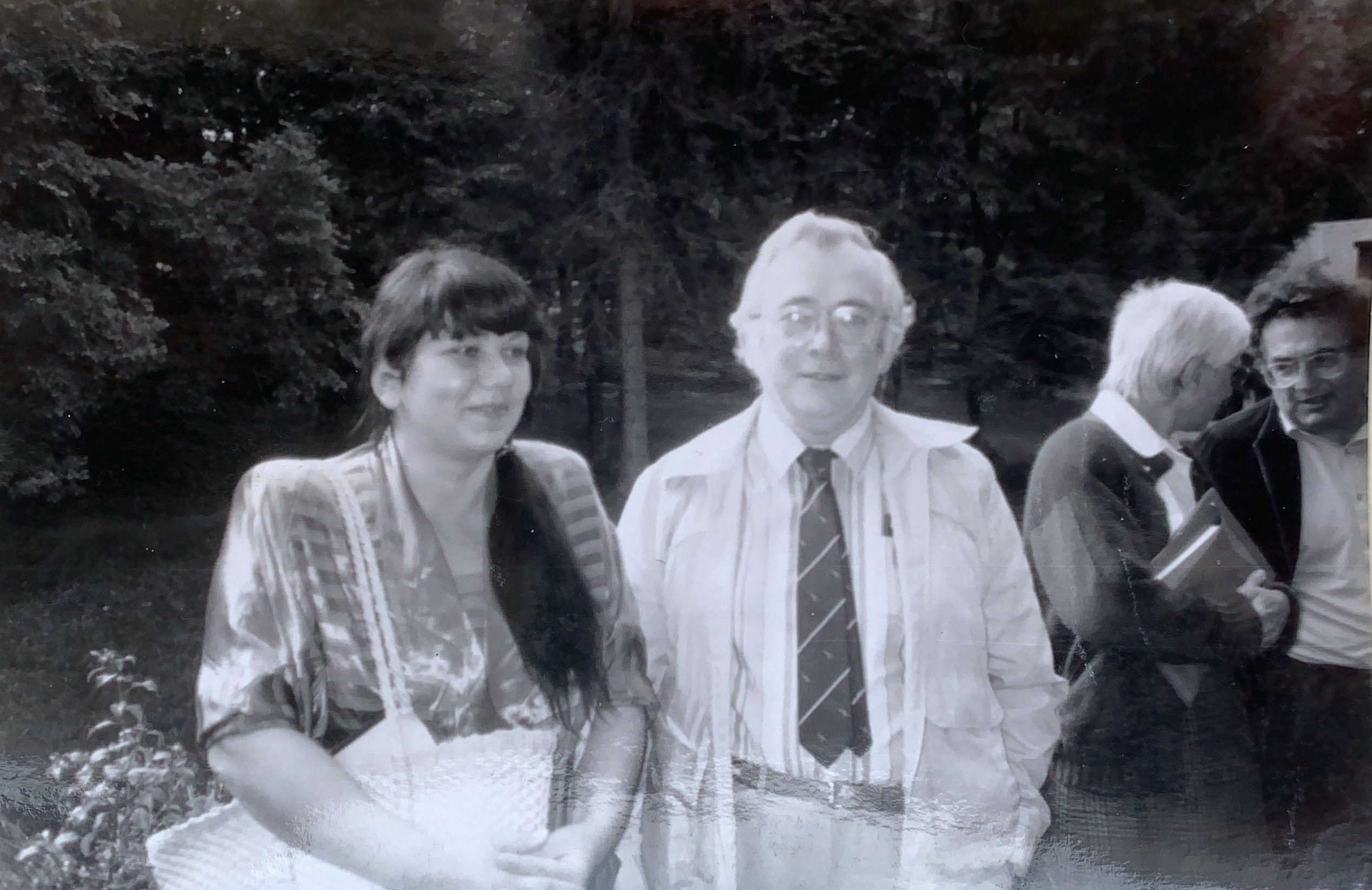
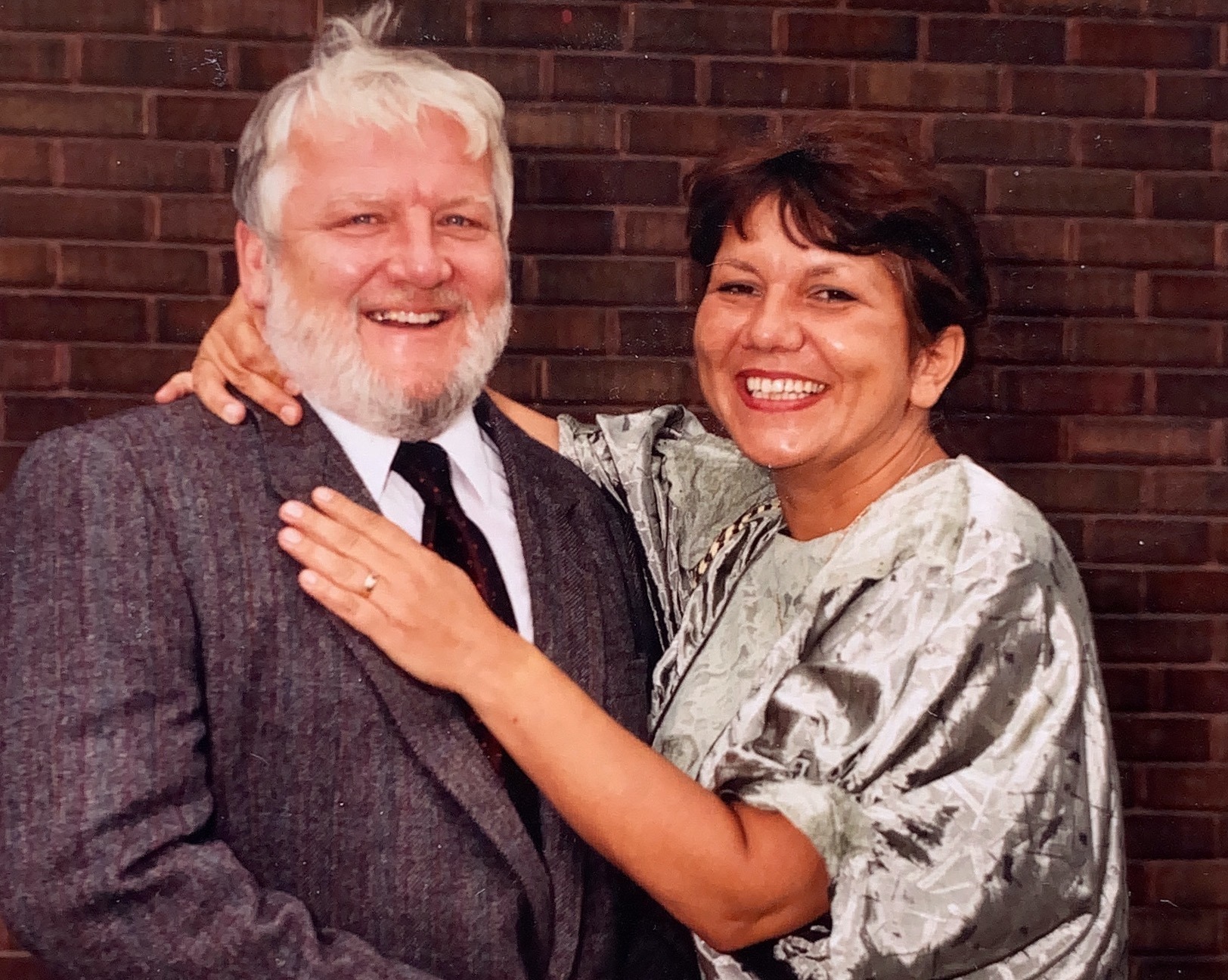
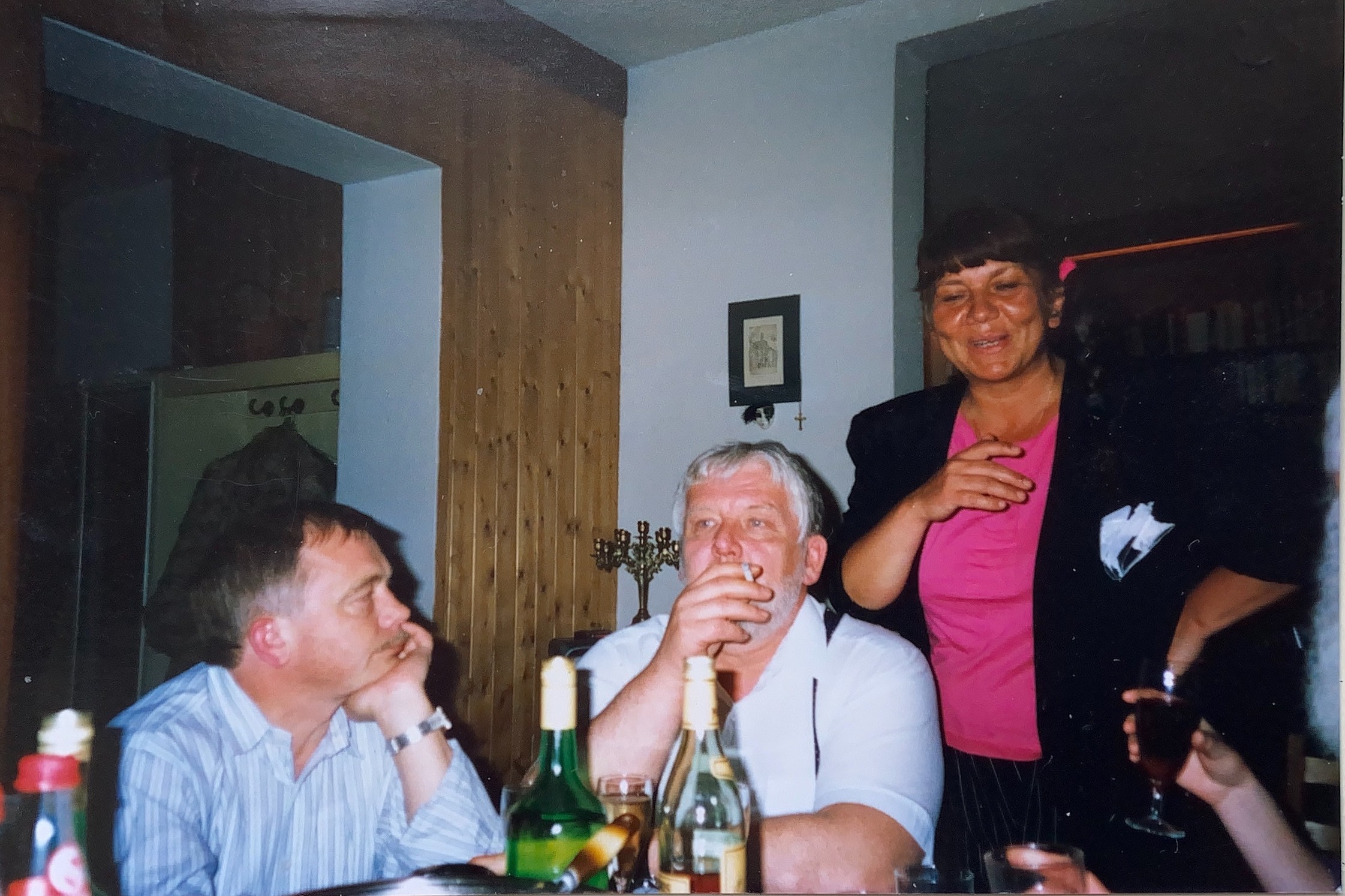
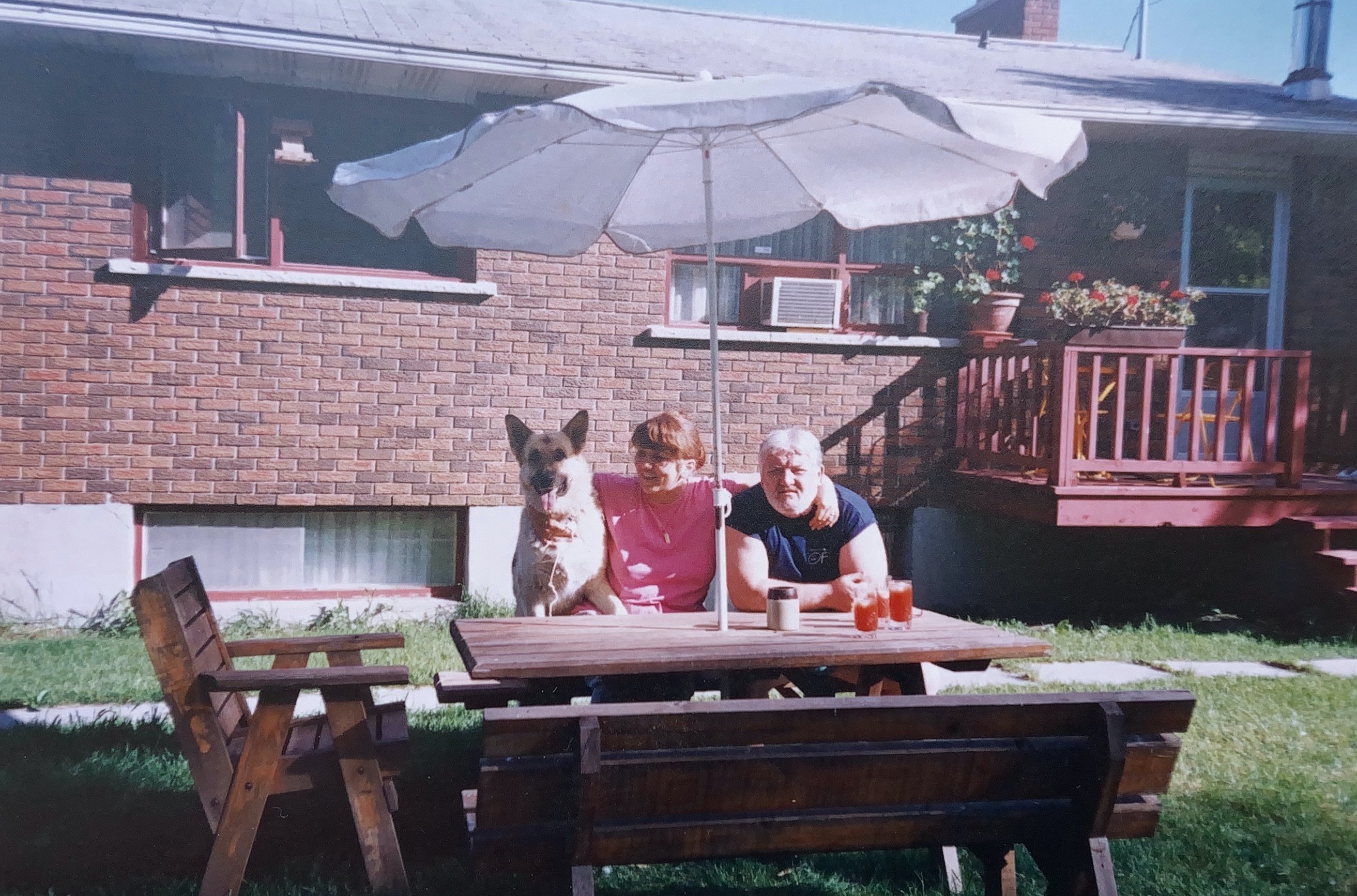
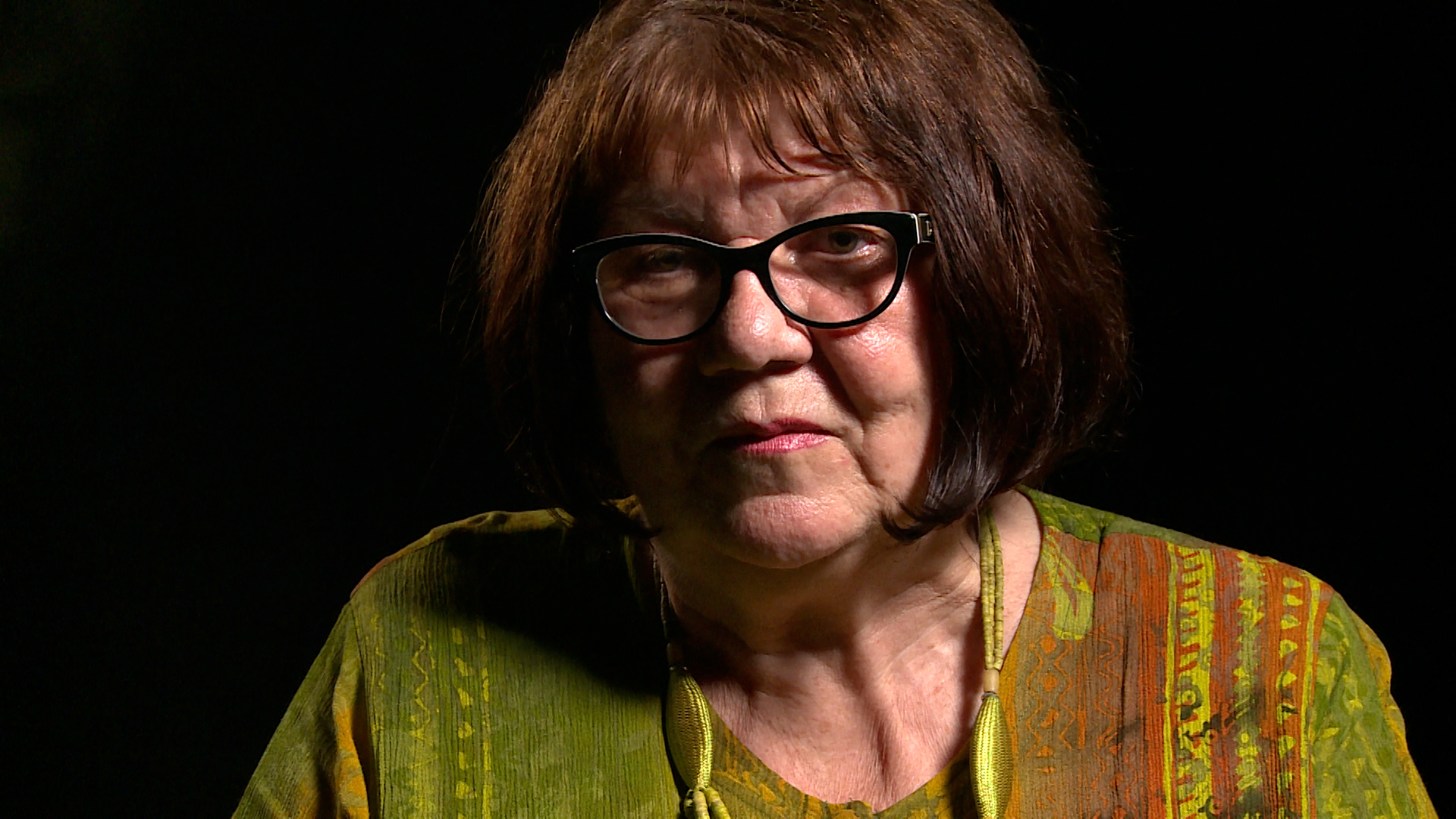
Eliška Wagnerová, née Bušová, was born on September 7, 1948 in Kladno. The family from her father‘s side, which significantly influenced her further life, came there from Slovakia. Her uncle Vojslav, who studied law, was imprisoned by the communist regime in the 1950s and spent two years in Jáchymov. After a difficult high school education, when she graduated from a metallurgical industrial school in Kladno instead of the desired chemistry, she studied law, completing her studies in 1974. After a one-year engagement as a corporate lawyer, she worked as a lawyer in Louny and Kladno for several years. Disgusted with the situation, she decided to emigrate in 1982. Via Spain she reached the Federal Republic of Germany, where she worked for several years as a legal advisor and journalist, among other things, in the Czechoslovak section of Radio Free Europe. She then lived with her second husband Arnošt Wagner in Canada until 1993. After returning to the Czech Republic, she first worked as an assistant to the president of the newly established Constitutional Court, later as the president of the Supreme Court and subsequently also as the deputy president of the Constitutional Court. Later she was a member of the Senate of the Parliament of the Czech Republic. Eliška Wagnerová passed away on January, the 18th, 2025.
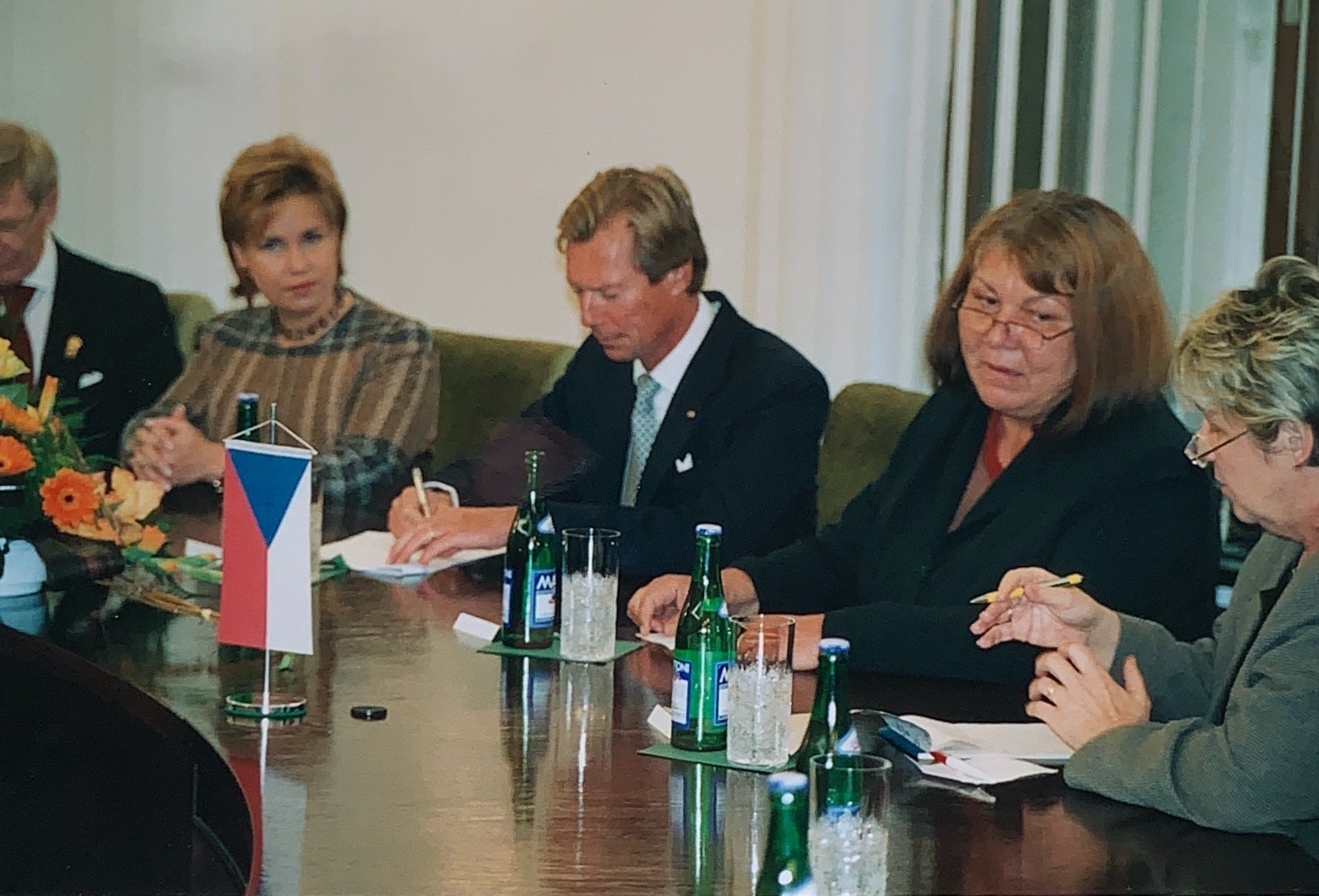
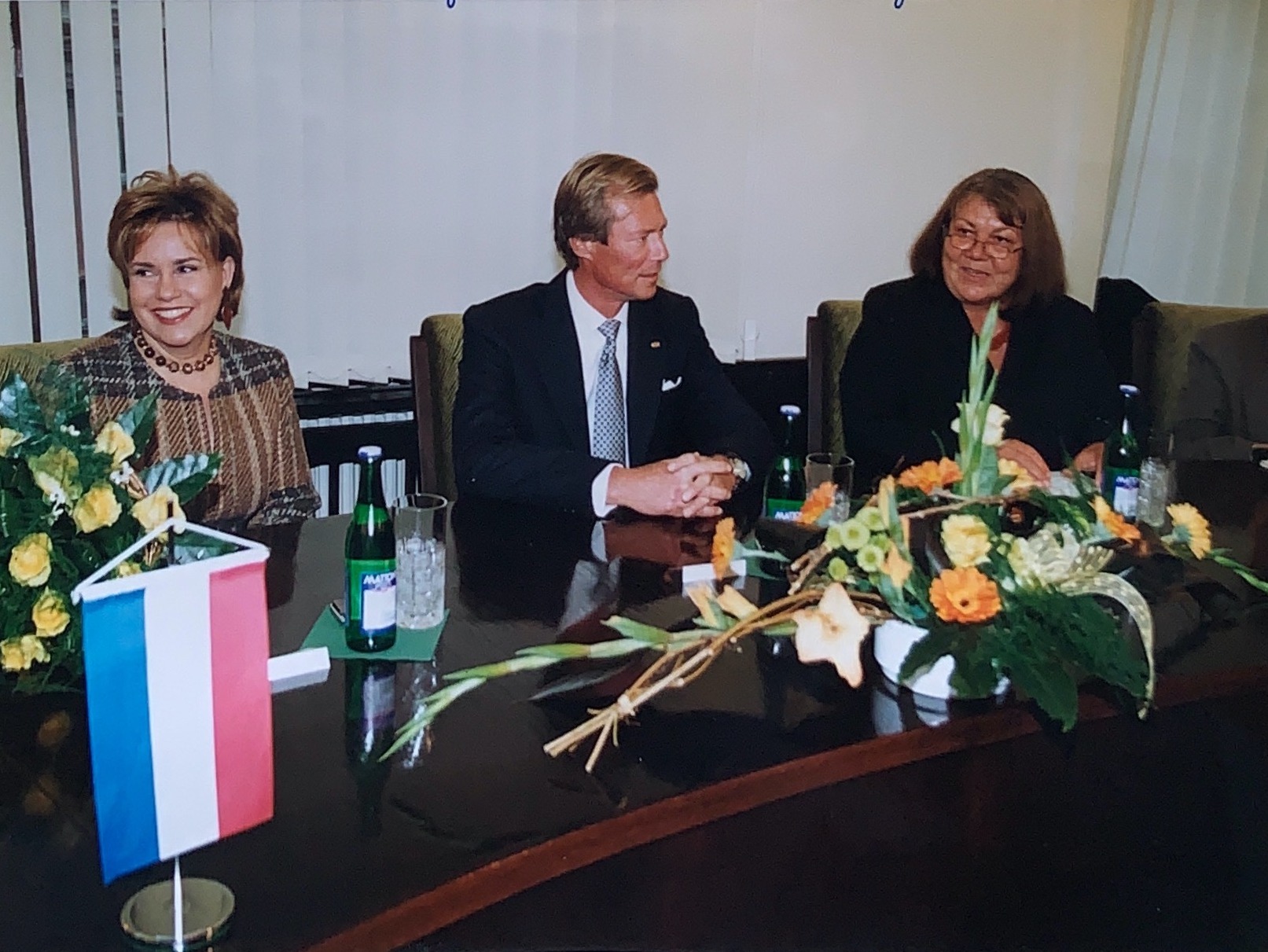
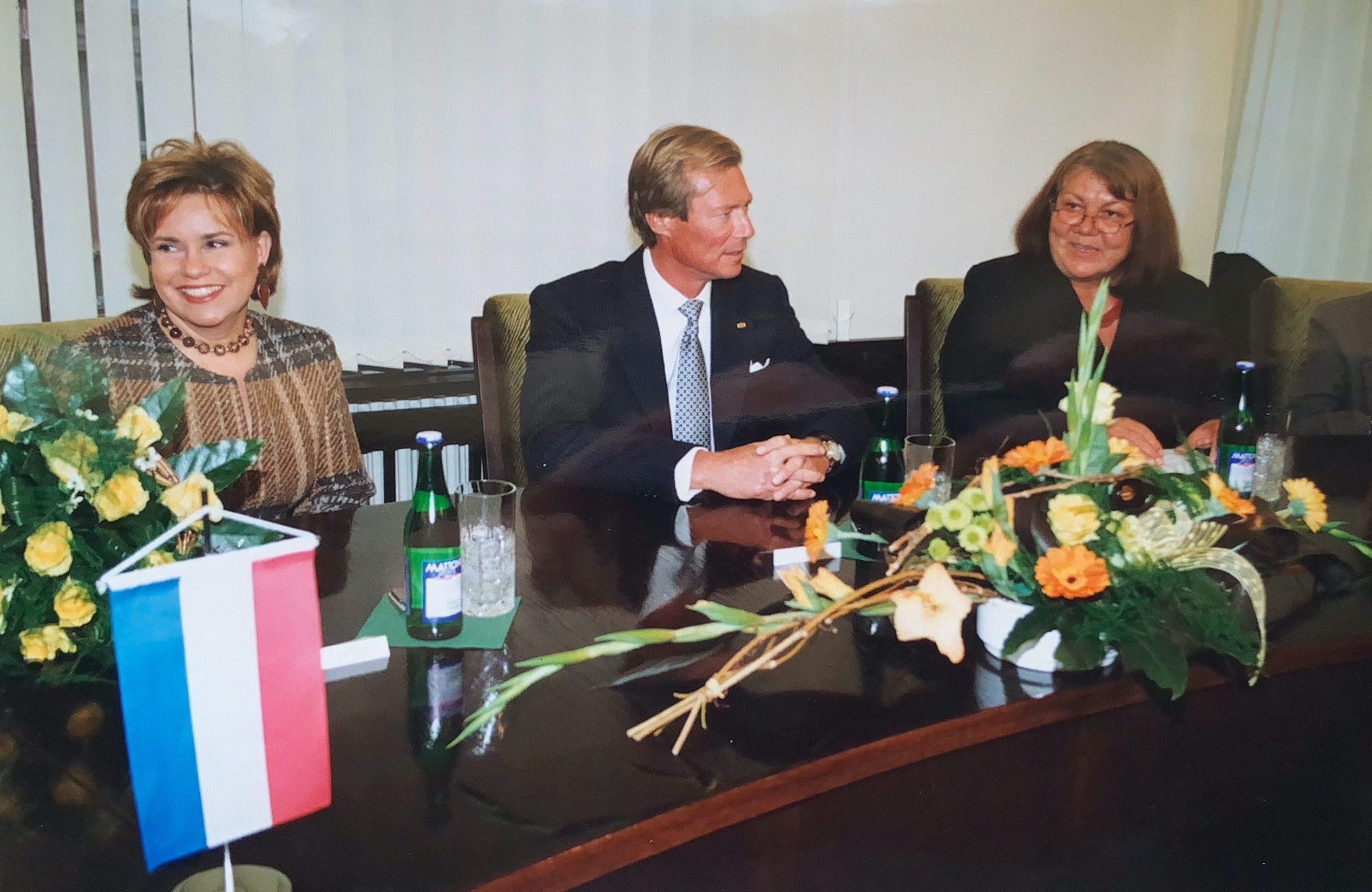
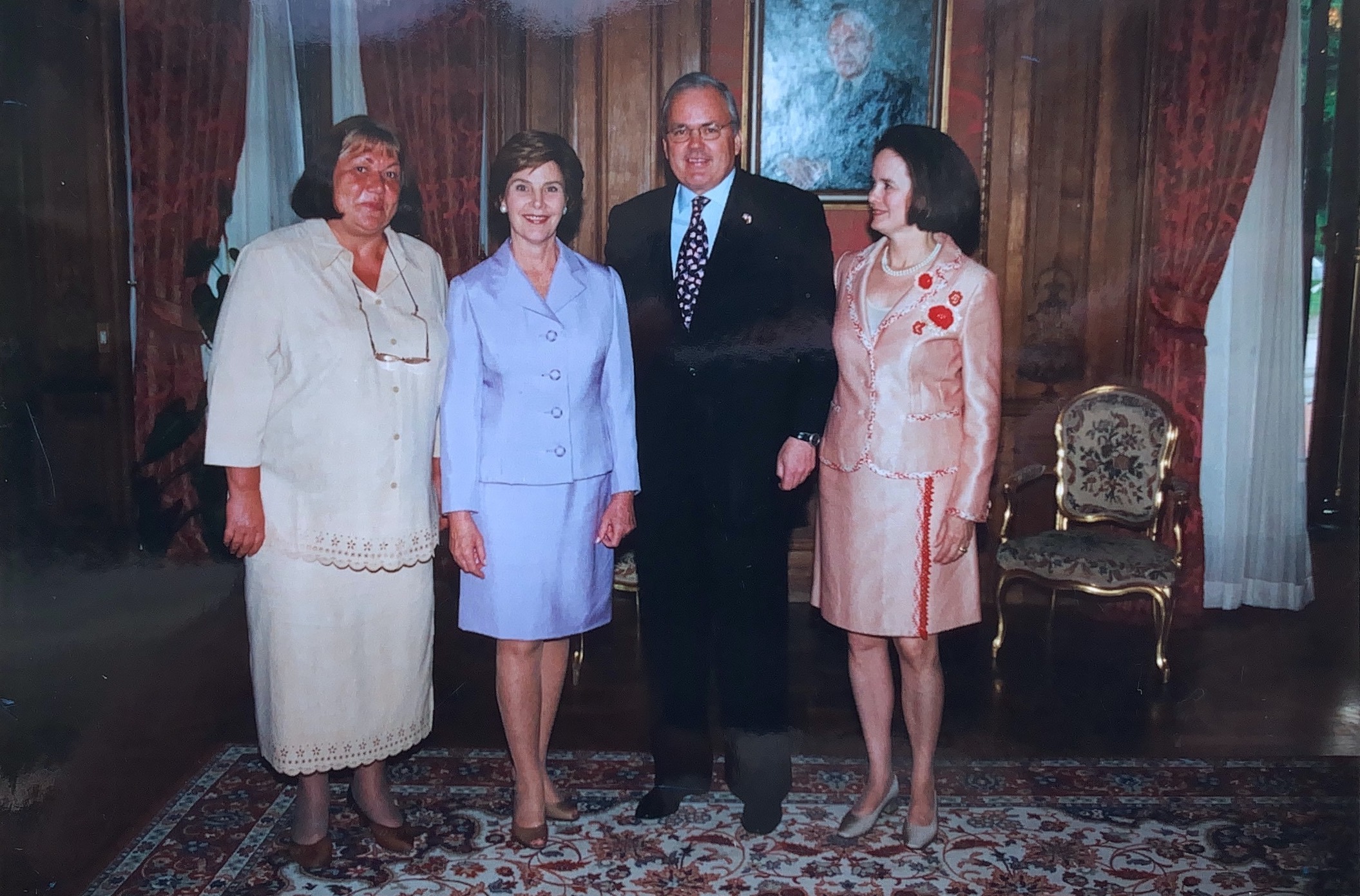
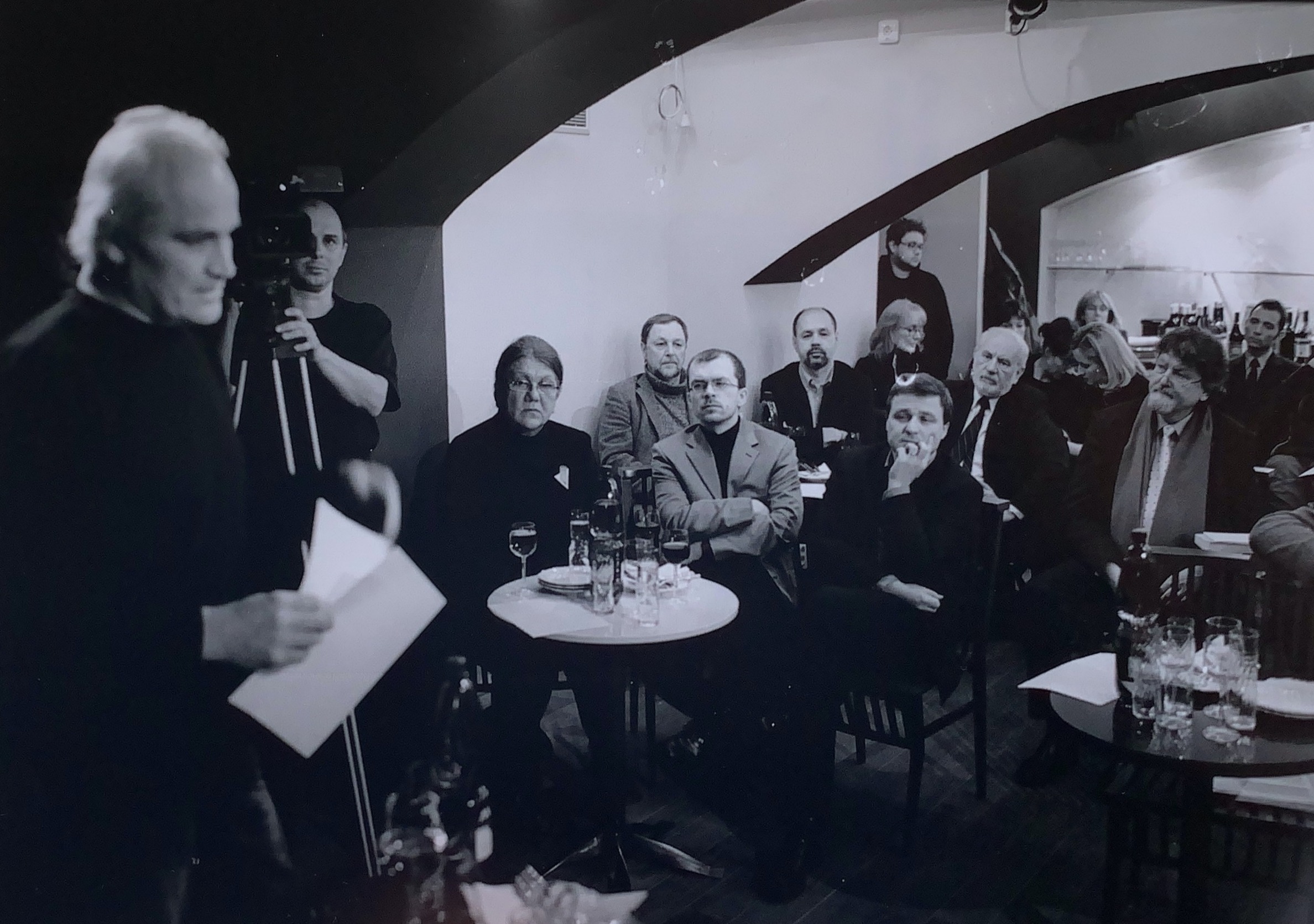
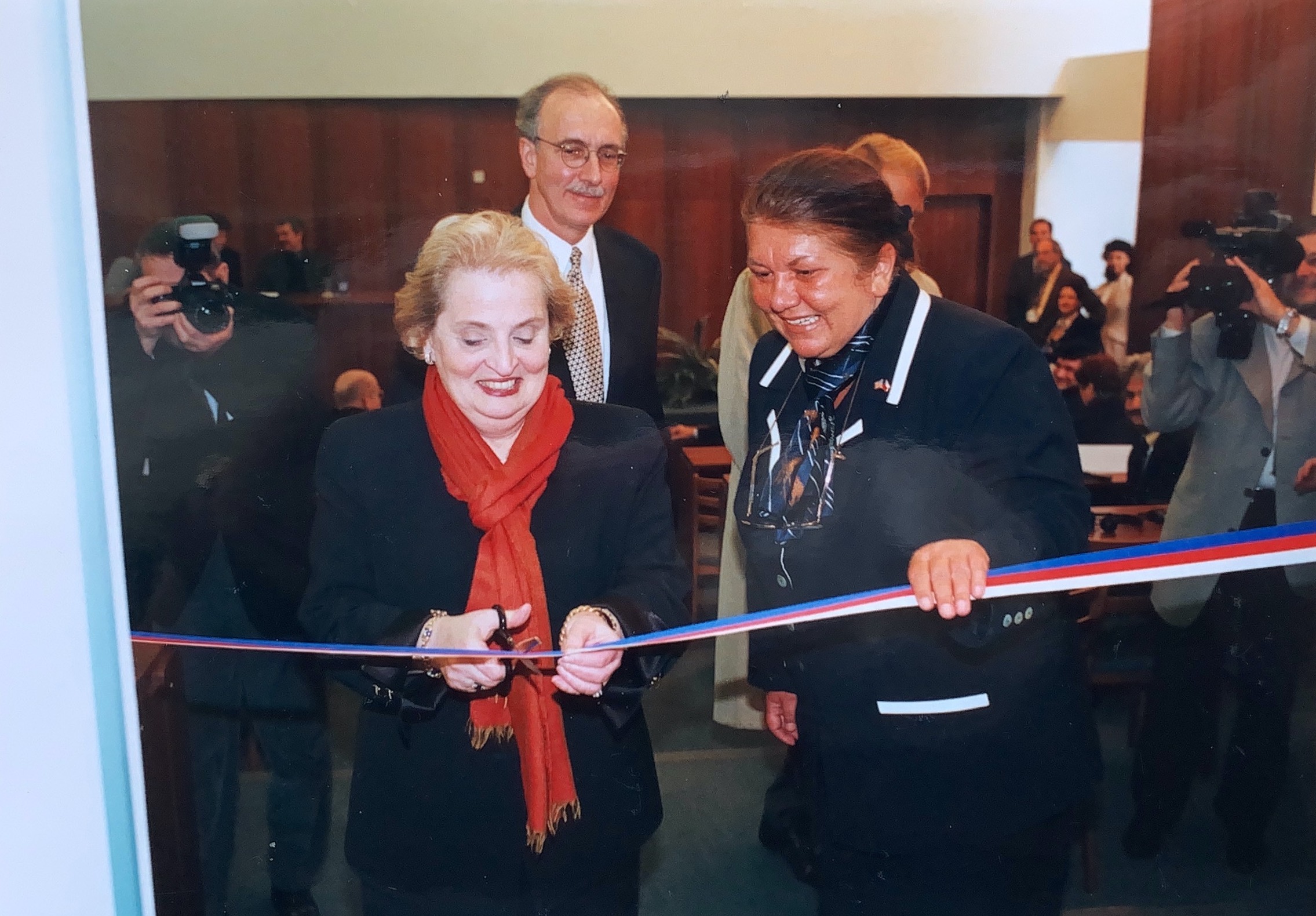
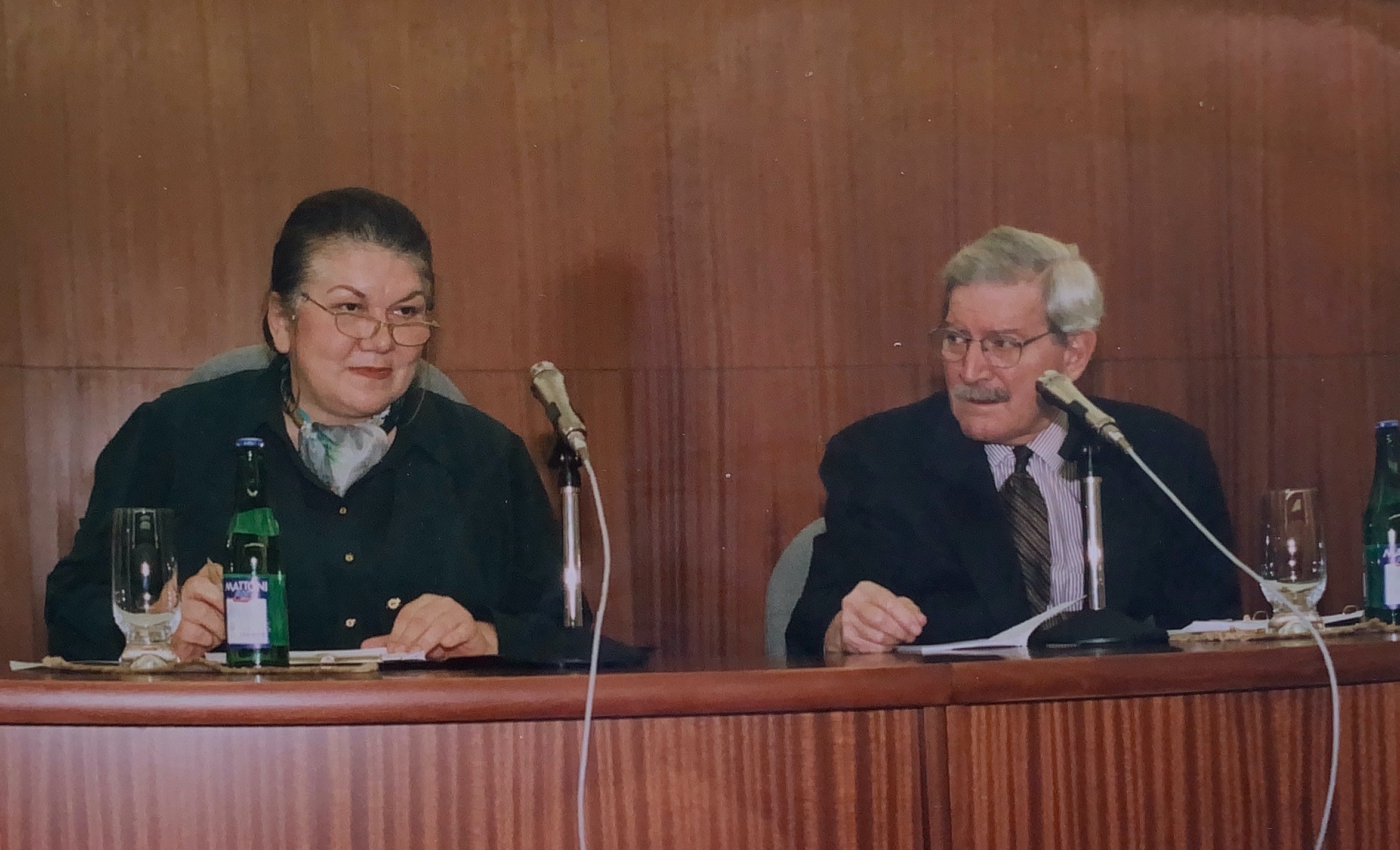
Eliška Wagnerová - appointed as the Vice-President of the Constitutional Court (2002), visit of Luzius Wildhaber, the president of the European Court of Human Rights
Eliška Wagnerová - appointed as the Vice-President of the Constitutional Court (2002), visit of Luzius Wildhaber, the president of the European Court of Human Rights
Eliška Wagnerová, appointed as the Vice-President of the Constitutional Court (2002), visit of Luzius Wildhaber, the president of the European Court of Human Rights
Eliška Wagnerová, appointed as the Vice-President of the Constitutional Court (2002), visit of Luzius Wildhaber, the president of the European Court of Human Rights
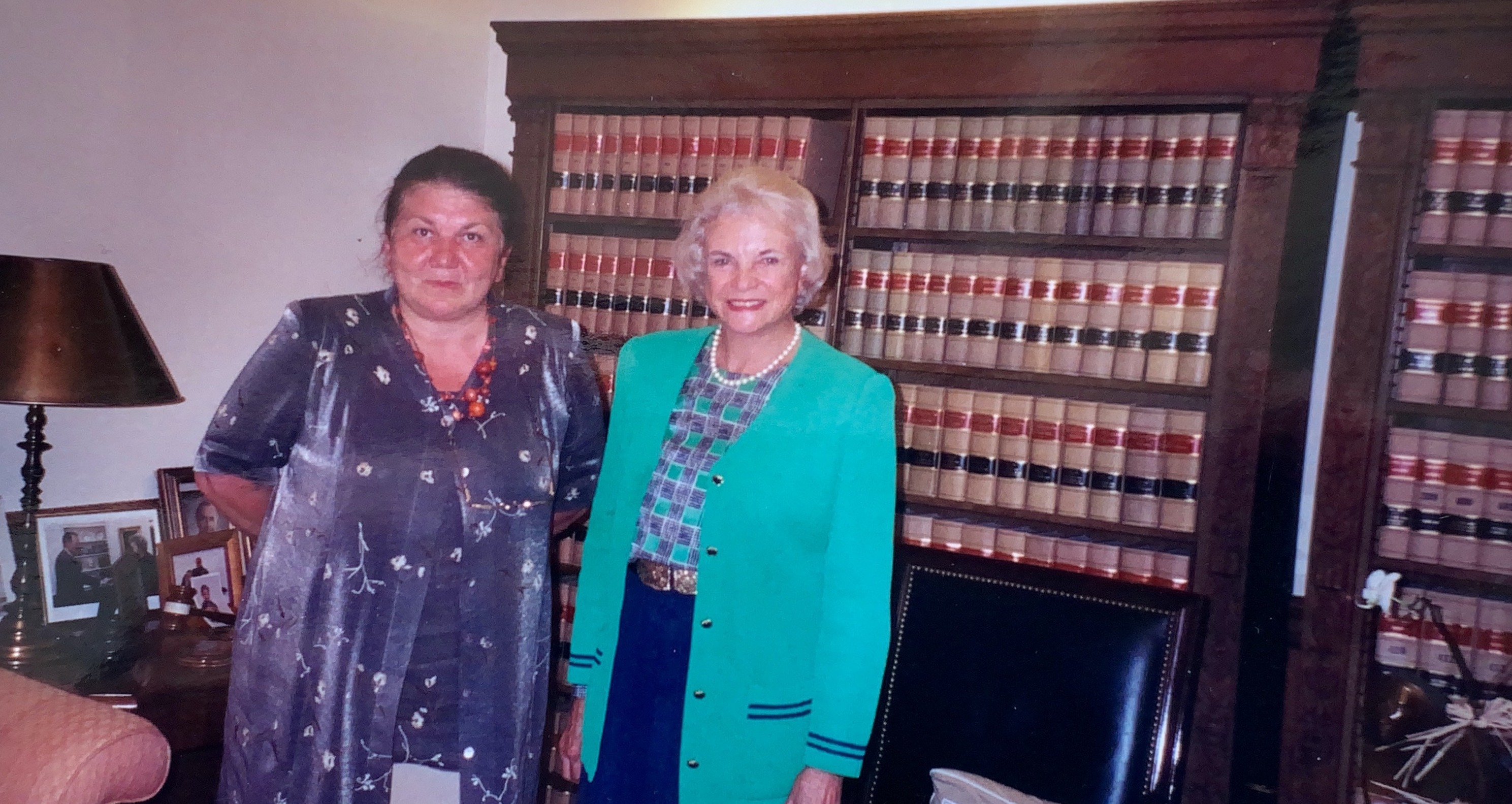
Eliška Wagnerova with Sandra Day O'Connor, the first woman to become the judge of the United States Supreme Court, which she was from 1981 until her retirement in 2006
Eliška Wagnerova with Sandra Day O'Connor, the first woman to become the judge of the United States Supreme Court, which she was from 1981 until her retirement in 2006
Hrdinové 20. století odcházejí. Nesmíme zapomenout. Dokumentujeme a vyprávíme jejich příběhy. Záleží vám na odkazu minulých generací, na občanských postojích, demokracii a vzdělávání? Pomozte nám!