"When the Citizens' Forum began to function, the working groups were divided... By then I was beginning to feel a little bit that people were creeping in who I personally did not trust that much. I knew a lot of people. Maybe from the culture or maybe the doctors and so on. I was getting a little worried. Then I was very disappointed, and very sad about it, about the strike committees that were starting to be organized in various workplaces. The fact that I was sort of from a working-class family, some recruiter got paid to bring me - a young girl - into the Communist Party. Of course I didn't want to. So my teacher said to me, 'Learn this text here, why you can't be a communist.' I think it was from Nezval or Čapek, I don't remember. So I explained why I didn't want to be. I had no family, no children, but I just didn't want to be. And then these women who were unpleasant to me and explained to me that I wouldn't have a future if I wasn't in the party and that I was closing the door on everything, so they sat in the front row of the strike committees and they were clinking the keys. That irritated me."
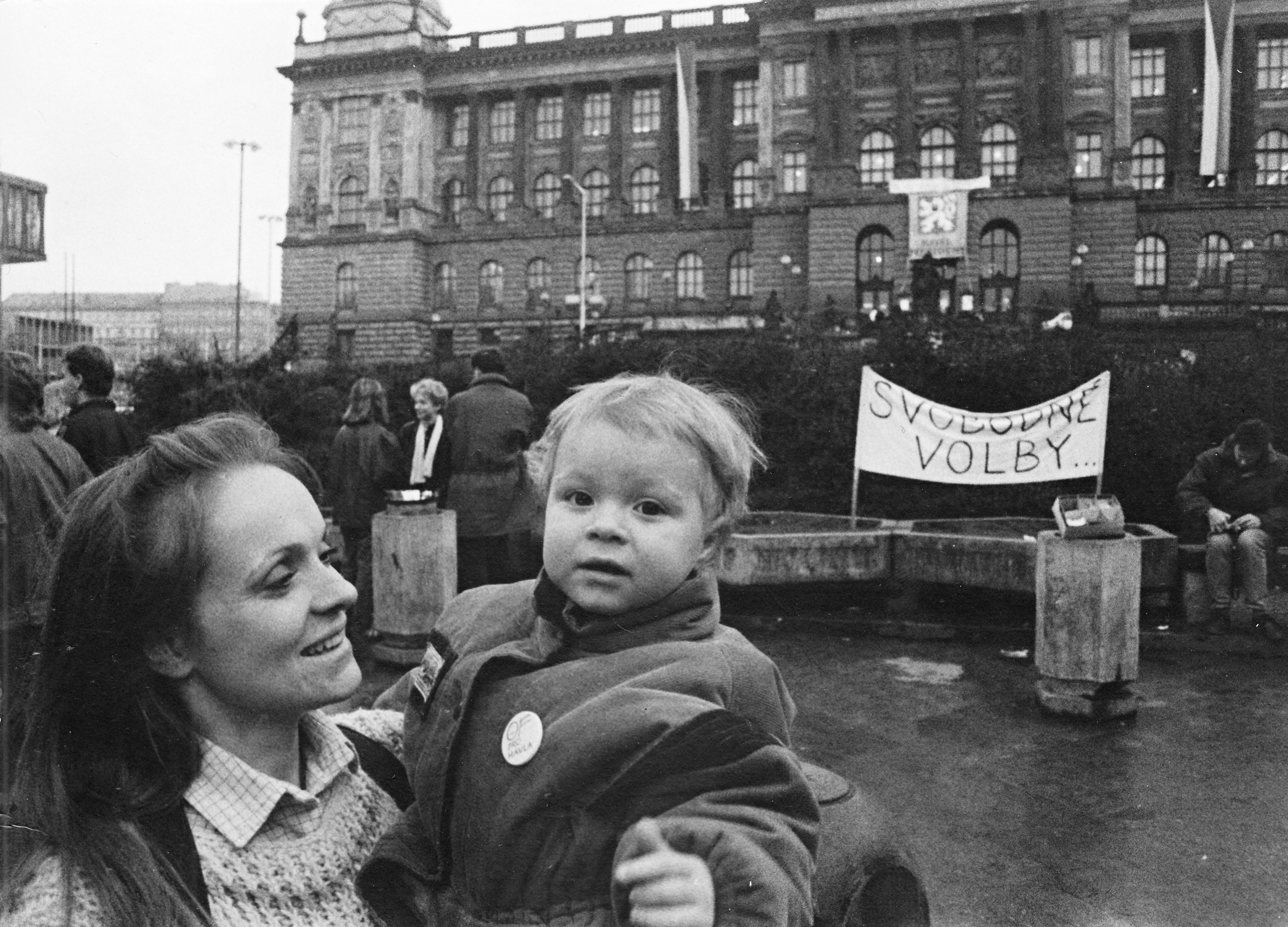
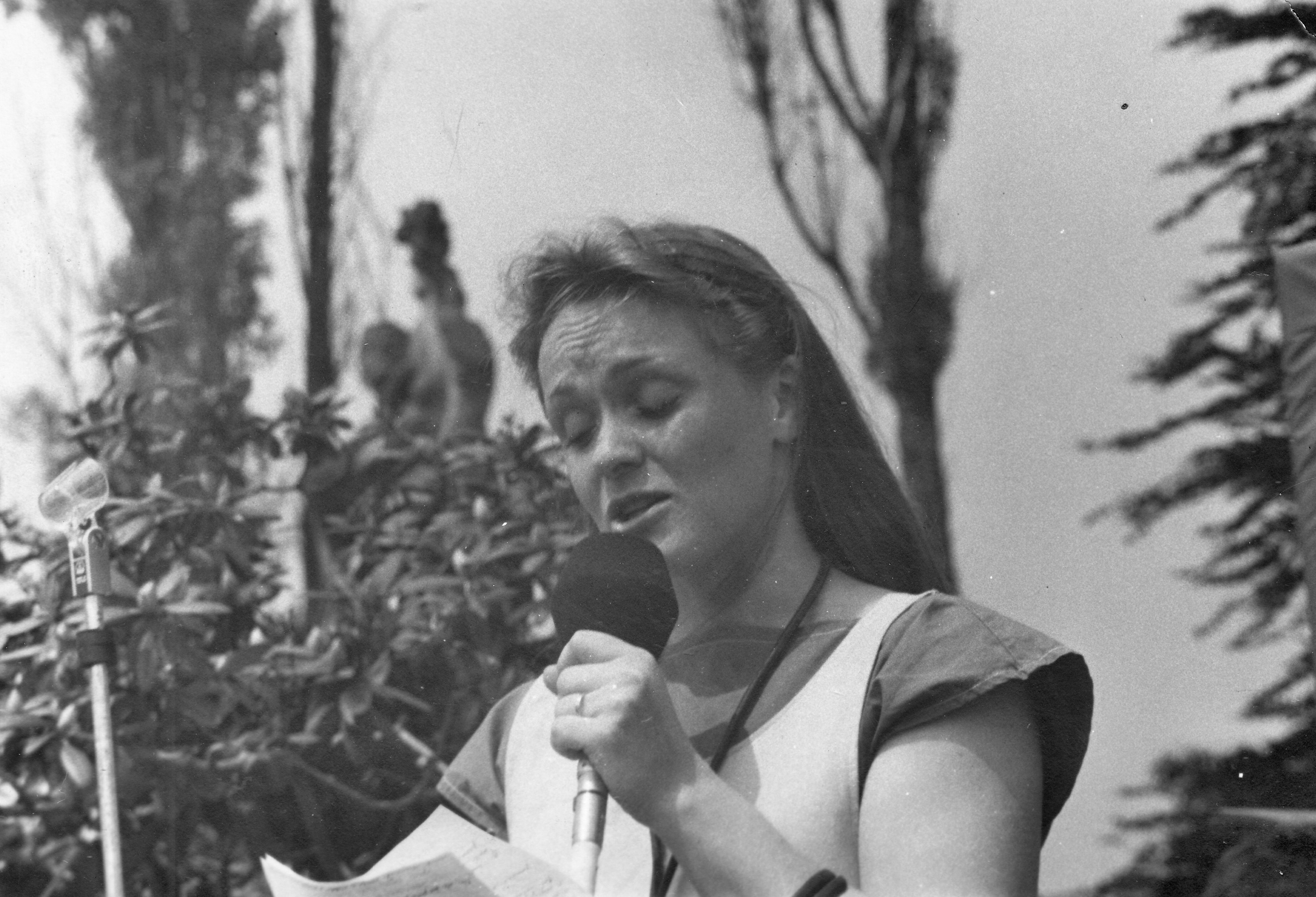
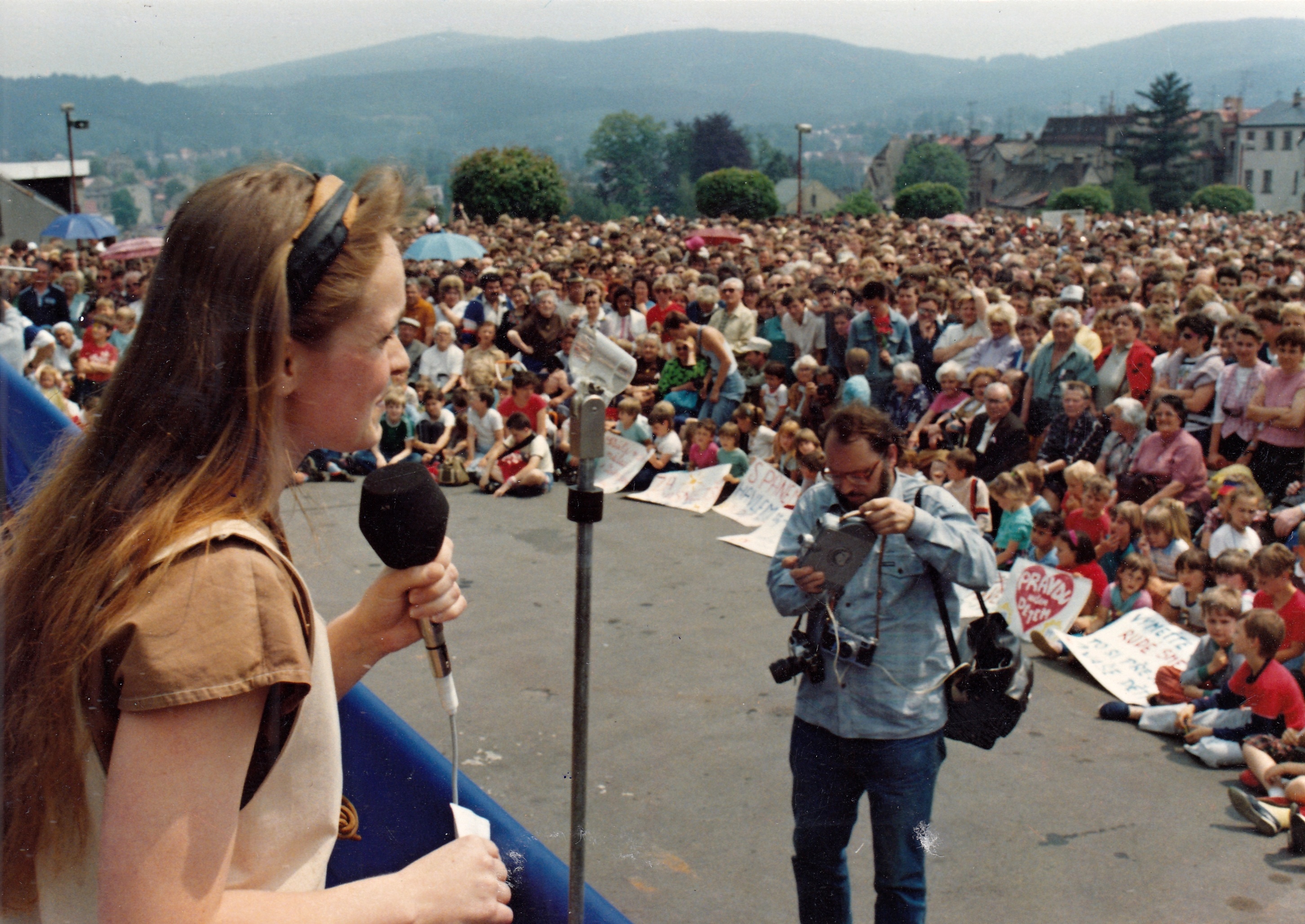
"Energized by the energy of the crowd and the atmosphere, I said it was no longer possible and went to the square in Jablonec on Thursday. Coincidentally, Zbyněk Šolc, who was doing discos at the time, was also energized in this way - also in Jelen in Jablonec. He came with a car and had a sound system, took out a microphone and we could talk. I was saying the feelings I had from Wenceslas Square, and people were gathering and wanted to hear it. My husband started going regularly to the Civic Forum (OF) on Můstek and bringing materials from the OF headquarters. I had a lot of secondary school students around me, so they put up posters at night. That's how the regular meetings in front of the town hall started, where interesting things were read. We read things that were provided by the Civic Forum. We read things that were sent to us by people from villages all over the Jablonec region. The national anthem was sung. I had a little girl, not yet two years old, who was often there with us, and she would always say at night: 'Mummy, sing me Where is my home.' That was her favourite lullaby."
"On the seventeenth of November 1989, my husband and I finally got a babysitter and were able to go to the theatre. We were at the F. X. Šalda's opera Nabucco, which I still find amazing. I don't know who did the dramaturgy, but to do Nabucco in a theatre on 17 November is a big deal. For one thing, the opera was not recommended in the theatres to be performed. The Liberec theatre started to play Nabucco and just the music of Verdi is wonderful and the choruses of the slaves, the Jews, it's wonderful. Suddenly the performance was interrupted and the actors from the drama came out - I think it was Mr. Palouš - and said that they had come from Prague and what was happening in Prague during the protest. I remember such anger and such a strange power came into me that I said, 'Oh, no way!' Then it was amplified as the choirs continued and the anthem was sung. I will never forget it in my life. I'll never forget that strange feeling in my body when I thought, 'This is it and we have to do something.'"
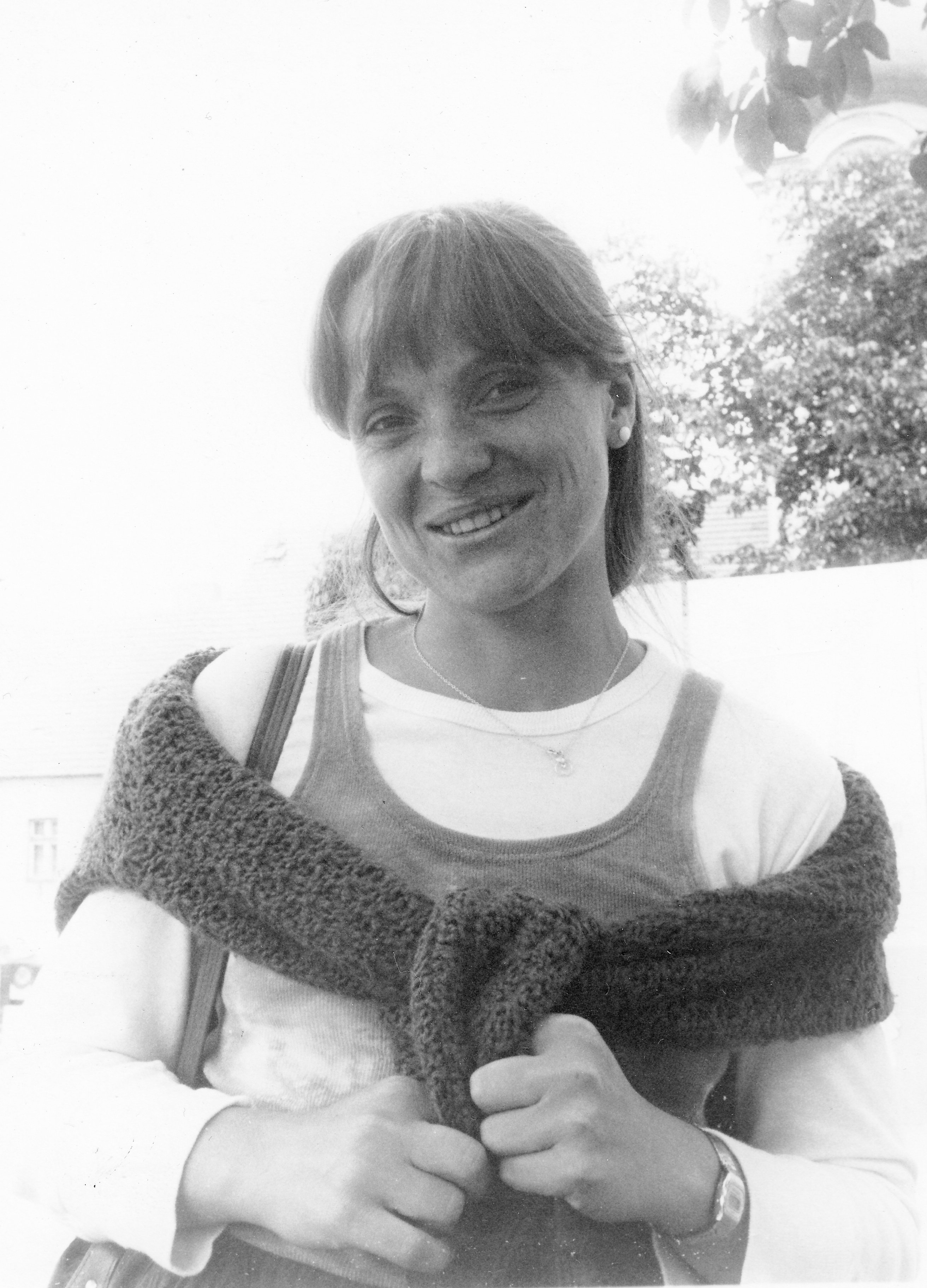
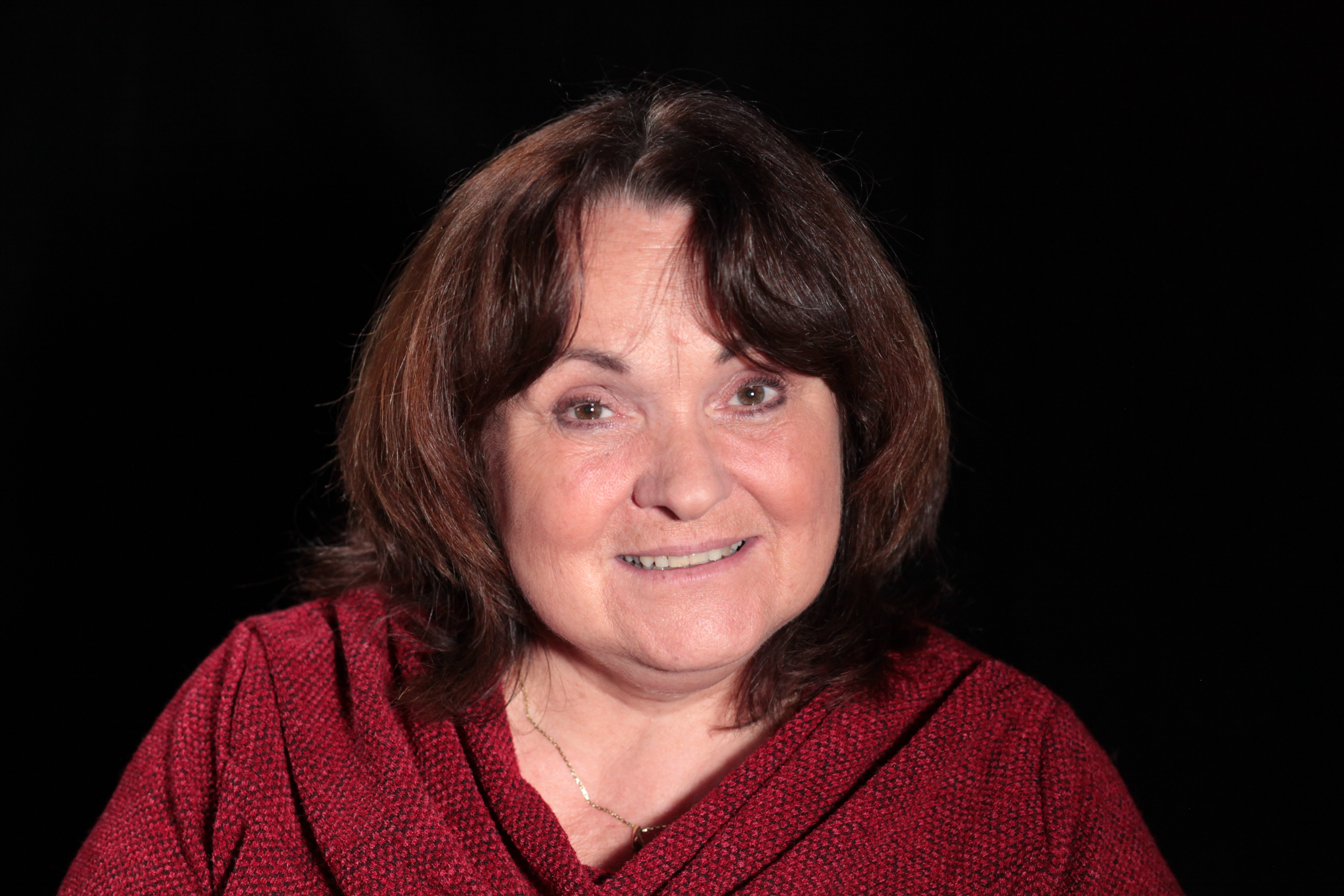
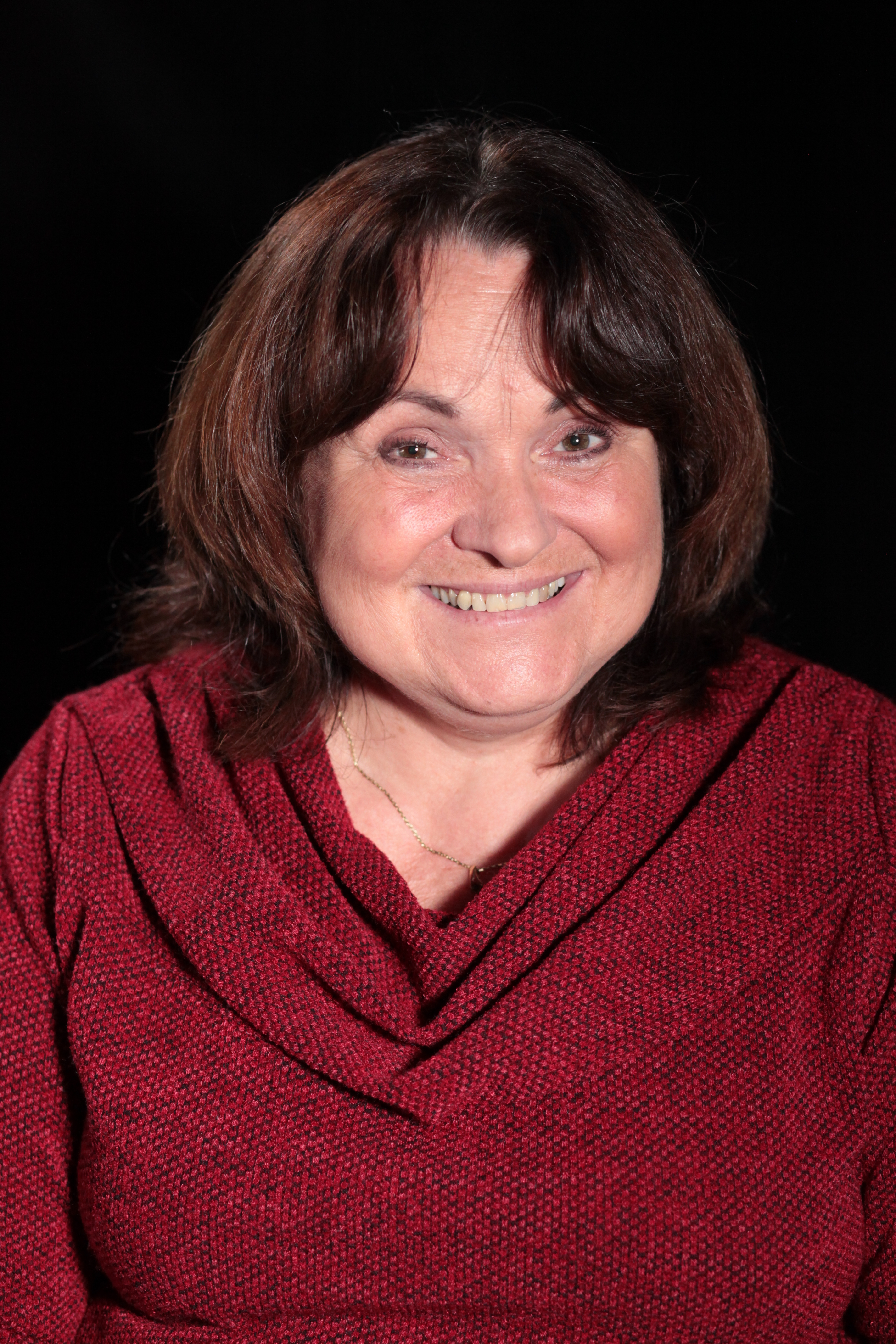
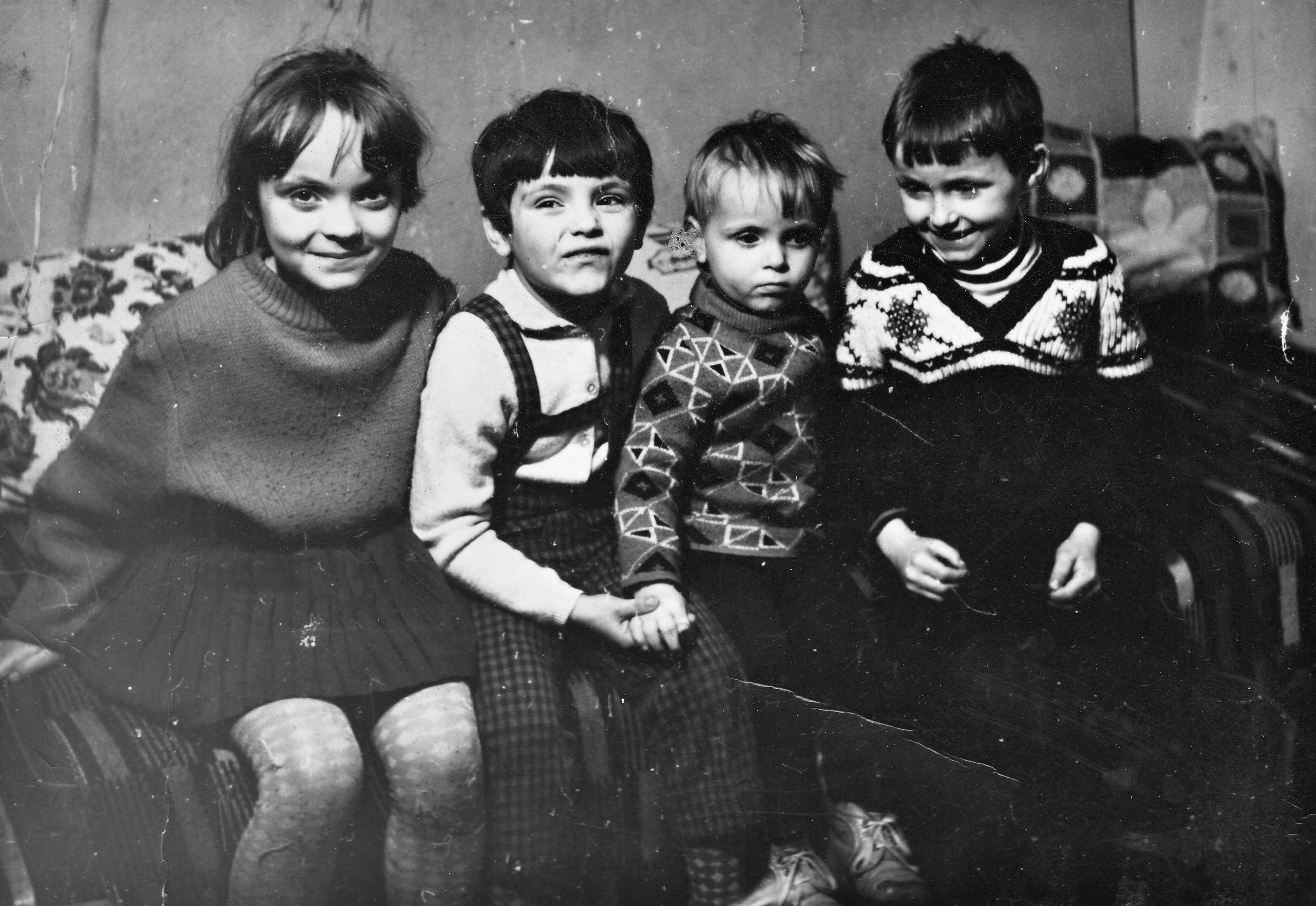
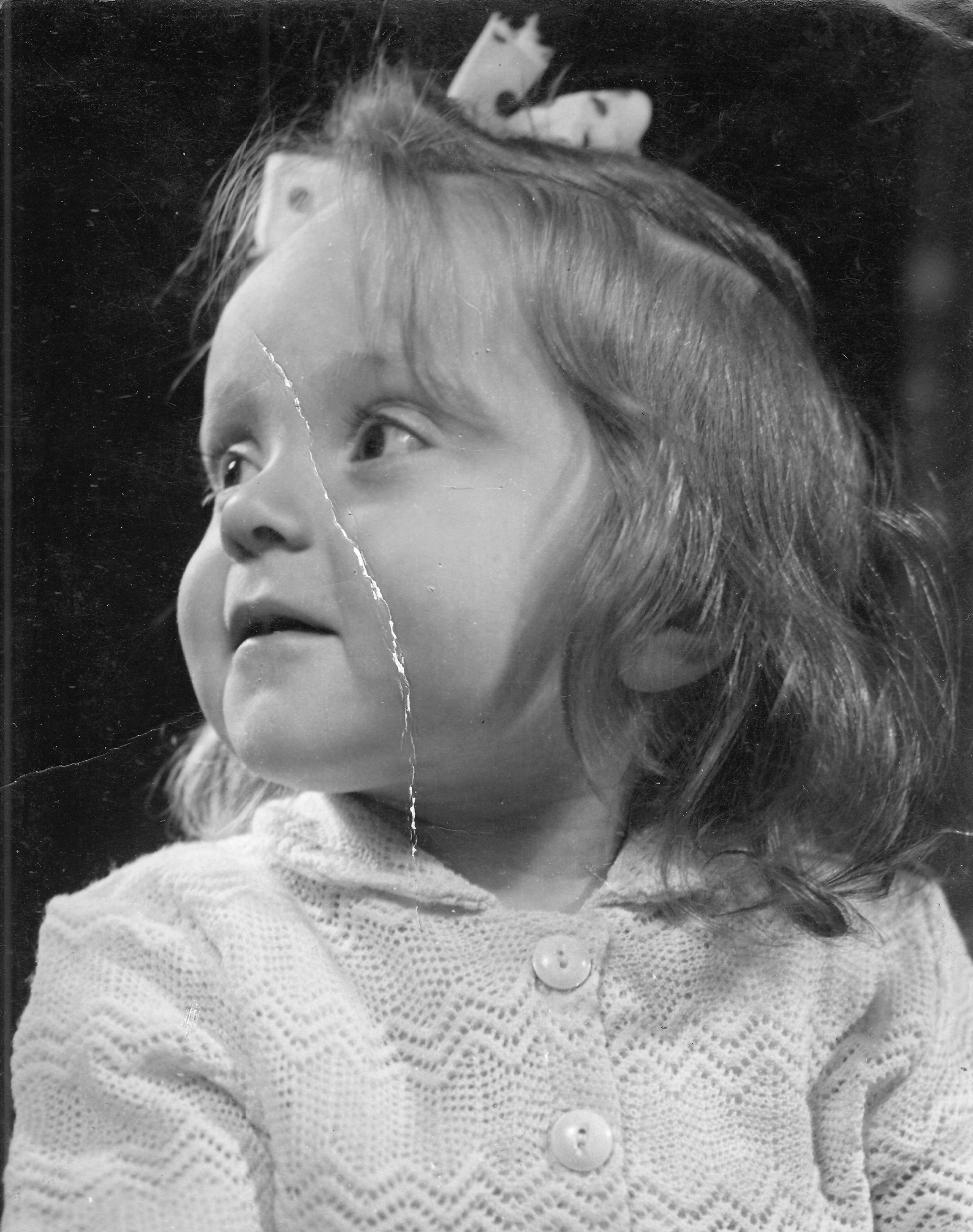
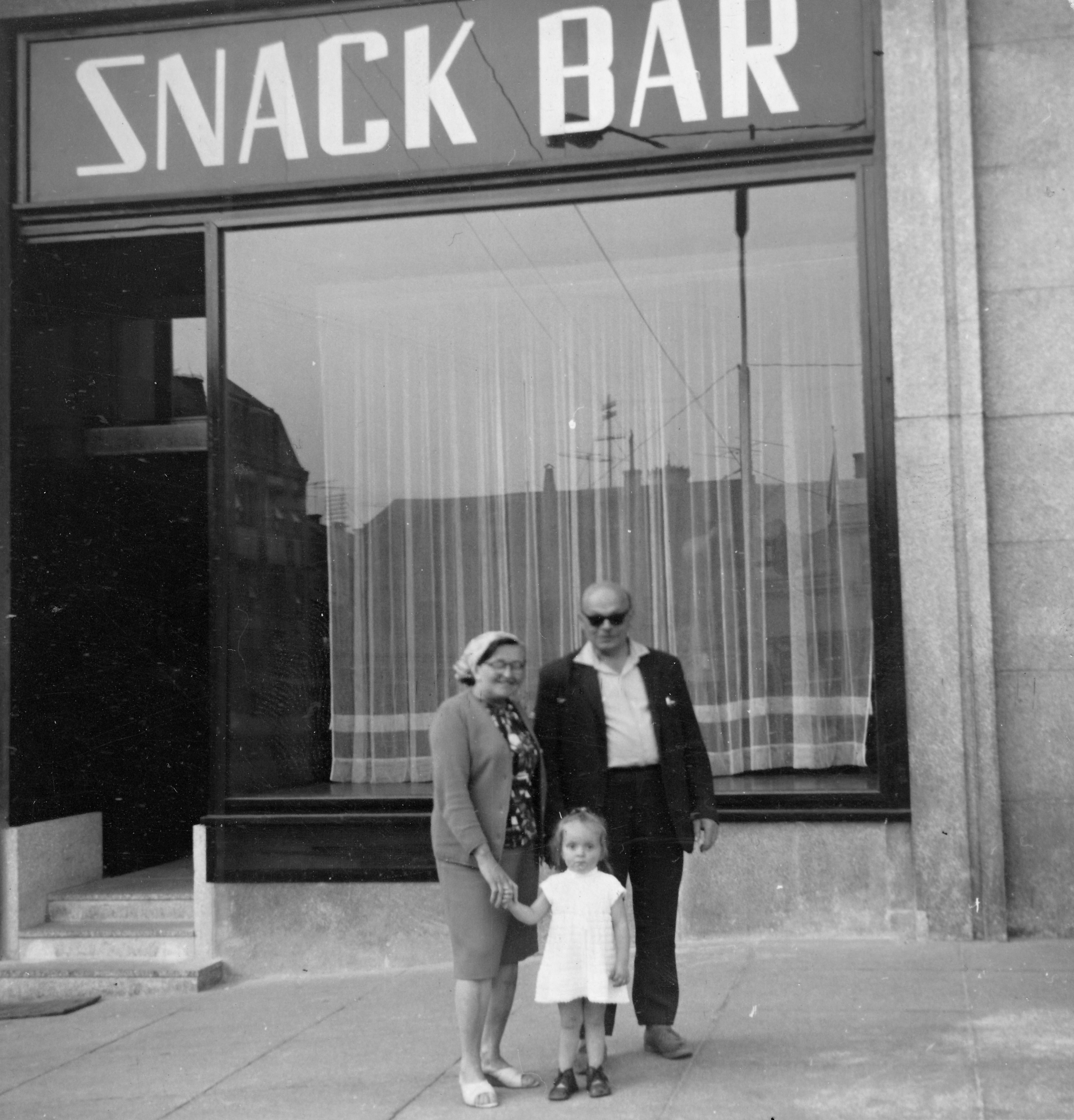
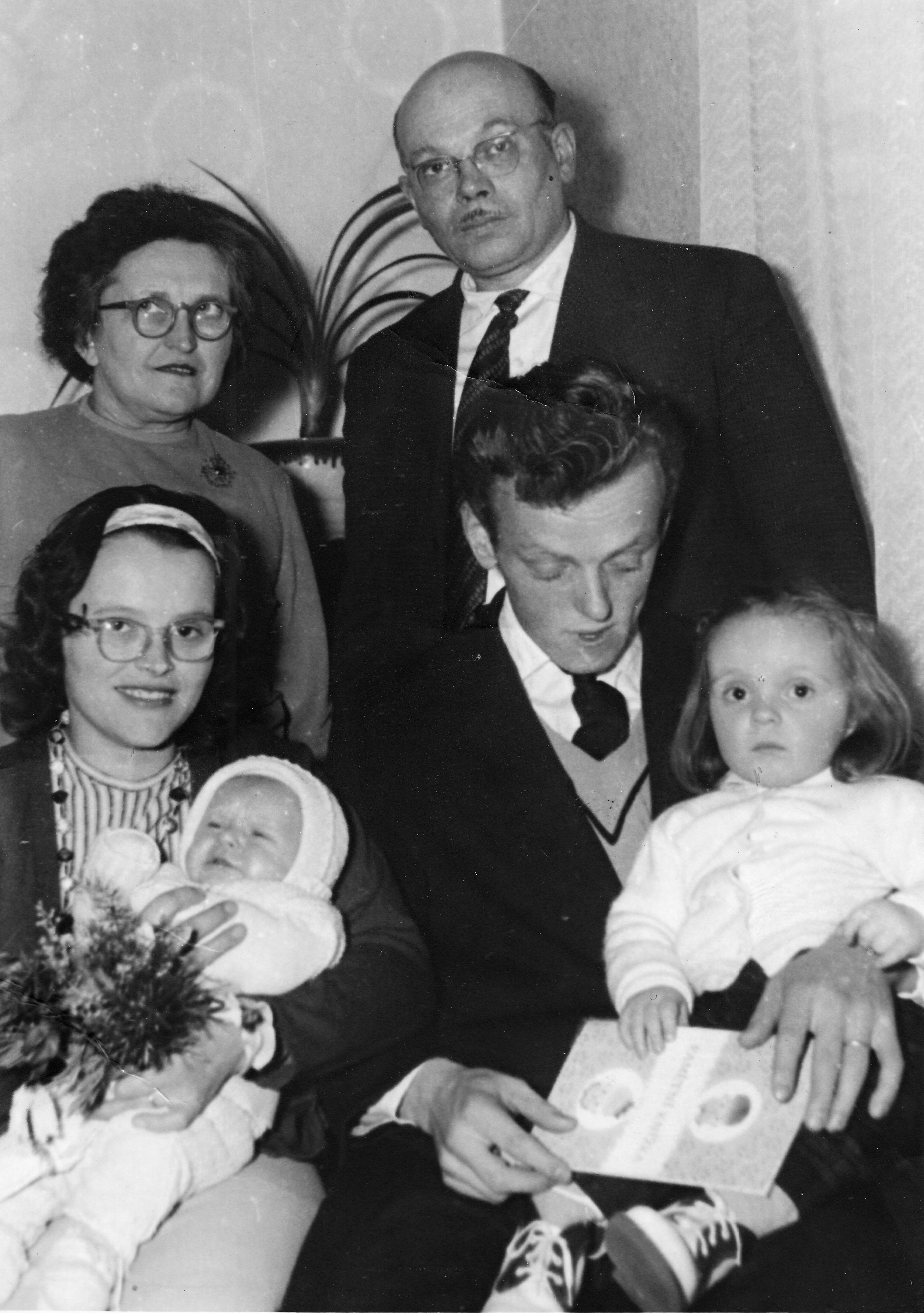
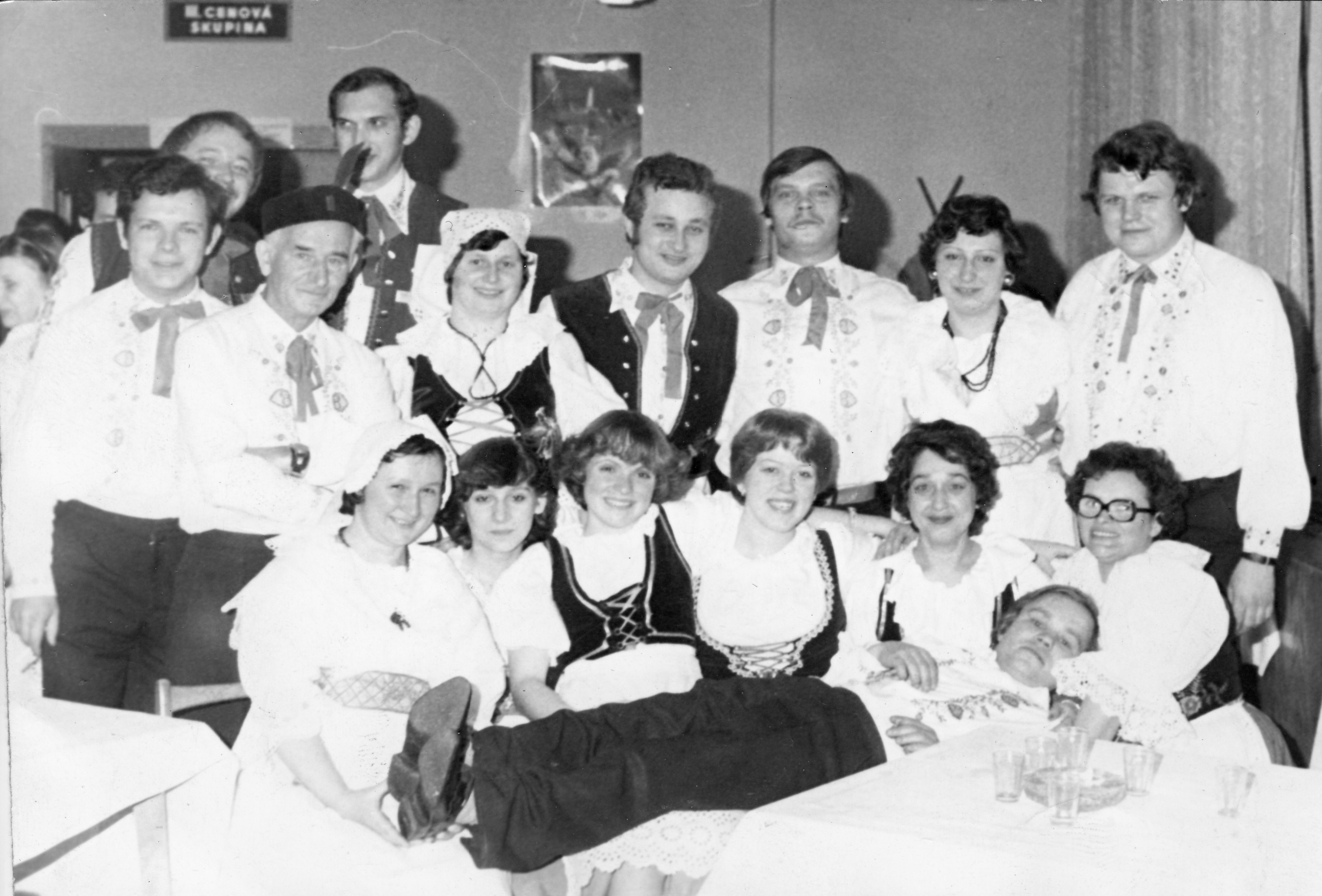
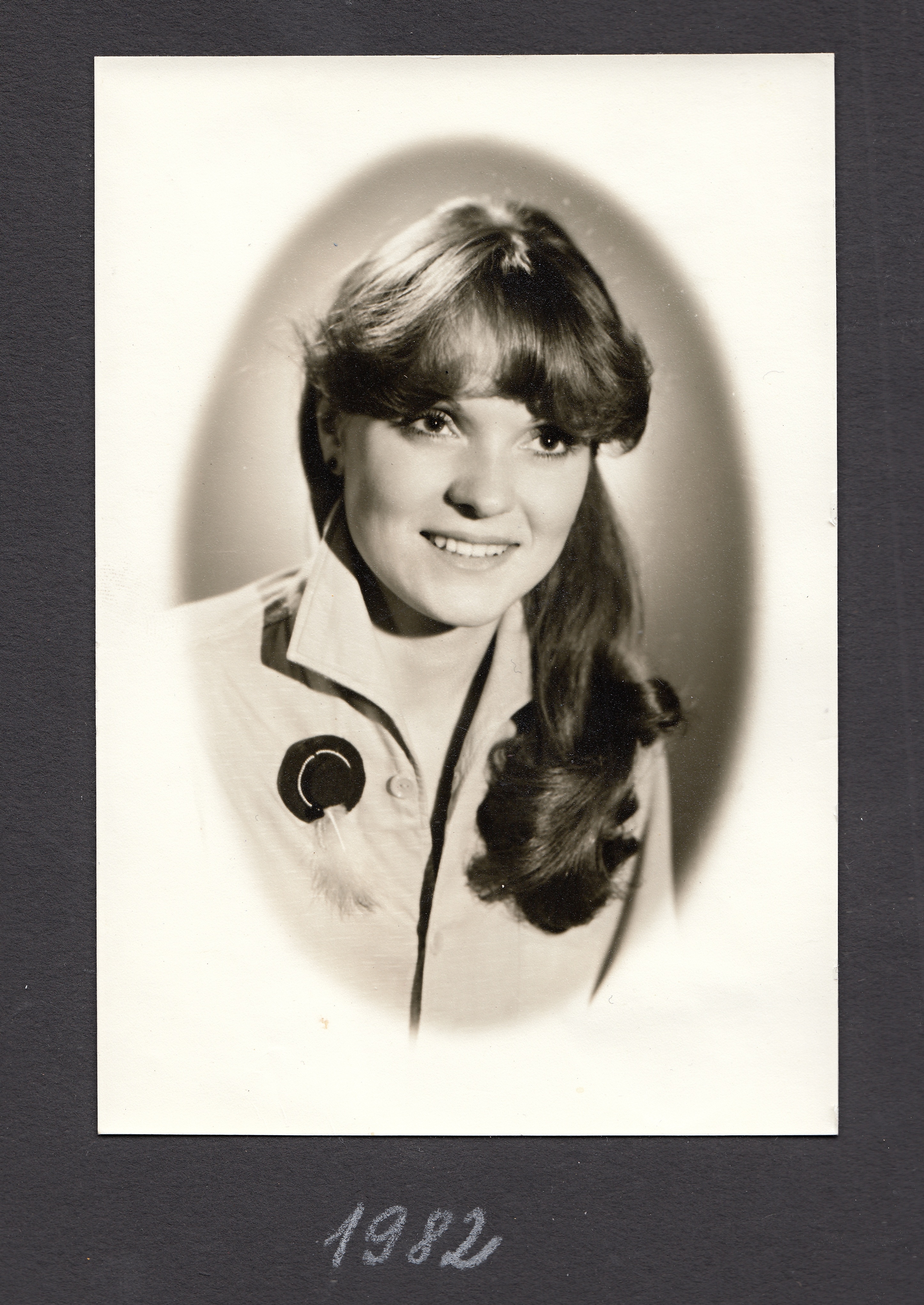
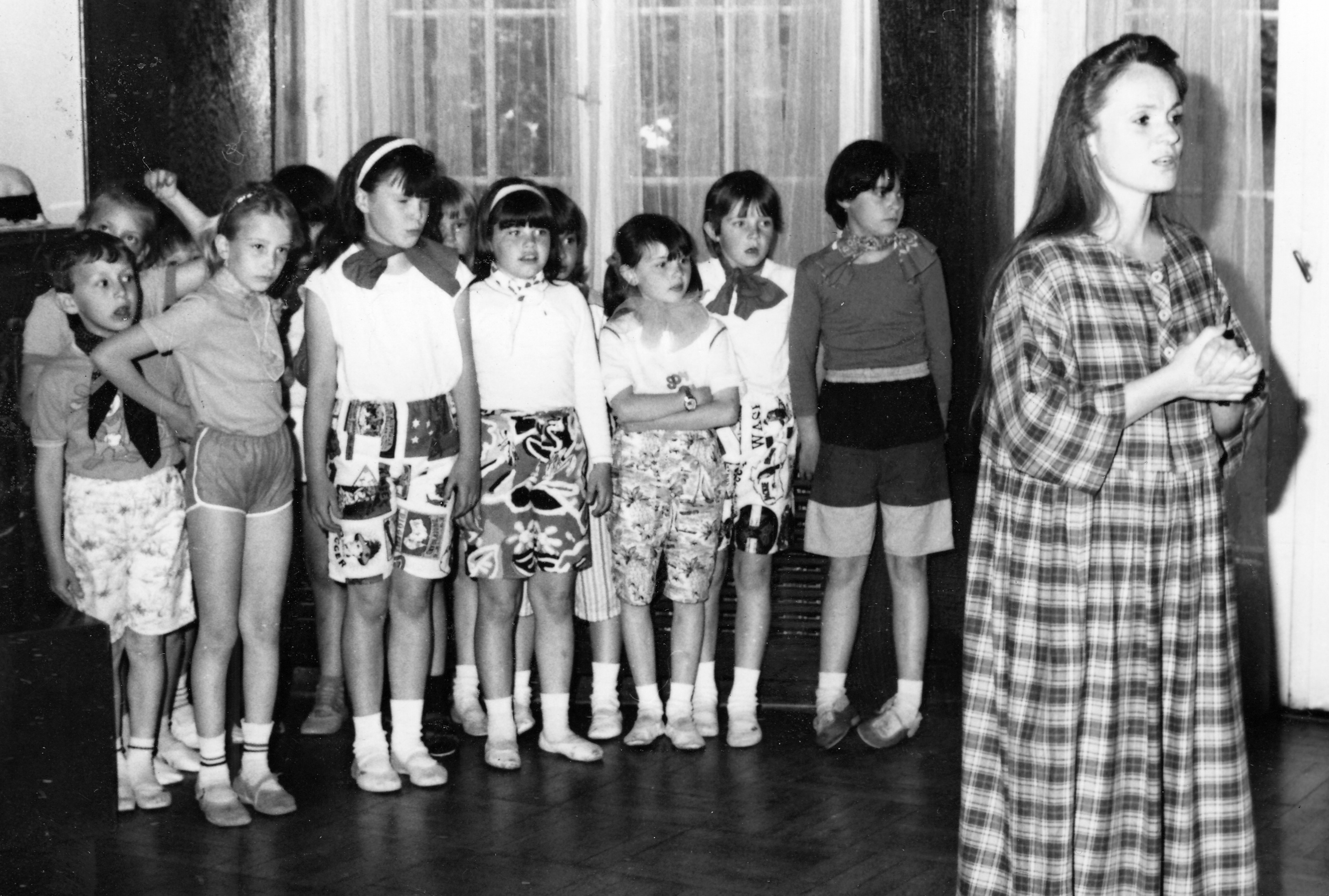
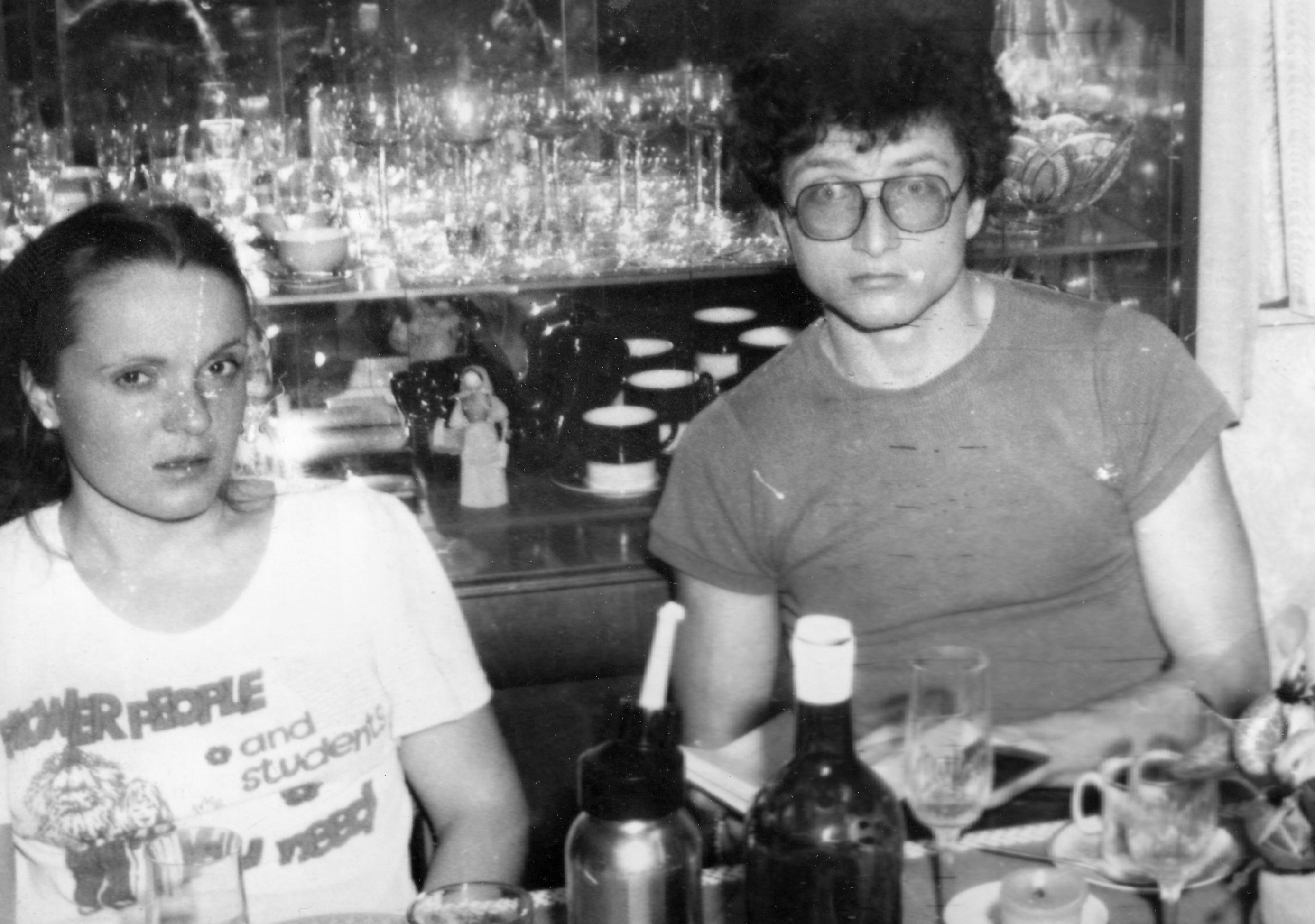
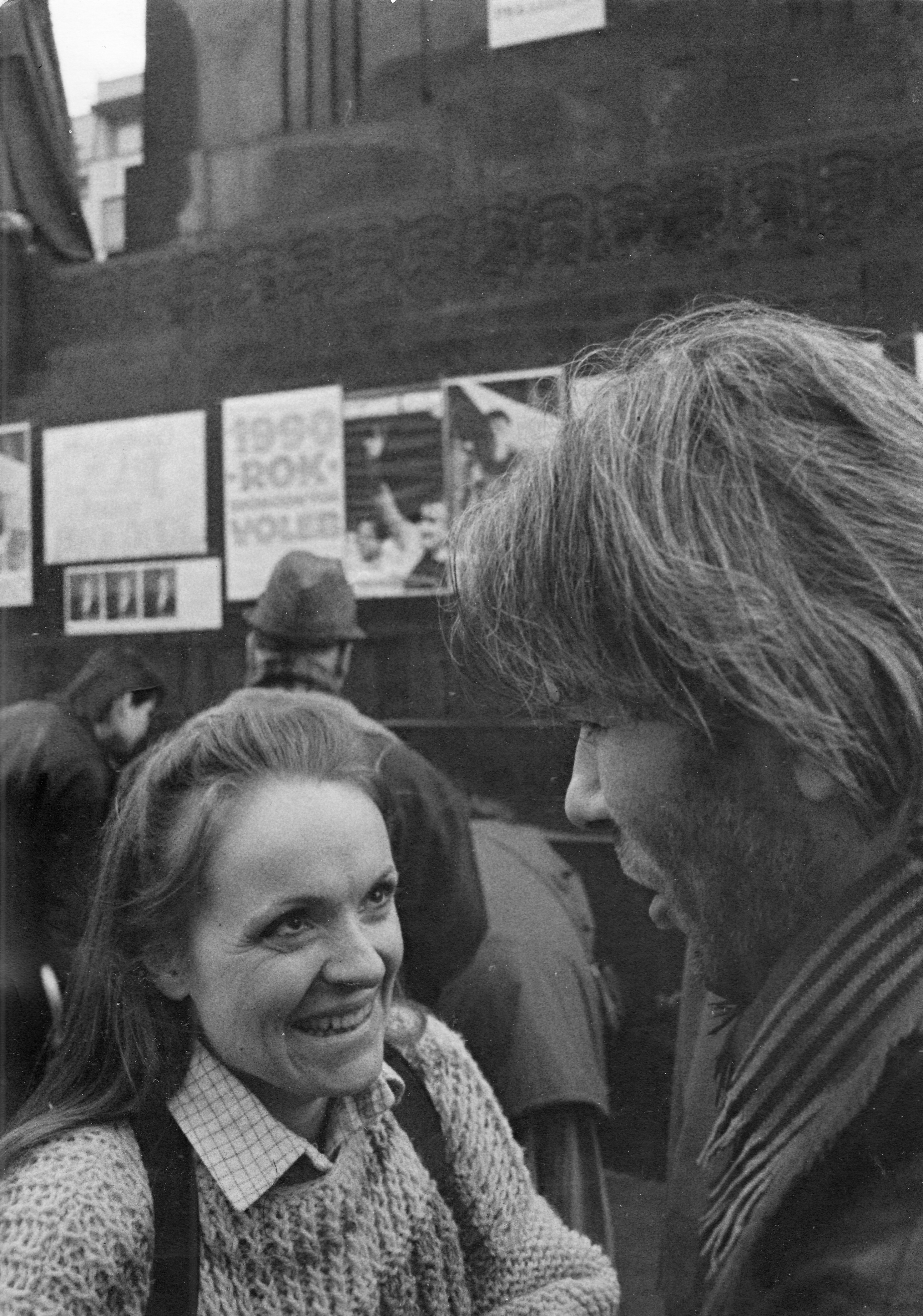
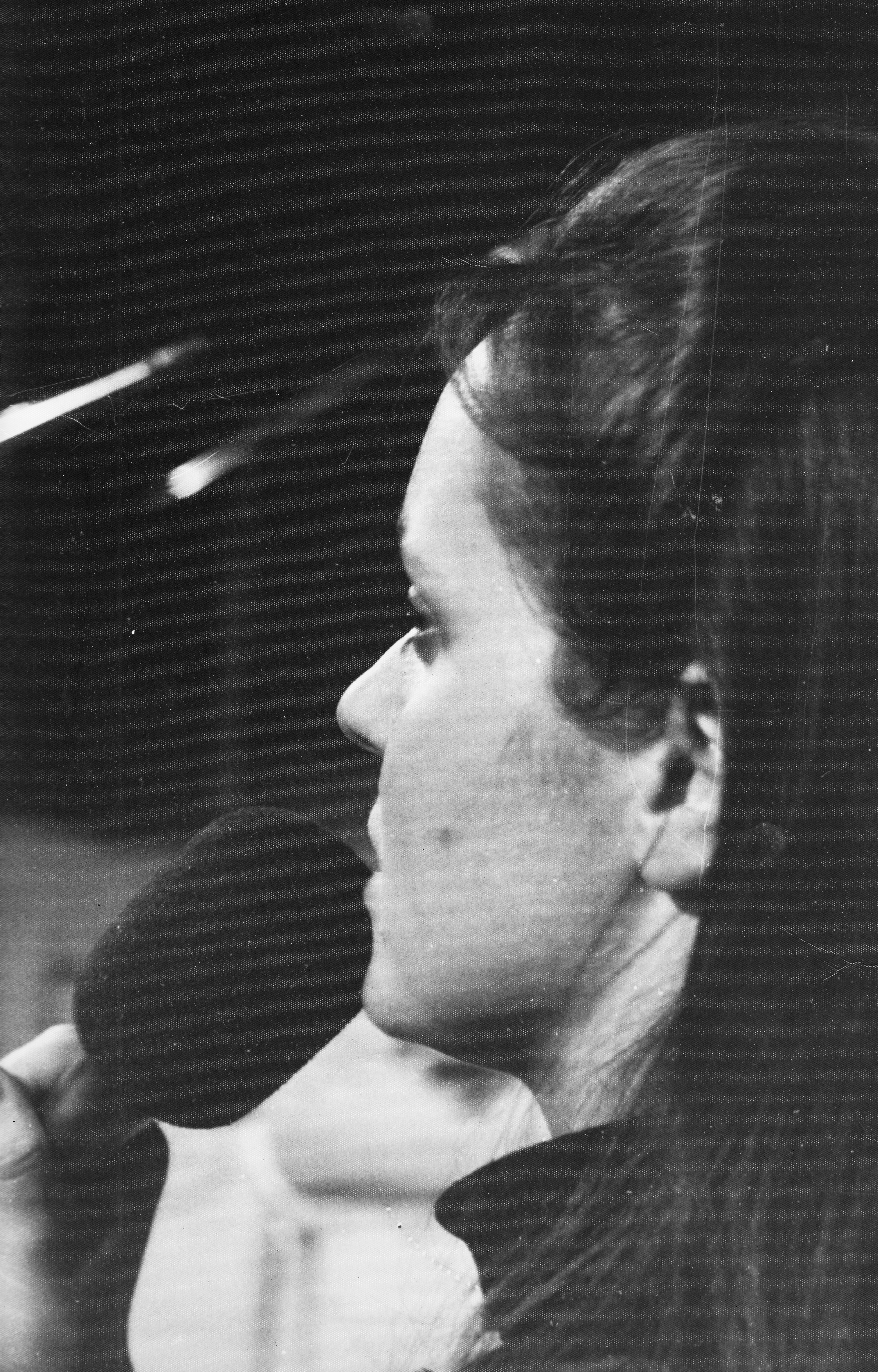
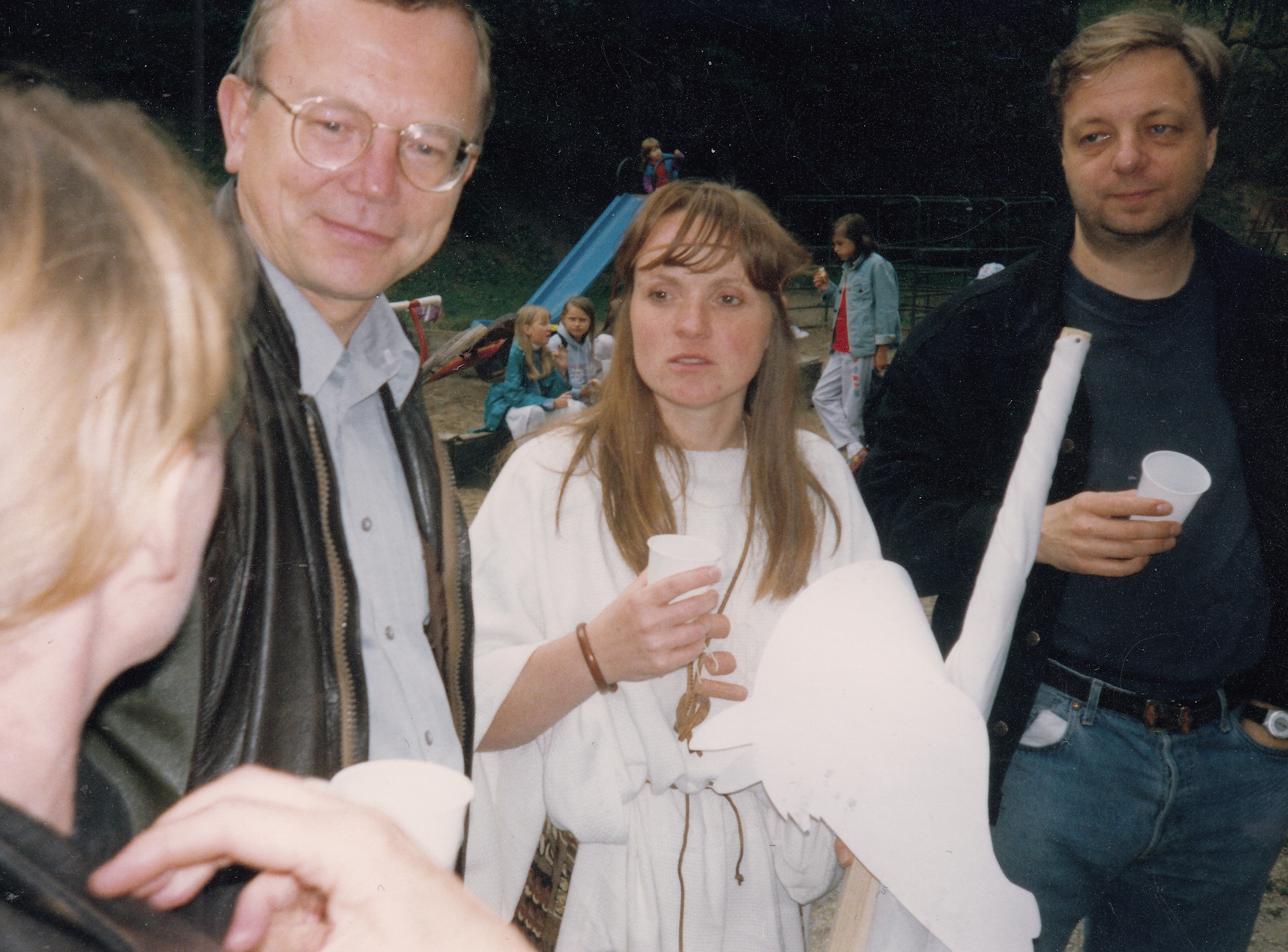
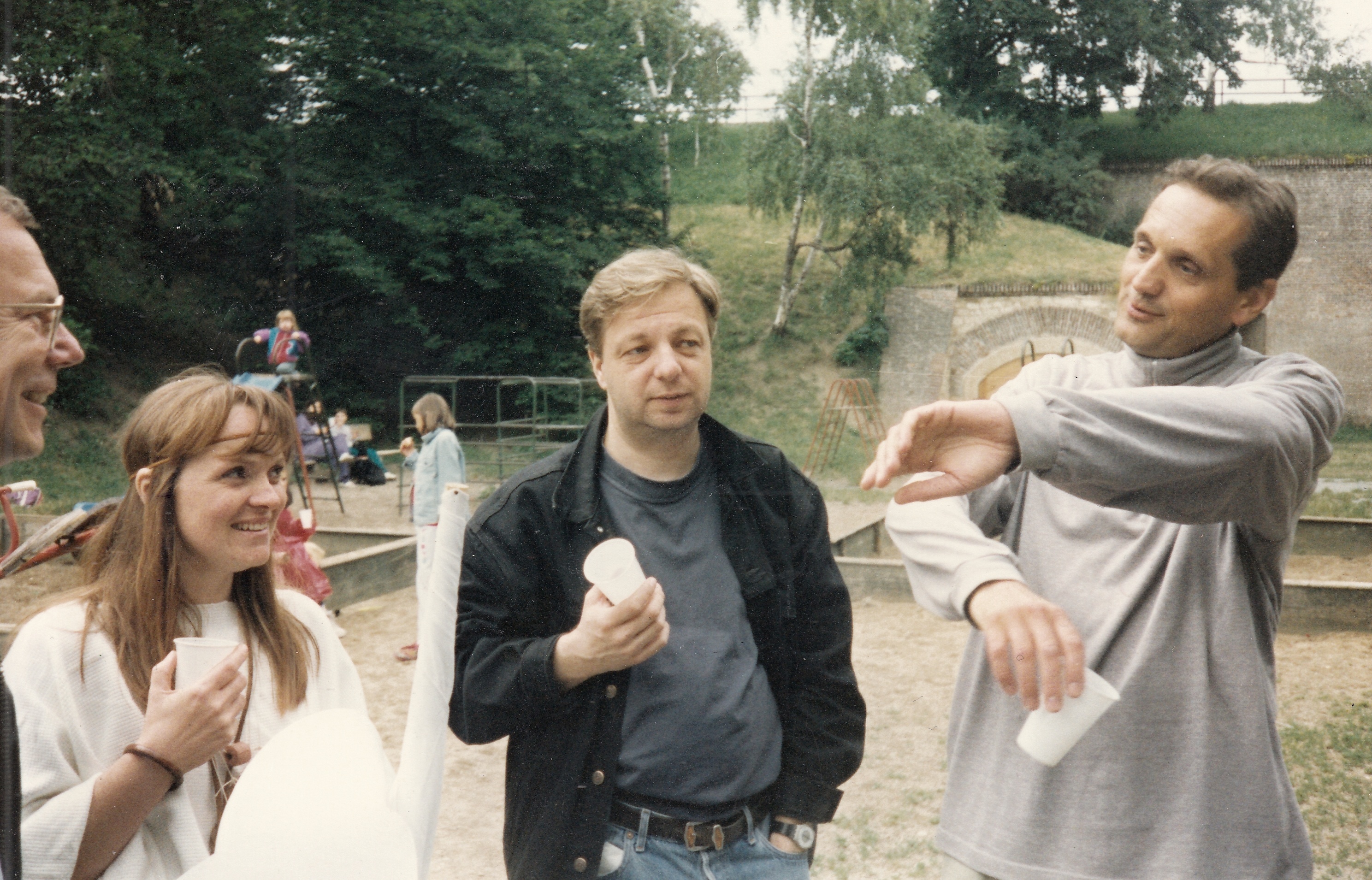
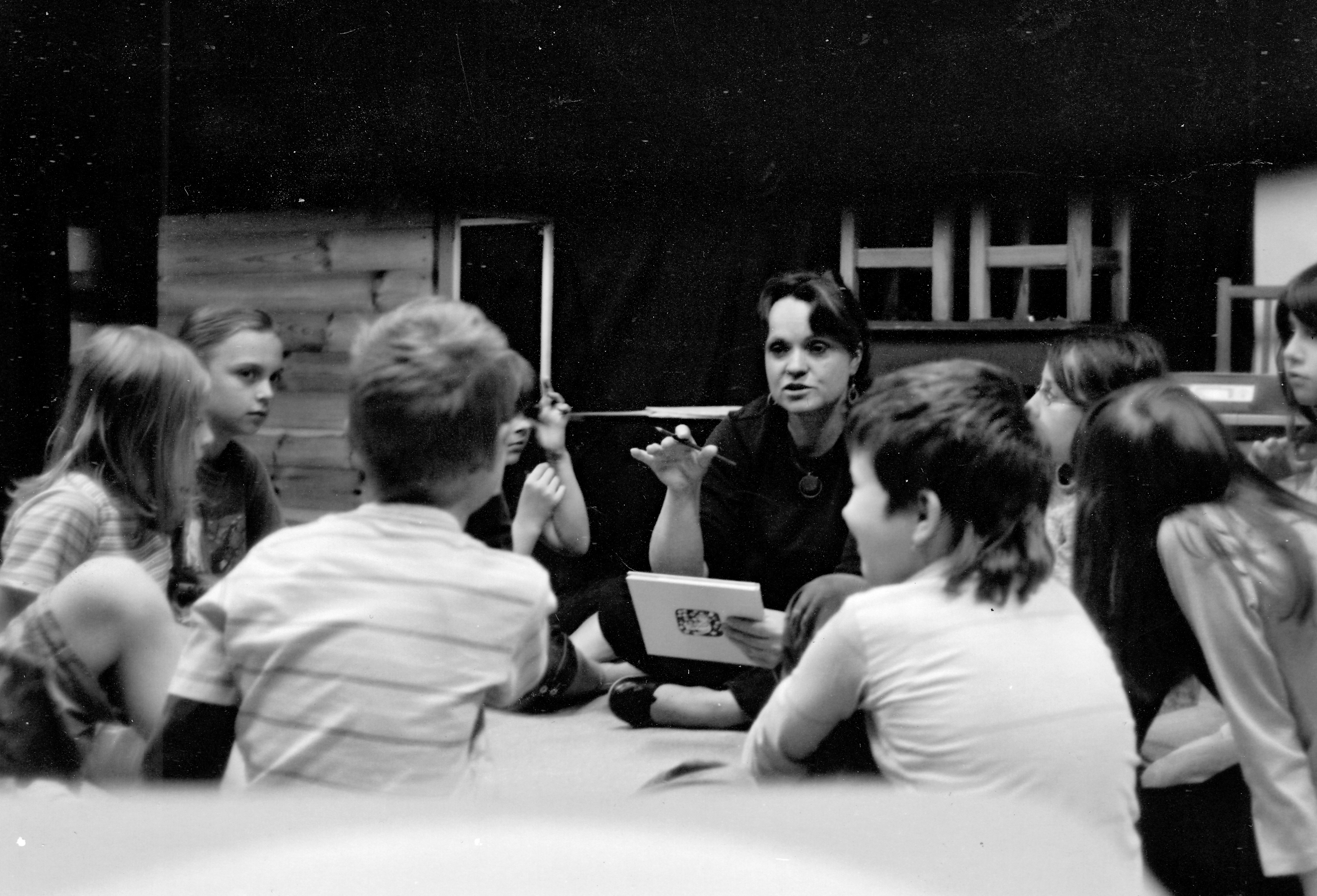
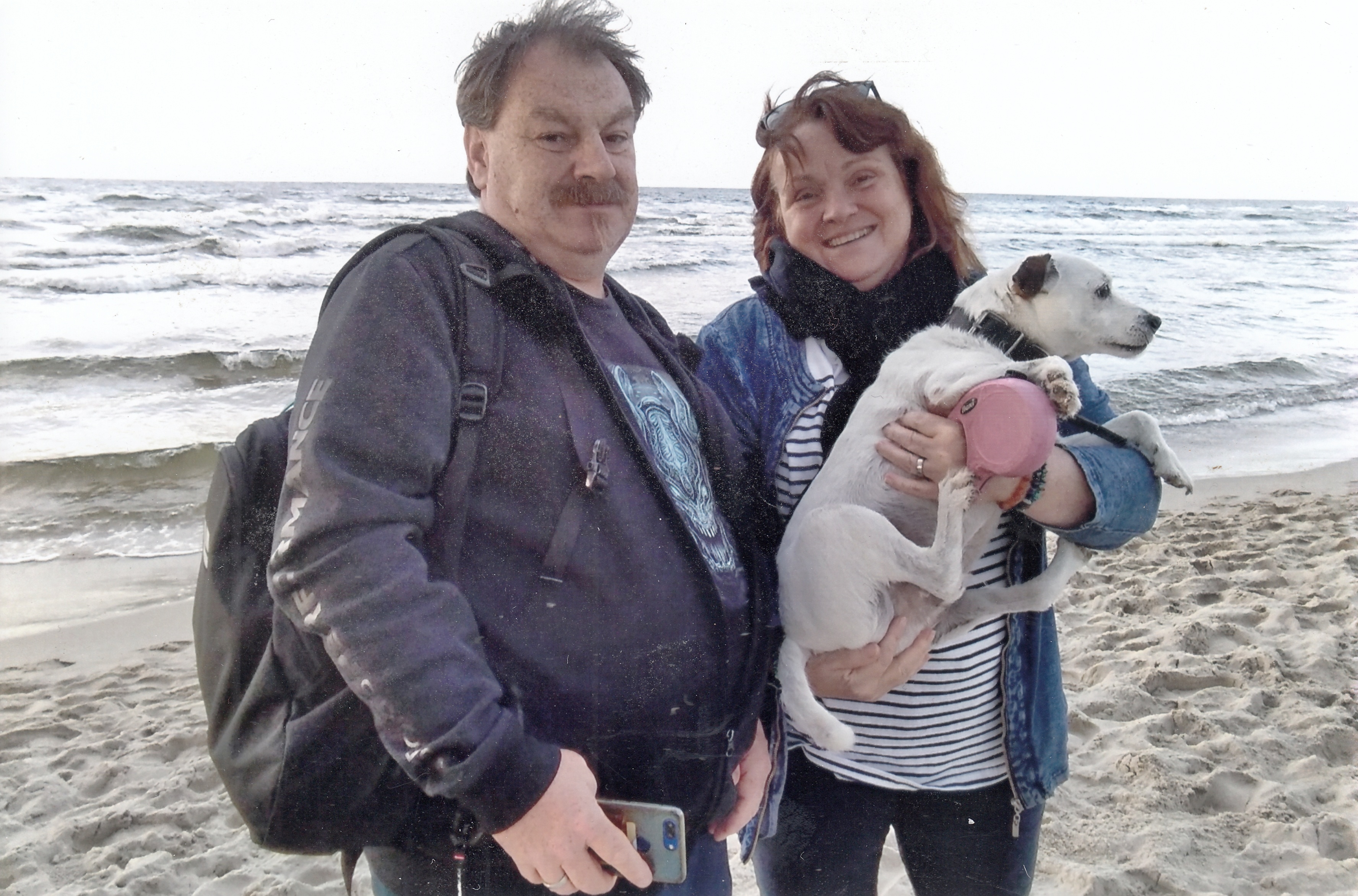
Libuše Vrtišková Hájková was born on 26 March 1963 in Jablonec nad Nisou. Her father Josef was just eighteen years old, but for health reasons he did not go to the army. His mother Libuše, then twenty years old, worked as a weaver in the Seba company. The young parents were helped by a very large family, living with their maternal grandparents in Jablonec nad Nisou and going to their paternal grandparents‘ farm in nearby Hamrsek. The land was nationalized by the communists after 1948, but the farm remained theirs because of the hardships they endured with the Soviet army at the end of World War II. The witness attended the literature and drama department from the second grade of primary school. The teacher, Jana Vobrubová, introduced the pupils to literature that was banned at the time. After initial struggles with the cadre assessment, she got into the Secondary Pedagogical School in Liberec, which she graduated from and continued at the puppetry department of the Theatre Faculty of the Academy of Performing Arts in Prague (DAMU). She married Petr Hájek, a member of the bluegrass band Modrotisk. Together they organized secret home theatres and small concerts. She also enjoyed going to official theatres and to the F. X. Šalda Theatre she and her husband went to see the opera Nabucco on 17 November 1989. The performance was interrupted in the middle and the actors gave a presentation to the audience about the massacre on Národní třída in Prague. She and her husband immediately went to Prague to bring back to Jablonec photos and materials for the formation of the Civic Forum (OF). Together with Zbyněk Šolc, the witness began to talk on the square in Jablonec about her feelings after the Prague demonstration and to read from the materials she had brought back. Later she became the spokesperson of the OF in Jablonec nad Nisou and the first meeting took place in her flat. She was active in the teachers‘ platform, which won the elections to the town council. However, she preferred to leave politics because of the former communists in the ranks of the OF. She speaks of a „stolen revolution“. She taught briefly at the Jaroslav Ježek Conservatory in Prague, in kindergartens and at the People´s Art School in Jablonec nad Nisou. At the time of the interview, in 2024, she was teaching at the Primary Art School in Liberec and living in Frýdlant.
Hrdinové 20. století odcházejí. Nesmíme zapomenout. Dokumentujeme a vyprávíme jejich příběhy. Záleží vám na odkazu minulých generací, na občanských postojích, demokracii a vzdělávání? Pomozte nám!