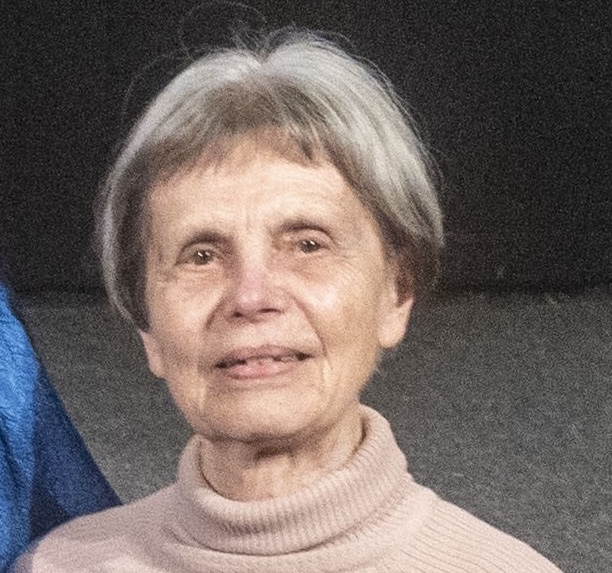
Alena Vejvodová

* 1939

  • "Now we just went for it. Well, and the Citizens' Forum was set up here and there were six or seven speakers in all. My husband was one of the speakers, I was the recorder. Well, and now here in the square on this first balcony, from here they were talking. I was singing the national anthem there with one of my students, and those were the moments when you lived a different life again. We believed it would be perfect and we went for it, but we were also afraid because we didn't know how the people's militia would behave. If the government, that is, the government of the time, not the new one, would not call in the army, start shooting and arresting and all that, so we were scared enough. And where today there is a playground and there is a little house where, well, it's a pub, so that's where we used to meet, regularly until like eleven or twelve o'clock at night. And now people were coming to us and thinking that we, who had taken it on, but we didn't know how to do it either, we'll get it all done, we can do it all, it'll all be done straight away and it'll all be perfect."

  • “When things opened up like this, we were naïve and had no idea that there would be people who would go and talk about it somewhere, you know. And then the big grilling came. And besides that… A teacher and her husband, an engineer, lived below us, and in 1969 they were going abroad—and it was already clear they would stay there. They gave us the keys to their apartment and everything. And it was known at school that we associated with them, and all of this made our situation much worse. From abroad on the one hand, and on the other hand just a bare salary—no overtime, no bonuses, not even a class teacher’s allowance, which was 90 crowns a month. So together we each had 1,250 crowns, meaning we lived on two and a half thousand for a month.”

  • "When it had to be blacked out, which meant that there were blinds that were paper black, and they were drawn like this. And of course the paper on that would tear, and dad would say, 'You mustn't even pull that,' because the Germans, if there was any light visible, they would shoot at the windows. So that was one fear that I had as a little kid, and another fear was that in '42, as we lived in Libeň and in Kobylisy, where there was a shooting range and where people would go and shoot there, patriots and so on. So I said, 'Daddy, what is that?' When I heard the volleys. 'Don't ask any questions! You mustn't ask anybody, I'll explain it to you one day. And that was the second fear that a child of three, four years old got."

  • Celé nahrávky
  • 1

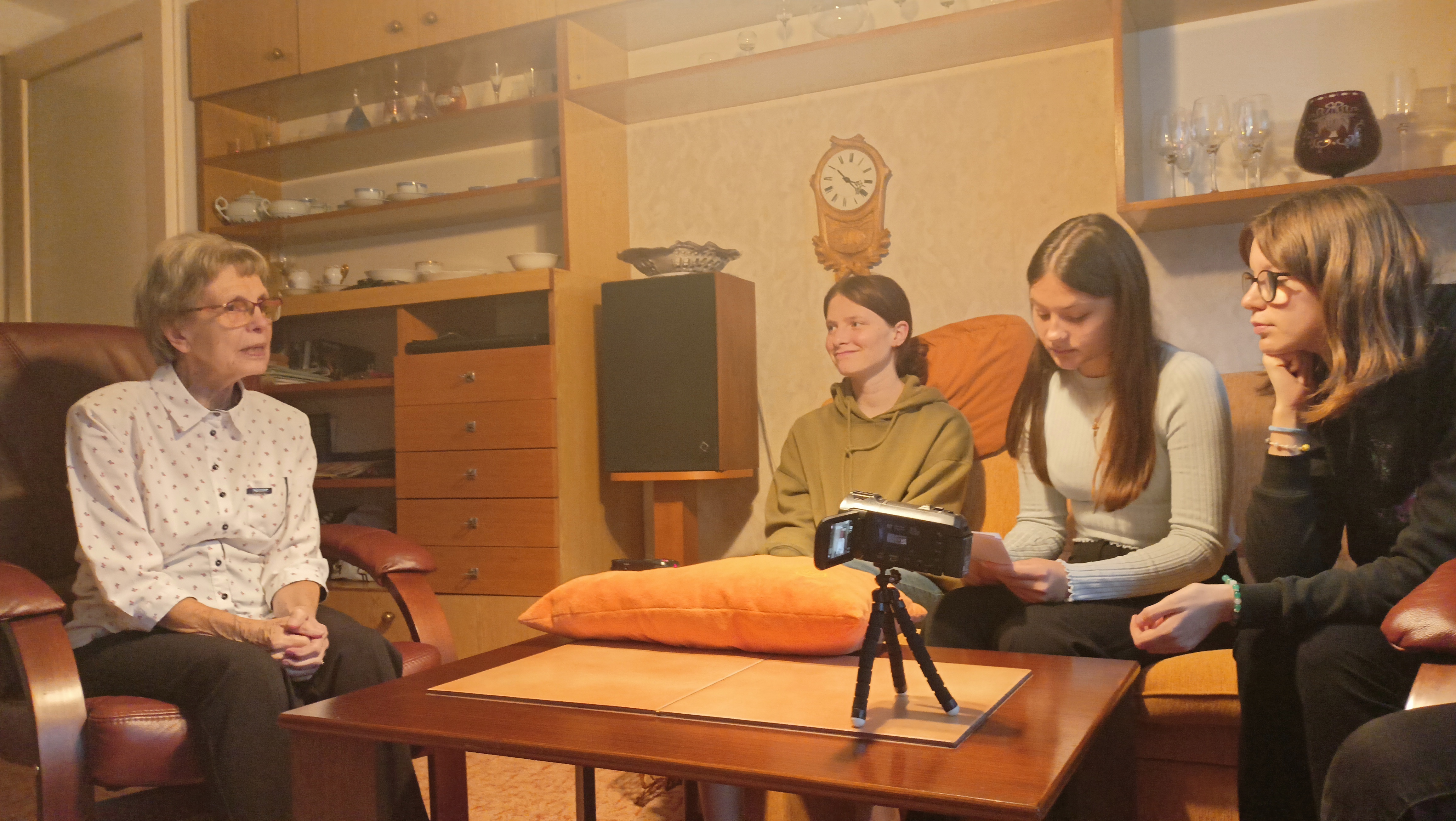
    Odolena Voda, 13.11.2024

    (audio)
    délka: 01:26:28
    nahrávka pořízena v rámci projektu The Stories of Our Neigbours
Celé nahrávky jsou k dispozici pouze pro přihlášené uživatele.

It was so many fears that the child got into himself during the war
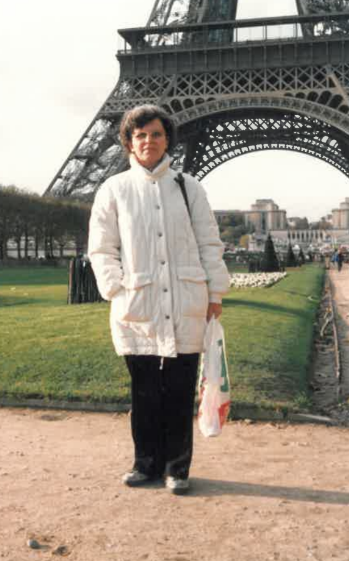
Alena Vejvodová on holiday in Paris
zdroj: Archive of the witness

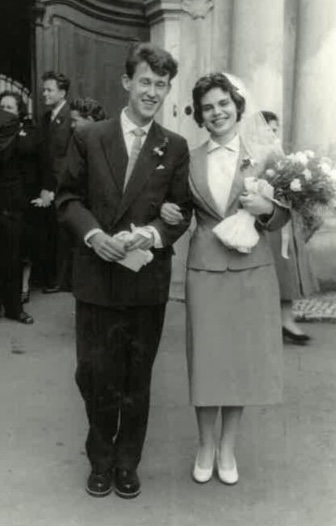
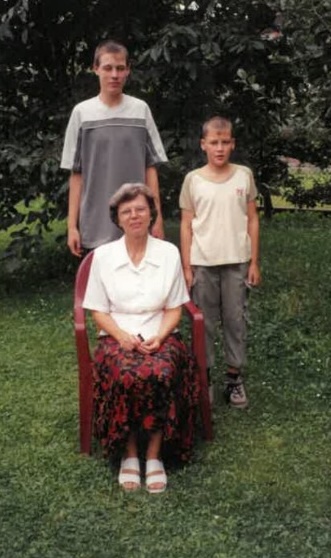
Alena Vejvodová, née Coufová, was born on January 11, 1939 in Prague. She grew up with her parents in Libeň, near Kobylisy, where the Nazis shot arrested Czechs during World War II. Alena remembers the sound of gunshots and her parents refusing to explain what they were hearing. After the liberation in 1945, Soviet soldiers came to their home and some even hid from their commanders. After the war, her mother died and her father remarried. She did well at school and went to high school and later to work for the Aerolini. During her studies she met her husband, who was a teacher, and she later started teaching as well. The couple moved to Odolená Voda. They were both members of the Communist Party, from which they were expelled as part of the vetting process at the beginning of normalisation because of their opposition to the invasion. During the Velvet Revolution, her husband became a spokesman for the Civic Forum in Odolená Voda and she worked as a recorder. In 2024 she was living in Odolená Voda.