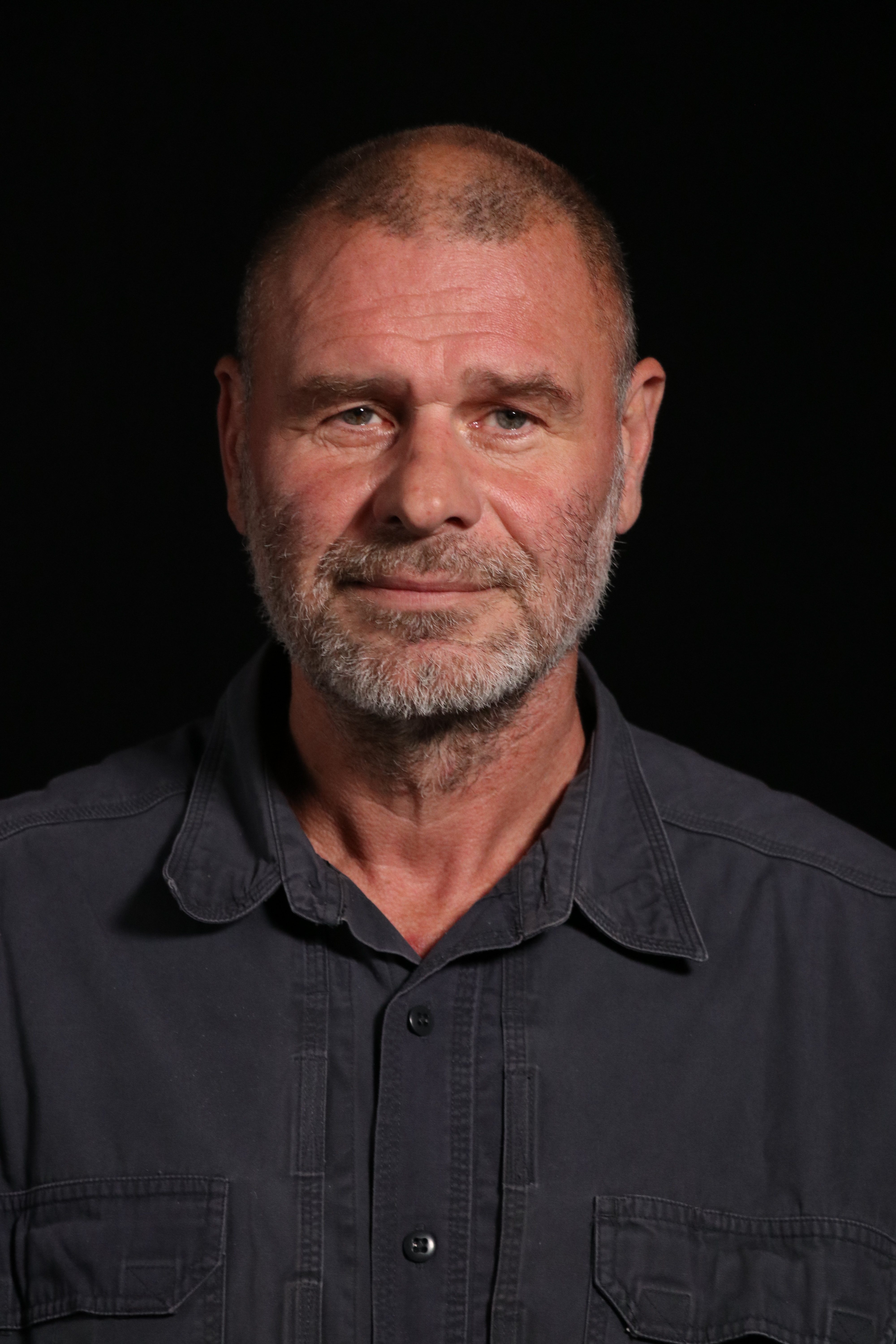
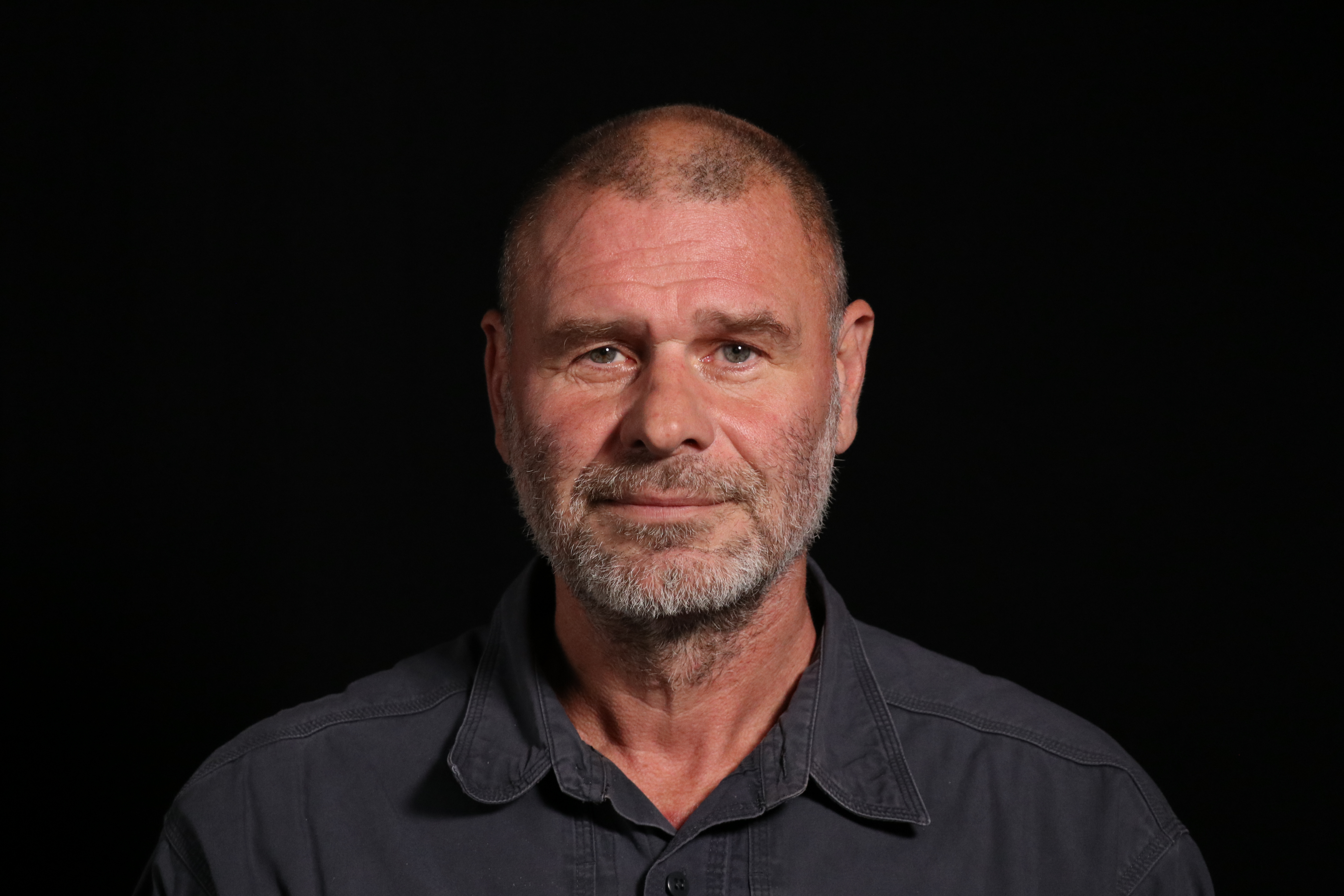
David Aust Vedral

* 1968

  • "And I know it was very cold there, we were freezing. We were installing the sound system. The cables were stretched very far out there so you could hear it. I think it was from the stands at Sparta stadium, where the comrades had always waved from the stands there. The whole Letná plain was being sounded, so it was kilometres of cables, it was complicated. I was definitely standing against the crowd and guarding the transmitter, because there was a chance that someone would go crazy and give the order to violently suppress it. And we wanted to broadcast to the last minute, and defending the broadcasting truck that could broadcast live to the last minute, so that was actually crucial. To get the word out to people about us being beaten or some action going on there - [if it happened]. So I was watching the broadcasting car."

  • "I was driving some actors, or someone, to the garage and I had some time. I used smoke at the time, so I went for a smoke. Because it was cold, I guess I didn't want to smoke outside. So I went to the basement of Czechoslovaki Television and I lit up. There was a big fire door - and I opened it and the light came on. And on both sides of the corridor there were National Security Corps officers sitting with these white helmets and shields and batons. There were about 40 of them, and I found myself amongst them like that. So I was scared, of course, they got startled too, so we were there and we were looking at each other for a while. My autopilot kicked in. I was like, I just can't stay here, that's for sure, so I was like, I belong there, it's normal, we go there to smoke, they picked a stupid place. And I proudly walked away as if nothing was going on and they were talking amongst themselves about what they were going to do with me, but before they could finish talking I was out of the corridor and running to the production staff, where I said we were occupied. That there was an armed unit was there. And in the staff, I suppose it was Jiřina Pokorná, she told me that it would be fine if I went to the Drama Club theatre with the information. And I don't know if the Civic Forum was already there, or if it was being created, I don't remember, but I know that I was supposed to go there to see Václav Havel, to tell him the information that Czechoslovak Television was occupied by a National Security Corps unit ready to intervene."

  • "The resistance was growing, it was visible in the atmosphere, but of course the communist resistance was also growing. There were horrible bastards there, and terrible things were going on, as only the communists could do. And after November 17th it became more mass, more people started to support us and to speak out. The garages, the famous garages, started to run. I don't know if they're famous, but I felt that way, because they were the garages of broadcasting vehicles, where they broadcast live, or where they made recordings for abroad. And I was very proud of that and very happy about it."

  • Celé nahrávky
  • 1

    Praha, 27.10.2025

    (audio)
    délka: 01:11:34
    nahrávka pořízena v rámci projektu Stories of the 20th Century TV
Celé nahrávky jsou k dispozici pouze pro přihlášené uživatele.

In the basement of Czechoslovak Television, I discovered an armed response unit
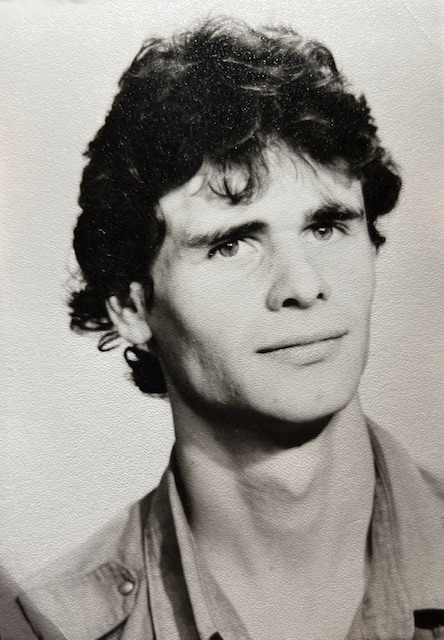
David Aust Vedral, 1987
zdroj: witness´s archive

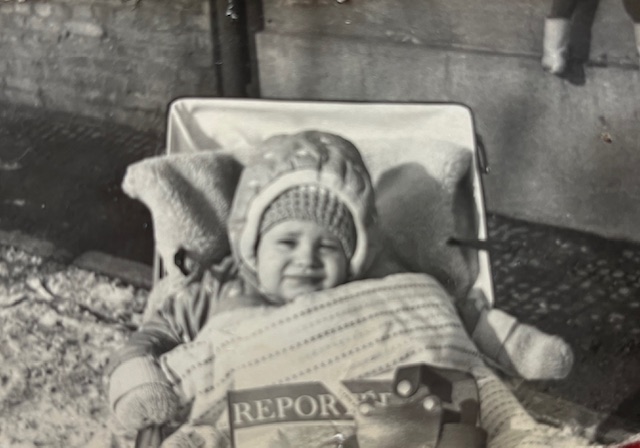
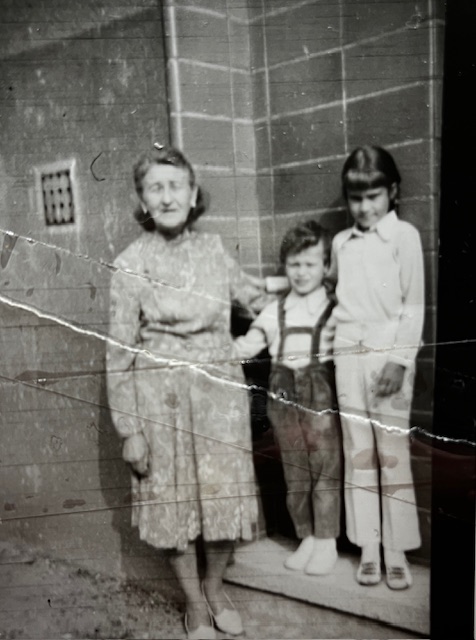
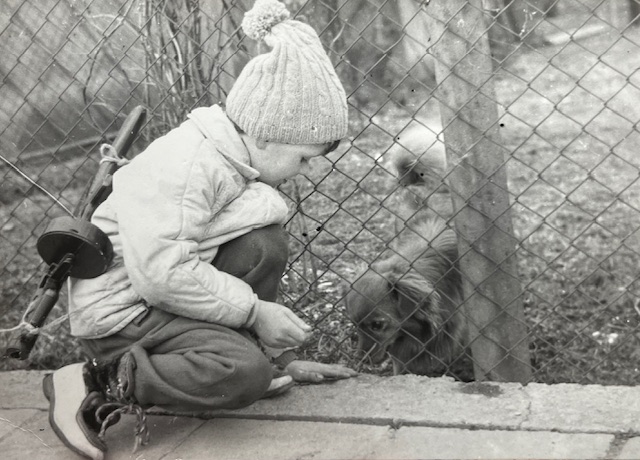
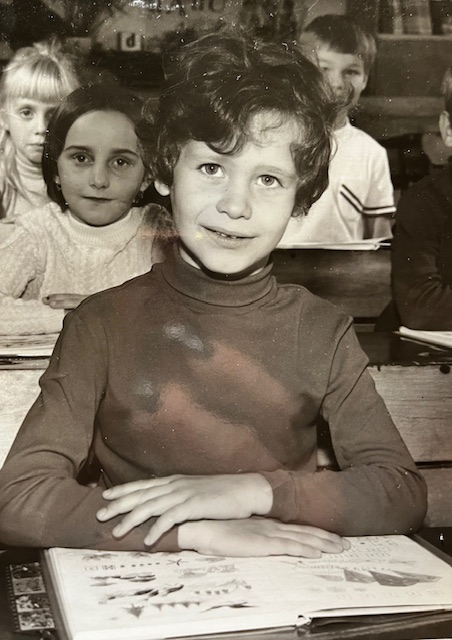
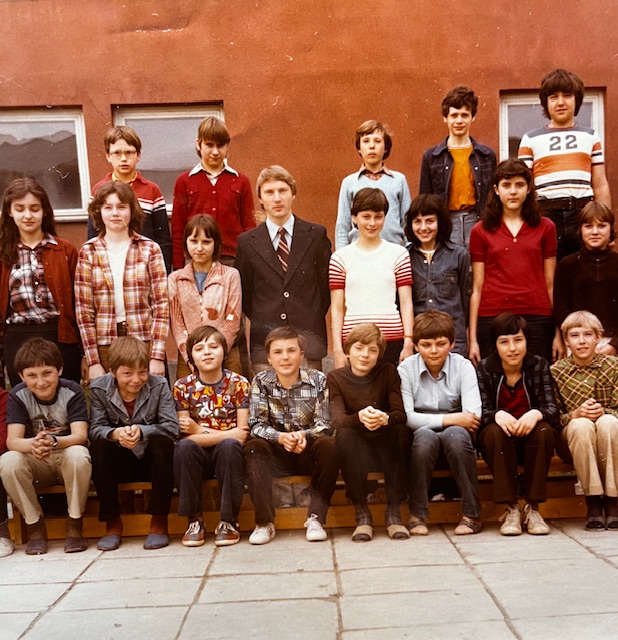
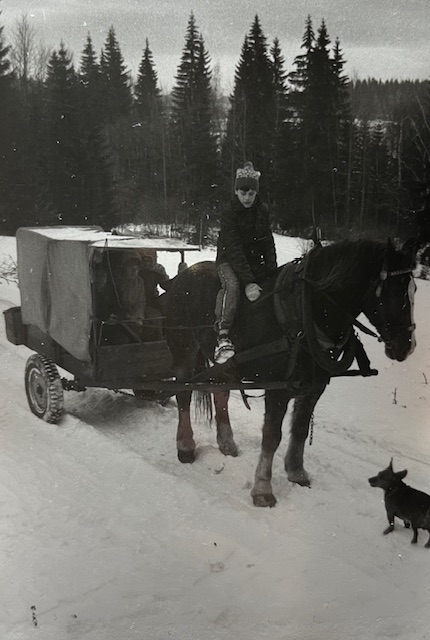
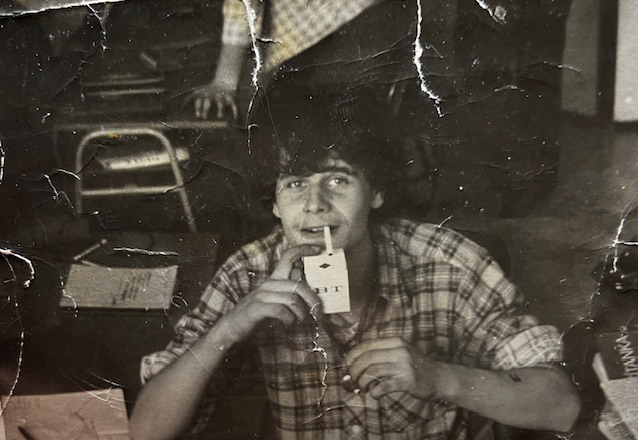
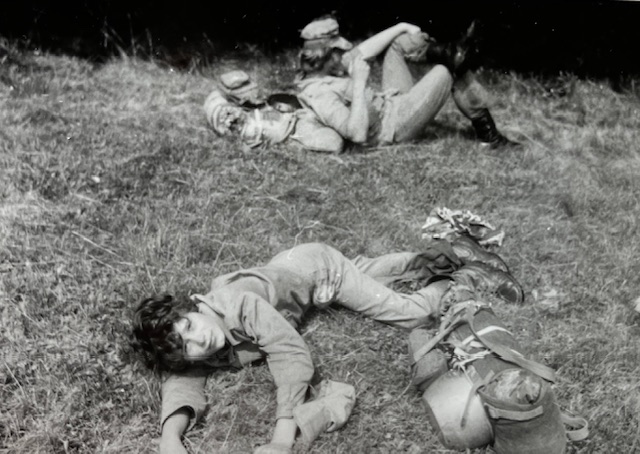
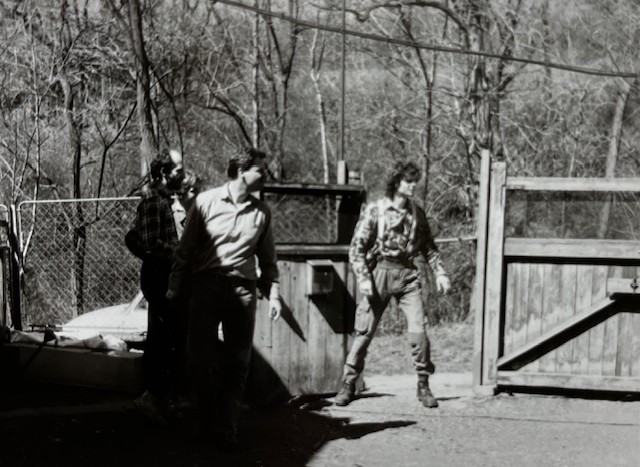
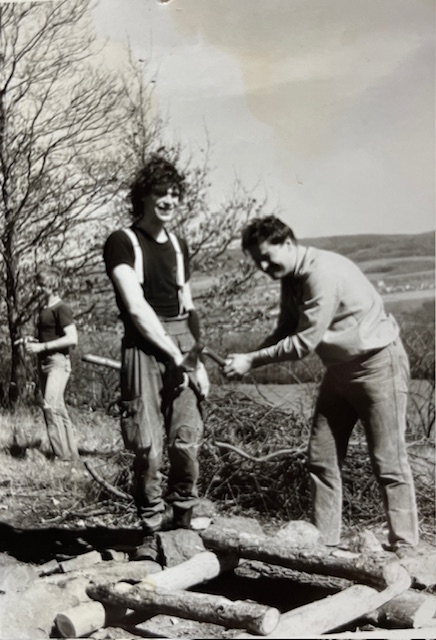
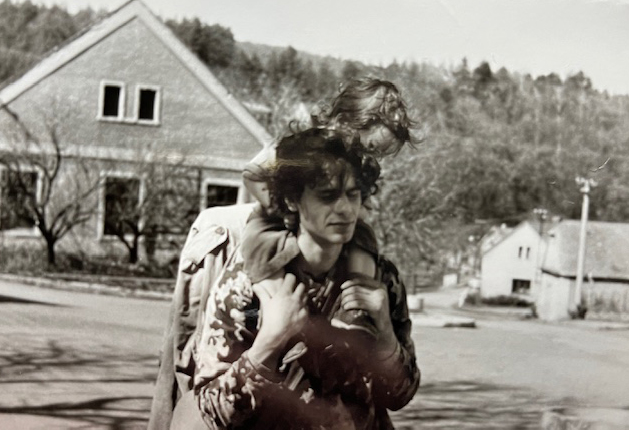
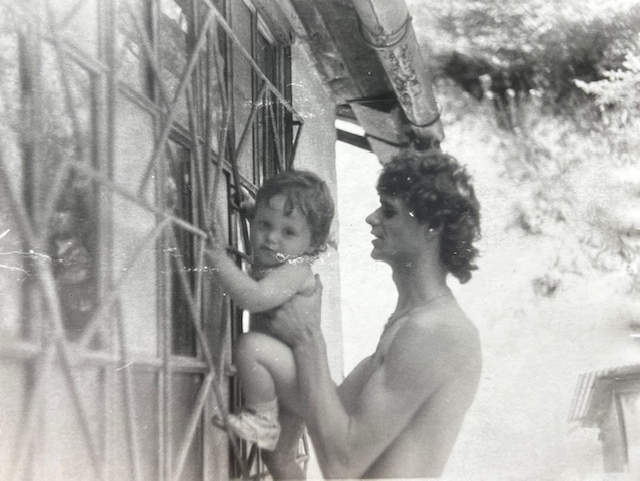
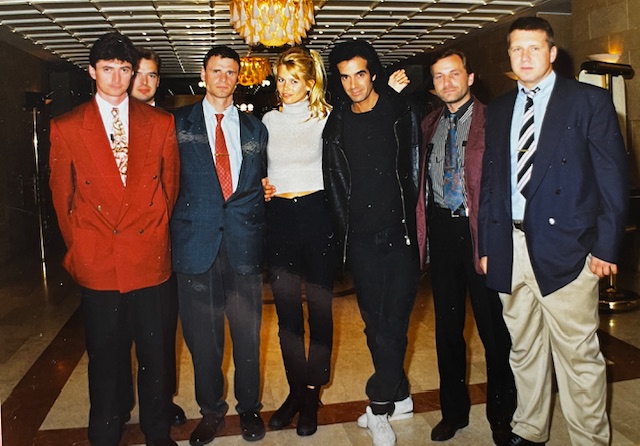
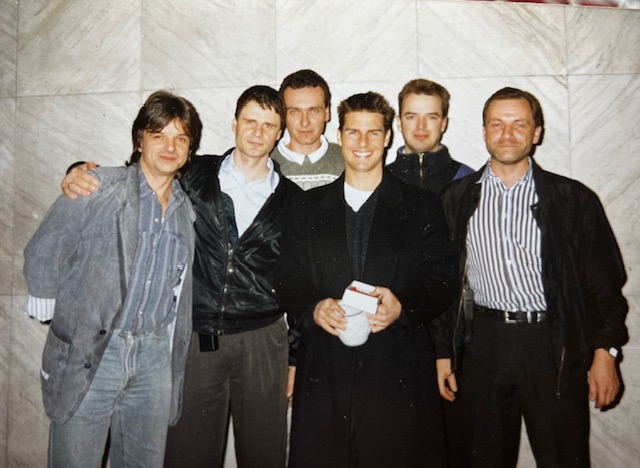
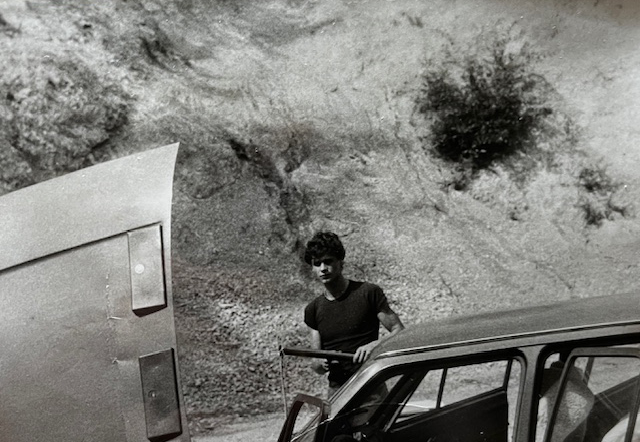
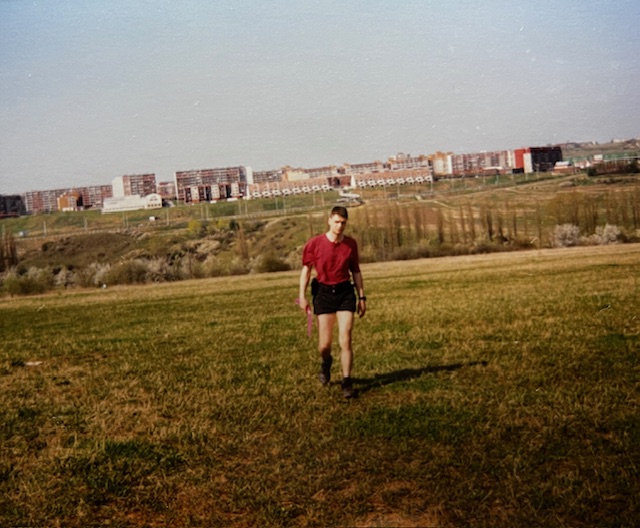
David Aust Vedral was born on 10 February 1968 in Prague. He grew up with his mother Václava Fabiánková (Austová) and his stepfather; the family was critical of the communist regime. At school he had repeated conflicts with the school authorities, and he left primary school for boarding school and an apprenticeship. At the age of seventeen he became a father. He worked as a woodcutter, but due to health problems he left and joined Czechoslovak Bus Transport as a driver´s assistant and later as a driver. In the late 1980s, he failed the political checks required for travel to the West after publicly criticising how National Security Corps handled demonstrations. On the recommendation of Hugo Markes, he joined Czechoslovak Television as a driver just before November 1989. In November 1989, he was actively involved in the anti-regime resistance at Czechoslovak Television, which took place in the garages of the transmission trucks. He took part in providing equipment for broadcasting at the demonstrations on Wenceslas Square and Letná, drove actors to the broadcast garages, and distributed leaflets. He discovered a prepared armed unit of National Security Corps in the premises of the Czechoslovak Television and passed on the information. He slept at the TV building and did whatever was necessary at the expense of sleep and his family. After 1989, he worked at Czechoslovak TV as a prop man, then moved to the Phoenix security agency and worked as a bodyguard. In 2006, during a live broadcast of Václav Moravec‘s Questions in Plzeň, he witnessed a bomb threat in the theatre and secured the suspicious package until the bomb unit arrived. He worked as a bodyguard and headed a specialized security service. In 2025, he lived in Votice.