"I have - and my parents had - many friends in Austria who were great, just classy people. Worse were those who thought that if they pulled out shillings, we'd sit on our asses. I remember very well, when I was trying to earn some money over the holidays and I was doing a part-time job in a grocery store, it was quite common to see butter being unwrapped and tasted. That kind of thing happened there. They were looking down on us. It was quite common for people to speak to you in German and feel that you just had to understand and you would talk to them. And it started to get uncomfortable on the other side as well, I remember one sign that I was quite stunned by, which was very unpleasant. When we came to Austria to a shop and it was written in Czech: 'Czechs, don't steal from us here', that was a really unpleasant feeling."
"I was in the eighth grade of primary school, just before leaving or before finishing my primary education, I think it was before Christmas of '89 when we first saw the kids from Gmünd. At that time there was an event where the pupils from the Gmünd primary school were crossing over, we met at the place where the barrier was. The barrier opened up, as it were, and we were able to meet the children. It was very strange because we didn't speak German, we didn't learn German. Of course they didn't know our language, but we met them anyway. The schoolchildren brought us a package, and we had a small gift for them. There, I formed a friendship with a girl with whom we visited for two years afterwards, who lived in a small village near Gmünd. We spent our free time together and it was quite nice. Then the friendship with the girl faded away and today I don't know how she is doing."
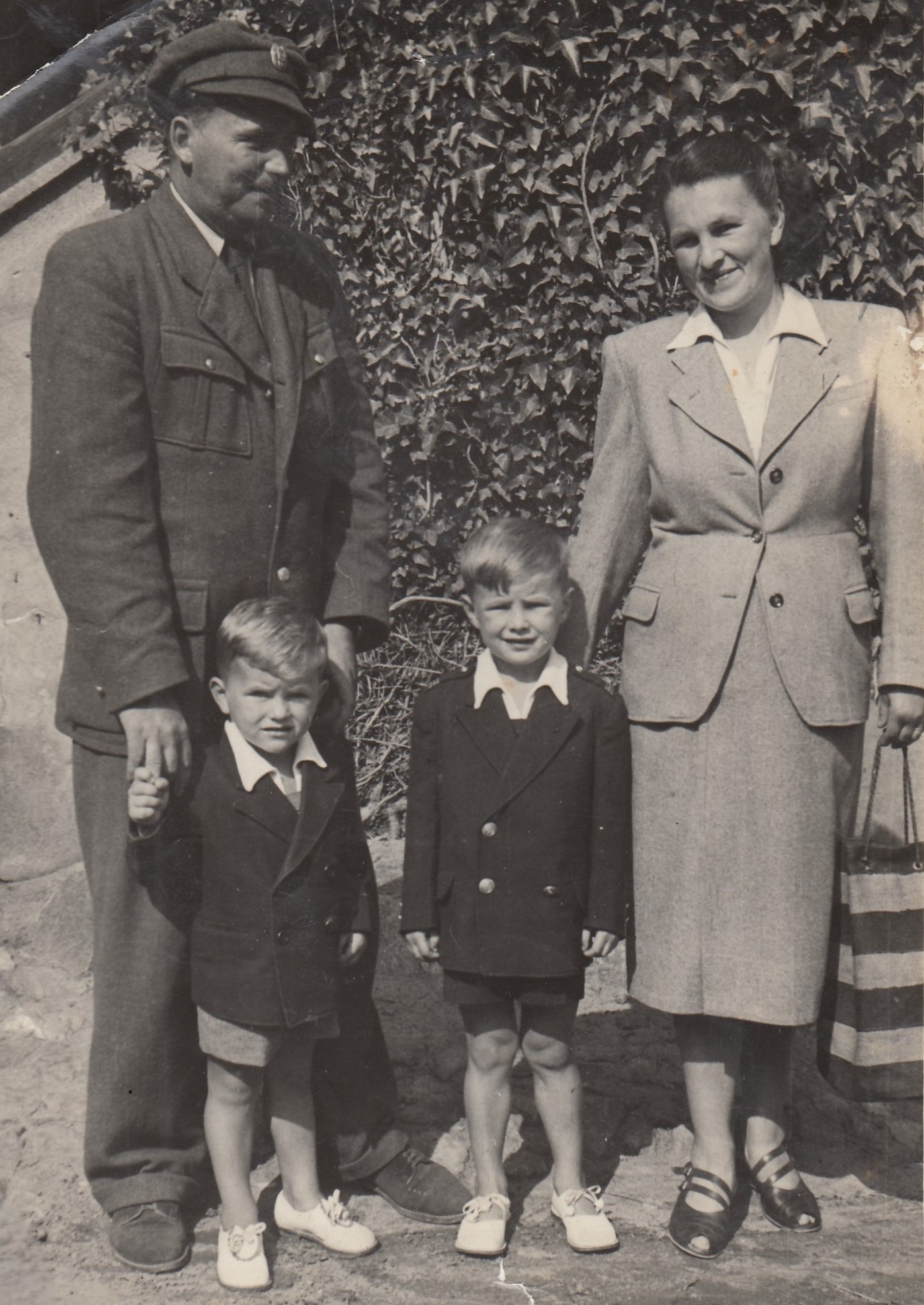
"My grandfather was a wagon driver, and when they took trains to Austria, they always crossed the state border. There they were only allowed to go as far as the station, no further, and then they would take the train back to České Velenice. That's how they transported the wagons. And for that they had travel allowances, so they had some money in shillings. They had good relations with their colleagues at the station in Gmünd. The station was right in the centre of the shopping area, there was a Hofer there at that time, I don't remember exactly what the name of the shop was. My grandfather would always slip them shillings and they would buy him things like chocolates for us kids or coffee and things like that. Grandpa had a blue, warm coat with a fur coat and a pocket sewn in it from the chest down, the coat was really down to his heels, and that's where he put the stuff. I remember every Christmas or especially on St. Nicholas' Day my brother and I would get a big Milka chocolate or chewing gum, colored gumballs. We had things like that. My brother used to pick up Coca-Cola cans, Mirinda cans and things like that, and my grandfather would always come out of the train station, for example, and the poor guy would open the trash cans and see some cans, so he would pick them up, take them across the border, and we would wash them at home. My brother had it on display and he was so proud to have such things."
"Of course we saw the wires, we could see that. But because we were born into it, we didn't find it strange. It was a normal, normal part of our lives. The wires were there, they belonged there. In fact, we didn't really ask why they were there, I don't remember ever asking my parents what the reason was. We did see them, but the wires were always in a place where they weren't very accessible. Either it was behind a meadow that was mostly muddy so we didn't even go there, or it was along the river where the terrain was absolutely inaccessible. The first time we saw the river in Velenice was when the wires were taken down, in the 1990s, when we went there on dates afterwards as schoolchildren in the eighth grade of primary school, because it was different. We hadn't really been there until then. But we were very close to them when we were on our way to the swimming pool. The wires used to be mostly double and the swimming pool was in between. We went through to the first gate where the border guards were serving, there was a hut up there where one of them was, another one, I think, used to be down there with a dog. We went through there and we went to the swimming pool, we swam there and we went home again. And it didn't seem like anything special to us, something strange. Not at all."
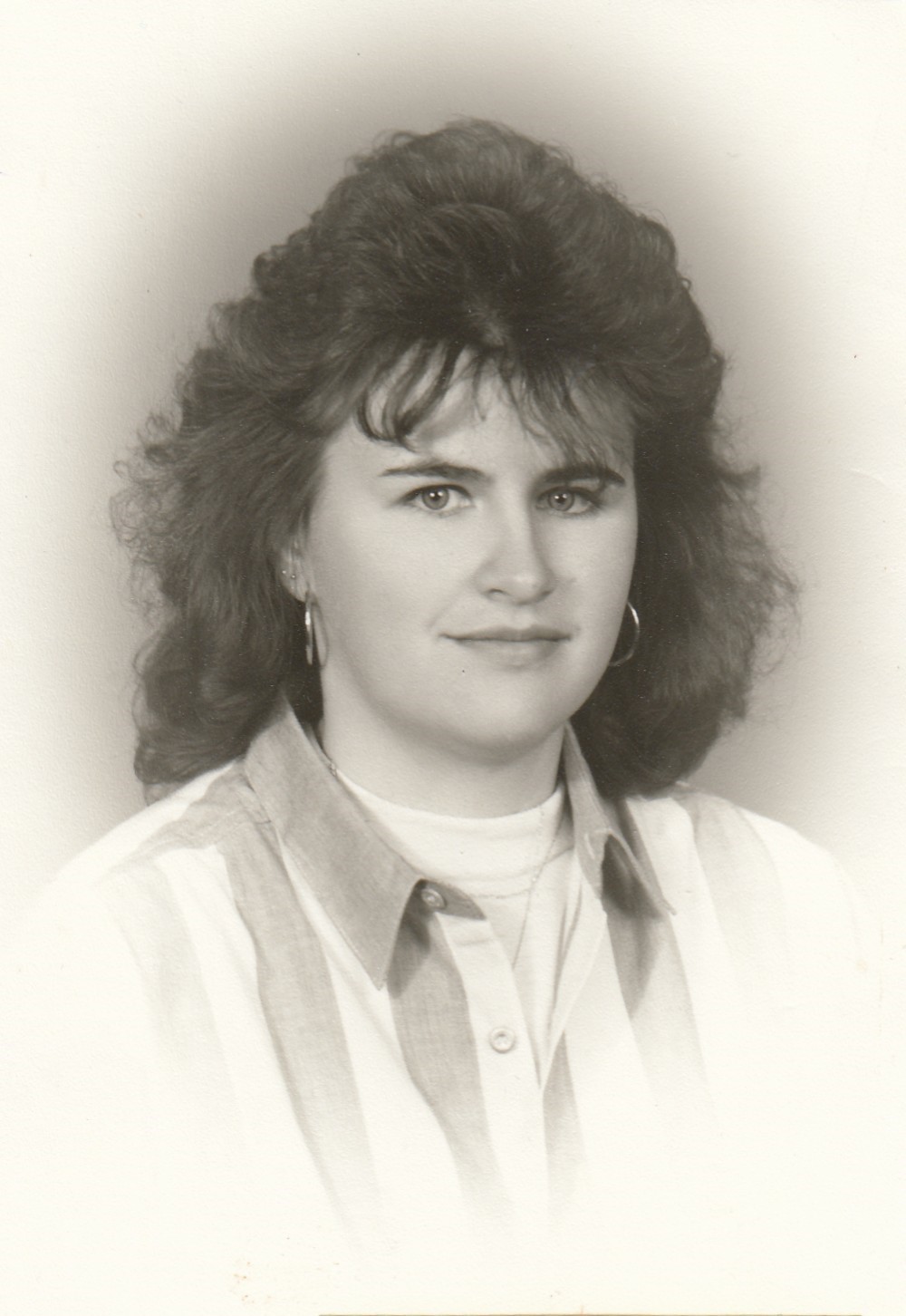
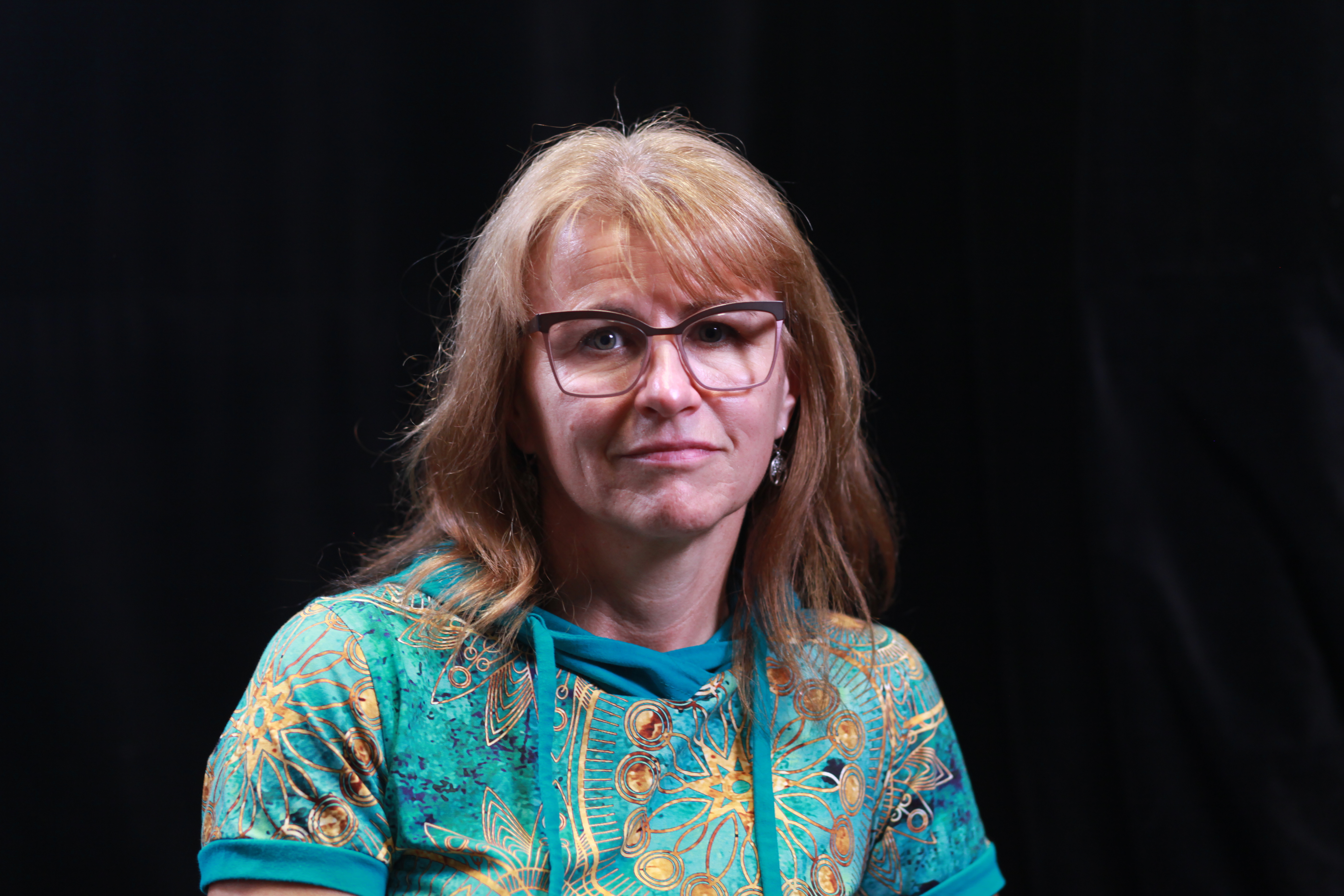
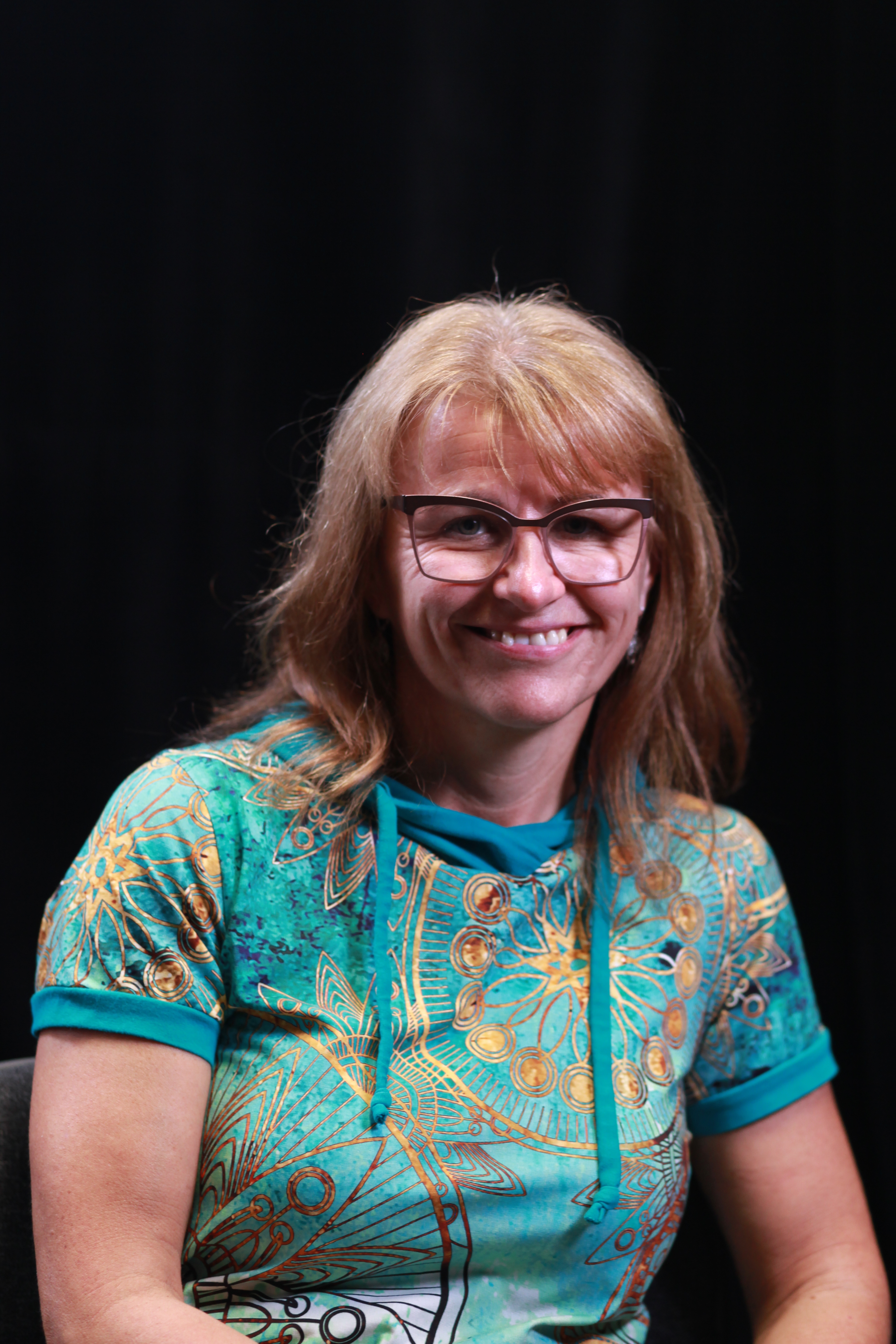
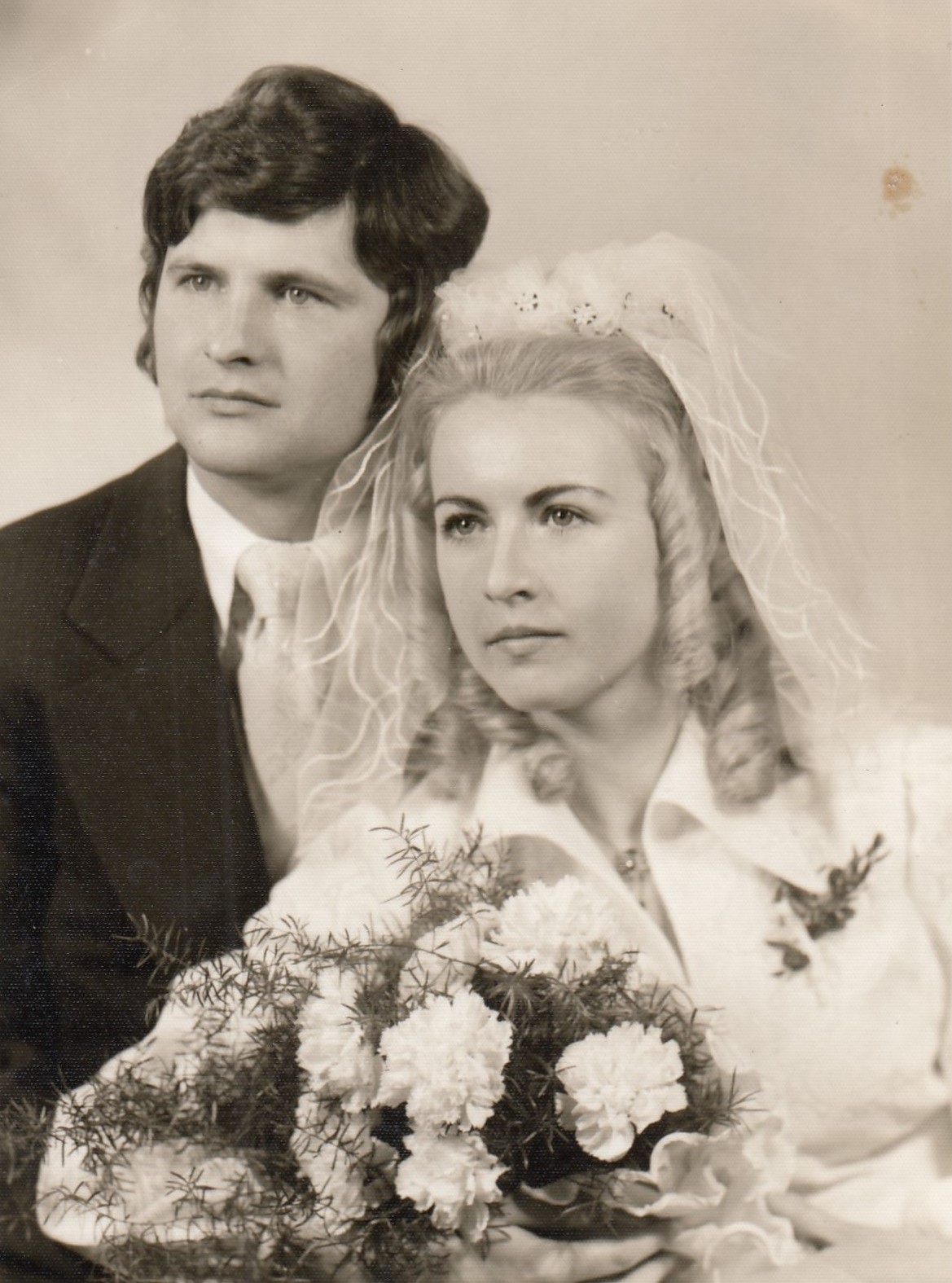
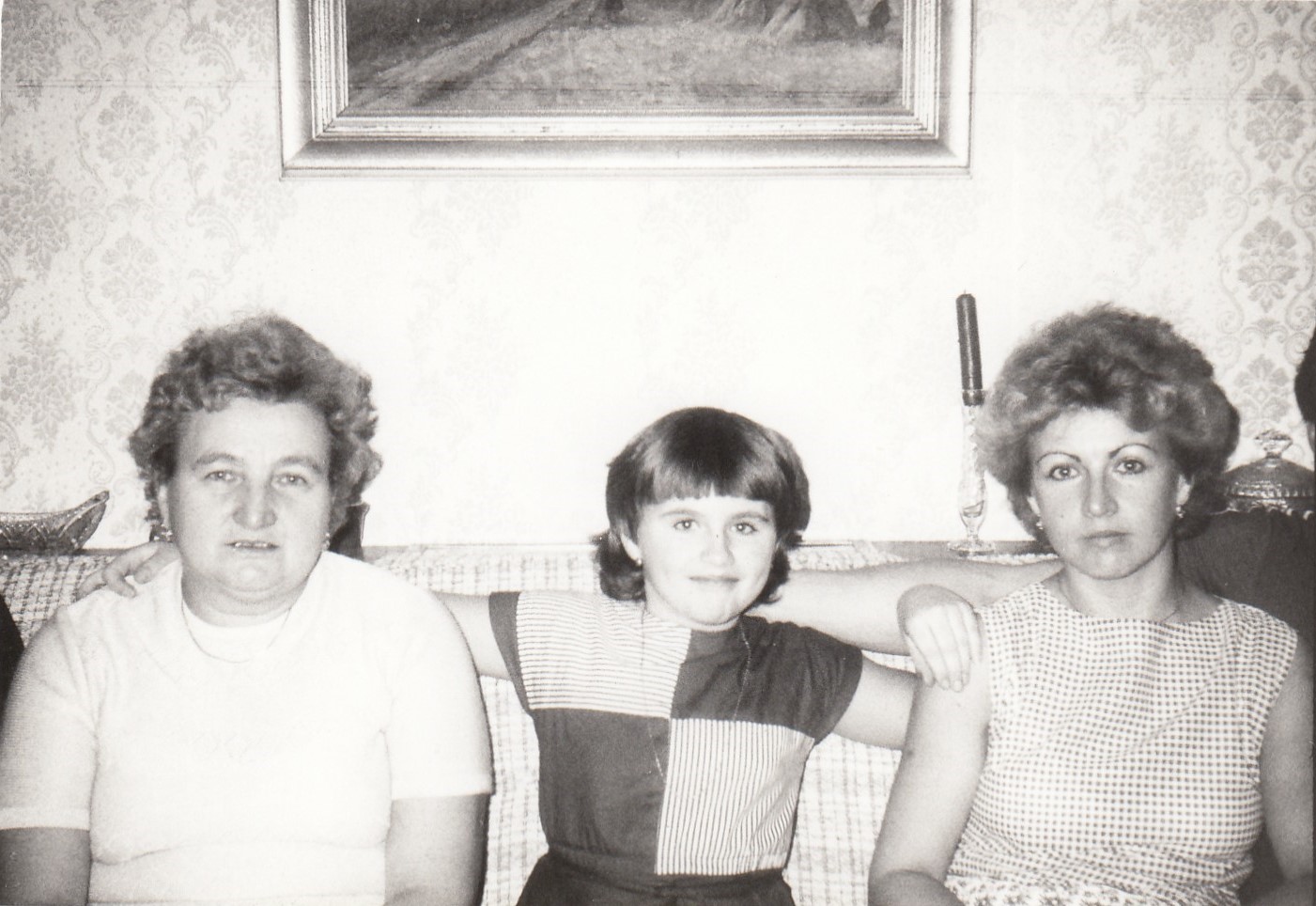
Kamila Večeřová, née Hrubá, was born on 16 February 1976 in České Budějovice. Her father, Jiří Hrubý, trained as a locksmith for rail vehicles and worked all his life in the Railway Repair and Engineering Works, while her mother, Božena Hrubá, had several jobs, but all of them were devoted to administration. She grew up with her parents and younger brother Jiří in the border region, in the town of České Velenice. Before the establishment of Czechoslovakia, they used to be one town together with Gmünd, Austria. During socialism, the Czech part was separated from the Austrian part by an iron curtain, guarded by the Border Guard. The town was isolated from its surroundings due to the border regime and still bears the burden of its geographical location to this day. As a child, however, Kamila Večeřová did not perceive this. She took the ubiquitous wires as a normal part of life, just like going to Pioneer or civil defence education. The opening of the borders in 1989 meant a fundamental change - it brought both freedom and a loss of the sense of security to which the locals were accustomed. The town‘s shops and services were expanding, but at the same time crime was on the rise. After high school in Třeboň, Kamila Večeřová studied for two years in Prague, but eventually chose a university in České Budějovice, focusing on social work. In June 2001, she passed her state exams and started working as the head of the Home for the Elderly in České Velenice. In the same year she married Petr Večeř, a mathematics teacher, and in May 2002 they had a son Petr and in June 2003 a daughter Anna. In her work she focused on modernising care for the elderly. At the time of the interview, Kamila Večeřová lived with her family in České Velenice, where she still was head of the home for the elderly.
Hrdinové 20. století odcházejí. Nesmíme zapomenout. Dokumentujeme a vyprávíme jejich příběhy. Záleží vám na odkazu minulých generací, na občanských postojích, demokracii a vzdělávání? Pomozte nám!