Aleš Svoboda

* 1956

  • "The day it happened, I knew it about it, and I wondered why there were so many strange people in suits around the dorms. Either they were fat guys who looked like they came from a slaughterhouse somewhere, or they were skinny, weird sickly-looking types. And one thing that I thought was odd was that as they were wearing the suits, they had a coloured pin in their lapel here, yeah, a coloured pin. Then somehow I guessed, or I know that was the way they were supposed to know they were State Security. So they were lined up around us and I thought: they are not going to scare me off, I'm going to go see the cemetery. So I went down, there were flat track machines at Markéta, they were having like an exercise at the time, they had machines roaming around, it was crazy noise. There was a helicopter circling above it, again another noise, there just wasn't a word to be heard. I went to the cemetery where the Charter people were, and there was some talk that, of course, you couldn't identify at all what anybody was saying unless you were standing two feet away from them."

  • "At our faculty there were these - I quite remember them - these strange guys who ruled the SSM [Socialist Youth Union - trans.] at the school and had already joined the party. And now they had this demeanor that was a little over the top and they were walking around in suits. I was in the dormitory at Větrník, doing something, perhaps studying, and somebody knocked. And he came, like, 'Well, we have a statement here against the Charter, sign it here.' And that was such a turning point for me, because I was like, 'Okay, but I'm not going to sign this.' I knew what was in the Charter, and I knew I couldn't sign it. So I took this kind of awkward strategy, I said to them, 'Okay, let me read what's in there, and I'll tell you if I condemn it or not,' and the guys were sunk, so they backed off and left."

  • "This one became the director, the landman, the orderly deputy. And I remember that through the door, when we had classes, our class master Zíta was dismissed. And through the door we heard terrible shouting, swearing and arguing, so strong. The result of that was that he left, he had to leave, and then he went to work, I think, for some Water and Sewerage Company. So, again, the progression of that, that at the beginning a fine teacher, we liked him, he could explain things, and now suddenly the ones that aren't quite that good start to dominate, but there were still some teachers left that you could get along with and weren't totally weird."

  • Celé nahrávky
  • 1

    Poděbrady

    (audio)
    délka: 59:10
    nahrávka pořízena v rámci projektu The Stories of Our Neigbours
Celé nahrávky jsou k dispozici pouze pro přihlášené uživatele.

It came to the absurd moment when we were supposed to condemn the Charter, the text of which was not allowed to appear anywhere
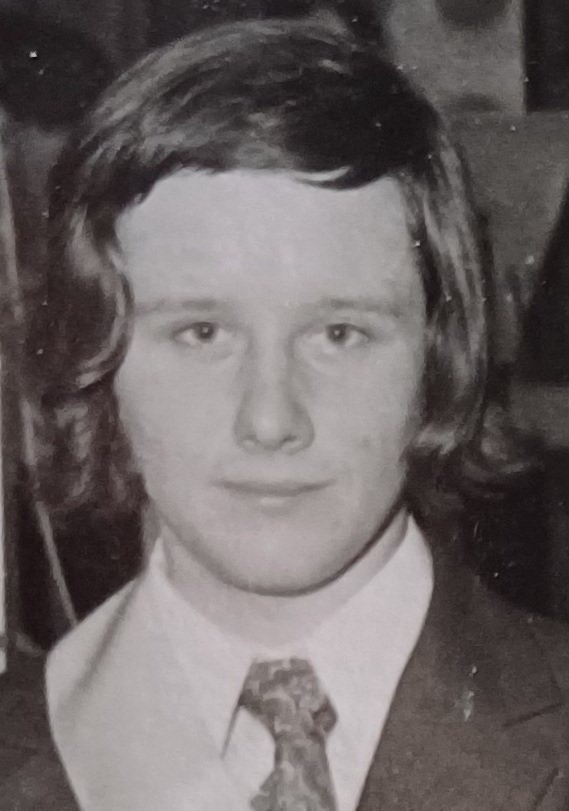
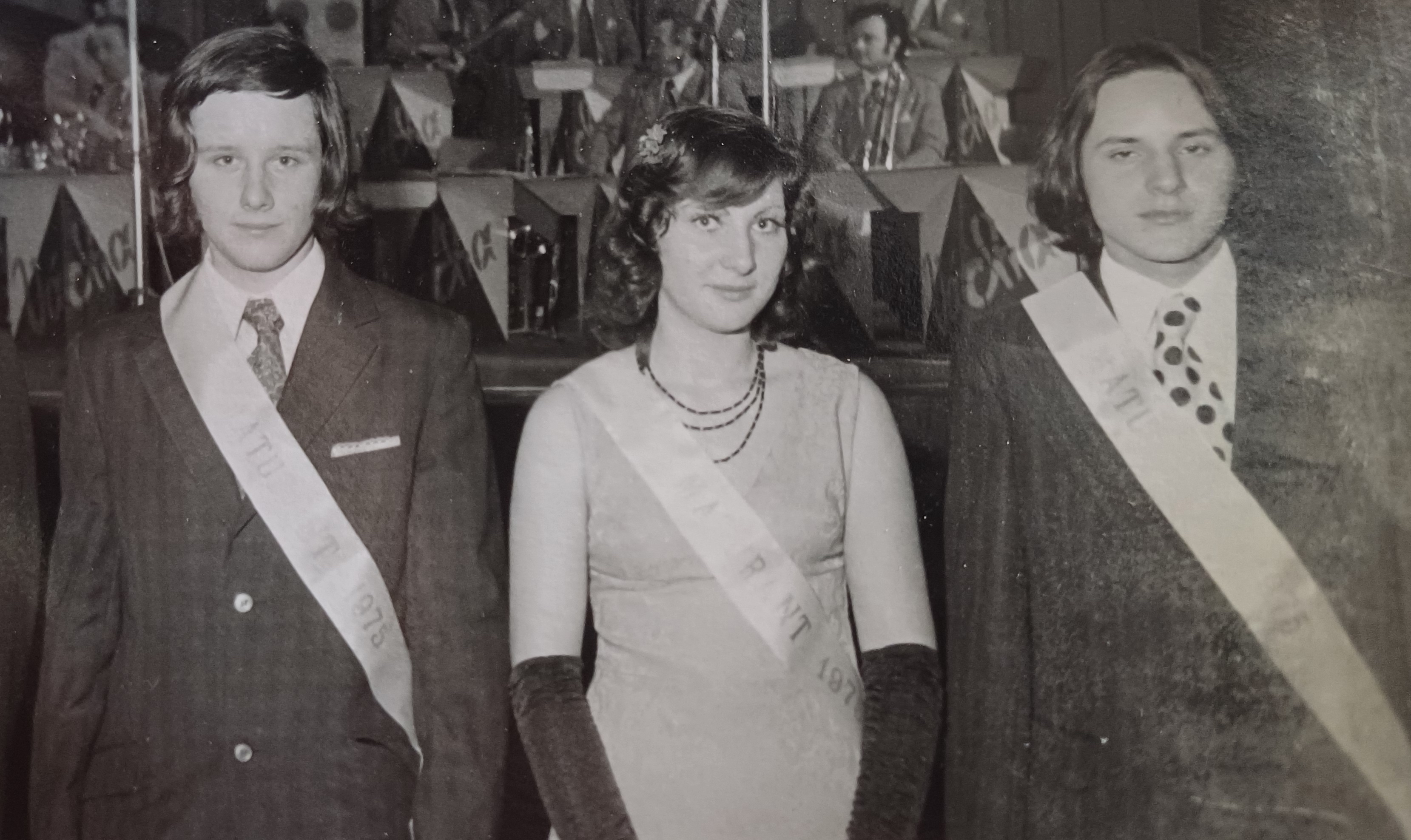
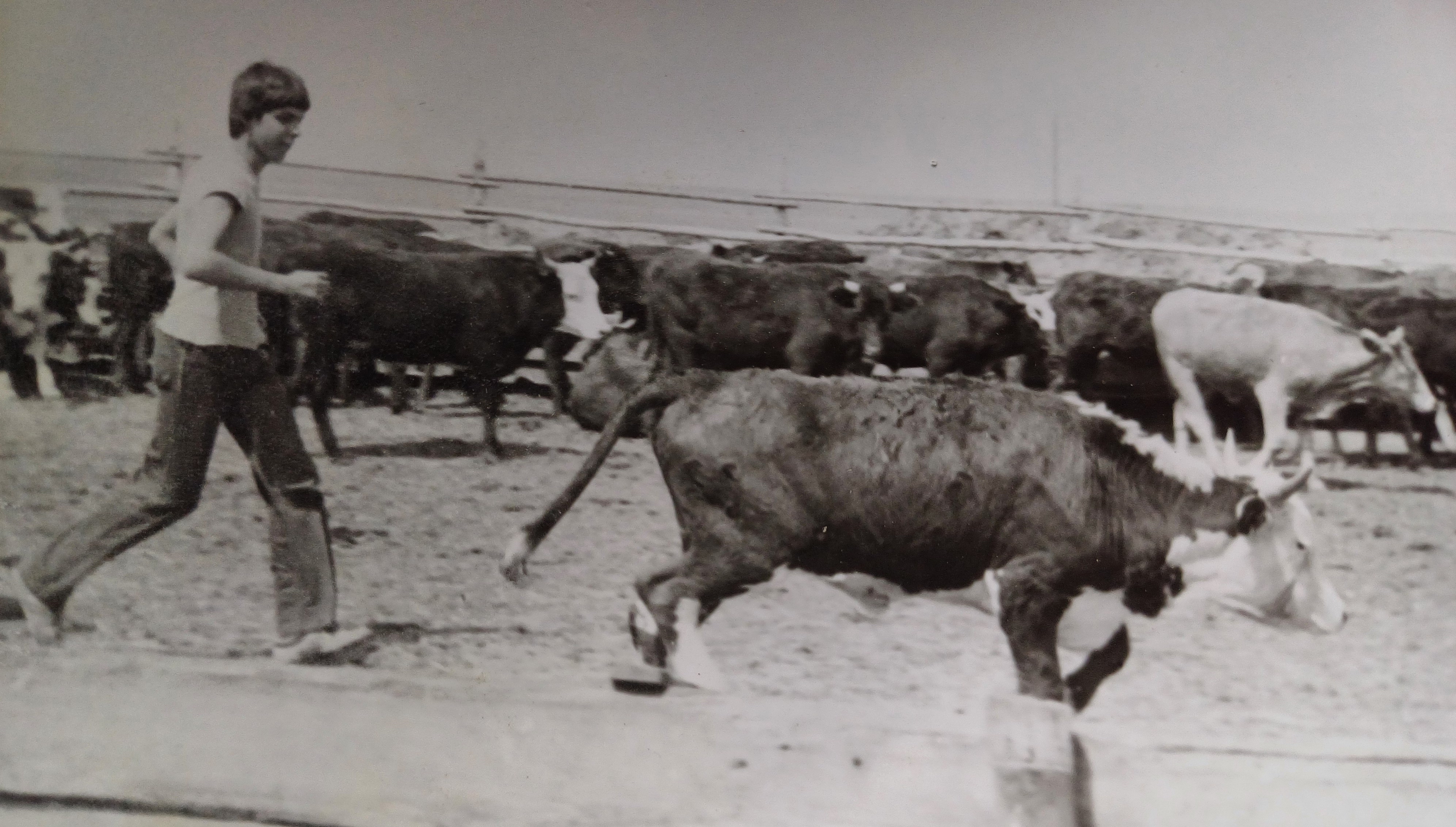
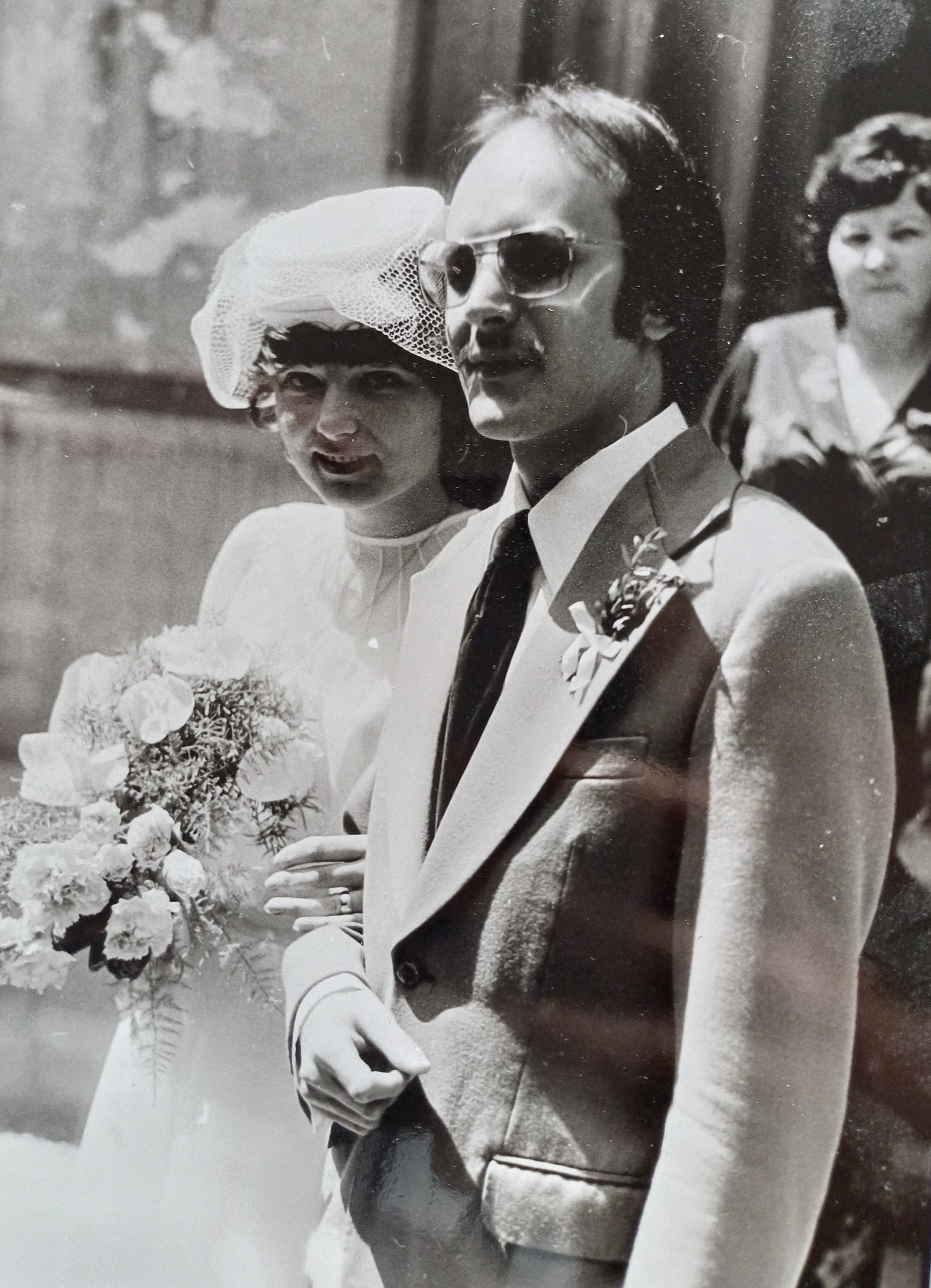
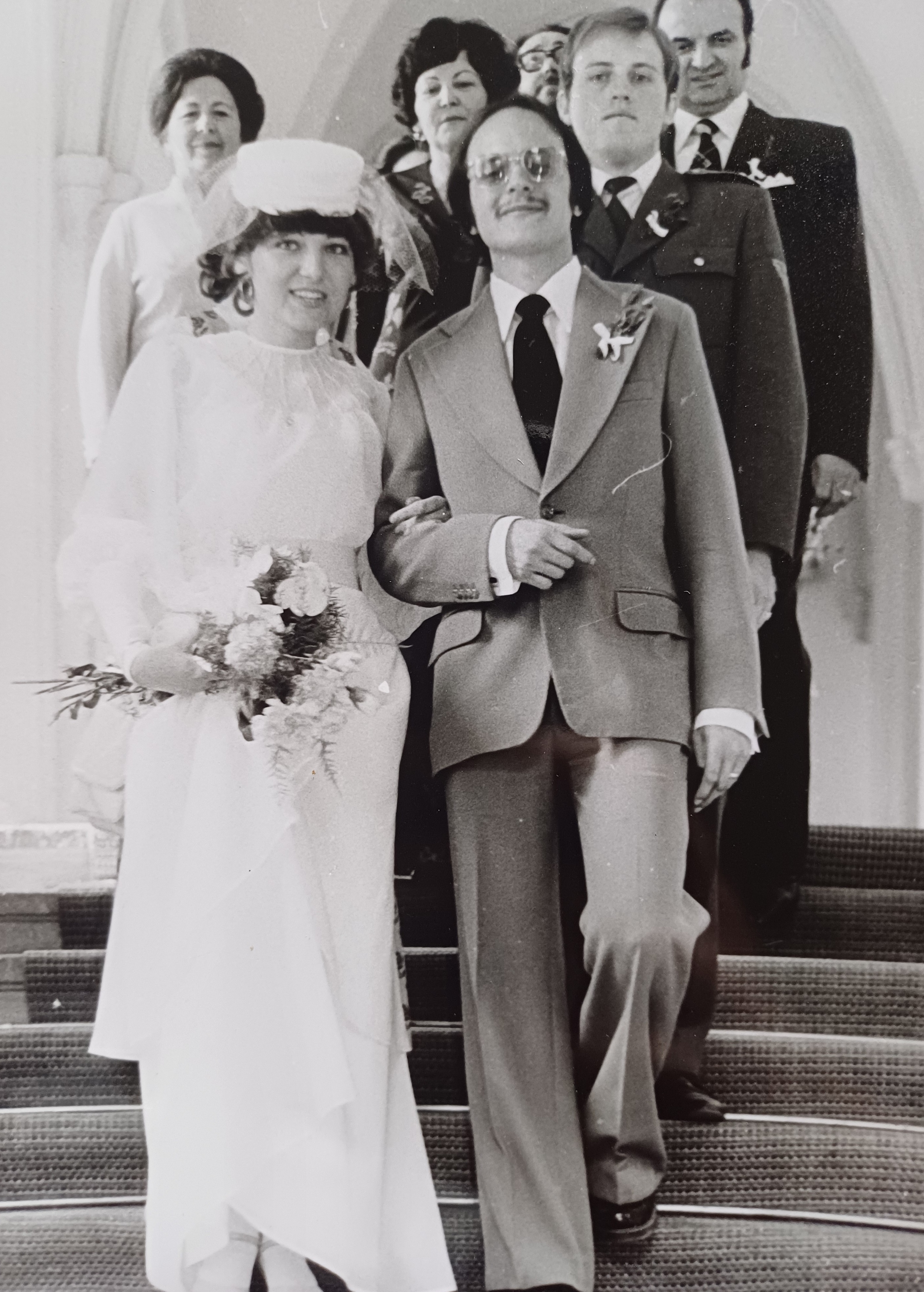
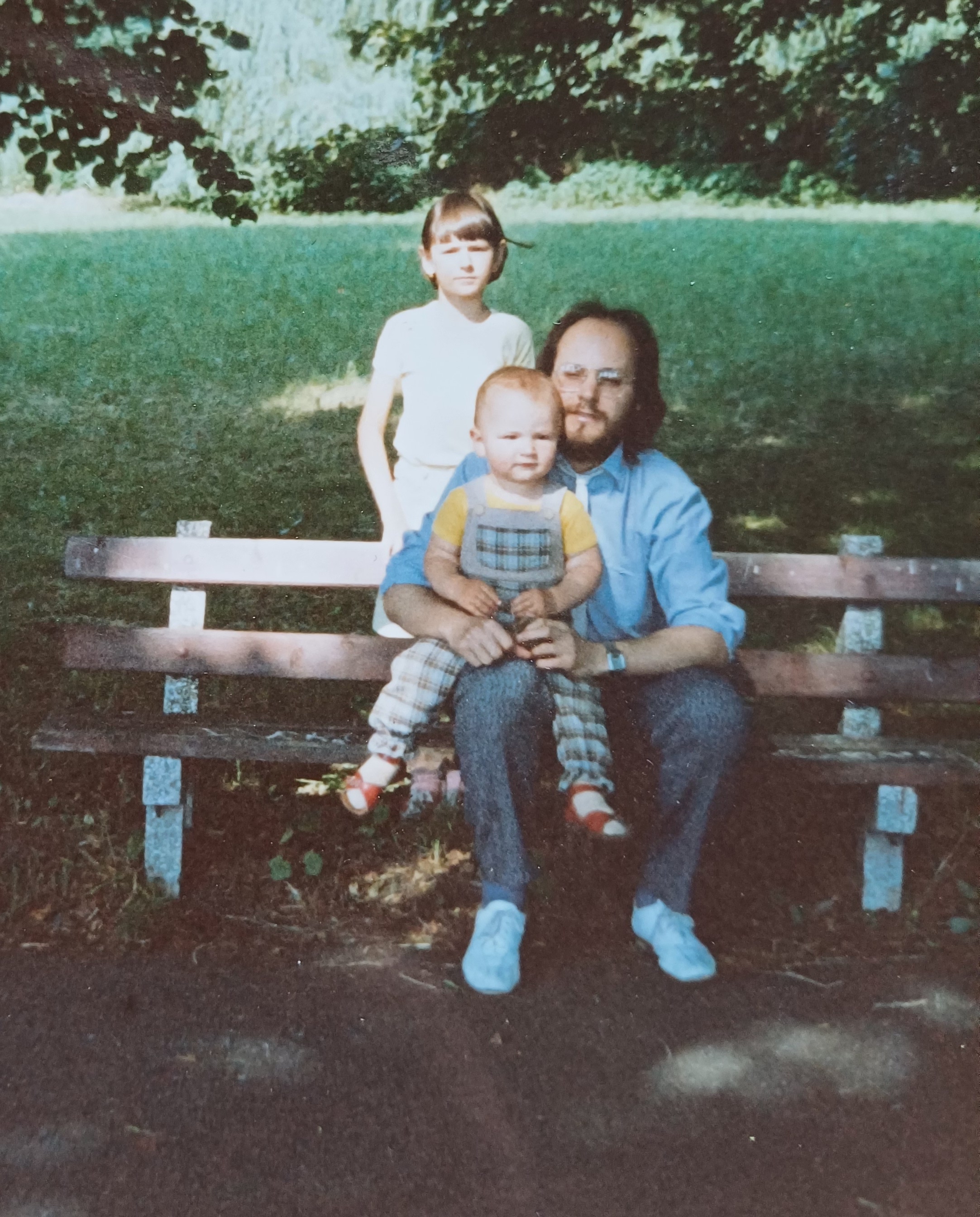
Aleš Svoboda, 1975
Aleš Svoboda, 1975
zdroj: Witness archive

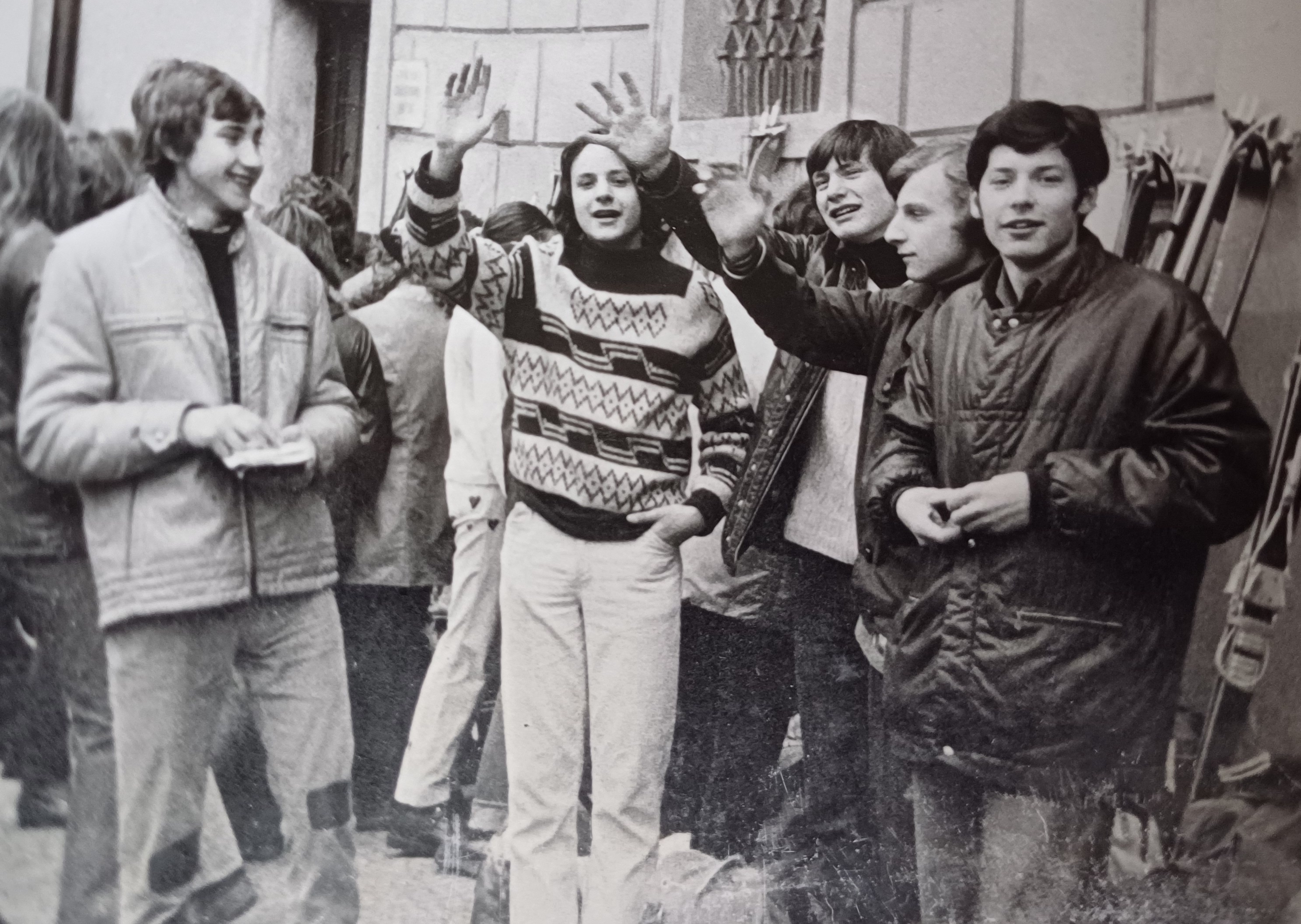
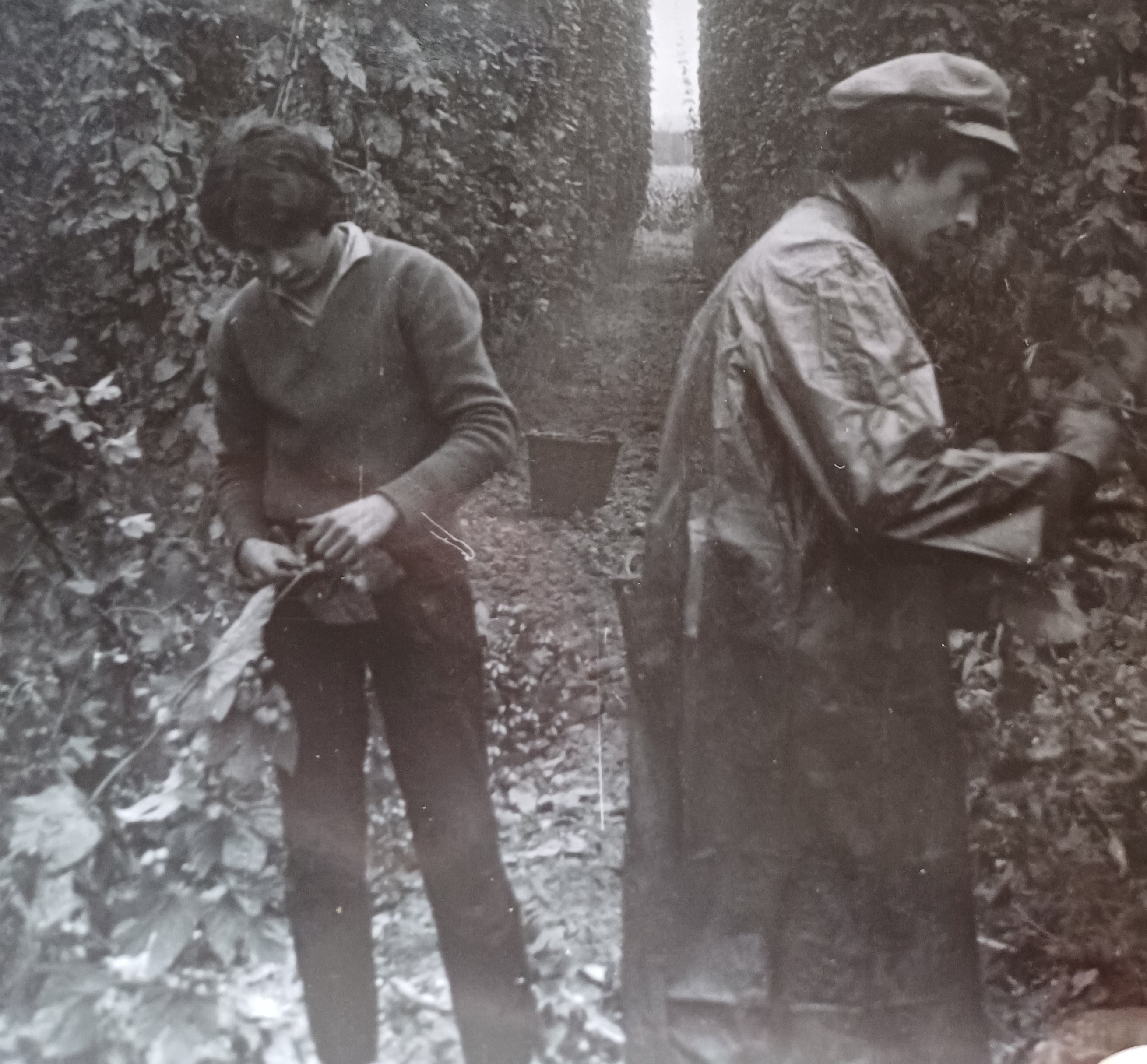
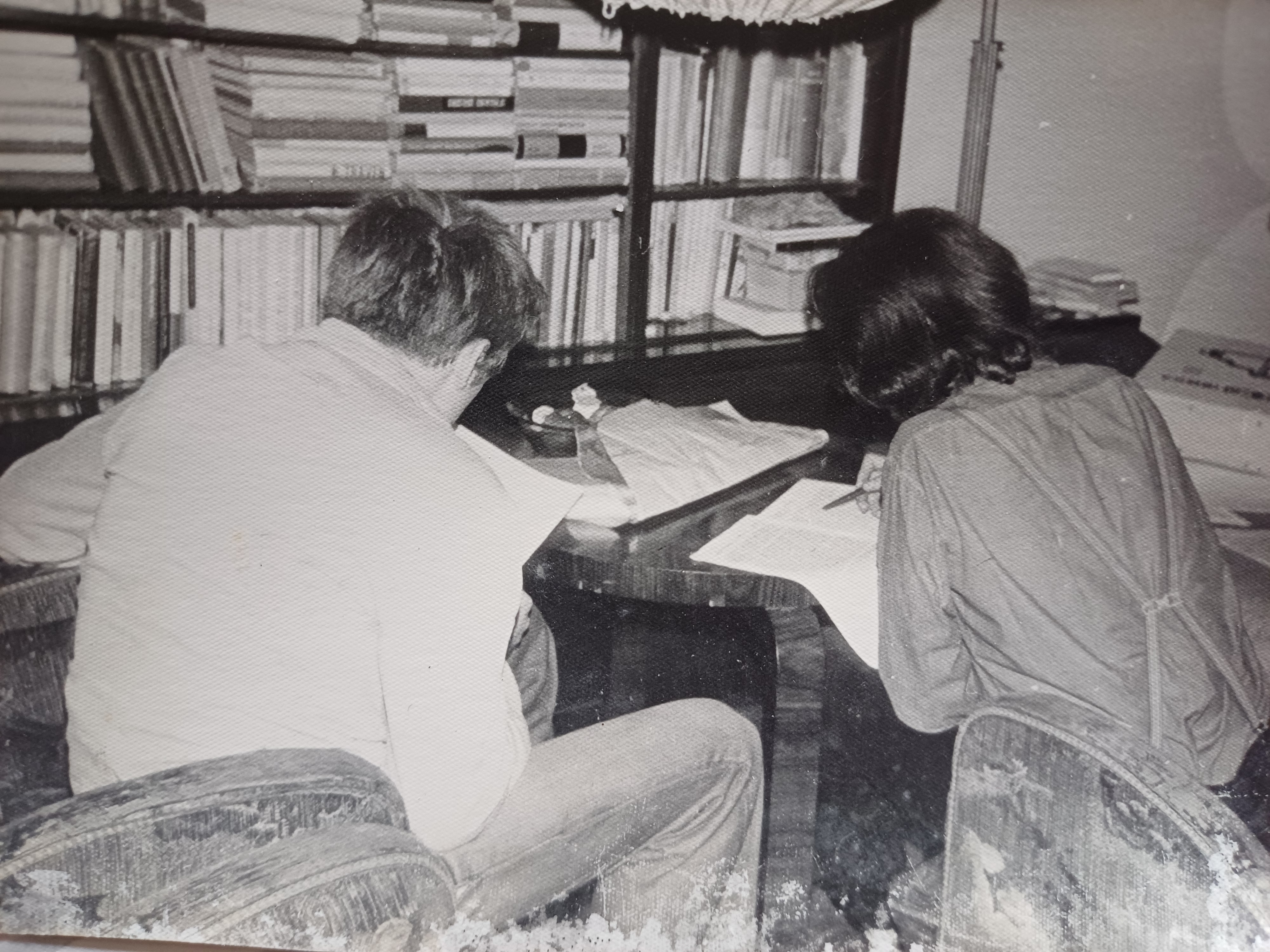
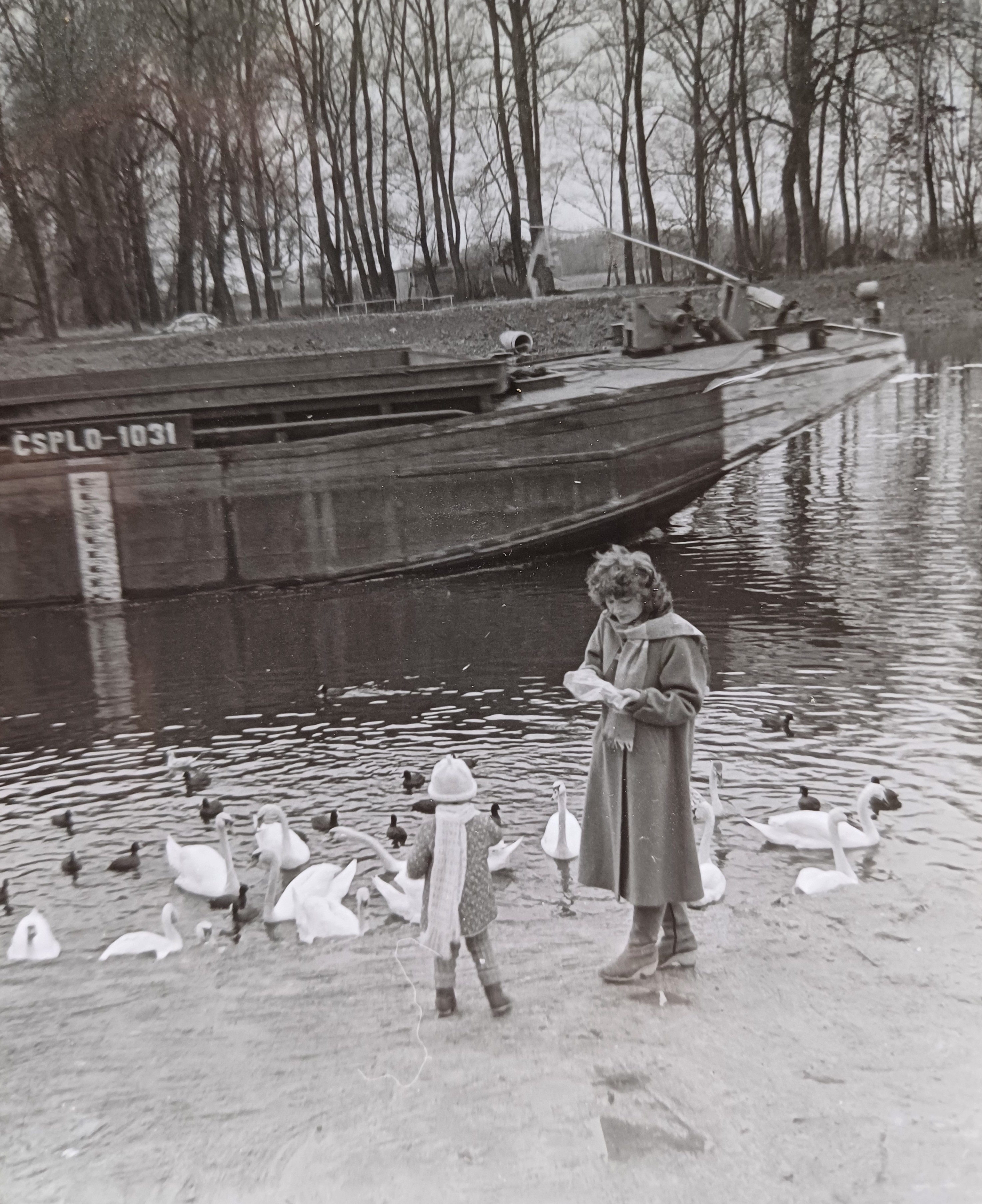
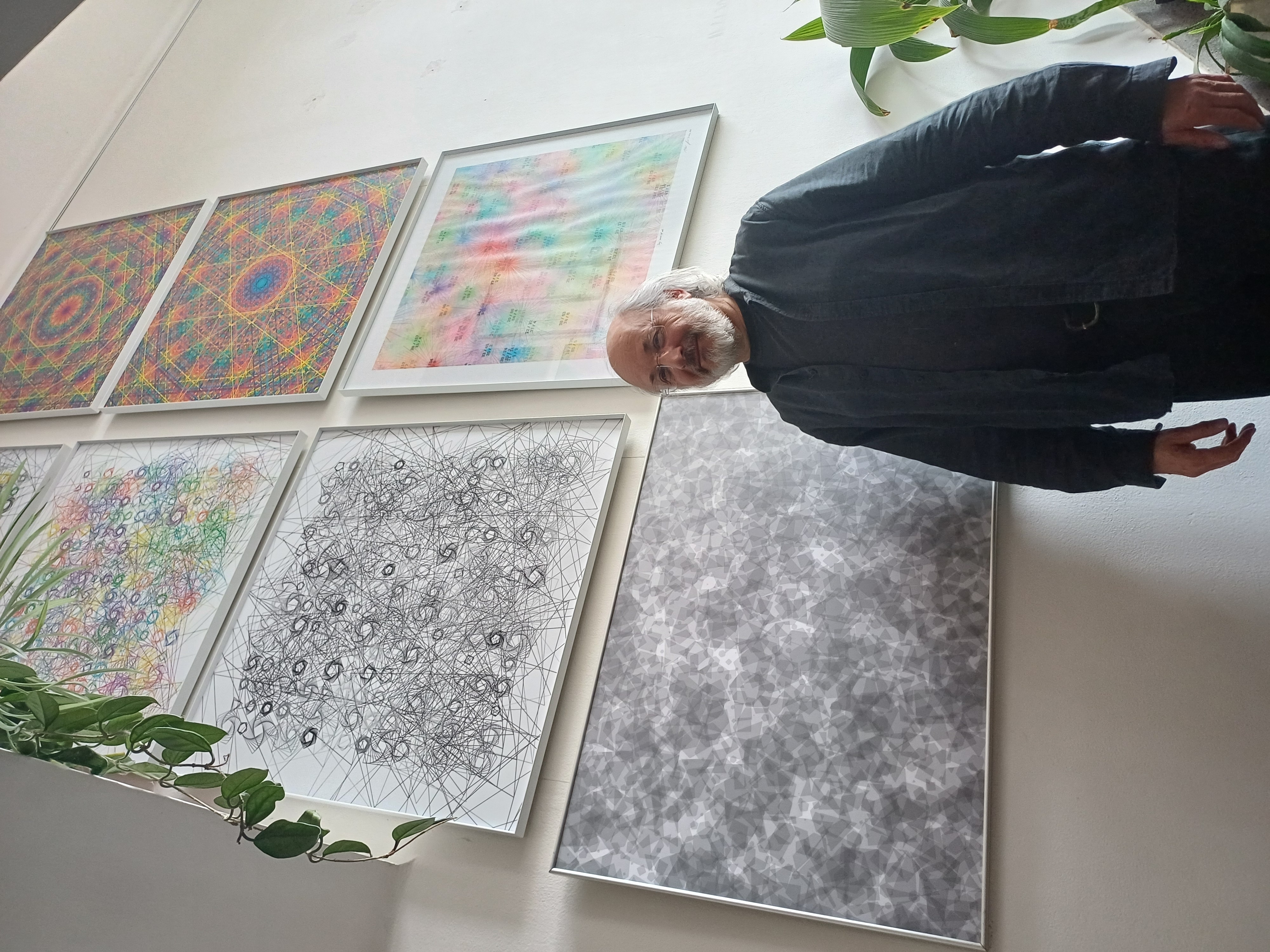
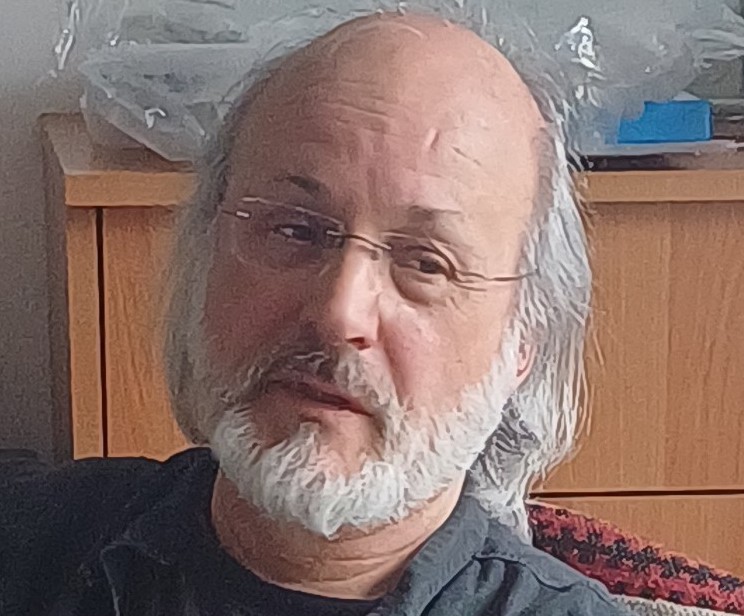
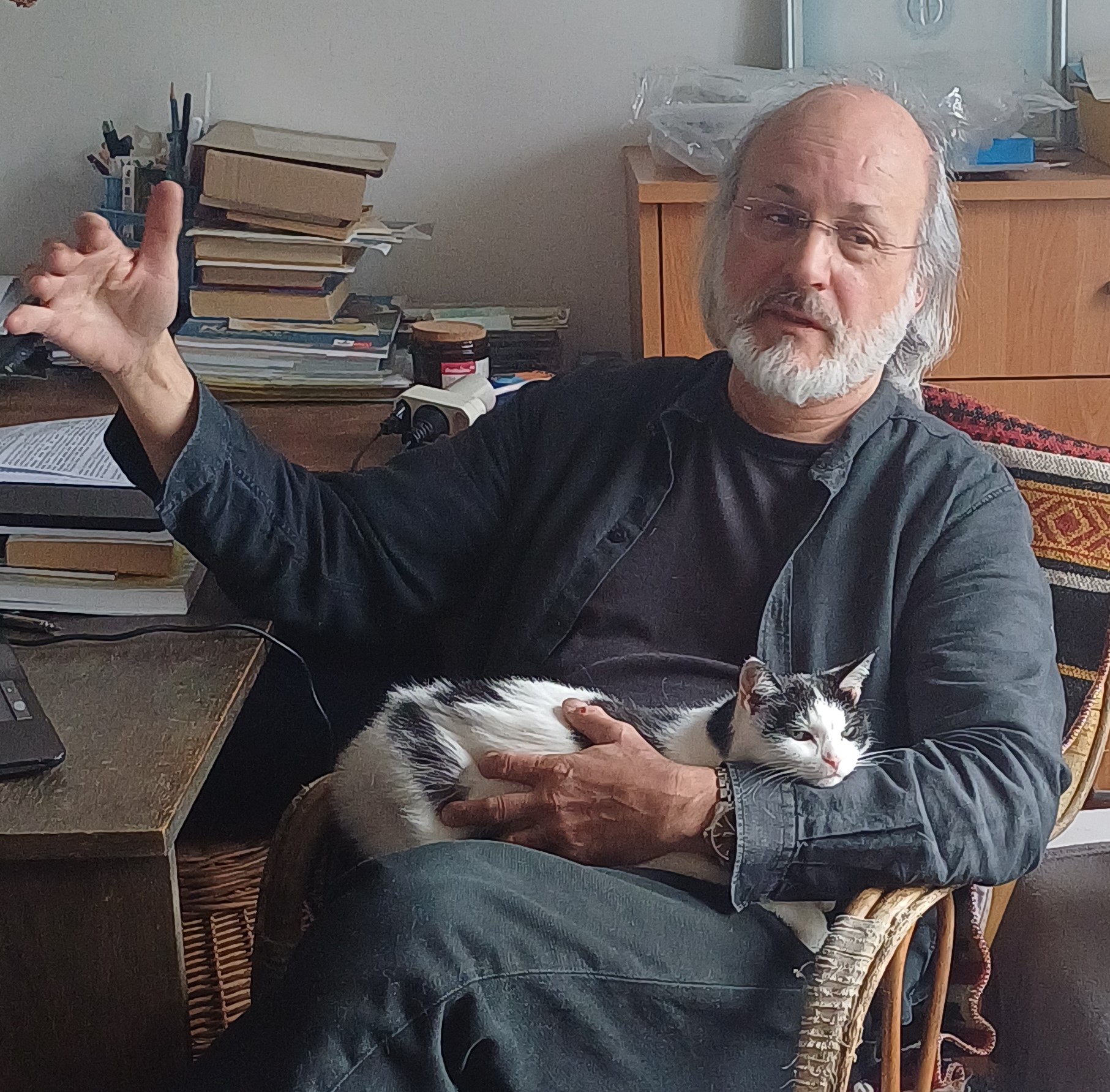
Aleš Svoboda was born on 10 February 1956 in Most. In 1968, he moved with his mother and sister to Poděbrady. During the 1968 invasion, he helped distribute anti-regime leaflets, and at the beginning of normalisation, he watched as their favourite class teacher was fired for cadre reasons. After high school, he entered the Faculty of Arts at Charles University in Prague, refusing to sign the Anticharter and join the Communist Party of Czechoslovakia (KSČ). He attended Jan Patočka‘s funeral from afar. After graduating from university, he worked at Supraphon and devoted himself to painting, which he was gradually able to exhibit. After the Velvet Revolution, he worked at the National Gallery and taught at universities. In 2024, he lived in Poděbrady.