"Exactly. In the meantime, about 120 people had gathered there again. They gave us a bed, at first in the rear in the orangery. It was a guest house then; today it is an orangery with three-storey bunk beds of the German army, and that's where the 130 or so people slept. I recall we went into the room and were assigned a bed. I was all the way up there. I inhaled and I felt like I had just drawn smoke from a cigarette because everybody was smoking. My mother said that it wouldn't work like that, she couldn't sleep there as a non-smoker. There was still a separate room for families where there was room, so we eventually got assigned beds there and put our stuff there. There was also a man called the mayor - he came first after the big wave and organised everything. Things were a bit chaotic with food at first; they just gave us cans of food, but he designated one as the cook and told him, 'You're in charge now.' They put a big padlock on the fridge, and if anyone wanted anything they had to tell the cook, otherwise it would be a mess. It worked quite well then. Otherwise, we had everything available. A lot of people spent a lot of time on the embassy grounds, the garden was still pretty damaged, of course. You had to structure your day somehow, but for me, at thirteen, it was one big adventure. There were more of us of similar age and we had fun together, playing board games or just chatting away. What was interesting was that there was a perfect 'slice of society' at the embassy, from the former head of a hospital who was there with his wife and kids to people who had recently been released from prison. They all lived in a small space, but it still worked well."
"We saw the police standing there more densely. You could pass through the street by the embassy, but there were Czech officers or soldiers standing there, I don't know exactly, but I know for sure they had submachine guns. They stood against the wall opposite the embassy in pairs. We walked down the street, and of course out of the corner of our eye we kept watching to see if anybody was going to detain us, but they weren't. Officially, we were just going for a walk. Outside, there was a note taped to the embassy door saying that the embassy was temporarily closed. We walked past the door, everything was closed, and my mother said, 'Okay, it's over.' At that moment the wooden door opened and there were two men standing inside, obviously embassy staff. One of them had a notebook rolled up in hand, and they were chatting, and my mother and I marched towards them. The man standing outside was just about to leave, so my mother turned to the other man standing in the doorway on the embassy grounds, 'Can we talk to you briefly?' 'What's the matter?' She replied, 'What could it possibly be?' 'The embassy is closed,' he said and went to close the door, but my mother quickly stuck her foot in. Then he looked behind us, and I also turned around to see the police closing in to pick us up. He quickly opened the door, pulled us in and slammed it. He said, 'We may be closed, but now that you are here, welcome to the Federal Republic of Germany.'"
"So the first thing I noticed when we entered the GDR embassy, the office, was that it smelled like an East German office. The people, the employees, had such grim faces, and they basically told us in GDR official jargon what the consequences would be, hoping that we had thought it through carefully. Of course, we agreed and then received the document. Let's just say that the employees at the Federal Republic of Germany embassy were all somehow relaxed, which is something I noticed right away. In general, too, when we arrived in the Federal Republic. It was a completely different atmosphere."
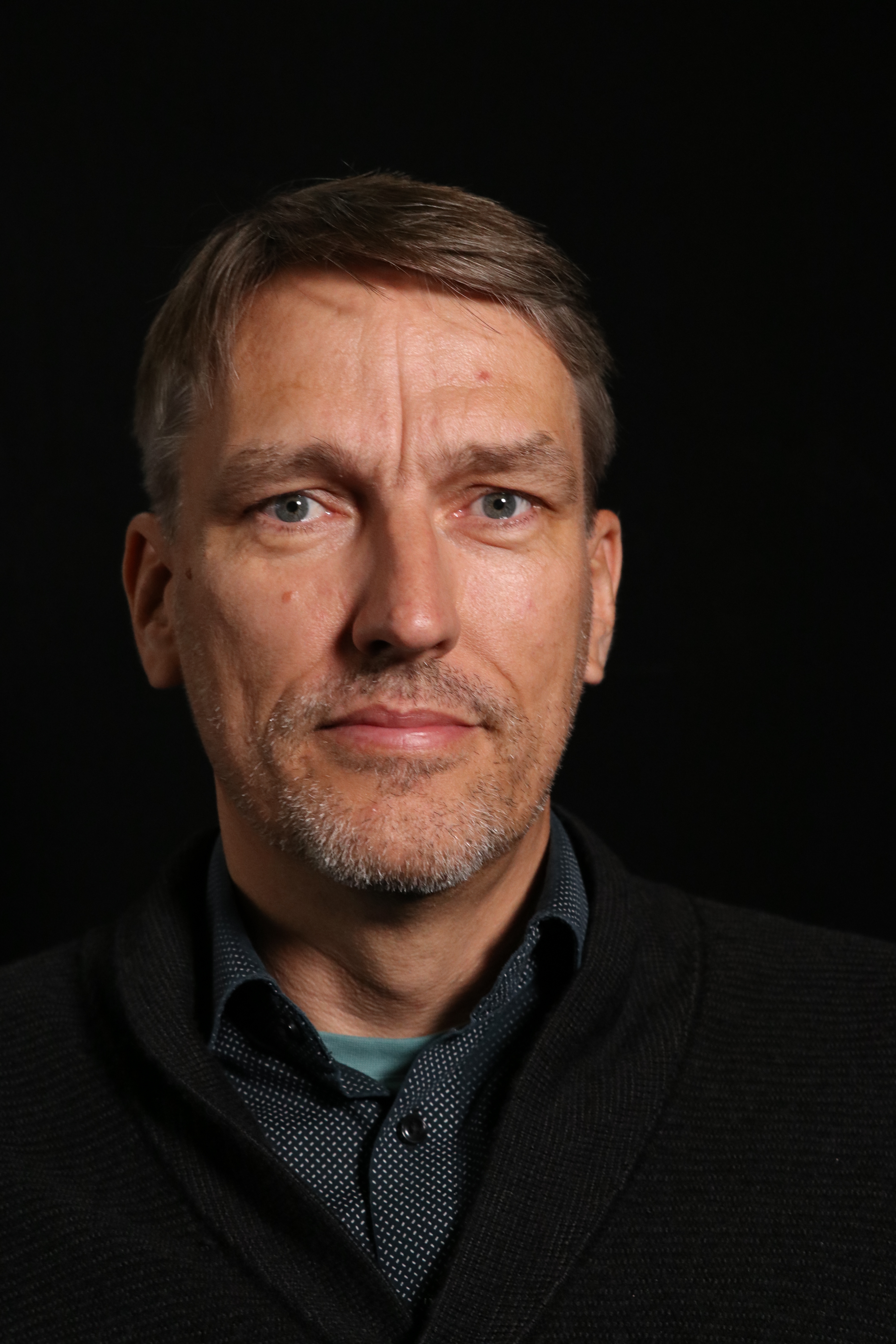
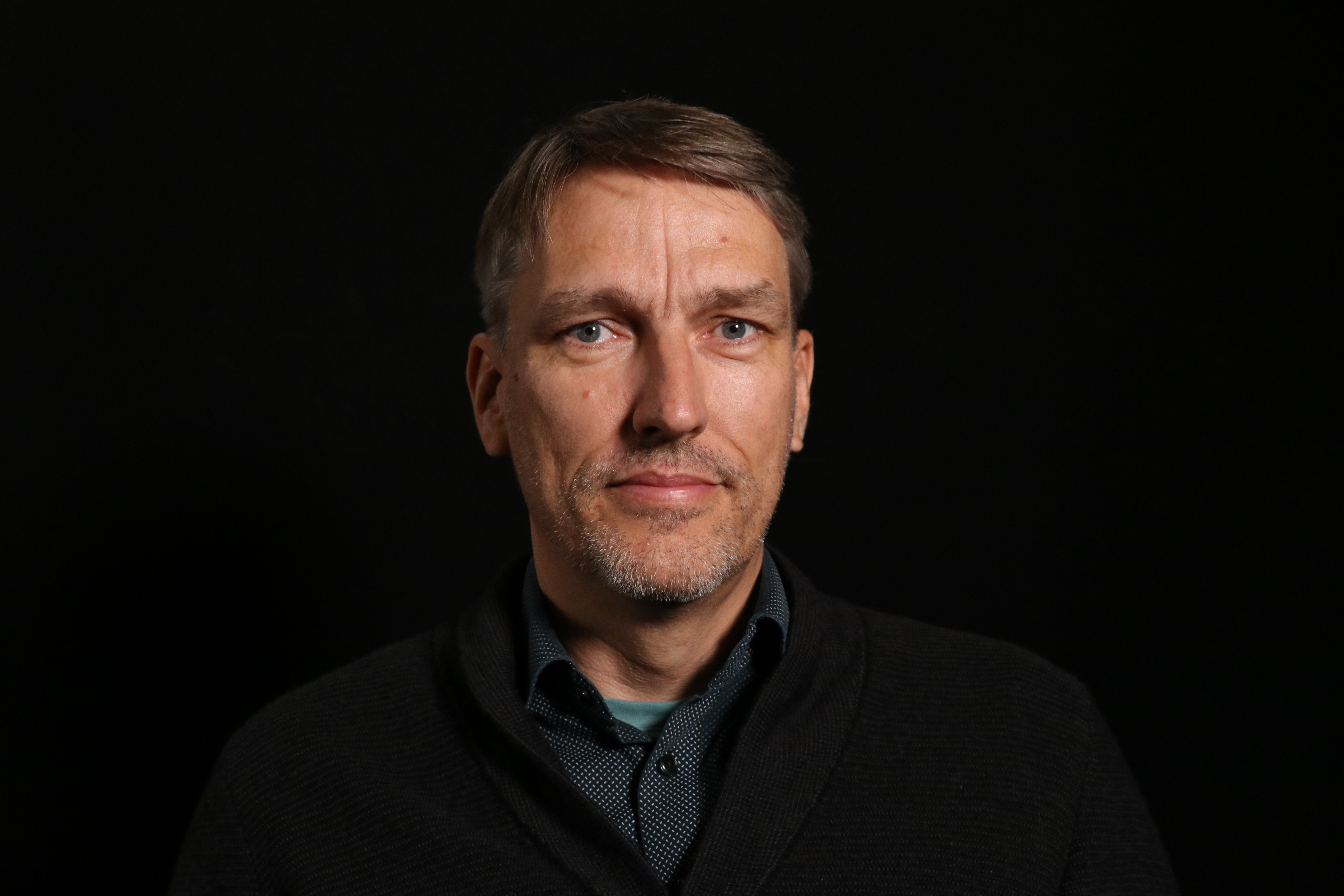
Michael Stavenhagen was born in Potsdam in the former German Democratic Republic on 31 December 1975. He perceived the Iron Curtain from his early childhood, seeing the TV transmitter in West Berlin from the kitchen window and running into the wall a kilometer from his home. Thanks to the West German TV channels, his doubts about the situation in the GDR also grew stronger. When they saw a harshly suppressed anti-regime protest right outside their home in the summer of 1989, his mother decided to flee the country. The opportunity came in October when she received an invitation from friends in Prague to spend the autumn holidays. On arrival, the mother told her friends she wanted to go to the German Embassy. The largest group of refugees had already left the embassy, but about 300 more people gathered over time, and once the formalities at the GDR embassy were taken care of, coaches took them straight to Bavaria eleven days later. The mother decided to move closer to Berlin, to Nienburg an der Weser. Michael went to the local school for a year, but some time after German reunification, his mother finally decided to return to Potsdam, and they found their apartment as they had left it. Michael‘s return to his original school was not nice; he would have preferred to stay in the West. Later he apprenticed as an electrician with Siemens in Berlin, studied mechanical engineering and decided to travel the world. He has always considered it crucial for people to live a free and happy life without dictatorships controlling the citizens.
Hrdinové 20. století odcházejí. Nesmíme zapomenout. Dokumentujeme a vyprávíme jejich příběhy. Záleží vám na odkazu minulých generací, na občanských postojích, demokracii a vzdělávání? Pomozte nám!