"It was so rebellious that the Faculty of Law has a so-called swimming pool [e.i. atrium] and there is such a pedestal. I jumped up on that pedestal and I spoke there and people were standing in that so-called pool and on the other floors, students and teachers. And somehow I expressed myself and that was the moment when I said goodbye to the conformity to the regime. Subsequently - that was the other meeting- I was elected to the strike committee and then I served on that committee. And here I go back again, as you asked about the relationship with the Chartists, that when it was a situation where one exposed himself, said one's anti-state, one could say rebellious views. And for five days after that, the situation was still kind of icy, still uncertain. And I was really experiencing a kind of fear and apprehension: 'Now you've made it clear what and how you think' - that there would be consequences. That he would end up detained, maybe in jail for some incitement, sedition, and that I was experiencing fears about what would happen. And I realised that I, in retrospect, lived with that for some five days. But those who signed the Charter carried that reality of fear, of searches, of interrogations, of imprisonment for a number of years. Even because I have such a tiny experience compared to them, I admire it all the more."
"When you mentioned listening to the Voice of America, I listened to it and learned that Seifert's funeral was being held at St. Margaret's. I remember that as a significant point. I have a vivid and lifelong memory of that funeral. As I walked down there from the university campus, that's just below, to the church, and it was packed. I still managed to slip into St. Margaret's Basilica. The way the ceremony went and the atmosphere there, that's permanently etched in my memory." - "Let's describe it a little more closely, please." - "I remember already the reading of the Word of God, it was, I think, the actor Kemr who read it there, and I know how he literally roared, 'Who is against us when God is with us?' as part of his reading. And how it was literally fascinating. And then also the preacher's talk, which was, I think, Father Kánský at that time - also such an interesting figure, also I think afterwards he was exposed in the files, but again I don't presume to judge his life and ministry. But I do know that he was a very gifted preacher, and his speech at that time was also very impressive. And then how the coffin was being carried out, that remains in my memory. I was twenty-one, so that will stay in your memory as something very inspiring and maybe also somehow binding for the future."
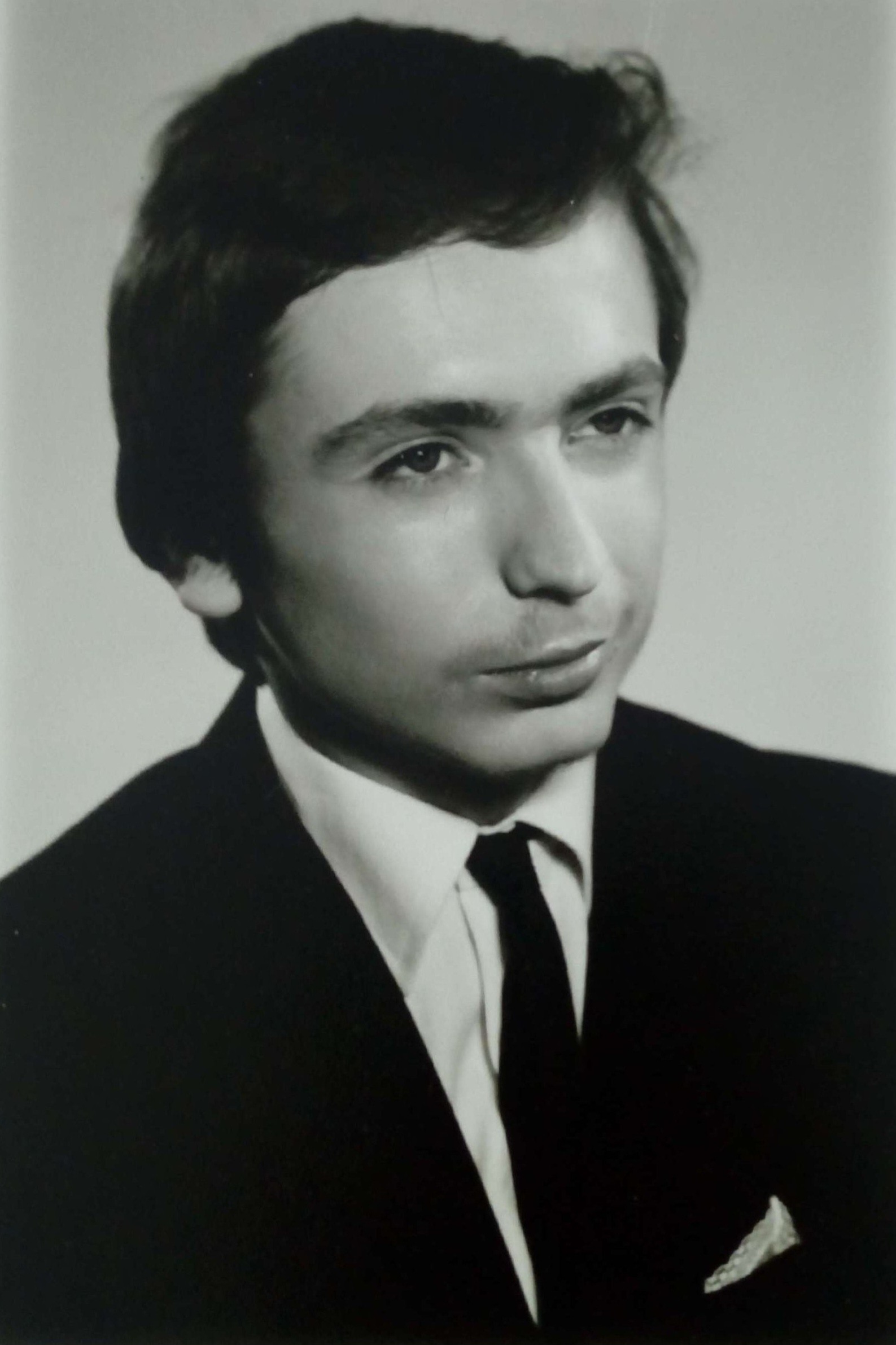
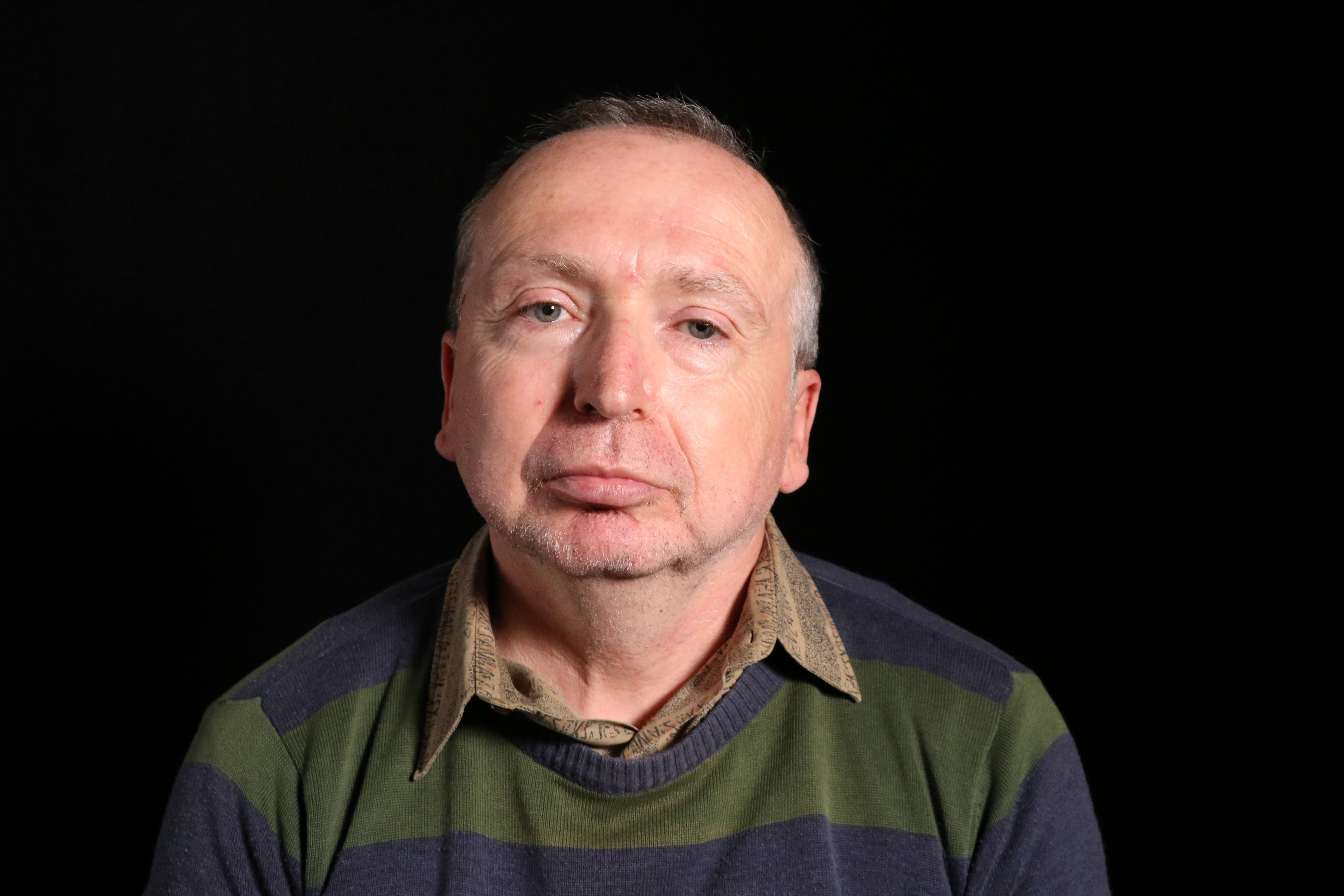
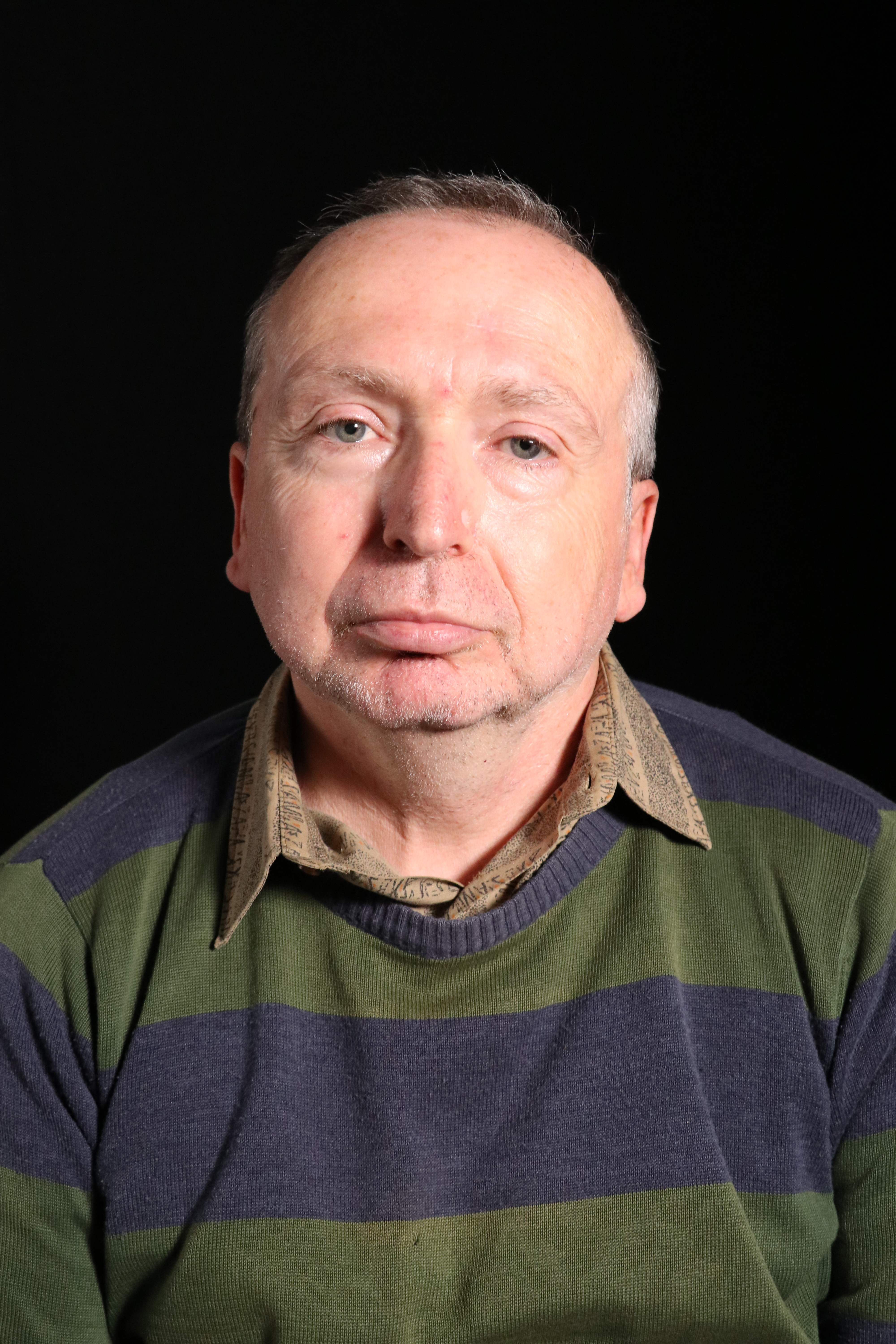
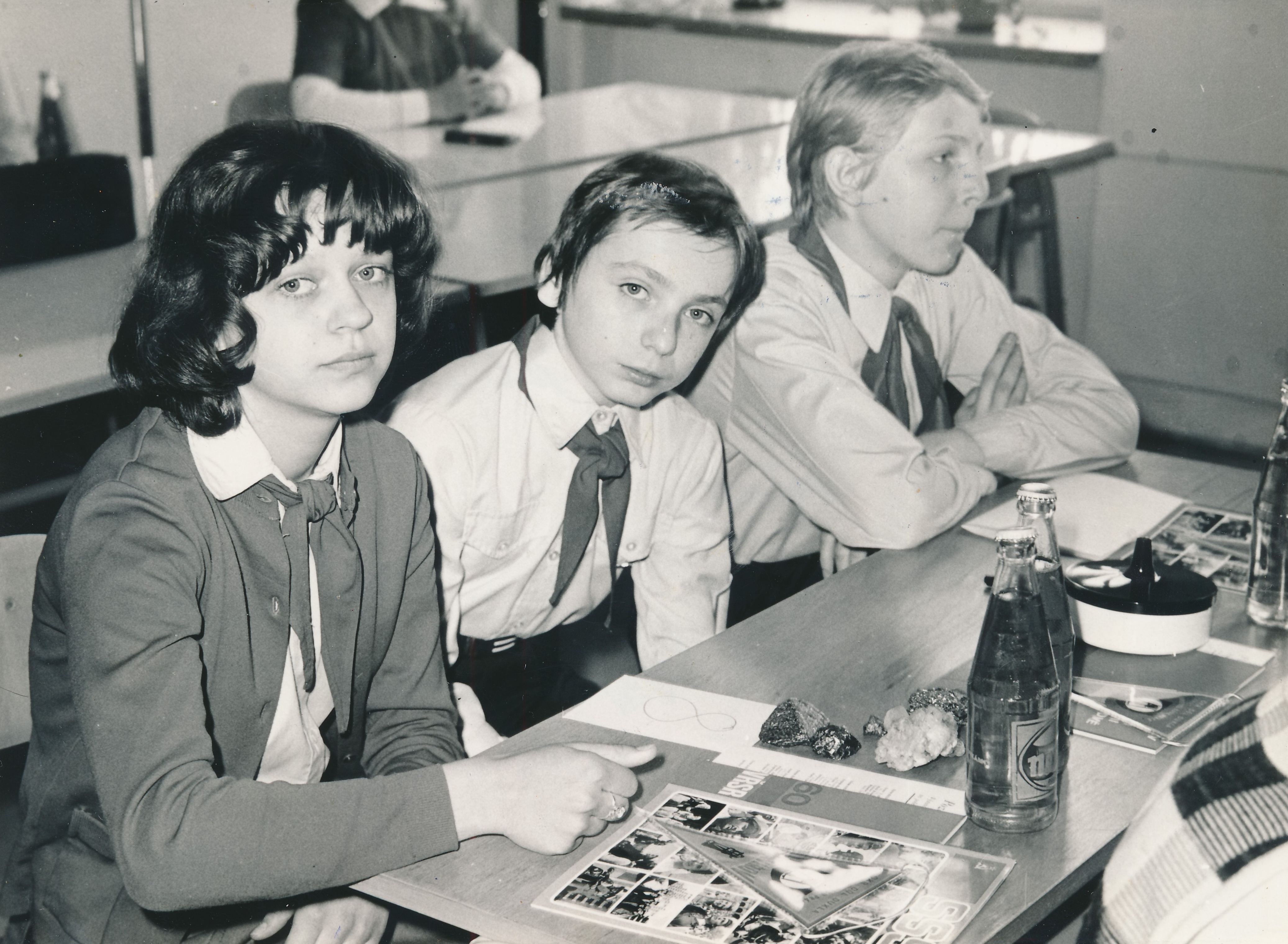
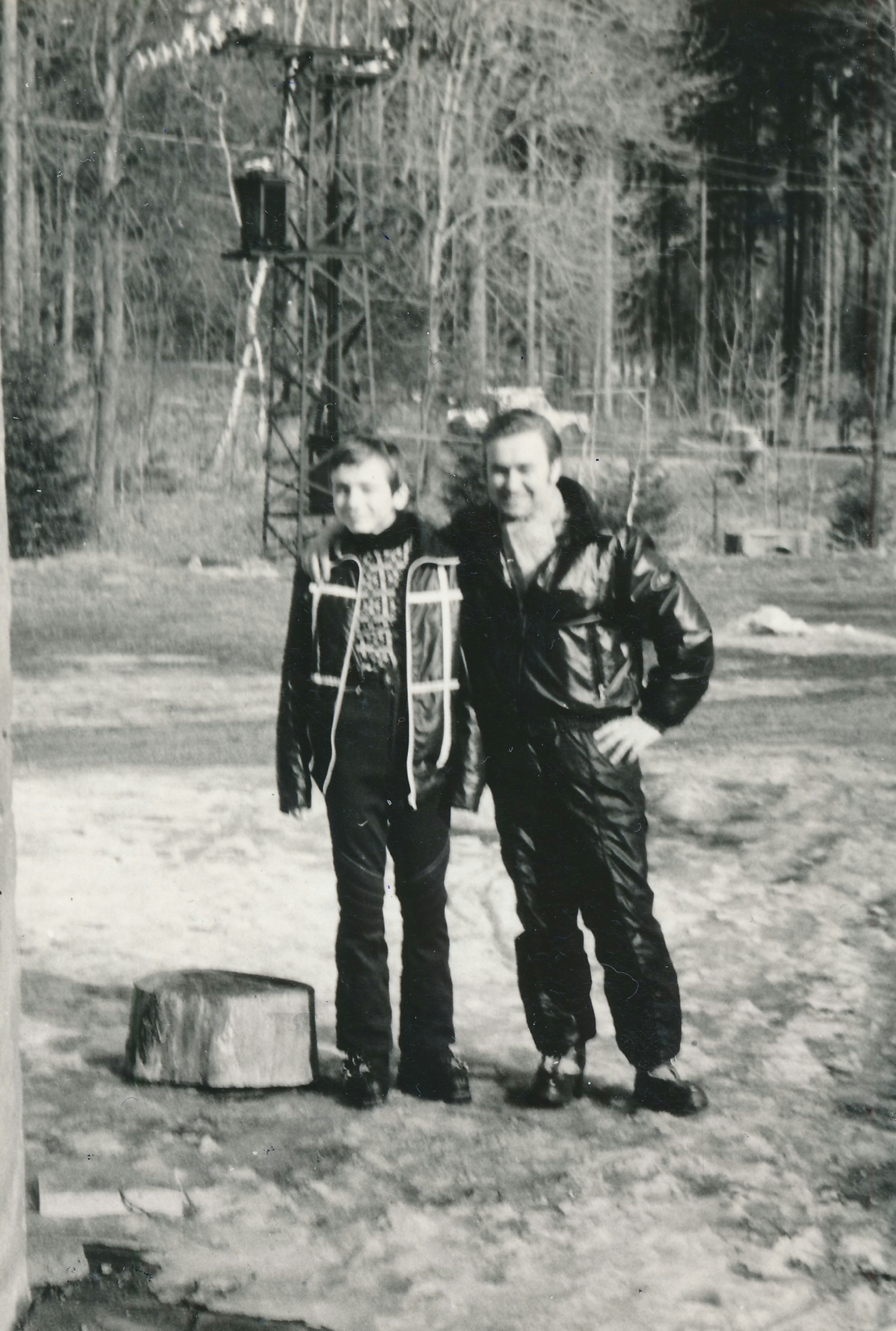
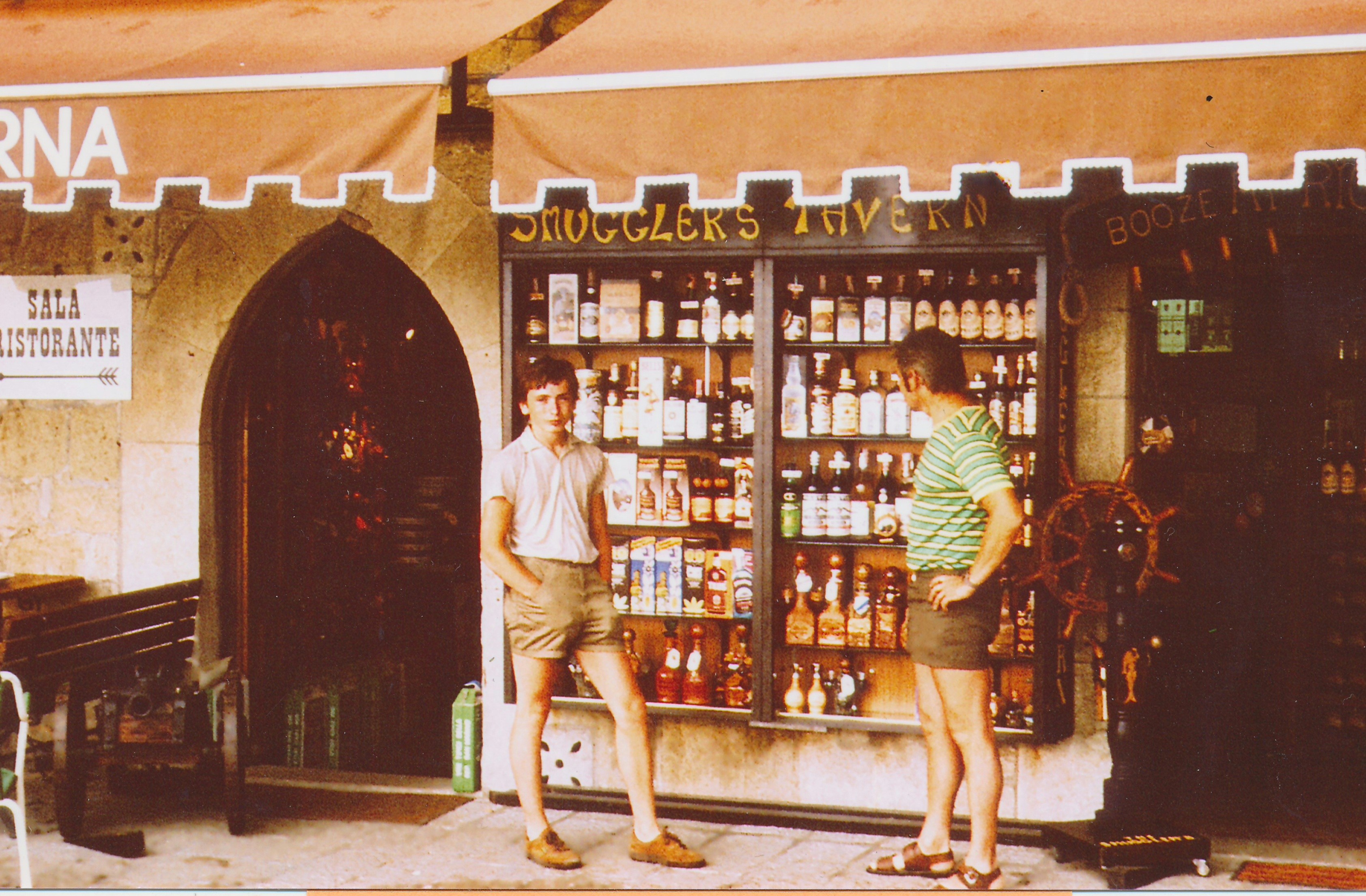
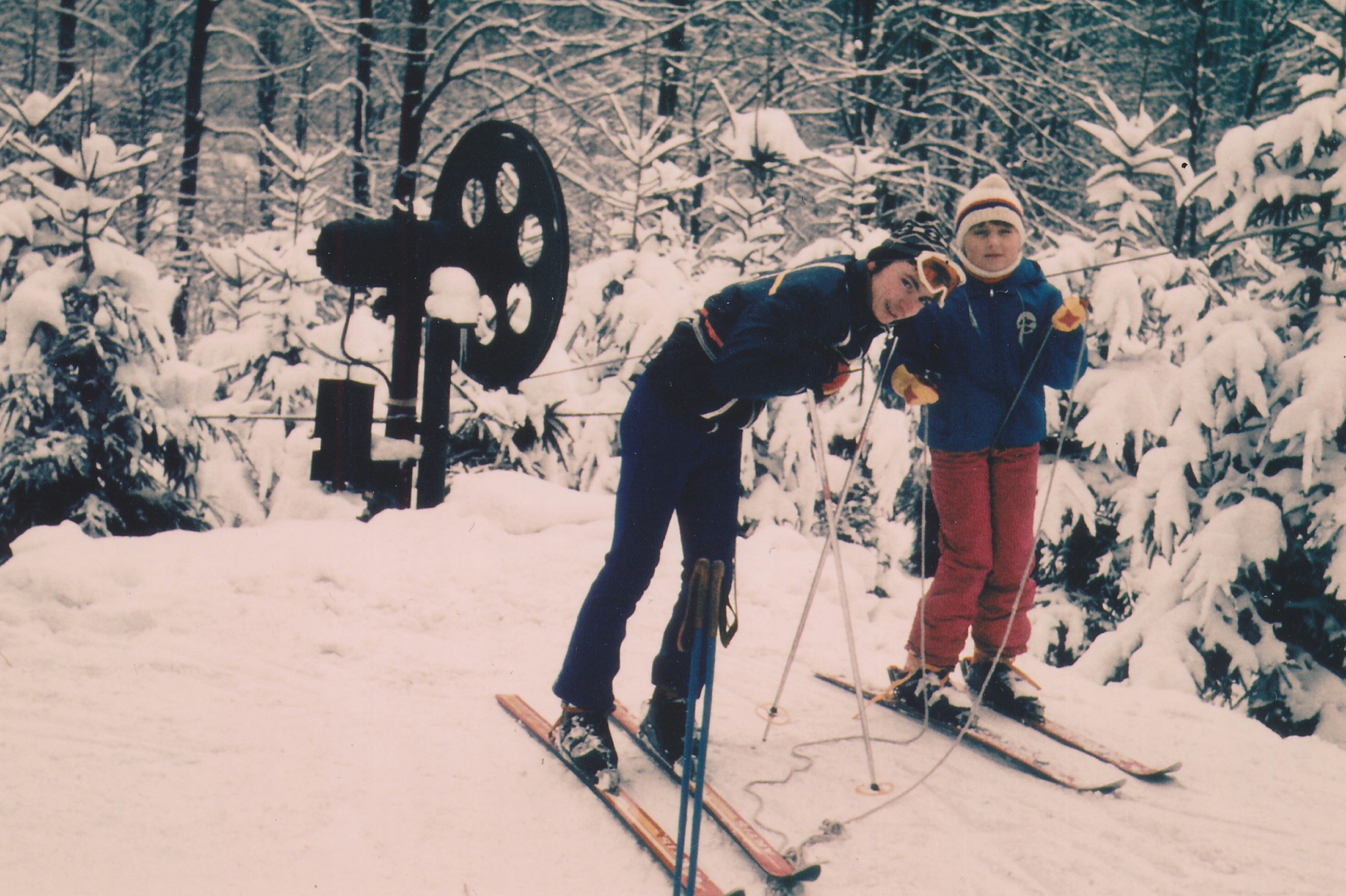
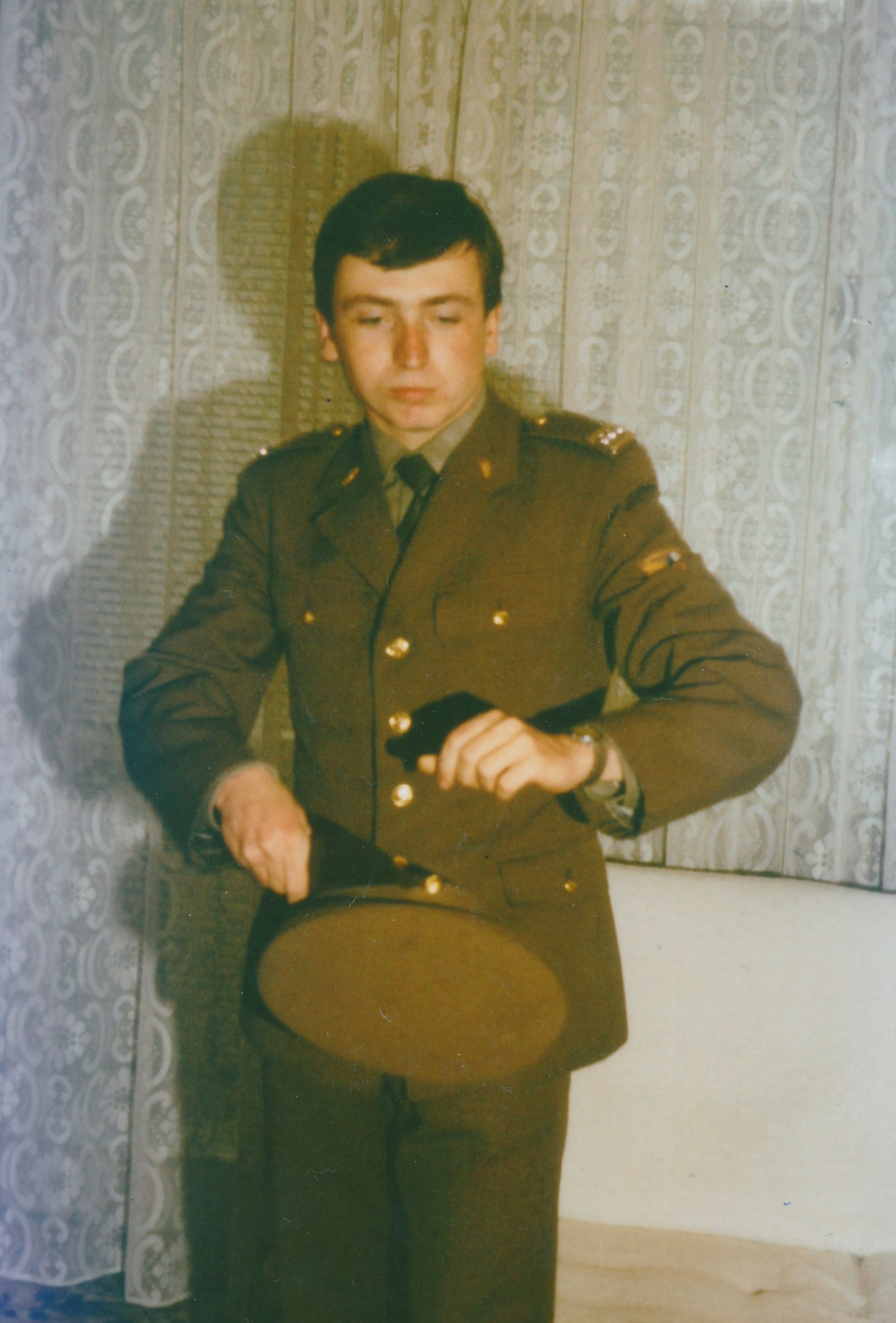
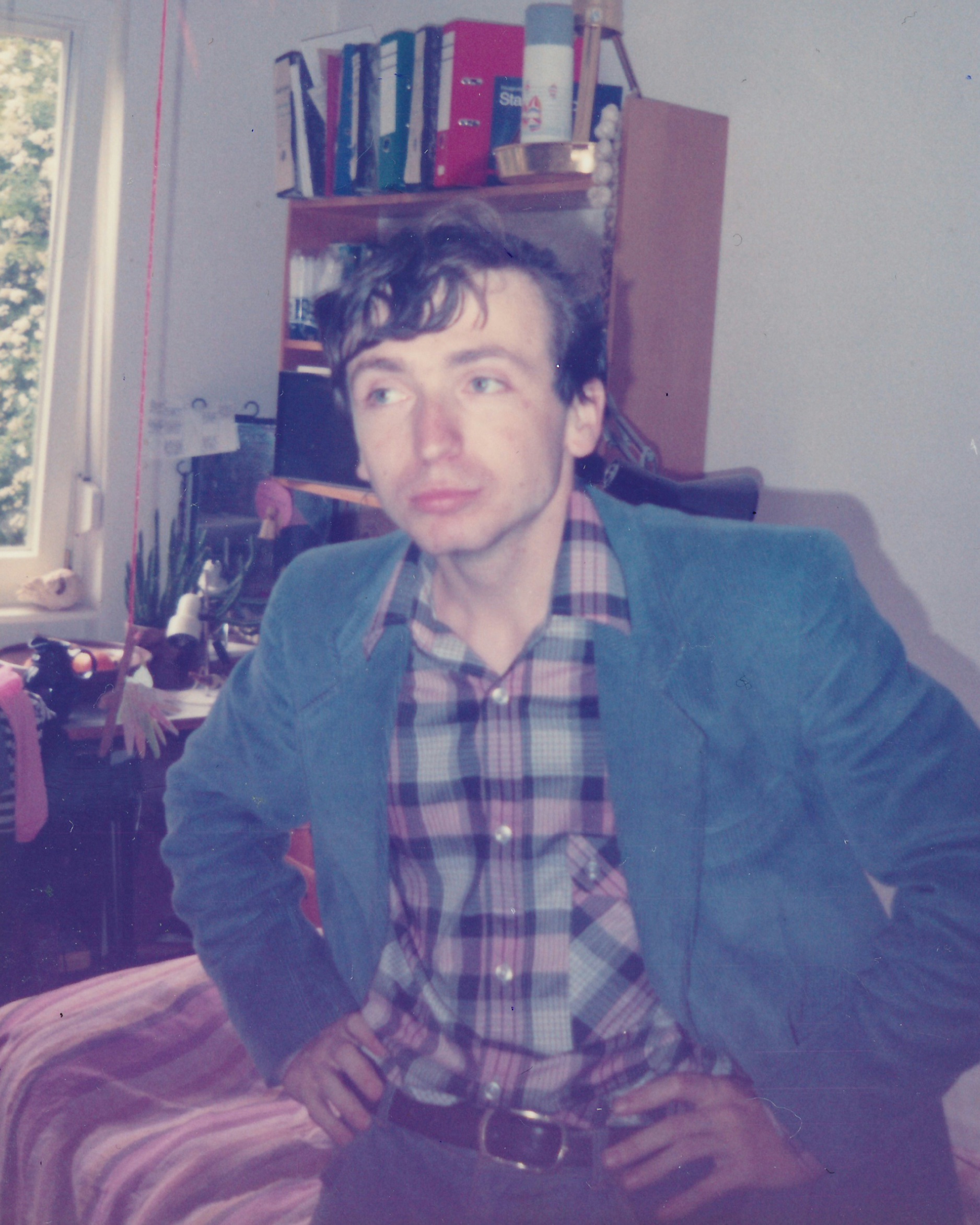
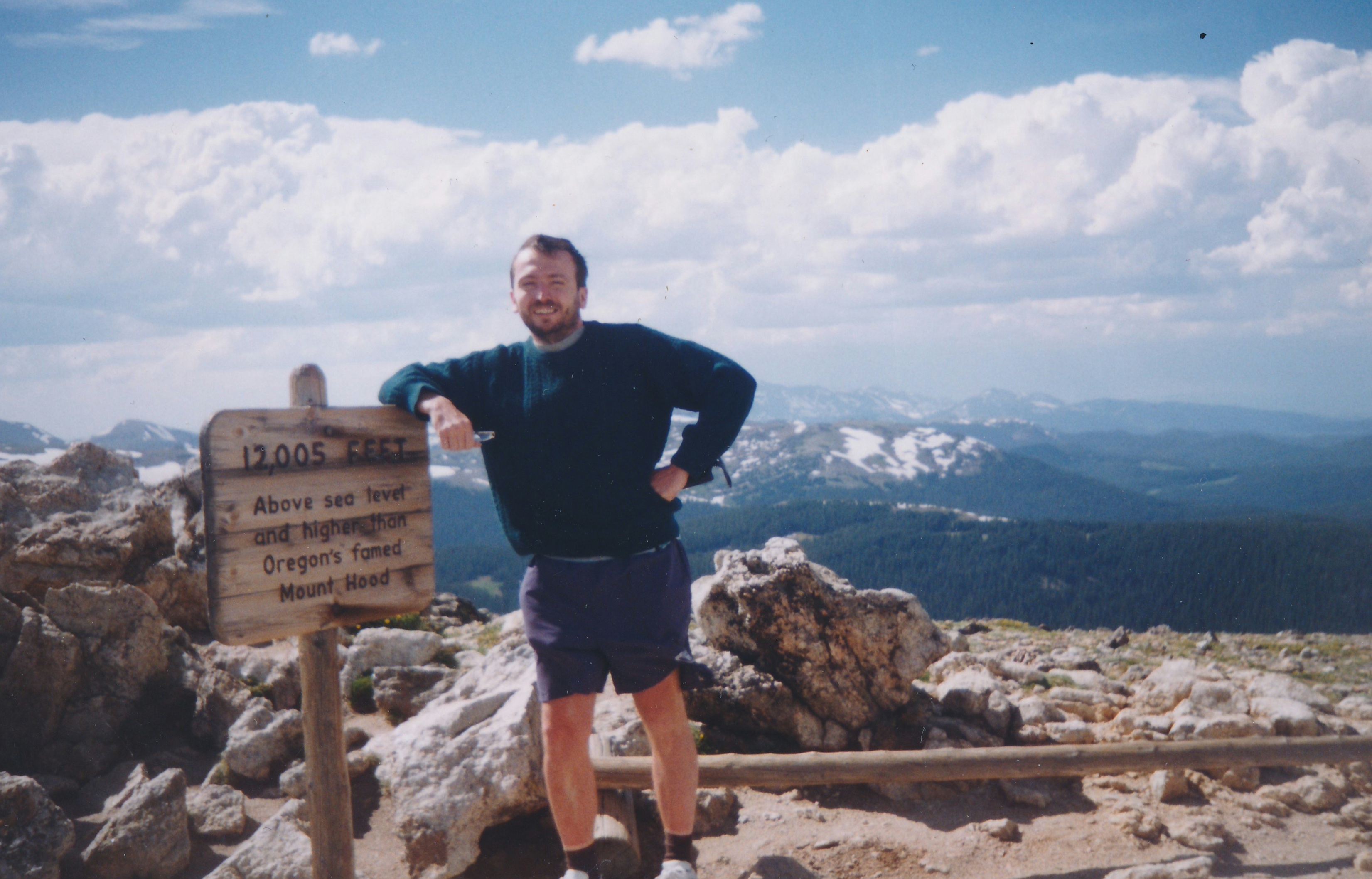
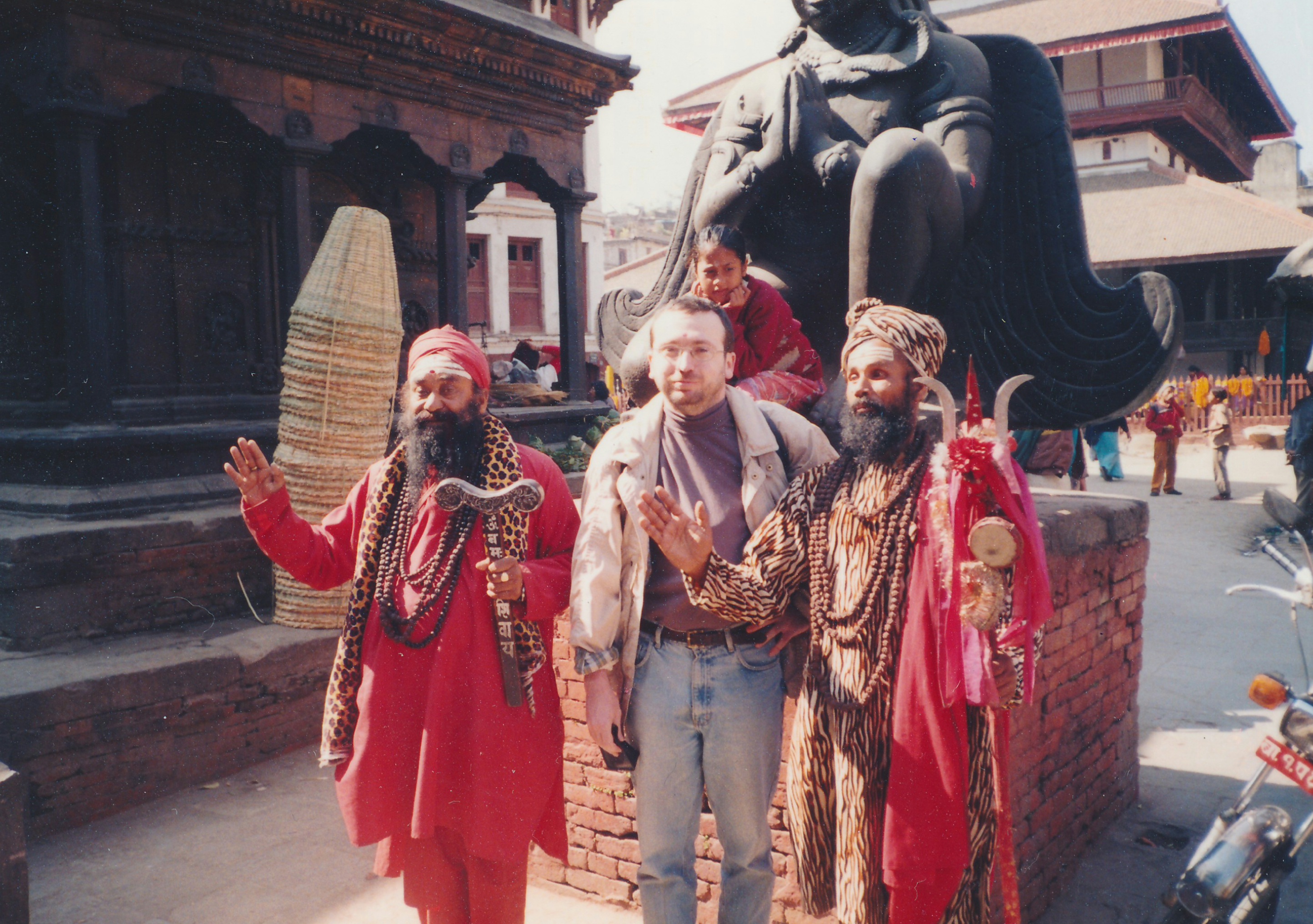
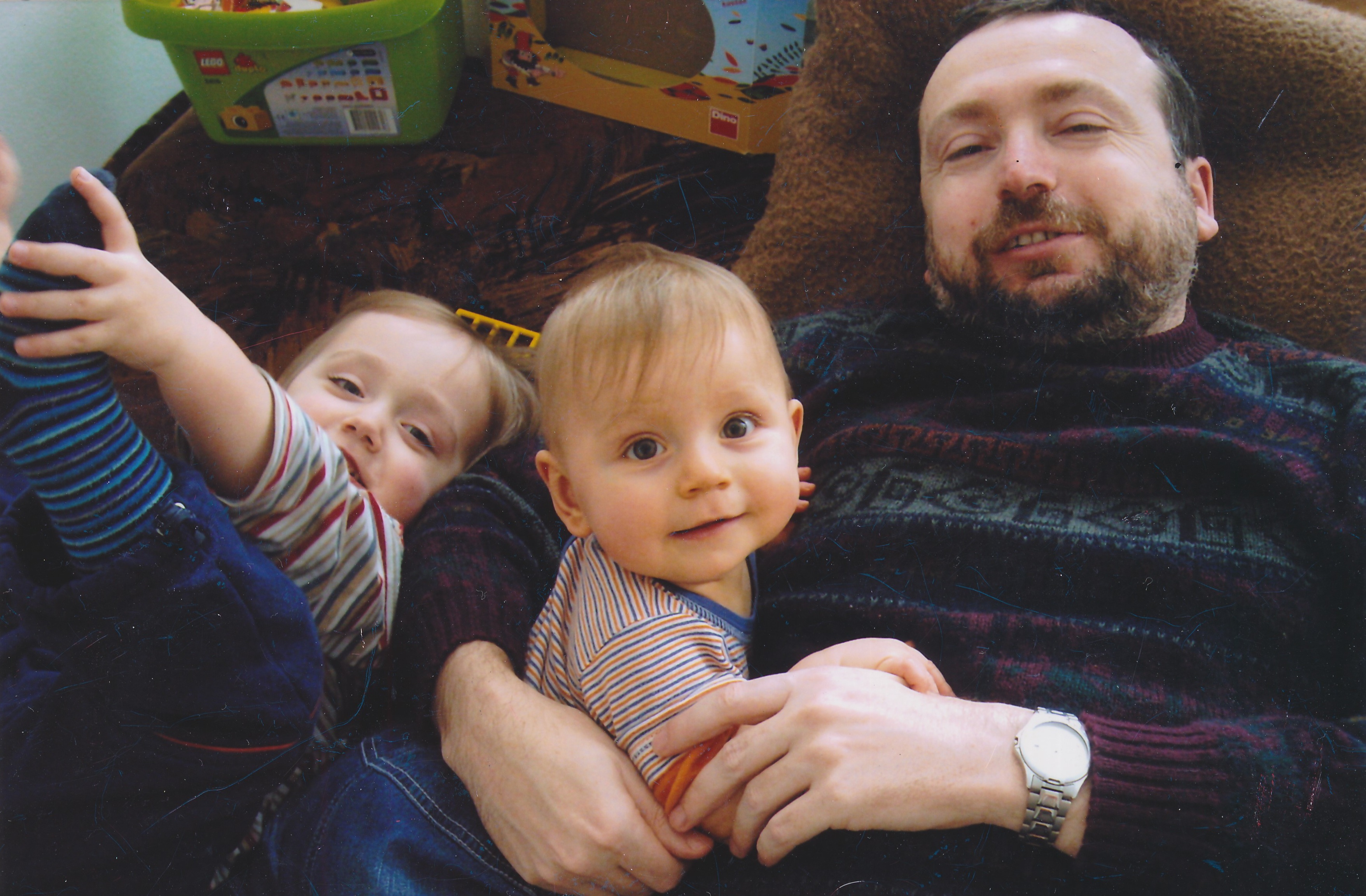
Radim Seltenreich was born on 24 February 1965 in Frýdek-Místek. He describes his family as middle-class normalization family, even considering the locality where he was born. His parents, Bohumír Seltenreich, head of operations at Vítkovice Ironworks, and his mother Irena Seltenreichová, a clerk at the Slezan company, took a pragmatic approach to the regime. At primary school in Frýdek-Místek, where he started in 1971, they consistently greeted each other with „Honour to work“. After grammar school, where the atmosphere was less rigid, he decided to go to university, mainly out of fear of the military service. He chose the Faculty of Law at Charles University in Prague, which he later regretted. It was only at school that he realised that law was one of the pillars of a system he did not trust. He was led to this attitude, among other things, by the journey he took with his father at the age of 16. They went to Italy, and the return to the grey, normalized Czechoslovakia plunged the young man into depression. It was not difficult to meet like-minded people at the university in the capital. He began to meet Franciscans from the underground circles in Roztoky or was a guest at the salons of Dr. Karel Kučera from the Department of Legal History. He was also on the radar of State Security Service (StB). As a student, he attended the funeral of the poet Jaroslav Seifert, with whom the regime had a contradictory relationship. After graduation and after his military service in eastern Slovakia, he remained as an internal postgraduate at the Department of Legal History, an oasis of the then Law Faculty in Prague. He did not miss the march of 17 November 1989, where he suffered several painful wounds. On Sunday, 19 November, he participated in a rally at the Prague Drama Club, where the Civic Forum was founded. The very next day he started a strike at the Faculty of Law. He was also one of the three teachers who called for the resignation of the rector Zdeněk Češka. In the 1990s, he threw himself into studying abroad and travelling. He supplemented his education that way. In 2025 Radim Seltenreich taught legal history at the Faculty of Law of Charles University in Prague.
Hrdinové 20. století odcházejí. Nesmíme zapomenout. Dokumentujeme a vyprávíme jejich příběhy. Záleží vám na odkazu minulých generací, na občanských postojích, demokracii a vzdělávání? Pomozte nám!