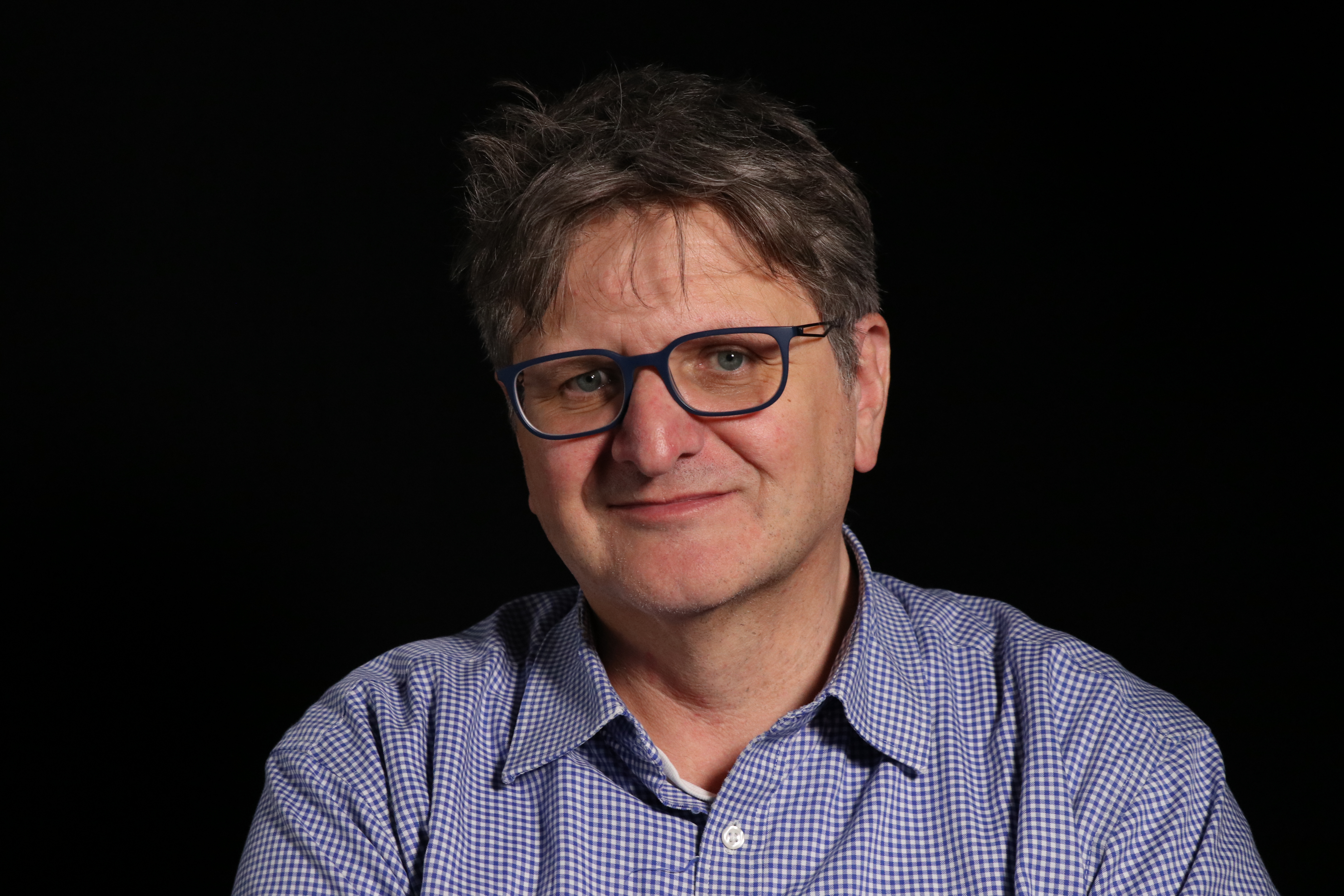
Pavel Šafr

* 1967

  • "I think the change in the Czech media took place on Monday after the 17 November demonstration. That means: the 17th was Friday, the 18th was Saturday, the 19th was Sunday, and on Monday the 20th Svobodné slovo was published, and it was an absolute stunner. At that moment I had the feeling that something was really happening. From the demonstration on 17 November, I thought it was a huge mess and that it was going to lead to something further, maybe it wasn't quite clear to me yet, although you heard from all sides that something was going to happen - the founding of the Civic Forum was on Free Europe, but the Svobodné slovo issue that was published on Monday 20 November 1989, that was absolutely shocking. The truth was written in it. The truth was written there. Or this way - from today's point of view, even that article didn't contain the full truth then. But for those of us who lived under that communist regime and were used to the smog of information and the rubbish and the manipulation, suddenly it said that the demonstration had been dispersed in blood and that there were people who condemned it. And that was one of those moments when you thought, oh, now the regime is really collapsing."

  • "I went to work in Klementinum, at the National Library. It was the job of a librarian in the book depository area, so actually a storeman in the book depository area, but I was really lucky there to be able to work, for example, as a librarian in the old baroque Jesuit library. I spent a lot of time there among those wonderful globes studying what books those Jesuits had there - theology, patristics, hermeneutics. It was fantastic. Then I also saw with my own eyes what the special fund in Clementinum looked like. I saw the prison for books. I used to go around there with my cart, there were bars, locks, and only those selected communist comrades among the librarians were allowed to go there occasionally to get a book for some scholar, and there we knew that the books of Václav Havel or Milan Kundera were in that prison."

  • Celé nahrávky
  • 1

    Praha, 04.03.2025

    (audio)
    délka: 01:36:27
    nahrávka pořízena v rámci projektu Stories of the 20th Century TV
  • 2

    Praha, 15.04.2025

    (audio)
    délka: 01:19:17
    nahrávka pořízena v rámci projektu Stories of the 20th Century TV
Celé nahrávky jsou k dispozici pouze pro přihlášené uživatele.

We were used to information smog, rubbish and manipulation
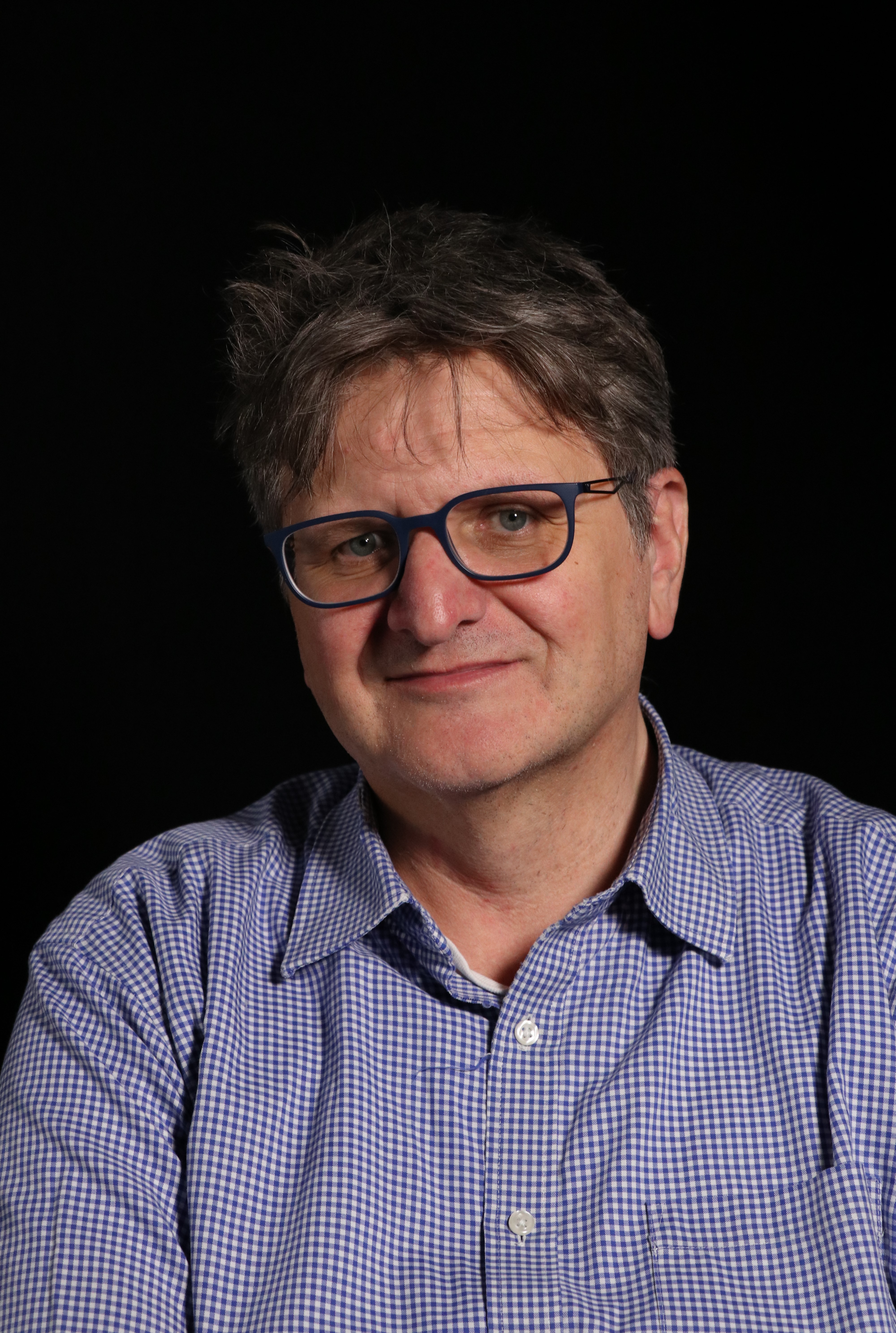
Pavel Šafr in 2026
Pavel Šafr in 2026
zdroj: Post Bellum

Pavel Šafr was born on 24 October 1967 in Prague. He grew up in Karlín, in the Catholic family of Jaroslav Šafr and Ludmila, née Bílá. After 1948, his father was expelled from his university studies by the communists for participating in the student march to the Prague Castle and subsequently worked as a galvanizer in Tesla Hloubětín. His mother, the daughter of a dispossessed factory owner, worked in a retirement home and later as a secretary at ČSAD (Czechoslovak Automobile Transport). After primary school in Karlín, Pavel Šafr spent a year in an apprenticeship and then entered a grammar school. However, he did not finish his studies and started working as a storeman at the library in Klementinum. From the second half of the 1980s, he participated in anti-regime demonstrations - including the one on Národní Street on 17 November 1989 - and established contacts and cooperation with people around the newly emerging political party Czechoslovak Democratic Initiative (ČSDI, later renamed Liberal Democratic Party, LDS). From 1990, he worked as secretary of the KDS-LDS (Christian Democratic Party - Liberal Democratic Party) parliamentary club in the Federal Assembly and through this experience he got into journalism. He started as a parliamentary reporter, worked for the Czech Press Agency and the Český deník. In the following years he worked in a number of media and periodicals, usually in managerial positions. In 2015, he founded the news server Svobodné fórum, which has been operating under the name Forum 24 since 2017, and where Pavel Šafr held the post of director until 2026.