"A few days [after the Civic Forum was founded] I was summoned to Bartolomějská for questioning, and told to appear after about a week or a fortnight. I told myself I would enjoy it, and when the date came, I picked myself up and went. At the doorman's office I announced that I had a summons for questioning, and the doorman checked the summons and called some establishment man who was apparently still serving. He kept me waiting at the gatehouse in the passage for a long time, came in after about a quarter of an hour, understood that it was a joke, and very rudely threw me out. That was the end of my little adventure." - "Neither the StB nor the SNB showed any particular interest in you..." - "I don't understand it at all! Apart from Spytihnev Tur, I never had any pseudonym, not even in samizdat. Whenever we left the editorial boards, if they were held at Václav Havel's house, we were always legitimised downstairs. This means that they had to have my name written many times from my ID card. In addition, I visited [Václav Havel] in his apartment, which was certainly bugged. We spoke there quite freely, and for several years. I really don't know what intentions they had with me, if any, or if I am just an example of the fact that no totalitarian regime works flawlessly, and the more organized a regime tries to be, the greater the opportunity for mistakes, inconsistencies and confusion."
"The only person in my year with whom I had closer friendship and with whom I had a deeper understanding was my classmate Jaroslava Odvárková, now Šiktancová, who signed the Charter. She confided it to me in the café at the Golden Snake and I told her she was a cow. I told her that because it was clear to me what would follow. There was no careerism behind it, and she knew that. I told her, 'We are the generation that hasn't done anything yet. You're going to be cleaning up now, they're going to stop you from learning anything, and their main Bolshevik argument is that there are nobodies in the opposition who wouldn't normally apply themselves, so they call attention to themselves by tearing down socialism, and they're such Hérostrats. And we, if we let them drive us to the bucket and the rag at the age of twenty, will give them arguments for it.' Shortly after that Jarka really had to leave the school and I remember, that our class teacher, and director from the Vinohrady Theatre, called upon us to distance ourselves from our former classmate and her deed. I told him in front of the class: 'Mr. docent, we did not have the opportunity to see the document. If you'll be so kind as to bring it to us, I'll decide if I want to distance myself from it or not.' Of course, he never brought the document to us, so I did not distance myself from anything.' On the contrary, I have spoken many times at the school about continuing to associate with Jarka and I not seeing anything to condemn in that. I saw the problem in what I just described. I think that Jarka remembered our meeting many times when she was first getting into directing, the things she had applied to the school for, at a mature age in the late 1980s."
"A story happened to me that opened my eyes. Professor Marie Kubýová invited me to her office one day and said to me: 'Think about it, you probably want to go to university, don't you? But you're not in the Socialist Youth Union. You'll have a hard time, you won't be admitted to university.' 'But there are many people who are not in the union,' I argued. She retorted, 'No, there are only two of you in the class who are not in the union.' I remained staring at her and realized that all this time [in high school] - it was probably 1972, maybe 1973 - there had been a quiet process of slipping into a subtle collaboration with the newly-established conditions around me. She thought it was for my benefit, and in her kindness she thought if it wasn't worth joining the union after all, to get me into the school, that it wouldn't work any other way. I remember exactly what I said to her: 'I'll try to apply without that.' That was the end of our conversation, and I got - at the second attempt - into DAMU, where the ratio of applicants to admissions is particularly steep, at the second attempt. I don't consider myself an exceptionally talented person who had to be accepted. I could very well not be accepted! I am living proof that we made normalization ourselves, and that the 70s and 80s could have been much more fruitful, interesting, free, dignified, if Czech people had not been so willing to accept it."
"I think that the emphasis on language and the precise naming of things is even one of the reasons for the crash of the 60s, because it was as if we believed that if we make a thing impossible with a precisely aimed joke, it will actually disappear. But it didn't disappear, it just waited until it could deprave and control us. The popular and intellectual press of the time is full of jokes, quips, observations, aphorisms... Reading it, you notice how high the stakes were for wit, for precise phrasing. As if the adversary had already been dealt with! That was the illusion. And therein, for me, is certainly the reason why the 1970s are the years of the crisis of confidence in language, why [in the 1970s] the odds of precise phrasing suddenly plummeted. For me, the difference between the poetics of Jiří Suchý and Jan Vodňanský is an exact reflection of this."
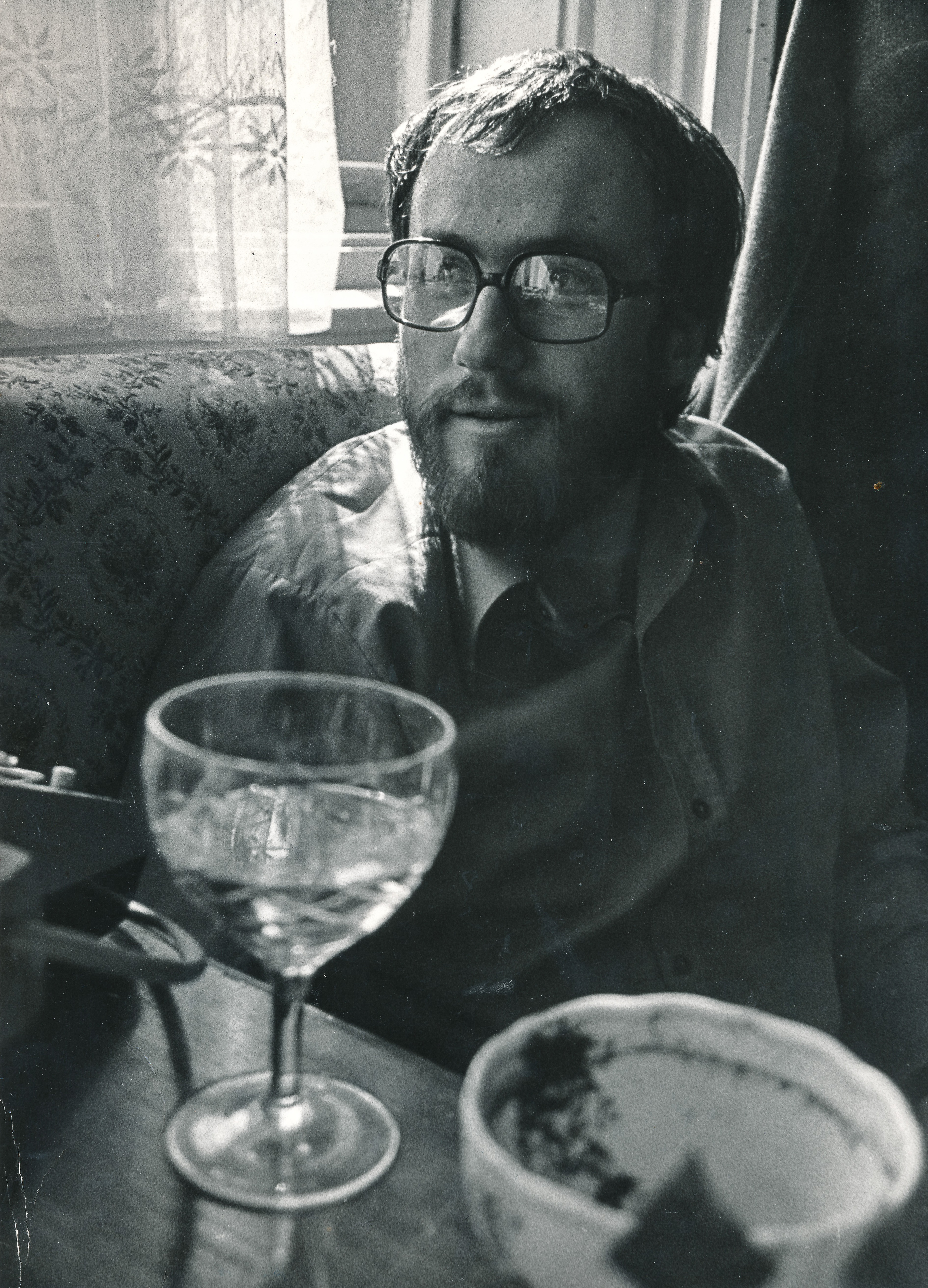
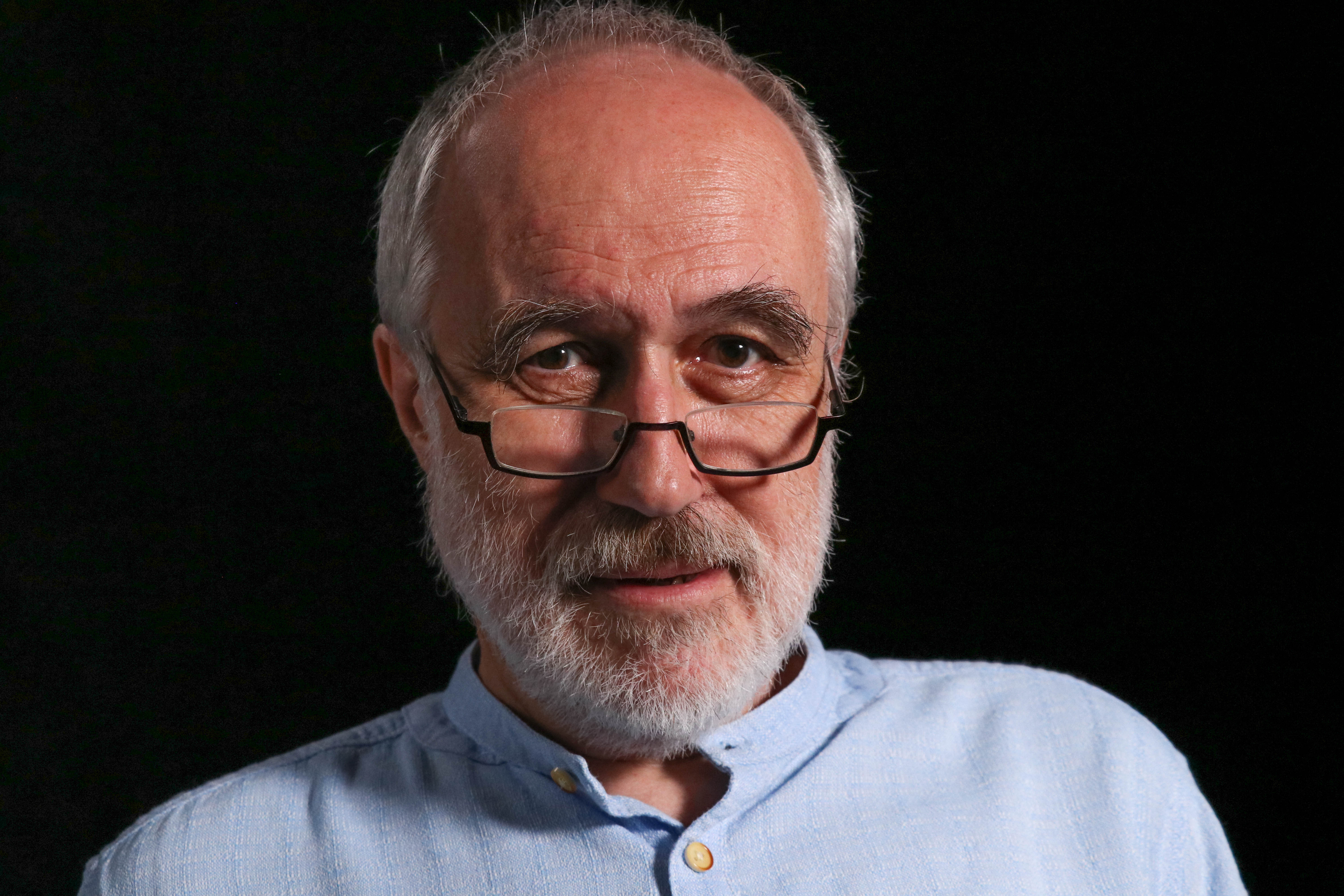
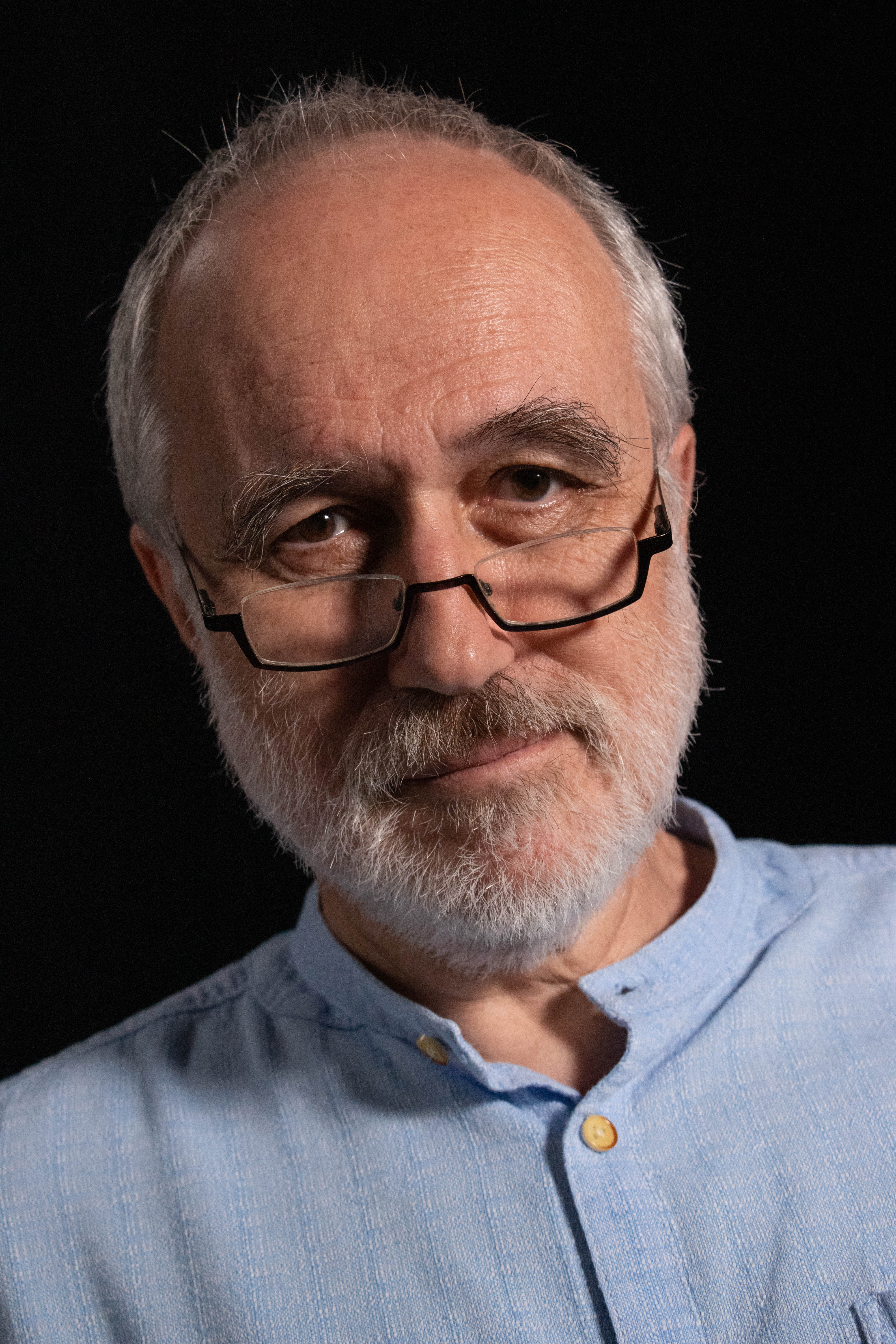
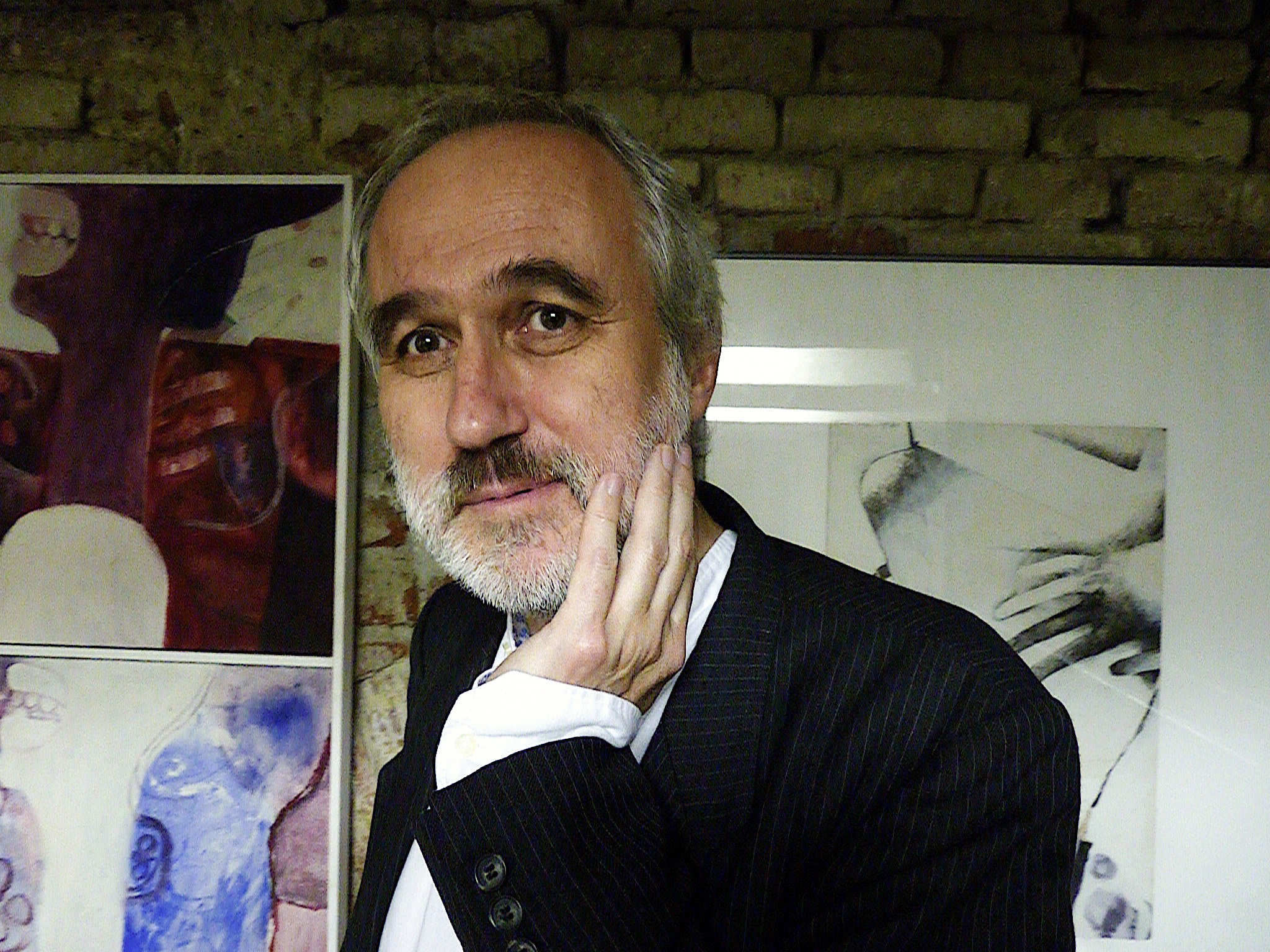
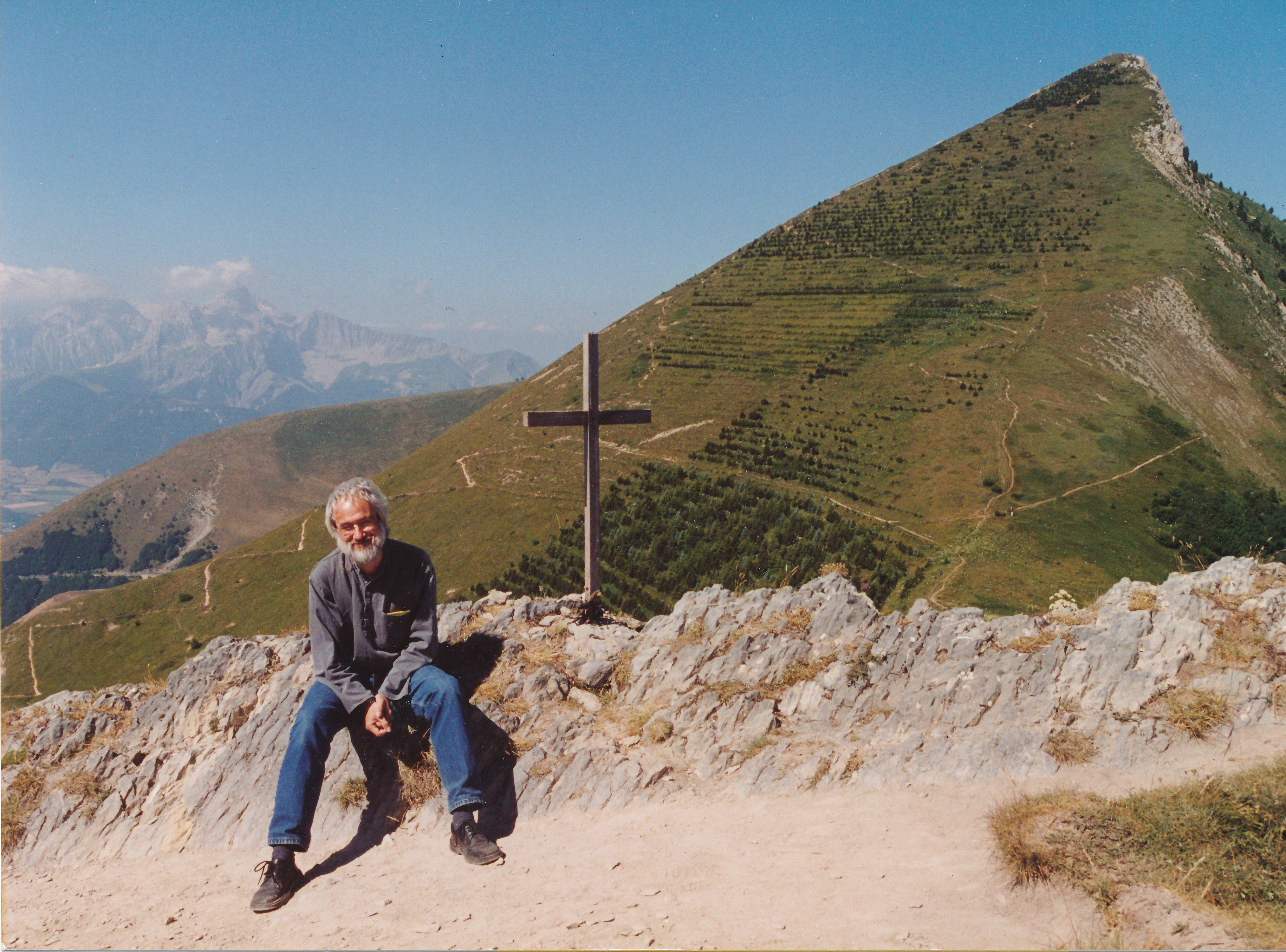
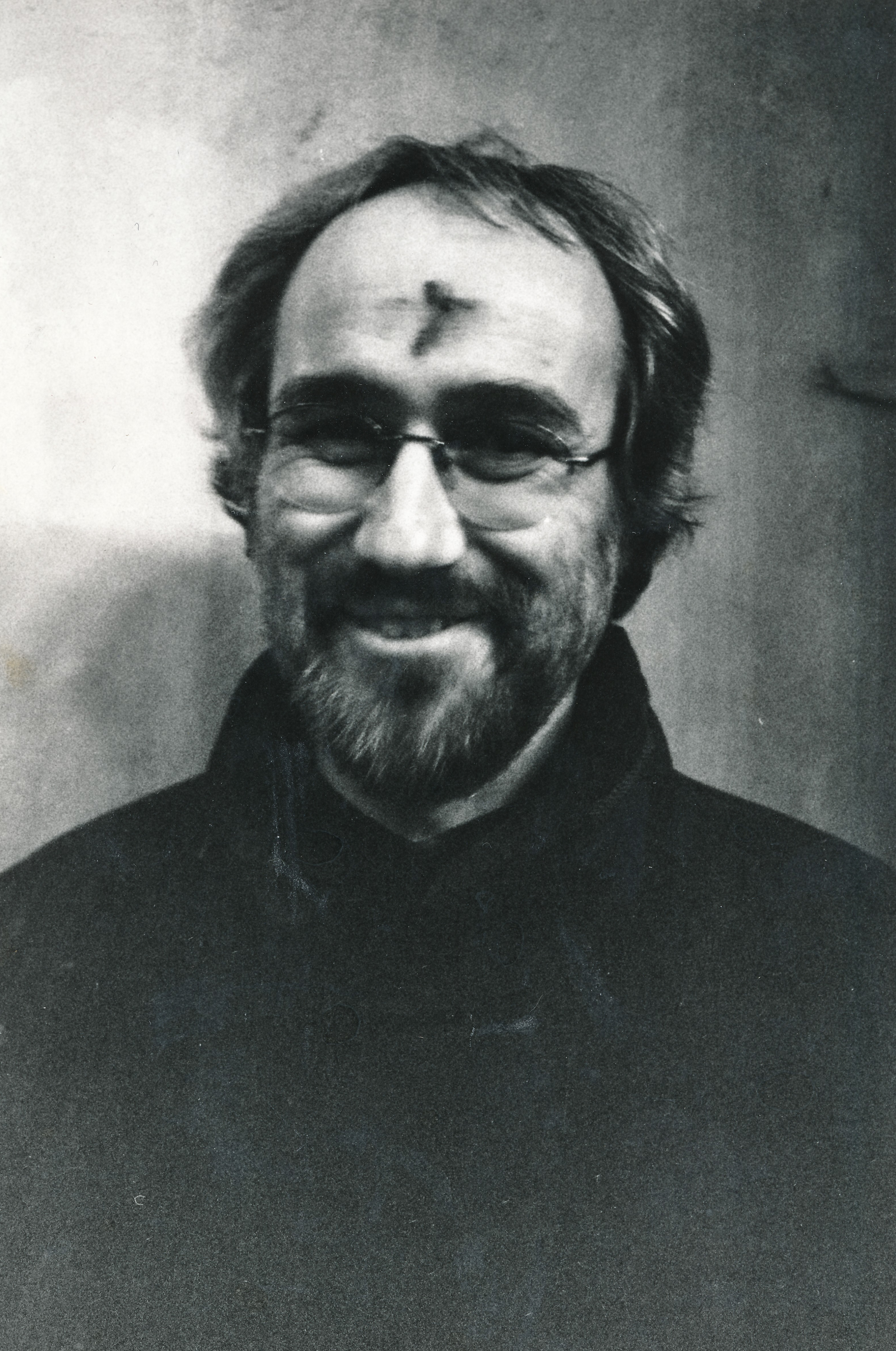
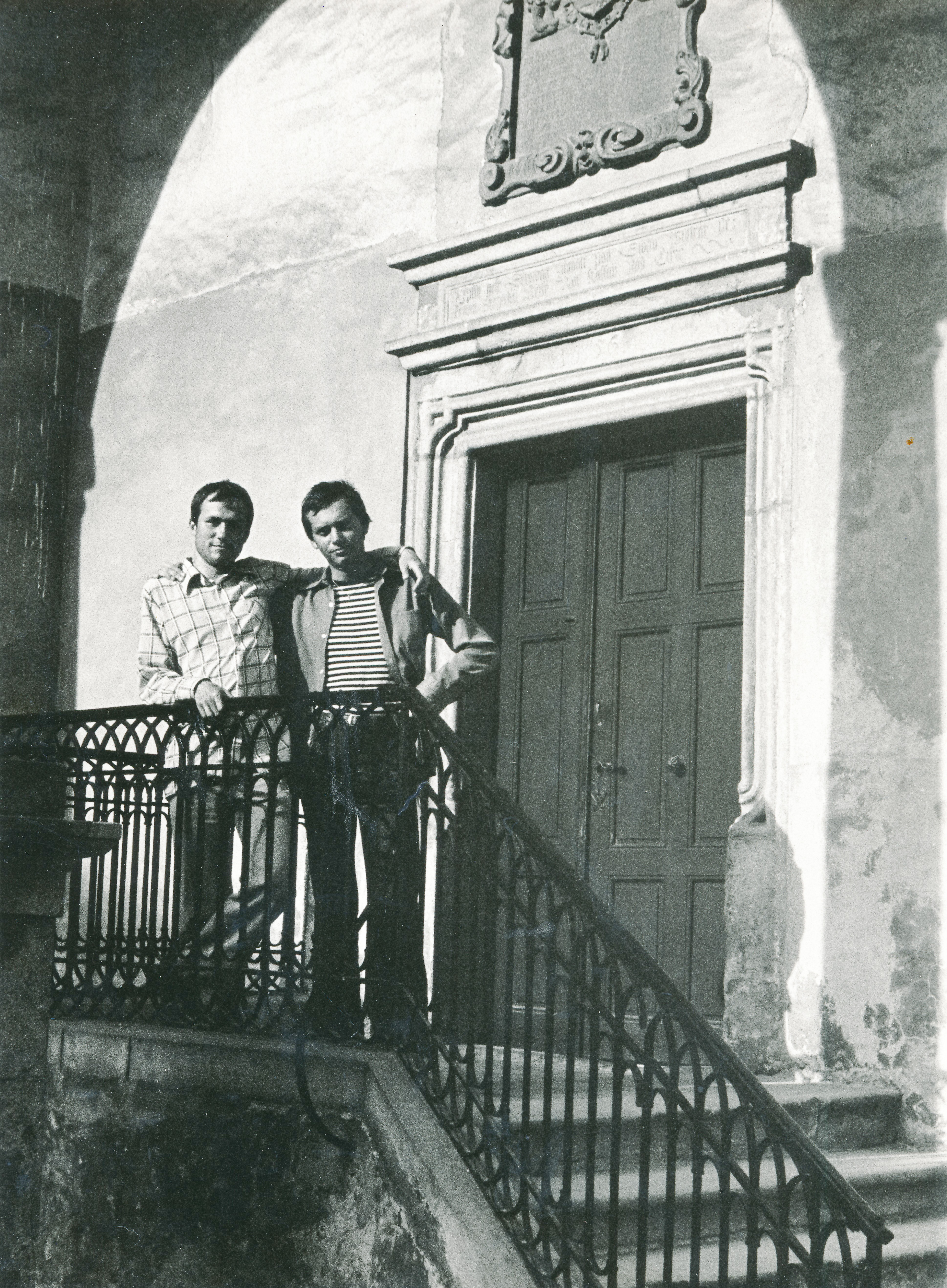
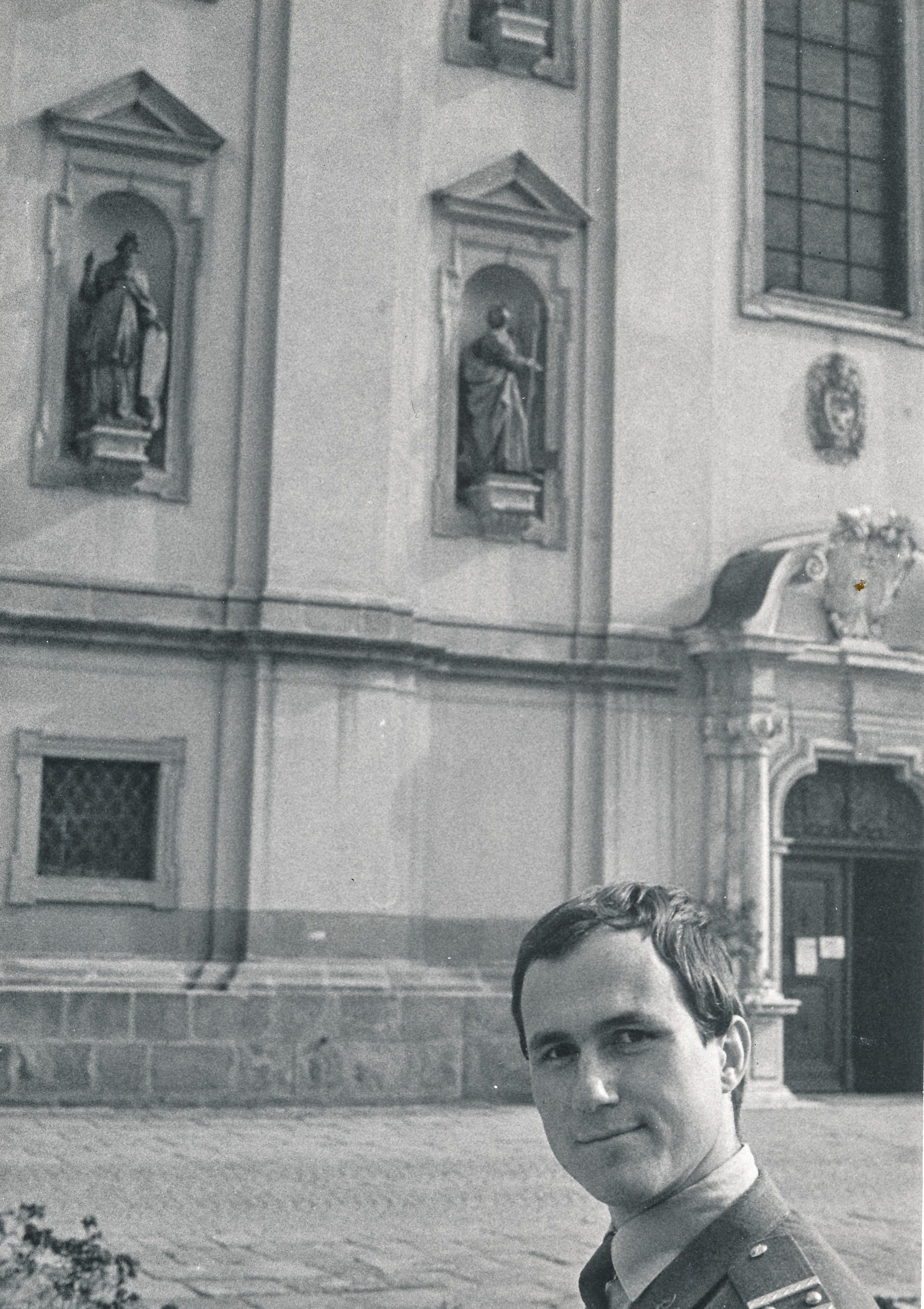
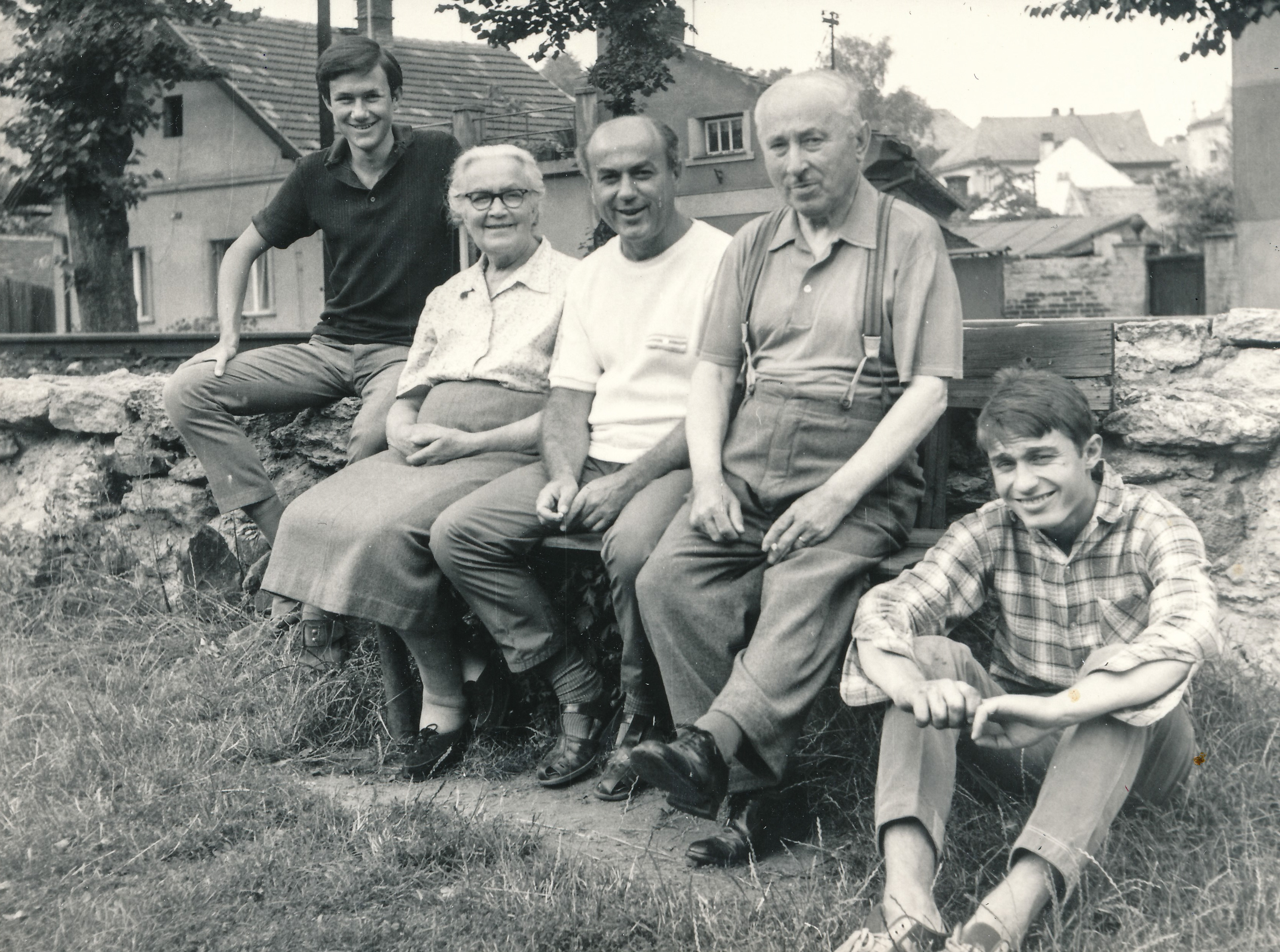
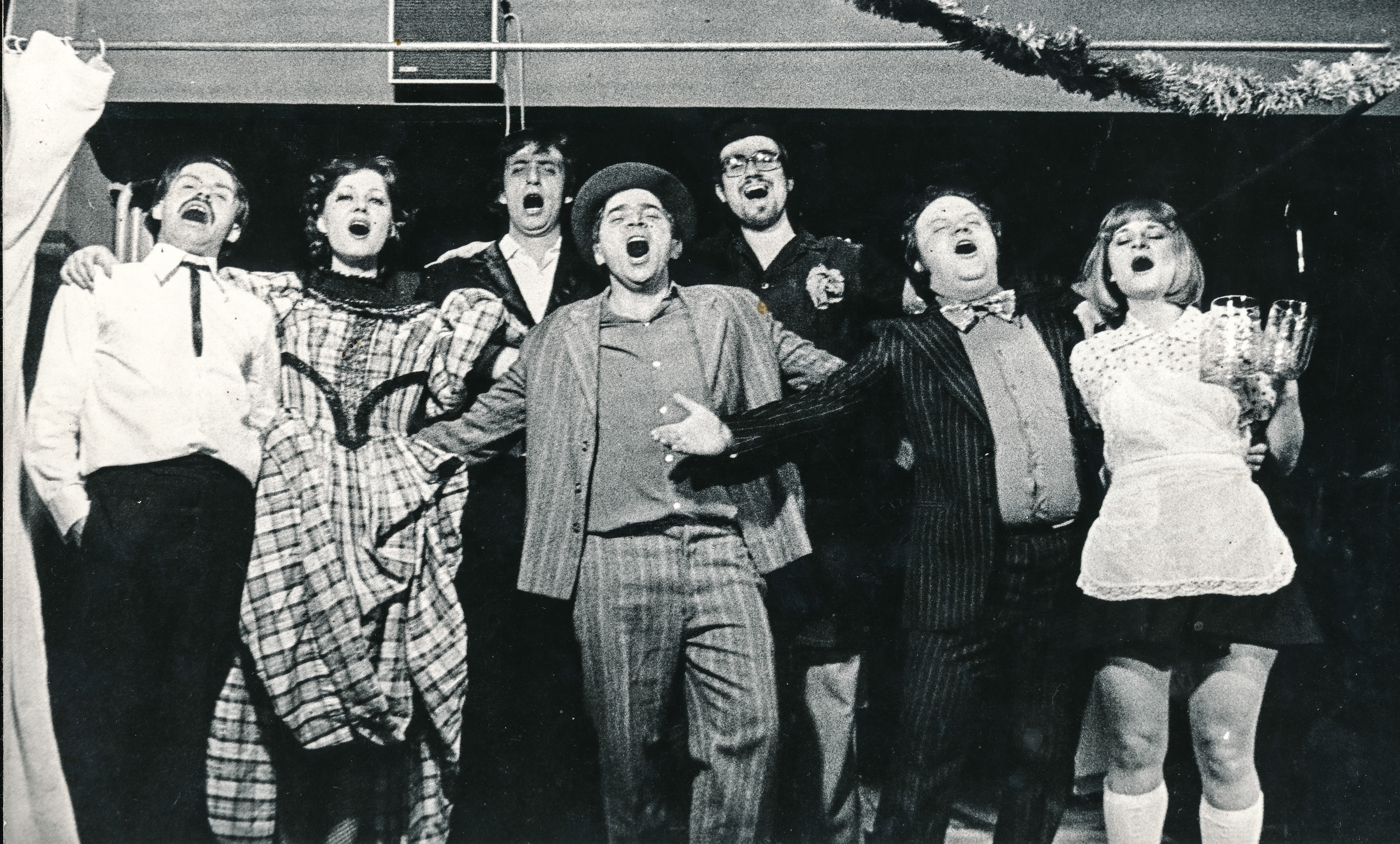
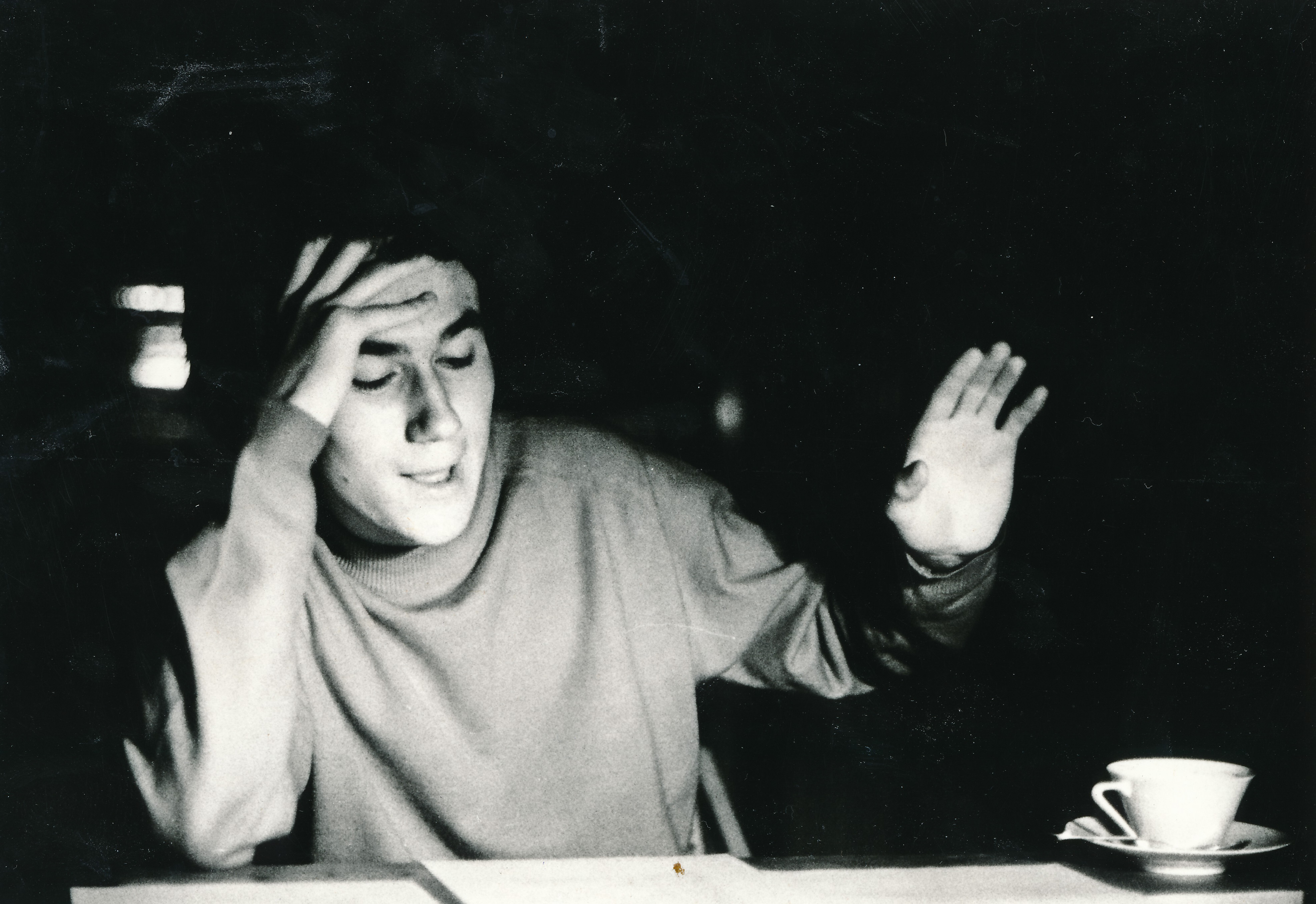
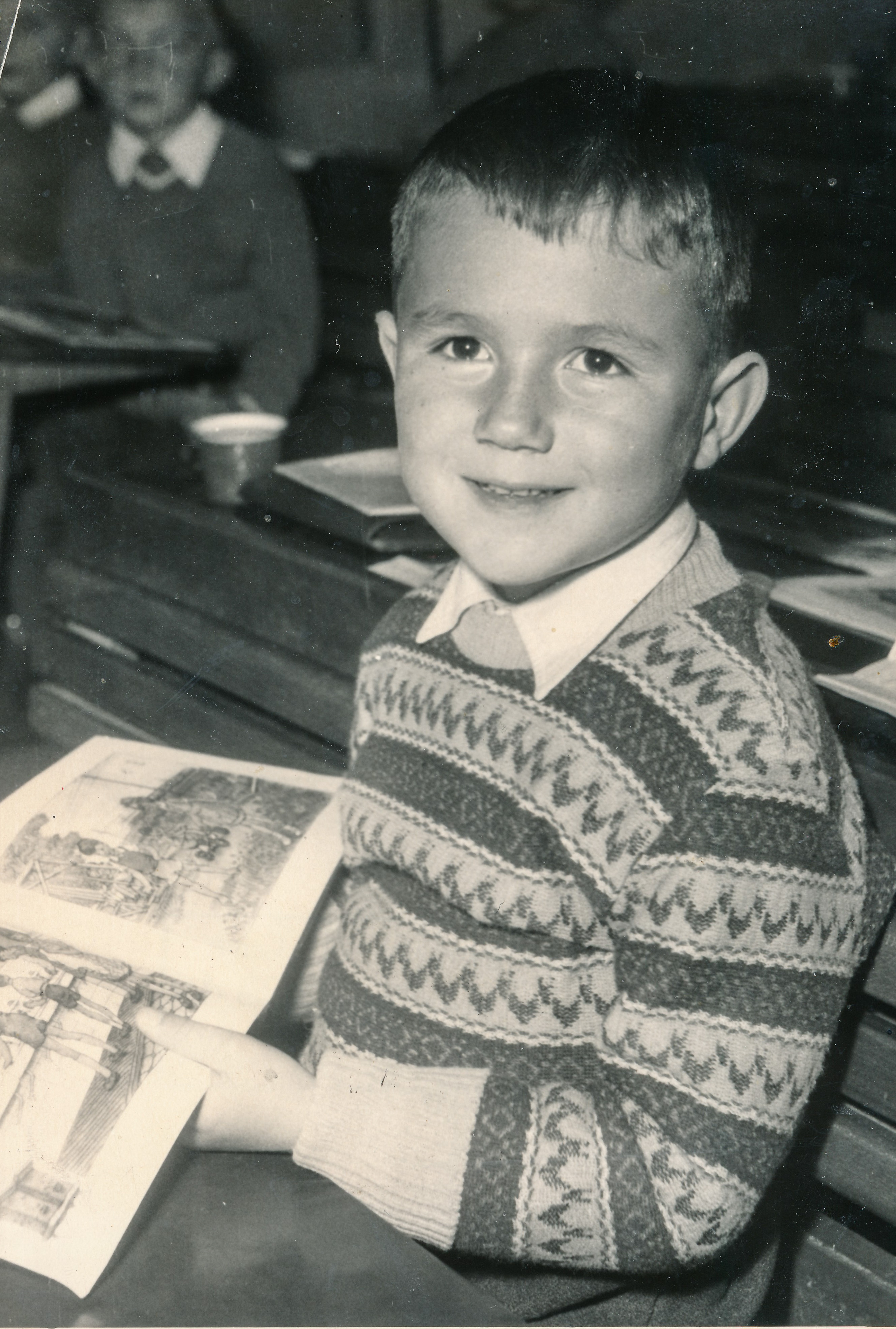
Playwright, writer, essayist, publicist, teacher, singer, pianist and actor Přemysl Rut was born on 10 March 1954 in Kutná Hora. From the early 1970s to the early 1990s, he performed in the Ivan Vyskočil theatre Nedivadlo. In 1979, he completed his studies in drama directing at the DAMU in Prague. He spent his military service in Uherské Hradiště, and during 1980 he established cooperation with Slovácké Theatre. He worked as a director at Slovácké Theatre until his cabaret dramatics was banned in the spring of 1983. Subsequently, he obtained a position as an accompanist at the music and drama department of the Prague Conservatory, where he later took on the role of chanson teacher and director of graduation performances. In the 1980s, he and his wife Nina founded the unofficial ensemble Malé české divadlo (Little Czech Theatre) and collaborated with the samizdat magazine O divadle (About Theatre). In the spring of 1989 he co-authored a petition for the release of Václav Havel. After the revolution, he established a long-term cooperation with Czech Radio. Since 1999 he has been teaching at the Prague DAMU, from 2003 to 2013 he held the position of Head of the Department of Author‘s Creation and Pedagogy at the DAMU and in 2008 he was appointed Professor.
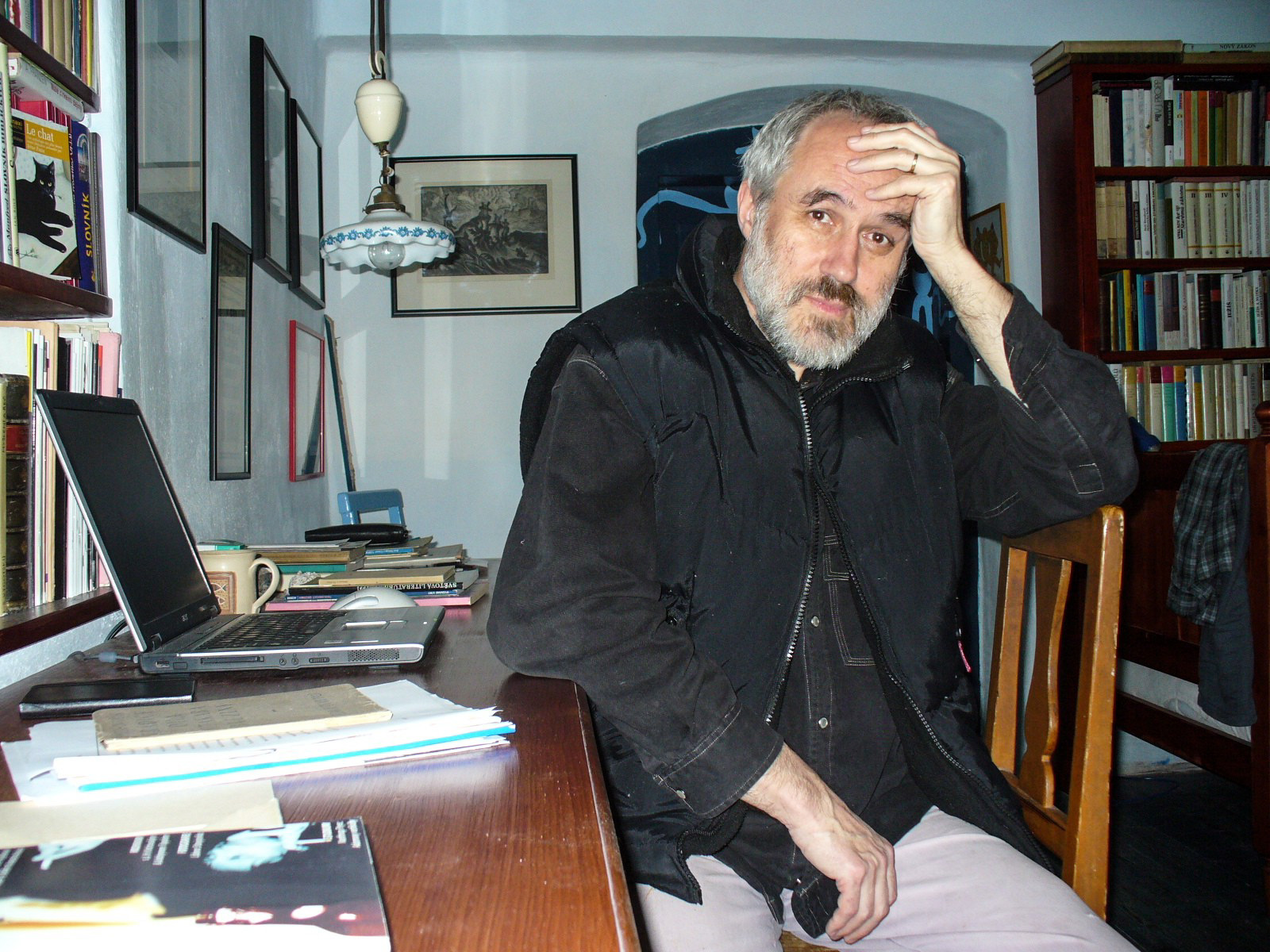
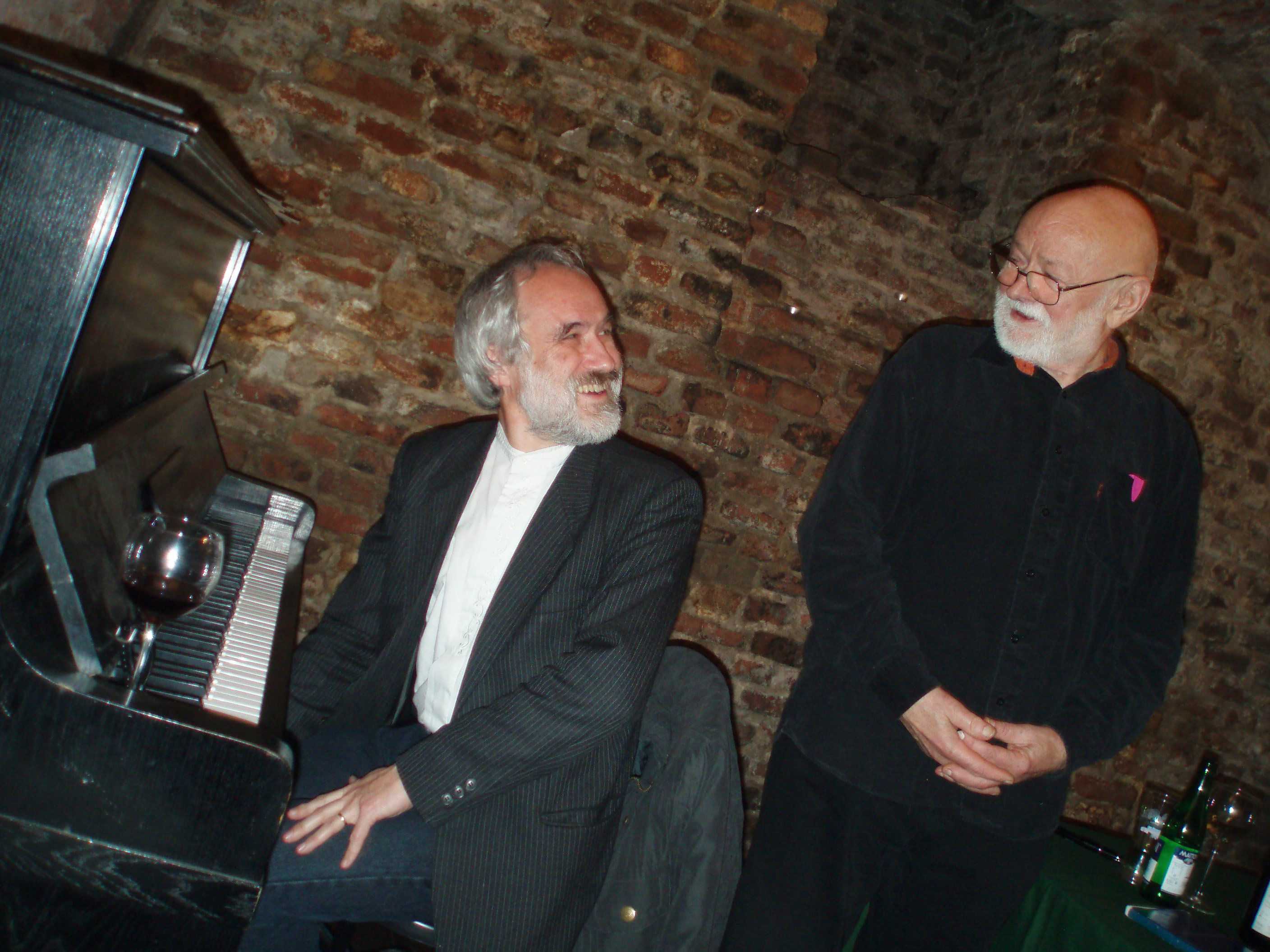
Přemysl Rut at the Prague Studio Paměť (Memory) at the time when the song evenings, later performed at various small venues under the title Okolostola, began under the title Memory to the Witnesses. Around 2009. Photo Bohdan Holomíček
Přemysl Rut at the Prague Studio Paměť (Memory) at the time when the song evenings, later performed at various small venues under the title Okolostola, began under the title Memory to the Witnesses. Around 2009. Photo Bohdan Holomíček
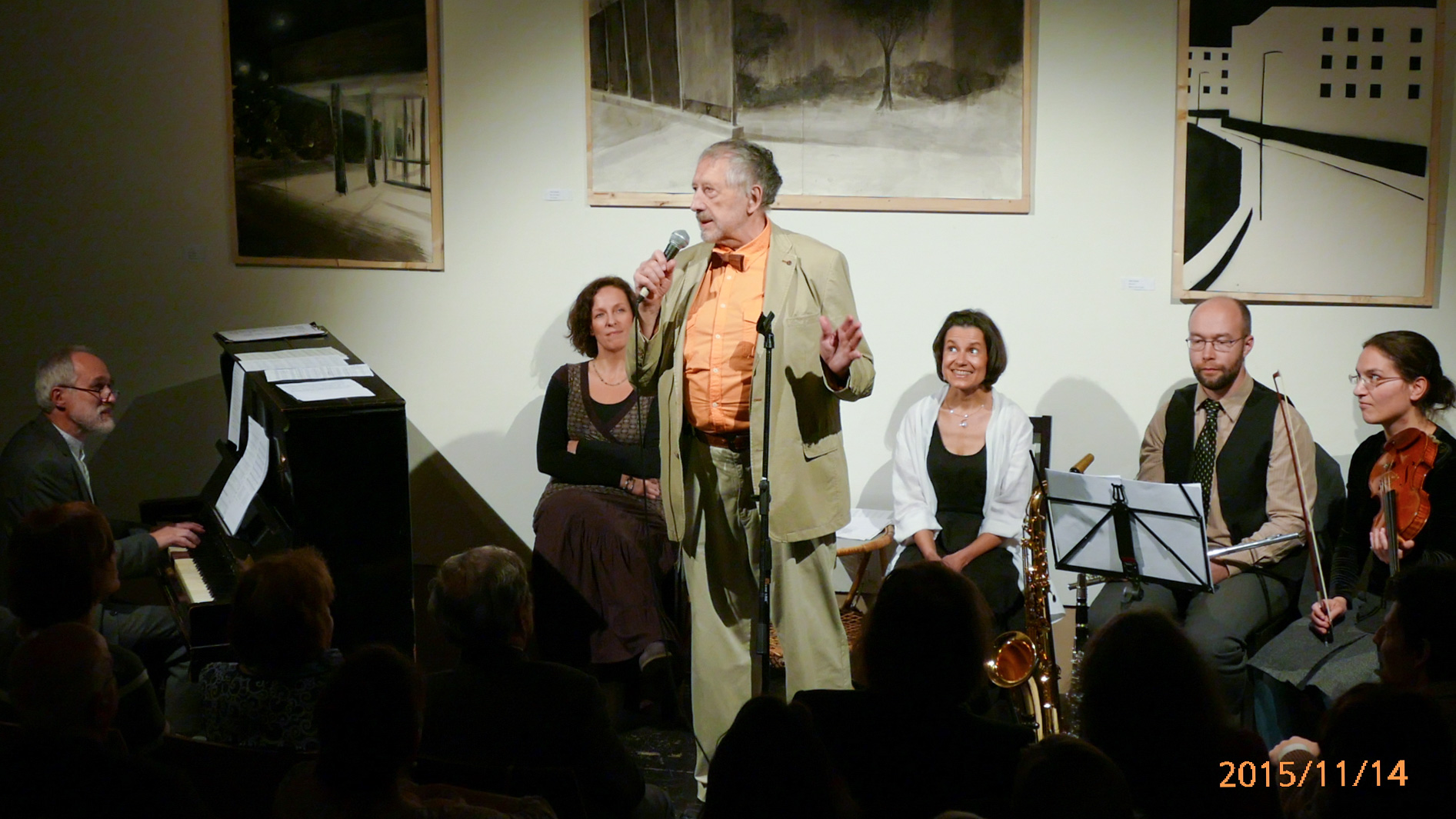
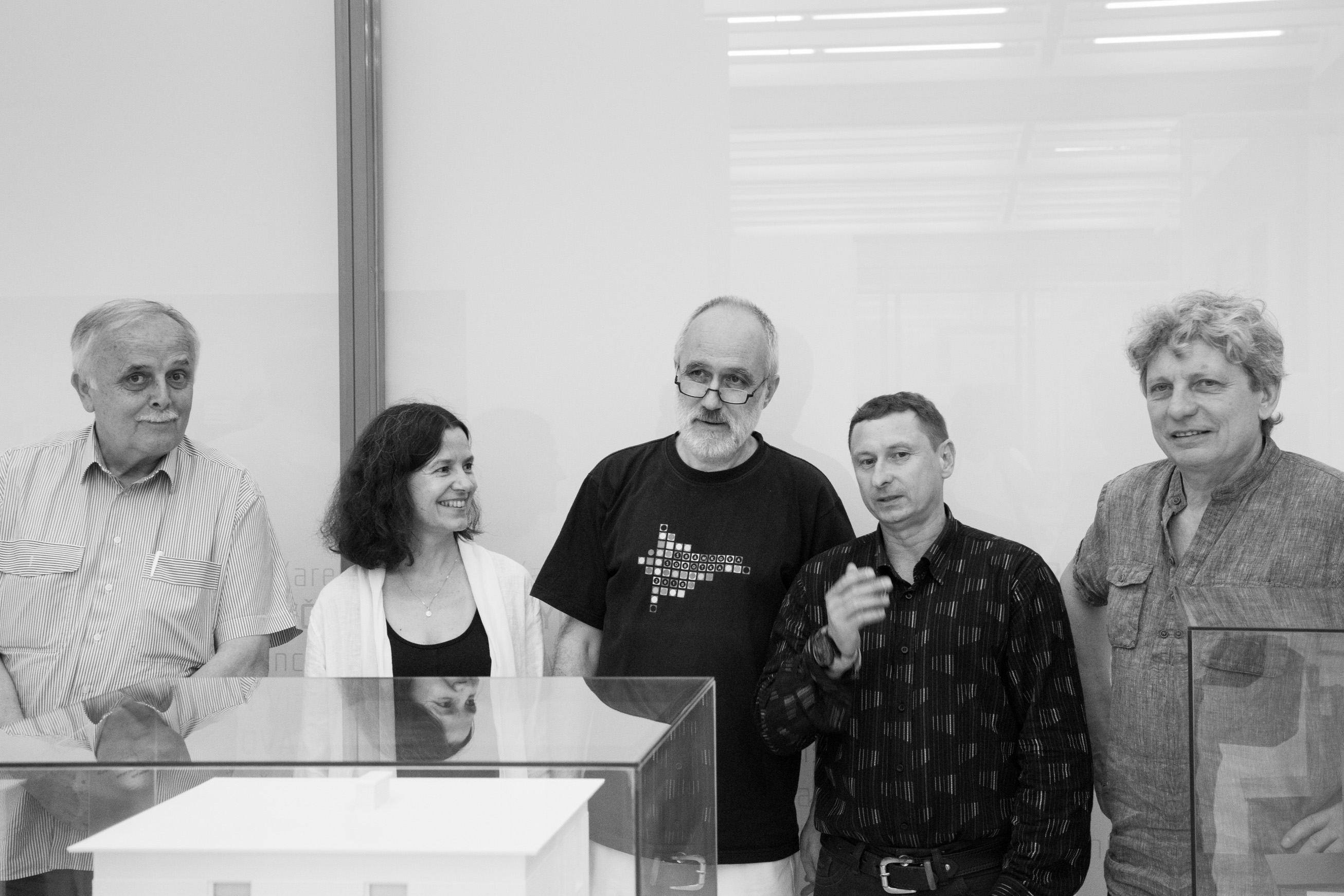
Jan Vodňanský (standing) singing at the wedding of Přemysl Rut (at the piano) and Markéta Potužáková (fourth from left) at the Na prádle Theatre on 14 November 2015. Photo Bohdan Holomíček
Jan Vodňanský (standing) singing at the wedding of Přemysl Rut (at the piano) and Markéta Potužáková (fourth from left) at the Na prádle Theatre on 14 November 2015. Photo Bohdan Holomíček
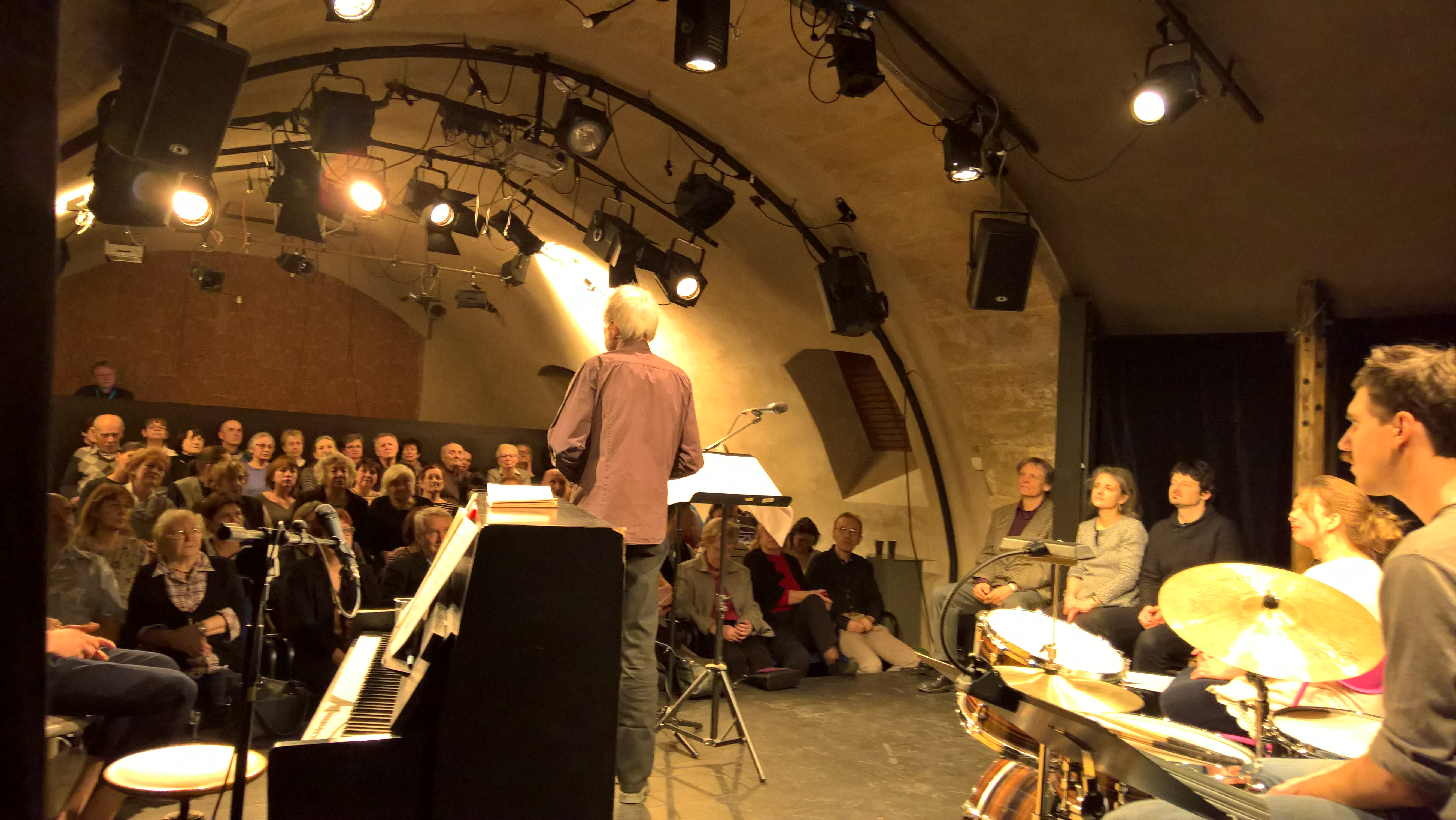
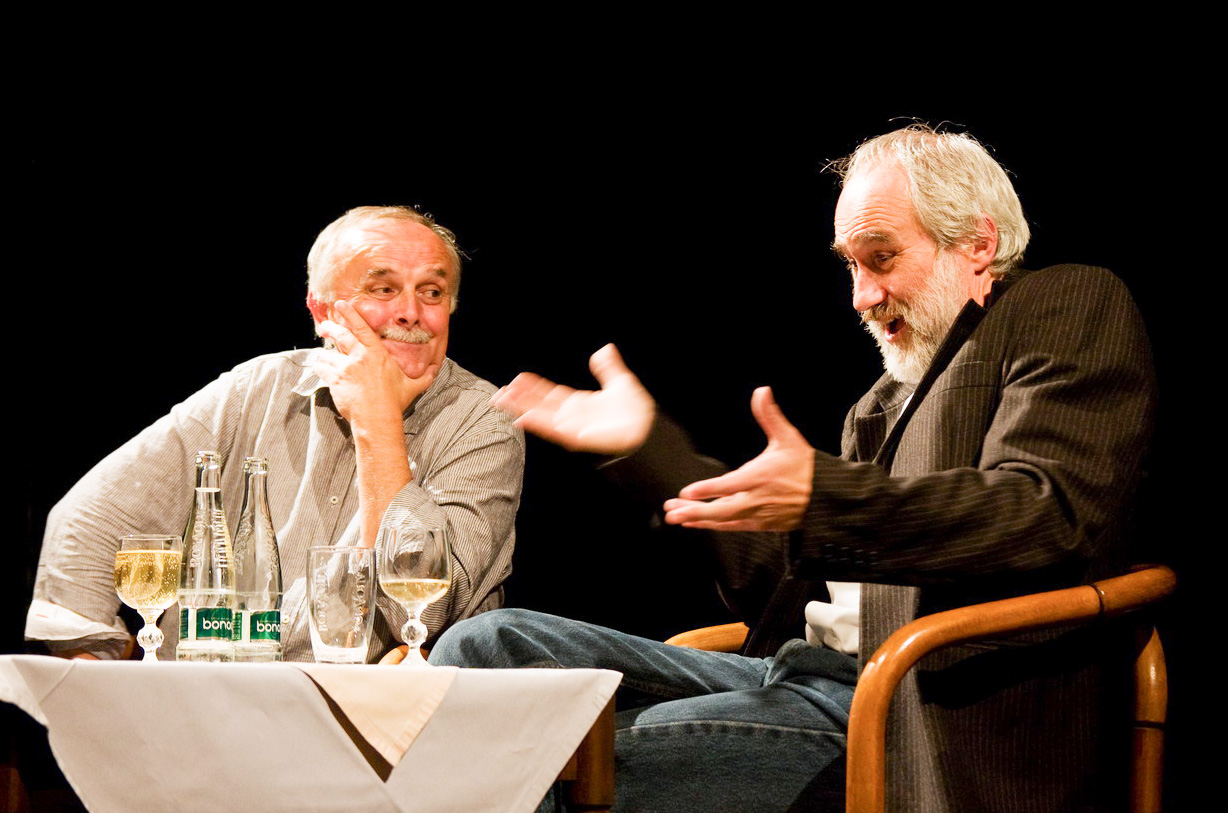
Přemysl Rut performs Duke Ellington's Song-book as one of the programmes of Okolostola at the Theatre Inspirace in spring 2017. On the stage sits Anglicist Jiří Josek, on his left is Russianist Veronika Mistrová
Přemysl Rut performs Duke Ellington's Song-book as one of the programmes of Okolostola at the Theatre Inspirace in spring 2017. On the stage sits Anglicist Jiří Josek, on his left is Russianist Veronika Mistrová
Hrdinové 20. století odcházejí. Nesmíme zapomenout. Dokumentujeme a vyprávíme jejich příběhy. Záleží vám na odkazu minulých generací, na občanských postojích, demokracii a vzdělávání? Pomozte nám!