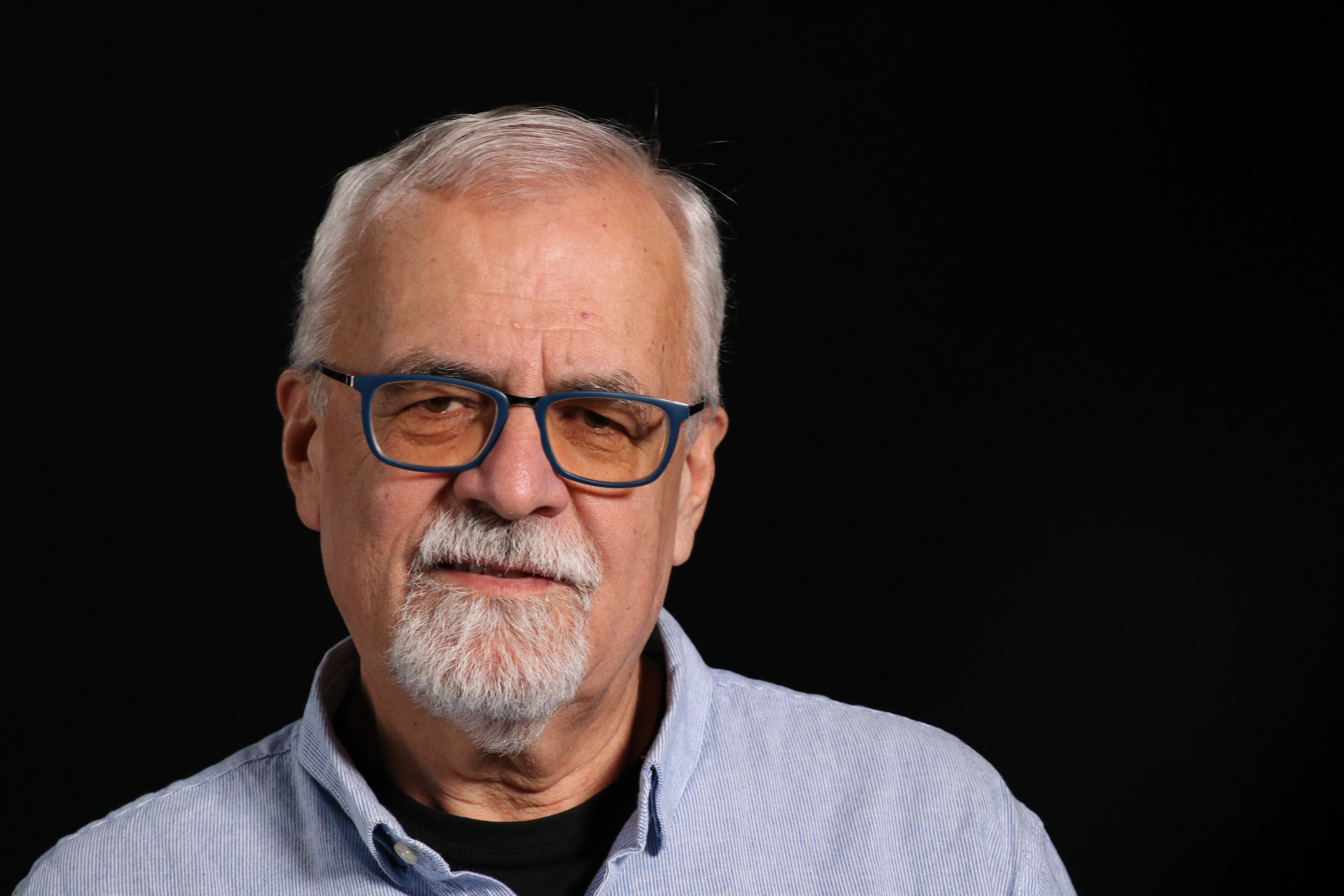
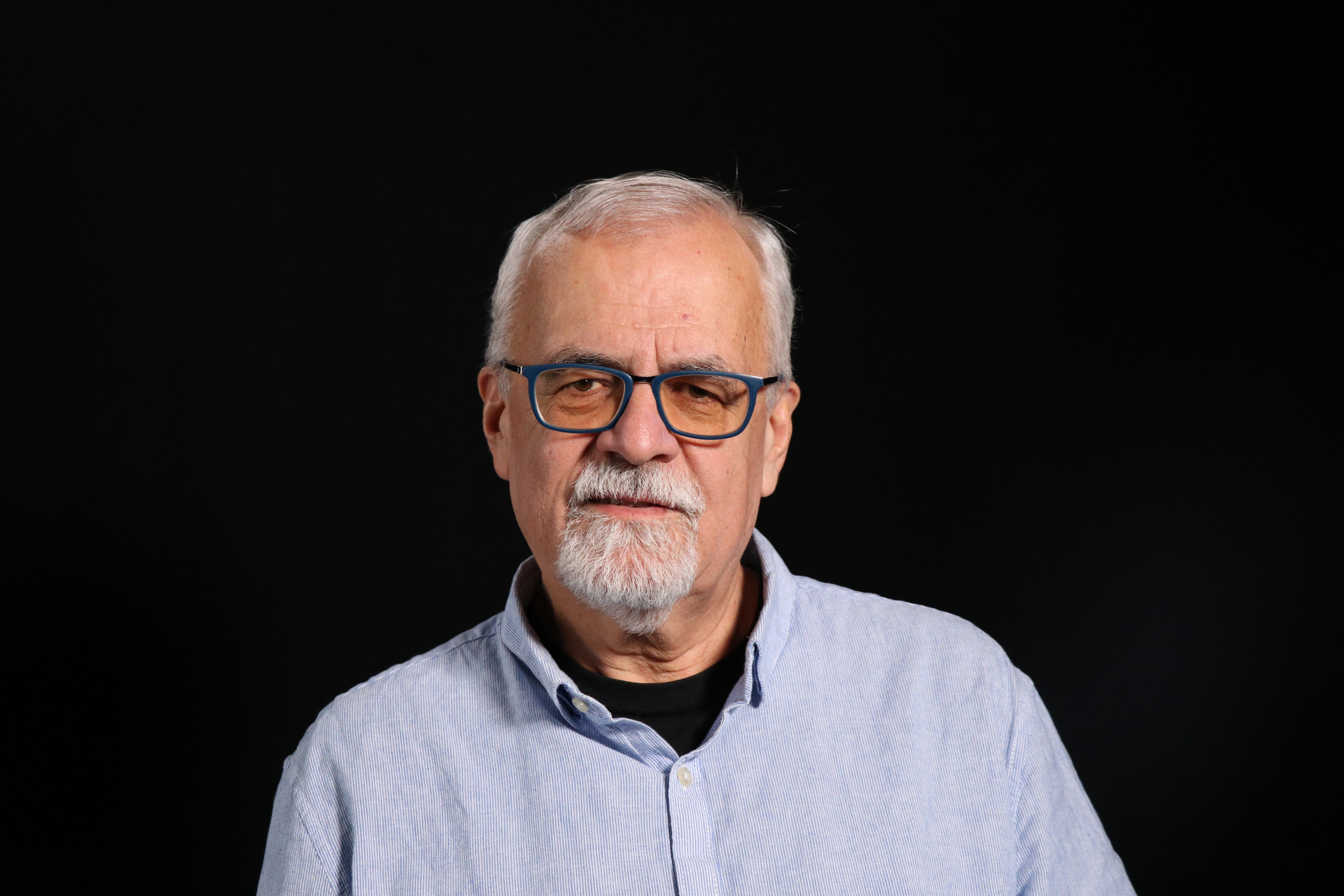
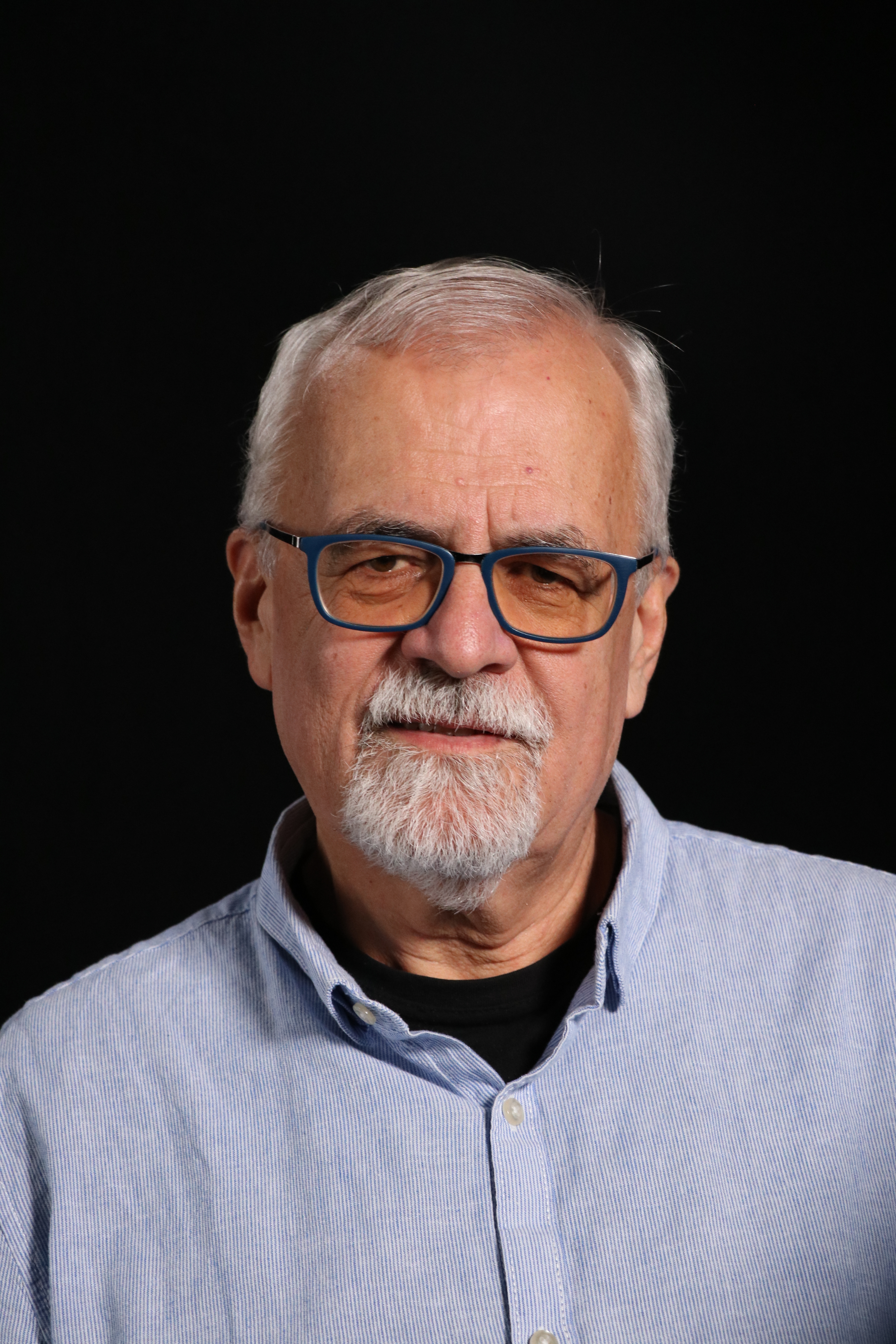
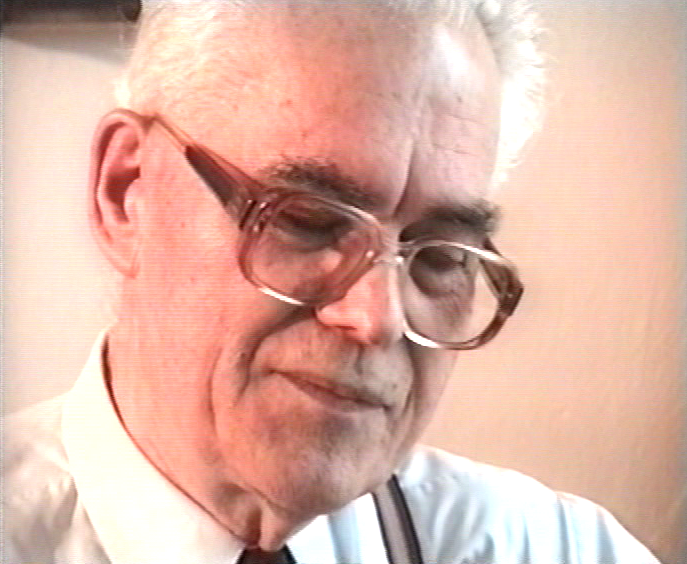
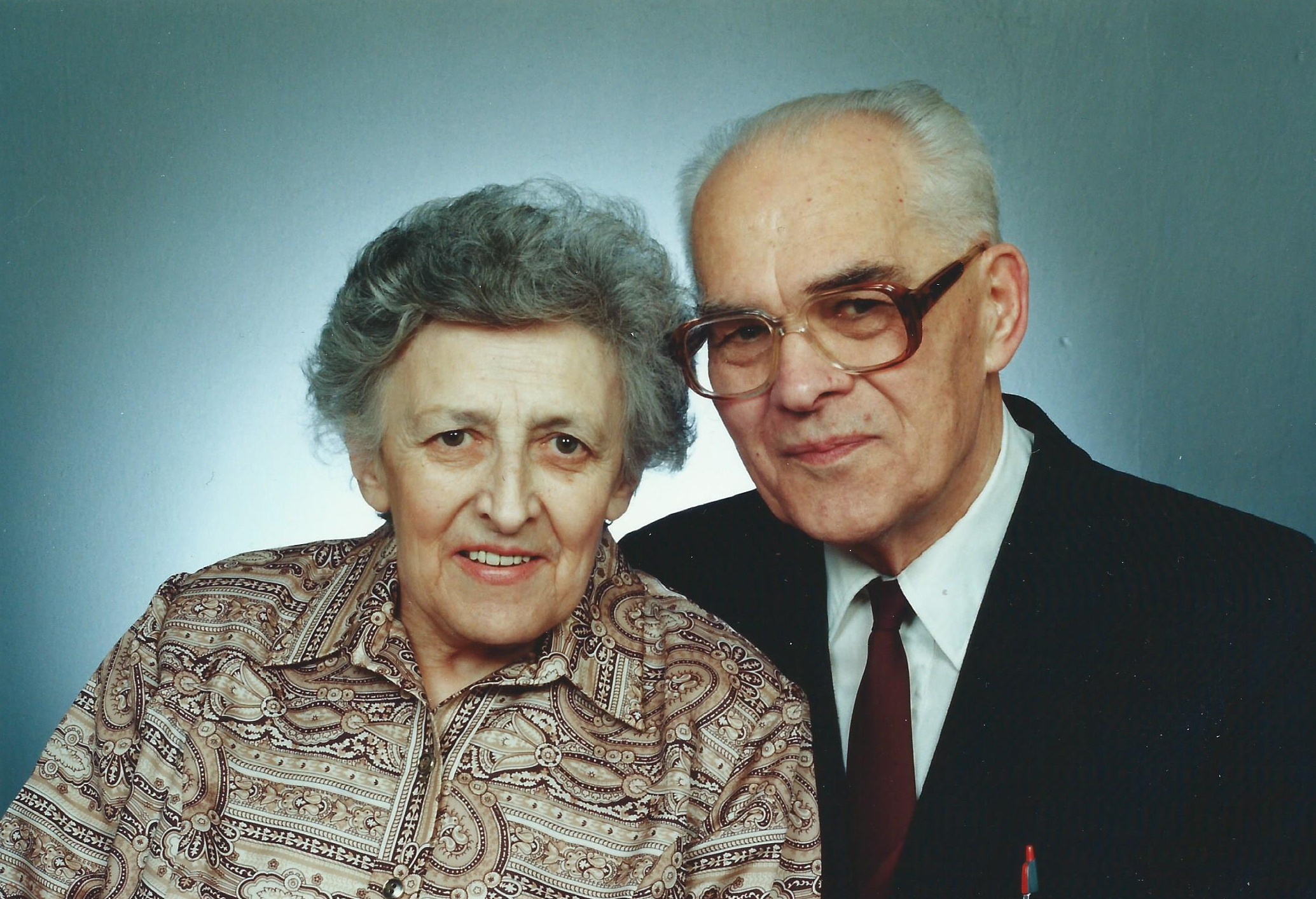
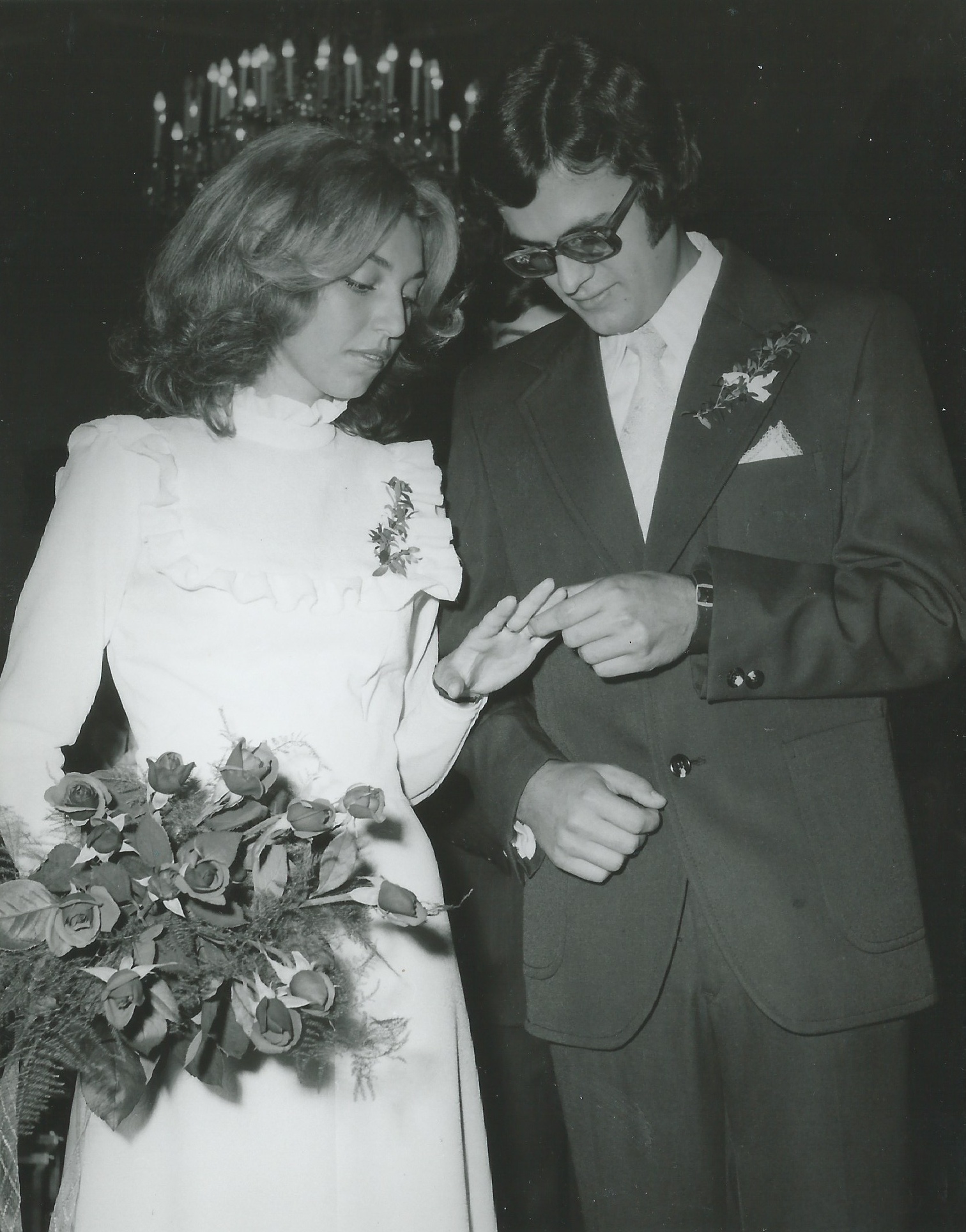
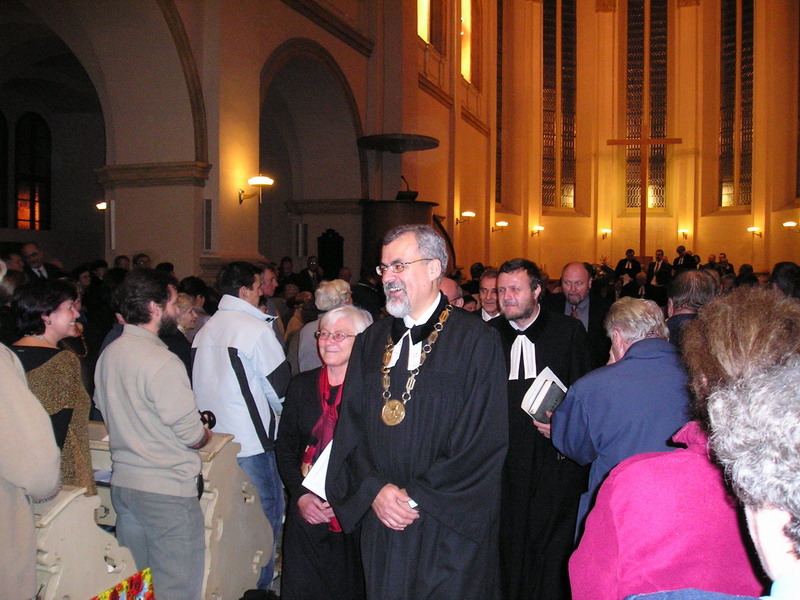
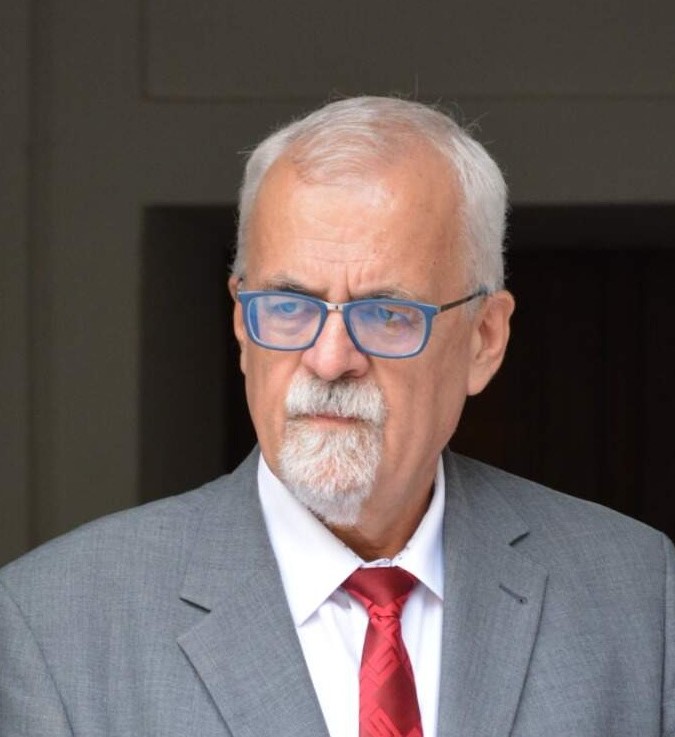
Mgr. Joel Ruml

* 1953

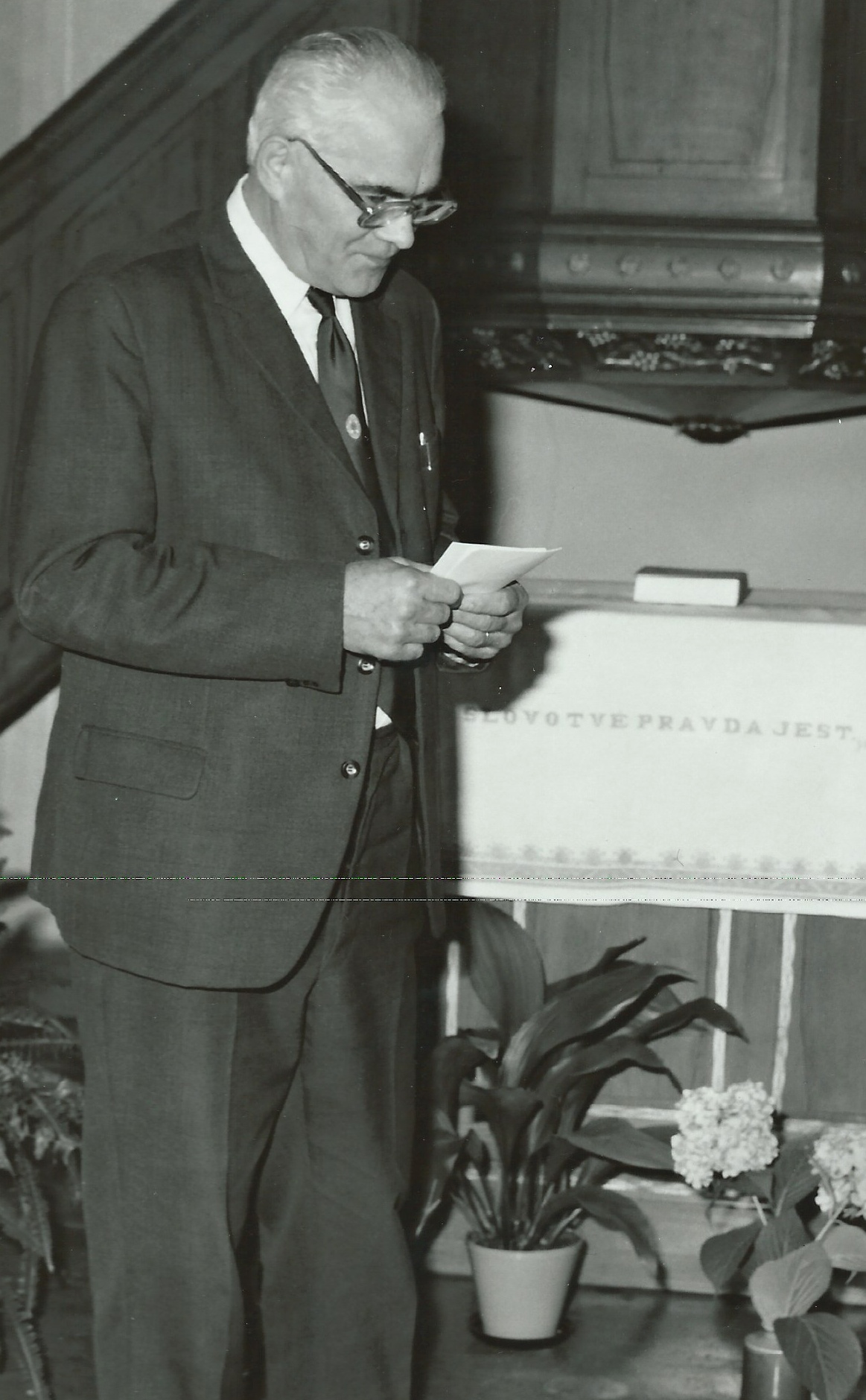
  • "I'd actually been aware for quite some time that I was a parson's son. His fellow pastors used to meet at our home. It's really about the community experience. For example, we had the Old Testament translation panel come to our place. My grandfather and my father used to translate. The panel would stay for two, three days. They would come and meet. My father used to take us to some of those meetings. The strongest effect on me was not their theological disputes - it was the atmosphere of freedom. That was the biggest for me. The theologists then affirmed it. Whatever the regime was around us, you could experience freedom even in no freedom. And to me, that was not a product of those people's will - it was a product of faith of those people. In short, communists may rule but God is always more. And this shaped them."

  • "That was absolutely touching. I recall someone knocking on the door during our office hours, and an old gentleman came in. He held documents in his hand and started to open them in front of us, saying how the communists had hurt him, taken his fields, his farm, maybe even his children, though I don't recall exactly. So now he's bringing it out there, trusting that the Civic Forum will sort it out and fix it. That was touching. See, no doubt the future developments were going in the direction where this kind of injustice would be called out and addressed, and it was. But at that point, the gentleman was expecting quicker action. Obviously. He had suffered for decades. For decades, these people remembered what generations had built and owned, and the communists took it away from them and ruined or destroyed it. The Civic Forum is the hope now. That was really a very powerful moment, realising we were not able to intervene in a situation like this. Of course we talked to him and asked questions and discussed things, but we were kind of helpless, yet there was also a hope that things would change, but with a helplessness to help people like this immediately."

  • "I'll tell you a story. When I was in high school in Jihlava, the headmaster was replaced, and an order came that everyone had to join the Labour Day parade. I lived in Opatov, commuting to Jihlava. I came home with that, and my dad locked himself in the study. I could hear him typing. Then he brought it to me and said, 'Give this to your class teacher.' I took the delivery and gave it to my teacher the next day. She was very enlightened, like this classical professor, very perceptive. She opened it and gave it to me to read. It said something like, 'Mrs So and So, our son Joel Ruml, born then and there, will never participate in such idolatries as the Labour Day celebration.' And maybe 'Thank you for handling this' or what, 'Jiří Ruml, father.' I thought this was absolutely impressive. You know, when the kid - even though I was maybe sixteen years old - gets into a bind, because the rest of the class would go, suddenly the father steps up. The professor really took it that way. I was excused and didn't have to go. I don't know whether she told the principal and got scolded. She certainly did get scolded when I applied to study theology; the principal scolded her. But she held her ground because she just knew; I think she even rooted for me."

  • Celé nahrávky
  • 1

    Praha, 21.11.2025

    (audio)
    délka: 02:21:23
    nahrávka pořízena v rámci projektu Stories of the 20th Century TV
  • 2

    Praha, 05.12.2025

    (audio)
    délka: 02:49:49
    nahrávka pořízena v rámci projektu Stories of the 20th Century TV
Celé nahrávky jsou k dispozici pouze pro přihlášené uživatele.

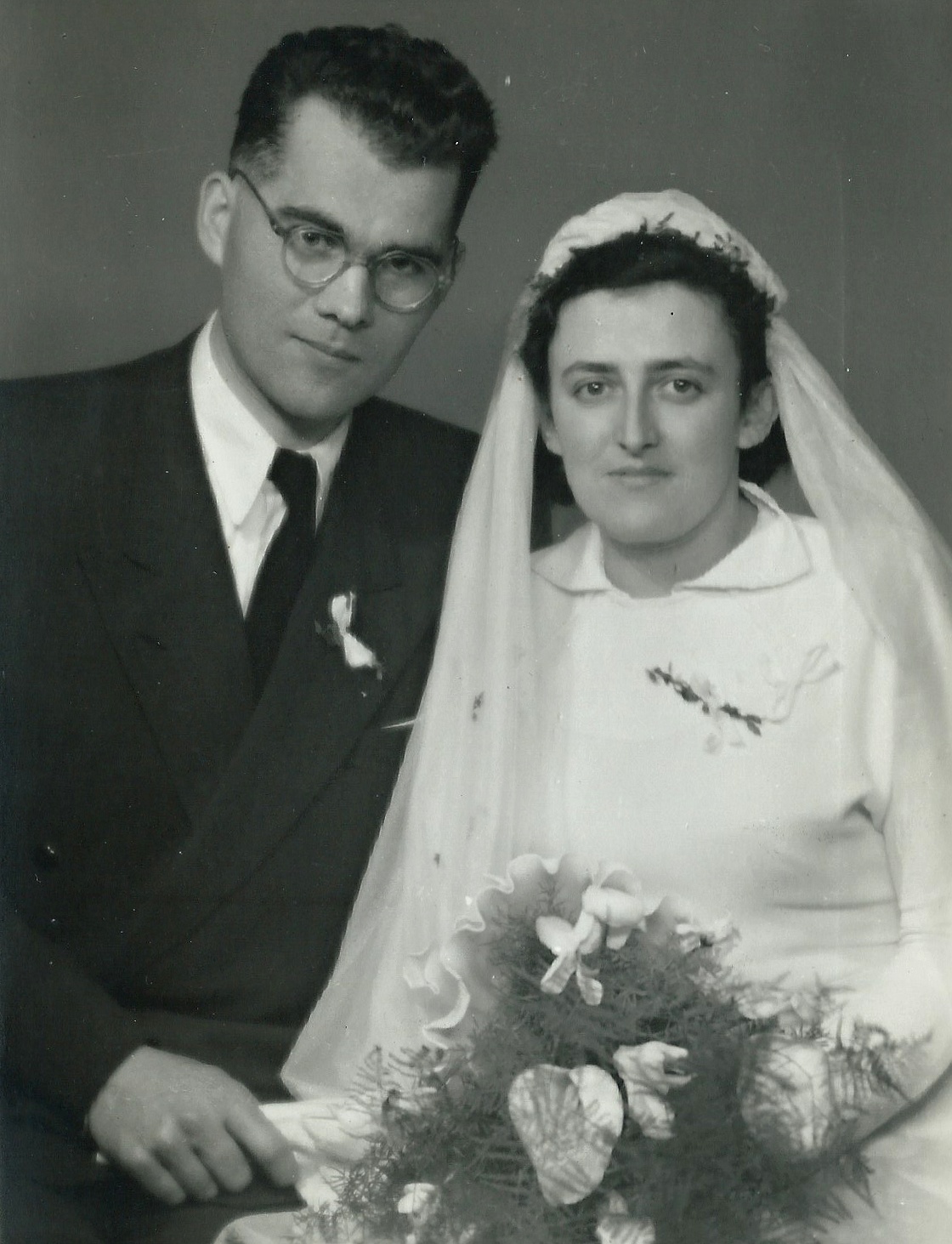
What‘s really important is worth looking for - even if it hurts
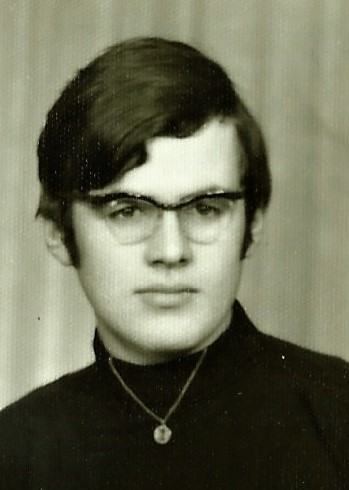
Joel Ruml (1972)
Joel Ruml (1972)
zdroj: Witness's archive

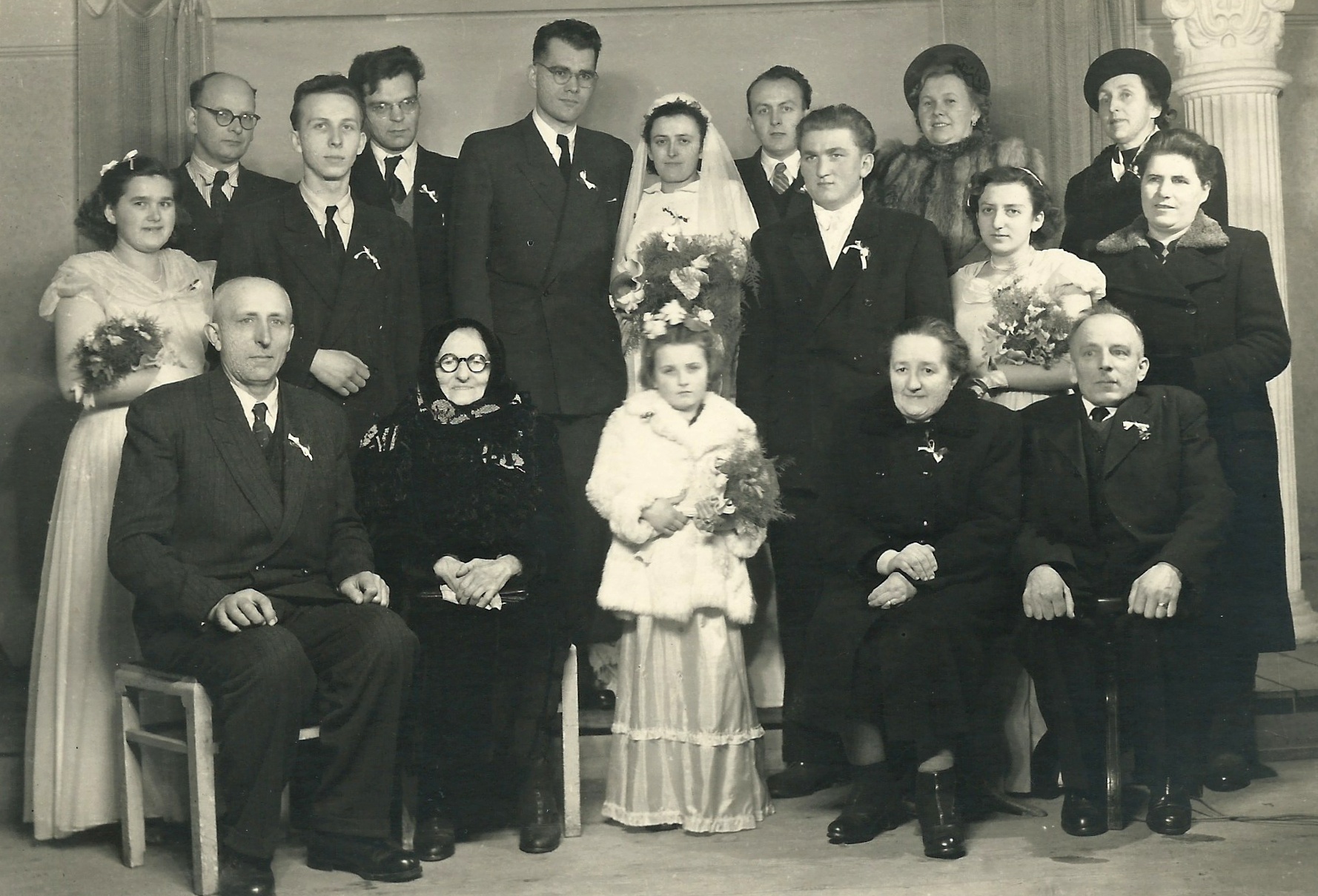
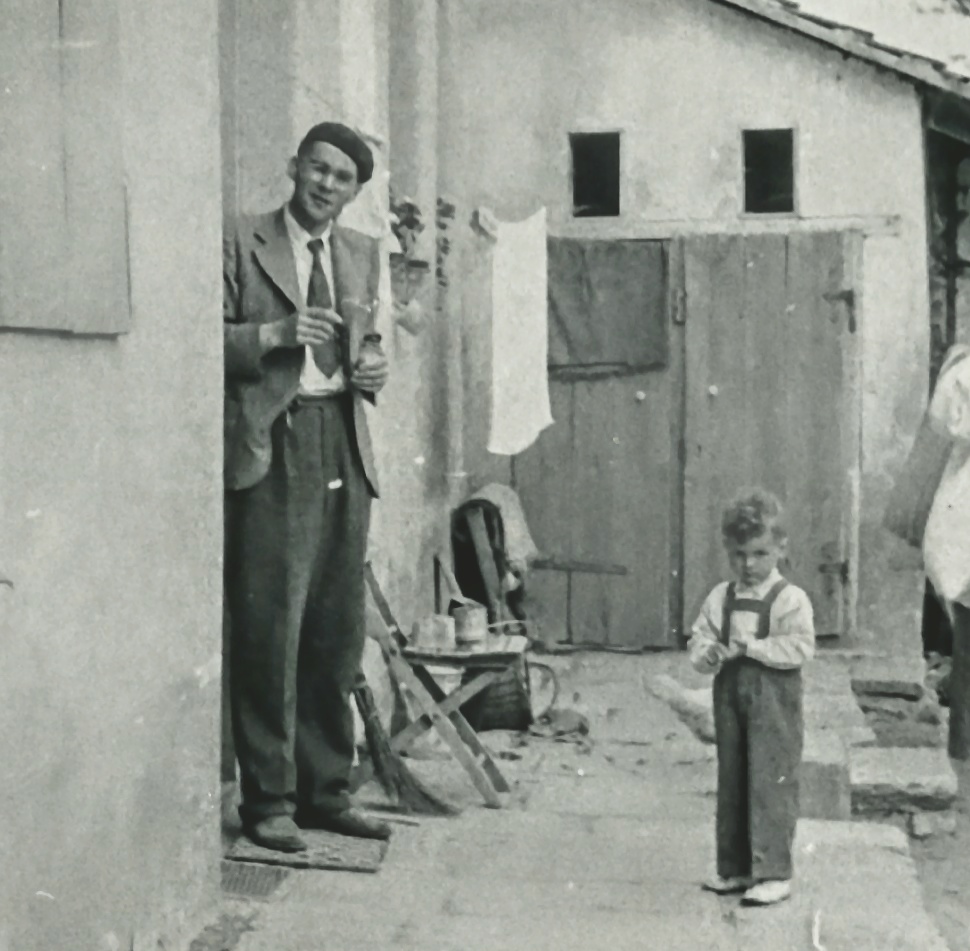
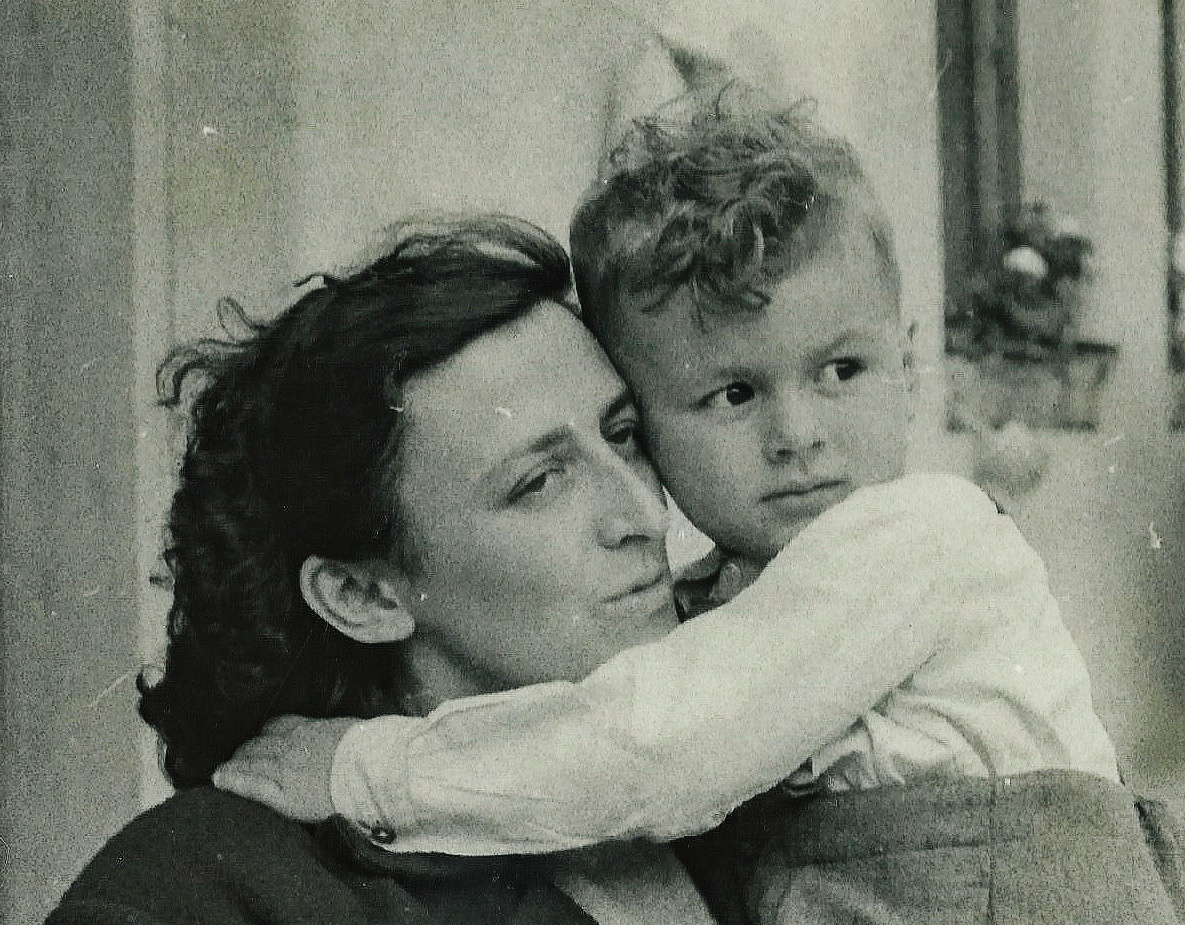
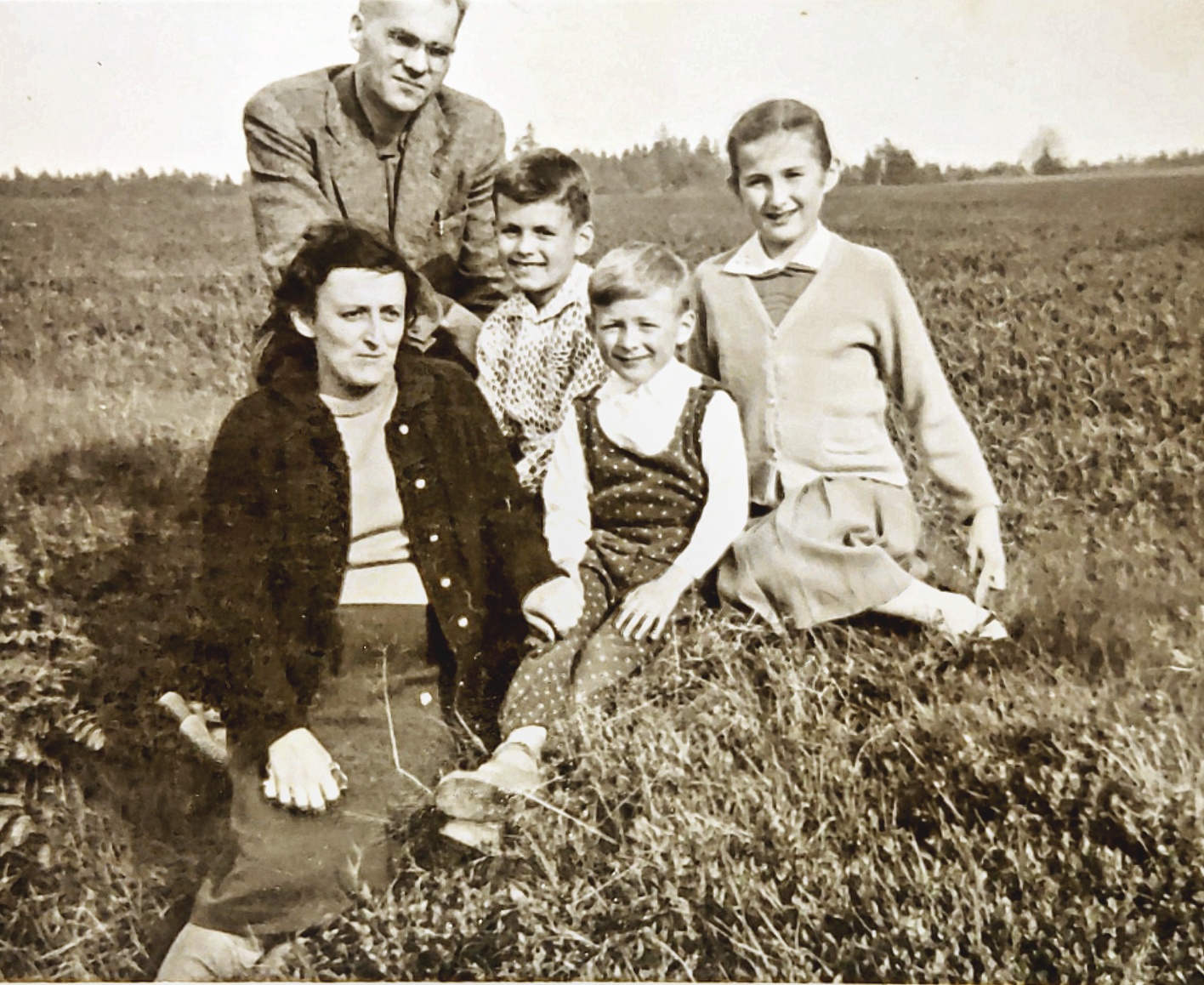
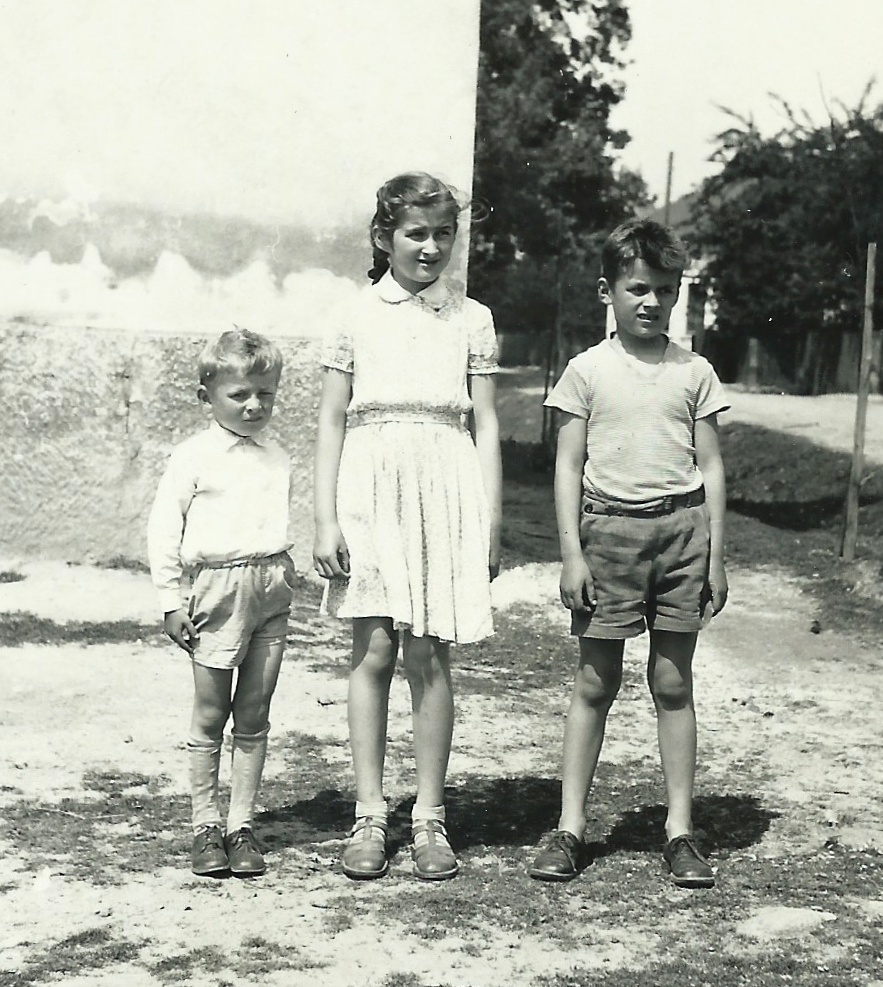
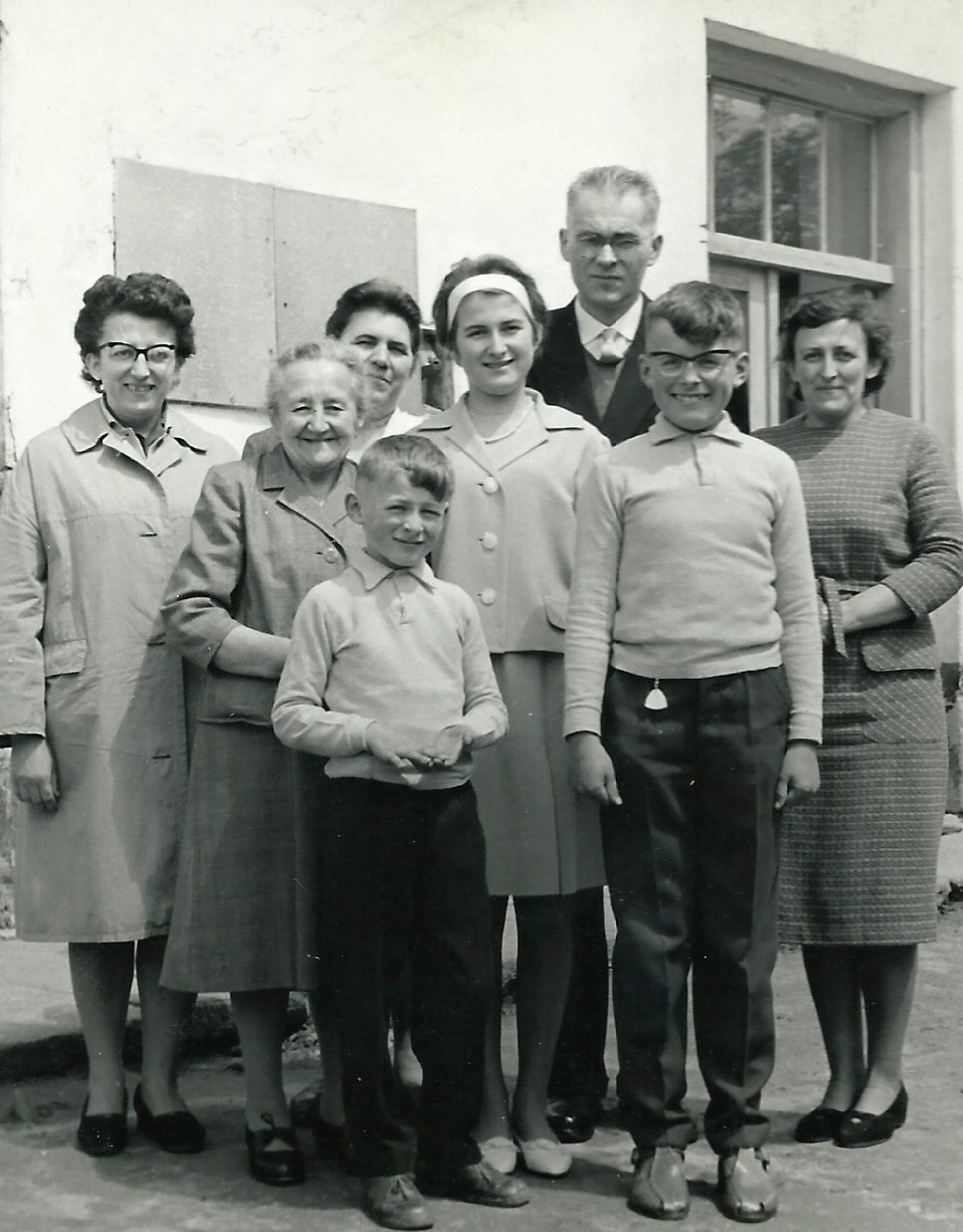
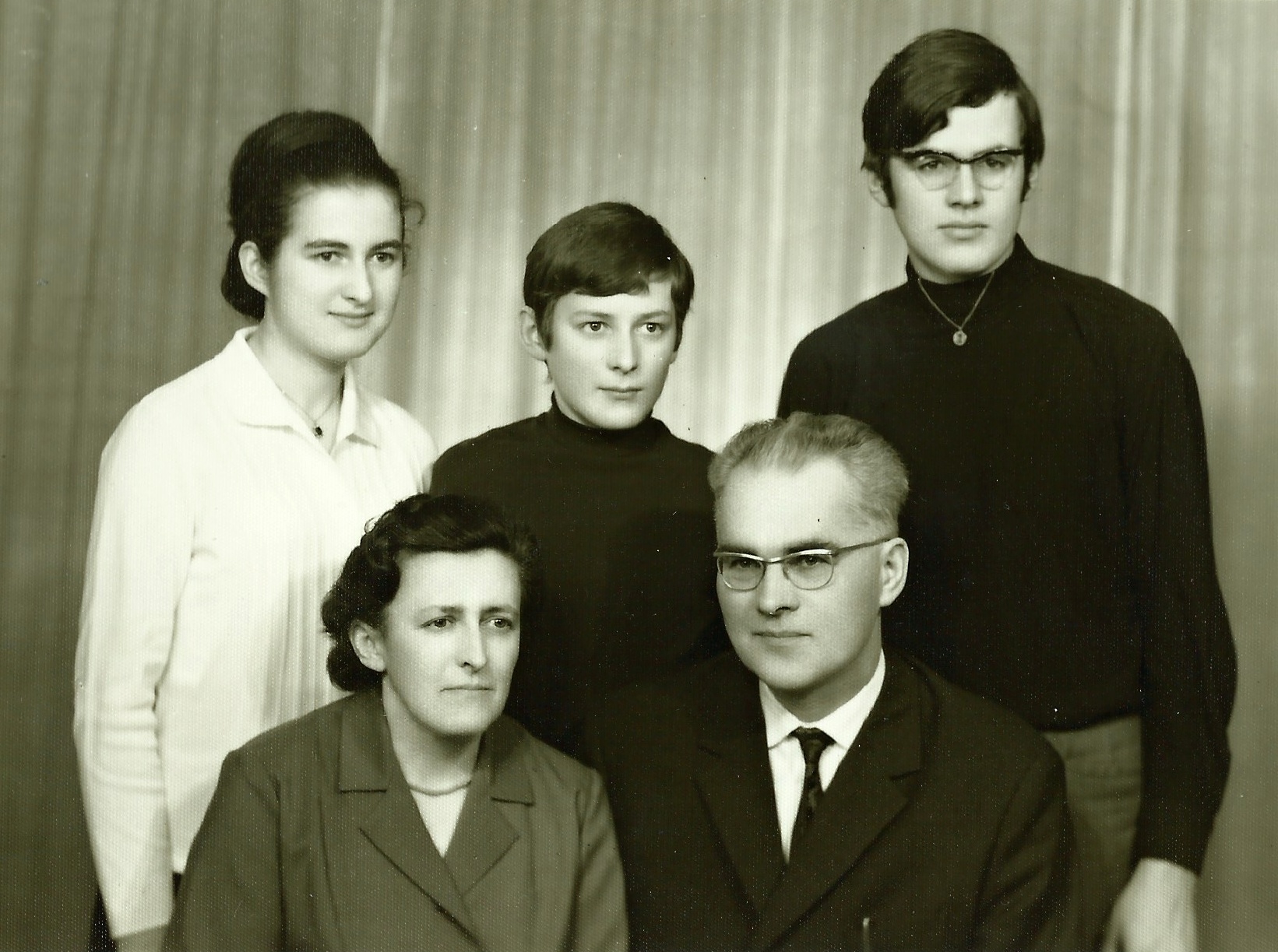
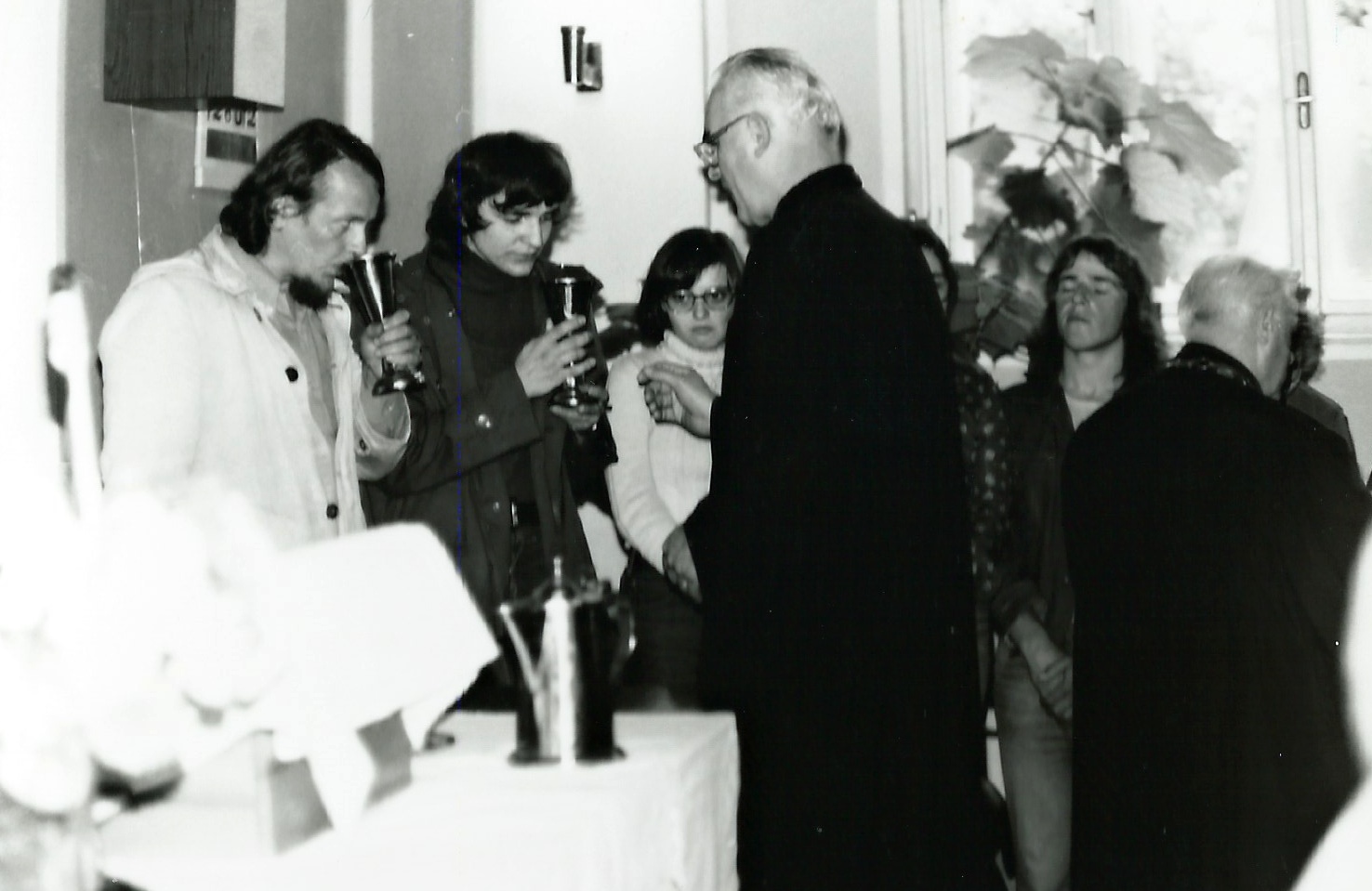
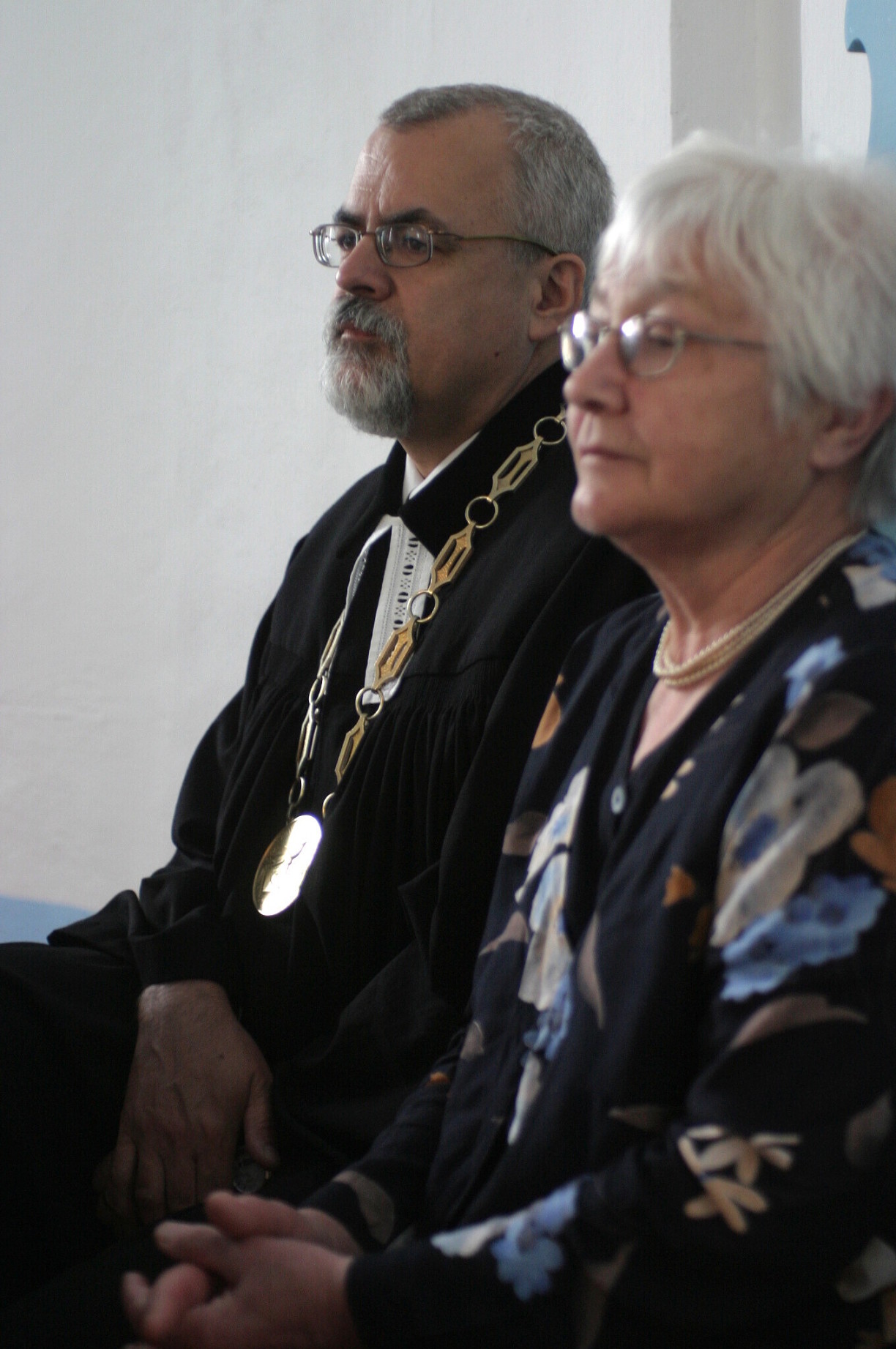
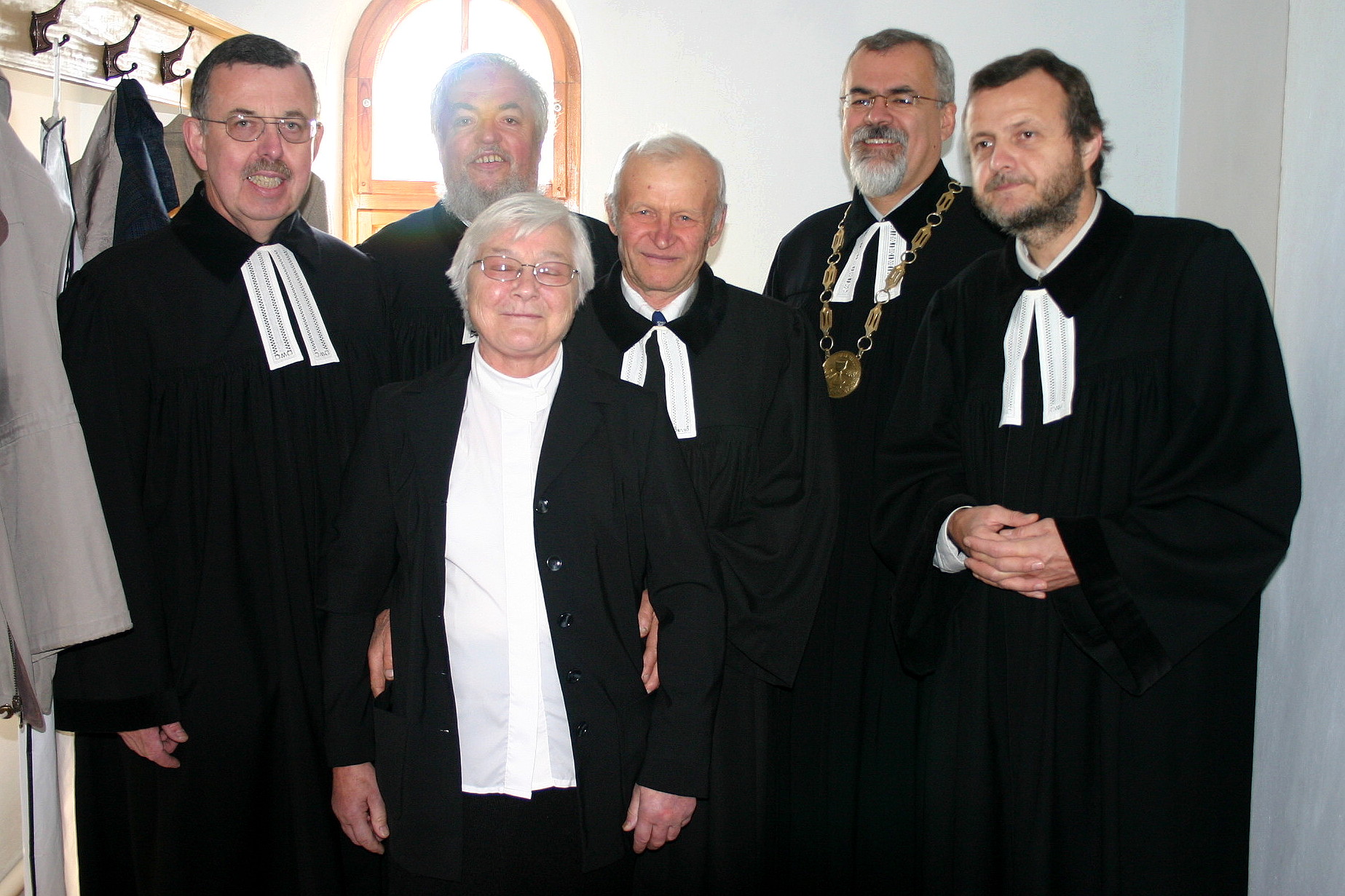
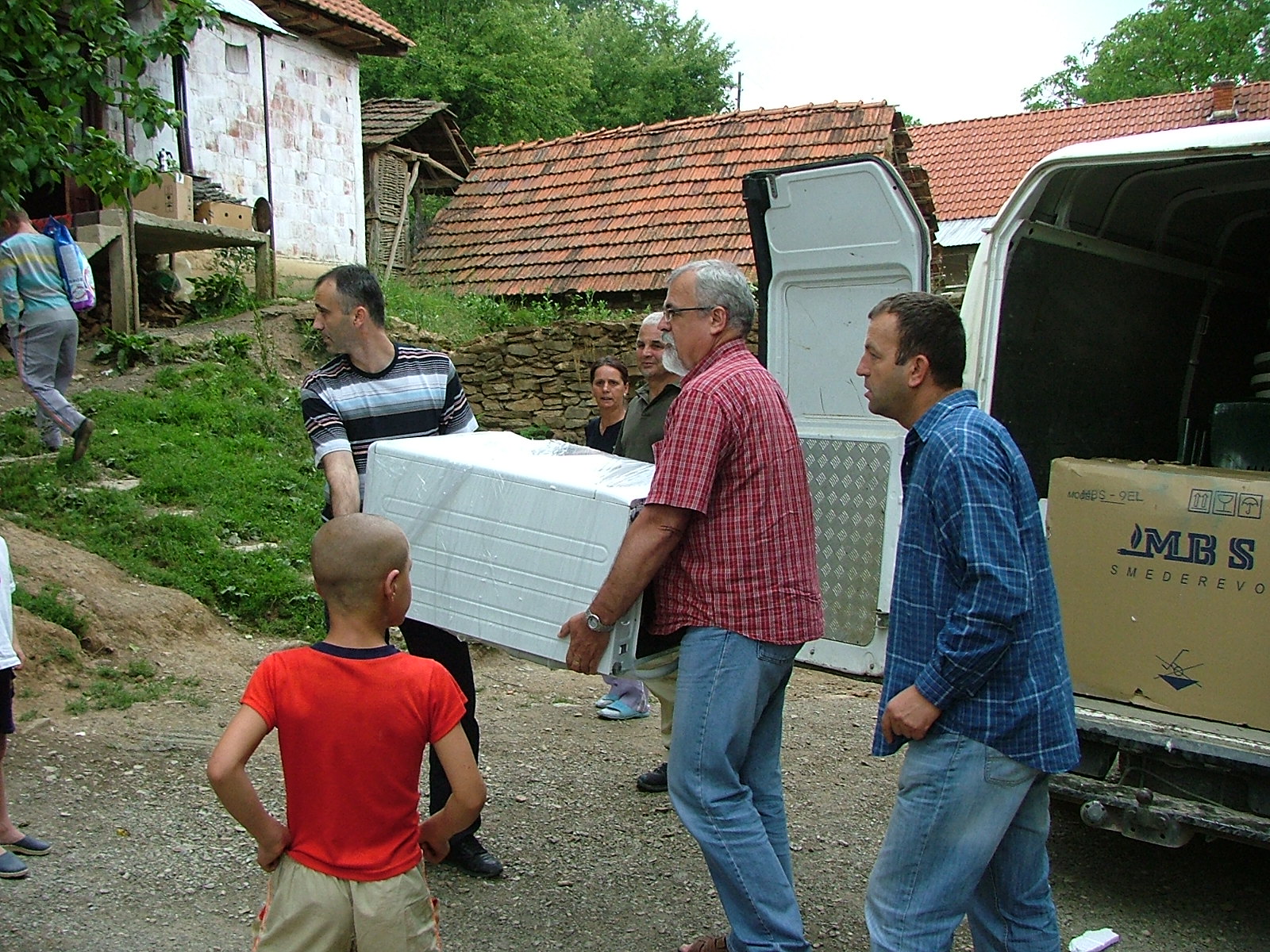
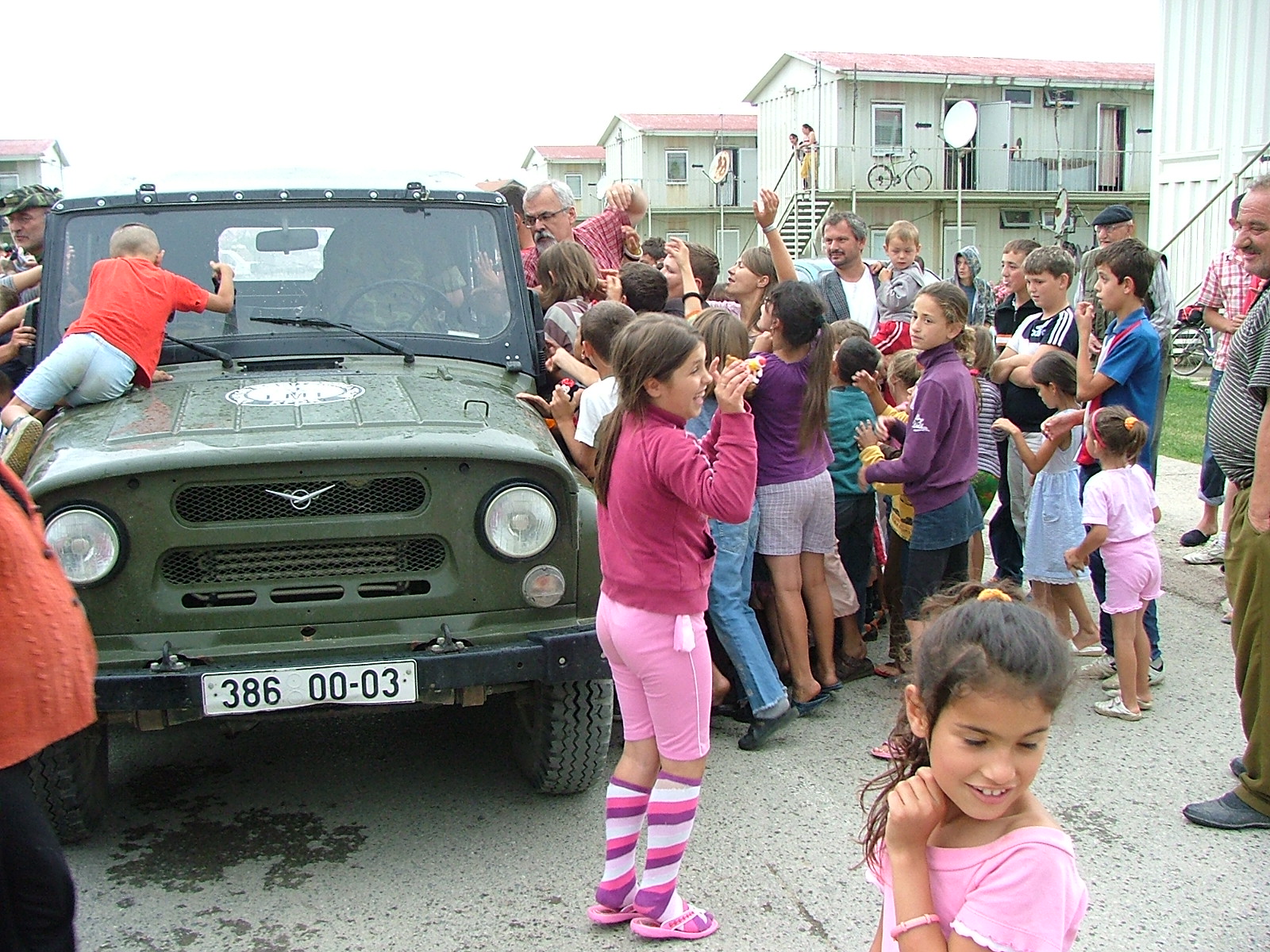
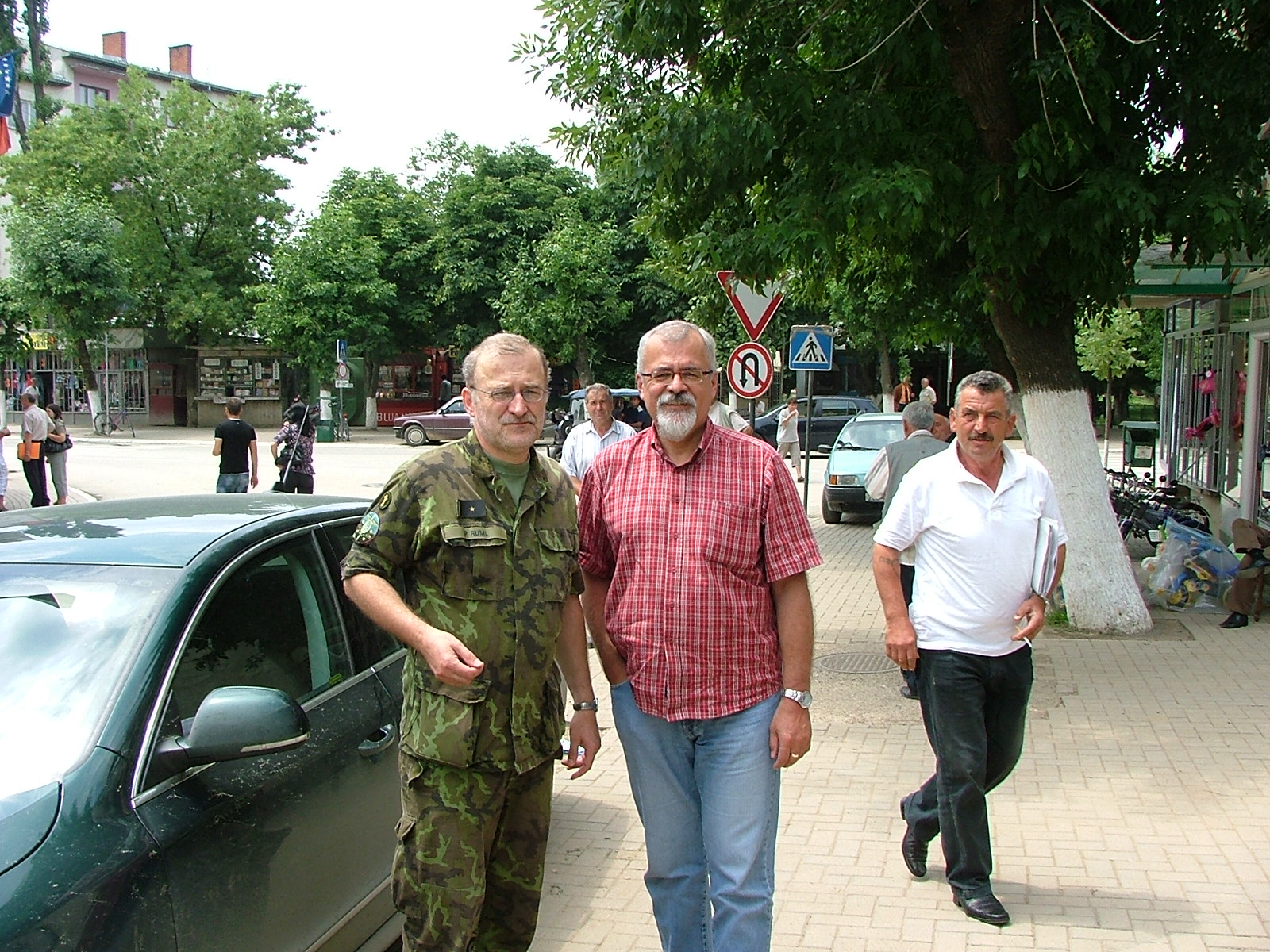
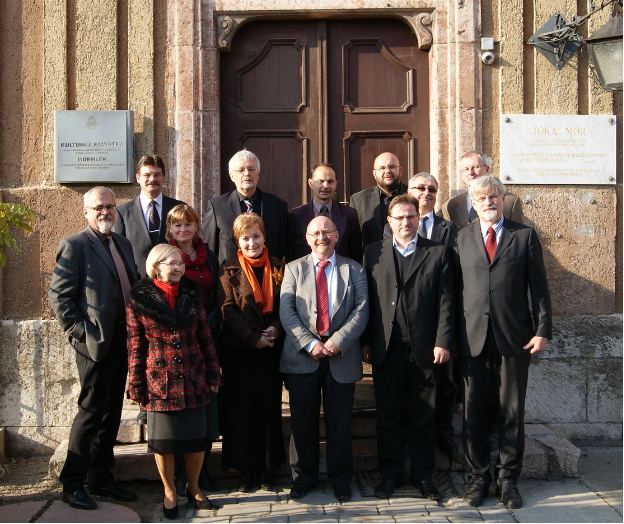
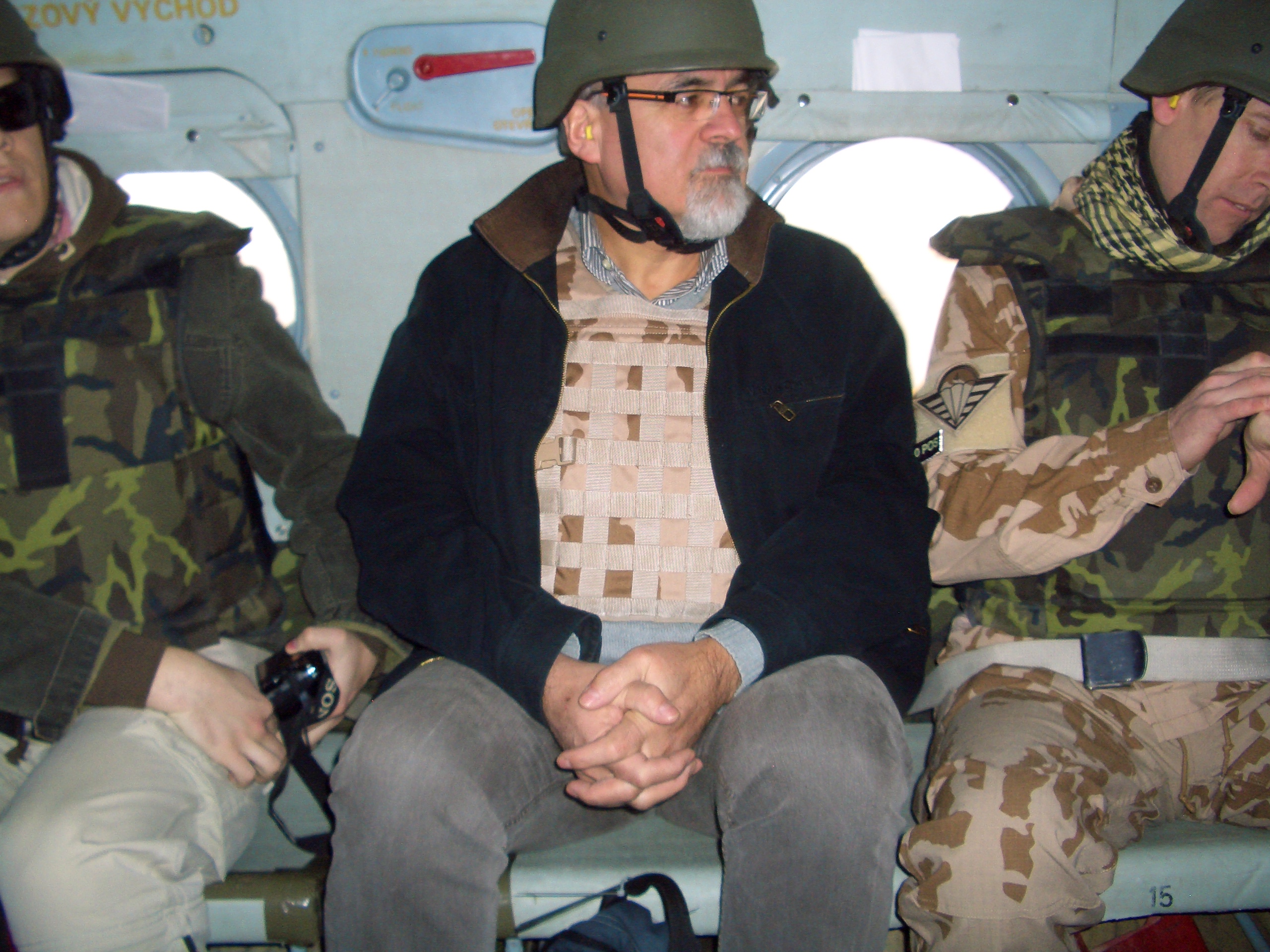
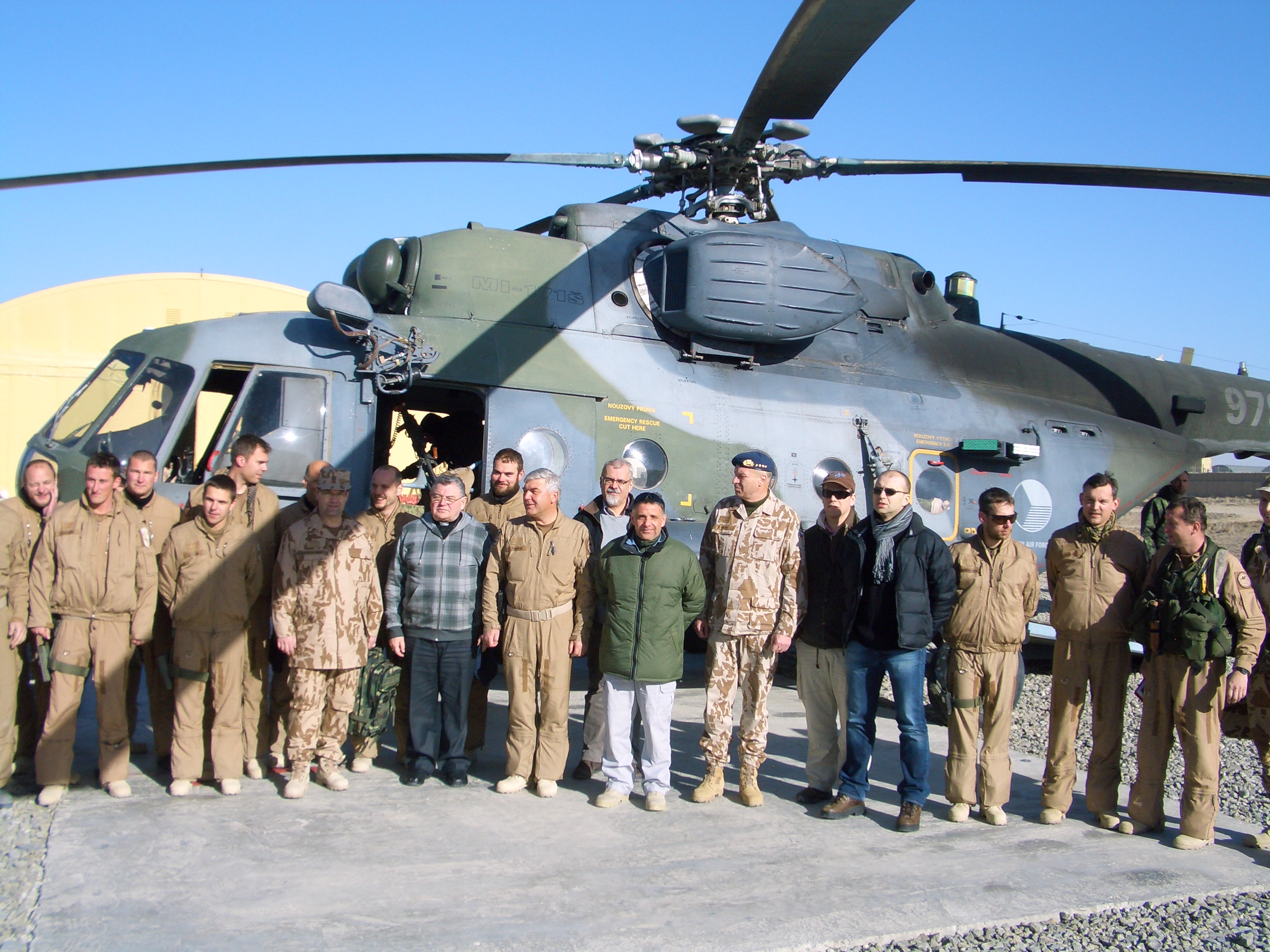
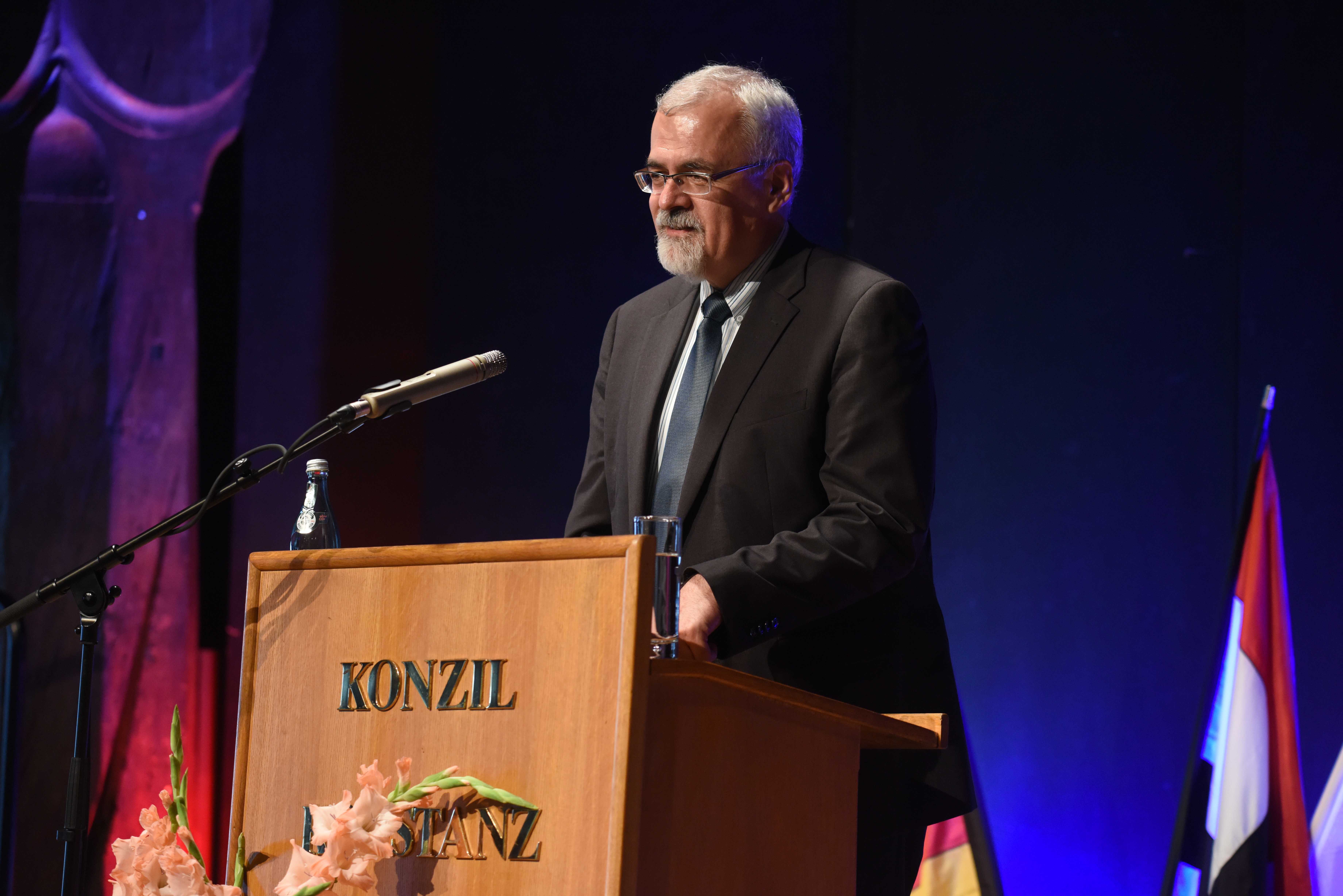
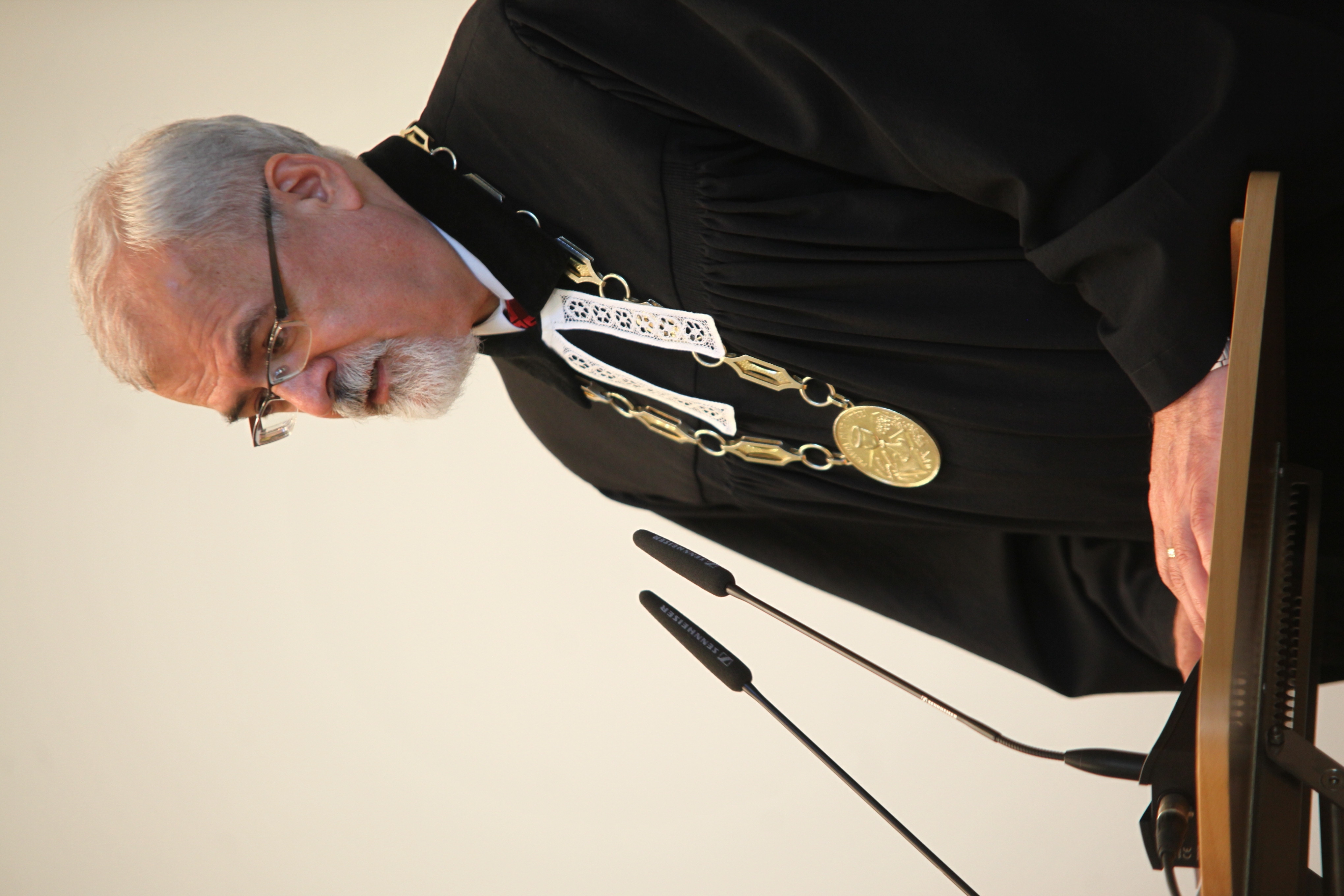
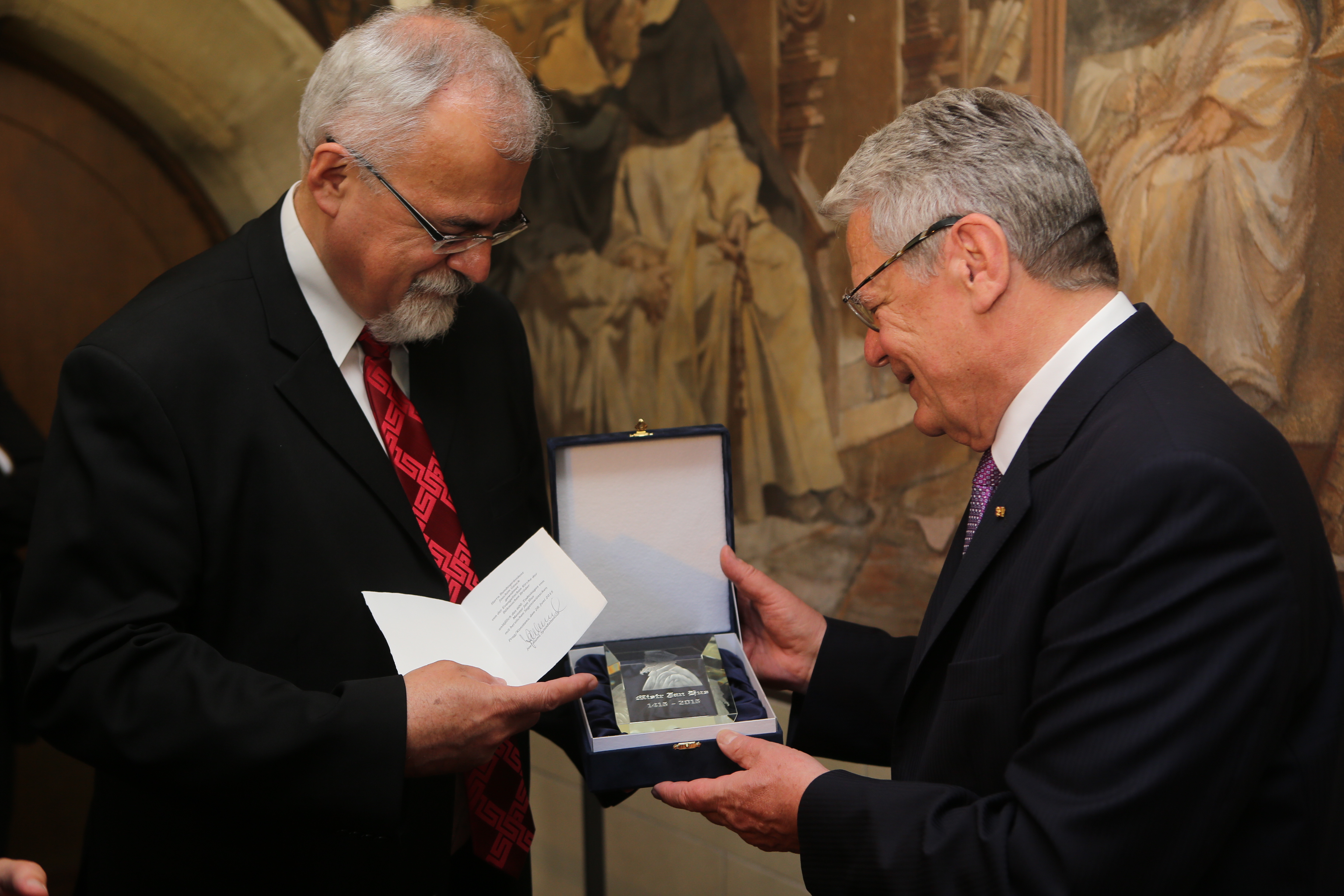
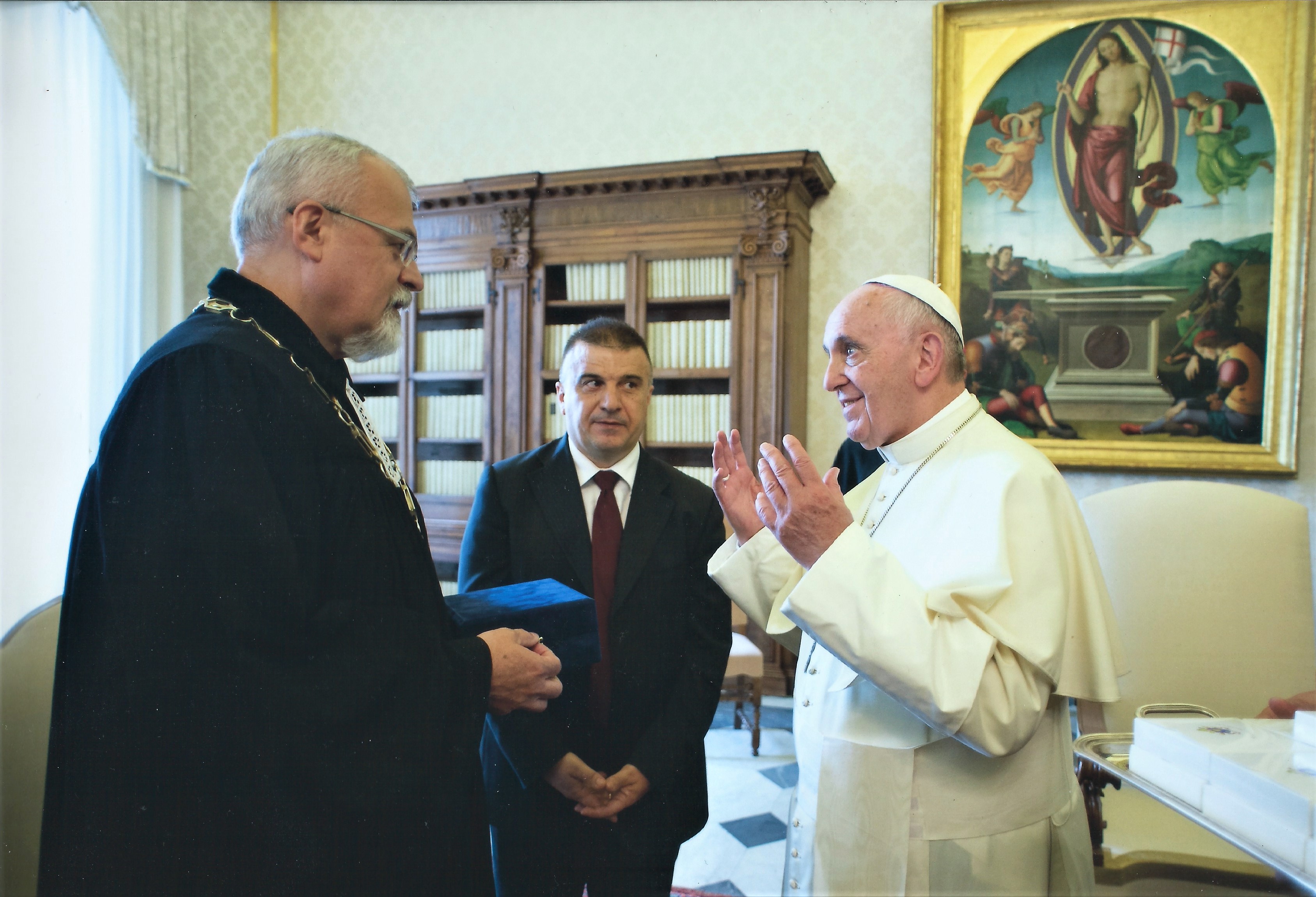
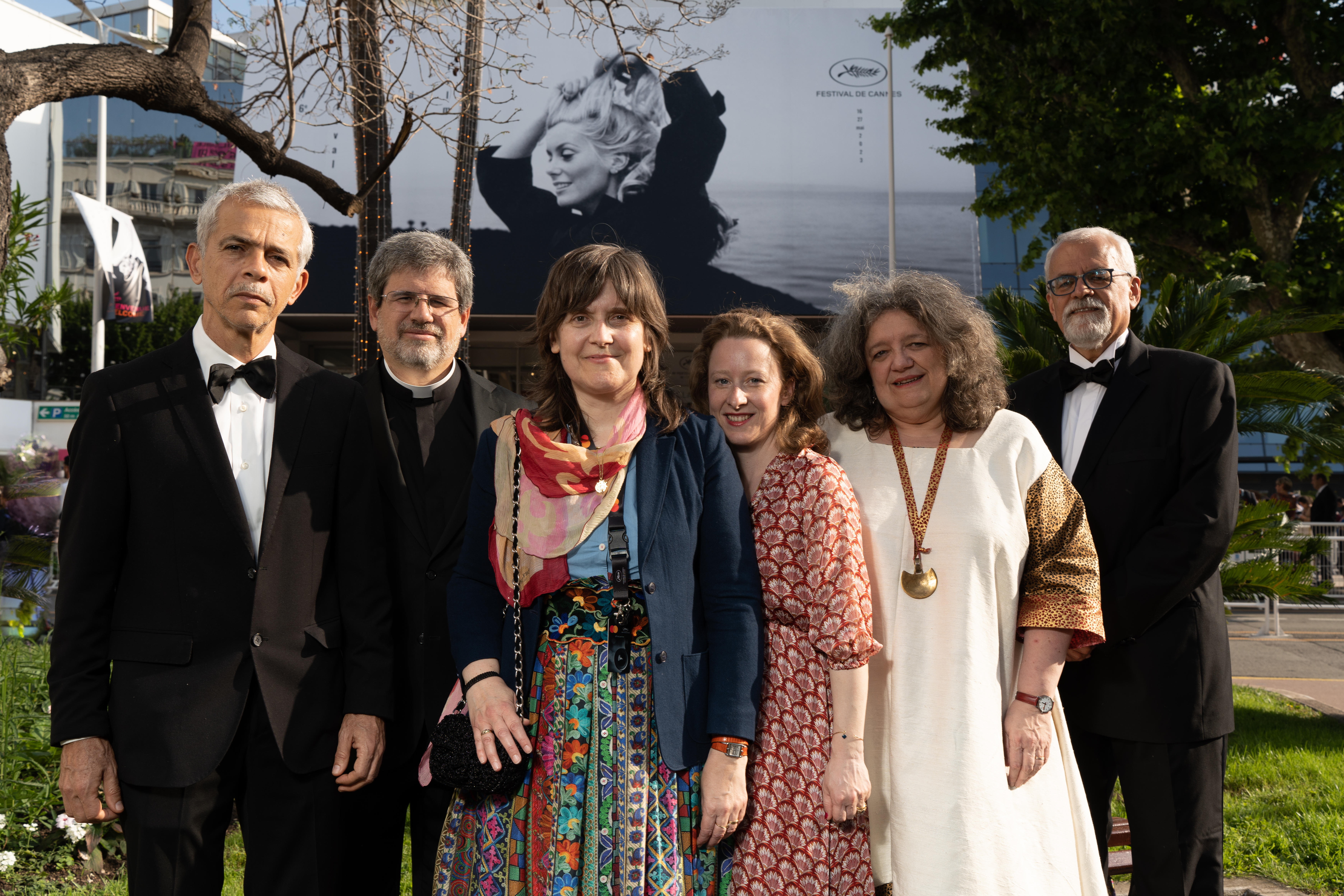
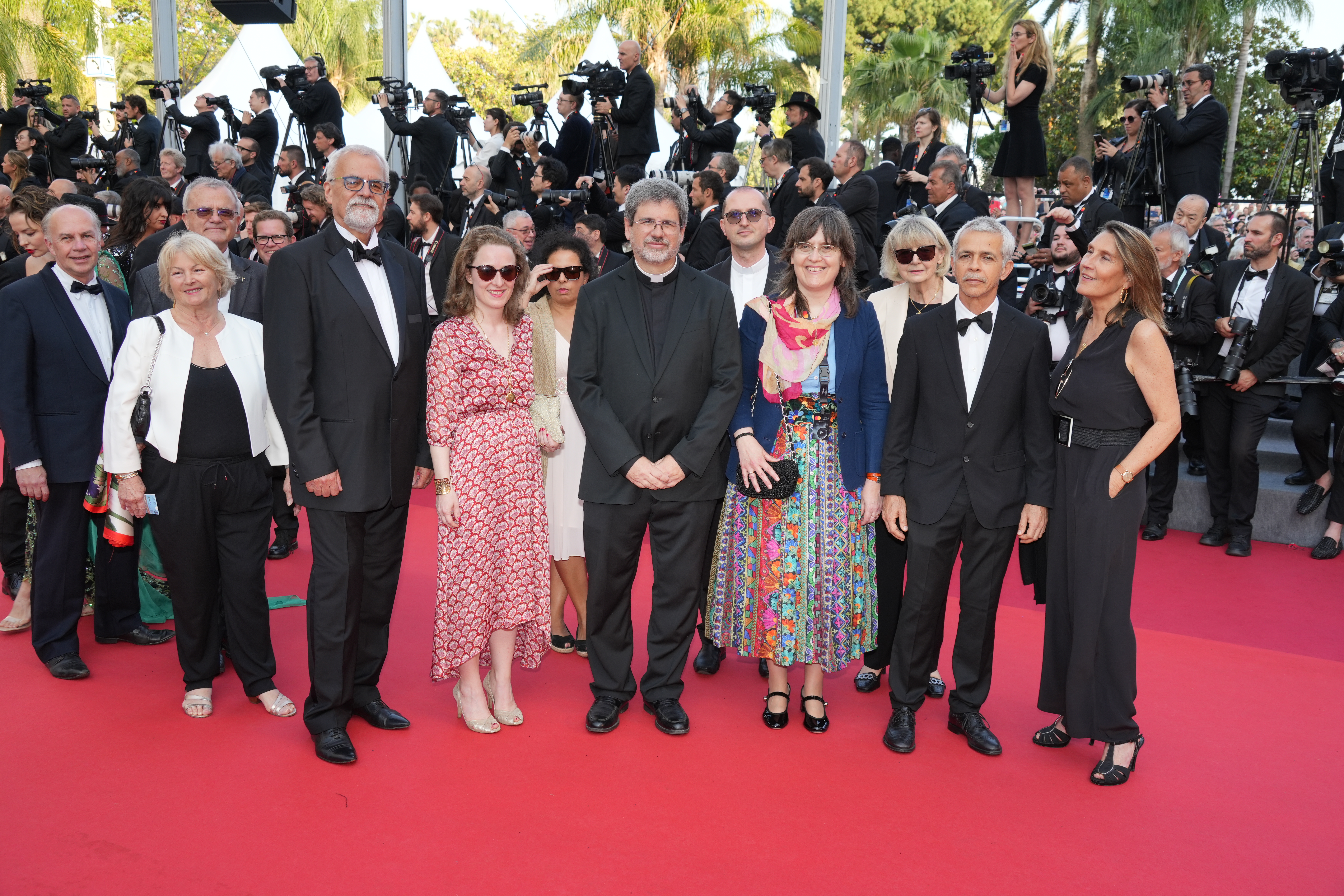
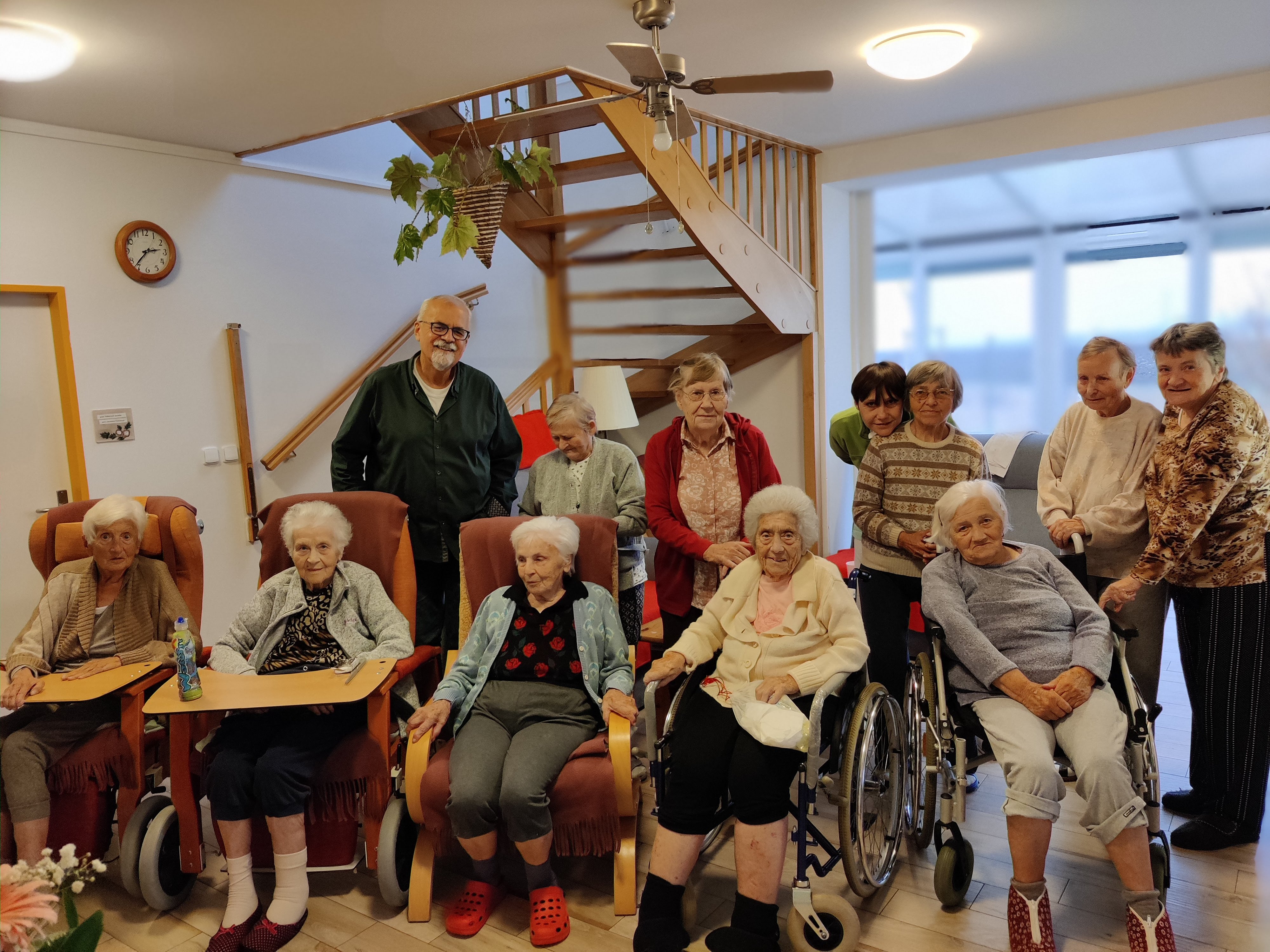
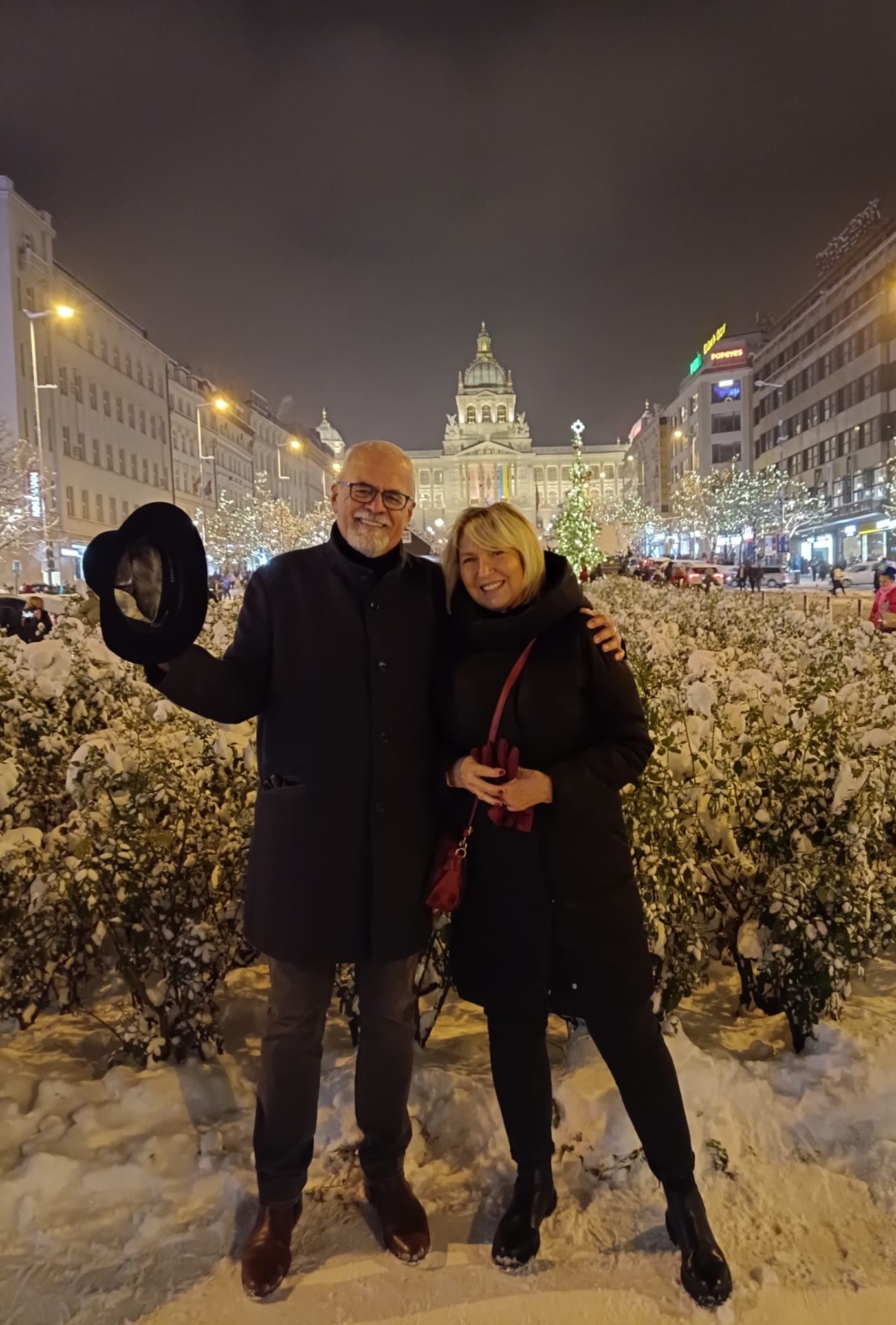
Joel Ruml was born in Jihlava on 27 April 1953. He grew up in an evangelical parish in nearby Opatov in a pastor‘s family. Having graduated from the Jihlava grammar school, he went to Prague to study at the Comenius Evangelical Divinity Faculty. He studied during the period of normalisation when churches were under strict state supervision. After graduating and completing his military service, he entered the pastoral ministry. First he worked in Lozice, later in Velké Meziříčí. During the Velvet Revolution, he became involved in public life as a spokesman for the local Civic Forum and later as a town councillor. In addition to his regular pastoral work, he has worked with people on the margins of society, including in prisons and social institutions. In 2003 he was elected a synod elder of the Evangelical Church of Czech Brethren. He was the head of the church for twelve years and his tenure coincided with a period when the church was coping with the new societal situation after 1989 and the changing role of faith in the public realm. At the end of his tenure, he returned to his regular pastoral ministry. In 2025 he served as the minister of the congregation in Krabčice.