Vladimír Pospíšil

* 1957

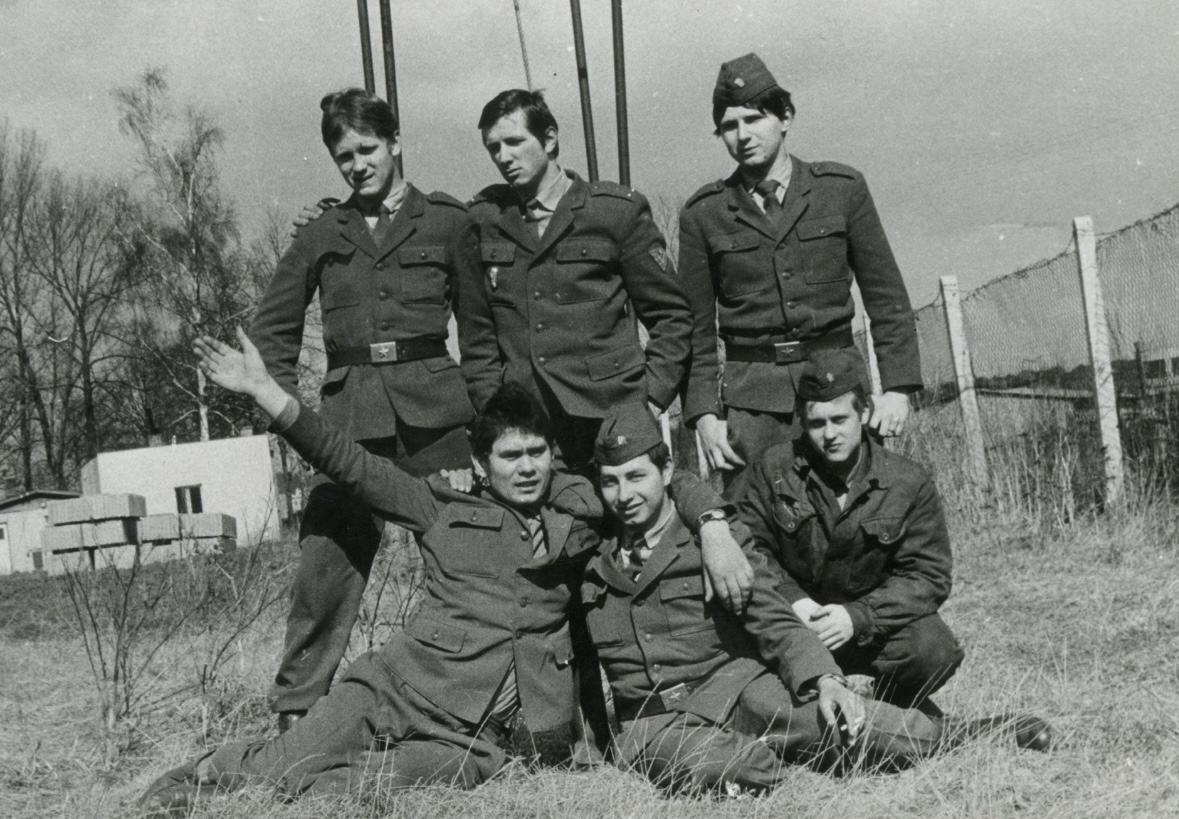
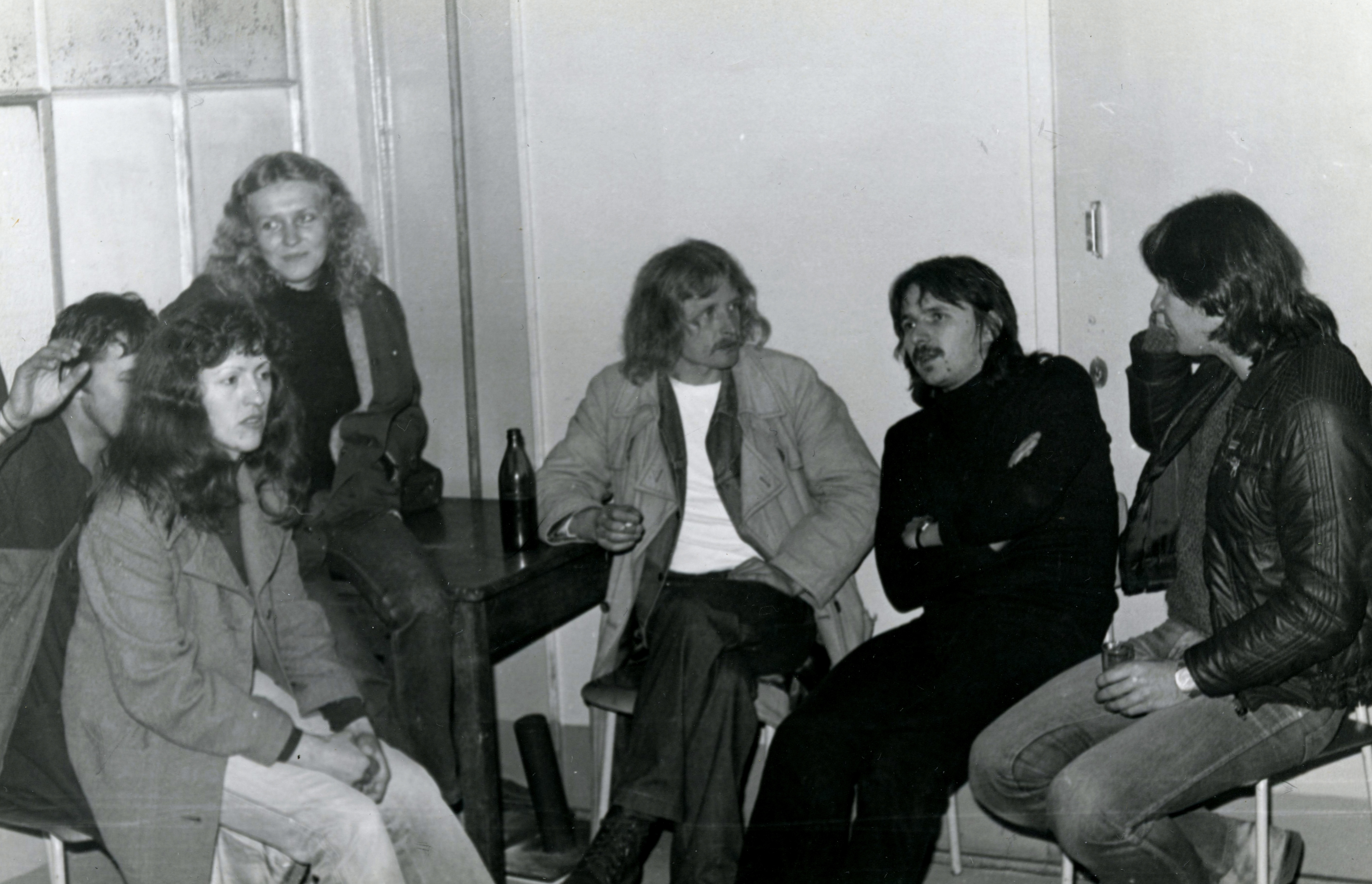
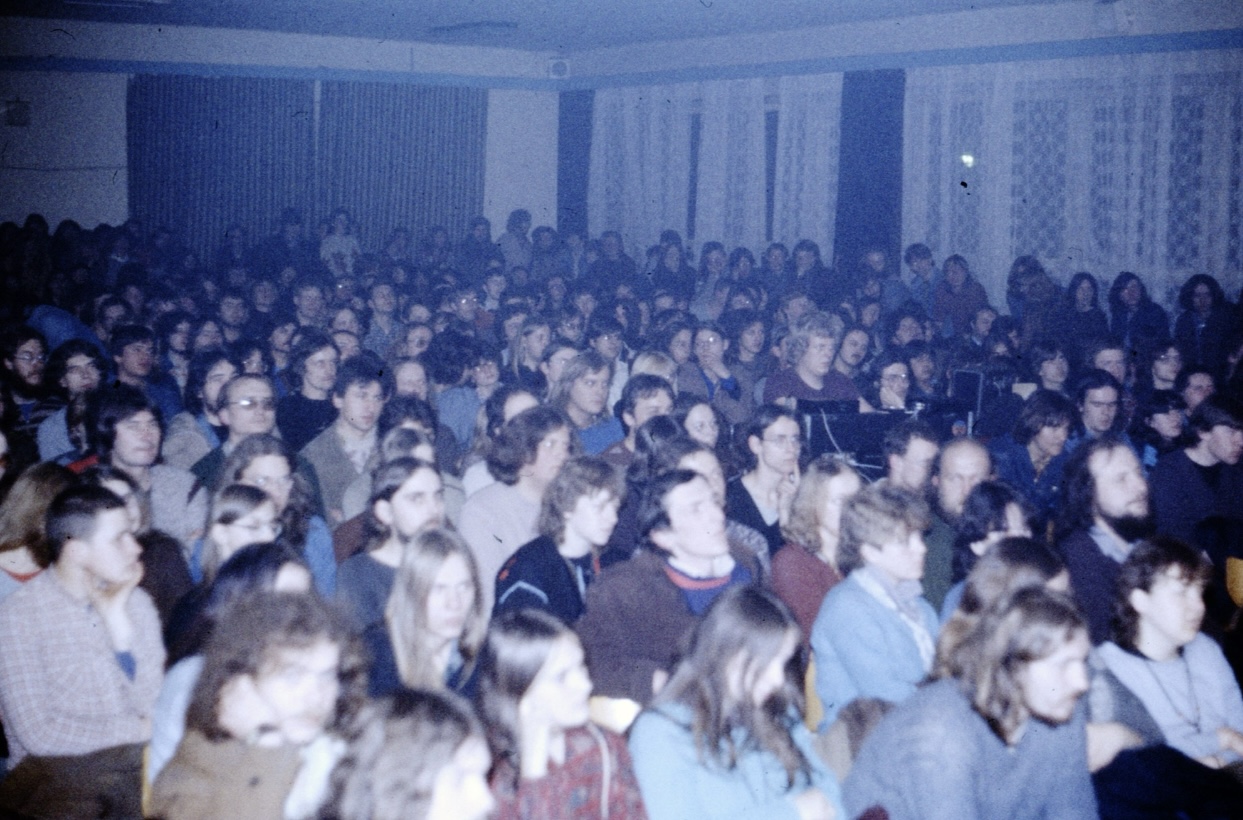
  • "When I came back from my military service in 1979, I didn't go into any development, but into the normal part of the new production, where the aircraft engines were made. We were working on standards, it was kind of a serial job. We met people there who were interested in alternative music. And one day my friend Vít'a Novák and I read in the statutes of the trade unions that they were obliged to support the cultural activities of the workers' youth. So we decided to take advantage of that. We went to the Trade Unions Company Club. We already knew that we had to direct it towards the name Jazz Club. We had been taught from the Jazz Section: the music of the jazz circuit, you can hide behind that and alternative music, rock music, etc. So we informed the gentlemen that we would like to organize a group of people there engaged in this activity. We had ticket purchases there, that we were going to do some kind of listening disco, that we were going to invite different bands, maybe jazz bands. The gentlemen were a little uncomfortable about it. At that time there was Mr Suchánek, Václav Vybíral, who understood it, a great guy, he knew that such things could happen, that people were engaged in such culture. They decided that the Trade Unions Company Club would be the founder of the Jazz Club. At the beginning we were about eight people. The core was four people who started to come up with a program. There was some funding that they approved, for example, that we could create some kind of audio-visual programme. That means that we could buy some equipment, some apparatus, some sound carriers. That was the beginning. Of course, they didn't expect what direction it would take. Because as the Jazz Section was getting into difficulties, then they started offering us their printed material to distribute further. We didn't quite do that because it was risky, but there were some self-published books being made. The shows we were doing were a problem for them."

  • "So we went to Velká Bystřice to a Communist Party ball, and these almost young men took vials of petrol with them, and when they wouldn't let us in because we didn't have formal clothes, the boys threw it on the stove that was heating the place, and all hell broke loose. The organizers got in, the cops were right across the street, so we fled as fast as we could. So it was just a bit of fun. But the main mess that happened: we used to go to the neighborhood tea parties when there was a good band playing. And I went with a group of these friends from the Catholic circles, who were not acting like that at all, to go to Práslavice for a tea party, it was August 1975. When we were coming back, sometime around nine o'clock, we wanted to stop in Velká Bystřice for a beer, I was already eighteen, but the guys weren't. So I took it upon myself. There were some gentlemen sitting there, they were officials, they were arguing about their views on contemporary society, they were just commies, we could see that clearly. And they said that these long-haired guys had to get out, that they wouldn't serve us, that the pub keeper should throw us out. Which is what happened. We left, but we weren't going to accept it. Since it was, I think, on the eve or two days before the 21st of August, we could think of nothing better to do than to go to the Soviet Army Memorial, which stands in the centre of Bystřice. So we thought it was the Soviet Army Memorial. It's actually a memorial to the burnt partisans, but we didn't think about it that at the time. It just happened that we attacked the monument with paving stones and damaged it significantly."

  • "The year 1968 was especially sensitive because that was the year I was changing schools. When I was actually still in Bystrovany, they started to instill in us that teachers should be called 'Mr. Teacher' and not 'Comrade Teacher', basically the Prague Spring was beginning, a Lime Tree of Freedom was being planted, it still stands there in Bystrovany. It was all so positive. It was the holidays, we went to Vranov nad Dyjí for a company holiday, we were there for three or four days. In the morning we heard that the Warsaw Pact armies had arrived. We had to leave immediately. They sent a bus for us and we went back, because nobody knew what was going to happen. We arrived in Pohořelice and there we came across columns of tanks, so we got off, we had to stop the bus. My father was standing on the side of the road and threatened them with his fist. My mother was pulling him back. She said, 'They'll shoot you and I'll be alone.' It was emotional. Everybody was crying. We came back and I was starting a new school, a nine-year school, the primary school in Nova Bystrica, sixth grade. I arrived there and there were completely different conditions. The vice-headmaster came and told us that Mr. was buried in the cemetery and that we would call them 'Comrade' again, and this was during the autumn, it wasn't right away in September. It started to change after about two months. There was a terrible defiance in us kids. Especially the boys, we were angry. There was still the belief that it was an occupation. Or you could say it publicly. Until 1969. So the boys and I made up all sorts of things."

  • Celé nahrávky
  • 1

    Olomouc, 04.12.2025

    (audio)
    délka: 01:47:32
    nahrávka pořízena v rámci projektu Stories of the region - Central Moravia
Celé nahrávky jsou k dispozici pouze pro přihlášené uživatele.

We wanted to do these things so that they would still be allowed
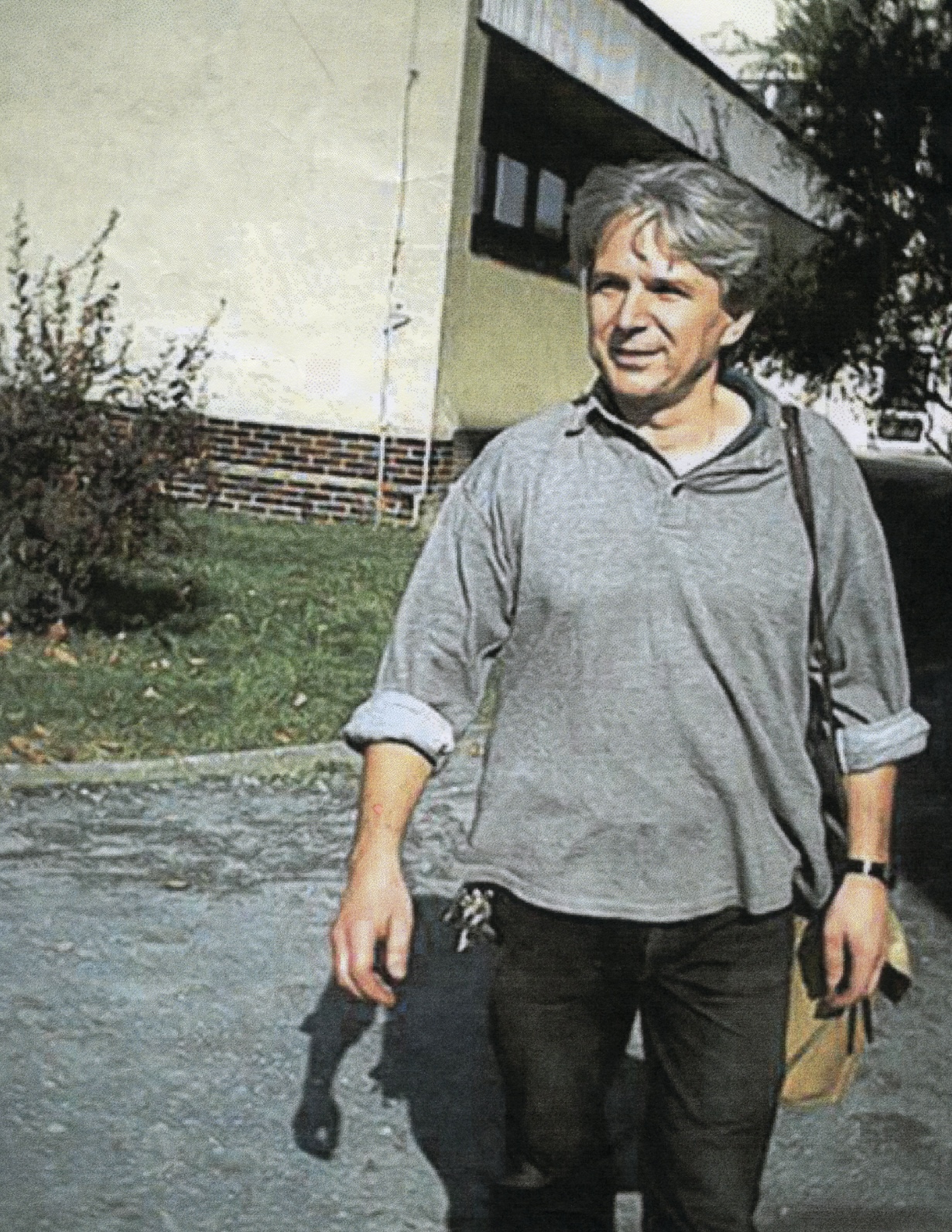
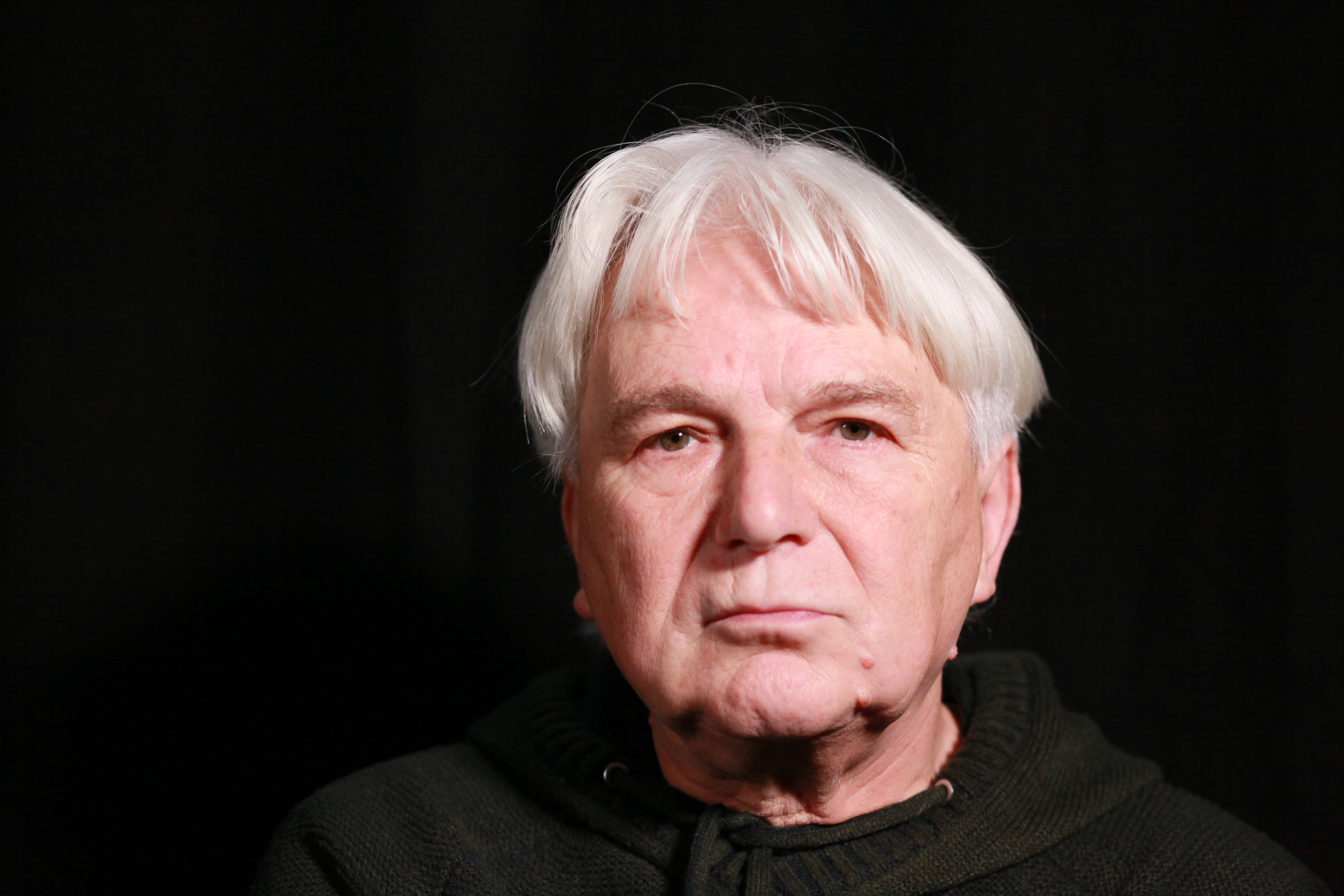
Vladimír Pospíšil, primary school caretaker, 1998
zdroj: witness´s archive

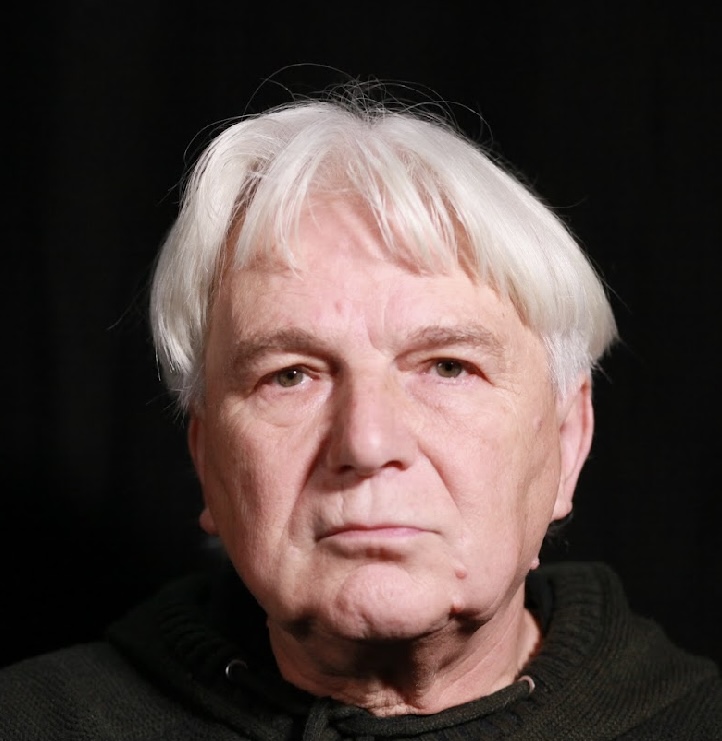
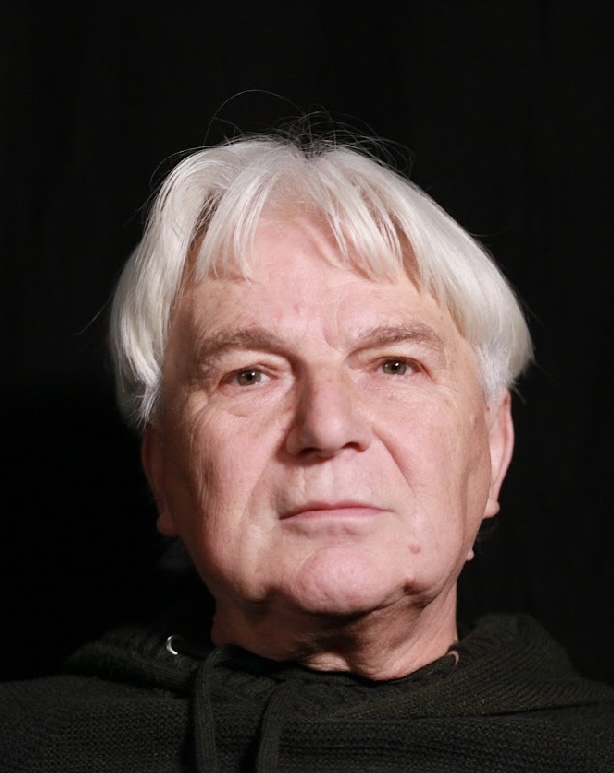
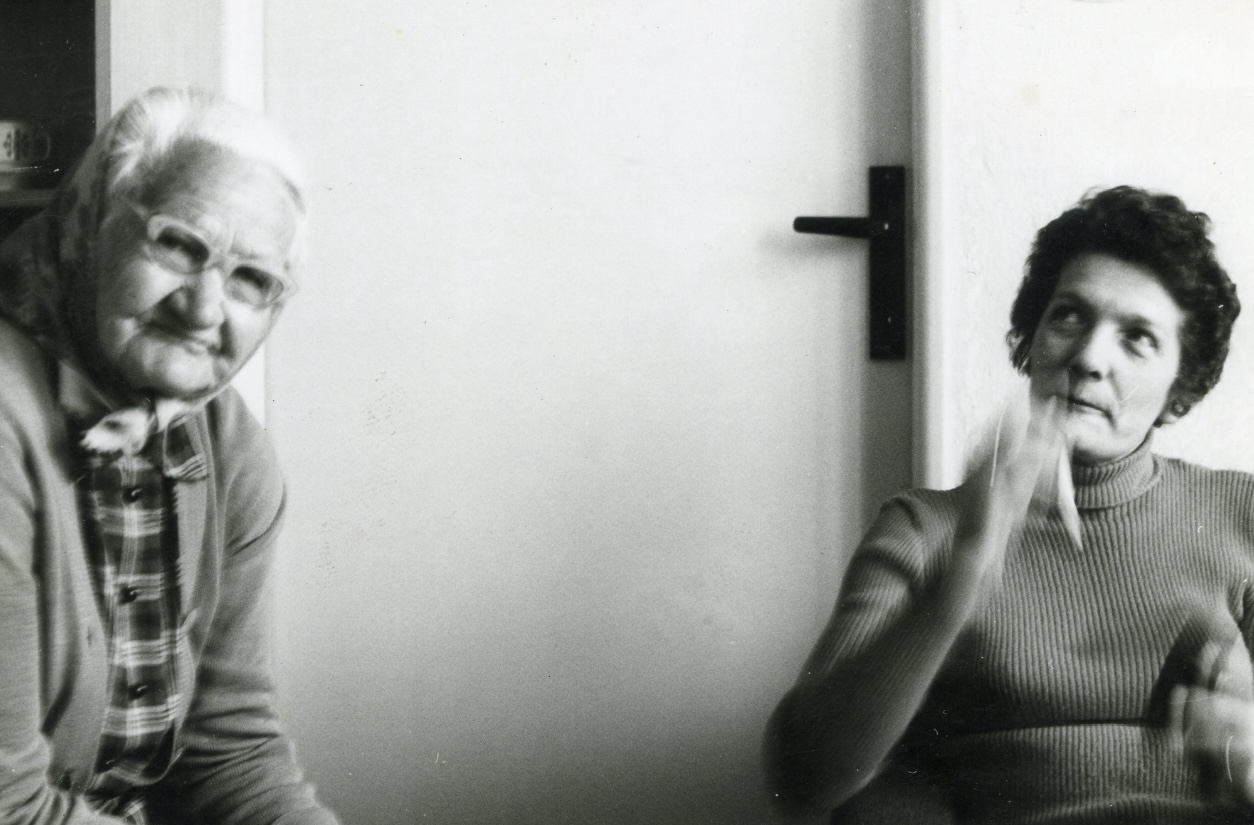
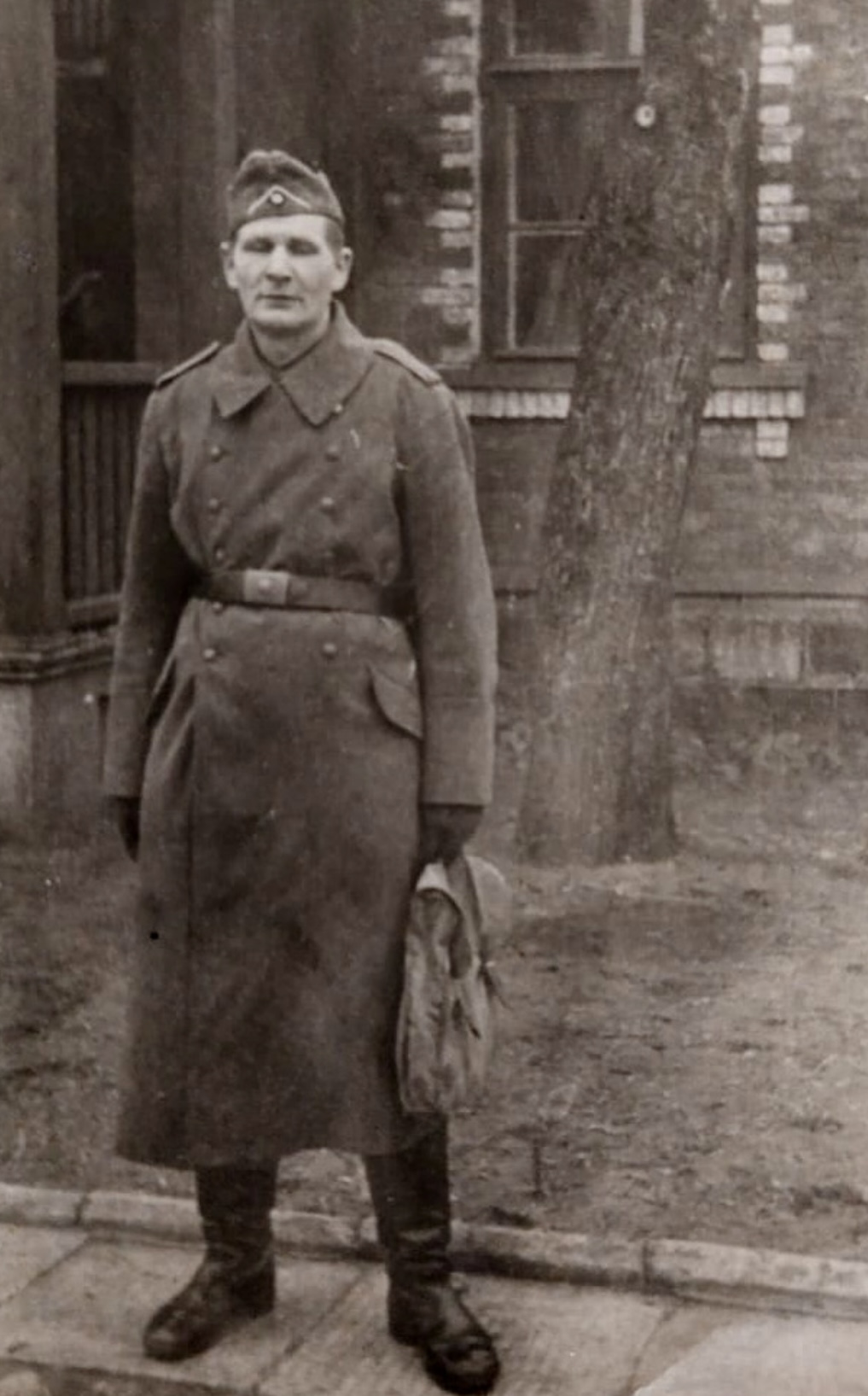
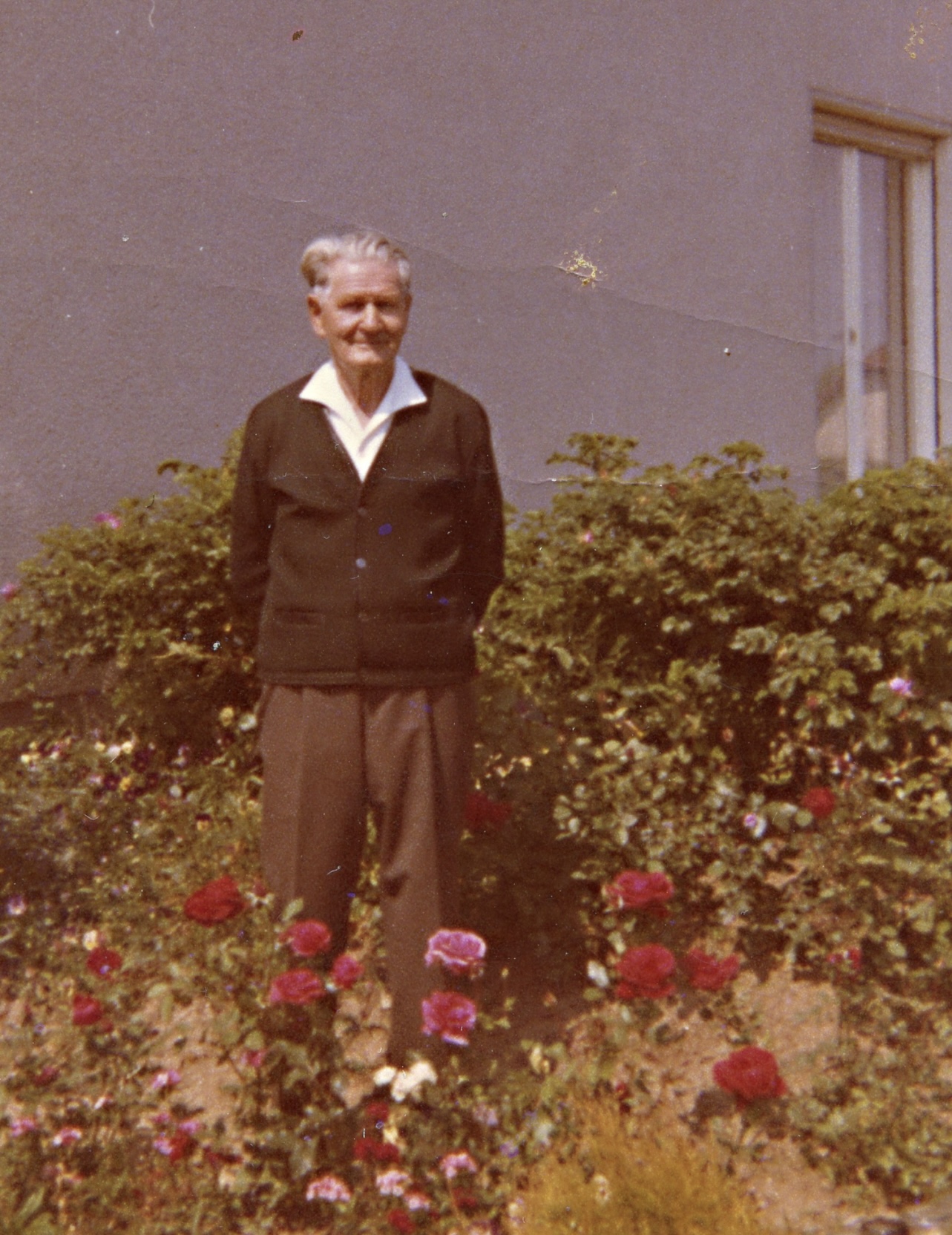
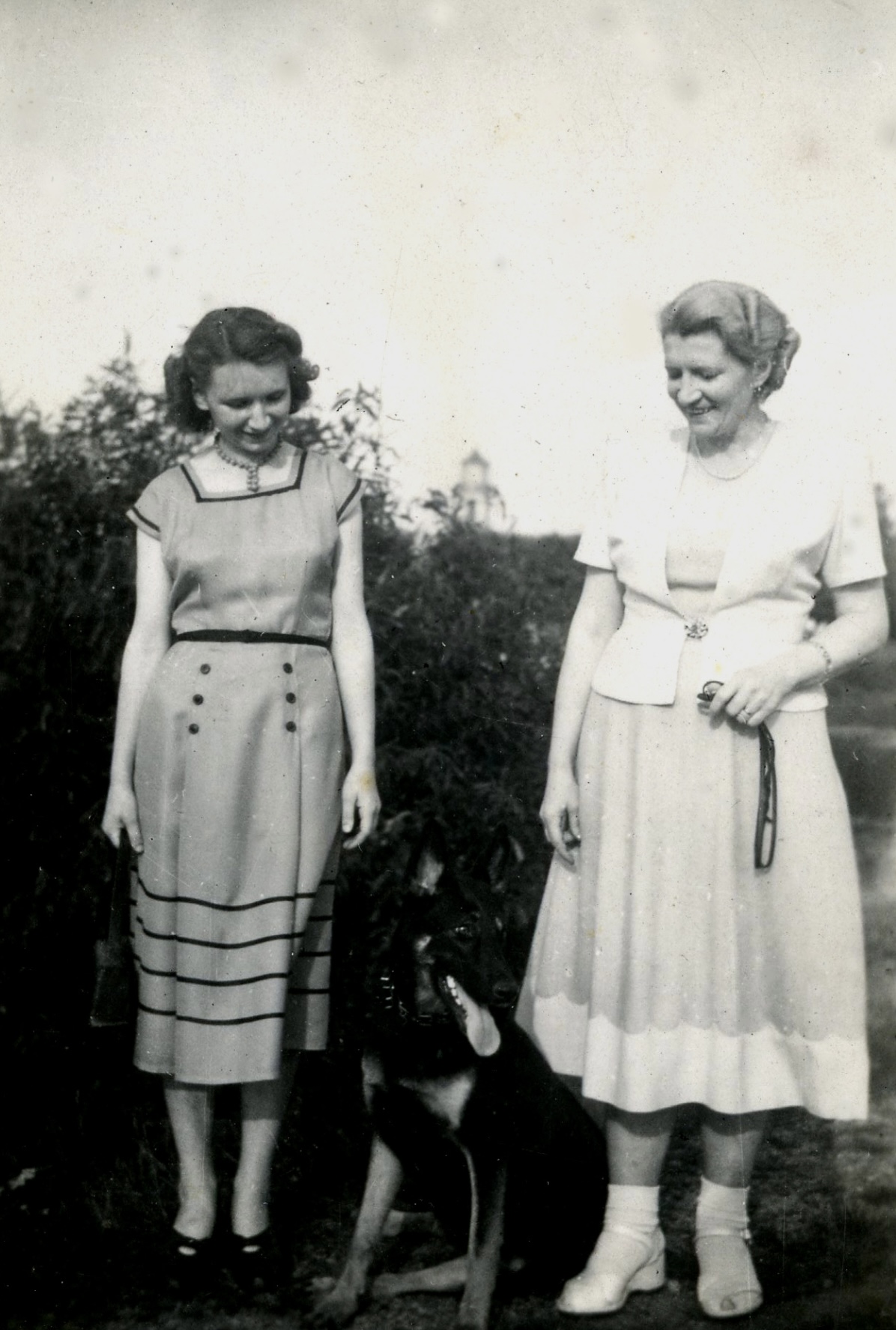
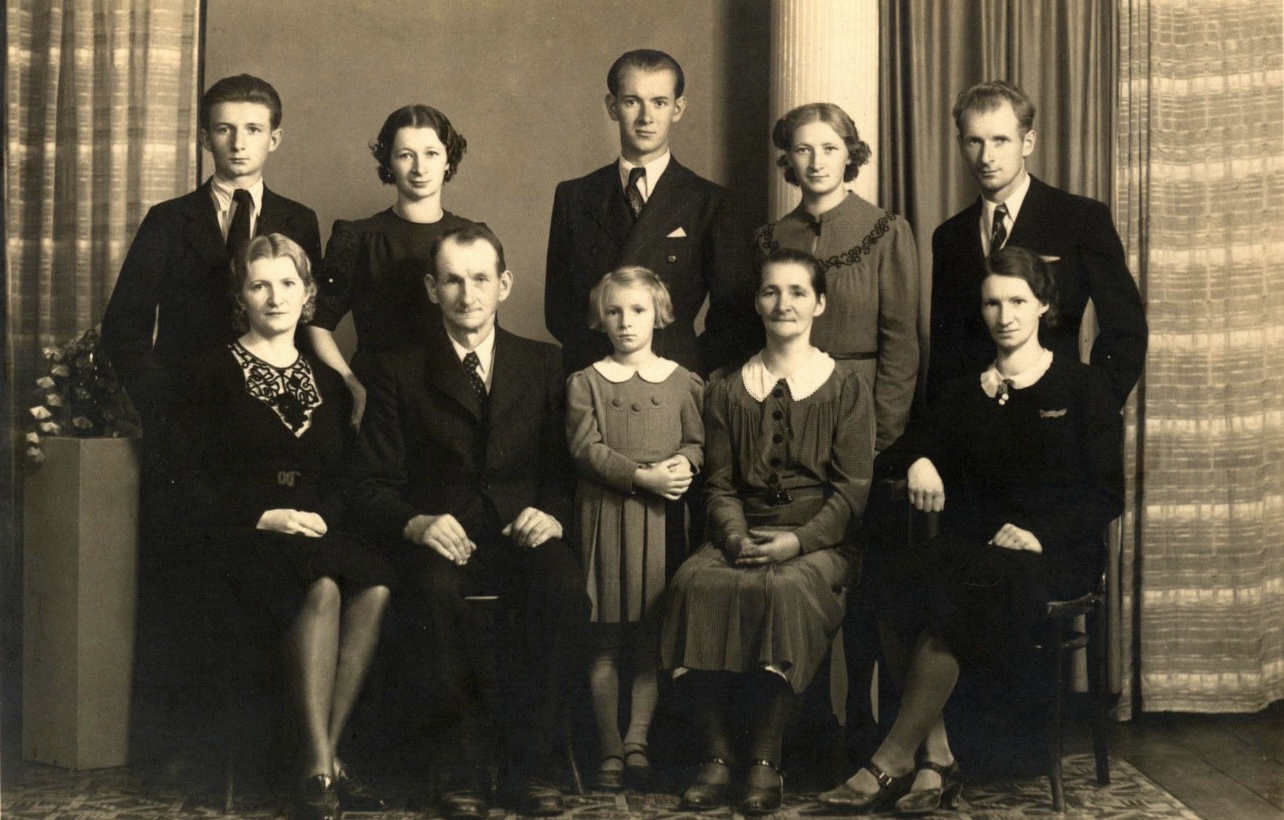
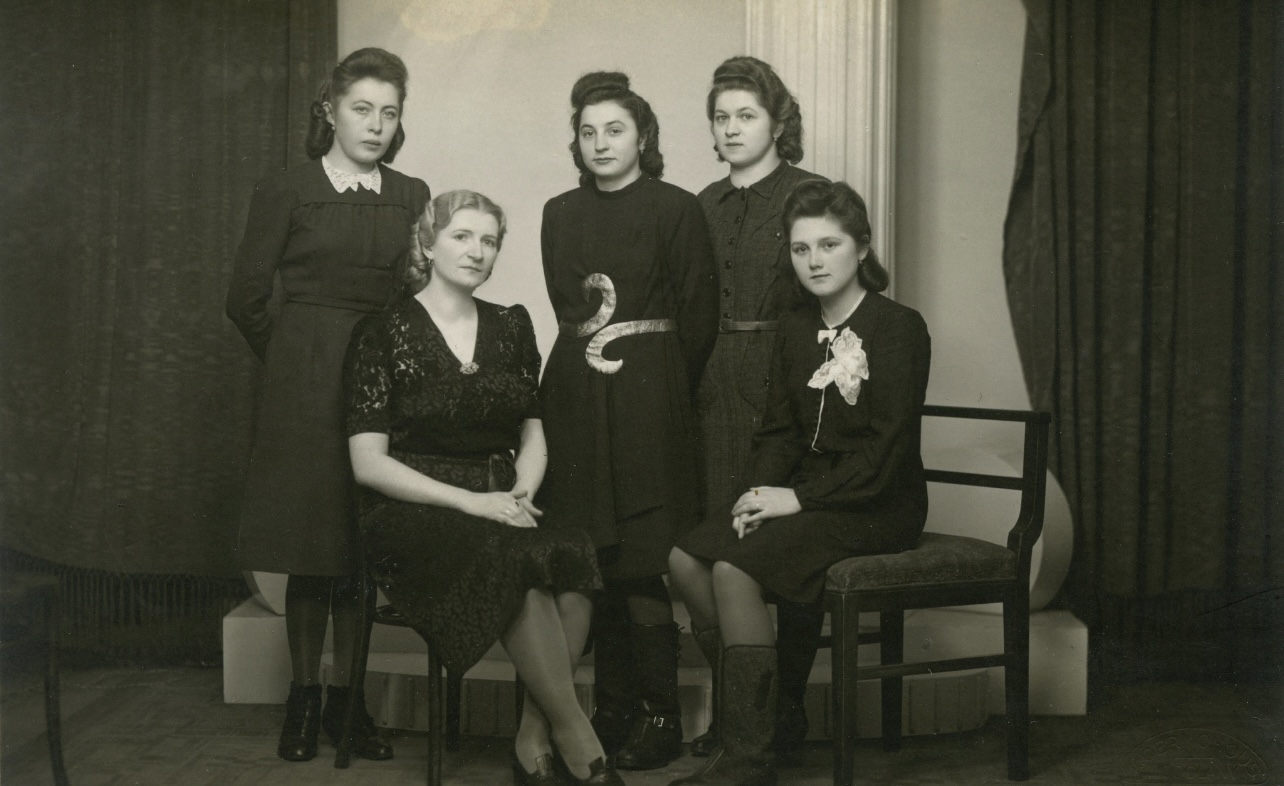
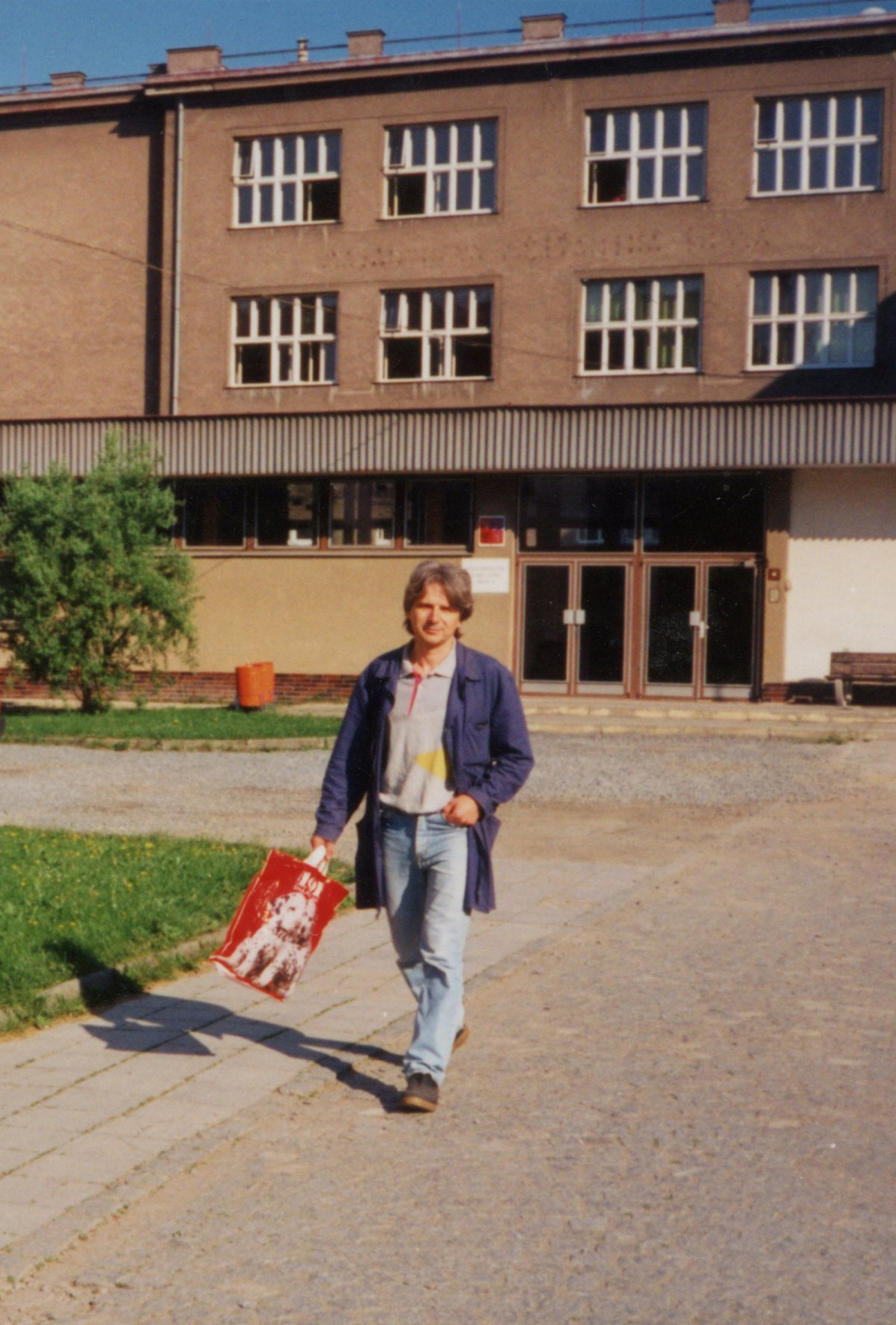
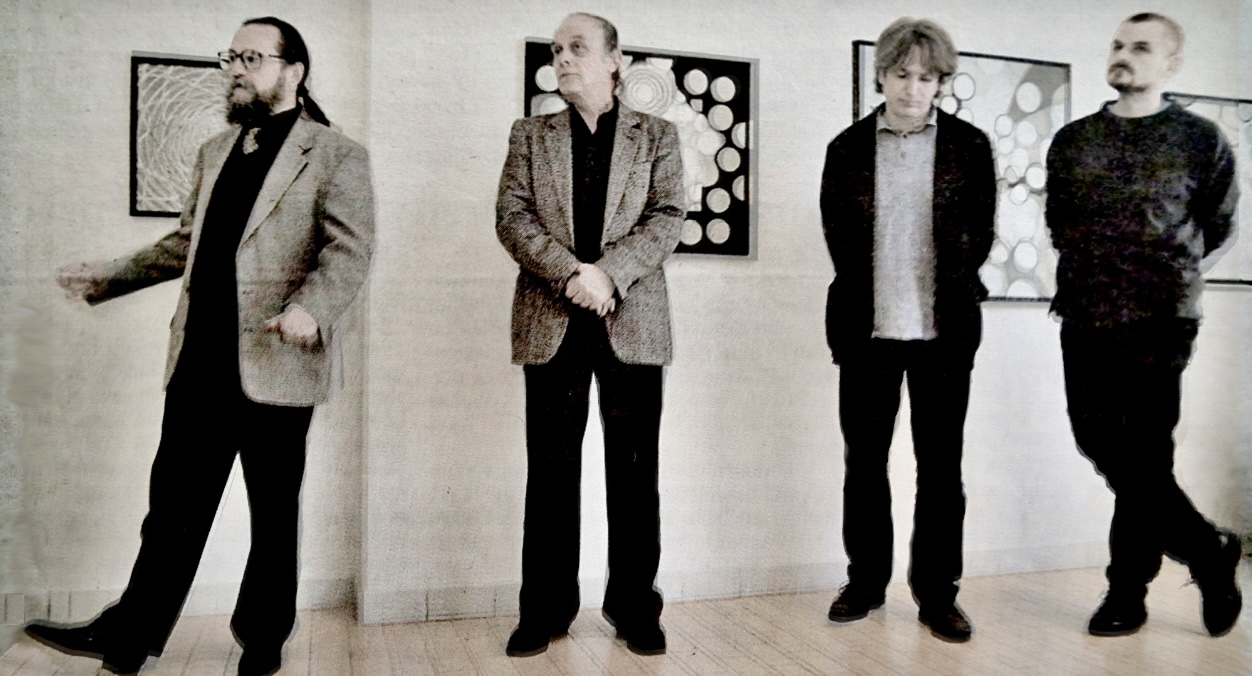
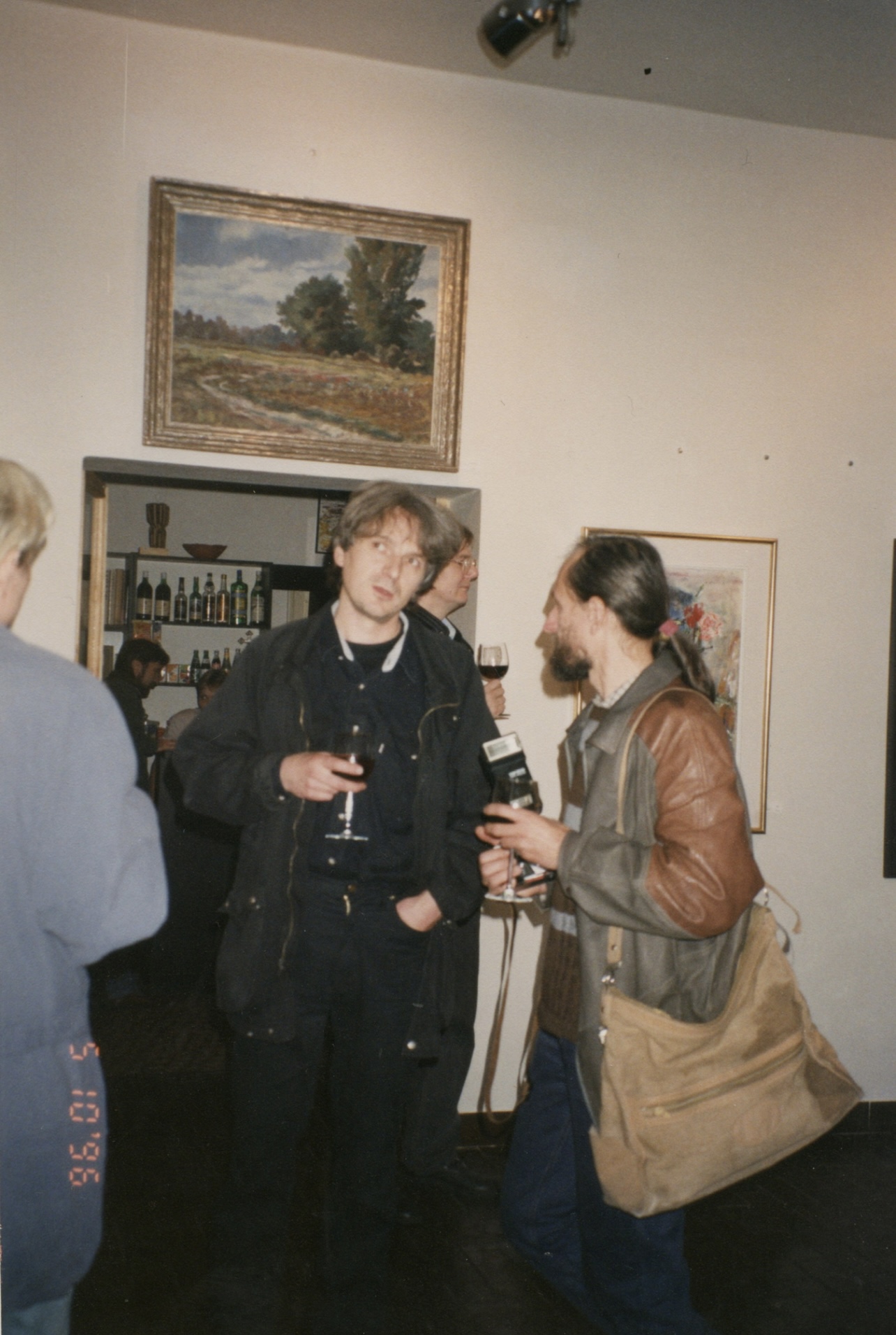
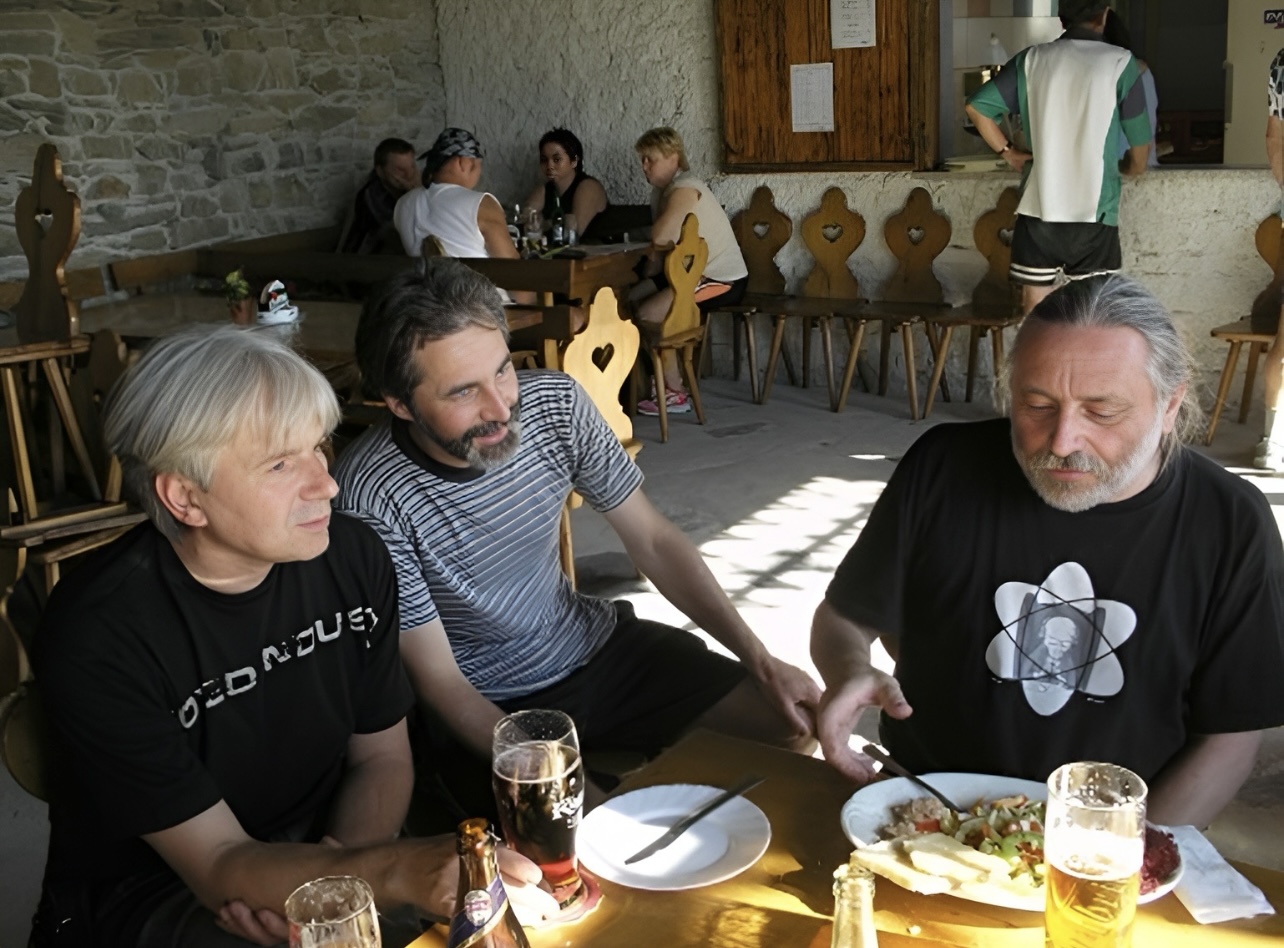
Vladimír Pospíšil was born on 10 June 1950 in Olomouc. He grew up in Bystrovany near Olomouc in a family strongly marked by the political upheavals of the 20th century. His family background - on the one hand stigmatized after World War II and 1948, on the other culturally and Catholic oriented - fundamentally influenced his values, his relationship to authority and his sensitivity to art. He grew up in an environment critical of the communist regime, and was strongly affected by the events of 1968 and the subsequent normalisation. Due to his family‘s cadre profile, he was not allowed to continue his studies and trained as a machine fitter and worked in the Moravia national enterprise, later on the development of aircraft engines. In the 1970s he became involved in the alternative music and cultural scene, which brought him repeated clashes with the regime and the interest of the security forces. At the turn of the 1970s and 1980s he was one of the initiators of the jazz club in the Mariánské Valley, which became an important regional centre of unofficial culture. The club was monitored by the state authorities for a long time and in 1987 its activities were closed down. From the mid-1980s onwards, the witness systematically devoted himself to artistic creation. In November 1989, he actively participated in the demonstrations in Olomouc, but perceived the political changes with reserve. After the decline in aircraft production at Moravia, he left the industry in the early 1990s and from 1994 worked as a school caretaker in Velká Bystřice, which allowed him to continue his artistic and cultural activities. Later he worked at the Museum of Art in Olomouc. His life story reflects the experience of a man moving on the borderline between official society and unofficial culture of the normalized Czechoslovakia. At the time of recording in December 2025, he lived and worked in Olomouc.