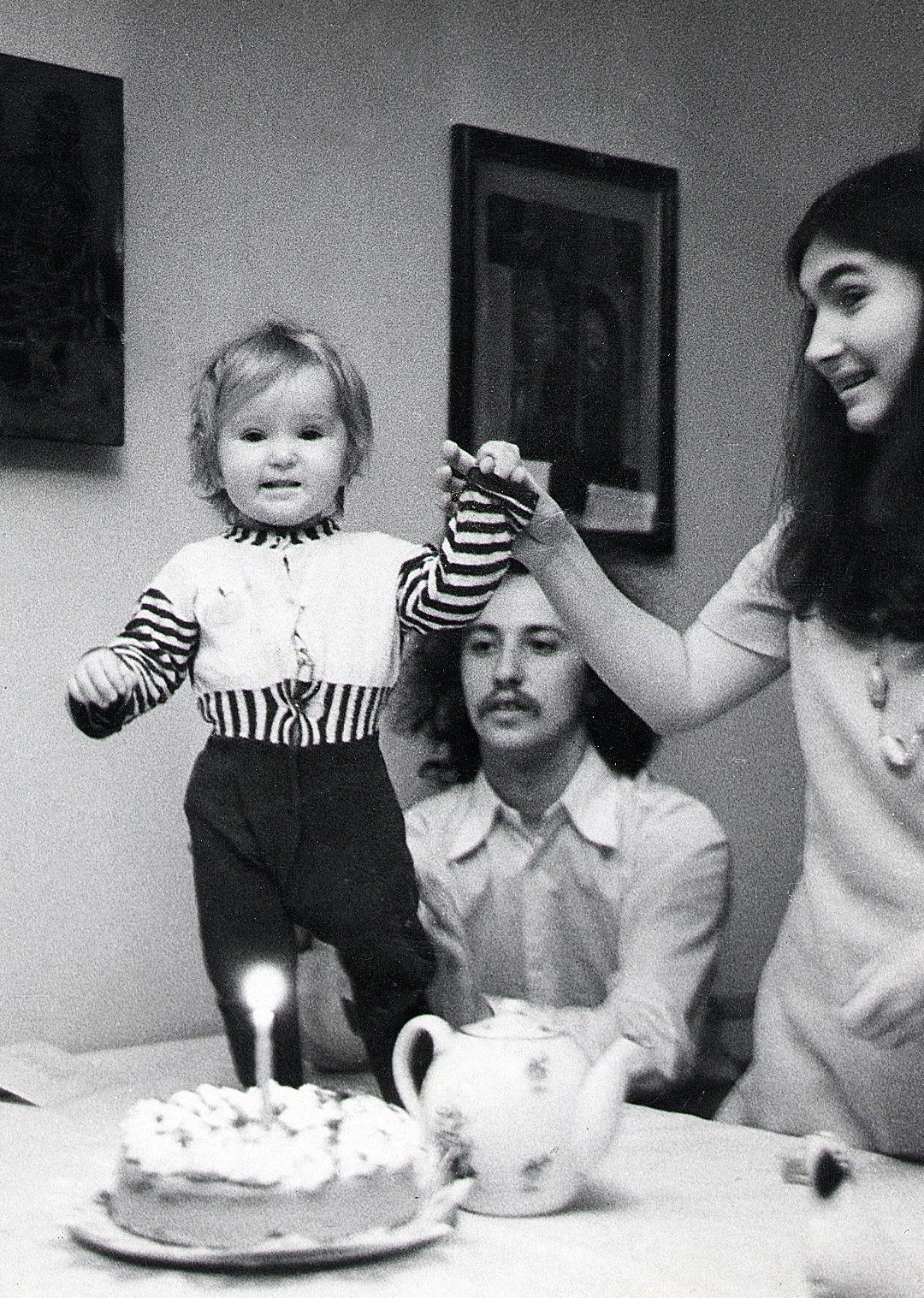
"That was a bit of a psychedelic childhood in sobriety. It was really outstanding. And Olga Havlová, for example. Olga Havlová for the children of dissidents... actually, Ivan Havel did that. It started with [organizing events] for the children of imprisoned dissidents, then for all the children of dissidents. He took us on Christmas Eve or Christmas Day... I guess it was Christmas Eve. We either bought the carp, let it go, or he paid for something, some food, or took us ice skating or to the pool. They had a lively cultural life and they were not intellectually fullfilled, so they did all sorts of other things, so for example, they would come to our house on Saturdays for a game of bridge. Olga [Havlová] was a keen card player. So were we. Our dad, both parents, are card [players]. They taught us from a very young age - marriage and everything. And the bridge, that was really fun, where you weren't allowed to talk. We used to argue a lot about who was going to play the fourth one as a kid. And Olga would always come, bring us some cake, talk to my mother for a while, and then we'd just play bridge for three hours. Or the Havels were a family where they had a video. That was completely unimaginable to us. When Václav [Havel] managed to get Star Wars, he invited the dissident kids. Olga gave us crackers and played it for us. I did not see Star Wars. I saw something even more intellectual there in [1988] - The Life of St. Francis of Assisi, it was a kind of Italian [production]. So I devoured it, I was quite fascinated that [in Italy] you can talk about believers on television. And then Olga was like, 'Ugh, that was too sweet, sorry, I'll show you something better next time,' and I was like, 'Oh, oh, I'm not going to say it was good, it won´t.'"
"Then there was another important period, from about the eighty-second year, just Asanace. Nowadays I have contaminated it by knowing the stories of what happened there, where they did what to whom. So I may have it coloured a little bit, of course, but I remember that time, it was wild. That they were just always beating somebody up, somebody was always getting arrested and these people were leaving. That was also a terribly significant [moment], I remember that too, that I thought it was kind of strange, my mum and Jirka Pallas hugging in the hallway. And today, in retrospect, I know that they were saying goodbye, that I probably felt the power of that moment. And we knew that they were going to go to where our relatives were and we would never see them again. So Třešňák [and others] left, and then suddenly somehow it got known that my mother and Járinka, who was my father's second wife, and my brother Vavřínek were also thinking of going to emigrate, also in the eighties. I was very worried about it, that we couldn't leave, that our friends... and that we couldn't leave. And then it came down to the fact that Járinka wanted to go to England, my mother wanted to go to France to the Hyblers, I think. Or vice versa, I don't know how. Dad said that they were crazy, that he wouldn't have the children scattered all over Europe and he would never leave here, that he had a mother and a sister here whom he had to take care of and who would do everything for him. So we stayed, it was decided at the last minute, and then it eased off a little bit after Asanace. They really managed to drive out a lot of people, they broke the 'underground' a little bit..."
"They looked through all the books, leafed through them, and sometimes they bullied us. I remember a rougher episode, because Ivan was such an introverted, studious child and had a stamp collection and was terribly meticulous about things. I was the little sister five years younger, whom he was very fond of, but it was, 'Blanka, no! Stamps! Nowhere near stamps!' I wasn't allowed anywhere near that. And [during the search] I somehow went into the children's room that was being searched, and [the State Security officer] took the big albums that Ivanek was straightening with tweezers and was throwing the stamps on the floor like this. And I remember standing there as a child and wanting to [protest]: 'You can't do that, those are Ivánek's stamps!' I know that my mother came and took me by the arm and dragged me away and said, 'Don't look at that, those are very ugly things, come away.'"
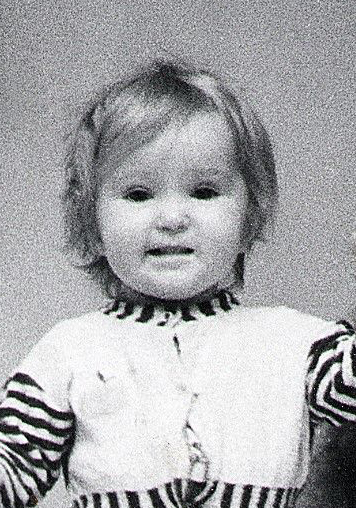
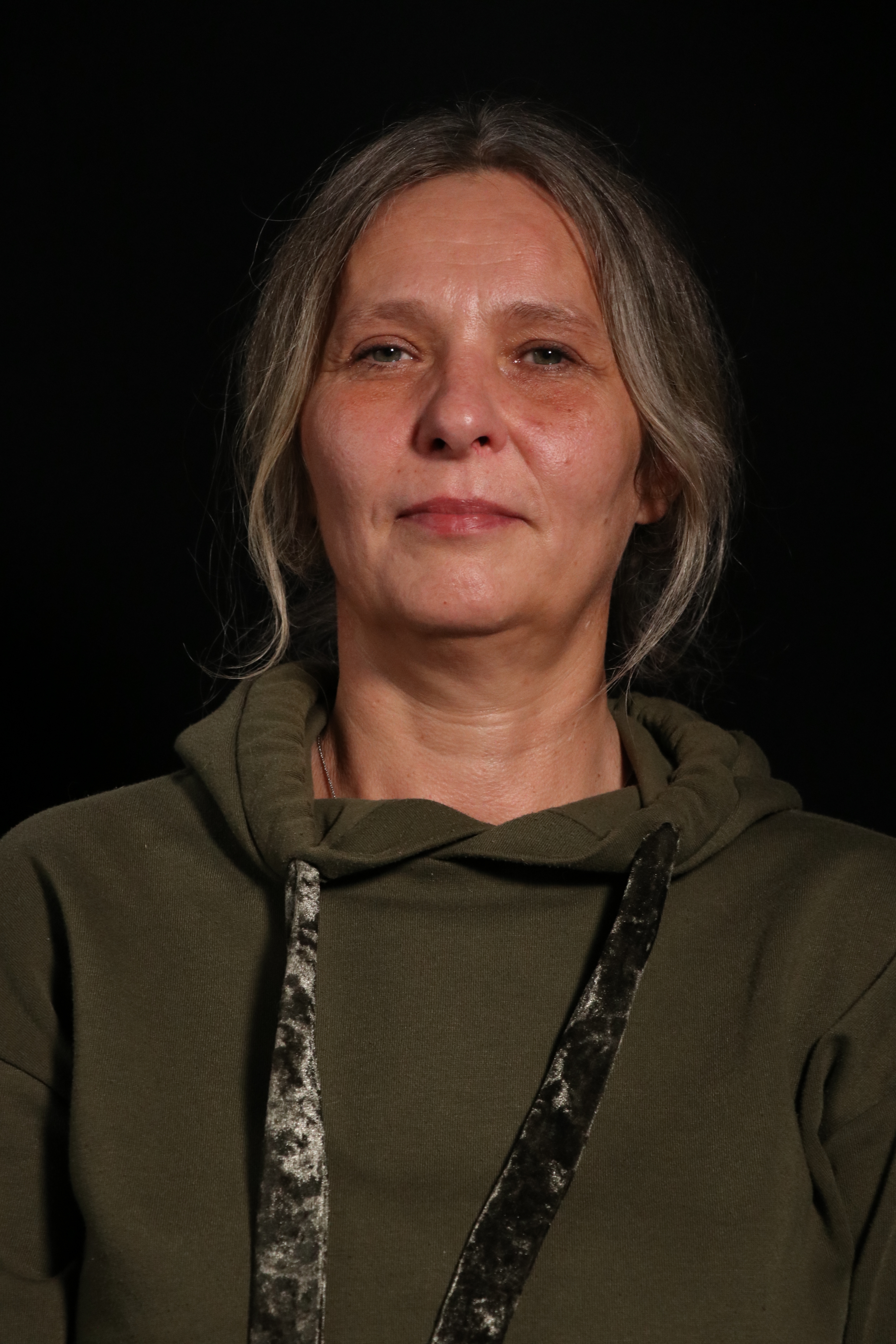
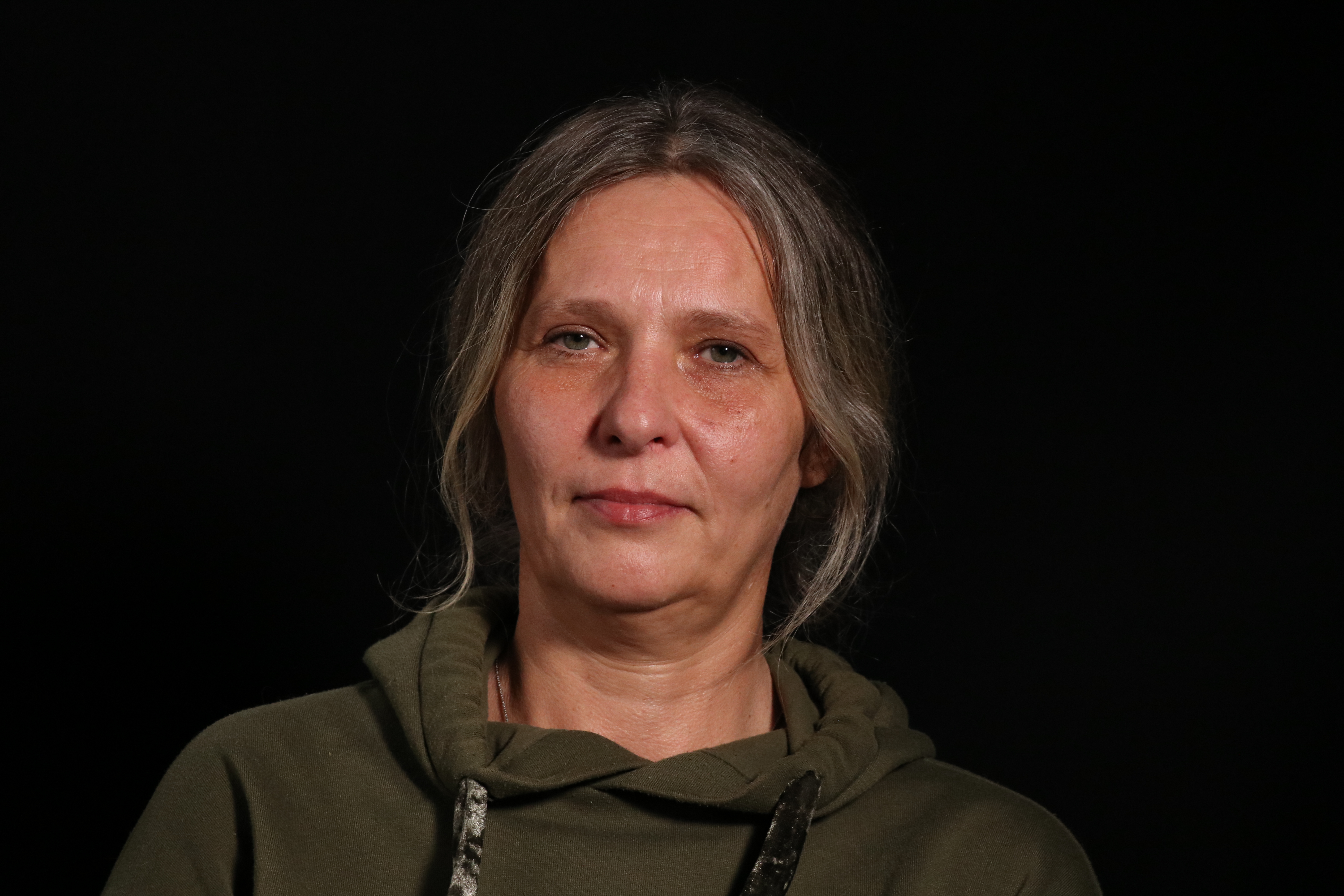
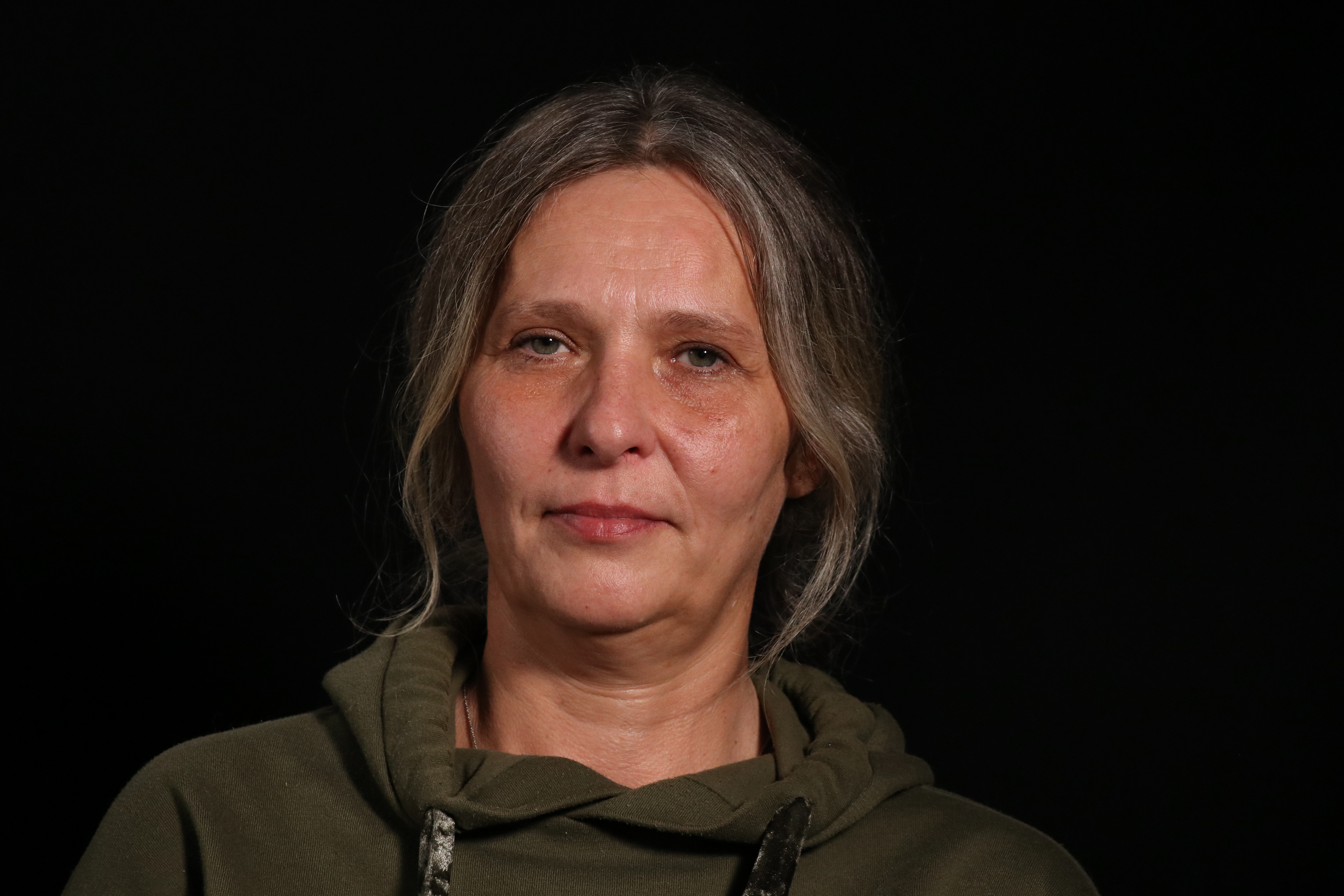
Blanka Petrošová was born on 24 November 1972 in Prague. She is the daughter of dissidents and signatories of Charter 77 Petruška Šustrová and Vavřinec Korčiš. Her grandmother Jitka Šustrová and aunt Ivana emigrated in 1968, and both parents were imprisoned for resistance activities in the Revolutionary Youth Movement in 1969-1971. Blanka grew up with her siblings in an environment of dissent, where state persecution was part of everyday reality. Their flat on Kolínská Street in Vinohrady was subject to frequent searches, as samizdat was copied and distributed there, and important representatives of dissent met there. From 1987 Blanka commuted to the grammar school in Říčany; in Prague she would not be taken for political reasons. In her narrative, Blanka Petrošová describes her childhood and adolescence in a dissident family and recalls the house searches, the detention of her mother by State Security and the dissident figures who were part of her life from childhood - Mejla Hlavsa, Olga Havlová, Ivan and Václav Havel and others. As a third-year student, she lived through the 17 November 1989 demonstration on Národní třída, where she was detained and subsequently released. After November 1989, the family participated in activities related to the transition to democracy. Blanka Petrošová and her father, for example, helped the Havels with paperwork, her mother was involved in checks of Interior Ministry, Intelligence and Justice Ministry staff, and during the 1990s she became a respected journalist and columnist. Blanka Petrošová graduated from the Faculty of Arts of Charles University, majoring in social work, and completed psychotherapeutic training. At the time of recording (2025) she lived in Prague and worked as a therapist.
Hrdinové 20. století odcházejí. Nesmíme zapomenout. Dokumentujeme a vyprávíme jejich příběhy. Záleží vám na odkazu minulých generací, na občanských postojích, demokracii a vzdělávání? Pomozte nám!