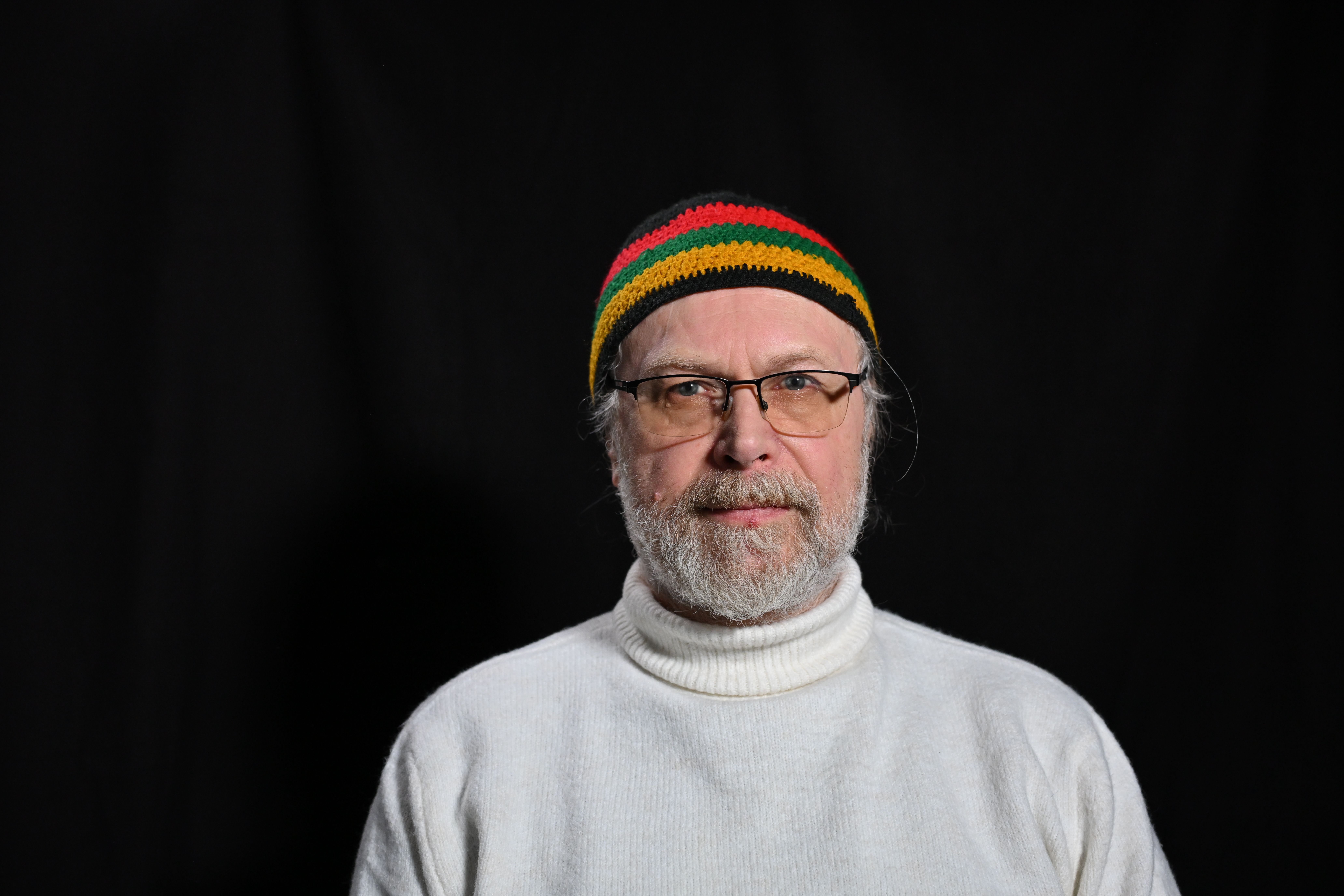
Bohumil Pelc

* 1955

  • "I have to say that at the time, what was happening was terrible behavior by all the participants around environmental protection. The state went on, coal was being mined that had five percent sulphur. The solvents, they pretended to be reclaimed. No, it was going straight into the canal. We were producing about three tons of waste solvents a week - my operation. So it was put into tankers and taken to the landfill in Chabařovice. There was a tub there, and the little man poured it out of the tractor, threw a match in there and let it burn freely. That was an approved procedure, that's what! Sometimes he didn't even light it and left it there. It was always said that Gypsies burned tires... No, it was a controlled process of waste disposal."

  • "The director there was one Jiří Netolický. He was an ultra-communist and mentally disturbed [person], that was known. It was known from the many histories of his life. But that didn't stop him from being the punching fist of the working class that ruled the high school. Right at the beginning of his studies he introduced himself with a speech, speaking in the Ostrava way: 'The students, the party, this is my blood, this is my heart. I can feel my heart beating for the Party. Students, if your heart is not beating for the Party, you cannot, you will not study.' We watched it, we had fun with it, but it wasn't that much fun. Because he, like many psychopaths, was serious. That's how he proceeded. I was in my third year, fourth year, because I was good at teaching, I was going to college. But he told me, the whole class, that he wouldn't give me a recommendation. Because he had a cousin over there, he had parents over there, so nothing."

  • "What a change of atmosphere, what a change of enthusiasm, in all, in all layers. Even my father, as an anti-communist, was elected chairman of the trade union at the mine. As a non-communist. Even at the lower levels the situation was changing. We were excited. May Day wasn't organized, people went out in support of Dubček, Svoboda... Voluntarily! We were [excited], I was thirteen years old. Until August 21st came! There was a main column in Dubí, which went to Prague. For three days there were tanks, for three days we didn't sleep. But the noise was enormous. We looked at it terrified, we didn't know what was going to happen. The fact that they took our representatives to Russia was known, but it wasn't particularly discussed because the situation was uncertain. People were enthusiastic, they supported the ideas of January, there were words like that. But it was not everywhere. My friend's father shot himself out of disappointment that these ideas would be suppressed. He knew that."

  • Celé nahrávky
  • 1

    Ústí nad Labem, 13.11.2024

    (audio)
    délka: 38:29
    nahrávka pořízena v rámci projektu The Stories of Our Neigbours
  • 2

    Ústí nad Labem, 12.02.2025

    (audio)
    délka: 01:28:01
    nahrávka pořízena v rámci projektu Příběhy regionu - Ústecký kraj
Celé nahrávky jsou k dispozici pouze pro přihlášené uživatele.

Life without freedom has no value

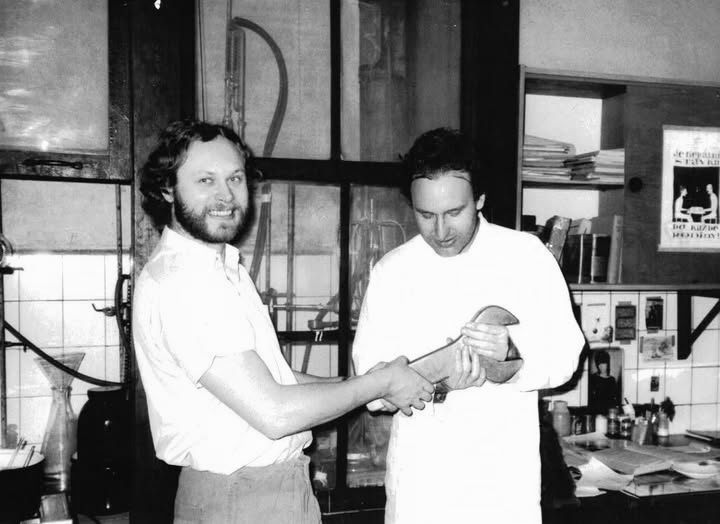
Graduation with diploma - Pardubice 1981
zdroj: witness

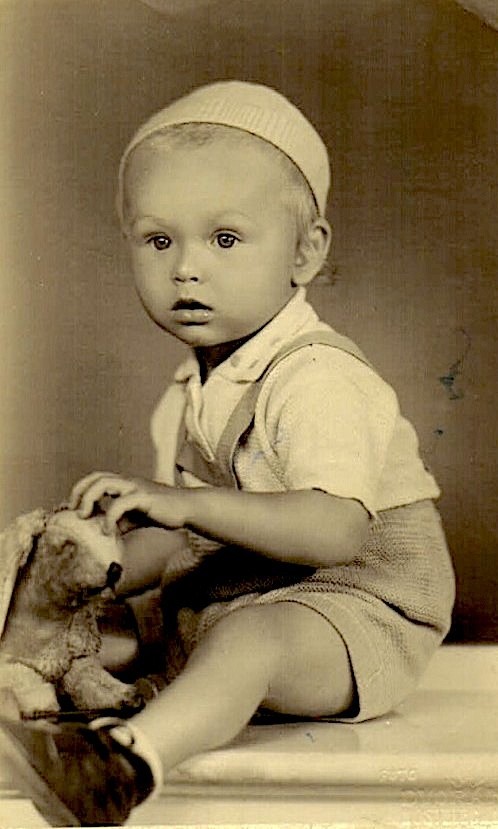
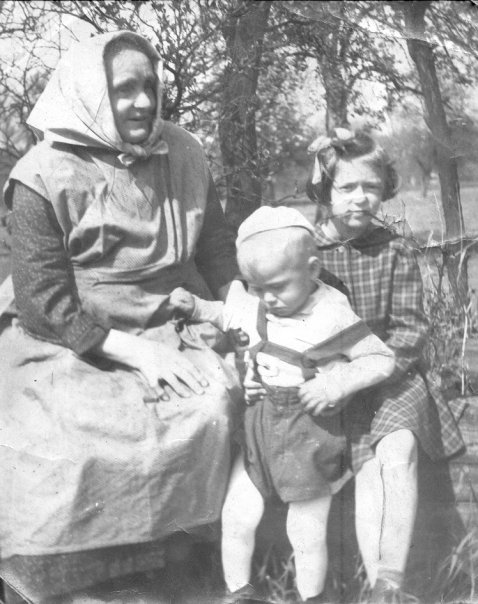
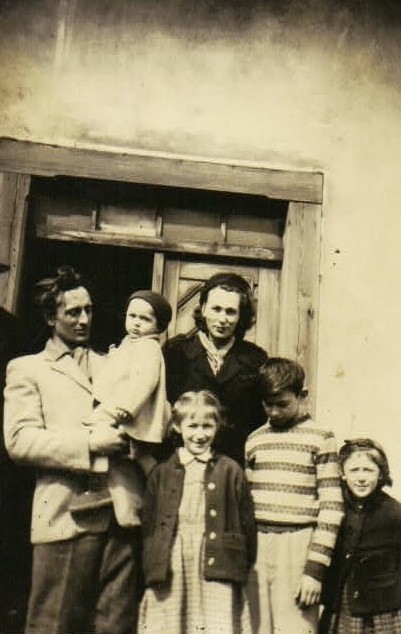
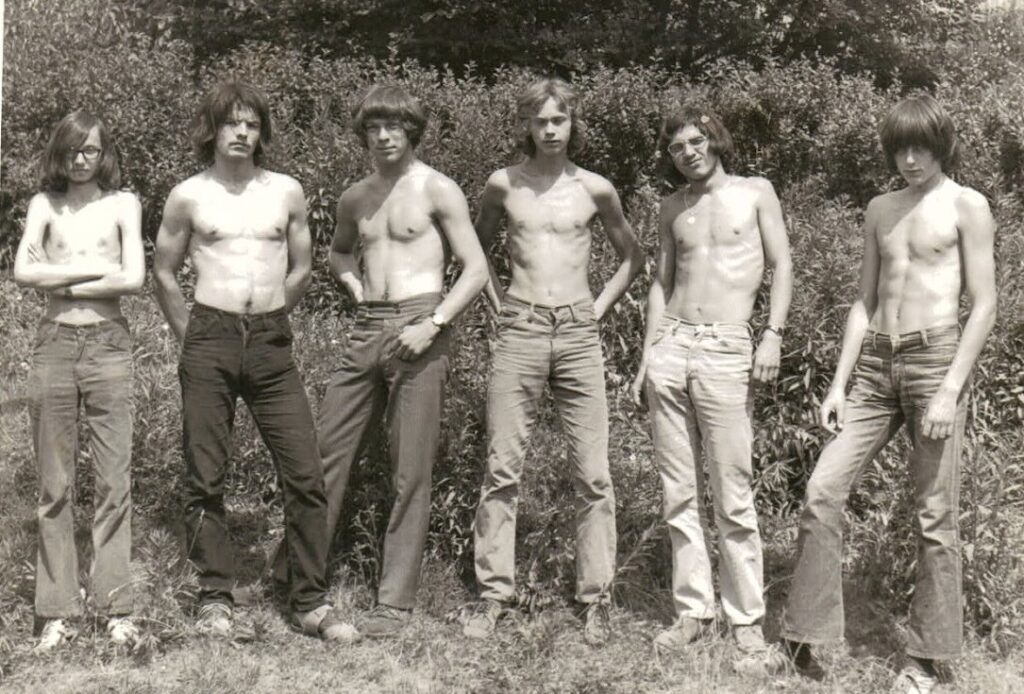
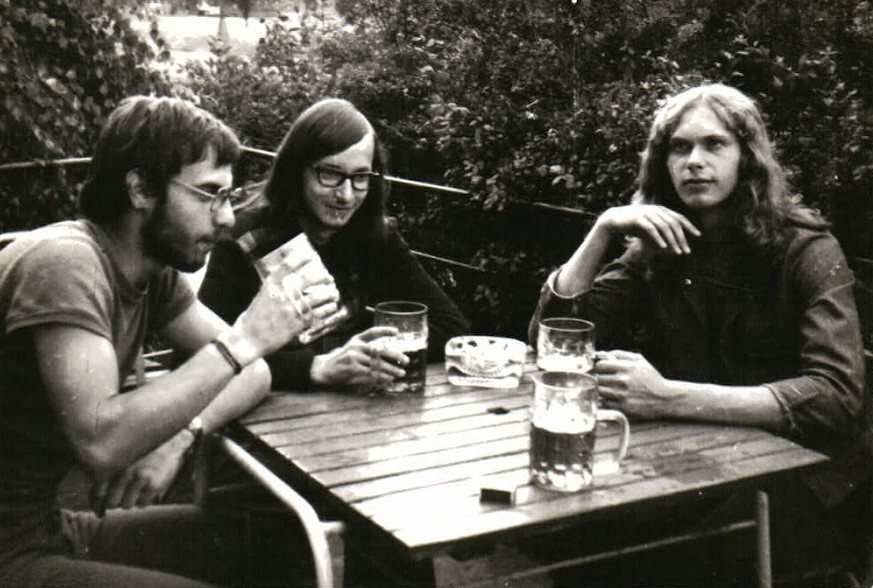
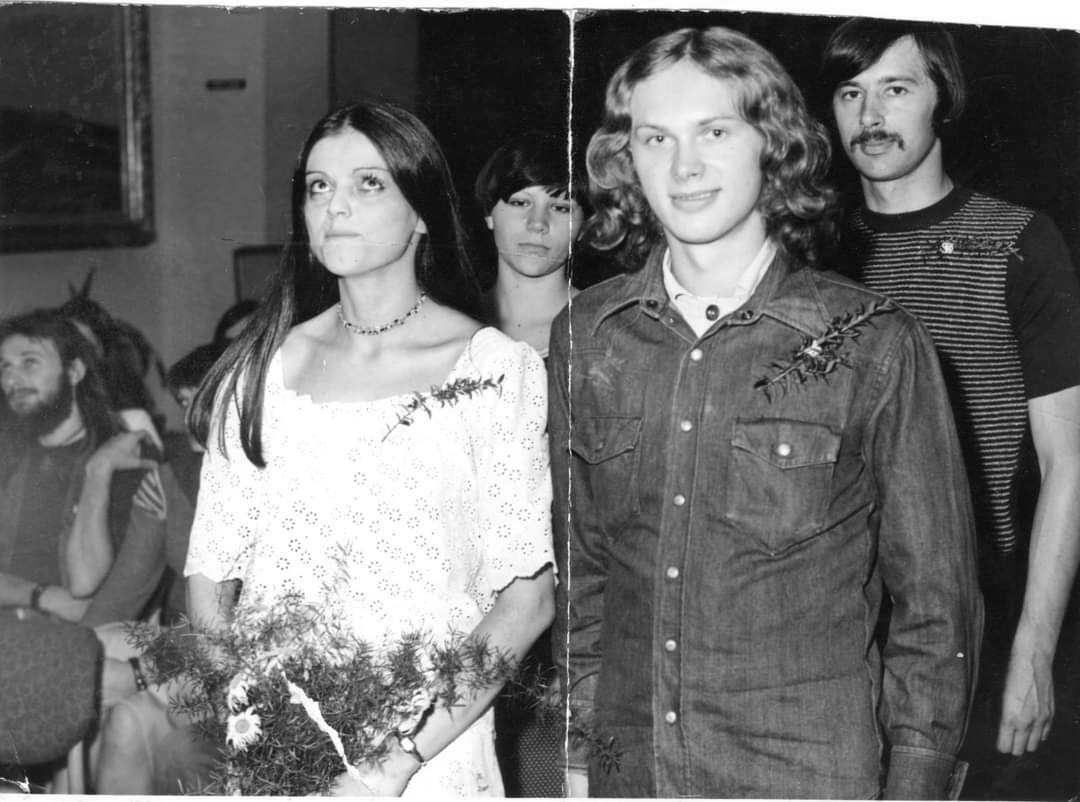
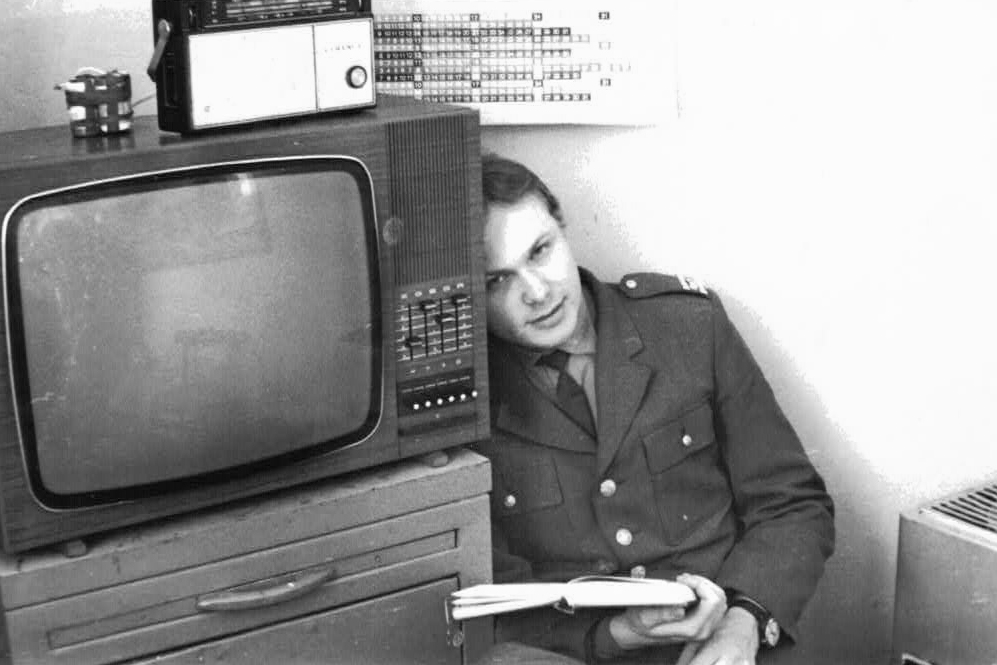
Bohumil Pelc was born on August 17, 1955 in Rudeč into a Catholic peasant family. At the end of the fifties his father lost his farm. A year later, the Pelc family moved to the border village of Cínovec in Teplice. His father worked in the ore mines there, where he irreversibly damaged his health. In 1960, Bohumil Pelc, his brothers and parents moved to Dubí, near Teplice, where he experienced the occupation of Czechoslovakia by Warsaw Pact troops on August 21, 1968. Later they moved to Ústí nad Labem. After high school, he continued his studies at the University of Chemical Technology (VŠCHT) in Prague. He finished his studies in Pardubice and then completed his military service in Ostrava. In 1987 he founded the local organization of the Czech Nature Conservationists. He tried to fight for a better environment in North Bohemia. In April 1989 he organized a protest against the removal of the landfill in Chabařovice. In 1989 he signed the document Several Sentences. In 2025 he lived with his wife in Ústí nad Labem.