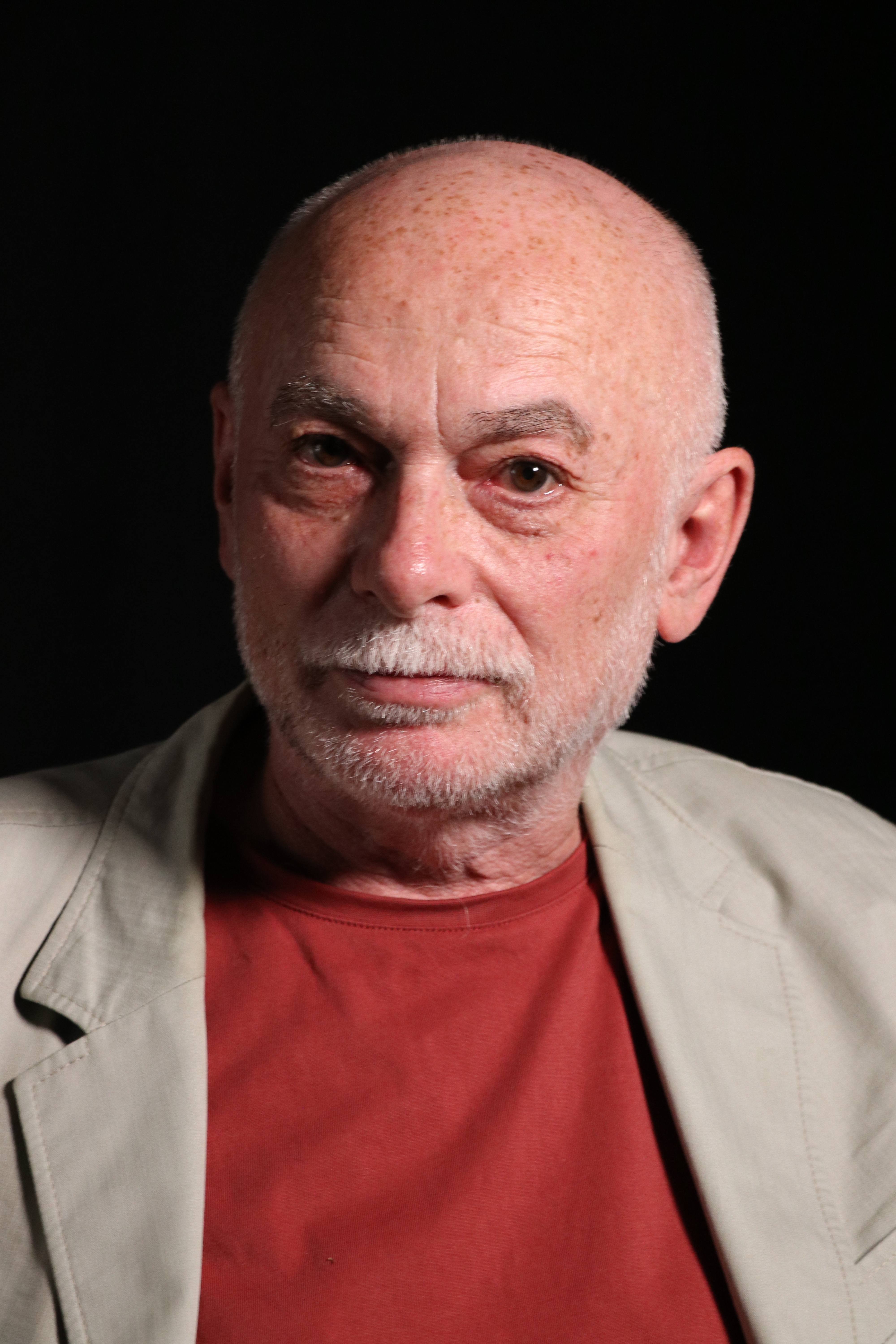
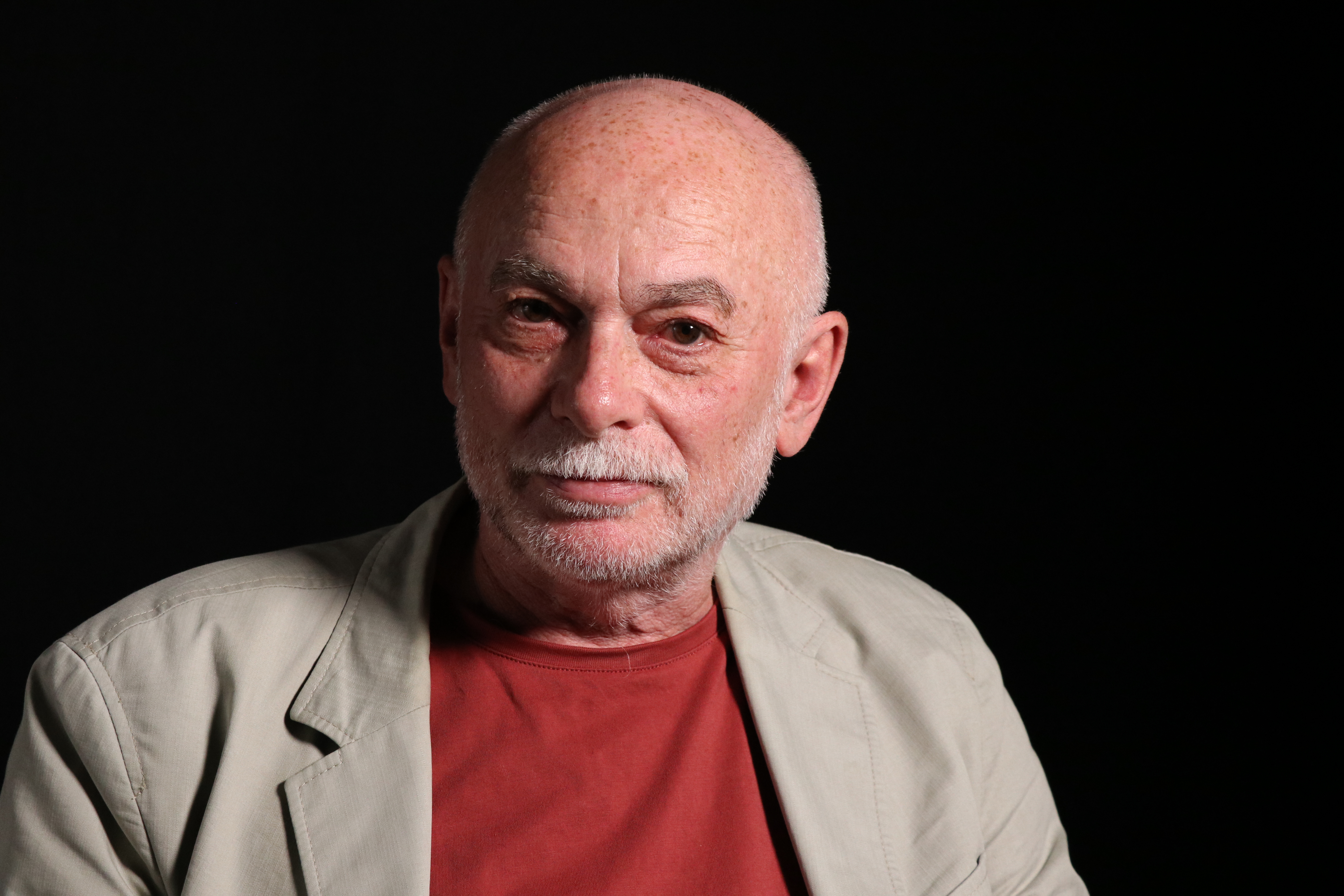
"Maidan. My colleagues came to see me. We had a project called "Expedition TV2" - we filmed hard-to-reach places: swamps, deserts - we travelled and then told about these extreme places. And then my colleagues Lesha and Denis came to me and said, "There are incredible events happening on Maidan, shall we go there and show the truth?" I agreed: the story is important, the means made it possible. The film crew went to Kiev. I gave them documents to discuss with Berkut - to hear both sides. But the fighters refused to talk. Then we went to Kharkiv, where anti-Maidan sentiment prevailed. And here's the paradox: both the protesters and their opponents were saying the same thing: "Yanukovych is a thief and a bastard. Power needs to be replaced." And so a film crew arrived and we showed everything. It was a very lively, journalistically good report, which they also commented on. The film crew was on the air. We told the story. That is, we told a very different story than what was being broadcast on all the federal channels at the time. At that point, of course, we disagreed not only with the authorities. At that moment, we also disagreed with a large part of the viewers who wrote angry letters saying, "We liked you, but you support the fascists!" Well, that's all, nothing more.
Translated by automatic translator (DeepL)
"There was an Eastern Oil Company in Tomsk and Khodorkovsky bought the Eastern Oil Company - the city became a zone of strategic interests for YUKOS. Soon Mikhail Borisovich began to study the local media: who was shaping the agenda and how. At that time we were the most influential holding in the region - not only TV2, but also several TV channels and radio stations. JUKOS tried to control us. They started negotiations to buy the media holding company with my co-founder Arkadij Majofis. We had fundamental disagreements. I categorically opposed the deal: "We have ten years of struggle for independence behind us. This is our history. Now here comes a man with big money and big interests - and you understand what it's all for."
Translated by automatic translator (DeepL)
"But at the same time, we were aware of our political influence as a media outlet and felt we had to steer Russia - or at least our city and region - in the right direction. Our whole anti-communist background contributed to this. But the closer we looked at the "good guys" in power, the more questions emerged: corruption, illegality and then the war in Chechnya. I immediately realised that this was not only a Caucasian tragedy, but also a national catastrophe. And so it turned out - many of today's problems grew from there.
But at the same time, when 1996 happened - I told the students about it repeatedly later - we gritted our teeth and joined the "Vote or Lose" and "Vote for the Lesser Evil" campaigns. We campaigned for Jelcin until the Communists came back. In retrospect, we realised that this was wrong. Because it was a discredit to our profession.
Viktor Mukhnik (born June 11, 1958 in Tomsk) is a Russian historian, expert in English historiography and ancient history, journalist, media manager, founder and editor-in-chief of the independent television company TV2 (1990-2014). He is known as a consistent critic of authoritarian tendencies in contemporary Russia. He graduated from the Faculty of History of Tomsk State University (1980), majoring in the history of the ancient world and the Middle Ages. His academic work has focused on the critical analysis of Marxist historiography, on the study of Arnold Toynbee‘s theory of civilizations, and on the comparative study of imperial models (the Roman Empire, China, the Russian Empire). He received his PhD in English philosophy of history (1983). From 1980-1990 he taught Dialectical Materialism at ASU‘s Tom Institute and History of the Ancient East at Tom State University and taught an original course in 20th century historiography.
After the collapse of the USSR, together with Arkadij Majofis, he founded Russia‘s first independent television company, TV2, then a media holding company. He developed an original concept of „provincial media“ (2000), in which he showed the role of regional media in preserving cultural identity, described economic models of independent media under conditions of authoritarianism, and proposed the methodology of „small agendas“ as an alternative to state propaganda.
In 2014, he had his license revoked for reporting in support of the Maidan and relaunched TV2 in digital form. He went into exile in Armenia after Russia‘s war against Ukraine broke out and the website was blocked in 2022. He launched the „Eyewitnesses of February 24“ testimony archive as well as the „Govorit NeMoskva“ program on his YouTube channel.
In 2023, he moved to Prague, where he continues his media projects.
He received the Golden Pen of Russia award (2003) and the International Press Freedom Award (Committee to Protect Journalists, 2014).
Hrdinové 20. století odcházejí. Nesmíme zapomenout. Dokumentujeme a vyprávíme jejich příběhy. Záleží vám na odkazu minulých generací, na občanských postojích, demokracii a vzdělávání? Pomozte nám!