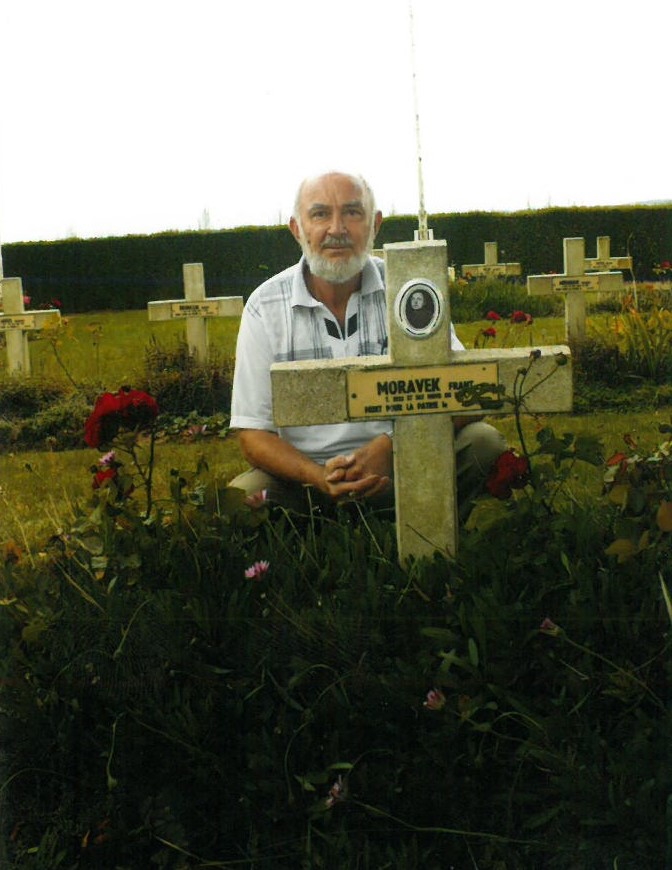
"So I actually left thinking there was a cemetery somewhere and hoping to find my dad there. And I was very lucky that when I walked into the cemetery, I suddenly saw Morávek from a distance. So I thought, that's Dad. And it was an airman Vladimír Morávek... I started to comb through it, and my dad was probably somewhere in the eleventh row, so I was happy that I could find him, and that I was able to give him a flower, light a candle. Because that was kind of my from my youth, that kind of desire to get to that grave of my dad's."
"My father... when he was going abroad... he wanted me, even if [my mother] would get married again, to keep his name. My mother kept the promise, and that's why I was named after him. Even though I had two sisters who were Novák's, my stepfather could not adopt me because my mother had promised my father."
"So my father did not fall directly at the fortress at Dunkirk, but he fell during the capture of one of the villages where the Germans were dug in. So he fell there at this one house near Bourbourg, he's buried in that Bourbourg cemetery too. I even then, sometime in '75, when I was going around to the places where Dad had been, I got directly to the family where they found him shot. So that was an interesting thing, that I even found out the place where he was killed. So he didn't fall somewhere on the front line, he fell fighting the Germans who were advancing in the villages."
"I was living in Ledeč nad Sázavou at the time, and I immediately got involved in the Civic Forum. I was first a member of the local organization of the Civic Forum and then, when the so-called Civic Forum Coordination Center in Prague was being formed, I was asked to go to the forestry section there, so I was actually a member of the Civic Forum Coordination Center in Prague and I actually managed the area of forestry renewal, so I went around to individual companies and helped build the new system in the forestry sector."
"Wherever I went to school, the first question was how did my dad get to the Western Front. It just started immediately because back then, whoever wasn't from the Eastern Front was the bad guy, and we were liberated by the Red Army, even if only partially, but we were marked for a long history by that."
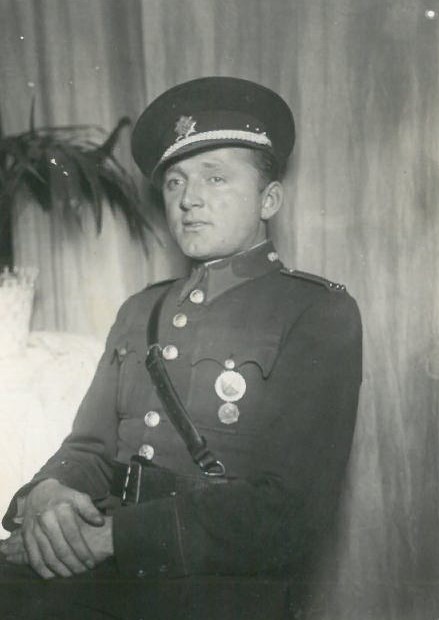
"As a member of the government army, he was sent with other companies to Italy to fight the partisans. And most of those Czechoslovaks just defected to the partisans. And from them they then got gradually through France to the Western Front, where most of them took part in those battles on the Western Front. So dad specifically fought at the Dunkirk fortress, on the coast of France towards England, where he stayed, unfortunately."
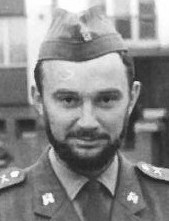
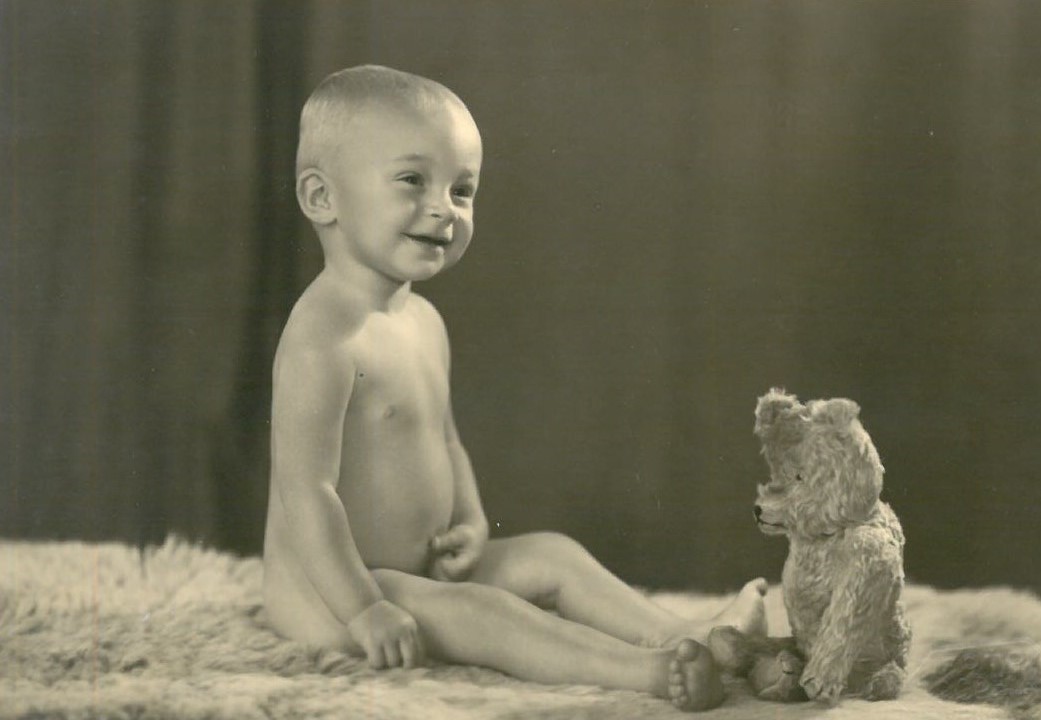
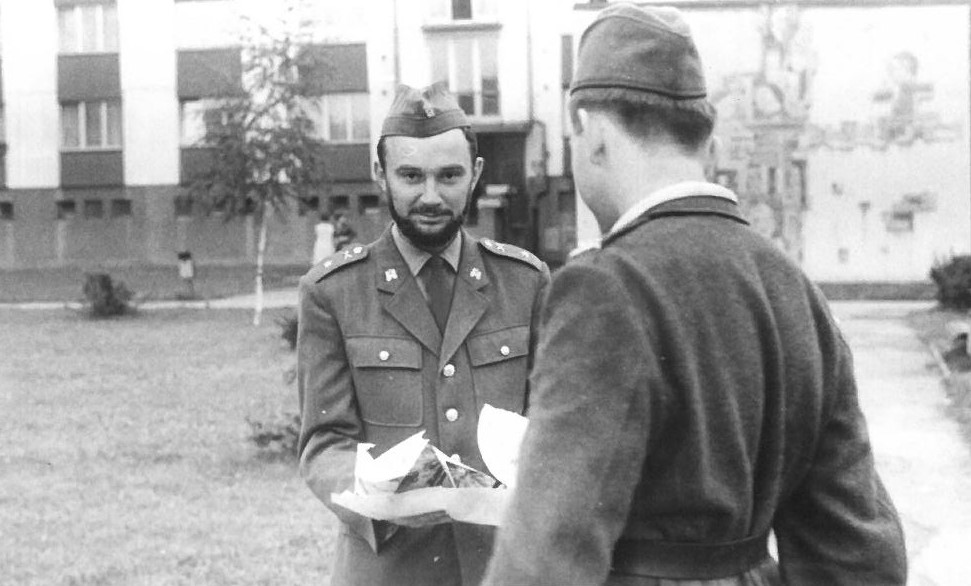
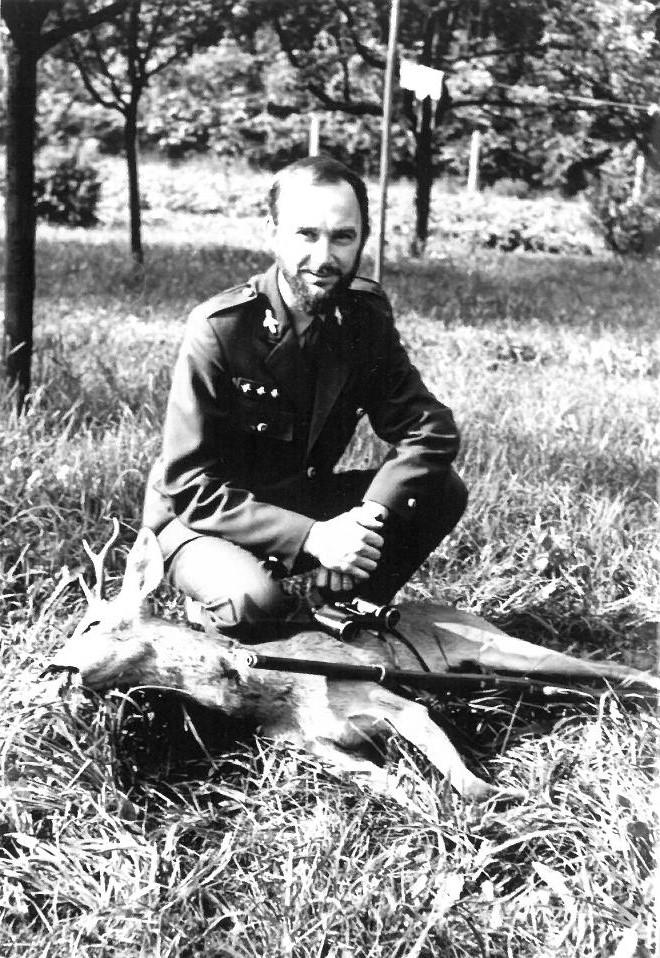
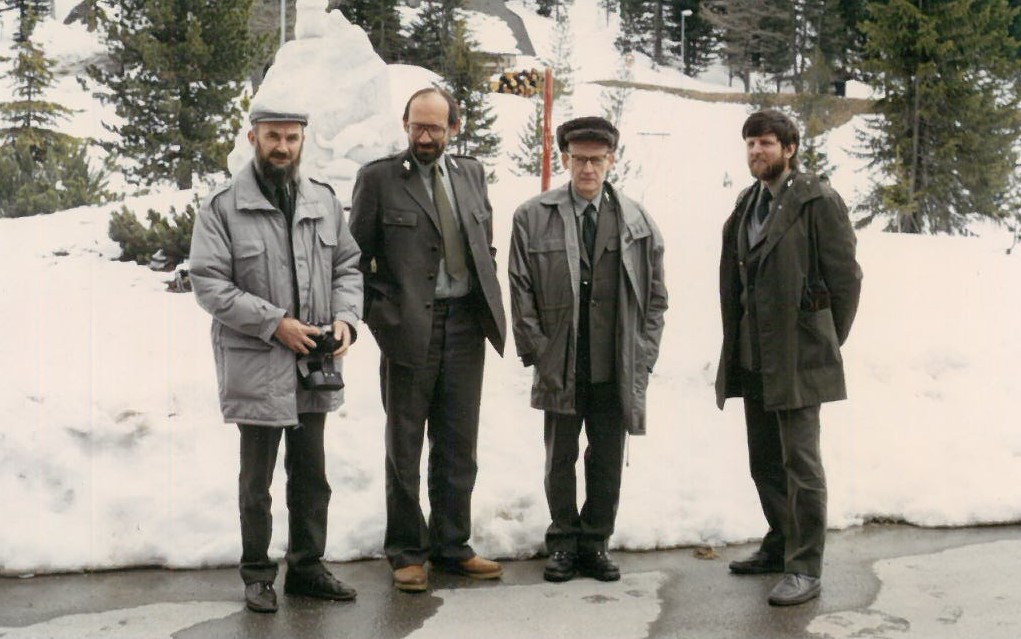
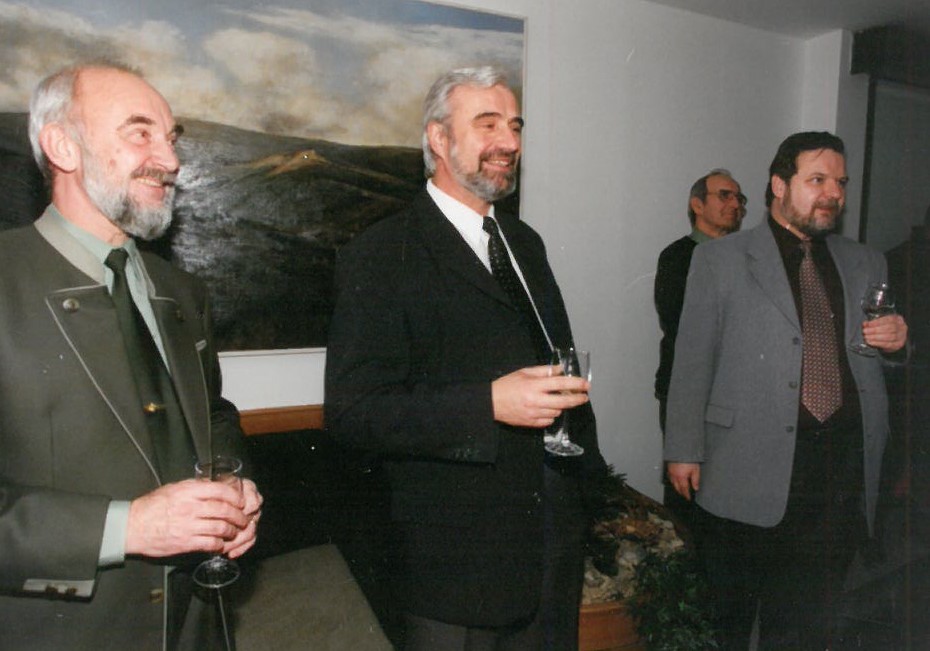
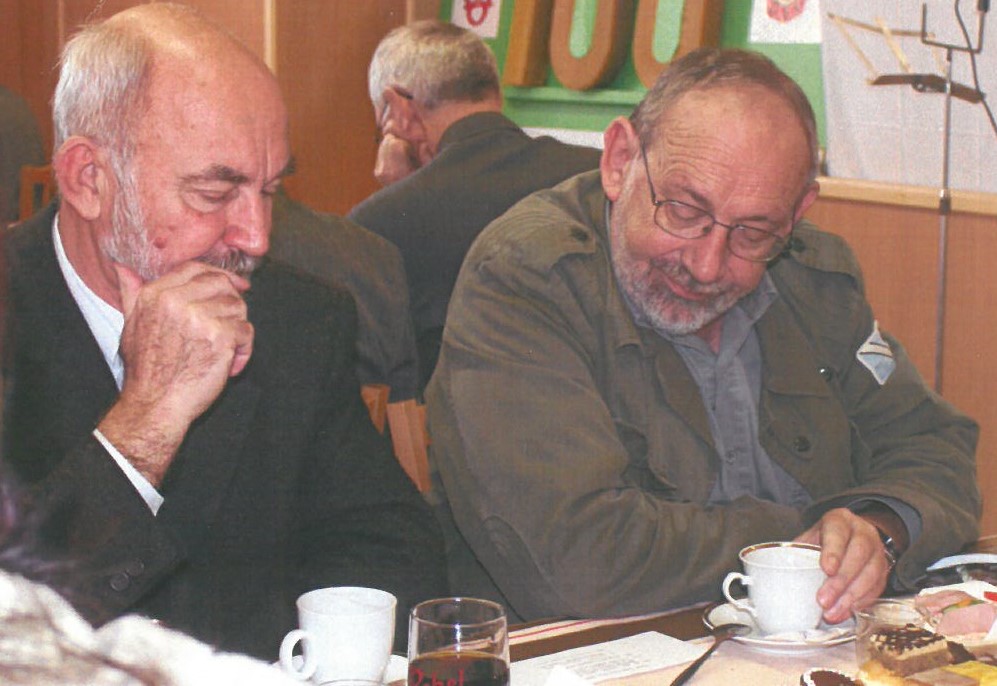
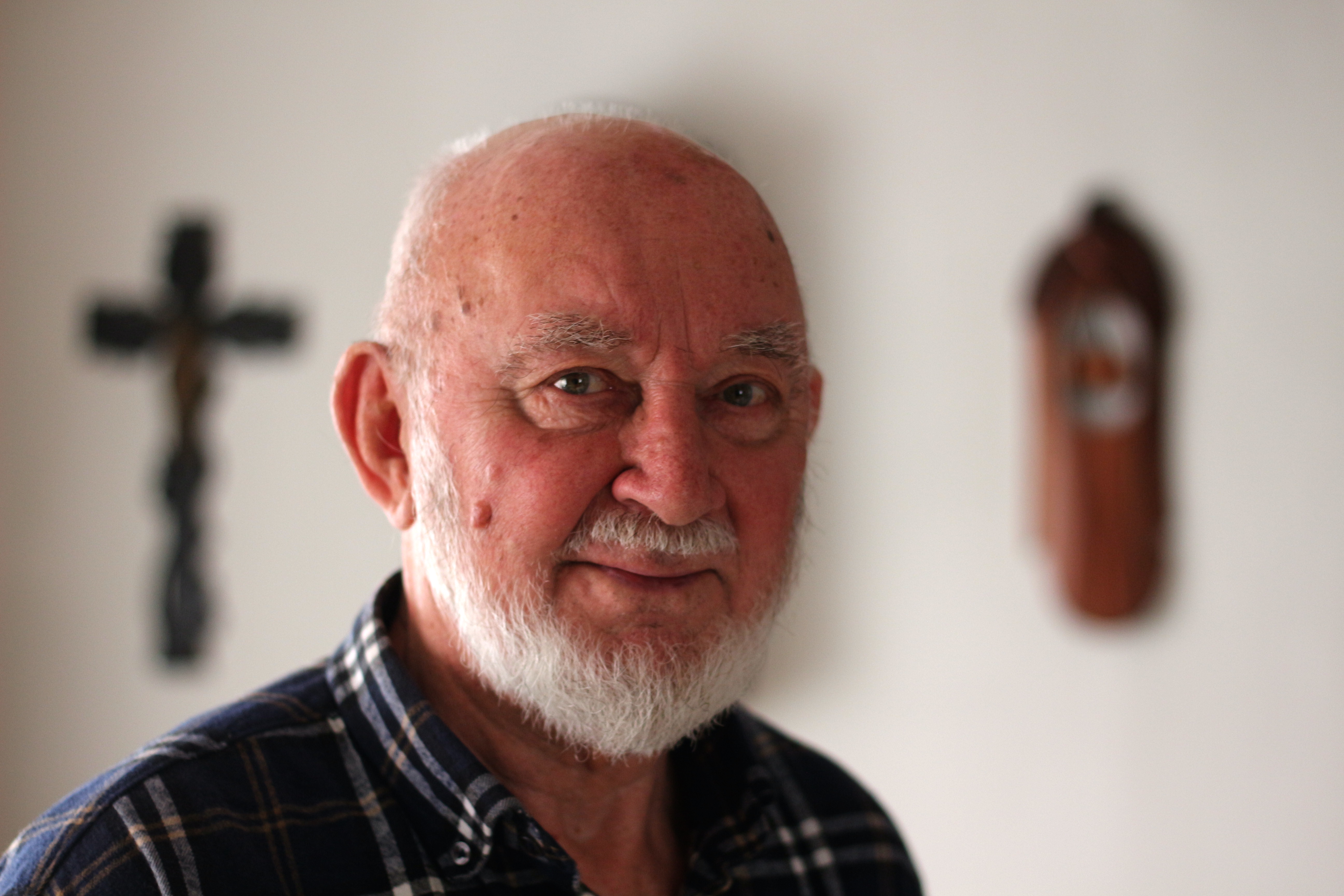
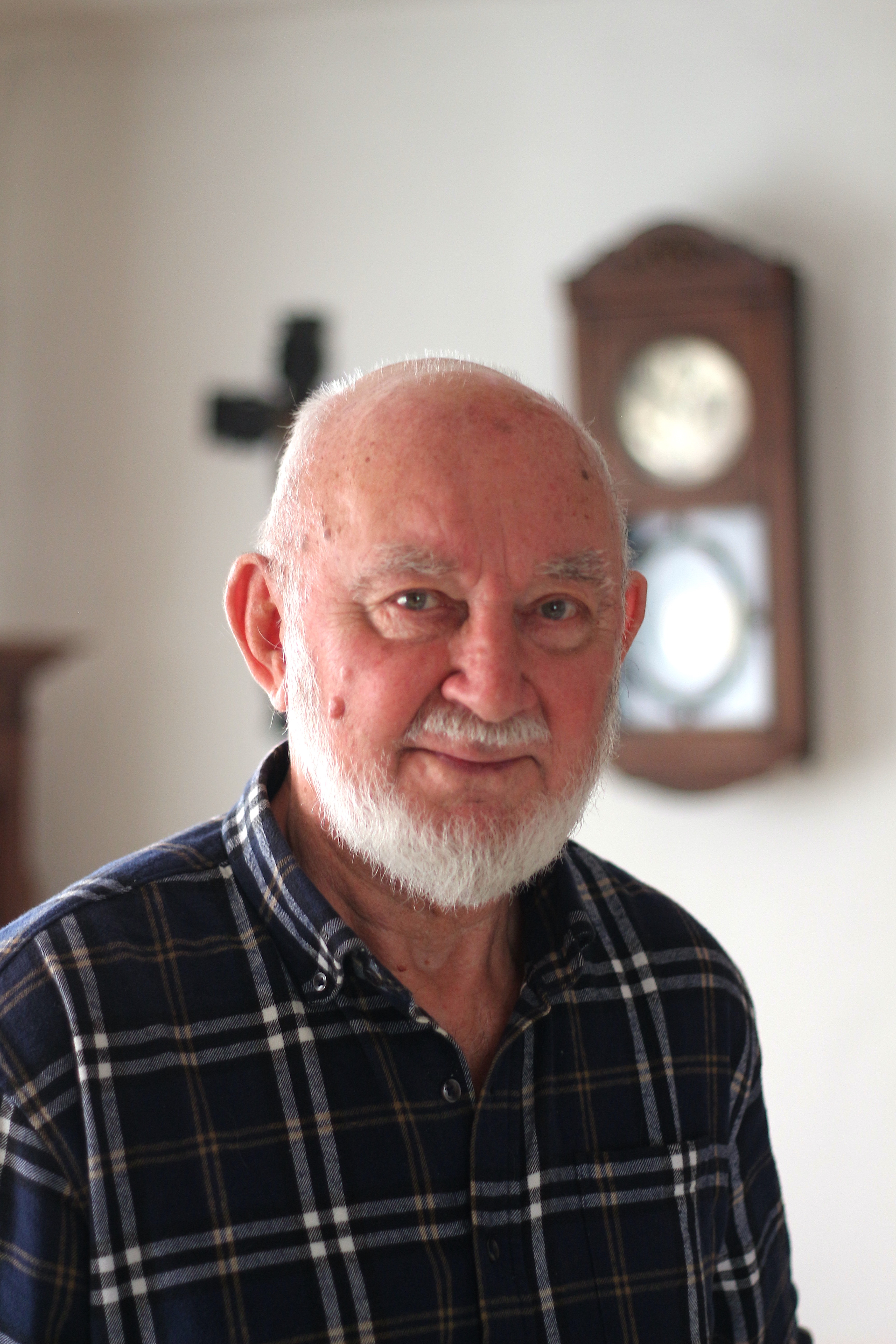
František Morávek was born on 24 May 1942 in Pardubice. He spent his childhood with his family in a lodge in Jaroslav, where his grandfather worked as a gamekeeper. His father František Morávek served in the Czechoslovak army and after 1939 in the government army. In 1944 he was called to Italy to join the troops deployed against the partisans, but he switched to their side and reached England via Switzerland and France. There he joined the Czechoslovak Foreign Army, gained the rank of sergeant and joined the fighting at Dunkirk, where he was killed in April 1945. Witness´s life was accompanied by cadre problems - the authorities blamed him for his father‘s activities on the Western Front and the fact that his stepfather was a tradesman. Despite this, he graduated from secondary and university forestry school and devoted his life to work in the field, where he held various positions. In 1975, after several unsuccessful attempts, he traveled with his family to France, where he tracked down his father‘s grave and other clues to his fate. During the Velvet Revolution, he became involved in the activities of the Civic Forum and also worked in its coordination centre. After 1989, he became involved in forestry policy and for a time headed the Forestry Department at the Ministry. In 2025 he was living in the village of Pohleď near Havlíčkův Brod.
Hrdinové 20. století odcházejí. Nesmíme zapomenout. Dokumentujeme a vyprávíme jejich příběhy. Záleží vám na odkazu minulých generací, na občanských postojích, demokracii a vzdělávání? Pomozte nám!