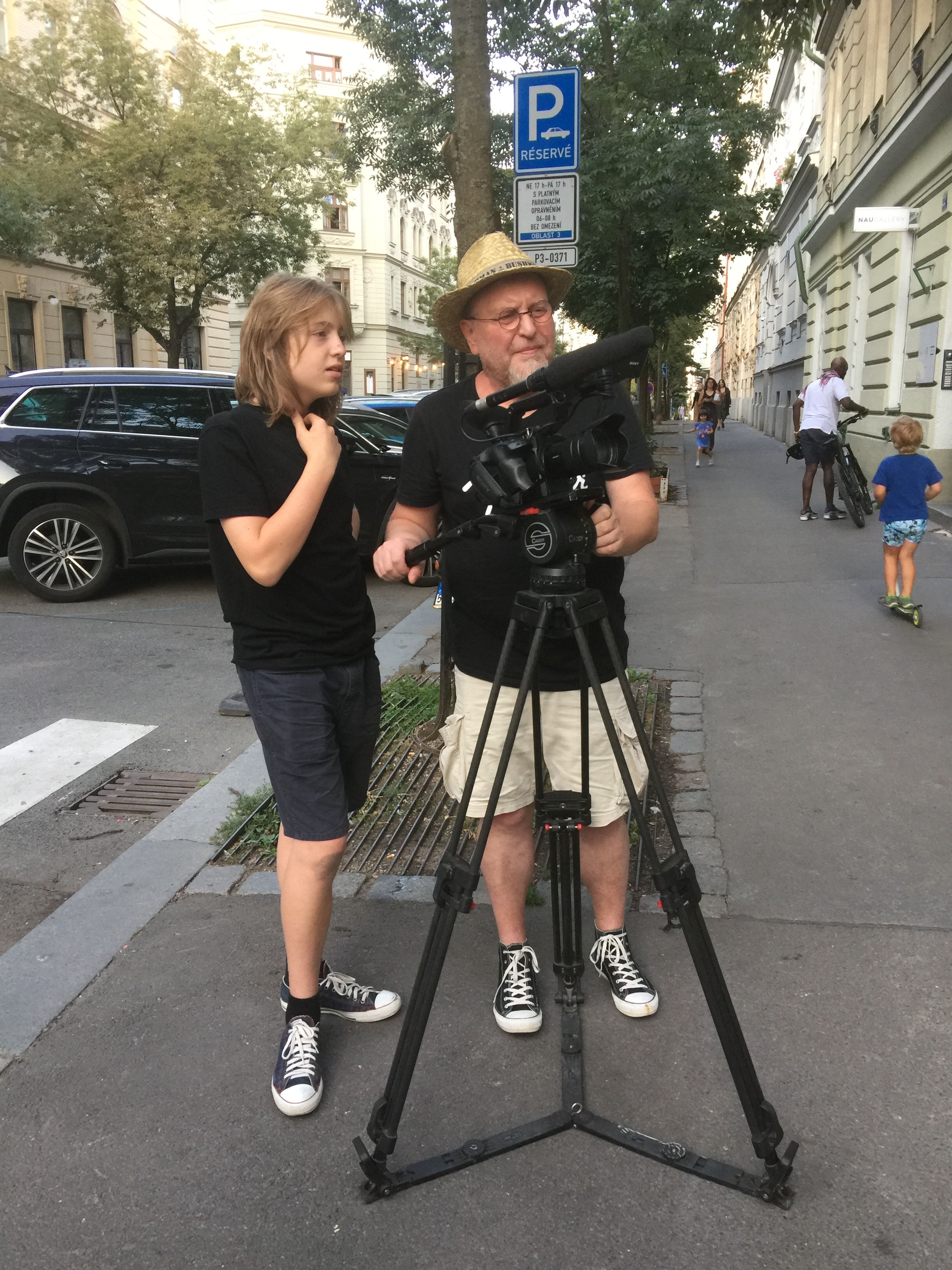
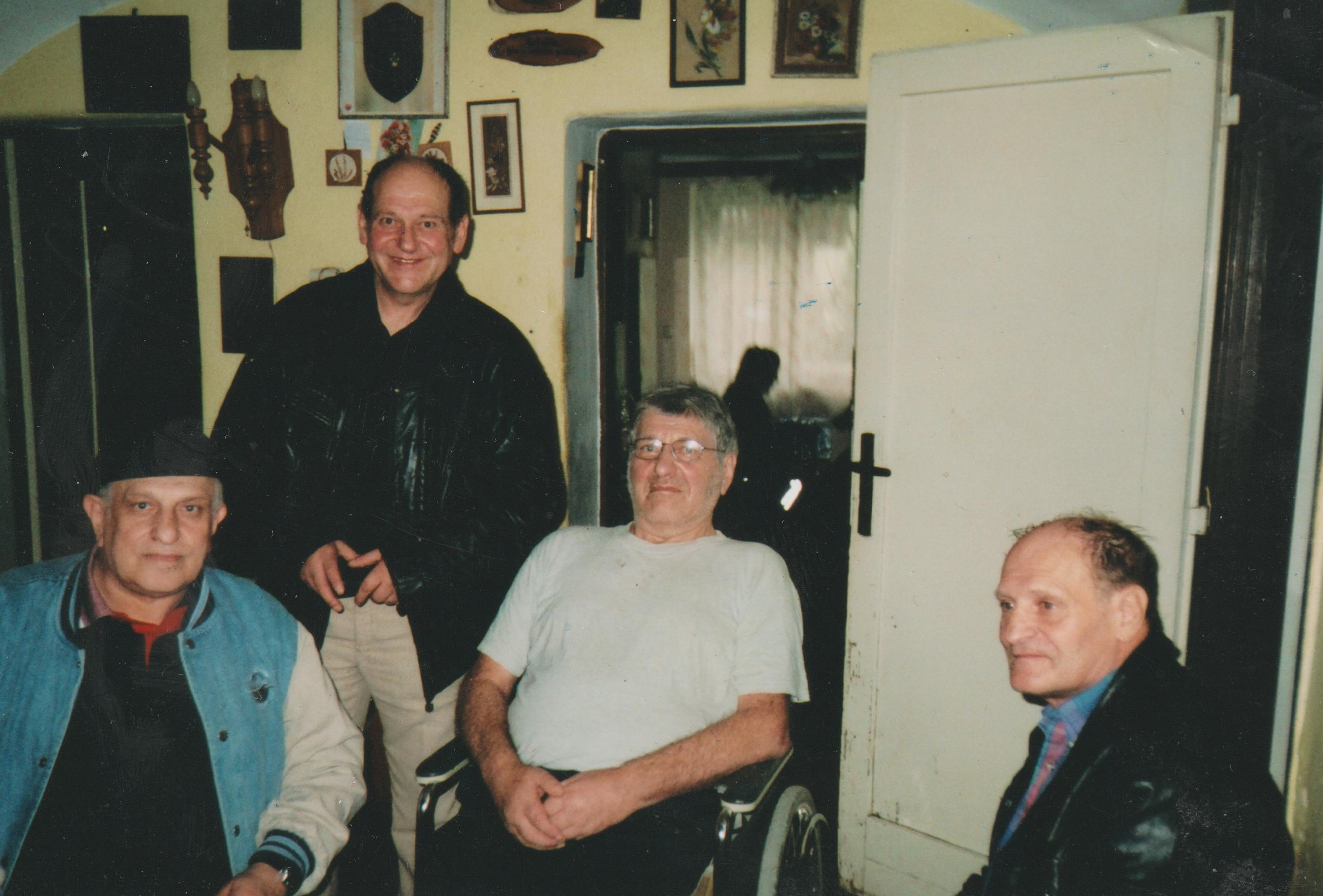
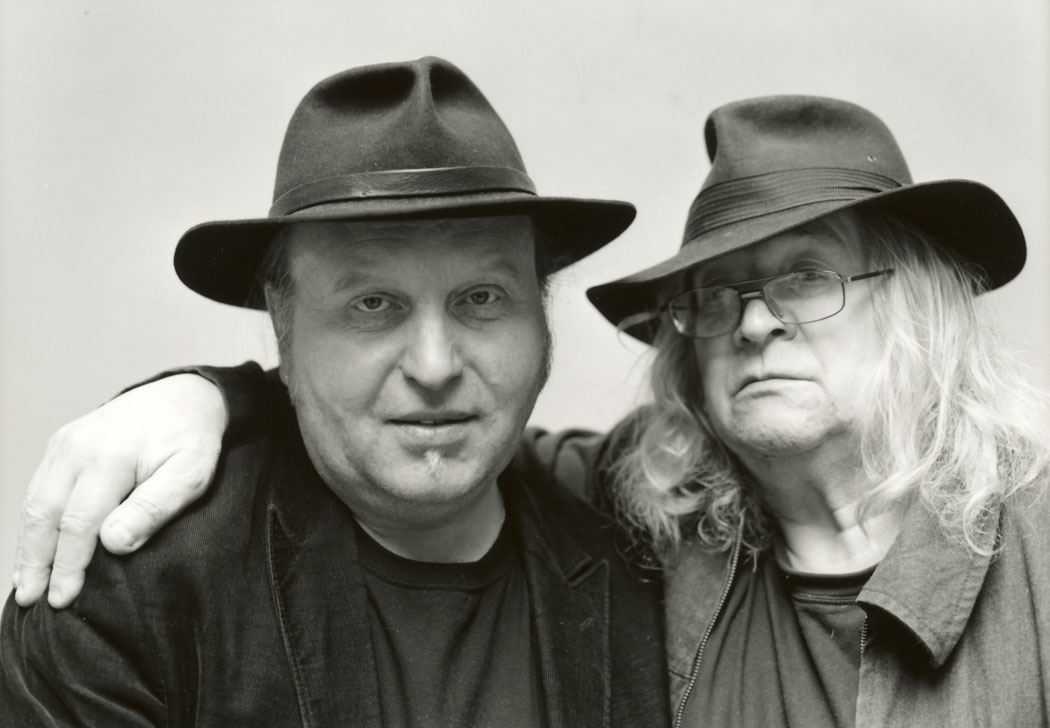
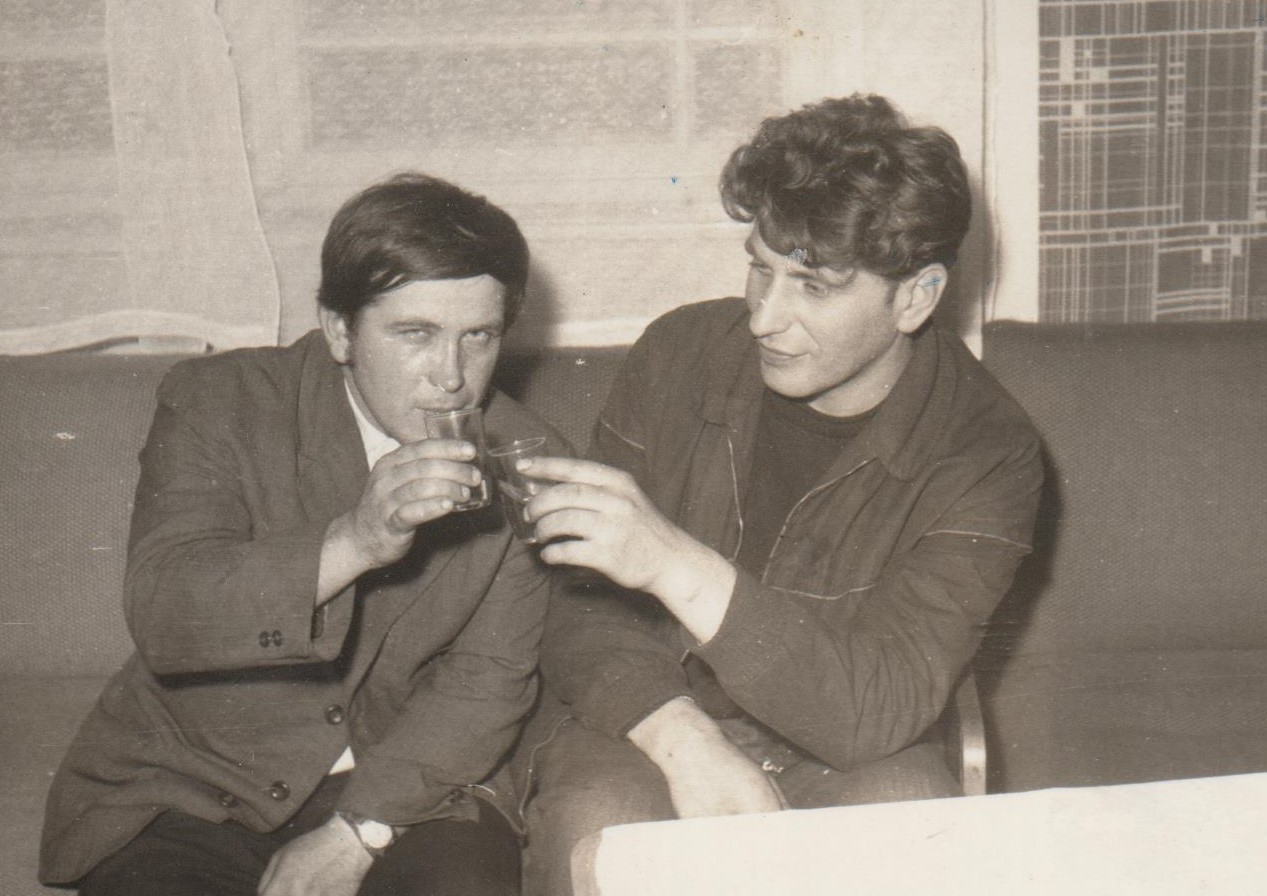
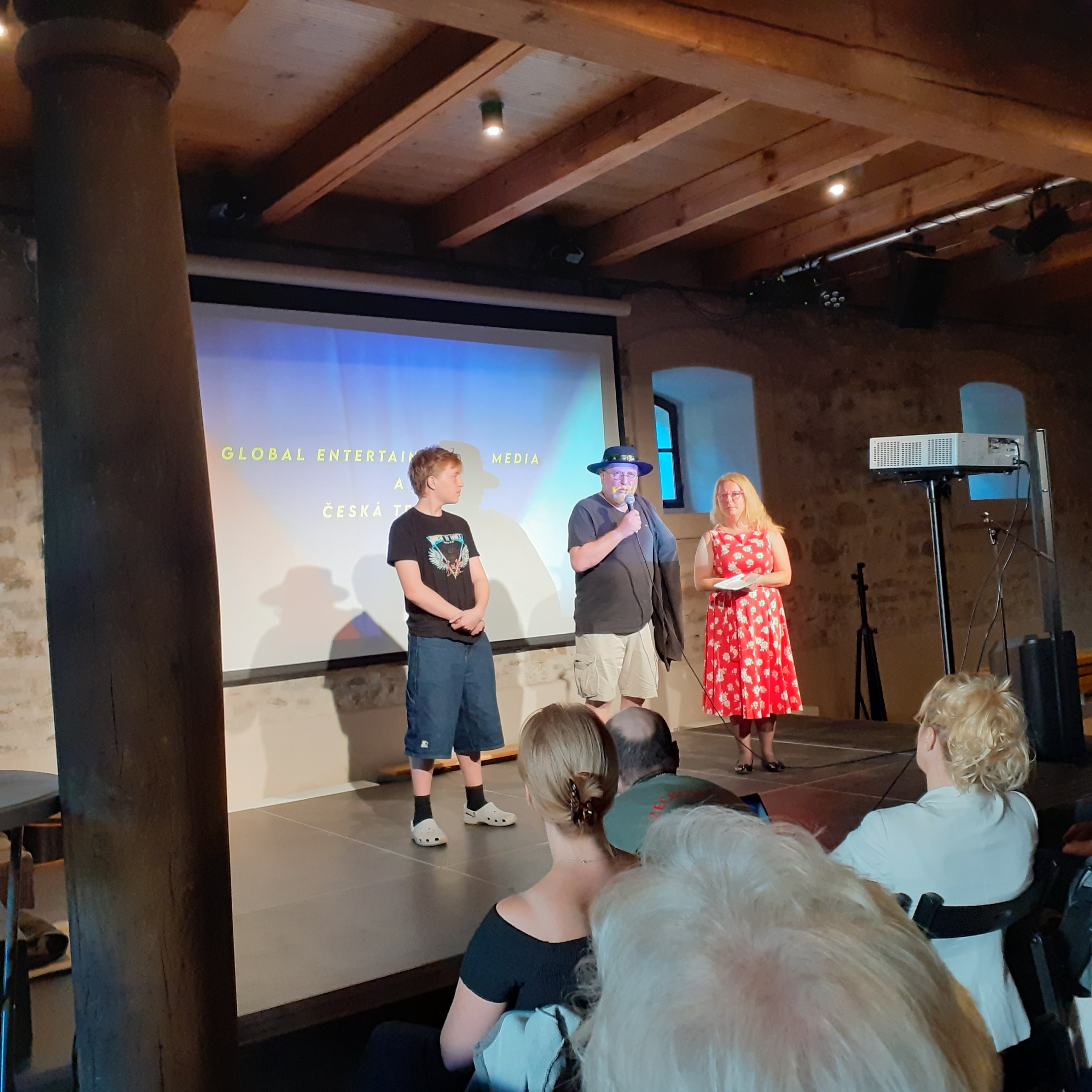
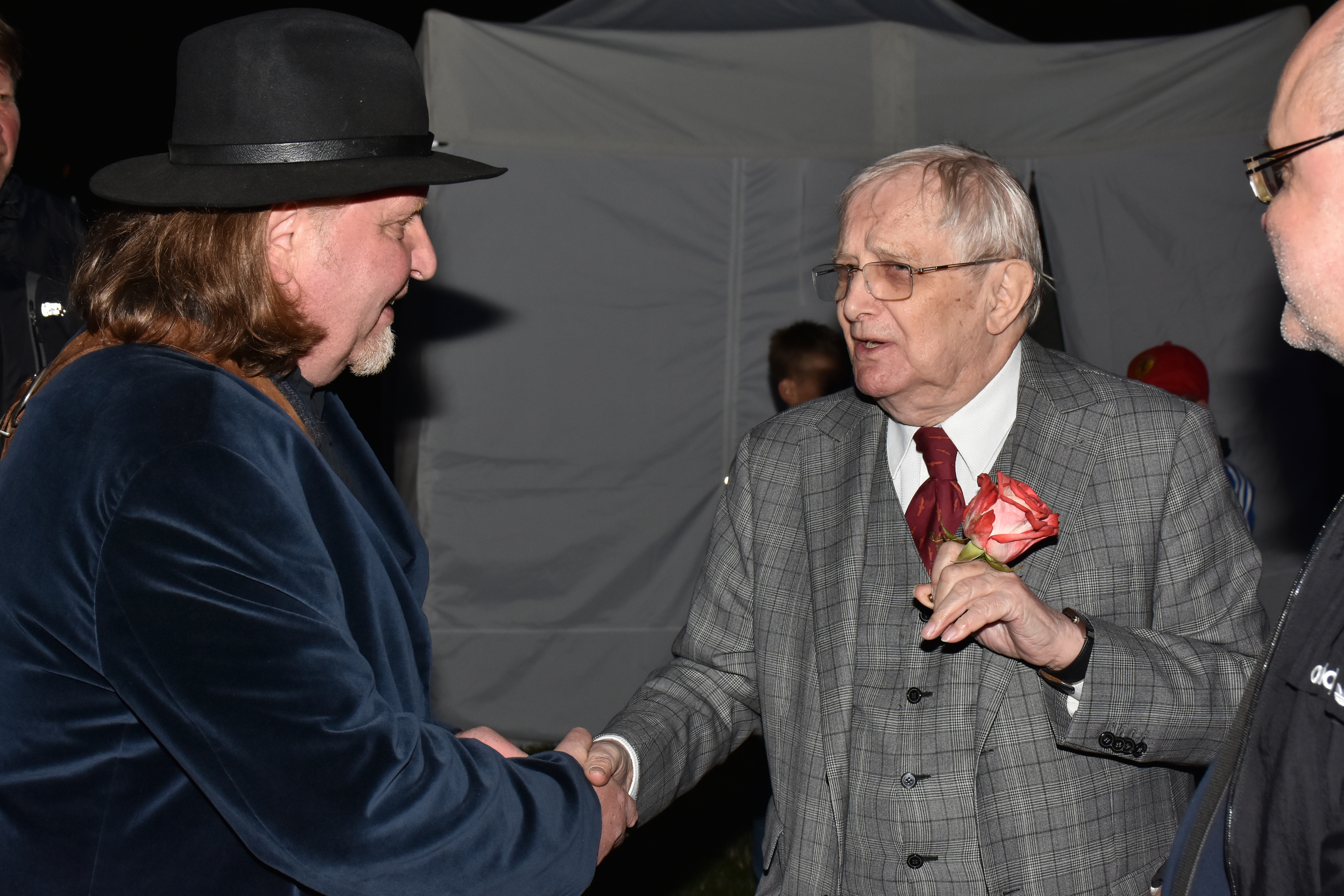
"And there was this opportunity, because I met some people, filmmakers, to study at FAMU. There was a year of evening studies opening up there, so I had that opportunity and I started doing camera and documentary. "And who was teaching that course?" Professor Špáta, Olga Sommerová and others. So it was funny, it was quite good, because I was there...And when you try it, the filmmaking, the craft, you get so drawn into it, you fall so in love with it... And I was doing photos as well, you fall so in love with it, you don't want anything else. There was no money in it either, and there still isn't, but it's a calling. I think it's such an important mission that you can communicate your thoughts to other people through that lens. It's like music. In songs you're also communicating something: an energy, an idea, some beauty. But with film, it's more complicated."
"And when I actually came up with this text, because I'm sure you know it very well too: Charter 77, it was such a simple text, it was actually just that Václav Havel found out that the comrades had committed themselves in Helsinki in '76 to respect freedom of speech and human rights. Nothing else. There was nothing else in that text. And Havel reminded them of that. He said, 'If you signed it, Comrade Husák, if you signed it, you should respect it.' You know very well yourself what was going on around that. What a big thing it was, and most people, because the text was not printed anywhere. Not even in the newspapers anywhere, I mean the Charter 77. They were so scared of it, absolutely terrified, it was basically like the plague."
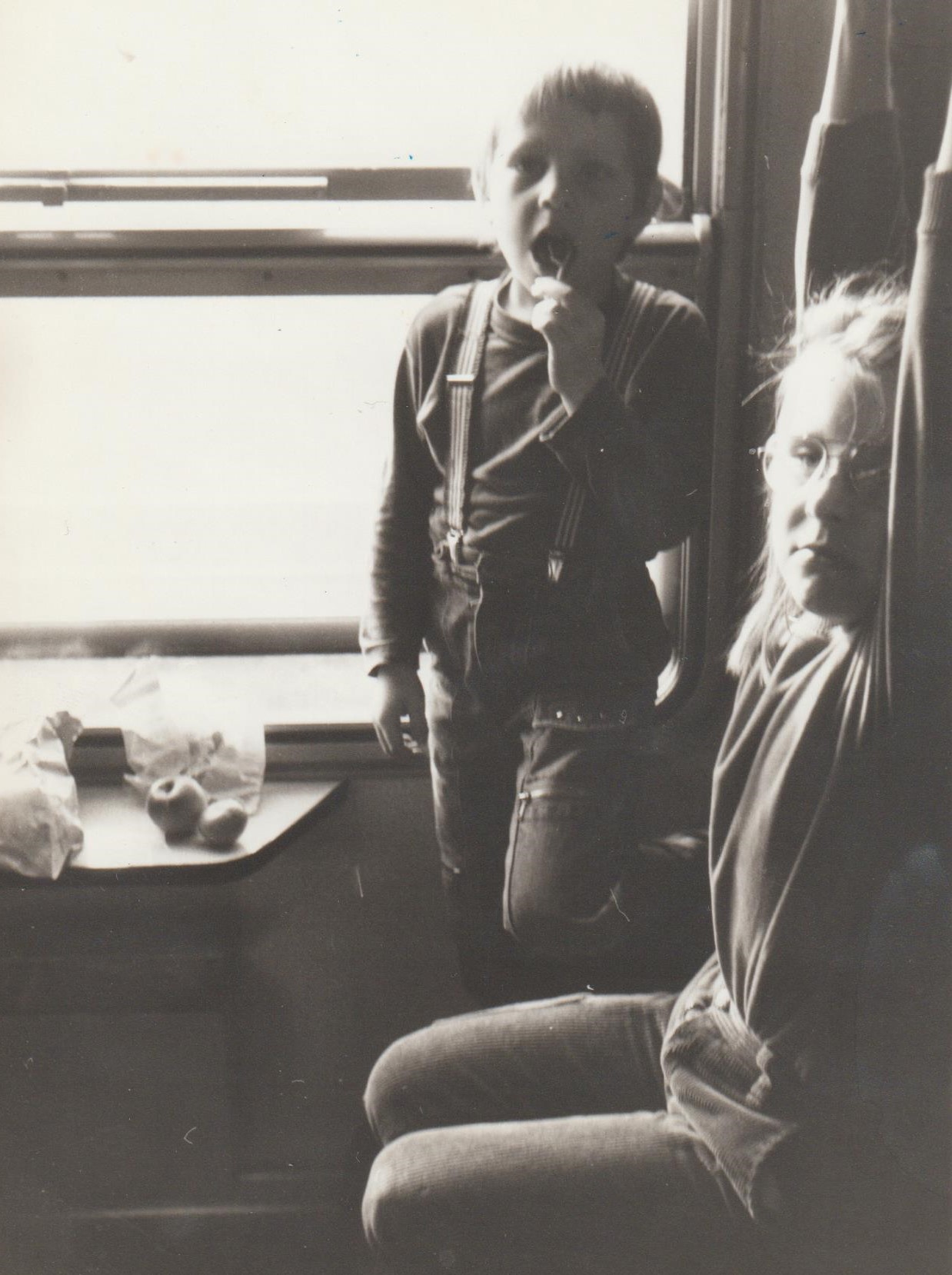
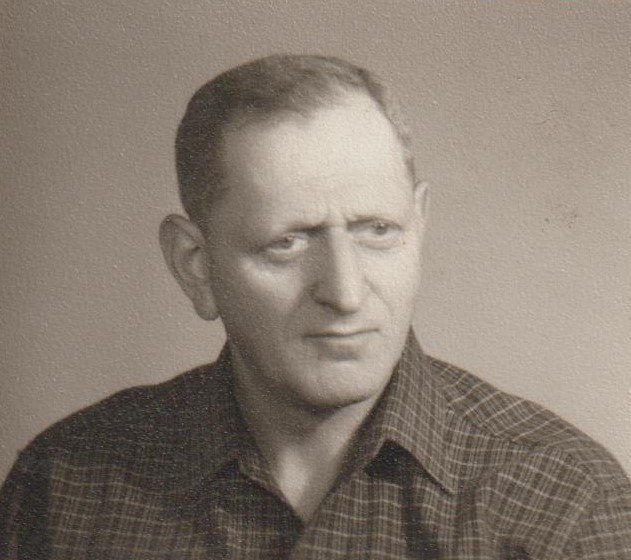
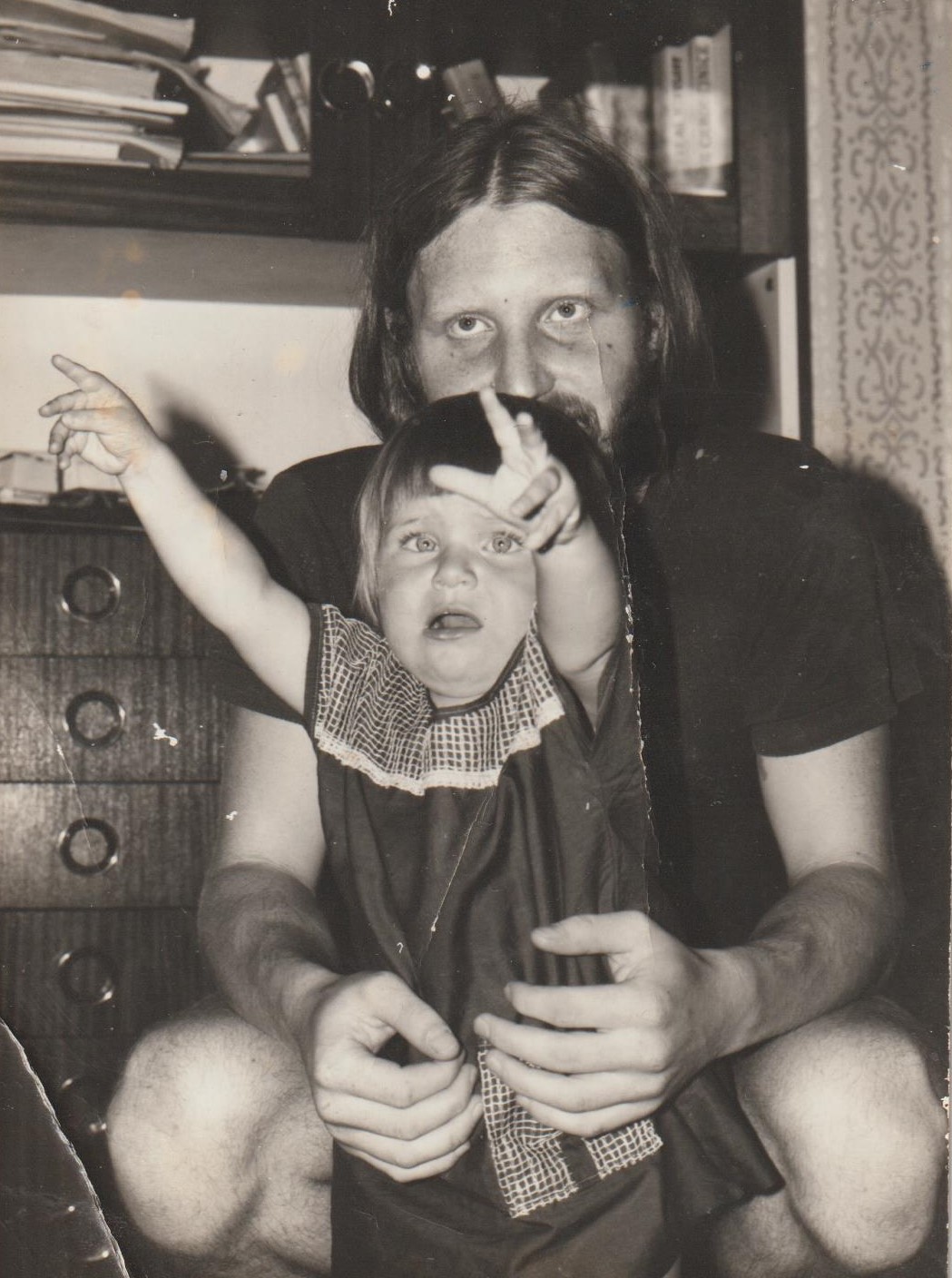
"My father was Oldřich, my name was Oldřich too, and we were basically a partly Jewish family, which was probably not very popular in a small town like Mohelnice. My two uncles, that is my dad's brothers, emigrated from the country. One to Australia, the other to America, so we were still considered an imperialist family. I didn't exactly have it easy at school, which was quite funny. This uncle of mine in Australia, who was called Jirka, used to send me records, and then when I was older and at a young age, he brought me a pair of jeans, a T-shirt with an Australian flag on it, and I didn't have anything better than - it might have been in 5th grade or something like that - so of course I would wear it to a primary school where there was this agile comrade headmistress. Everybody there at that time was a comrade, as we all remember it, or we older ones. When she saw me, she was absolutely horrified: 'Well, what kind of behaviour is this? How dare you? Go change immediately.'"
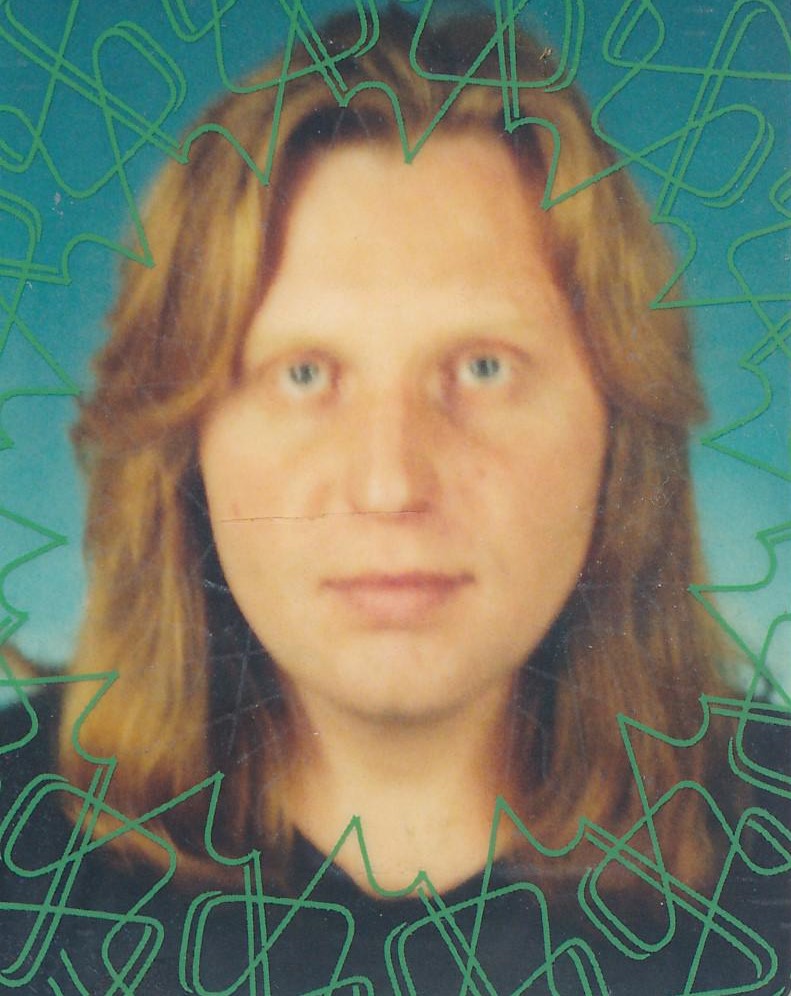
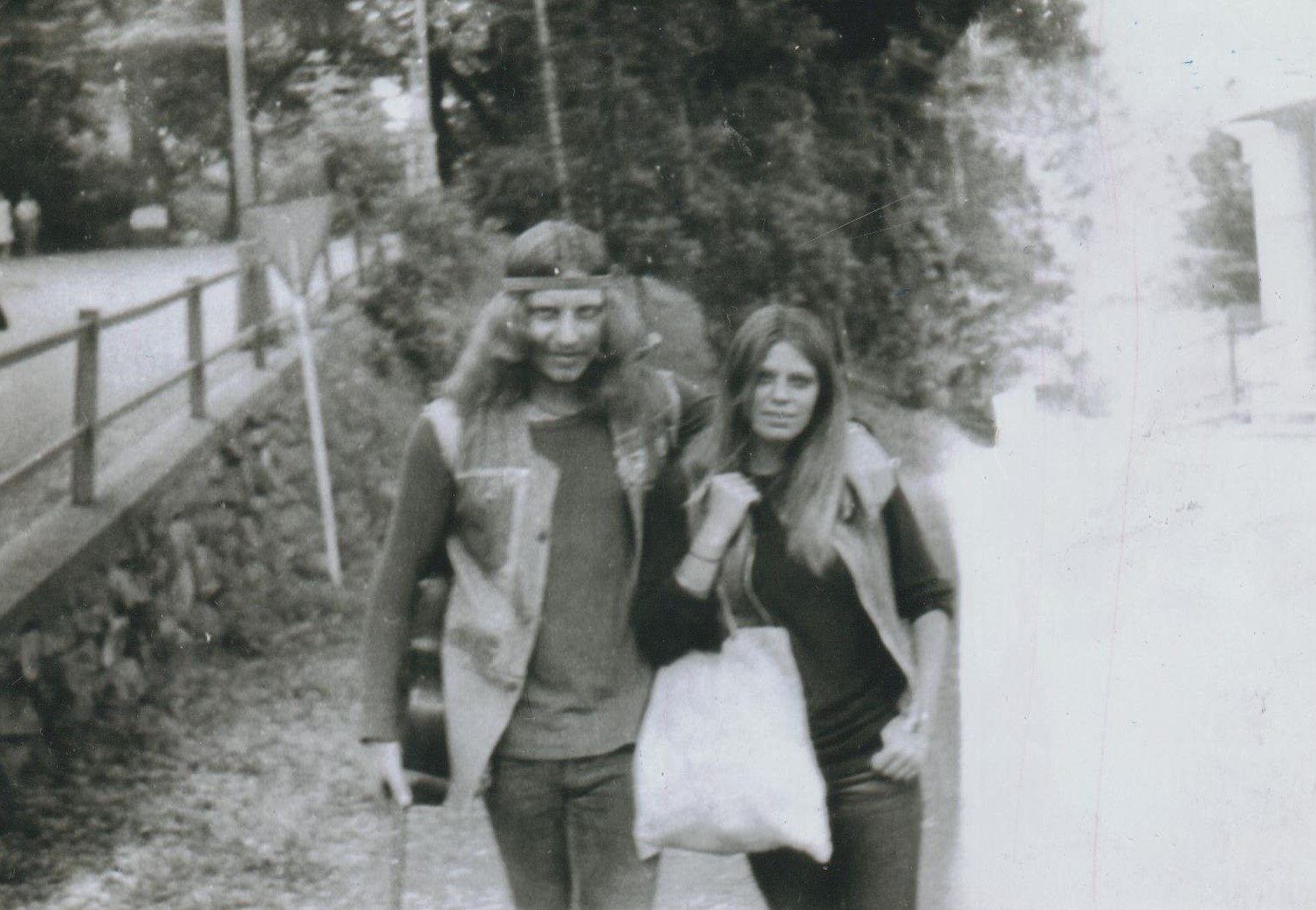
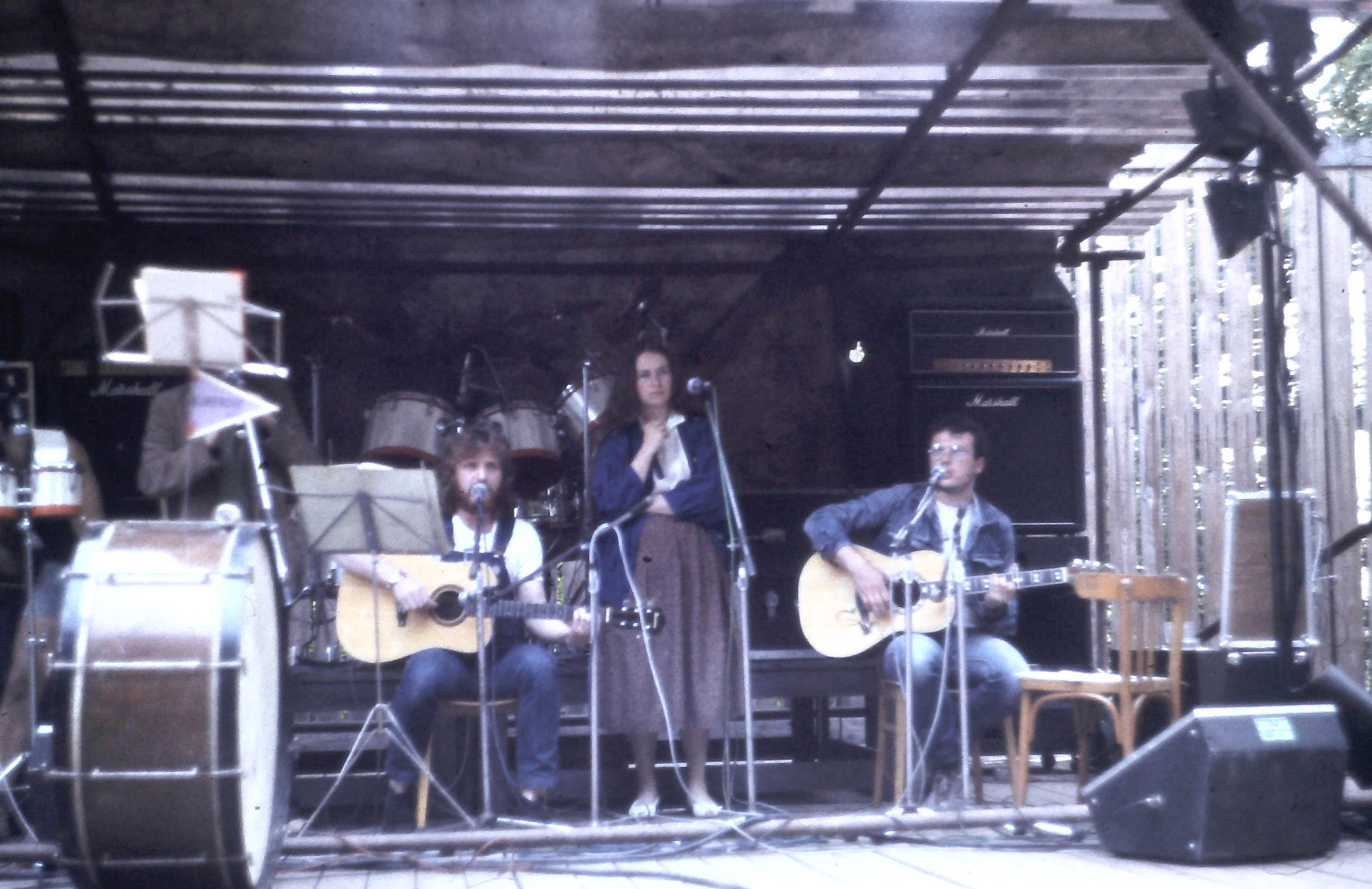
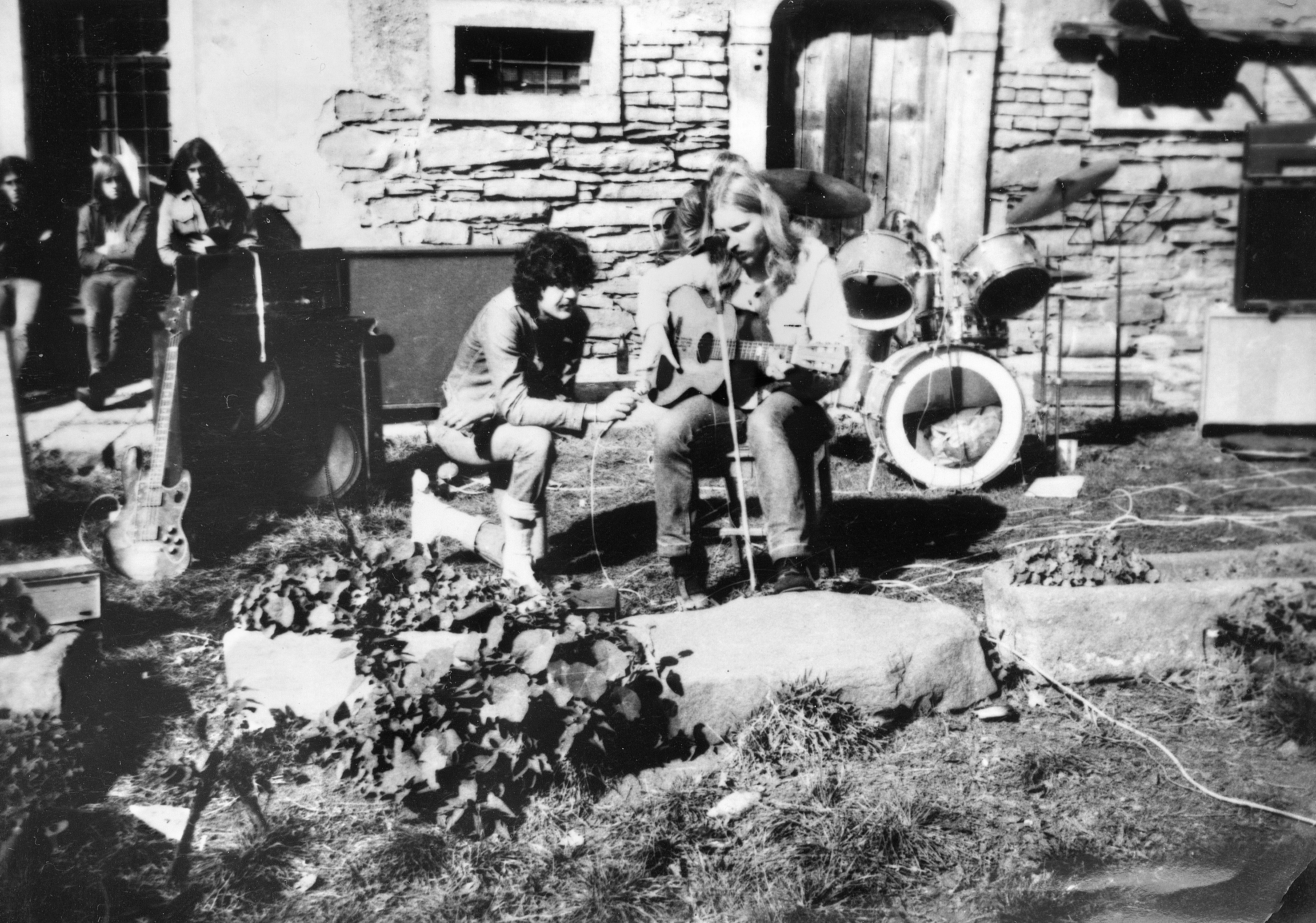
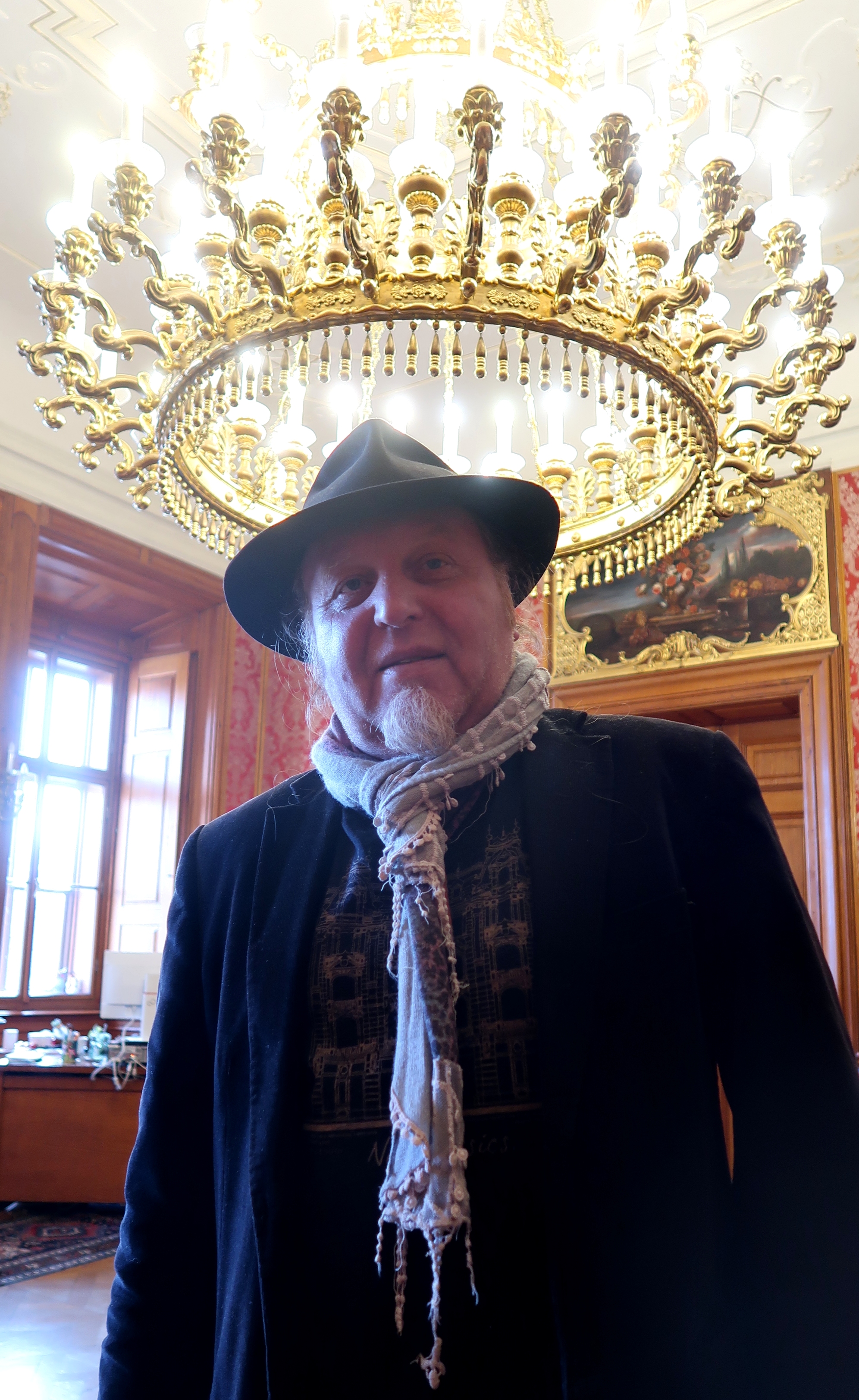
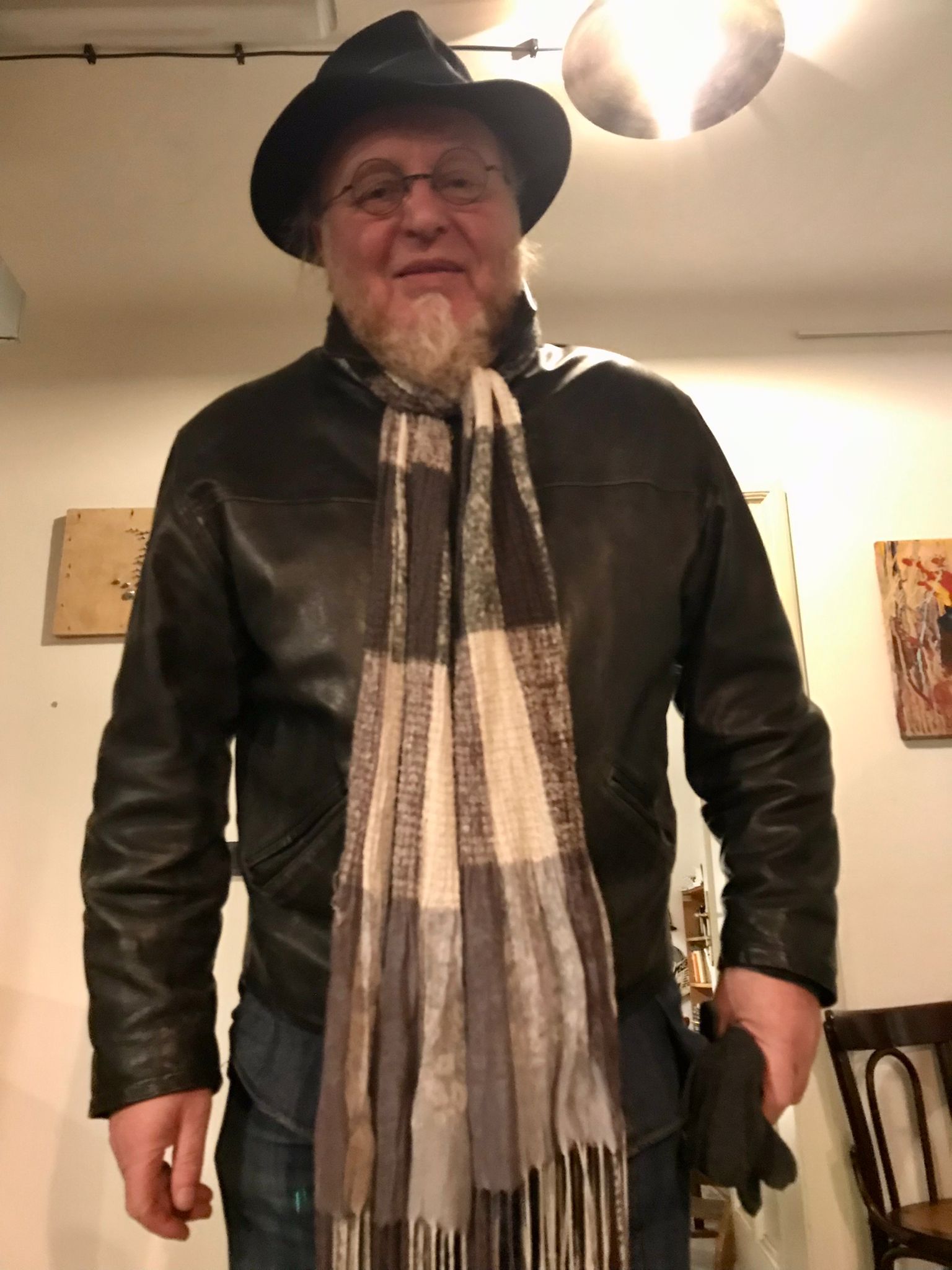
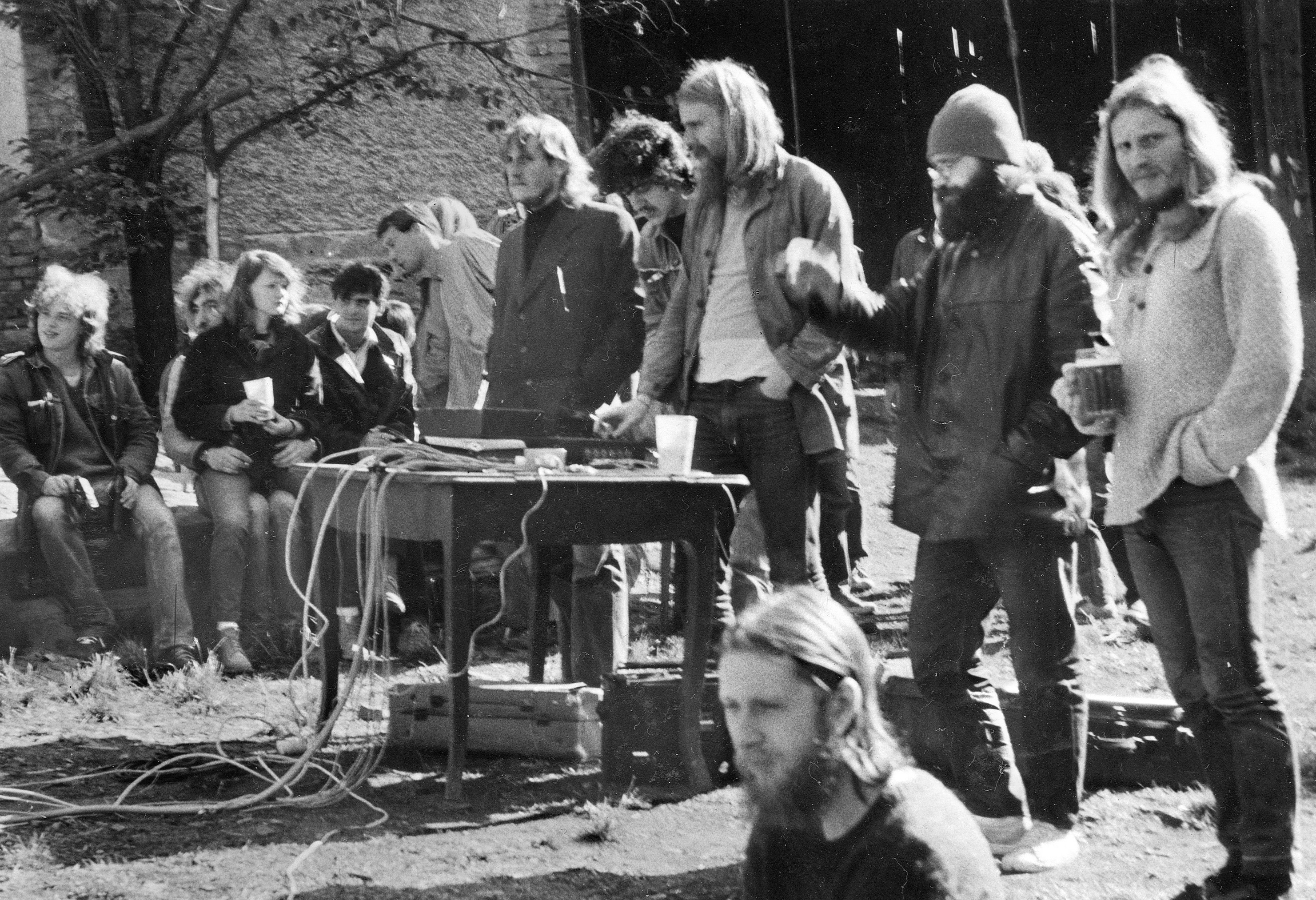
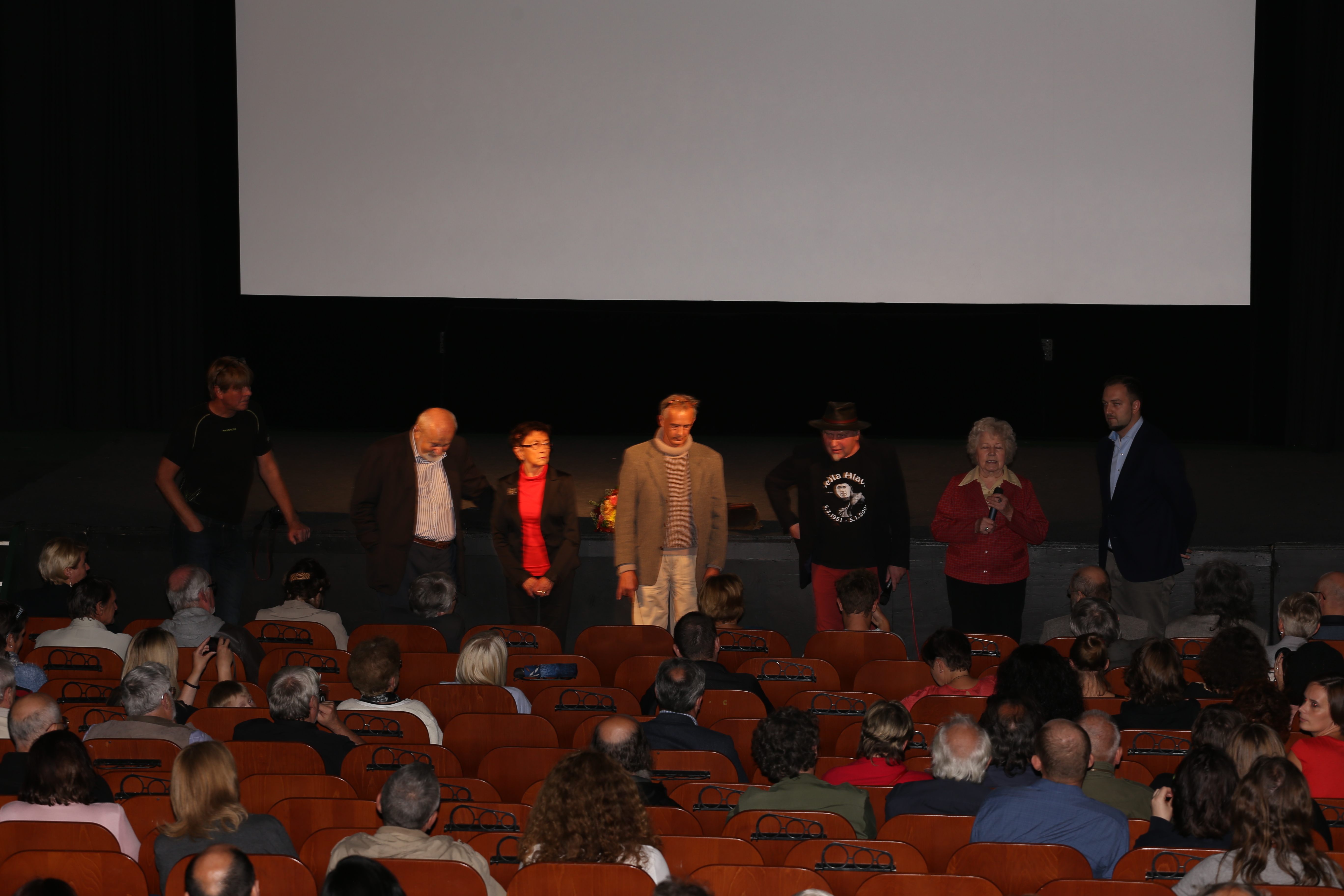
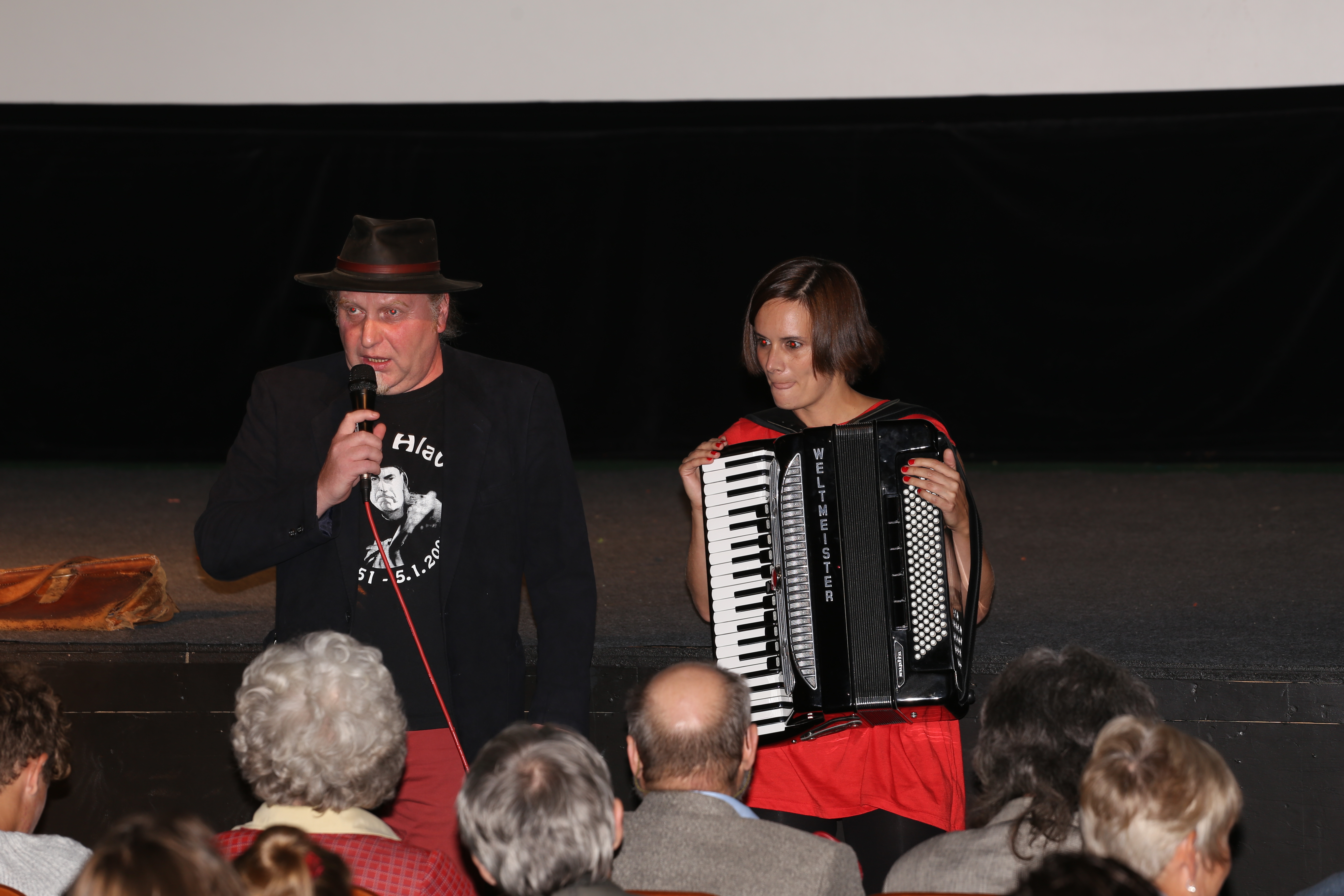
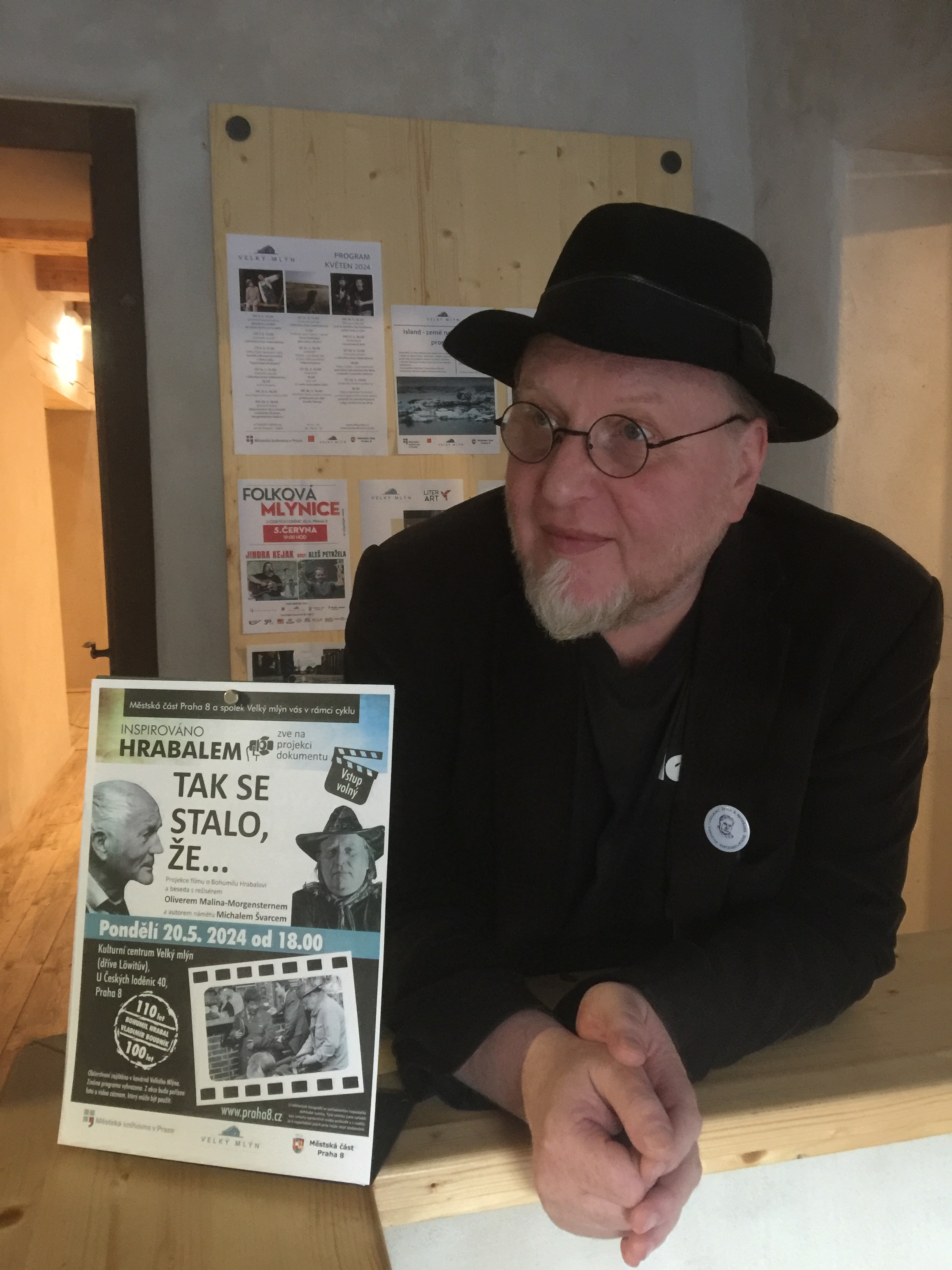
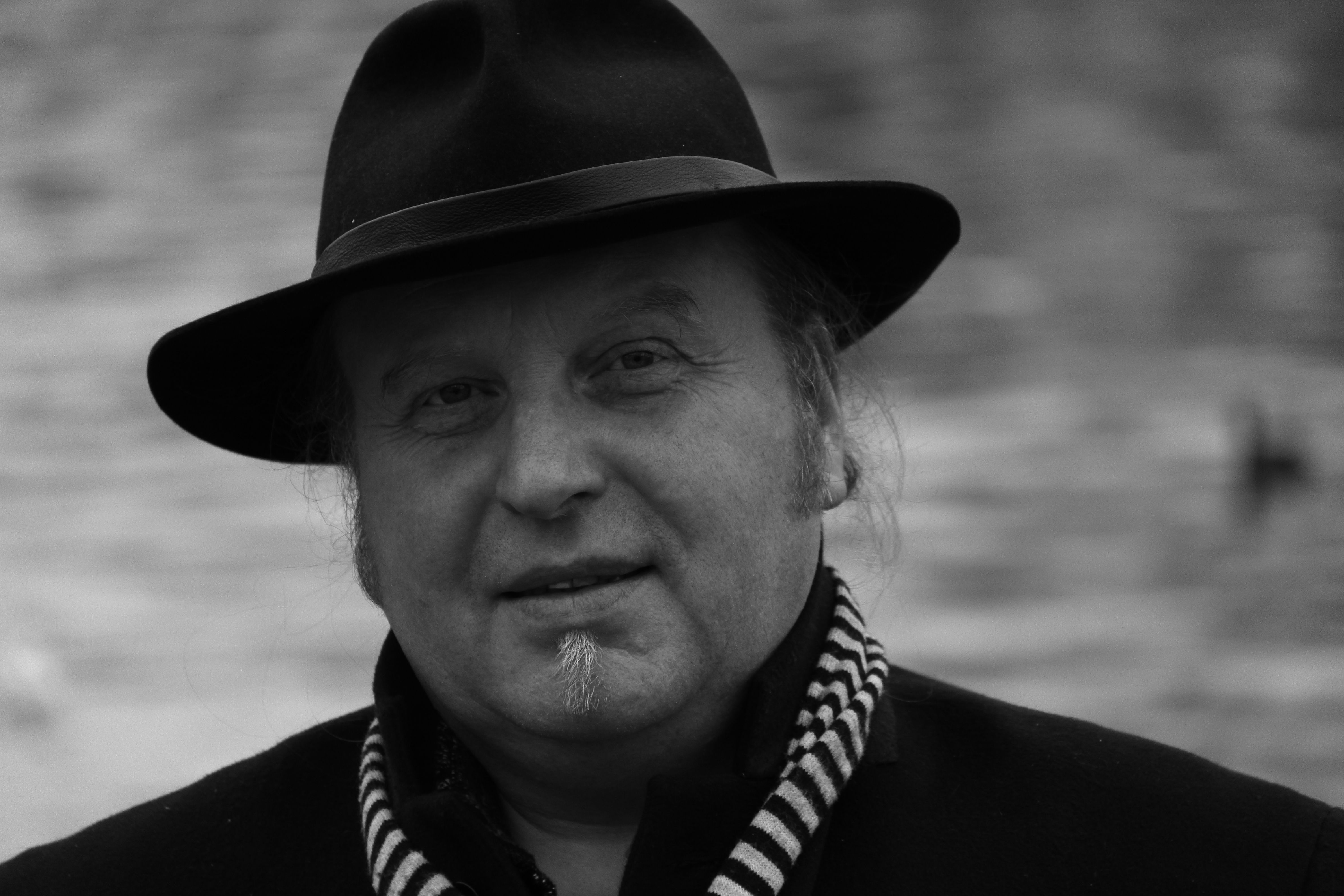
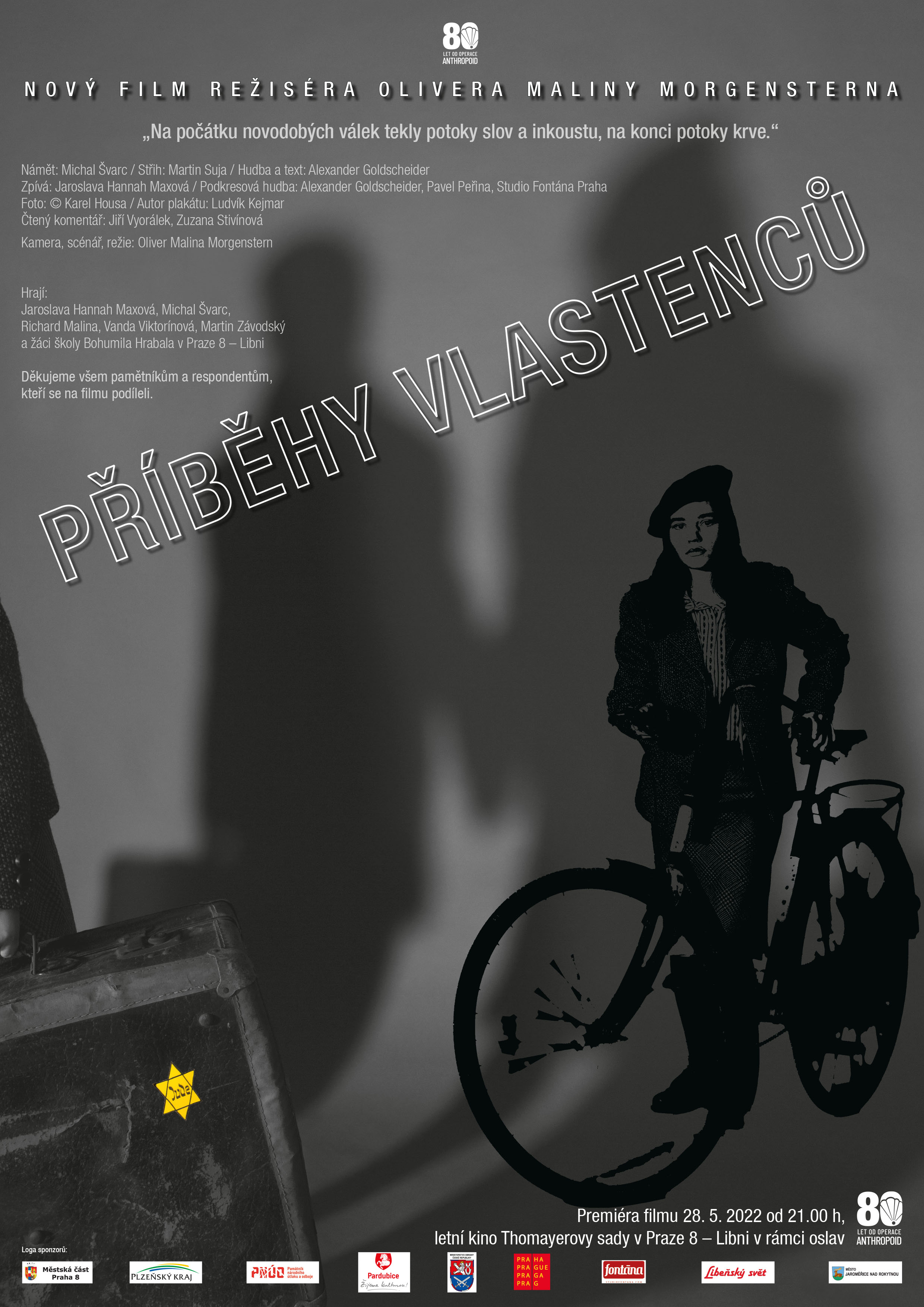
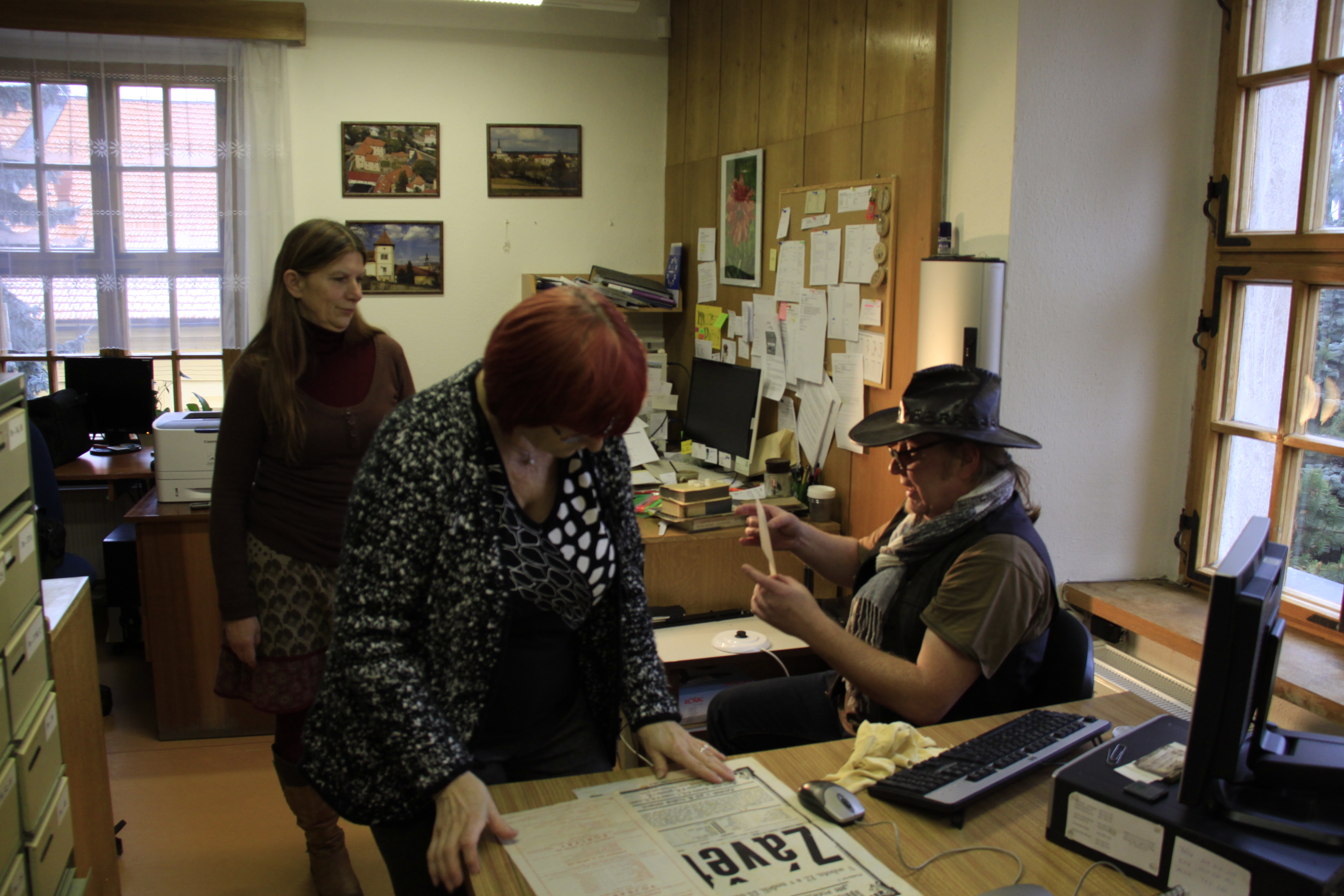
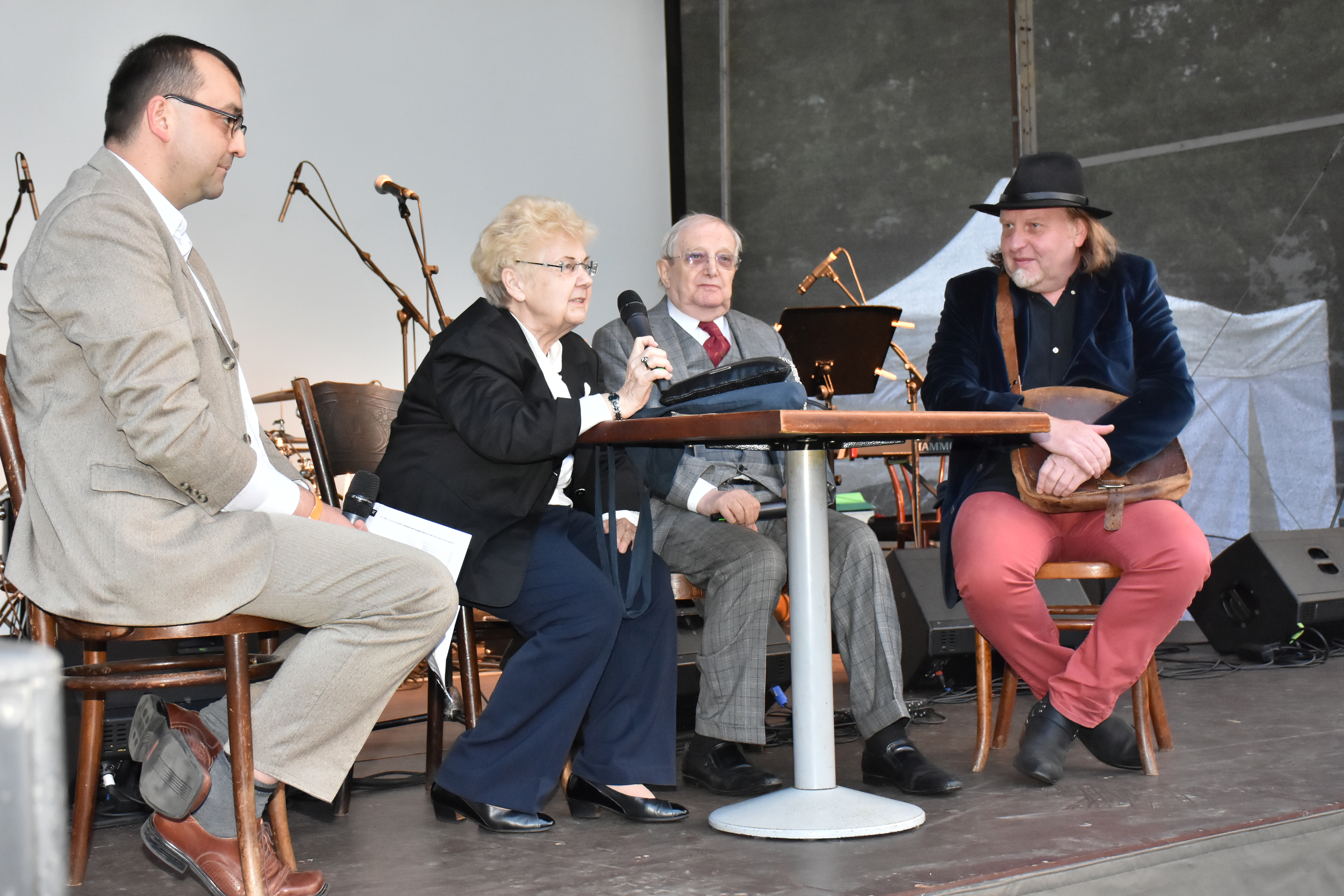
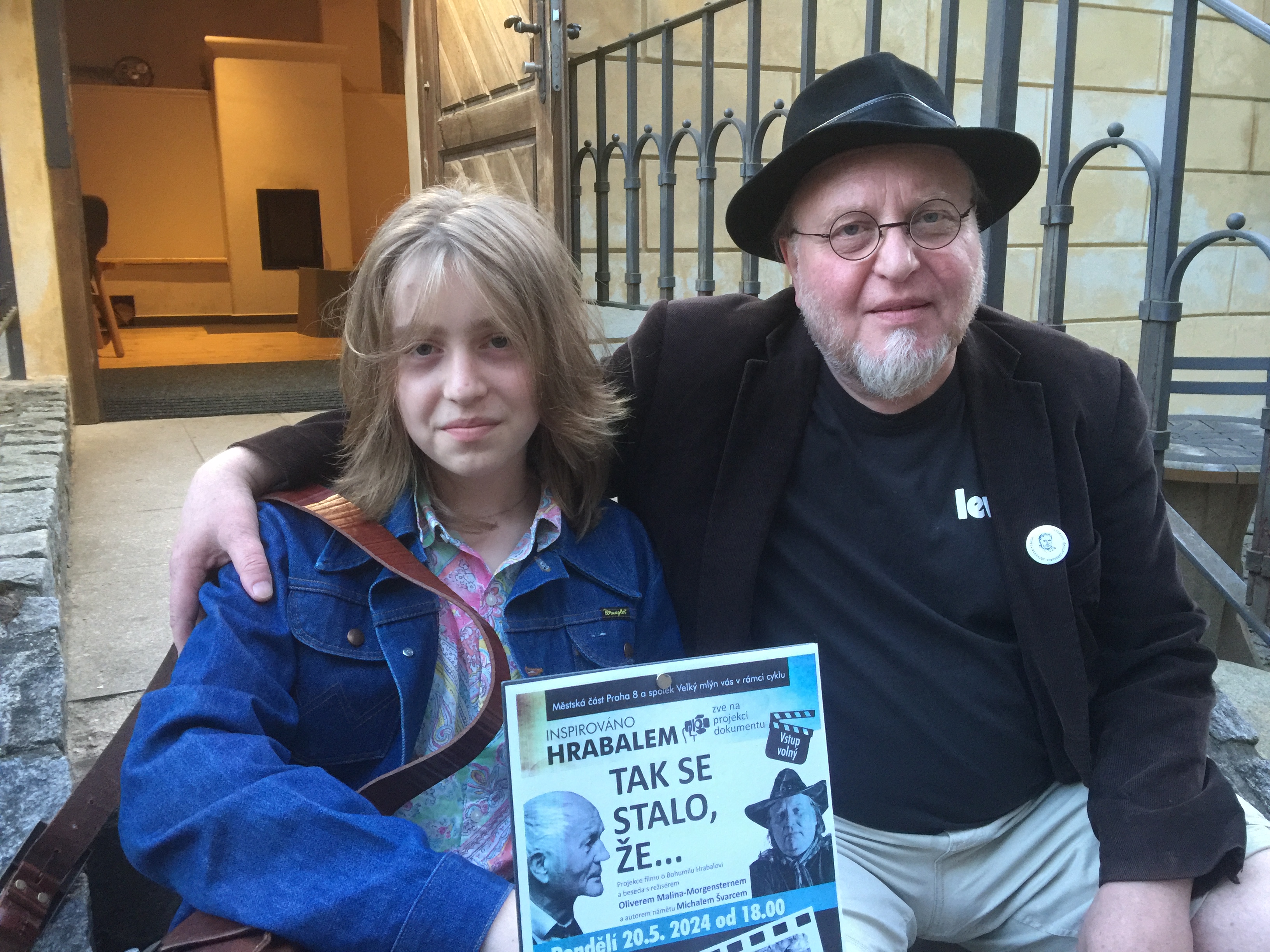
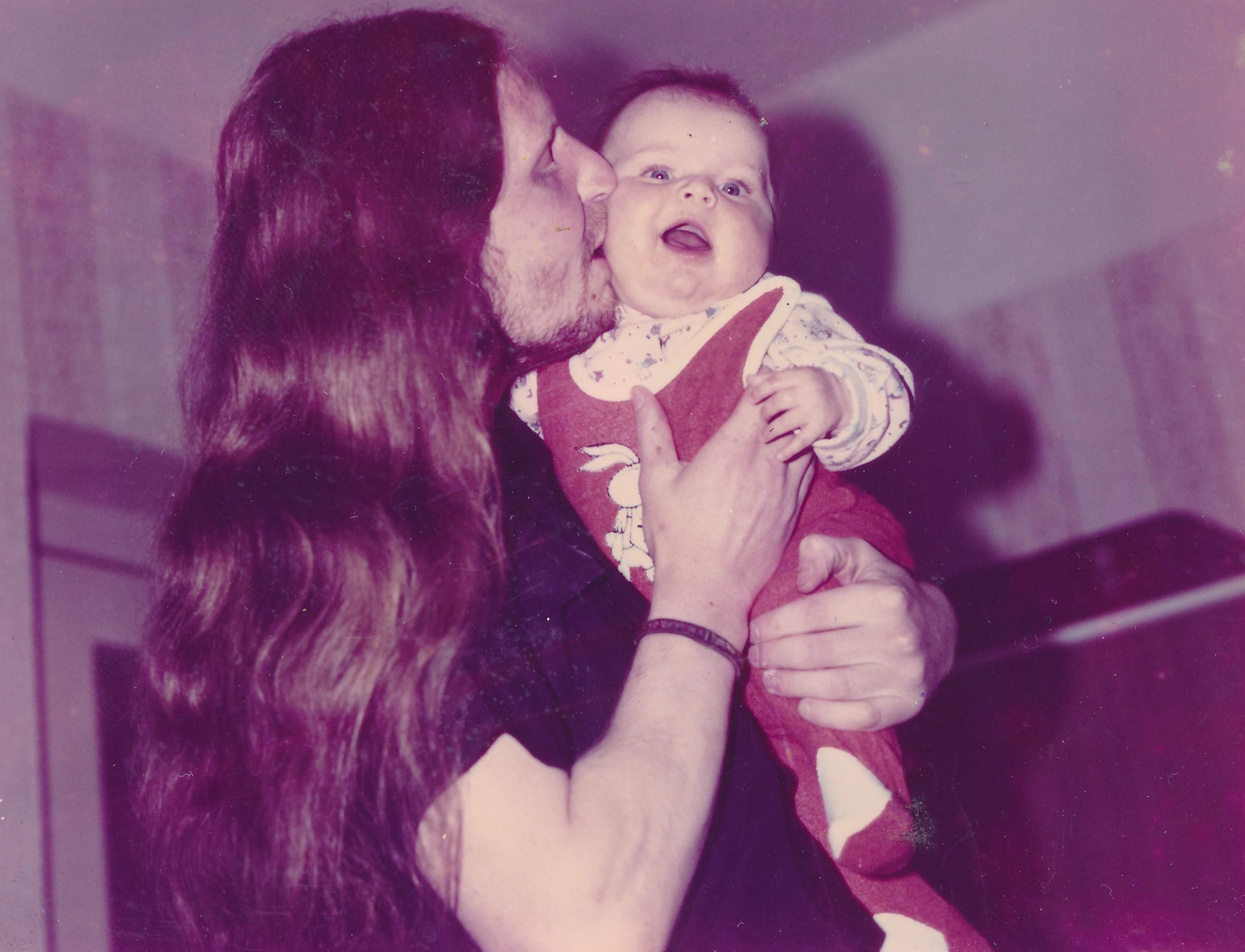
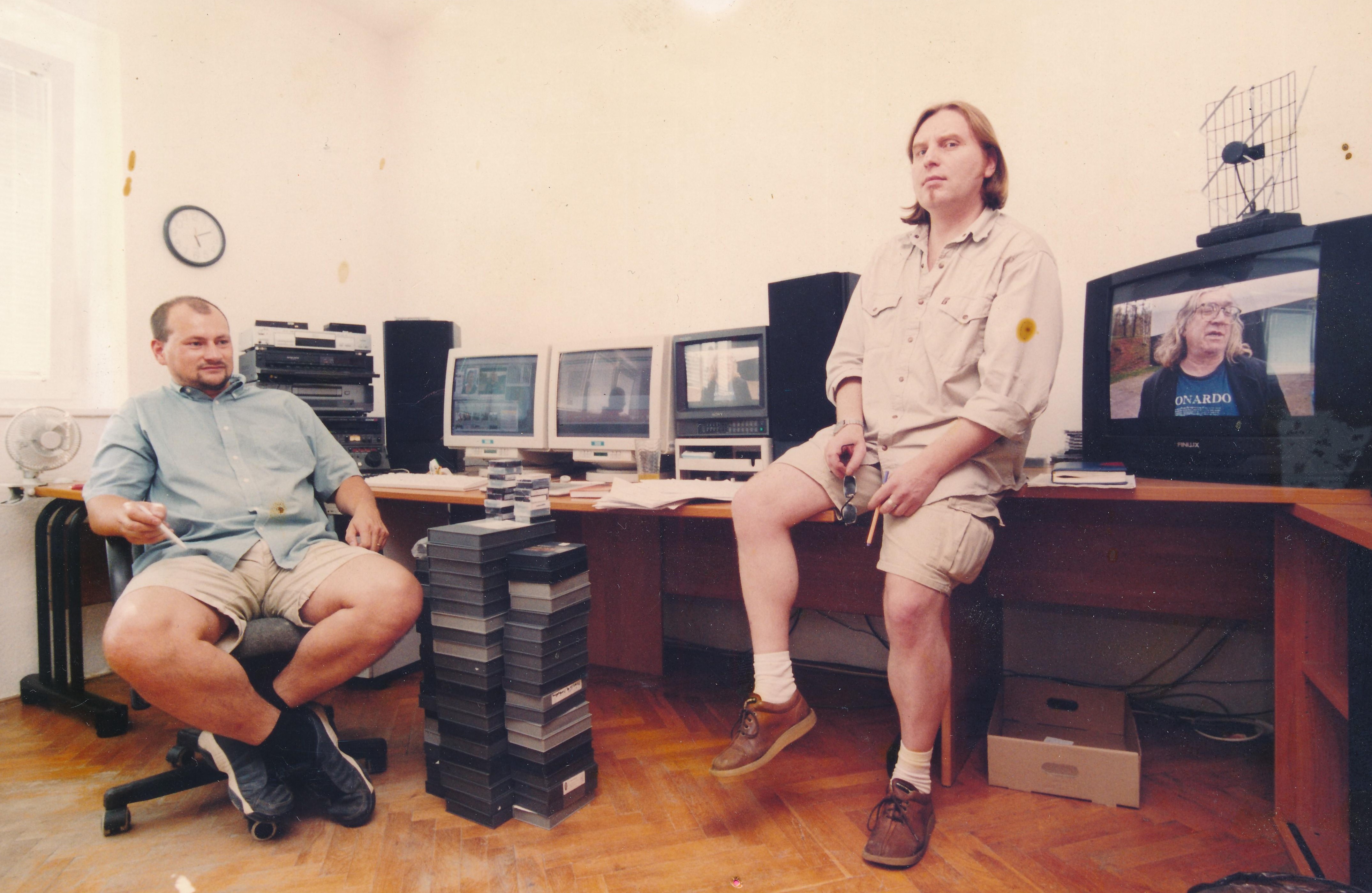
Oliver Malina Morgenstern (formerly Oldřich Malina) was born on 25 June 1963 in Zábřeh. Part of his extended family was murdered in concentration camps during the war, part of them escaped abroad and part of them survived in Terezín. In the years after graduating from high school, he lived in Broumov among underground musicians, participated in local anti-regime activities, and after November 1989 left for Prague. His interest in photography and filmmaking and the changes in society opened the way for him to finally take up filmmaking seriously: he enrolled in evening courses by Jan Špáta and Olga Sommerová at FAMU and began to learn intensively how to work with the camera, script and directing. In the following years he made a number of films, from documentaries to features, for television and distribution. He began with four films about the shocking crimes that society was experiencing in the late 1990s. The themes that have constantly interested him are on the one hand political and social, concerning neo-Nazism, all forms of extremism, the Eastern and Western fronts of World War II, the domestic anti-Nazi resistance and its heroes - patriots. On the other hand, he dealt with interesting personalities of Czech culture, including the localities where they lived. In addition, he also made a number of documentaries for the Czech Television programme Nová cestománie, mainly from Asian countries. For his active support of dissent, he was awarded the Participant of the 3rd Resistance award. At the time of filming in 2025, he was working on a film about the new circumstances of Jan Masaryk‘s death.
Hrdinové 20. století odcházejí. Nesmíme zapomenout. Dokumentujeme a vyprávíme jejich příběhy. Záleží vám na odkazu minulých generací, na občanských postojích, demokracii a vzdělávání? Pomozte nám!