Josef Mádl

* 1960

  • "And I remember bits and pieces of those days. I was eight, almost nine years old, so I remember helicopters flying in and dropping leaflets in Russian and Czech, advertising that the soldiers had come to liberate us from Nazism. We wore tricolours despite what had happened. At that time there were trams running along Plzeňská Street, and you got on and off them as you went along, in the second car and in that first car, sometimes, and of course that tram service was restricted in those early days, and there were tanks everywhere along that Plzeňská Street up to Motol, where my mother worked at that school and I went to school there. They stood all the way to Zámečnice, there were these two statues on Zámečnice - at the Zámečnice cdepot - there were these two statues of Russian soldiers, statues of liberation, so they chose these places and they would gather at these places, there were always more of them, just like there were, for example, at the square we called U tanku (At the Tank - now called Kinských) - the restaurant Pod Kinskou - there was this tank covered with Soviet soldiers. And they were probably trying to get it to work or looking into it, but the tank, when it had been brought to the pedestal, they had taken the engine out of it, so it was just a prop, but they had their strong mental points there."

  • "So they were stories from Pankrác prison. One of those stories concerns the execution of Rudolf Slánský (Salzmann), whom Gottwald had executed at the direct and very intense instigation of Josef Vissarionovich Stalin, who wanted to eradicate Jews from Czech politics, and not only from politics, and ordered that Slánský be executed. His friend Klement Gottwald signed his death sentence, and on the eve of his execution, Slánský asked for a book called The History of the Communist and Bolshevik Revolution, and my mother gave him the book because she was a librarian there. That's just a little story, which is maybe not mentioned anywhere in the history, that the man was trying to the last moment to somehow maybe show his loyalty or to point out the injustice with which he was suddenly delivered to this dehumanizing defeat."

  • "She was a kind of psychic and healer, who was called Aunt Melhofka. She was a kind of hearty Moravian woman who was travelling by train and in the compartment opposite her sat a man in a suit and she was writing down in a notebook how herbs worked and so on. And the man said to her: 'Lend me that notebook.' She lent it to him naively and he took out a pen and wrote something down and gave it back to her. And suddenly State Security men and policemen burst in, the gentleman, they arrested him immediately, and they started searching her and they found the notebook and she was laughing about it and actually laughing even as they were taking her off the train because she had no idea what was going on. And the gentleman wrote in the notebook, 'Brno, Zbrojovka Brno', and the State Security guy caught it and triumphantly held the notebook and said, 'Well, you'll go too.' Well, she got eight years, completely and utterly senselessly, and she never found out who that person was, she never found out why, what for..."

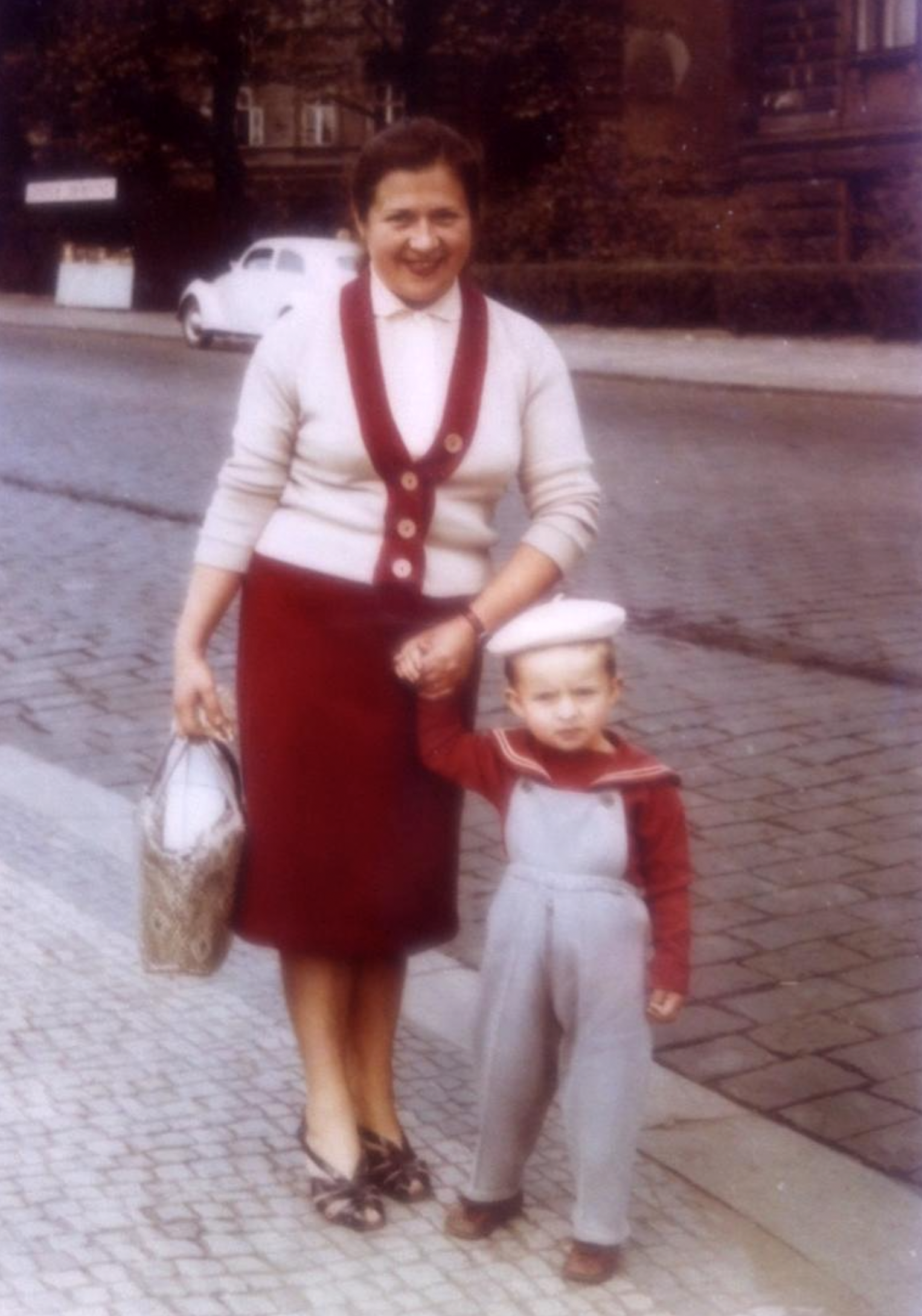
  • "My mother was imprisoned by the state court for crossing the border illegally. She first was charged with treason and espionage, I should point out that she was twenty-three years old and had done nothing at all, nothing at all. We just had, like, some property, just, she just had a boyfriend at the time who had a restaurant. My mum ended up getting three and a half years for illegal border crossing. It was a staged trial in state court, like hundreds and thousands of trials back then. Because she was arrested at the age of 23. Of course, they interrogated her more, it was so that they mainly wanted to get the family's money. So they interrogated her, they interrogated her very harshly. And my mother said, I'll show you where the money is. She told me that she was prepared that if the money wasn't there, she would just jump out of the window because they were torturing her so much, and on top of that, it wasn't just physical abuse, it was also psychological abuse. Before she went in for questioning, they were just beating up the people who were there for questioning before and just dragging them bloody down the corridor in front of these people that they had brought in for questioning. They blindfolded my mother and they chased her with some batons down the corridor where there were buckets of water, and she was just like tripping and falling into buckets of water and stuff like that. And then they locked her up, and then Mummy came to these prisons where there were women political prisoners, and then there were thieves, murderers, prostitutes, and all this other prison society."

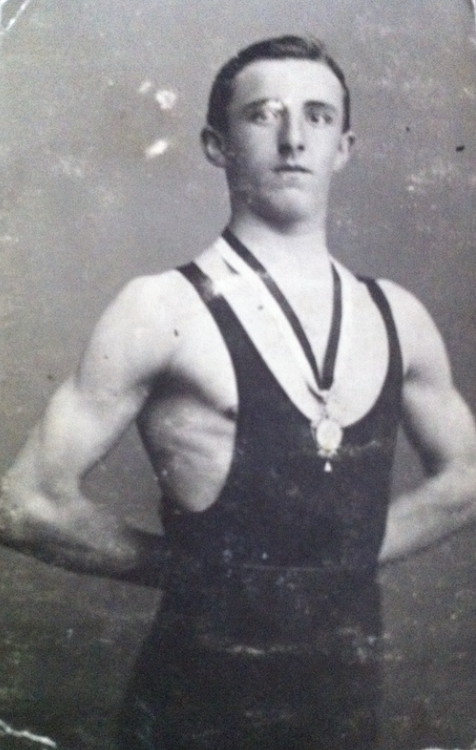
  • "I, like every Jewish child, perceived my father and my mother in the way that was right and the way they raised me and the way they raised them. For me, my dad was the absolute authority. Moreover, he was a real hero. Apart from escaping the Nazis, shooting his way out of the concentration camp, he was decorated in the Prague Uprising, because when he got to Prague afterwards, he was hiding here under the Black Hill for three months. And then when the Prague Uprising started, together with my uncle, who actually had stayed here and hadn´t gone to the camp, they detained the SS men who were escaping from Prague and by force, and possibly by killing, they procured civilian clothes so that they could escape to American captivity in Pilsen. They just sort of stopped them there and prevented them from terrorizing the civilian population. Like for me, my dad was a hero except my dad was an ace. My dad practiced jiu-jitsu, he did boxing, he could shoot, and he actually got tuberculosis and hepatitis while he was in that concentration camp, and he was very lucky that he had such an amazing physical fund that he survived. And whenever it came up, like, if he somehow got some medicine and stuff like that there, he said yes, the Germans had a cure for that, and that was death marches of sixty, eighty, ninety kilometres. That they took these sick people and just like herded them somewhere, like they were going for some treatment or just like really death marches. And they fell along the way and of course there was never any treatment or they were just transported to Buchenwald or Auschwitz and then they killed them there and solved the final Jewish question."

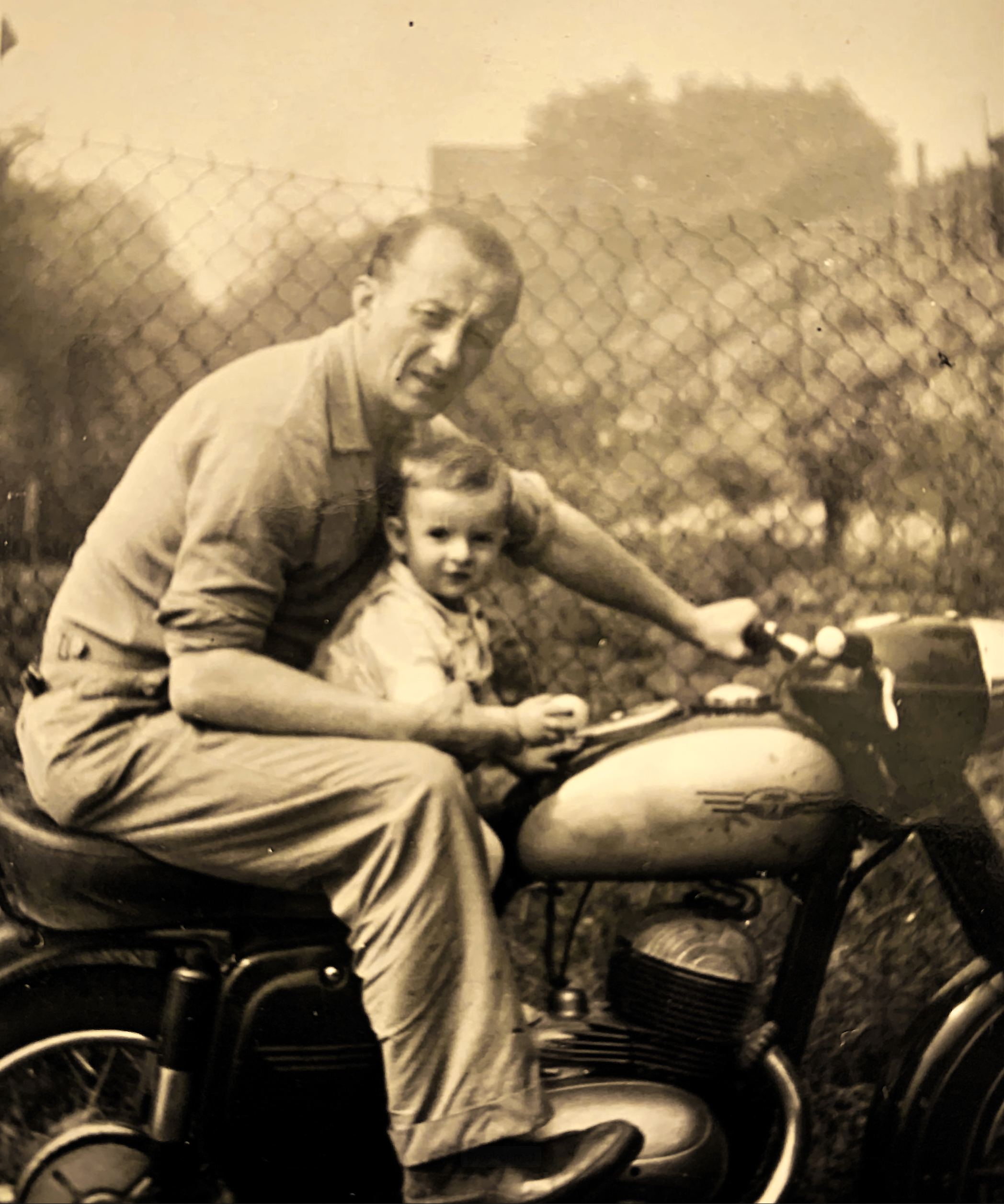
  • "My dad, who was a prisoner of the Nazis and escaped from a concentration camp, so he took me when I was about four years old to start learning martial arts, to start learning how to shoot. Because he had shot his way out of the Magdeburg concentration camp, he knew that maybe strange things would follow. My parents, both of them, whad been actually political prisoners, my father because he was partly Jewish and my mother because she came from a very rich family. And at the time when the Communists, Bolshevik power took over, the whole family was arrested. And so we were preparing for every opportunity that would come up to emigrate, and it was necessary to just prepare for the fact that we would be persecuted and that they would shoot at us and so on. So I was taught from a very young age various skills that I'm afraid I may still need in a few years."

  • Celé nahrávky
  • 1

    Praha, 21.01.2021

    (audio)
    délka: 02:03:26
    nahrávka pořízena v rámci projektu The Stories of Our Neigbours
  • 2

    Praha, 11.06.2025

    (audio)
    délka: 01:49:56
    nahrávka pořízena v rámci projektu Stories of 20th Century
Celé nahrávky jsou k dispozici pouze pro přihlášené uživatele.

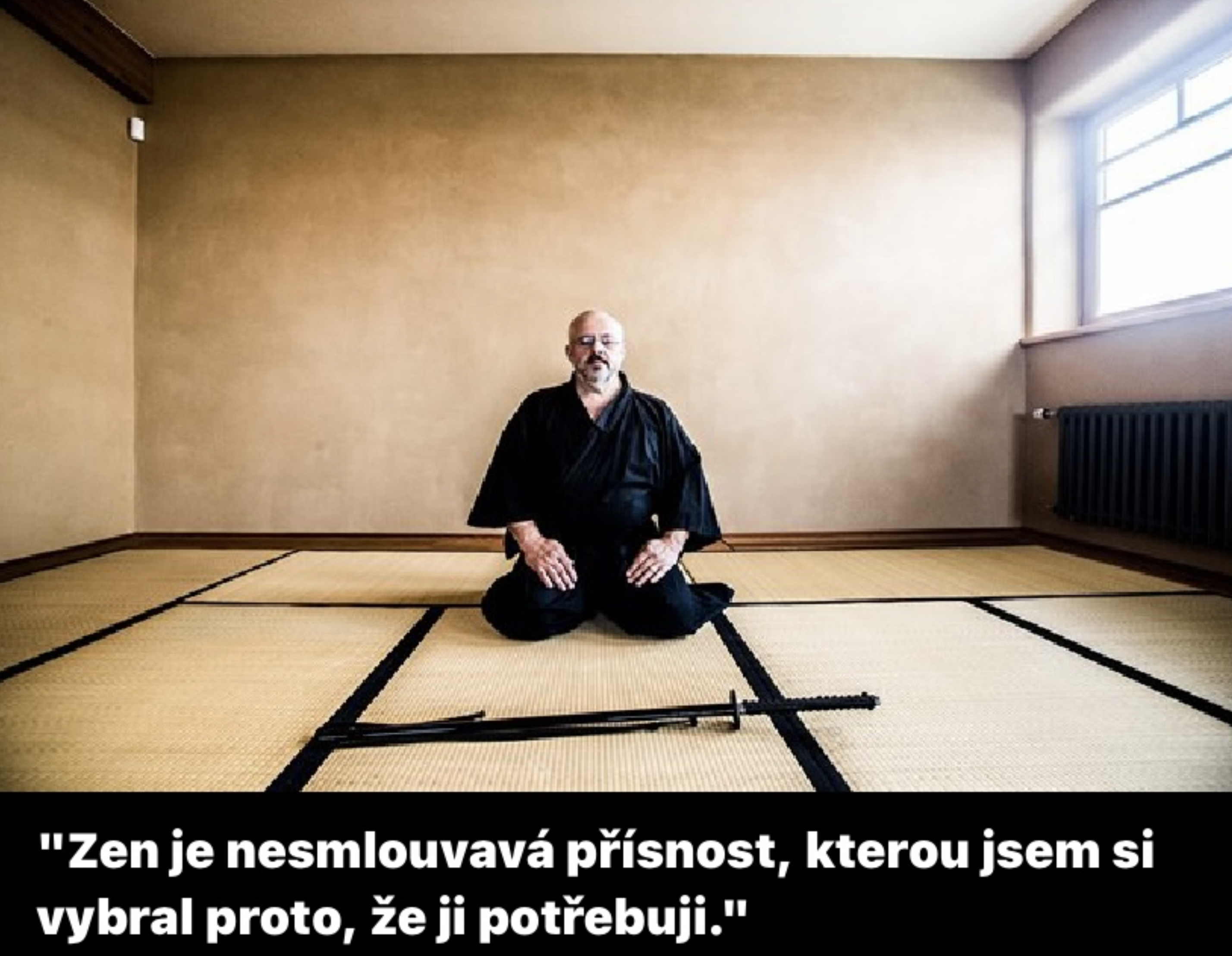
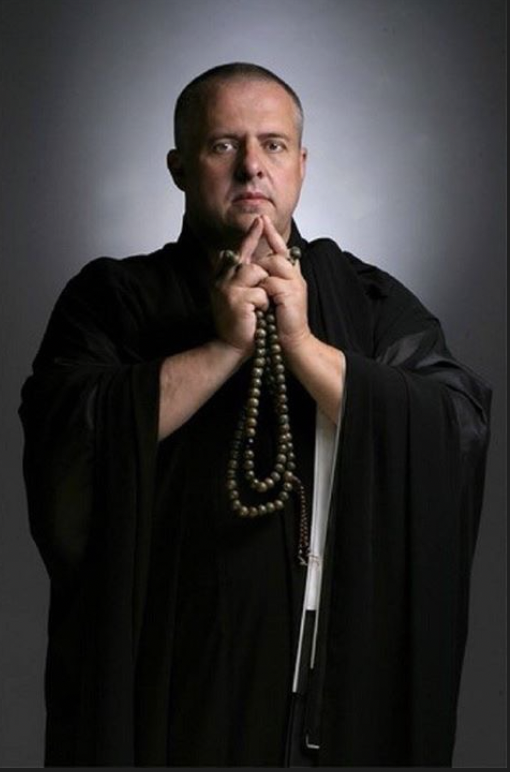
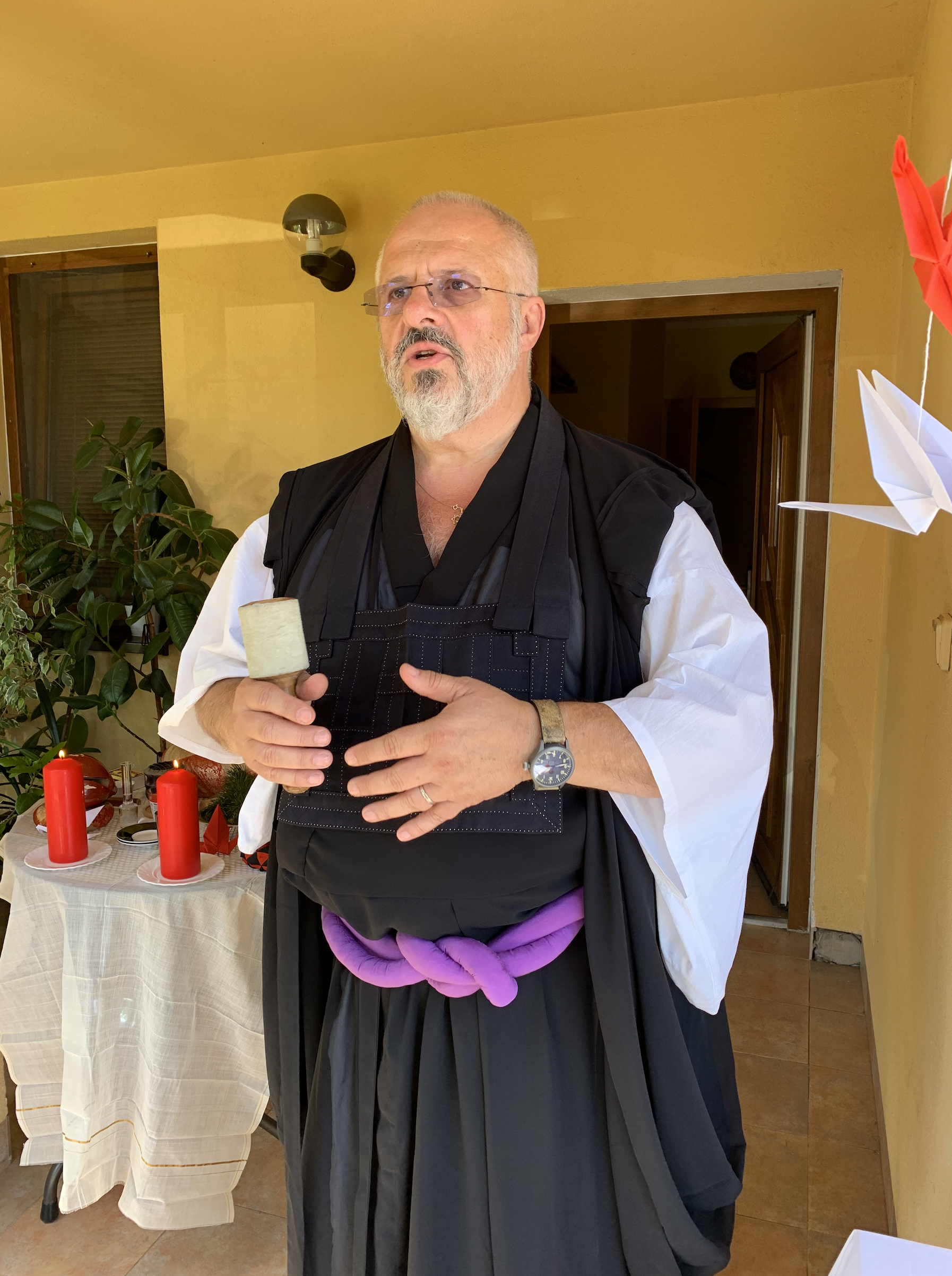
The spiritual path to Zen Buddhist monastic vows led through martial arts

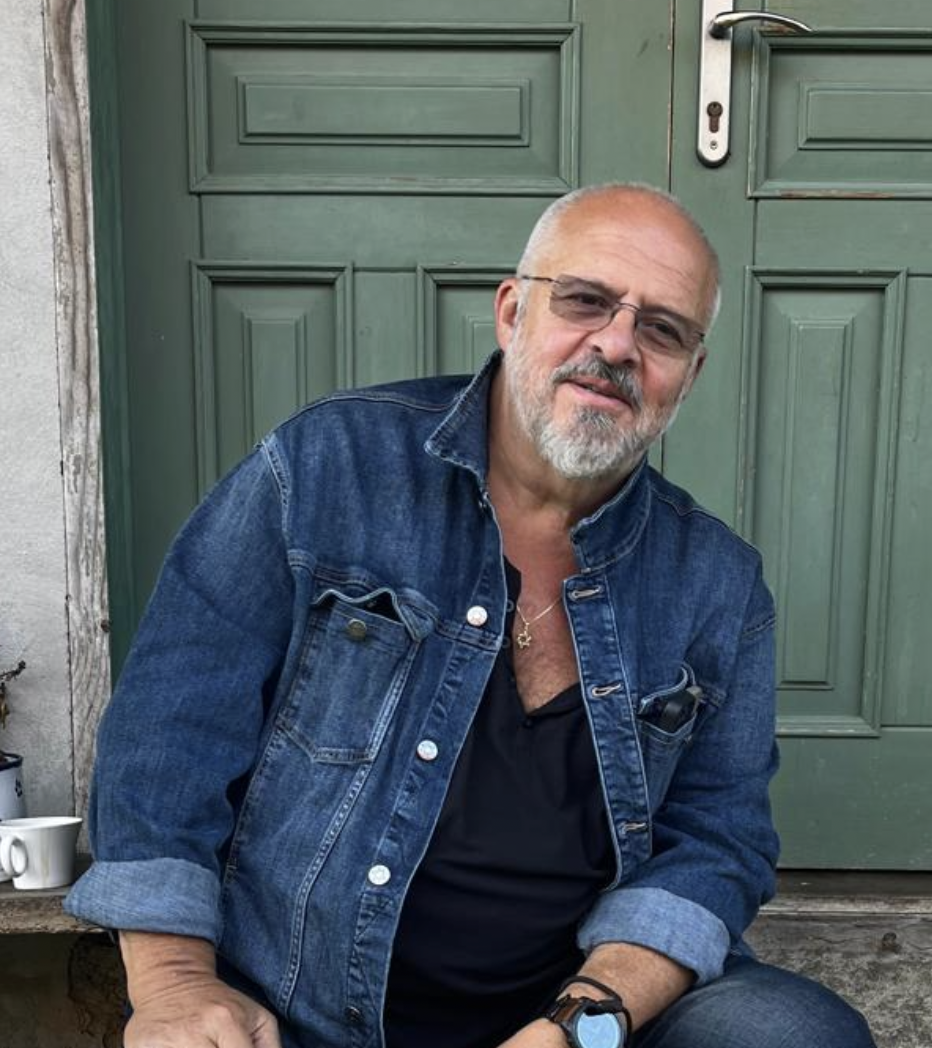
Josef Mádl, twenty-four years old
zdroj: Witness´s archive

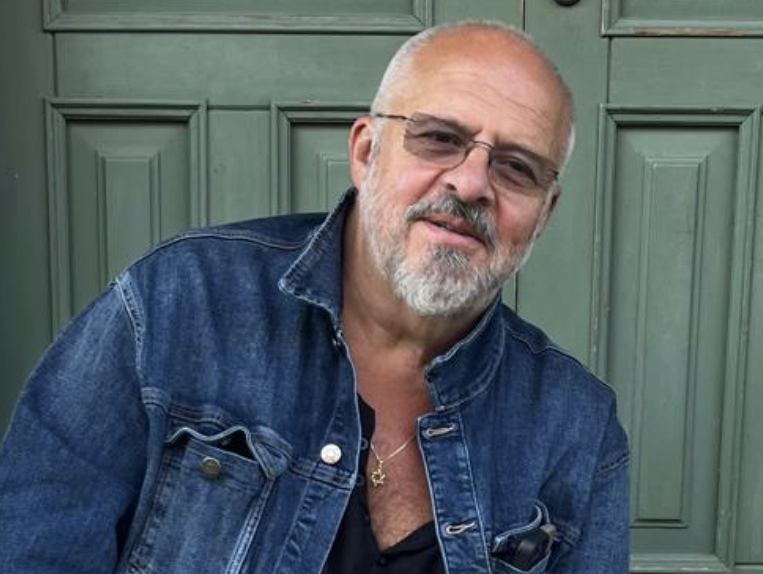
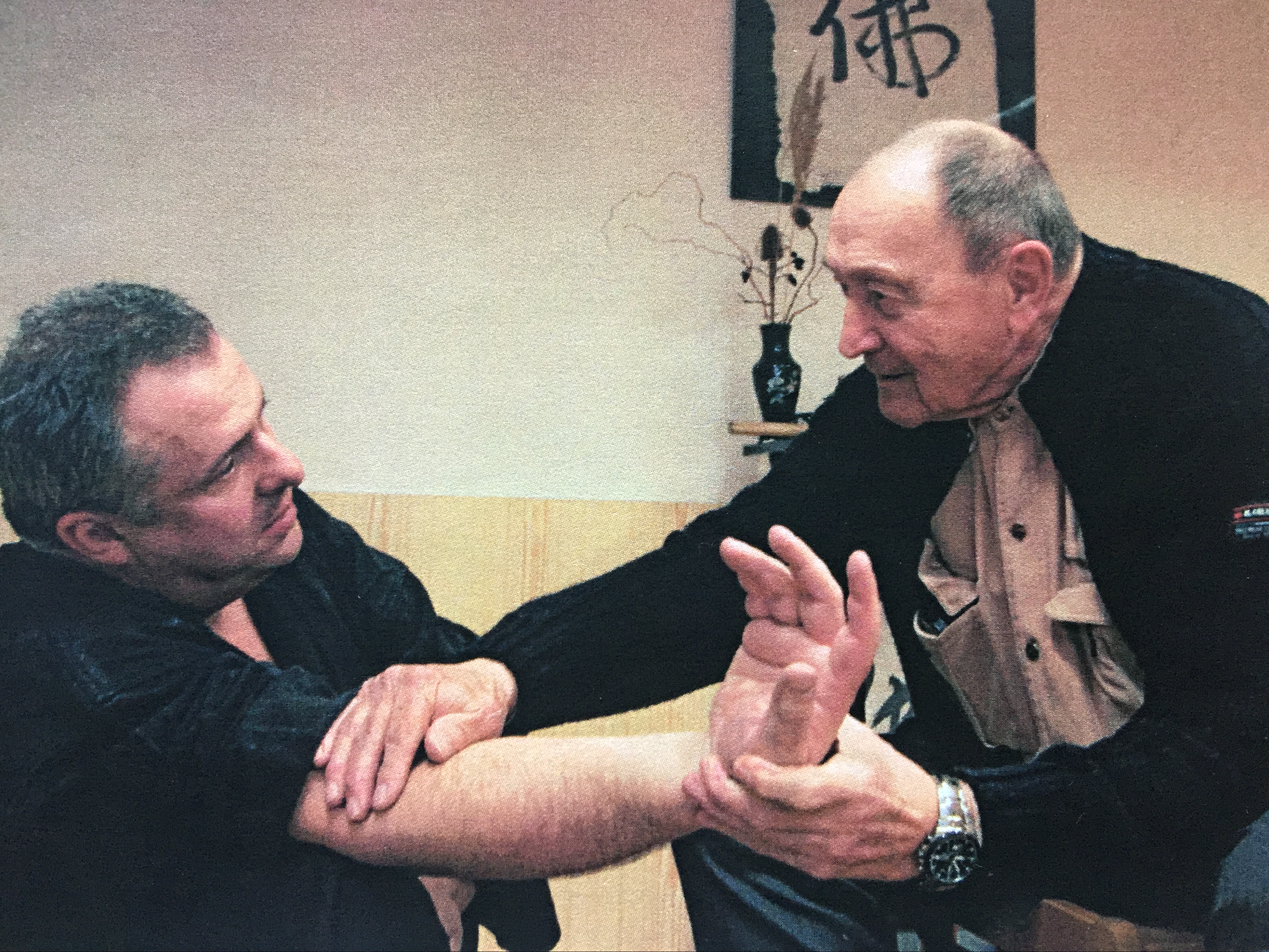
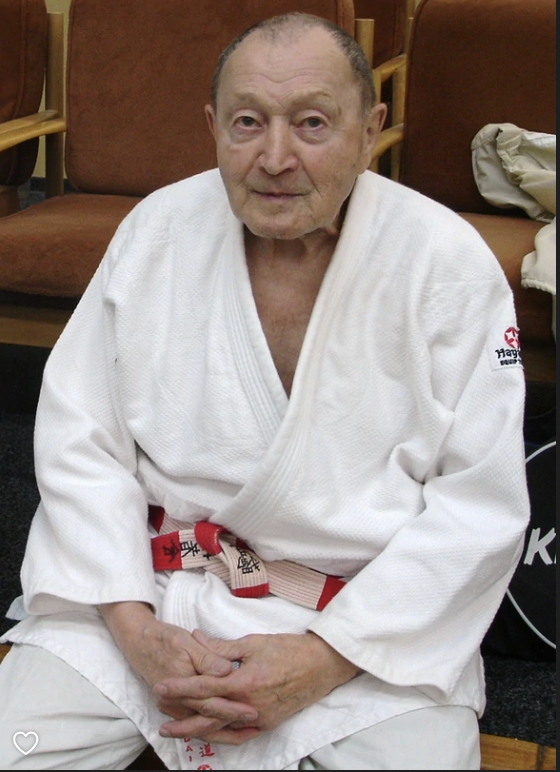
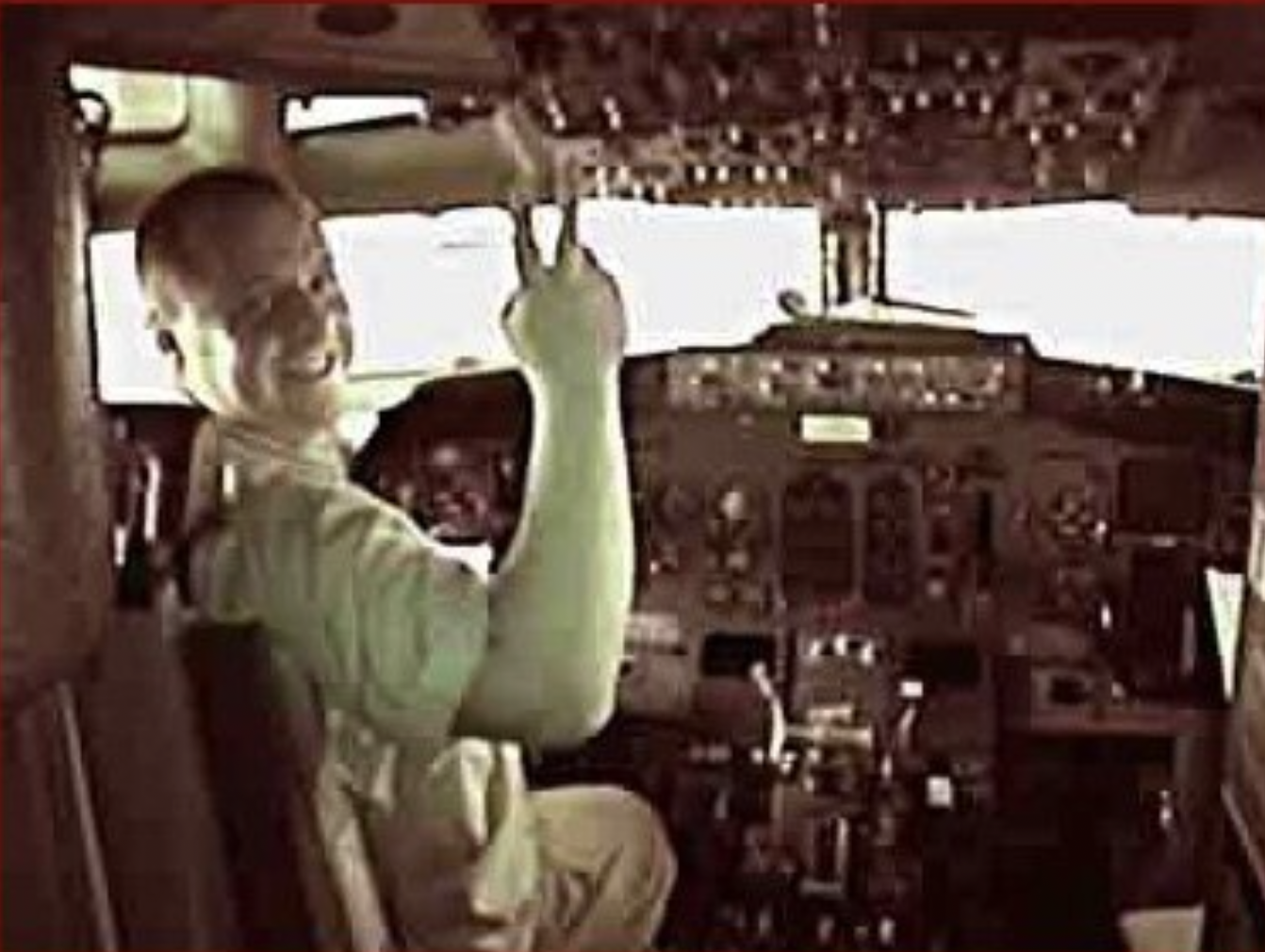
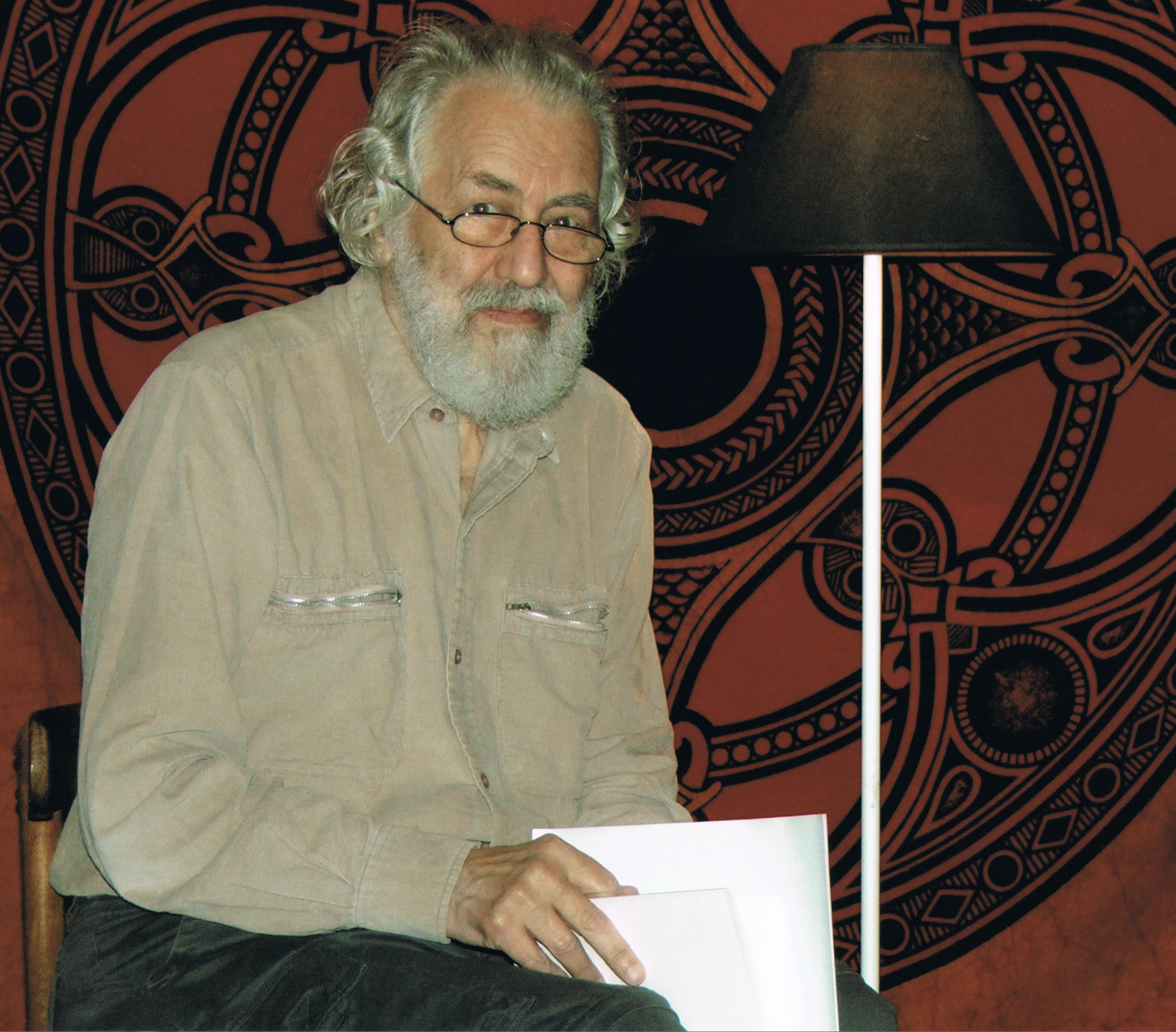
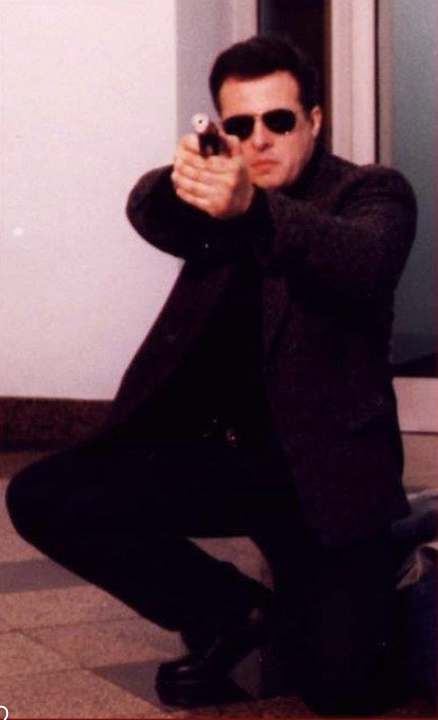
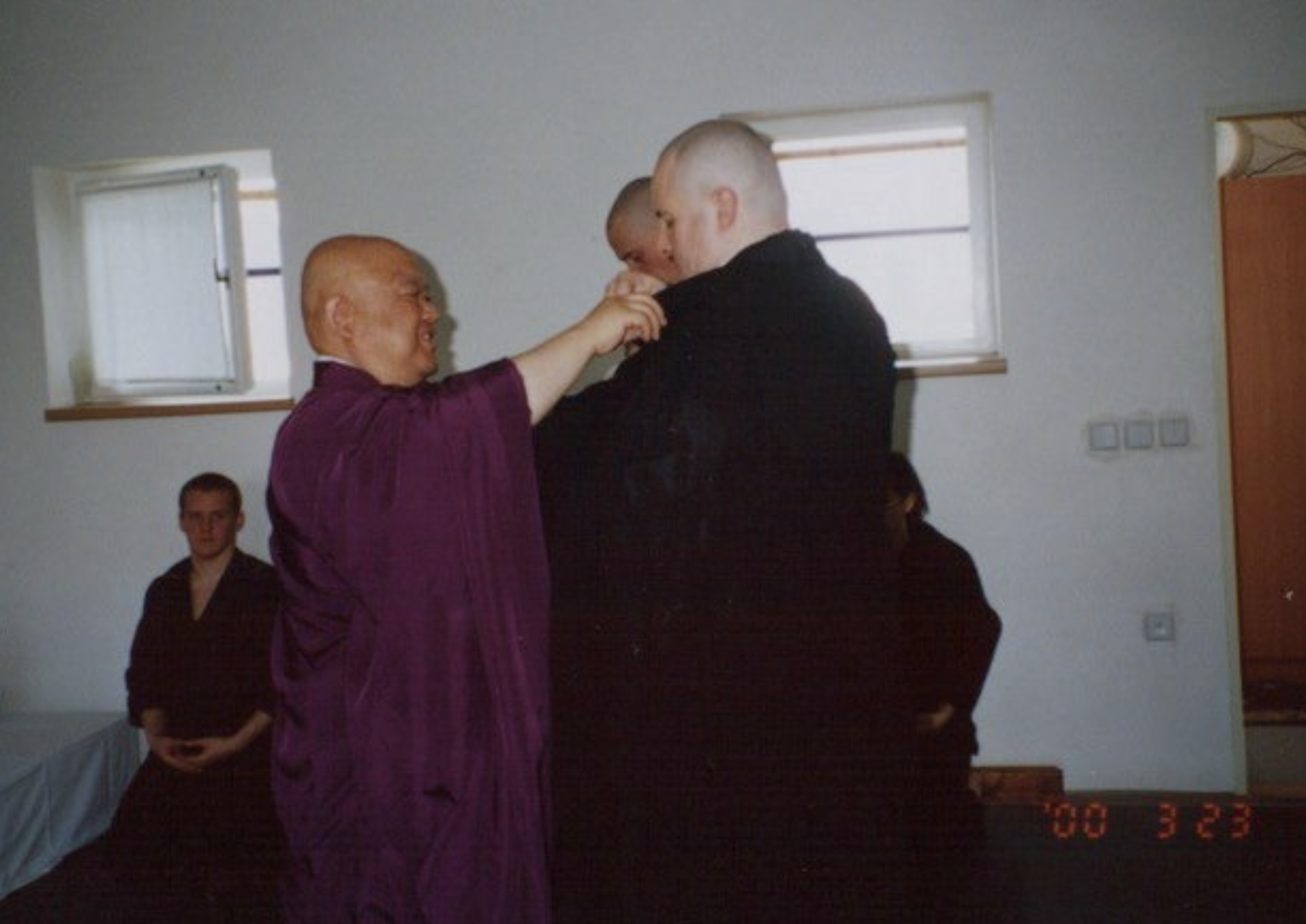
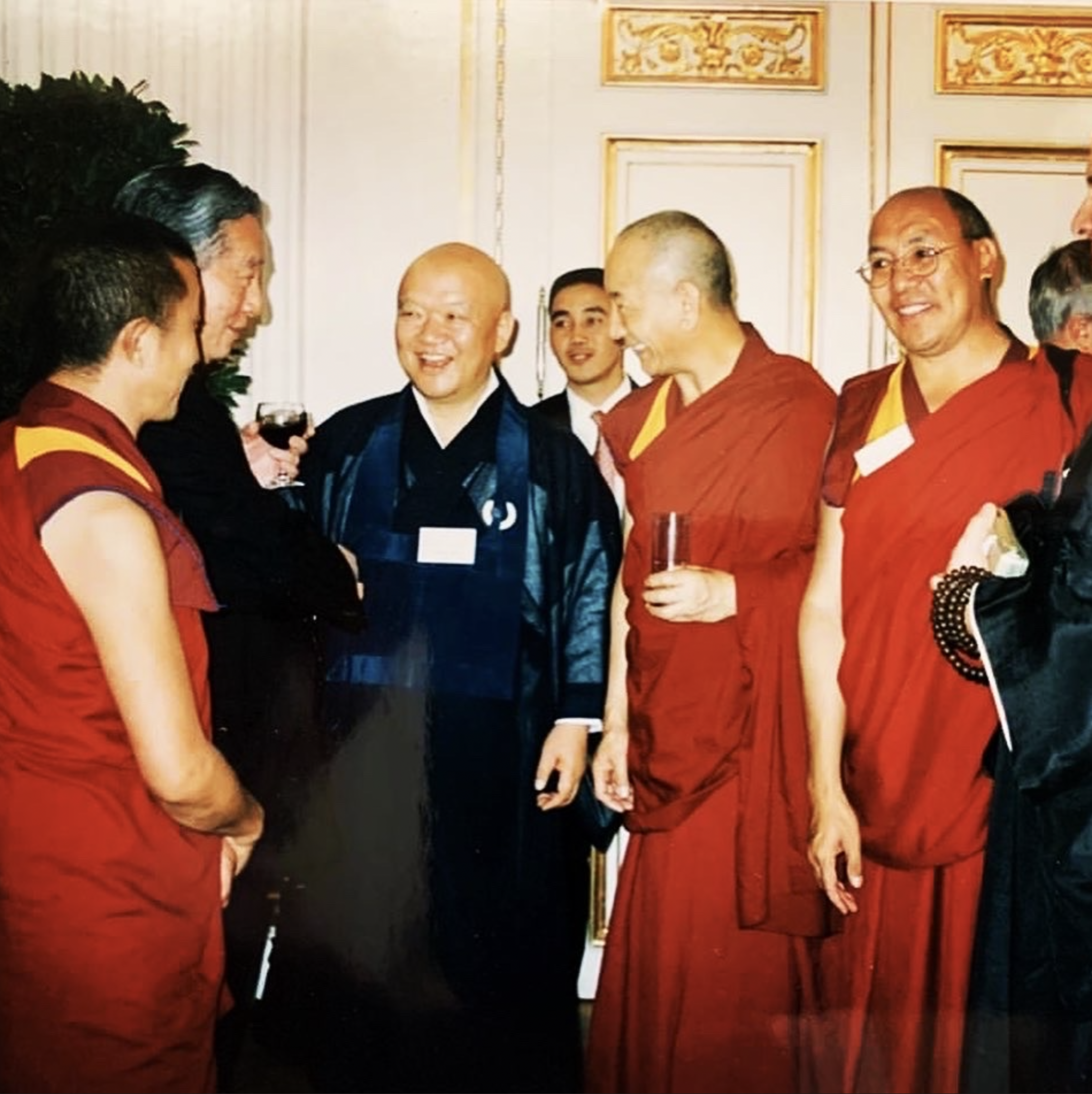
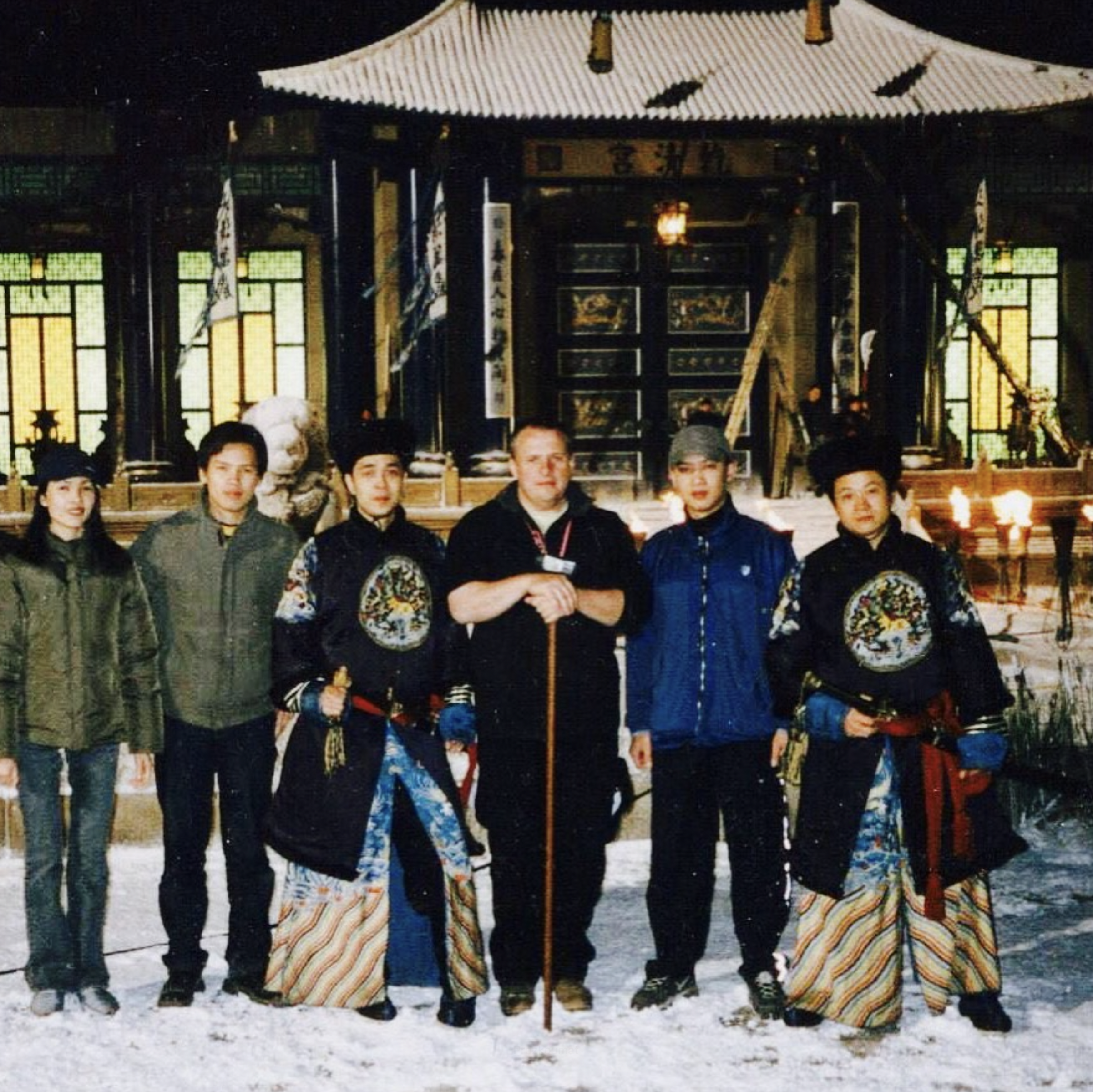
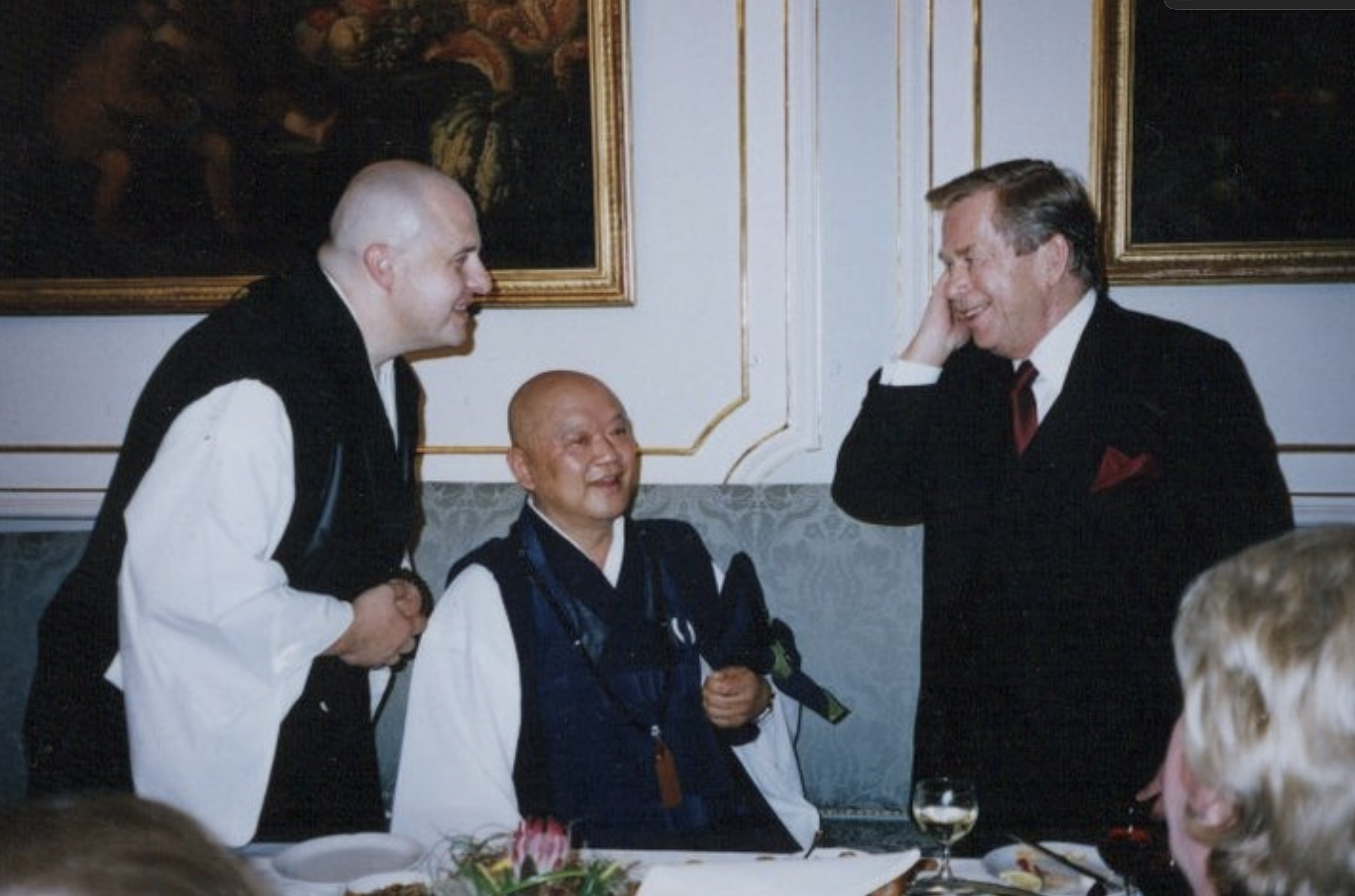
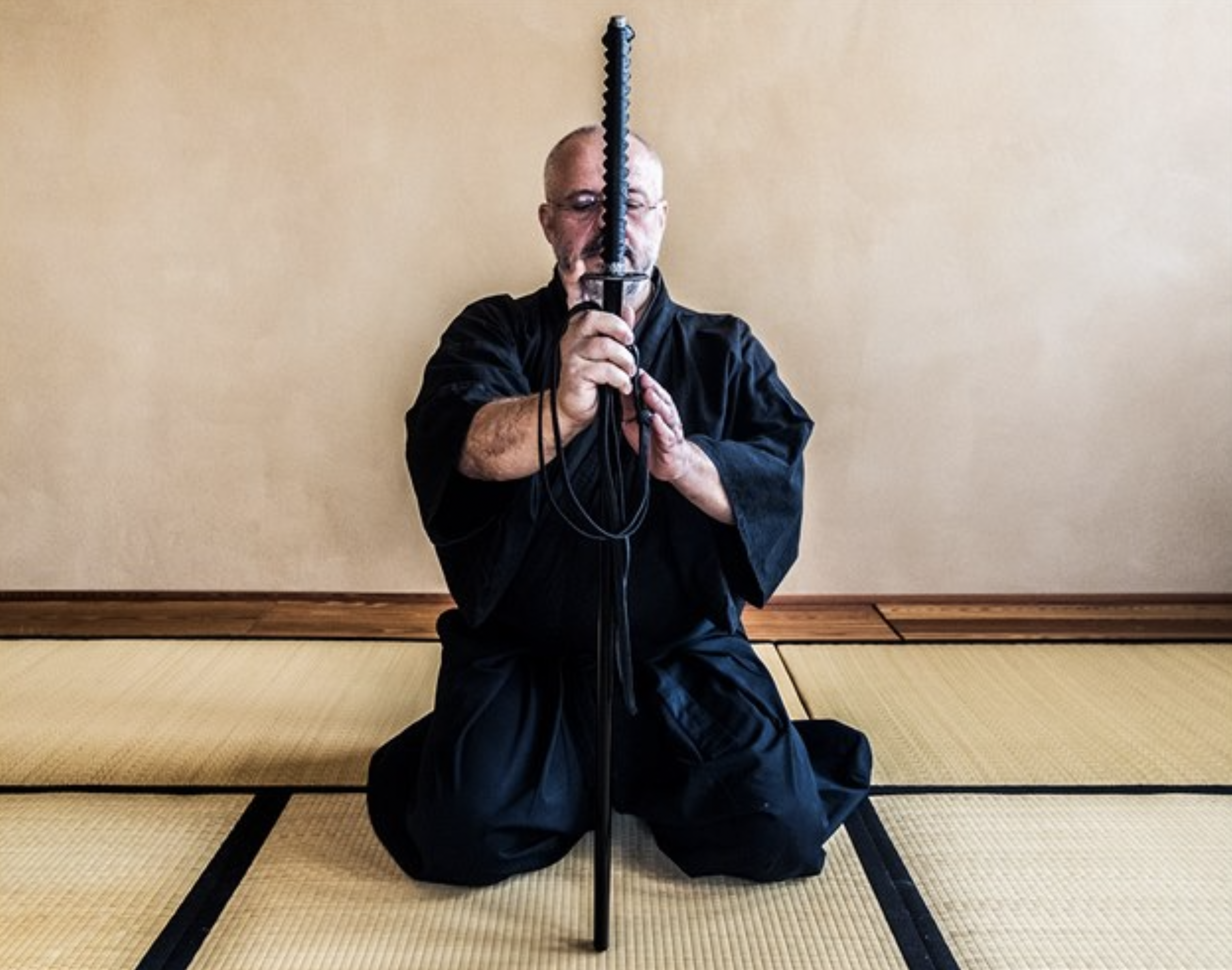
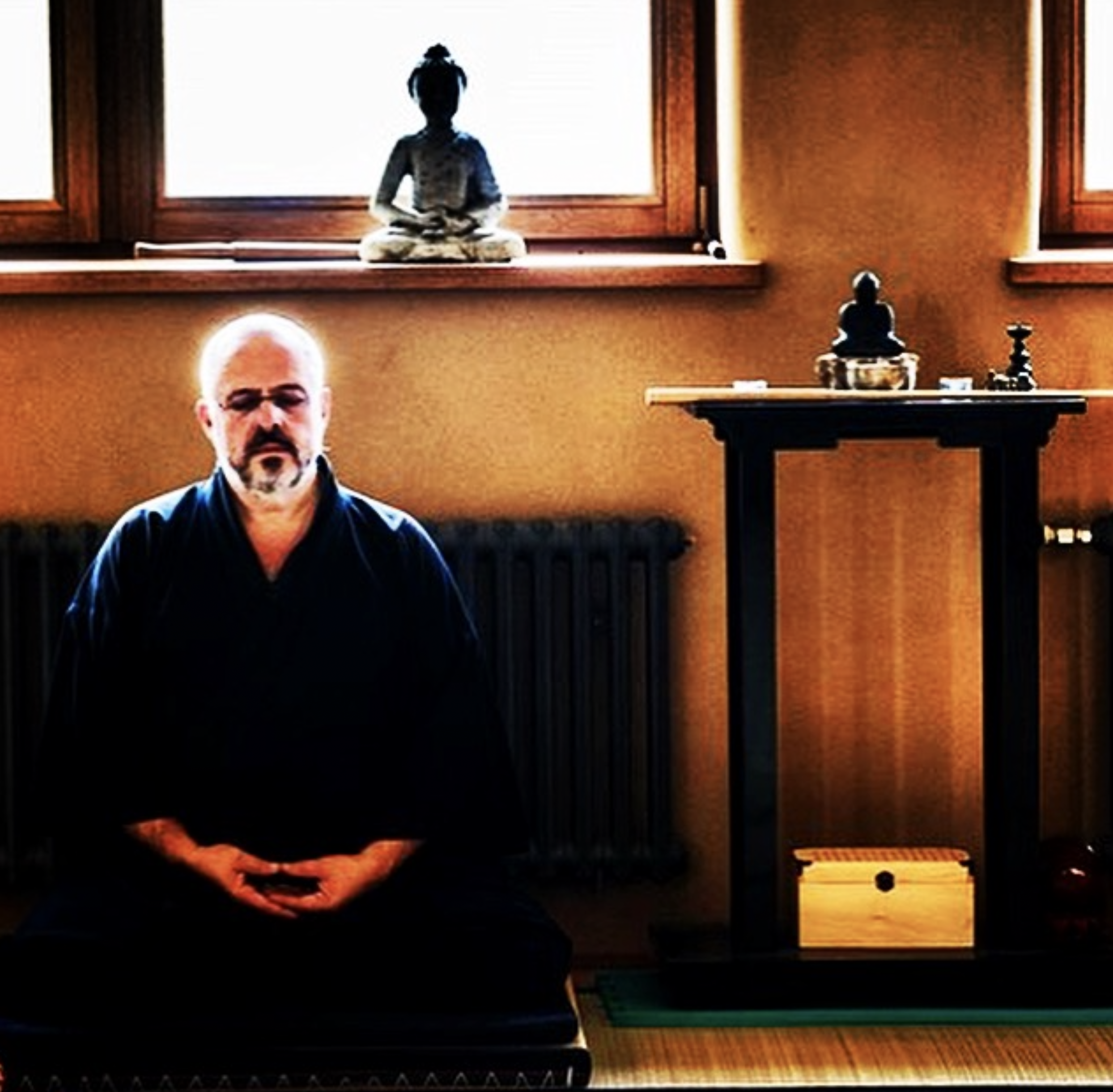
Josef Mádl was born on 23 February 1960 in Prague. His father Josef Mádl was imprisoned by the Nazis and escaped from the Mauthausen concentration camp. His mother Anna, née Zajíčková, was arrested in the 1950s for attempting to cross the border. Josef Mádl first trained as a grocery shop-assistant before graduating from secondary school with a degree in business administration. He wished to study natural sciences and repeatedly applied to law faculty, but failed because of his family‘s political background. From an early age he was involved in various types of martial arts. In 1984 he became a pupil of the resistance fighter Vladimír Lorenz. Until 1989, he worked as an inspector at the Potraviny company management in the Central Bohemia Region. After the Velvet Revolution, he started his own business: he worked as a freelance bodyguard and organizer at cultural and commercial events, trained air marshals, and also earned money as a film actor or an extra and stuntman. He built the Avaloka Centre where he taught martial arts. In 2000, he was ordained as a Zen Buddhist monk and took the monastic name Kodo. In 2025 Josef Mádl lived in Vysočiuna, in the village of Babín, and taught martial and meditation techniques.