The cost of being consistent with what you think and want to say in a country like Cuba is very high, because the political police operate in a deeply repressive way.
Stáhnout obrázek
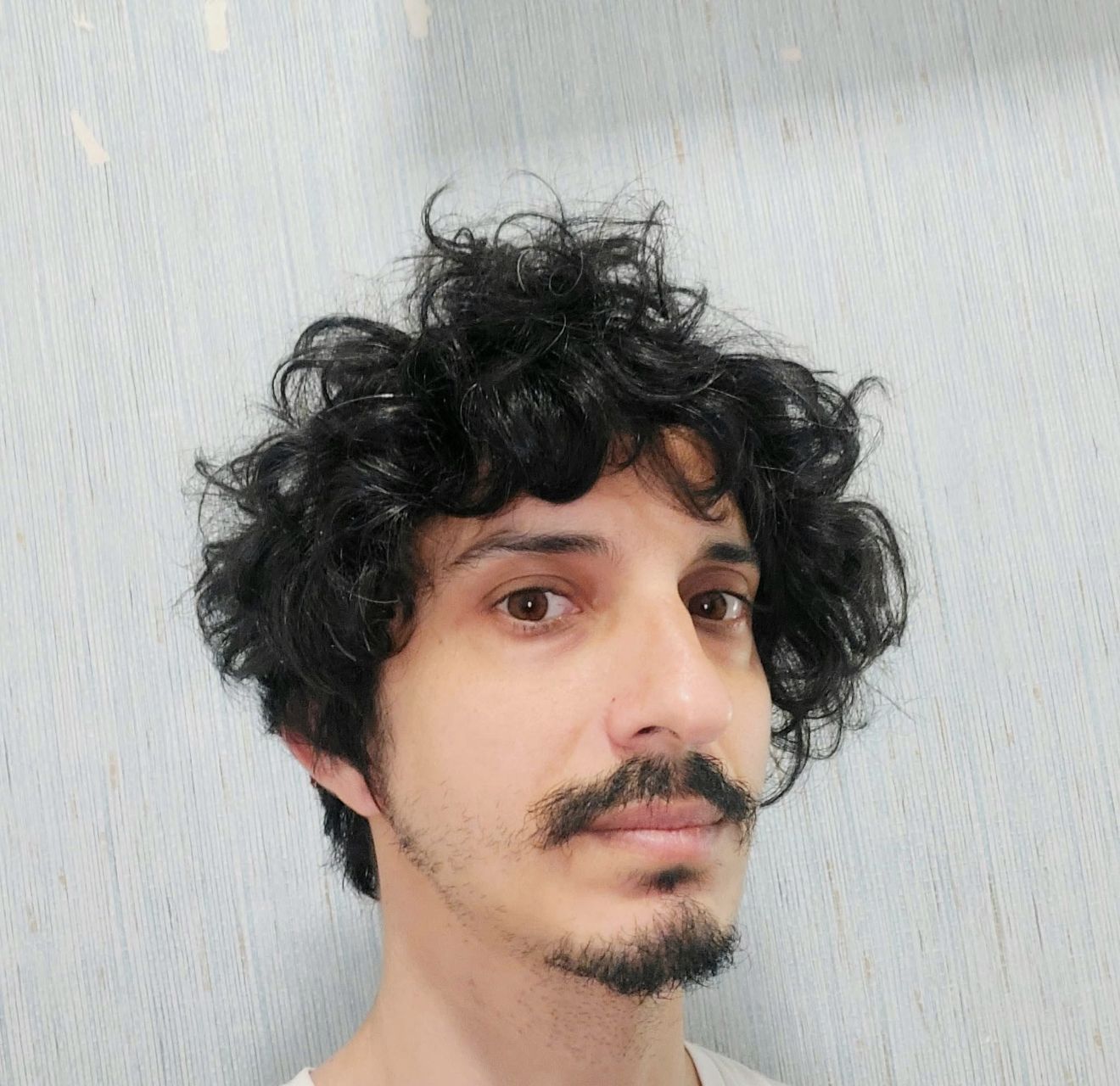
Julio Llopis-Casal was born on February 17, 1984, in Havana, where he grew up and lived most of his life. Despite the economic hardships of the Special Period, he remembers a functional childhood and a happy youth, shaped by a family environment that was intellectually stimulating and fostered the early development of a critical perspective on Cuban reality. As a visual artist, he became part of a critical cultural community that mobilized against Decree 349 in 2018, a regulation perceived as an attempt to censor artistic expression. This episode marked a turning point in his life and placed him under the scrutiny of State Security. Over time, repression and surveillance intensified, especially following his involvement with the San Isidro Movement and the 27N protests, extending to his family as a form of psychological pressure. Constant harassment, smear campaigns in state-controlled media, and threats directed at his loved ones created unbearable pressure. Exhausted and seeking to protect his family, Julio decided to leave Cuba. His testimony shows that exile was not a free choice, but the consequence of defending freedom of expression and personal dignity under a regime that uses intimidation and harassment of family members to silence dissent. This interview was conducted as part of the project Memory of Our Cuban Neighbors, in Madrid, 2025.