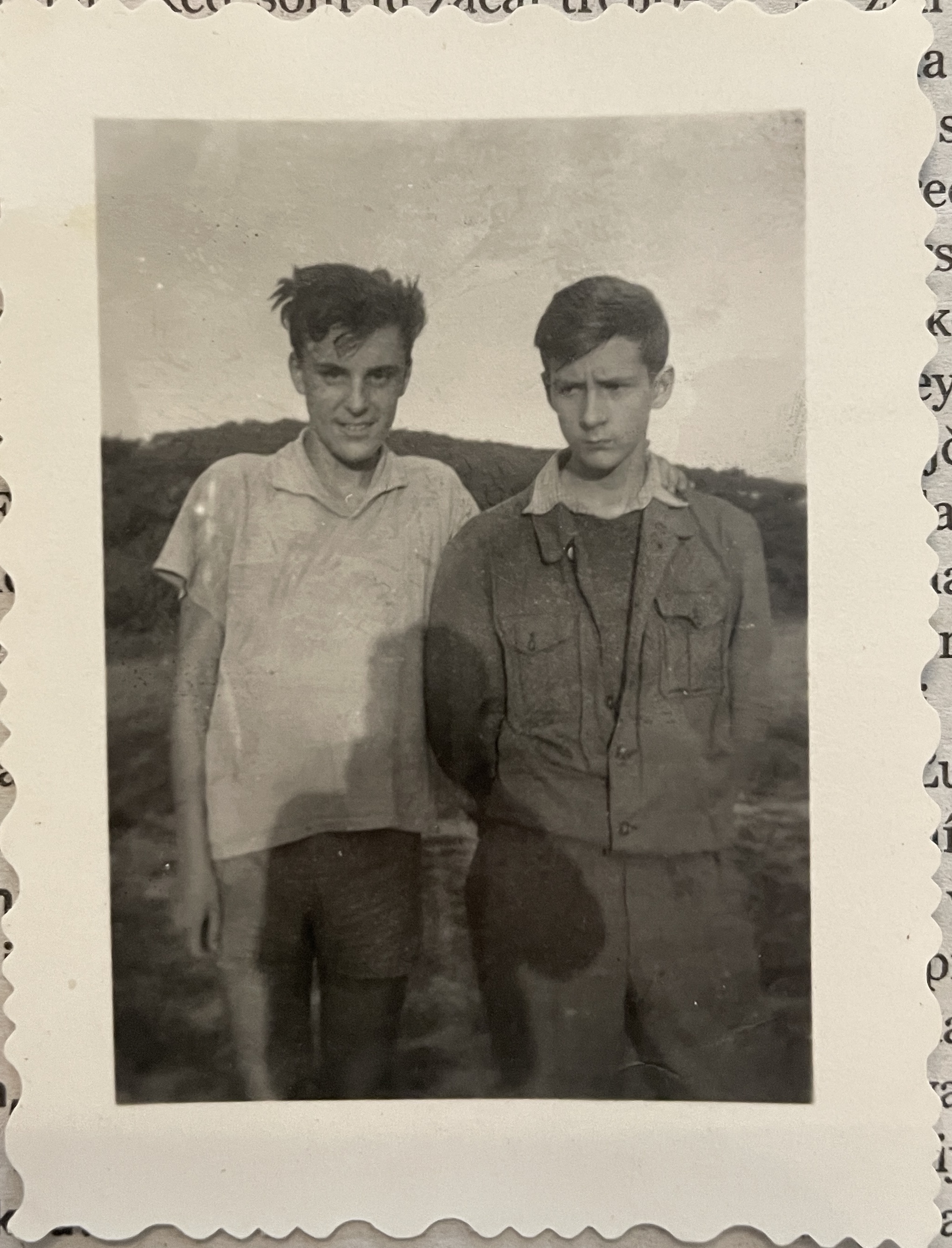
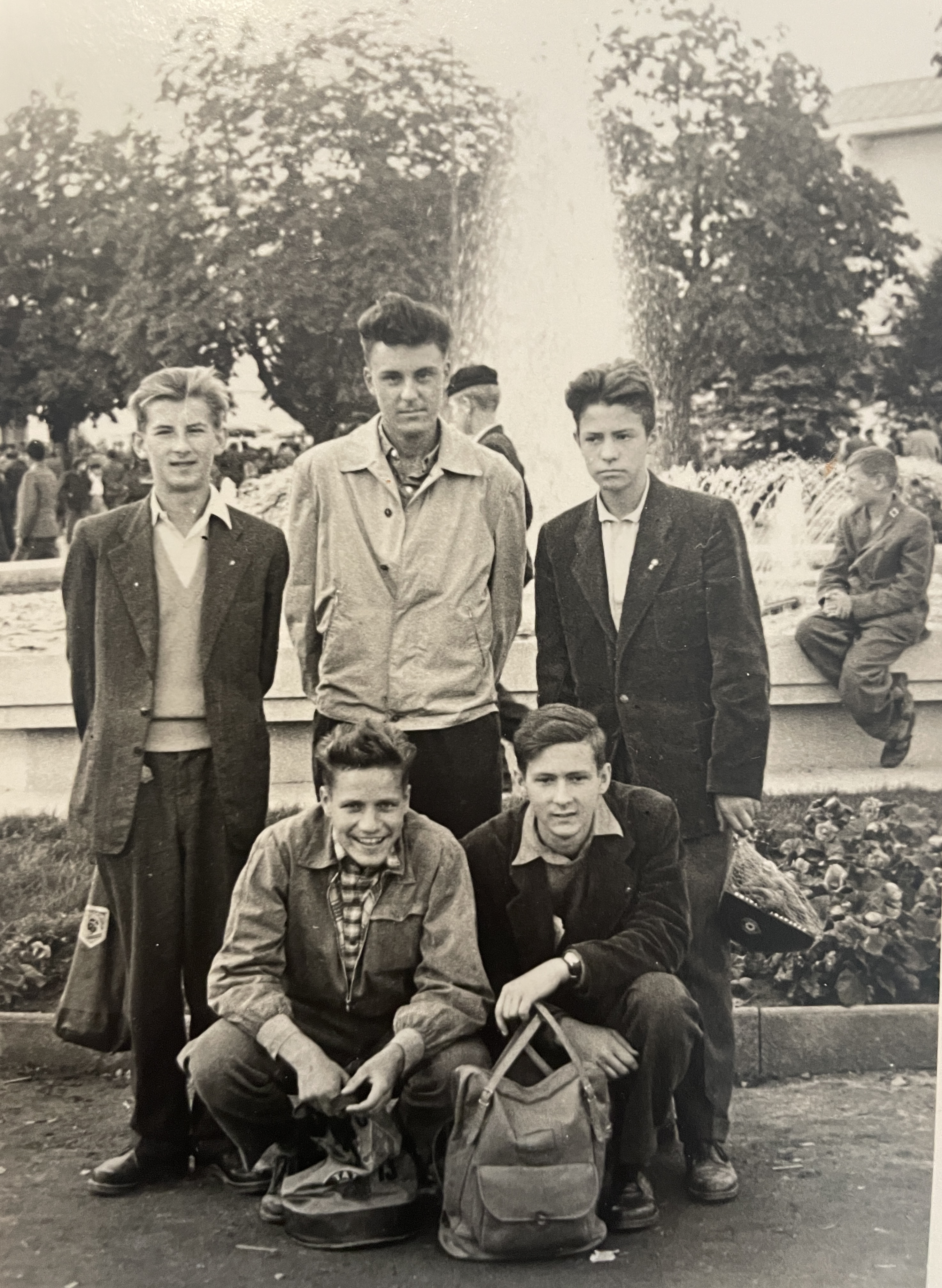
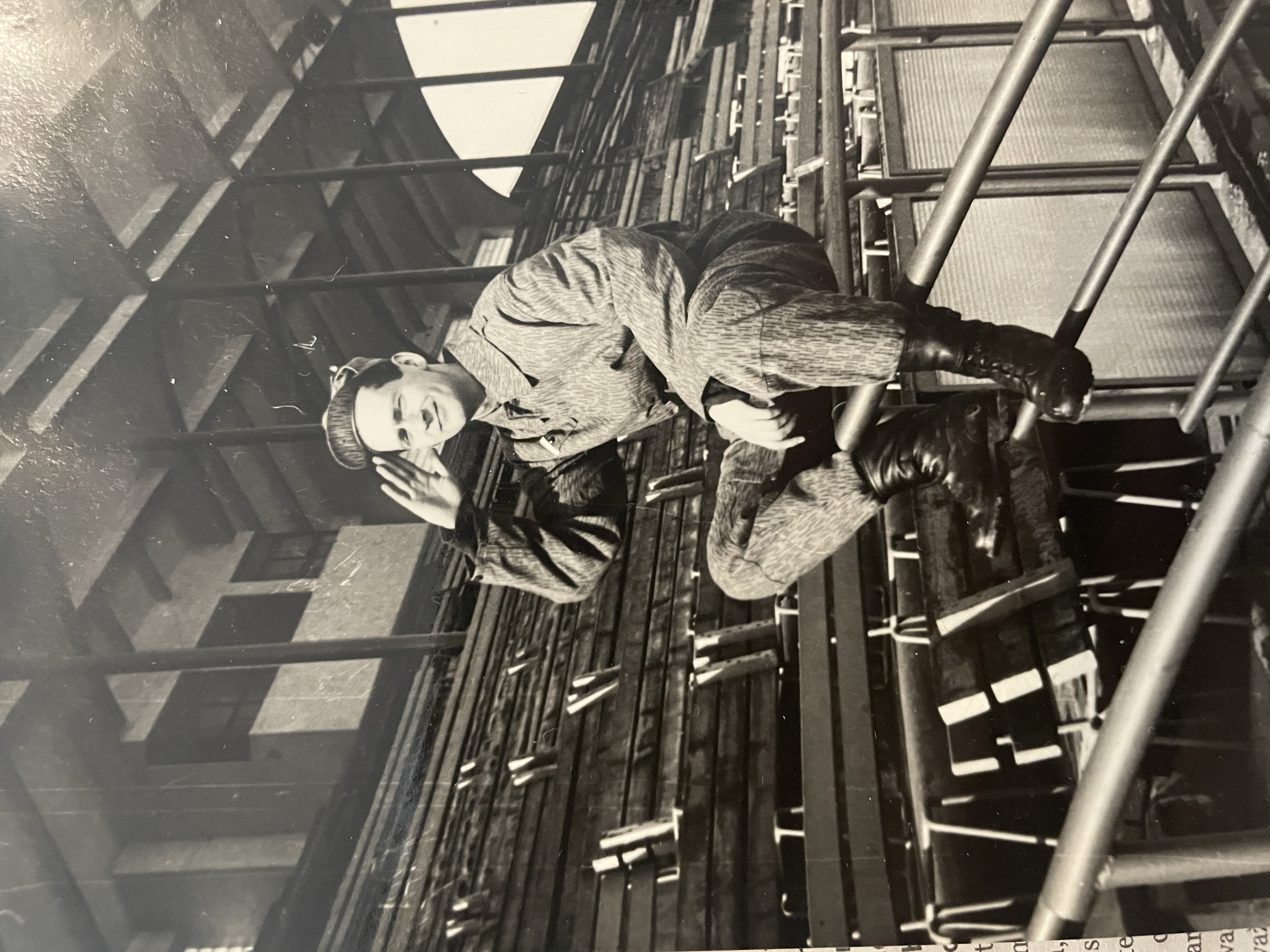
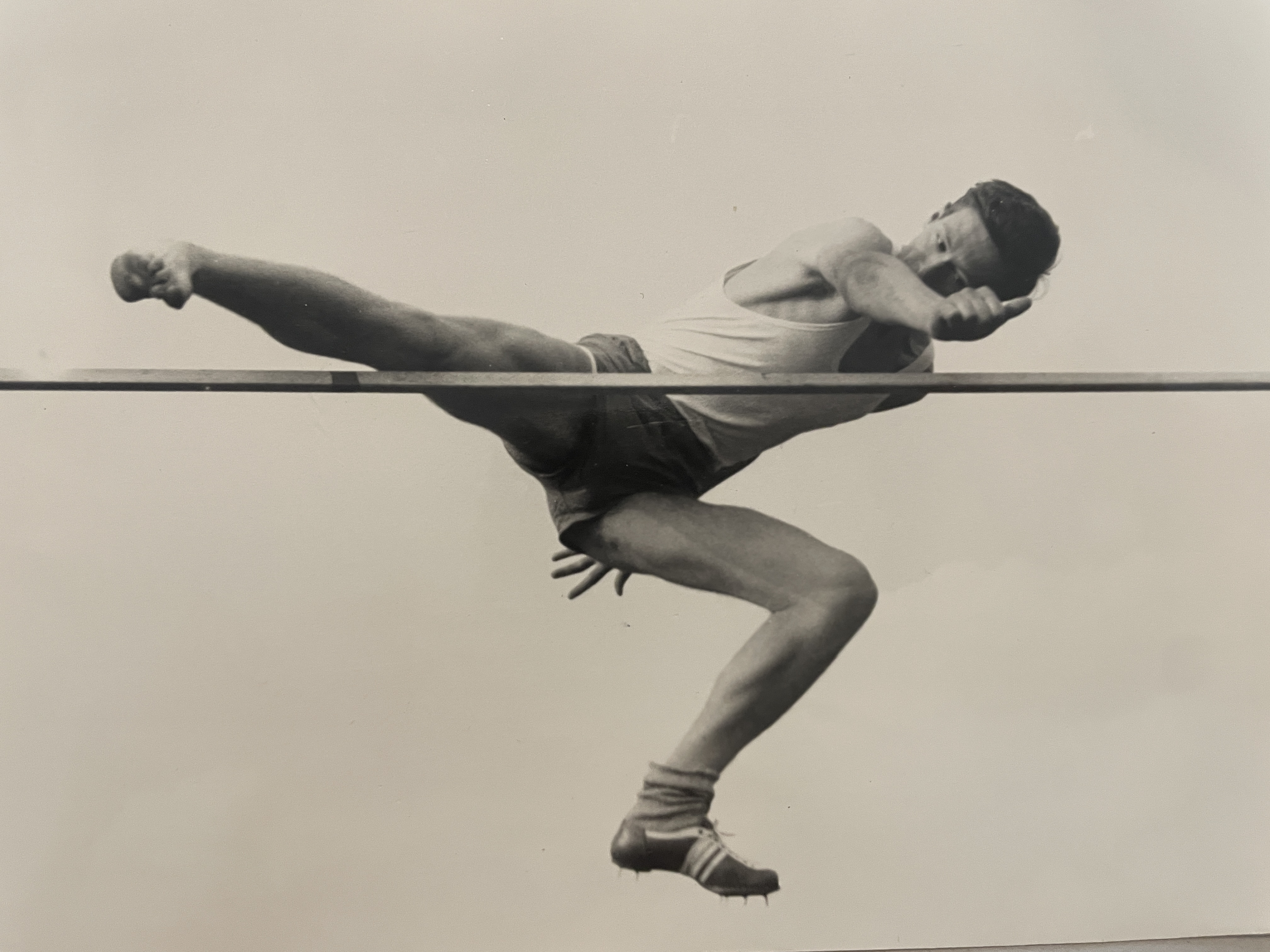
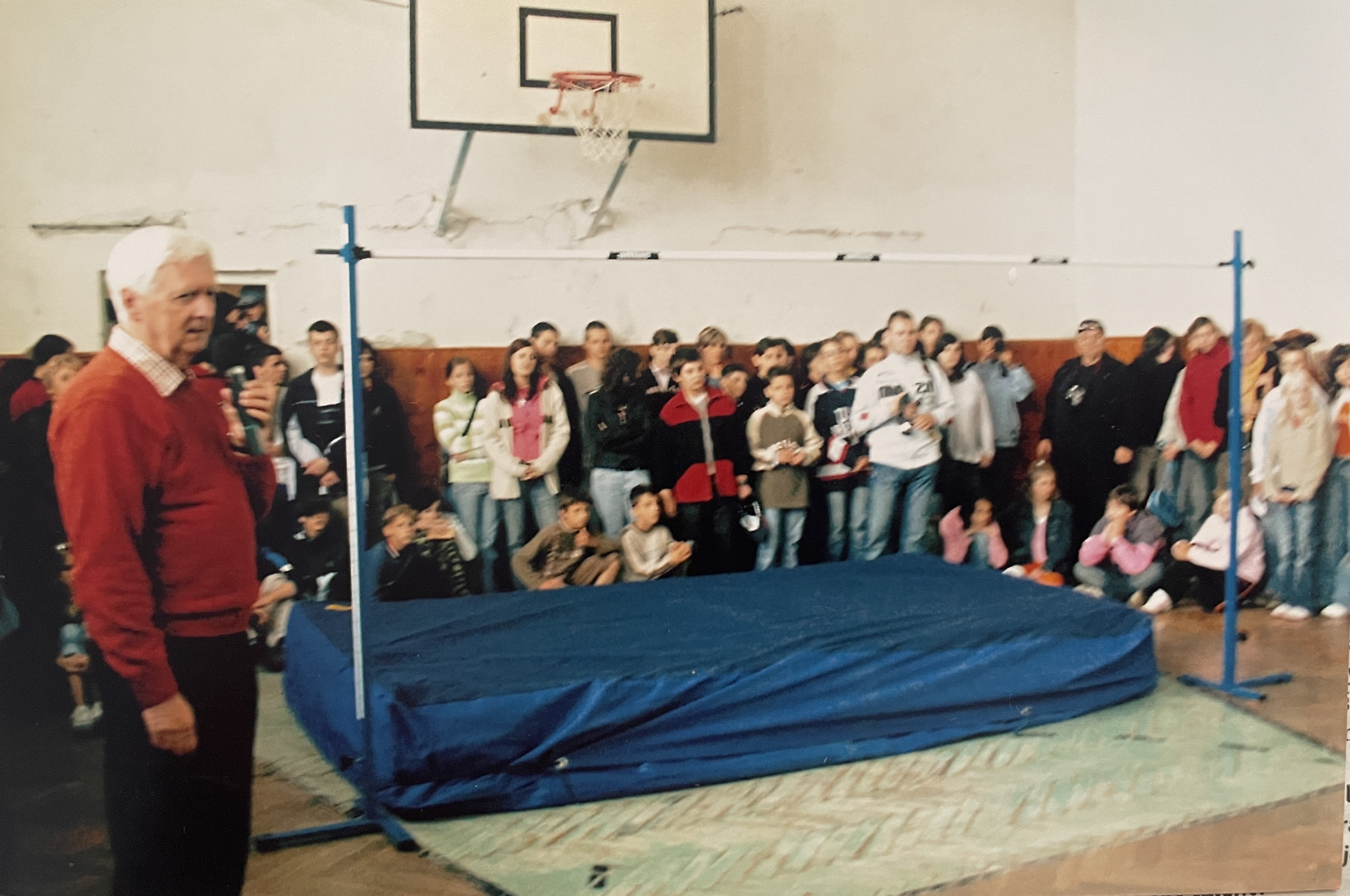
„I started high jumping back in 1958 within the university sports clubs that existed at the time. I progressed until I finished third at the Czechoslovak Junior Championships, losing the silver medal by just a single attempt. In 1964 and 1965, I set the Slovak high jump record twice. I was the first Slovak to clear two meters. First, I jumped 202 centimeters at the Slovak Academic Championships in Nitra, and a year later, I cleared 203 centimeters. I went for my mandatory military service to Banská Bystrica because an athletics club was being established there. I was one of the first to arrive at the Fončorda district in Banská Bystrica, staying in a dormitory previously used by construction workers. Athletes, former ski jumpers, and cross-country skiers lived there. Not the footballers, though. The footballers had higher-quality accommodation. Even back then, there was such a gap between footballers and athletics. We weren't allowed to run on the grass because the footballers ran there; we could only run on the cinder oval. After finishing my service in Banská Bystrica, I went to a competition in a hall with a hard surface, where I tore half of my quadriceps tendon, and that effectively ended my competitive career. After that, I threw myself into coaching.“
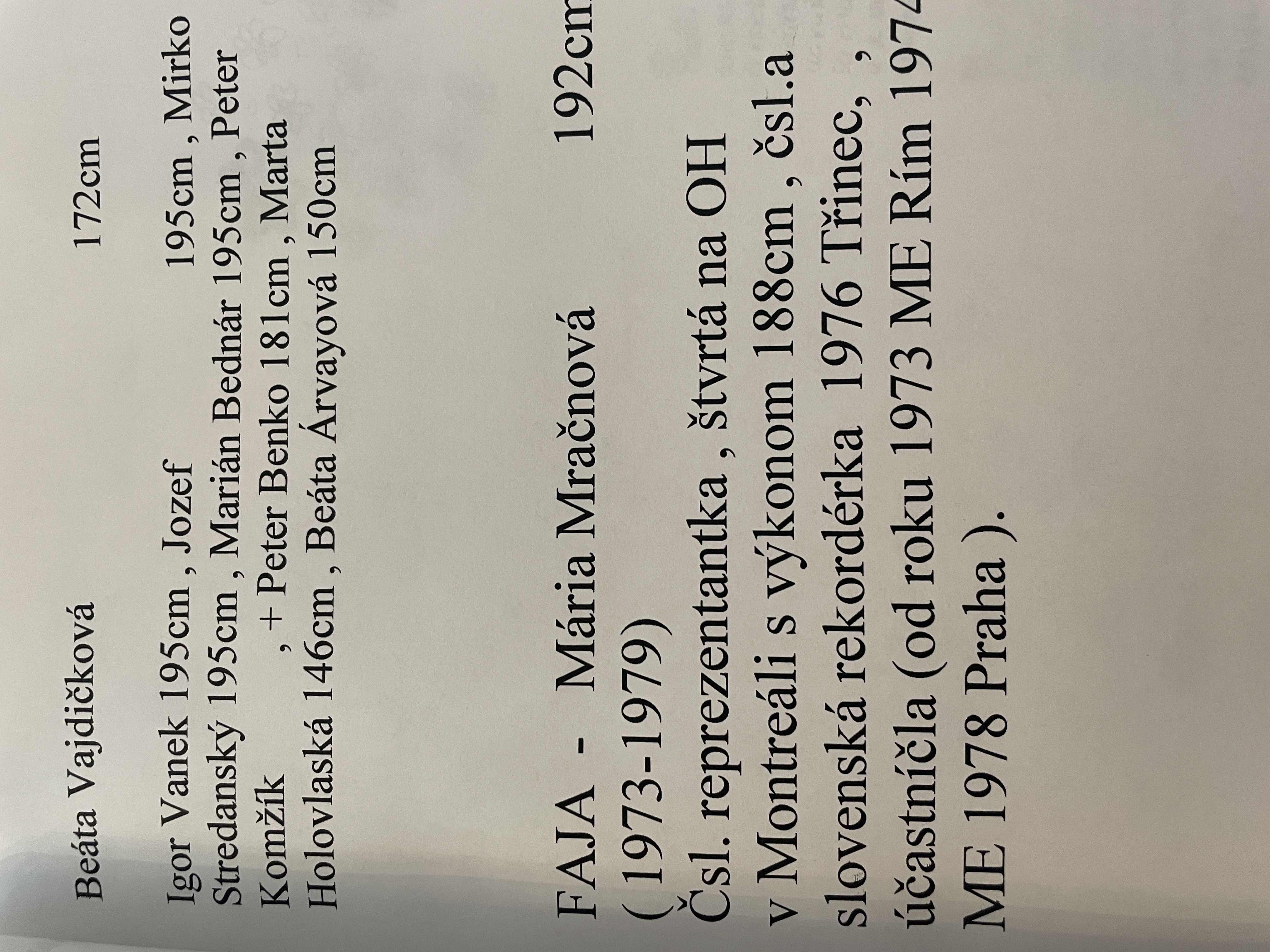
„I consider the fourth-place finish of Mária “Faja” Mračnová at the Olympic Games to be my greatest success. The preparations for the Olympics were preceded by the European Championships, where Faja finished sixth. I took over as Mrs. Mračnová's coach after her maternity leave, following her childbirth. Before that, she had trained with our mutual coach, Associate Professor Šimonek, who had also coached me. I then began coaching her myself, and the Olympics came after three years of our joint training. By then, I was already on the board of the Czechoslovak Athletics Federation, having been elected in 1963 and put in charge of the youth commission. Since I was also a coach, they appointed me the national coach for the women's high jump as well. I essentially had all the qualifications to go to the Olympics as a coach. However, three coaches from Slovakia had already been nominated, and had I been the fourth, it wouldn't have been fair to the Czech and Moravian coaches, so I stayed home. My wife and I watched the final on television. When I saw the mistake that was happening at that moment, I shouted at the TV, "Faja, move your run-up back by one foot!" Unfortunately, she couldn't hear me all the way in Canada. Then they returned from the Olympics. A great tragedy occurred then—a plane flying from Prague crashed into Zlaté Piesky. One of the planes went down. She was supposed to be on that flight, but fortunately, she was delayed in Prague. She flew later, and so her life was saved. About three weeks after they returned to Bratislava, the Czechoslovak Championships were held in Třinec. The exact same situation occurred when she cleared 188 cm. So I shouted: "For the next height, move it back by one foot!" And she cleared 192 cm, which was a Czechoslovak record that lasted for 10 years.“
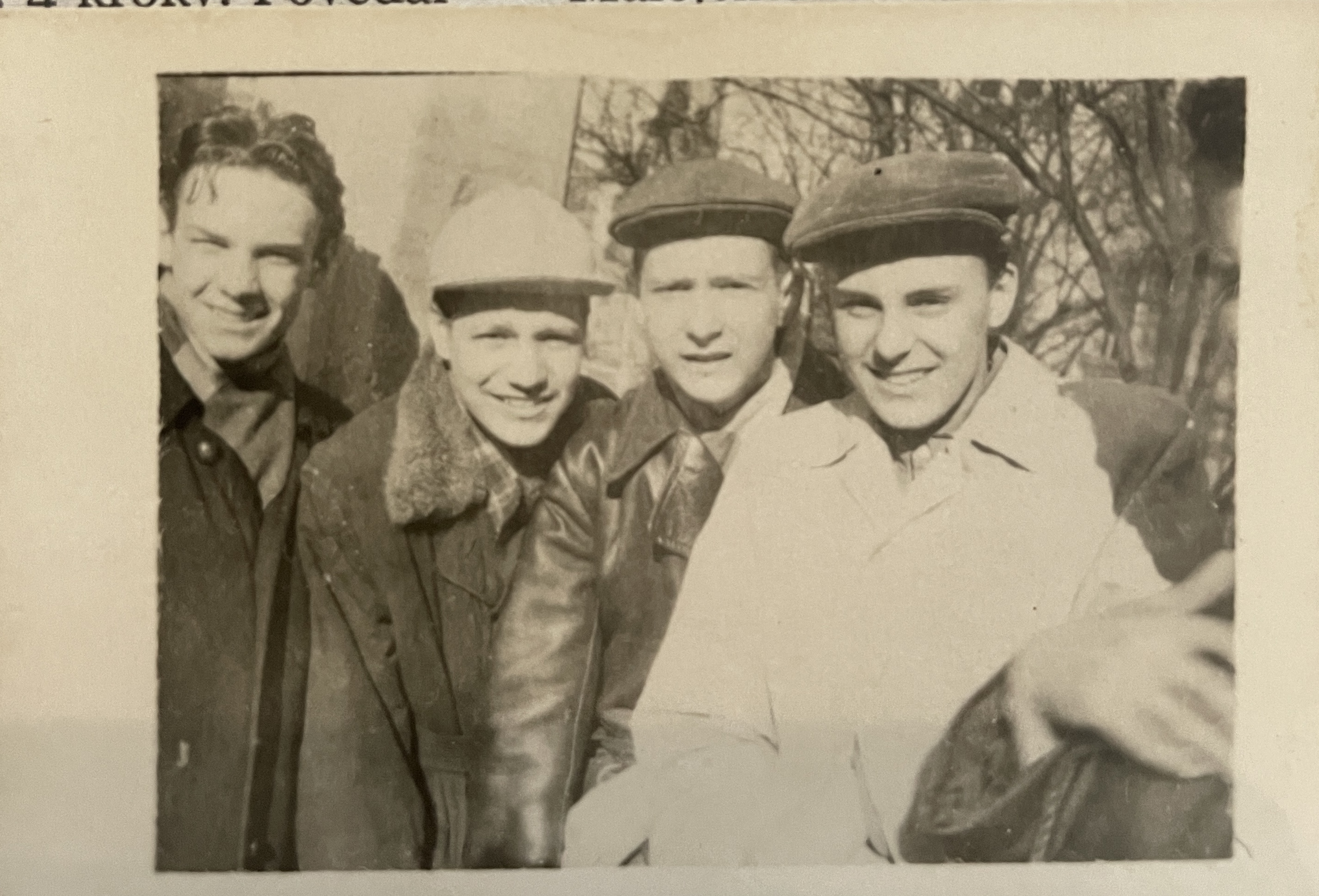
„So, they recommended that I pursue athletics. That’s where I jumped for the first time and won the school championship. That motivated me. I started watching who jumped where and how, and what styles they used, because I jumped using the Horine style. That was named after an American high jumper who demonstrated a side-rolling technique. Later, I saw that you could also jump using the straddle; that was another American high jumper’s style. It involved rolling over the bar in a straddle position. I enjoyed it, even though we were landing in sand that was only 10 centimeters deep. We were falling from about 170 centimeters, which was quite a high drop—sometimes at competitions, we even landed in gravel. Well, and then it was discovered that furniture factories started making foam products for sofa seating. We went to the furniture plants in Rača with a large sack to collect foam offcuts, and we made ourselves a landing area that was higher, about 40 to 50 centimeters, so it was much more comfortable.“
I was shouting at Mračnová, whom I was watching on TV at home during the Montreal Olympics, to make her run-up one step longer. Too bad she couldn‘t hear me all the way to Canada
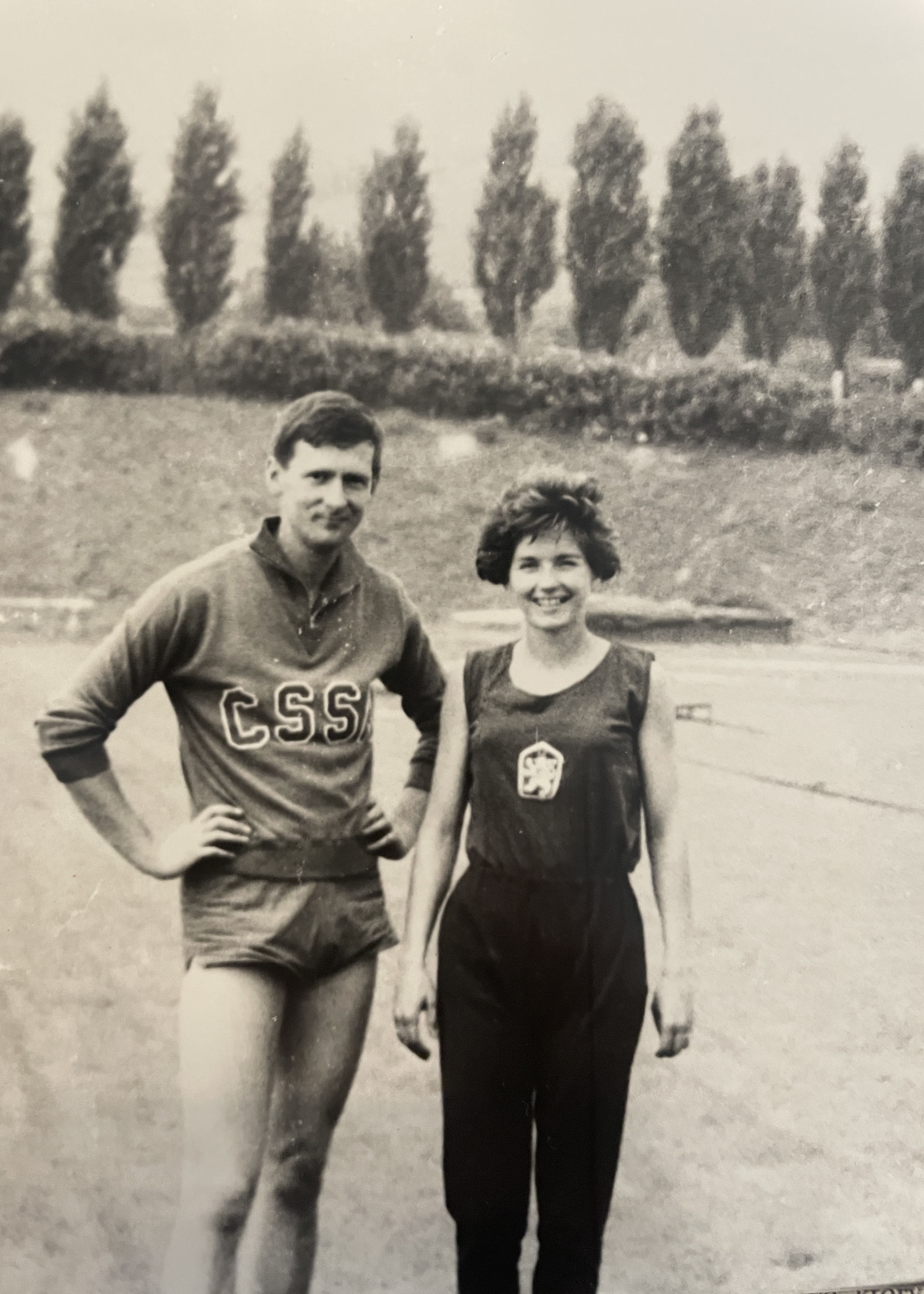
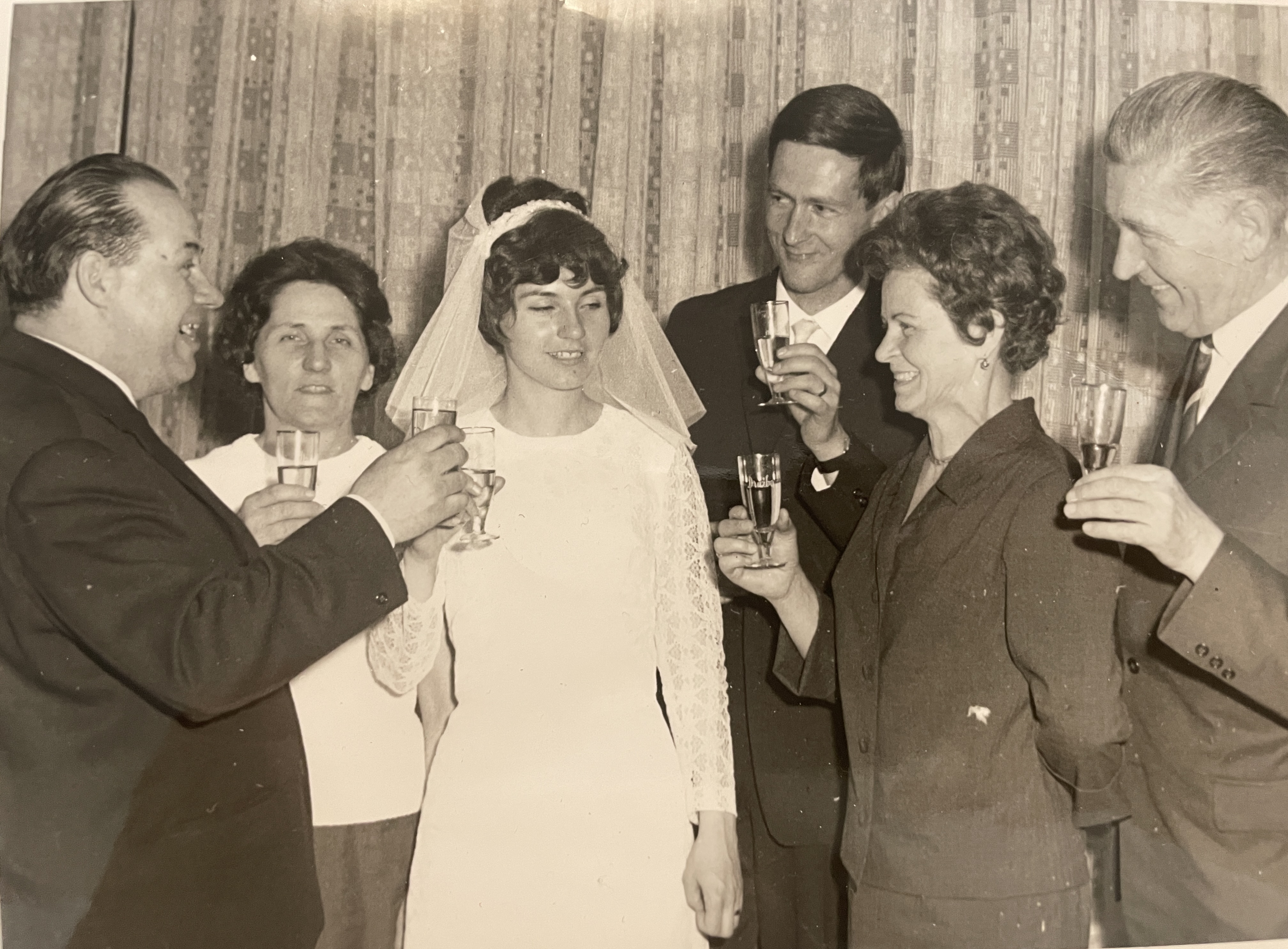
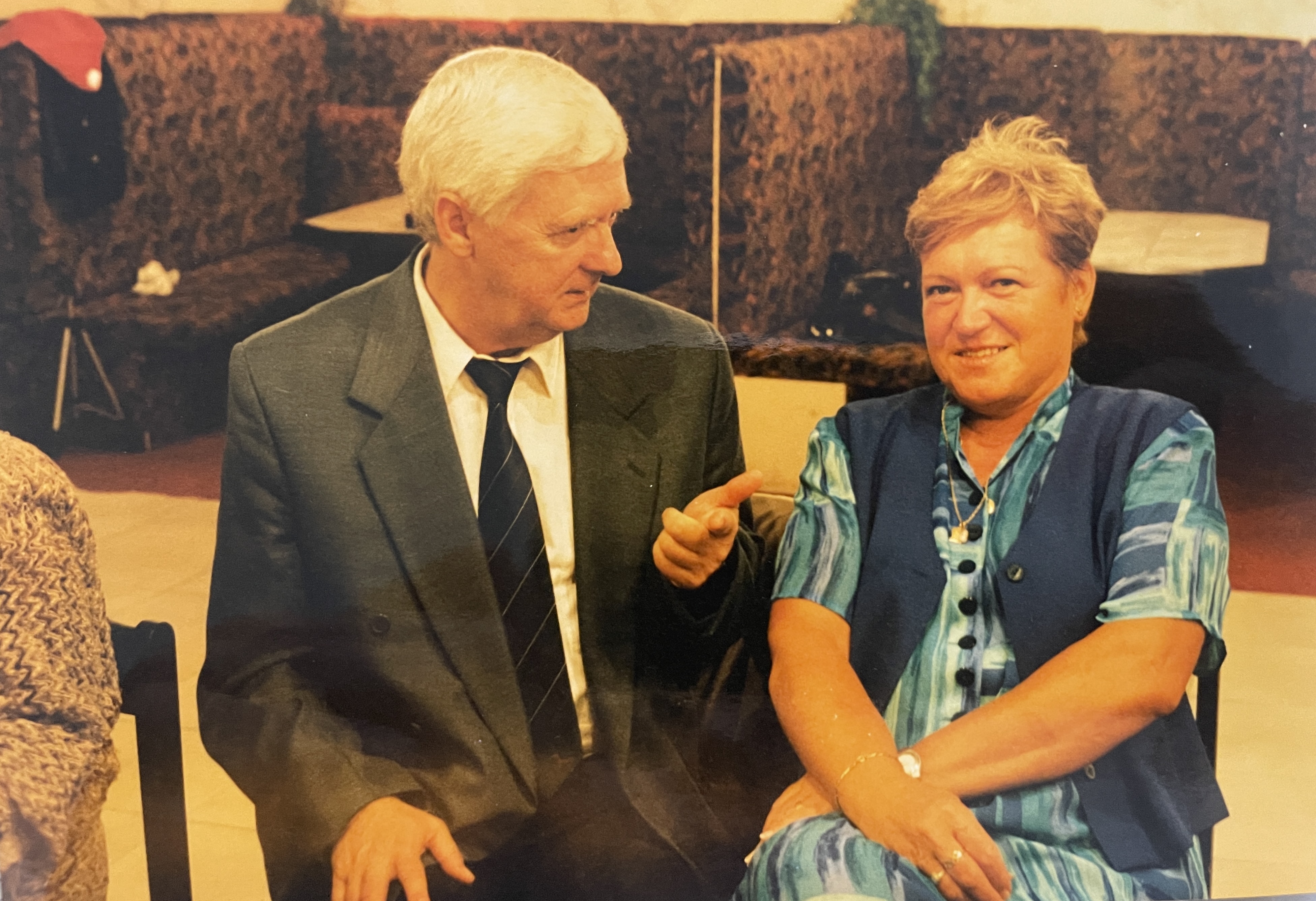
High jumper Viliam Lendel with his wife Marta - sprinter
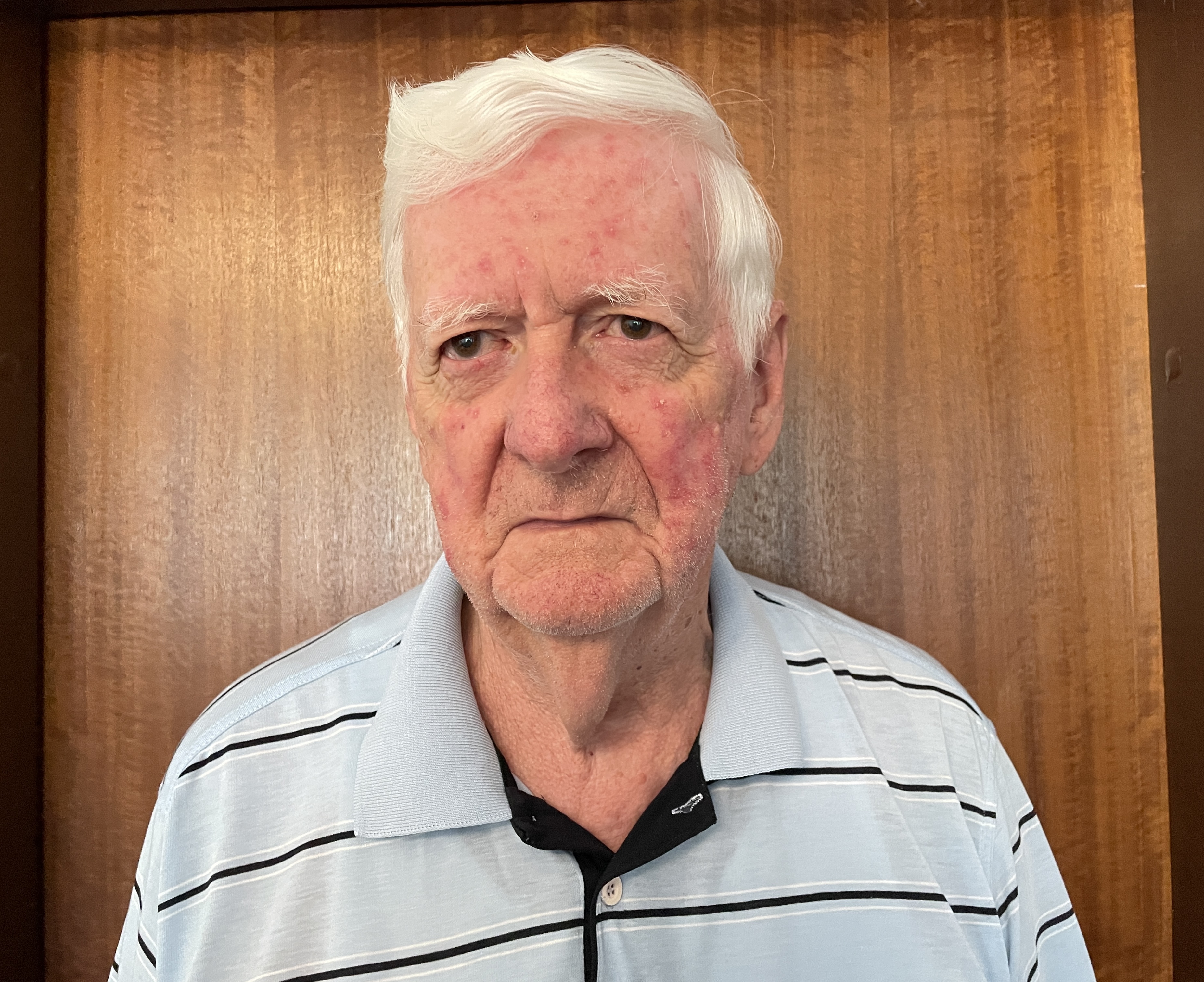
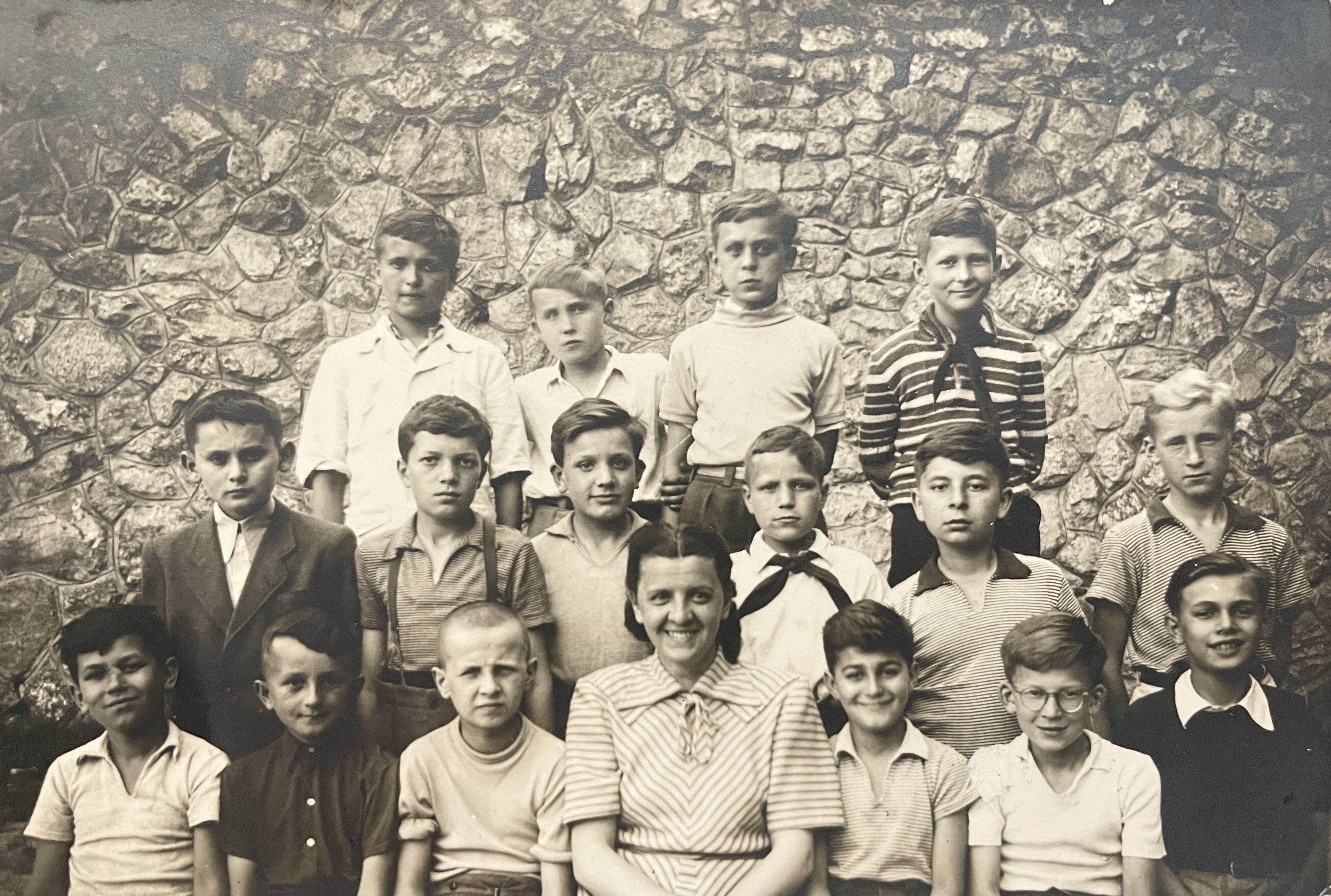
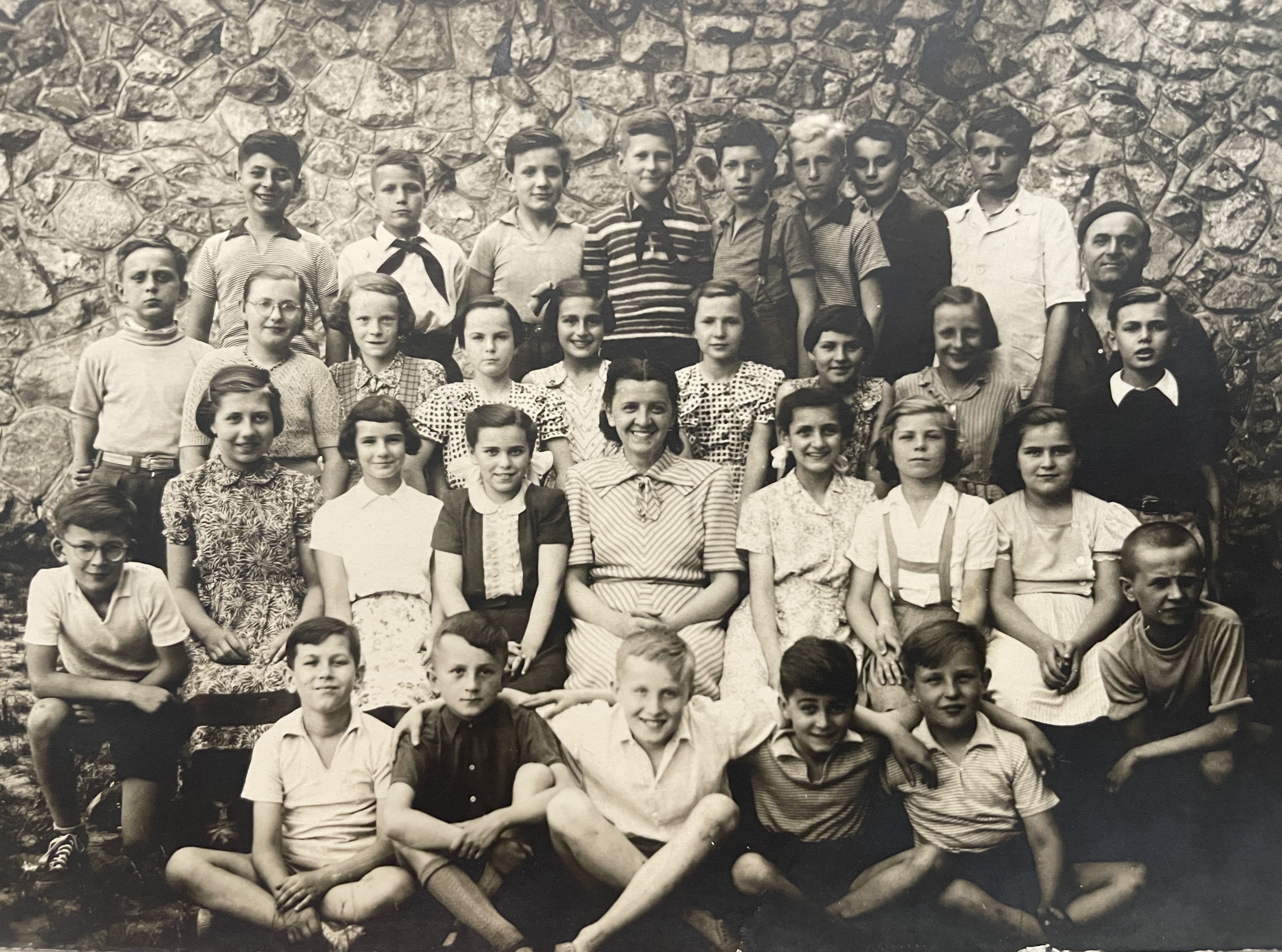
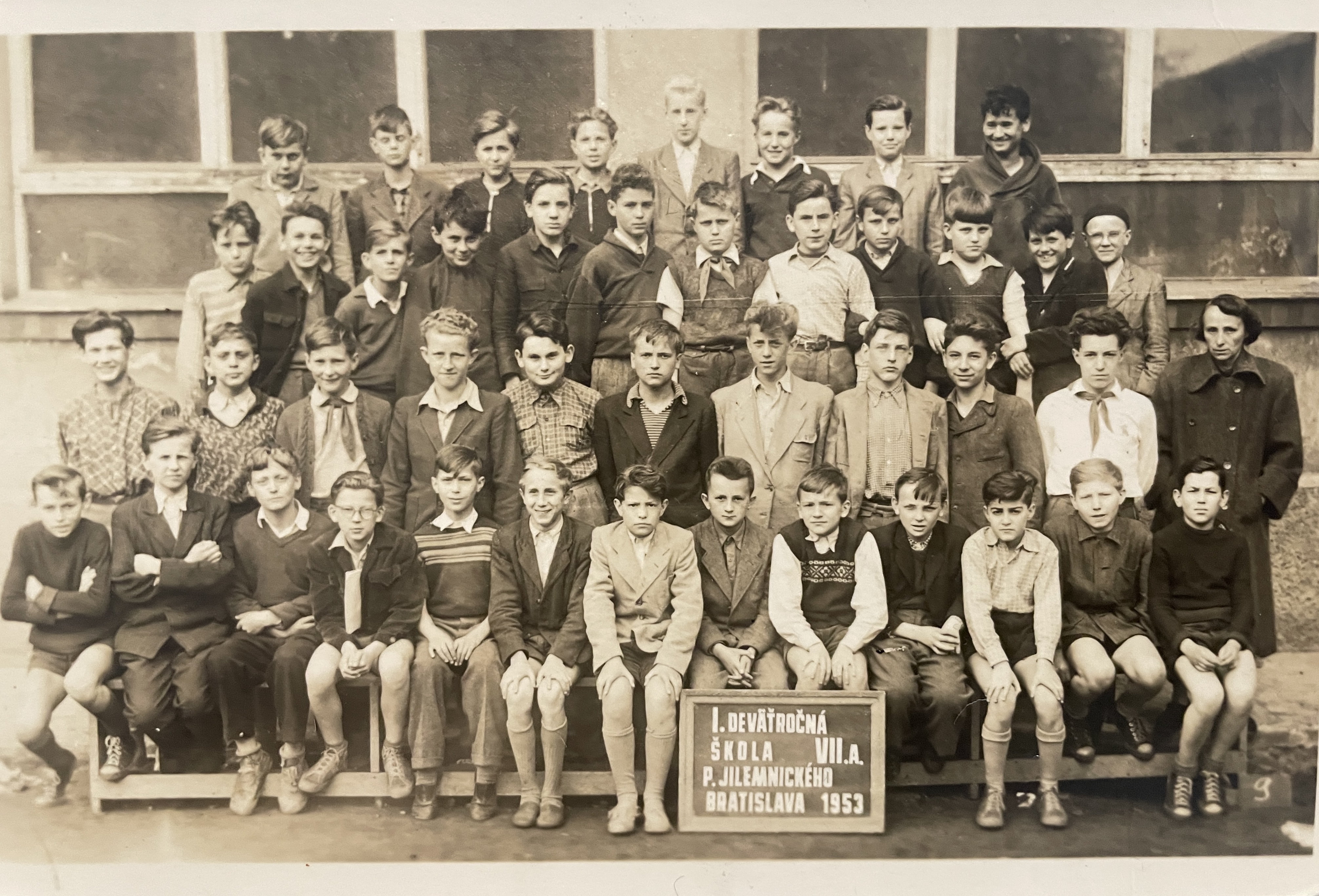
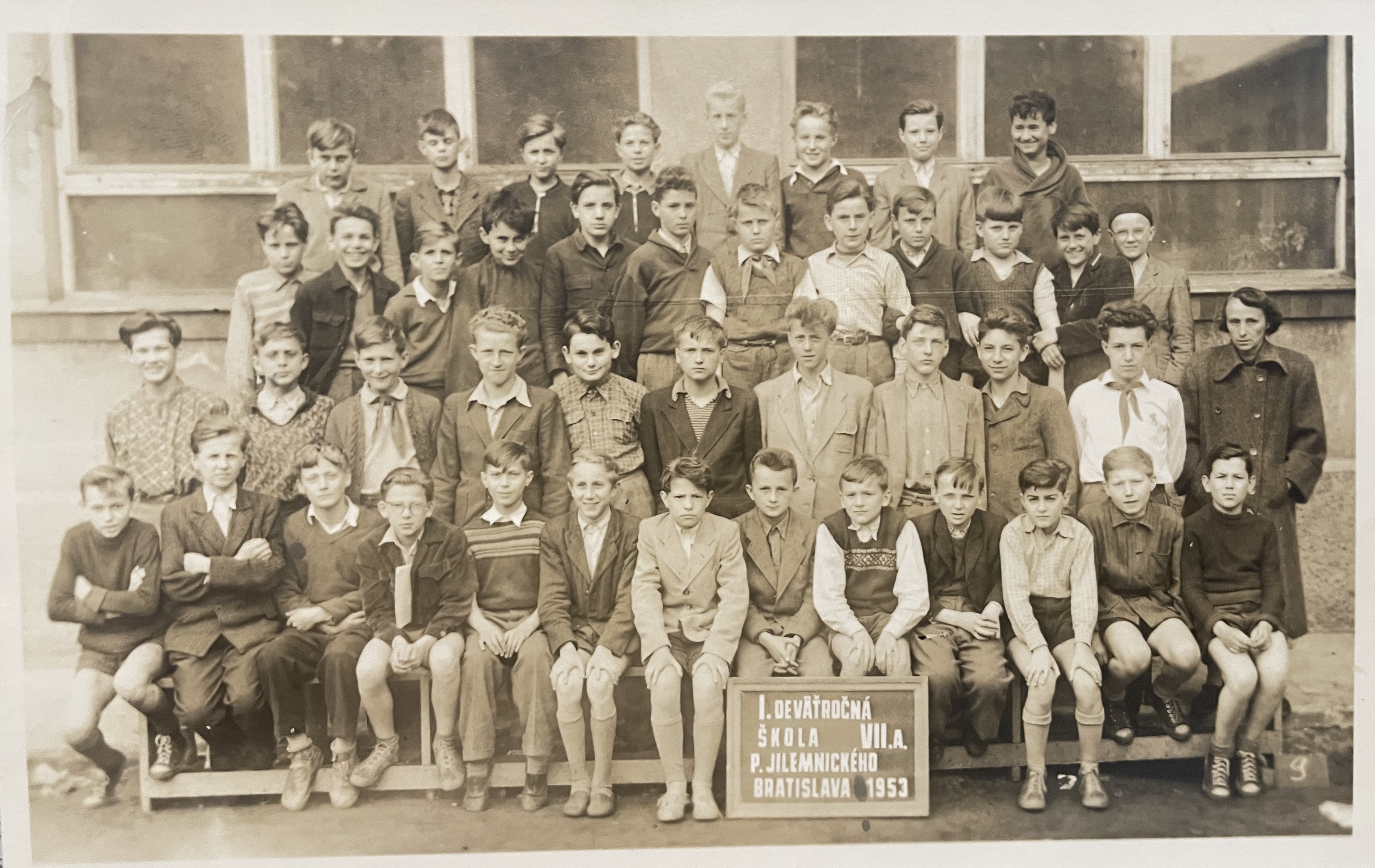
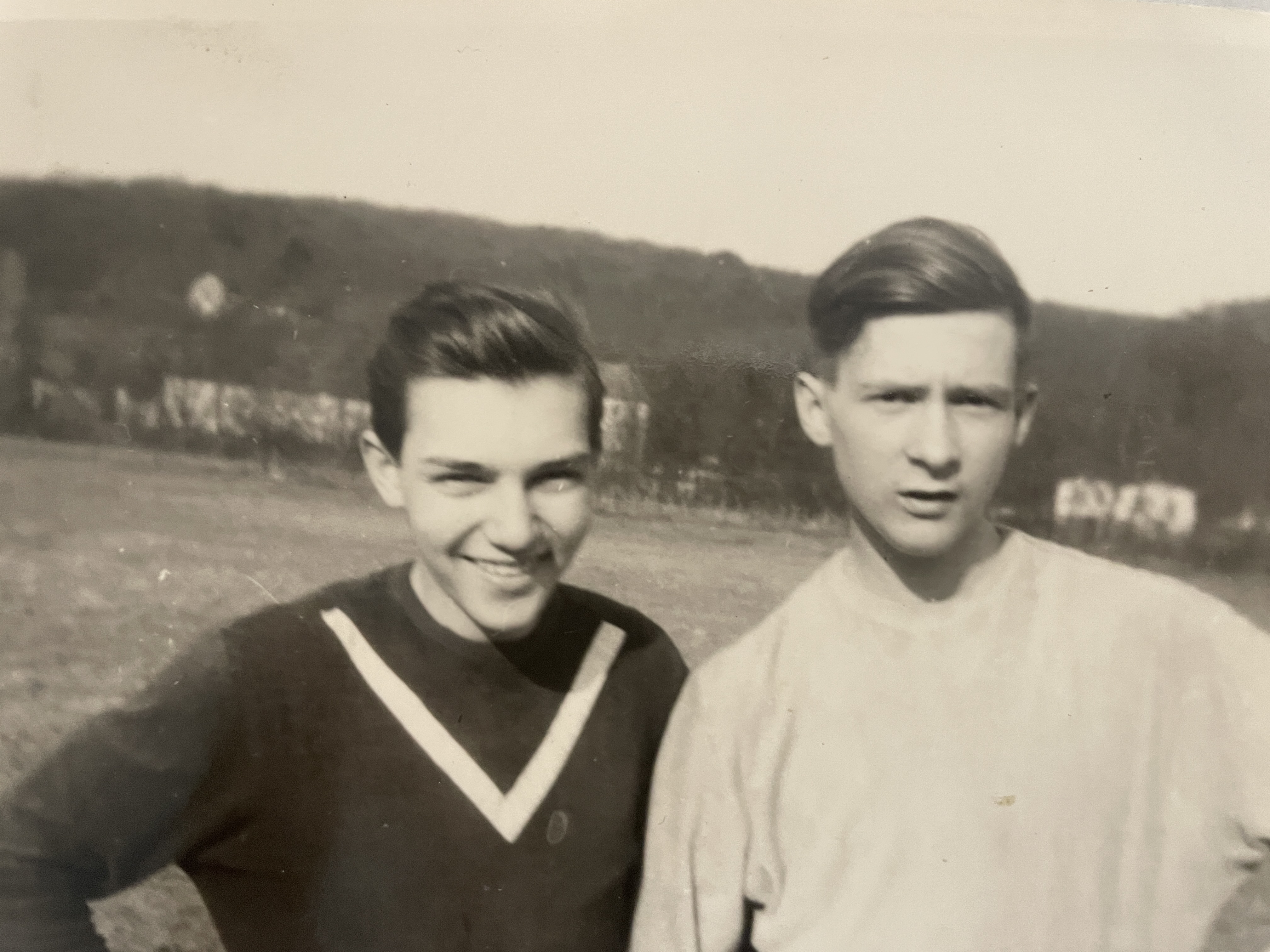
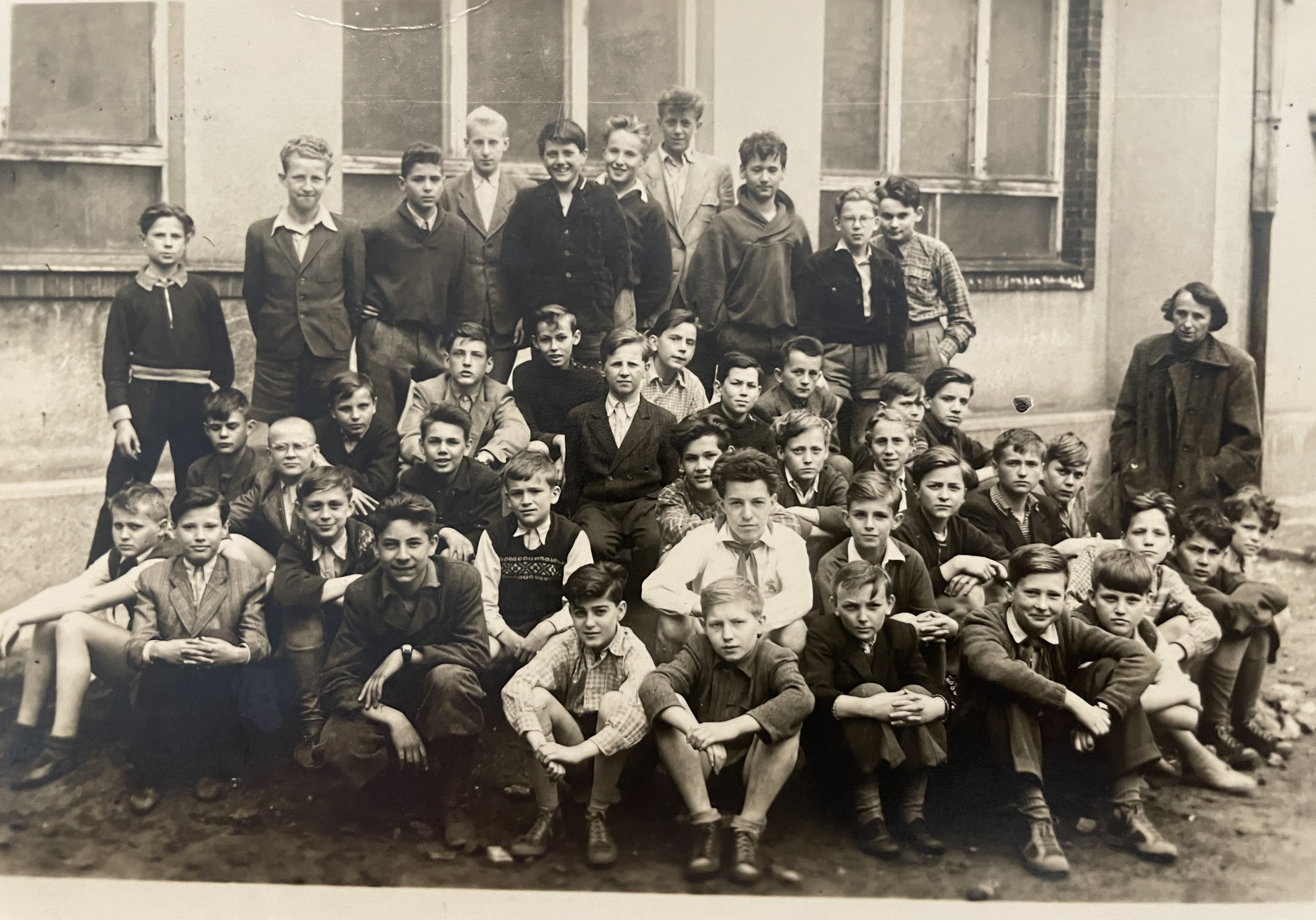
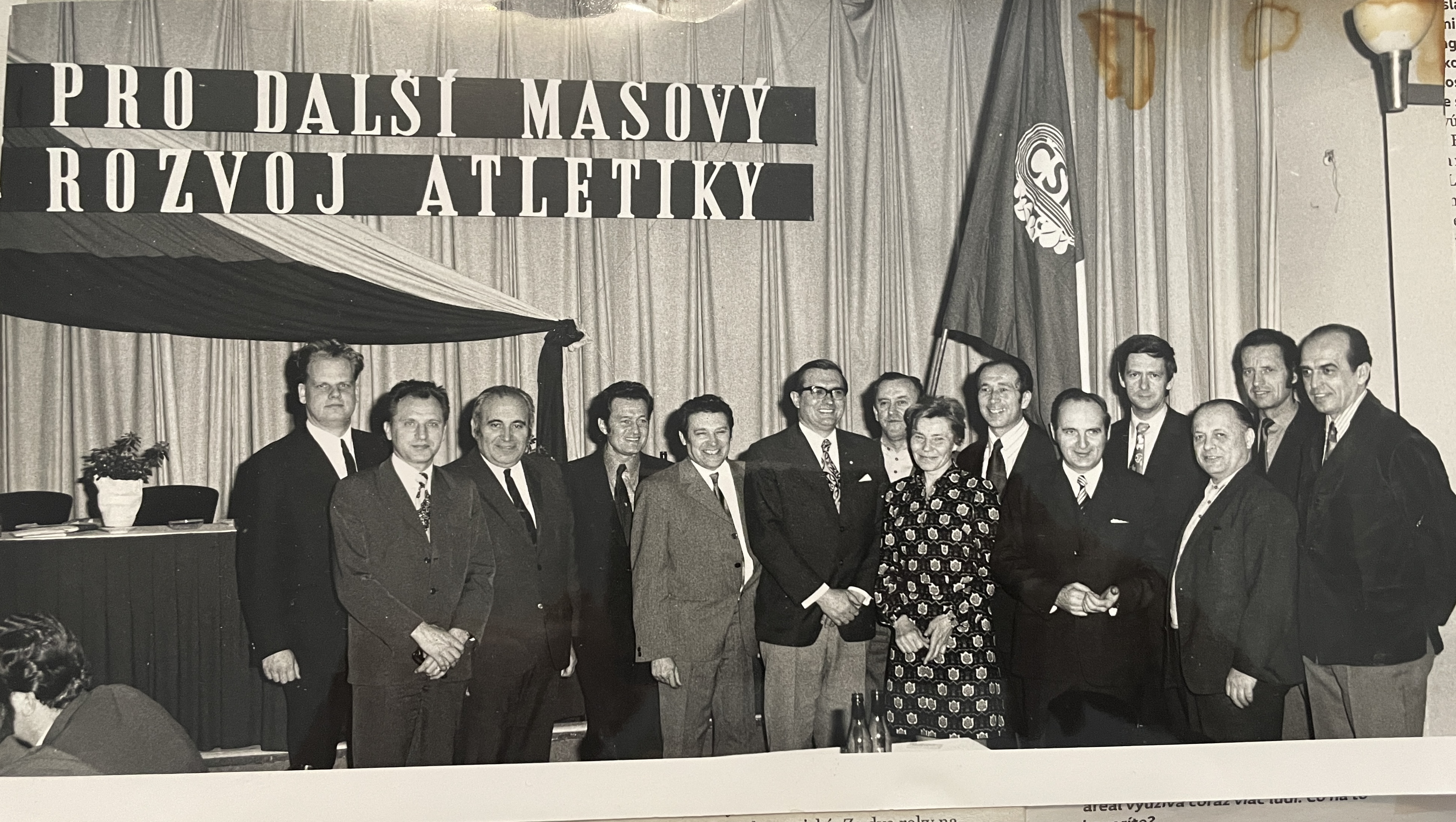
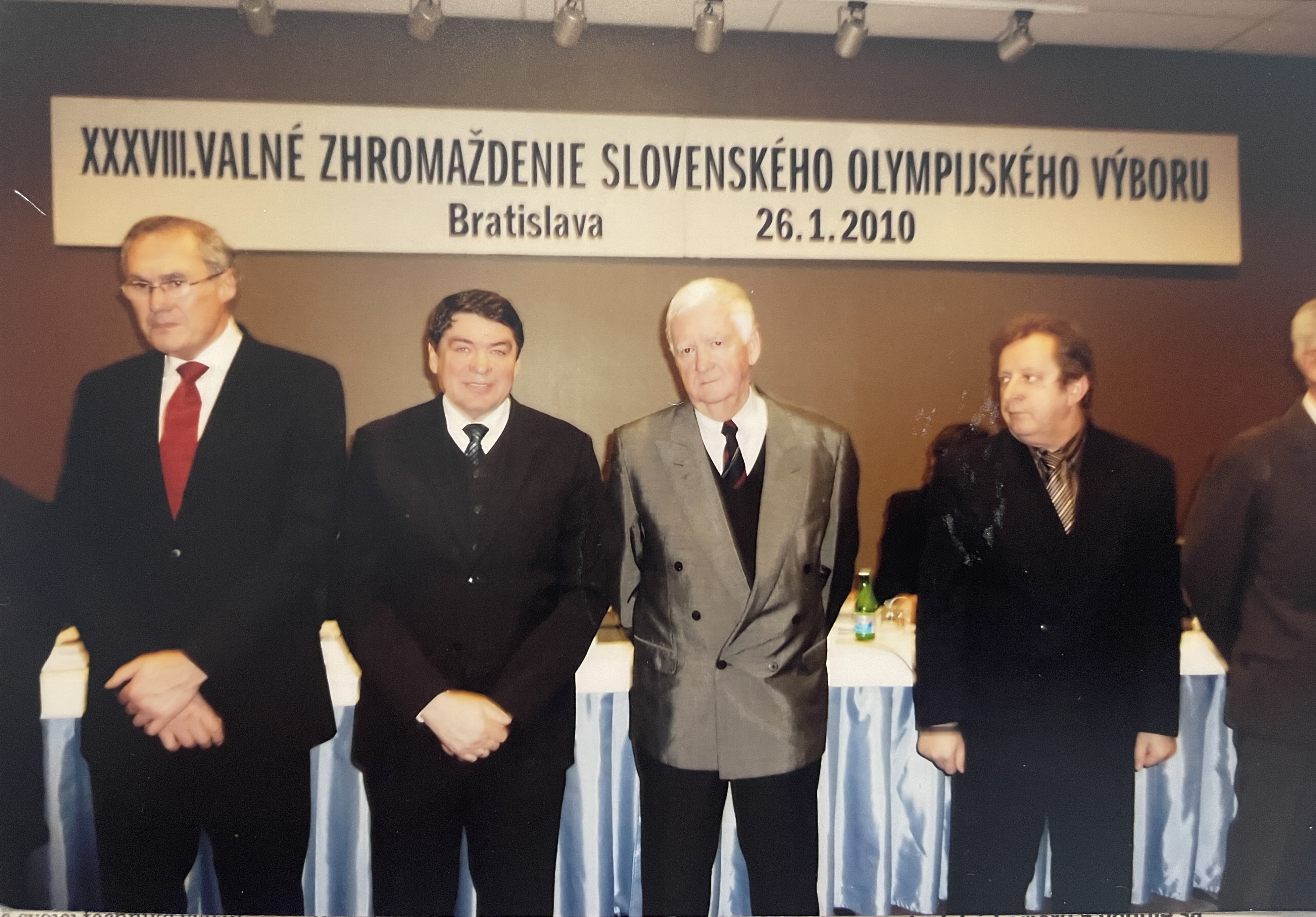
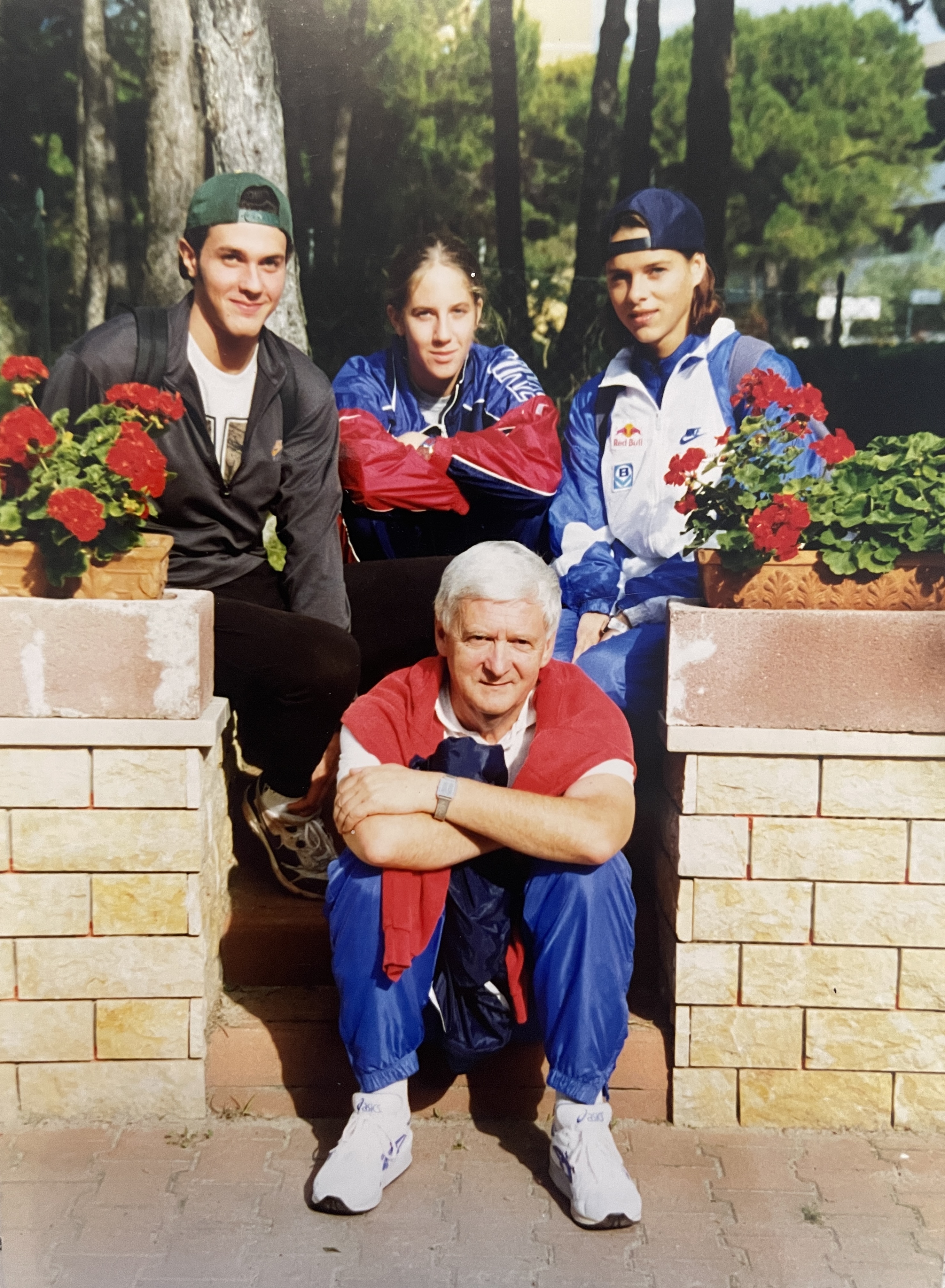
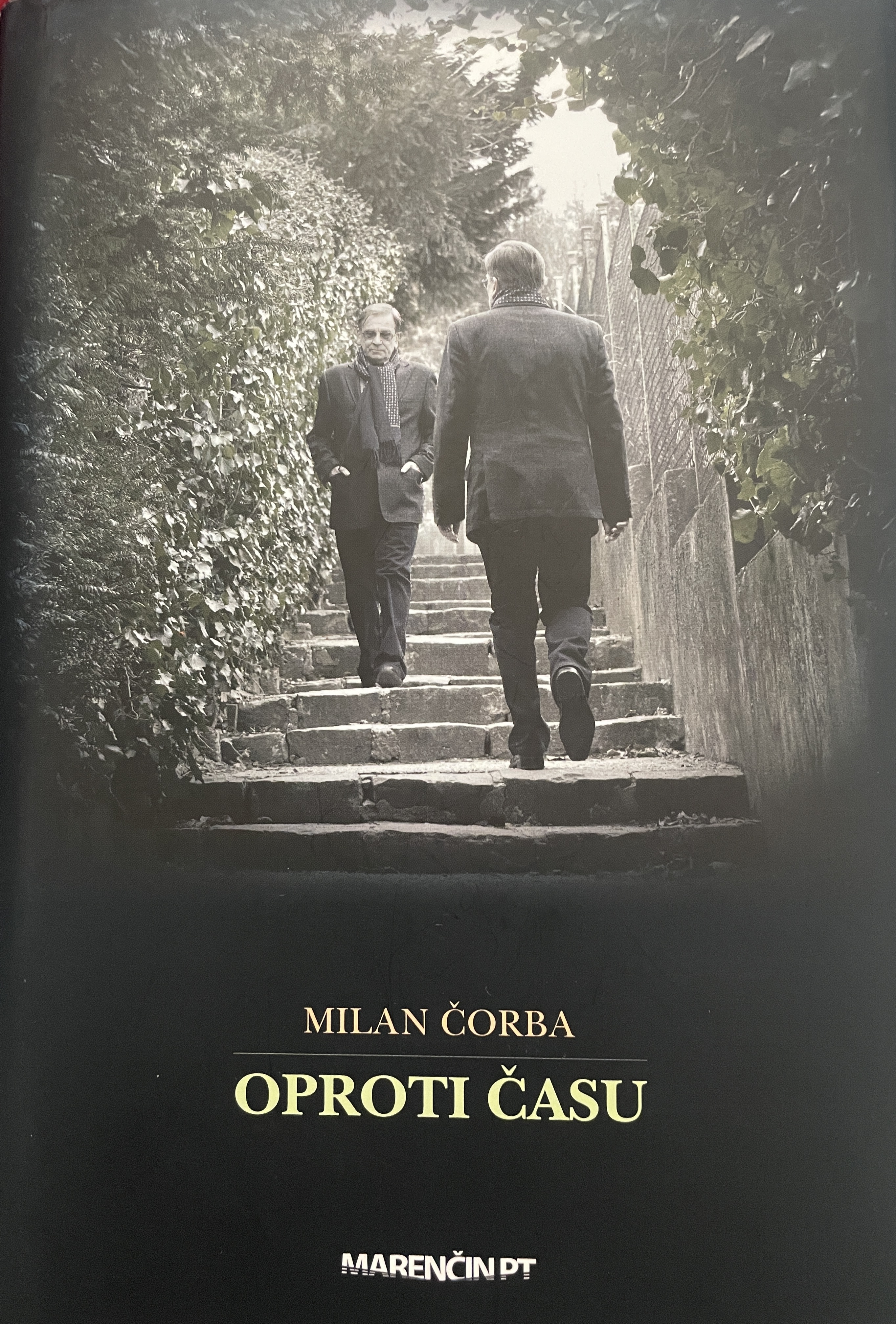
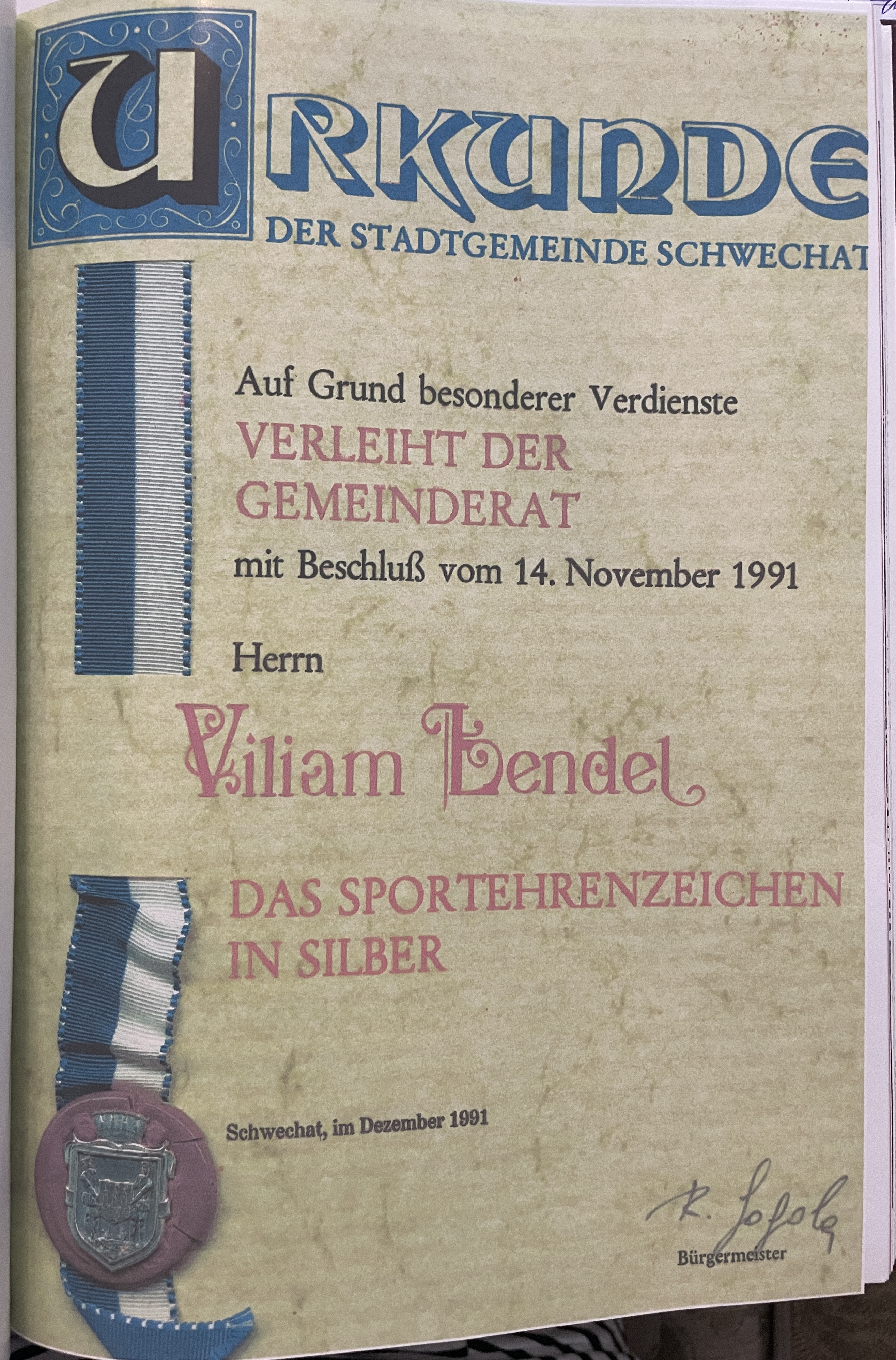
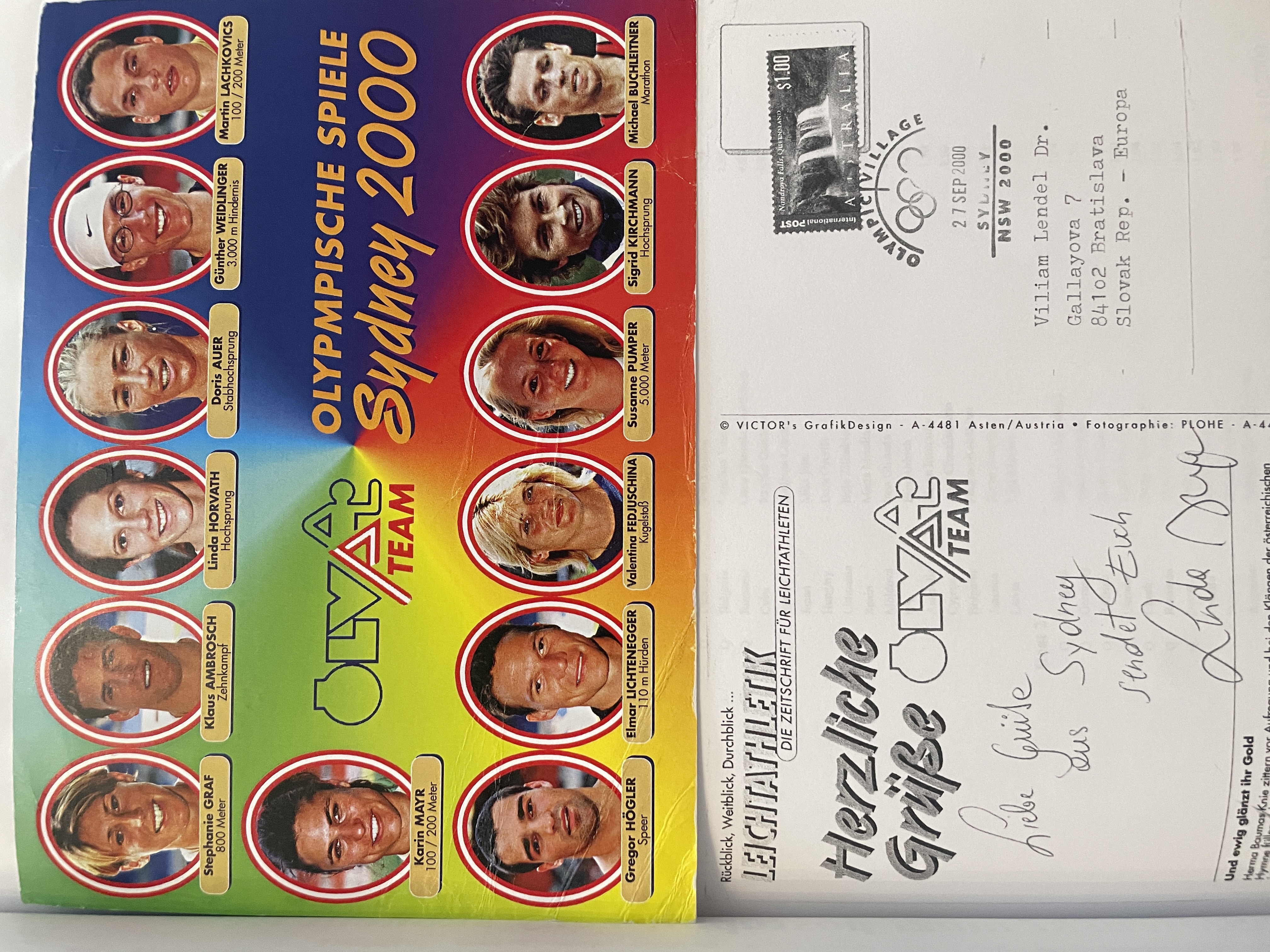
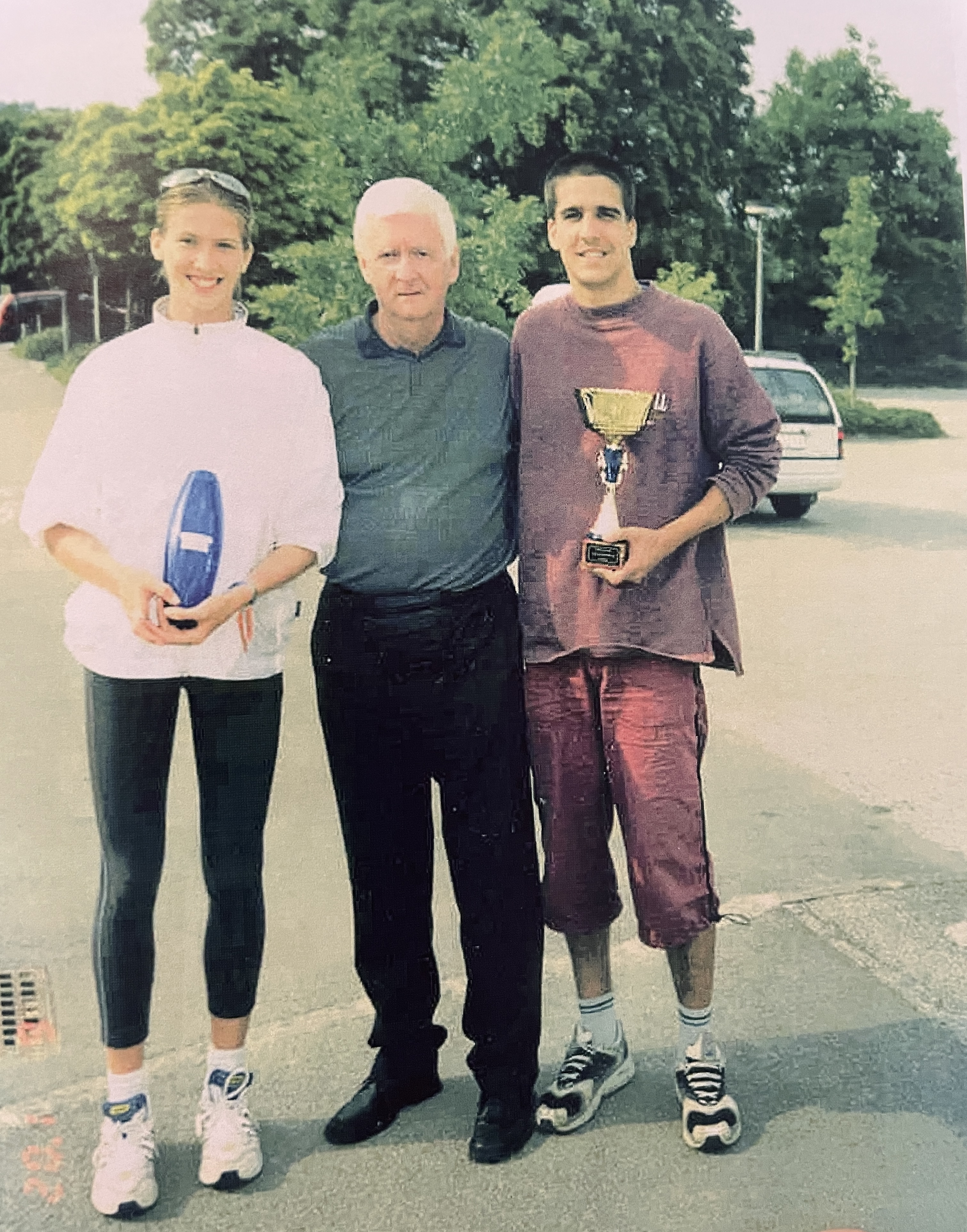
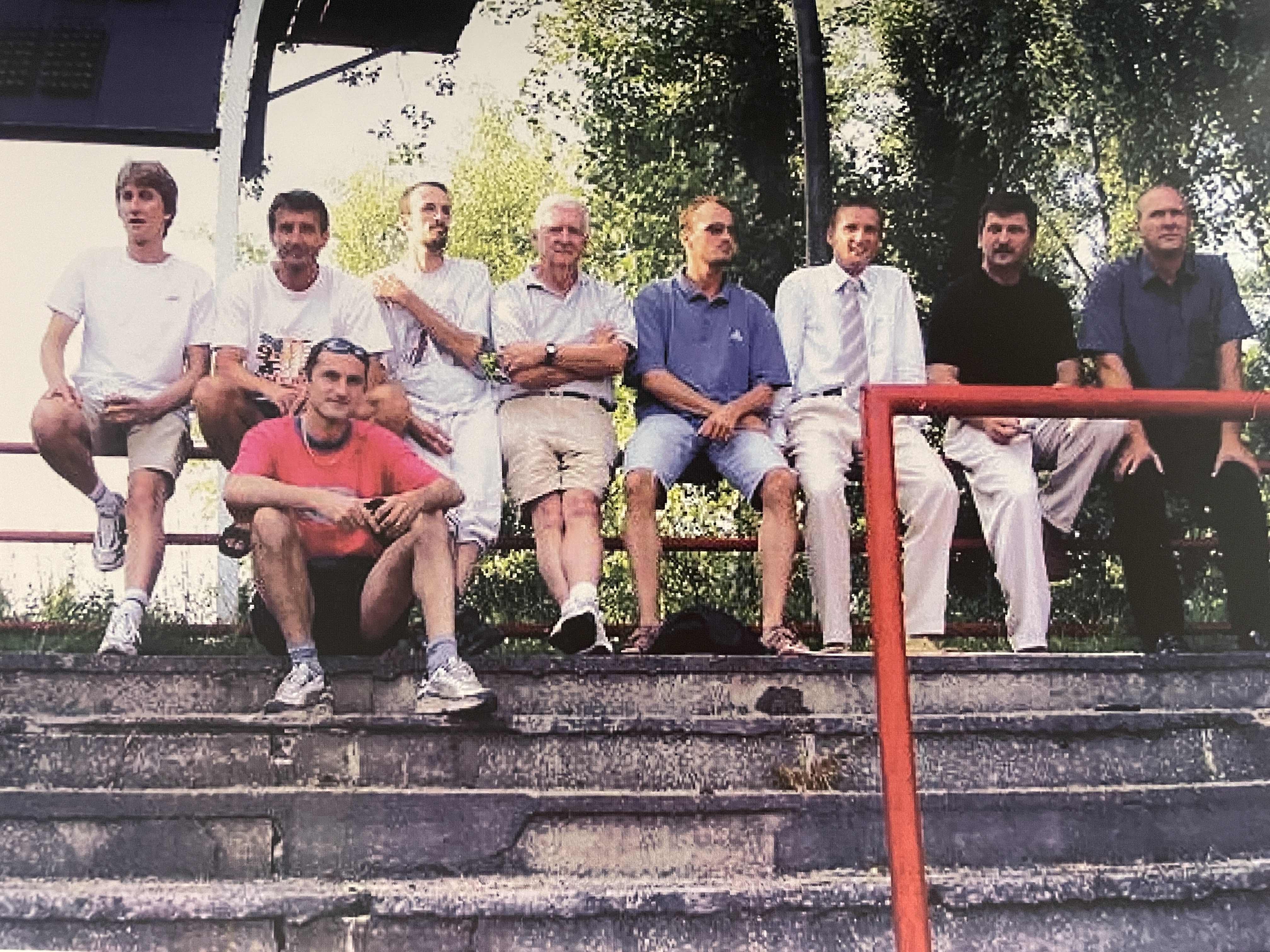
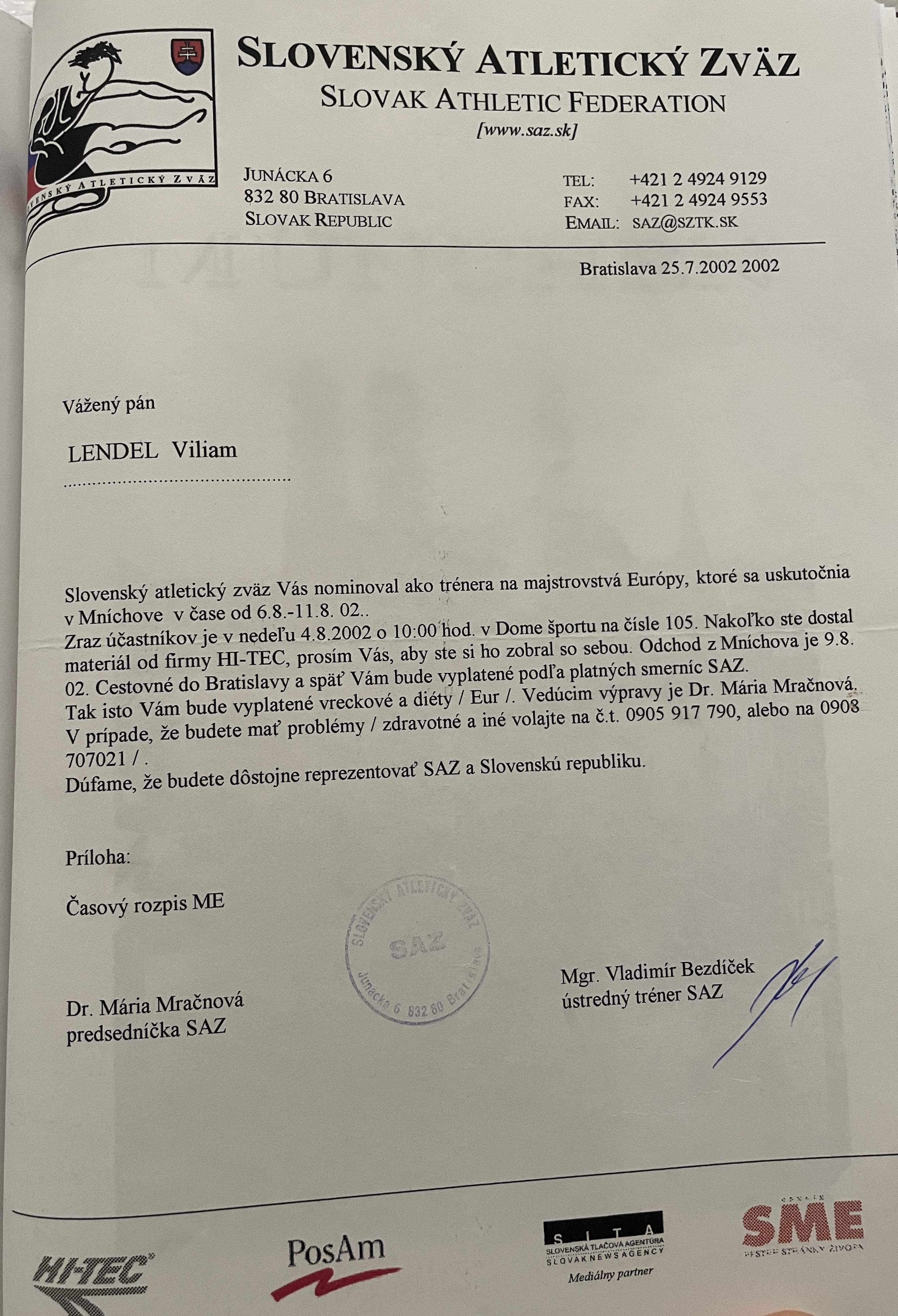
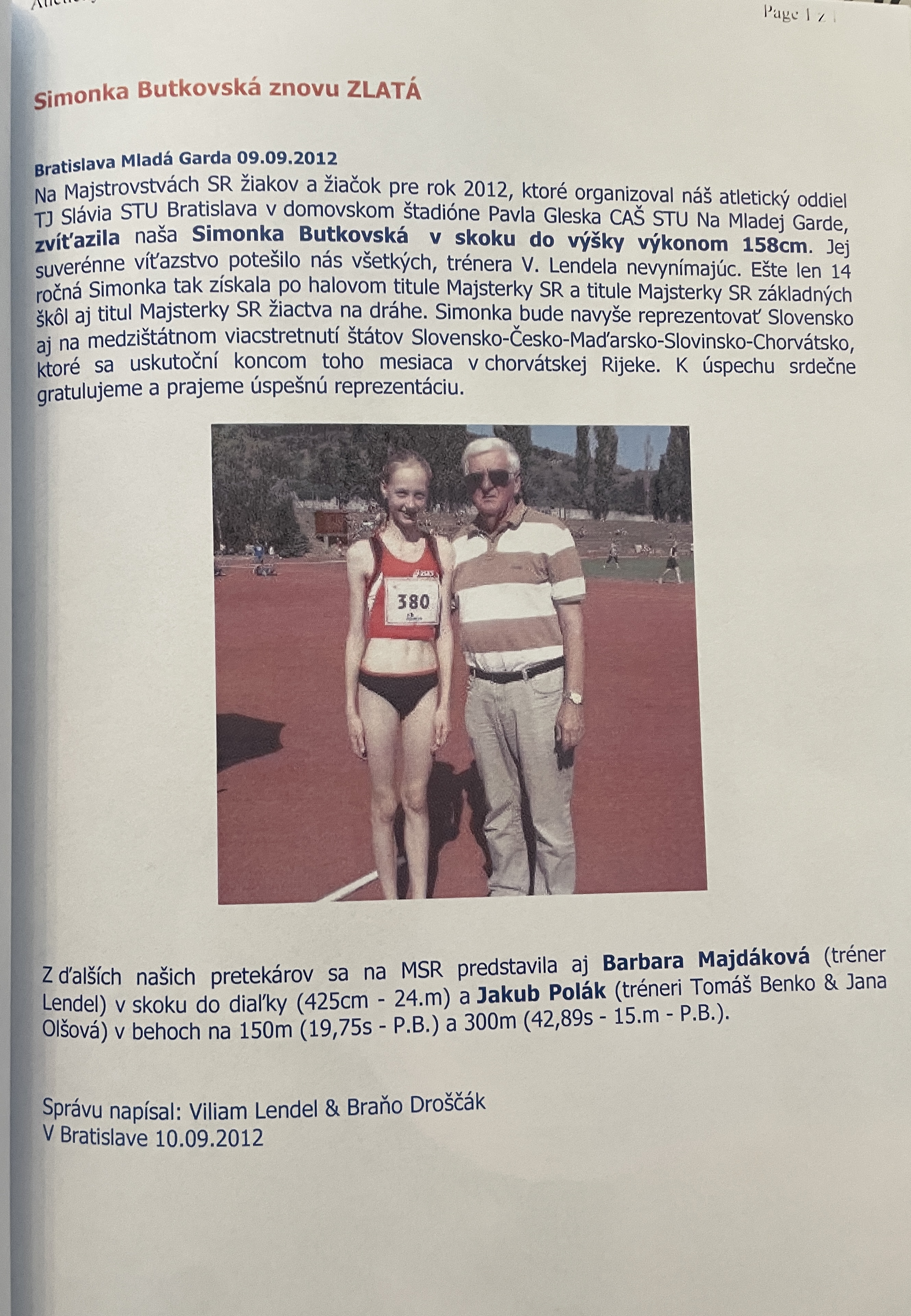
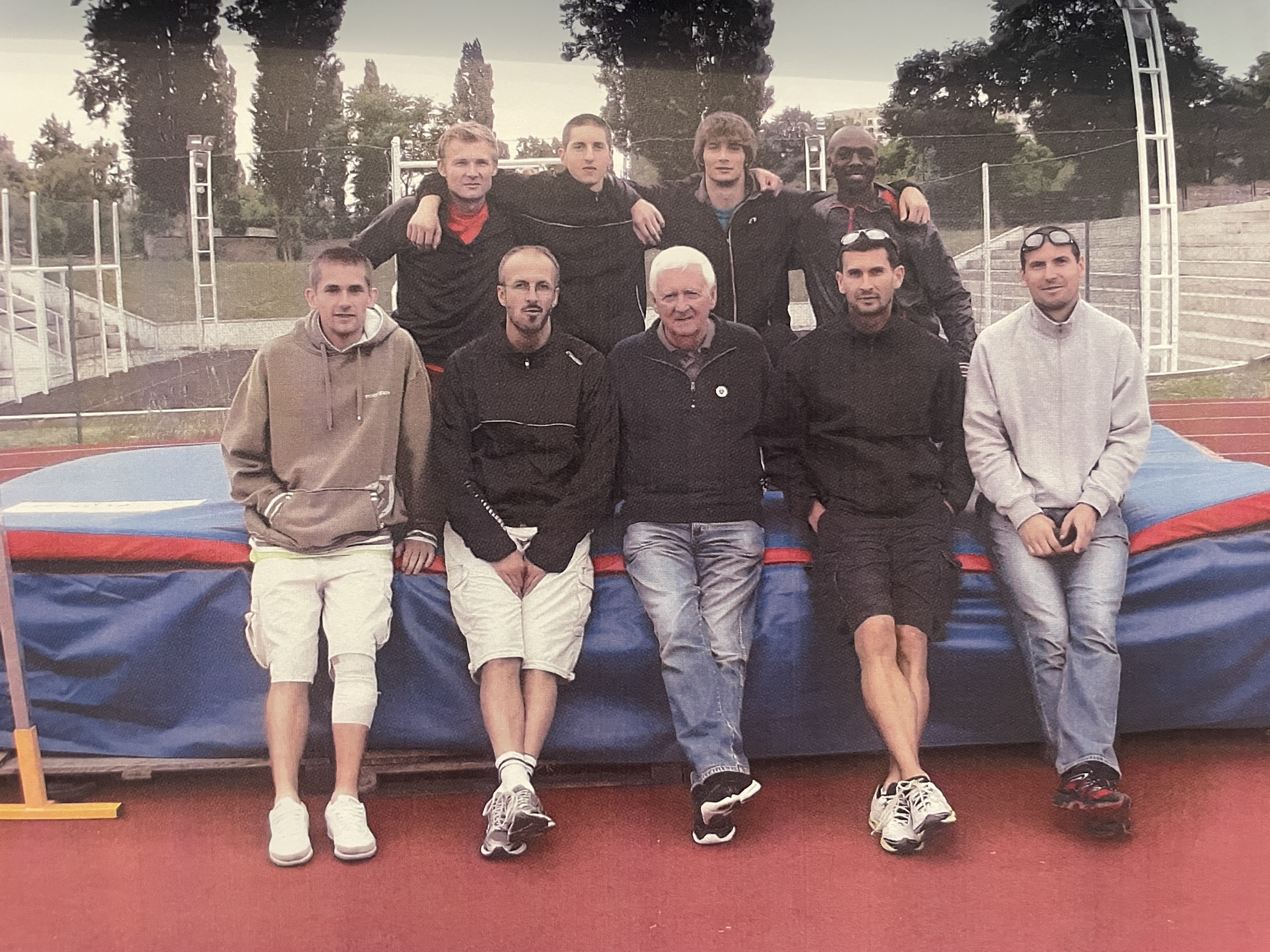
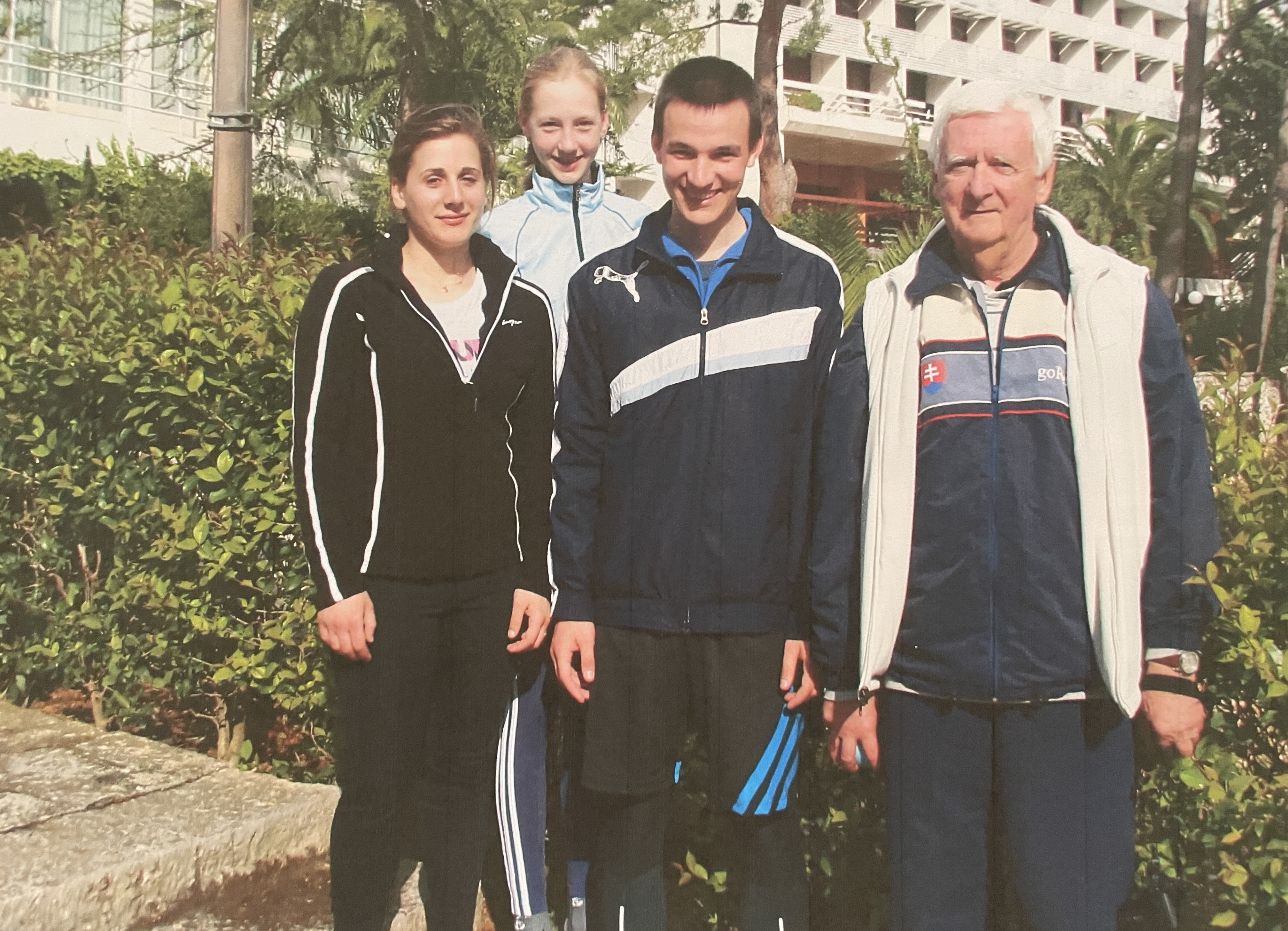
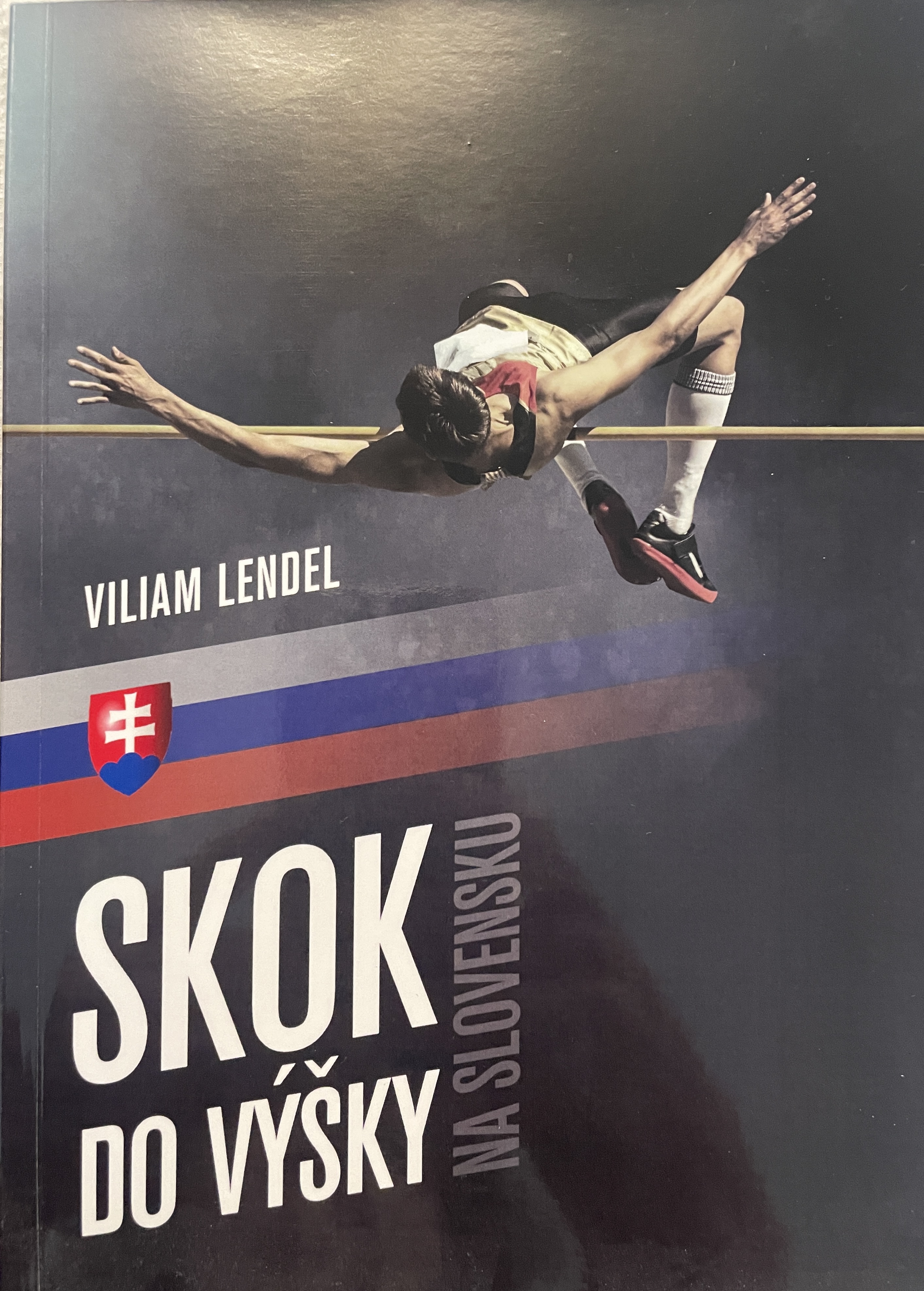
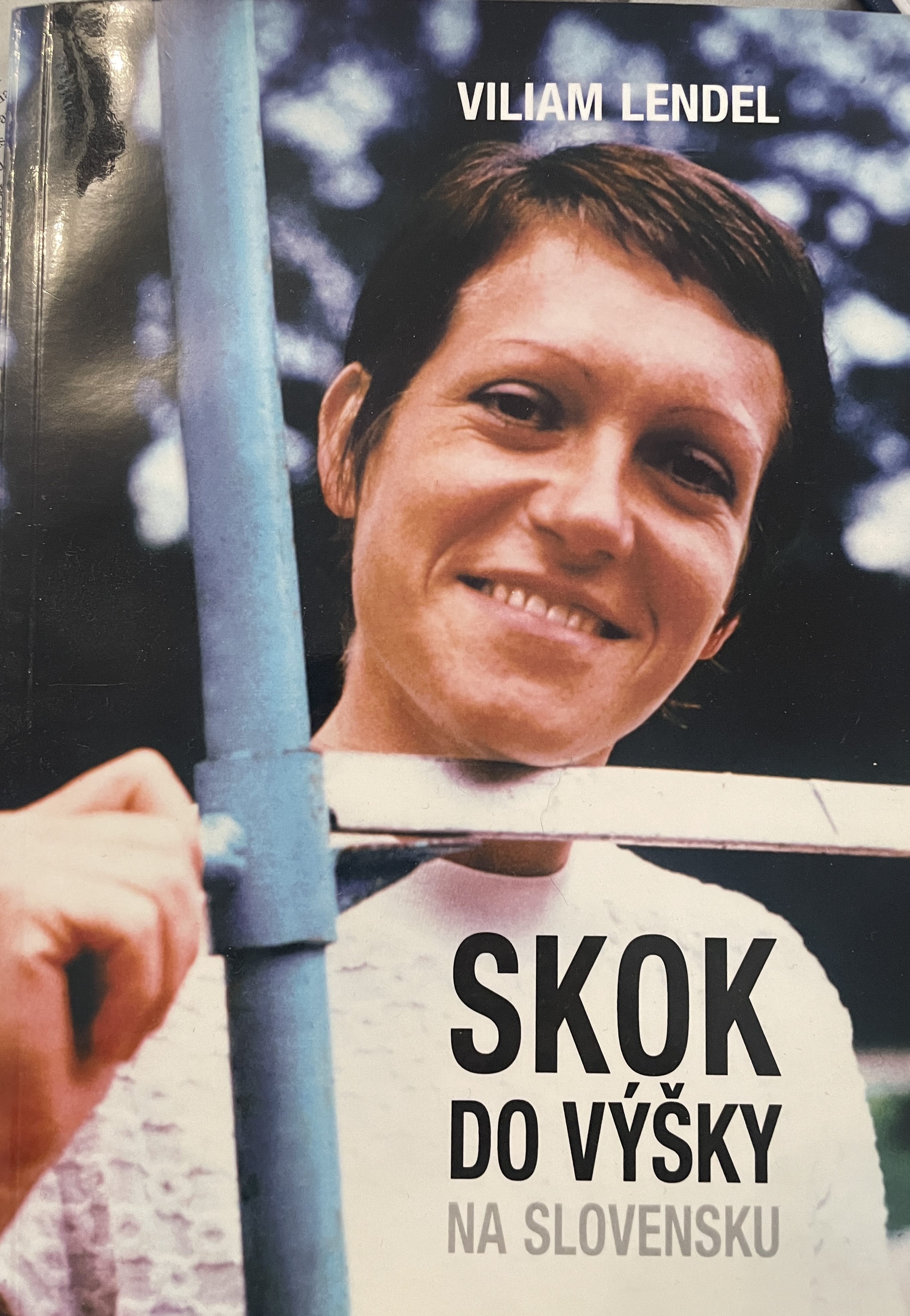
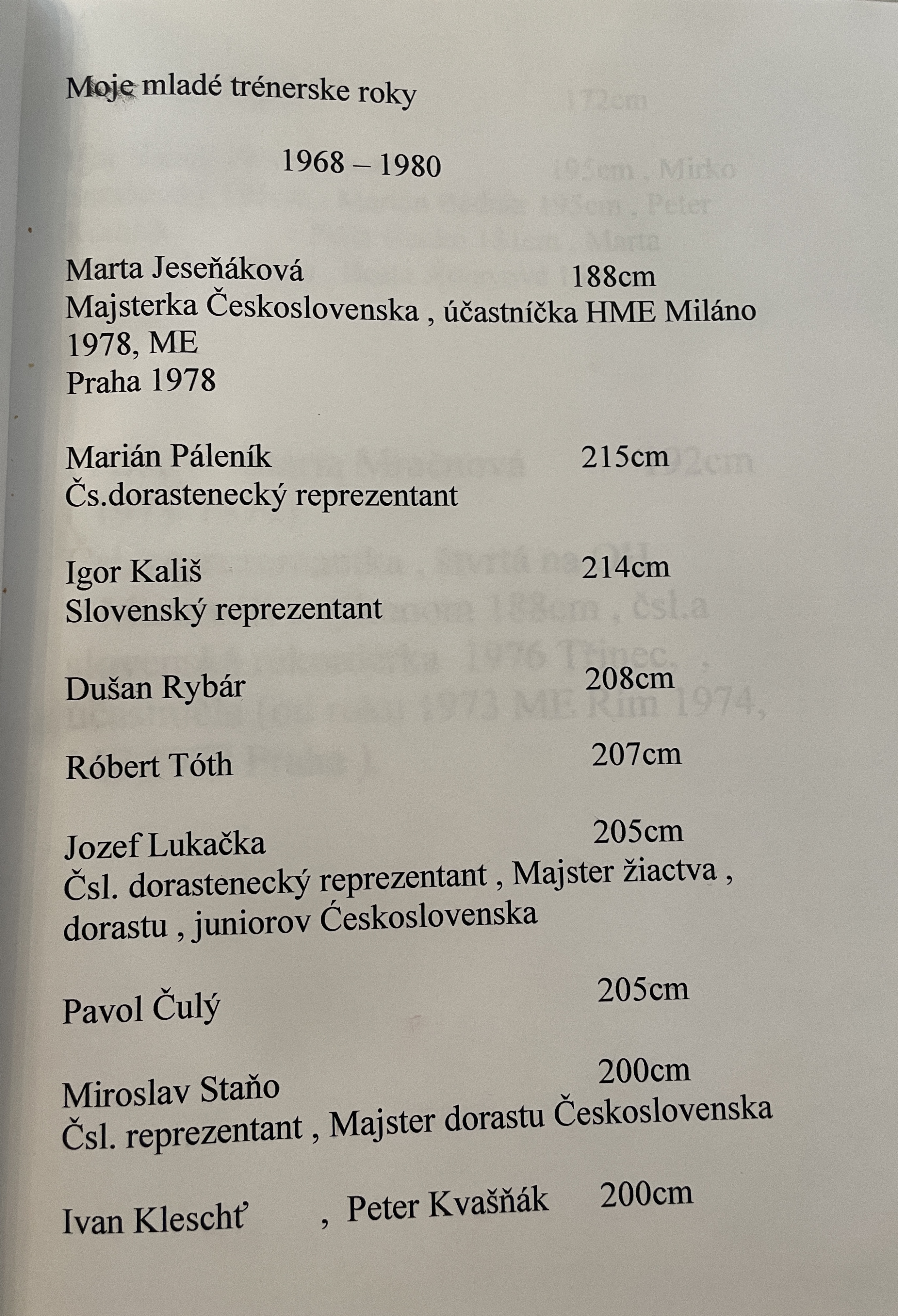
Viliam Lendel was born in 1940 in Bratislava into a family of teachers. His father, Argád, was stationed in Belarus during World War II. After joining the army and rising to the rank of lieutenant colonel, he changed his Hungarian surname from Lengyel to Lendel. His mother, Jana (née Kořínková), was born in Austria to a Czech family of stove-fitters. Viliam attended the eleven-year school on Jilemnického Street, where his classmates included the legendary Milan Lasica and Milan Čorba. After initially playing basketball, he turned to athletics, specifically the high jump. At the age of 14, he cleared 154 cm. He became the third Slovak, following Savčinský and Rožánek, to jump over two meters, and in 1964 and 1965, he broke the national record twice, eventually pushing it to 203 cm. Thanks to his success, he enrolled at the Pedagogical College, from which the Faculty of Physical Education and Sports (FTVŠ) branched off during his studies (1959–1965). He had to repeat one academic year due to a shoulder injury. He performed his mandatory military service in central Slovakia, where the athletics team of the Dukla Banská Bystrica elite sports center was being established in 1965. However, after tearing a quadriceps tendon on his take-off leg, his competitive career ended at the age of twenty-six. A protégé of Jaromír Šimonka, the freshly graduated pedagogue followed in the footsteps of the coaching legend. As a PE teacher at the elementary school on Jelačičová Street, he established a „breeding ground“ for jumpers and, along with colleagues, co-founded the Bratislava league for school teams. He assembled a strong training group (including Jeseňáková, Páleník, and Lukačka), which formed the core of his first group at Slávia SVŠT (now STU)—a club he has remained loyal to for half a century, serving as its head coach from 1968 to 1989 and again since 2000. In 1974, he was joined by Mária Mračnová (6th at the 1968 Olympics and bronze medalist at the 1969 European Championships), who decided to change coaches after returning from maternity leave. Having previously trained under Šimonka, she chose Lendel, who was by then a fellow pedagogue at SVŠT. Between 1974 and 1983, he also chaired the Youth Commission of the Czechoslovak Athletics Federation and served as the national coach for women‘s high jump from 1976 to 1980. Under his guidance, Mračnová broke a five-year stagnation, improving to 187 cm. She finished 8th at the 1974 European Championships in Rome, and after he persuaded her to switch to the curved „Fosbury Flop“ approach, she cleared 190 cm. At the 1976 Montreal Olympics, she attacked the medal positions at 191 cm, ultimately finishing 4th with a jump of 189 cm. Exactly one month later, she won the Czechoslovak Championships in Třinec with a performance of 192 cm—a Slovak record that stood for 14 years until it was broken by Jana Brenkusová. While coaching in Austria between 1994 and 1998, Viliam led Monika Gollnerová and Linda Horvathová to the same mark of 192 cm. At the age of sixty (around the 1983–2000 period), he stepped down as chairman of the Bratislava Athletics Federation but continued coaching. His pupils included Ľuboš Benko (personal best 225 cm, participant in the 2002 European and Indoor European Championships), Diana Lázničková-Malejčíková (192 cm, 2002 and 2005 Indoor Europeans), and Iveta Srnková (185 cm, 2007 U23 Europeans). Viliam compiled the book High Jump in Slovakia, which saw two editions and featured texts by Šimonka and his athletes, as well as contributions from jumpers and coaches from across the country. Since 2017, he has been a member of the Slovak Athletics Federation Hall of Fame. He is married to sprinter Marta (née Kobzová) and has two children.
Hrdinové 20. století odcházejí. Nesmíme zapomenout. Dokumentujeme a vyprávíme jejich příběhy. Záleží vám na odkazu minulých generací, na občanských postojích, demokracii a vzdělávání? Pomozte nám!