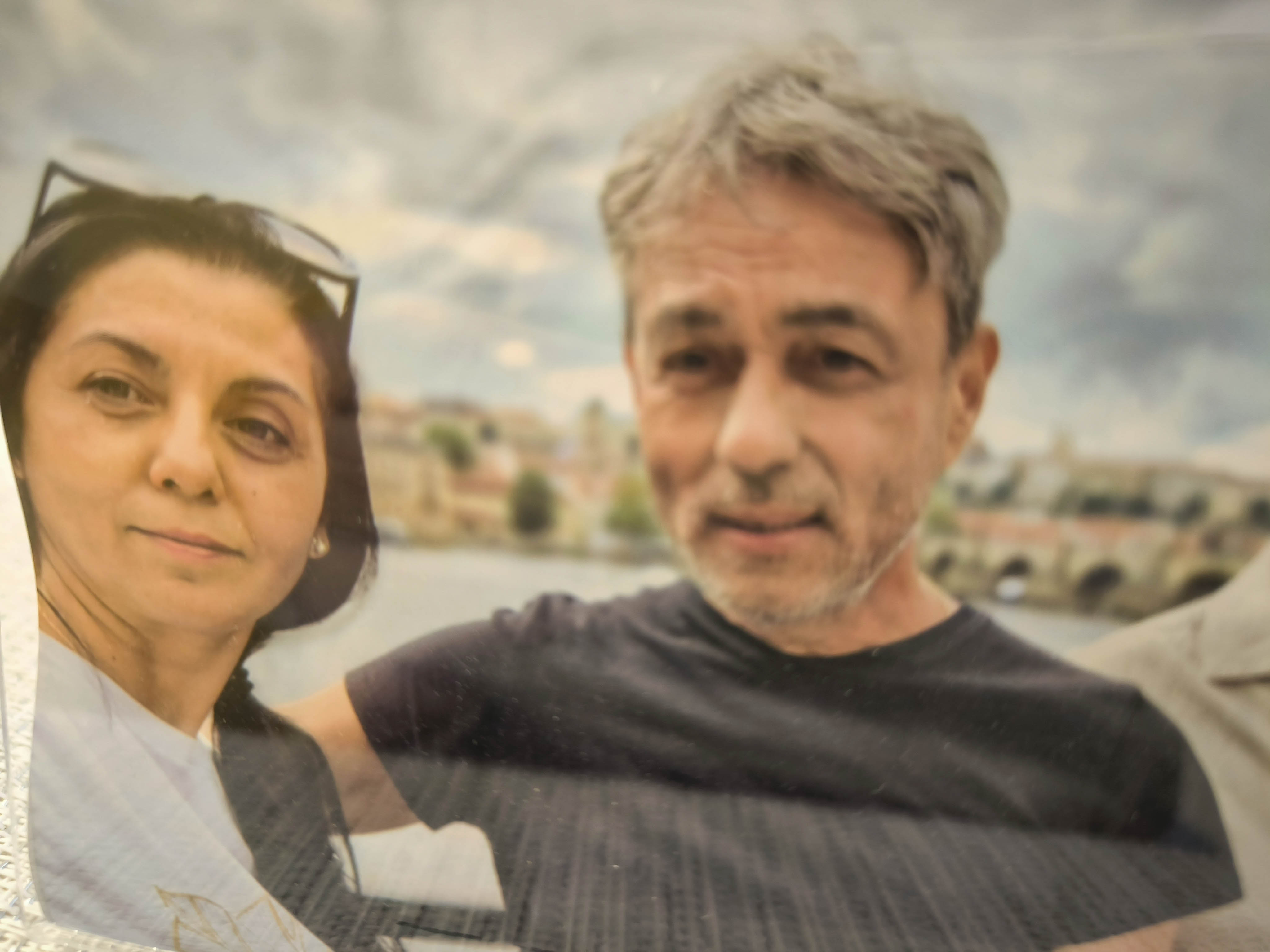
„My husband had to work. A group of them from ZŤS got together – when ZŤS collapsed, he was on unemployment, but he saw we couldn’t survive on that, and I was on maternity leave. He and the group went to Roudnice nad Labem, Rokycany, and the Prague area. It wasn't easy. From the time our son was three until he was six, his father was always in the Czech Republic; he saw him very little. He would come home once every two weeks. I lived alone with my parents-in-law. We had to live off something. My father-in-law was still working at the collective farm (JRD), but even that vanished. He worked for a private owner for a while, but my mother-in-law would cry, saying, 'Good Lord, what did you bring home? How are we supposed to live on this?' Indeed, my mother-in-law cried. It kept getting worse; the collective farm fell apart. For a while, he worked for one farmer or another because everyone knew 'Uncle' Árpi. Eventually, he couldn't manage it anymore; he also ended up on unemployment, and from there, he went into retirement.“
„They even wrote a letter of praise about me, which was a big deal coming from the Klinton company. Because they’d never had such a good worker as Rozália Lakatosová. It said that they have a cleaner like this and they vouch for her. After that, we started going to see apartments. We didn't get anywhere. They would look at us and say, 'You know, there are others ahead of you, we have to contact them first, and then we’ll see, we’re going in order.' And where do you work? I’d say, at a cleaning company. But we have a contract. No one wanted us. 'We'll call you tomorrow.' When they did call, and mostly they didn't, they would say, 'Unfortunately, those before you have already taken it.“
„Sometimes we would wait for the teacher in front of the door, and she would give us the class register to take into the classroom, saying she’d be right there. We looked inside and we saw it. Tamás Berky, C. Rozália Lakatosová, C. Mária Miadoková, nothing. So the children who were of Gypsy origin, all of them had that 'C'. If I hadn’t seen it with my own eyes as a child, I wouldn't be talking about it. It was the same way at the high school in Tornaľa. Did we feel it? With some teachers, not at all; they treated us all simply as children. But there were others who looked down on us, even if they didn't make it too obvious.“
At school, Roma children had the letter ‚C‘ marked in the class register. However, Rozália Lakatosová experienced the greatest hardships when she was looking for a sub-lease in Bratislava
Bratislava with a mortgage
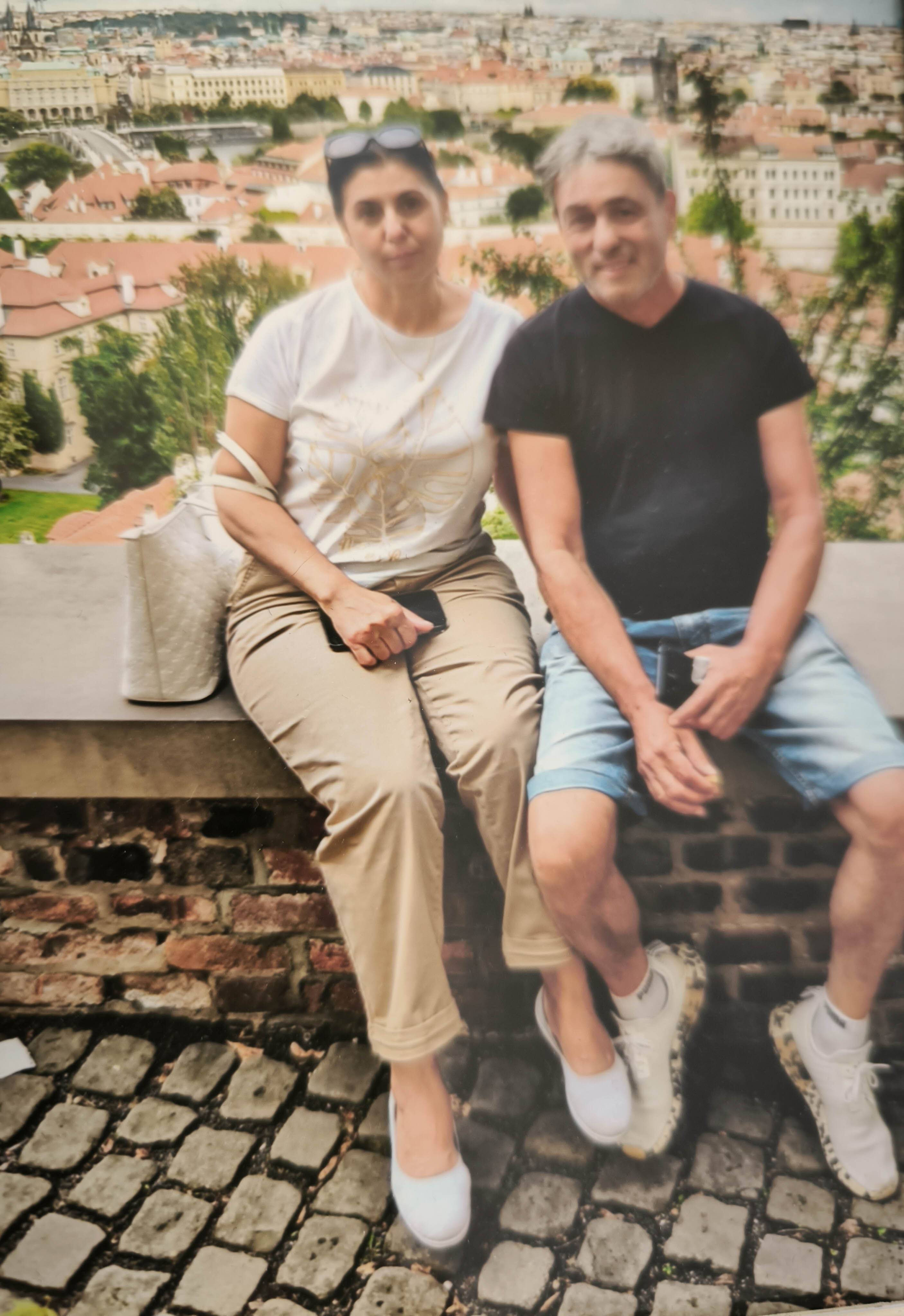
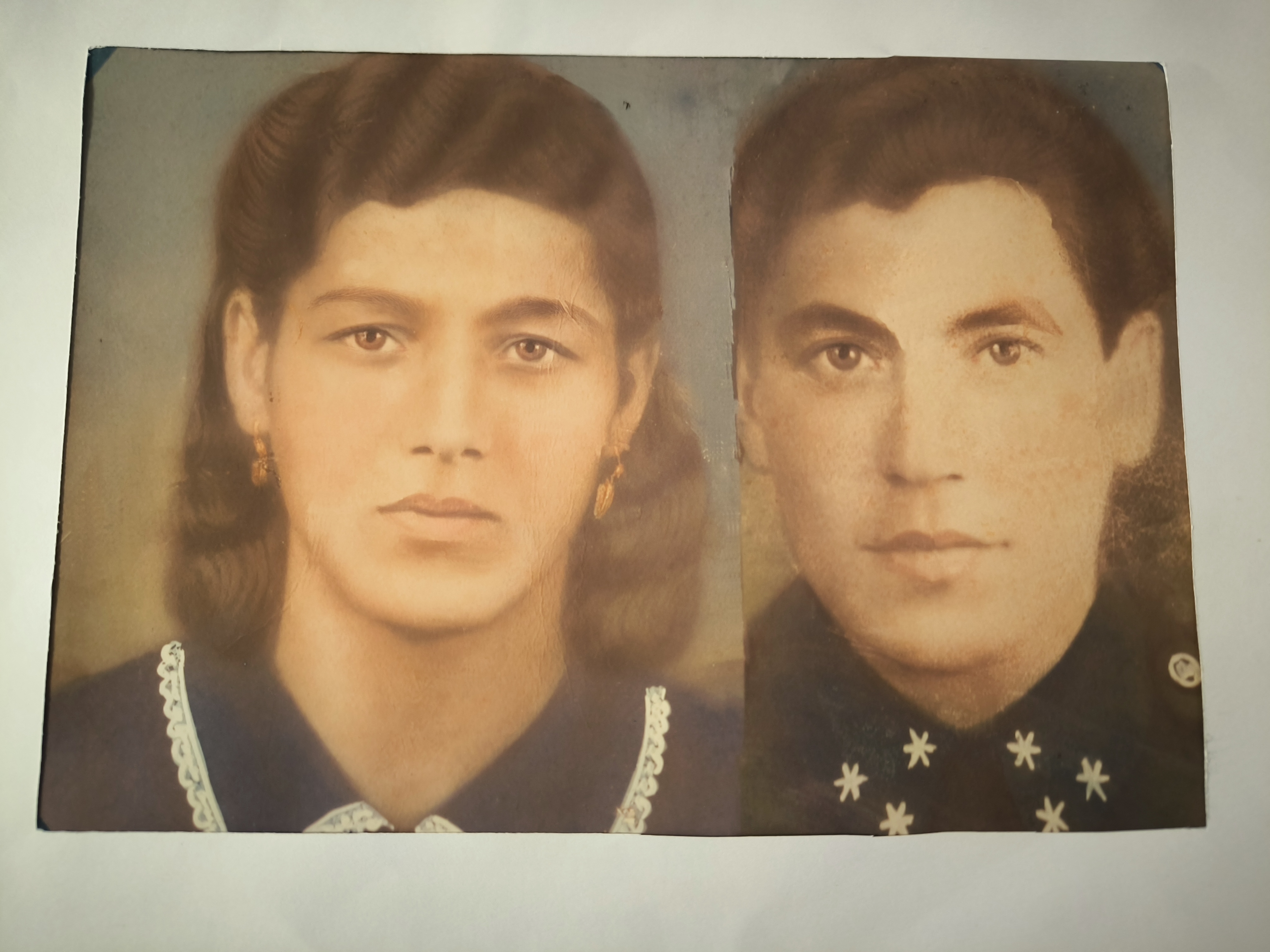
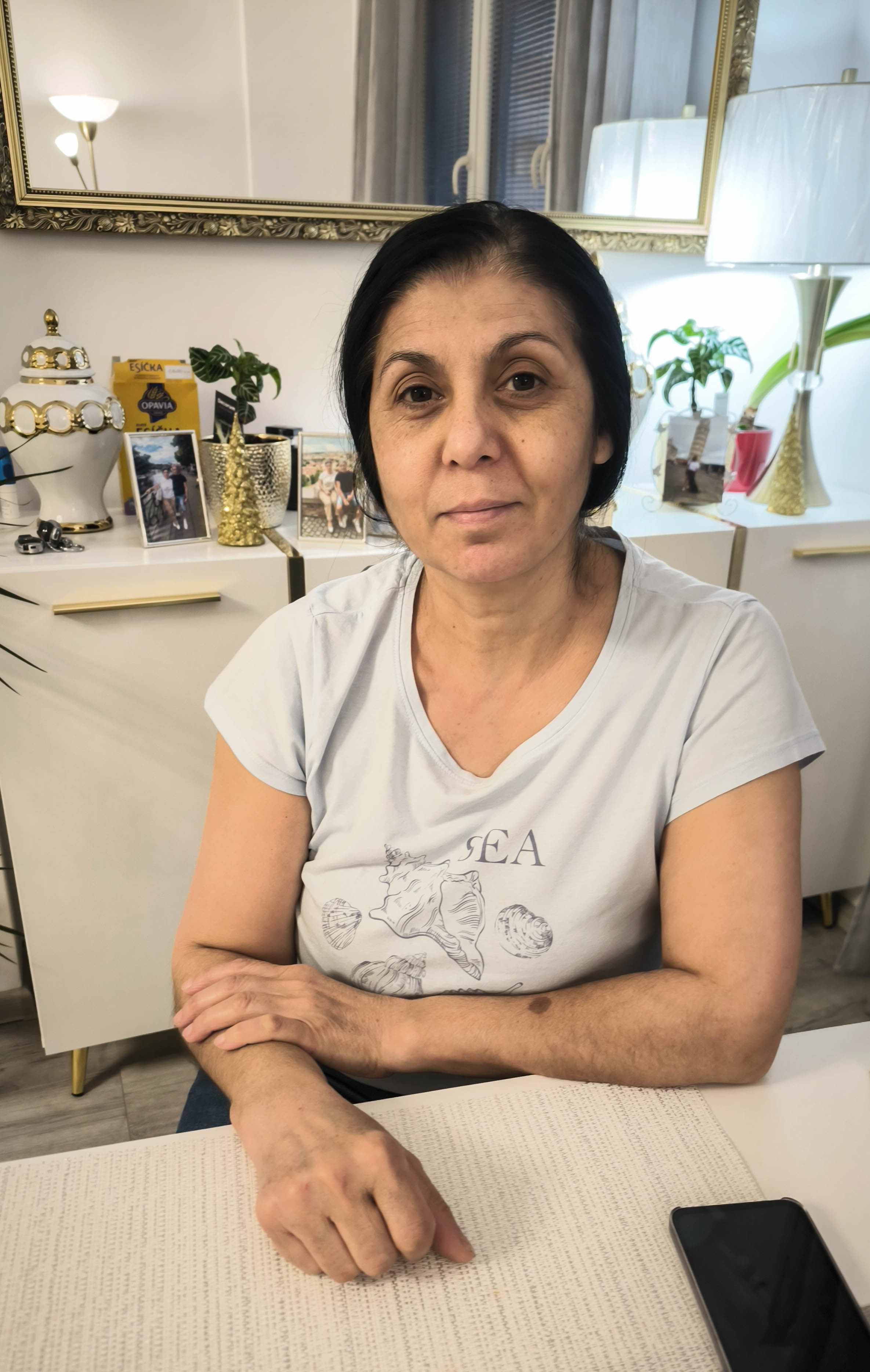
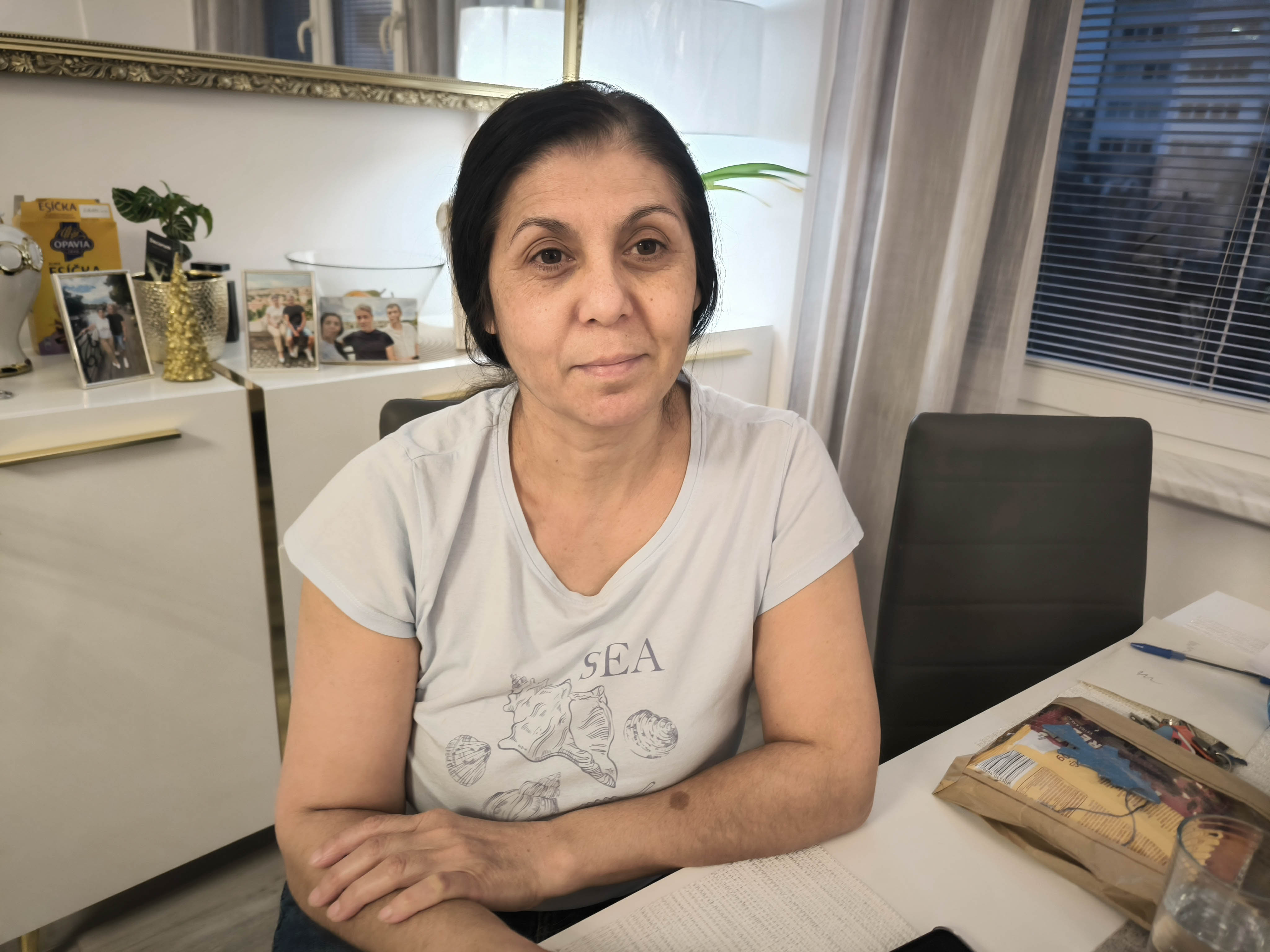
Rozália Lakatosová (née Bohóová) was born on August 15, 1972, in Rimavská Seč, in the district of Rimavská Sobota, into a Hungarian Roma family. To this day, she identifies with her Roma heritage, though her official nationality is Hungarian – consistent with other Roma living in the villages of that district. None of them speak the Romani language anymore. She attended primary school in Rimavská Seč until 1982, when her family moved to Rimavské Janovce. As both villages only provided lower primary education (grades 1 – 4), she commuted to Rimavská Sobota for her upper primary studies. Between 1986 and 1990, she studied at a vocational clothing school in Tornaľa. During this time, she met her husband, Árpád Lakatos. From 1991, they lived together in his parents‘ house in Rimavské Janovce, and their son, Árpád, was born that same year. After completing her studies, she worked at the Ozeta plant in Tornaľa, at Botext in Klenovec, and later at the T Model tailoring workshop. She also earned extra income through sewing. Her husband worked as a locksmith and welder at the ZŤS plant in Tornaľa. All of these employment opportunities vanished during the 1990s. Until 1997, her husband commuted to the Czech Republic for work. Later, they tried their luck abroad, working in various locations across Austria and Germany. From 2009 to 2017 (correcting the „2029“ typo), they worked at a bakery in Bamberg, Germany, but eventually returned to Slovakia to support their son, who had fallen into depression. Since 2017, they have been living in Bratislava. They initially worked for the Klinton cleaning company and later moved to Technoglass (formerly Technické sklo), where they are still employed today. In 2023, they took out a mortgage to buy a four-room apartment in Bratislava. Their son currently works in Austria at an aircraft components factory and returns to his parents every weekend.
Hrdinové 20. století odcházejí. Nesmíme zapomenout. Dokumentujeme a vyprávíme jejich příběhy. Záleží vám na odkazu minulých generací, na občanských postojích, demokracii a vzdělávání? Pomozte nám!