Božena Kubicová

* 1938

  • "So I went alone, and when I returned to Germany to see my husband, they took my passport away at the border and told me I couldn't go anywhere and had to report to the security office in Brno, where they would investigate me. I didn't understand what was going on. Well, I have to tell you, I can't understand at all that I ever played again afterwards. How did I, the nerves... There was a man who was investigating me. The way he did it, he should be ashamed of himself. They didn't have anything on me, I found out later, except maybe some anonymous person. I just opened the door, and he yelled at me like I was a murderer. I was absolutely desperate, I was shaking, I was buying these calming pills, the ones that were available without a prescription, to get some sleep. I always had to go to Brno. Well, you don't wish, what a scoundrel he was. I can understand, well, I can't understand that he was supposed to be investigating me, but the way he did it. Imagine there was a period, it was in Aachen, Jiří had a beaver, a moustache. And we always took Alešek on holidays when we could, and what the husband first allowed me to do, he saw that it was tremendous for the boy. And one time Alešek said, 'Uncle has three colours on his beard.' He had grey hair because he was ageing. So Jiří said he'd shave off his beard. So he shaved his beard. He didn't go to Bohemia at all; he couldn't, he had to do a premiere or something. And I went to the Czech Republic, and I had a summons for questioning again. So I went to Brno, I opened the door, and the man, if you can call him that, he was a comrade all the way to the top of his lungs, and he started screaming, I hadn't even closed the door yet, 'Why did your husband shave his beard?' I thought maybe he was joking or something. You can understand, so someone must have been watching us there; they were paying somebody, because he wasn't here, nobody knew. So I thought, well, I must be dreaming. Does he already know here in Brno, on Lidická, or what was the name of the street, that Jiří had his beard shaved in Aachen? Can you understand that?"

  • "Jiří arrived, my husband that is, completely terrified. He says, 'The Russians are occupying us.' Well, it seemed strange to me why the Russians would occupy us. He says, 'Come on, we have to go to the city, that's where they're happening, that's where the history is, we have to be there, there must be something going on there.' So we hurried to the city, and there, at the train station in Old Brno, Russian tanks were driving by, and people started sitting down in front of them. So, of course, we sat down in front of the tanks. I, watching it now, I was convinced that the people driving the tanks were not going to run into the people. How naive I was, right? Well, but they didn't, that's why I'm here. But it was a strange feeling, beautiful in a way, the cohesion of the people. It was completely, there were people, everybody who just stumbled in there, sat down, there was a carpet of people sitting down, and apparently, the soldiers in those tanks probably didn't know what was going on at all. Well luckily it turned out well, for us, that we're alive, but it was terrible. It was terrible."

  • "But what I experienced, and what actually influenced my whole life, was that the word got out in Mělník and Rousovice that we should go to the main road that leads to Prague and we should go to welcome the American soldiers who were coming to help Prague. So all of us, perhaps there was no one left at home, went to the road and we were almost there when I realized that I had forgotten my flags. So my mother said, 'I'll wait for you here and run back home to get the flags.' So I ran, and when I was about a third of the way from my mother, I heard planes. I knew the sound; they had this dark sound. I looked up and they were flying so slowly, and I saw some things falling. Then a gentleman came up to me and pulled me to the ground. Into the dirt, into the street, and there was his lady lying next to him. And now there was horror, people screaming, running, crying, lying on the ground. I couldn't explain what was happening. It was terrible, and the man held me so tightly that I couldn't. Only then did he start to talk about whether they should go hide too and not lie on the road. I felt him loosen up a bit in the way he was holding me, so I jerked away from him and ran off again towards our home. Only there wasn't a soul there anymore; they were all hiding. It was so stressful, I ran to the door and it was locked. You can't imagine the horror of not being able to get in. So I was banging on the door and again a gentleman came running and grabbed me and literally dragged me because I was struggling. I couldn't explain what was going on. There was a little shop on the other side of the street, so he dragged me there, it was packed with people. I was small, right, so many people, I couldn't breathe. Those were the horrors I experienced. So suddenly somebody shouted, I won't put it that way, 'Mummy's running'. Well, when my mother saw what was happening, she naturally ran after me. But that still wasn't all. About the next day, or one more day, there was a terrible thunderstorm. And the thunder reminded me of those bomb explosions. So I was having hysterical fits of crying and everything. As soon as I heard thunder somewhere, I just... It all came back to me, the whole air raid and that. Daddy kept explaining it to me, that I shouldn't be afraid of it, that I should be afraid of the lightning. No, it was just inside me, the terror of the air raid, so I kept crying. Then I cried also because my dad was angry that he was telling me that and I kept crying and crying and crying, desperately. But then he chose a different tactic. Slowly he began to explain to me that I should learn not to be afraid. And if I was ever going to be afraid, I had to learn to overcome that fear. That no one needs to know I'm afraid. And so what convinced me was that Daddy said, 'You know, I've been scared in my life, too. Everybody gets in a situation that they're afraid, but you have to be able to overcome it.' So that's the most valuable thing that my daddy gave me in my life, because it helped me a lot, in my whole life."

  • Celé nahrávky
  • 1

    Praha, 29.11.2023

    (audio)
    délka: 01:02:20
    nahrávka pořízena v rámci projektu The Stories of Our Neigbours
  • 2

    Praha, 12.12.2024

    (audio)
    délka: 01:52:11
    nahrávka pořízena v rámci projektu Stories of the 20th Century TV
Celé nahrávky jsou k dispozici pouze pro přihlášené uživatele.

An artist must have a solid ground under their feet
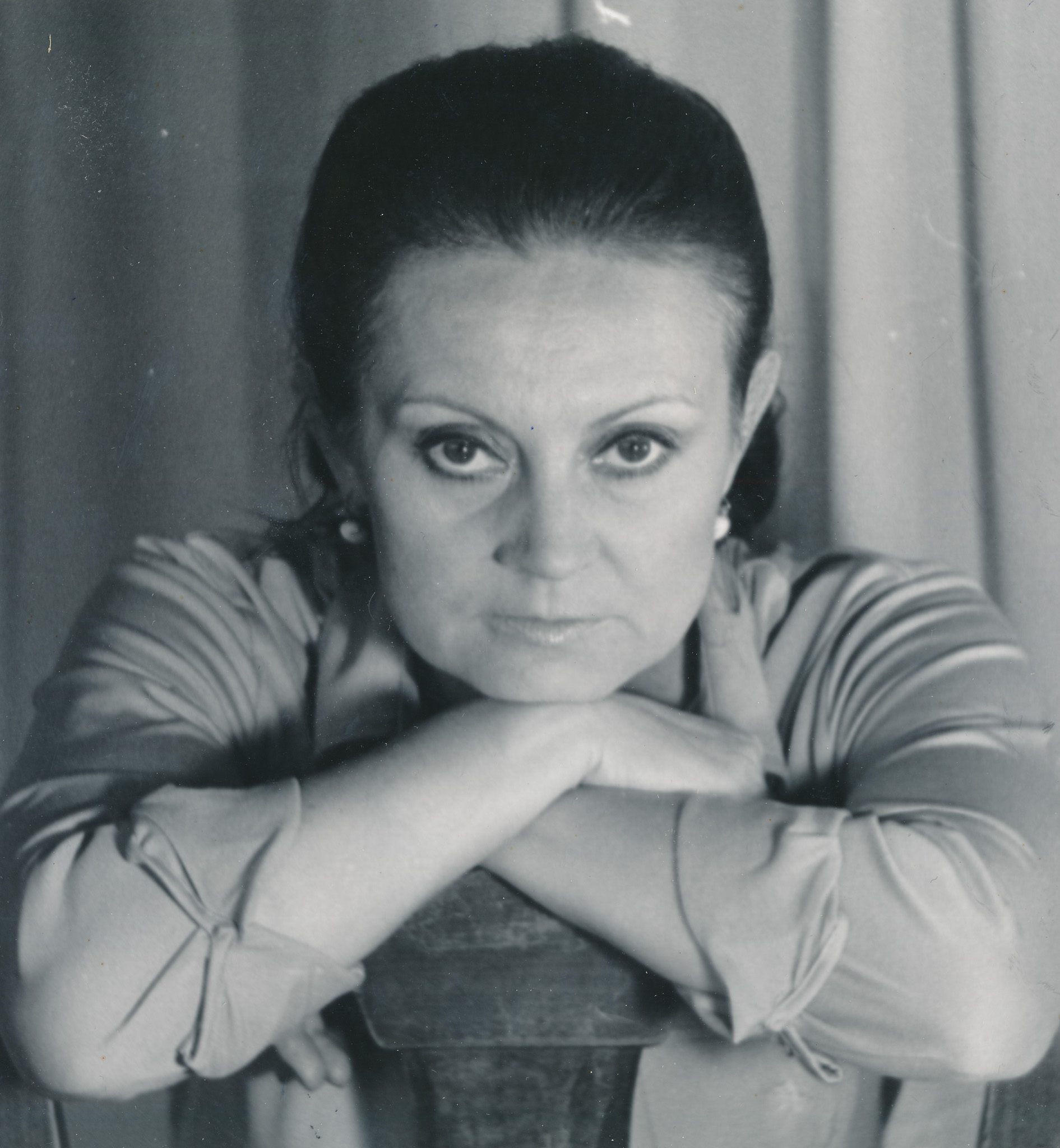
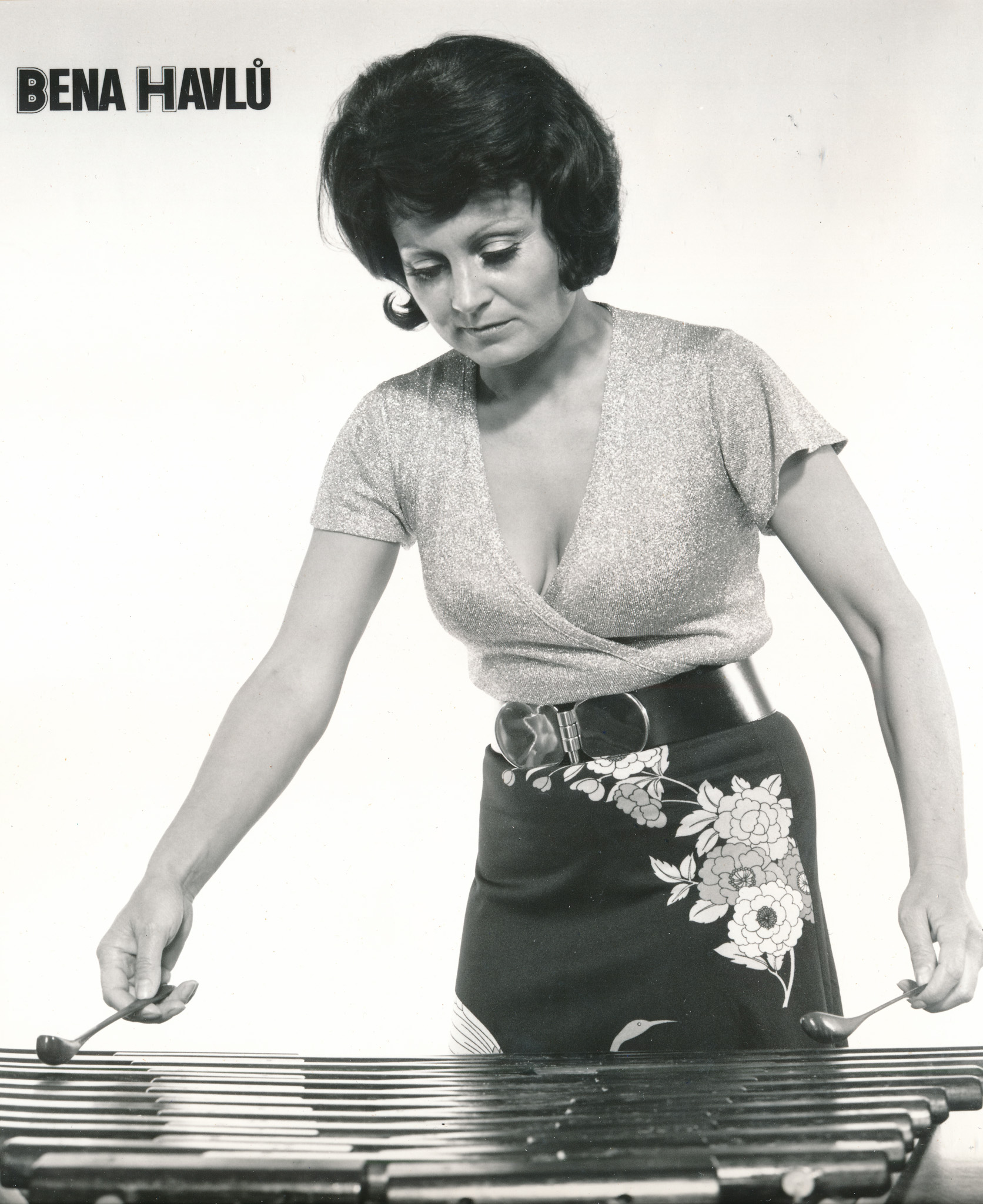
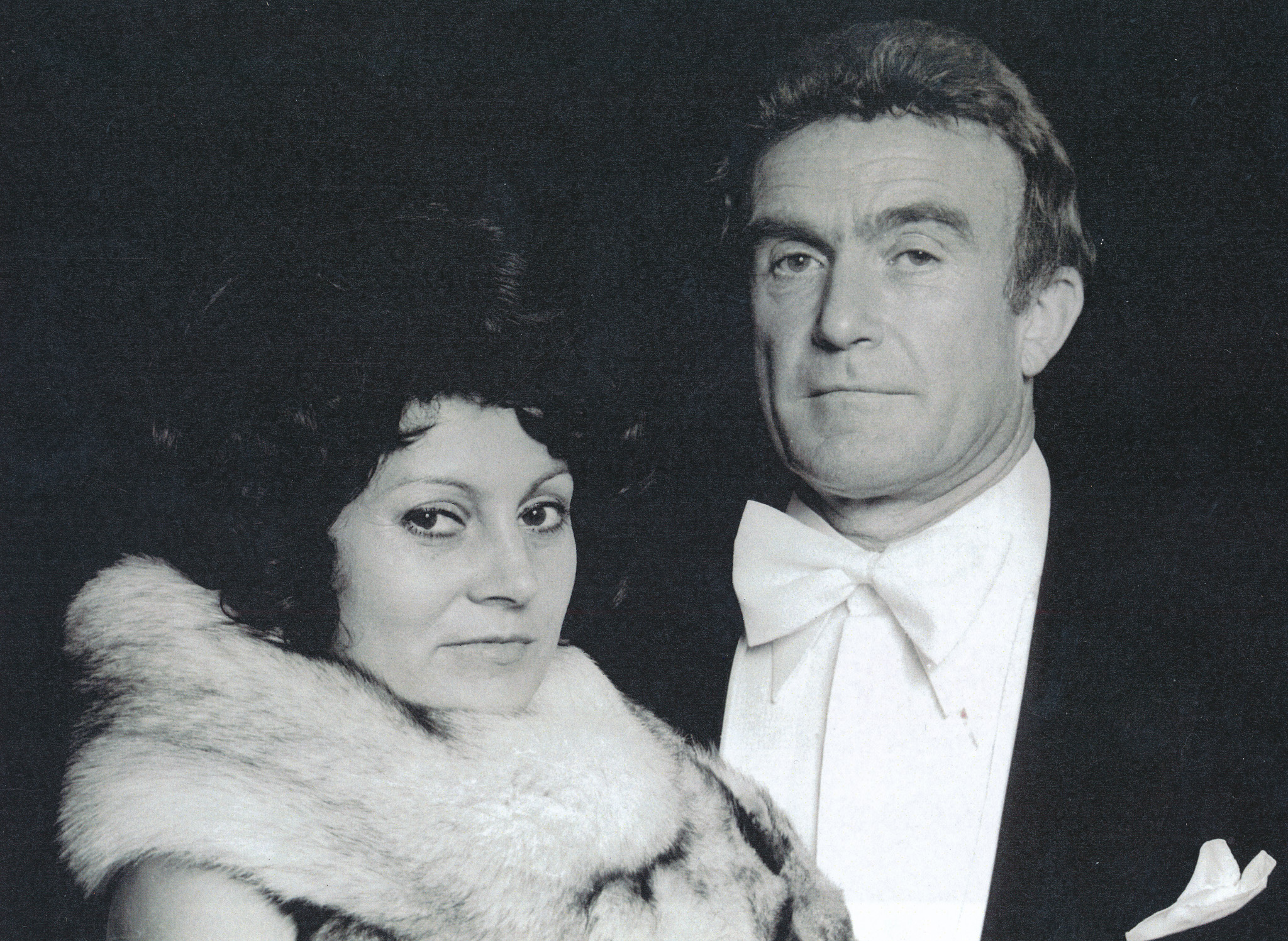
Božena Kubicová alias Bena Havlů, 1972
zdroj: Witness archive

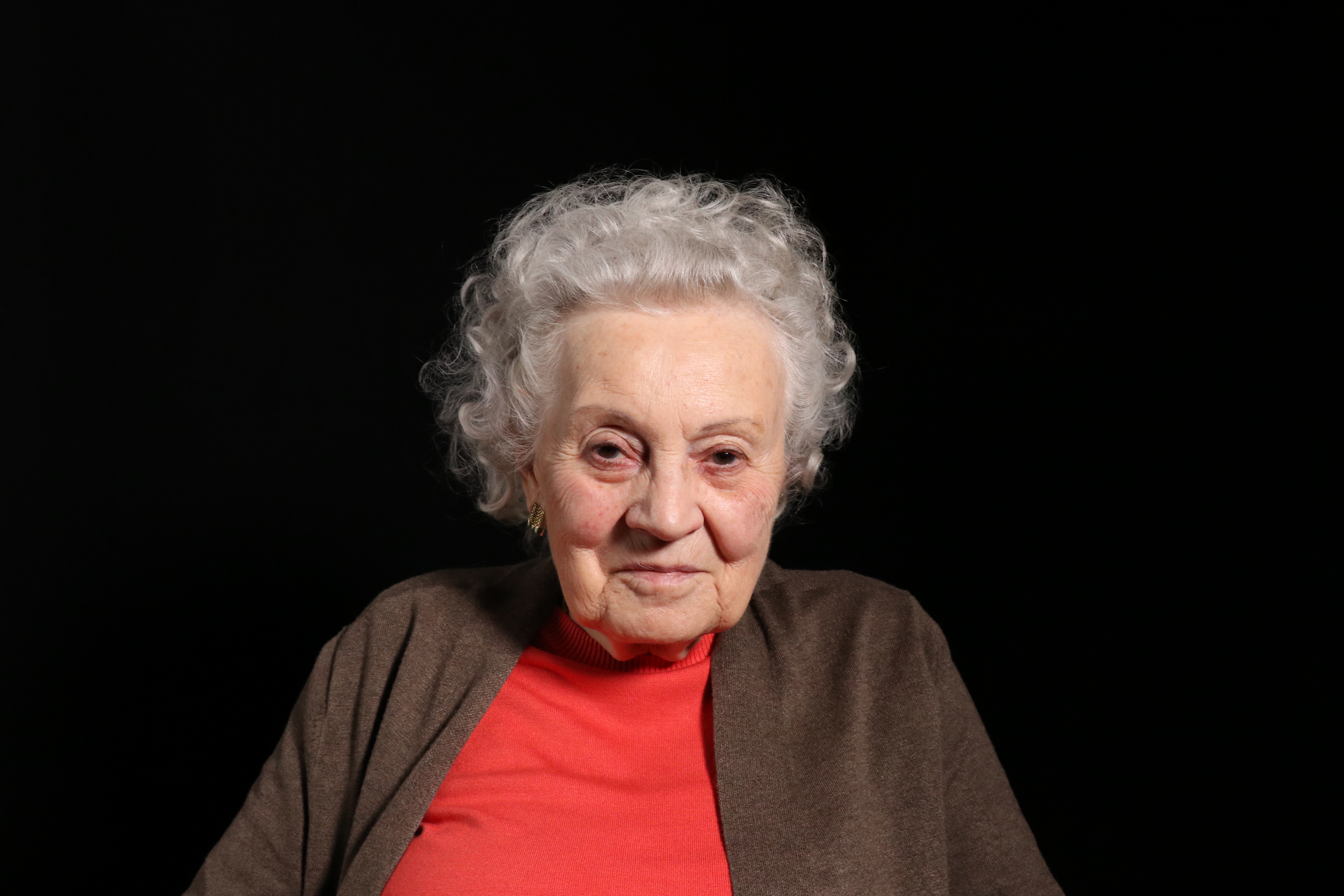
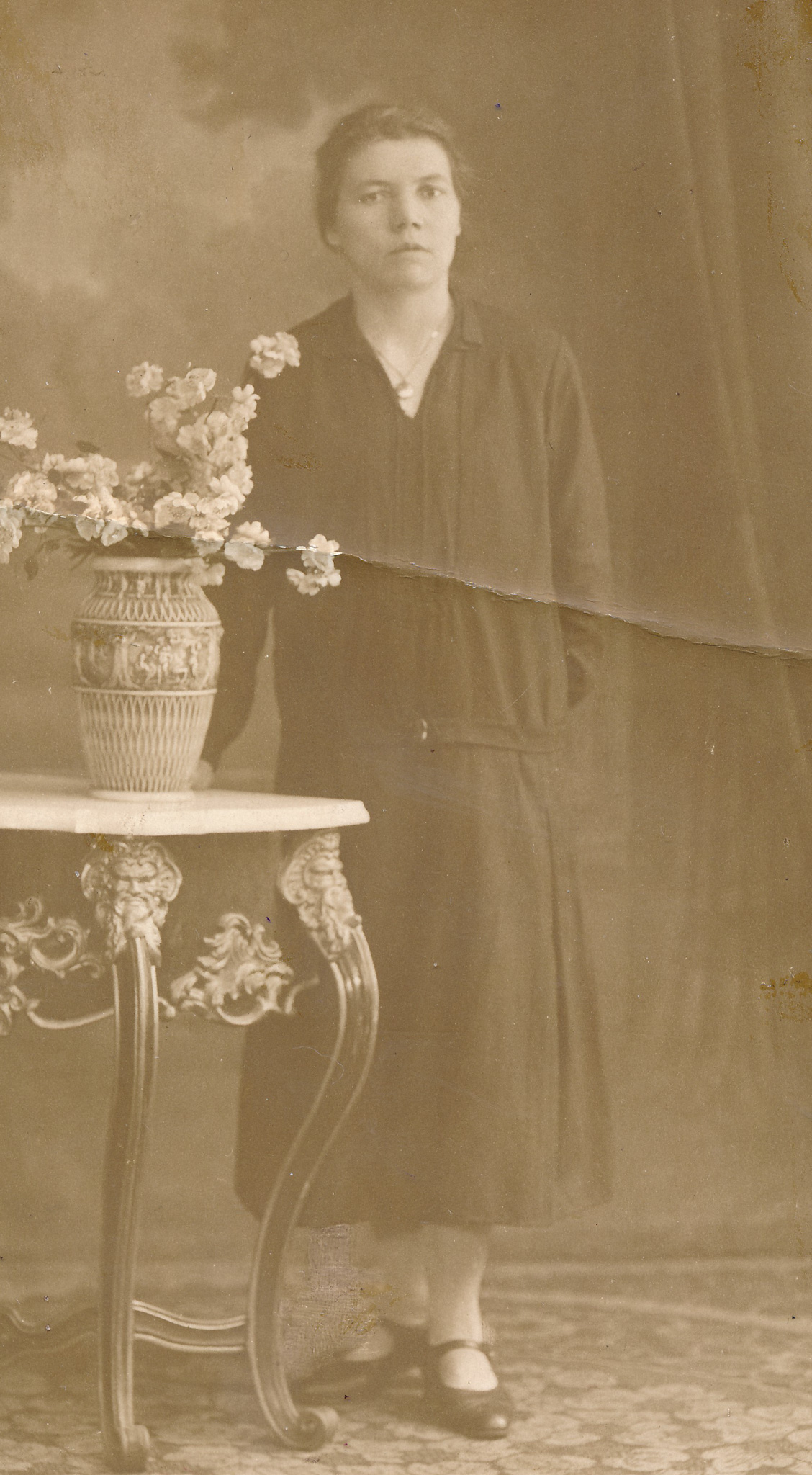
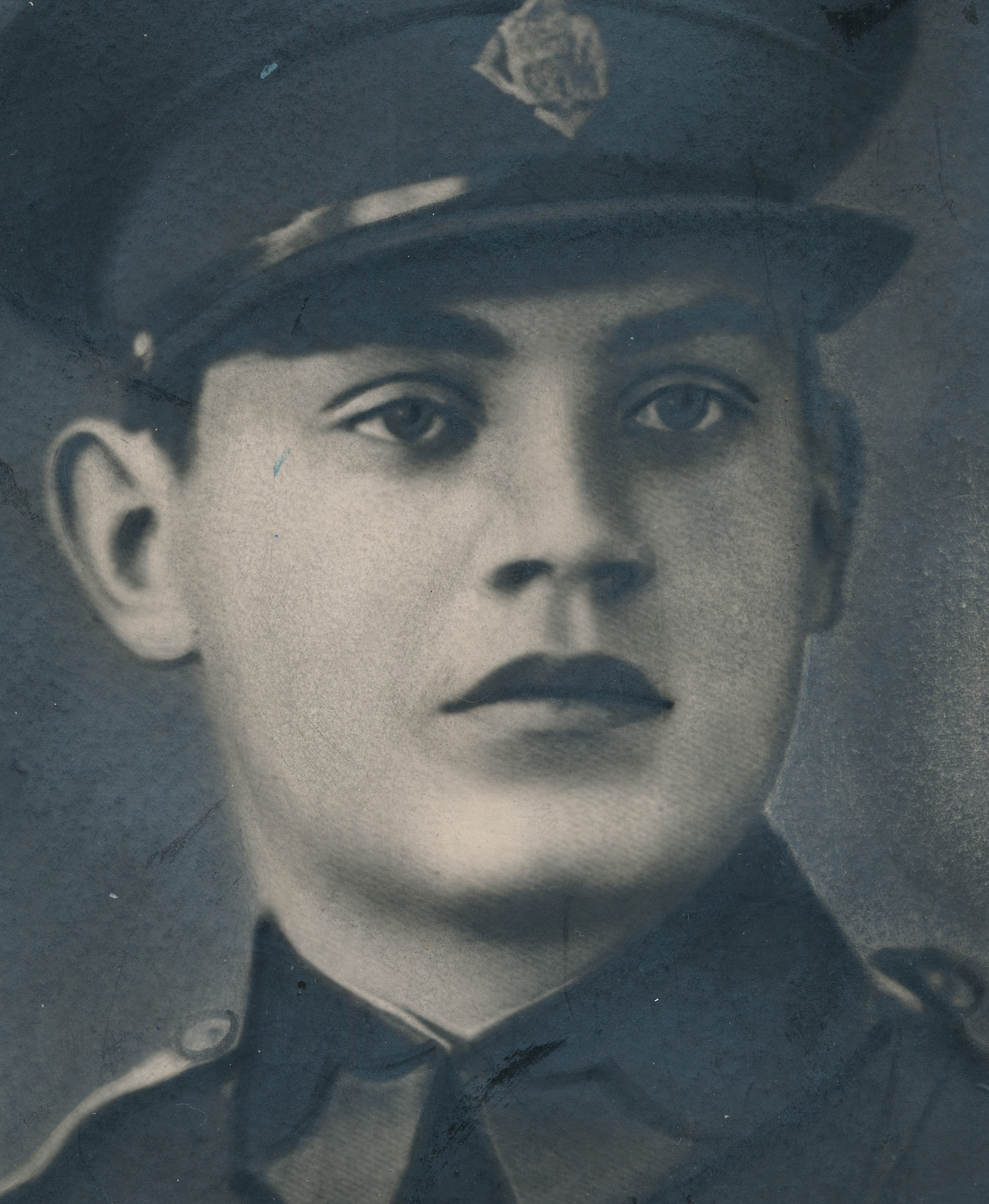
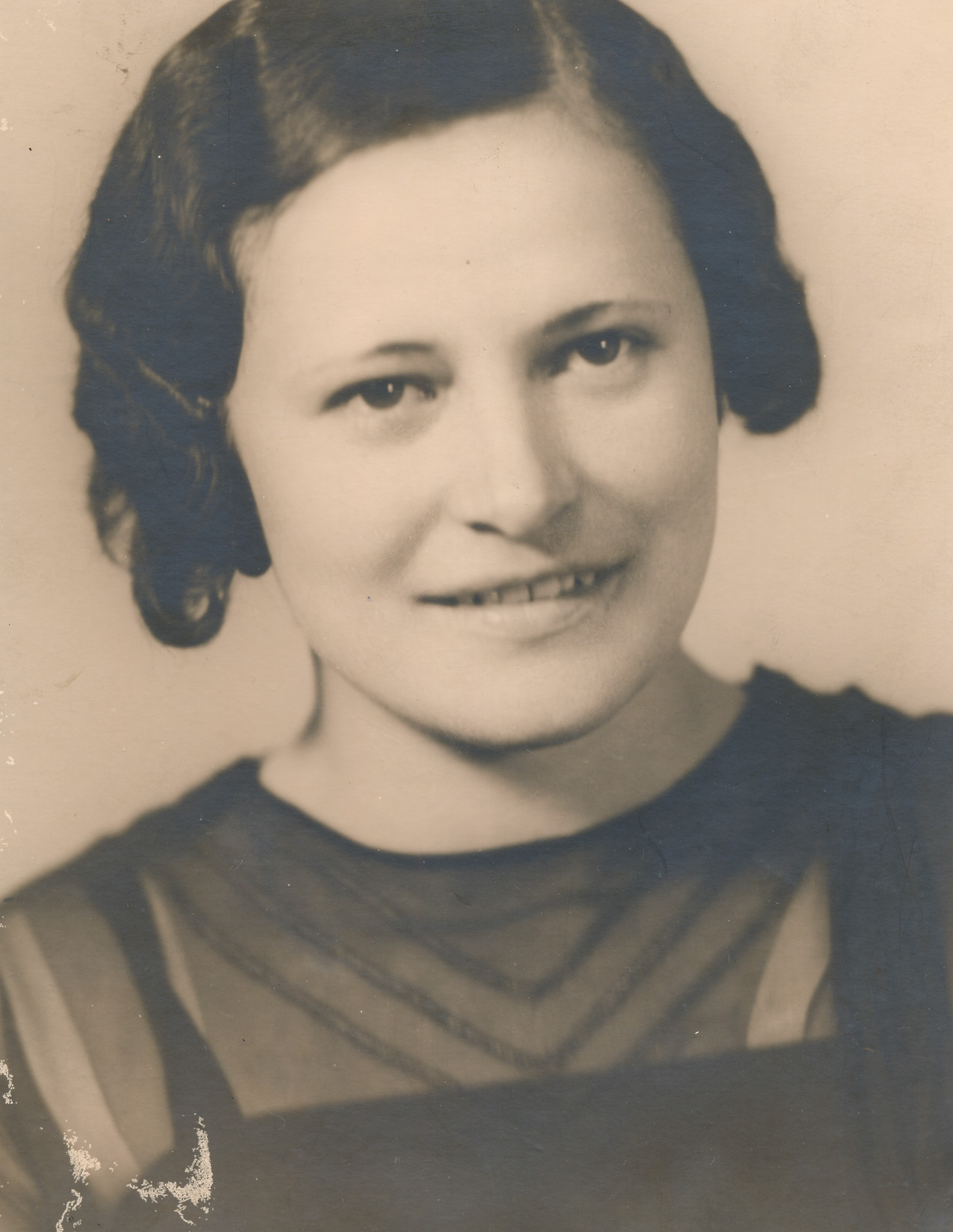
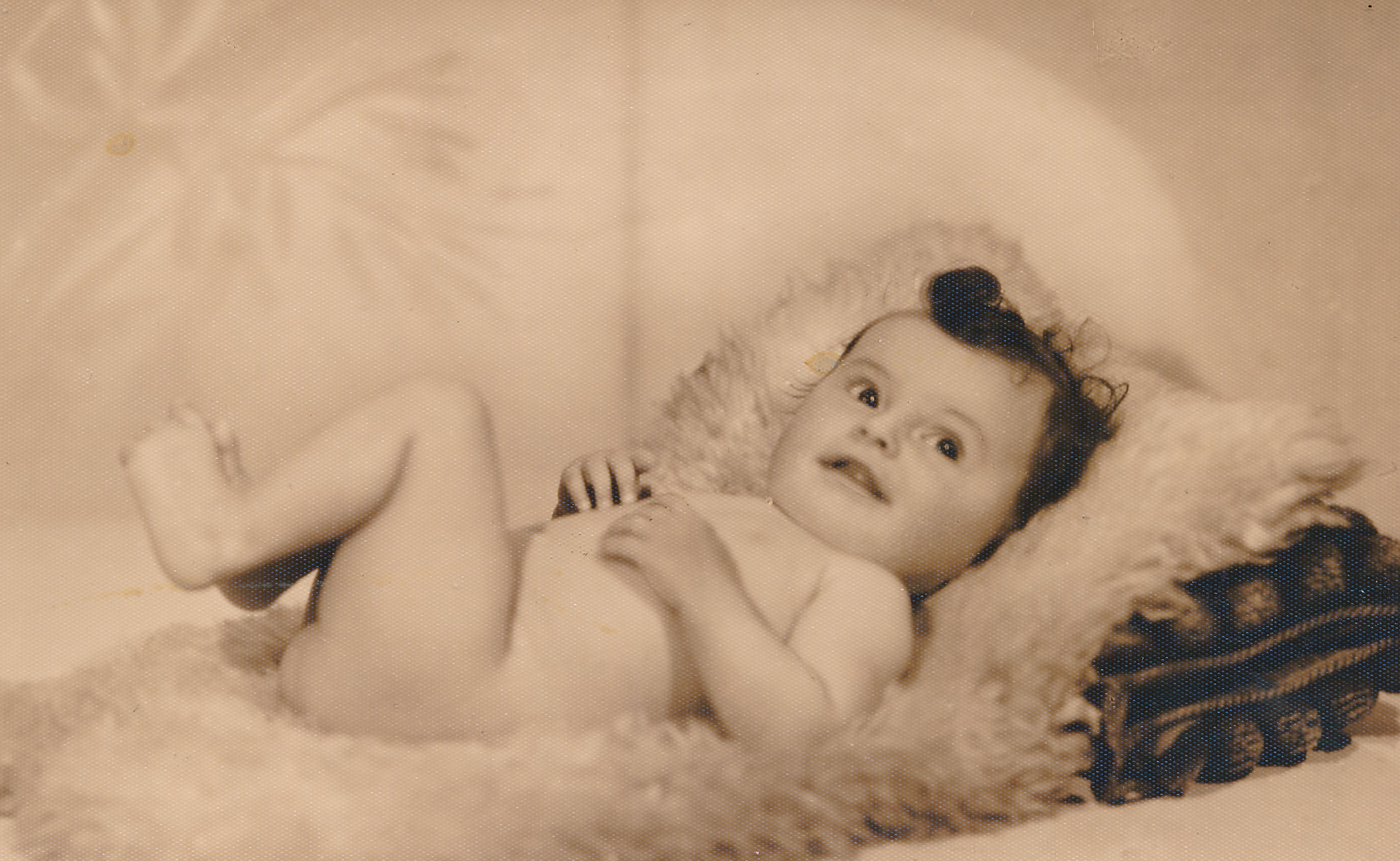
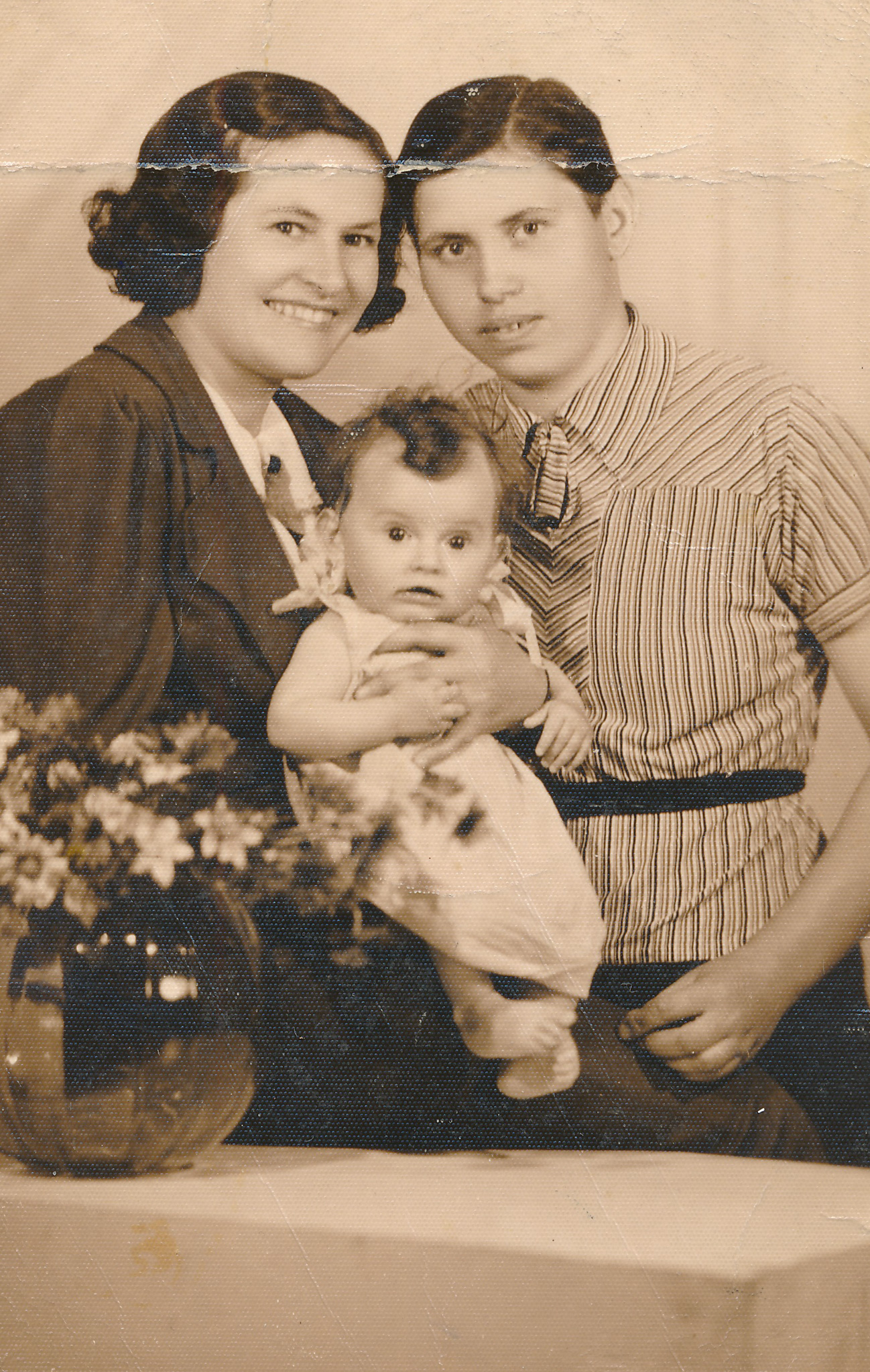
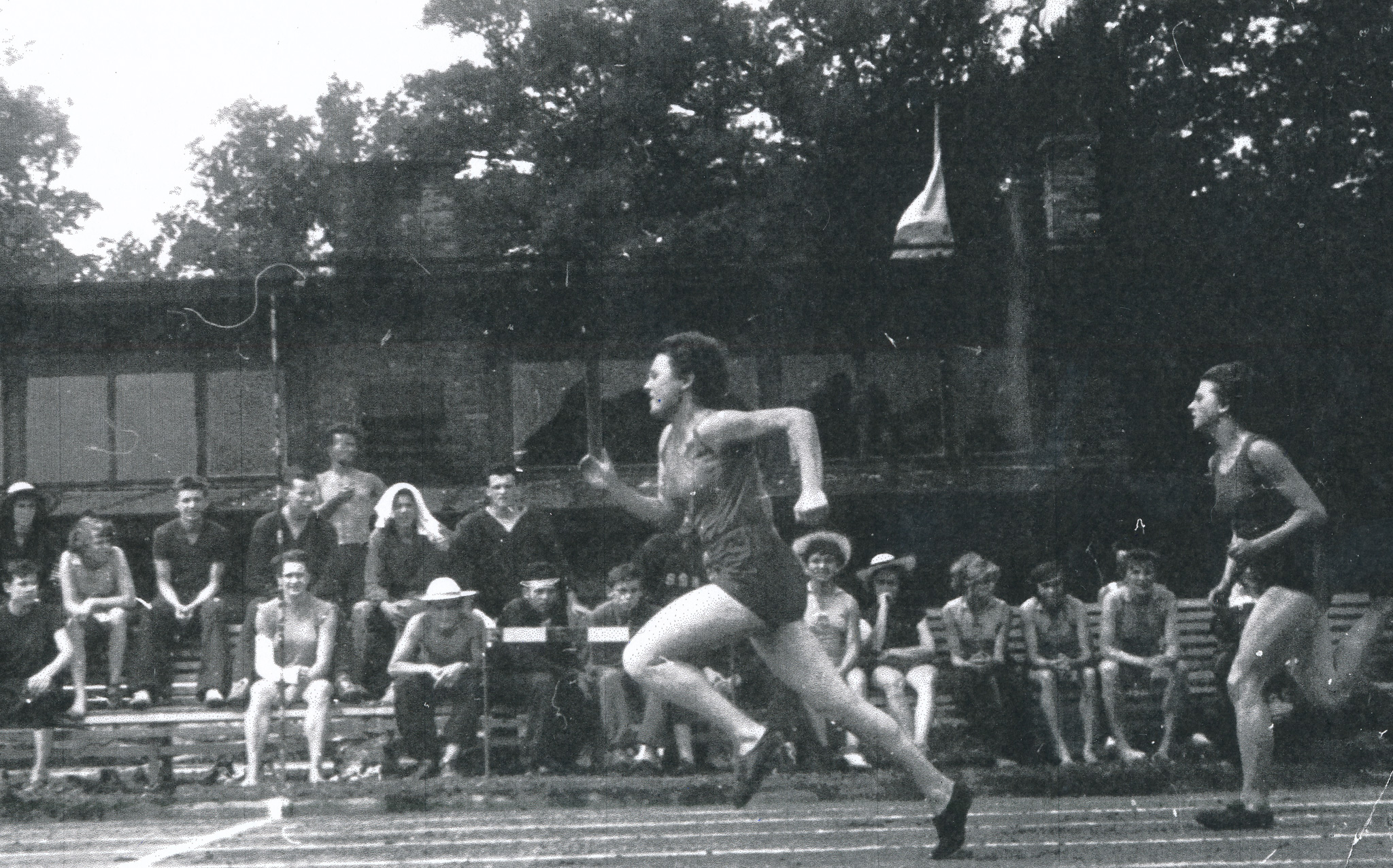
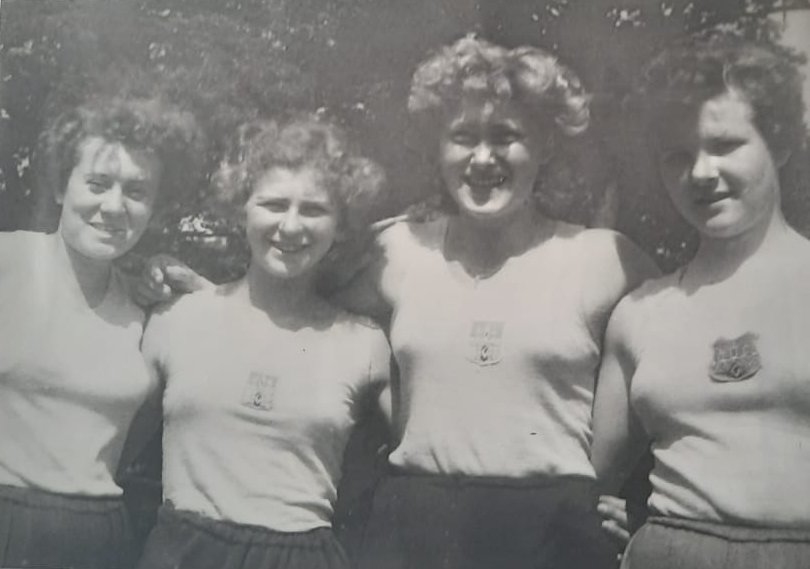
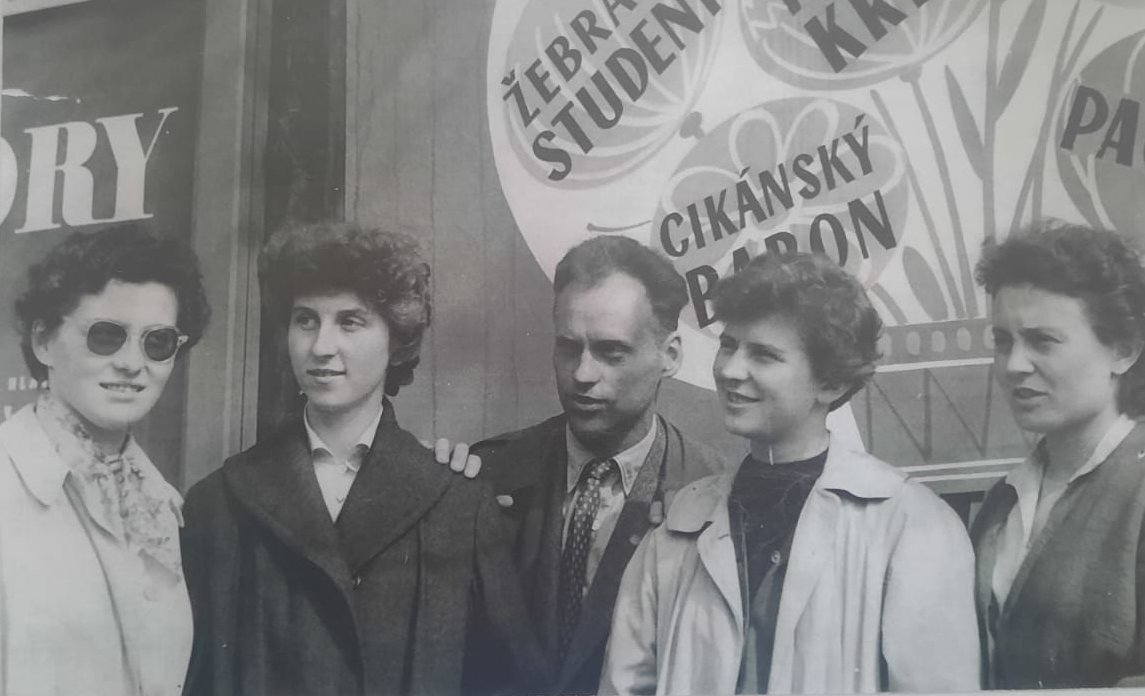
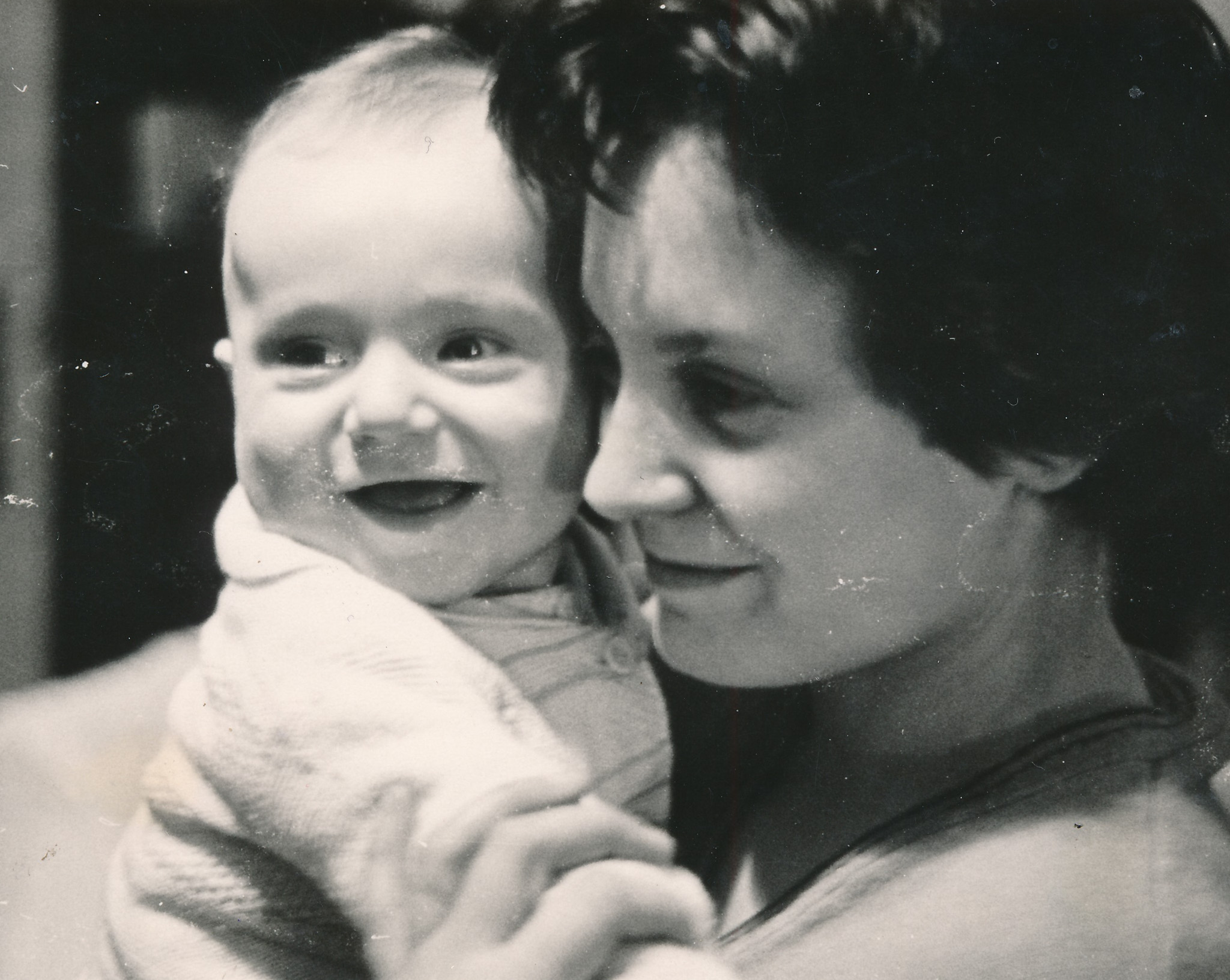
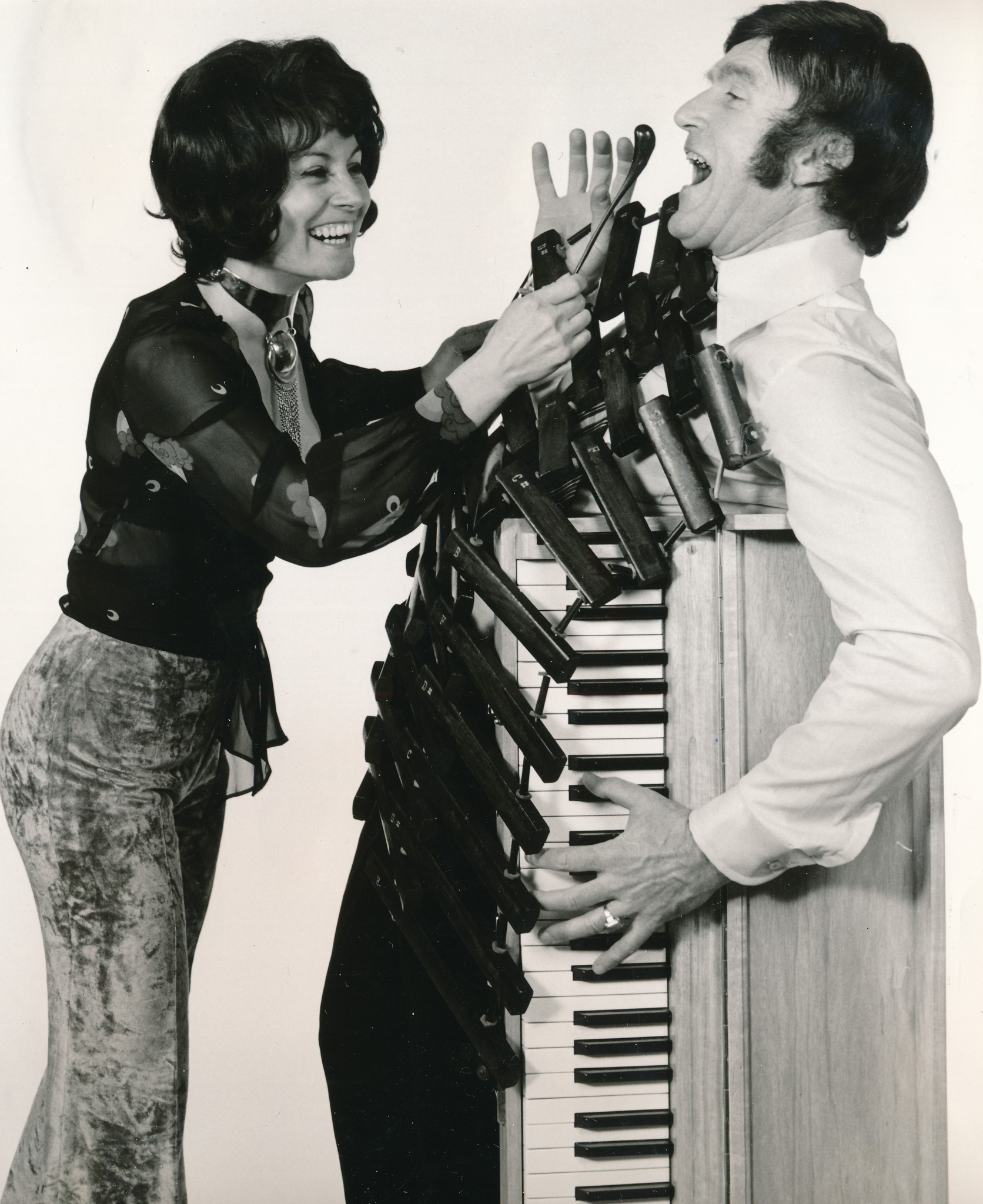
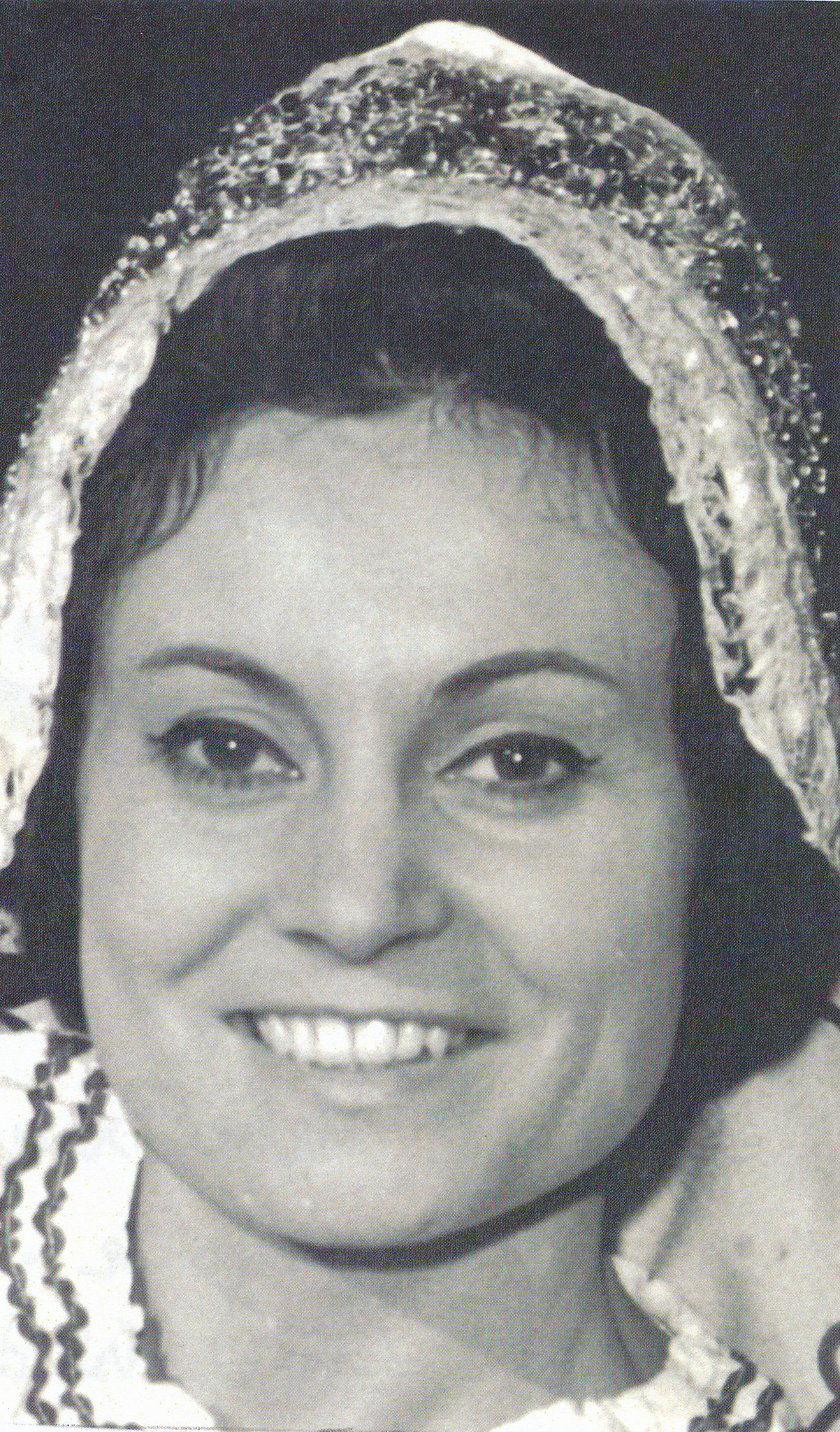
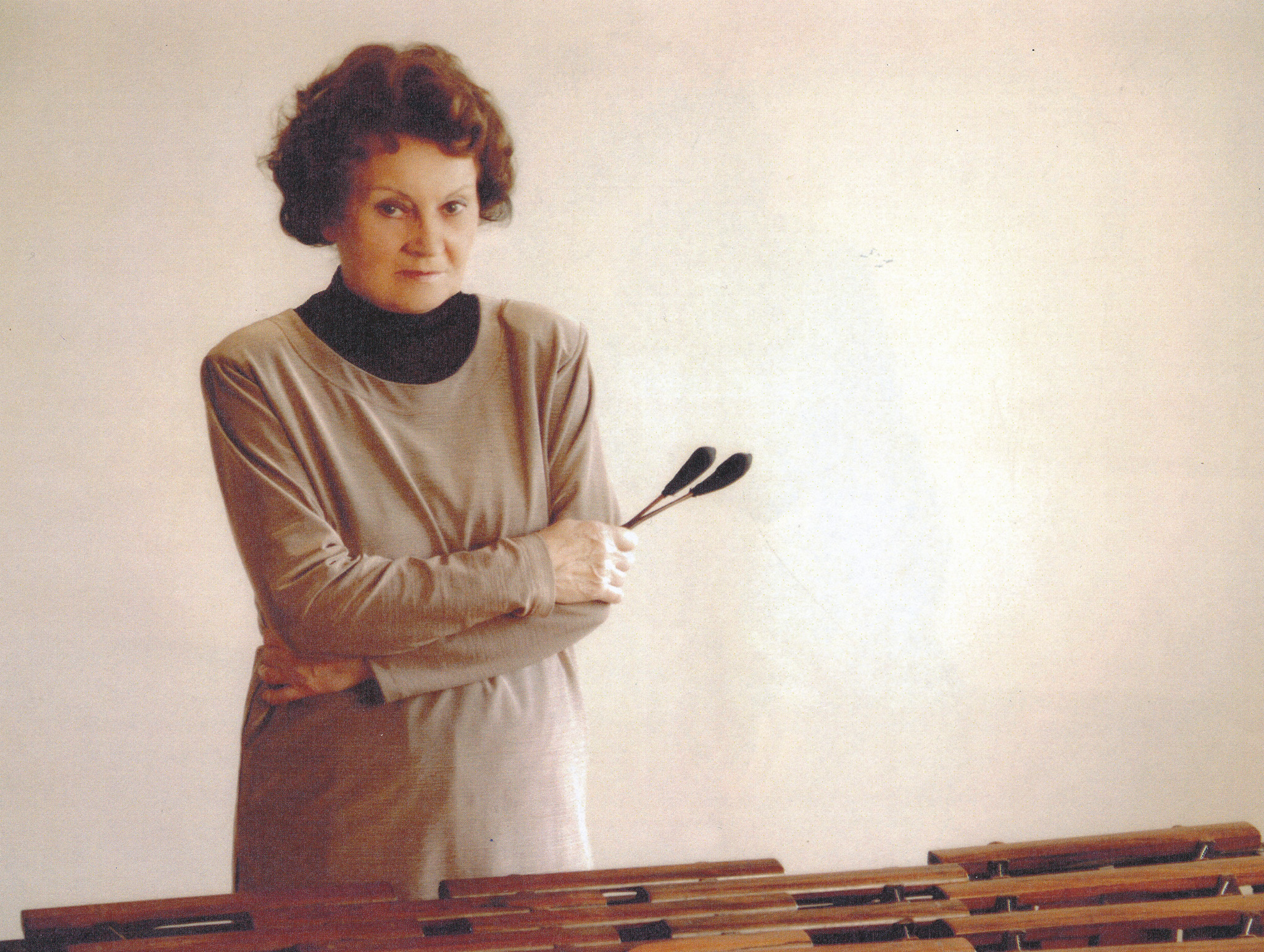
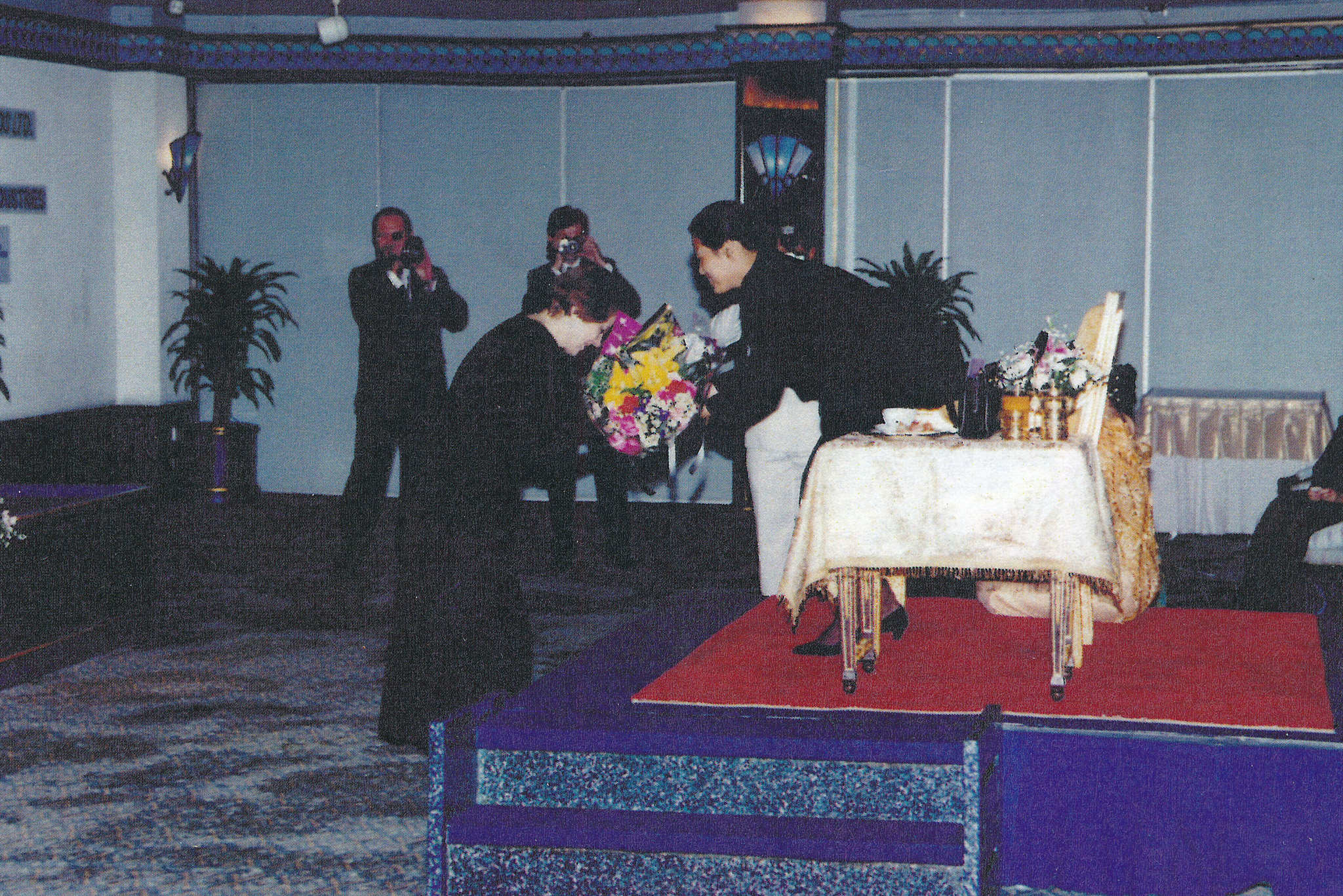
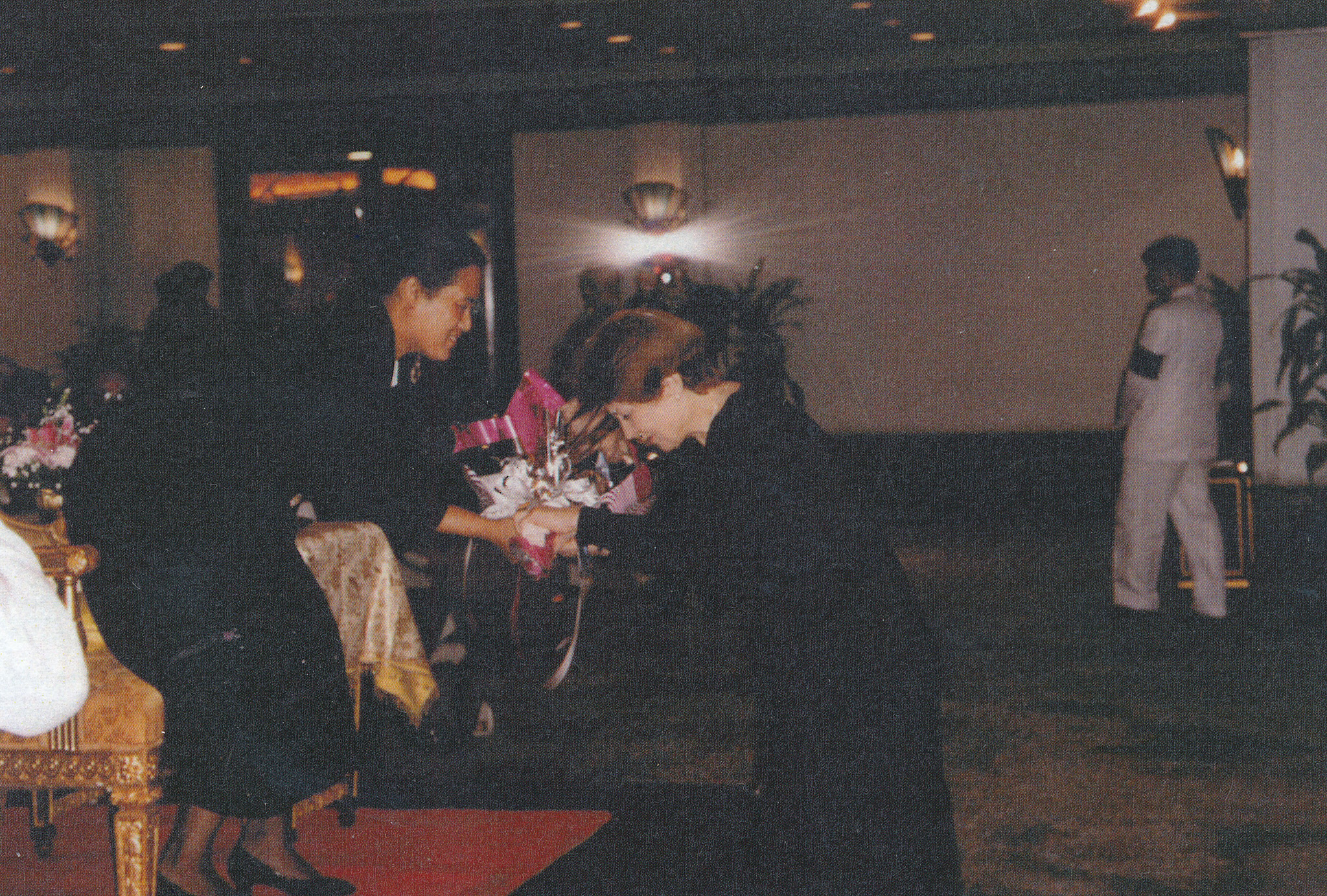
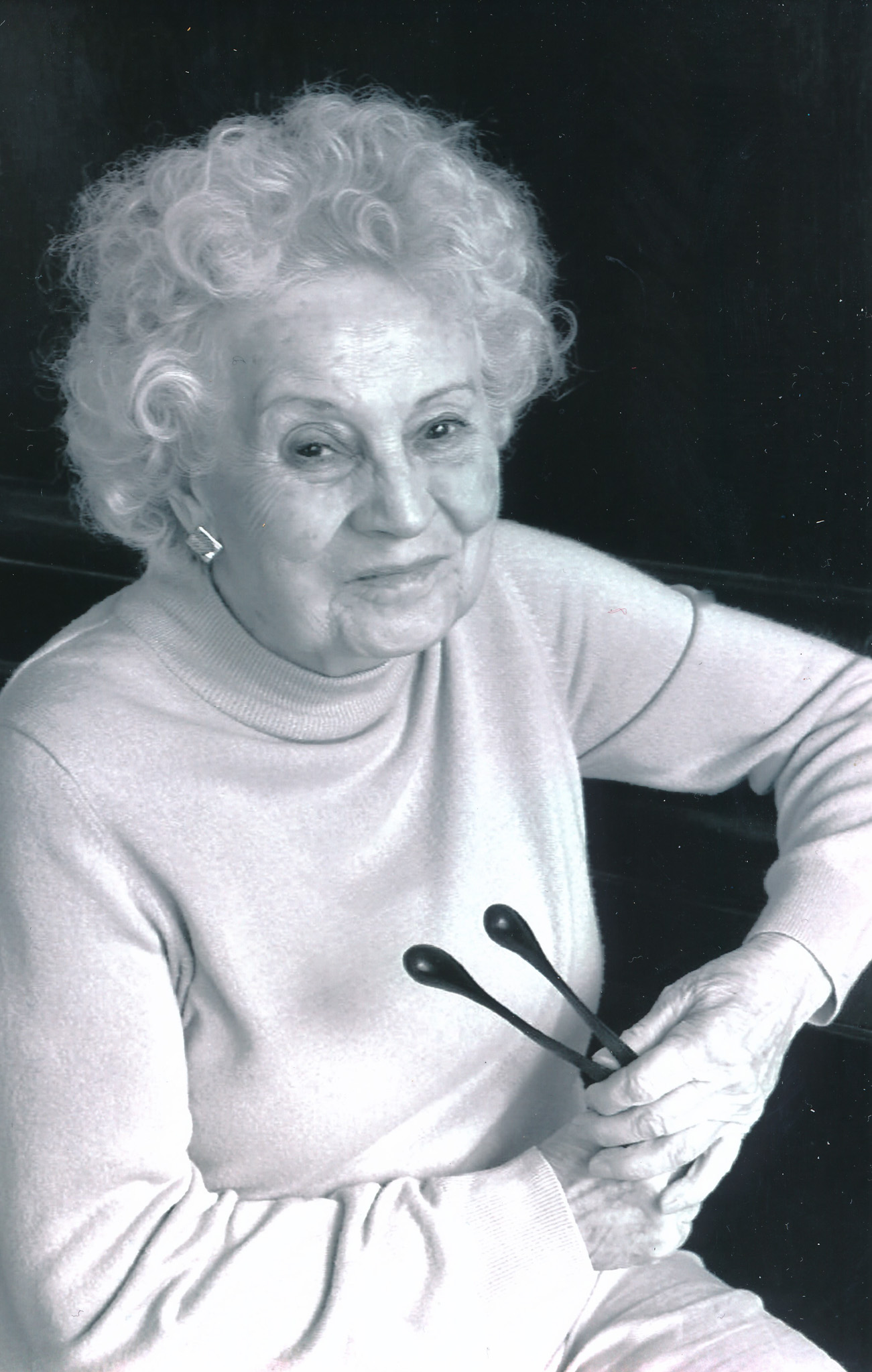
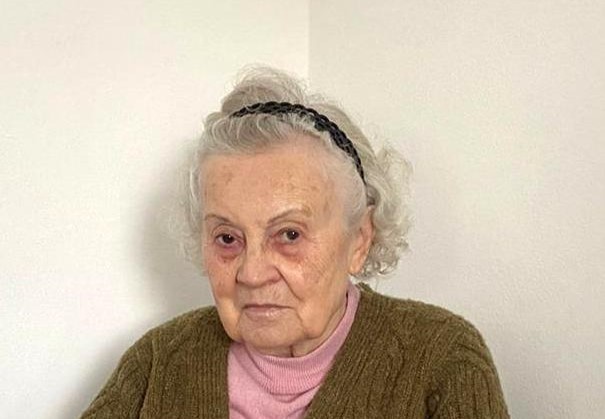
Božena Kubicová, artistic name Bena Havlů, was born as Božena Havlovcová on 10 February 1938 in Stránce u Mostu. Her father, František Havlovec, graduated from the military music school, and it was he who discovered her musical talent and brought her to the xylophone. He was just working in Lučenec when the fascist Slovak state was declared, and he had to make a difficult escape to the Protectorate of Bohemia and Moravia. He then settled with his family in Rousenice near Mělník, where he joined the anti-German resistance. When Prague called for help on 5 May 1945, he did not hesitate and left to fight. Little Božena stayed with her mother, and both of them experienced the bombing of Mělník by Soviet planes on 9 May. At the age of seven, she found herself alone in the streets and suffered a severe trauma from the air raid, from which she recovered for a long time. After the war, they lived for a while in Teplice, where the witness made her first public appearance with a xylophone. In Prague, she then graduated from the school of nutrition and also trained in athletics under Otakar Jandera. After graduation, she married in Brno. The marriage broke up, but she later met her future second husband, conductor and pianist Jiří Kubica. From 1970, she accompanied him on engagements in West Germany, where, thanks to his support and piano accompaniment, she began to give concerts herself. The duo of Bena Havlů and Rudolf Rod, as they came to be known in the art world, was successful and popular. But then, on a visit to Brno, Božena Kubicová had her passport taken away and was not allowed to see her husband again. Moreover, they repeatedly questioned her in a rather indiscriminate manner. In spite of State Security harassment, envy and prejudice, she managed to establish the xylophone as a full-fledged concert instrument of classical music. After the Velvet Revolution, she was finally free to build her professional concert career, and in 1996, she even played for a Thai princess to great acclaim. She patented her own five-row xylophone and ended her musical career at the age of 80 with a concert in Žižkov. In 2024, she was living in Prague.