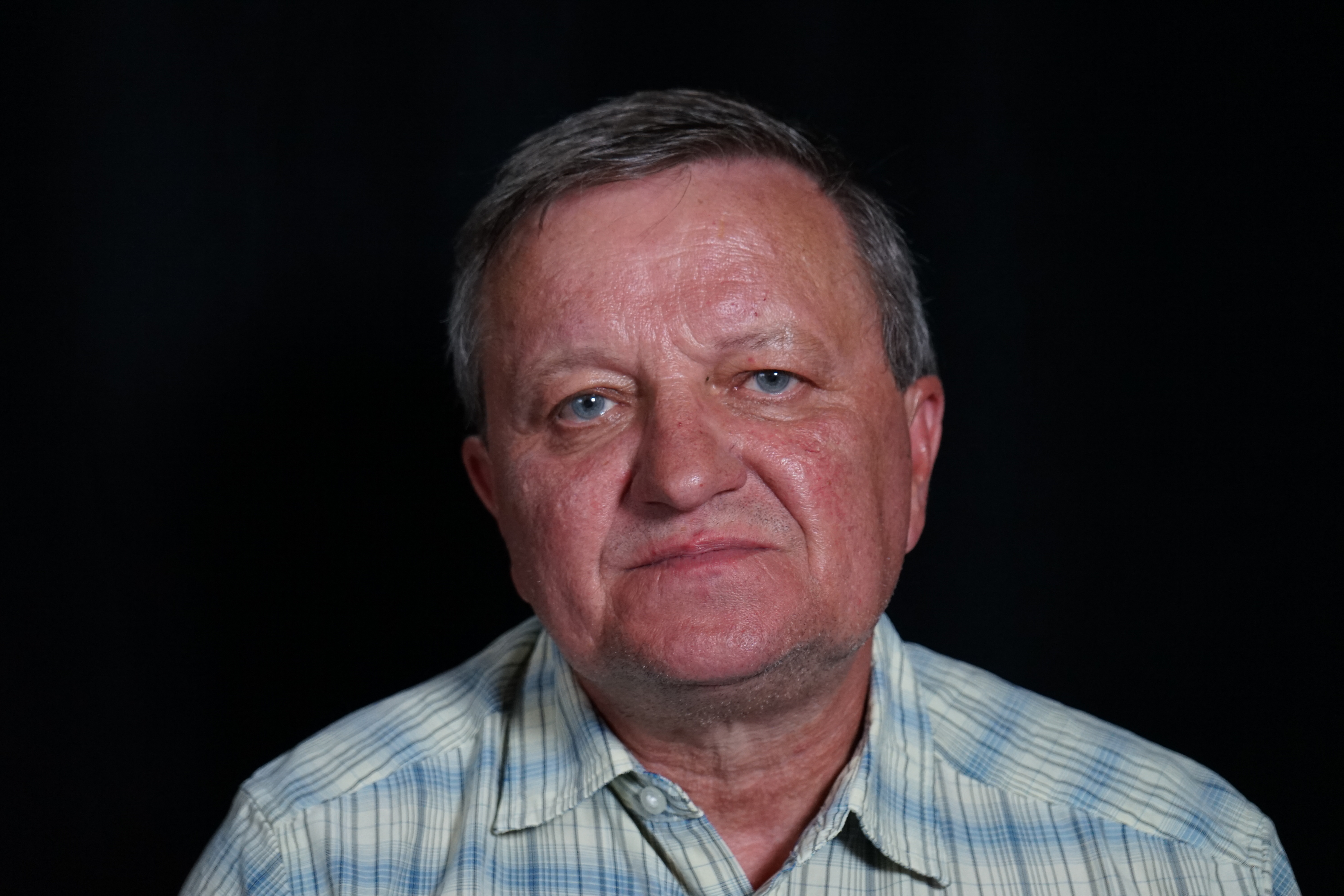
Adam Kubicki

* 1961

  • "There were conflicting feelings among the staff. It wasn't that everyone was on one side or the other because Celwiskoza meant everything to many people who worked at Celwiskoza at the time. It ws nicknamed 'Mama Wiskoza'. - 'Where are you going?' - 'To Mama Wiskoza.' But as I mentioned, they served comfort meals in those harmful areas, whether hot soup or bigos or things like that. For people who lived alone in the works dormitory, that was maybe the only hot meal of the day. Some people lived paycheck to paycheck. Their wages were deducted to pay for their accommodation in the Chemik workers' hotel, or maybe paid for their lunches in the factory canteen. In addition, they were entitled to comfort meals if they worked in harmful workplaces, and most of them dropped in at the pub on their way from Celwiskoza to Chemik."

  • "A lot of good things were going on in 1989 that led to improvements and a reduction in the pollution and trouble caused by Celwiskoza's operations. I think if funds were obtained and invested in upgrading the plant and process equipment, the closure of Celwiskoza would not have been unavoidable. Although I used to advocate the closure of Celwiskoza when I worked there, I concluded I was not sure - it may have been like throwing the baby out with the bathwater. The shut-down of viscose fibre production at ZWCH Chemitex-Celwiskoza caused the collapse of some of the plants in the vicinity of the towns of Pabianice and Łódz which had taken and processed the fibres from us, so it had a snowball or domino effect. Unfortunately, everything has its consequences, one way or the other."

  • "Some things were a taboo in what is fortunately a bygone era now. Everybody saw them as the standard. Celwiskoza smelled, foam flowed down the Kamienna River and into the Bóbr, sludge formed on the surface of Lake Pilchowice and fish floated belly up, yet nobody seemed to care or wanted to ask questions about it. Some were happy with what I just mentioned - there were factory flats, camps for children, and holiday centres. The period unions took care of the potato, onion and other vegetable supplies for the winter. Environmental awareness was lacking. Somebody was undoubtedly concerned because the Jizera and Giant Mountains forests were dying due to acid rain. This was beyond doubt caused by Celwiskoza as well as other industrial plants, but Celwiskoza was likely seen as the biggest polluter."

  • Celé nahrávky
  • 1

    Jelení Hora, 25.06.2025

    (audio)
    délka: 01:14:15
    nahrávka pořízena v rámci projektu Příběhy regionu - HRK REG ED
Celé nahrávky jsou k dispozici pouze pro přihlášené uživatele.

Celwiskoza was everything to many
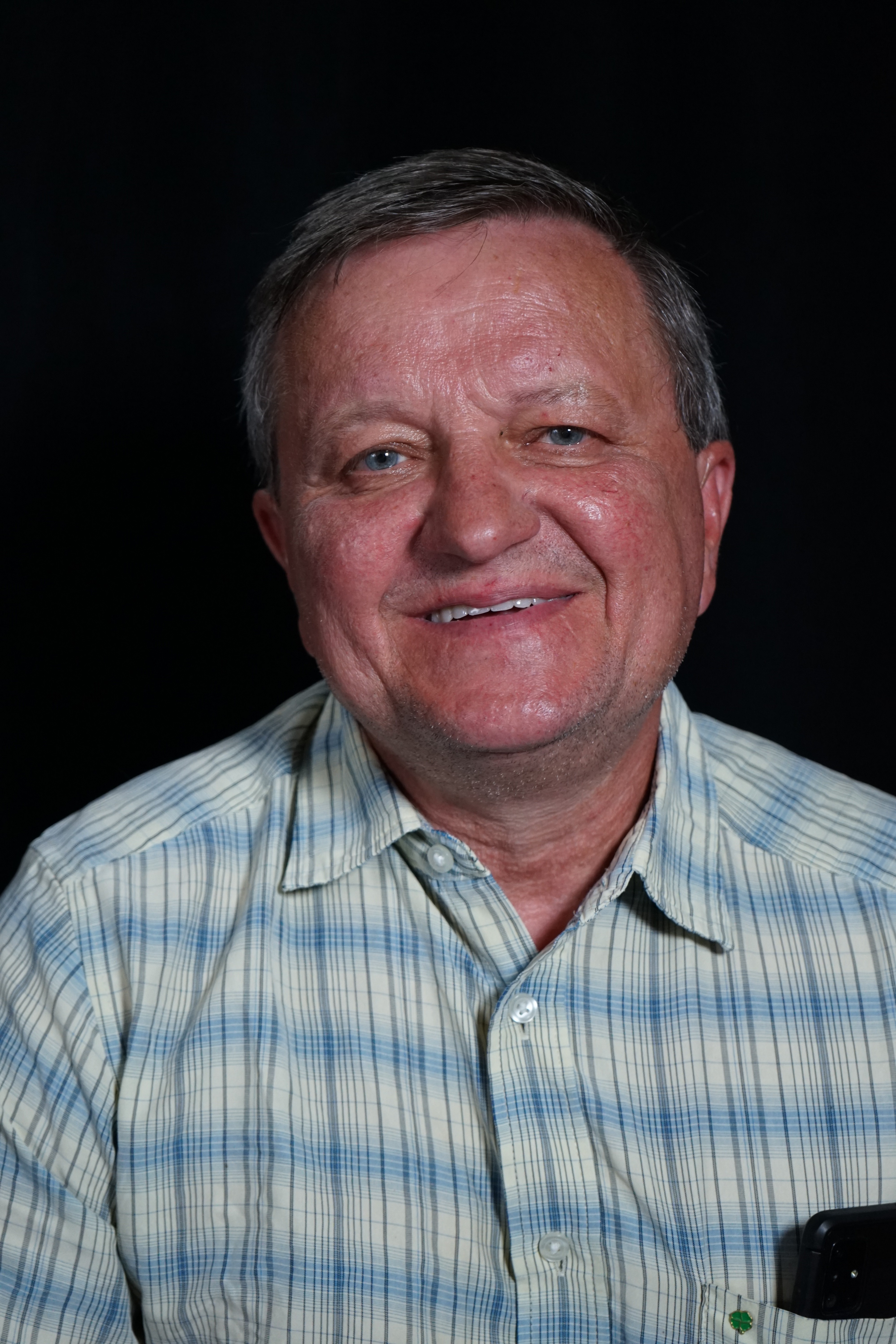
Adam Kubicki in 2025
zdroj: Post Bellum

Adam Kubicki was born in Jelenia Góra on 26 February 1961. He trained for a chemist. He worked in paper mill in Karpacz, in the Chemitex-Celwiskoza chemical fibre plant, and at the WEPA paper mill in Piechowice. He enlisted in 1980 and served in Westerplatte during the massive occupation strike of workers in the Gdansk shipyards. He took part in social activities from a young age. He served as the vice-chair of the provisional leadership of the regional organisation of the Solidarity trade union and was one of the youngest worker council chairmen. He advocated environmental protection and greatly contributed to the closing of the ZWCH Chemitex-Celwiskoza plant. In 1994-1998 he served as a member of the Jelenia Góra City Council. As an activist, he initiated and implemented many initiatives, actions and political campaigns. In 2025, he served as the vice-chairman of the PSL town committee in Jelenia Hora where he also lived.