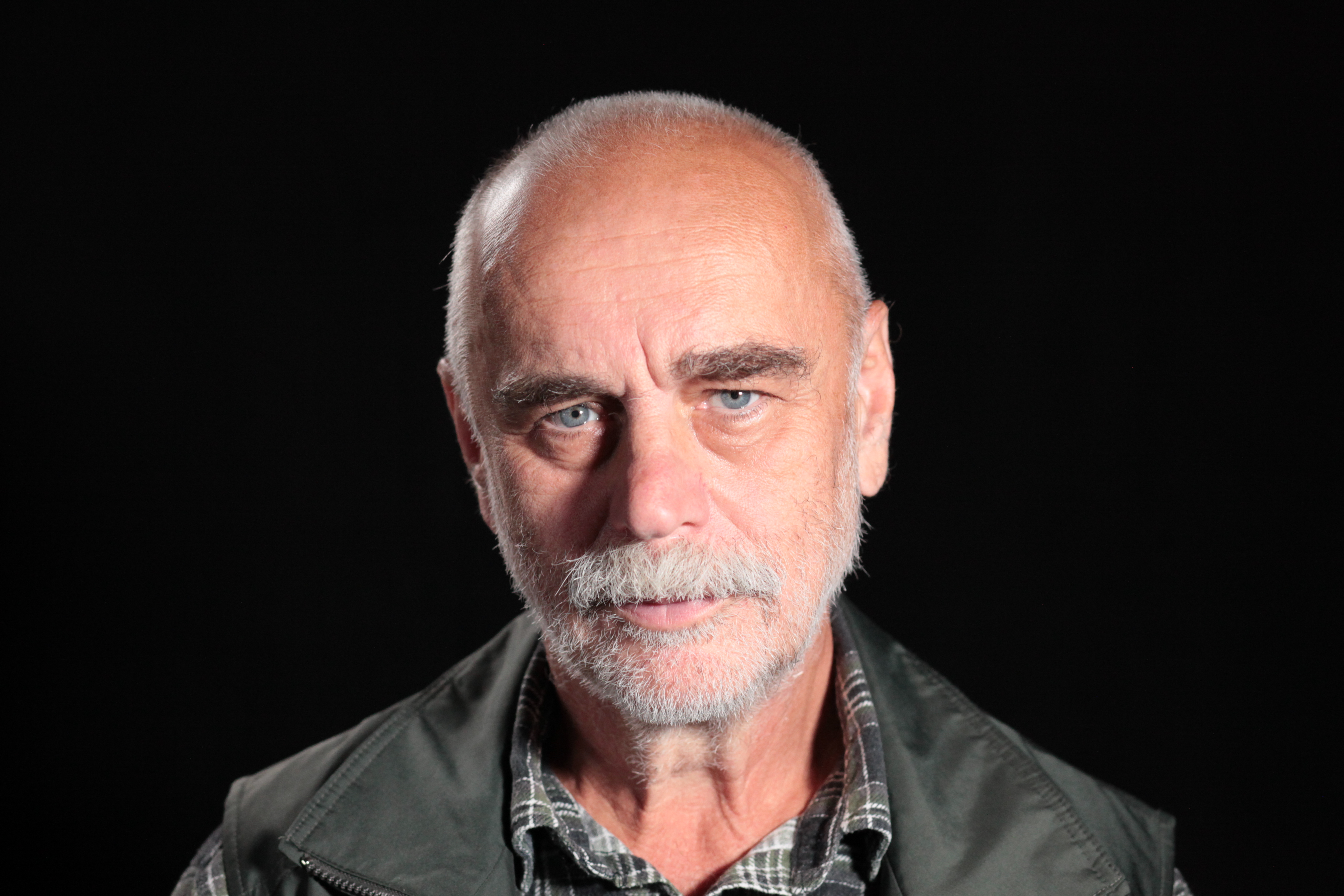
Erich Kříž

* 1959

  • "They had everything. They had the State Security officers, the militia ready, all that. And somehow, mysteriously, it didn't work at all. I just don't know if it was because of the society or something like that... That's what I'm most proud of. Not haughty, that's a negative trait. I'm proud of the fact that we actually managed it and we did it. But we didn't do it, the six of us who ran it did it, the people did it. We were the head that they put out there, the kind of talking head, as they say, that said what they felt. We sensed what that community of people, that crowd, as they sometimes say, wanted. We sensed it, and we did it, and we did it so well, I think, that it worked, it had a result. And I don't mean just in Sokolov or in Vary, but in the whole country. Even with the mistakes, even with the fact that some things turned out the way they shouldn't have. But they were never such excesses that would not justify me saying what I said, that we did it well, on the whole. So I feel more or less good about it. We did exactly what needed doing."

  • "The most fun was when Milan Paukert and I removed the then chairman of the national committee from his post and his office. That was interesting, because I went there and he started talking... There was already a decision of the [Civic] Forum we had, there were these strike committees meeting plus local Civic Forums. And then it was decided that the chairman of the national committee at that time would go to hell. And he did. And we went there and he started saying something about this and that. Now we went in there and he started like telling us how caring he was, how good an organizer... They could do it, some of these party memebrs. He started to deceive us in there. And Milan, unfortunately, started to listen to it a little bit. He's always been a bit more receptive to these things. I said, 'Milan, once we've decided, let's go. And if we go badly, we go badly, but then we make up for it and then we go on again. But we're not going to keep dodging.' And he went on, and I got angry, I said, 'Milan, shut up!' And I said to the chairman, 'This is what we decided at Civic Forum, it's the way it is, not that we want to hurt you, but you have nothing to do here. Goodbye. Leave.' And we left. And he knew he had to pack his stuff and leave. Then I met him years later. And he was thanking me that we did it because he's reallz well off and he bought something there, a hotel or something. And that he was living well. And now he was waiting to see what kind of impression it would make on me. I wasn't impressed. I thought, okay, so he's financially secure, why not, let him do what he wants."

  • "Once it was over, we packed it up - and it went pretty quickly. We had already rehearsed that, and there was a huge team of volunteer helpers who stayed behind to clean everything up. In fifteen minutes it was cleaned up. Then two or three trolley buses would come in succession - or were there buses? There was a walk across the field like that. We got there and there were about a hundred and fifty people who hadn't left yet. We got there and started talking to these guys. All of a sudden, the sirene went off and the Public Security men rushed out. And they they just... A Ziguli car, and arrived there and... and braking! Brakes and squealing tyres! And drama like something out of an American film. They stopped. So we stared at them. And the cops got out. Combover, gun in the back, that kind of step, and they were coming towards us. And we stared at them in amazement with my friend Luboš. But we didn't pay any attention to our surroundings. Suddenly, as they were going, the others were backing off, because they didn't know what they were, and they were afraid, logically. If someone had filmed it, it would have been an interesting shot. We stayed amazed, looking at them, not with fear, but like, what is it? We recognized that the two policemen had been in the pub earlier. And now they've come up to us. And now we were completely... I still have that scene in my mind to this day. It's a grotesque scene. We stayed there for maybe five or six seconds just staring at each other. And now they didn't know what. We didn't know what. The people behind us started to kind of say nothing was going on. And later they told us they had already started pushing forward. The same guy who wanted to see my ID at the bar, knowing I didn't have my ID, said, 'Your ID!' And I said, 'I told you I didn't have my ID with me.' 'Don't be cheeky!' I said, 'I'm not being cheeky, you had already checked us.' 'This is a different situation.' He kept saying some nonsense. We were looking at him, I said, 'Please, what is going on?' And by then everyone had realised that we weren't afraid of them, that there was nothing to be afraid of. They were just ordinary boys, younger than us. We were about twenty-three, and these were young guys coming out of the emergency car. And they were sent there because they thought that they might lose their nerve and start a conflict and they would have an excuse... In the end, an excuse was made. And as they were watching, and as the crowd was pushing towards them, the people started to swear, what do you want here, and this, and they got scared, and they jumped into the Ziguli, and tyres squealing again, and they drove away. And now everybody was cheering and we were heroes, not that they were carrying us on their hands, no. And we were like, "That´s fishy." And it was! Two days later we came to the school and Maruška [from the Socialits Youth Union committee] said, 'Hey, it's a mess up. You wanted to flip the cops’ car.’ I said, 'What car?' 'Well, there's a lot of things here, and our faculty committee of the Communist Party of Czechoslovakia is going to discuss it, that you wanted to overturn the car of the policemen who came to check on you.'"

  • Celé nahrávky
  • 1

    Karlovy Vary, 02.10.2025

    (audio)
    délka: 02:25:57
    nahrávka pořízena v rámci projektu The 20th century in the memories of witnesses
Celé nahrávky jsou k dispozici pouze pro přihlášené uživatele.

We are not like them? I hated that slogan
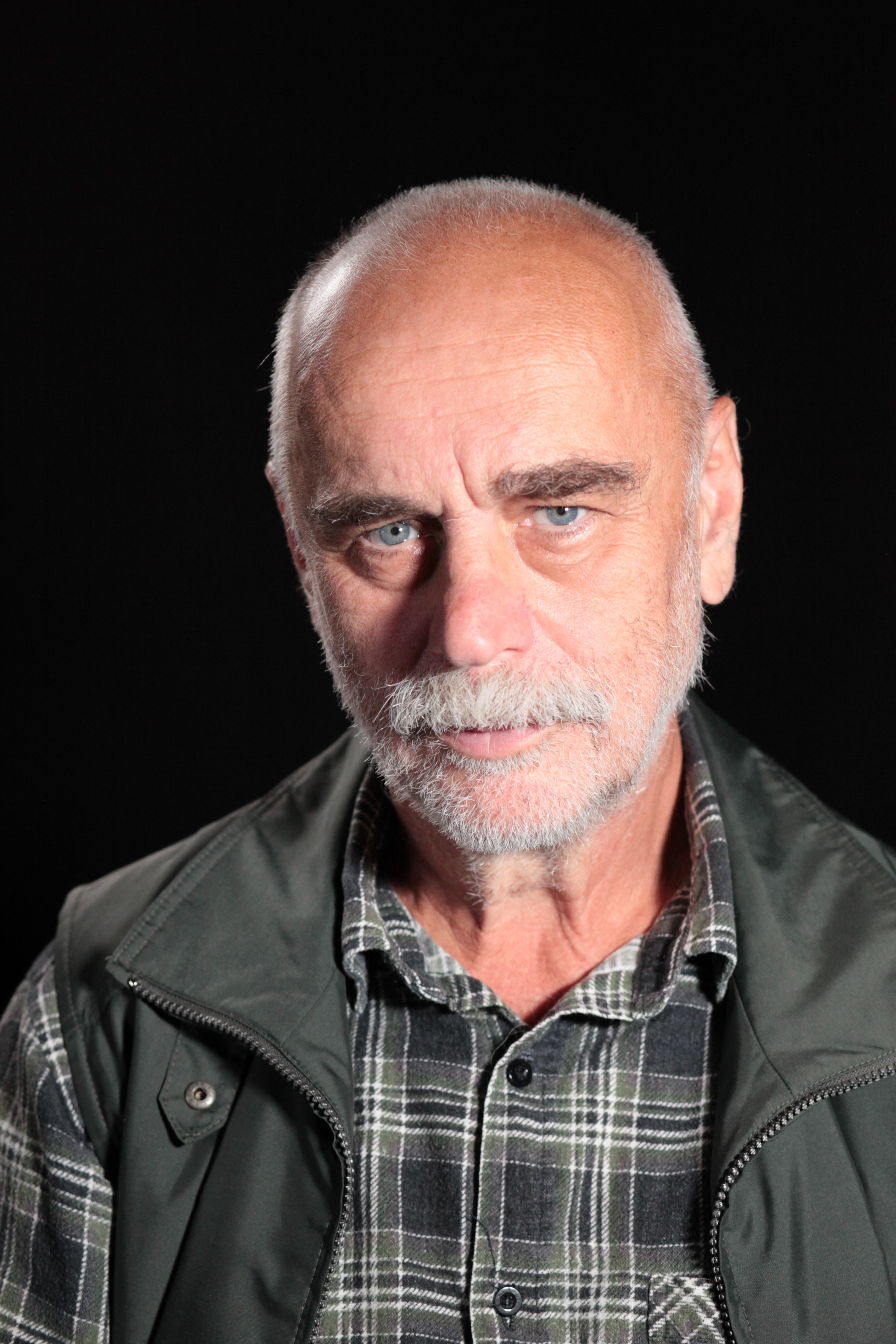
Erich Kříž during filming
zdroj: Post Bellum

Historian Erich Kříž was born on 29 June 1959 in Karlovy Vary. He comes from a family with both German and Czech roots. His father Rudolf Kříž was imprisoned during World War II for distributing anti-Nazi leaflets. For this reason, he was also spared post-war deportation, as was his future wife Anna Schlossbauerová. However, part of the family on both her father‘s and mother‘s side was expelled to Germany. The parents were only allowed to marry after 1948, when Anna Schlossbauerová‘s Czechoslovak citizenship was restored. The family lived in ethnically diverse Krásno, where Erich attended the first grade of primary school, and later went to school in Horní Slavkov. He graduated from the Secondary School of Agriculture in Dalovice, and after graduation he continued his studies at the Faculty of Education in Pilsen, where he first studied mathematics and geography, then Czech language and history. He graduated in 1984. After a year of military service, he joined the mining museum in Sokolov as a mining historian. In the 1980s he organized cultural and social events that gradually became critical of the normalization regime. After November 1989 he became one of the prominent personalities of Civic Forum in the Sokolov region and co-founded the regional newsletter Infórum. In 1990-1992, he was a member of the Federal Assembly, where he focused on the issues of national minorities and coming to terms with the communist past. After retiring from top politics, he was active in civic and professional organisations, including as chairman of the Association of Germans in Czechoslovakia. He has lived in Krásno for many years, where he has devoted himself to regional history and public affairs.