"I dreamed of going somewhere in a shop where there is more movement of people and not in an office. I found an advert in the Moser glass shop in Na Příkopě, which said they were looking for a saleswoman with knowledge of two world languages. I went there. The boss said, 'But we don't consider one to be Russian, you have to know two languages besides Russian.' I said, 'I know two languages besides Russian - English and German.' After about a month, the boss called me in and said, 'Please, what have you done? I said, 'I haven't done anything.' They had my cadre files. Because Mrs. Istlerová, who was a very classy lady, the wife of graphic artist Istler, had retired and didn't want to work anymore, he needed me. It was really a wonderful shop. There were hardly any Czechs shopping there, only foreigners. There were quite a lot of foreigners in those days and the shop had to work. He made a deal with them for six months. So I had a job again from mid-January to mid-July. He told me, 'Maybe they'll change their minds, and if you like it here, you can stay.' But they just didn't change their minds."
"The Synod Council offered me Horní Počernice, which was then a separate village or town near Prague. I even preached there and everything was on the best track." - "That was in 1973?" - "In 1973, everything was already on the way, even in the spring - in May, in June. Even before I graduated from the faculty. I was already talking to Senior Betka. He lived in Smíchov. I sometimes went there to see him. He was a senior in the Prague seniority and it was good. But suddenly I quit college. I think I took some exams in September. Then at the beginning of October, when I had finished everything and could start, I got a letter from the synod council saying that it was not in my interest to go straight to the congregation." - "In what interest?" - "The way it was then was that to be a pastor at a congregation you had to get what was called state approval. No one could join a congregation or employment without that, because priests, if I'm not mistaken, were then and still are paid by the state. So the employment relationship was with the state and not with the congregation. The state decided this way, because I don't come from a working-class family, it would be good for me to also experience for myself how it works to be a worker."
"Suddenly I hear my grandmother running up the stairs, 'This is terrible. This is the end,' she laments. I say, 'What's happened?' A neighbour comes in. We didn't turn on the radio first thing in the morning. She says we've been occupied. That's how we found out. It was Wednesday. I have a feeling my parents arrived on Saturday or Sunday. Saturday, because on Sunday Daddy was already preaching. I know the services were emotional. It was pretty dramatic already. I know there were signing sheets, like for neutrality. Velim started to live a little more in August. There were questions about whether they were going to close the colleges. What's going to happen. You couldn't quite imagine in the first moments." - "Were you afraid?" - "One had never experienced anything like it before. Only from my parents' stories of how they lived through the war. Especially my mother. Even in Miroslav there were bombs."
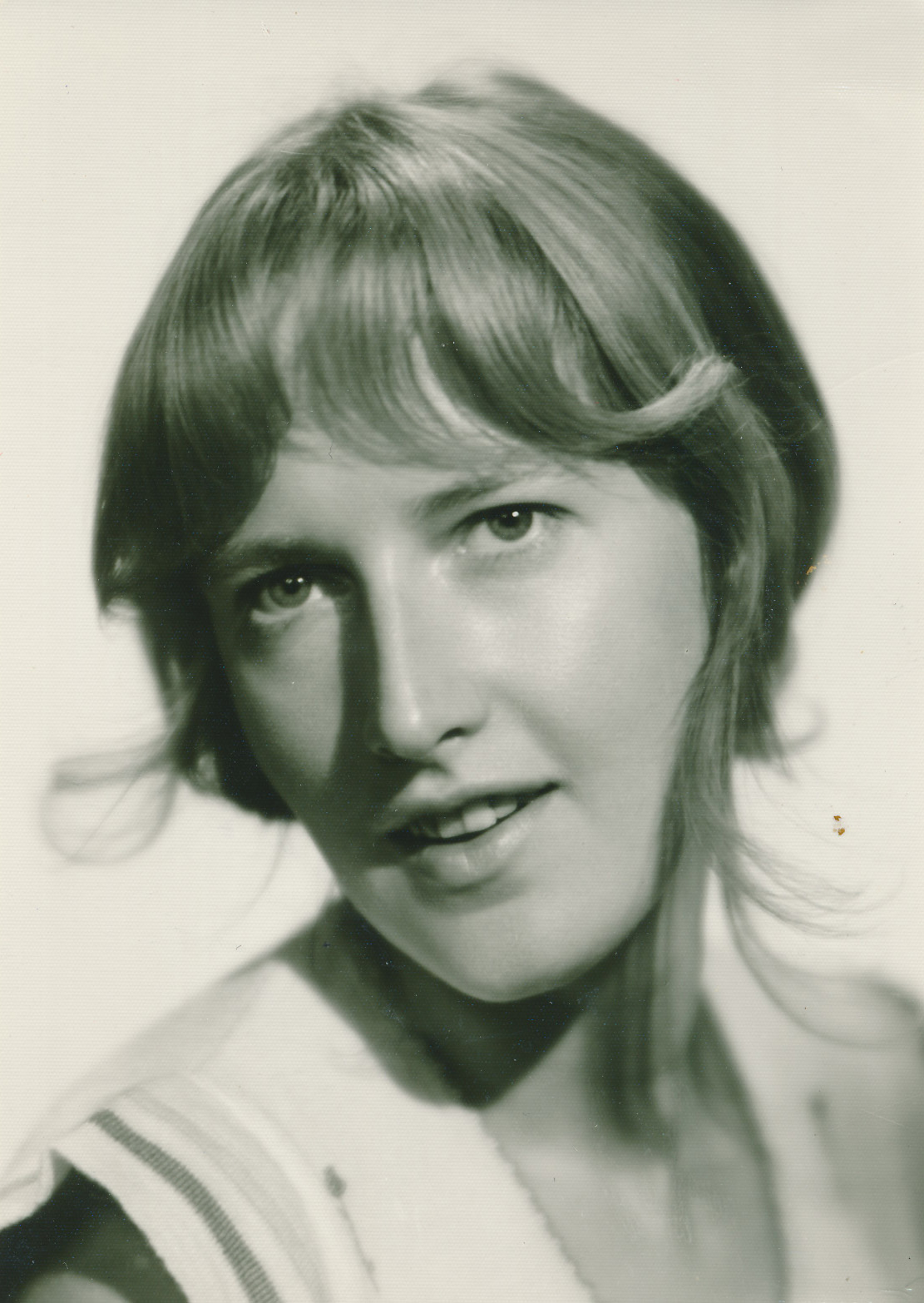
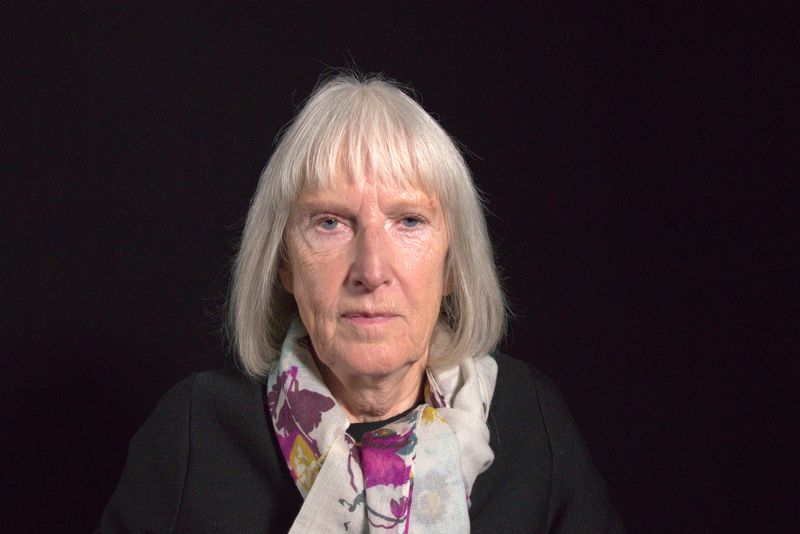
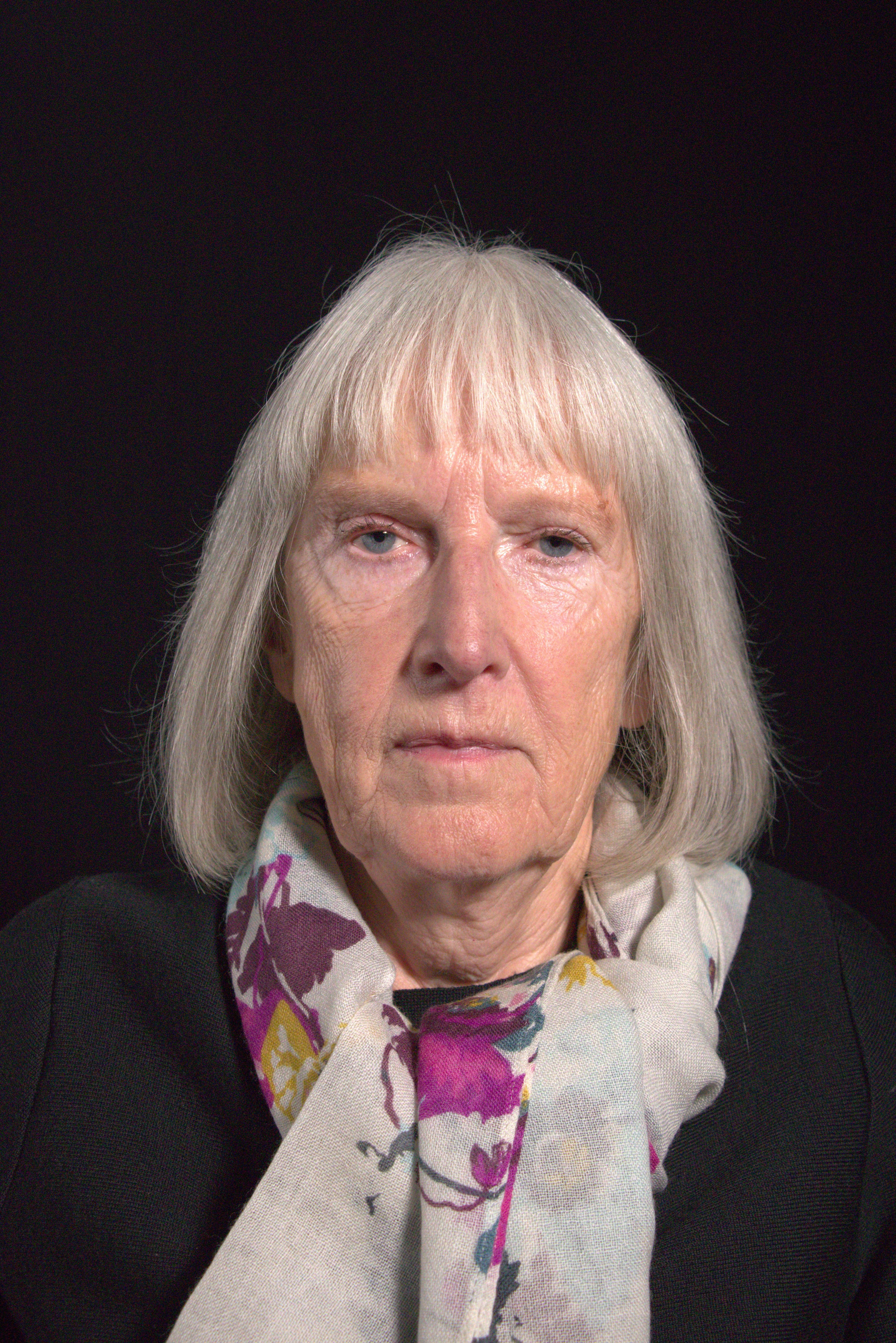
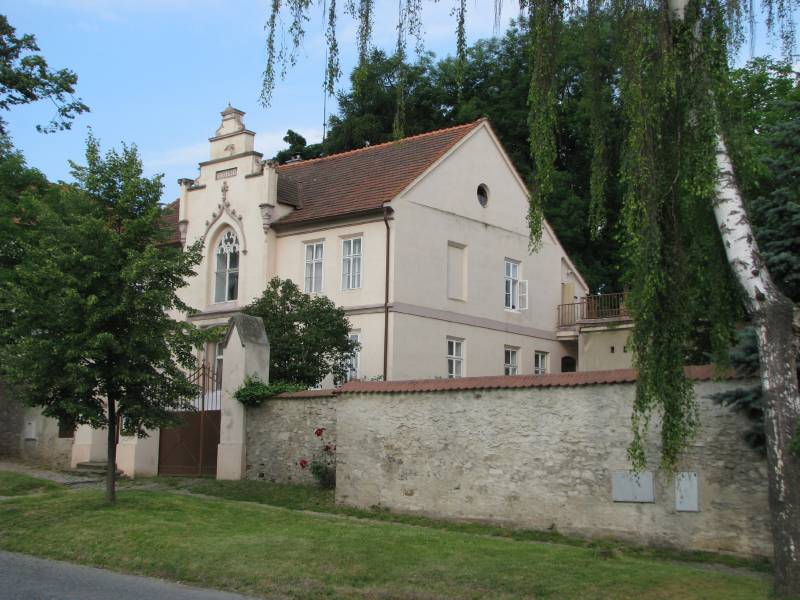
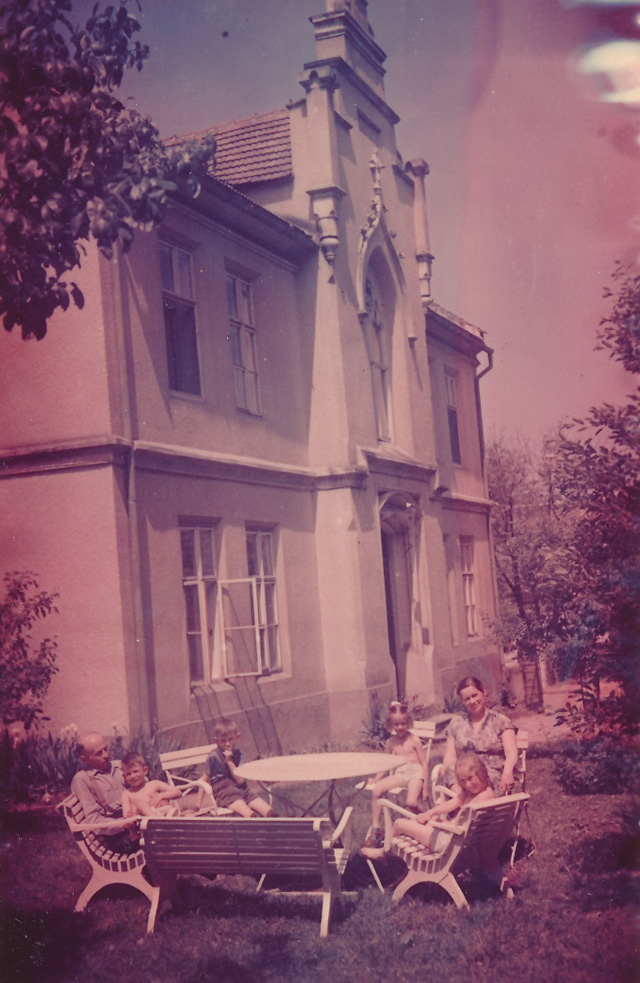
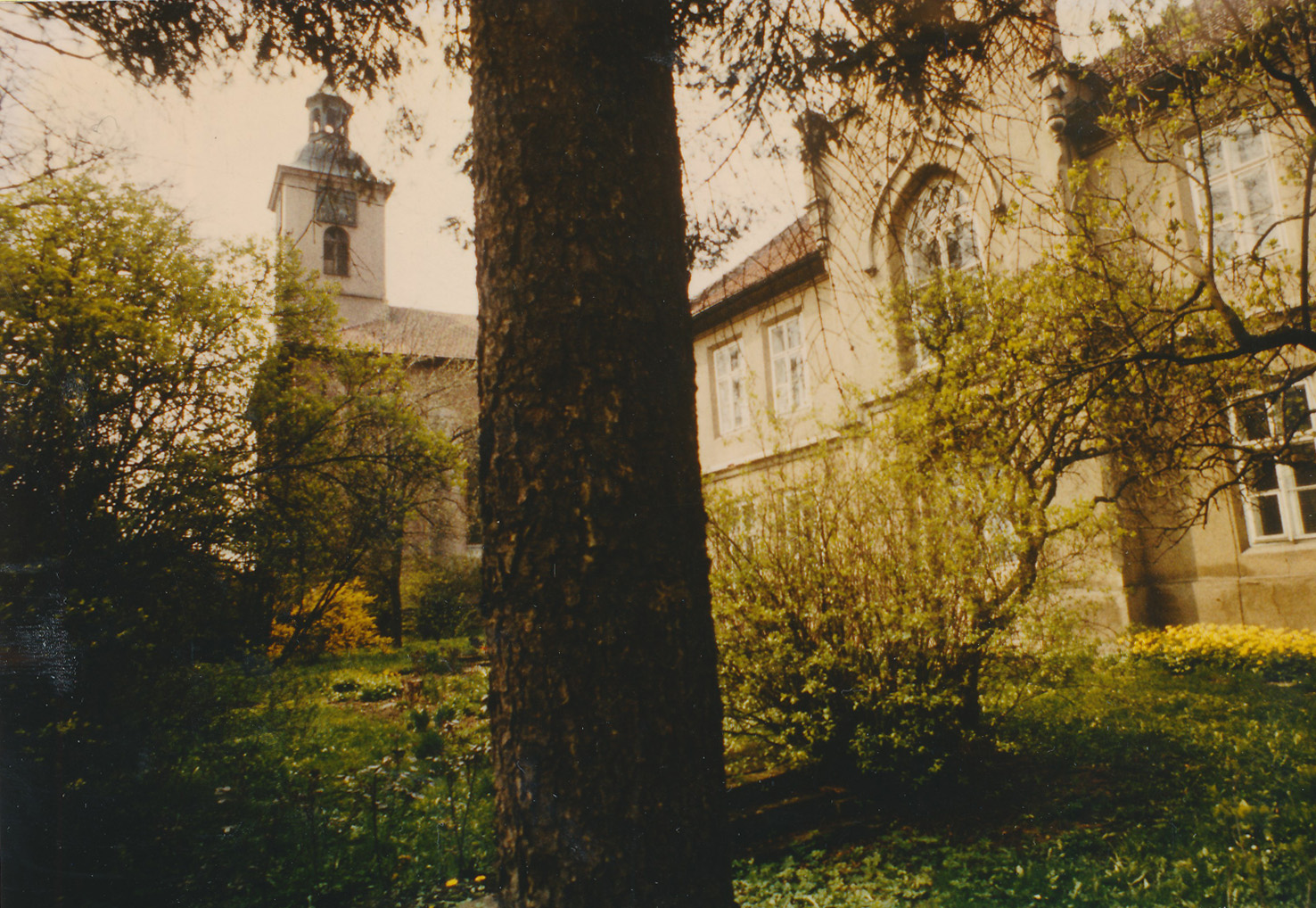
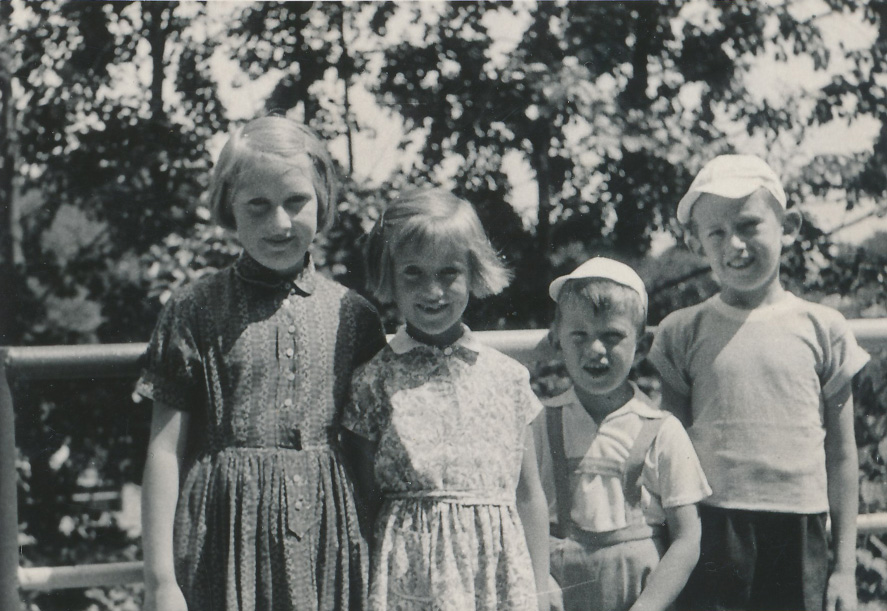
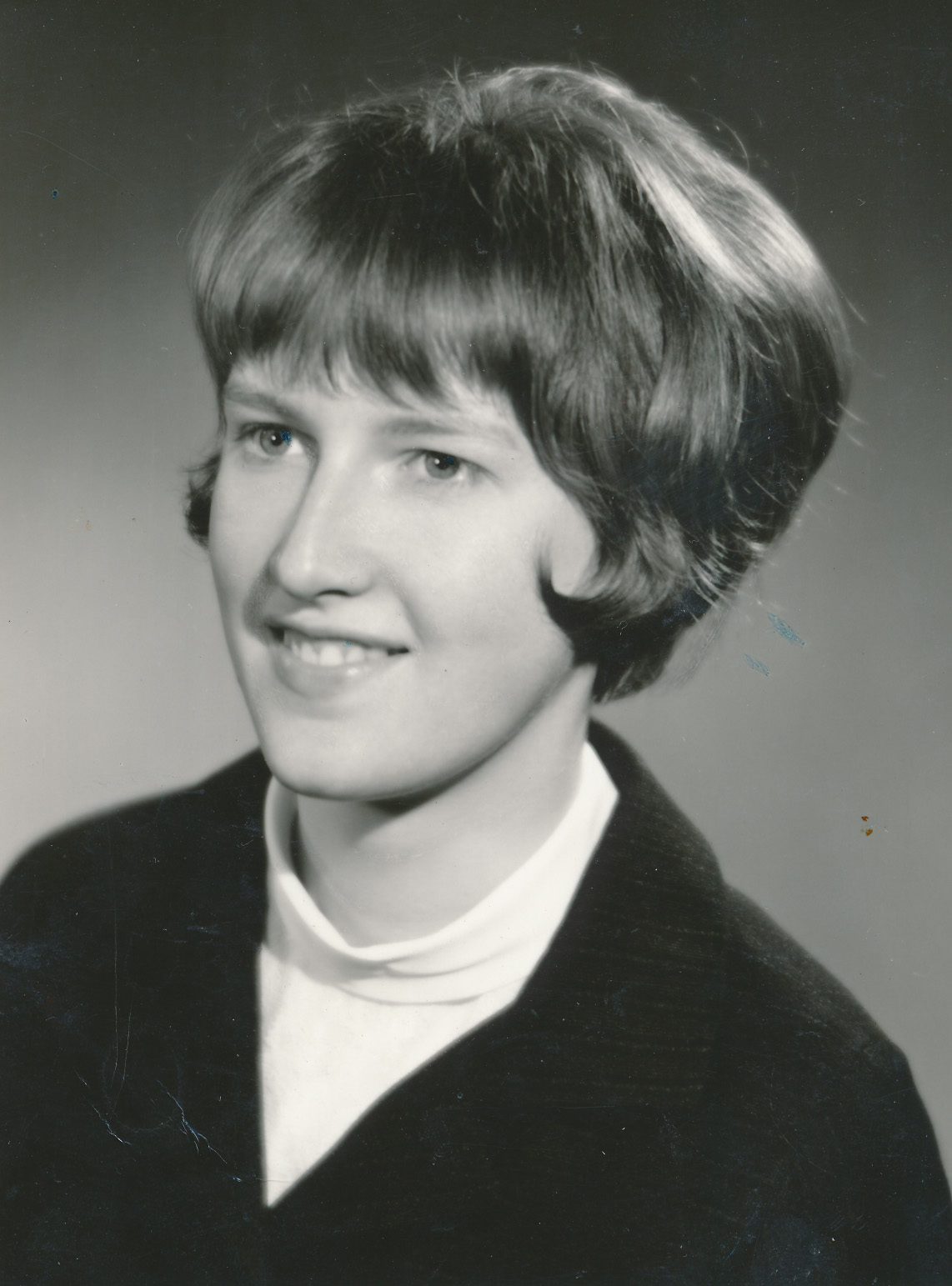
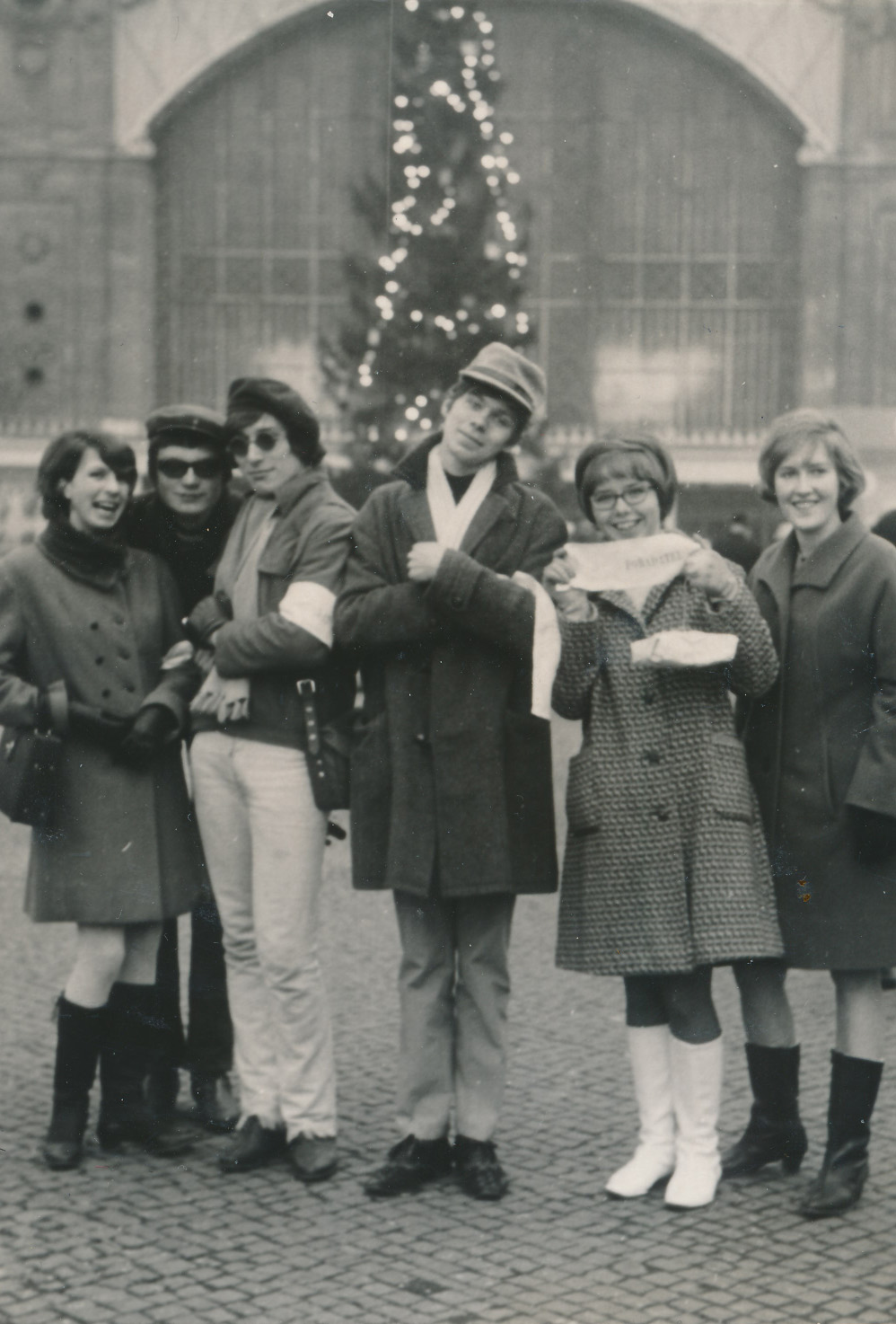
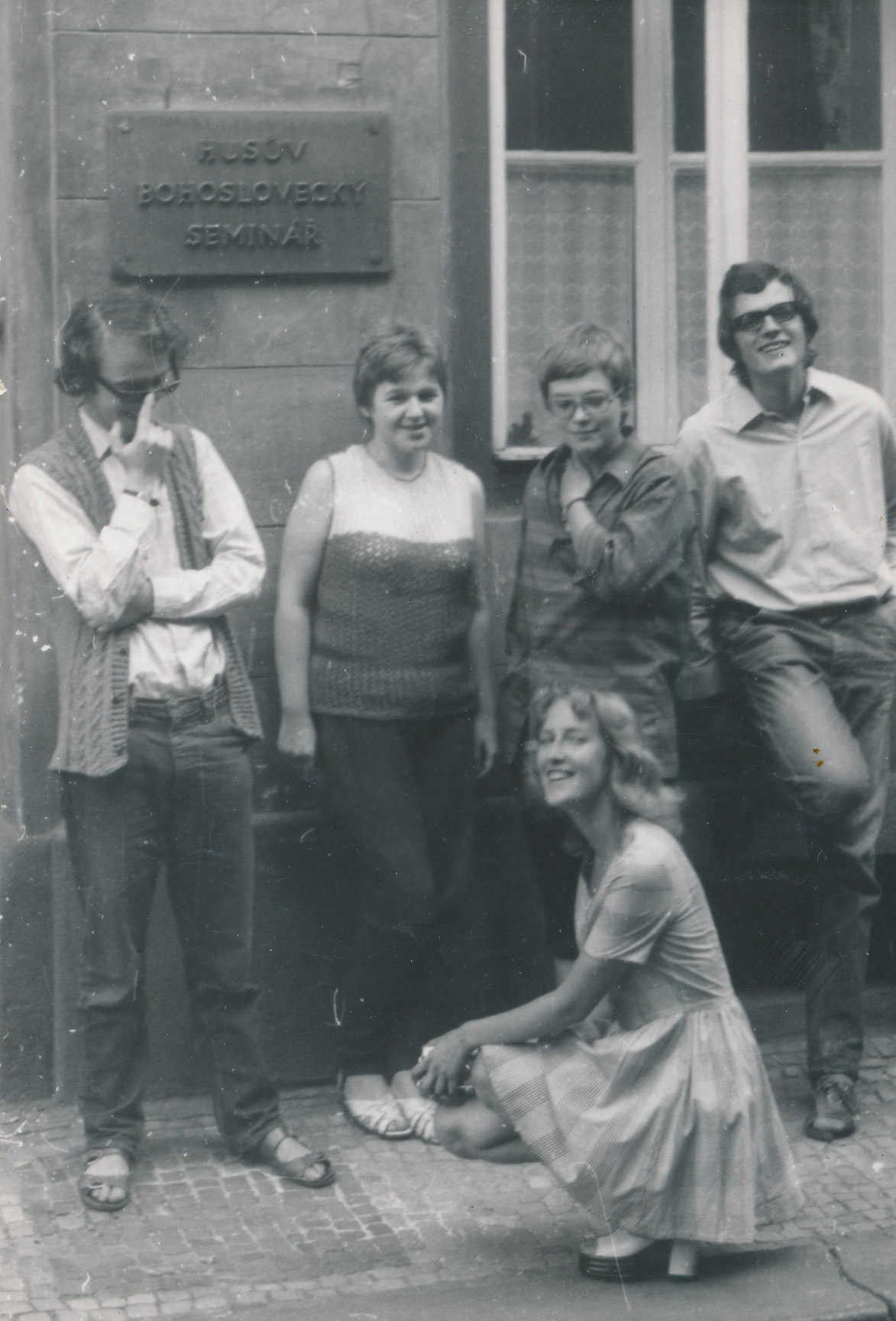
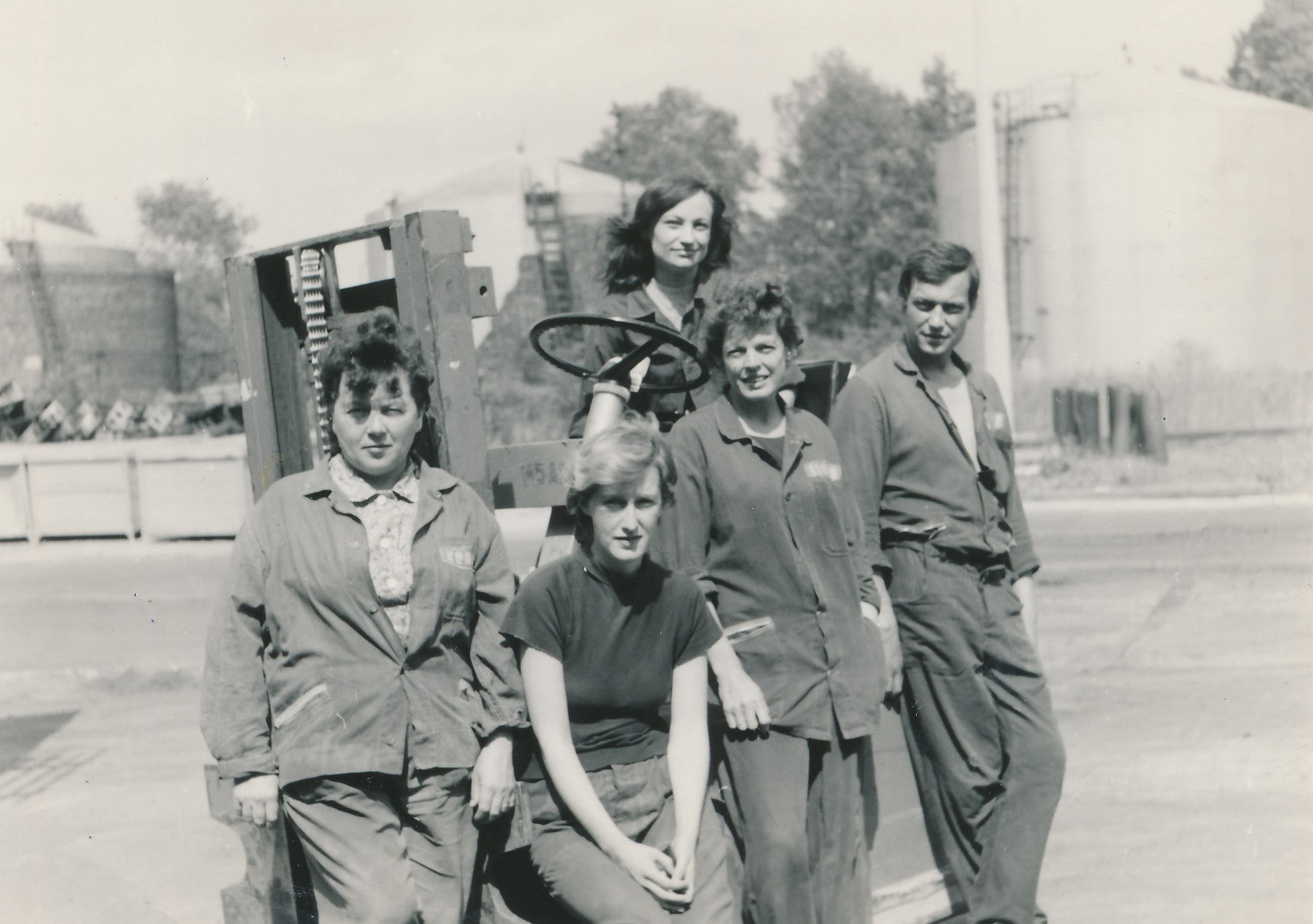
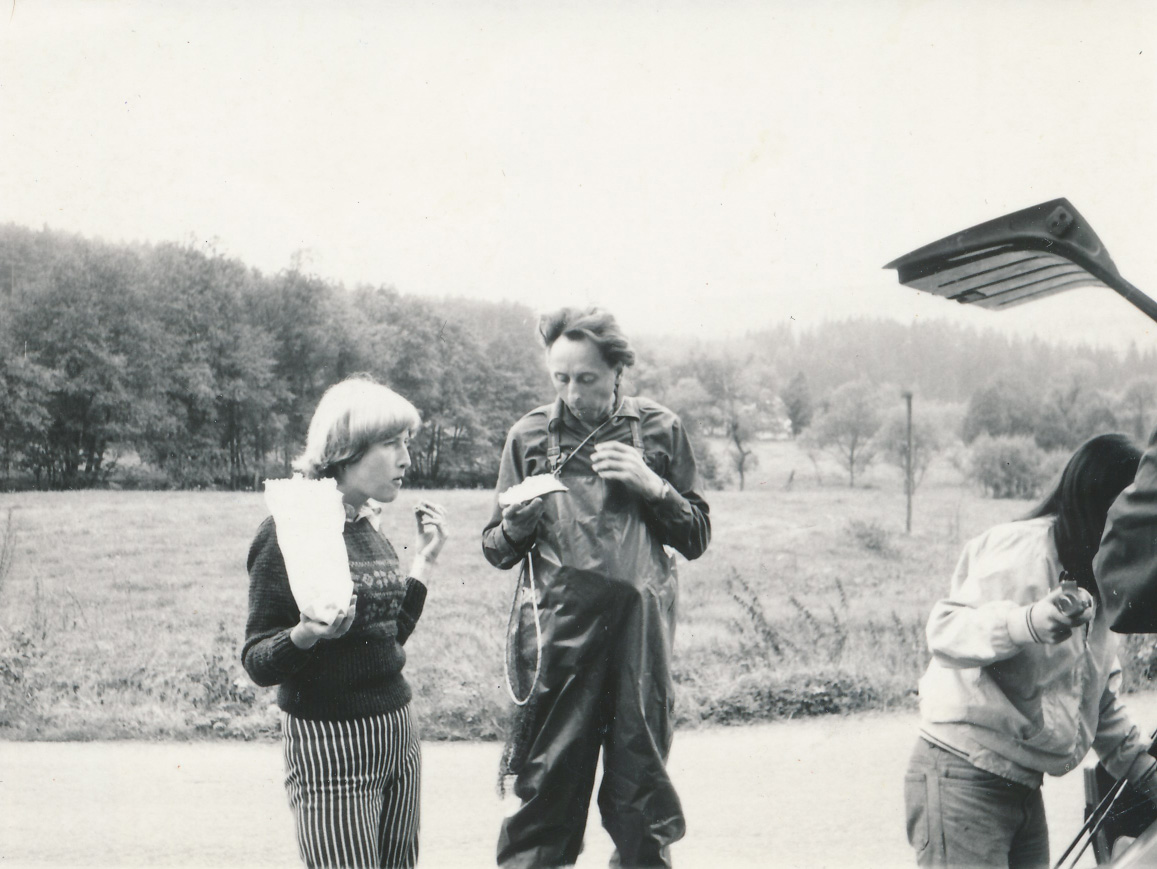
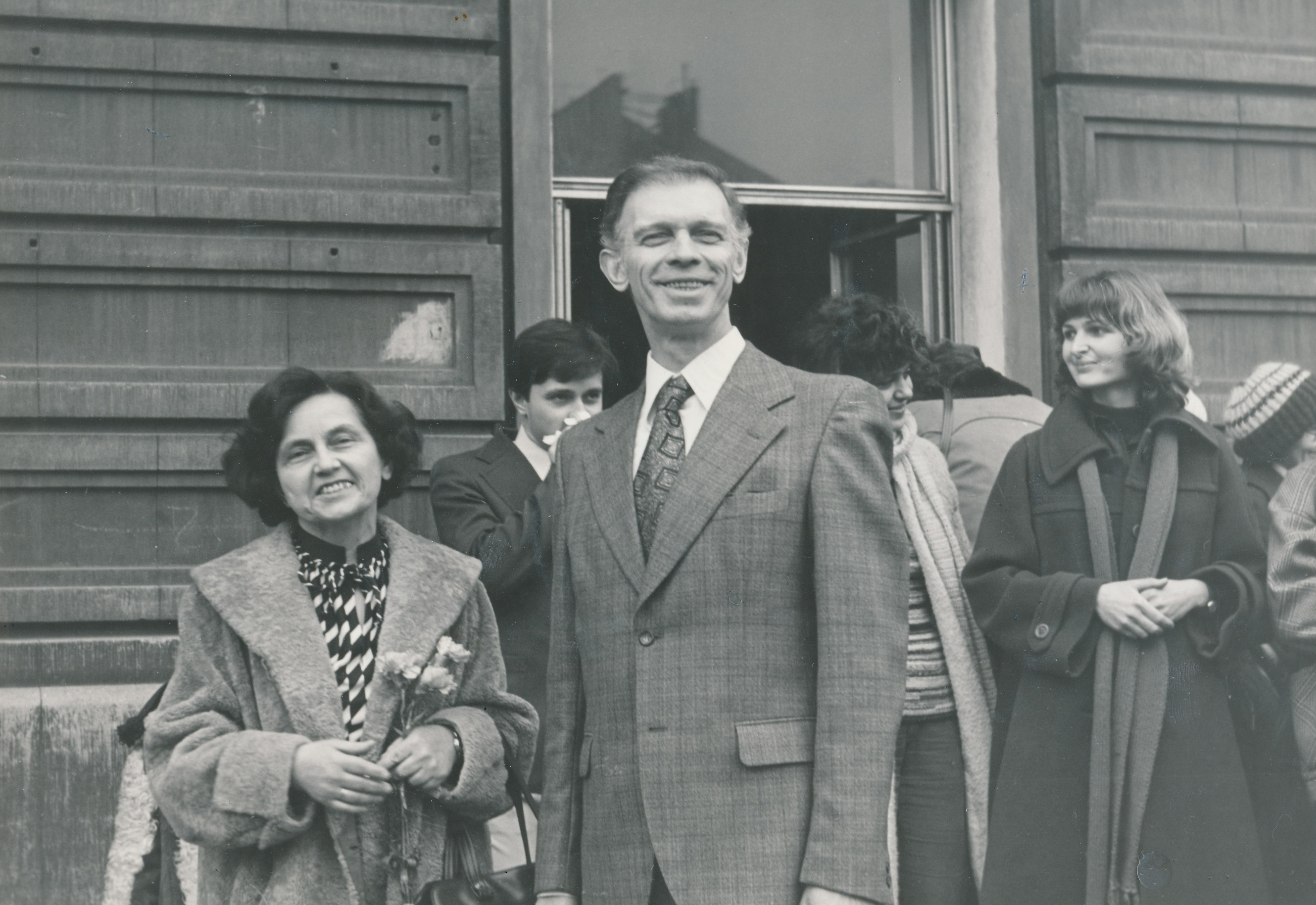
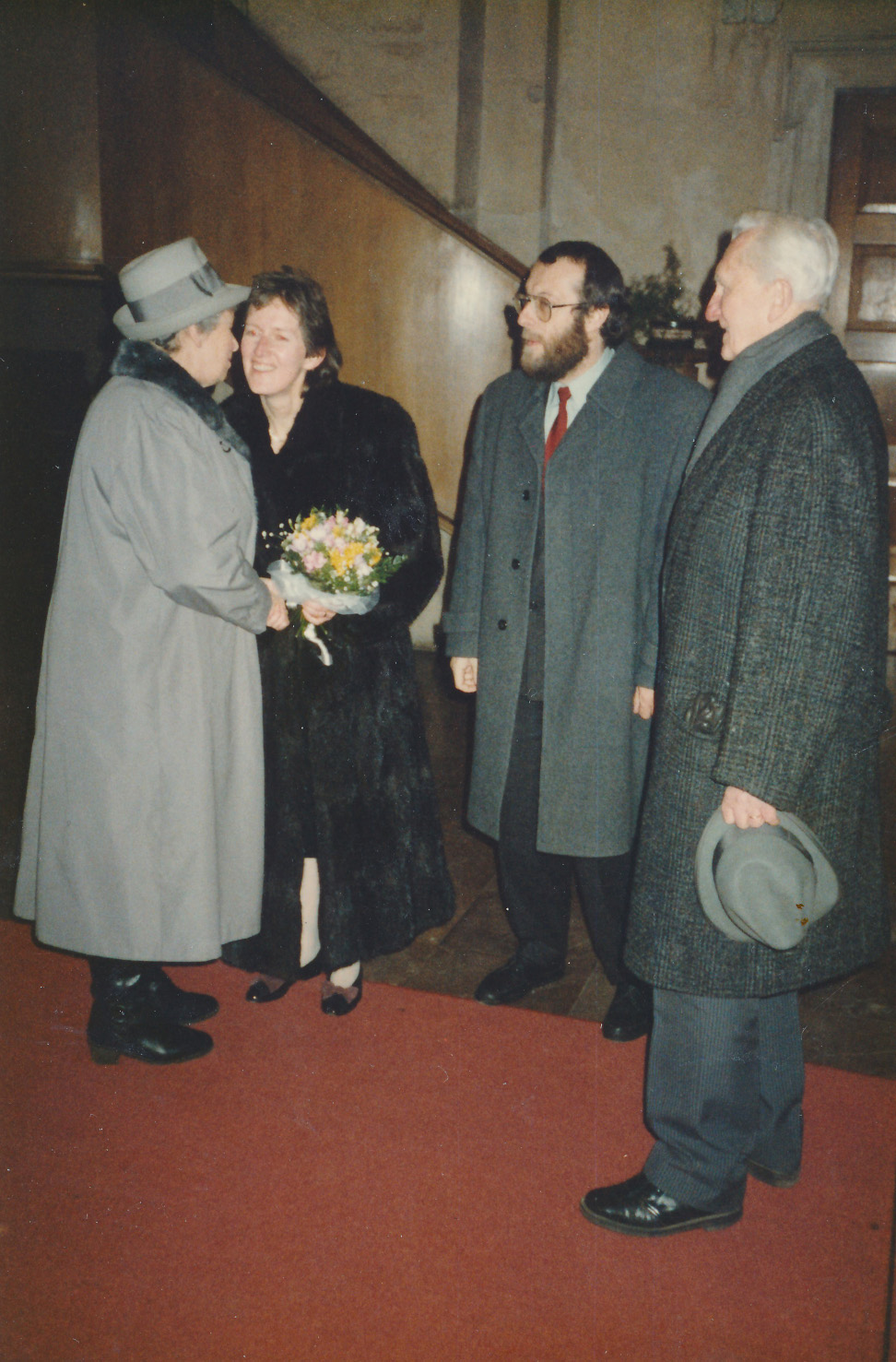
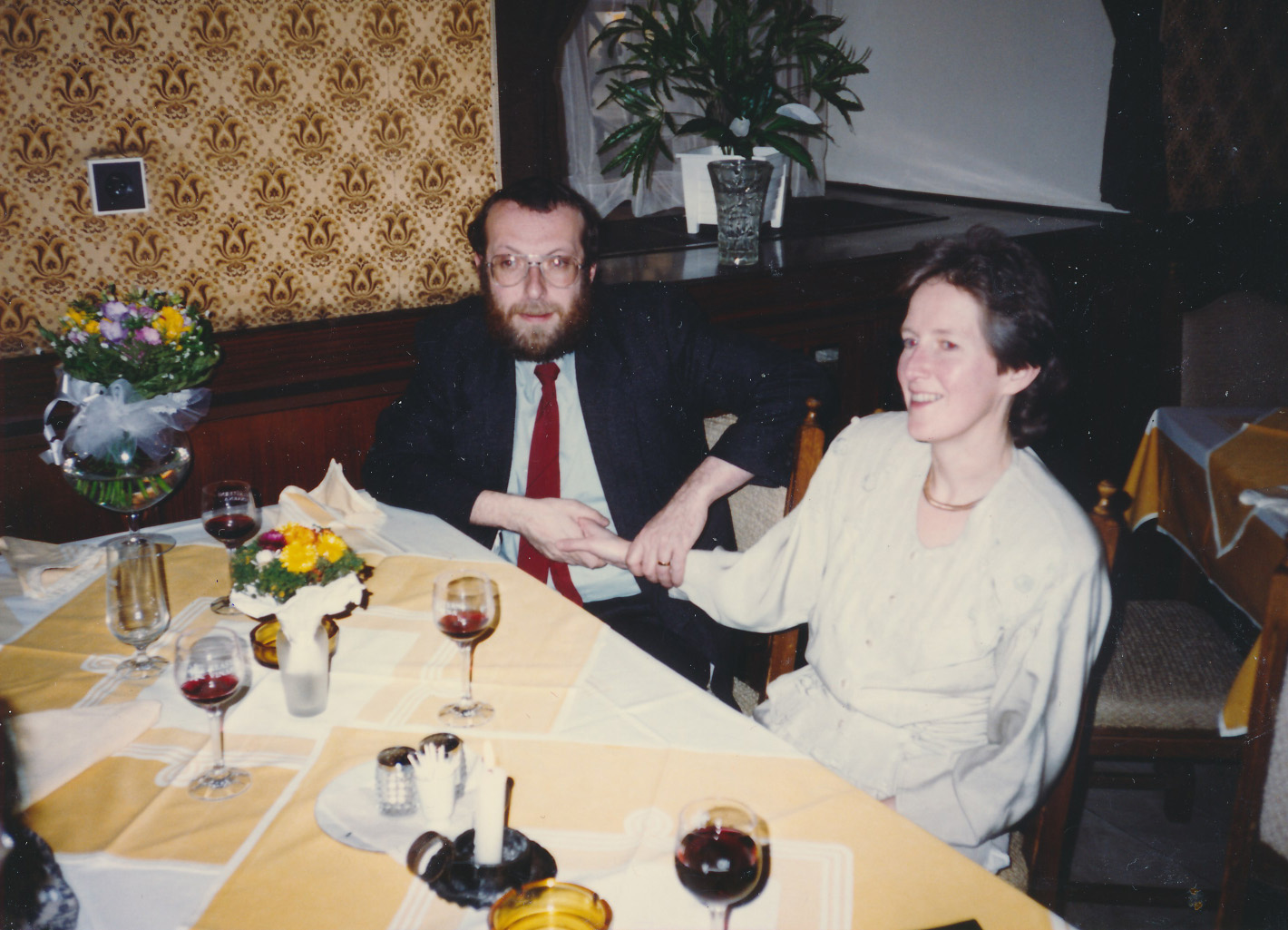
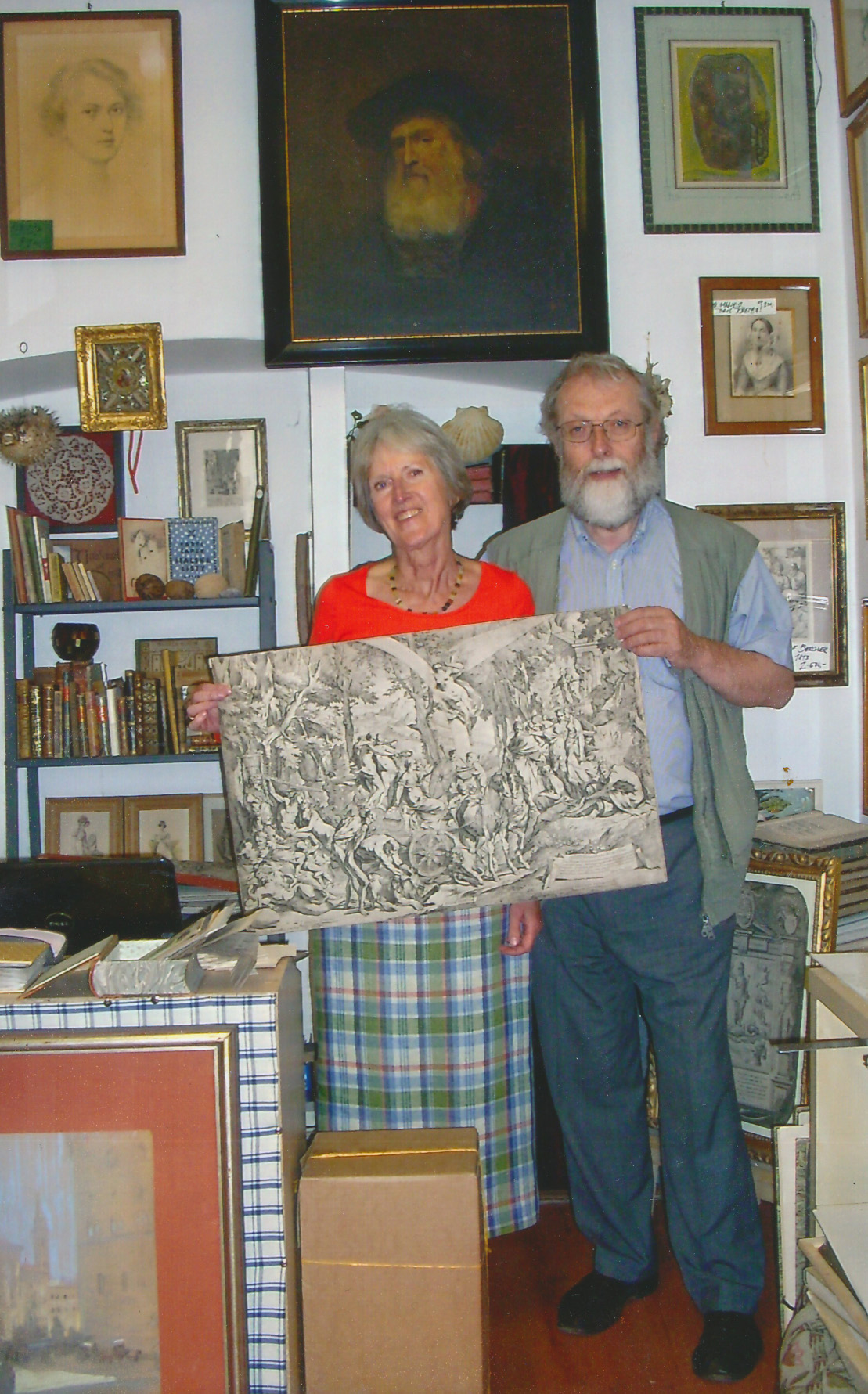
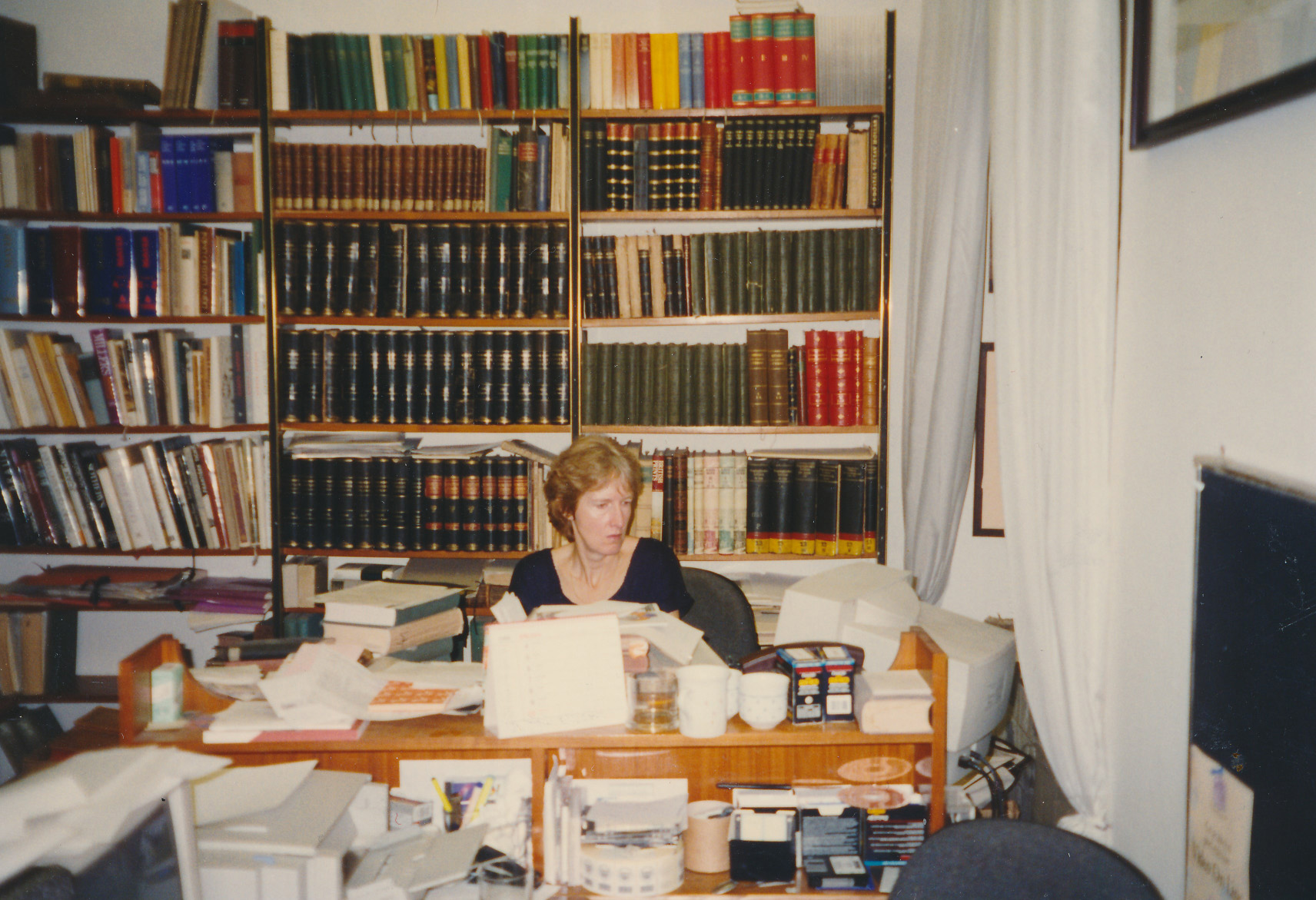
Jana Krausová, née Zlatohlávková, was born on 25 January 1950 in Znojmo as the eldest of four siblings into the family of Jan Zlatohlávek (born 1911), a minister of the Evangelical Church of Czech Brethren, and his wife Hilda, née Kořínková (born 1924). She spent her childhood and youth in the parish house in Velim, where her father had been an evangelical minister since 1951. He spent the war in Miroslav, where he met his future wife, who was from Znojmo, but who diligently attended various evangelical youth meetings both in Miroslav and in Vienna. Jana Krausová‘s parents married in 1948 and later moved to Hlinsko, where her father was an evangelical pastor. In 1951 the family moved to Velim. There they lived in a generous local parish house with a large garden. As the number of Evangelicals in Velim declined considerably in the 1950s - and with them any peers or friends - the parish priest‘s children spent their time mostly among themselves, protected by the garden walls. Her parents raised Jana Krausová and her siblings in the spirit of the Protestant tradition, educating them in music and literature and fostering a love of the visual arts. Thanks to the relaxed political situation in the mid-1960s, Jana Krausová was admitted to a grammar school (SVVŠ) and later to study theology at the Comenius Evangelical Faculty of Theology in Prague (now the Evangelical-Theological Faculty of Charles University), which she successfully completed in 1973. However, due to her unfavourable cadre profile, she did not receive state approval for clerical work, although she fulfilled the requirement of working for a year as a worker at the Kolín Mineral Oil Refinery (KORAMO). Later she was not even allowed to work as a saleswoman. Perhaps thanks to „help from above“, she eventually got a job in an antique shop - and this influenced her for the rest of her life. She has a daughter Anna from her first marriage to Jan Medek. At the time of recording in 2022, she was running the antique shop U Mušle svatého Jakuba (At St. James´Shell) in Prague with her second husband Jaroslav Kraus.
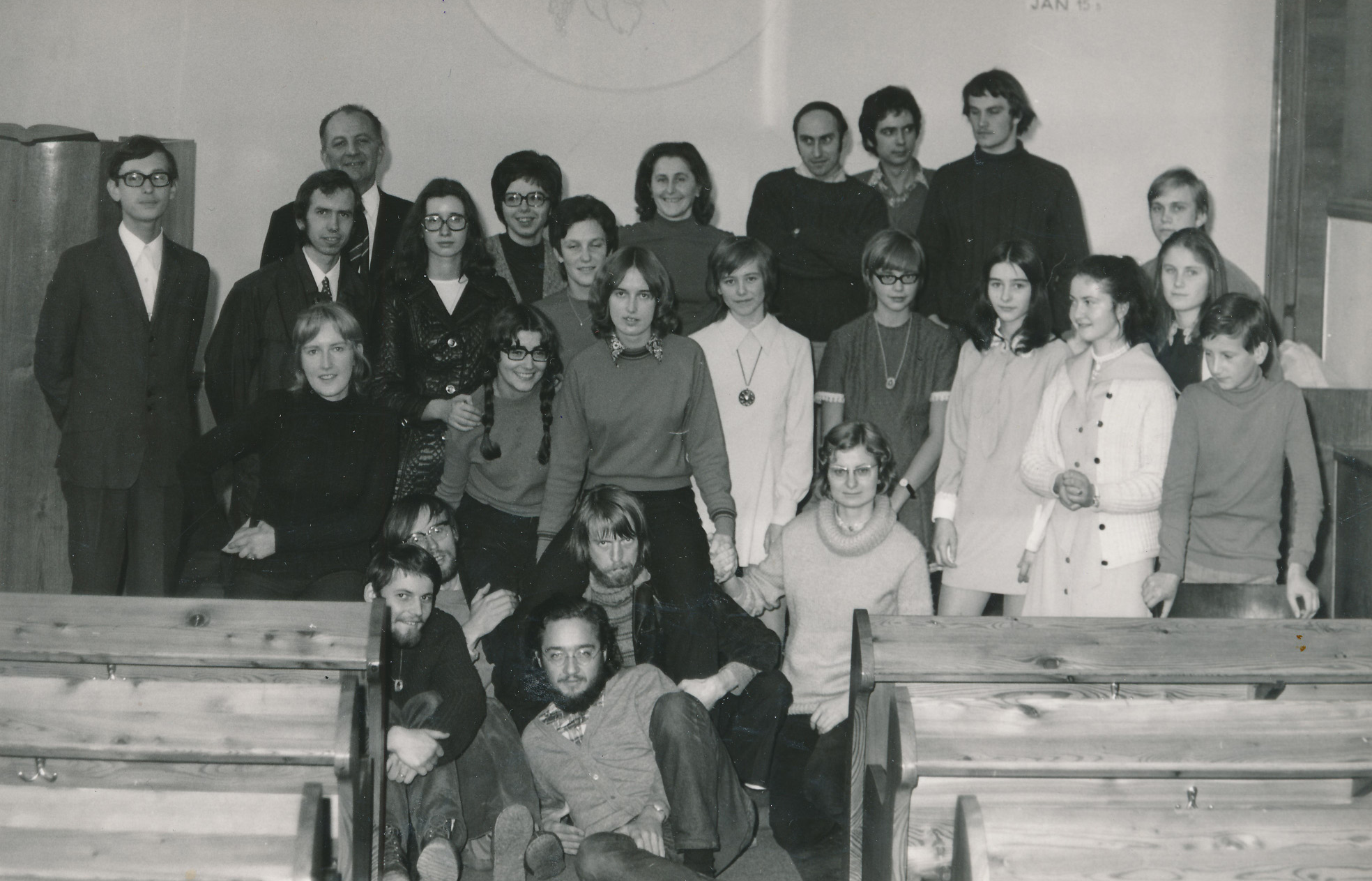
Witness standing in the first row from the left in the Evangelical prayer room in Mladá Boleslav at a youth meeting with pastor Alfred Kocáb, autumn 1973
Witness standing in the first row from the left in the Evangelical prayer room in Mladá Boleslav at a youth meeting with pastor Alfred Kocáb, autumn 1973
Hrdinové 20. století odcházejí. Nesmíme zapomenout. Dokumentujeme a vyprávíme jejich příběhy. Záleží vám na odkazu minulých generací, na občanských postojích, demokracii a vzdělávání? Pomozte nám!