"After the revolution, when it became possible to look at those files, I didn't want to at first, because I thought that if I saw who had informed on me, how would I be able to look them in the eye, since I had to continue living with those people. But then I plucked up my courage and went to look. And it confirmed who I thought had been informing on me, but I have to admit that not only could I not feel any hatred towards that person, I felt terribly sorry for them. Because they had to write something there and had to make something up. So there were reports to make it seem like something was going on, but you could see the effort to not cause me too much harm, like: 'She was seen with someone, probably a nun...', which was supposed to confirm my connections with some underground church or something, but again, it wasn't serious enough to mean anything. But when I realized that he had to regularly make something like this up about me, I really felt sorry for him."
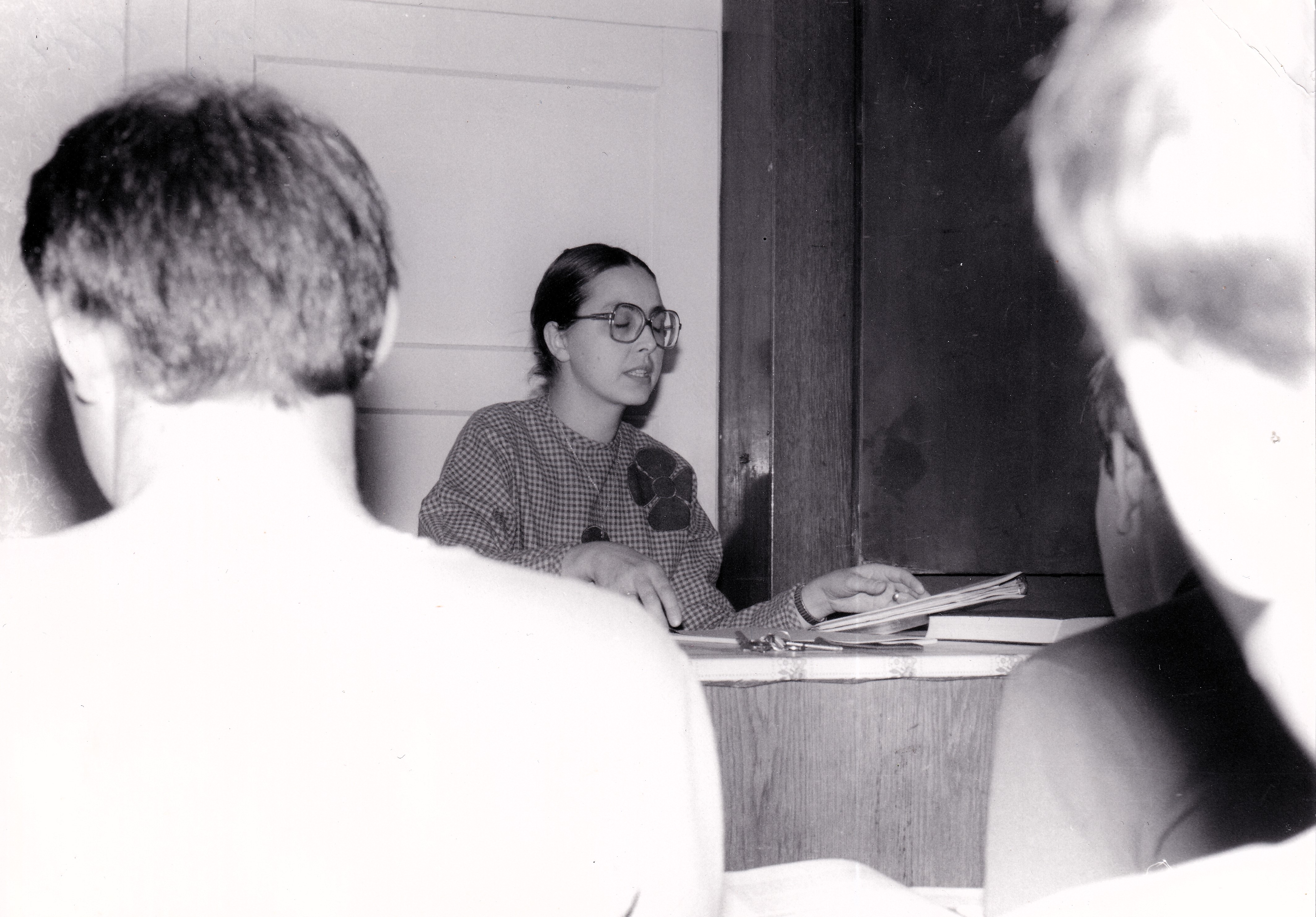
"And then an interesting situation arose when I told Father Ladislav Pokorný, who was the dean of the theological faculty at the time, and he said: 'Well, look, there is one school where your personnel flaw might not matter, and that is the theological faculty. No woman has ever taught there in history, but why not give it a try? Someone has to be the first.' Then there was a moment of silence, and then he called me back and said, 'Well, look, I talked to Bishop Tomášek about it, and he wouldn't be entirely against it, but he wants to talk to you. So you have to go to the Archbishop's Palace to talk to him.' So I went. My heart was pounding, and we sat across from each other in the Archbishop's Palace. Bishop Tomášek turned on the radio so we could talk, and we talked about upbringing and education, because he was a teacher by training, and then he said: 'Well, you know, I’ve always thought that the female element should be included in the education of seminarians, because for education to be complete, it must include both the male and female elements. As a teacher, I know this very well.' And then he said something to me that I carry like a diamond in my heart. He said, 'You know, I wouldn’t let just anyone in, but I’ll send you there.'"
"Well, so we were prepared to be expelled. And when we had somehow come to terms with that, they called us back and said they weren't going to expel us after all. And then we found out, when we looked into it, when it was possible, that it was actually part of a struggle between two communist wings at the Faculty of Arts, that there was a progressive wing and a regressive wing – I don't know – [of people] who needed to prove to each other that the others were bad. And they took advantage of it. Of course, we never managed to find out who set up the workers from ČKD and who put up the notice. But they wanted to prove how bad they were. Well, so they called us in and said they had decided not to expel us because we had excellent academic results, it was a scientific study competition at the time, and we each had several papers, participations, and so on. So they wouldn't expel us, but they would give us a reprimand. And they gave each of us a piece of paper saying that we were being reprimanded for behavior that was incompatible with the behavior of a student at a university in a socialist state, period. So there was nothing about the church, nothing about religion, because – they kept hammering it into our heads: 'Of course, you have the right to religion, we have religious freedom, we are a free country, but nowhere is it written that you have to study at the Faculty of Arts. But you can have your religion.' It was phrased in such a way that it was as if we had gotten drunk somewhere and trashed a bar, it was on the same level, it wasn't clear what the point was. But with this paper, it was clear that we wouldn't find any job in the field anywhere."
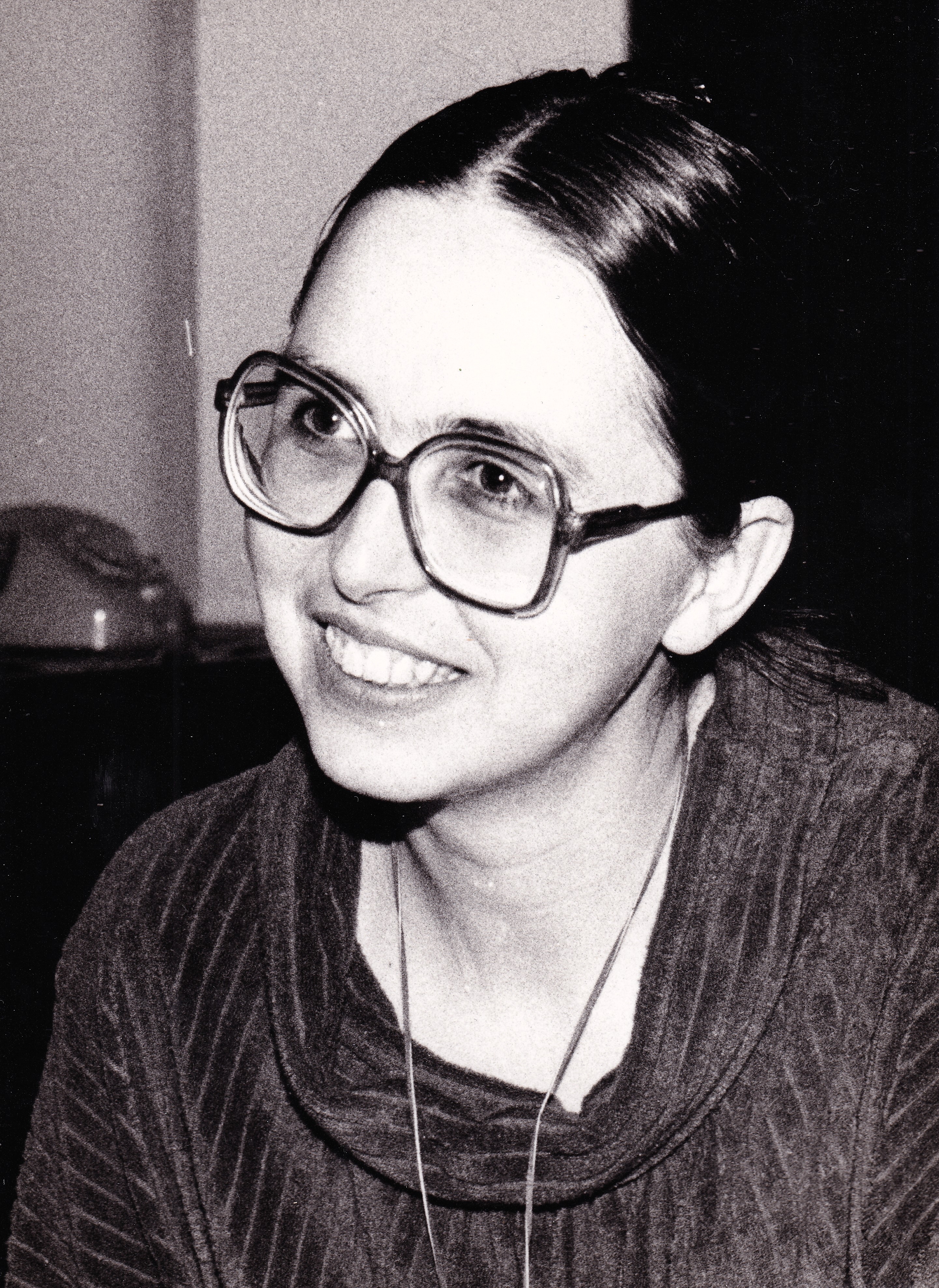
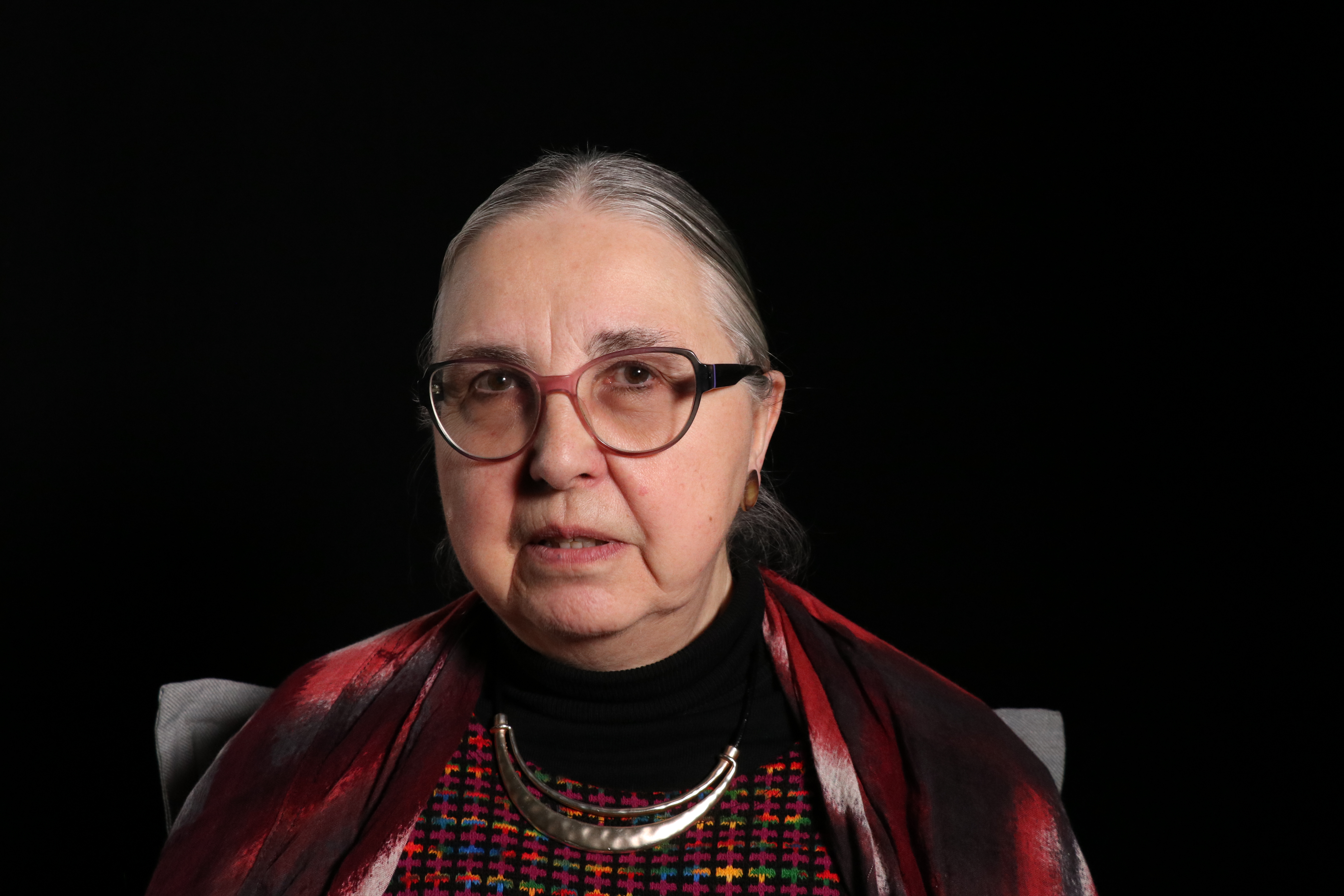
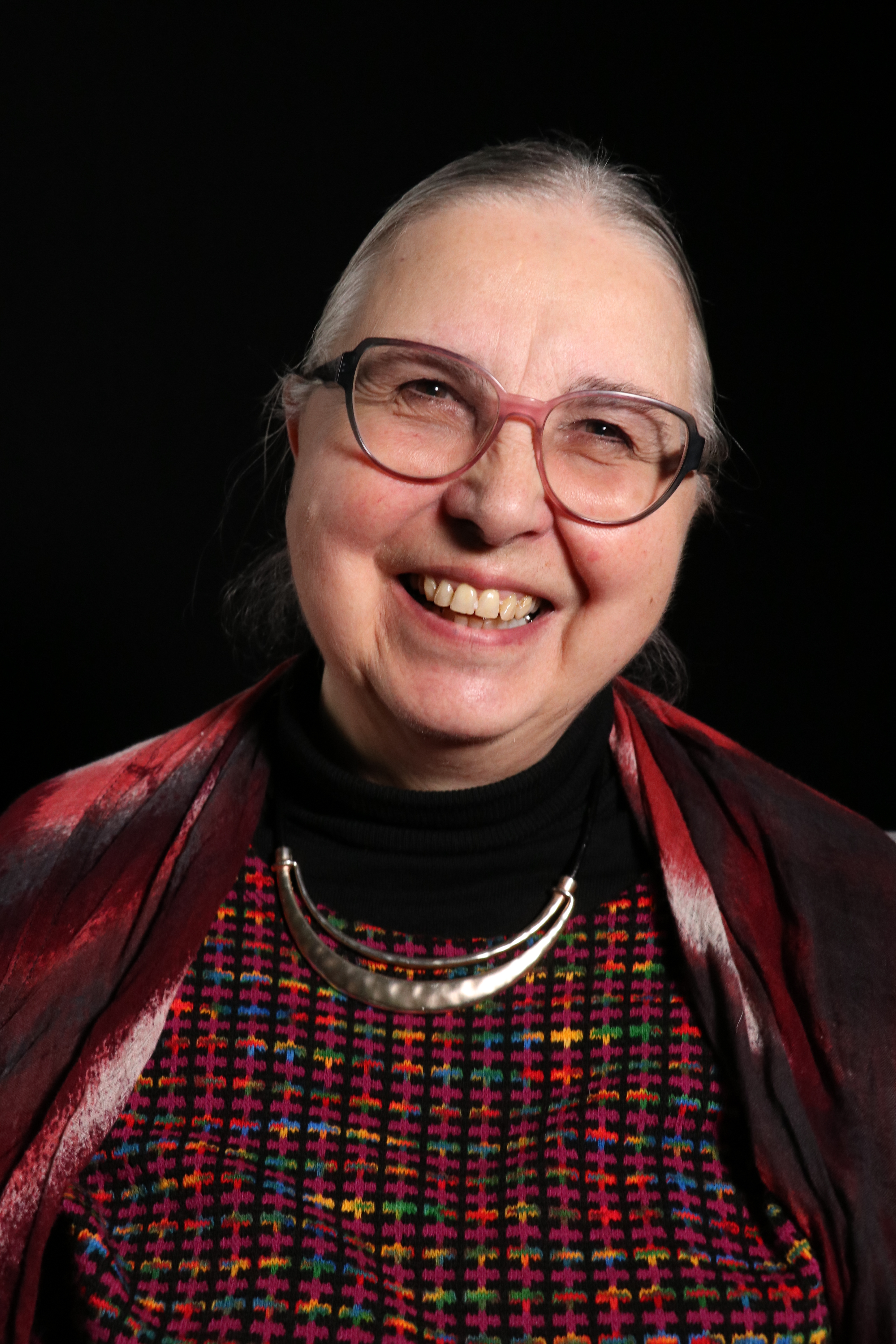
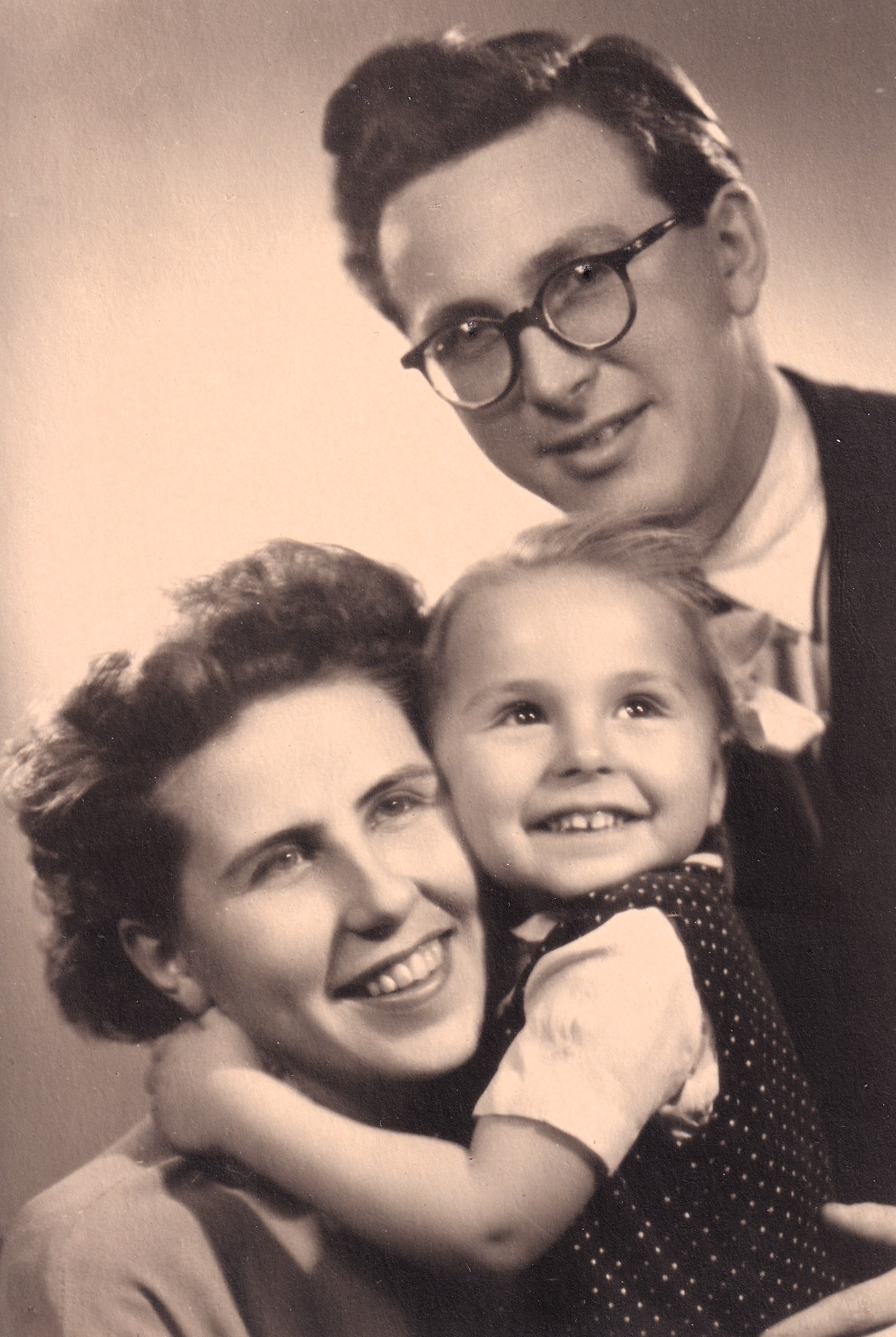
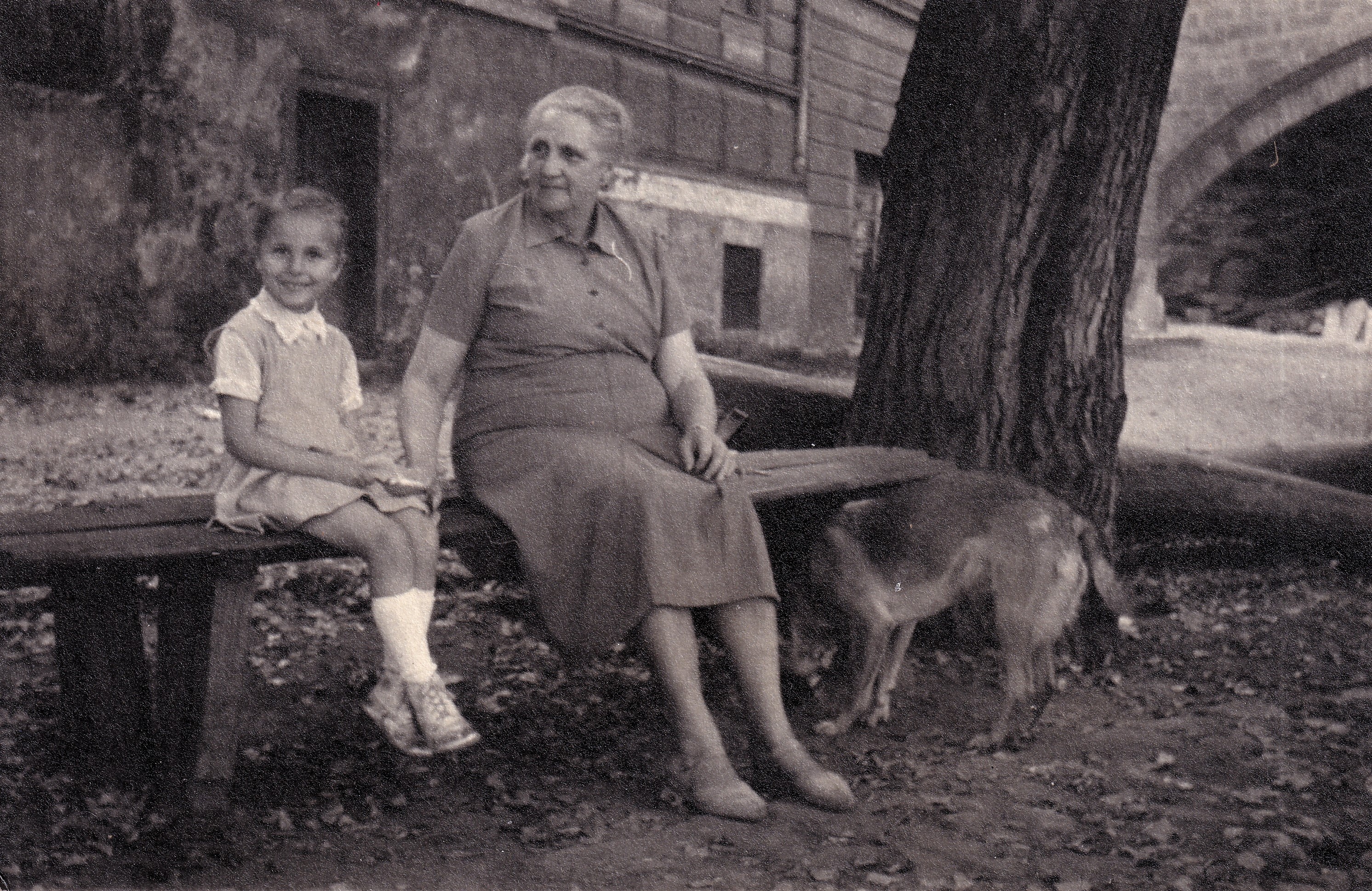
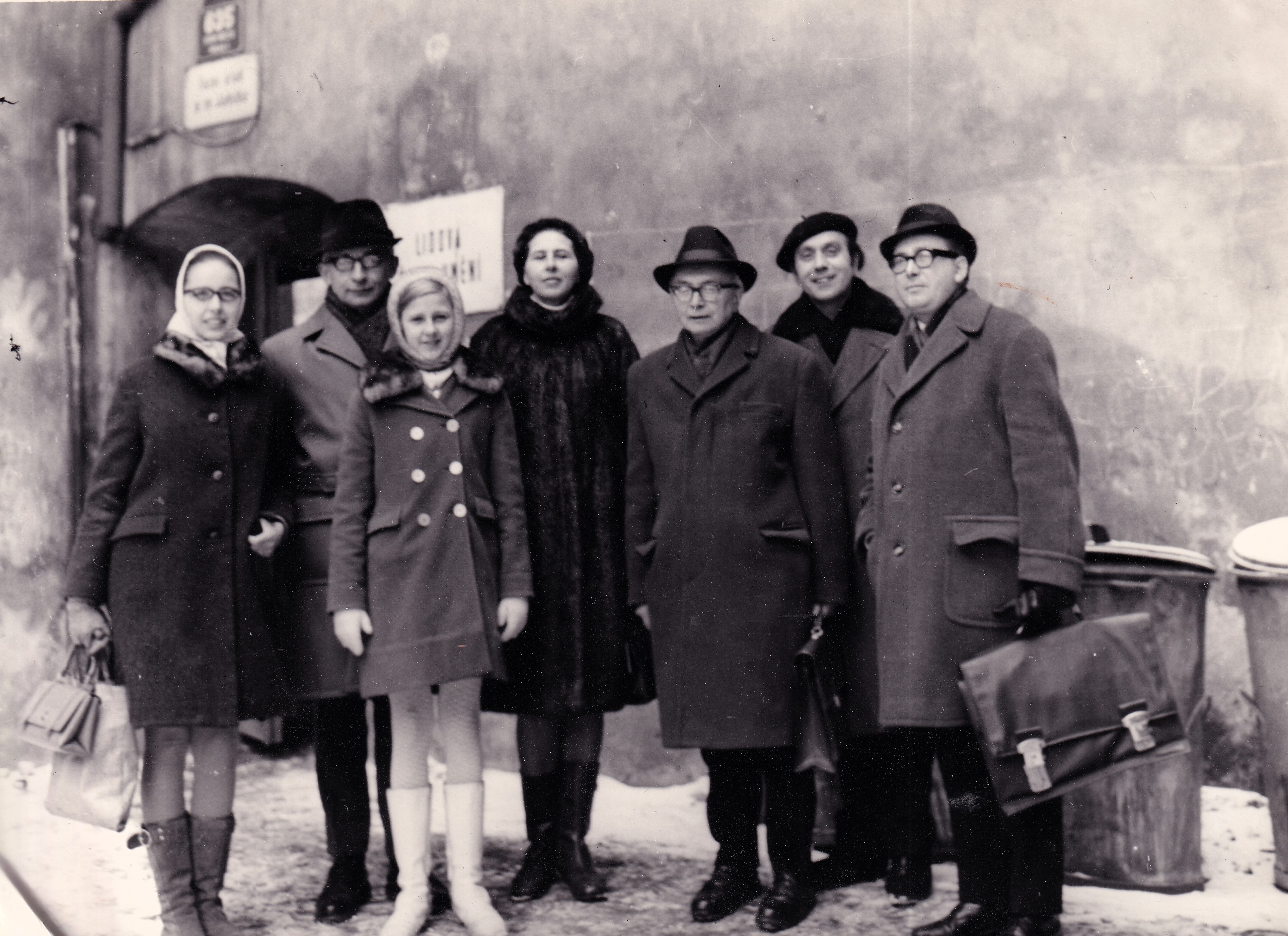
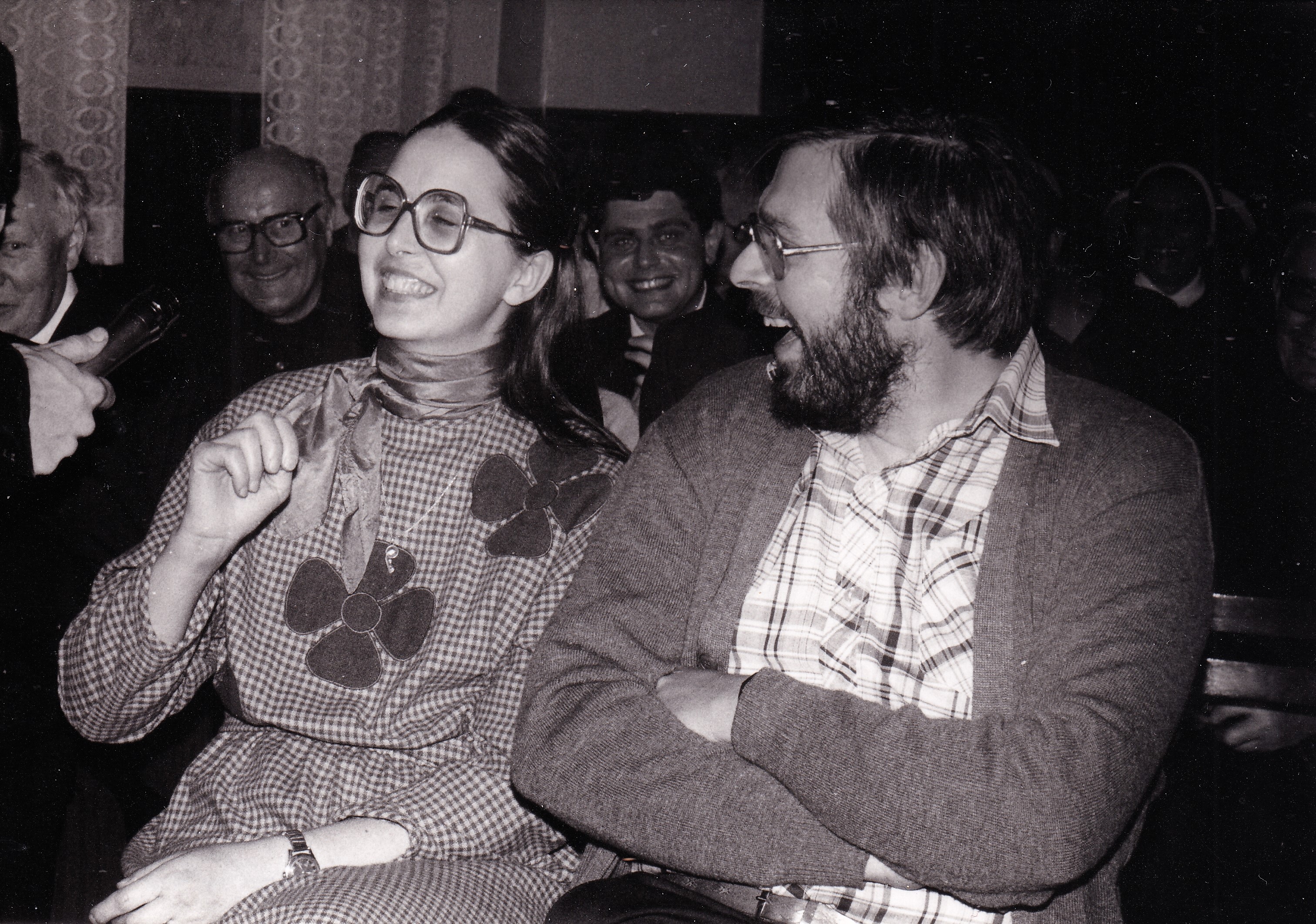
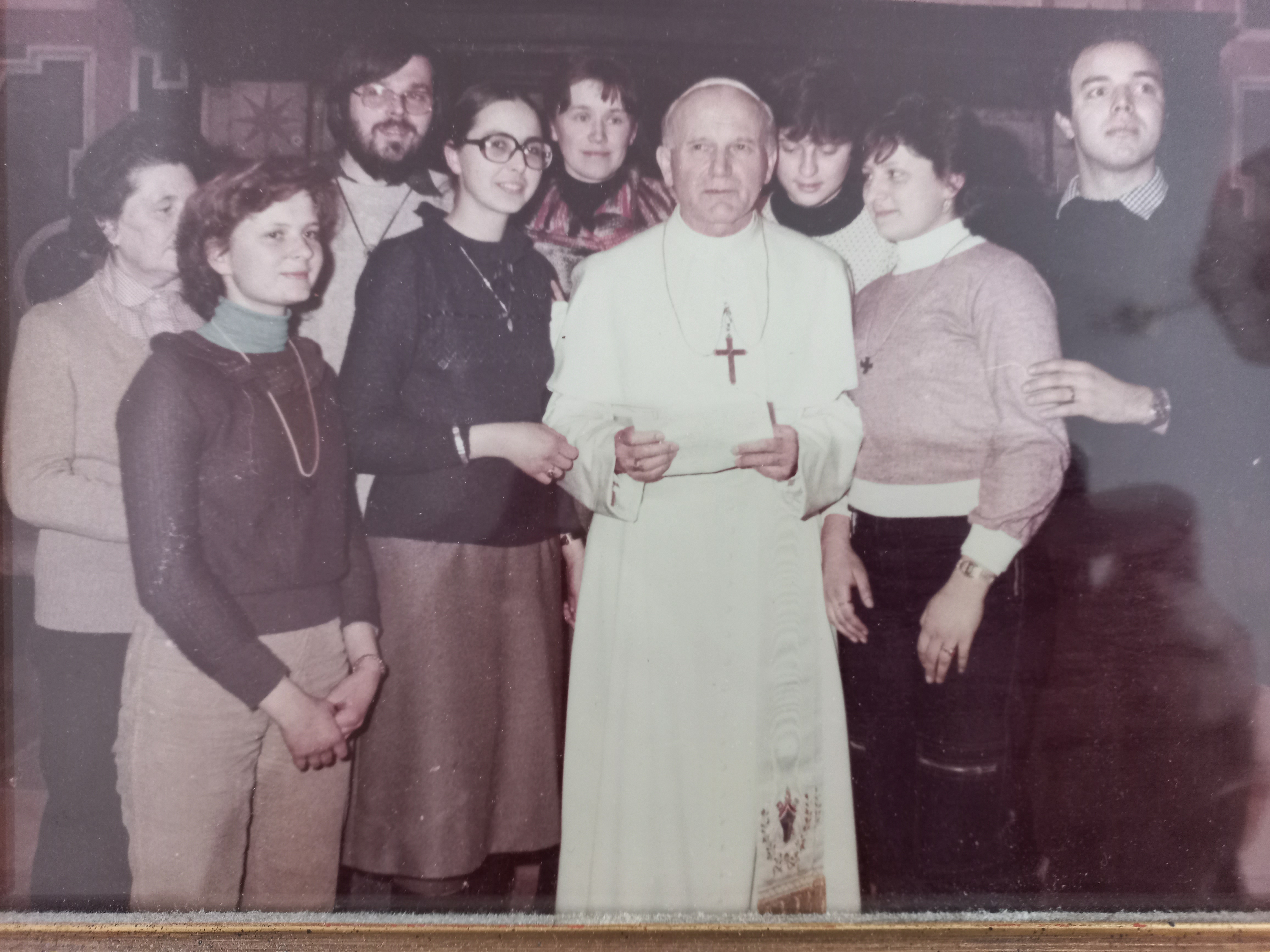
Markéta Koronthályová was born on March 13, 1952, in Prague. Her childhood and youth were shaped by a strong family background, deep faith, and a love of music—values that have accompanied her throughout her life. After graduating from high school on Štěpánská Street in Prague, she continued her studies at the Faculty of Arts of Charles University, where she completed her studies in Latin and Modern Greek in 1977. During her studies, she married Vladimír Koronthály. Their church wedding caused outrage among the workers of ČKD, and the newlyweds had to answer to the faculty disciplinary committee for it. The reprimands they received had a significant impact on their professional careers. After completing her studies, the witness was commissioned by Bishop František Tomášek to teach Latin at the Faculty of Theology in Litoměřice. Her participation in the Taizé Community‘s world meeting in Rome in 1982 was a source of great spiritual encouragement for her. After the Velvet Revolution, she worked as an assistant professor at the Catholic Theological Faculty of Charles University and became involved in social activities through the Union of Catholic Women and the Ecumenical Forum of Christian Women. In 2025, she lived in Prague, lovingly caring for her grandchildren and teaching Latin at the theological faculty.
Hrdinové 20. století odcházejí. Nesmíme zapomenout. Dokumentujeme a vyprávíme jejich příběhy. Záleží vám na odkazu minulých generací, na občanských postojích, demokracii a vzdělávání? Pomozte nám!