Zdeněk Kolařík

* 1943

  • "I will tell you why they arrested the farmer Galar, the communists, he was a farmer, he had horses. They came to requisition his horses, and to bring them out. He says to him: 'You are going to take my horses away from me, and don't you even want me to decorate them? So take them, then, won't you?' One of the mares was a little wilder, and when the guy touched her, she dragged him through the manure, through the manure in the yard. He was a district secretary and that was too much, that was one of the reasons they disposed of him [the farmer]."

  • "Then there was an Augustinian - Bera was his name. He developed a good relationship with the inhabitants, which didn't suit them, so they replaced him. They put in a parish priest, they called them fast-made. It was Easter, I only know that from my aunt's story, and there were pre-Easter confessions. He was sitting in that confessional, and a six-year-old boy came in and stood in front of the confessional and said, 'Daddy, mummy says to go to breakfast, she won't wait any longer.' It was a fuss - immediately people were getting together and wanted to change him. And my grandfather was just in the pub at the time, and he had this terrible saying, 'Poor people, to arms!' He couldn't miss the event, so he was there, he had a drink, he started shouting and he was in Hradiště for a week. There he fell into the Grebeníček claws, but during all that time it was never mentioned."

  • "My parents didn't approve of this marriage, they weren't enthusiastic about it, and he brought, I remember well as a boy, big wooden suitcases and you weren't allowed to touch them. I was tempted as a boy, as I was getting more clever, to see what was in those suitcases. He had carpenter's tools in there, he was a carpenter, and in order to have something to cover her parents' eyes, he had gone to Jeseník region, where he stole what he could from the houses - what was left after the Germans. He mainly stole gold, but he was also a convinced comrade - a communist. When I remember, there was a whole set in the library - the books of Marx, Engels, Lenin. In the living room there was a picture of Gottwald and Stalin."

  • Celé nahrávky
  • 1

    Jihlava, 11.09.2025

    (audio)
    délka: 01:22:45
    nahrávka pořízena v rámci projektu Příběhy regionu - Vysočina
Celé nahrávky jsou k dispozici pouze pro přihlášené uživatele.

I couldn‘t agree with the invasion, so I left the army.
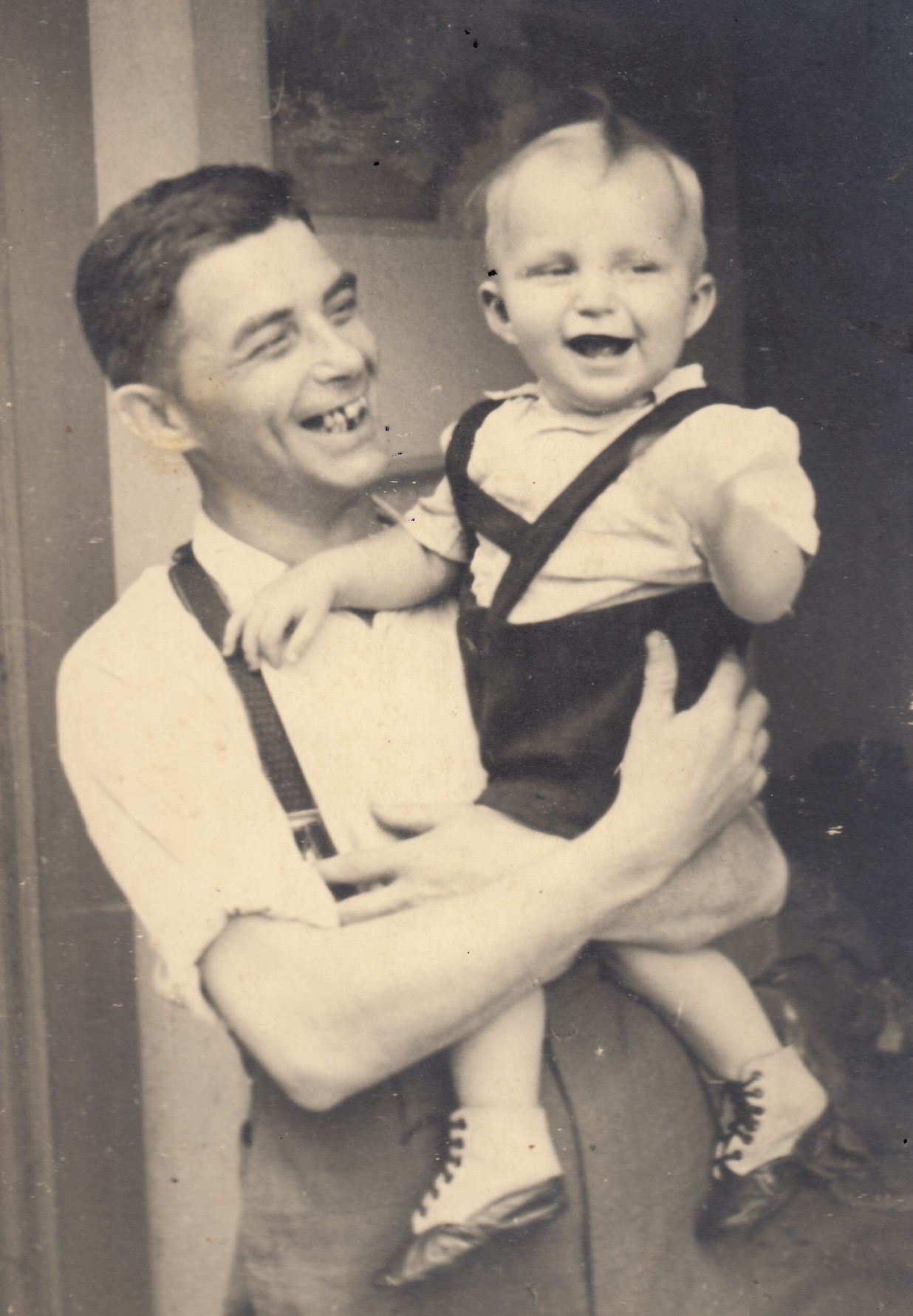
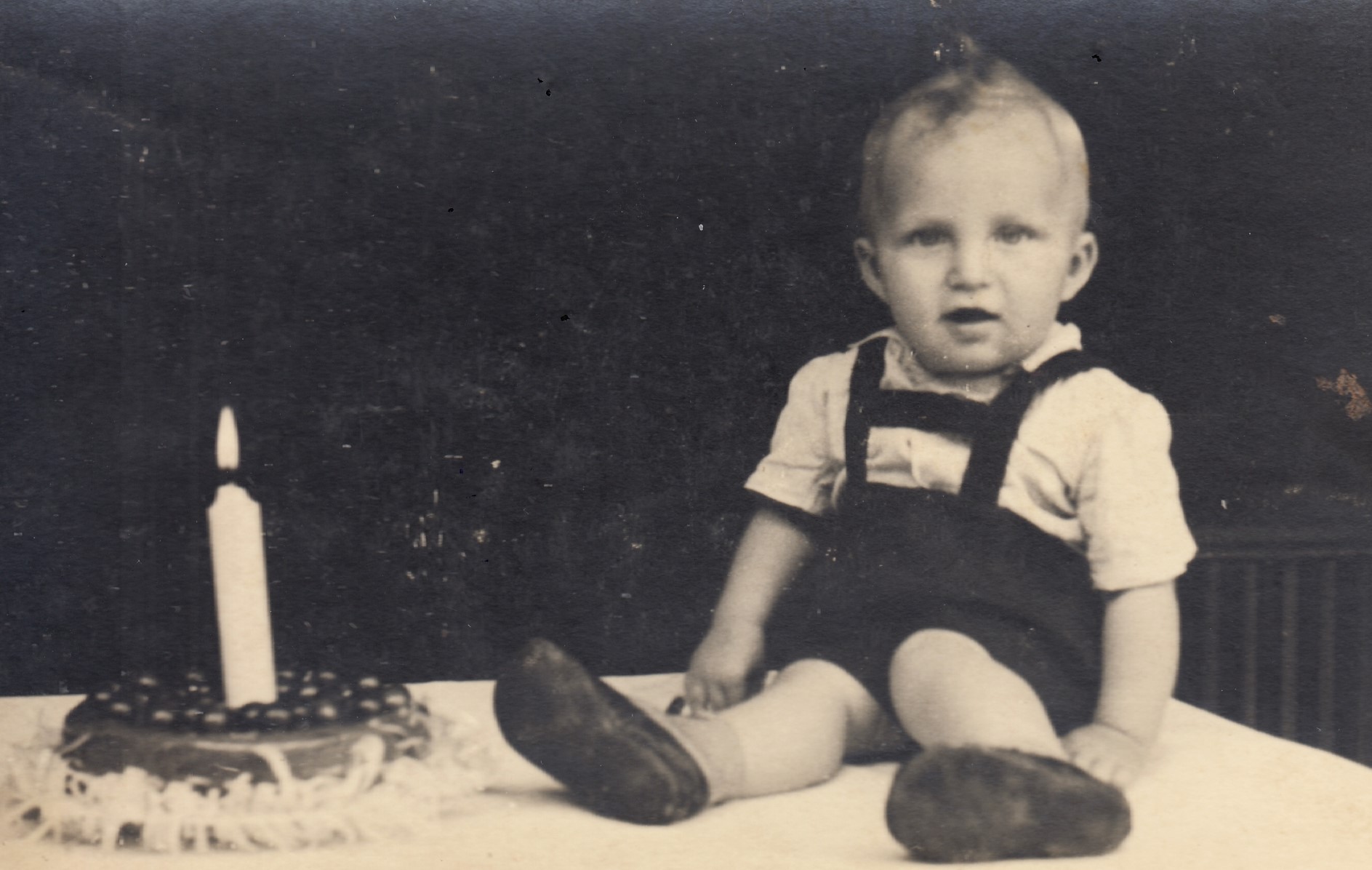
Zdeněk Kolařík with his father Emanuel, 1944, Veselí nad Moravou
zdroj: witness´s archive

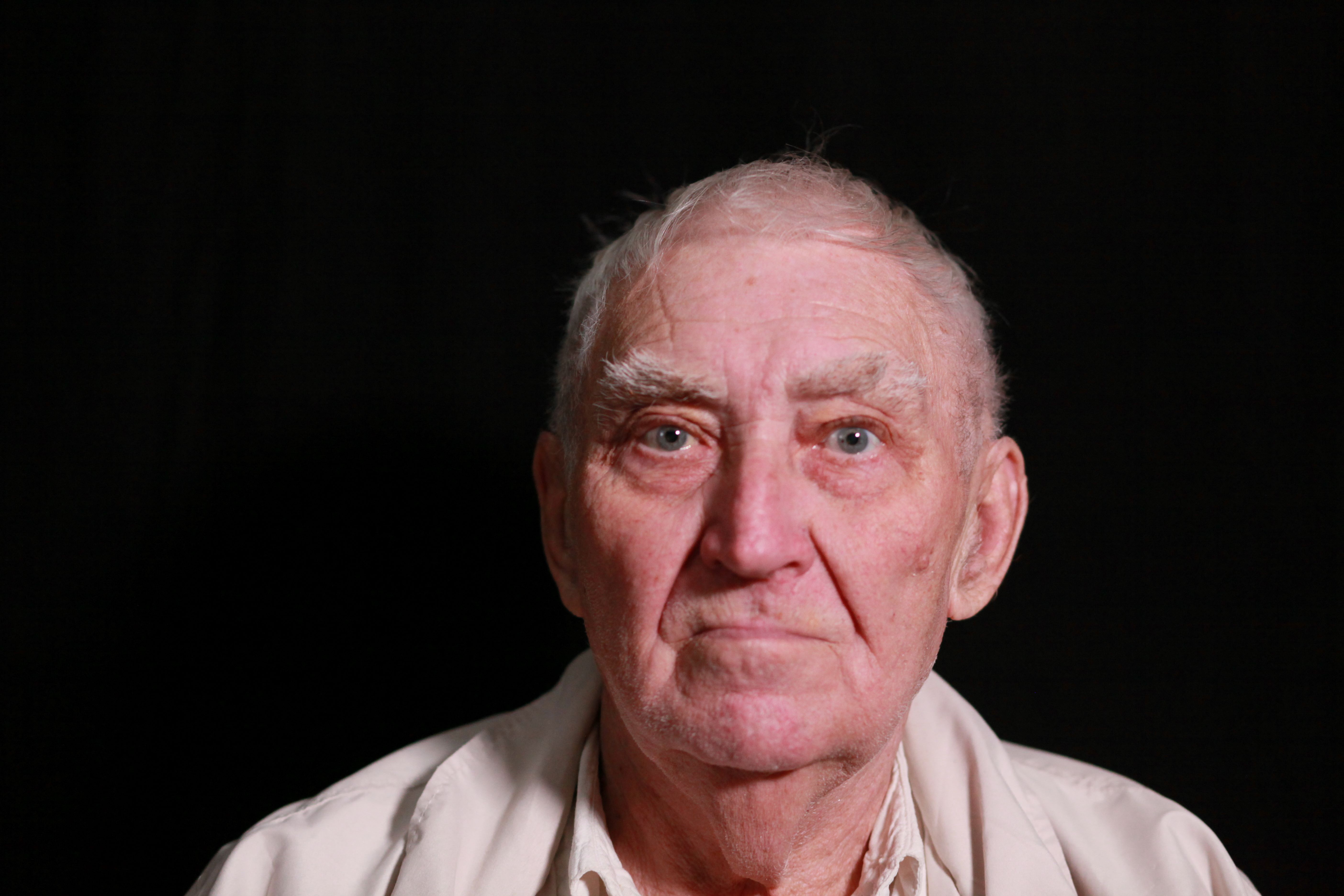
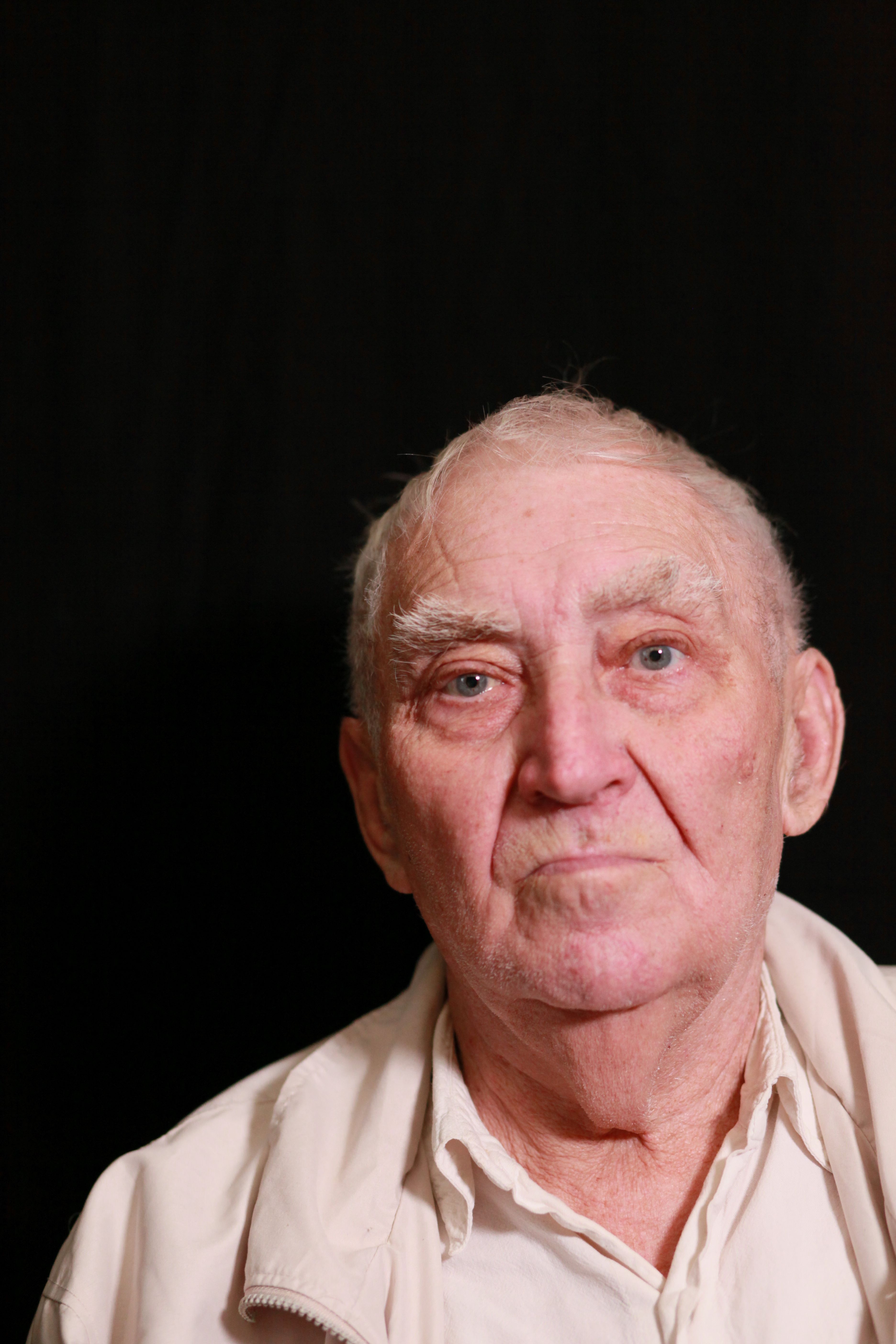
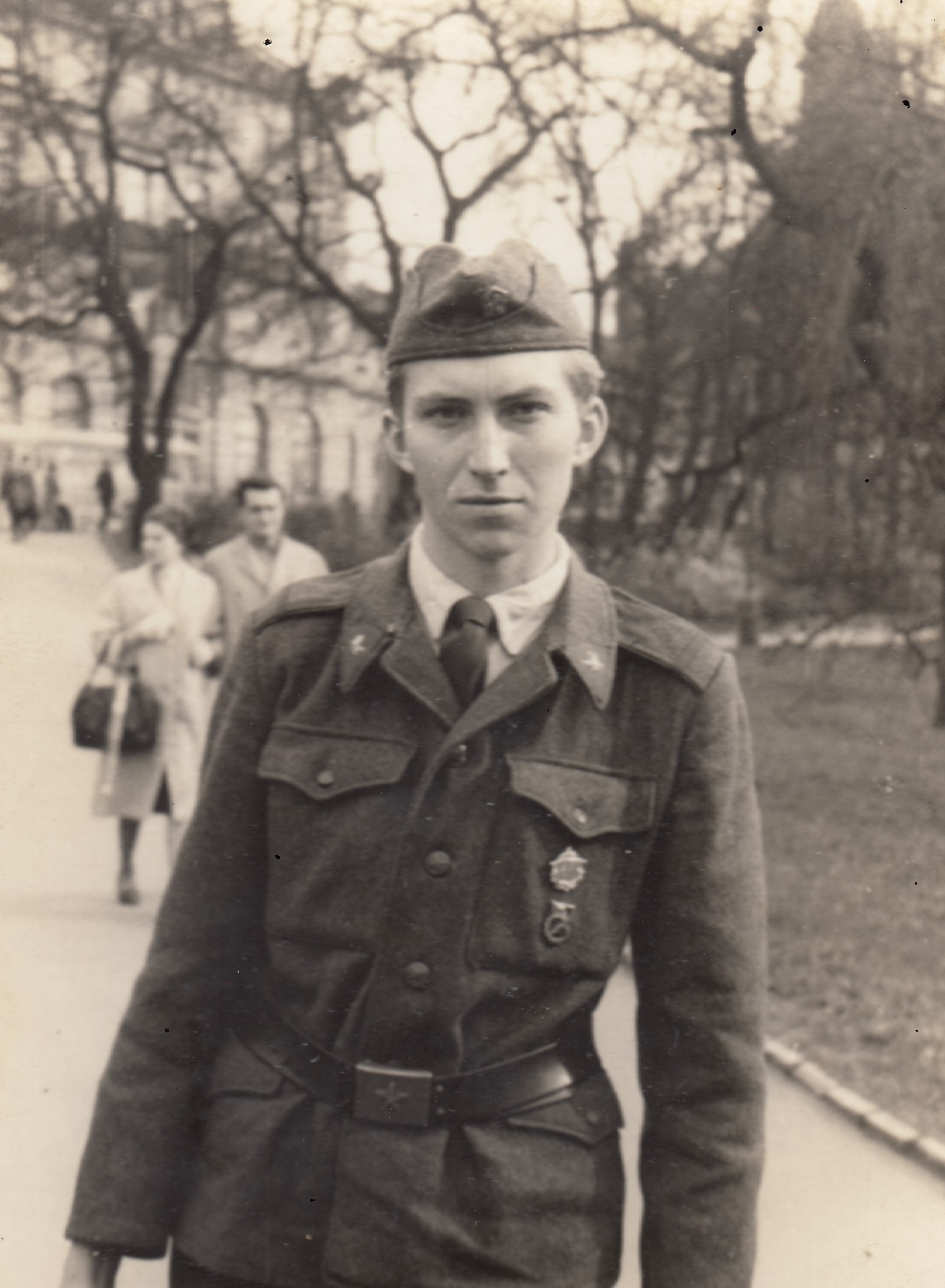
Zdeněk Kolařík was born on 10 July 1943 in Veselí nad Moravou as the only child of Anna, née Randová and Emanuel Kolařík. His father worked in Veselí as a shoemaker in the Standard company. His parents married during the war, and the marriage soon broke up because of his father‘s liability to drinking. His mother later remarried to Jaroslav Lovecký, who returned from Argentina in 1947. He and Zdeněk did not have a good relationship; he was basically brought up from the age of three by his maternal grandparents, with whom they lived in the same house. Five more children were born from his mother‘s second marriage. Grandfather Tomáš Randa joined the Communist Party in 1948. Zdeněk became a gardener in 1961. At the age of eighteen he accepted the offer to join the party. He started his military service, which he spent from 1962-1964 in Domažlice, as a candidate for membership in the Communist Party of Czechoslovakia. Because he did not want to return to his mother or to work in the gardening industry, he decided to stay in the army. He served in Domažlice and Hodonín. He left the army after the invasion of our territory by the Warsaw Pact troops in the spring of 1969. At the same time, his membership in the Communist Party of Czechoslovakia was not renewed. He then worked for Czechoslovak Railways, where he worked his way up to the position of administrative freight transport technician. He lived in Prague for several years, then returned to Moravia. In the 1980s, he helped to send mail secretly from the Archbishop‘s Palace in Prague, so that it would not pass through the control of State Security. In 2025, he lived in Litovany in Vysočina.