Radim Kolář

* 1956

  • "Well, I suddenly realized that they really were able to start shooting at us. And I was thinking, 'I'm actually thirty years old against these students here' - they were all much younger - so I said, 'The sooner I go away, the better.' So I ran through that passageway - the one that's closed now. That's the memorial outside, but the arcade was open then, so I ran through there. I got banged three times by some cops who had batons, so I ran through to Mikulandská Street. I was so shaken up because you don't do anything and you actually get hit with a baton for actually just being there. There was a cohort already in front in Mikulandskaya Street. And on the right they were loading some people onto buses. So I thought, 'This is crazy.' So I took the handle of the first house, they didn't lock the houses then, and I walked into the entrance and there was a lady holding her head with blood coming out of it. So I just said, 'Please, come on.' I kind of took her under her arm. I said, 'Come on, let's go hide in the attic somewhere, it might be really, really rough out there.' So we went and on the third floor some guy opened the door and said, 'I hear something outside, if there's something going on.' I said, 'Please, could you leave us here for a minute, to treat the lady's head, she's bleeding, you see.' And he said, 'Yeah, come in.' Finally, there were forty of us in the flat. We drank all the tea, all the coffee, and he said he was there visiting. So the owners arrived somewhere around eleven o'clock and we were all afraid to go out at all because it was really unpleasant. And they said, 'Yeah, it's okay now, there are some police cars coming, it's okay.' So we went out and I walked the lady back to Slovenská Street, and we walked two more students to the main station."

  • "There were paradoxical things there, that there were three women artists who had made the Tree of Life. That was a kind of ceramic landmark of a big pompous dining room where about 2,000 meals a day were cooked. And actually somebody came up with the idea of making an improvement, that they had to put in a new dishwasher. And instead of taking those plates, 2,000 plates, underground every day, somebody calculated the savings that it would be good to wash those plates right in the dining room, which was unnecessarily, as I said, pompous, big. So they actually designated a space where the plates could be washed. In a new Meiko dishwasher, which was from somewhere abroad, like, to be bought and for a lot of money. Only they had a problem, there was the Tree of Life by three female artists that was in the way. And my colleague was tasked with calling the artists to see if the Tree of Life could be demolished, cancelled. And now I know that when he finished with the last one, they all refused it, said that they didn't agree with it, so he put his head in his hands and didn't know what to do. And I started thinking about what I could do about it. And I really didn't sleep for like a night because of it. And the next day I told my boss that I would move the Tree of Life to the new wall that was going to be built there, so it would be preserved."

  • "Then it was completely strange to me that they were standing at the memorials on the first, fifth, ninth of May. My class teacher, who knew I didn´t get the scarf, told me that I would stand at the memorial over there on Příkopy or wherever it was, I don't know. And I said, 'I do not have the scarf.' I thought it was strange that she didn't know I didn´t have the scarf. So I was totally confused as a kid and she was like, 'Never mind, I'll lend you my scarf and my shirt.' So she lends me her shirt with all these patches of these flags on it and she lends me the scarf and I just stood there for an hour and I felt really bad. There were two of us there with a friend, a classmate, and I felt completely weird for that hour, that I shouldn´t be there, that I shouldn't actually be paying tribute to the fallen because I didn't deserve it."

  • Celé nahrávky
  • 1

    Praha, 12.12.2024

    (audio)
    délka: 01:37:28
    nahrávka pořízena v rámci projektu Stories of the 20th Century TV
Celé nahrávky jsou k dispozici pouze pro přihlášené uživatele.

Somehow, everything kept going, but not as it should have
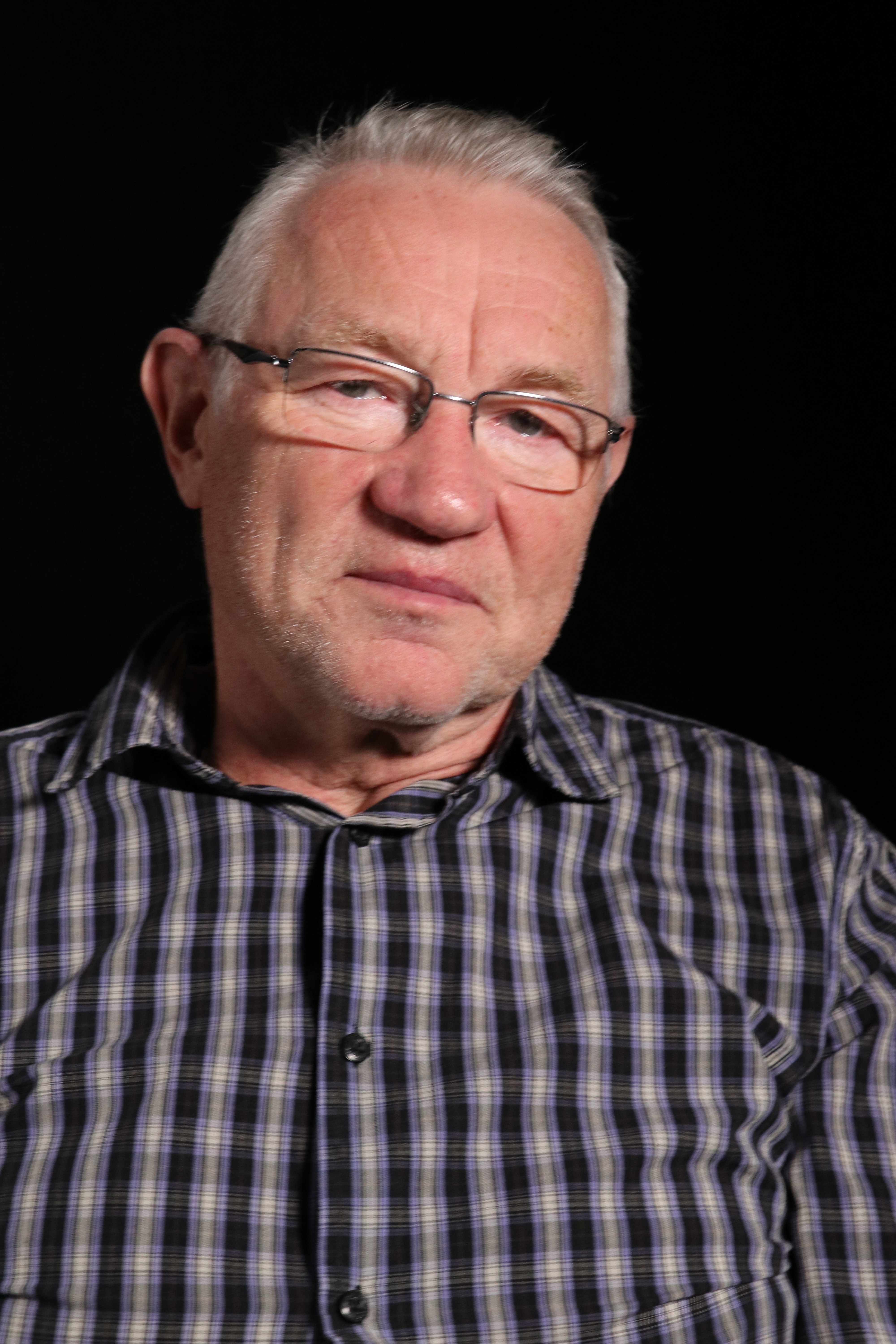
Radim Kolář, 2024
Radim Kolář, 2024
zdroj: Post Bellum

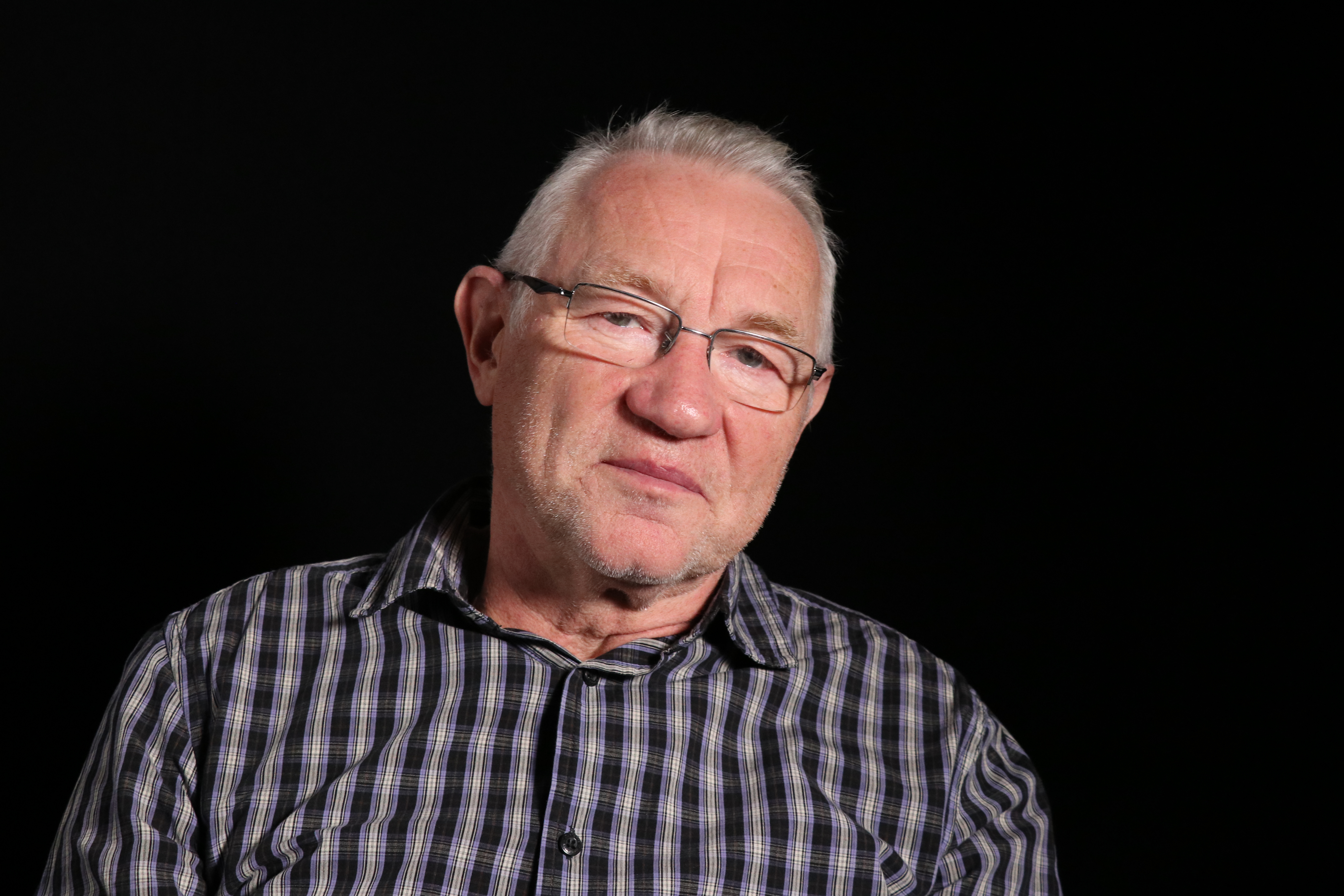
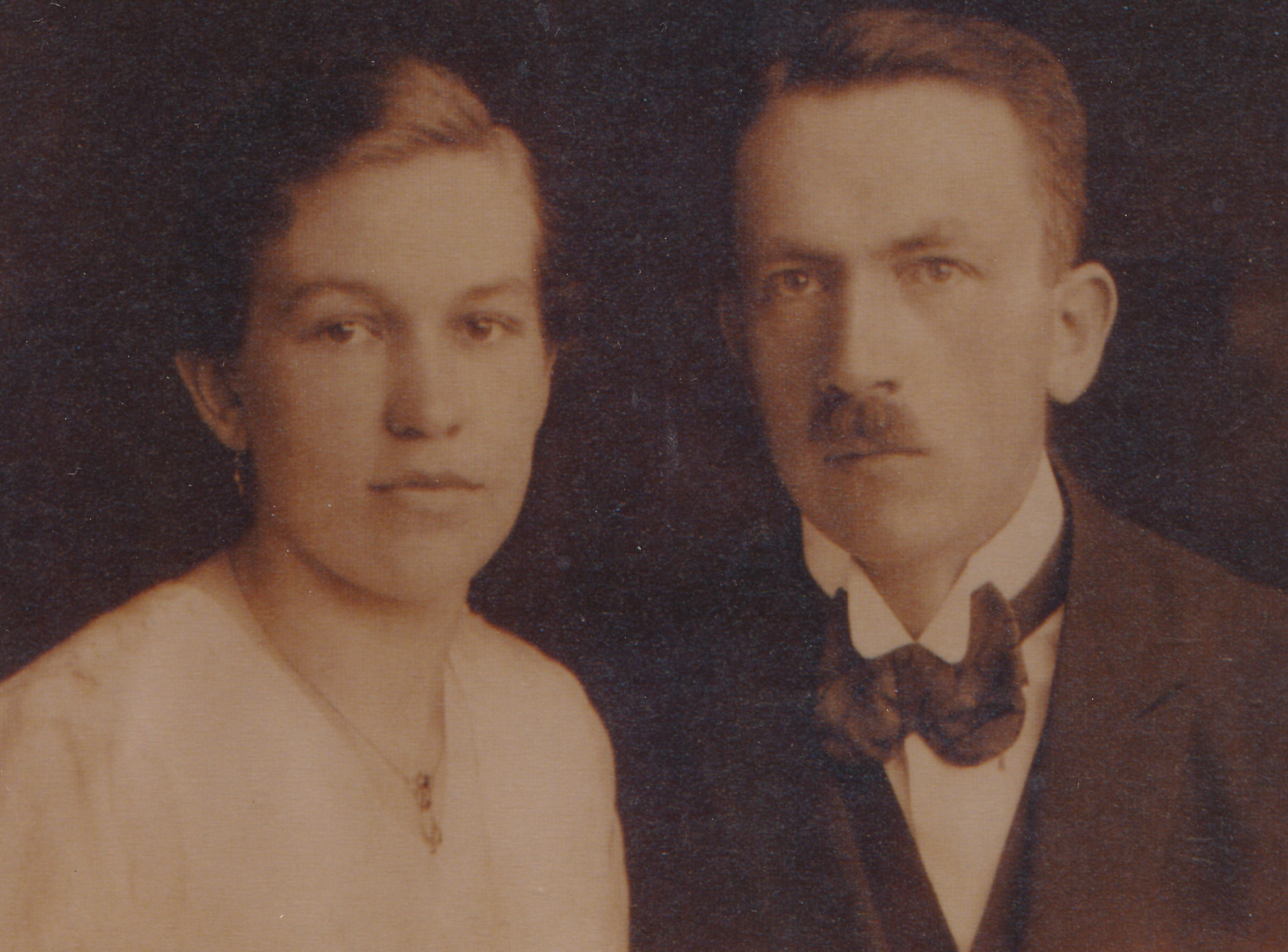
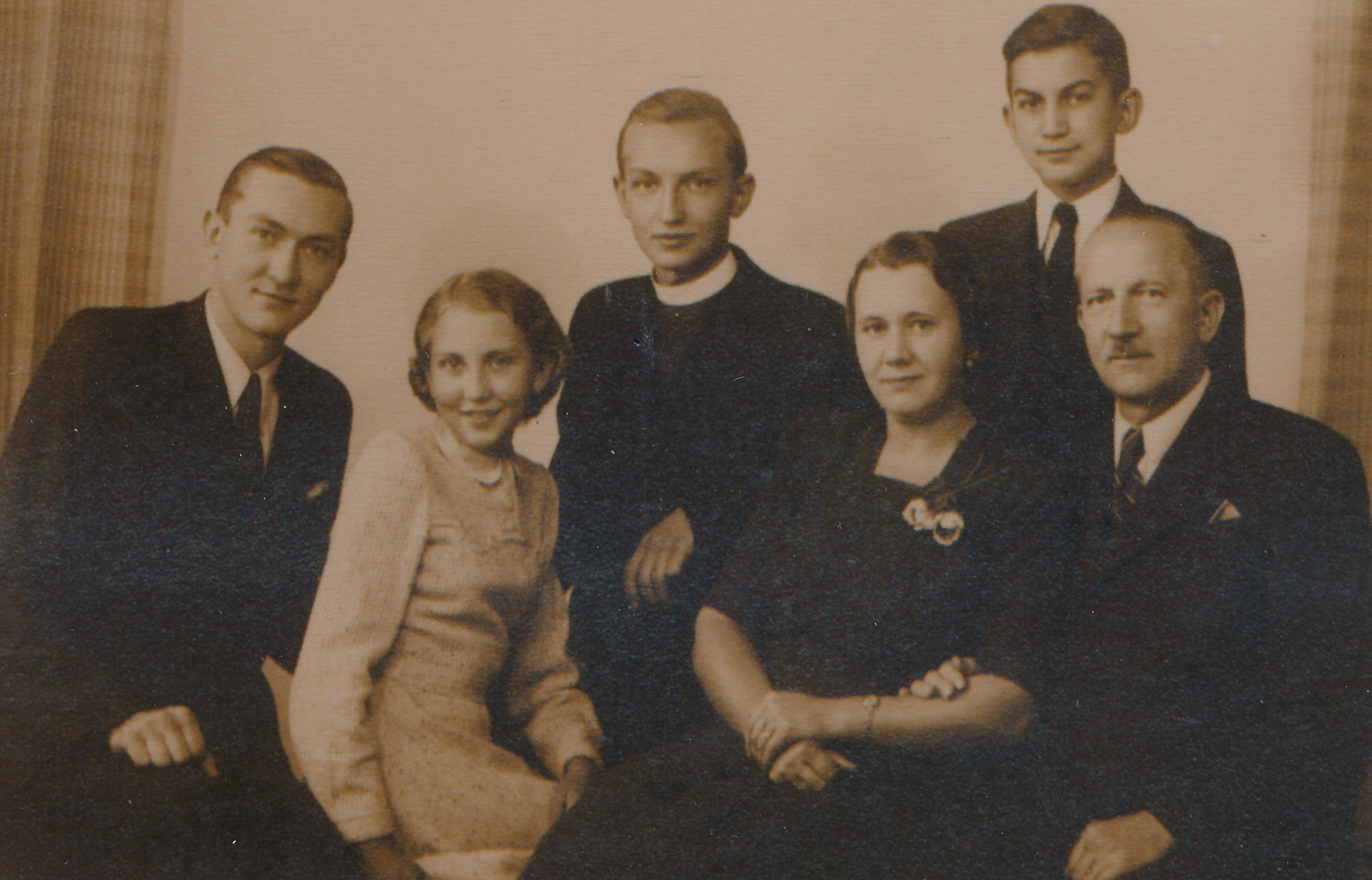
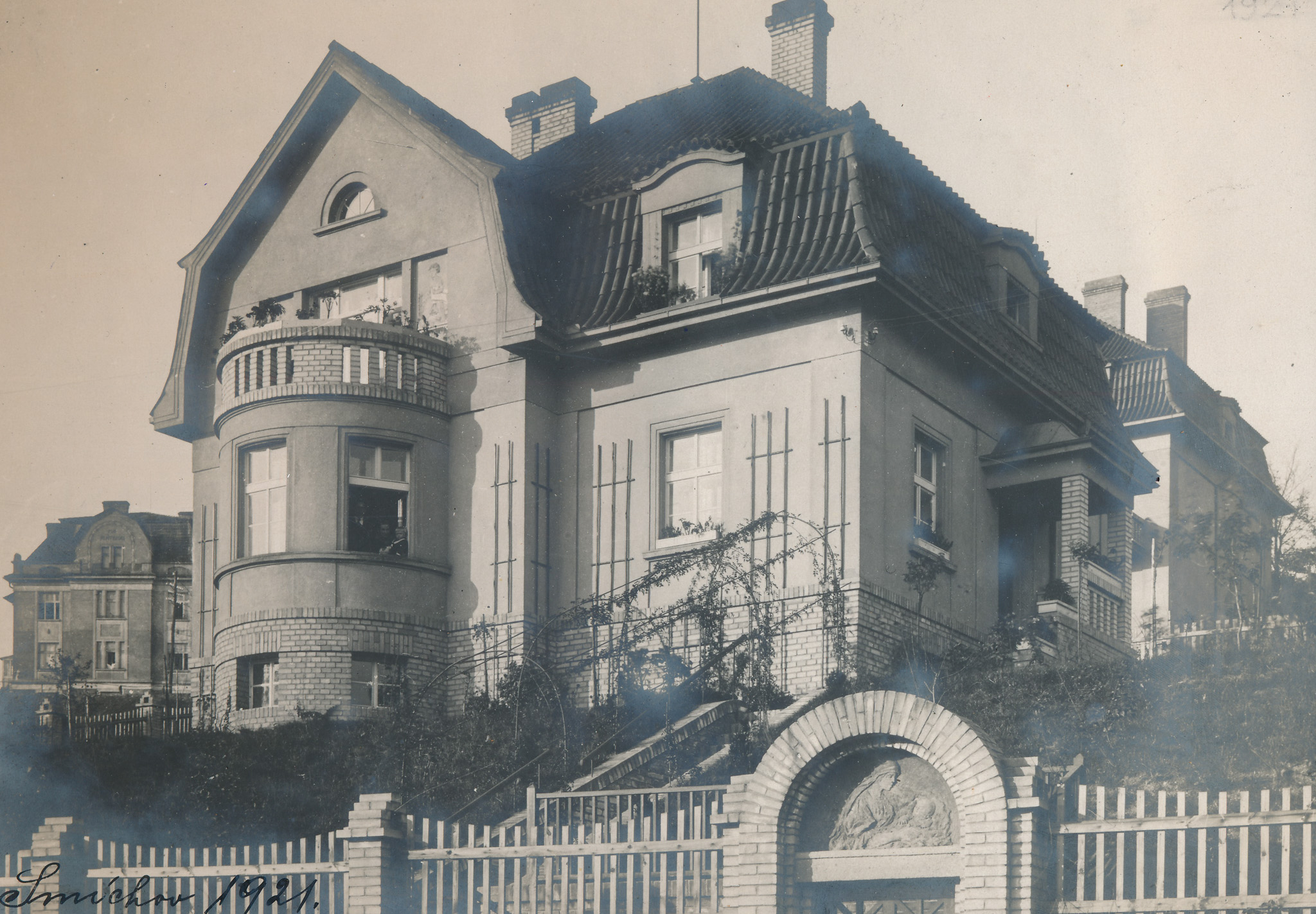
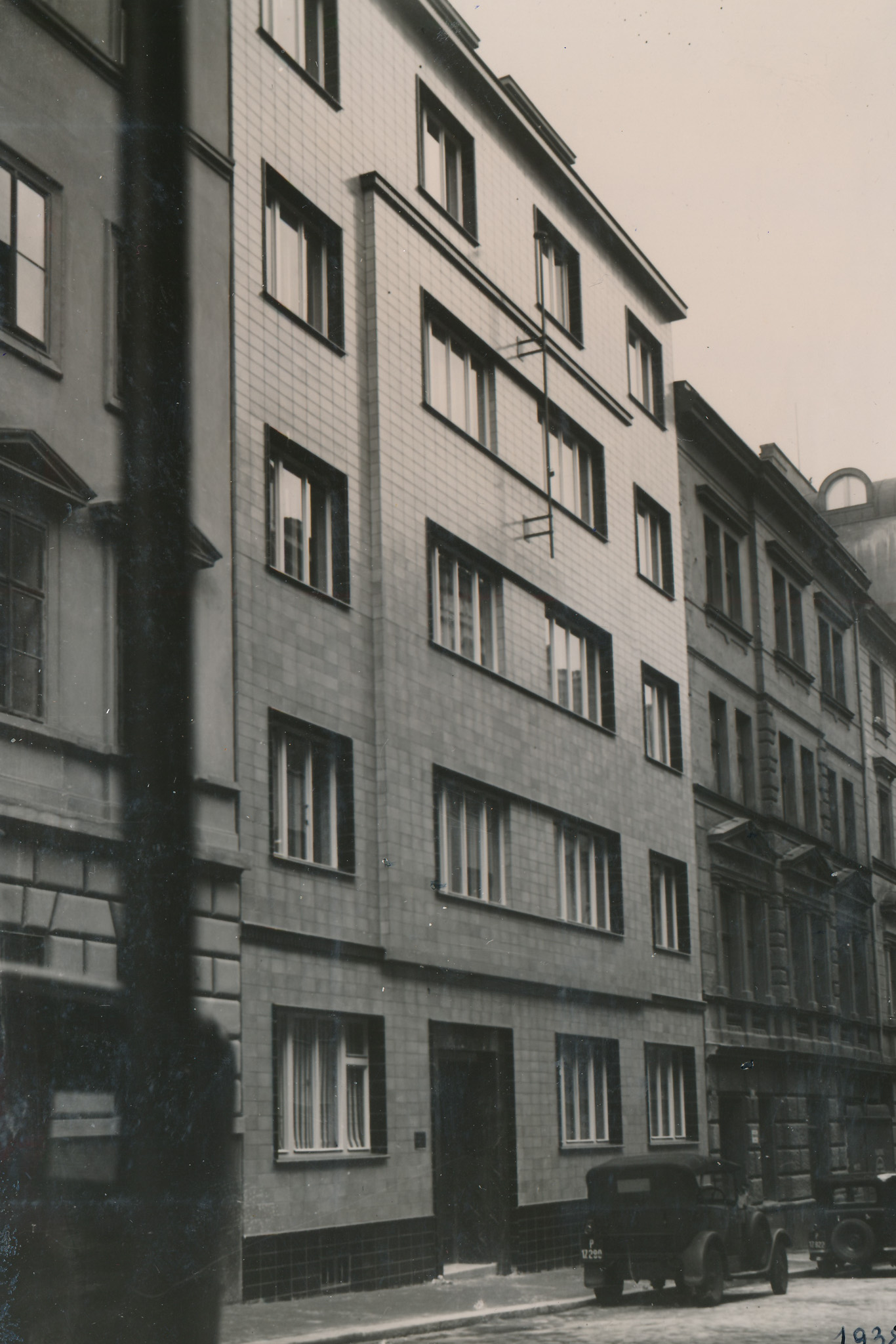
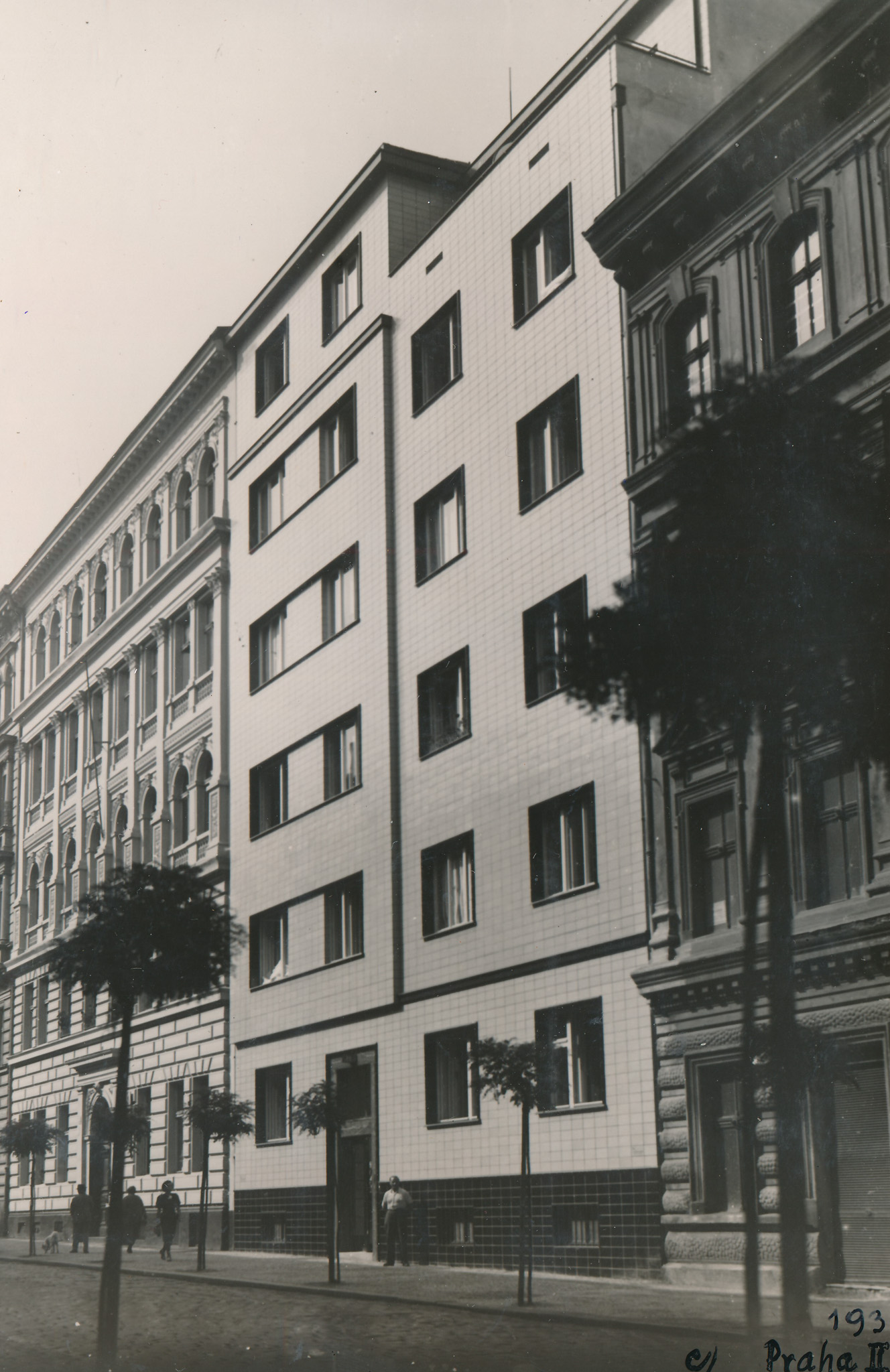
Radim Kolář was born on 9 March 1956 in Prague. His father Miloslav Kolář was sent to forced labour in Germany during the war. His grandparents lost their property after the communist takeover in 1948. Grandfather Bohumil Kolář came from Šumava and although he trained as a bricklayer, he became a successful builder in Prague during the First Republic. After 1948, his professional career was ended by the communist coup and he eventually had to pay rent to live in his own house. Radim Kolář did not join Pioneerr at primary school, he perceived the difference between propaganda and reality. He lived through the occupation of Czechoslovakia in August 1968 in Mladá Boleslav and as a twelve-year-old attended the funeral of Jan Palach in 1969. After completing his primary schooling, he graduated from the Secondary Technical School of Mechanical Engineering and instead of the army he completed three years of alternative military service at ČKD Prague. Afterwards, he started working as a shift foreman at the Central Telecommunications Building (ÚTB) in Žižkov, where he encountered the absurd conditions of normalisation. By November 1989, he was already married and had two children. On the evening of 17 November, he took part in a student demonstration, was hit with a stick on Národní třída and hid in a flat in Mikulandská Street. Afterwards, he enthusiastically attended large demonstrations on Letná and Wenceslas Square. In 1993 he decided to leave the ÚTB and set up his own glassworks in Prosek, which he ran for 15 years. He divorced and remarried in the 1990s, and had two more children with his second wife and one stepchild. In 2025 Radim Kolář lived in Prague.