Otomar Klodner

* 1964

  • “That was kind of my idea. Since we were making—well, we wanted to make a flyer, an A4 sheet, that would show all the political prisoners of the time. We gathered photos, I re-photographed them, reduced them in size and placed them on an A4. Then I photographed that again, and so on. We wrote each name under the picture. It was done in a rather amateurish but complicated way. In the end we produced one A4 with about ten or twelve political prisoners on it. From that we made leaflets to hand out, paste up, etc. I wanted to play a little joke too: we reduced each photo even more, down to a tiny format, and I said, ‘Buy matches!’ We bought maybe twenty packets of matches—the little kinds that come twenty to a pack, I think. We discreetly unwrapped them, peeled off the original label, and stuck a picture of each political prisoner onto a matchbox. We always made a full set, then nicely wrapped them back up in cellophane like they had been originally. Standa then circulated them as a bit of fun through dissident circles, clubs and meetings. Apparently they were hugely popular there, and they even supposedly ended up in the ‘dissent museum’ that Karel Schwarzenberg had… in Switzerland? I don’t know, or in Austria? In that chateau.”

  • "When I was working at the Úklid, I got a contract - Zbyněk Fišer, Nerudova Street. House cleaning, apartment cleaning and window cleaning. So I thought: 'This is weird. That name says something to me, I think I know it.' It was a terrible coincidence. I get there and it's actually Egon Bondy who answers the door. So I'm like a young man and I'm honestly on my ass and I'm terrified and I'm like, 'Wow, what an icon.' So I wash his windows and everything. Word got around and somehow we hit it off with Mr Bondy and I sat there all morning. Bondy liked to talk, so I got to hear his whole life. He gave me his books, which were lying around. There was nothing there but a bed, a desk, and bookcases. The whole apartment in Nerudovka was a huge library, so it was hard to clean and of course it was dusty. I have to admit, the very first time I was at his place, when I was sweeping under the bed and clearing out clumps of dust, I came across a wooden cigarette holder. And I stole it — I kept it. I told myself: ‘I can’t just leave without this.’ So to this day, I still have Egon Bondy’s cigarette holder. Somehow we just clicked, so I started going there regularly. Then I began bringing friends along. It turned into a kind of discussion circle, and we simply kept meeting with Bondy — and it was really great.”

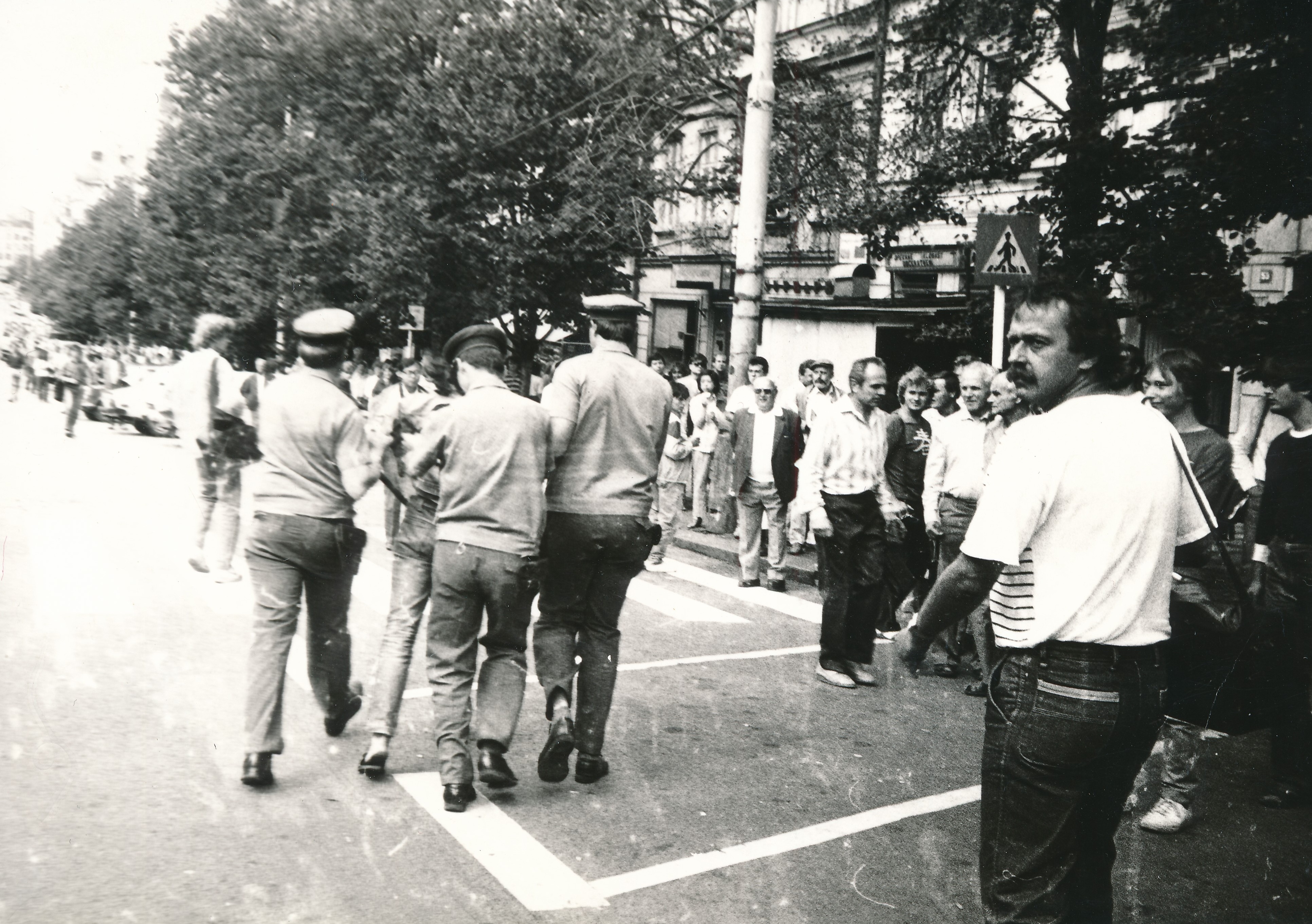
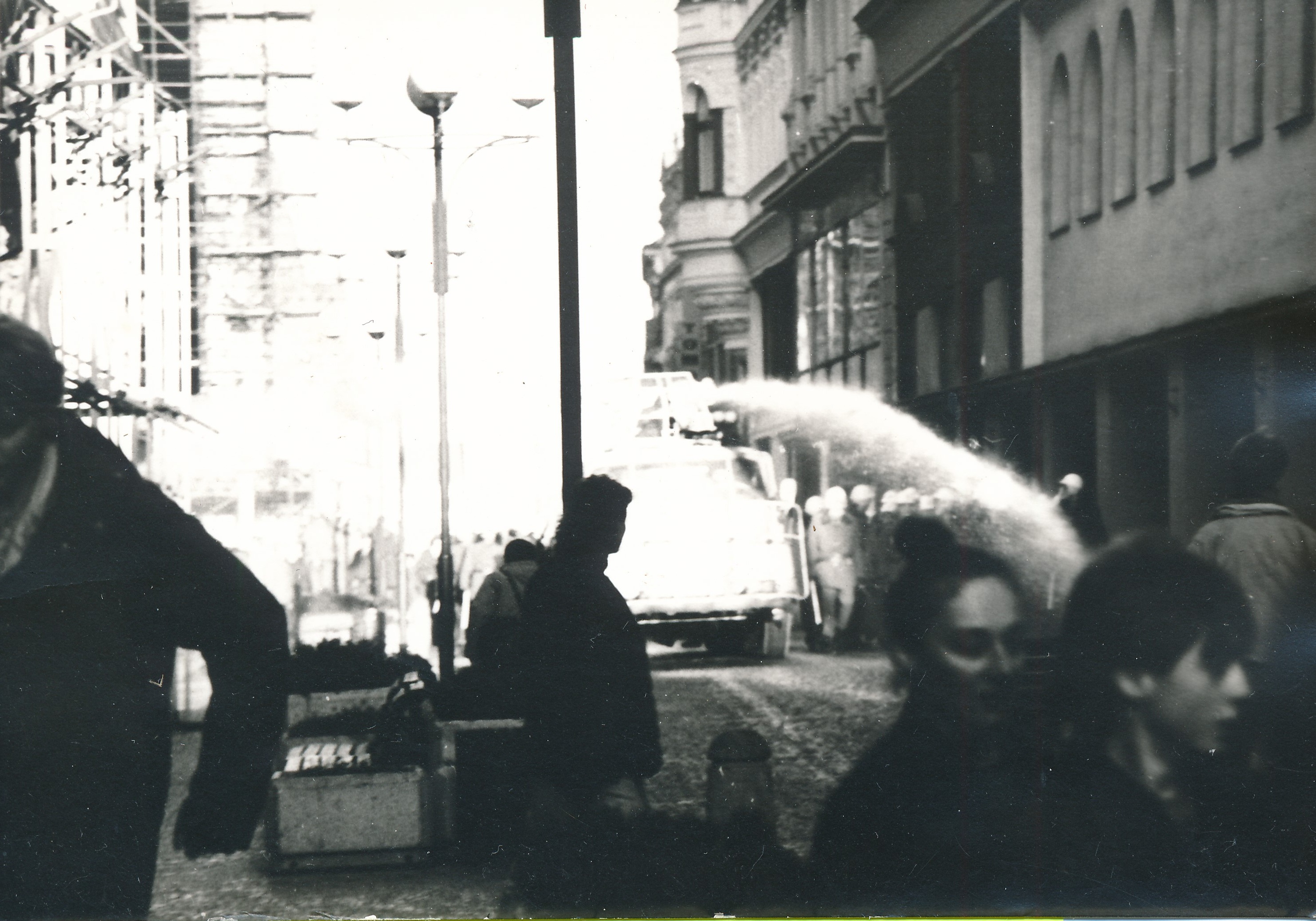
  • "I rather remember - and I still have this hidden at home - how they threw smoke bombs at demonstrations, but I don't know which ones, there were more. But as the smoke bombs were being thrown, I suddenly had the feeling that I wanted to have it at home as a trophy, the smoke bomb. So I looked one up, as it smelled, and now it stopped smelling, so it just stayed there. I ran over to it and now I was going to pick it up and I didn't realize that the thing was hot all the time because there was probably something burning inside or something. So I got burned and now I've thrown it away. I'm like, 'Well, I need it. I want to have it.' So I didn't really know what to do, and then I had to kick it away from the demonstration for about twenty minutes. I kept kicking it with my foot to cool it down and to pick it up. I still have it hidden to this day, this artifact that I was digging up during a demonstration where somebody was getting beaten up and sprayed, and I was just guarding my smoke bomb so that nobody would take it away or squash it."

  • Celé nahrávky
  • 1

    Praha, 01.07.2025

    (audio)
    délka: 01:46:45
    nahrávka pořízena v rámci projektu Stories of the 20th Century TV
Celé nahrávky jsou k dispozici pouze pro přihlášené uživatele.

I photographed, documented and archived what I could.
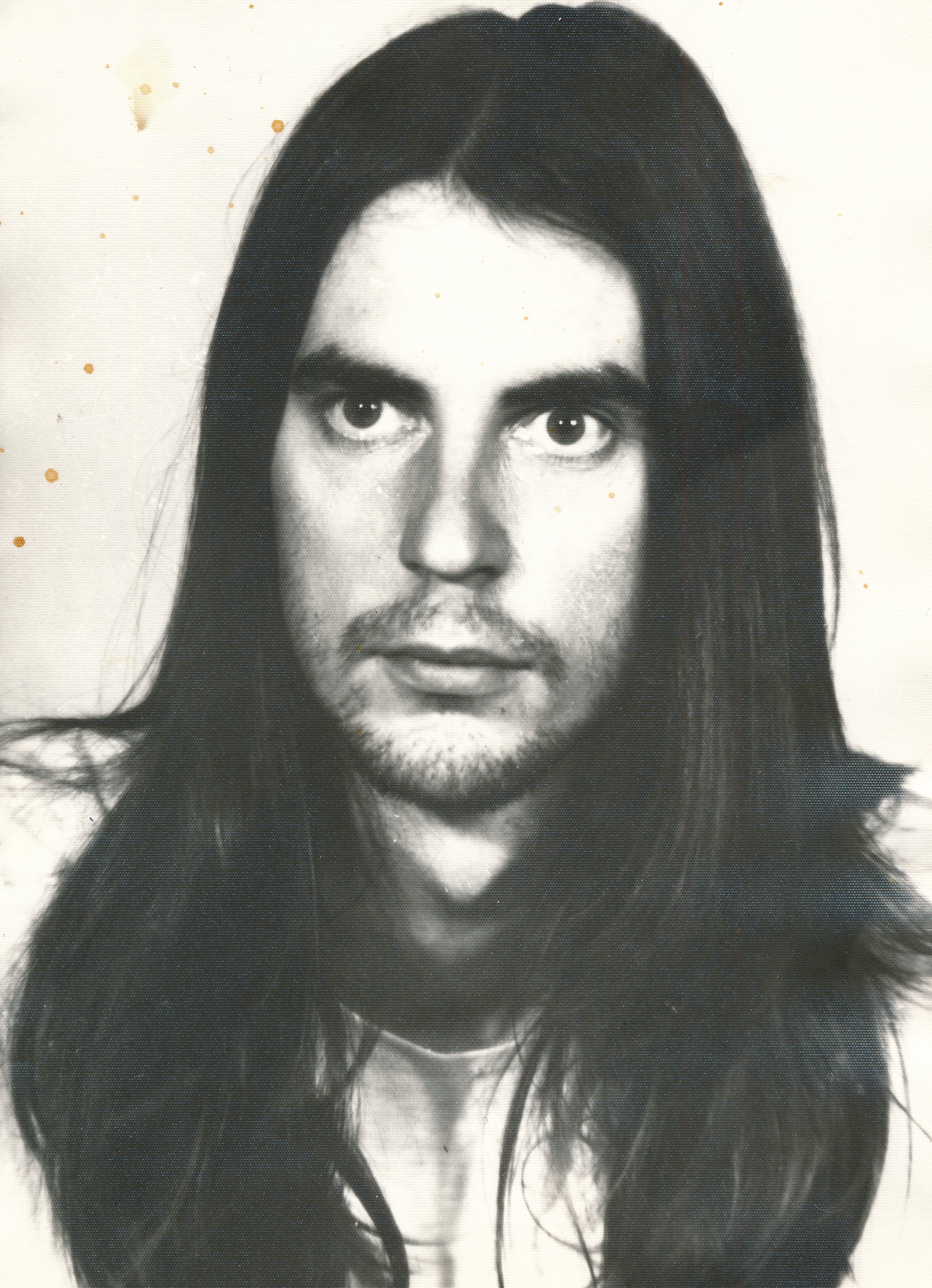
Witness as a 20-year-old man, 1984
zdroj: Archive of the witness

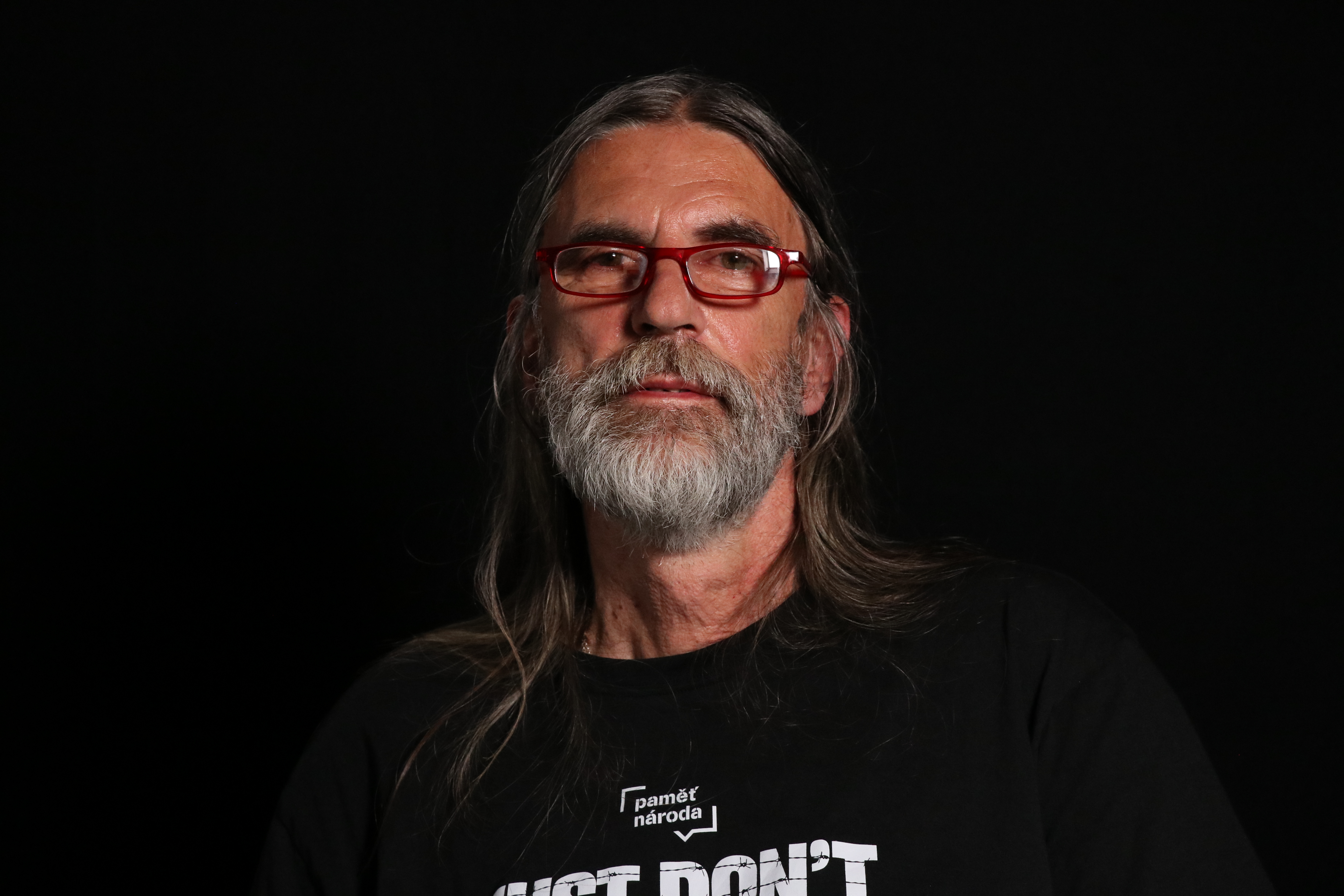
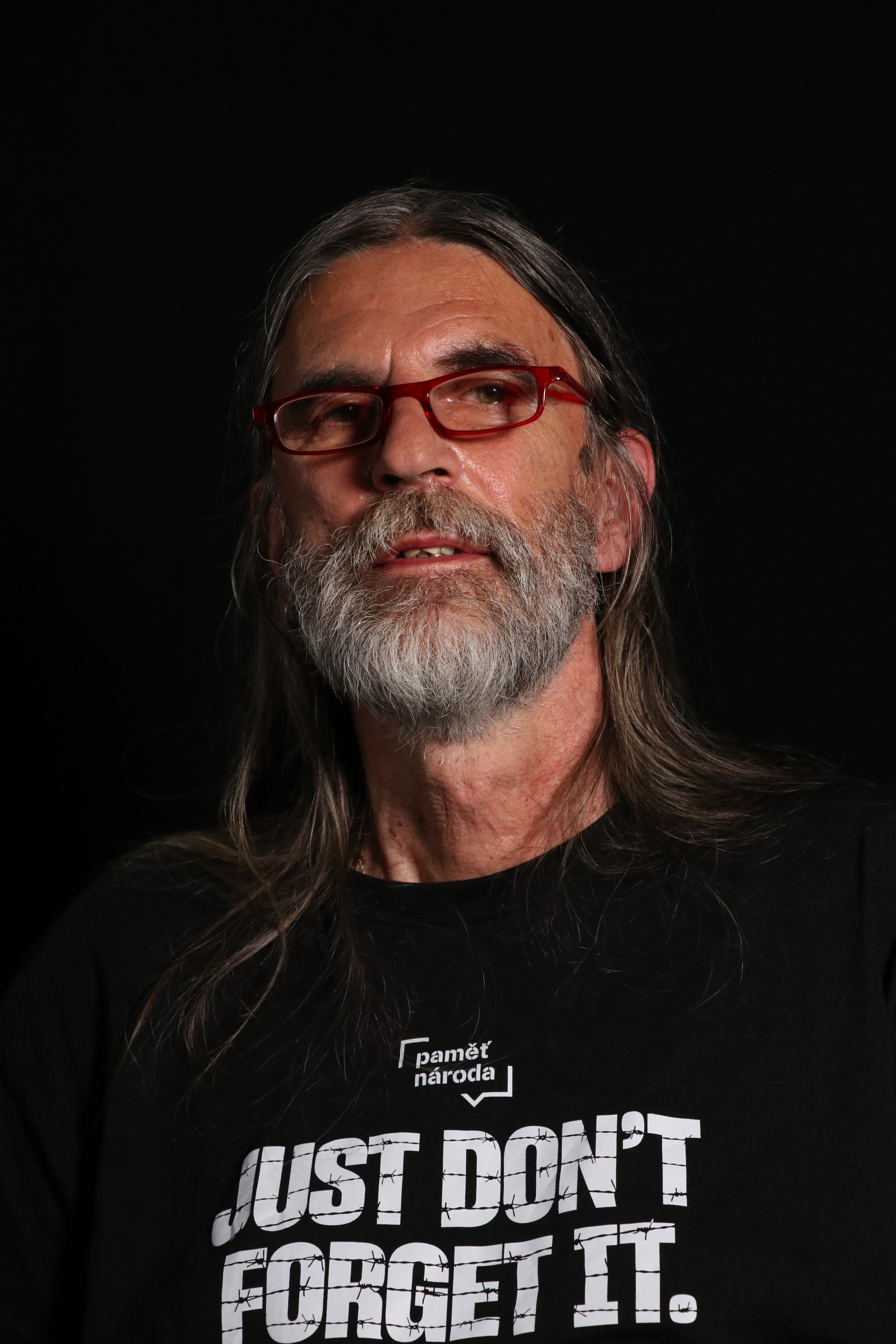
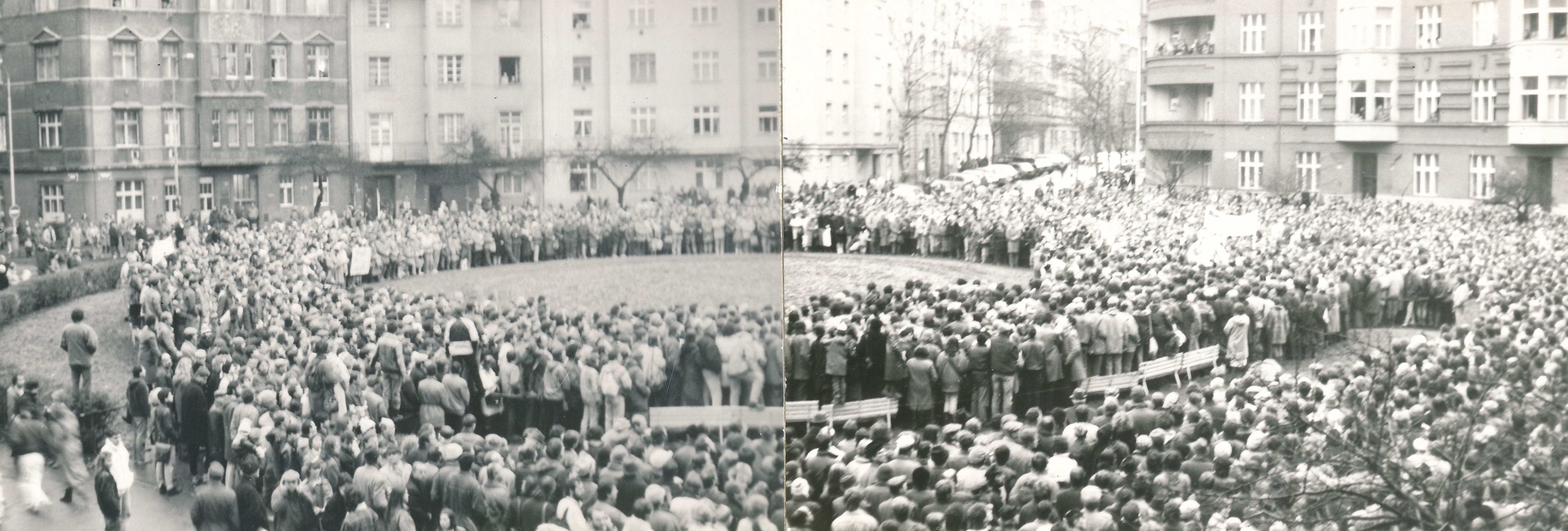
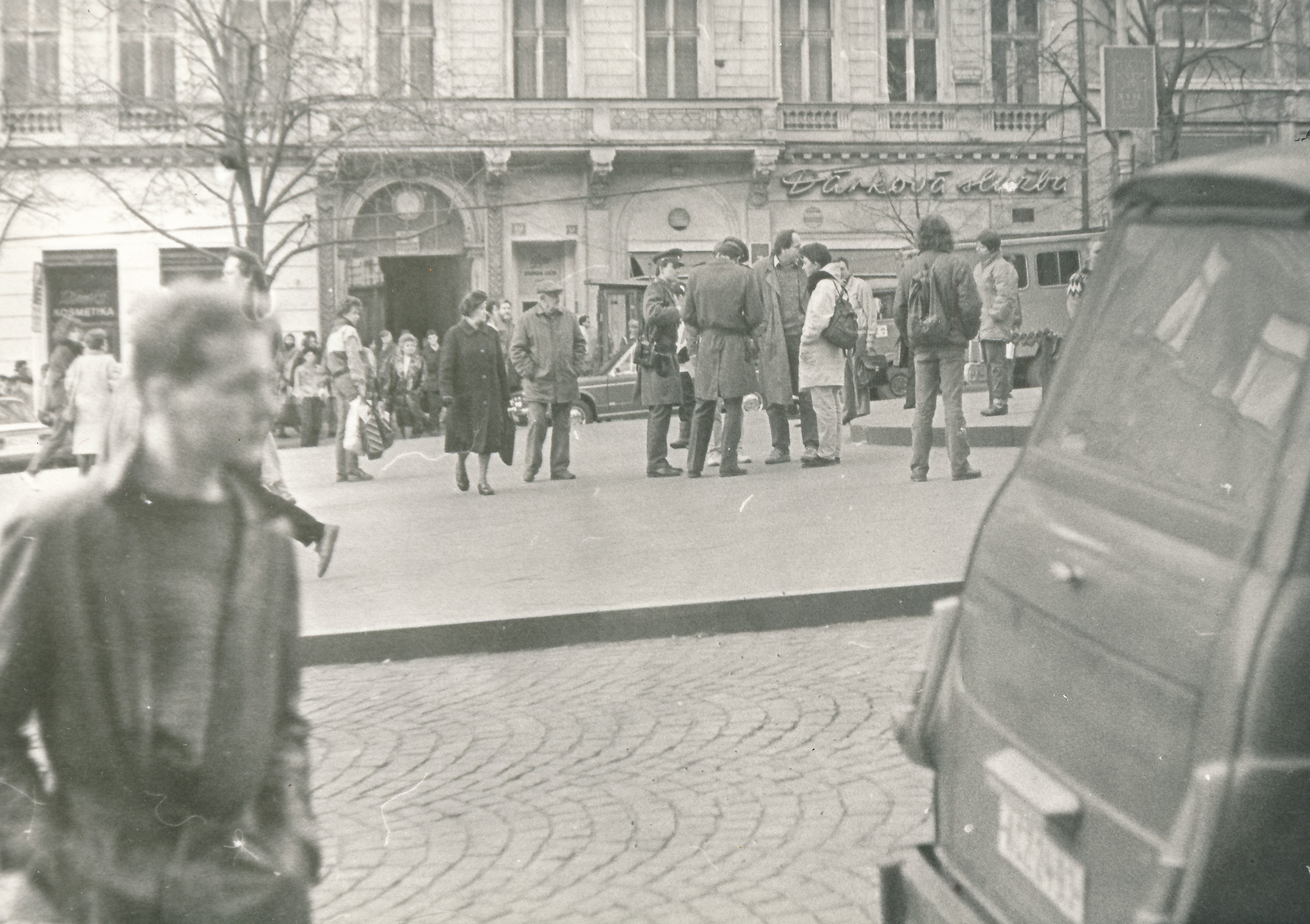
Otomar Klodner was born on February 2, 1964 in Prague into the family of Marie Klodnerová, a clerk, and Otomar Klodner Sr., a technician. During his studies at the secondary industrial school he became closer to dissidents and members of the underground, whom he began to meet in Prague restaurants. He was attracted to non-violent anti-communist resistance in the form of folk or apartment concerts, which he began to attend. During his compulsory military service, he served in a labour detachment, and during this time he protested against the Socialist Youth Union (SSM). During his military service, he managed to visit the Prague Rockfest, where the music group Ženy (Women) was performing, and he was so impressed by them that he later performed with them several times. After returning to civilian life, he started working in the company Úklid - Praha. In the second half of the 1980s he met Stanislav Pence, who led him to more active dissident activities. Otomar Klodner began to participate in anti-communist demonstrations, which he carefully documented with his camera. In addition, he produced, printed and distributed anti-regime leaflets. During Palach Week he was arrested and charged with assaulting a public official, but the court acquitted him due to the minimal evidence. In the late 1980s, as a precautionary measure, he had to take part in a military exercise, but made a public appearance by singing the Czechoslovak anthem in support of the ongoing demonstrations. He lived through the Velvet Revolution in Prague and welcomed the end of totalitarianism with enthusiasm. After the fall of the communist regime, he began working with mentally ill people. At the time of filming (2025) he lived with his family in the countryside near Prague.