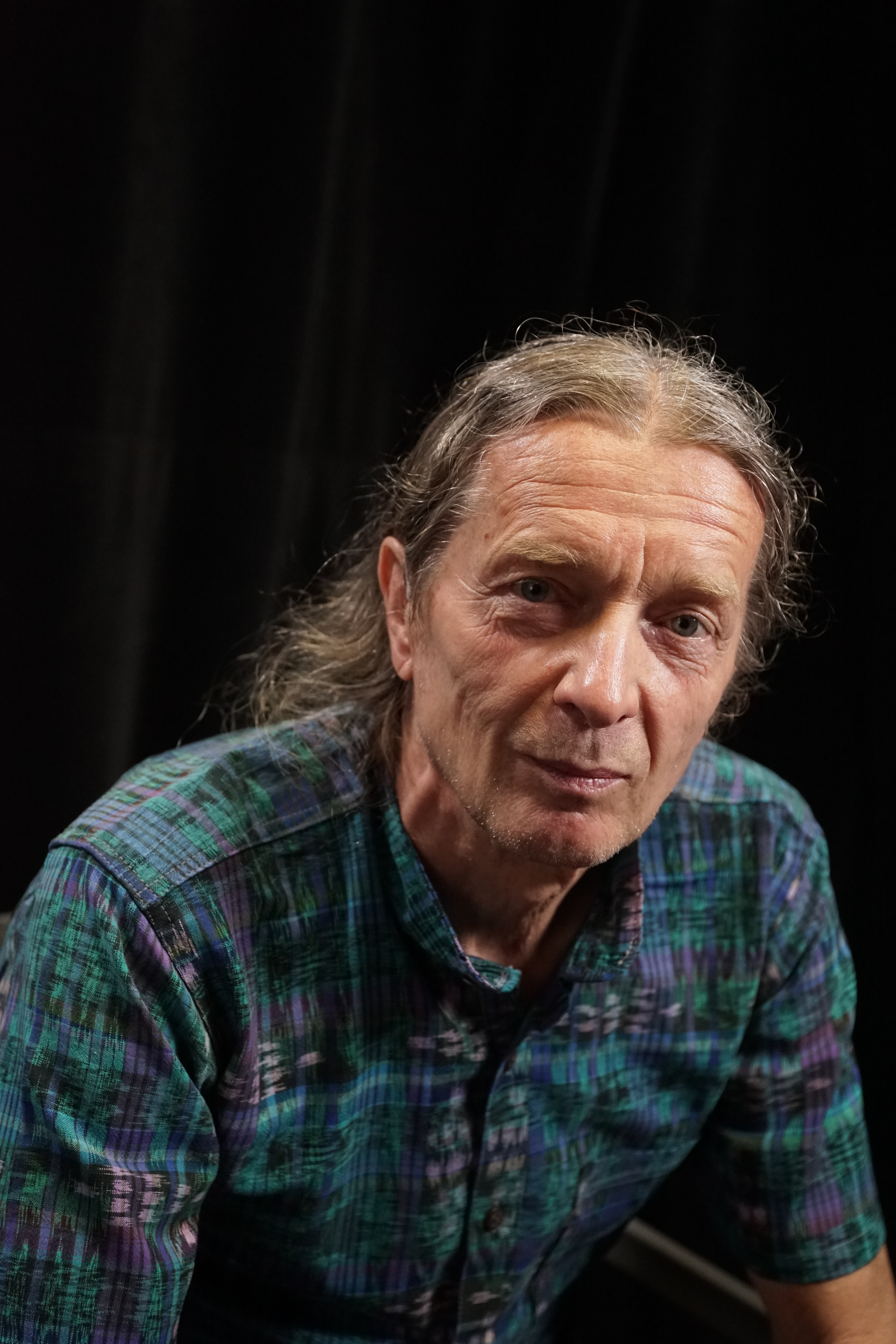
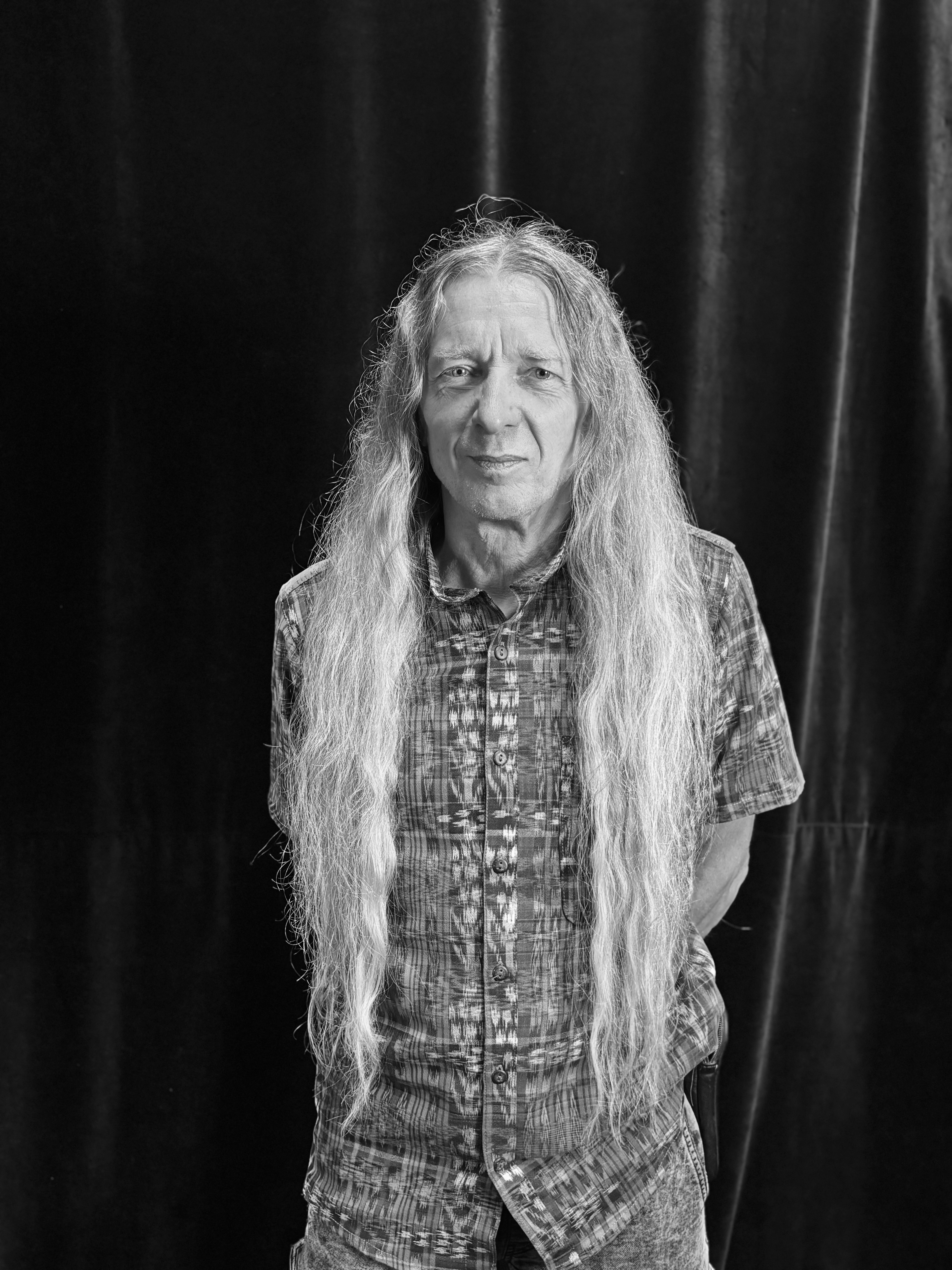
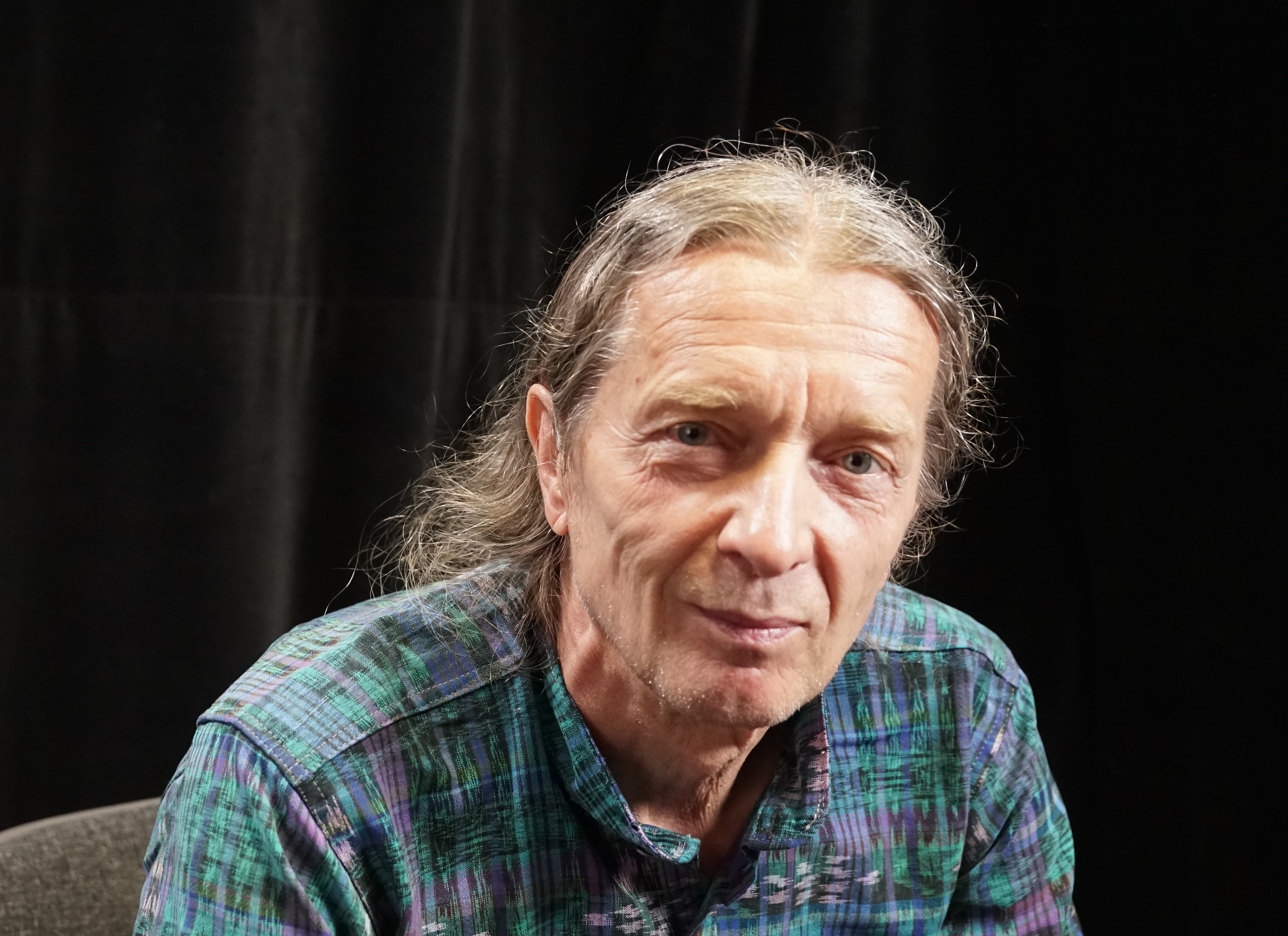
Rudolf Houfek

* 1963

  • "The Museum of the Workers' Revolutionary Movement was opposite the Communist Party of Czechoslovakia and there was a stone in between and a bomb exploded there. Nobody knows, I asked the smart ones - Čuňas - or those who have access to everything. Nobody knew much about it, it was probably a provocation from State Security, but they really don't know. Because there were about three explosions in the country, and somewhere they even caught someone - who was working in the quarry and really meant it. I was picked up the very next day, actually. That's how I remembered the raw materials collection yard. They picked me up at work and I didn't know what was going on. I didn't have any explosives, but they took me. They usually didn't pick me up from work, mostly it was a normal summons when the summons letter came, and that's when they picked me up at work first thing in the morning. They took me outside Budějovice, took pictures of me against a wall. And then we went to Lannovka, but from the back, from the yard. And it started - fingerprints, taking pictures from the front and back, and completely different people. I had enough, actually. It was a ten-hour interrogation, even though it was nothing. Even after the interrogation they were able to - actually it happened to me once, but how to say goodbye to them? They lead you in and unlock the bars they had there and say, 'Well, Rudolf, goodbye' and I say, 'Well, have a nice day'. I felt stupid saying 'goodbye' – that would mean I wanted to go there, that I was looking forward to seeing them again. So he said to me, 'Well, if you don't want to say goodbye, let´s do it once more.' We went to the bars again."

  • "It was funny there, at Marianské, as I called them - shovels. They were all so big, they walked around you in those jackets - so shabby. Such fellas, but all big. They welcomed me nicely. Buffalo Bill, it was a book, and they called Buffalo Bill Pahohaska - long yellow hair. So when they brought me in on that day, they said, "Pahohaska! You brought Pahohaska! Get the scissors!' So you had to act like you didn't mind them cutting around your head with scissors."

  • "But with the music I wanted to say that actually Rudolfov marked Budějovice and South Bohemia. It was worse here than anywhere else. Someone from the underground here, or even Magor said he had never seen it in his life, that in every pub in Budějovice there was a ban on playing guitar, a ban on playing musical instruments. So if somebody wanted to play a guitar, we had to go to Křemže, or I don't know - some country pub. We used to go to Včelná, for example, and there it was fine, and we took the city bus there. So Budějovice was strict here. For example, films - Chytilová, who was allowed to shoot films. I didn't see The Apple Game (Hra o jablko), for example, it was forbidden in South Bohemia."

  • Celé nahrávky
  • 1

    České Budějovice, 12.06.2025

    (audio)
    délka: 01:42:05
Celé nahrávky jsou k dispozici pouze pro přihlášené uživatele.

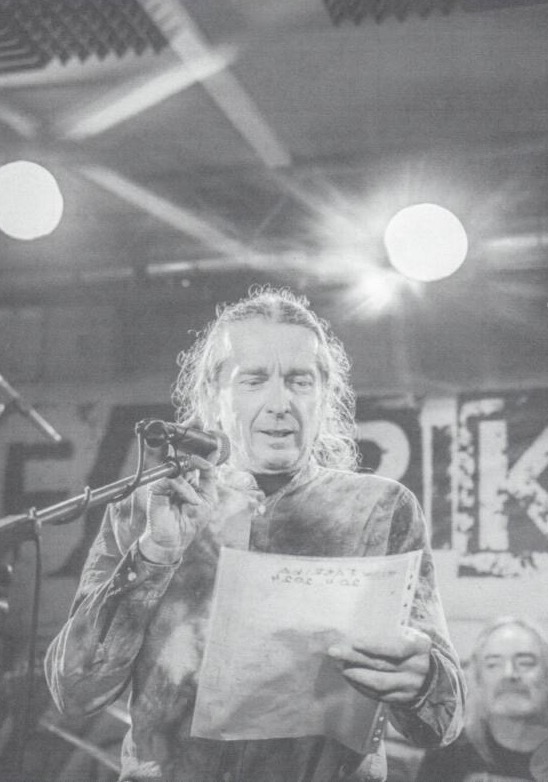
The Underground Funfair
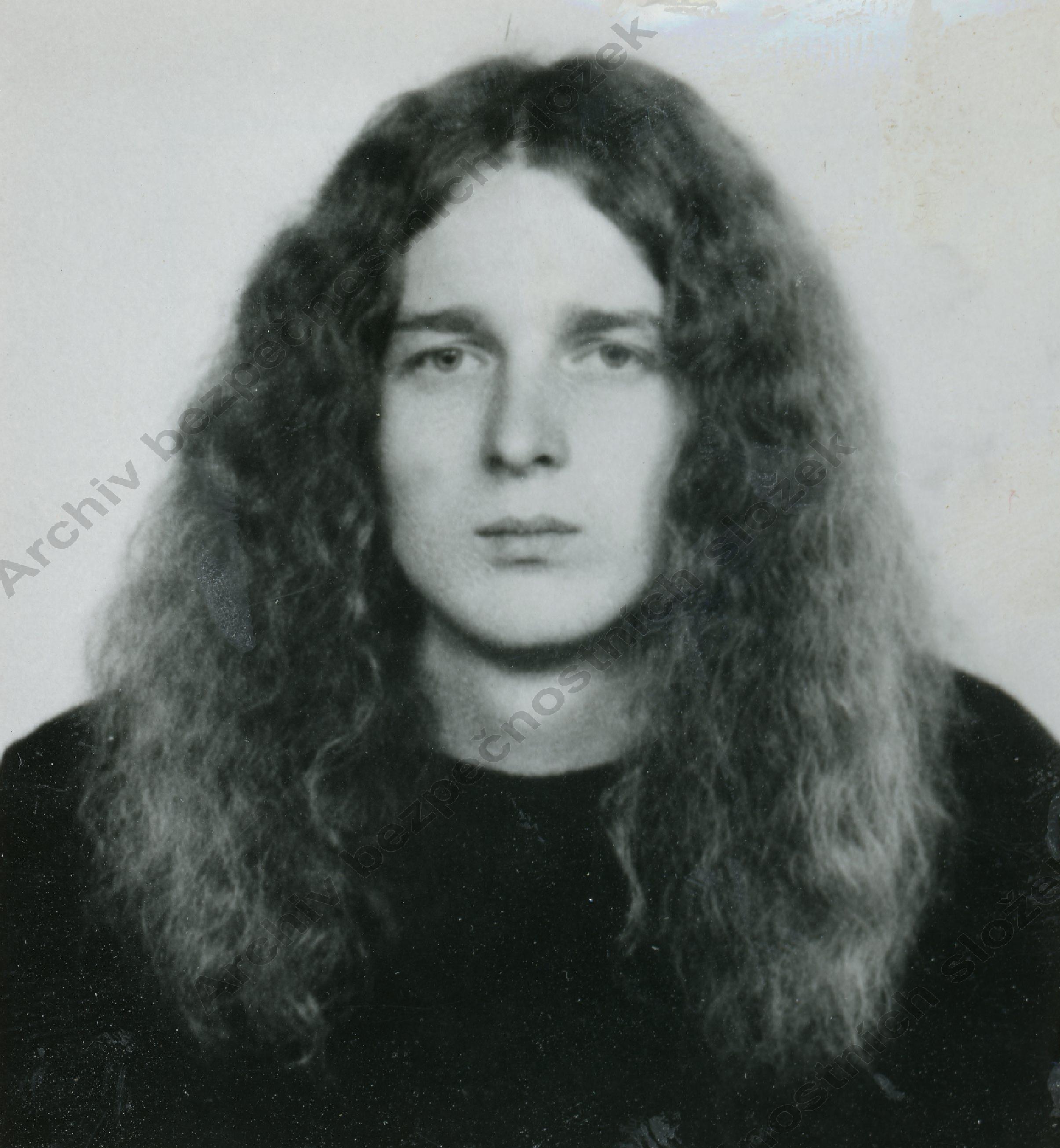
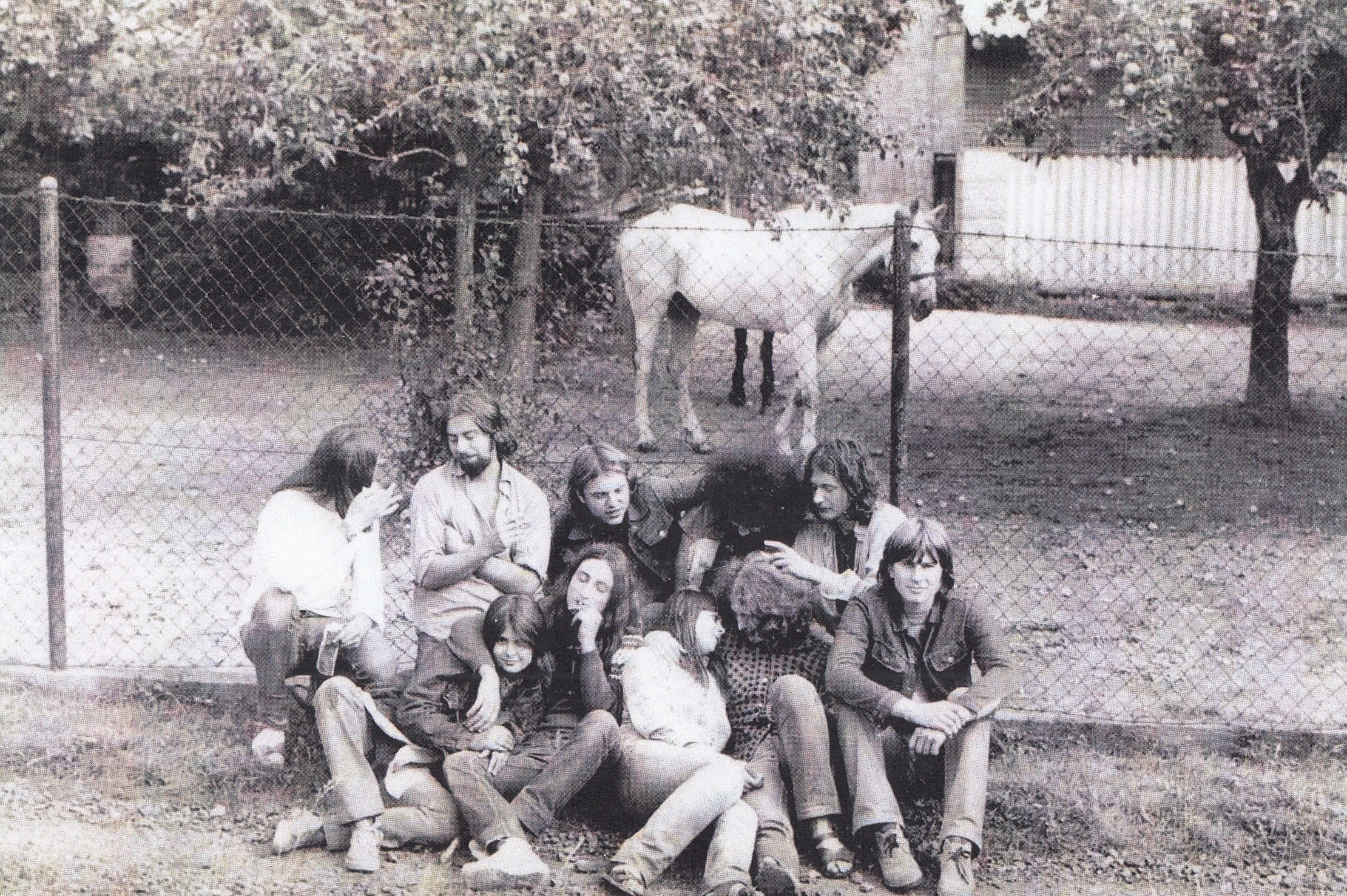
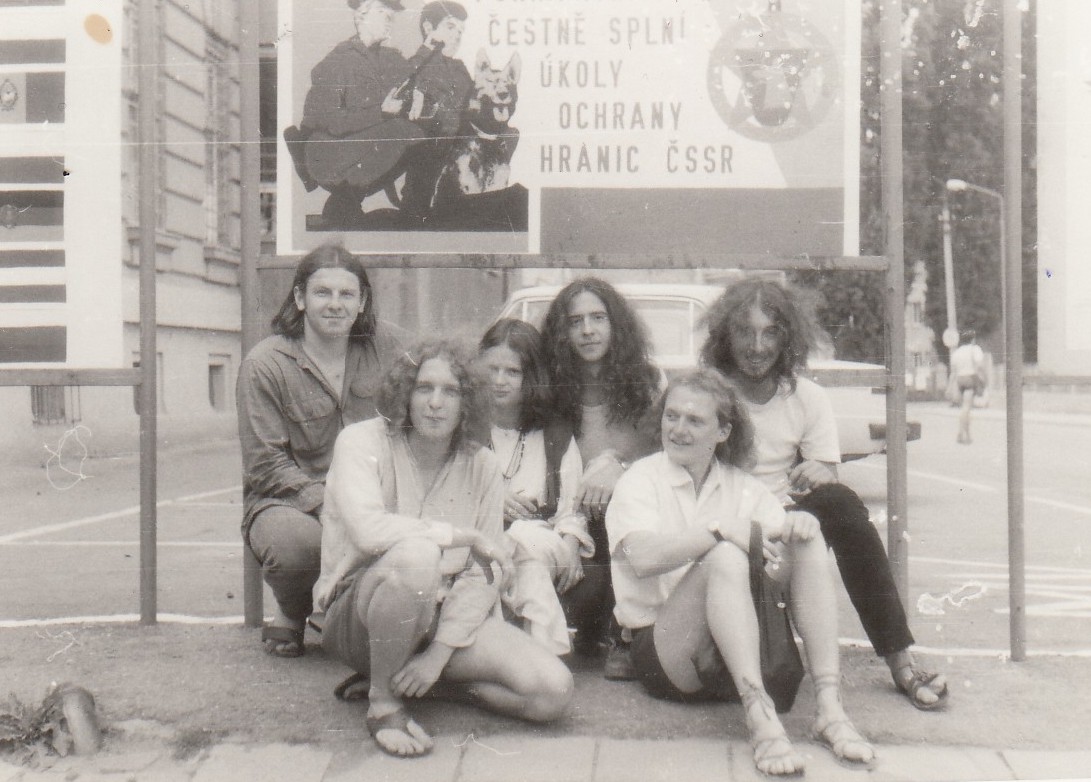
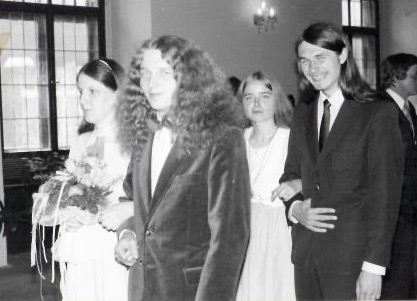
Photographs from Rudolf Houfek's file - Security Services Archive
zdroj: Security Services Archive

Rudolf Houfek was born on 30 May 1963 in České Budějovice. He experienced his first interrogation during his studies at the secondary technical building school. He came under the constant surveillance of State Security in 1984, when a signal file with the code name „Ruda“ was introduced on Rudolf Houfek. To avoid compulsory military service, he undertook a faked suicide attempt and a subsequent stay in a psychiatric hospital. He was repeatedly interrogated for his contacts with the Charter 77 circle. He experienced first-hand the harsh practices of State Security, including long and exhausting interrogations, yet he never backed away. He saw music as a means of resistance. He organized small private events and is now the organizer of the Underground Funfair, commemorating the massacre in Rudolfov in 1974. After the Velvet Revolution he devoted himself to his family and business, and in 1992 he founded a company which he still runs today. For his courage and civic stance, he received a certificate of participation in the Third Resistance.