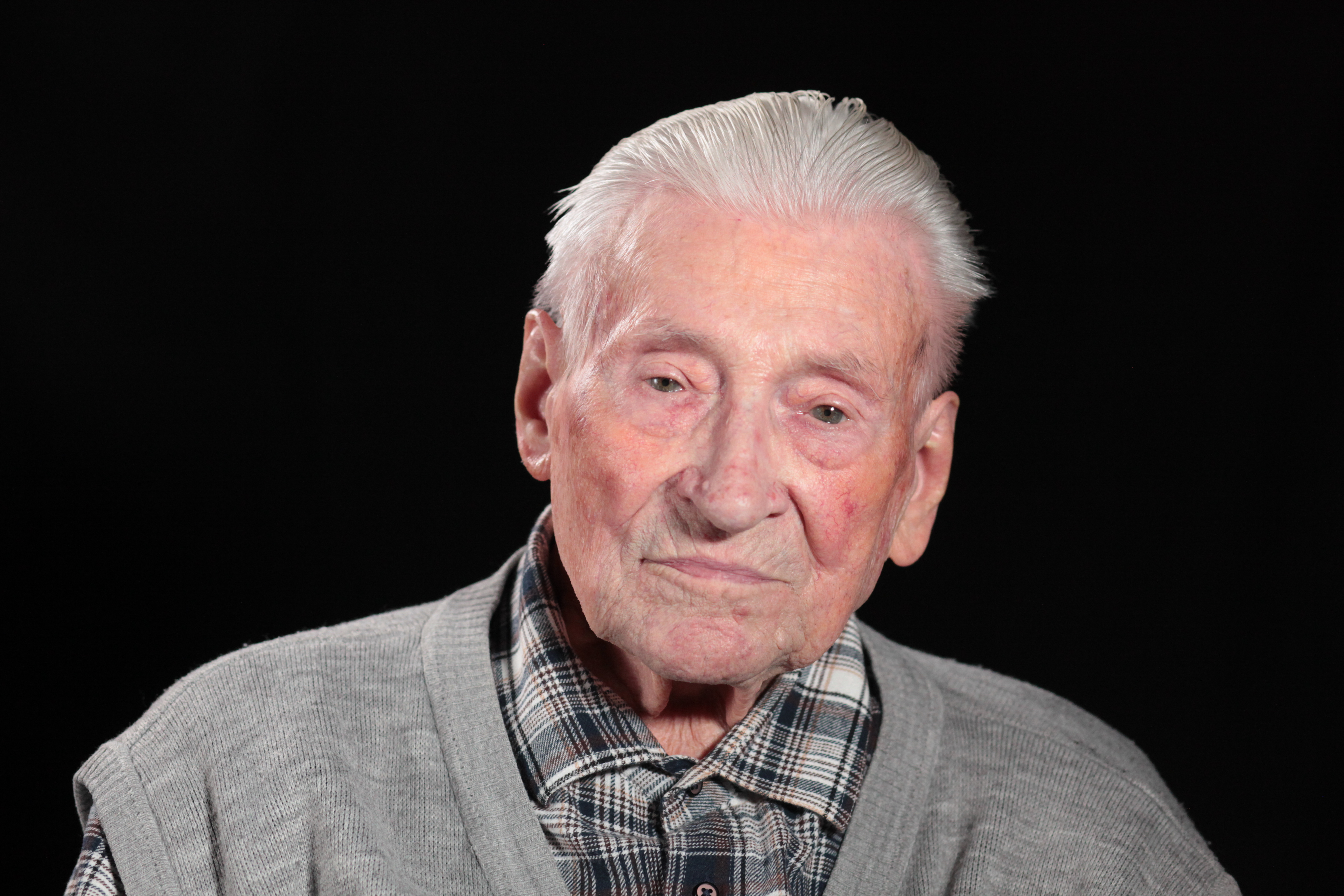
Oldřich Holý

* 1939

  • "Here it was divided into about 19 different centres. The biggest centre was the violin shop, it was up here by the station, it's a big hall, it was, but it's lower now because it burnt down. It burnt down, I was a temporary carer in the boarding school here at that time - they needed carers, so I went there for a year. And that's when it started to burn down, sometime in October. And it was said, because the fire department had a drill in Cheb, the whole district, so it was said that somebody set it on fire. It's quite possible, but I can't say for sure. It's a fact that it burnt down, the whole top burnt down, there were 300 double basses, all burnt down, the double basses! And the workshops, they managed to extinguish them, they were underneath, and the wood store, that burnt down too. So it burnt down badly. At night, we were putting out the fire, I was there until the morning, with Tonda Tropek. We volunteered to take the varnish out. So we were always sprayed with water, we had our leather jackets, our jackets, and we were taking out about 20 tons of varnish from the basement. We got it out by morning. A lot of people were scared to go get it, to get the varnish, but we volunteered, so we carried the varnish out."

  • "On the other hand, I only wanted to be a violin maker because my parents wanted me to. I came here with the understanding that my dad would sign for me for five years, that was the condition - to sign for five years that I would be here, so he signed for five years that I would stay here for five years and leave. Somewhere else, for another job. But I liked it so much here, with the people, and the job, that I didn't even think in five years that I should leave. I just loved it here. And I say, there were a lot of Germans here, some of whom didn't even speak Czech properly or were learning, but they taught us a lot. Even the Germans who left afterwards, they also taught us things."

  • "Mr Vávra was like our father. He was a really nice person, he knew how to make and build a violin well, he knew how to give good advice, and he even knew the mischief we did. We were arguing one time and I waved my hand like this, and one of the apprentices who was next to me was holding a violin maker's knife like this - and they're sharp knives, like razors, and I got a scar like this here, I still have a scar there, when I cut my hand with that, he cut it here, it bled badly. So I, Vávra right away, and I held it like that and I said, 'Master, I cut myself,' and he says, 'Well, tell that to somebody else, you're right-handed and you cut yourself on the right hand!´ So he knew our mischief, and then he told us all about it when we were leaving. We always celebrated his birthday with the boys he taught, we always sat down with him after school hours, bought him a cake, candles for it and we all loved him."

  • Celé nahrávky
  • 1

    Luby, 28.04.2025

    (audio)
    délka: 02:46:30
Celé nahrávky jsou k dispozici pouze pro přihlášené uživatele.

We didn‘t fire people
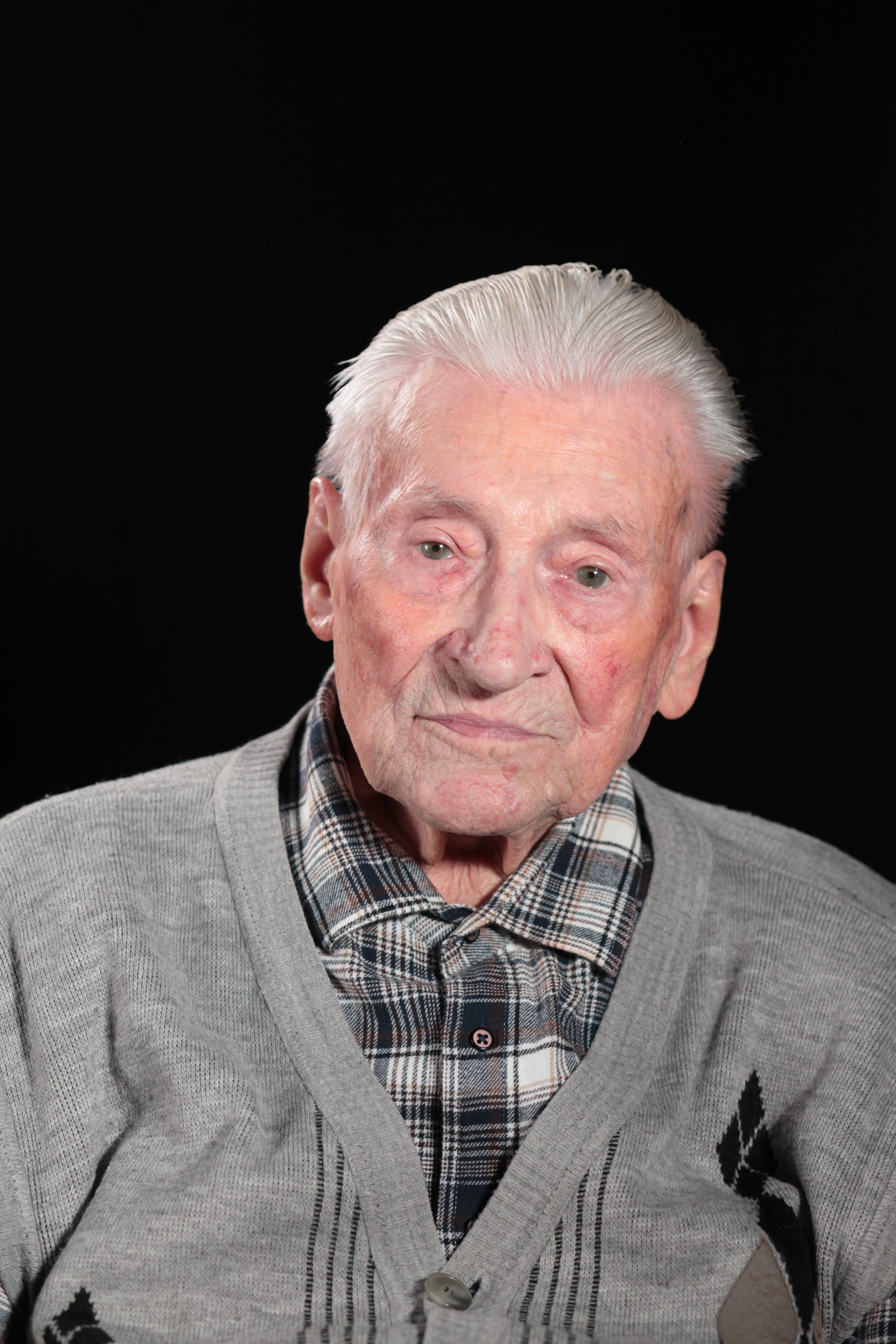
Oldřich Holý in 2025
zdroj: Memory of Nations archive

Oldřich Holý was born on 5 June 1939 in Beroun. His father, also Oldřich, trained as a gamekeeper in Písek. His mother Františka, née Nováková, came from the Pelhřimov region. After the declaration of the Protectorate of Bohemia and Moravia, the family moved to Prague, where Dad got a job in an insurance company. He thus avoided total deployment in the Reich. Thus, he spent his early childhood in Prague. He experienced the bombing, remembers the end of the war and the enthusiastic welcome of the Red Army. Shortly afterwards, his father was offered a job in a factory in Oloví. Thus, the family found itself in the post-war border area as early as December 1945. People streamed across the border, many being forced to leave, many coming with the vision of securing some elementary human existence, others coming with the enthusiasm to build a better world. Oldřich Holý grew up in Oloví with friends from German families, who were gradually expelled until 1968, among the children of re-migrants from France, Russia and Hungary. The diverse mix was complemented by children of new settlers from all corners of Bohemia. At his father‘s request, he went to the violin-making apprenticeship in Luby near Cheb. The smell of wood and the atmosphere in the town, life among the old master violin makers and work in Cremona became his destiny. His whole life was linked to the factory, which in its best days exported master instruments all over the world. He worked his way up through the ranks and in 1990 he and his colleagues privatised the company. At the time of recording in 2025, Oldřich Holý lived in Luby.