I believe that people who live in a democracy need to understand what it means to live under a dictatorship in order to truly value what they have.
Stáhnout obrázek
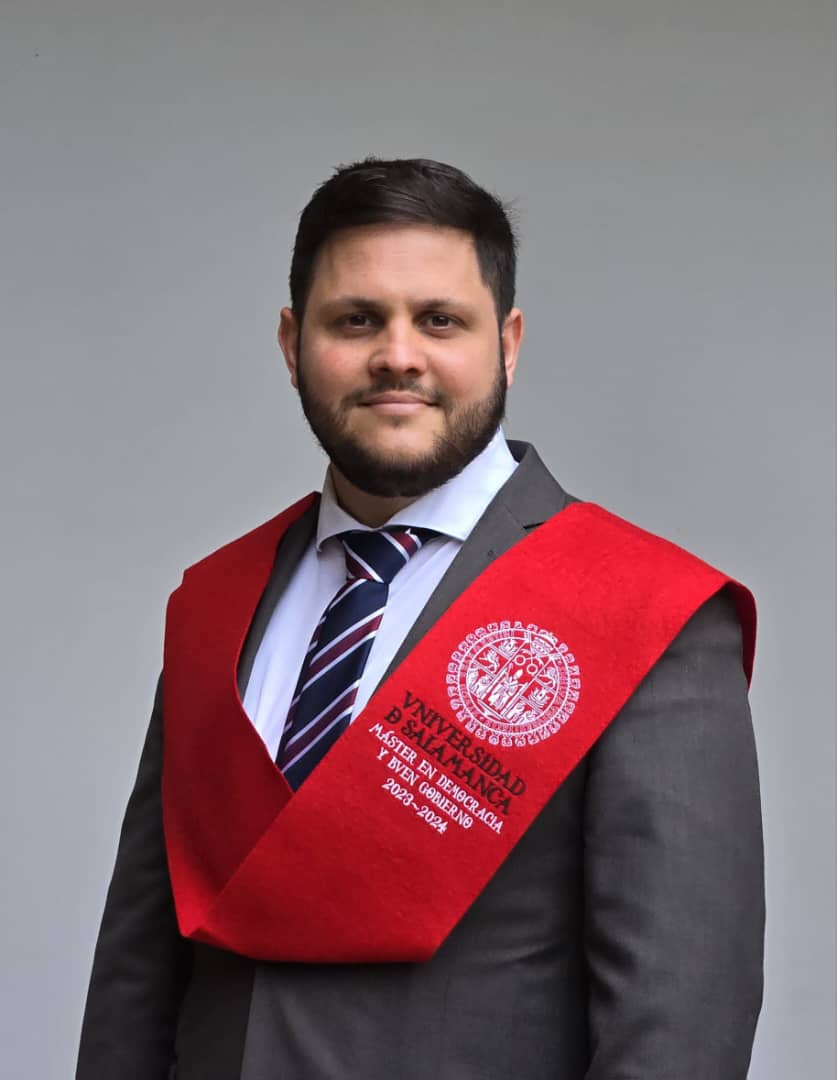
José Manuel González Rubines was born on March 3, 1994, in Los Palos, Mayabeque. He grew up in a traditional family closely connected to his grandparents, one of whom was a former political prisoner. He remembers his childhood and youth as happy periods that shaped his civic awareness from an early age. He studied journalism at the University of Havana and, after graduating, worked as a lecturer at the same faculty. Shortly afterward, he began collaborating with independent media outlets. Although he initially believed that a democratic transition from within the system was possible, his position became increasingly critical, especially after the protests of July 11, 2021. From that point on, he was subjected to pressure, interrogations, surveillance, and threats that extended even to his family. After the infiltration of State Security was uncovered at the outlet La Joven Cuba, he resigned along with much of the team and took part in founding Cuba por Cuba, a project that was quickly blocked by the regime. Before leaving the country to study in Spain, he was forced to sign a commitment not to engage with initiatives deemed “counterrevolutionary.” From exile, he describes the situation in Cuba as profoundly bleak, while maintaining a cautious sense of hope grounded in solidarity among Cubans and the role of the diaspora. This interview was conducted as part of the project Memory of Our Cuban Neighbors, in Madrid, 2025.