Frída Ficková

* 1935

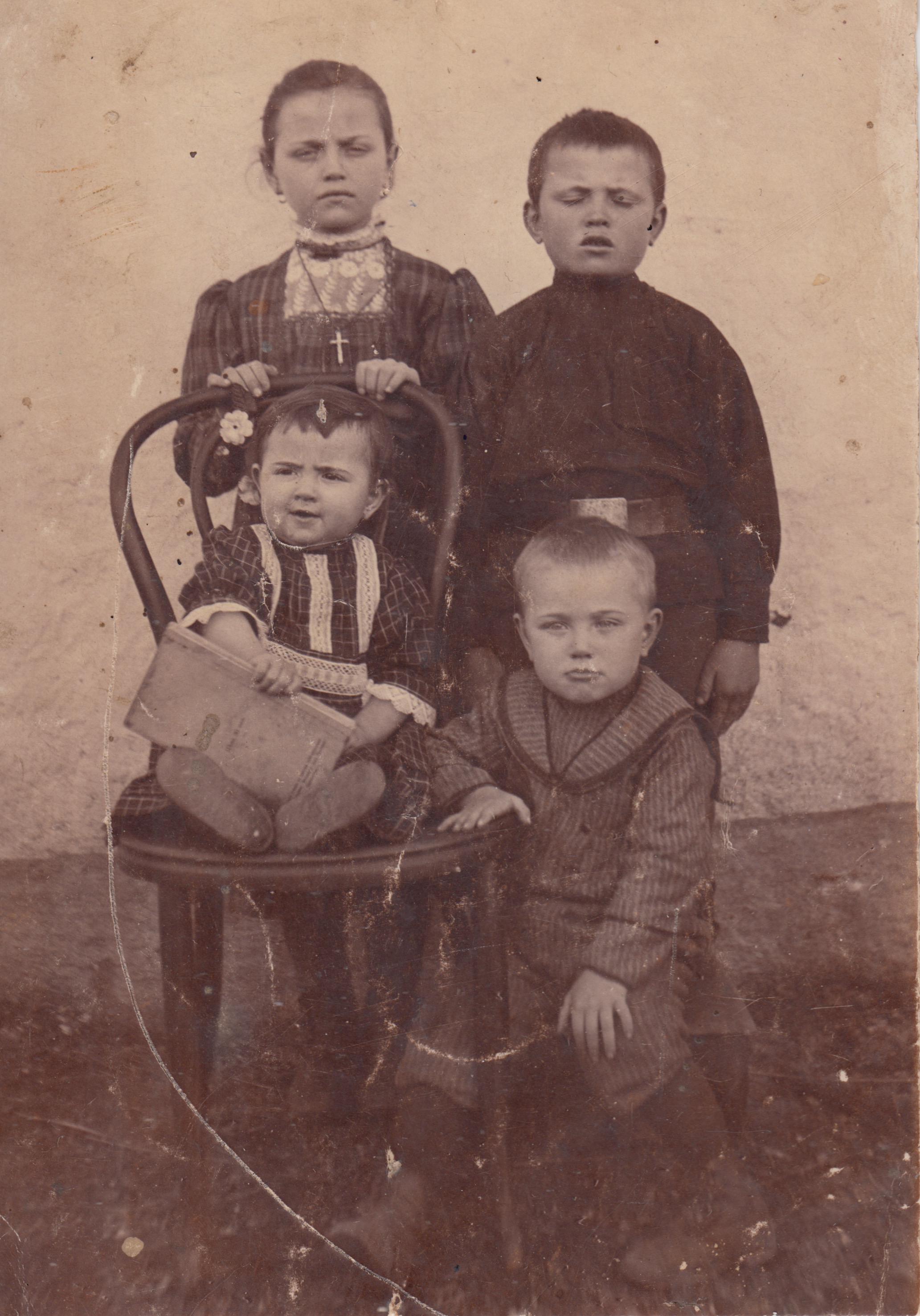
  • "My brother took the horsehair out of his tail and made a kind of snares on the plank and we put it where there were some seeds from weed or just from the grass, and the sparrows went and got caught. Well, then I put them in the apron... I twisted their heads off, ripped them off. I brought them to Grandma's in the apron. Grandma laughed with joy that we were going to have good soup."

  • "But in the Crimea I used to go to the bread queue at the town shop at six o'clock in the evening and in the morning the shop opened at six o'clock, so I was there standing all night in the bread queue. In the morning the shop opened. I got the bread, I came home, so my grandmother divided it for us fairly. A piece for each of us, because she had to cook lunch... By then, my aunts had given her, my mother, some flour, so it was easier, but I had to go to the queue for the bread."

  • "It was hard. No food. When they met the norm, they got half a kilo or 700 grams of bread, I don't know. That was it, no flour. That first year people still had something, some supply that they had brought from home, but the second year, 30, 31, 32, 33, they were so hungry that very few people survived, they were all... They were dying like flies. There was no place to live, nothing to eat. It was a very hard life."

  • "Vologda was the end of the railway line. They were dropped off there and driven on foot. In that year 29, in September, there was an awful lot of snow. In September to October there was an awful lot of snow and there were awful frosts. Someone died on the way, so they buried them in the snow. So somebody made it all the way to Usht-Nem. And from that Ush-Nem, they left the elderly people and the small children in that village again, and the people who could work, they took them forty-five kilometers further. There they set up two tents for them, and in one of them there were young married men and young girls, and in the other there were men."

  • Celé nahrávky
  • 1

    Znojmo, 19.06.2025

    (audio)
    délka: 01:49:29
    nahrávka pořízena v rámci projektu Příběhy regionu - JMK REG ED
Celé nahrávky jsou k dispozici pouze pro přihlášené uživatele.

It was a very hard life
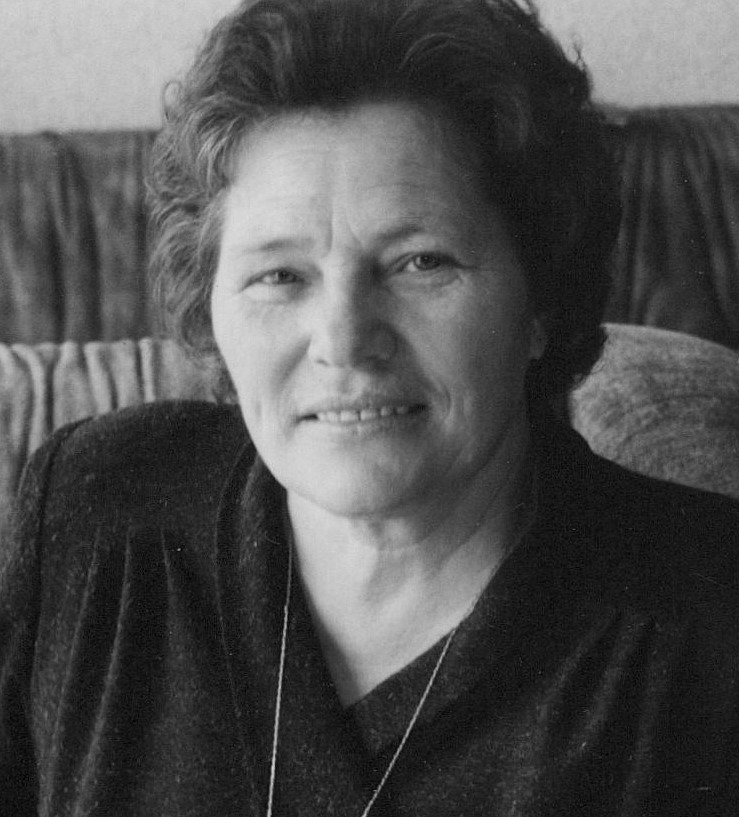
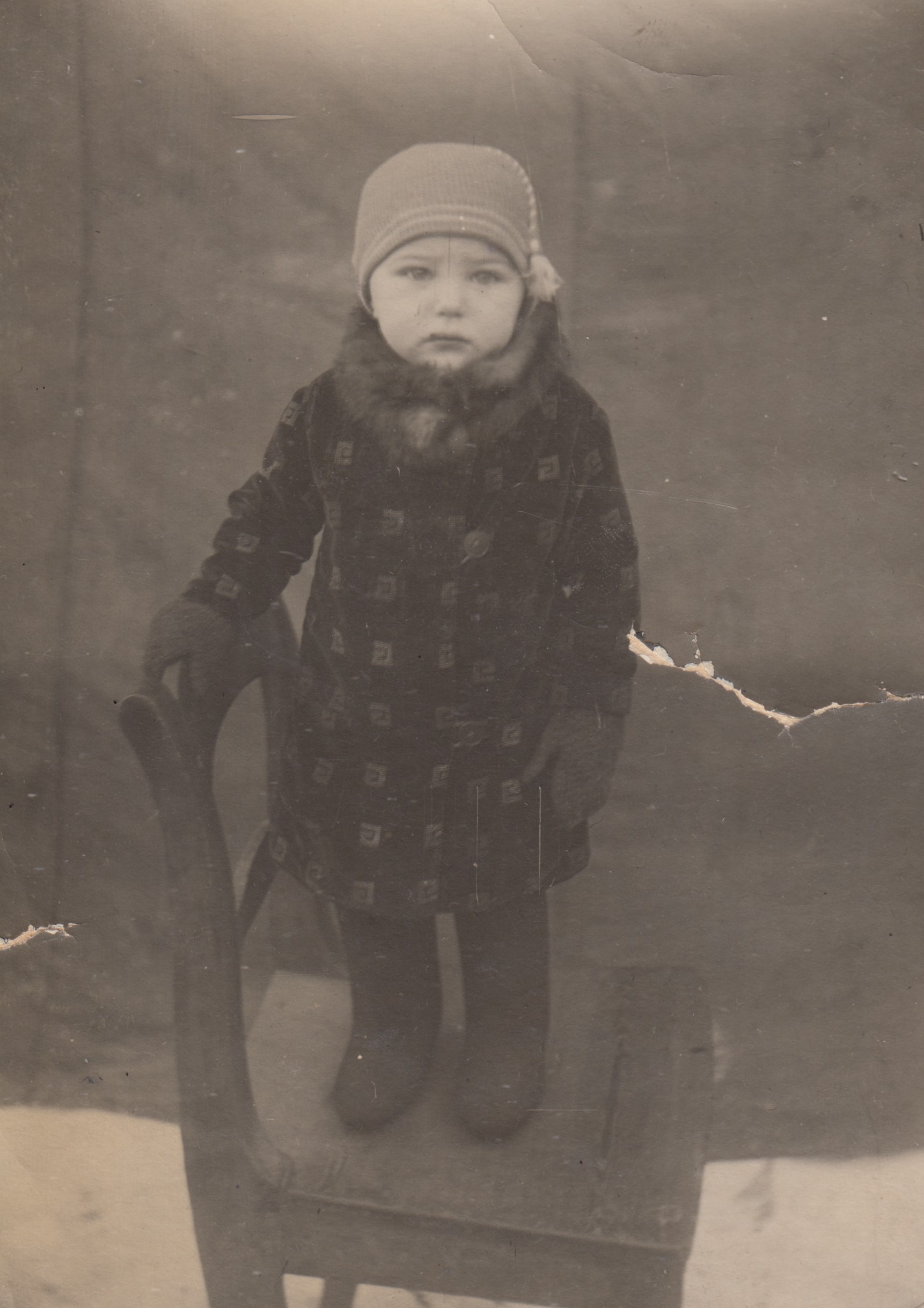
Frída Ficková 1980s
Frída Ficková 1980s
zdroj: witness´s archive

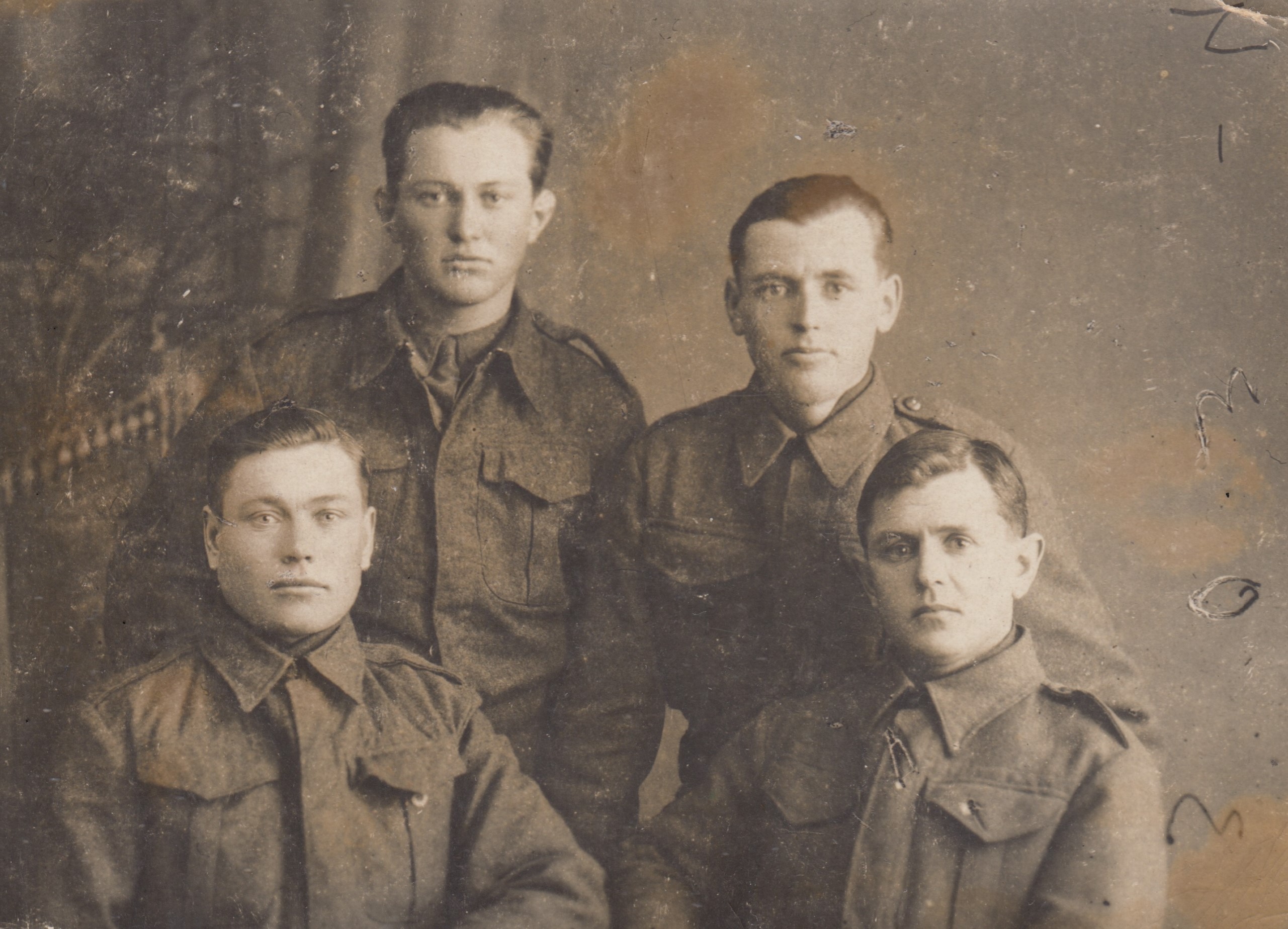
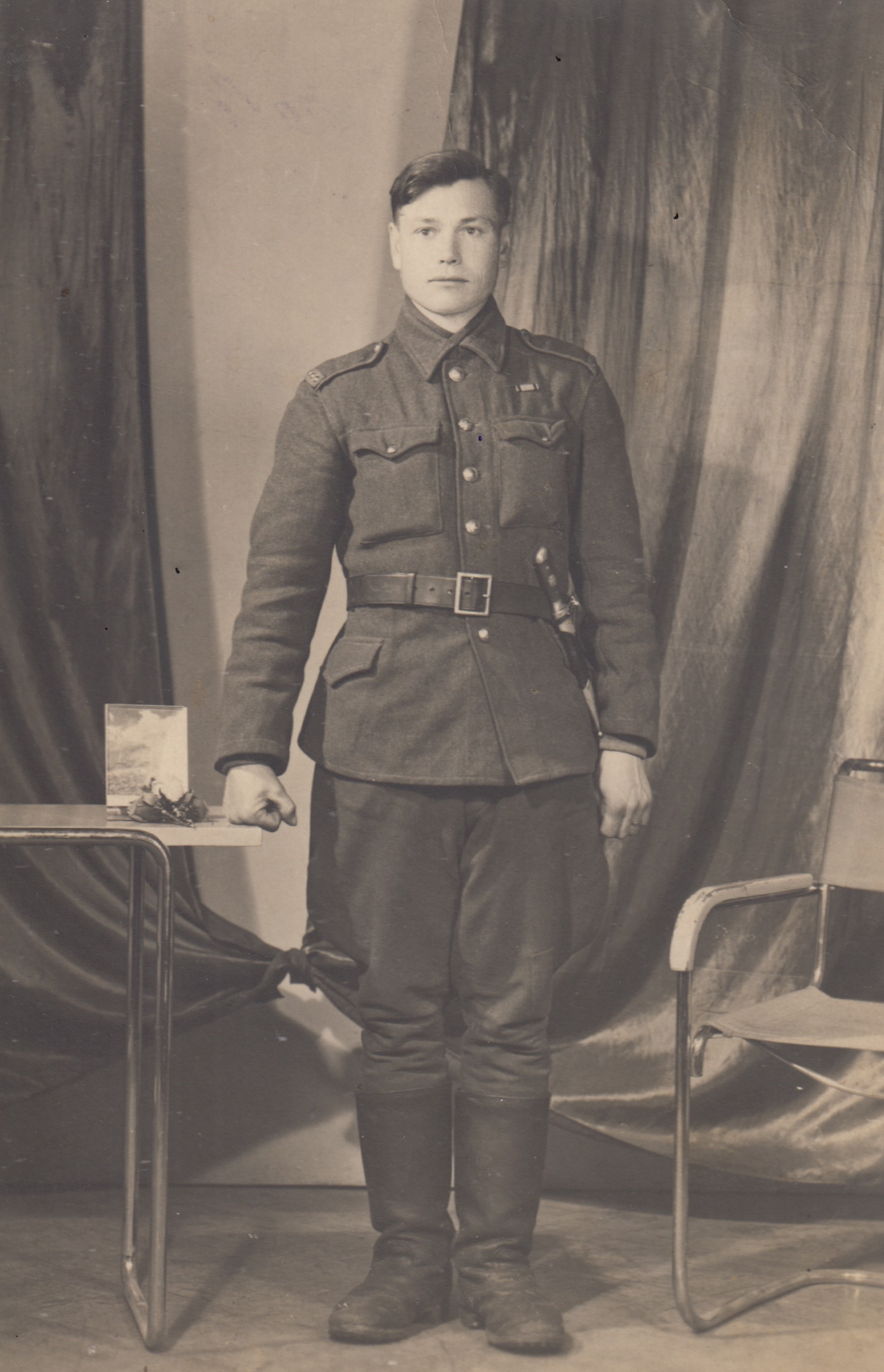
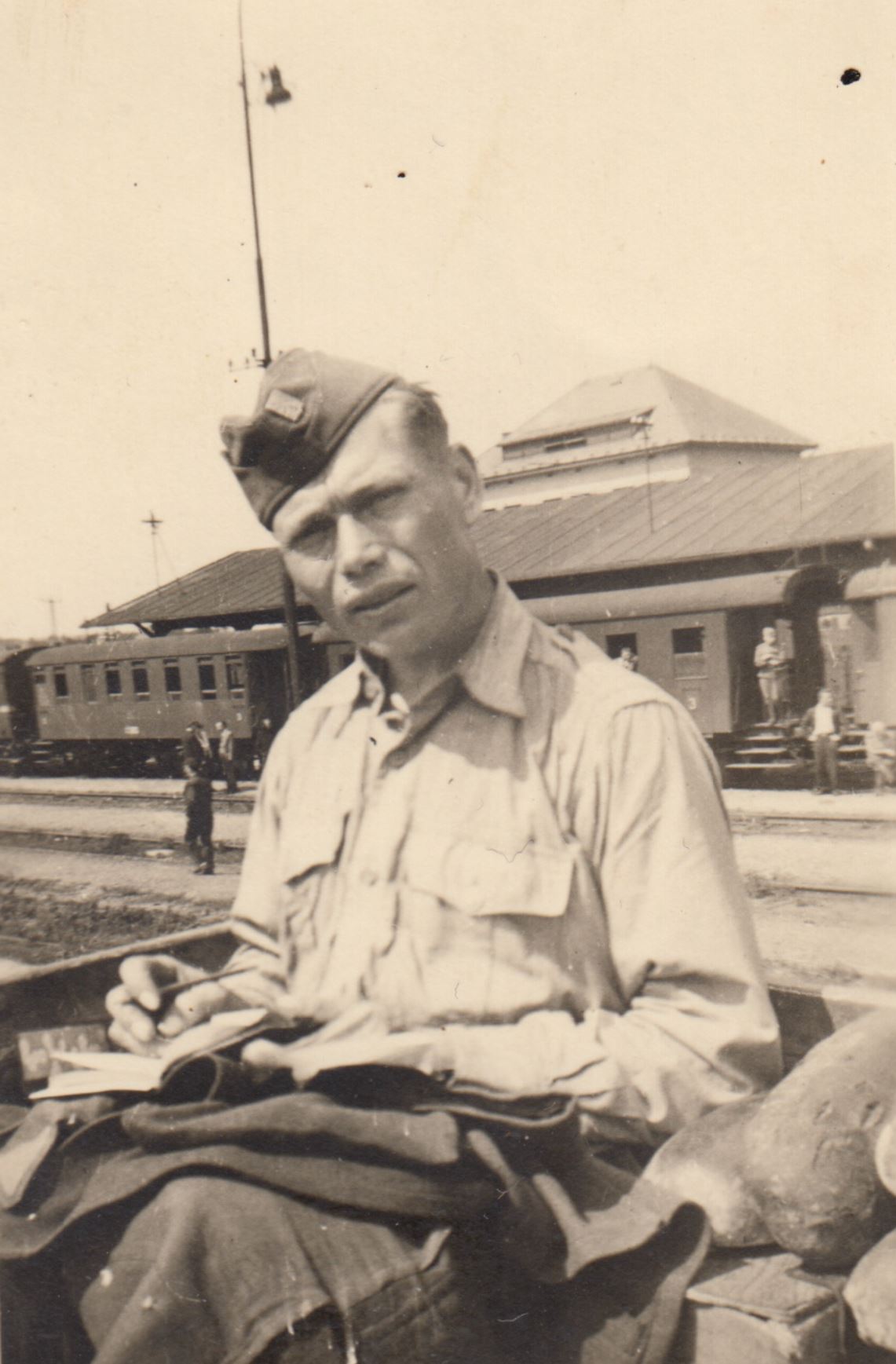
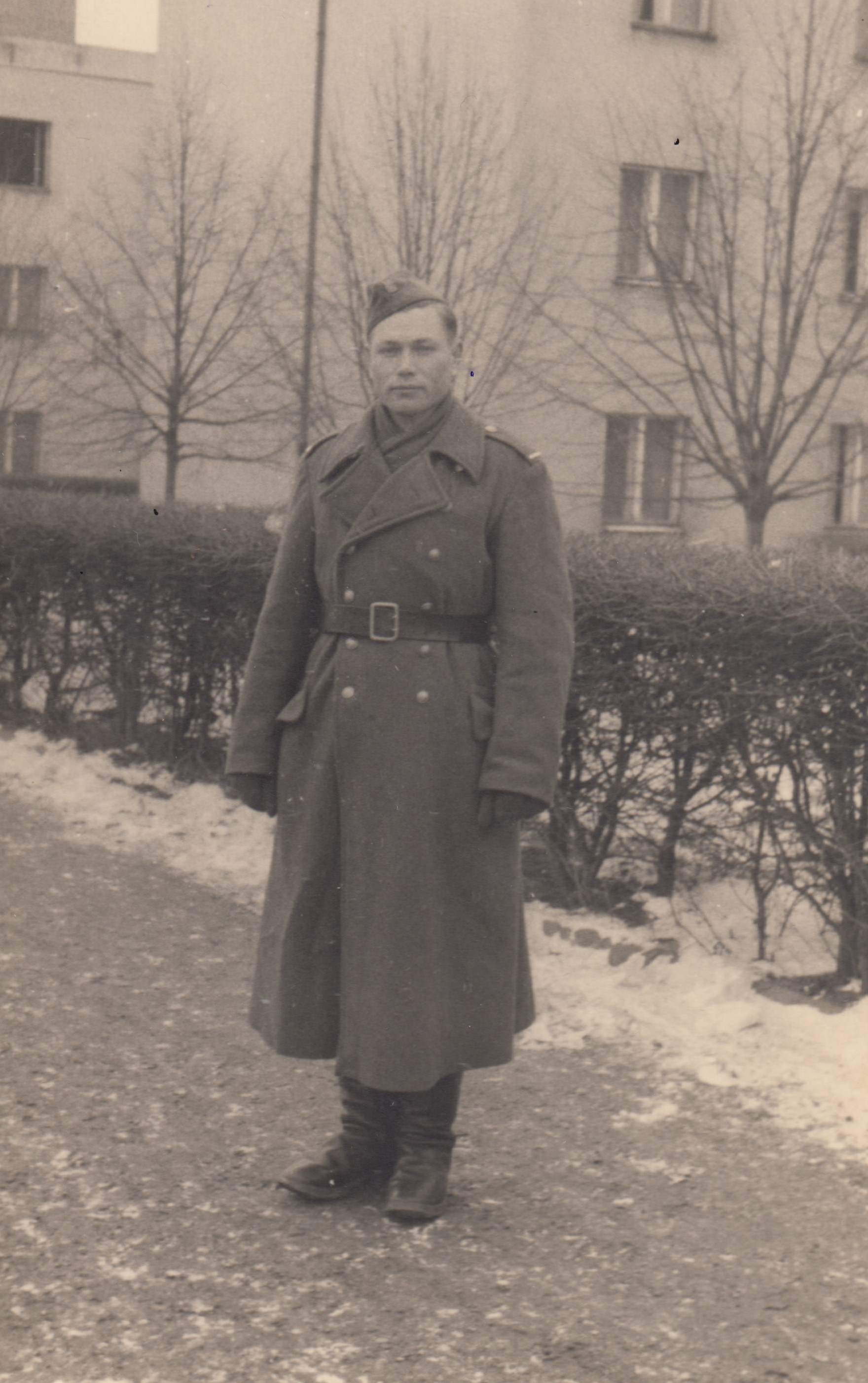
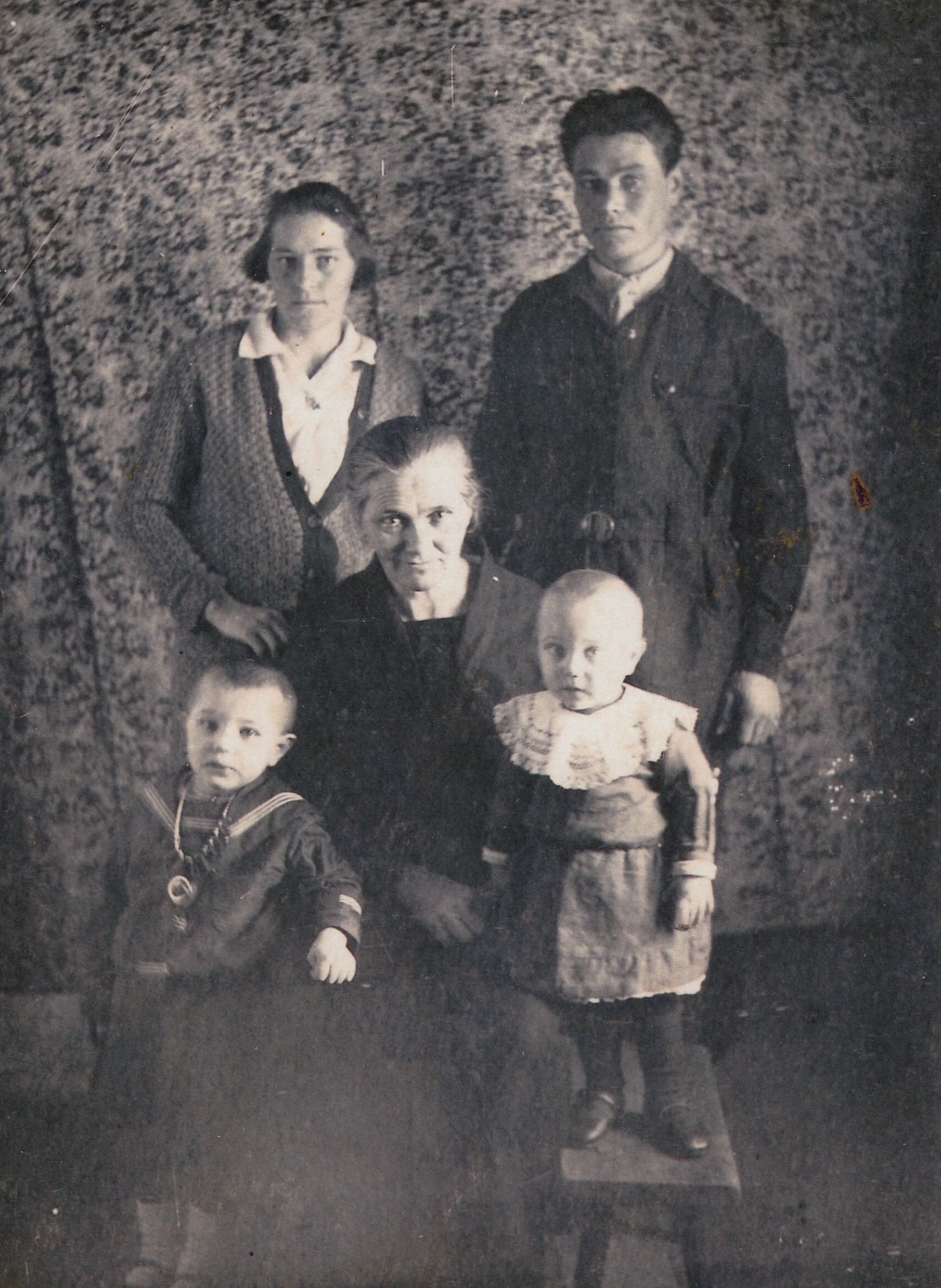
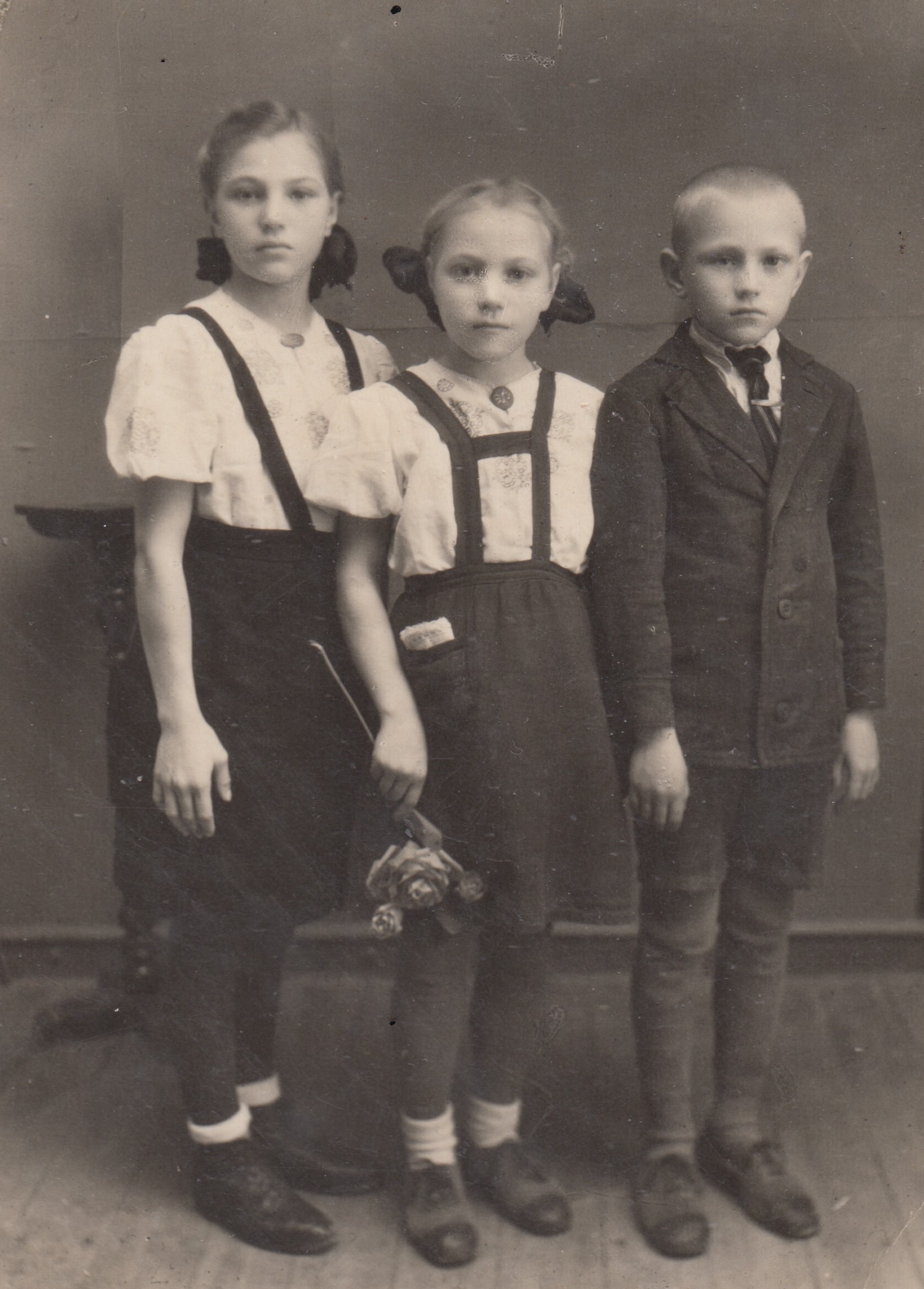
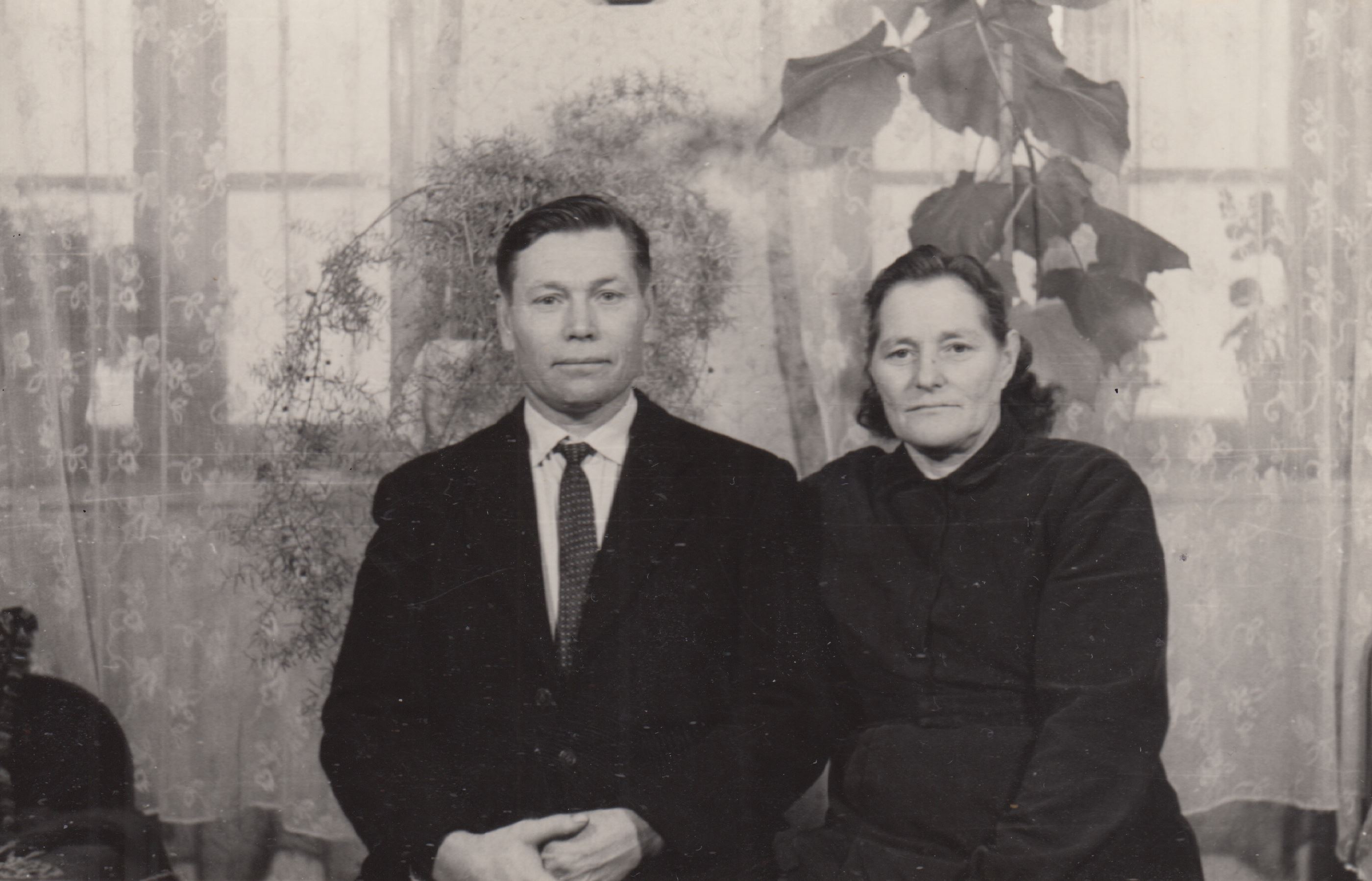
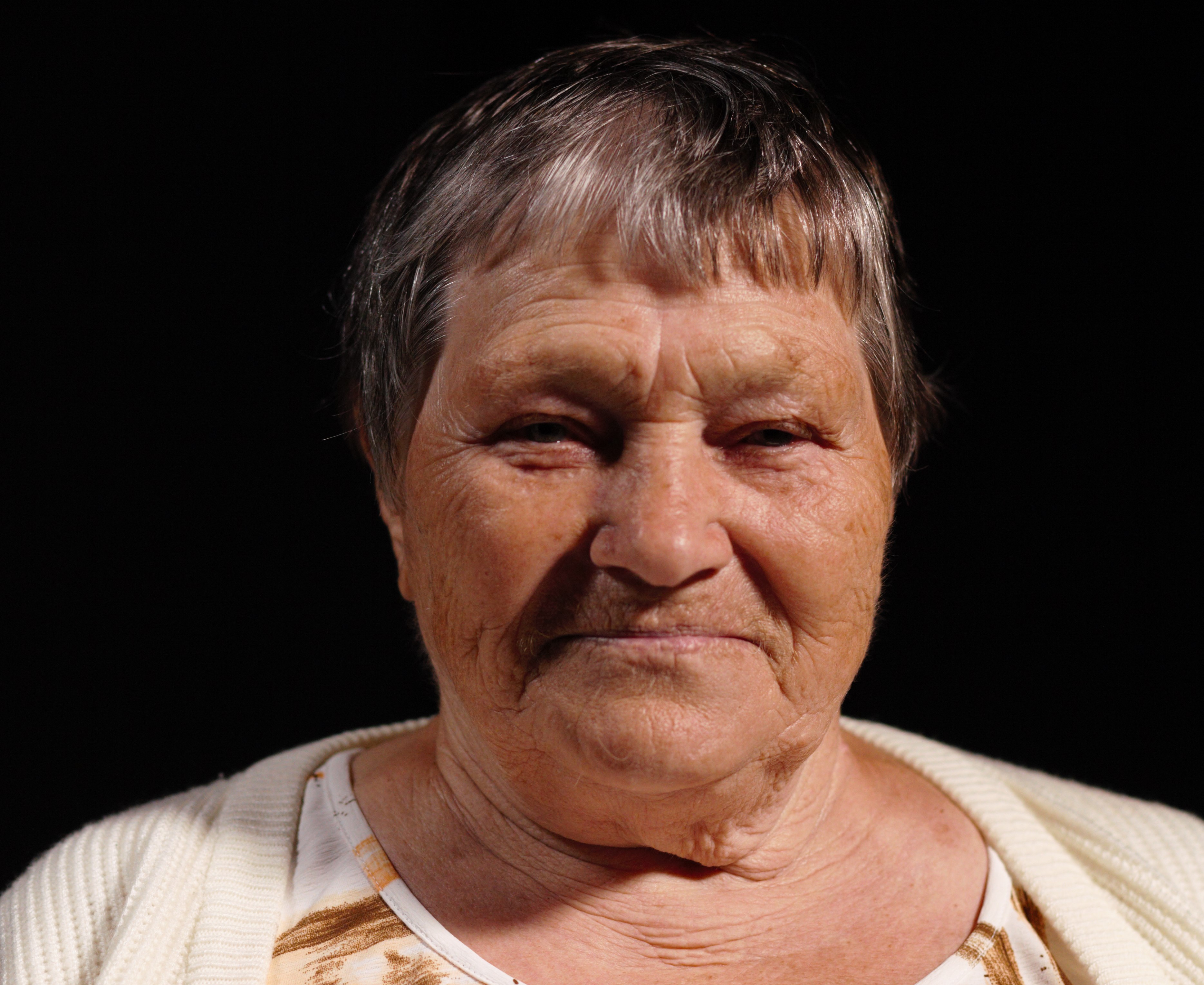
Frída Ficková was born on 3 October 1935 to a Czech father, Jaroslav Suchánek, and a German mother, Wilhelmina Kecková, in the north of the Soviet Union, in the now defunct village of Yndin. Her ancestors came to Russia sometime in the 18th or 19th century and settled on the Crimean peninsula, where they established Czech and German villages and maintained the customs and language of their old homeland. In 1929, both parents were deported to northern Russia along with thousands of other Crimean residents. There they built a settlement where Frieda Ficková, then still Suchánková, was born and where she spent her childhood. Her parents earned their living as lumberjacks. During the war, her father joined Svoboda‘s army, with which he reached Czechoslovakia, and he stayed there. It was not until 1955 that his family was able to move in with him. Frída Ficková married in Czechoslovakia, completed her education at the secondary school of economics and lived all her life in Znojmo, where she worked as an economist.