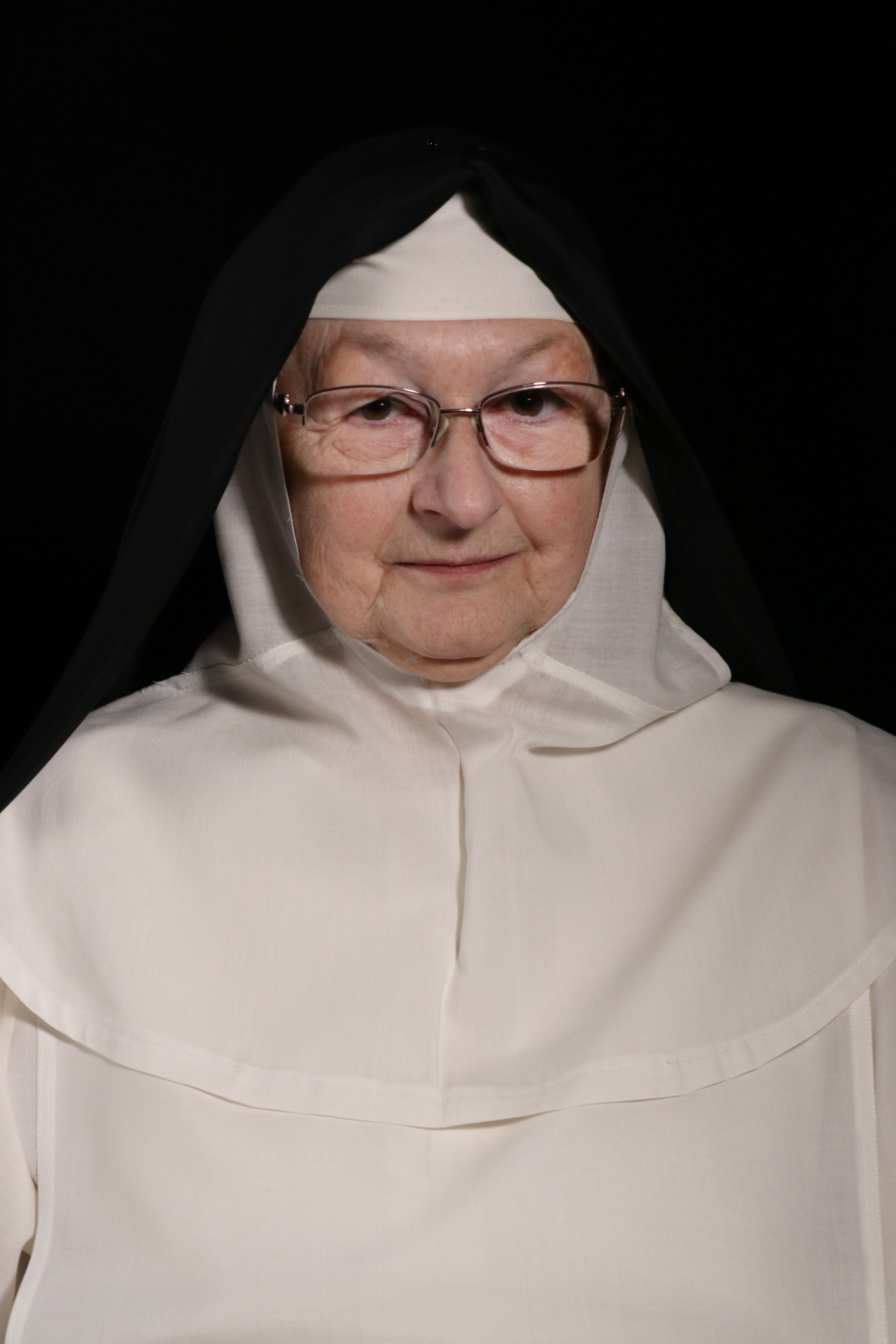
Terezie Zuzana Eisnerová

* 1955

  • "Yes, I really miss those relationships. I think today’s relationships within the Church are shrouded in fear — and, how shall I put it delicately, in ostentation. And I believe that the Church before the revolution could serve as an example even for the Church’s economic future. I would have nothing against priests having regular jobs and performing their priestly duties alongside that. In France, they were called 'worker-priests'. I think it would be very beneficial for both their confessional and personal spirituality if they were familiar with the lives of ordinary people. I regret that this legacy hasn’t been preserved in people’s minds — not necessarily in all lives, but in the minds of those within the Church."

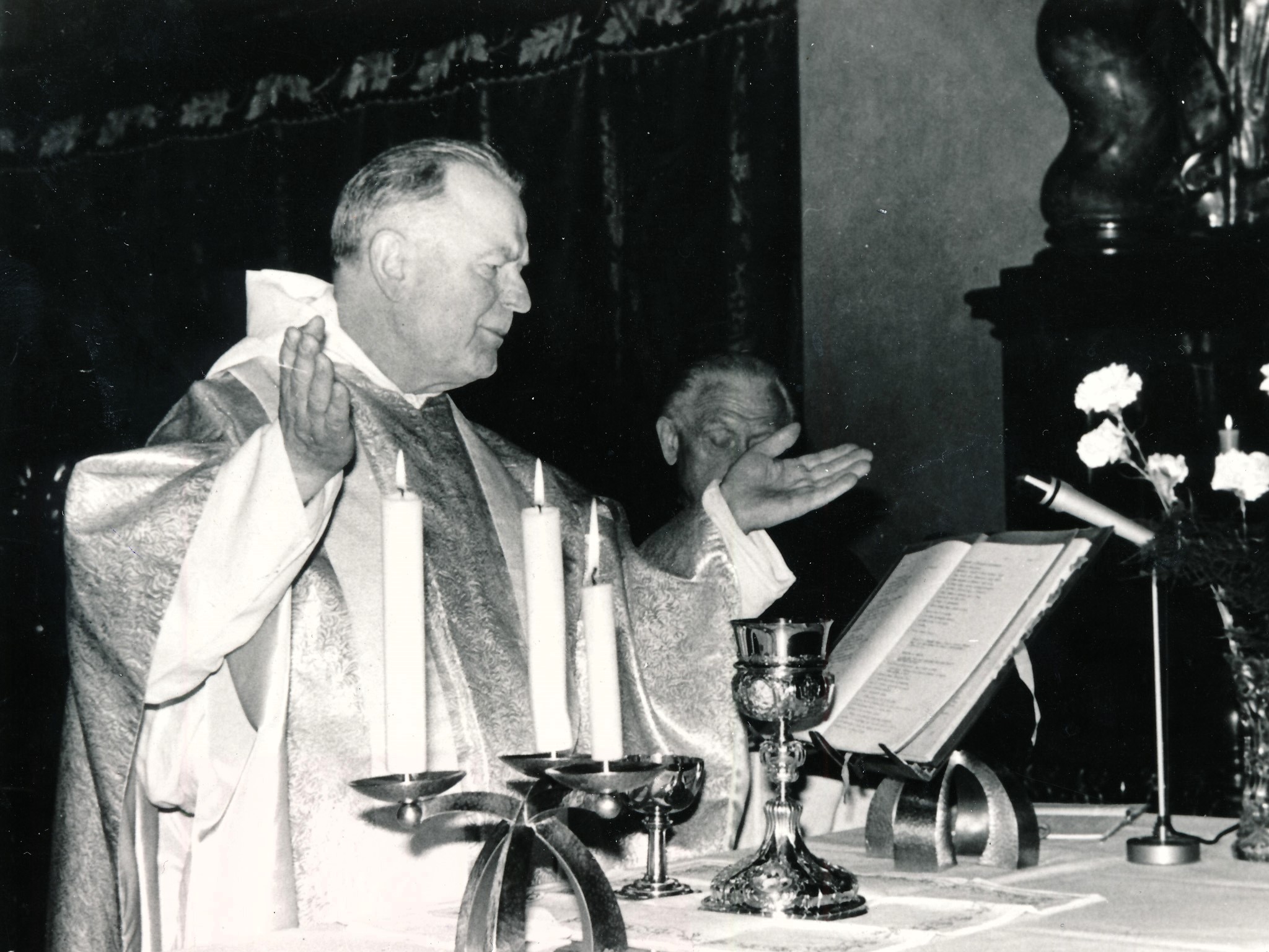
  • "It happened that I started going to St. Giles Church, I changed confessors and began going to Father Giles, who was a Dominican. He didn’t really make it public, but he was tolerated there. And as an introductory step toward joining the order, in September 1980, Vojtěch took me to Plzeň to see Dominik Duka. That was a crucial conversation for me. He very sensibly laid out how we could live a religious life under the given circumstances — what the paths were, what the prospects looked like. I don’t remember a single thing he said now, it was just one big wow. But I knew clearly: yes, this is really what I want. I want to study, I want to live with the risk, I don’t mind, I can handle it. I want to work a normal job, I want to be what he was talking about. And then came the steps toward being accepted into the order. I was accepted by Father Giles, and I made my first vows with him too. That’s when my first interrogation happened. It was interesting — I was questioned by some lieutenant, a young blond guy who introduced himself as Lieutenant Krista. They really did come up with the dumbest pseudonyms. When I got the summons, I was, of course, afraid — really afraid. But I went to get a ‘briefing’ from a Charter 77 member, so I knew how to behave. People in those circles knew — there were instructions on how to behave during interrogations. I told myself I’d just take the route of not talking, not engaging with them. So I went in. I was there for about four hours, acting like a clueless, offended lady. And it worked. They asked about the church, about the altar servers — who at the time were Dominicans. I said, 'Excuse me, what would I possibly know about some... I don’t go to Mass to watch men.' I acted all offended. I didn’t give them a single name, nothing. They asked, ‘Do you go to church?’ ‘Well, yes, I go to church, I’m Catholic, I go to church — what more do you want?’ Then they asked about various people. I said, ‘Don’t know them, never heard of them.’ When they gave me the written protocol to sign, I read it carefully and placed a checkmark under each paragraph — as was the custom back then. They asked, ‘Why are you drawing those marks?’ ‘So you don’t add anything later.’ And that was it. I was completely drained, terrified that it would continue — but it never did."

  • "Later, I moved to Prague. Of course, it made no sense to even try for university. My mother got me a job in the music department of the National Museum through her former colleagues from musicology. So I started working there, with the idea that after a year or so of work, I might try to apply to study musicology. And it was in Prague that I came to faith. But it was all still a bit tangled, because while I was at the National Museum, the Charter 77 initiative happened. Our department head was excellent — the Charter circulated among us, and I copied it by hand, the usual twelve copies, though the last two were barely legible... Then came another wave of hypocrisy — the Anti-Charter came from the National Museum, and it was pretty harsh, because at the time, one of the museum’s employees was Zdeněk Mlynář, a Charter 77 signatory. We had a special version of the Anti-Charter where his name was specifically mentioned. It even stated that we demand the highest punishment for people like him. And we, as an entire department, refused to sign it. Because of that, it ended up in my reference for university — I passed the entrance exams, but they didn’t accept me into musicology. So I just attended a few lectures as an external student. By then, I had met someone — a friend who was working at the museum on his thesis. He was a believer, and, poor guy, ended up submitting his thesis a year late because of me — we talked endlessly. He lent me Slovak documents from the Second Vatican Council, published in Rome. I devoured them — it was a revelation for me."

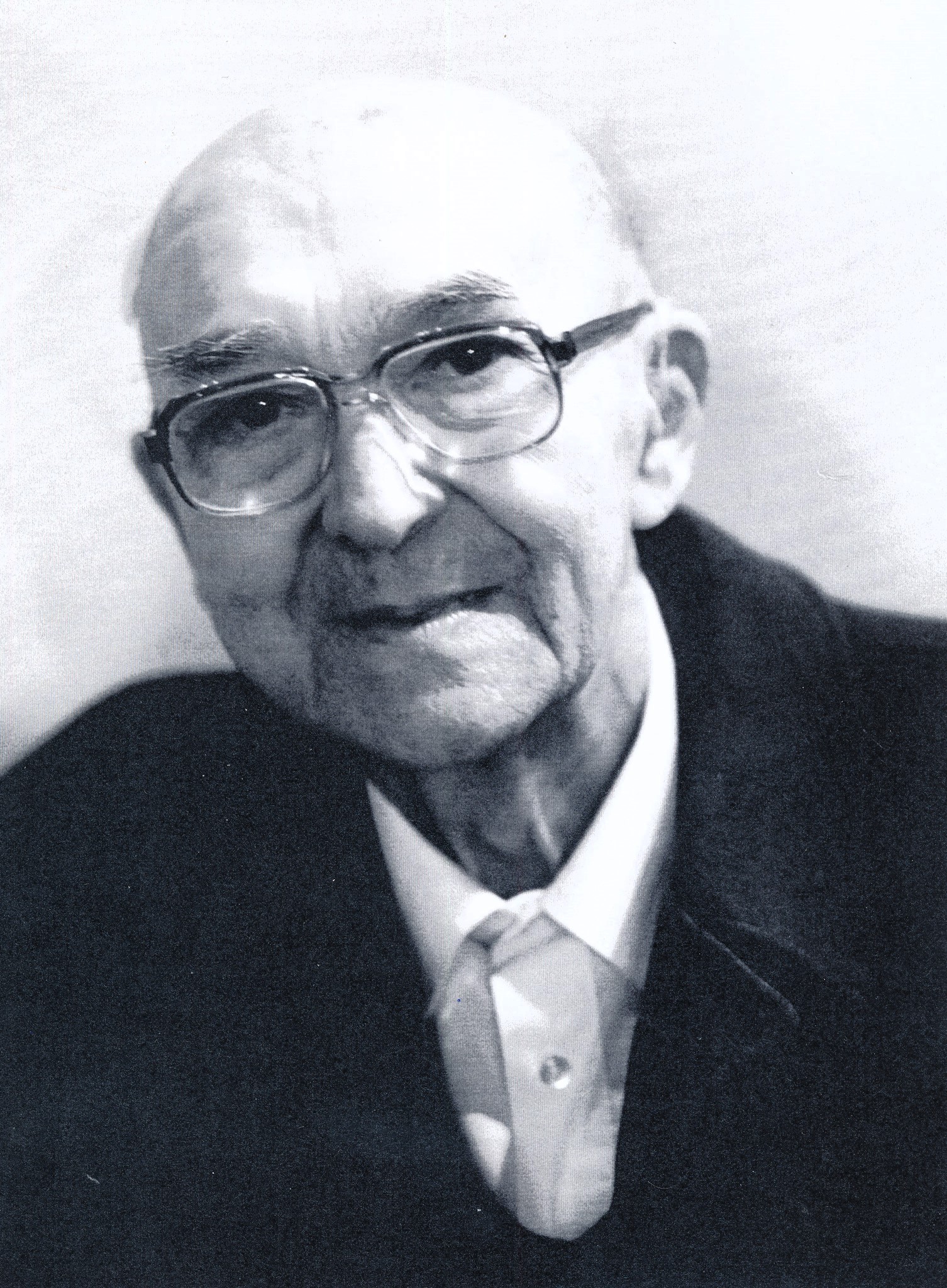
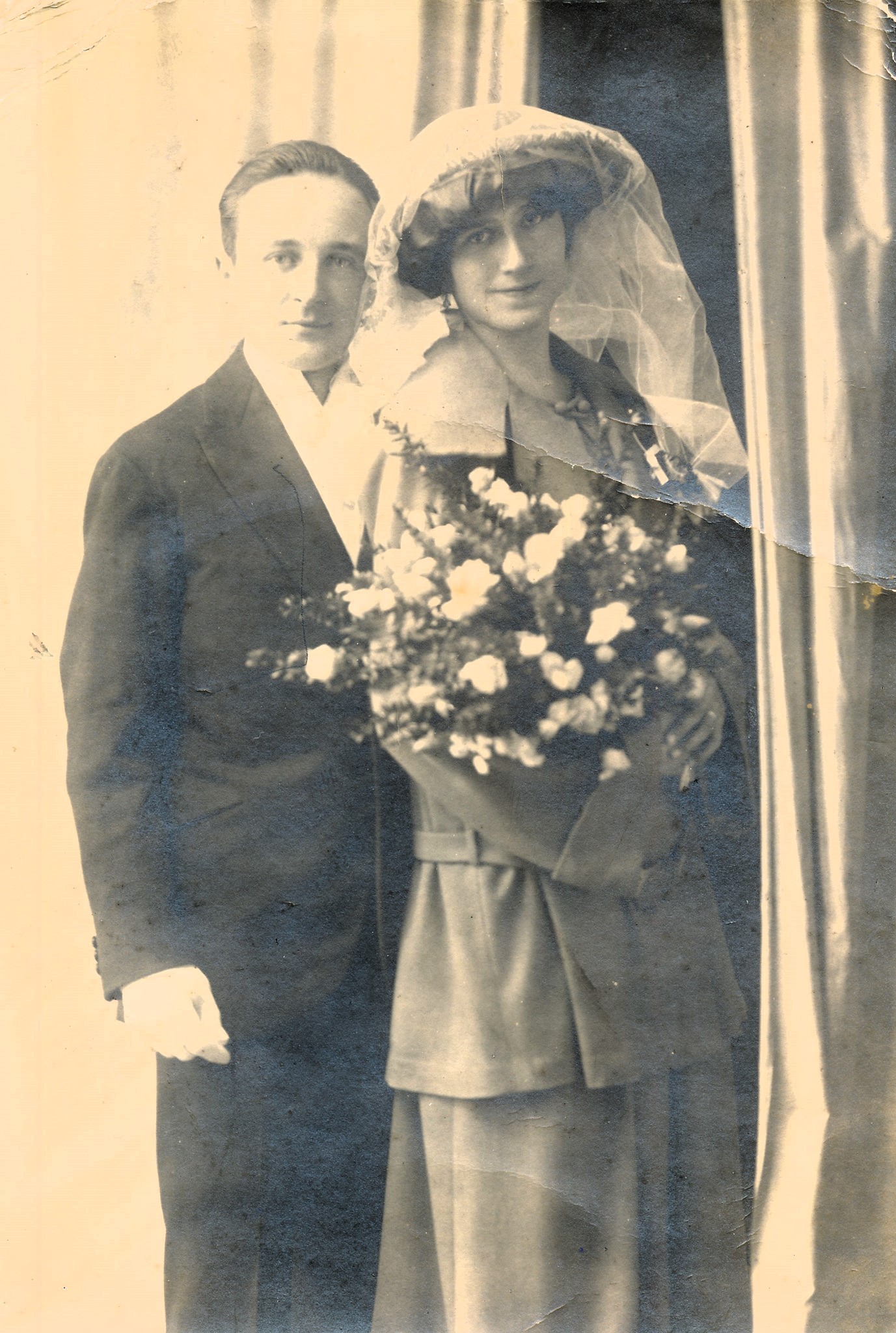
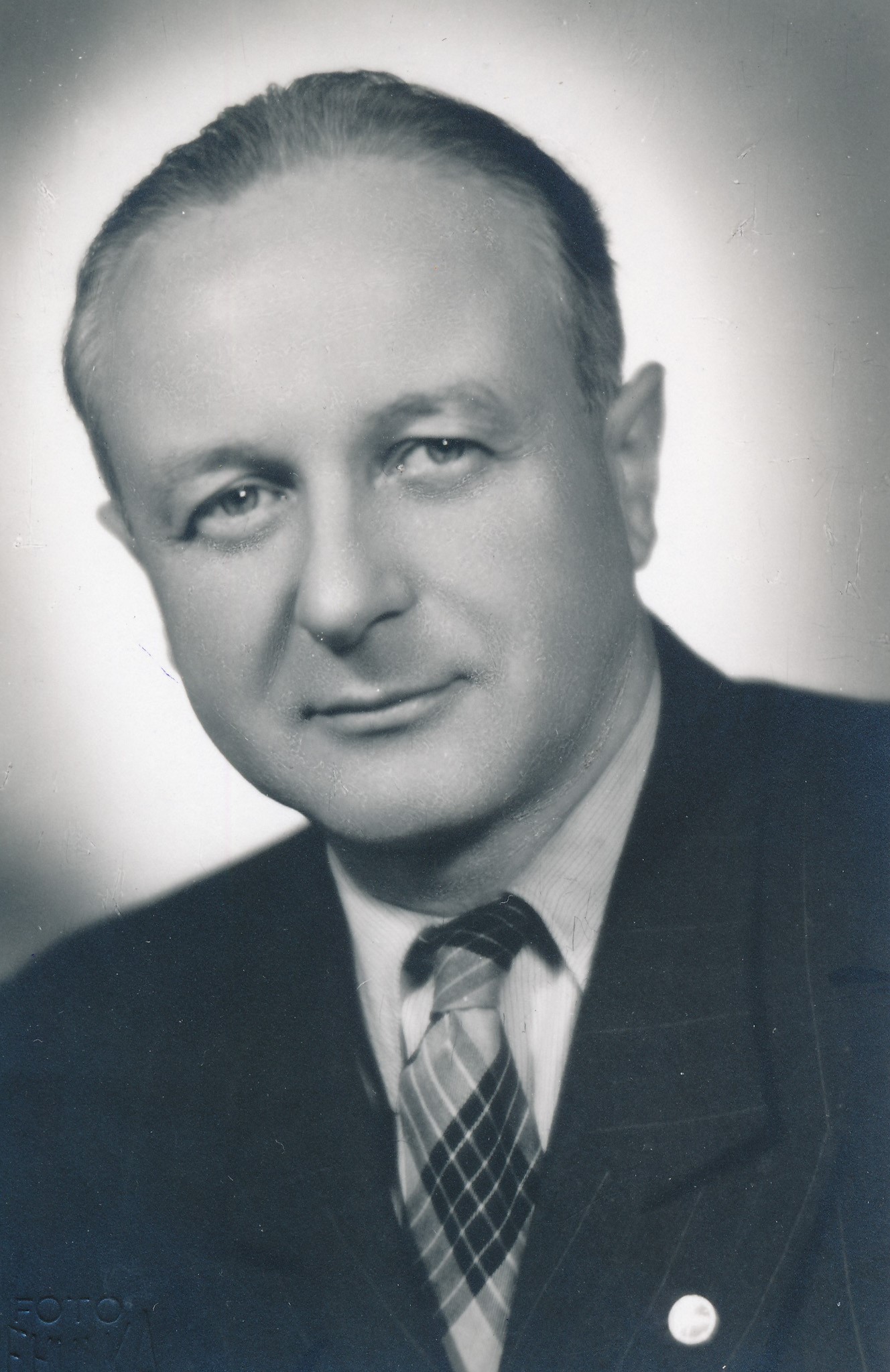
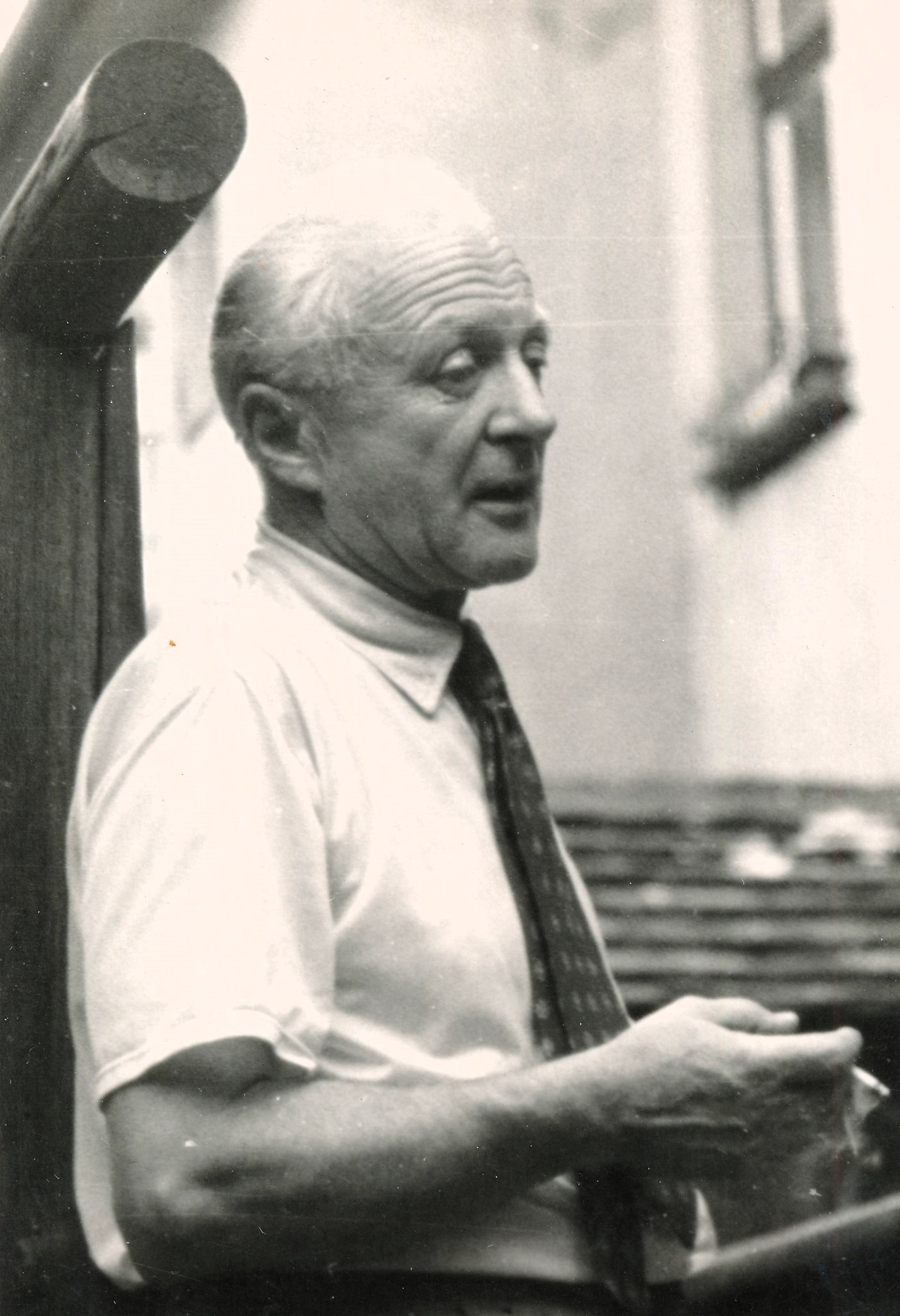
  • "My grandfather enlisted in the First World War at the age of sixteen. In the Second World War, he was somehow involved in the resistance, but I think this was kept from me, because I was quite rebellious — they were afraid I might fight against the regime, just as my grandfather had fought against Nazism. I only know one story: during the Protectorate, my grandfather brought home a radio transmitter, but at the time, the Gestapo happened to be in the building. He brought it on a bicycle, covered with vegetables, left the bike in the passageway, and went upstairs. There was a house search going on at home, but when the Gestapo left, they didn’t notice the bike at all. So it all passed without incident. And my grandmother then shouted a lot — saying everyone could’ve lost their lives. That’s the only story I know. But because of his resistance activities, he became somewhat known, and right after the liberation, he joined parliament as part of the National Socialist Party. Back then it was called the Constituent Assembly. He worked very closely with Horáková — they even shared an office, and the families knew each other, spent holidays together and so on. And when my grandfather was imprisoned, it brought great fear into the family. My grandmother burned photos, including those with Milada and the like."

  • Celé nahrávky
  • 1

    Praha, 19.11.2024

    (audio)
    délka: 01:33:15
    nahrávka pořízena v rámci projektu Stories of the 20th Century TV
  • 2

    Praha, 04.12.2024

    (audio)
    délka: 31:11
    nahrávka pořízena v rámci projektu Stories of the 20th Century TV
Celé nahrávky jsou k dispozici pouze pro přihlášené uživatele.

Let us keep freedom in our hearts and be willing to sacrifice something for it
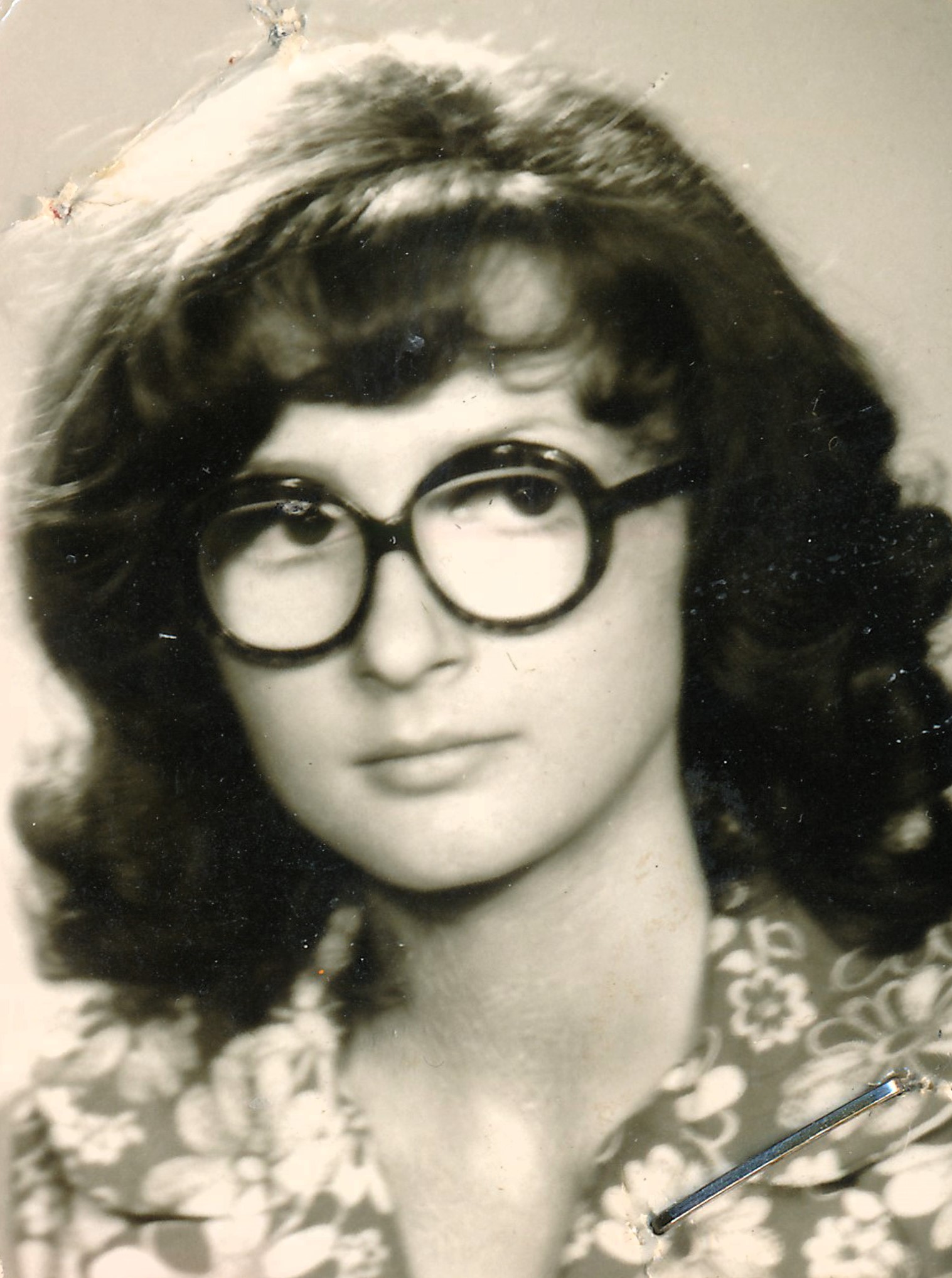
Terezie Zuzana Eisnerová (b. 1978)
zdroj: Archive of the witness

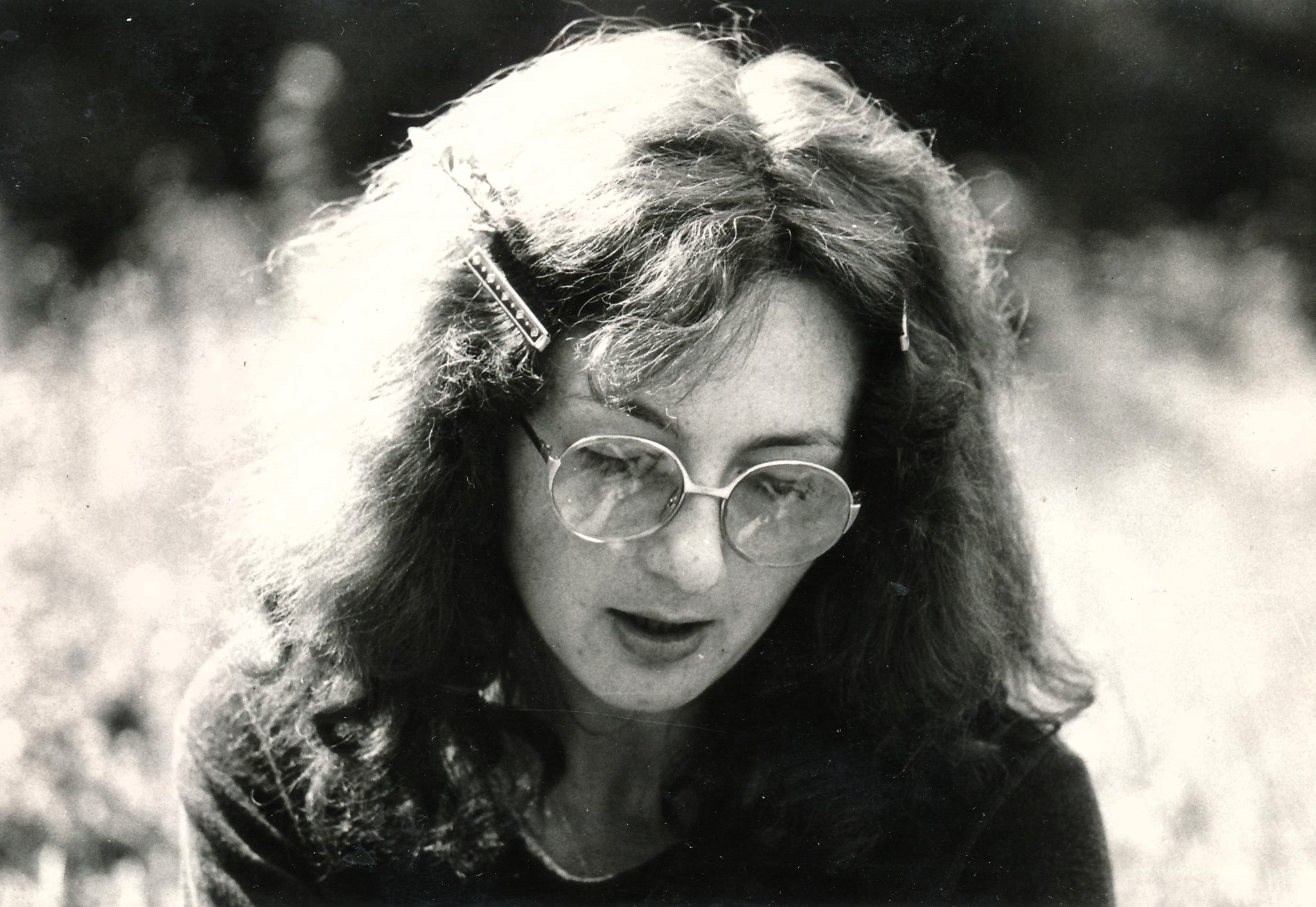
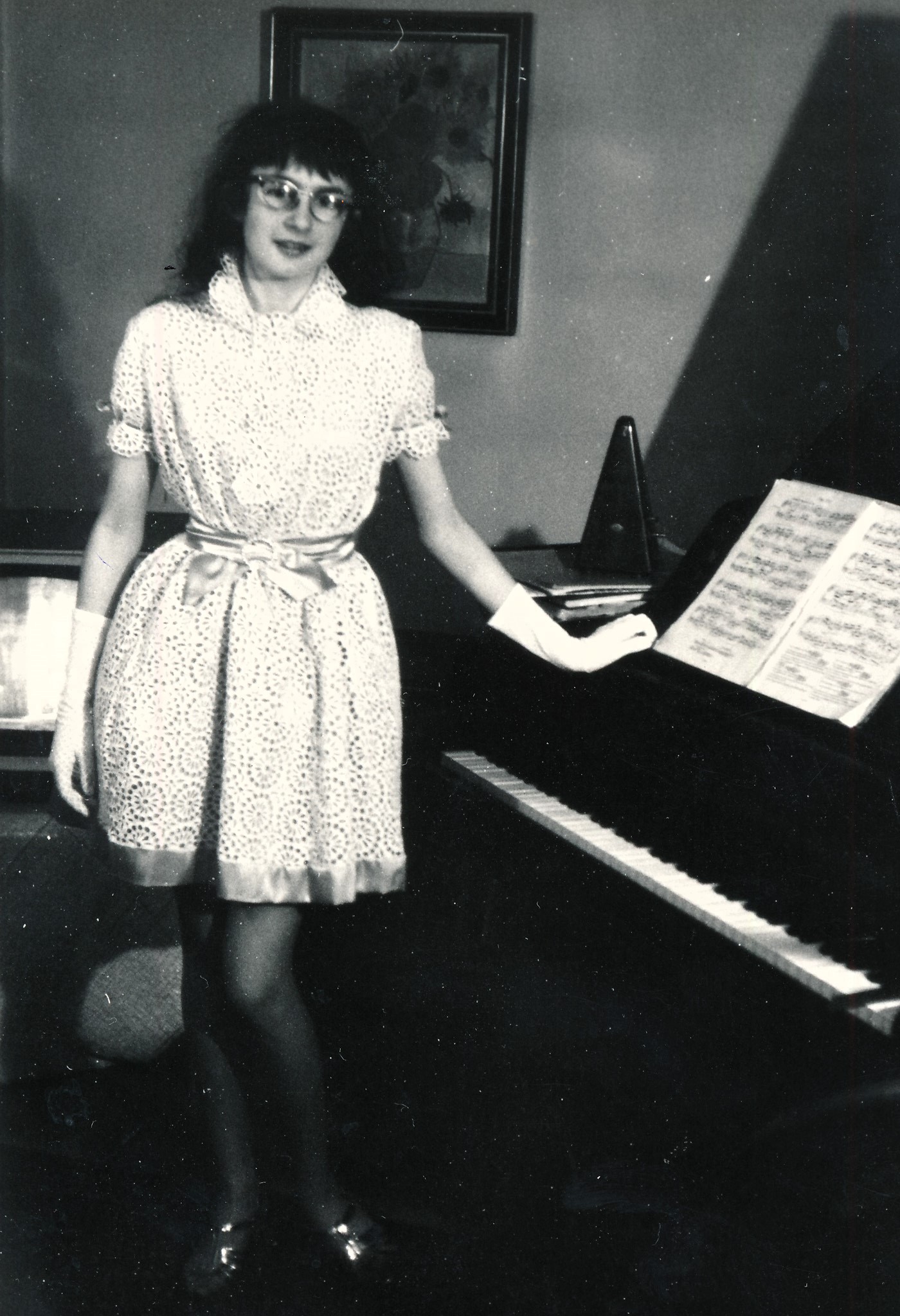
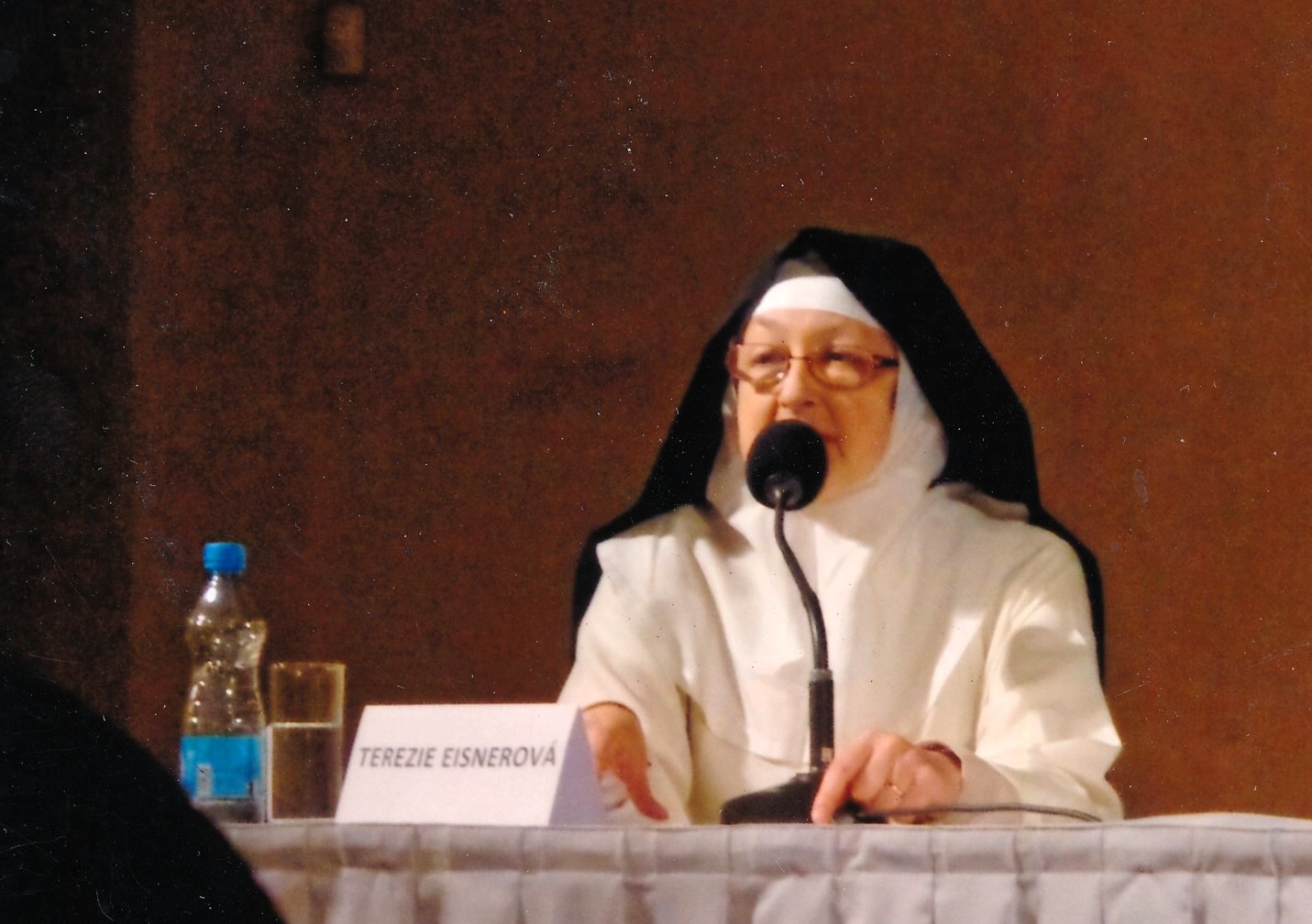
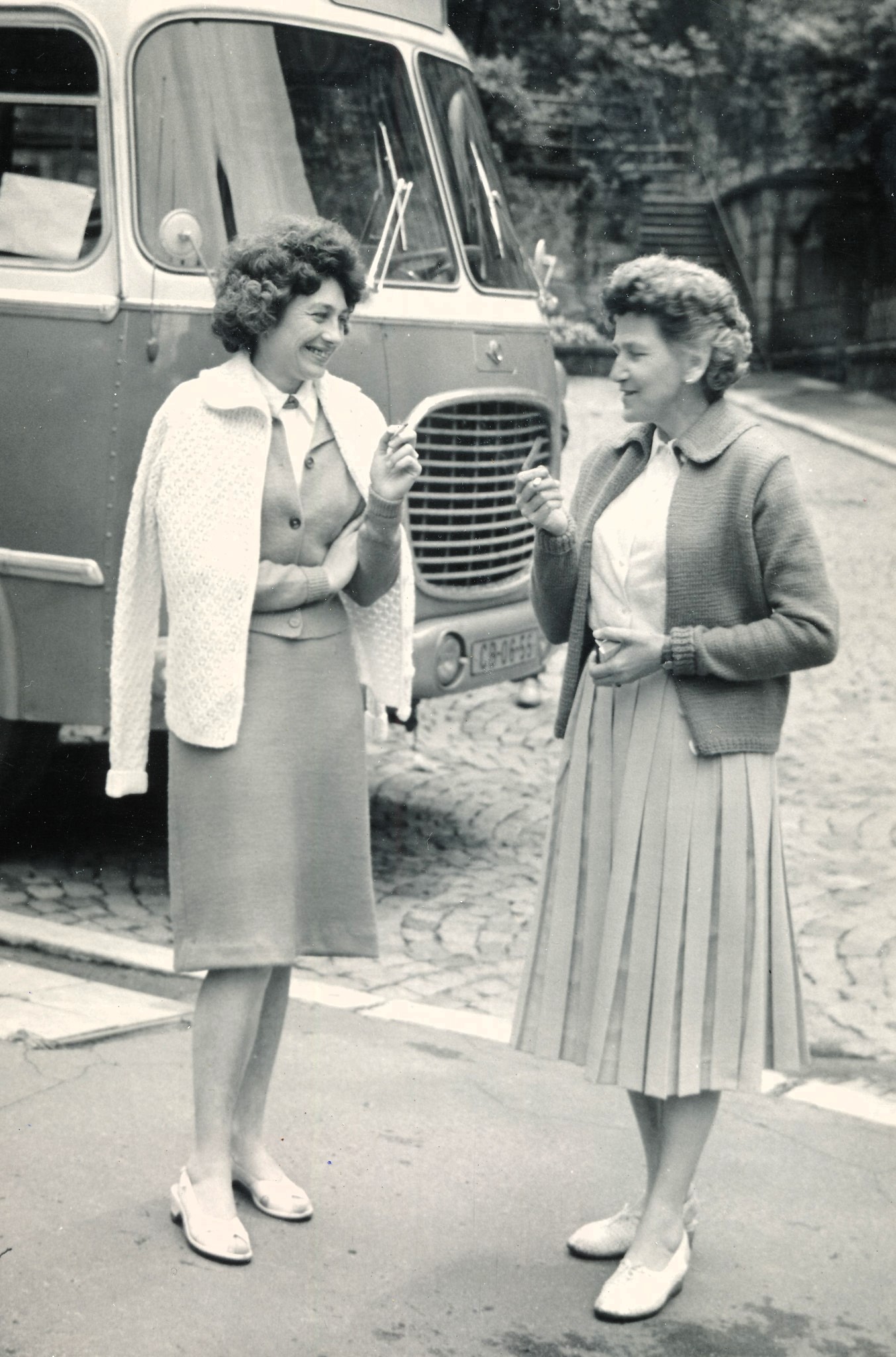
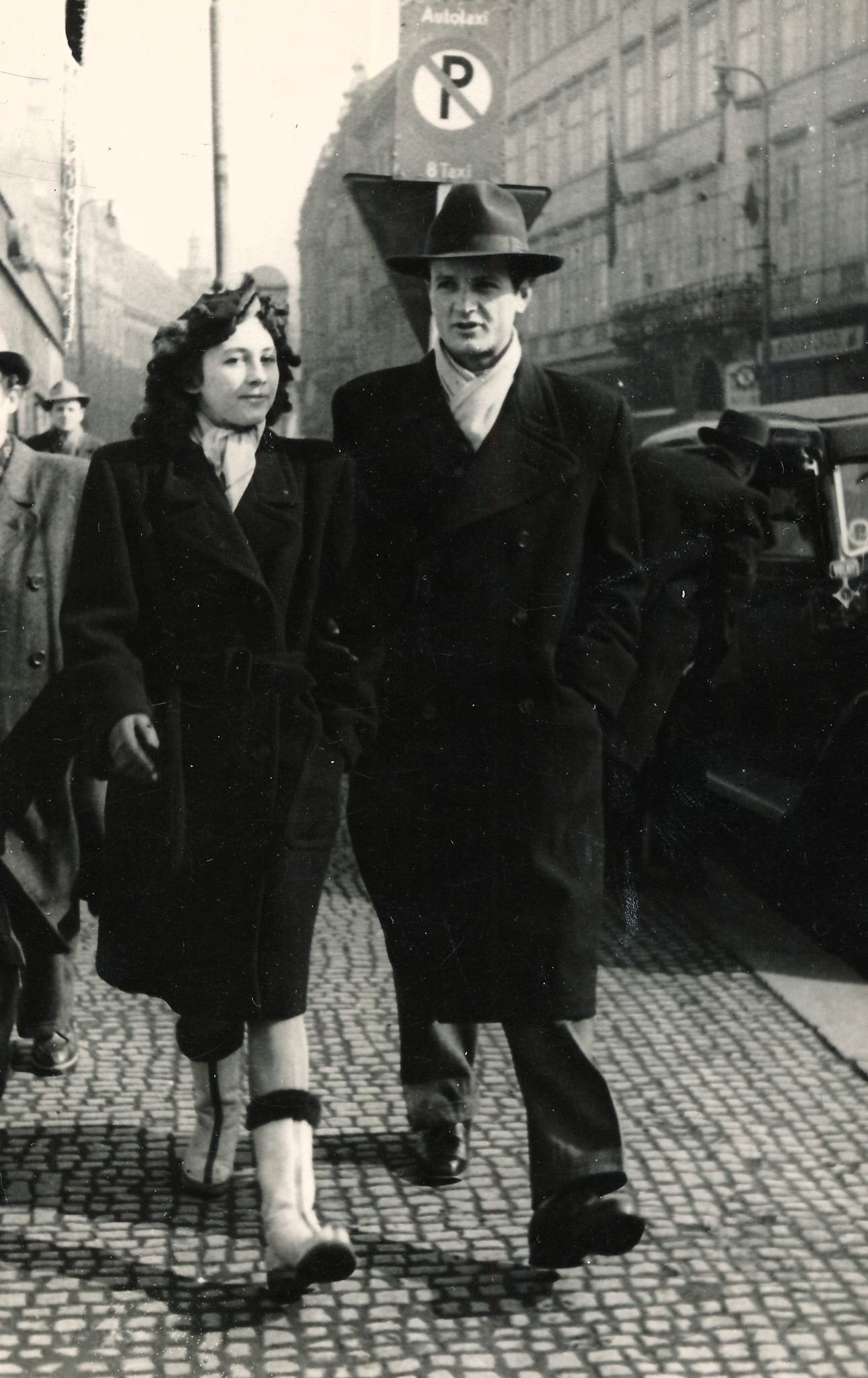
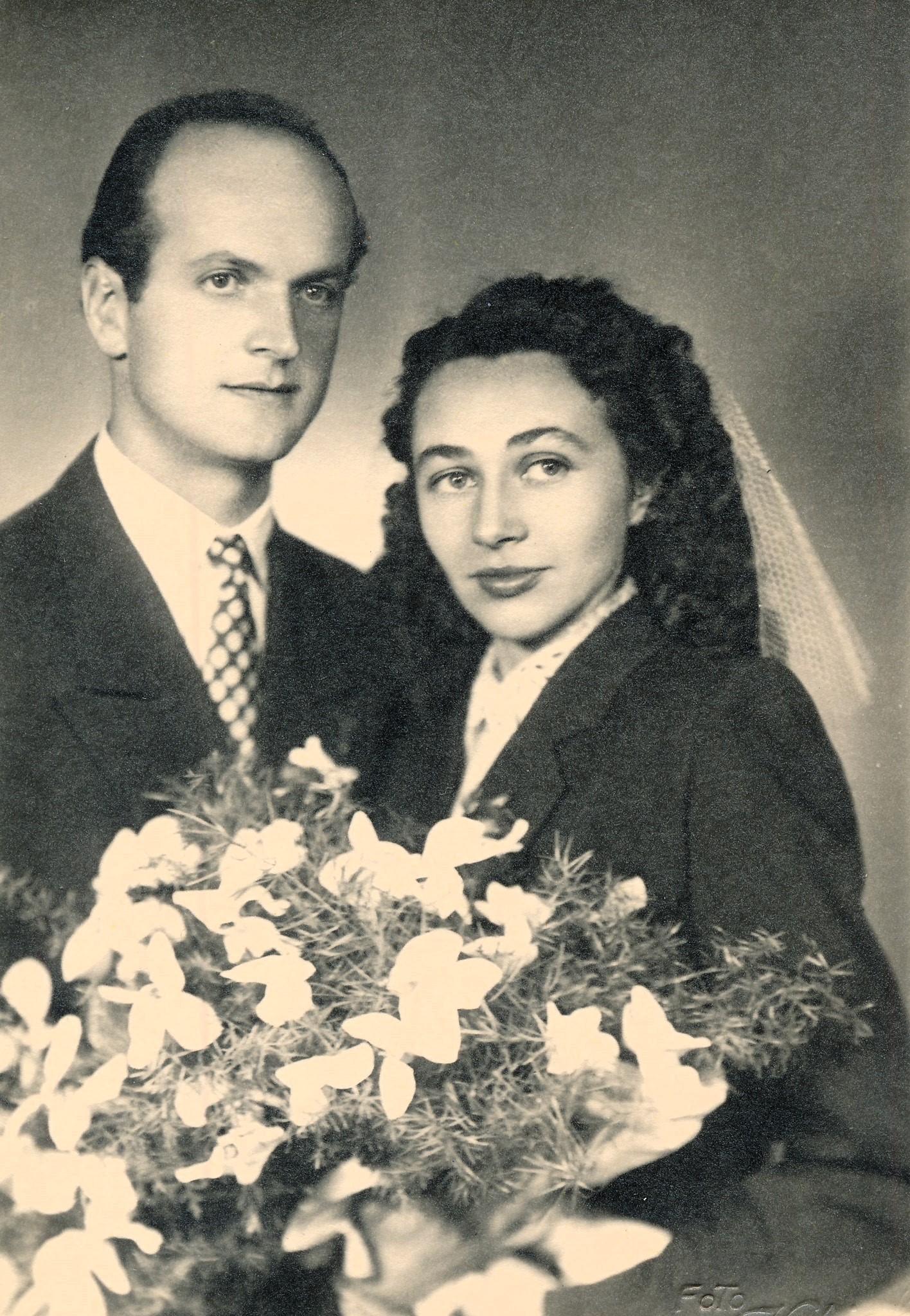
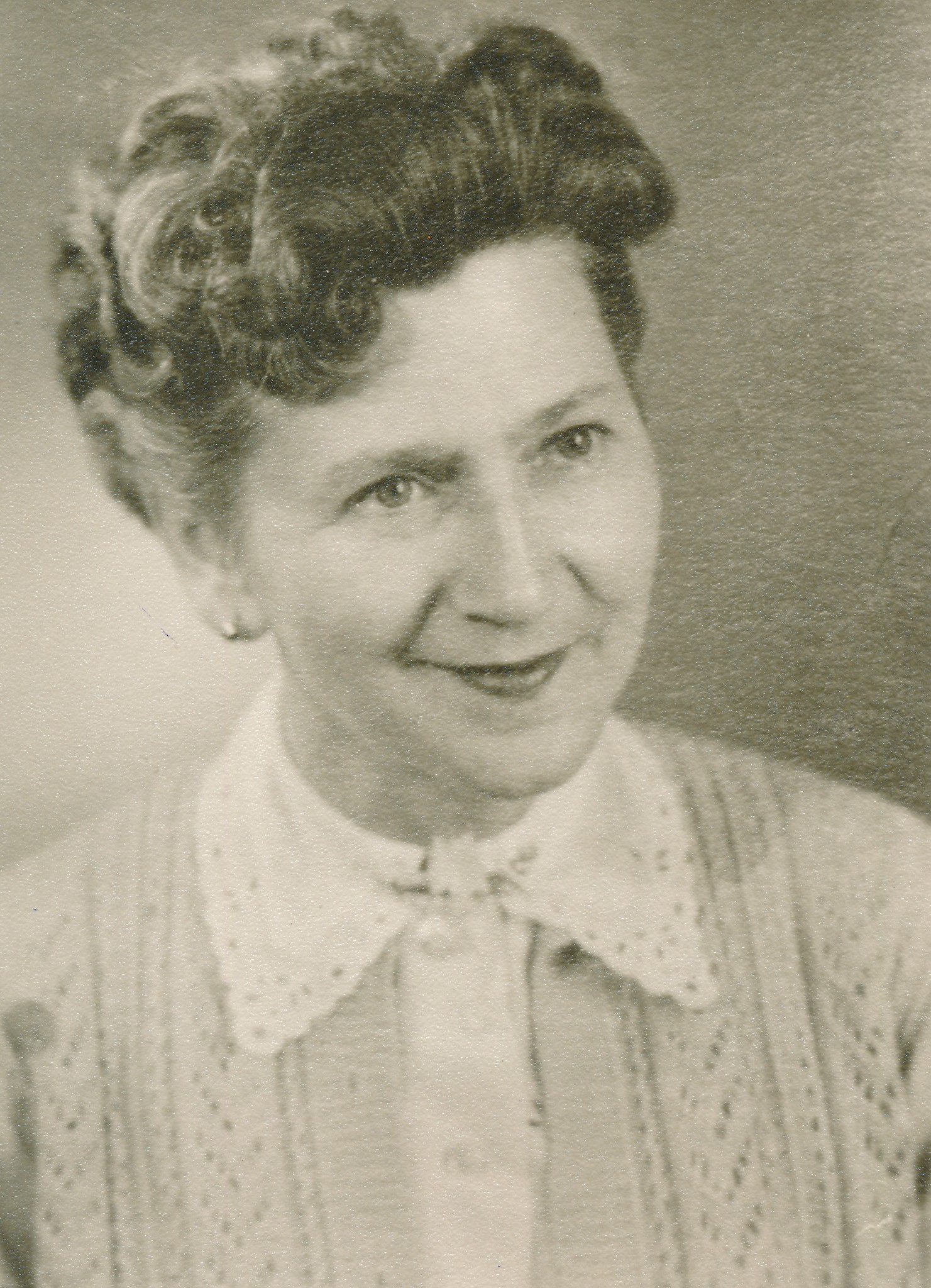
Terezie Zuzana Eisnerová was born on 9th July 1955 in České Budějovice to Stanislav and Helena Eisner. Her life attitudes were strongly shaped by the example of her beloved grandfather Otakar Urbánek, a resistance fighter and politician who was condemned by the communist regime for subverting the republic. After graduating from the Budějovice Grammar School, she took a job in the music department of the National Museum. In the collective of the museum‘s staff, which unanimously refused to sign the Anticharter, she met personalities who opened up the world of the underground and the hidden church to her. In 1980, she joined the secretly operating Dominican Order, actively participated in the dissemination of samizdat literature and in 1984 added her signature to the Charter 77 declaration. In the late 1980s she regularly participated in anti-regime demonstrations. After the Velvet Revolution, she finished her theological studies, which she had begun in secret at the University of Warsaw, and devoted herself to translation and lecturing. In 2025 she lived and worked in Prague.