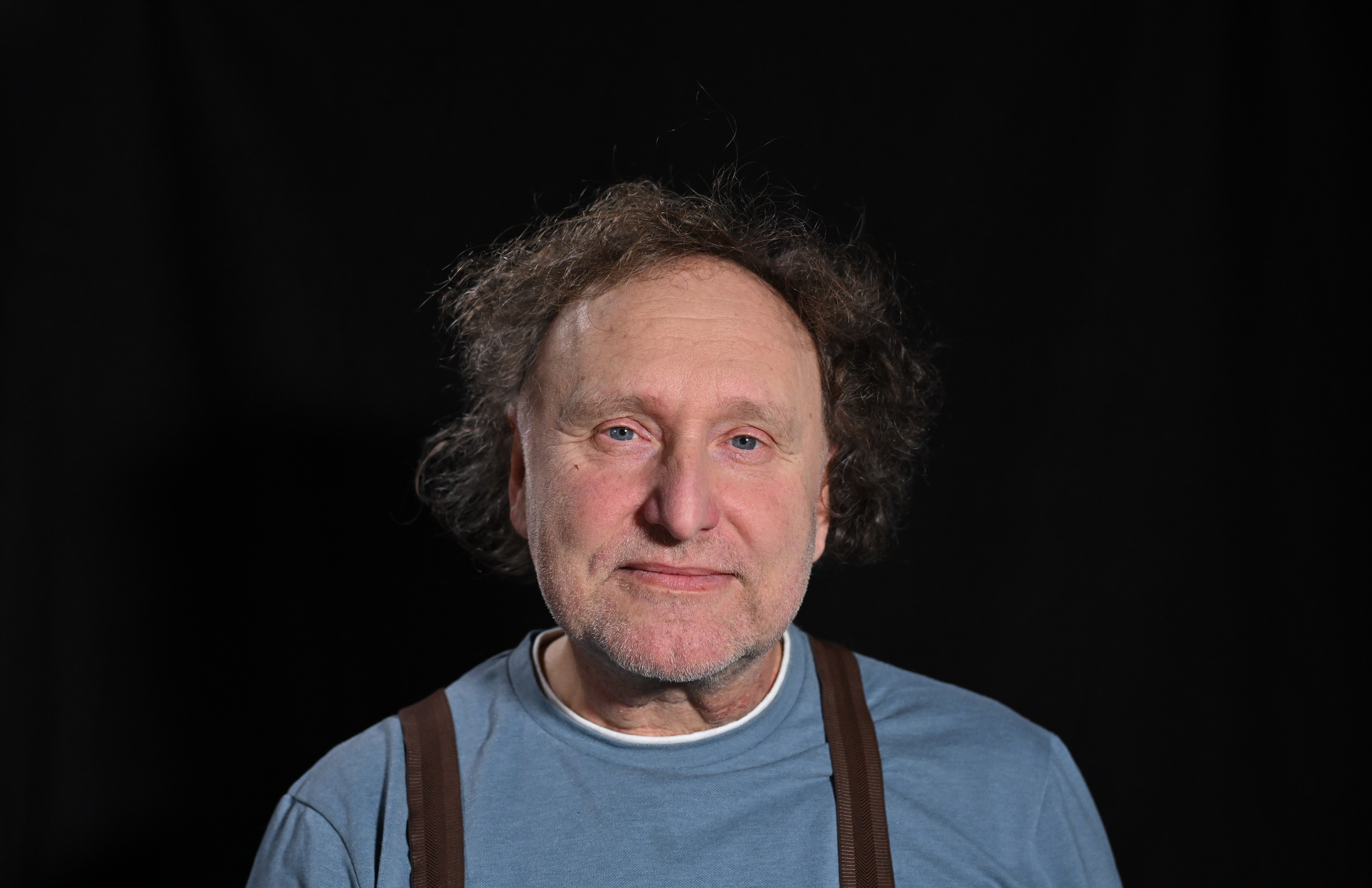
Vladimír Dundr

* 1959

  • "Back then, when they wanted to expand the mine where Lake Milada is today, they had to deal with a landfill that was in the way. That was a technologically unsolvable problem and you knew the communists couldn't handle it. So we wanted to pour salt into the open wound. I came up with - I was good at it - a bullshit idea that we would march from Ústí to the Khabařovice landfill, a march for ecology. I put in a request to make it happen. Gradually, as the date approached, it became clear that everyone in my neighbourhood was scared and that I would go alone. And fortunately, on the day I was supposed to go there in the afternoon, a messenger from the national committee came and said that they were forbidding it because they couldn't ensure the safety of the participants because it was on the road, which is still there today. I was relieved that I wasn't going alone. Maybe as I was inventing things like that, but it was always just a theory, maybe based on that, my State Security officer was inventing something to show some activity and to have a trial with me."

  • "We were supposed to have the biggest concert of our career in Povrly in some hall just above the railway station. There were maybe 300 or 400 people there, the kind of people who used to come to the Plastics, so they came to see us, to see Basic Pistora. And about the same number of policemen came, so it was good. I remember I was maybe the only one in the band who had a self-reflection that we couldn't do it very well, and I had stage fright, so I was actually praying silently and secretly that the cops would disperse us before we started playing. They delayed the dispersal until we were on stage and almost playing. Only then did they break it up."

  • "Back then, in the early 1980s, there was a little group here in Ústí that had its centre in Povrly in the house where Viktor Daněk lived with his two sisters and parents. It was a former mill and there was a huge land which turned into a breeding ground for Máničky. Apart from parties, we invited Pepa Nos, an old State Security officer, who was there maybe ten times, and other such artists, maybe Oldřich Janota, more of a folk singer... or Jiří Černý, who had these discos. You don't know any of this. The jazz section and so on. There was an underground club in the attic in Povrly all through the eighties."

  • Celé nahrávky
  • 1

    Ústí nad Labem, 13.02.2025

    (audio)
    délka: 01:27:36
    nahrávka pořízena v rámci projektu Příběhy regionu - Ústecký kraj
Celé nahrávky jsou k dispozici pouze pro přihlášené uživatele.

Nobody wanted to suffocate, not even the Communists
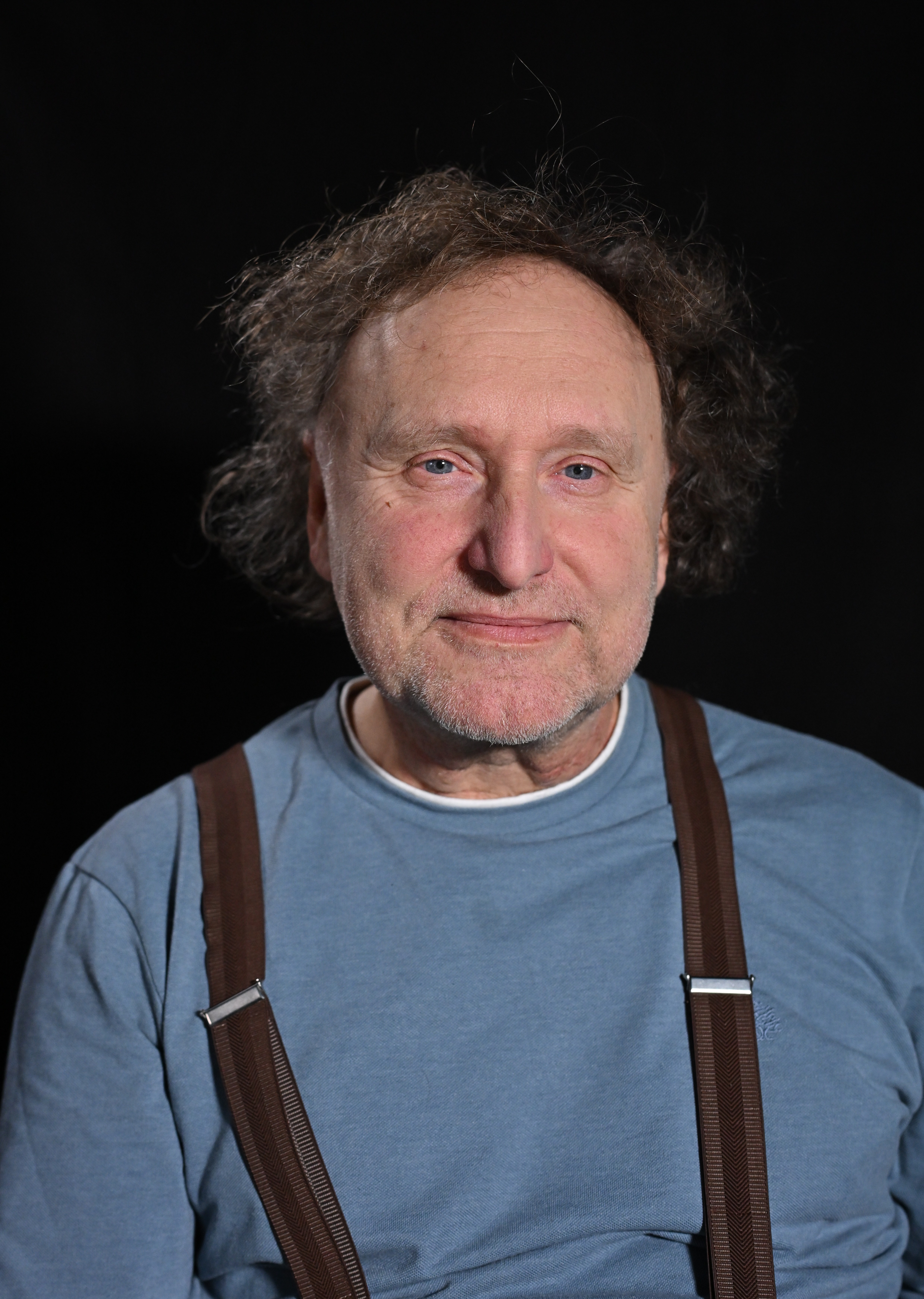
Vladimír Dundr, 2025
zdroj: Post Bellum

Vladimír Dundr was born on September 20, 1959 in Litoměřice. He grew up in the family of Vladimír Dundr, a chemist, and Eva, née Vincíková, a teacher. His grandfather Ladislav Vincik was imprisoned by the Nazis in the Small Fortress in Terezín and after the war by the Communists. His father joined the Club of Committed Non-Partisans (KAN) in 1968 and after 1968 he did not take the opportunity to emigrate to the West. Vladimír Dundr graduated from the grammar school in Ústí nad Labem. Since his teenage years he was active in the underground scene in Ústí nad Labem, playing for example in the band Základní Pištora. He belonged to the community around the mill in Povrly - the local centre of the then lively unofficial culture. He participated in the creation and dissemination of samizdat. He graduated from the University of Technology in Prague and in his diploma thesis he dealt with the topic of desulphurisation. Afterwards he worked as a researcher in pharmaceutical production at Chemopharma Ústí n. Labem. He founded a branch of the Czech Union of Nature Conservationists. He organised a protest march to the landfill in Chabařovice, which was eventually banned. In 1989 he signed Several Sentences and a petition for the release of Václav Havel. The State Security Service (StB) followed him, kept him in the category of a person under investigation, interrogated him and planned to charge him with criminal activity. After the Velvet Revolution, he worked in an advertising agency, mastered the work of a graphic designer and later journalism. He devoted himself to music and writing. In 2025 he lived in Ústí nad Labem.