"Too bad, because it affected me, girls, terribly. When I went, imagine you're going to the border, and now the customs officer comes, and says to give him your passport and this. I rolled my eyes at them and I said, 'Guys, I'm going home.' The wonder I didn't cry... And then they're like, 'Please, slow down, good, good.' And when we were carrying something in the car, my mom gave me, I don't know, an old casserole, some blankets, and he started punching us at the border, asking us what we had, and I'm like, 'Well, I got this from my mom.' 'How come you don't have it if it's being written down across the border?' I'm like, 'What would I write down? Then keep it, I don't want it. My mum gave it to me, she didn't want it...,' and that's how bad they were at the border."
"So we were gradually getting out of Yugoslavia, and now we didn't know - should we go back, should we not go back? We were the whole family out. I had two small children, the first one was three years old, the second one was four years old, what to do with those children in the world like that. My husband was economic, but economic socialist, that was not an option in the West... We were in Vienna, but before that the Yugoslavs helped us, they gave us food, they gave the kids chocolate, cocoa, I don't know, they were wonderful, and now we came to Vienna. And now we were deciding what to do. Do we come back or don't we come back? And my grandparents said, my grandfather and grandmother said, 'I'm not going to leave my house to the communists,' and my grandfather says they're going home. And now my husband - he was still there with a friend - and they went to some offices to ask what kind of jobs they would give them in a foreign country... So imagine, at that time Europe was no longer taking. They either gave Canada or Australia, and I said I'm not going anywhere, I have my mother here. Imagine, the whole family was out, all of us - brothers, sisters - we were all on vacation. My husband wouldn't get a job, he'd just be some kind of help. I would have been hired as a chemist right away. Imagine - and I say, well, no, I've got my two little children here and I'm going to leave them here to suffer in some stranger's nursery!"
"They were the ones who prepared the uprising. Nobody knew about them. But because they were meeting in a parish in Bratislava, the parish priest couldn't stand the torture and he told them. So the thirty-five fittest Slovaks were taken in March, probably to Mauthausen. There are no documents about them, because the war was already over. On the fifth of April Bratislava was liberated, but they put them on a train, the 'Easter train of death' it was called, fourteen days before the liberation. There are no documents, our mother waited at least two years for you to find out. The Red Cross was finding out how they perished, and there were no documents about it anymore. And even in 1968 they came to my mother to see if she knew by any chance where the Slovak national treasure was, because my father was in charge of the money. My mother told them then that it was in Russia."
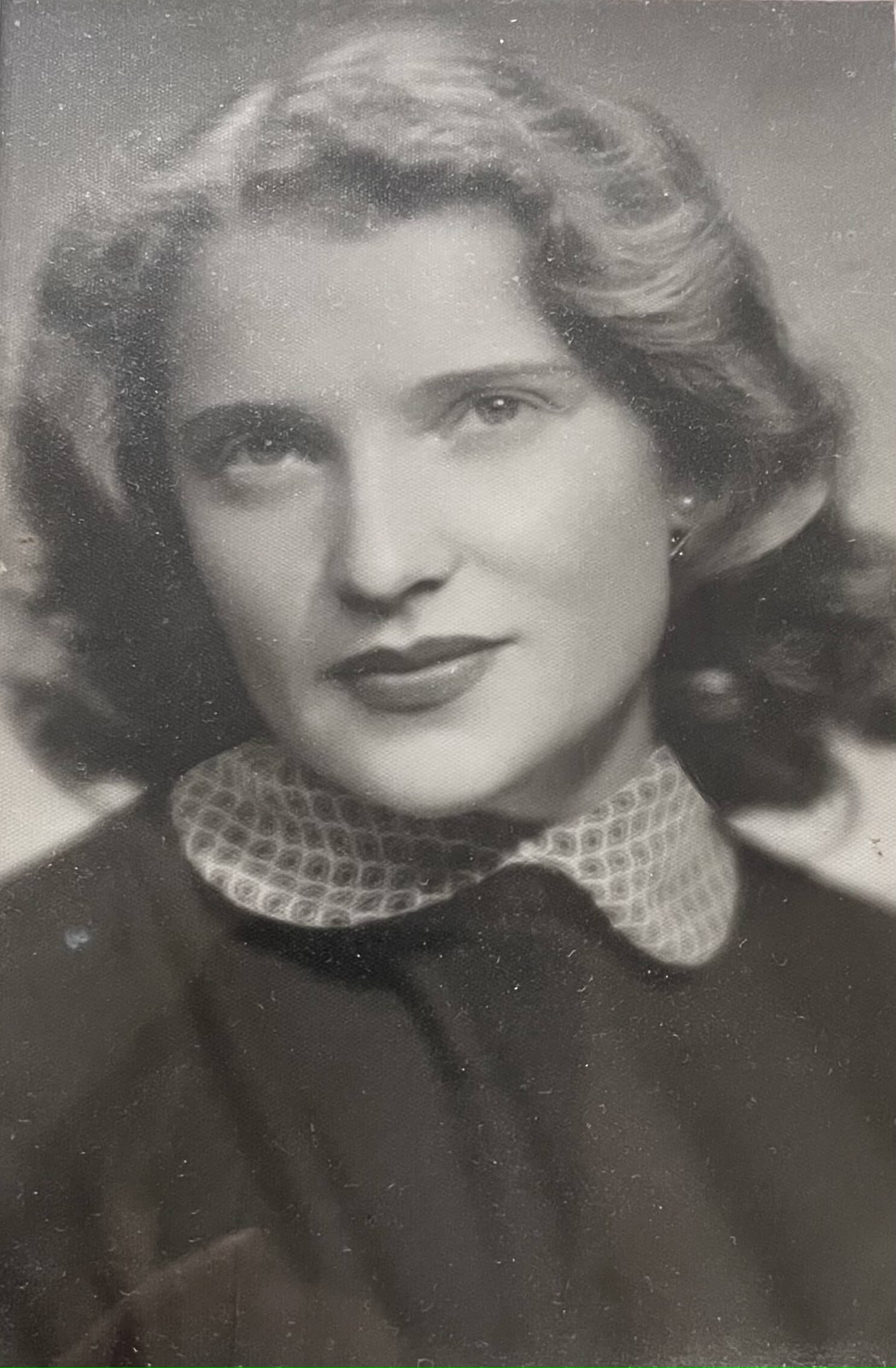
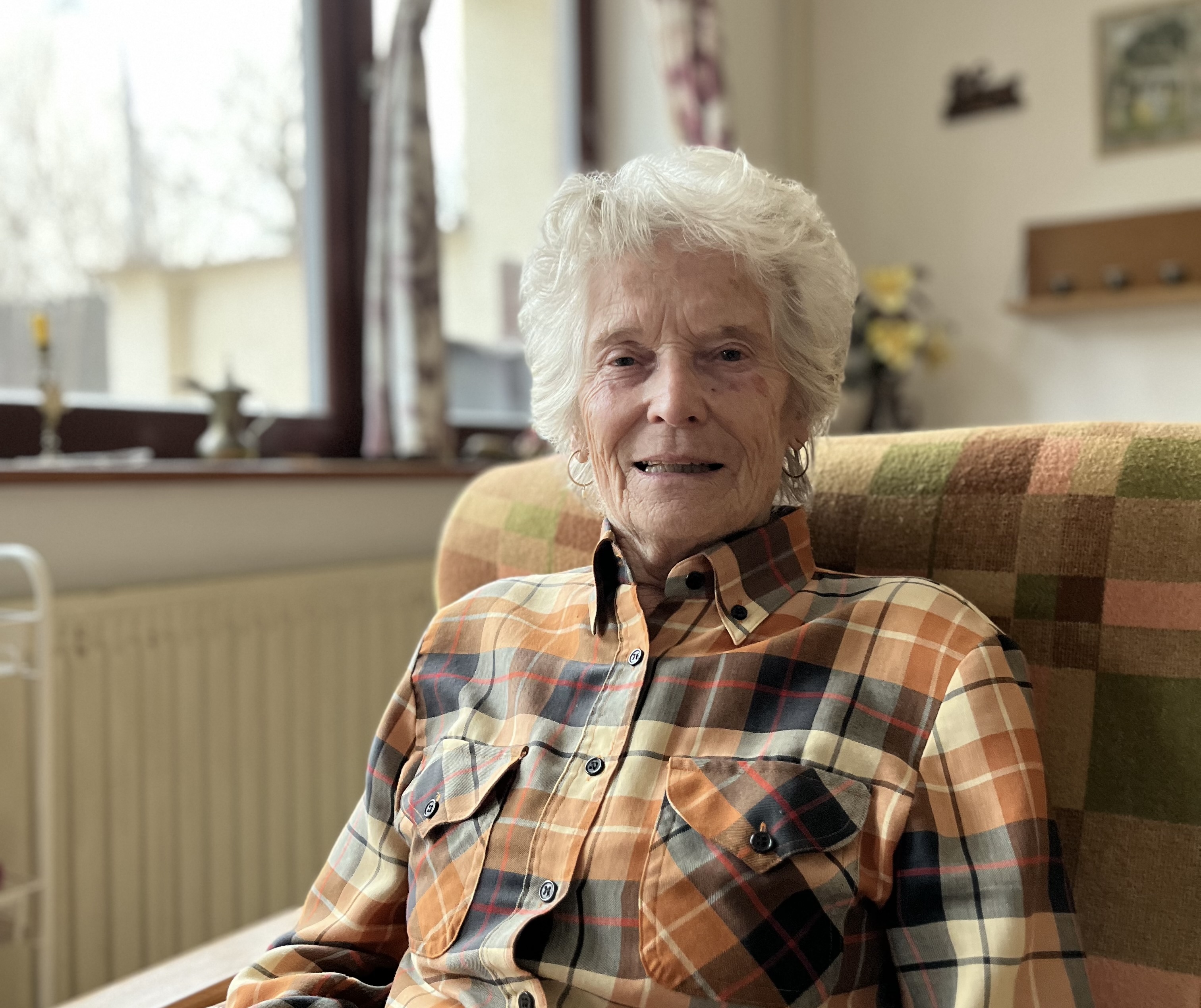
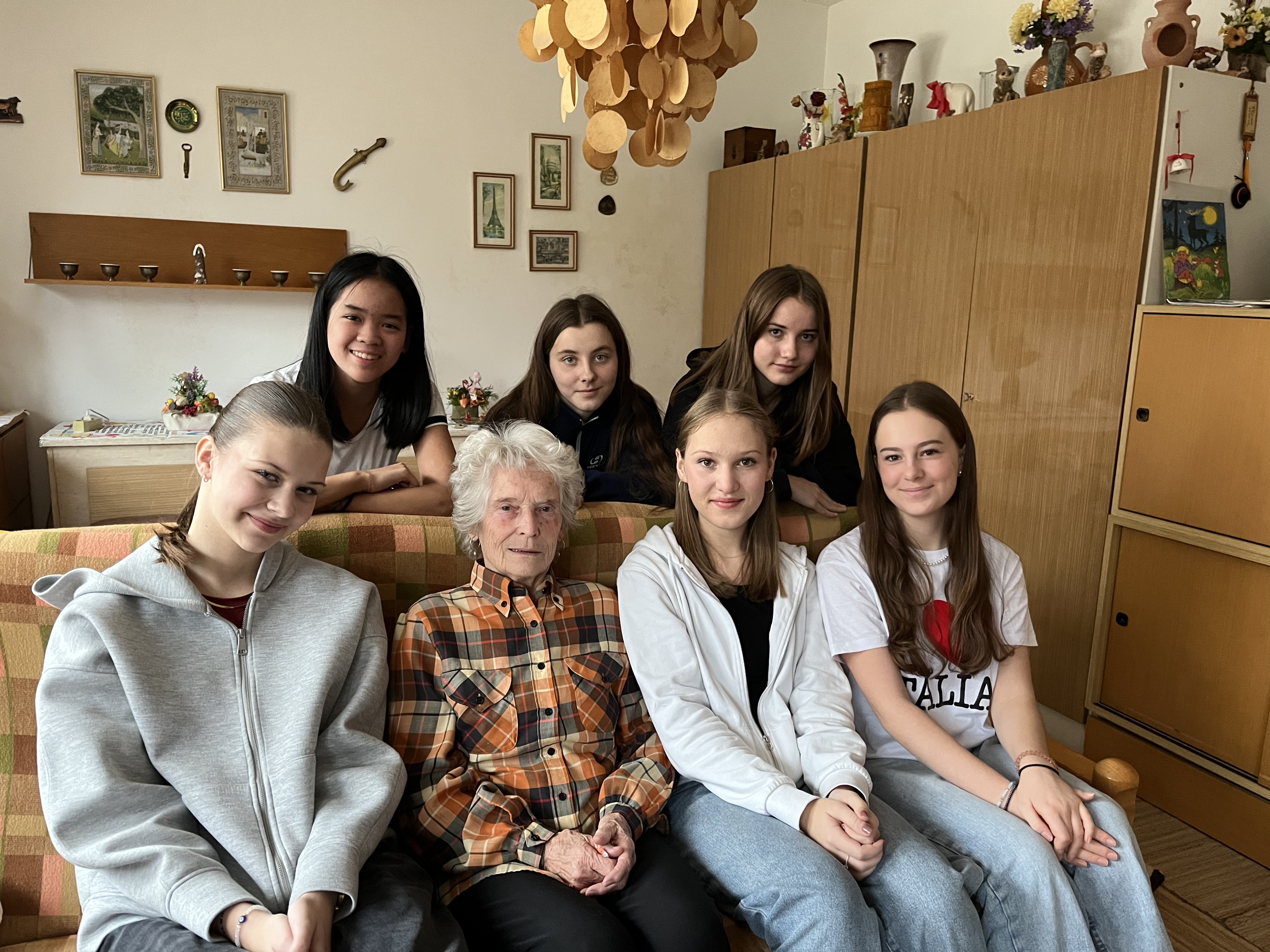
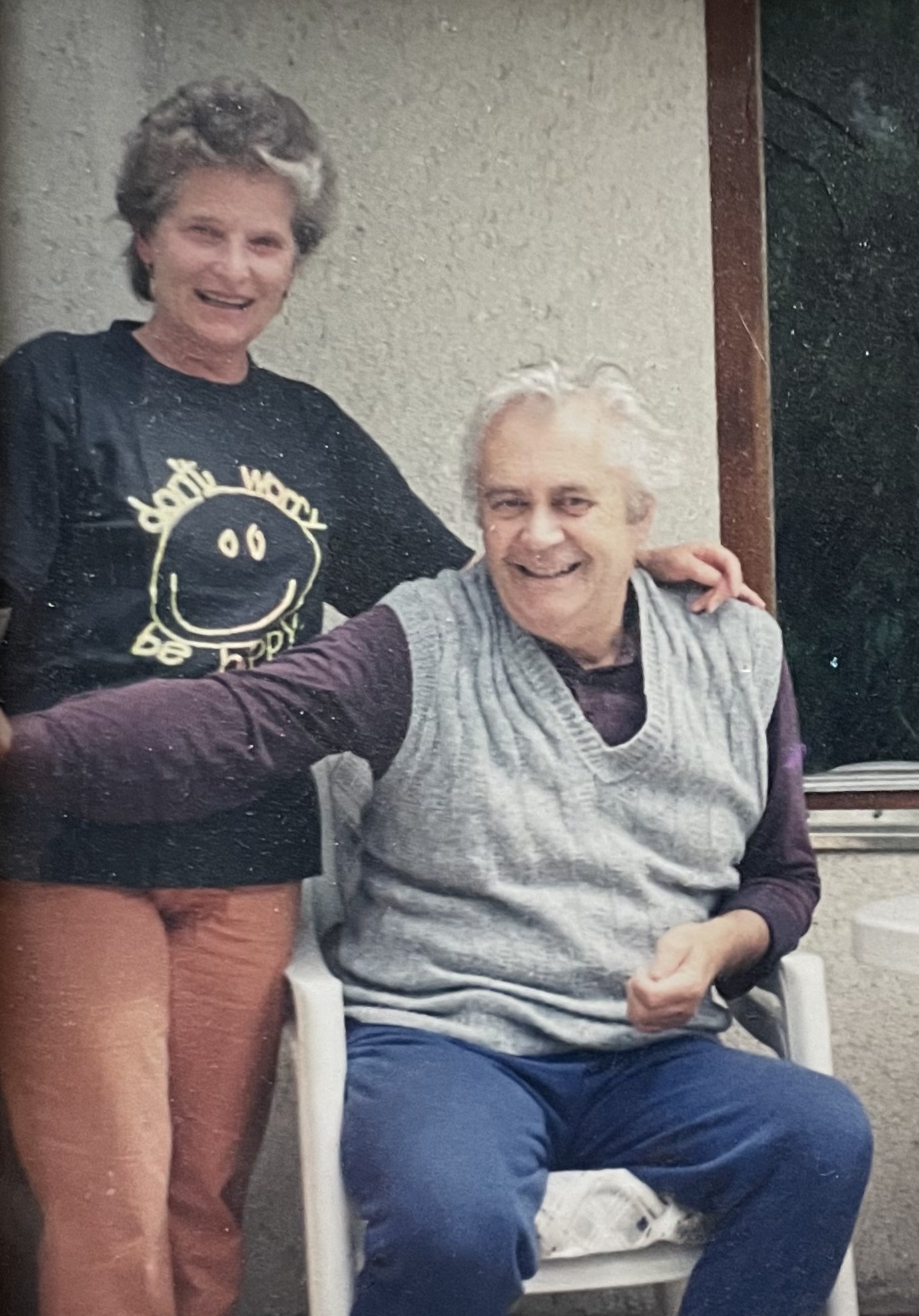
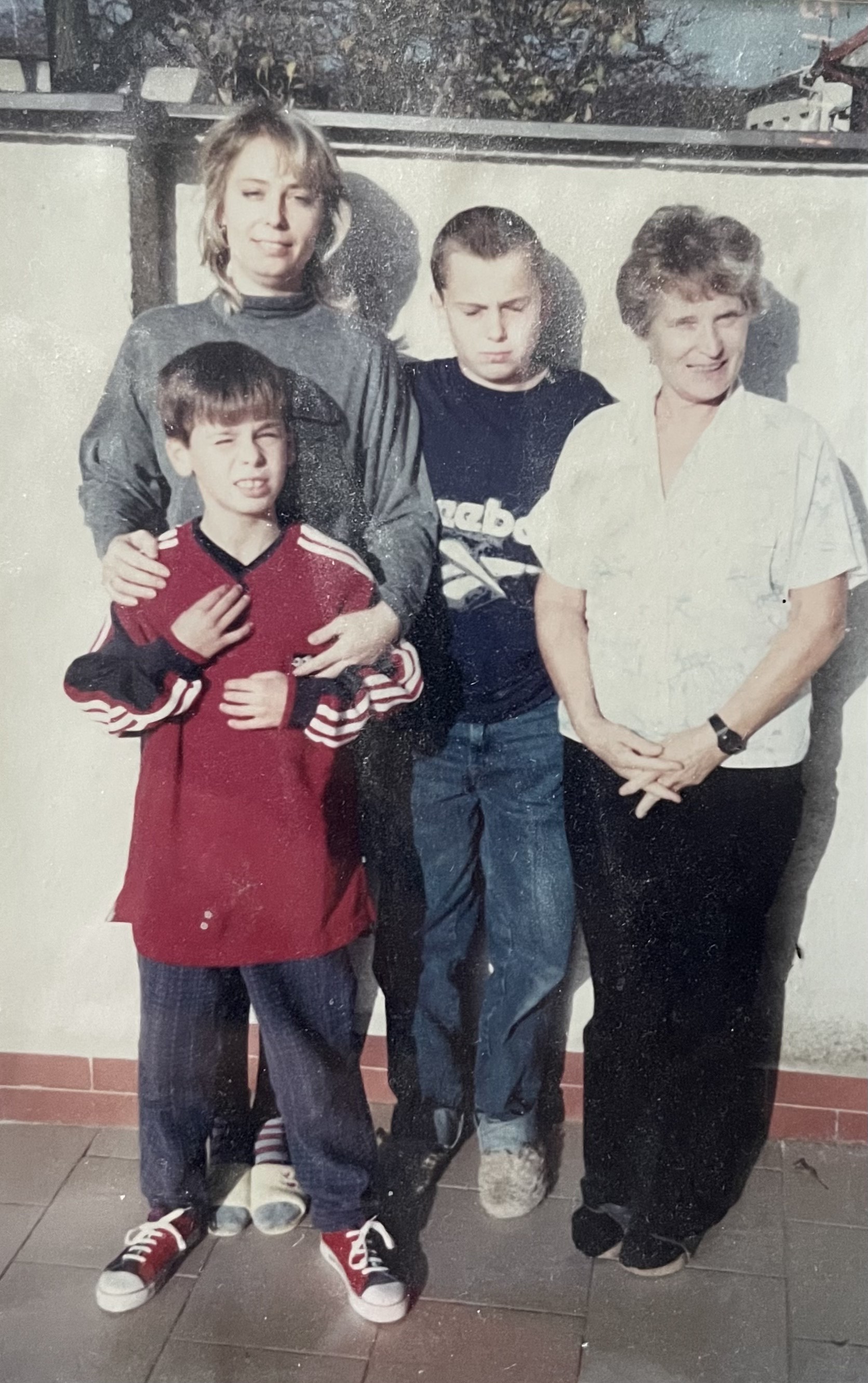
Dagmar Dressler, née Vagačová, was born on July 14, 1939 in Bratislava, the third of four siblings. Her father was Slovak and worked in the National Bank, her mother was Czech and worked in the secretariat of Prague Castle. The family originally lived in Prague, but after the declaration of the Protectorate of Bohemia and Moravia, they moved to Bratislava, where she was born. Her father was involved in the Slovak National Uprising, but shortly before the end of the war the group was betrayed and her father was deported, probably to the Mauthausen concentration camp, where he was probably shot. To this day, the family has no news of his death. The witness graduated from an industrial secondary school, and after graduation she joined Slovnaft, where she suffered an accident at work. While on holiday in Bulgaria, she met a Czech man, they married and the witness moved to Brno-Líšná. The family and her grandparents spent the August invasion of the Warsaw Pact troops on holiday in Yugoslavia. The witness was deciding whether to return to the occupied homeland or to remain in emigration. In the end, the decision was that they would have to go to America or Canada because the Viennese authorities told them that European countries no longer granted asylum. The witness did not want to go to North America, so she returned to Czechoslovakia, where she worked in education and at Brno Engineering. Dagmar Dressler was distressed by the collapse of Czechoslovakia in 1993 - she did not understand why she had to show her passport when going „home“. In 2024, Dagmar Dresslerová lived in Brno-Líšeň.
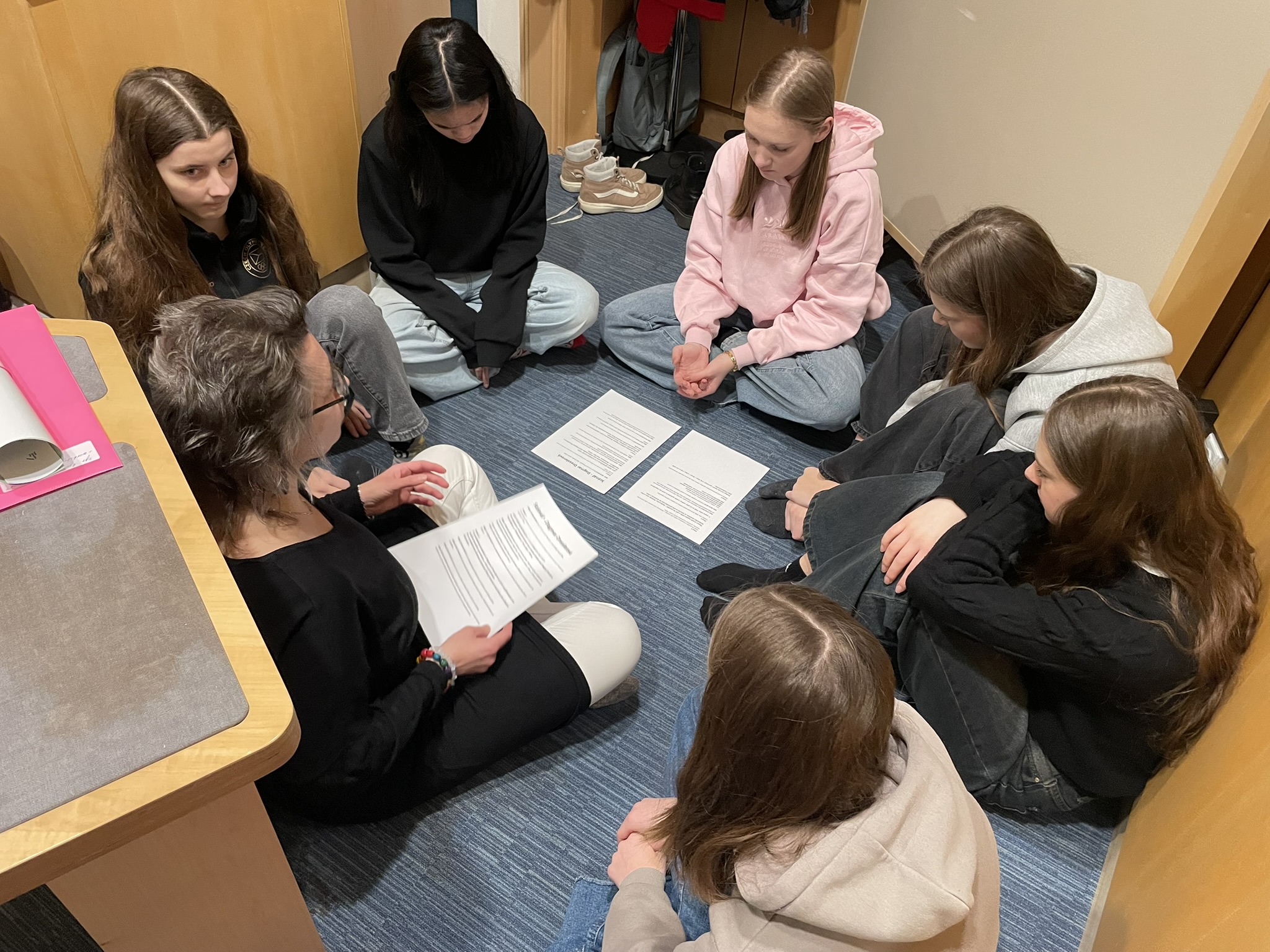
Diana Bučková, Viktorie Anna Eliášová, Zuzana Ella Hájičková, Julie Lepilová, Terezie Suchá a Anežka Šafářová
Paměť národa existuje díky vám.
Hrdinové 20. století odcházejí. Nesmíme zapomenout. Dokumentujeme a vyprávíme jejich příběhy. Záleží vám na odkazu minulých generací, na občanských postojích, demokracii a vzdělávání? Pomozte nám!