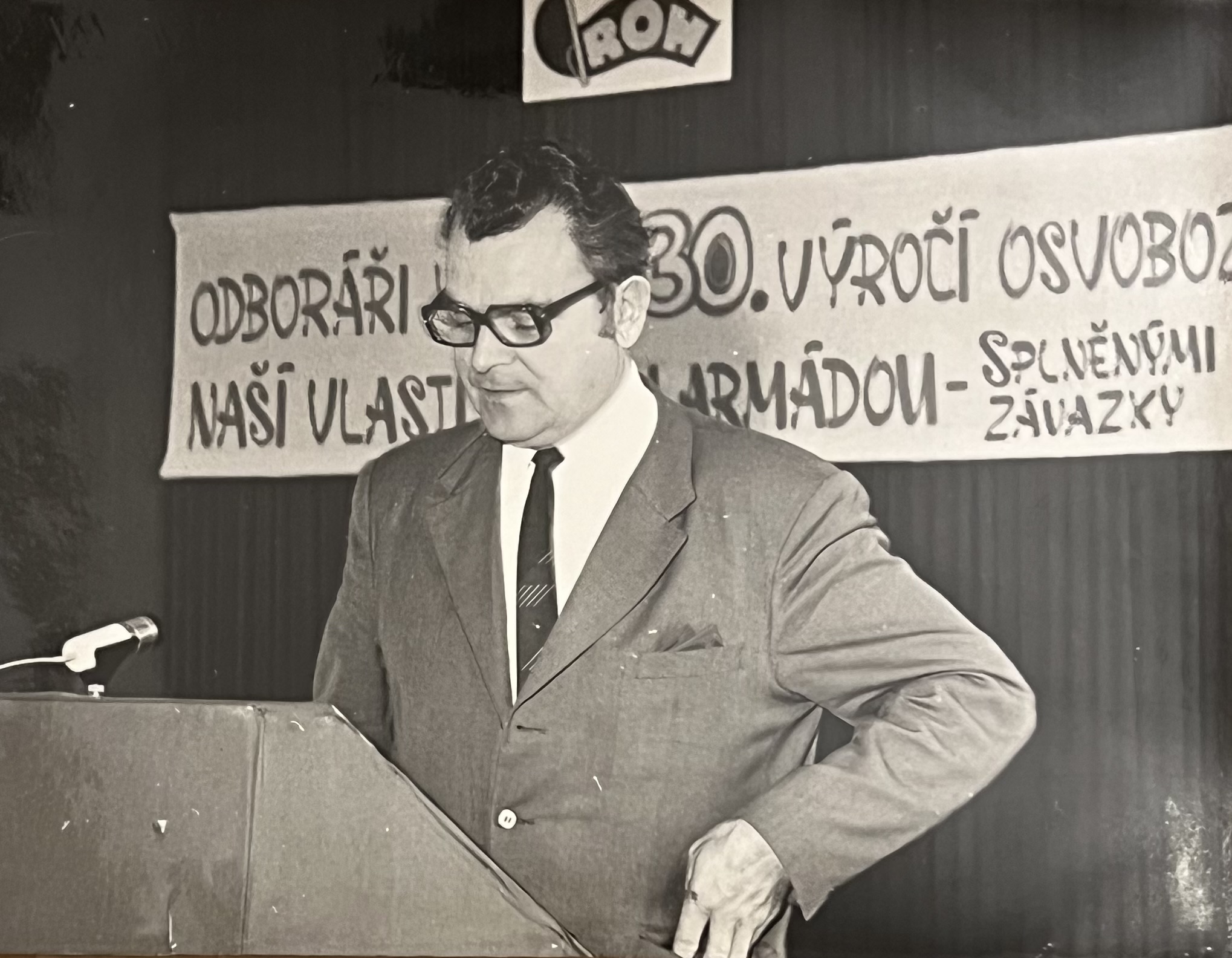
"She said, 'This happened in Prague, and there's going to be a protest in the theatr, so will you join in?' I said, 'Sure, of course.' I got dressed, went to the theatre, and it was already busy and they were rehearsing to make sure it all went as it should. News messages would arrive every hour. On Sunday when the premiere [Nabucco] was scheduled, they started discussing whether or not to play. It has to be said that the initiators were drama troupe actors. The question was, do we play or does the theatre as a whole join the protest of the Prague theatres? It was quite dramatic, enough for a dedicated story, and it turned out... of course the director was a communist and the chief conductor was in the party, so there was quite a lot of pressure to get everything right... At seven pm, the curtain went up and the orchestra played the national anthem. The theatre was packed, they let in everybody they could. The news spread even though there were no cell phones. Balconies were crowded. The national anthem. That's when I really teared up, as did most people. When the anthem was over, the Jews' choir came on. There was this huge staircase on stage and that's where the ensemble went including the stagehands and prop girls. That's how the strike started. Like, it was spectacular. It changed my life, of course."
"My grandmother was a gardener extraordinaire. She had an incredible sense of aesthetics. Her flowers were renowned in the market yet her prices were lower than others'. She felt for the flowers unbelievably. Grandpa would add a second basket on the back of her bike and she would take the flowers to the fair in water. Well, people do this today, but it's easier with a car. She had these big pickles cans with water, and that's where the flowers went. The Wallachians are in part gypsies genetically - we call them that at home; one of the groups came from India through Romania and ended up in Wallachia. My grandma excelled in communicating with - I mean that in a good way - these old gypsy women who still wore those beautiful colorful clothes. They lived in Přerov in the former workers' colony built in the late 19th century. The communists then turned it into a gypsy ghetto, there's no other way to put it. So these ladies were already waiting on the sidewalk for grandma, each with a five-crown note, and bought her flowers. She spoke to them, and so we knew everything about the life in the Roma community. I went with her a couple of times to witness it. I love sleeping but I got up early, and her communication skills were an incredible experience. They waved... I'm getting sentimental... unbelievable. Back then, they made bouquets in single colours. My grandma was the only making them in varied colours. Tying up the bouquets, she always came to me and asked, 'What do you think? Do they match. Should I add this one or that one?' That really like influenced me, that's one of the sources of my love for art. It was really an extremely creative activity."
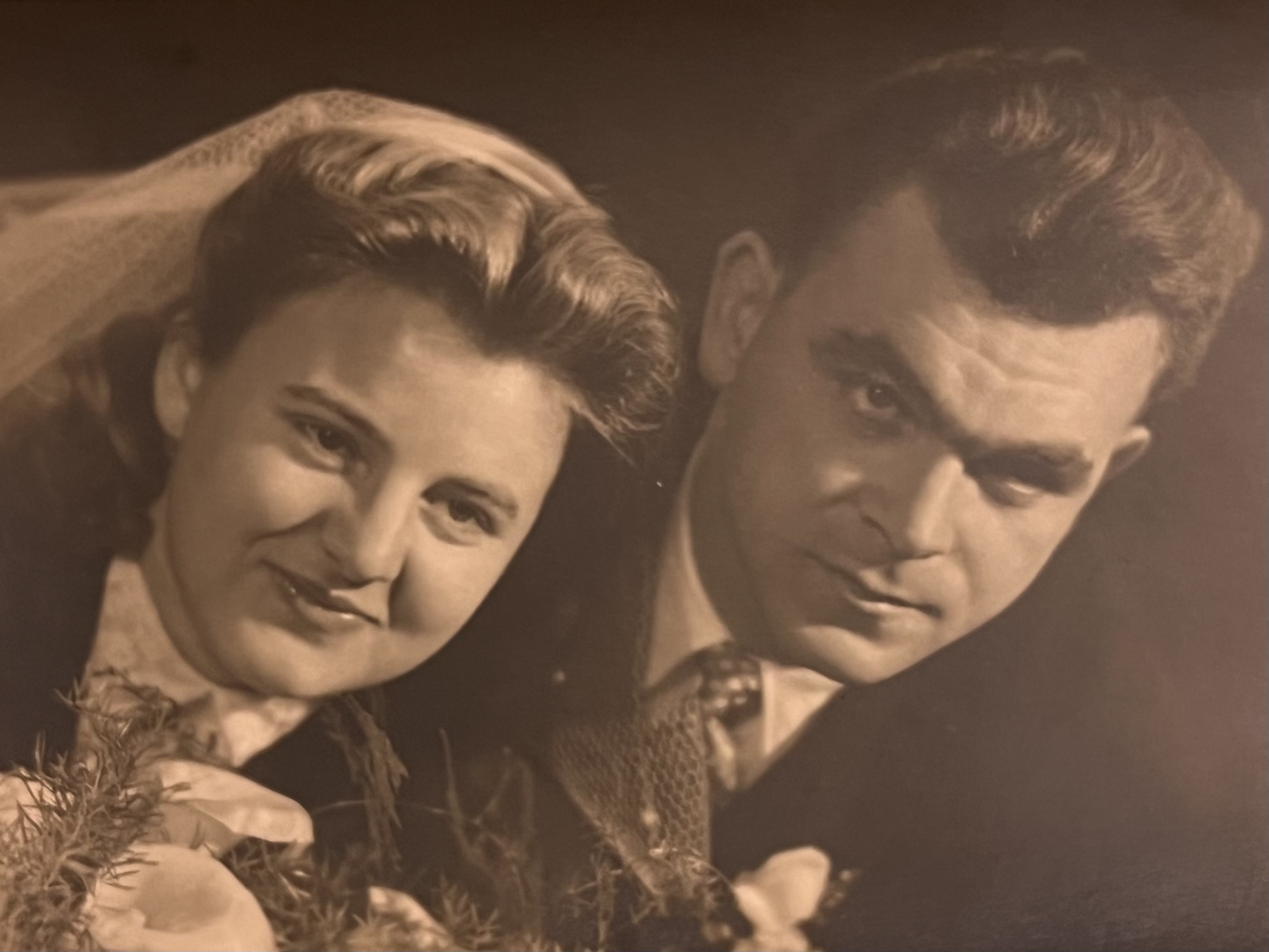
"Mum was a teacher for a while while dating dad. When I was born... See, this is very interesting socially. Builders saw themselves as a guild then. Their pride did not allow them to let their wives work. They would provide for the household but never do any household work. Not at all. That was dad's decision. Of course, mum didn't like chicken shit everywhere, but she was a very hard-working otherwise. They both dreamed of moving to Přerov and having central heat and a bathroom. Where I lived until age eight, there was only a sink. We washed in the yard. In the winter there was a baby bath. The water had to be heated on a wood fired stove. My mother's parents took the bath first, then my parents, and then my sister and I did. By then, the water was so dirty you couldn't see the water at all. That's truly the way it was and we never found it strange. Just the way it was. Of course, the toilet was in the back yard. It was always freezing in the winter, and us kids, we'd walk around wearing just night shirts, fearful of whatever could jump out at us. My parents were dreaming of things that are commonplace today - though not enough for many: one bathroom and one toilet. I went to second grade, my sister was three and a half years younger, and very soon, without my parents telling us, they found out that they had lost their entire social background and that actually they had no idea of how they were supposed to live in the town."
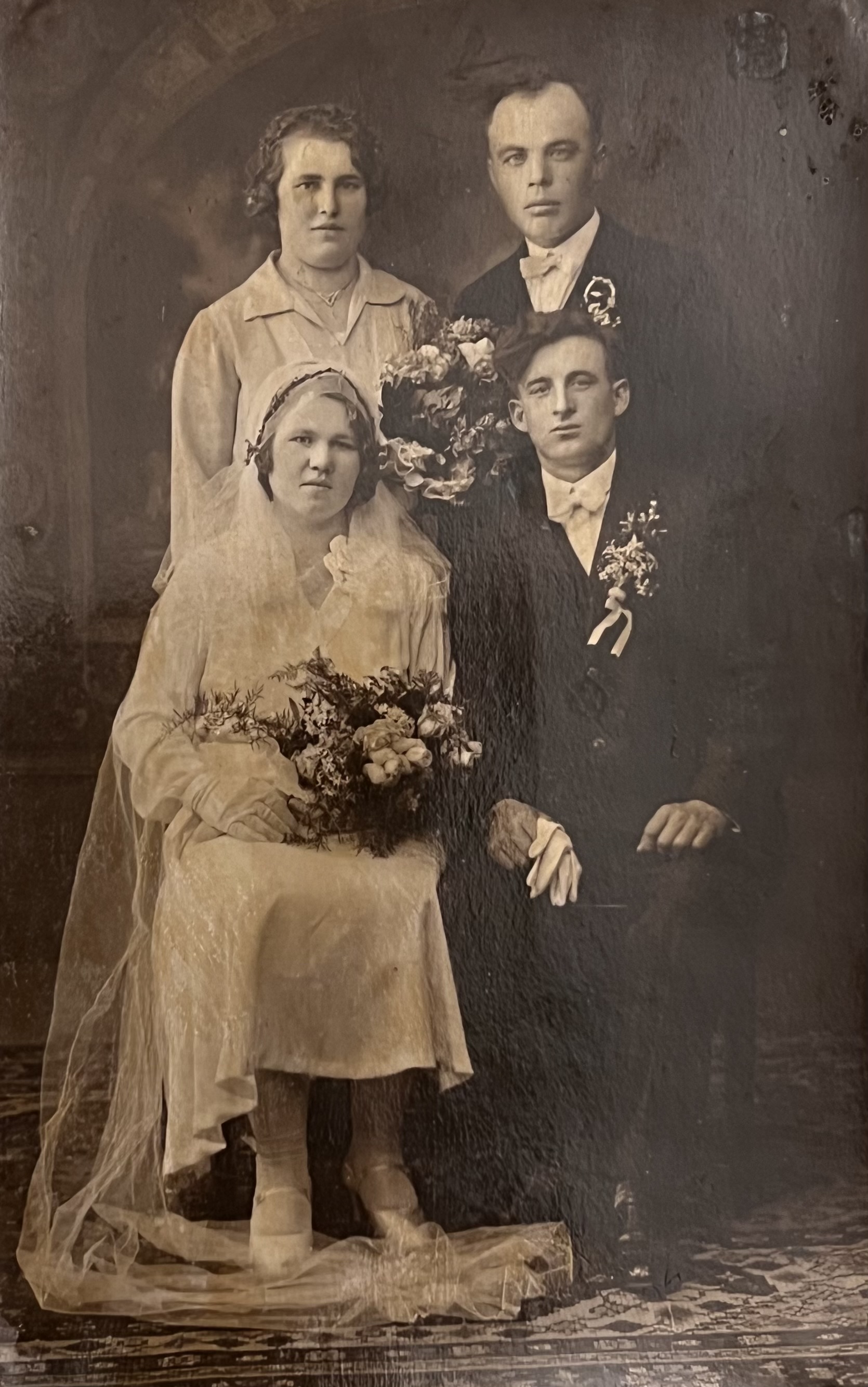
"What happened was that when they were finished, all the brickyard guys went to the local pub, and being tired and having money, of course they drank spirits. My grandmother told me once. I asked how she actually got from Valašsko to Haná at age thirteen, which is a horrible thing from today's point of view, and I don't think it is talked about much to this day. It was quite common. Grandma described it to me. The big rich farmers would come from Haná and they knew what was going to happen. The local guys went to the pub and drank beer, then liquor. The farmers set up in the corner of the pub and waited until the guys got drunk. Then they ordered a round for them. Of course the kind Wallachians asked them to the table, and the farmers started asking if there were any girls available for service. So, one day her grandpa came back at midnight with a Haná farmer... When you realize she was twelve years old... He woke her up, woke her mum up and said, 'Fany' - that's what they used to call my grandma, 'Fany, you're going to go serve with this gentleman in the morning.' Sheer horror, shock. It was in early spring, there was still snow. She was scared of this guy and had never met him before, and he actually took her to the train station first thing in the morning, six kilometres through the snow. As she was leaving and saying goodbye to her parents, of course her mother was crying, and her grandpa gave her a coin and said: 'Fany, when you get there, here's a crown for an envelope, paper and a stamp, and write to us.' Grandma got stubborn and never came back home. She lived with several of those farmers. Again, this is just my conjecture, but I suspect some intimacy happened that would get all or most of those guys in jail today. She slept with the cattle, got little food, worked late, and was like a lesser creature to them. My grandma often spoke of this with a kind of detachment, yet at the same time she carried the trauma with her for the rest of her life."
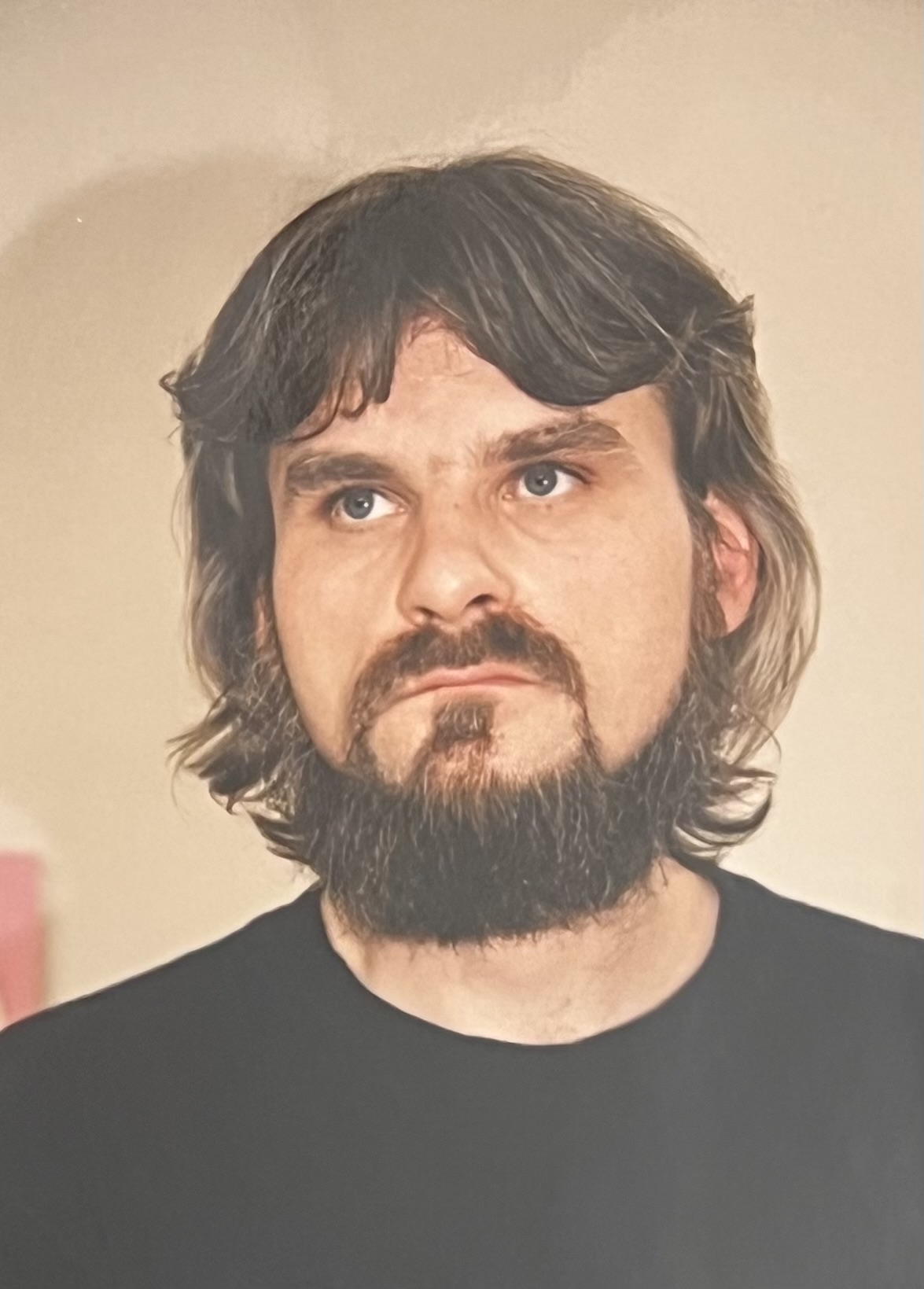
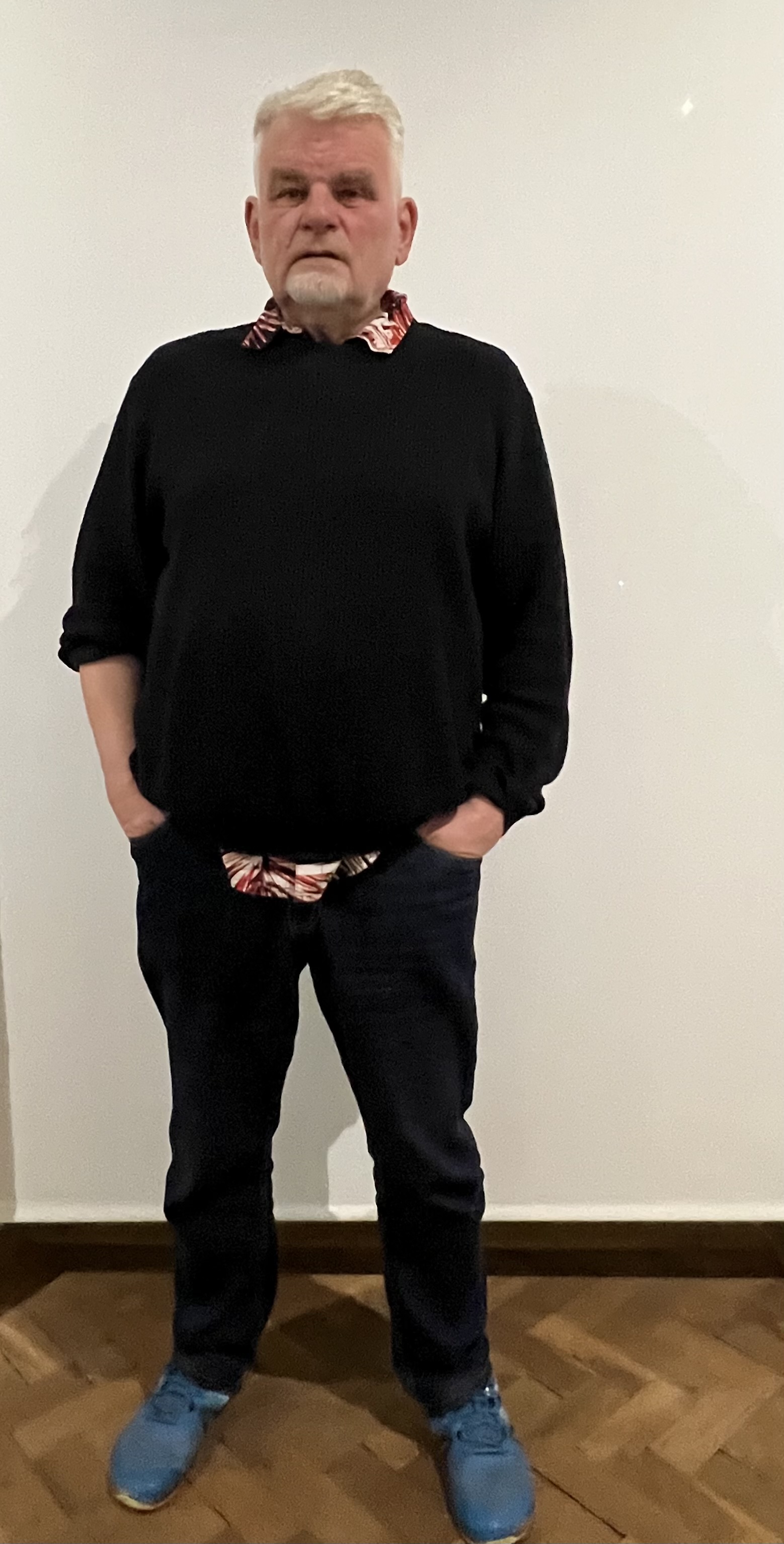
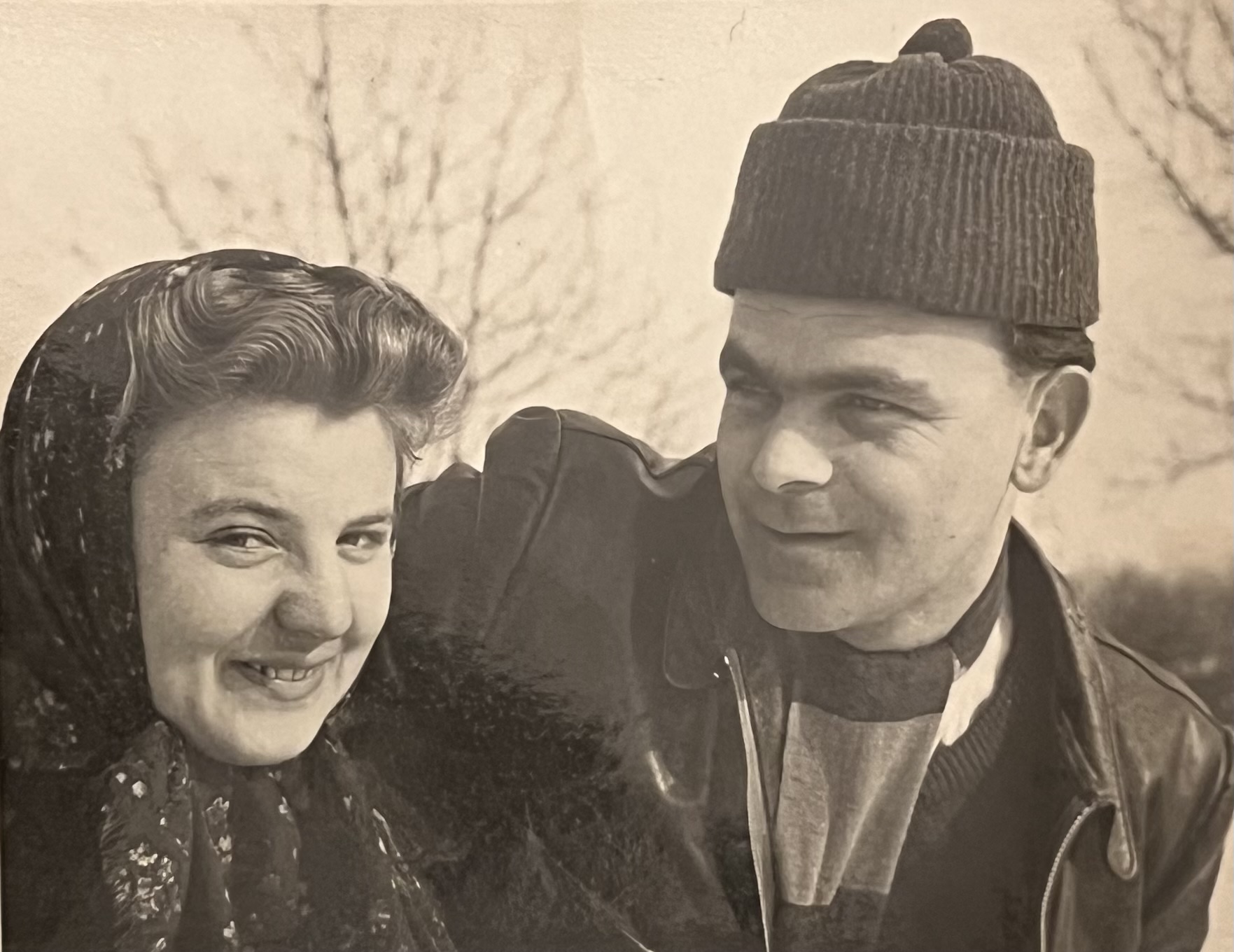
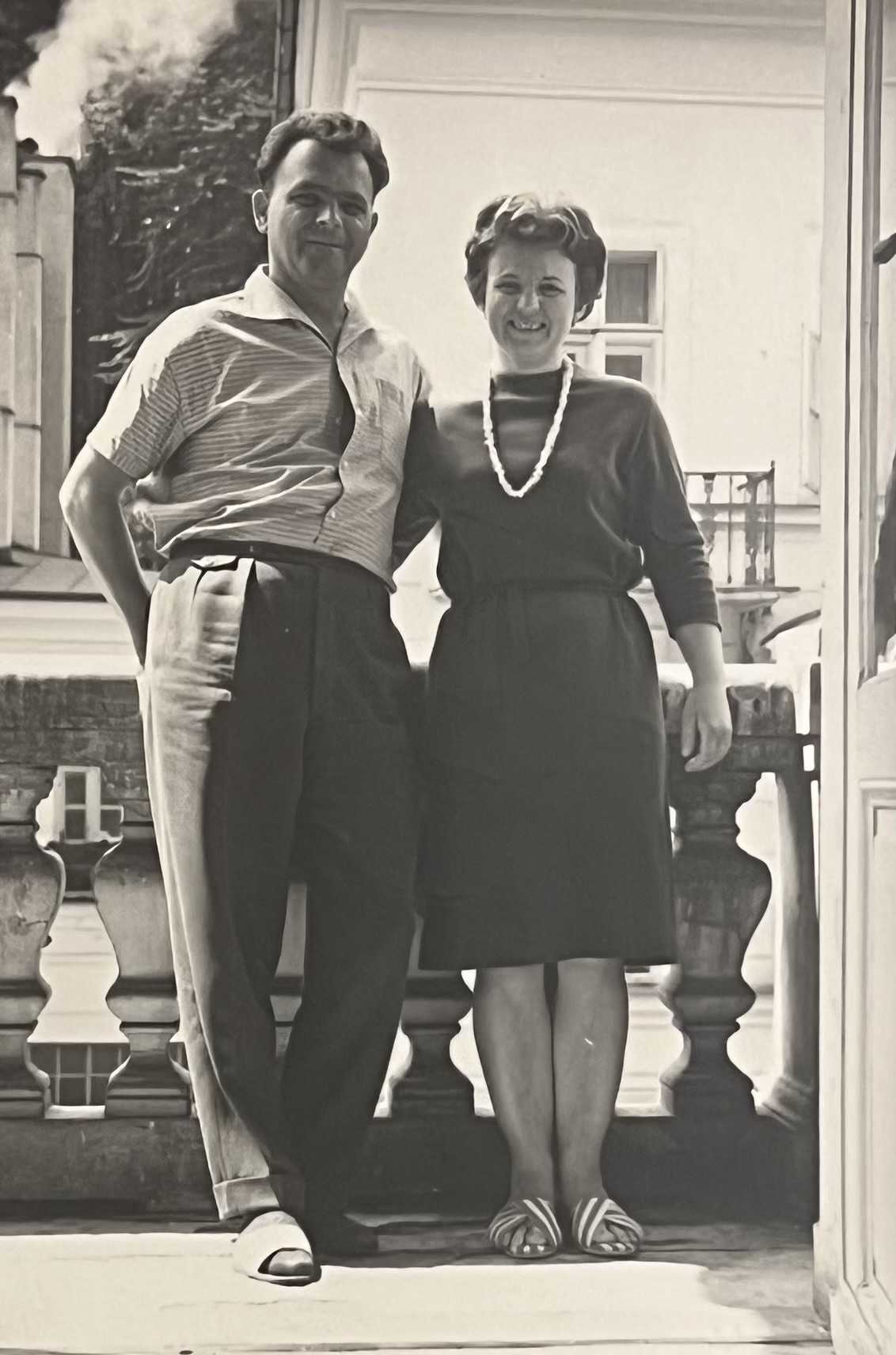
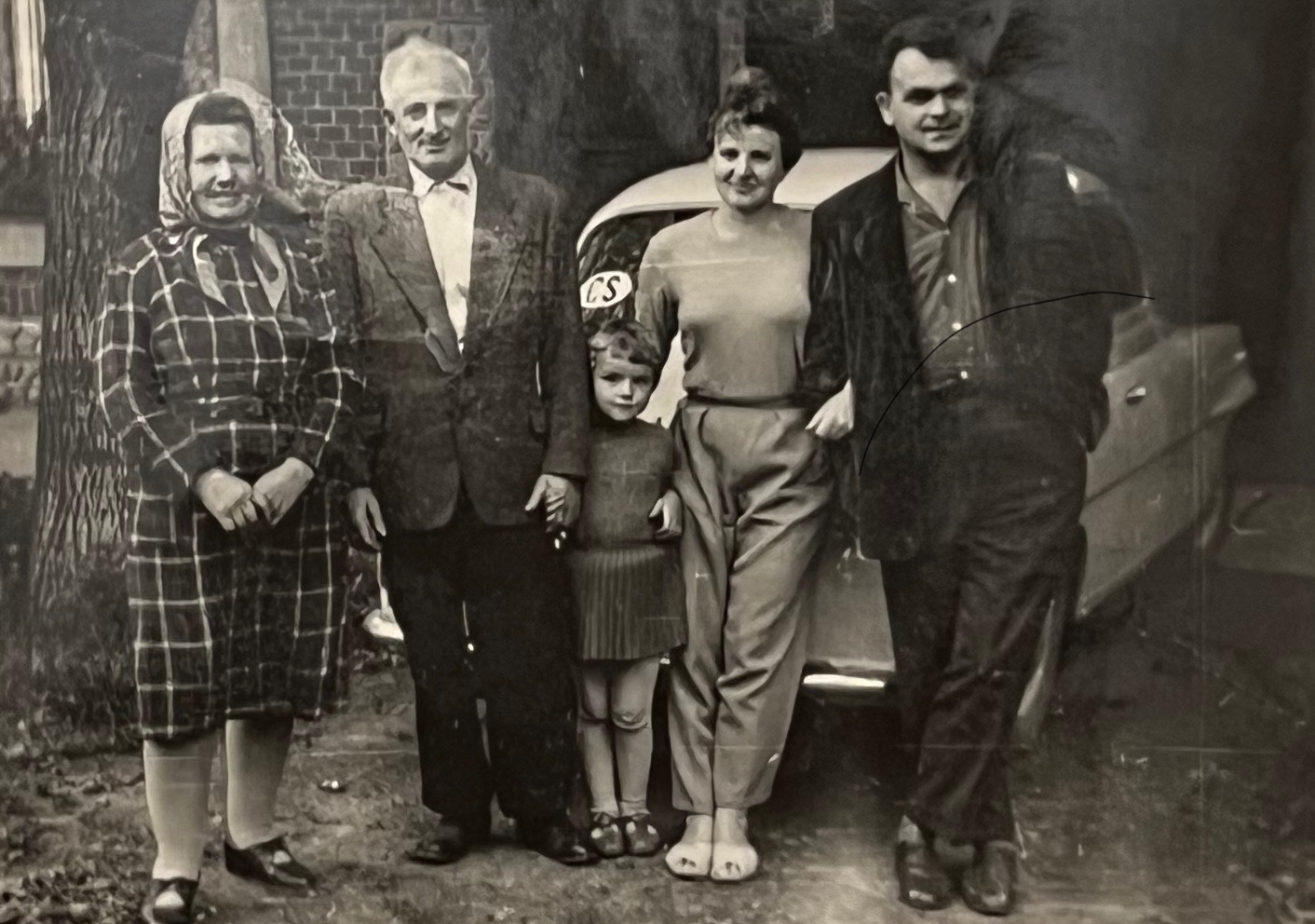
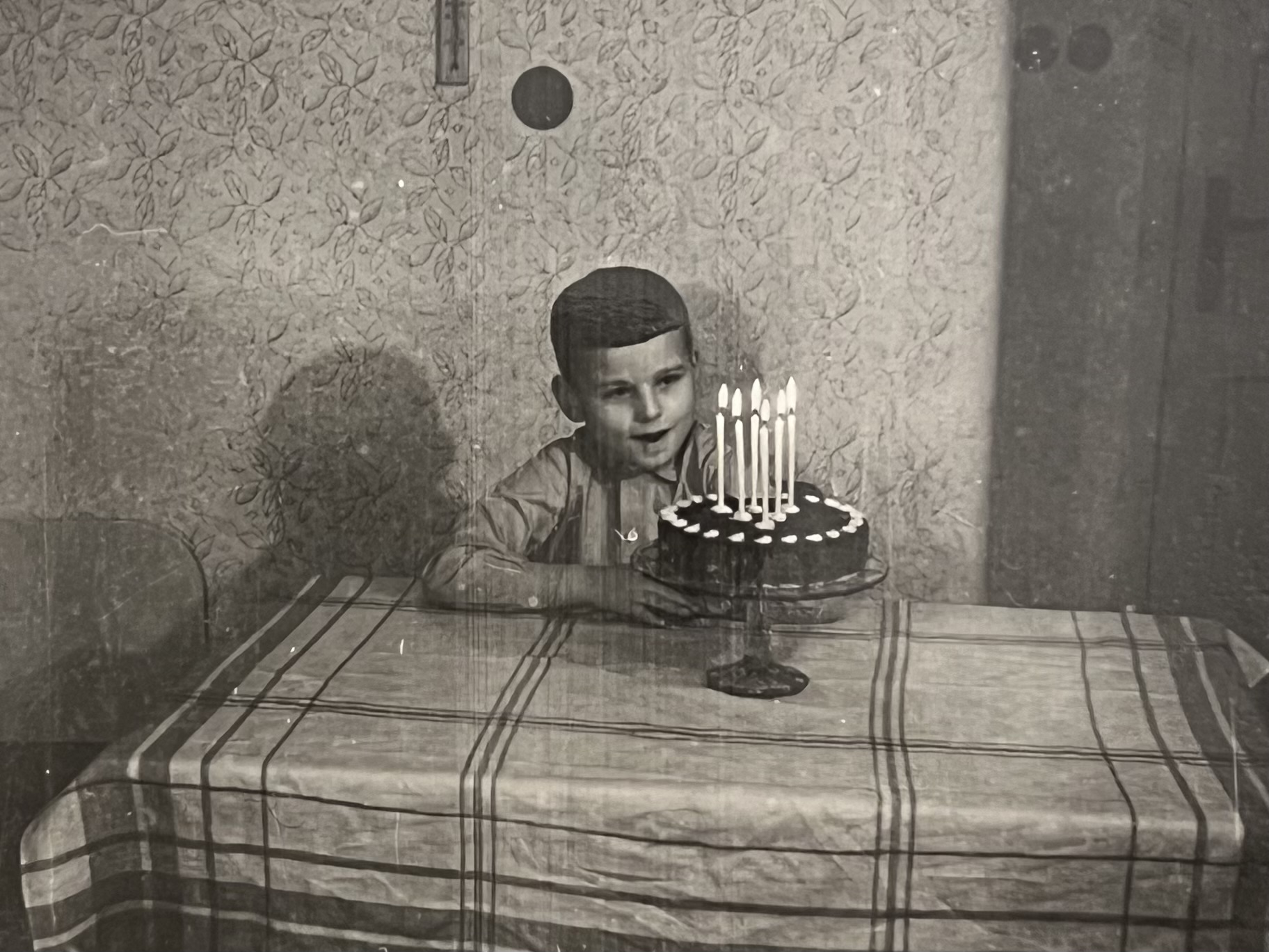
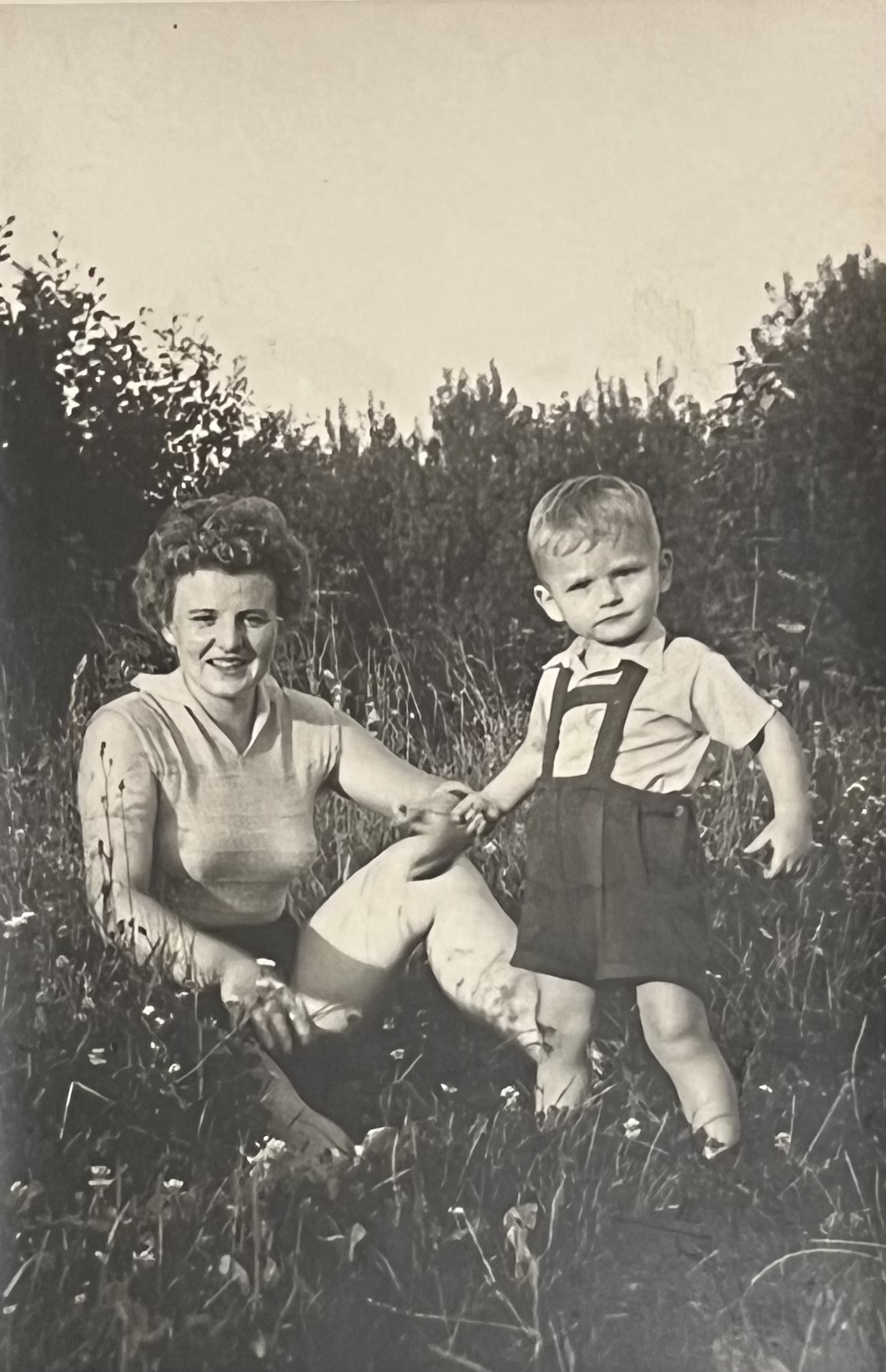
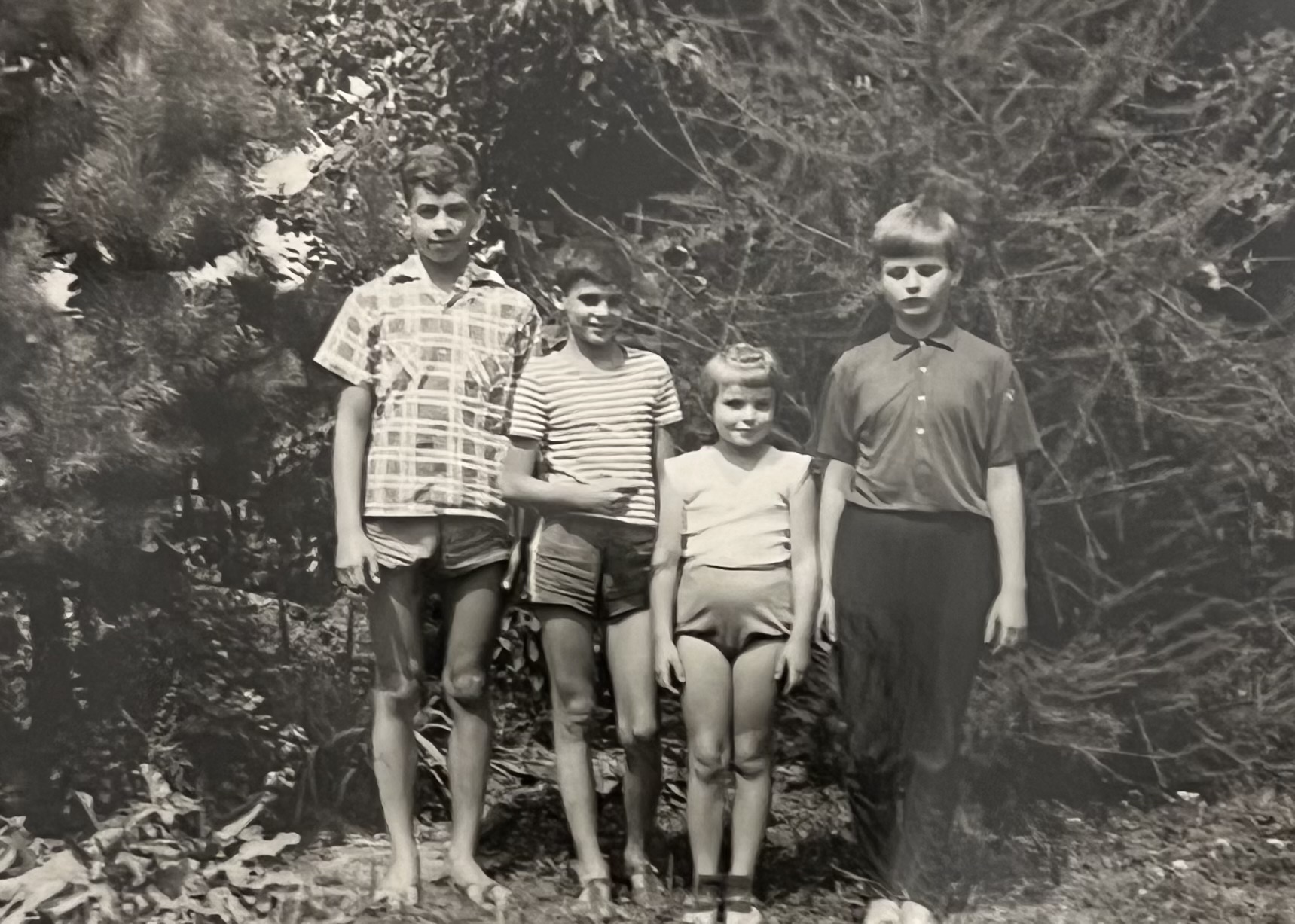
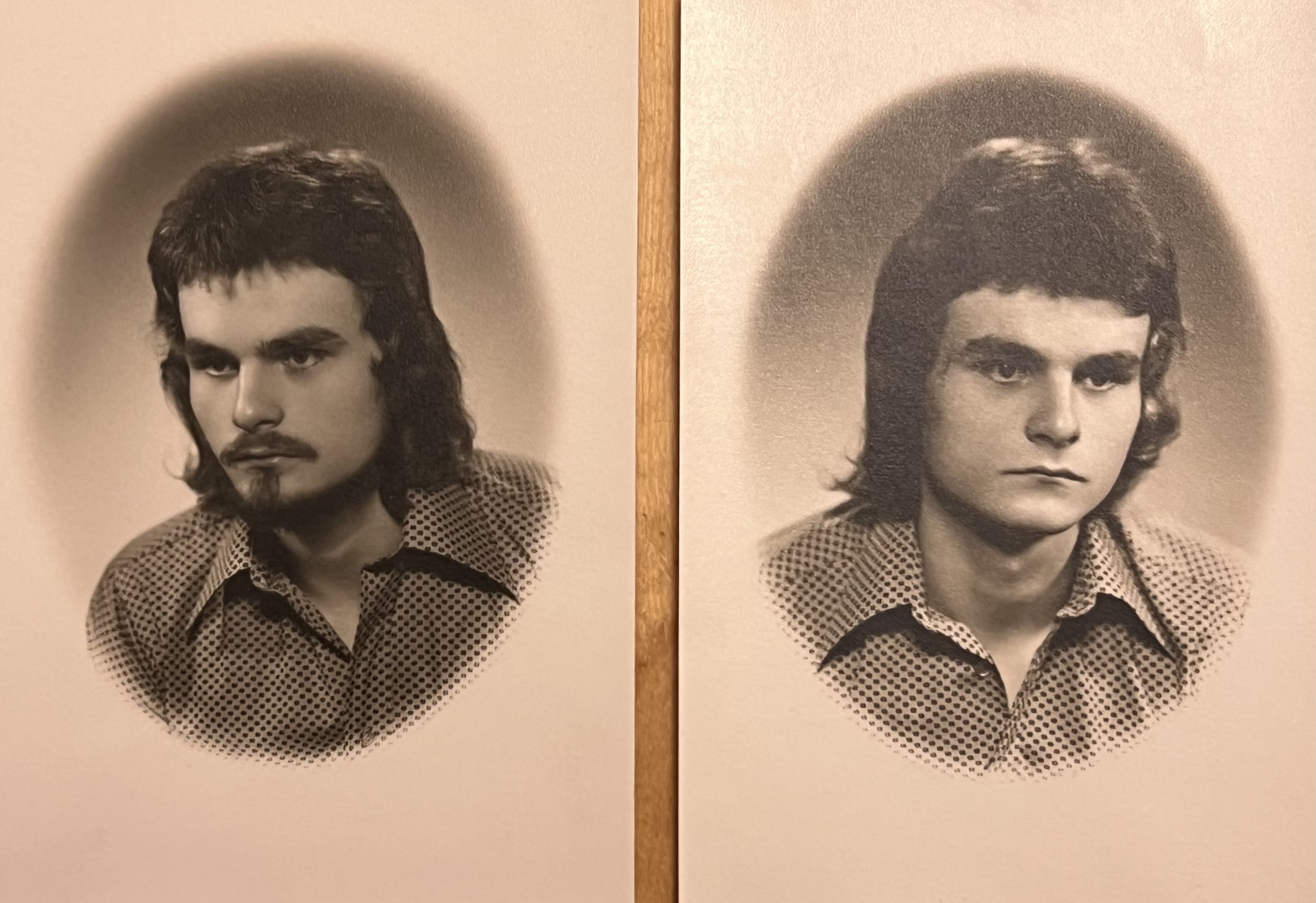
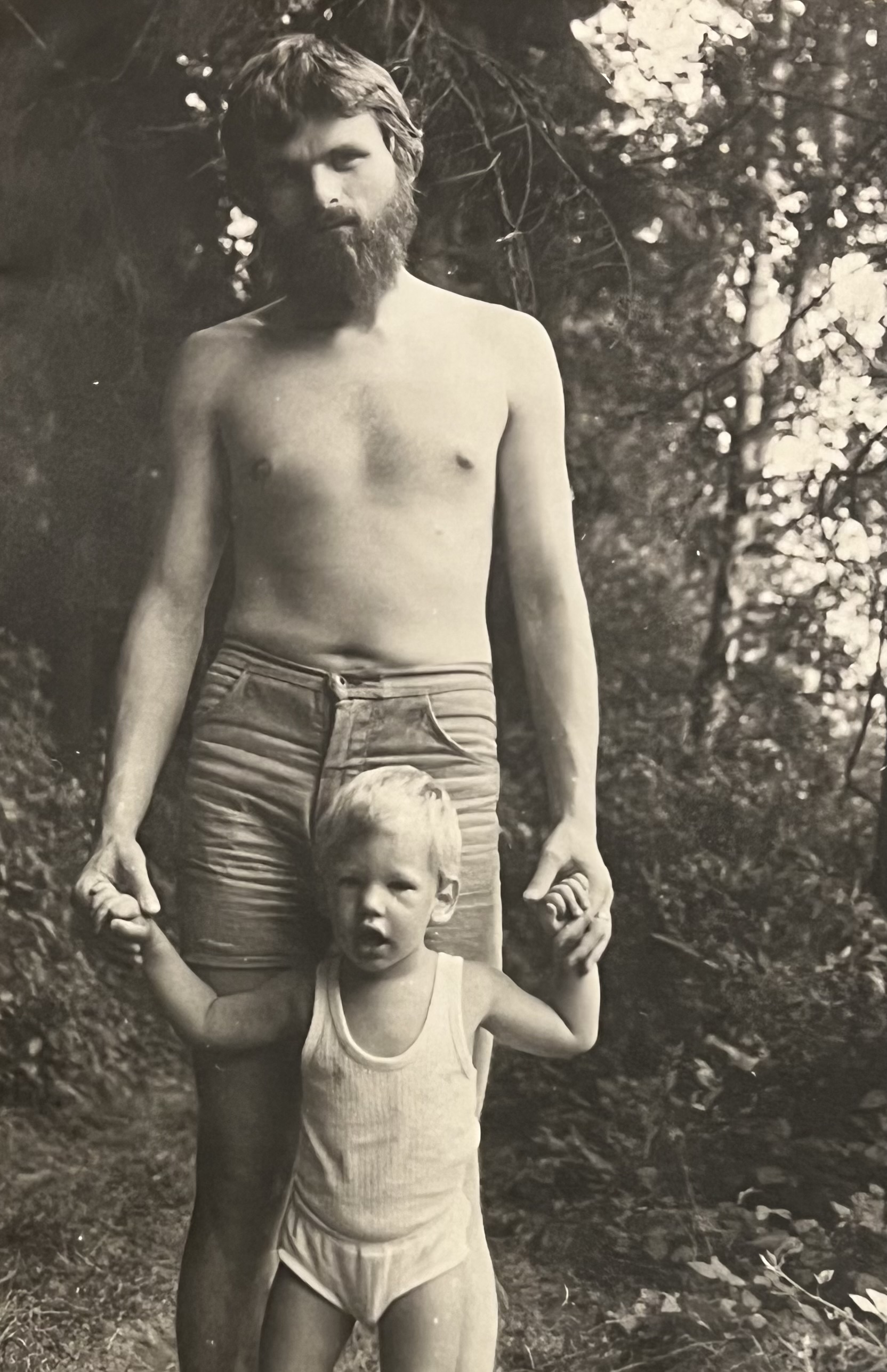
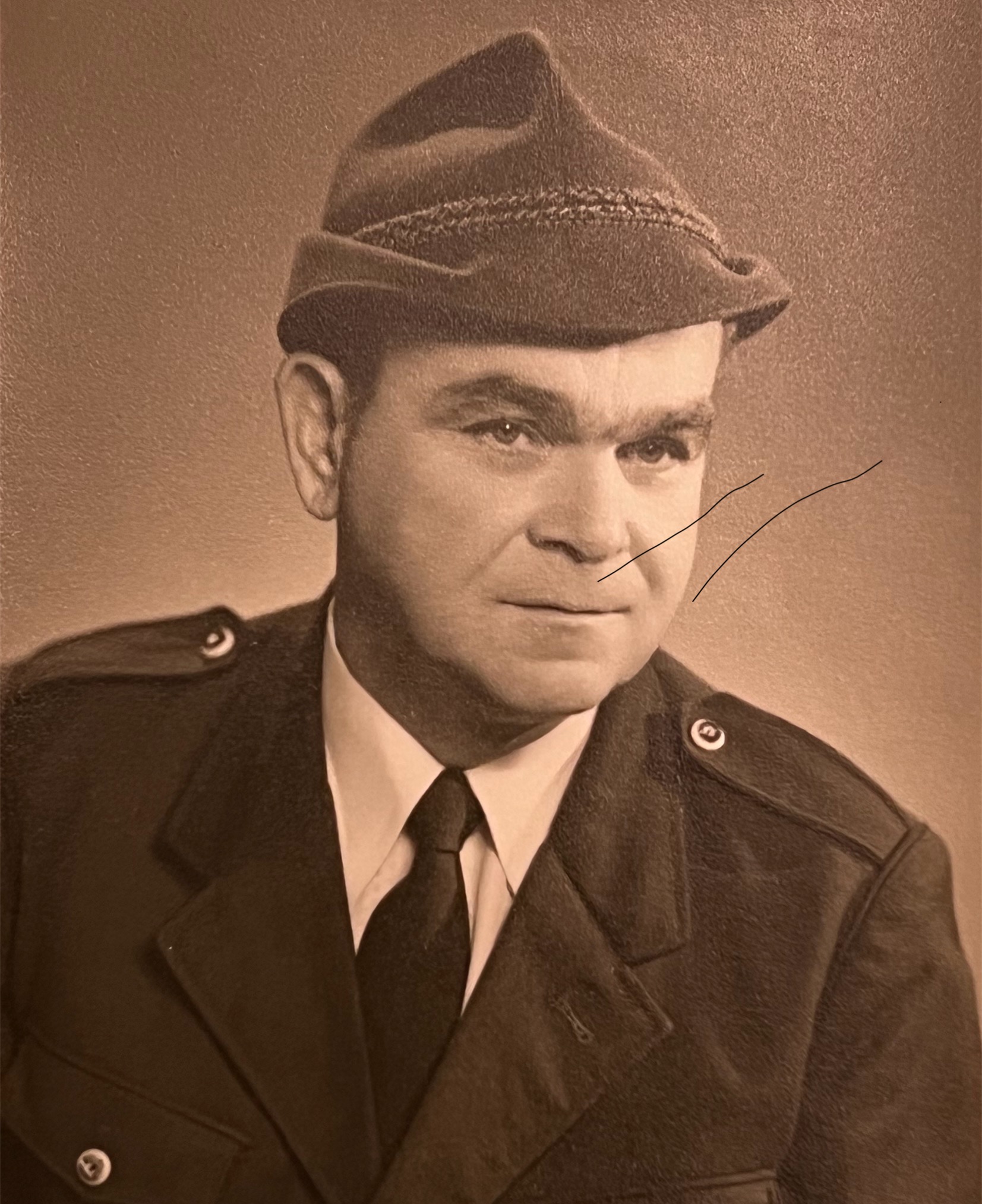
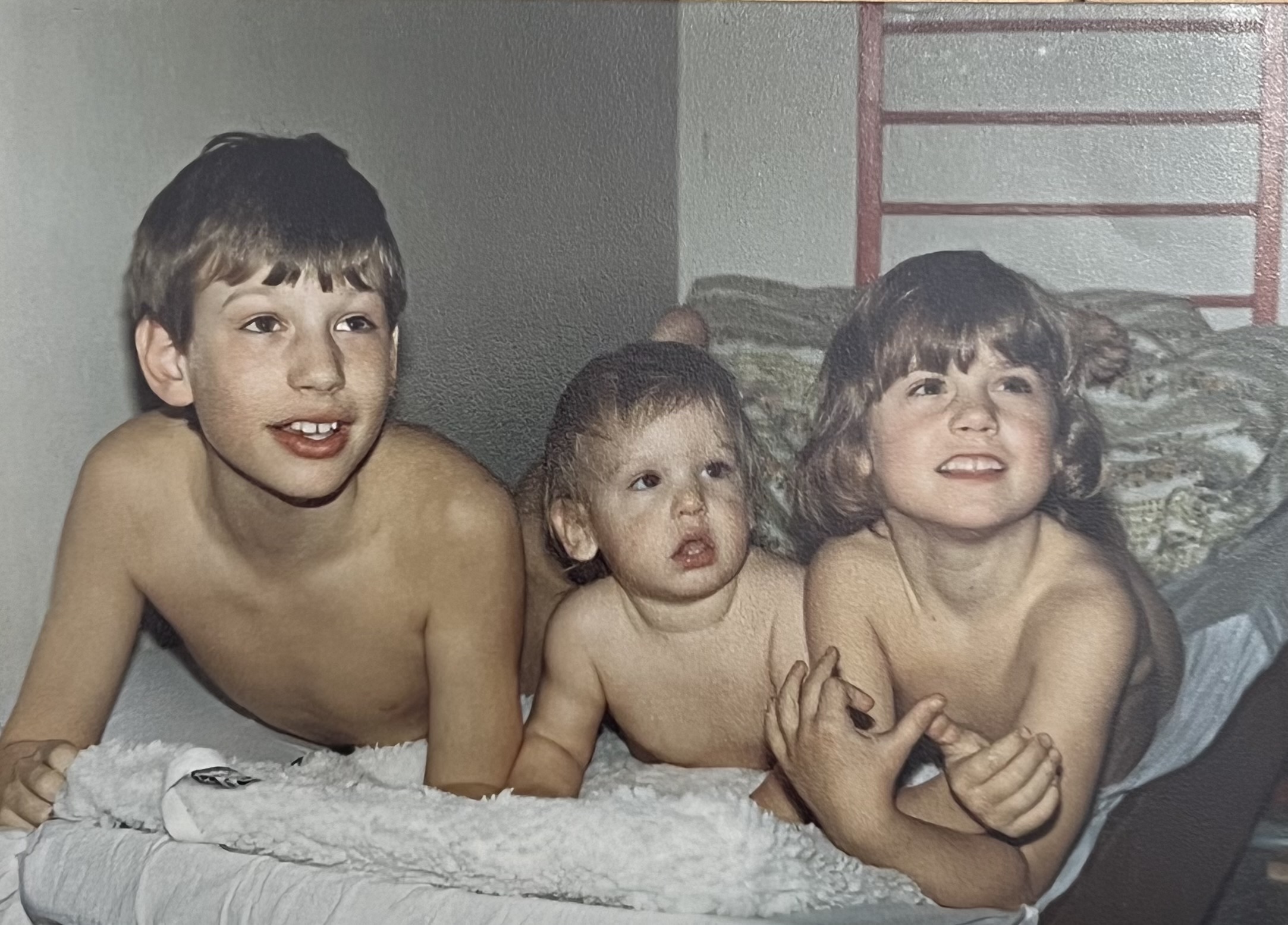
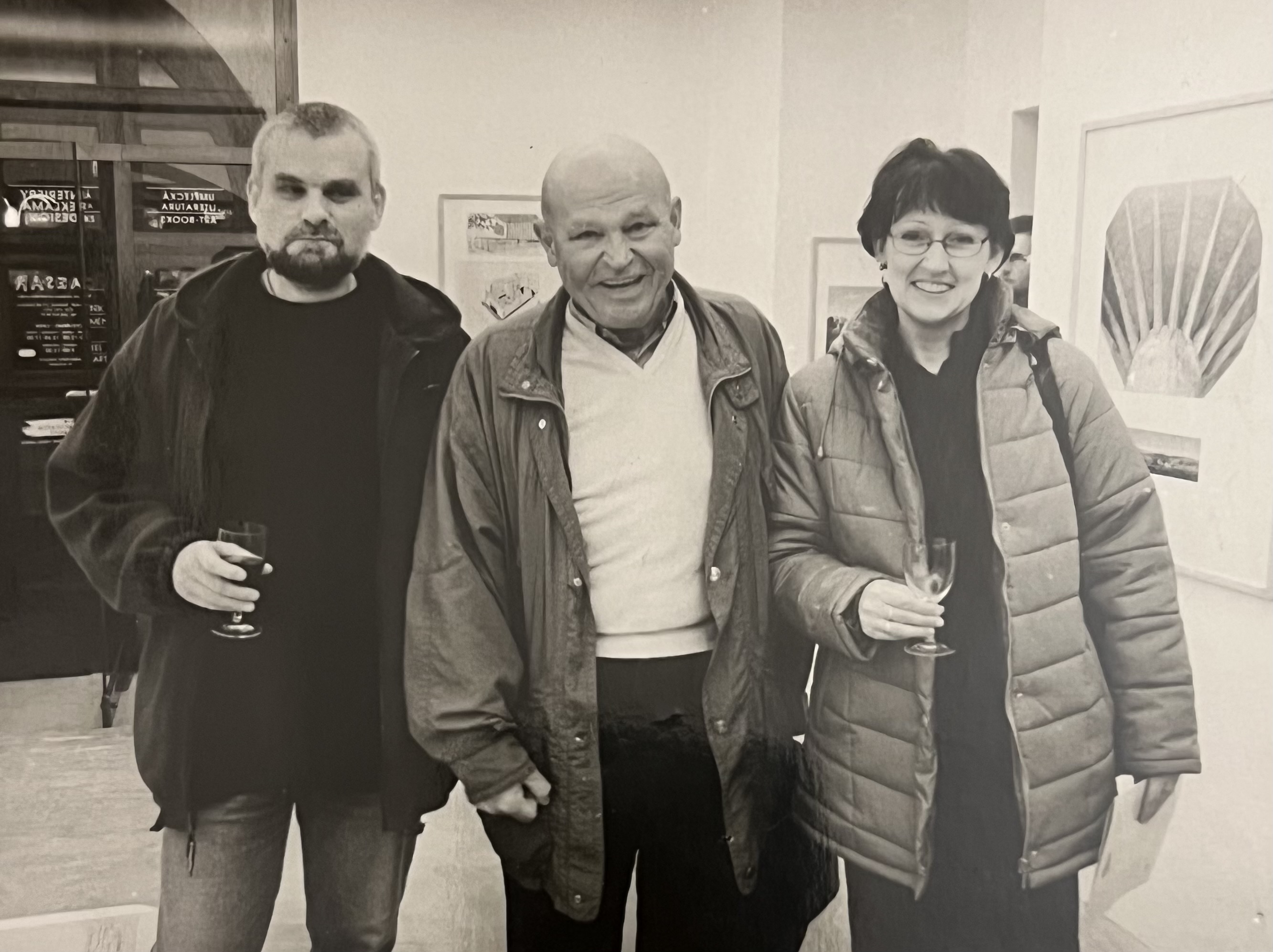
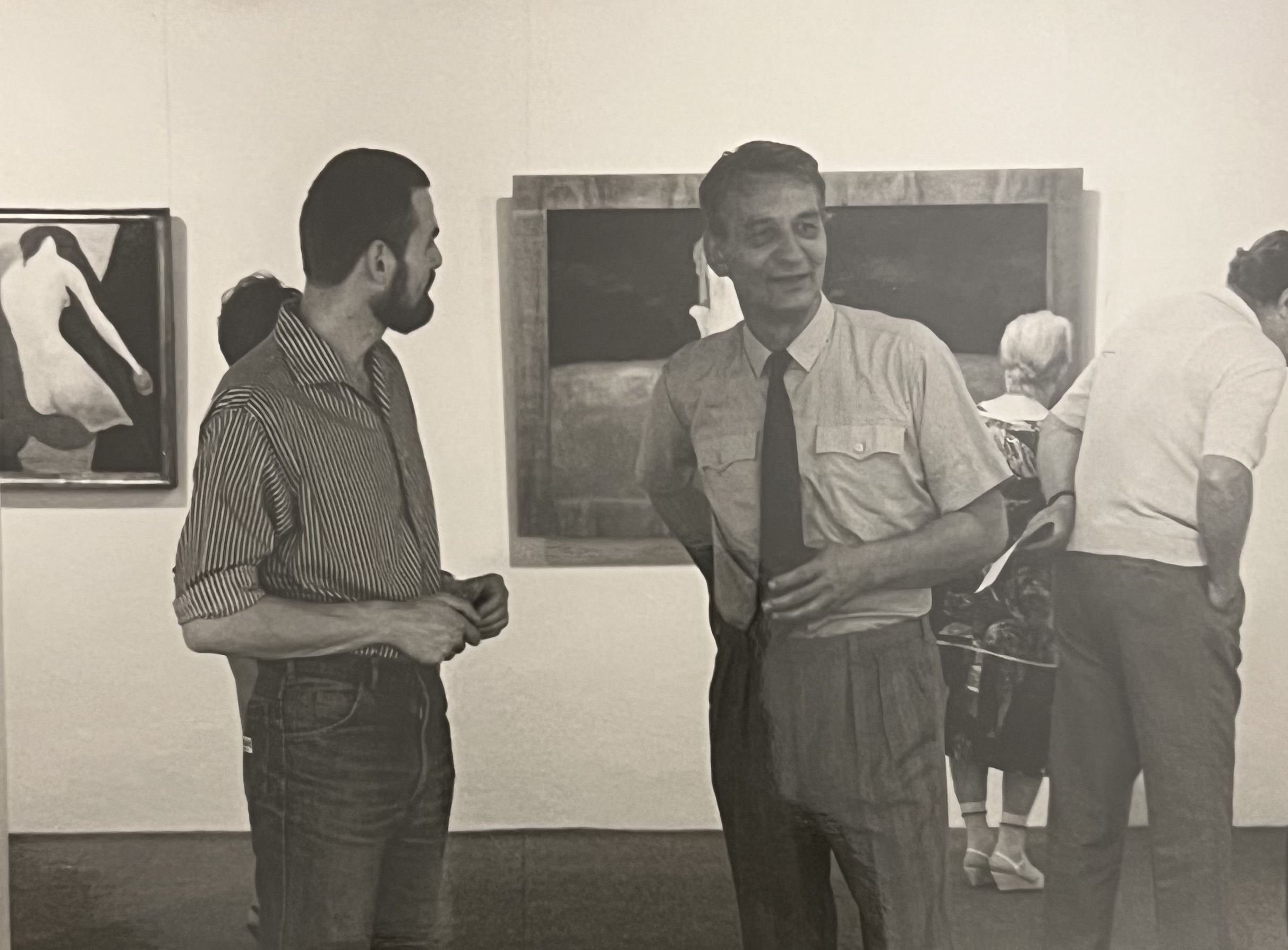
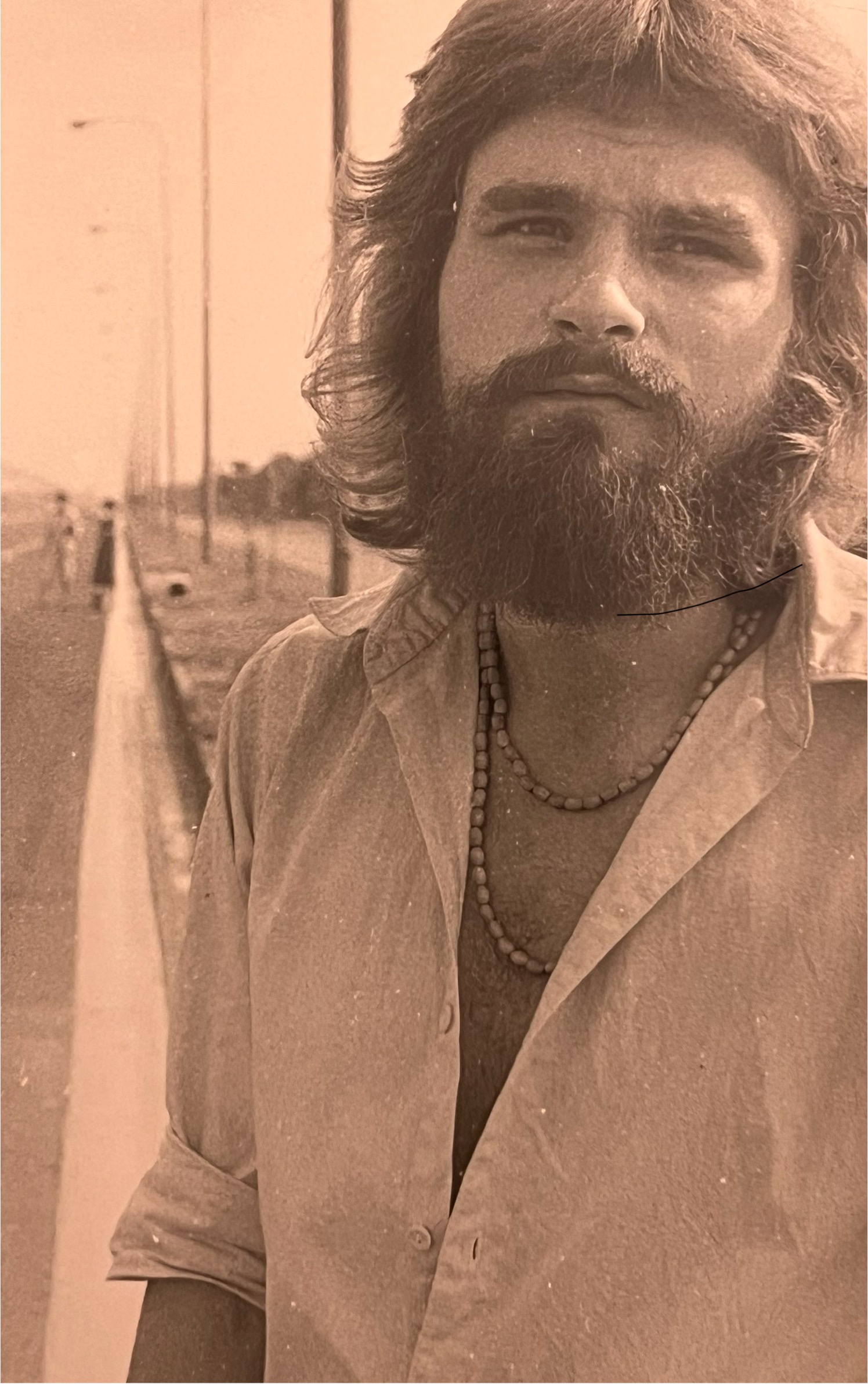
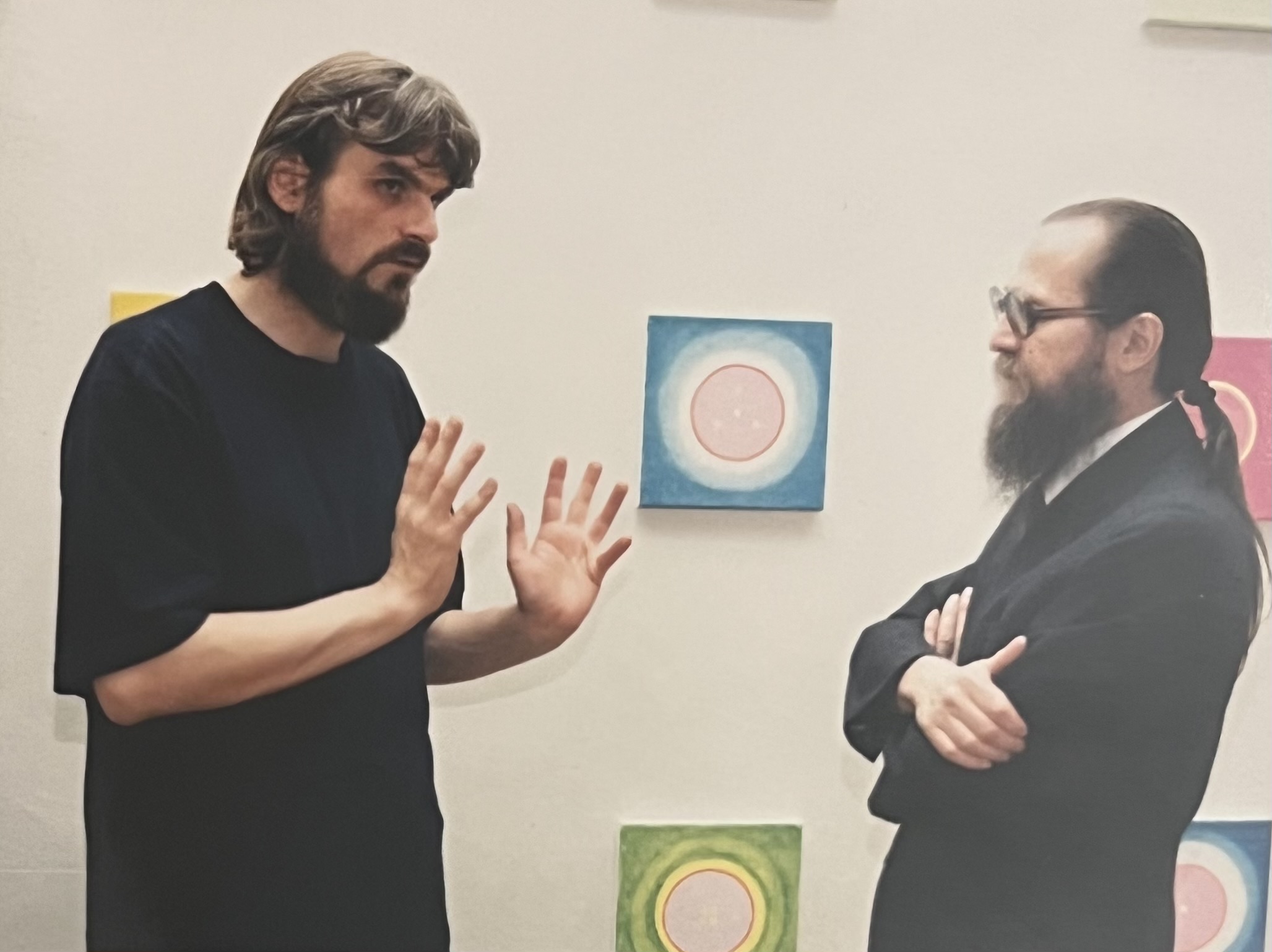
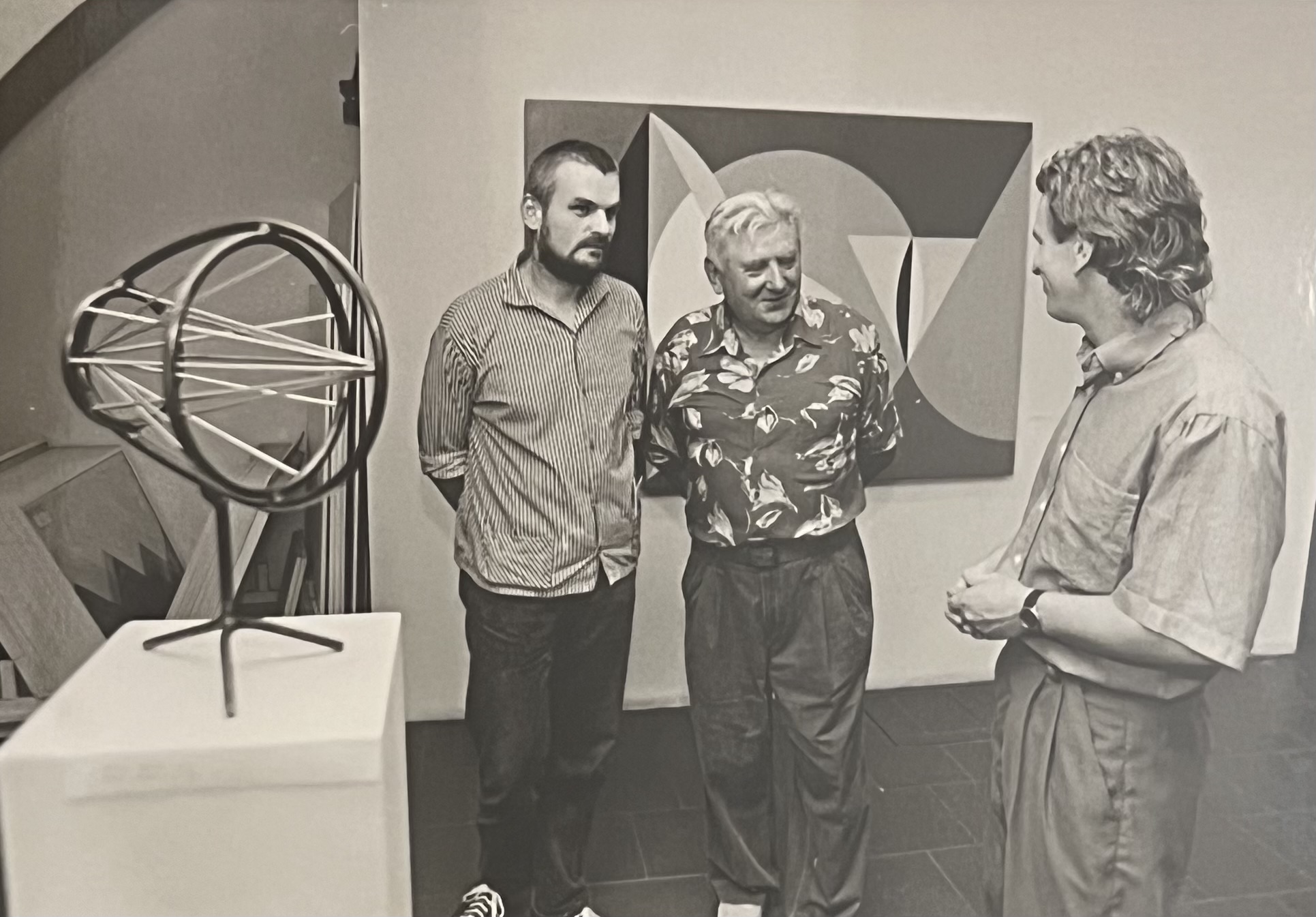
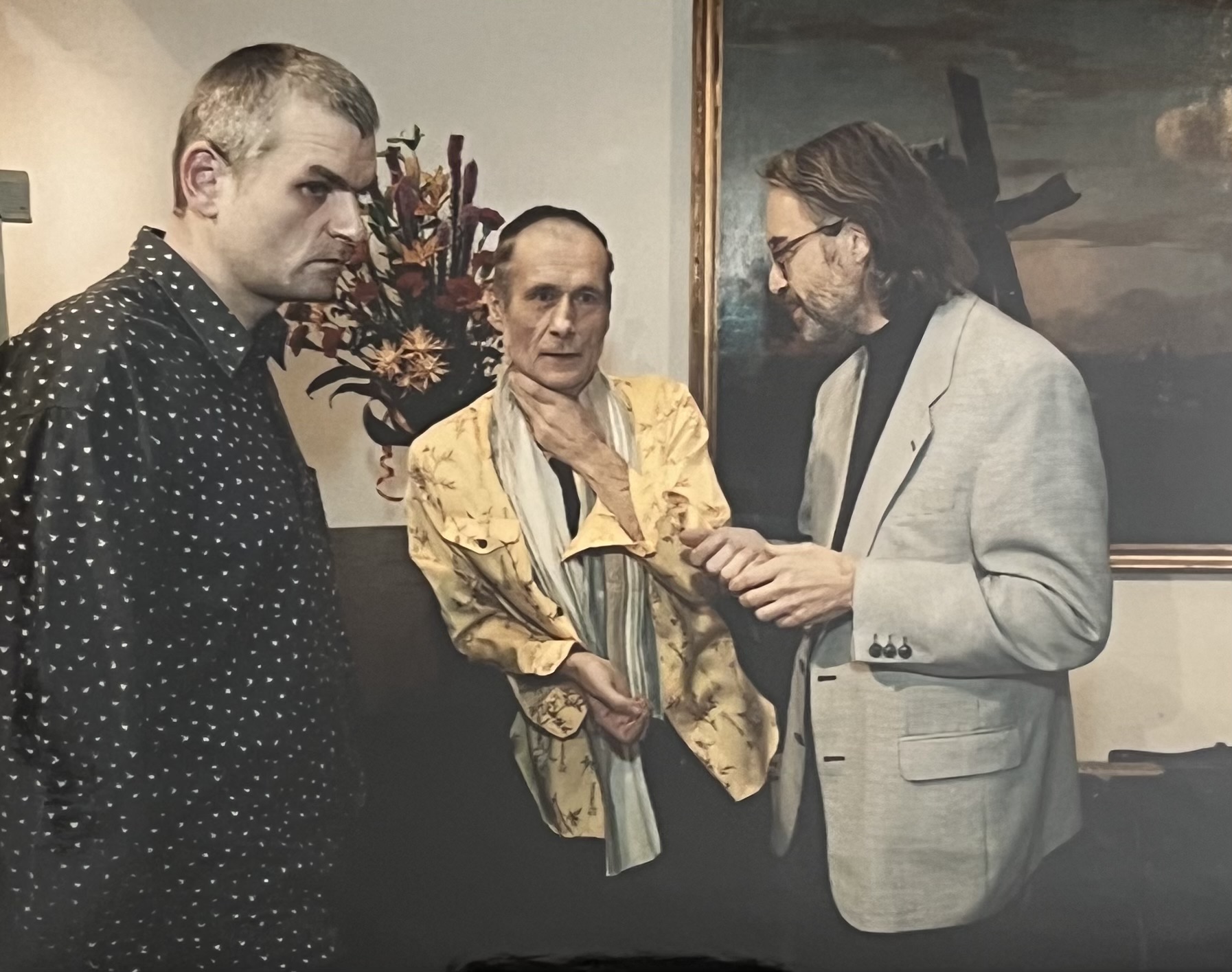
Ladislav Daněk was born in Přerov on 9 January 1958 to Vlasta née Palubjáková (1933) and Ladislav Daněk (1928). He spent his childhood in Henčlov, now part of Přerov. He grew up in a three-generation household and his formative years were strongly influenced by his mother‘s family and a strong interest in culture, which he began to develop in primary school with art lessons and his inspiring teacher Vlasta Hrdinová. His studies at the grammar school in Přerov were influenced by the normalisation atmosphere which meant strong ideologisation of the curriculum and personal insecurity. Having graduated, he studied at the Faculty of Education in Olomouc, majoring in Art Education and Czech. Following a one-year interruption of his studies due to illness, he was not readmitted. During the period of normalisation, he made his living as a postal woker, a shoemaker and finally as a stagehand in the opera company of the Oldřich Stibor State Theatre in Olomouc until 1989. He met people who were critical of the official structures of the time. He was thus able to focus on his artistic work and follow the Olomouc art scene with great interest. He became part of the Olomouc circle of artists and theorists. He charted the semi-official scene and was in touch with artists who wre not allowed to exhibit officially or lived outside the official structures. Meetings took place informally in studios and in the legendary Ponorka bar which functioned as an unwritten centre of contacts at the time. He met Jiří Valoch thanks to whom his interest extended to Brno. In November 1989, he took part in a strike in the theatre and accepted the offer of art historian Pavel Zatloukal shortly after the Velvet Revolution to work at the Olomouc Museum of Art, where he began as an installation and depository worker. Because of his education, he was soon given the opportunity to independently curate exhibitions and expert texts. He was aware that the experience and activities of the „Olomouc Circle“ might rapidyl fade from memory. Already in 1993 he observed that many actors of the then unofficial scene were beginning to forget and/or distort the past. This is why he systematically grew his collection of contemporary documents, photographs, catalogues, samizdat and other material in order to preserve them for the future. He eventually published his extensive survey of the activities of artists from outside Prague in the professional press, catalogues and monographs. His extensive text on the banned work of Central Moravian artists, accompanied by photographic evidence, was released in the magazine Výtvarné umění. During his working life, he graduated from the University of Olomouc with a master‘s degree in art history. Throughout his life, Ladislav Daněk created and exhibited, but above all he systematically charted the art culture in Olomouc. His professional career combines personal artistic creation, curatorial work, work as a historian and care for the memory of one of the distinctive regional scenes of Czech visual art. At the time of the filming, Ladislav Daněk was living in Olomouc in November 2025.
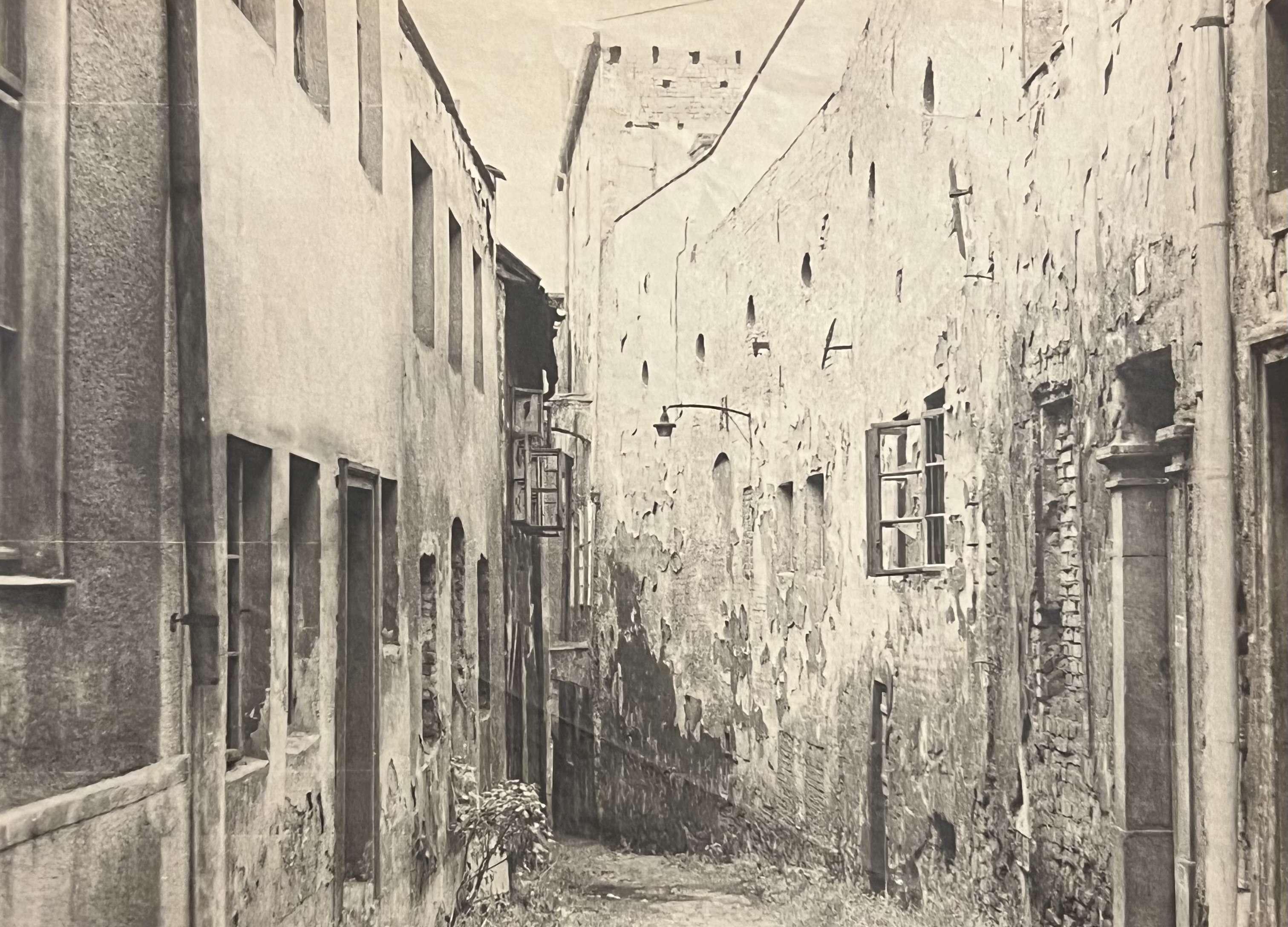
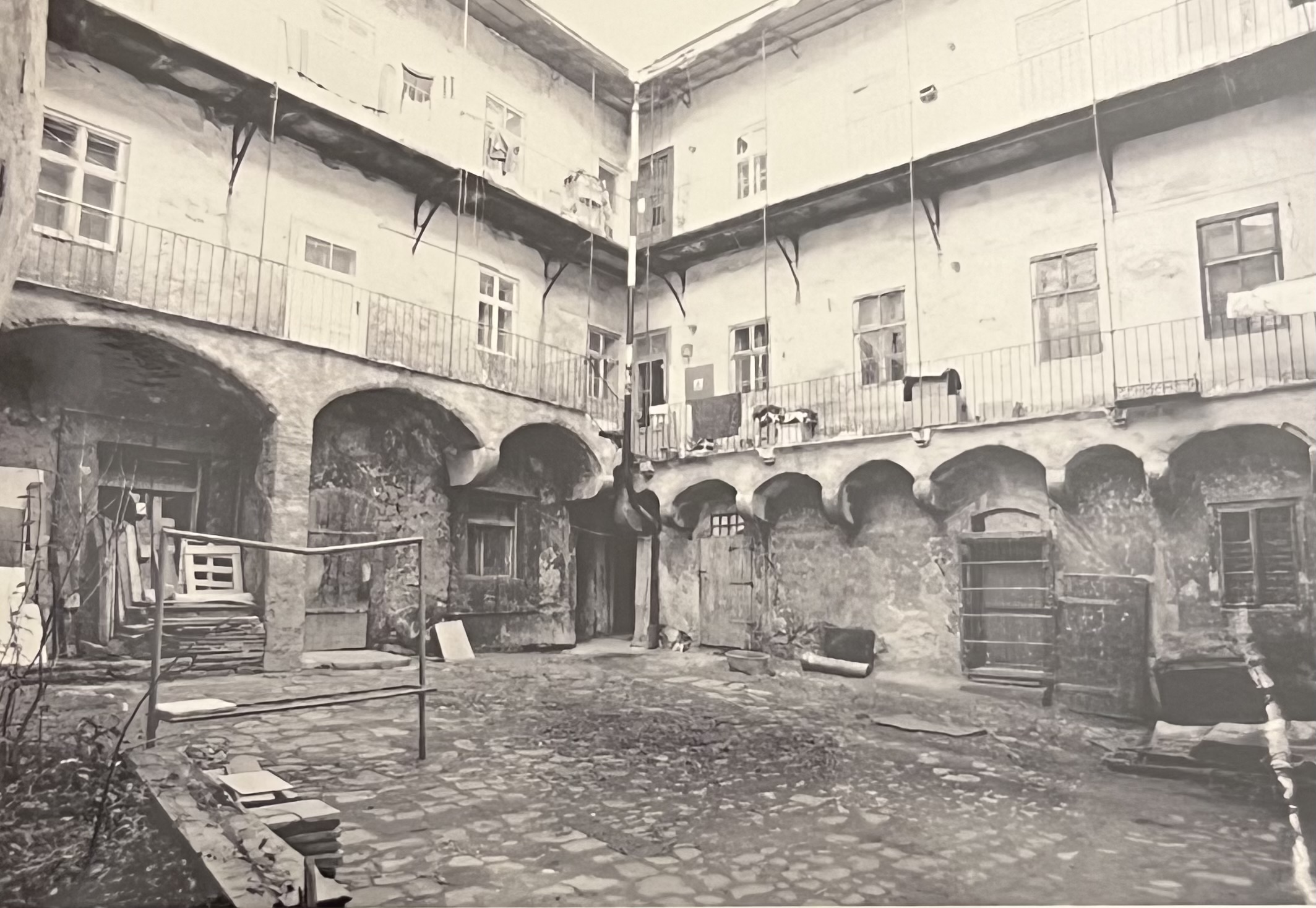
Dům U černého psa (Black Dog House), courtyard with galleries Horní náměstí 12, Olomouc. The first home of the Daněk family (far left window, first floor)
Dům U černého psa (Black Dog House), courtyard with galleries Horní náměstí 12, Olomouc. The first home of the Daněk family (far left window, first floor)
Hrdinové 20. století odcházejí. Nesmíme zapomenout. Dokumentujeme a vyprávíme jejich příběhy. Záleží vám na odkazu minulých generací, na občanských postojích, demokracii a vzdělávání? Pomozte nám!