"I went to first grade with a little girl named Věruška - I even remember her first and last name, but that's not important. And that little girl and I were friends - I can just see her in front of me. Suddenly in second grade, there was no little girl. I asked my mum why Věruška wasn't coming anymore, she didn't even say goodbye to me. And my mother said 'Her family has turned to the Germans, and Věruška goes to a German school.' Then I went for a walk, or I rode a scooter, I don't know, and I met Věruška. So we were rushing together all excited, and her mother was standing nearby and she said, 'Věuška, come home immediately,' because she saw that Věruška was talking to me. I didn't pay attention to it at the time, but then when the May Revolution [the end of World War II in May 1945] came, we got the terrible news. Her father had shot Věruška, her little brother, her mother - and, following the example of [Joseph] Goebbels, himself. There were also such terrible events."
"Two nasty guys from the Central Committee of the Communist Party of Czechoslovakia and a more conciliatory one. They summoned me, bellowed at me that I had to repent. I wasn't a coward at the time, it was about my job, it was basically about my existence. I thought, 'What am I going to do if I get fired...', but I was so talkative that when they voted afterwards, two of them - I still looked a bit pretty - obviously liked me. The last one hated me. It was a time of background checks after the [Warsaw Pact troops entered Czechoslovakia in 1968]. They let me teach and I was just crossed out. The crossed out teachers were still allowed to teach, the expelled ones were not."
"Suddenly, the school radio announcement: 'Children, classess are not over yet today.' It was already noon. 'It will be locked, you will stay here at school for a while.' After a while, parents began to gather around the school, frightened by what was happening. I don't know, I guess the word got out over the phone. And we started to quiet down. It was an all-girls class, we had a feeling that something terrible was going on. After about two or three hours, suddenly they said, 'You're going to go home now.' Parents were certainly relieved, and we went into the corridor. And all of a sudden three boys came down the stairs, they were white as a sheet. They were from the eight grade. The girls from the third grade knew the boys by sight, of course, but the boys didn't notice that they were third grade girls at all (laughs). So three of the more familiar boys walked up the stairs and a bunch of men walked past them, and today they still seem loathsome to me. They were wearing coats, such strange coats, and they were coming down. After a long investigation, it was discovered that they had put up some kind of sign on the door of the drawing room on the fifth or fourth floor of the school. We learned that they had written something like communism equals fascism or something like that, an anti-state leaflet, of course. It was a terrible disaster for the school and for everybody. It was fear and terror because they were executing. There were no light punishments.
The boys were immediately expelled from the school. What their fate was, I never knew. If they were eighteen years old, they were arrested. It was a terrible event."
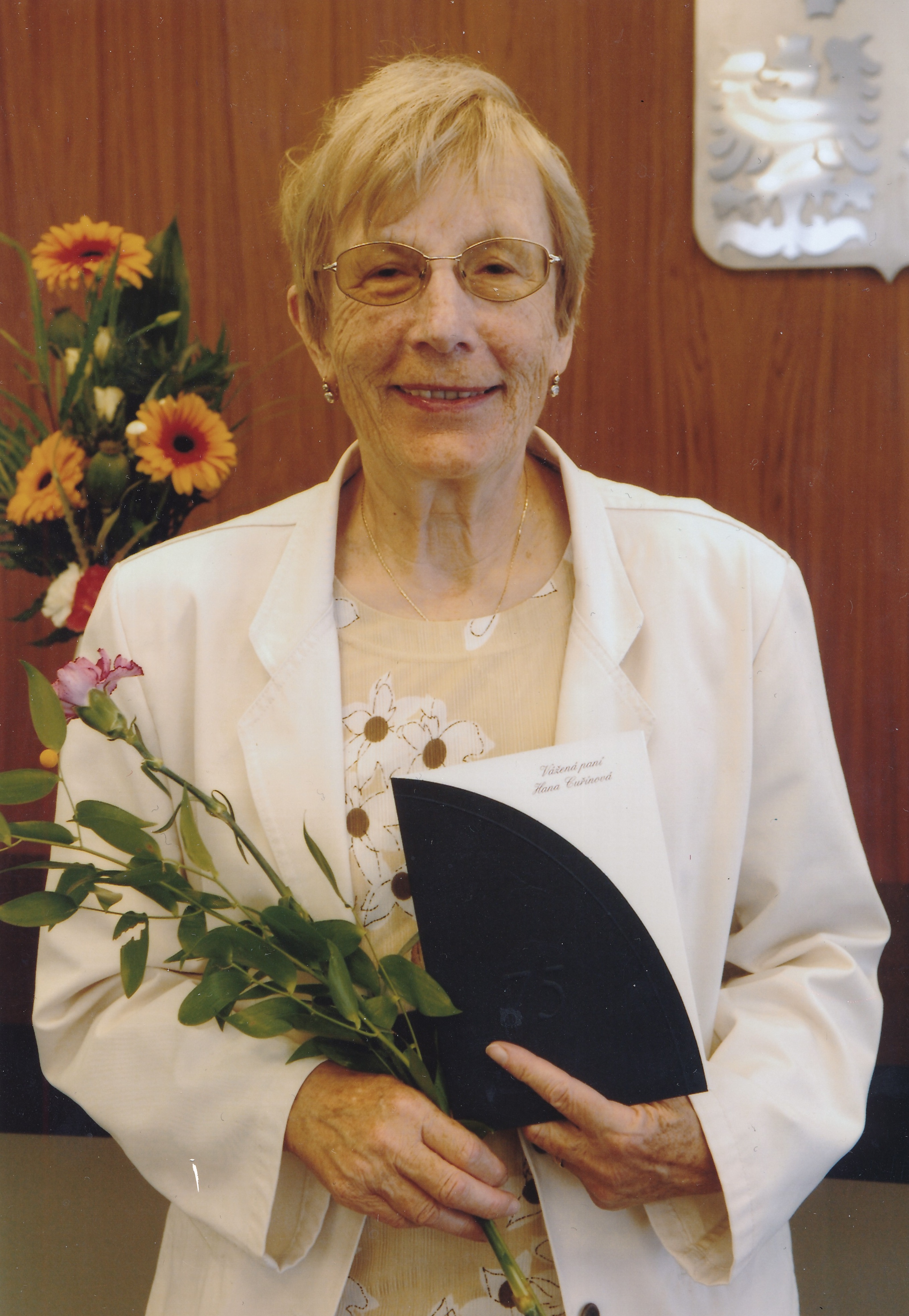
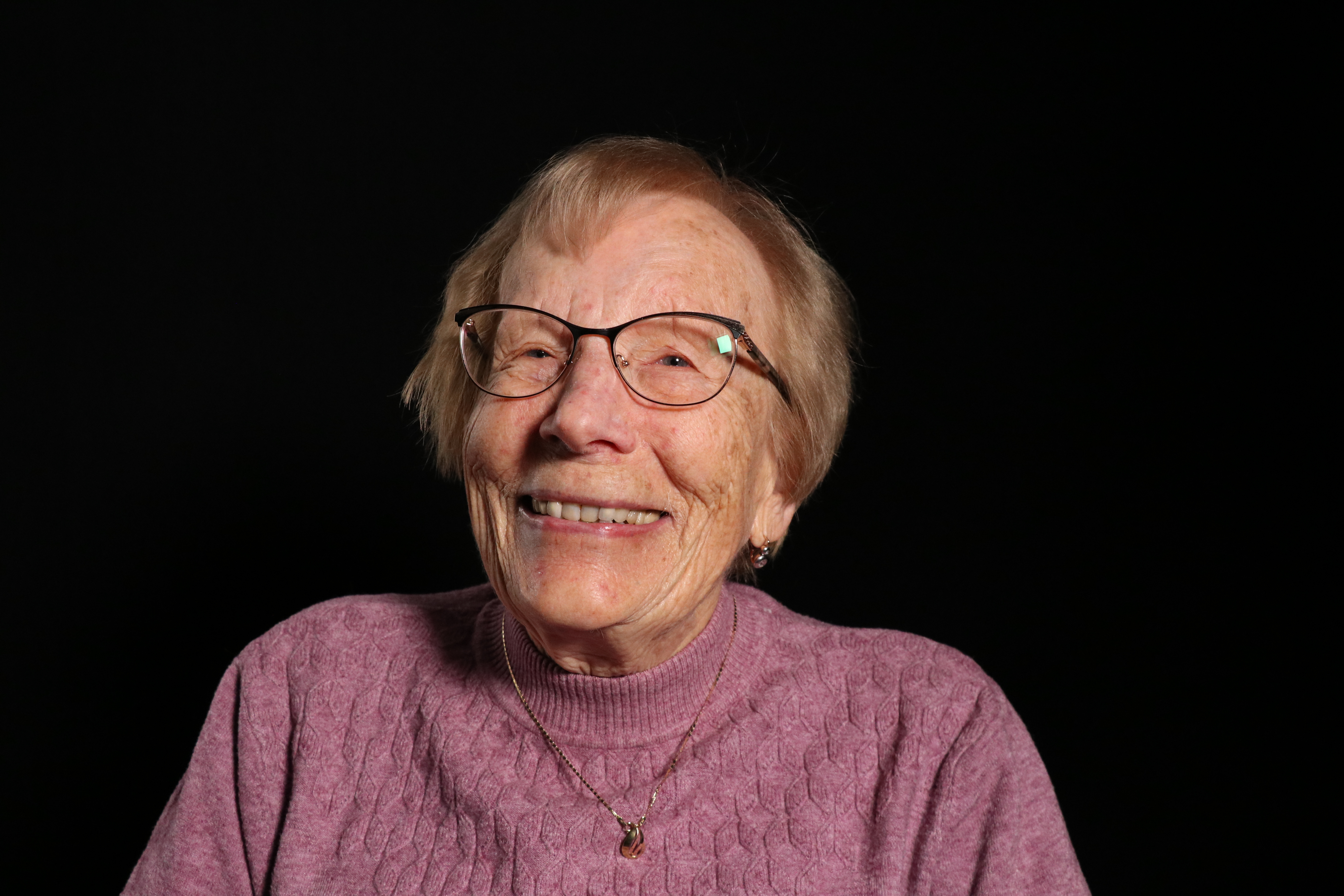
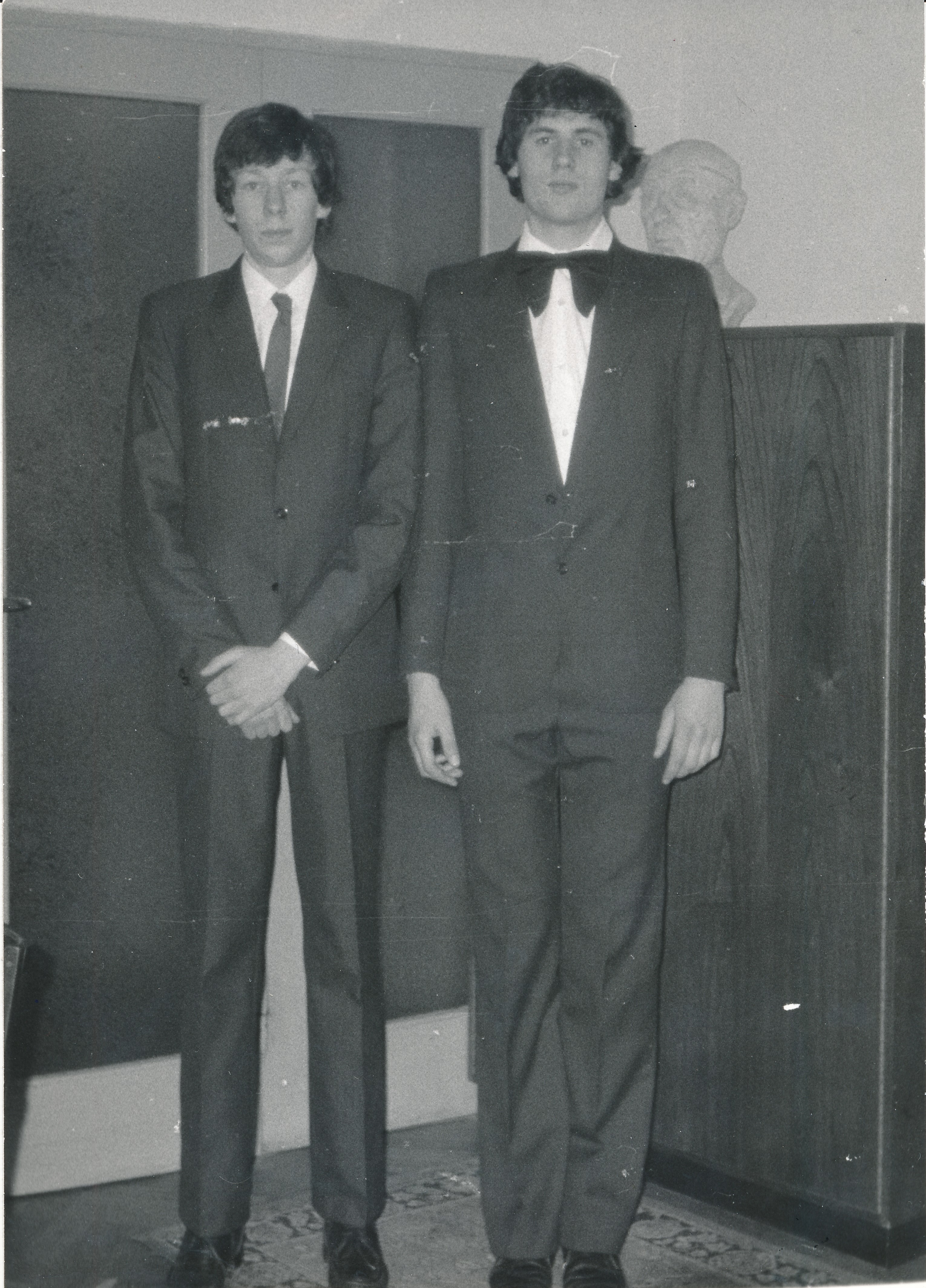
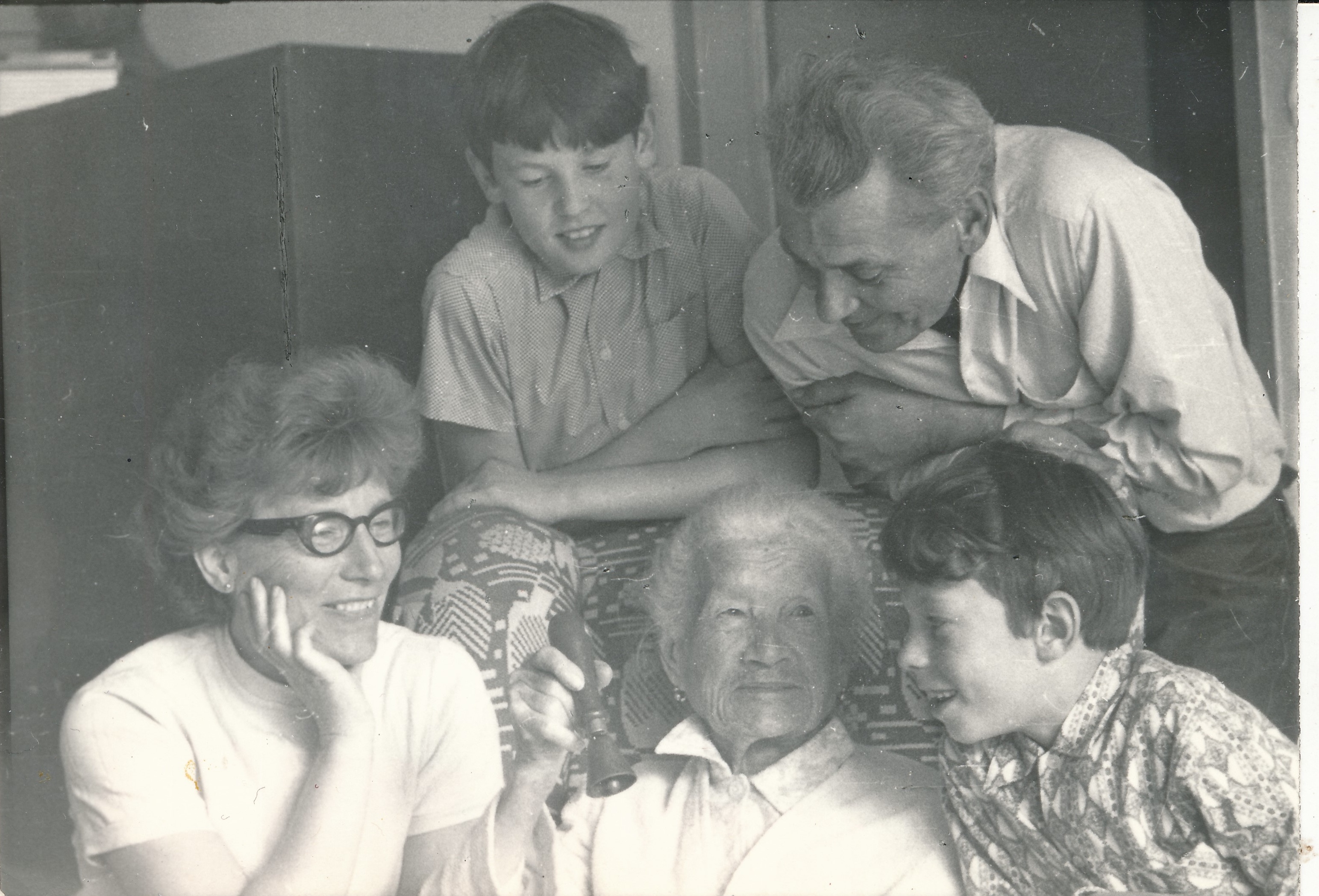
Hana Cuřínová was born on 29 October 1934 in Prague into the family of architect Otakar Chodounský, who designed the family‘s functionalist villa in Střešovice. It was here that Hana lived almost her entire life. She considers her childhood idyllic, although she grew up in a difficult period. During the war, the family was lucky as they did not suffer from food shortages. Relatives from Poděbrady owned a farm and the Chodounský family often visited them. Hana remembers that their friends secretly gave them fresh eggs and milk. During one of the return trips to Prague, Hana‘s family was almost revealed by the inspection. At the end of the war, Hana‘s father gave asylum to three English airmen, which was a powerful experience for the then 11-year-old girl. In the early days of the Communist regime, the witness believed in a better future, but soon realised how cruel the newly installed regime could be. In 1948, she witnessed first-hand the arrest of her older classmates from grammar school who had posted an anti-regime leaflet in the school. While growing up, Hana decided that she wanted to teach history. She was inspired to pursue her dream career by a grammar school history teacher who talked to her students about the hardships of the communist regime. In 1953, Hana successfully passed the entrance exam to the College of Education. After graduating in 1957, she received a placement at a primary school in Ústí nad Labem. Her stay away from home was difficult, but she later returned to Prague, where she taught at a grammar school. Although she was a member of the Communist Party, she never actively supported the regime. She held discussions with her students on forbidden topics, which often put her at risk of losing her job. In the 1960s she married a technician working in Aritma Prague and together they raised two sons. After 1968, she came under pressure for her anti-regime views - she was transferred to another grammar school, but was allowed to continue teaching. The period of normalisation meant constant surveillance and uncertainty for her. The regime also interfered in the lives of her children, almost preventing one of her sons from attending university because of a cadre assessment. However, thanks to her perseverance and diplomatic skills, Hana was able to ensure that he got into university. In the 1980s, she was an active participant in all the anti-communist demonstrations. She still considers the Velvet Revolution in 1989 the happiest period of her life. In 2025, she was living in her hometown of Střešovice, spending time with her family and often socializing with former students. She dedicated her entire life to education and always tried to pass on true information to her students.
Hrdinové 20. století odcházejí. Nesmíme zapomenout. Dokumentujeme a vyprávíme jejich příběhy. Záleží vám na odkazu minulých generací, na občanských postojích, demokracii a vzdělávání? Pomozte nám!