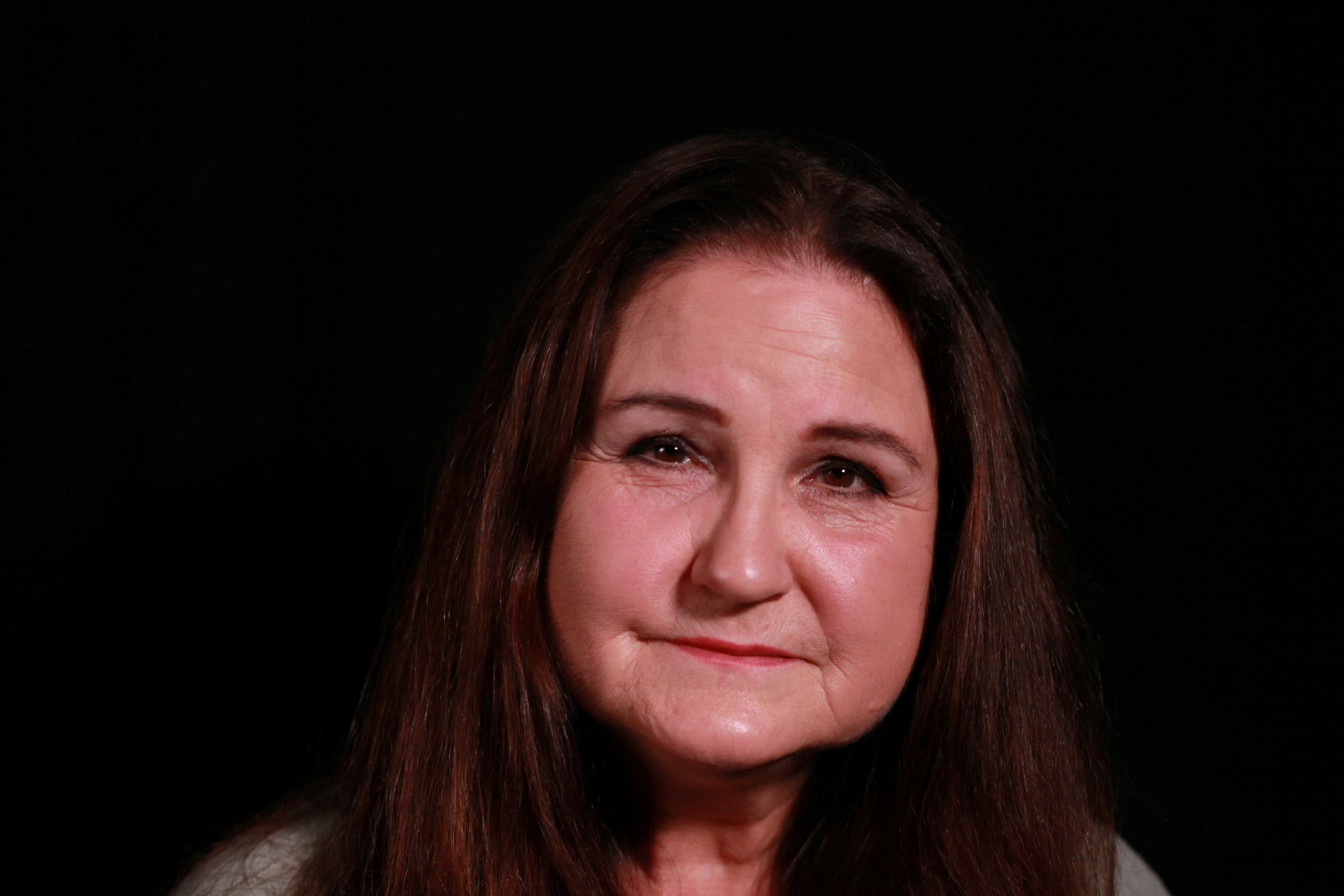
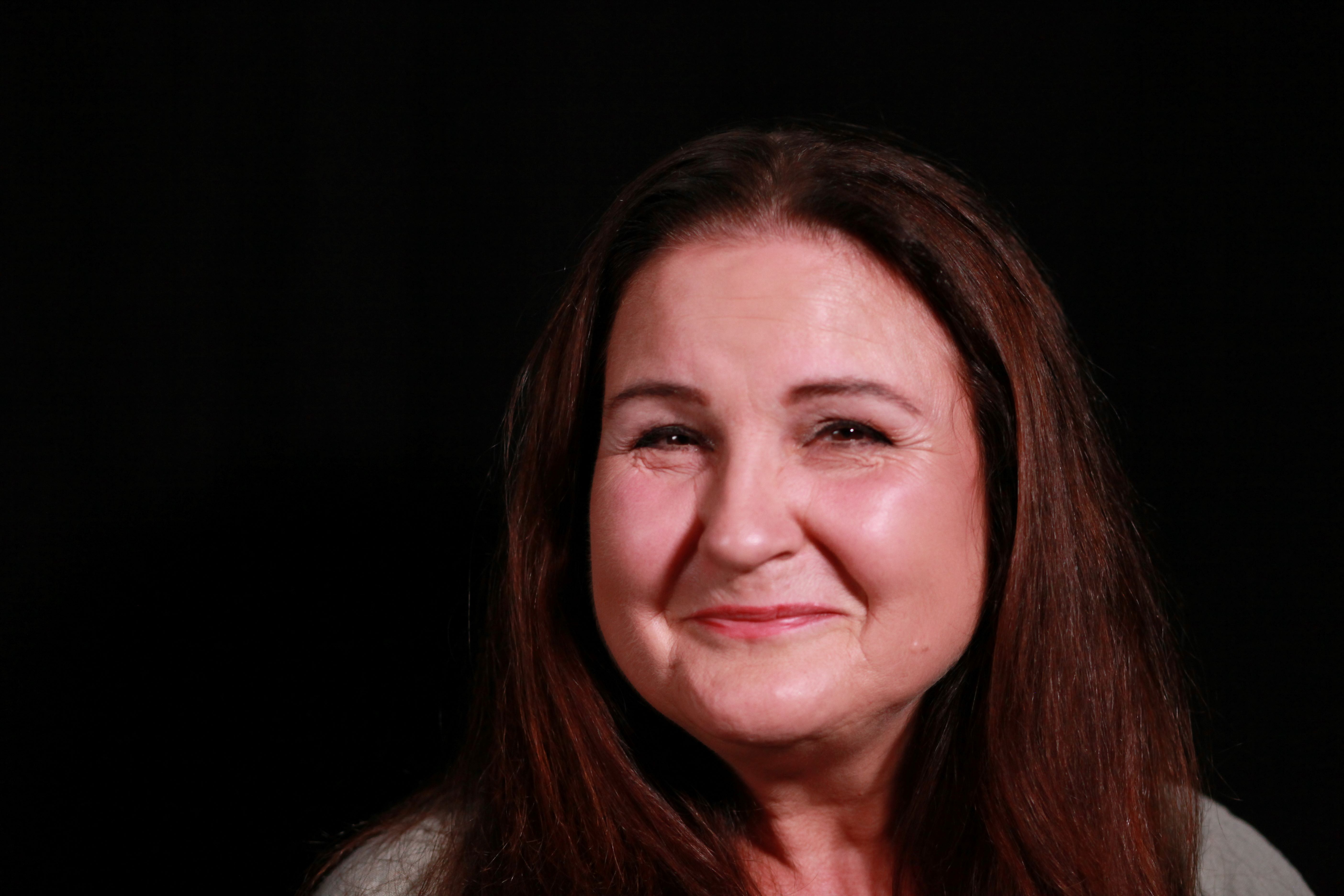
"It took about a week before the State Security came, right to the theatre, where I was working, and they took me directly from work for interrogation." - "This is 1989?" - "It's 1989 already. That was August 1989, shortly before August 21 I think, when there was a demonstration. I know that Monika Elšíková was picked up in Prague at this protest. I was actually... they took me 'up the hill'. On the first day they interrogated me for twelve hours, then they put me in a cell, then they interrogated me the next day. They took turns being nice and mean to me. One promised me a studio apartment if I gave away all the names, the other said he would put my head into a closet and smash it. So there were threats for sure. I didn't eat, of course. They were trying to get me to eat something, because it was customary to go on a hunger strike, so I did. I remember when we were sitting at Myslivna, when it was coming to that, that Bedřich [Koutný] asked me if I was ready. I said yes - Section 53b, the right to remain silent. And I repeated this throughout the interrogation. I didn't rat on anyone, I didn't tell them anything, they learned absolutely nothing from me. They threatened me that I would stay there. I didn't know how long I'd be there, I couldn't imagine. As a young person, it was a quite big test for me, but I didn't say anything. When I left, one of the interrogators brought me a rose and told me that I was the flower of the Zlín dissent. That I was smart and intelligent."
"It is true that my greatest activity, even after I signed Charter 77, was in 1989, just before the revolution. That's when I was most active and started to express my opinion the most. Monika Elšíková and I put together a petition for the release of Standa Devátý. I knew Standa Devátý, but not personally. He was a quite a figure to me. I don't know if I'd ever seen him in person before then. Mostly I saw Bedřich [Koutný], Petr [Bartoš], Laďa Trlida, there was also this Radek, I can't remember now, he also worked a lot for samizdat. They had their own agenda, Standa was locked up and on hunger strike. We had a petition, we put it together, and on the other side there were Several sentences. So we reproduced it, I don't know how. And then we actually found some people to help us distribute it, so it went into mailboxes everywhere. To Malenovice... I know that we had this girl who was helping us, and she used to go out with a stroller, so she wouldn't be suspicious." - "Can't you remember the name?" - "Helena's her name, but I don't know what else. So there were more people who might have helped."
"Then I got petitions to sign, for example for the release of Pavel Wonka, who was a political prisoner, he was locked up for a long time..." - "And this was already through friends from the dissent?" - "Yes, the first one I signed. I don't remember who, what, how... I got to it, then I started copying some things. I got an old typewriter, and in the room I rented, for example, I used to go all night, punching through several carbon papers, all the materials that needed to be reproduced."
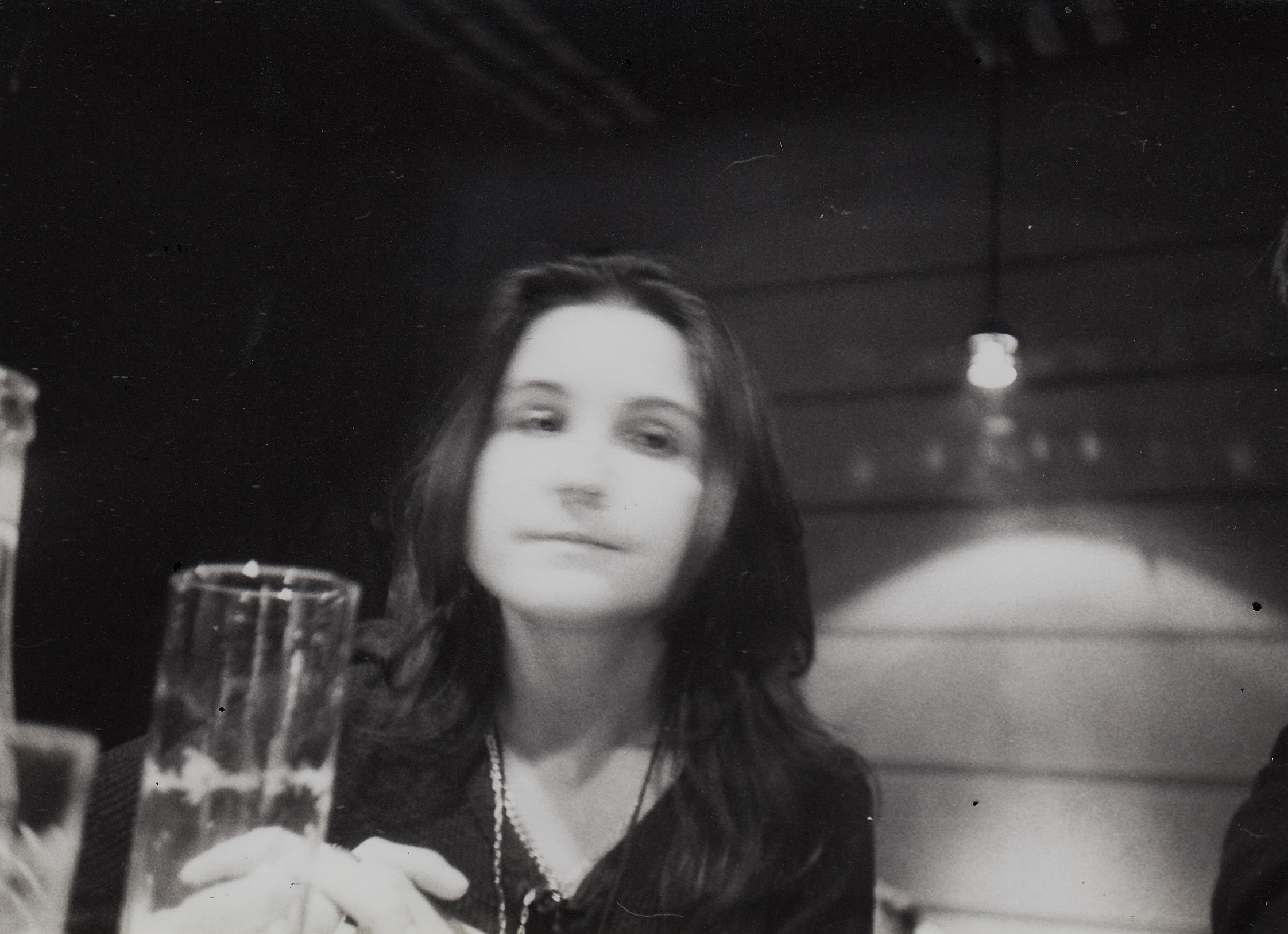
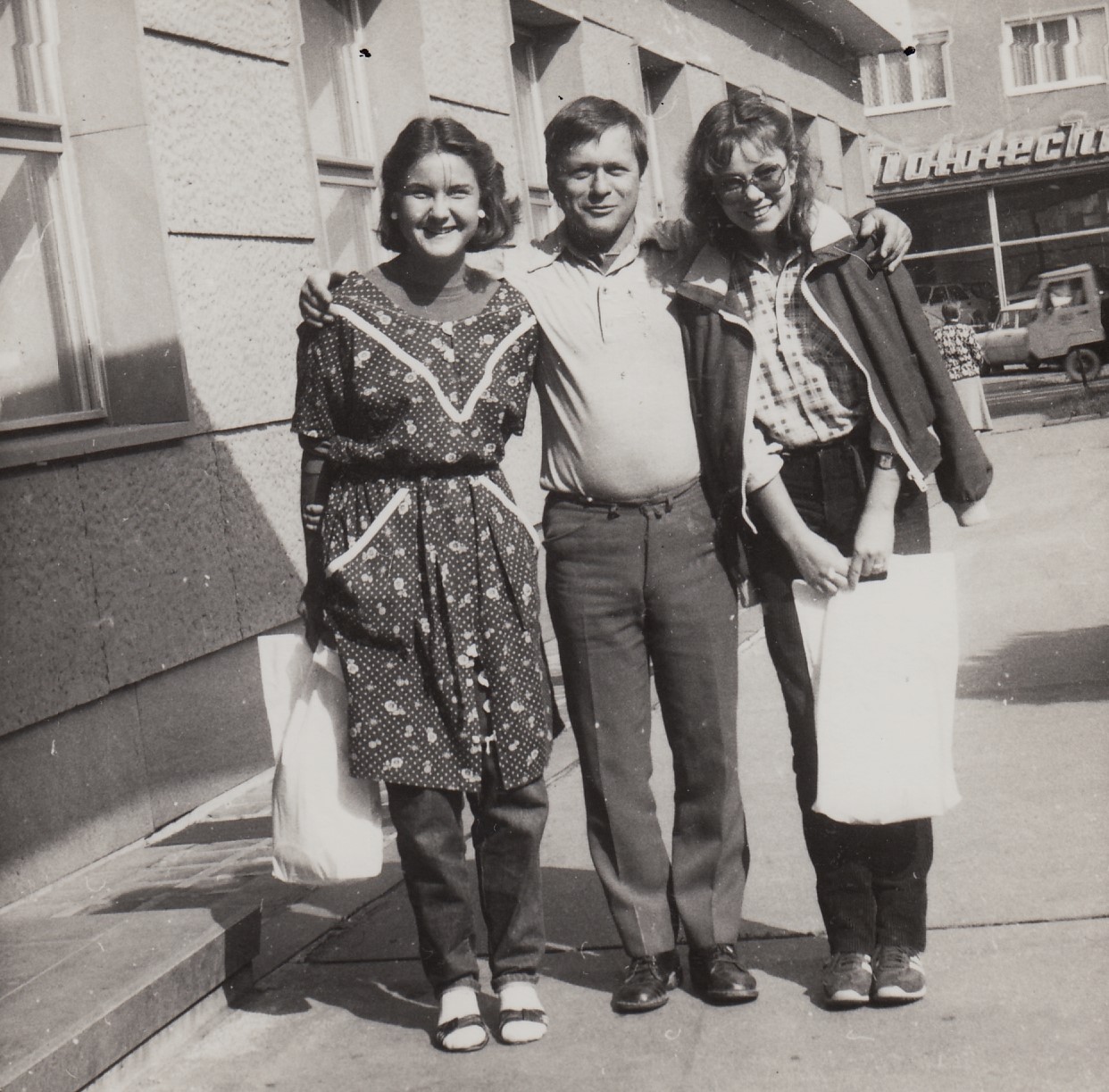
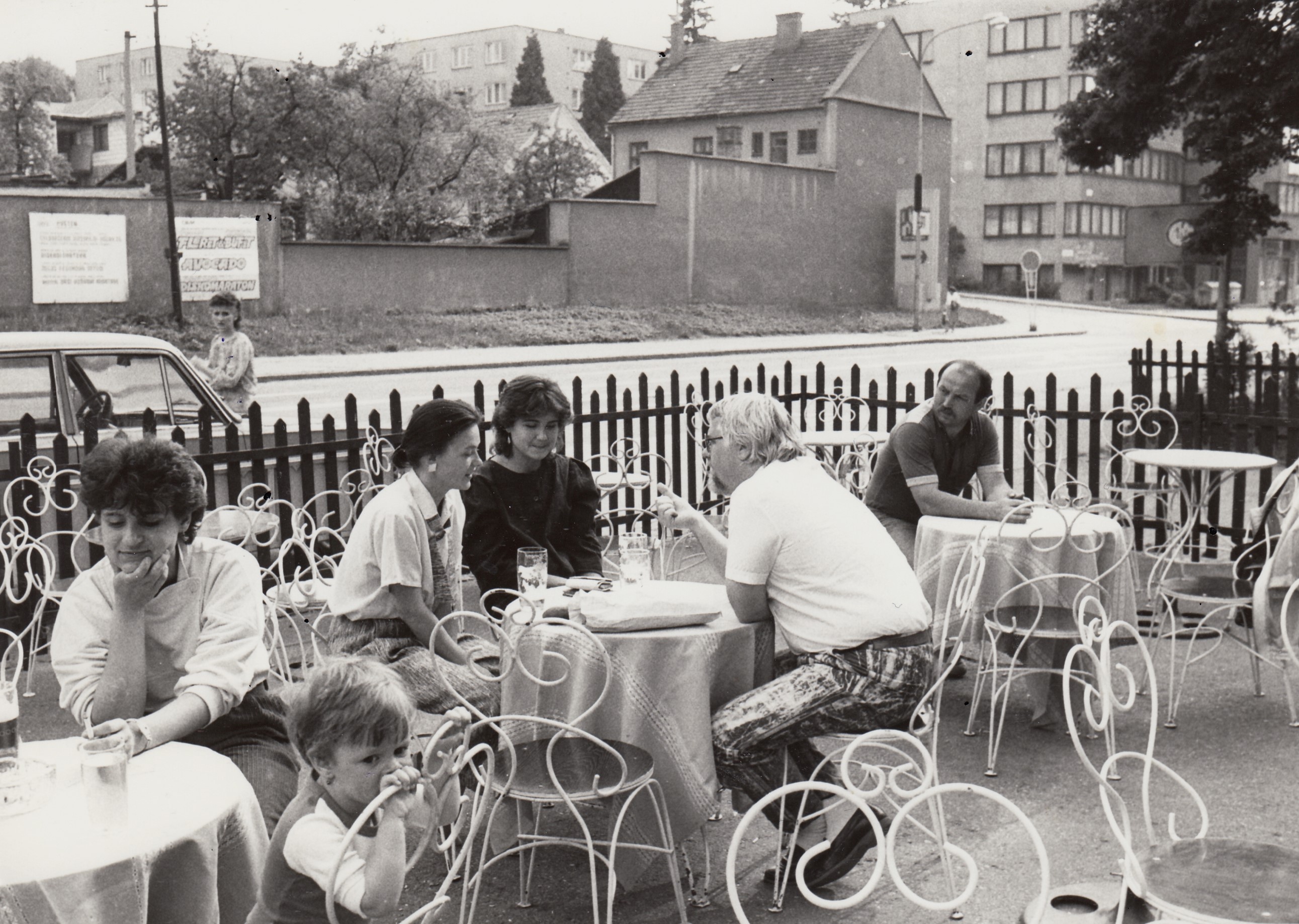
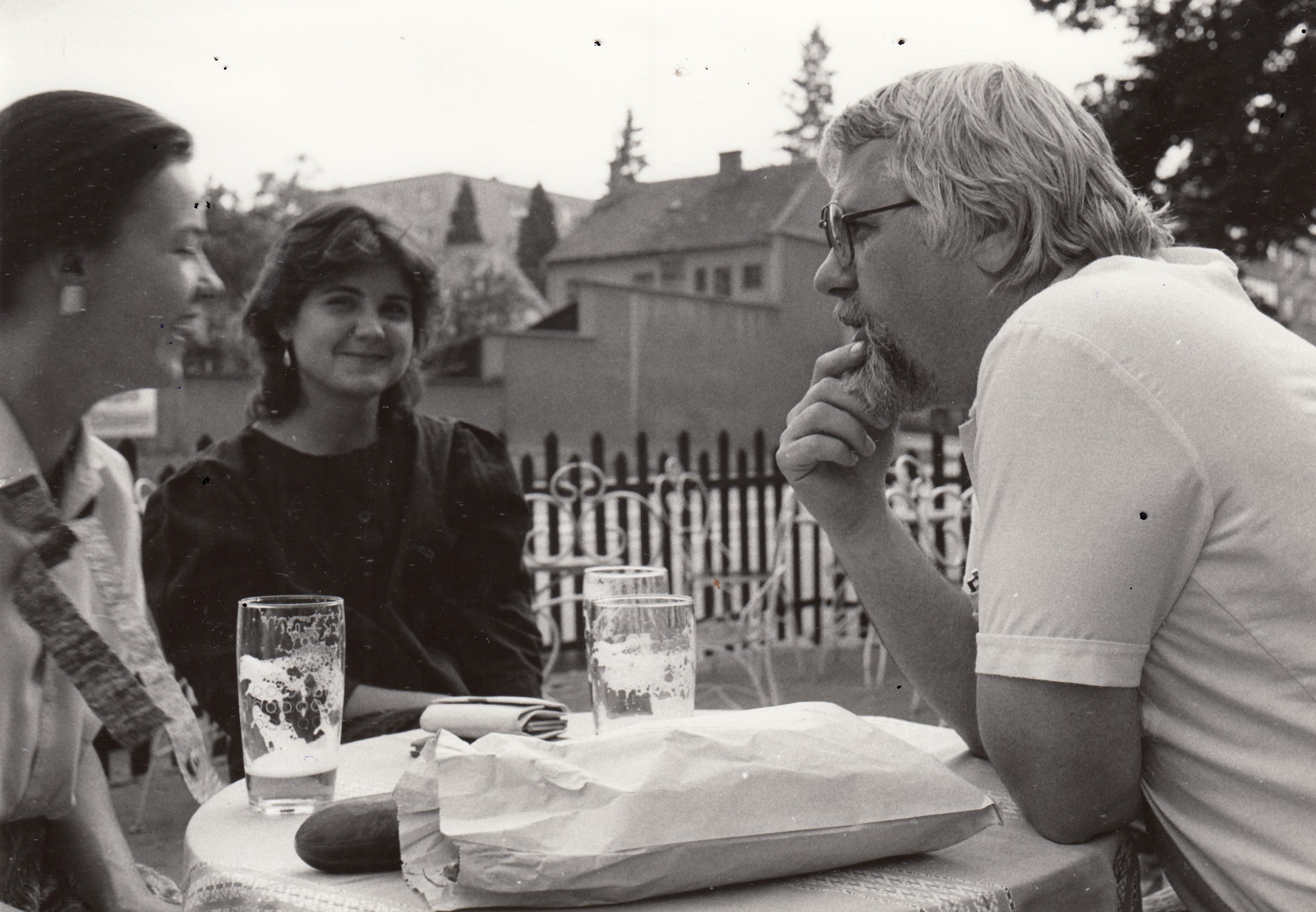
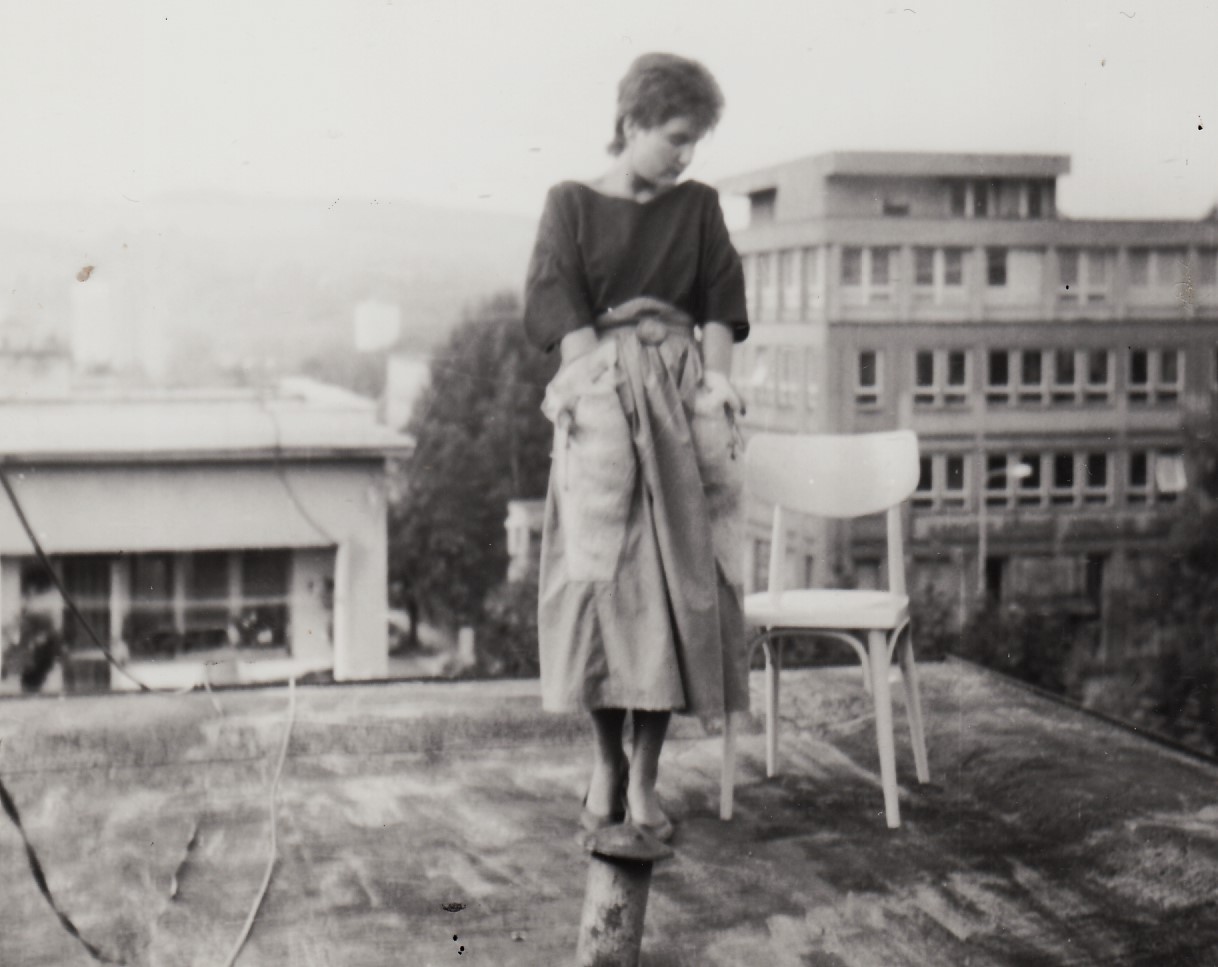
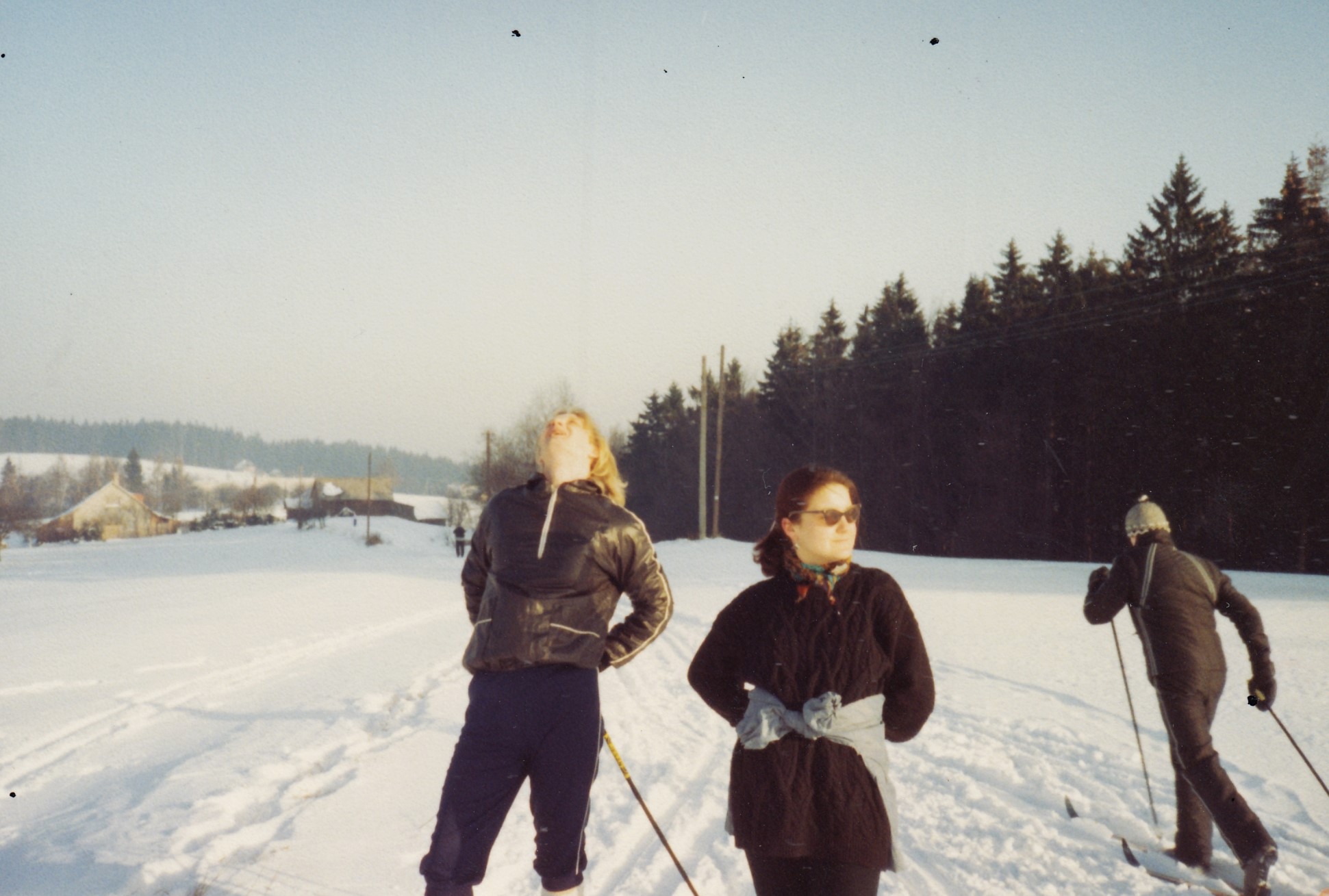
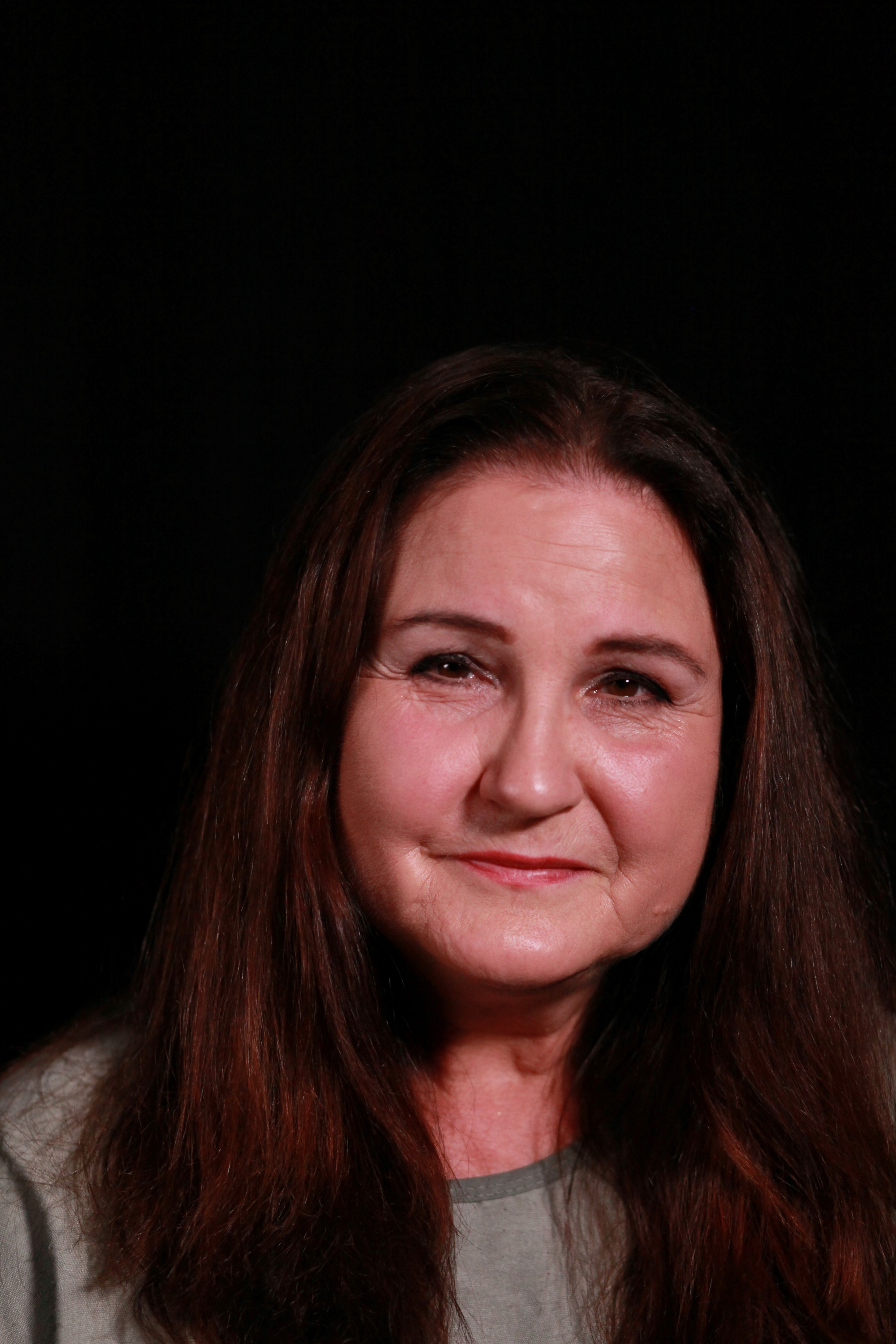
Radmila Chovancová was born on 17 June 1966 in Valašské Meziříčí as one of four children of Stanislav and Ludmila Chovancová. She grew up in Rožnov pod Radhoštěm. Her father was a project architect and her mother a clerk in Loana in Rožnov. In protest against the invasion of the Warsaw Pact troops, her father returned his state decorations and was expelled from the Communist Party. Until 1989, he could only work in menial positions. Radmila studied knitwear design at the Secondary School of Arts and Crafts in Brno, where she graduated in 1984. From 1984 she lived in Gottwaldov and worked as an upholsterer at the Workers‘ Theatre. Gradually, she got acquainted with people from the Gottwaldov dissident circle and became involved in the transcription and distribution of samizdat literature. Between 1988 and 1989 she signed petitions for the release of the unjustly prosecuted, one of which she initiated with her friend Monika Elšíková. She was targeted by the State Security, detained for 48 hours and interrogated. She became a signatory of Charter 77 and the Several Sentences human rights petition, a member of the Friends of the USA society. She stood at the birth of the Gottwald Civic Forum, participated in the revolutionary events in the city. As late as the autumn of 1989, she was threatened with six months in prison or a fine for her anti-regime activities. In 1990 she married Vladimír Trlida, but they later divorced. After the Velvet Revolution, she started her own business. In 1998, her son Ondřej was born. In 2018, she was honoured as a participant in the stuggle and resistance against communism. In 2025, Radmila Chovancová lived in Zlín.
Hrdinové 20. století odcházejí. Nesmíme zapomenout. Dokumentujeme a vyprávíme jejich příběhy. Záleží vám na odkazu minulých generací, na občanských postojích, demokracii a vzdělávání? Pomozte nám!