Jan Břinek

* 1933

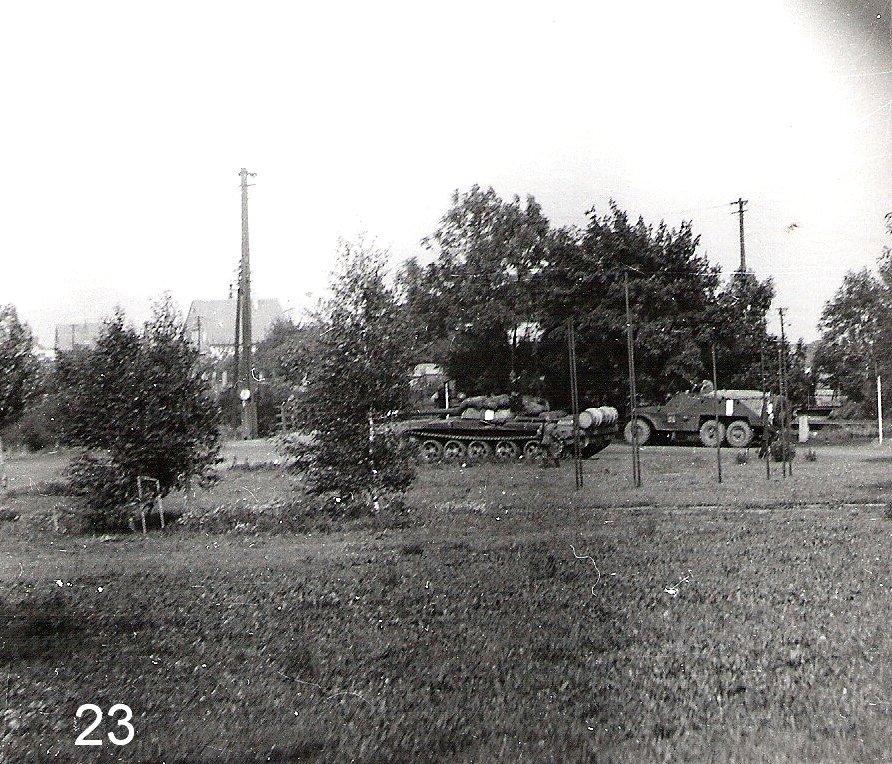
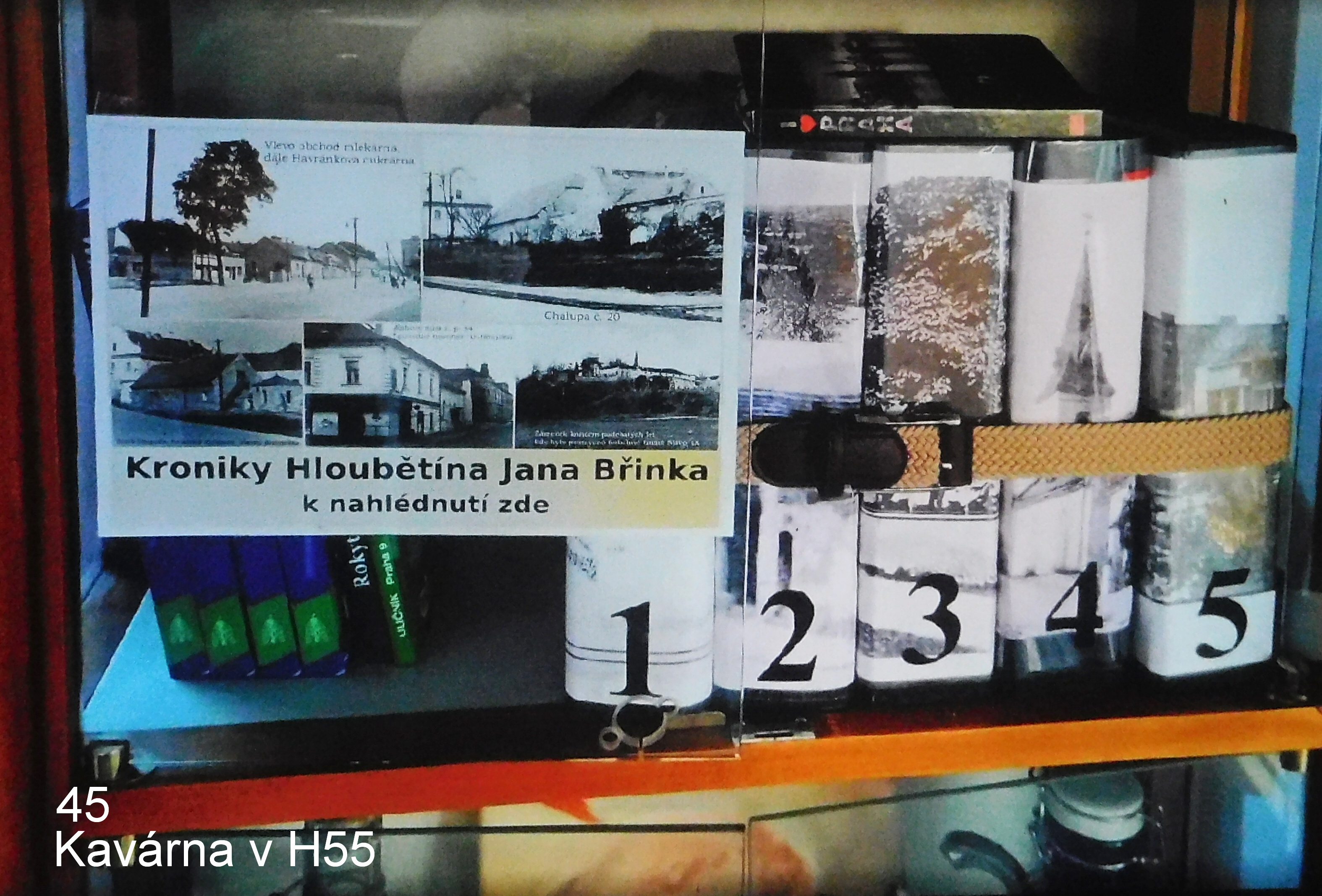
  • "As for my experience of the occupation - well, the blackouts were crazy. When it was cloudy, you couldn't see a thing. They would check everywhere to make sure there was no light shining through; it had to be perfectly dark. There was a square of phosphorus on a post - that's in my chronicle too - because the post was on a sidewalk, as if encroaching on it. So there was a square painted on it, and, well, it's been three years maybe since they took the pillar down."

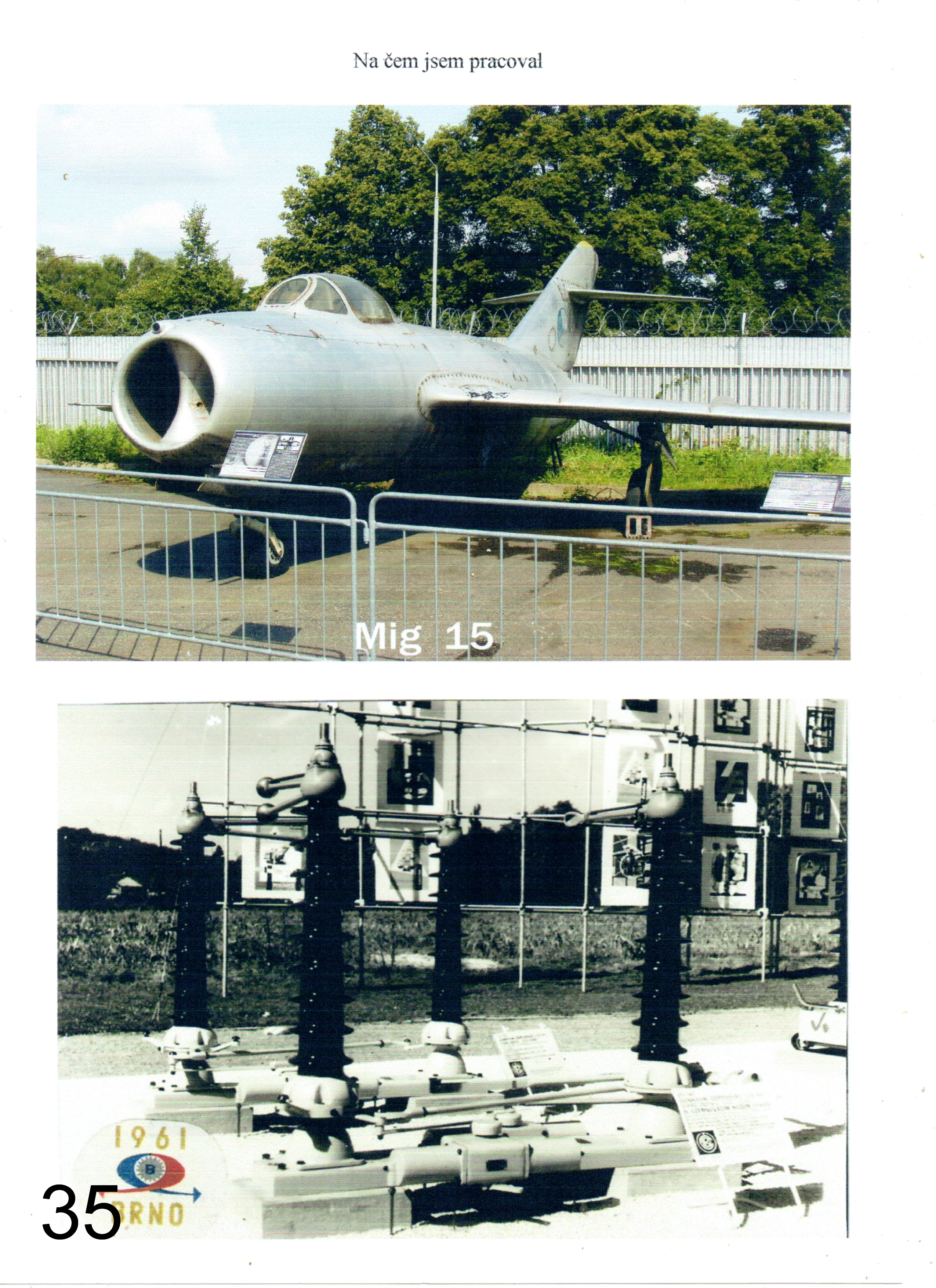
  • "They immediately put me in the hall where the planes were assembled. By then, we were already making MiGs. I recall there was a prototype MiG. They brought that one in and it was under a tarp so people couldn't see it, because all the faulty rivets were covered with red crosses. That one was scrawled all over in red, so it was under the tarp. College students would come and redraw the blueprints. The drawings we got with the airplanes were terrible, and I would always work with the engineers on one unit at a time."

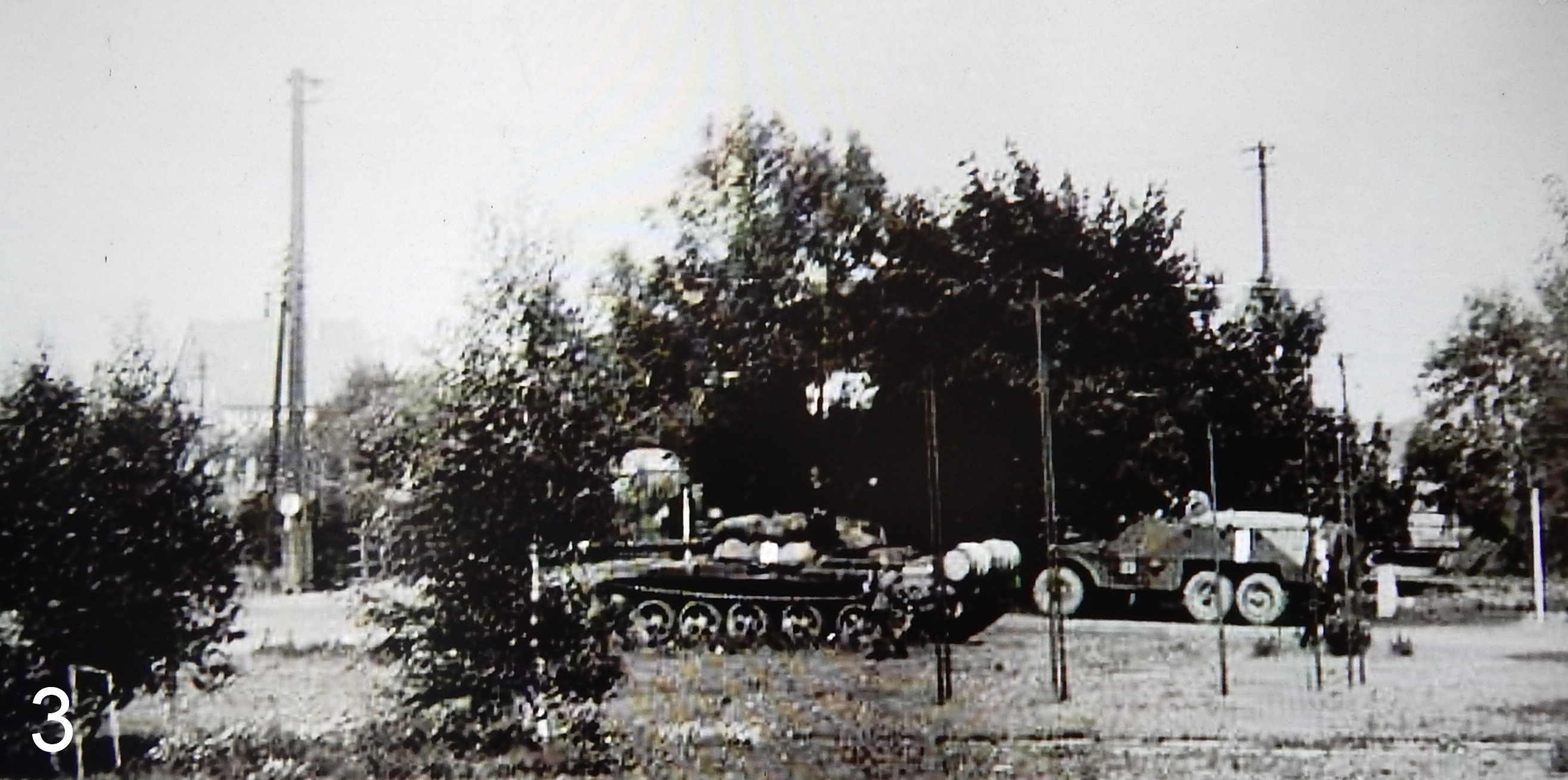
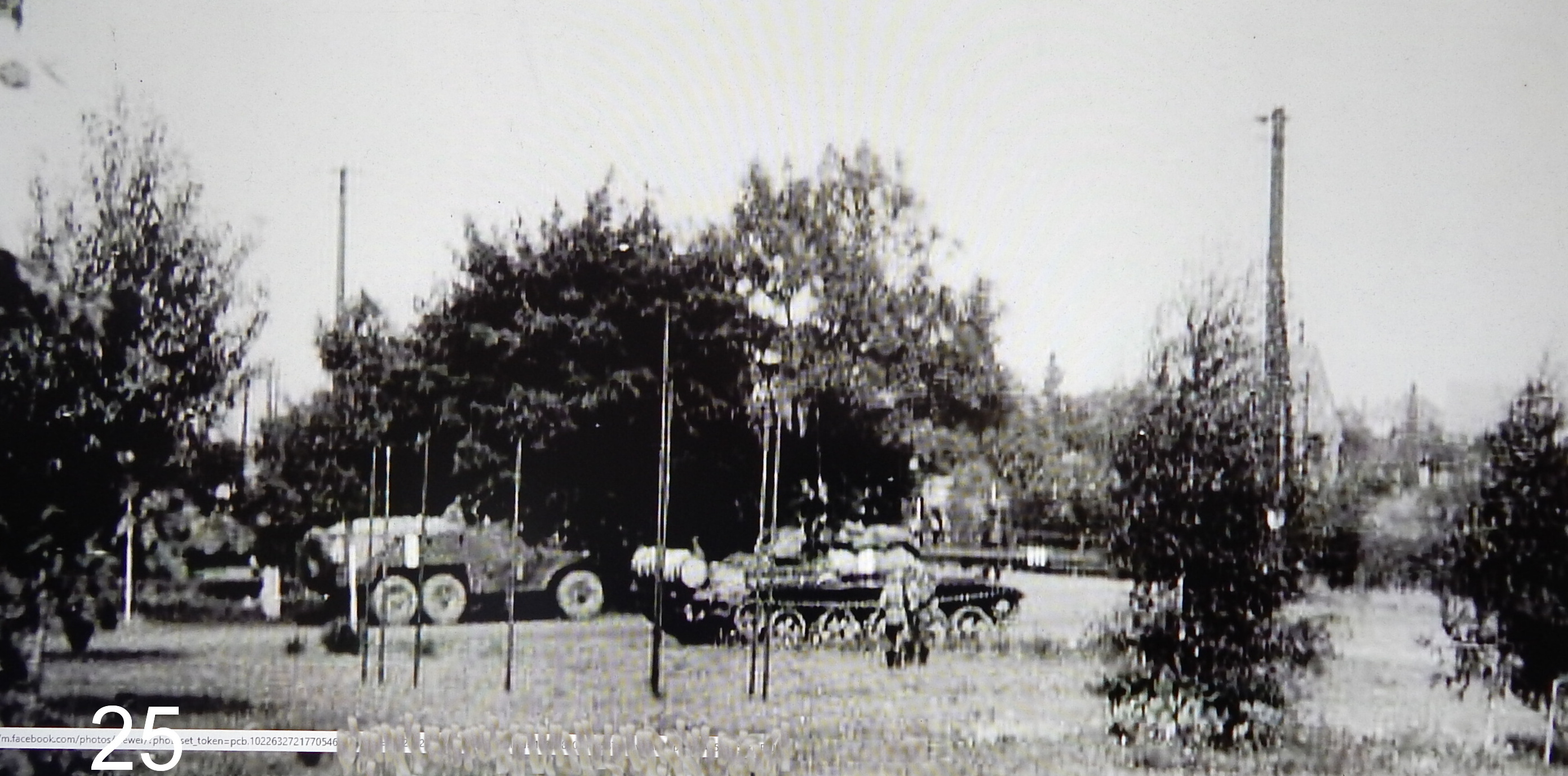
  • "The first encounter with the Russians was when they arrived in the pub garden here. They were like Mongolians or something, with horses and carts, all greasy. They had a kitchen, and we as little kids ran around barefoot and they thought we were hungry, so they gave me three meatballs in a newspaper and I brought them home. My mother sniffed them and threw them away. I don't know we were hungry, but there were food stamps, so everybody could buy the basics. We were also lucky in that my father came from the countryside, from Moravské Budějovice, and he had three brothers who all had farms there. The village was Domanín and the Břineks ruled the place. He went there once every fortnight and always came back with a suitcase of food. He had to get off at Kyje because if he went to Harfa the patrols would seize it, so he would come over the hill with it. We had flour, eggs, everything... bread, they used to bake five-kilo loaves - white ones, beautiful."

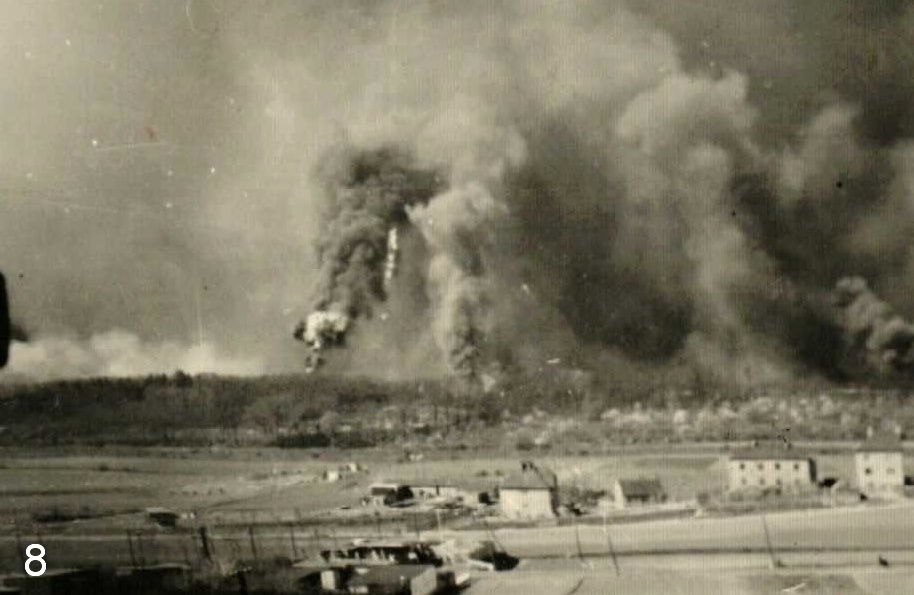
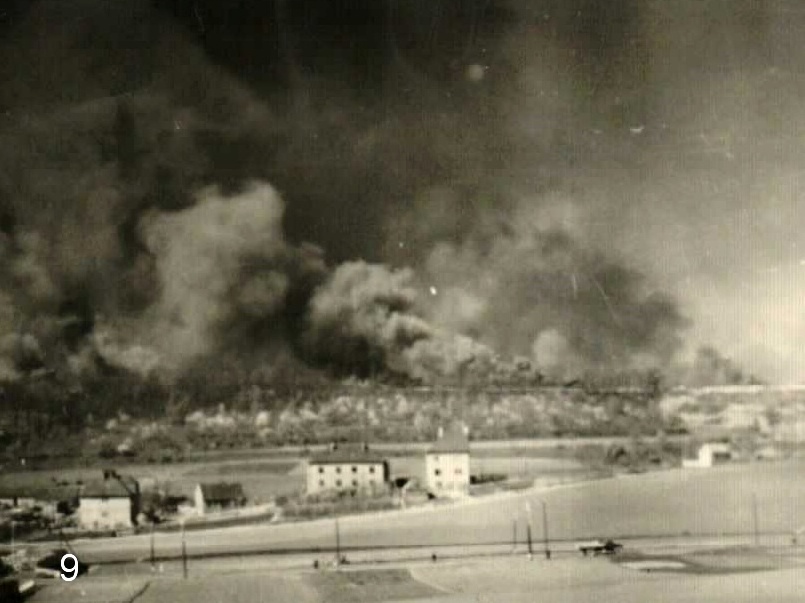
  • "I remember the war well. I especially remember the final views; it was in March when sweep fighters would fly to the airfield and we, our cousins and other children played cards outdoors and they flew over us. There were trees cut down at that time, everything was burned - see, acacia wood burns even raw - and they flew at like ten metres, but it seemed to us that they were just above us. We had to duck and they started firing above us, and it was such a roar. They flew in fours side by side. I never experienced such noise and it's really quite the experience. Then I ran home and I wasn't allowed to go anywhere. Another time, there was no air raid alarm or any hooting, and all of a sudden I heard a terrible rumble. I went out into the yard and saw a twin-engine bomber coming down."

  • Celé nahrávky
  • 1

    Praha, 31.03.2025

    (audio)
    délka: 01:48:03
    nahrávka pořízena v rámci projektu Stories of 20th Century
Celé nahrávky jsou k dispozici pouze pro přihlášené uživatele.

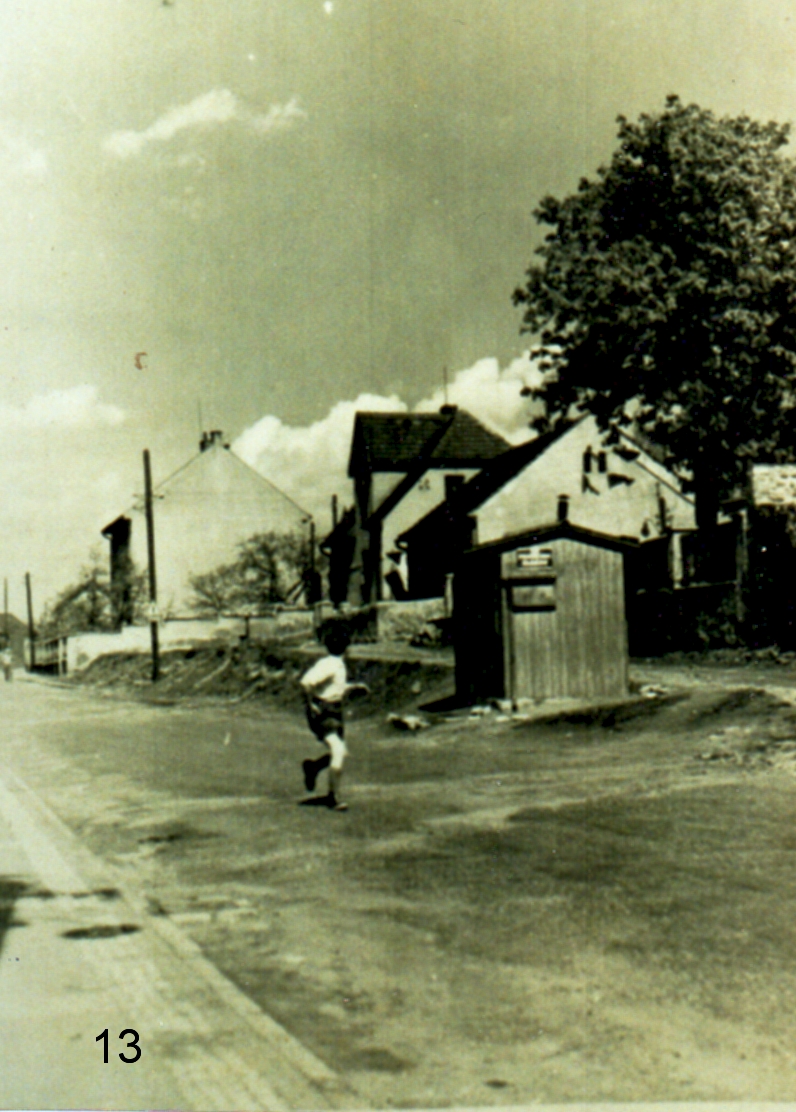
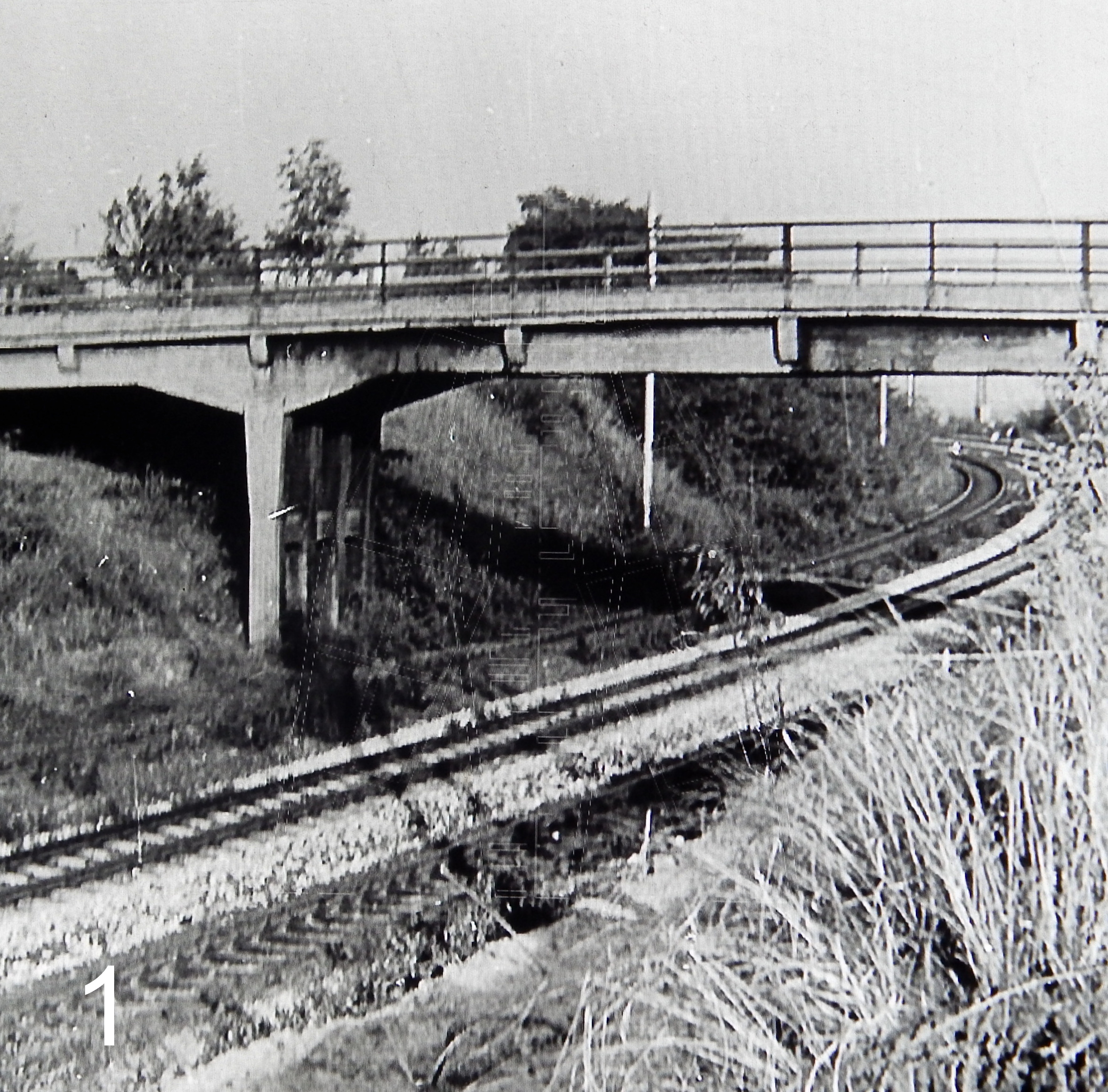
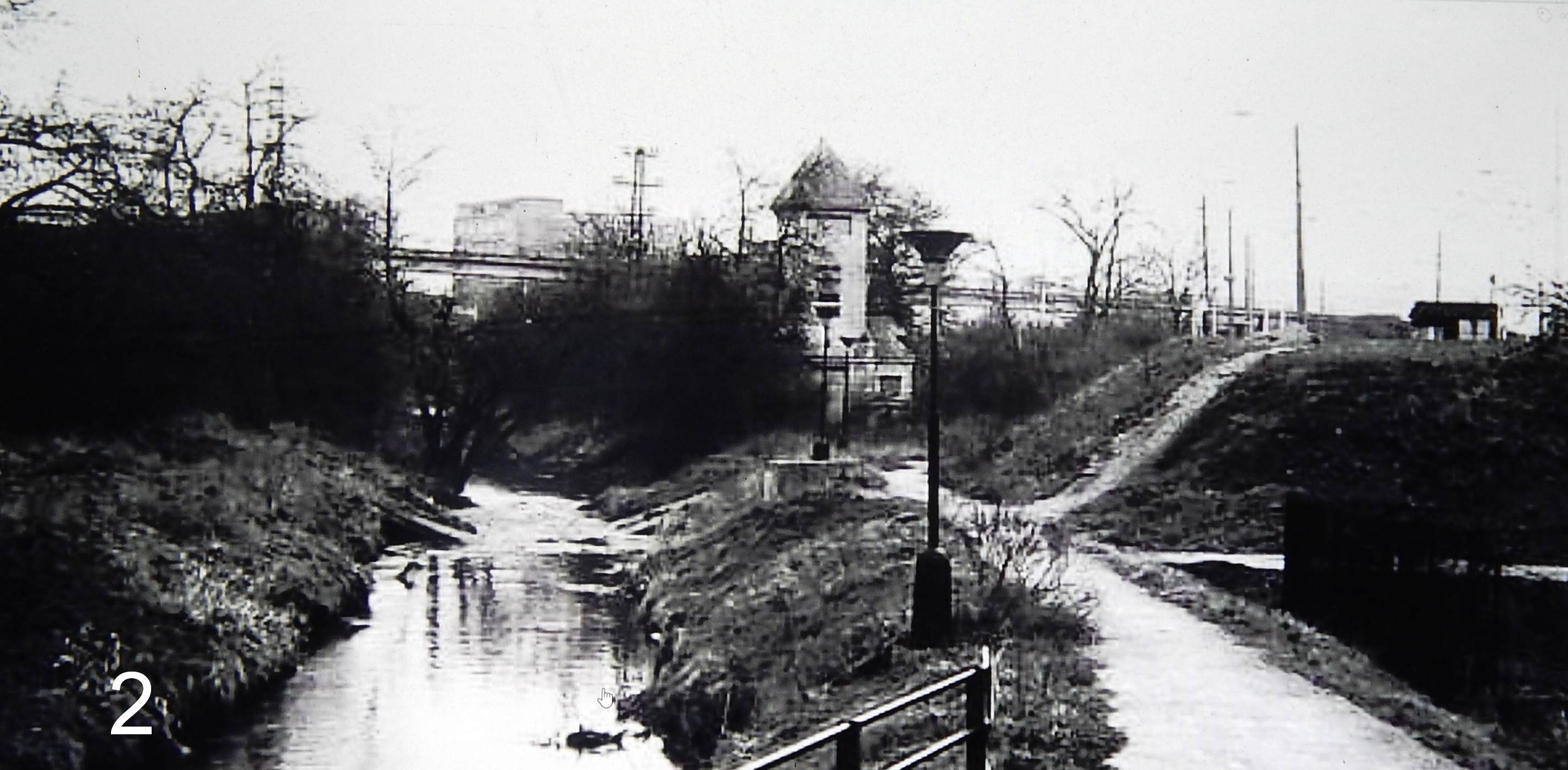
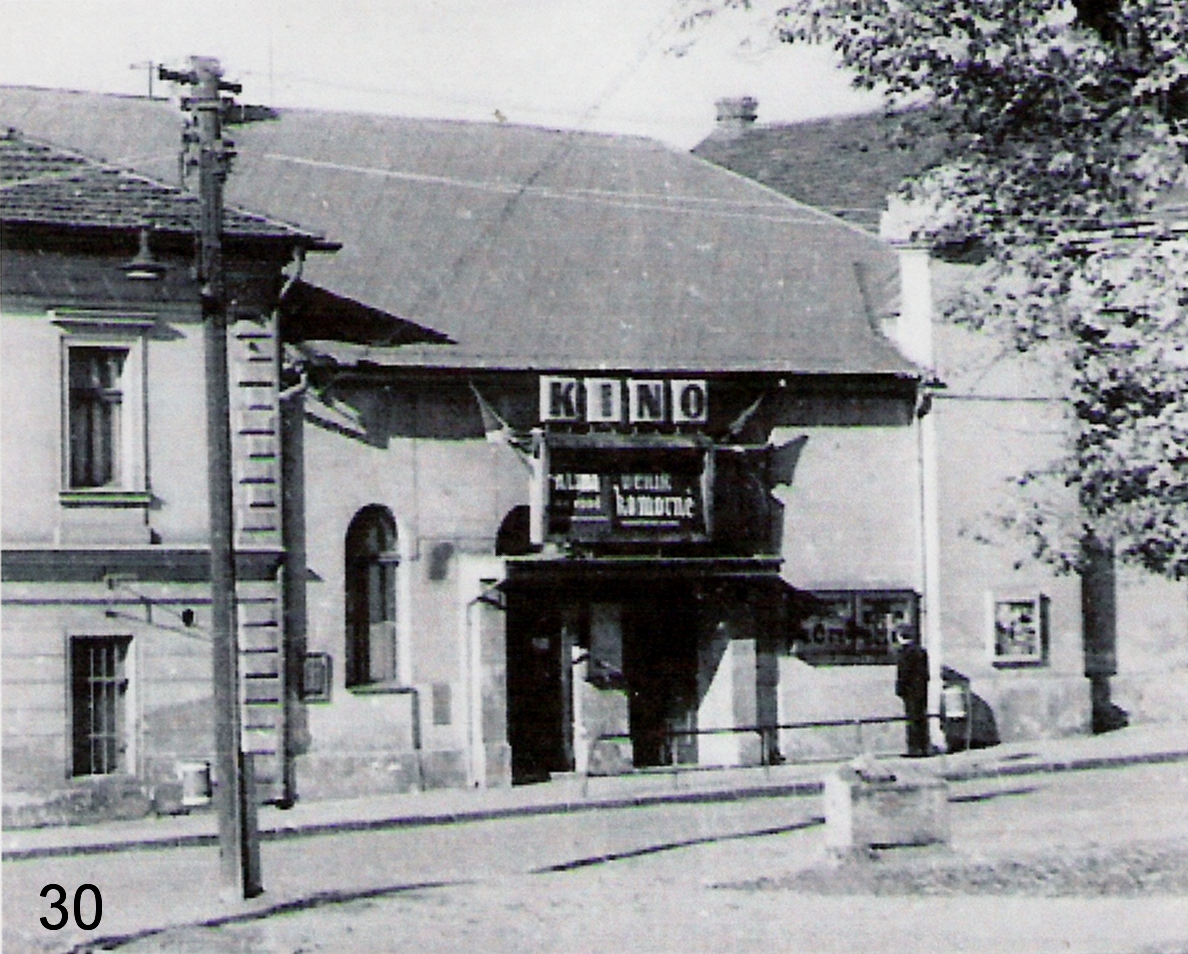
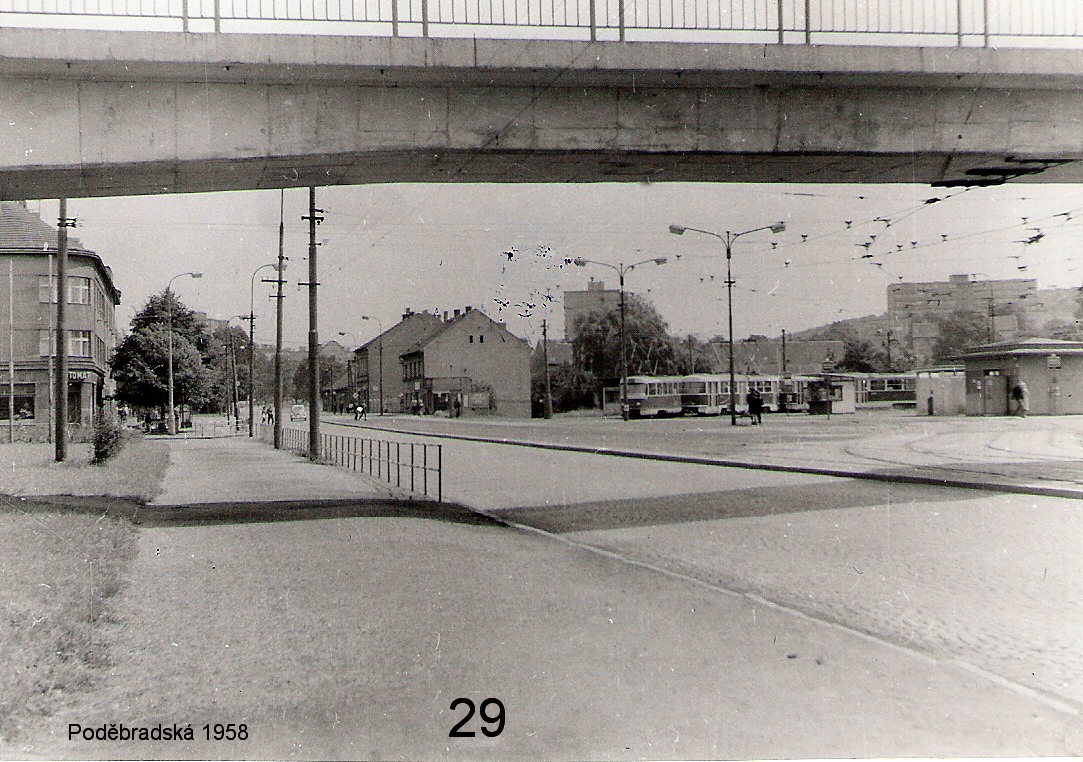
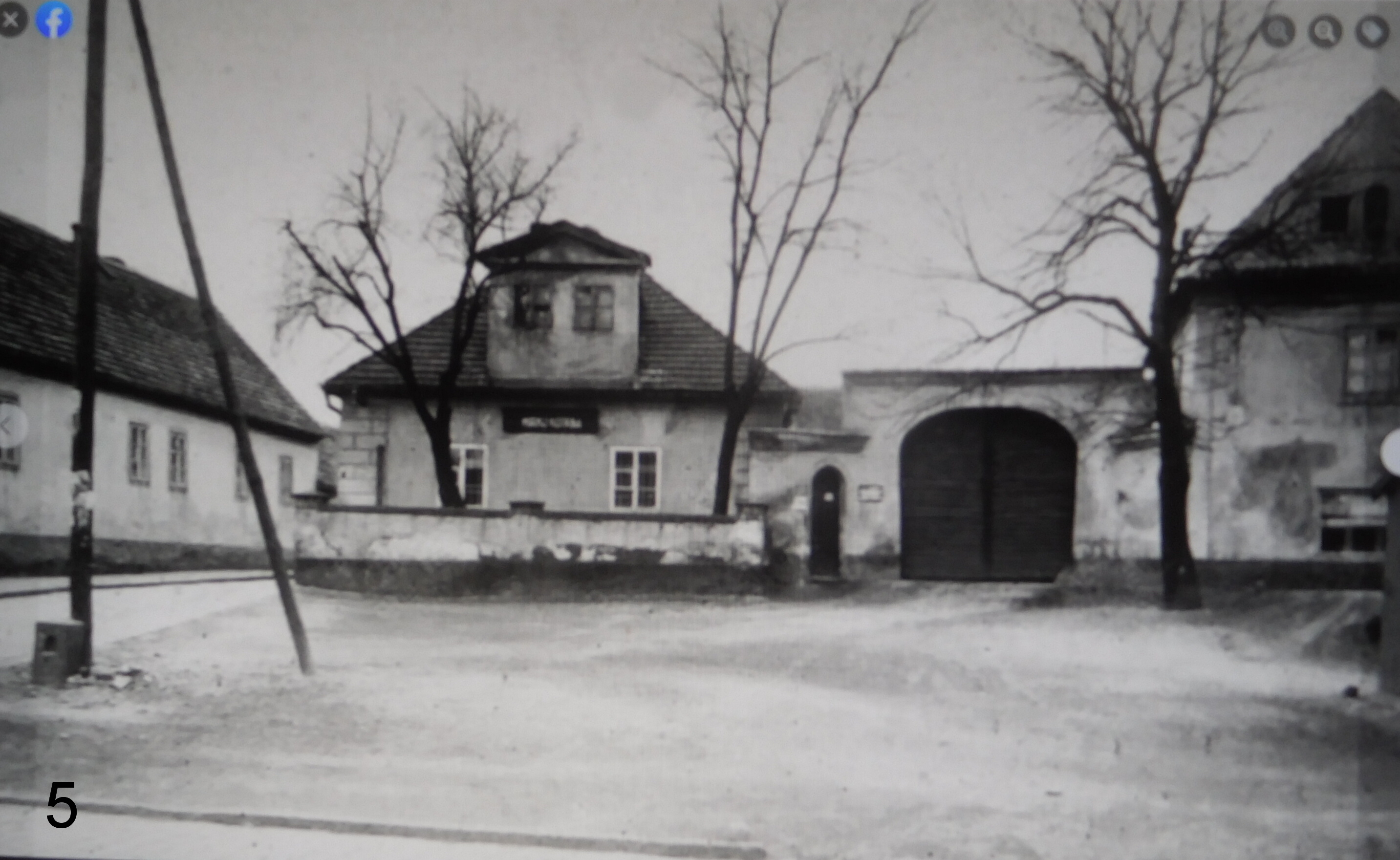
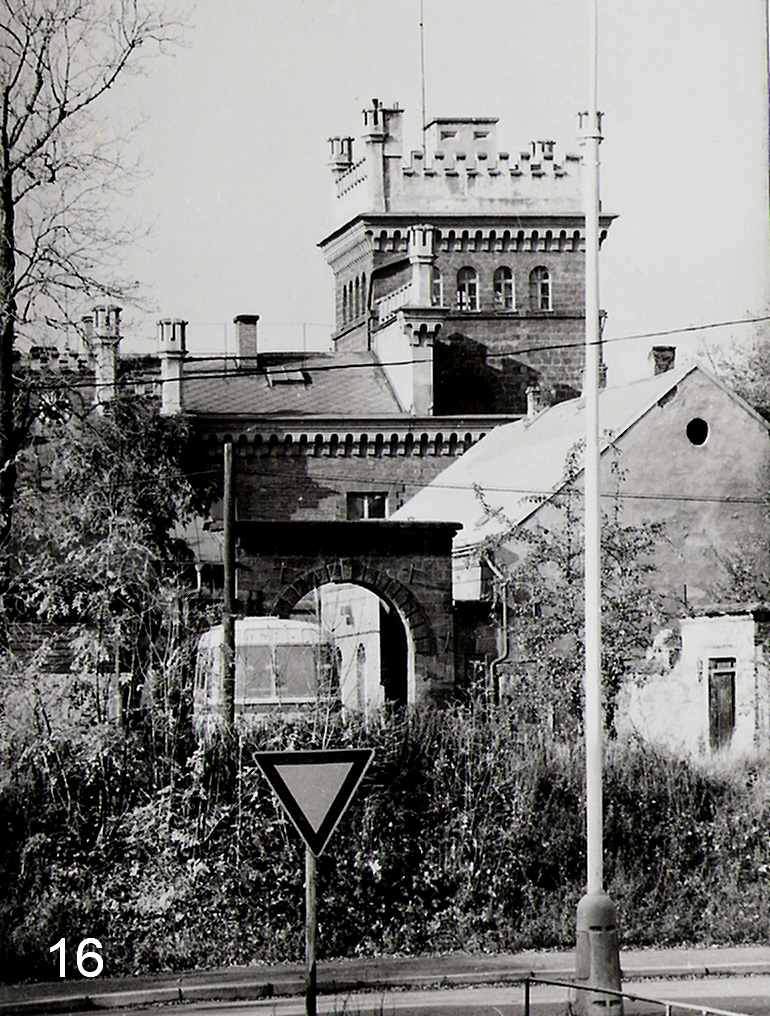
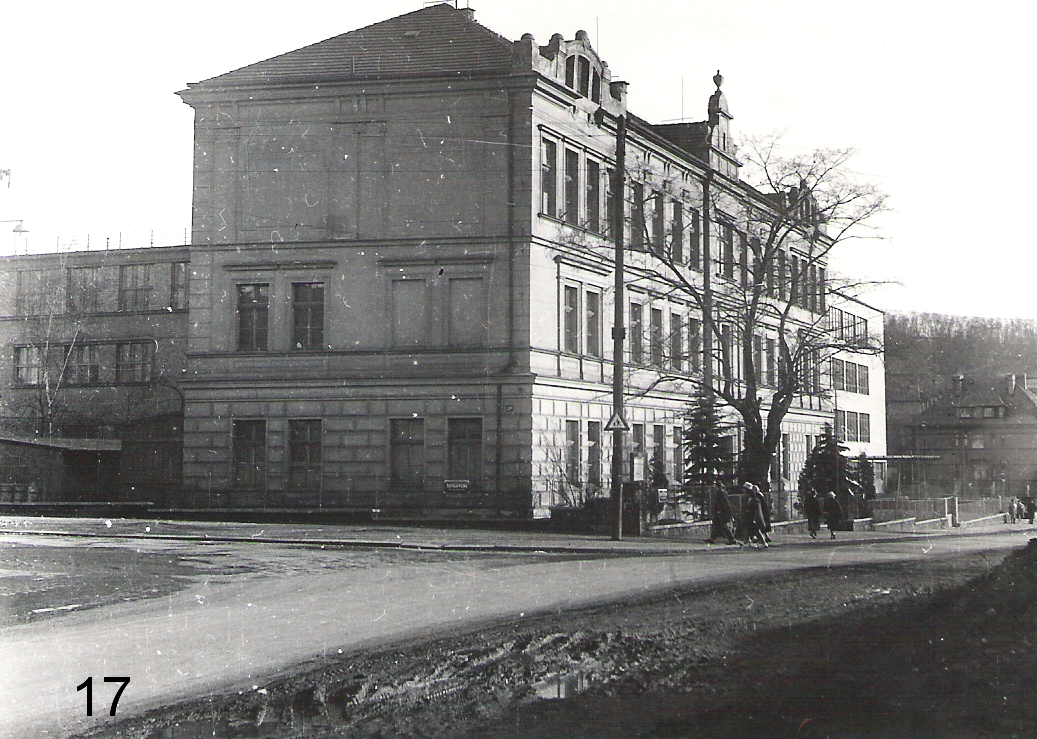
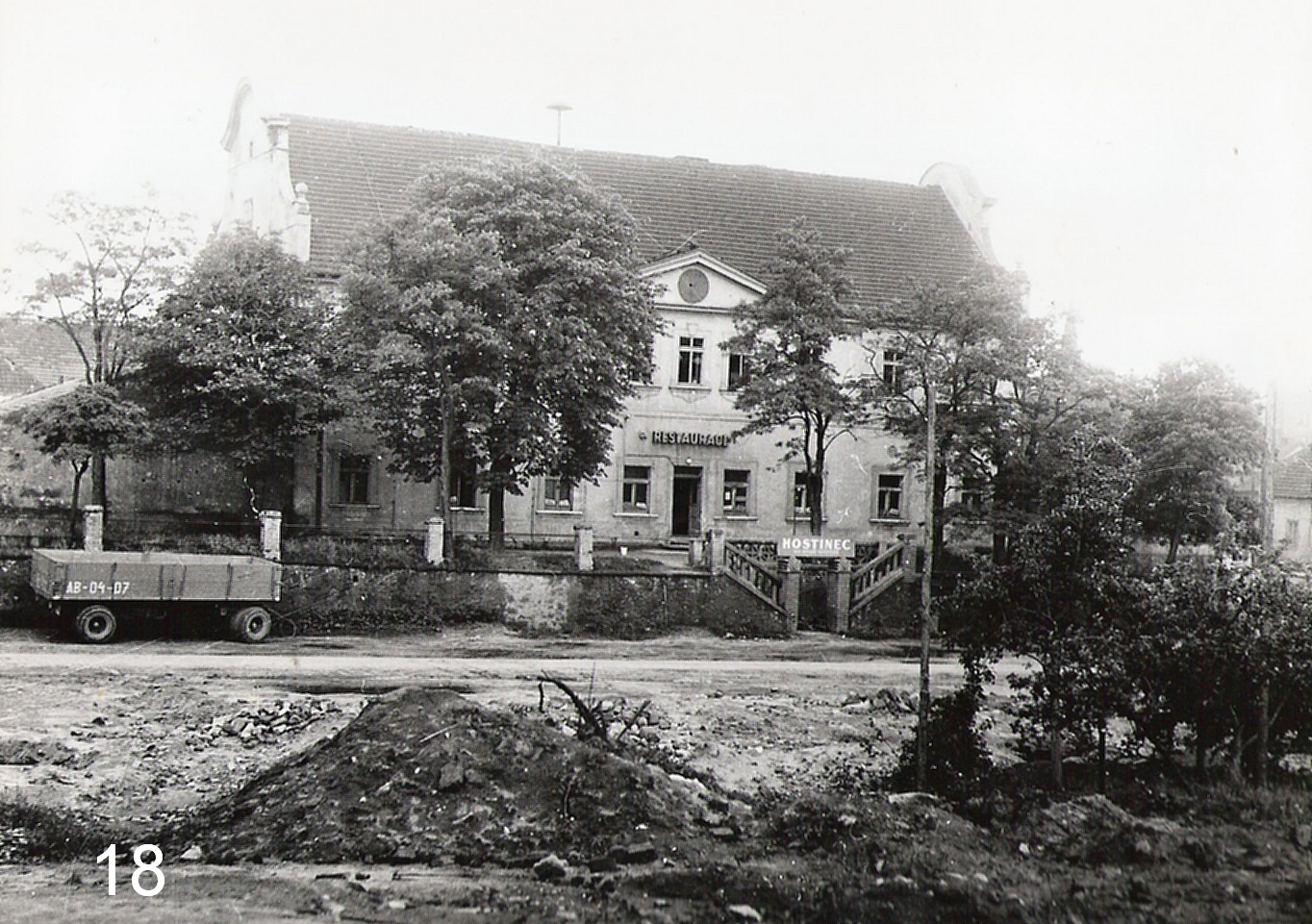
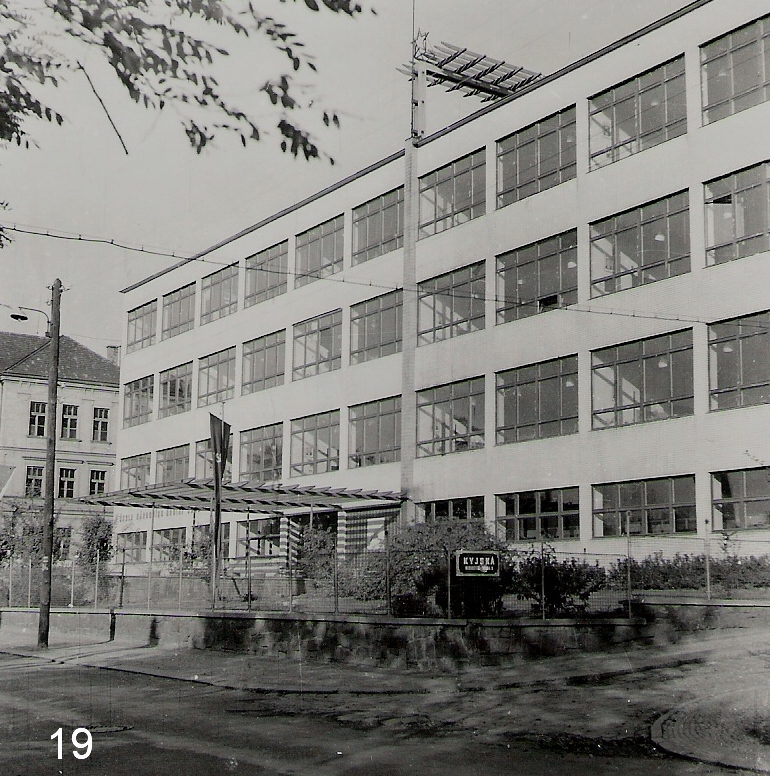
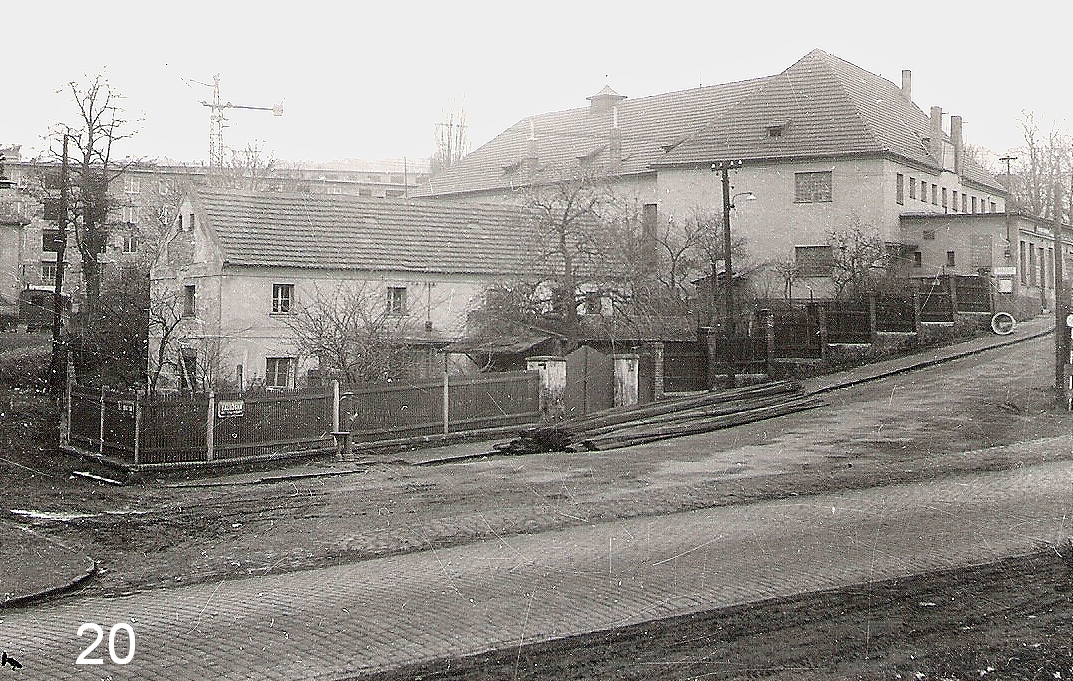
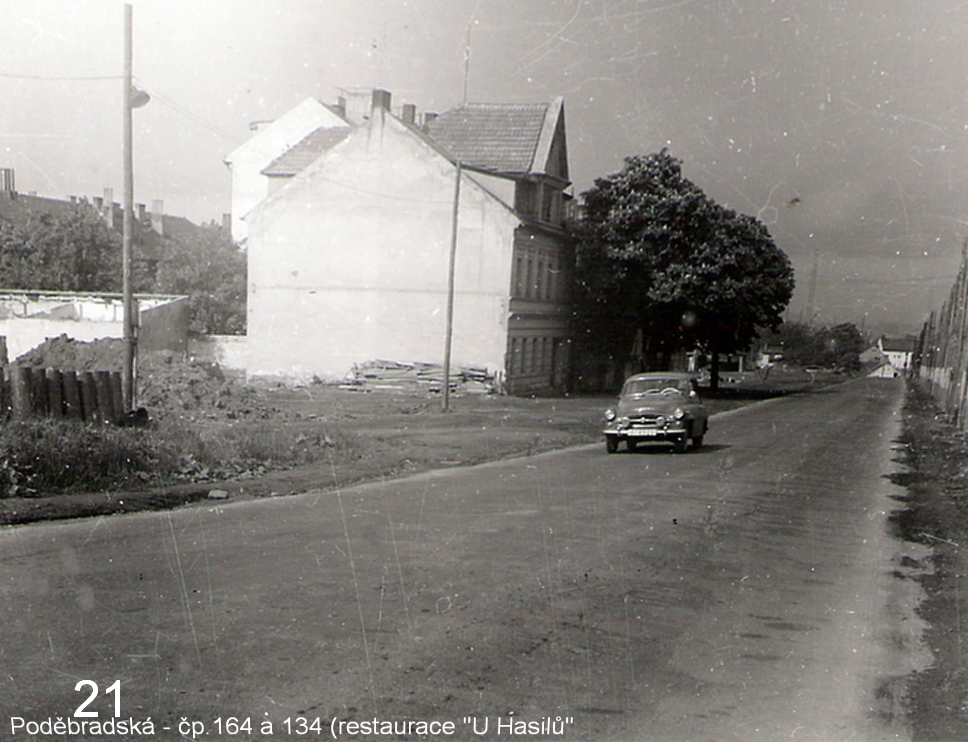
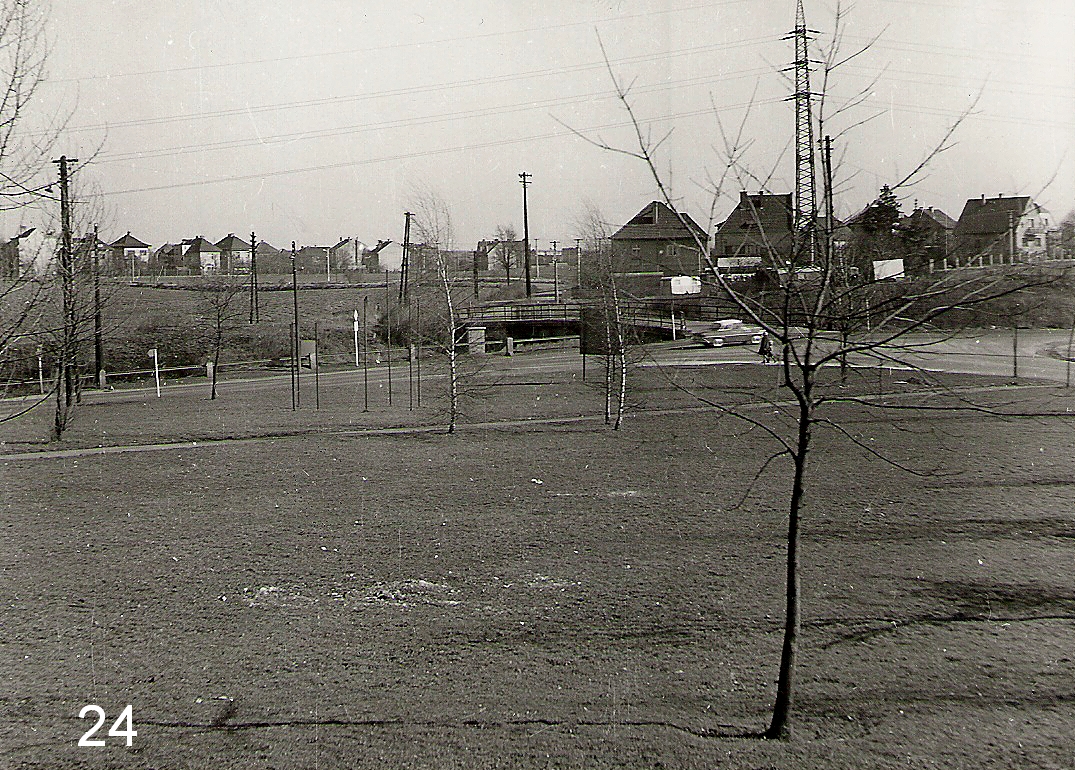
When they started to demolish Poděbradská Street, nobody photographed it and I thought it was a pity
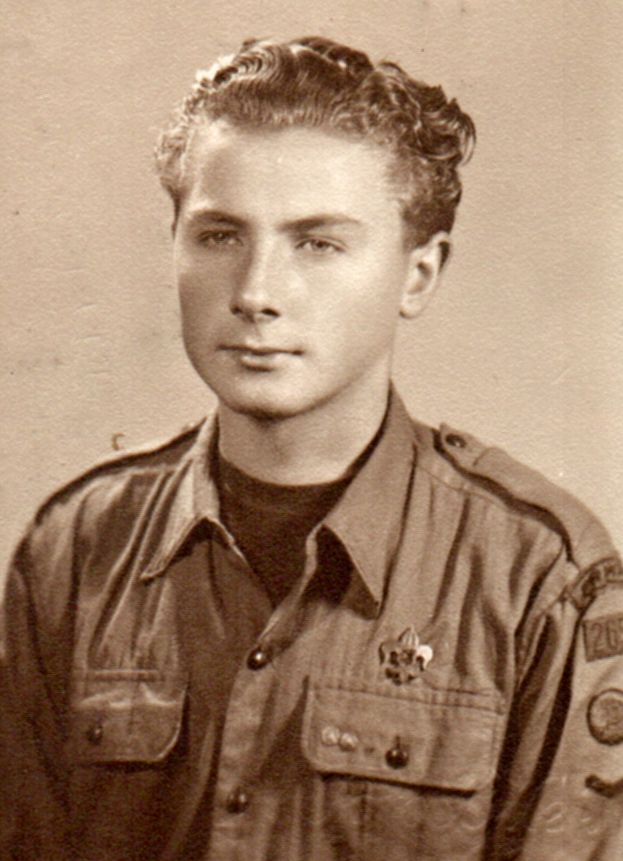
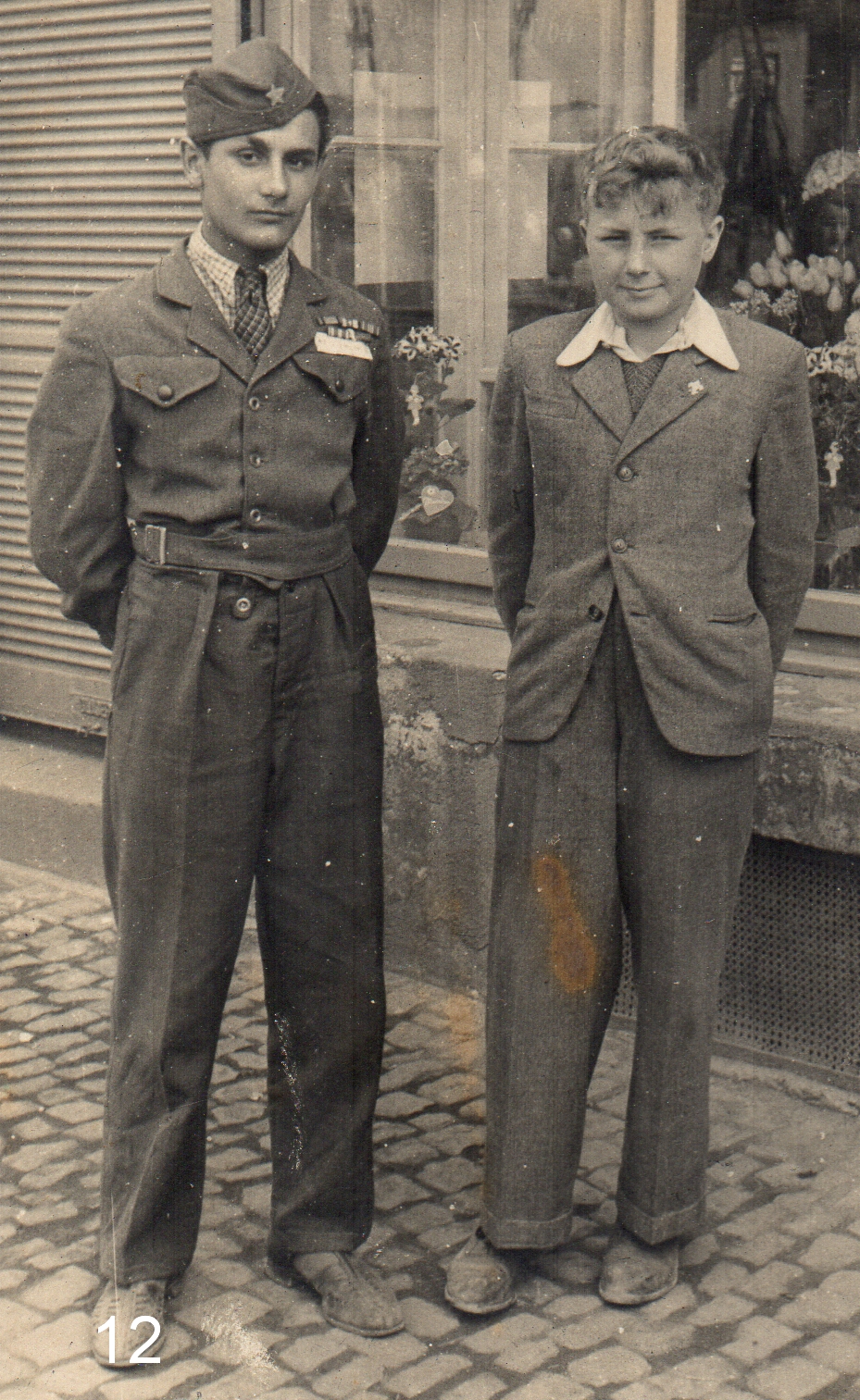
Jan Břinek a boy scout, aged 17
zdroj: Witness's archive

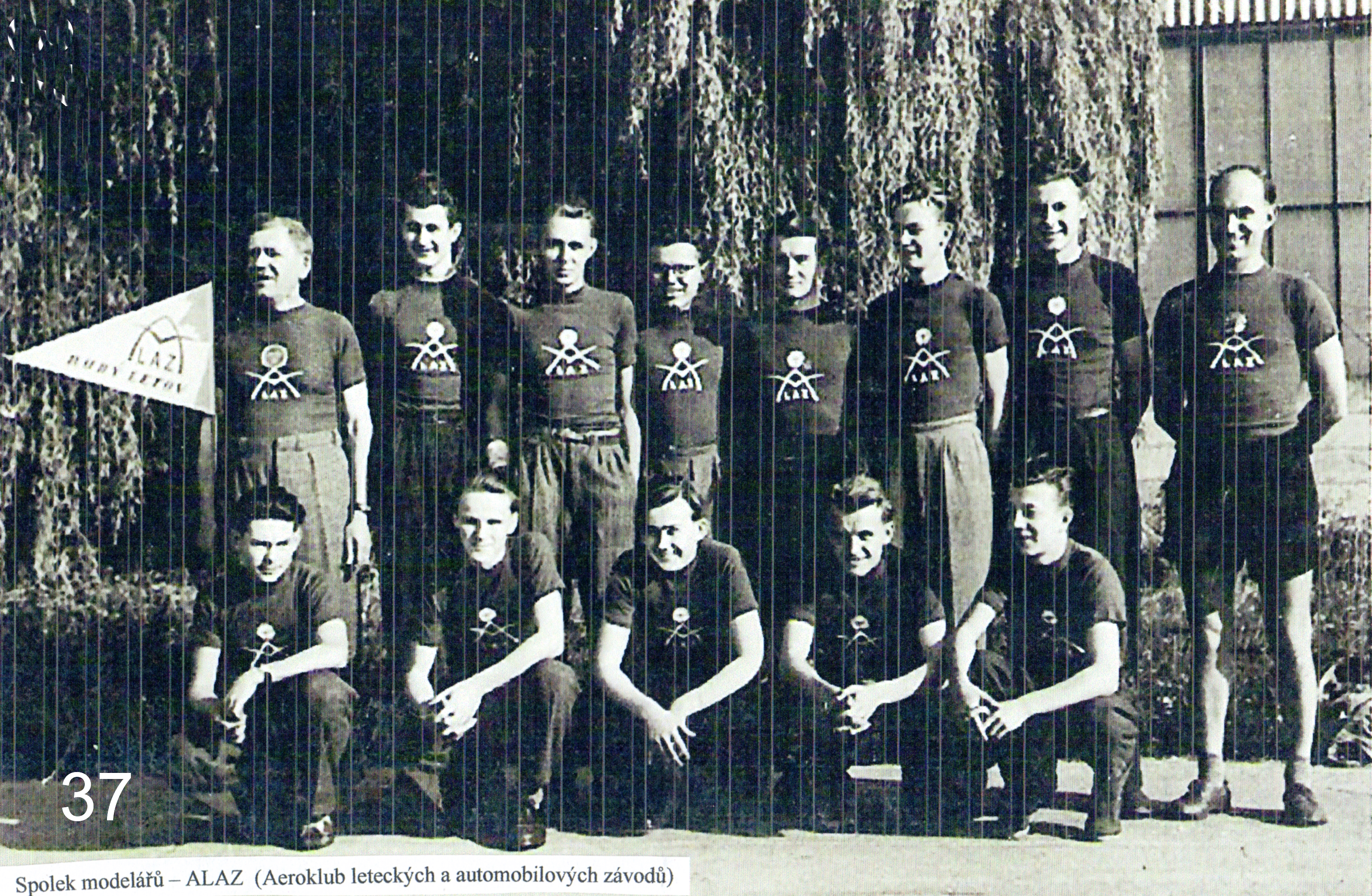
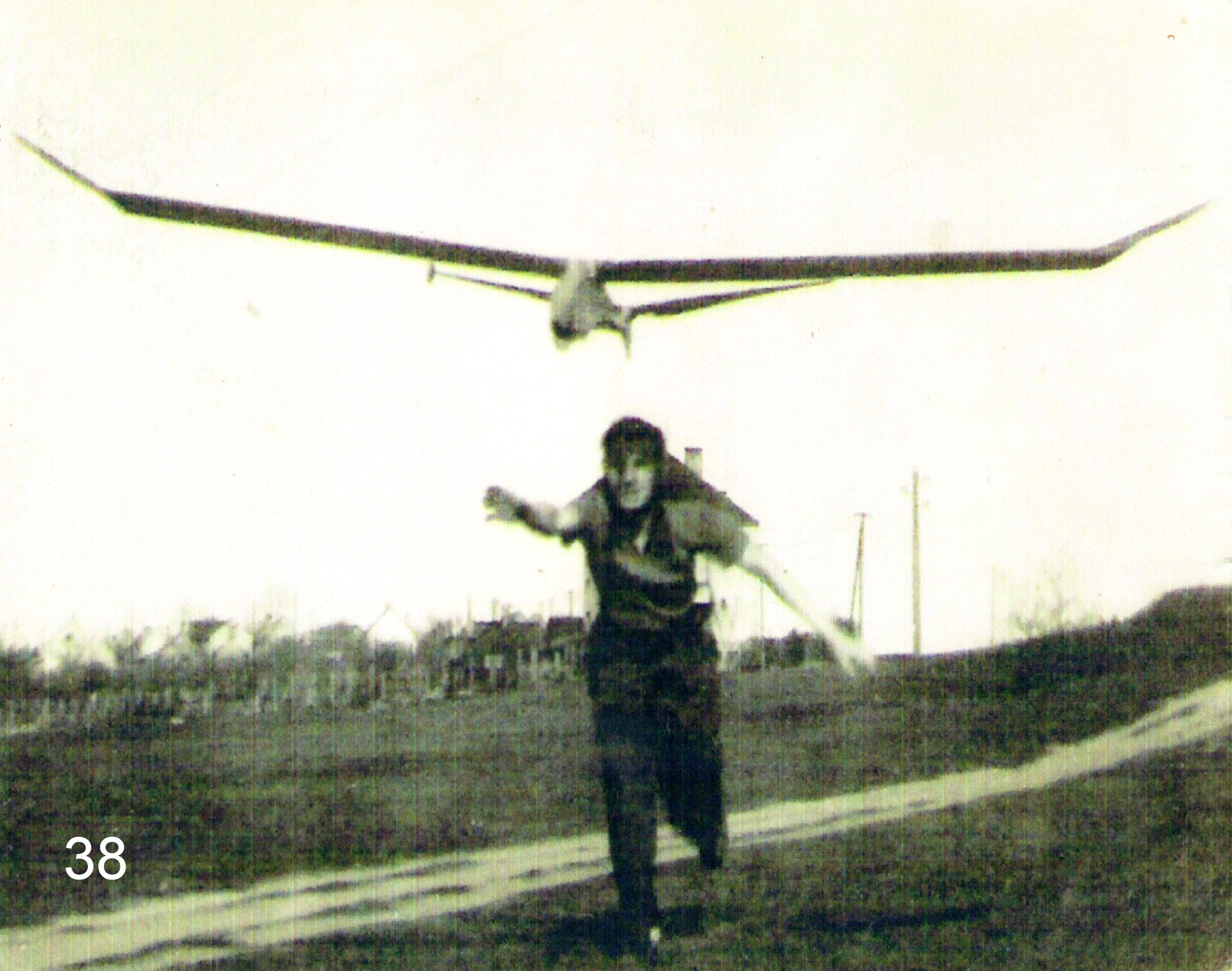
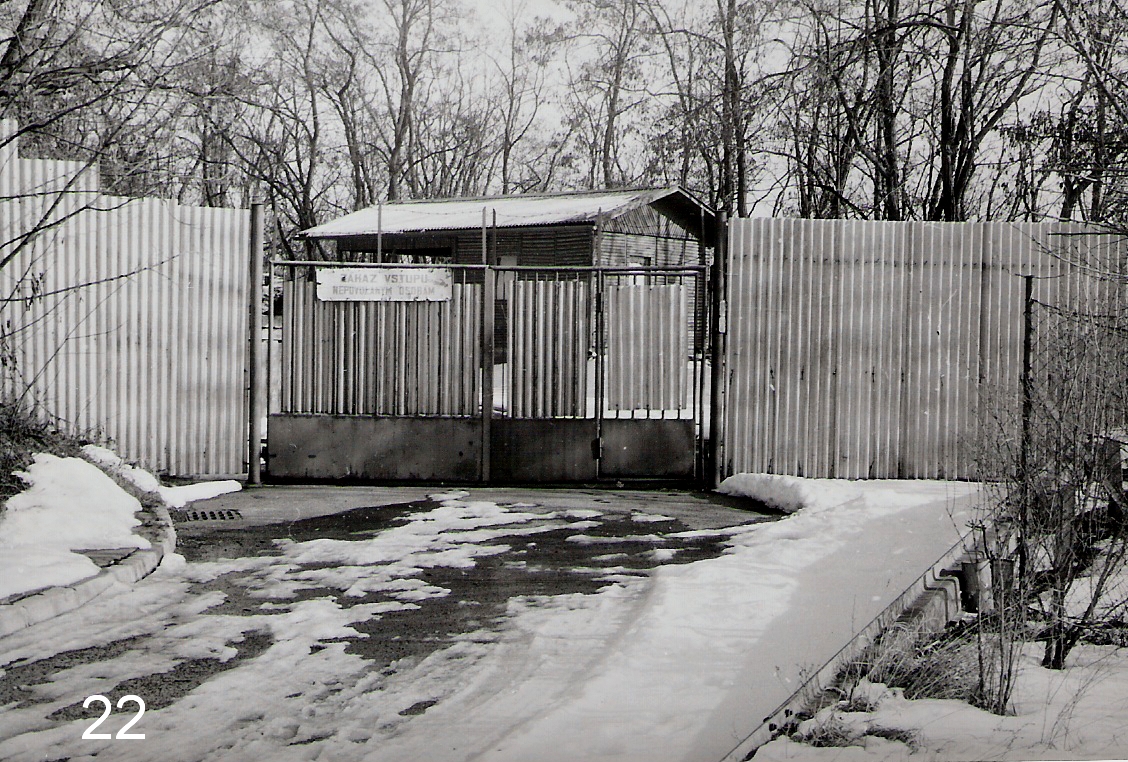
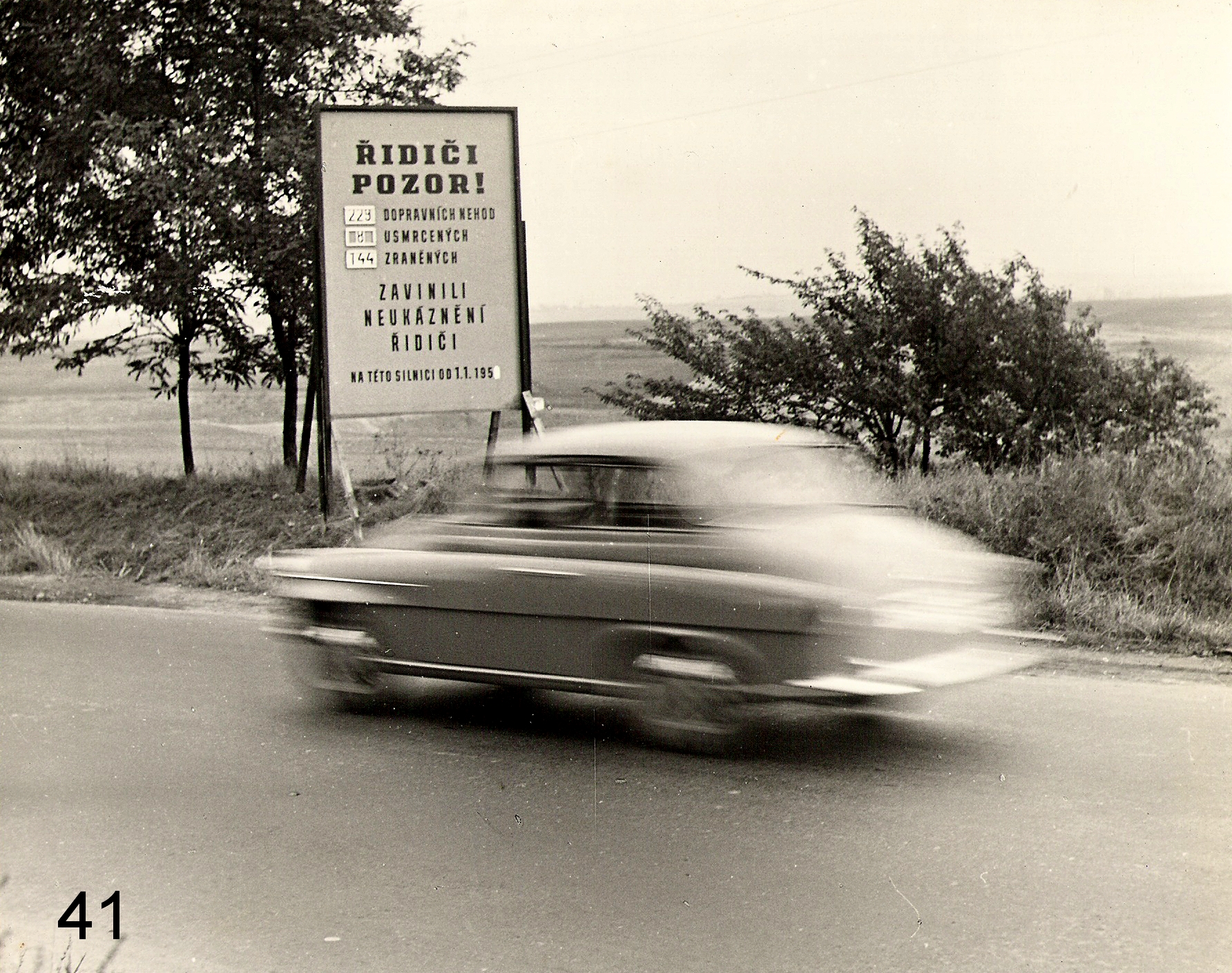
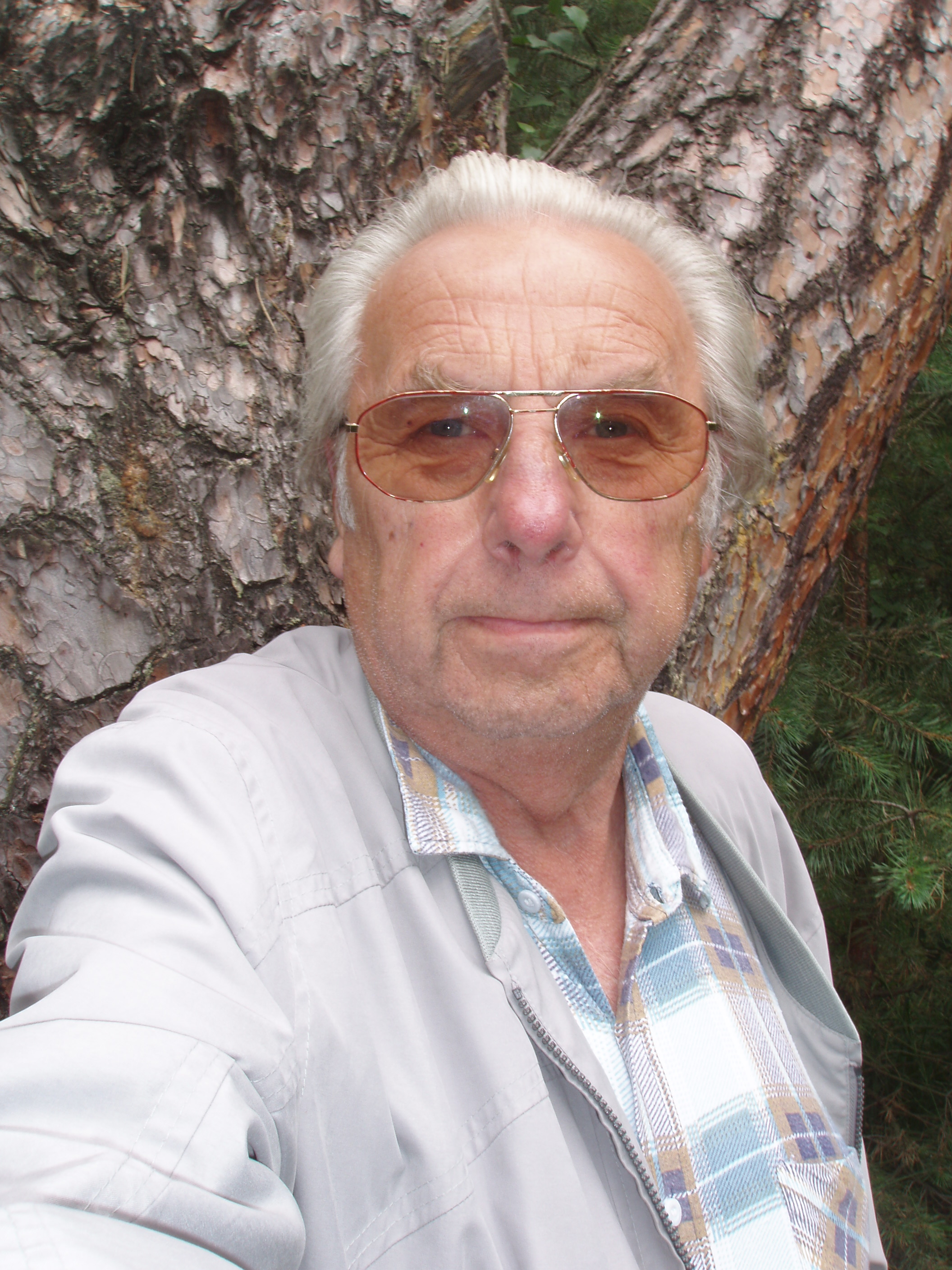
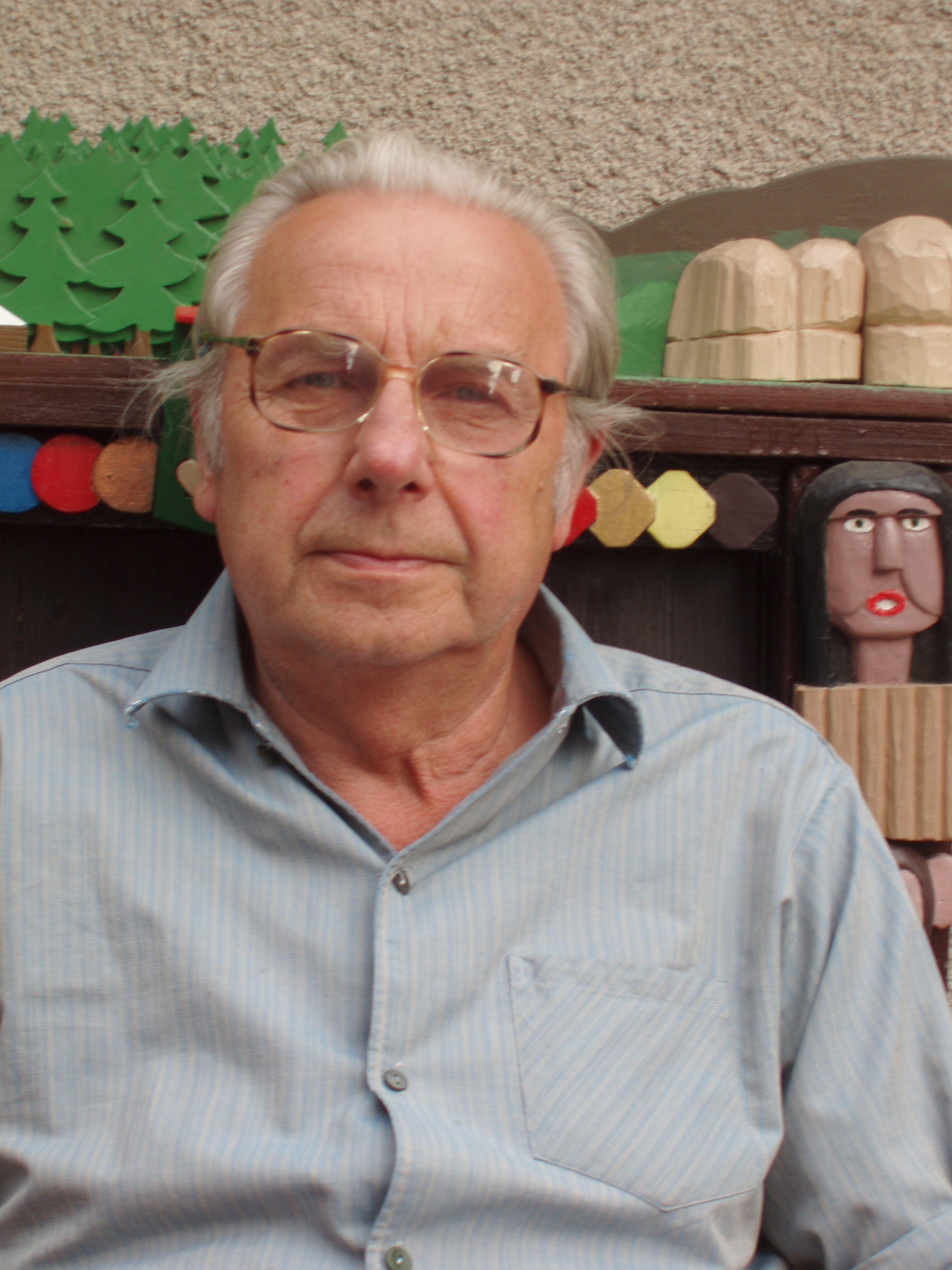
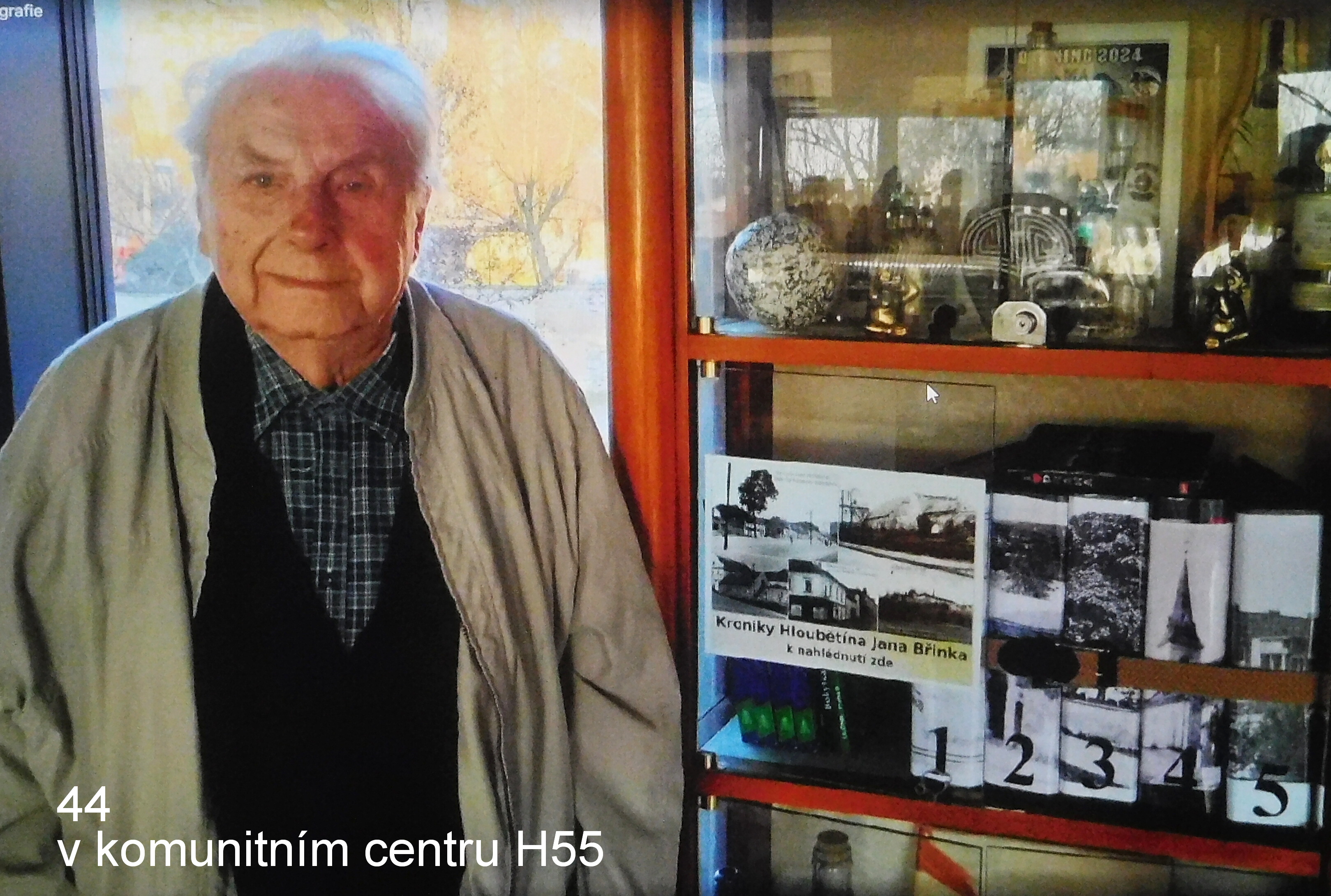
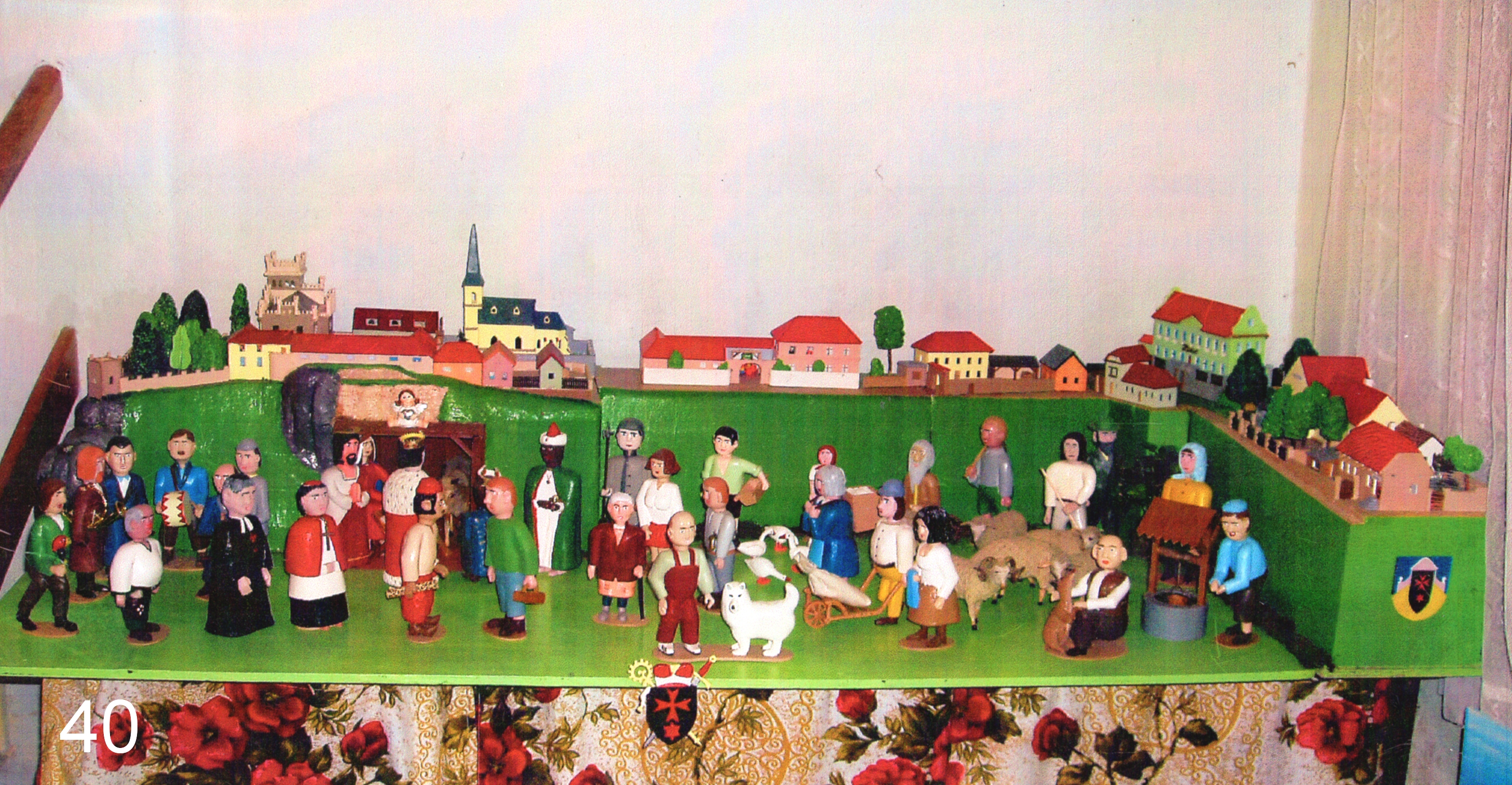
Jan Břinek‘s life has revolved around airplanes since childhood. He was born in Prague-Hloubětín on 7 August 1933 into the family of Jan Břinek, a driver and worker at a pest control company, and his wife and work-at-home seamstress Anna Břinková. At a young age, he and his friends watched German airplanes during the war and tinkered with plane wrecks after the Palm Sunday air raid of 25 March 1945. The witness started an apprenticeship as a machinist in the aircraft industry after 1948 and worked in the machine shop at Aero Vysočany from 1952. During military service, he joined an anti-aircraft unit and began carving model airplanes. He then returned to Aero Vodochody where the production gradually transitioned from aircraft to substations, until the production at Aero finally ended and Jan Břinek moved to the apprenticeship centre as a maintenance worker. In 1962, he began photographing the old Hloubětín, documenting it before its demolition, and started writing the Hloubětín chronicle. From 1970 to 1993, he worked with the service crew at the Government Office. Retiring, he continued writing the chronicle until 2021 and has carved over fifty nativity scenes as a member of the Nativity Club. He was living in Prague-Hloubětín in 2025.