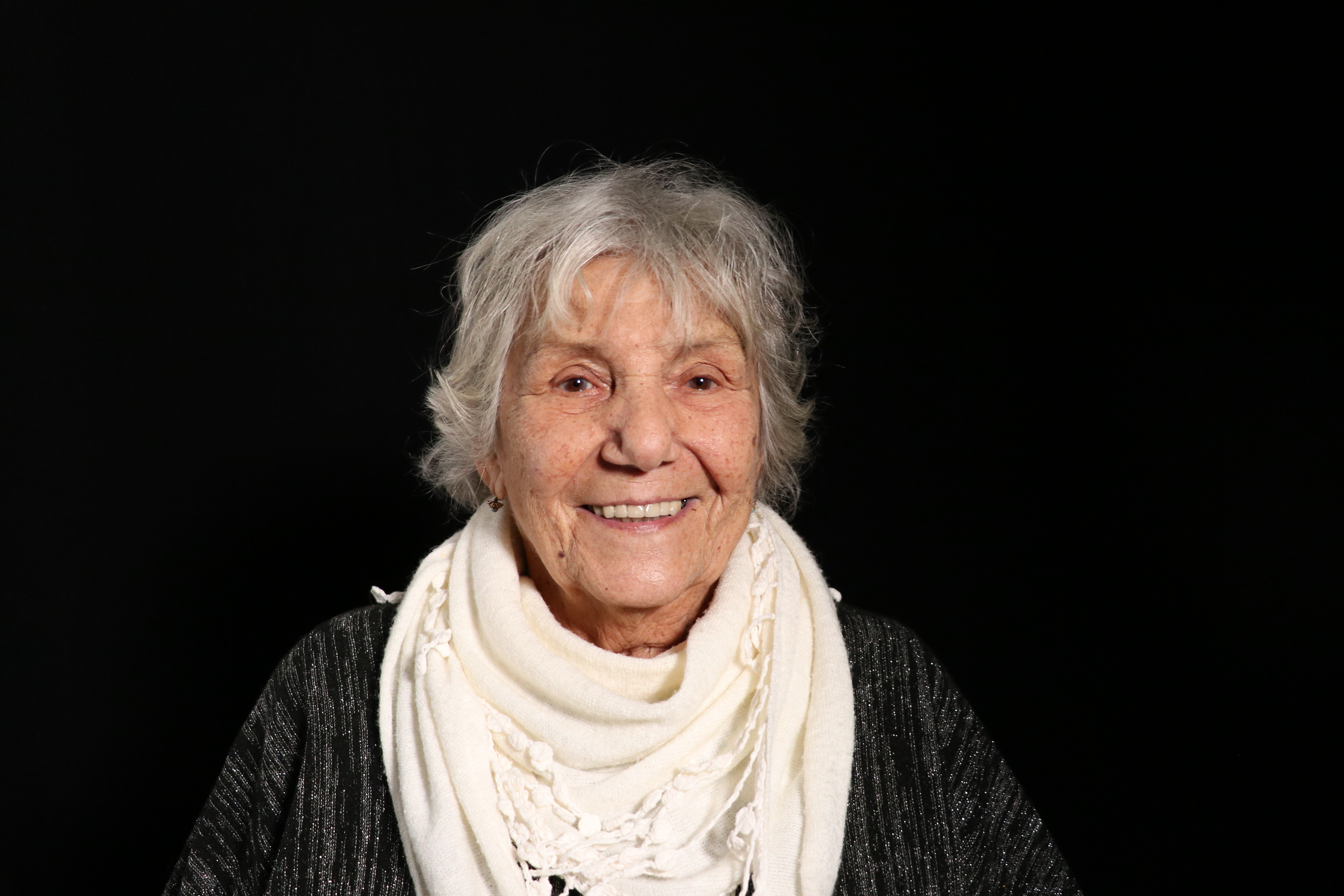
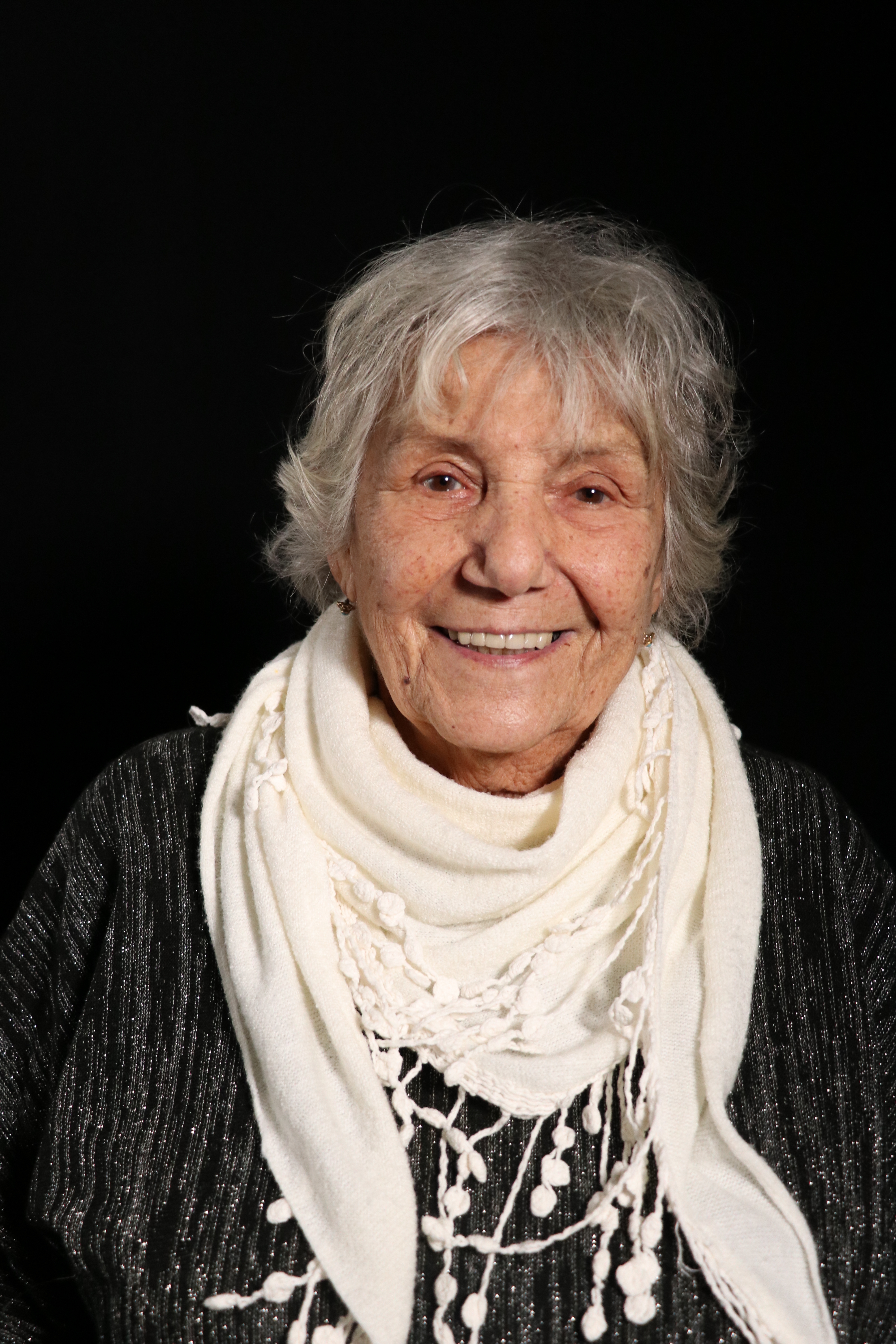
Marie Bílková

* 1935

  • "That was after the revolution. By then, the Russians were already in Zlíchov, with the tanks and all. Dad came home with a Russian soldier. He was likely a higher rank because he was decently dressed and an intelligent man, not a rank-and-file soldier. I know this mainly from stories because I was a kid... he wanted dad to lend him mum. Like, he'd been in the army for so long, they had rescued us, and dad should do it out of courtesy. Dad told him we don't do that, there is no way."

  • "My profound experience seeing captured Germans being led via Zlíchov after the revolution, when the war was over. They were not adults - they were children. I swear to God, they were thirteen- or fourteen-year-olds and even younger boys with their hands up, maybe thirty of them. They were walking through Zlíchov and crying. They were Germans. And our 'heroes'... I don't want to say his name. He suddenly jumped up and punched this one boy about ten years old. That image is ingrained in me, it makes me sick to think of it. That's not heroism - that's a very ugly thing to do, and ugly things happened when the war was over."

  • "The Amerrican prisoners of war wanted to try to escape. They were some kind of paratroopers. My dad, not being under a severe sentence, had boots. They had no boots. I heard it as a kid; my dad told it. One American prisoner asked dad for his boots because there was barbed wire. Dad gave him the boots. The escape was successful somehow... it was towards the end of the war. I recall this: after the revolution, somebody in an American uniform came to us. I know they managed to escape. And they invited our family to go to the West, saying they would take care of us there out of their gratitude for the boots. I recall our mother refused. My dad would have gone, but my mom refused to."

  • Celé nahrávky
  • 1

    Praha, 29.10.2025

    (audio)
    délka: 01:42:16
    nahrávka pořízena v rámci projektu Stories of the 20th Century TV
  • 2

    Praha, 31.10.2025

    (audio)
    délka: 01:21:18
    nahrávka pořízena v rámci projektu Stories of the 20th Century TV
Celé nahrávky jsou k dispozici pouze pro přihlášené uživatele.

I saw the Emauzy monastery burning and dead Vlasov soldiers
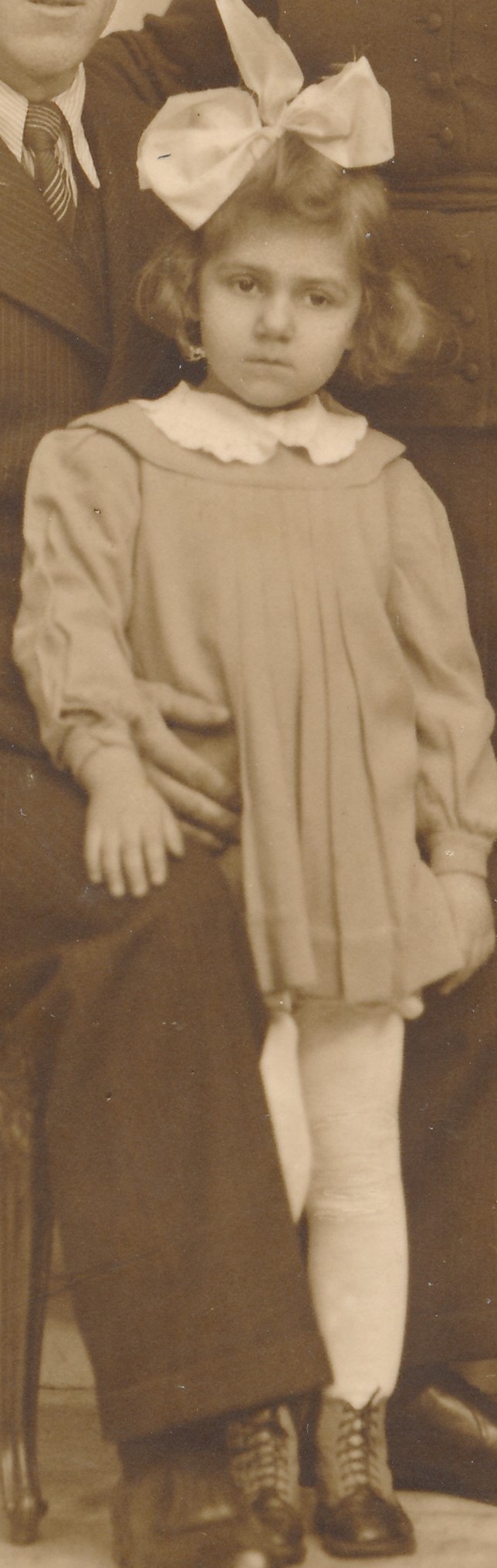
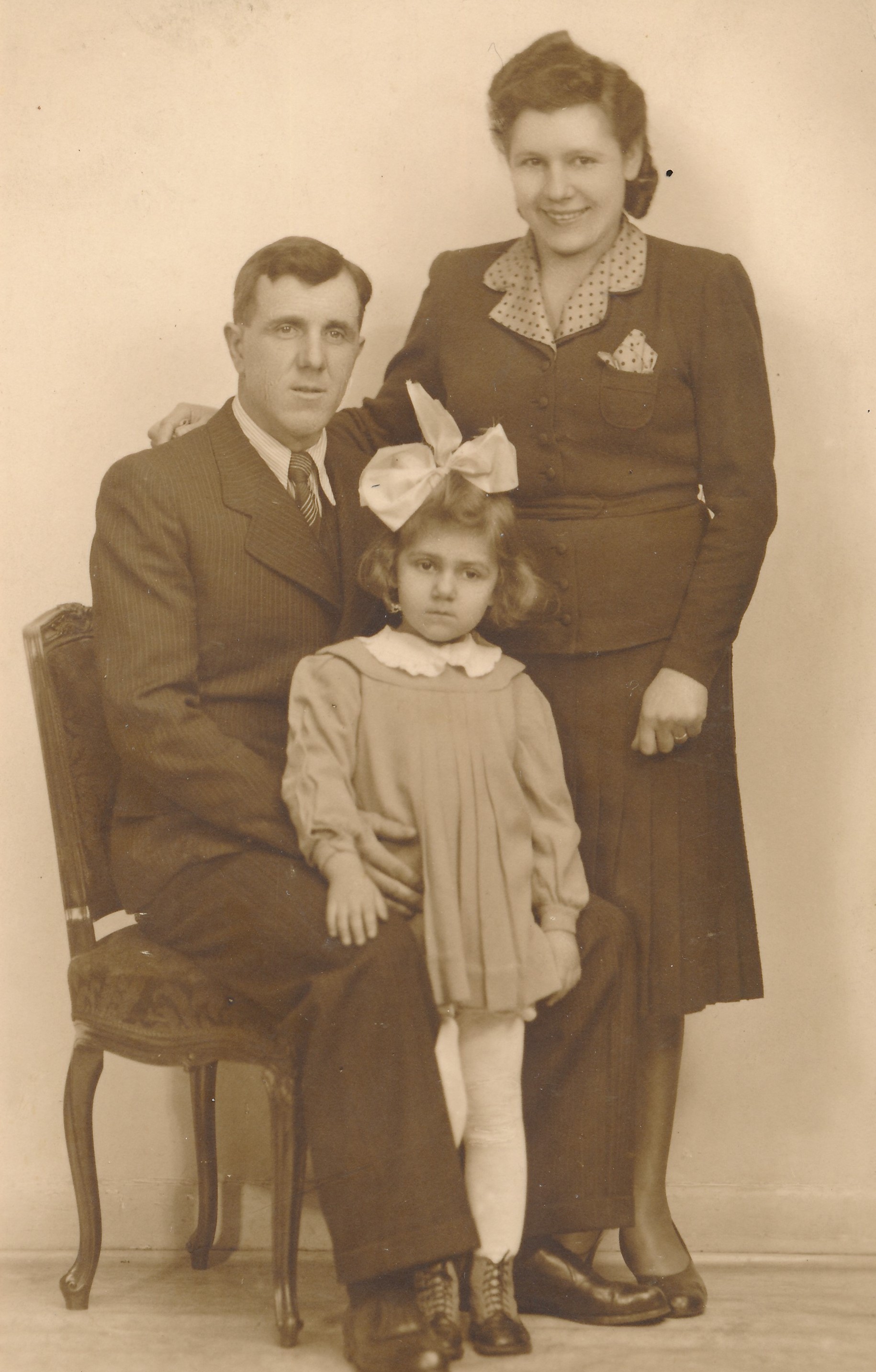
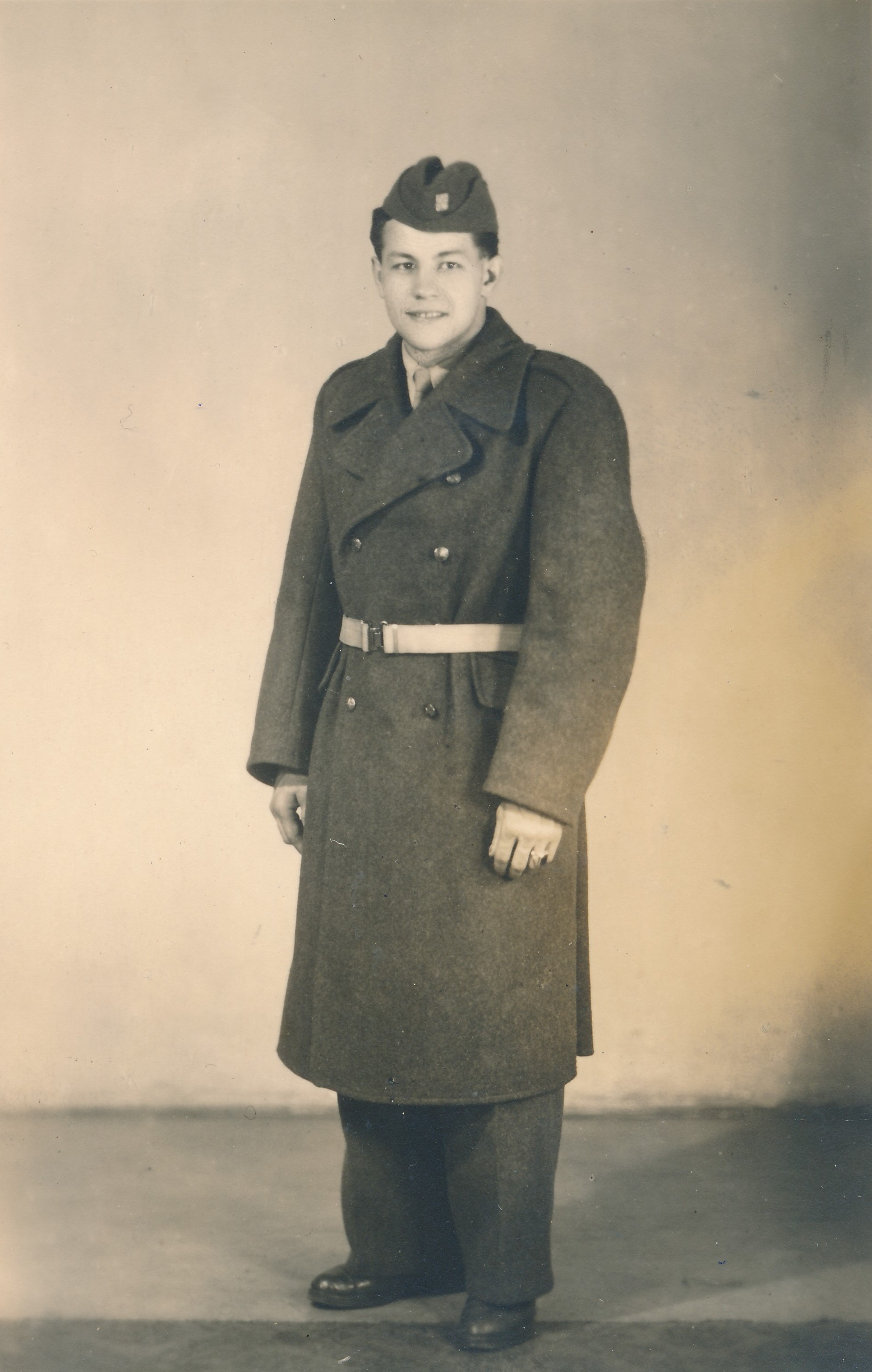
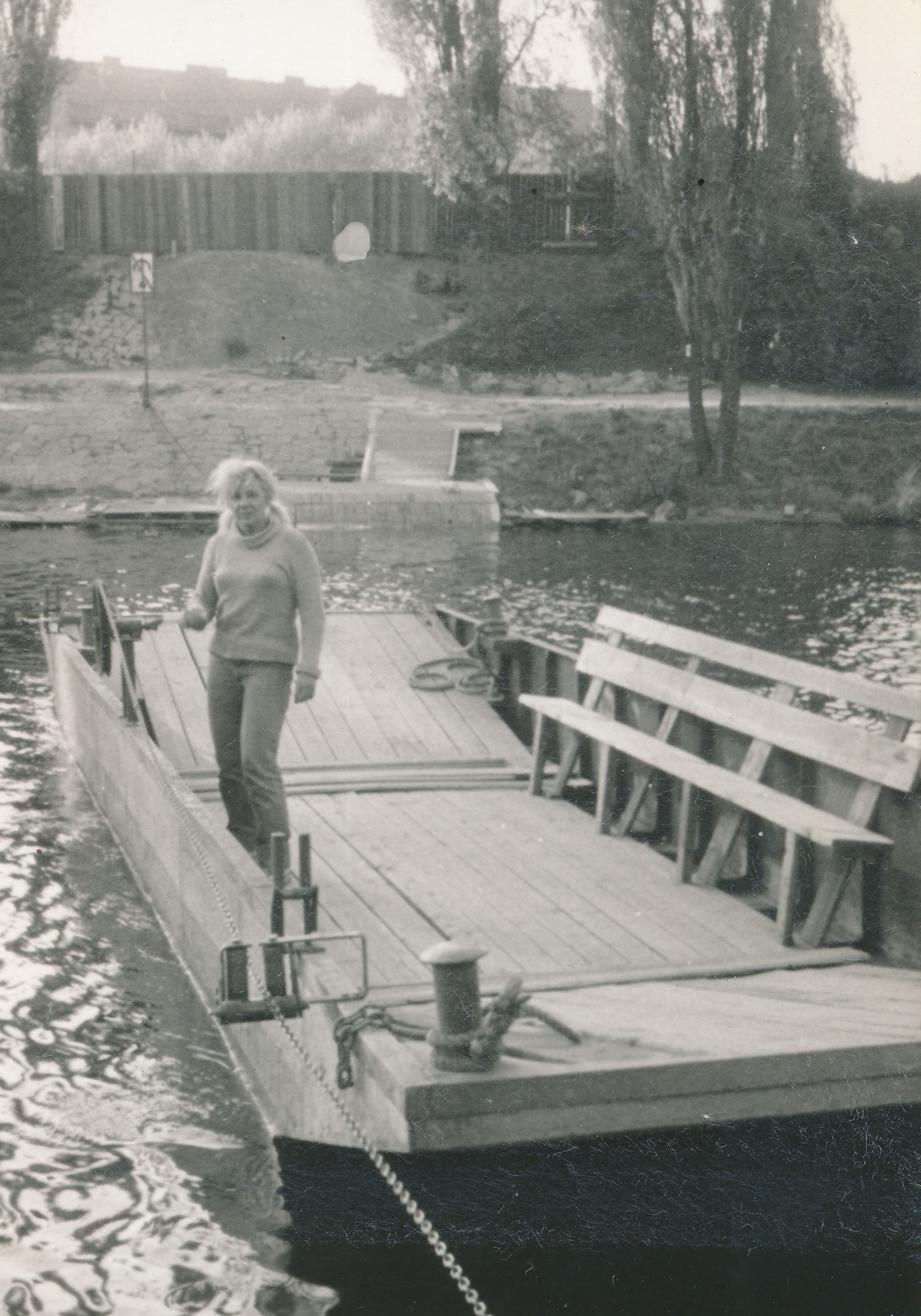
Marie Bílková in a period photo
zdroj: Witness's archive

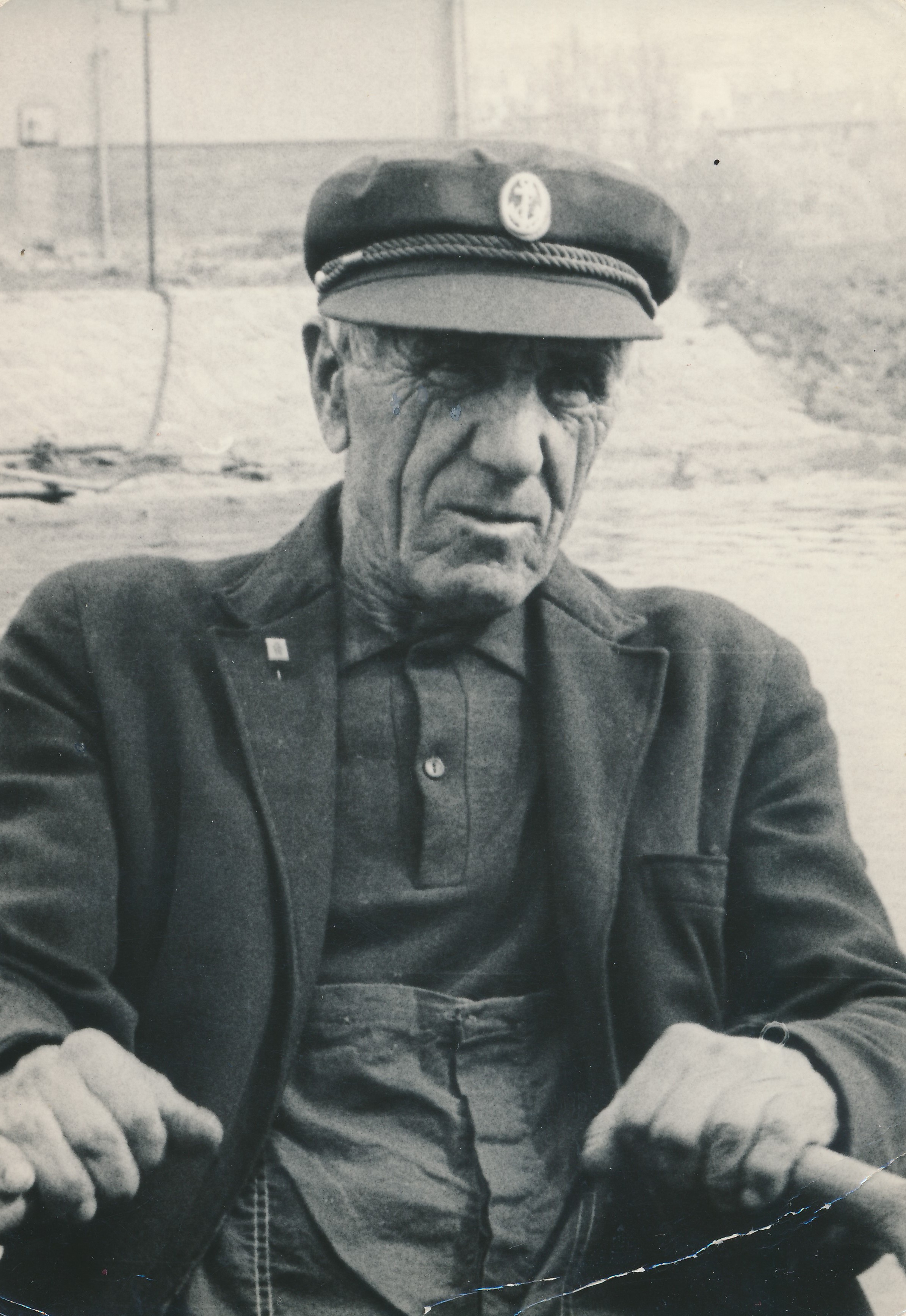
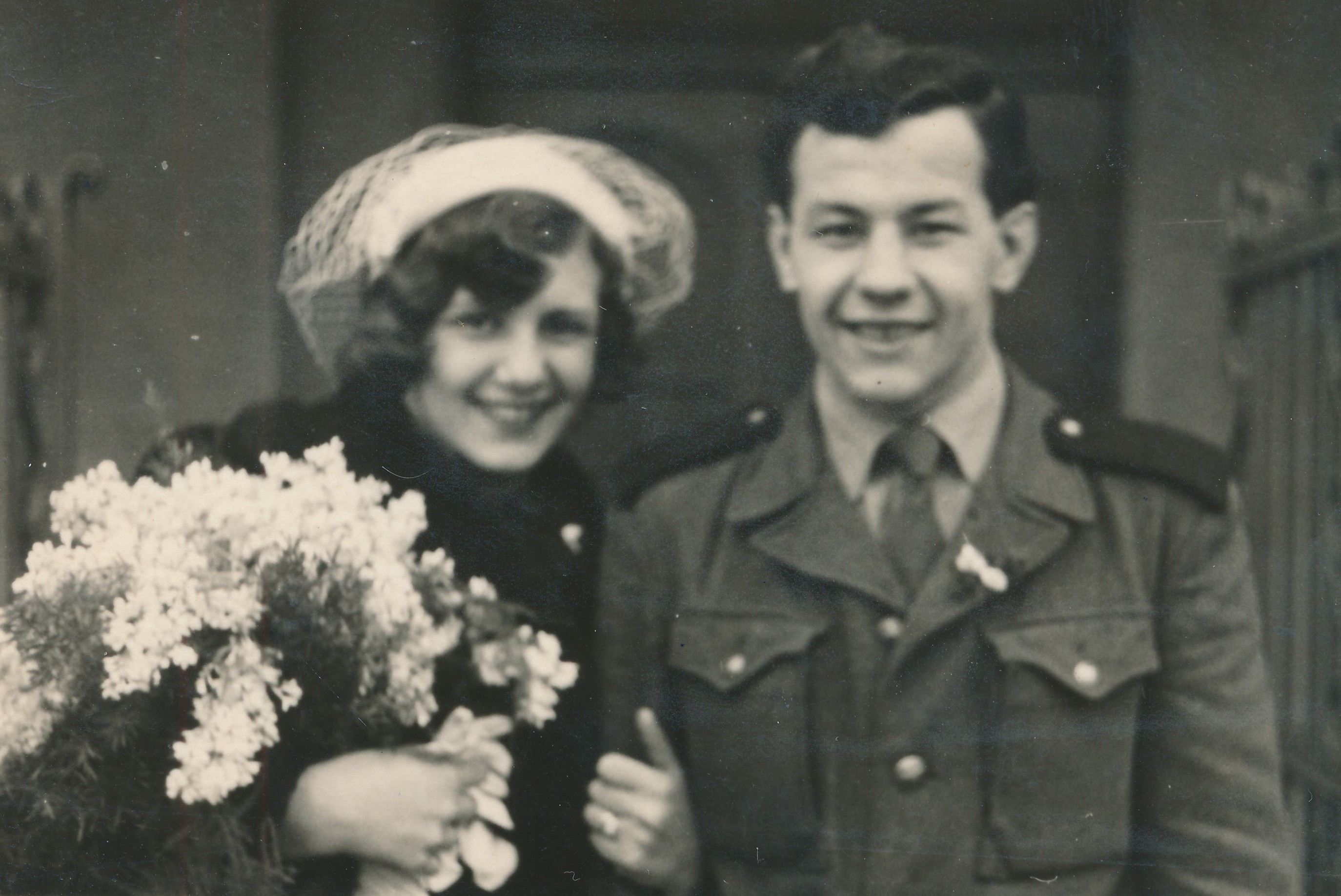
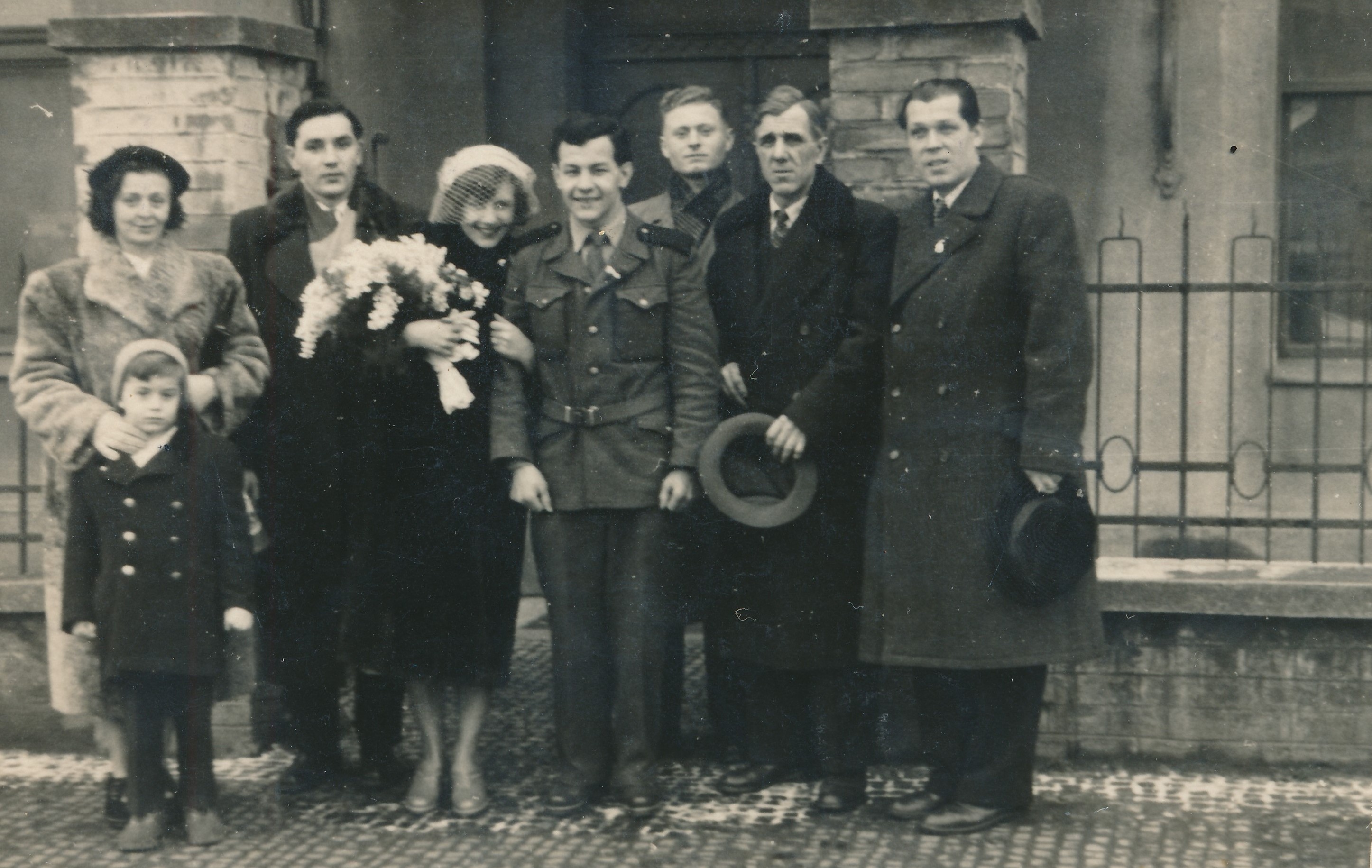
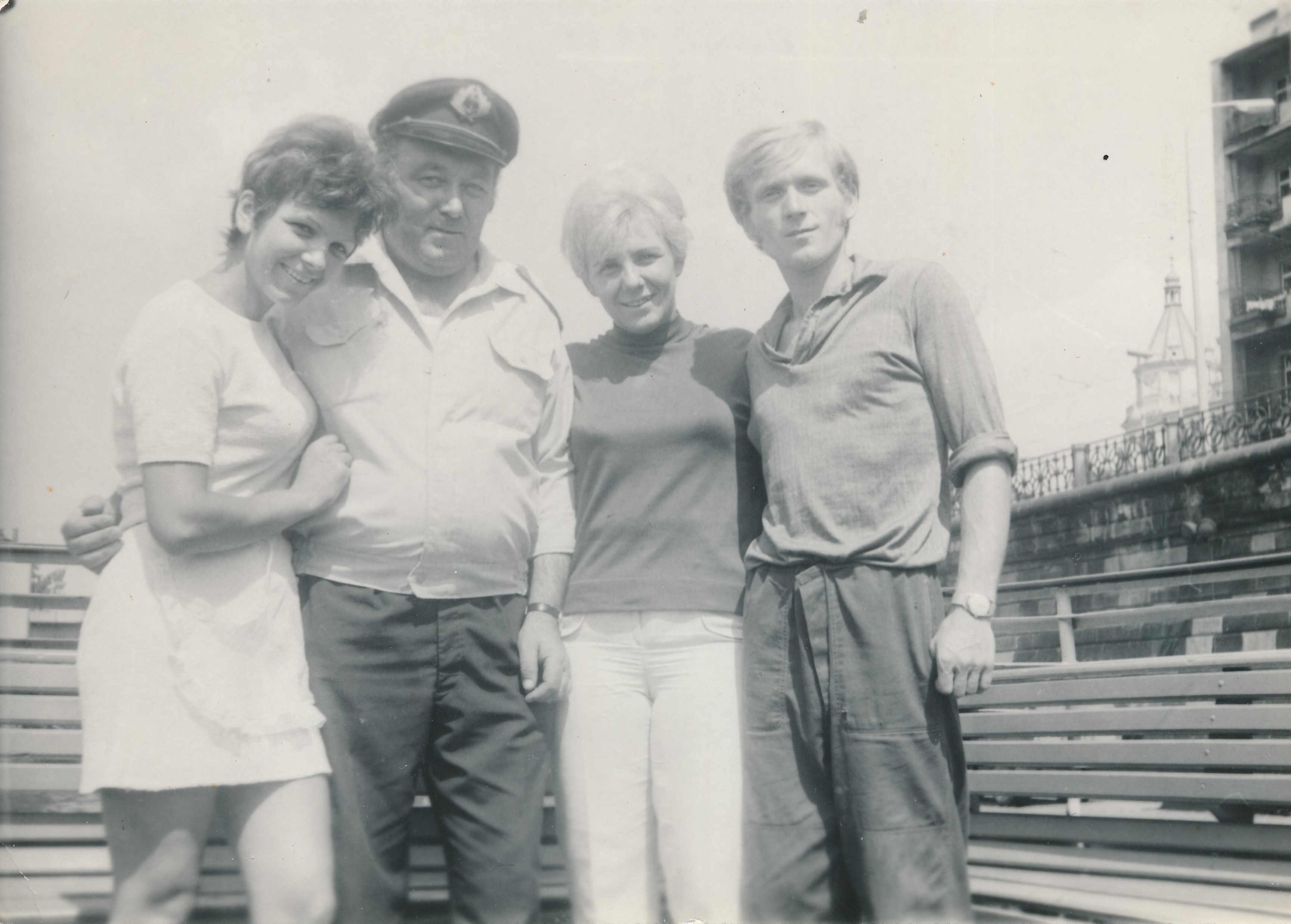
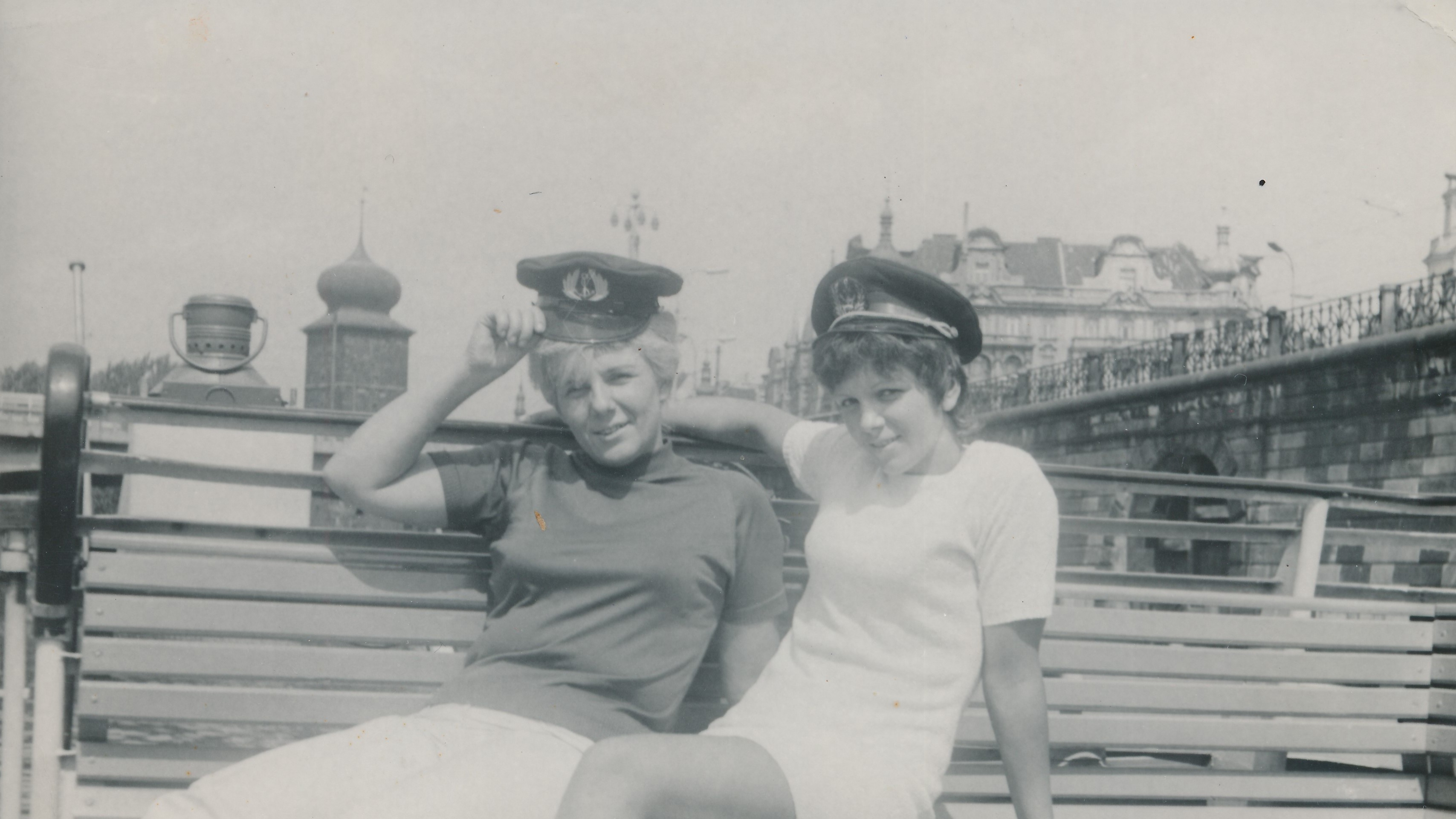
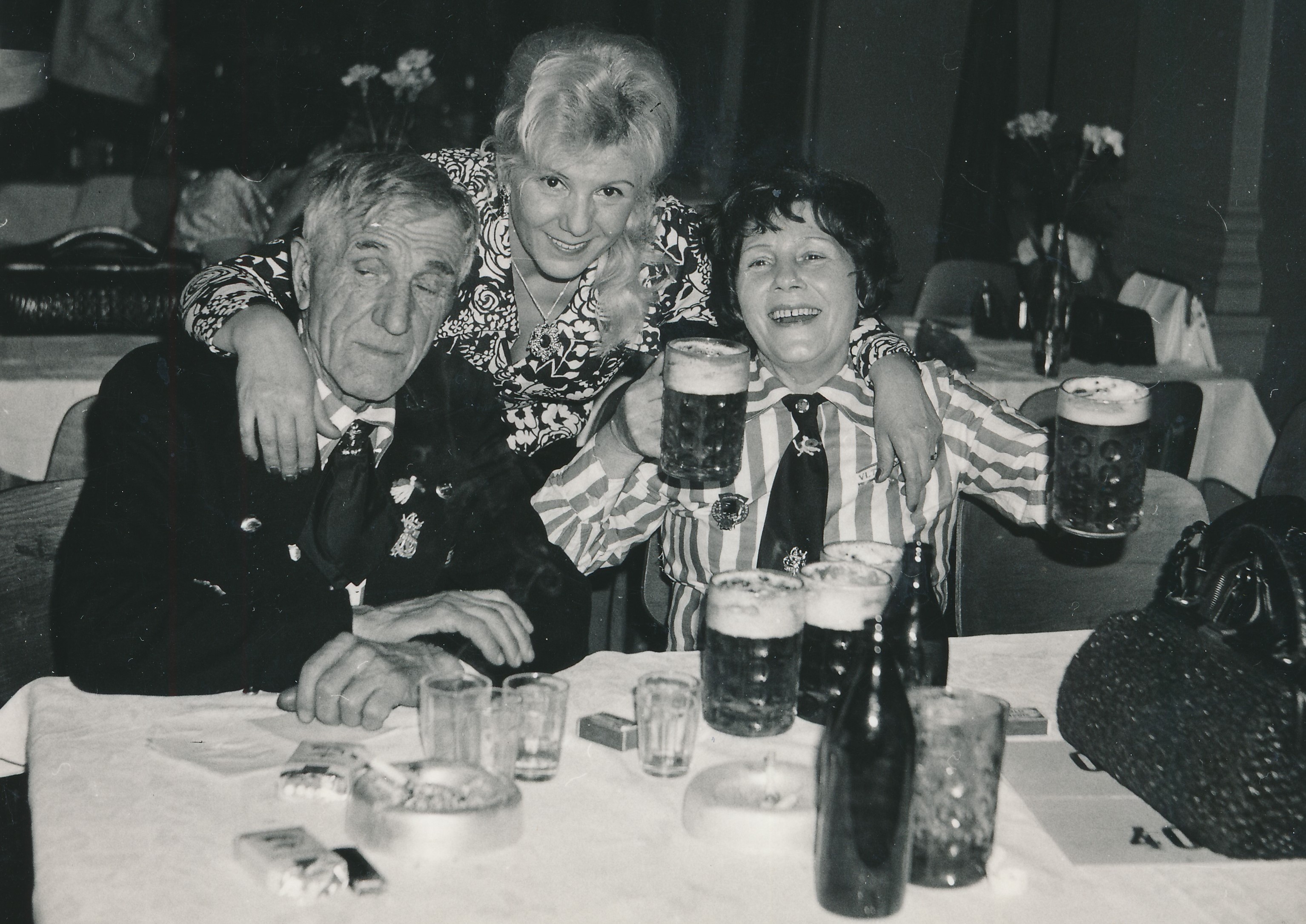
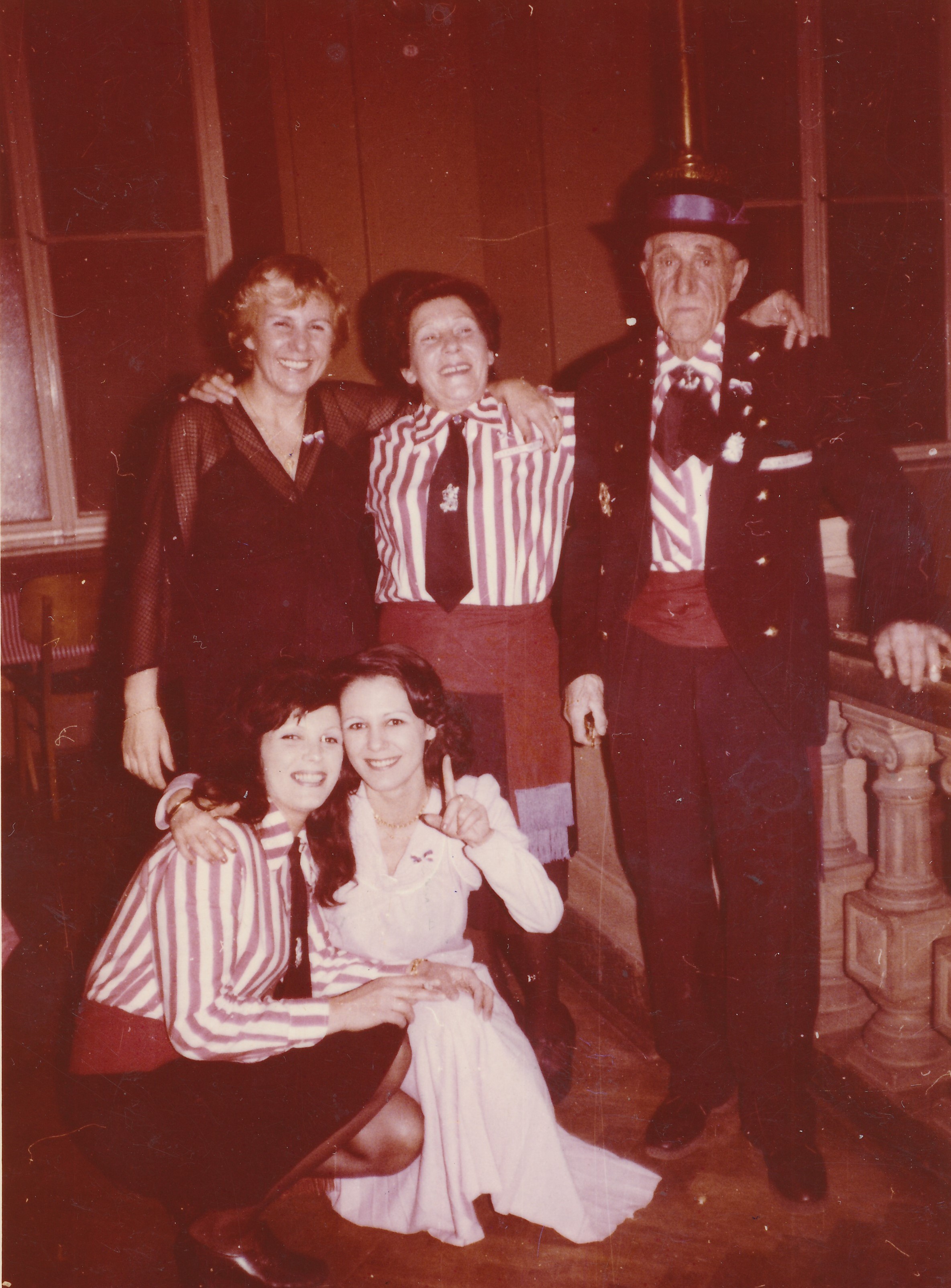
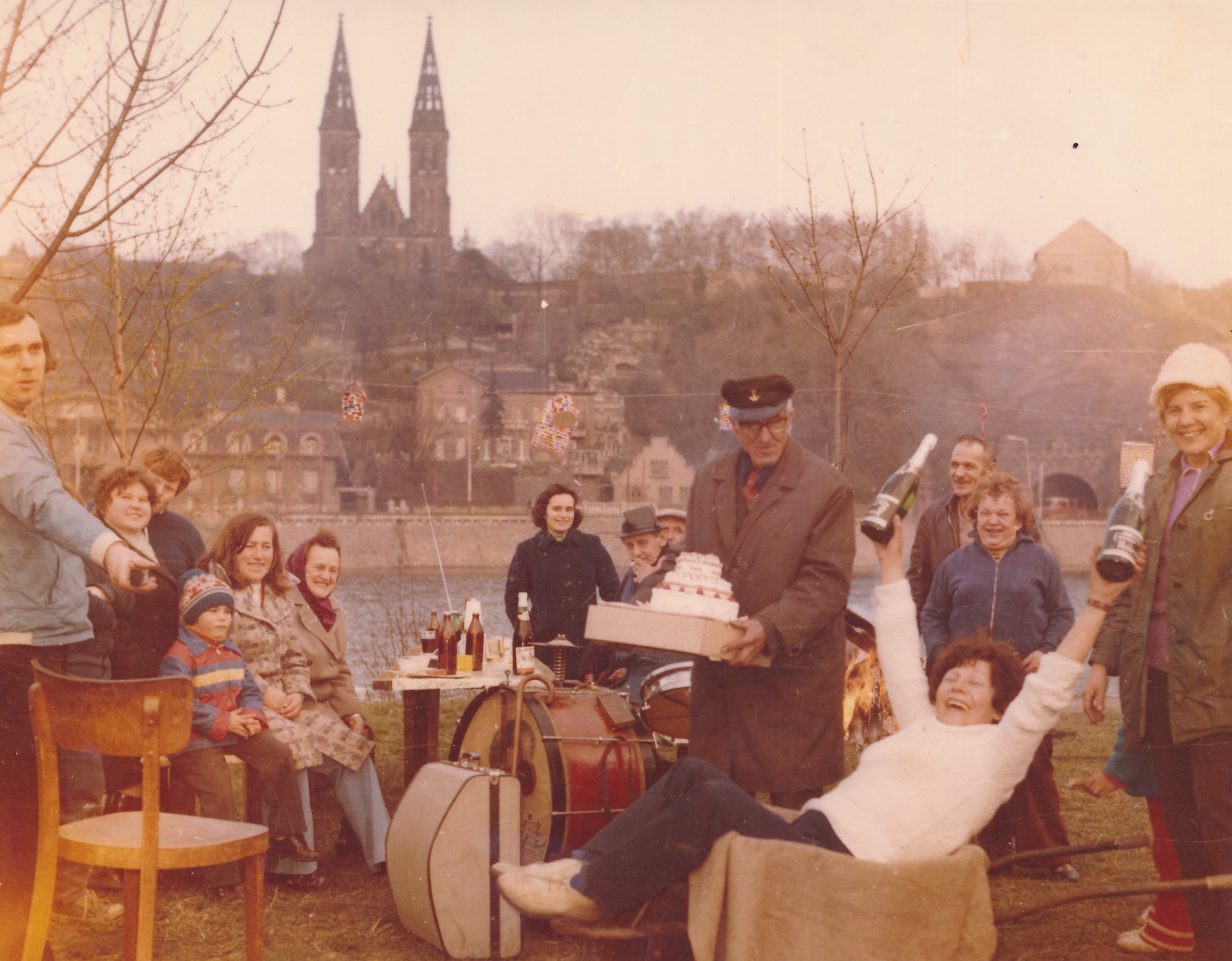
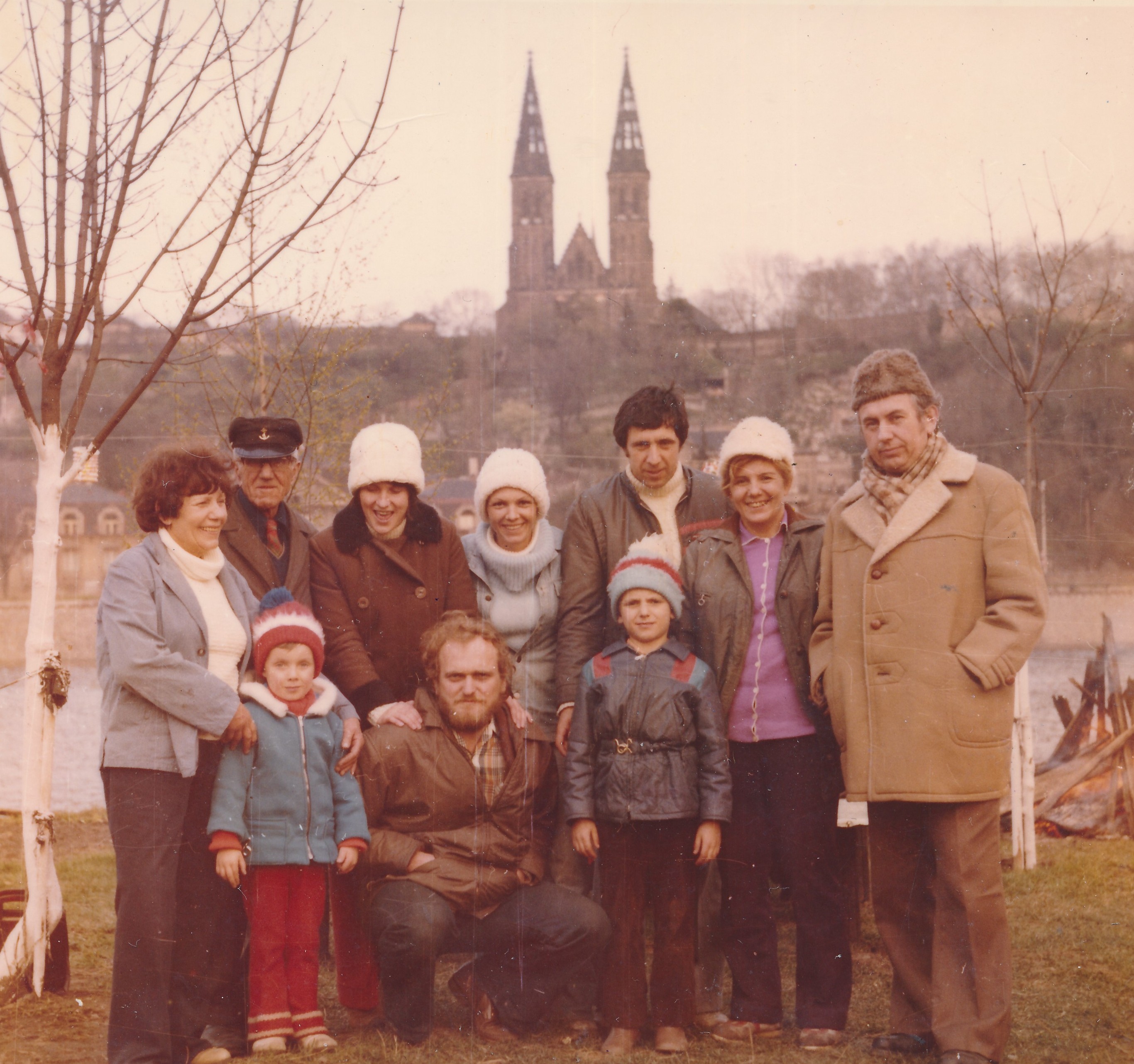
Marie Bílková was born in Prague on 2 January 1935 to Karel Vostrovský and Marie Vostrovská. Her father was a well-known Prague ferryman who set up his own ferry from Smíchov to Císařská louka in the communist era. Marie is a World War II survivor, having witnessed the major air raid on Prague in February 1945 and liberation. After the war, she completed a middle school and two years of medical school in Holešovice, then started working. She held several jobs, first at a National Committee, then at the Czechoslovak State Film and also as a crane operator. Finally, she ended up as a senior inspector for the Prague 5 Restaurants and Canteens company. She got married in 1953 and daughter Leona was born a year later. Her husband Miroslav Hasa spent a year in prison for political reasons, and they divorced later. Marie Bílková joined the communist party and left it after the invasion of 1968. After the death of Jan Palach, she published a protest poem in Literární listy. From the 1970s on, she helped her father and younger sister out running of the ferry. She lived in Prague in 2025.