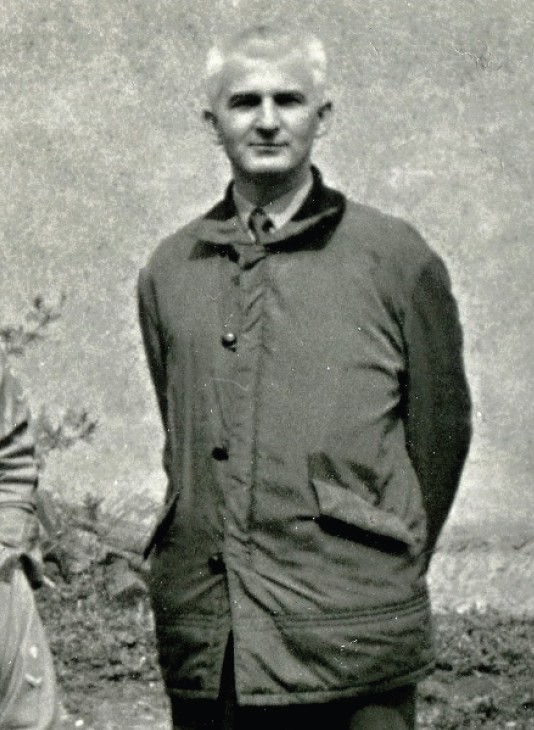
"In the spring of 1948, three of us boys wanted to flee across the border, I recall. We got caught at the border. Then we were locked up in Domažlice, Klatovy, Plzeň and Litoměřice. Being teenagers, Klement Gottwald gave us a pardon." - "Did you want to escape to West Germany?" - "We never got there." - "So where did they catch you? At the border?" - "At the border, we wanted to cross at Česká Kubice towards Kempten in Austria and then to Switzerland." - "How did they catch you?" - "A dog sniffed us out; we got caught right on the Czech border."
"General Konev's tanks arrived; the street was then called Konev Street; and the infantrymen who accompanied it were mostly released convicts from Yakutia and Irkutsk prisons... so nothing special. I remember they dispersed, looted German flats and raped women. That was something for a 13-year-old boy to see, you can imagine. I saw with my own eyes how a Russian officer shot a Russian soldier who was raping a German woman. He shot him right on top of her."
"I went to the pub, and the Czechs had already set up a national committee and said the Russians were coming from Ústí. We filed up in threes in front of the pub and walked with the flag towards the Russians. We passed the first street, Příční, the barriers went down and an armored train came down the track. There was a machine gun nest up on the church tower. It was quiet, nothing was going on, but the Germans up in the nest knew that the Russians were advancing from the east and thought that the armored train was Russian, and they started firing at it. The train crew fired back, and it was flying over our heads. We all ran to the Hotel Dráha, through the building, and jumped into the gardens and down to the Elbe."
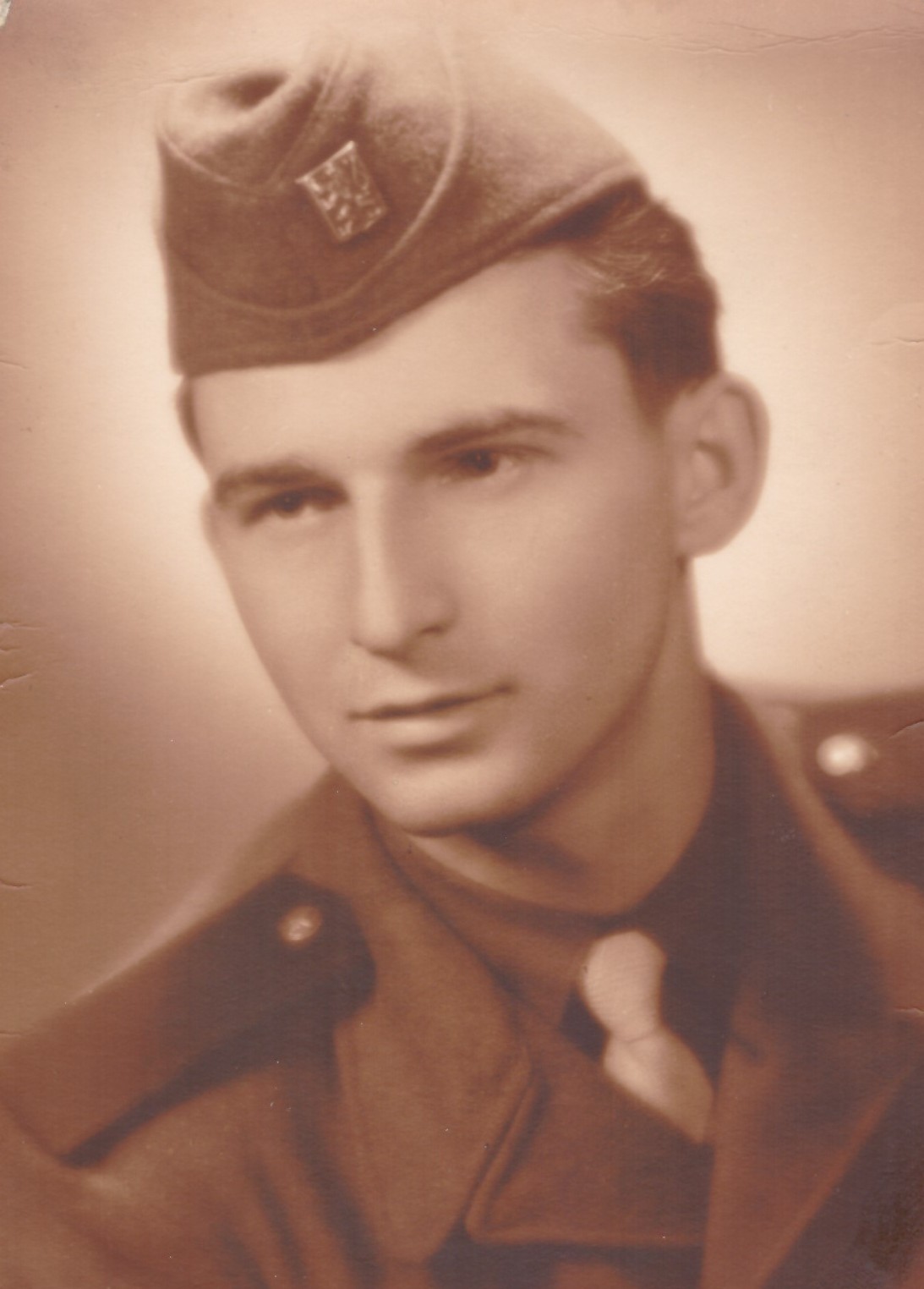
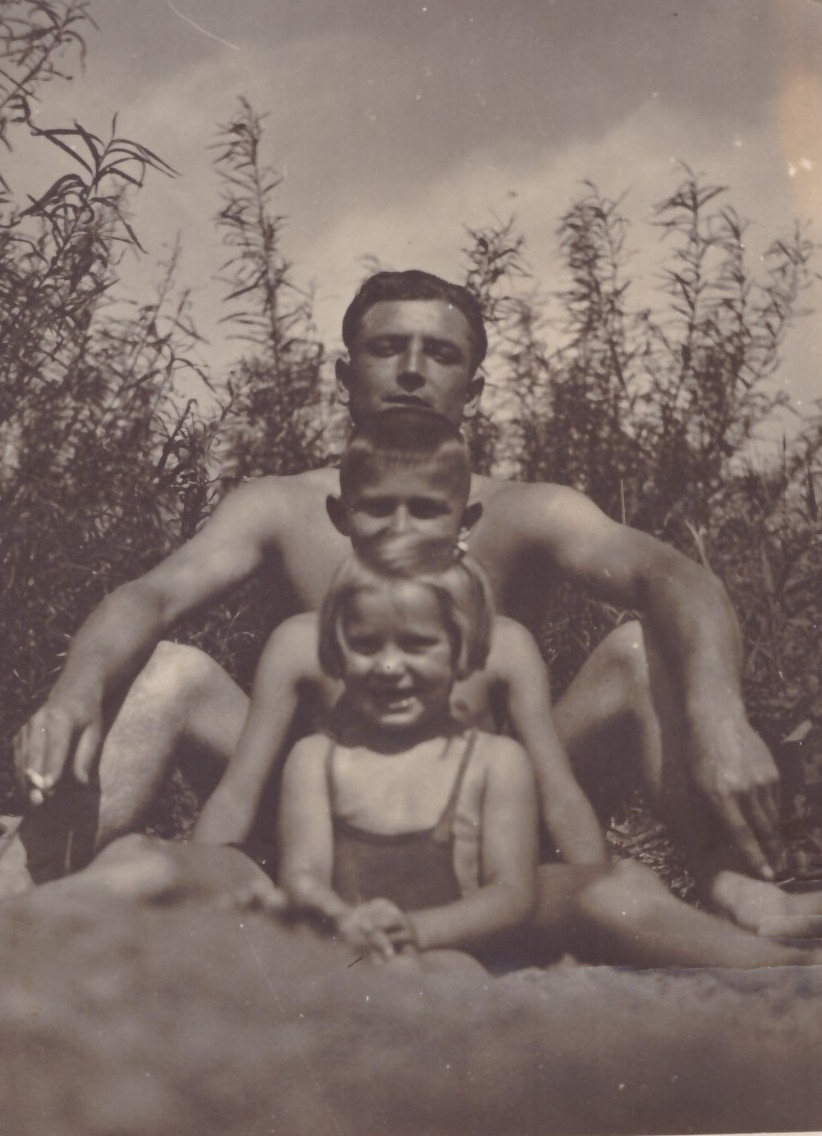
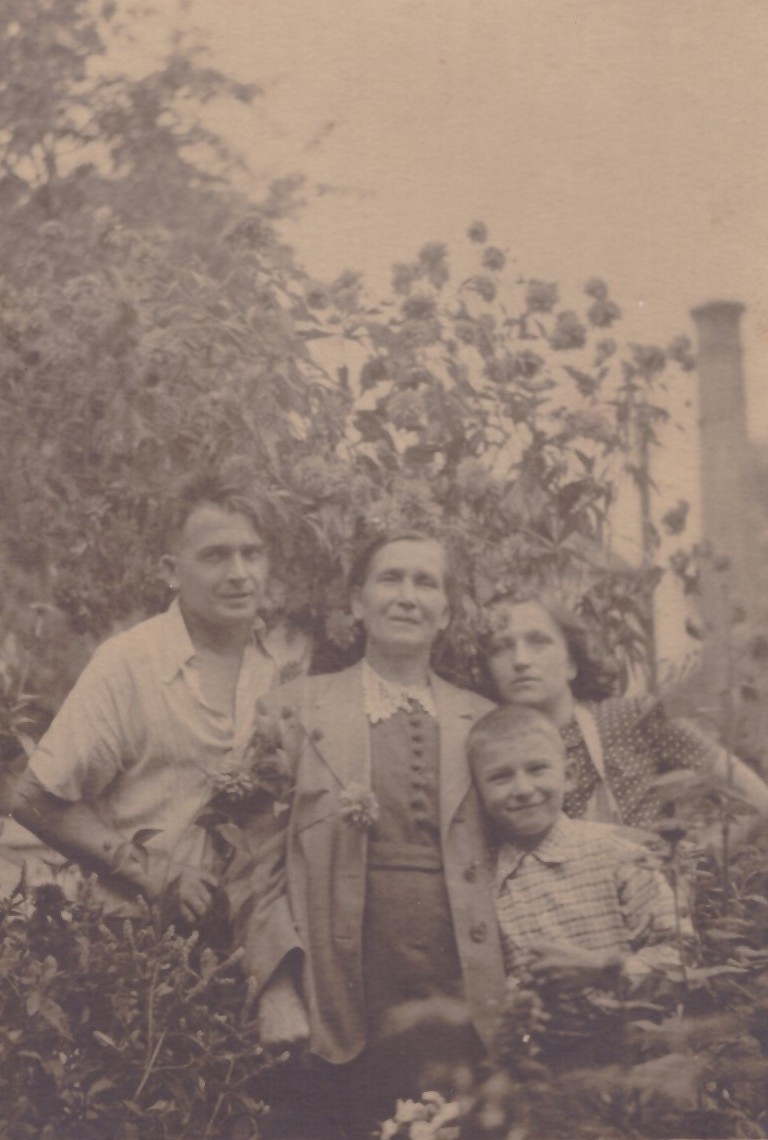
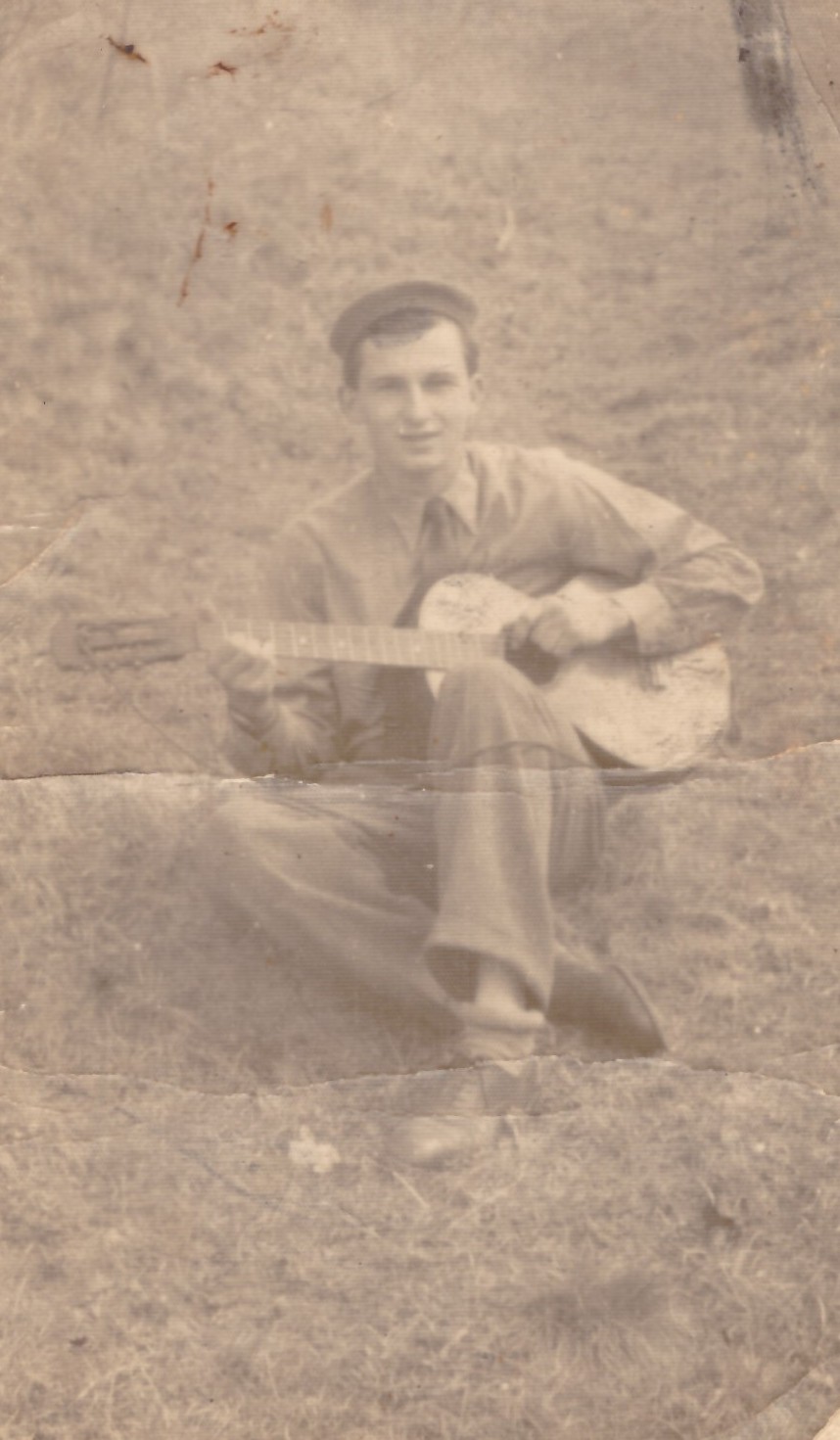
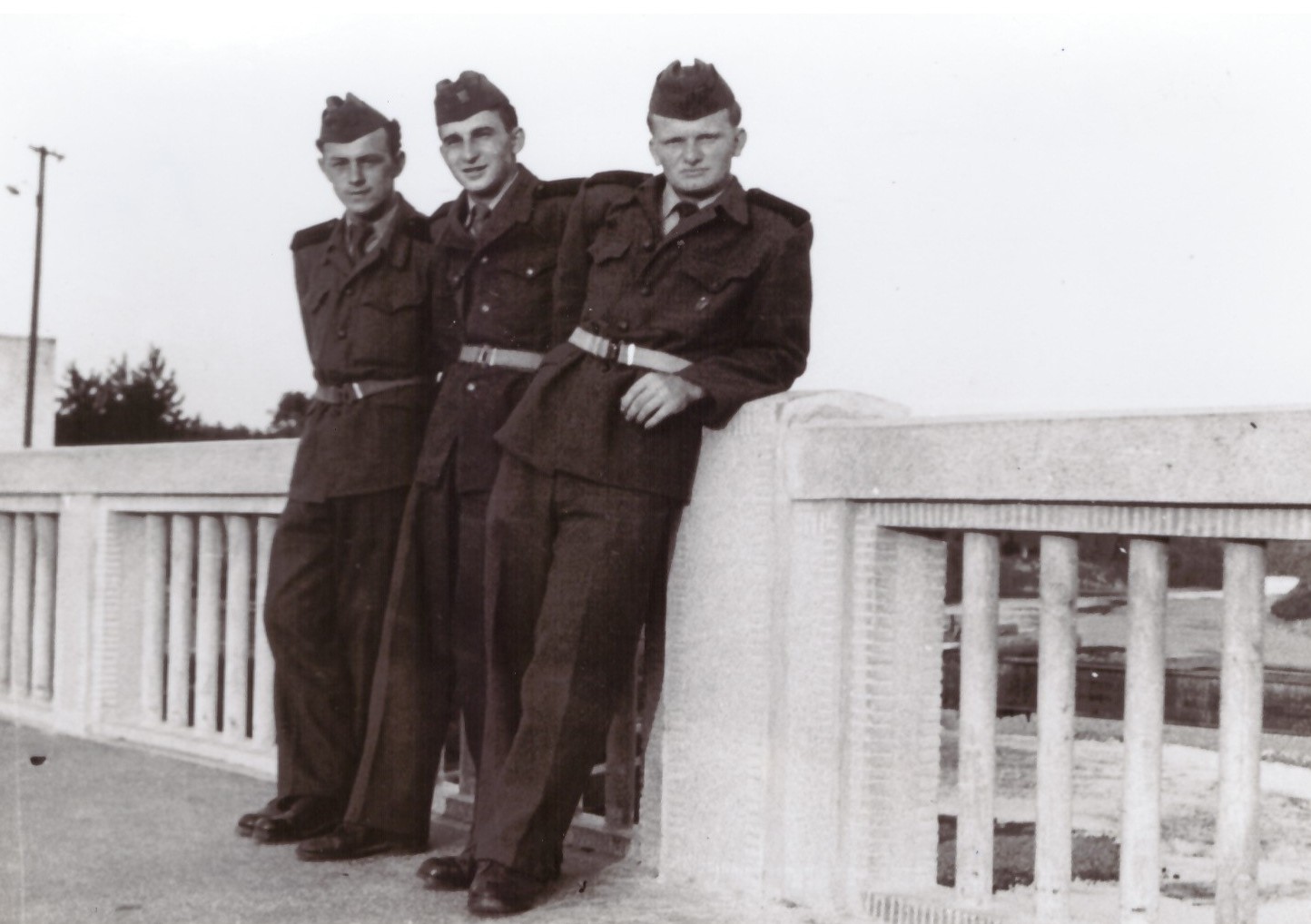
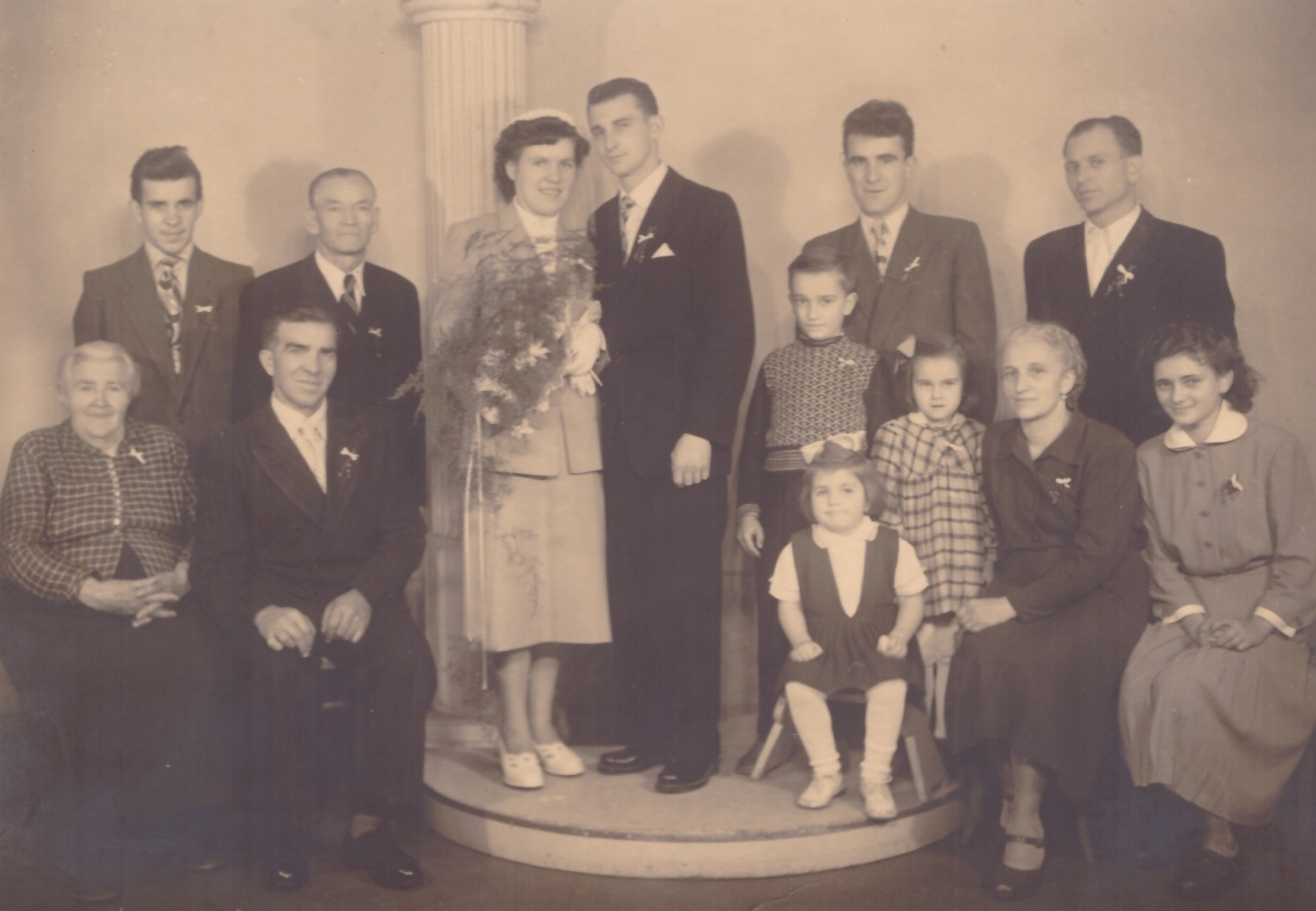
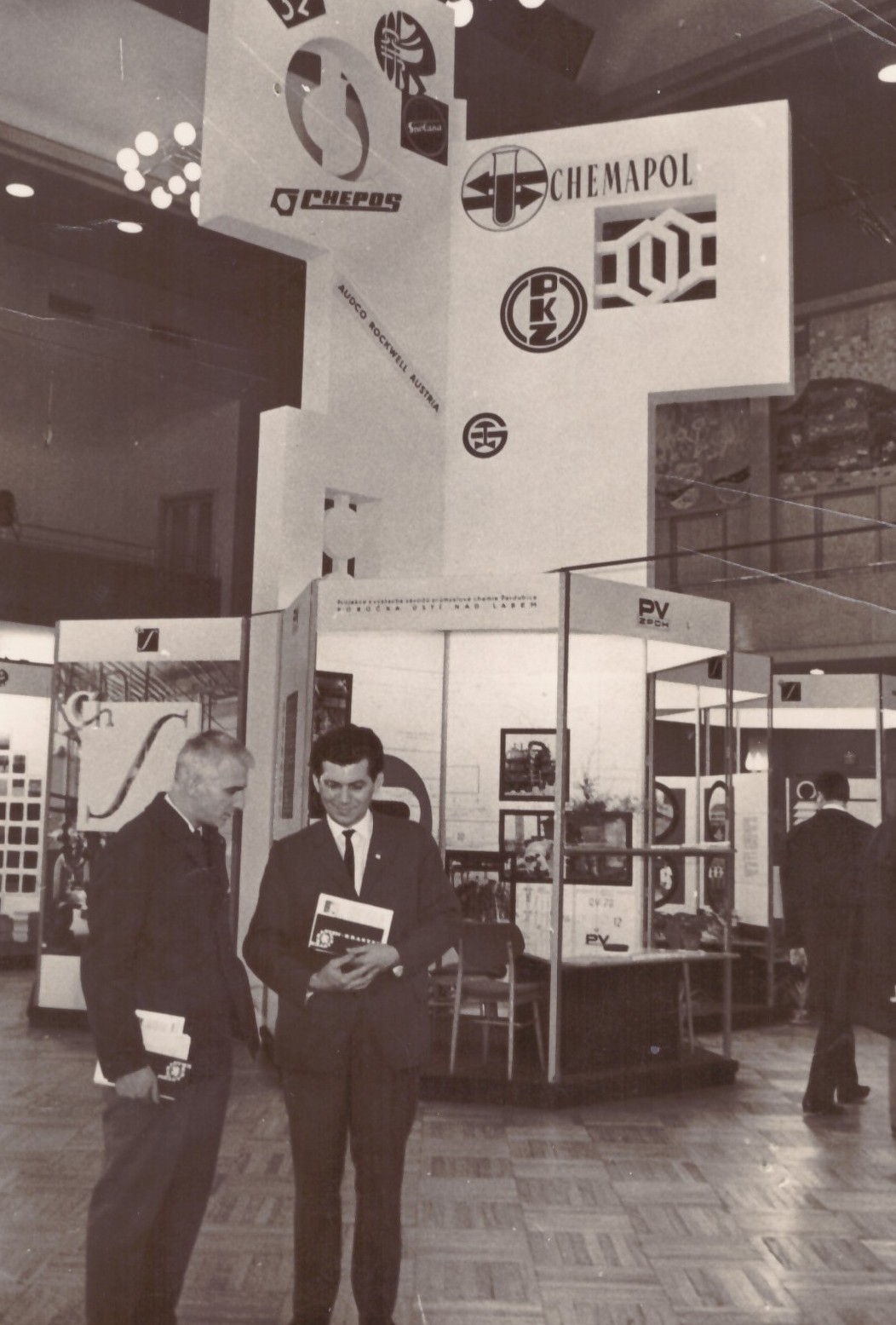
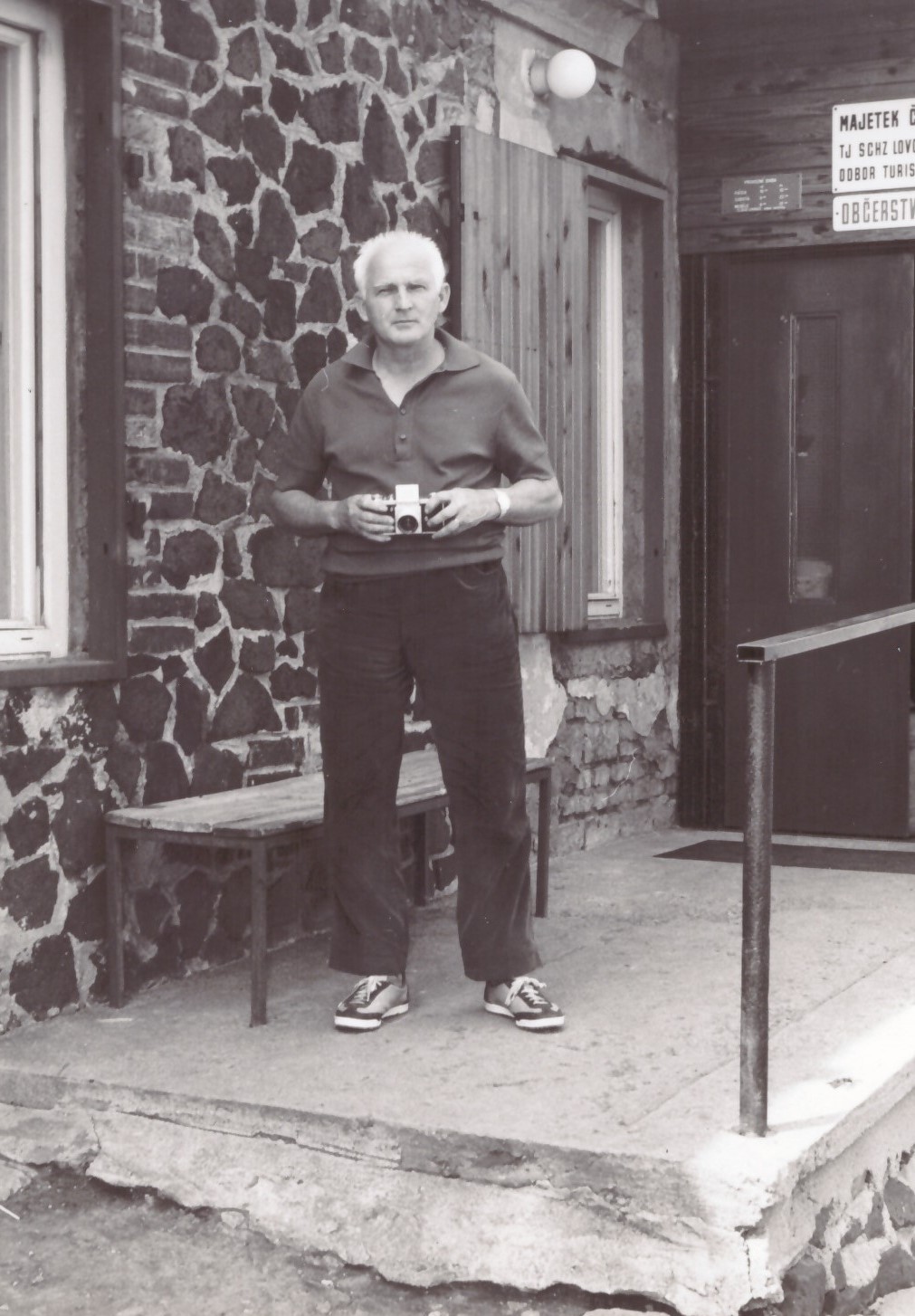
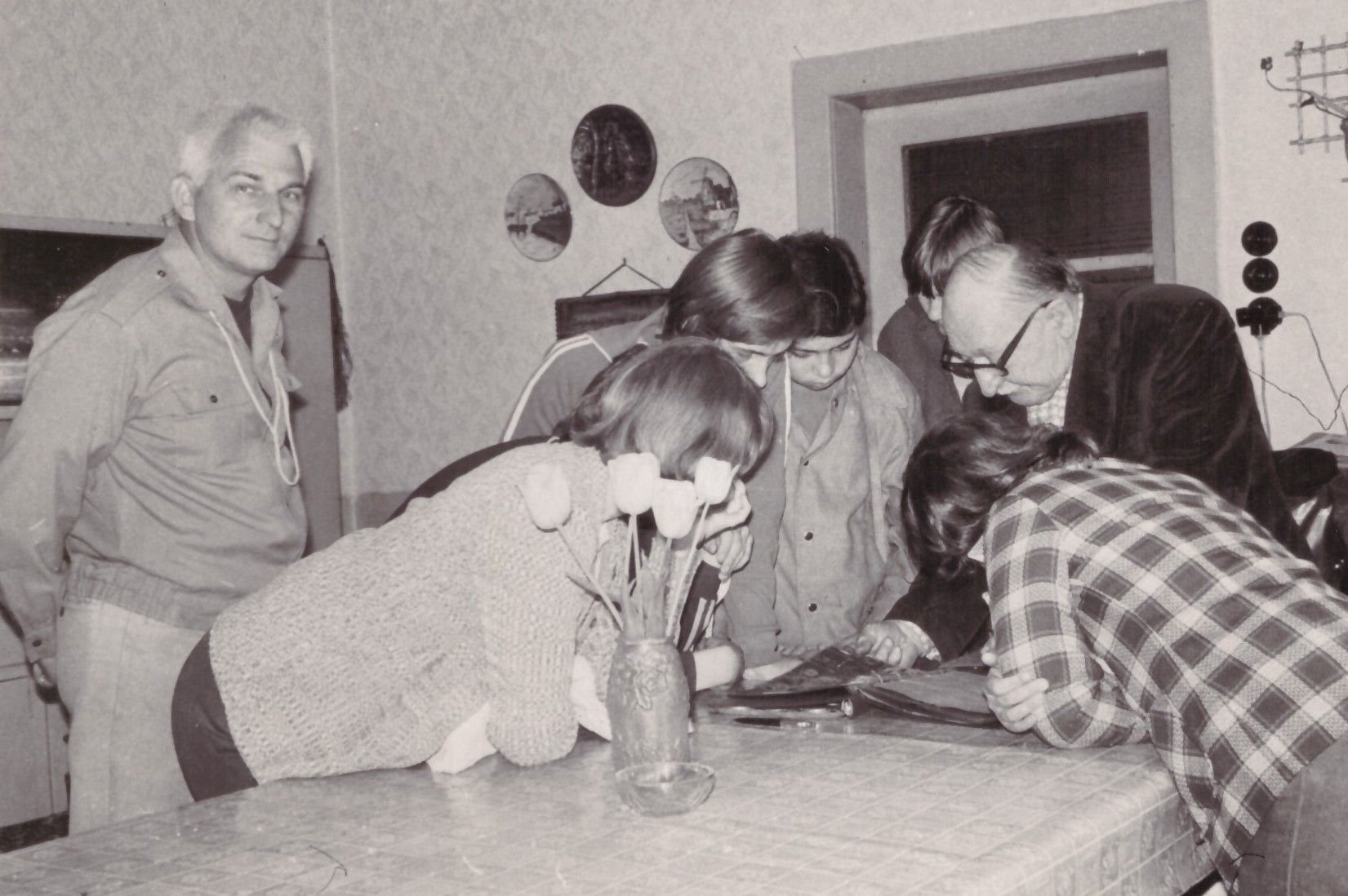
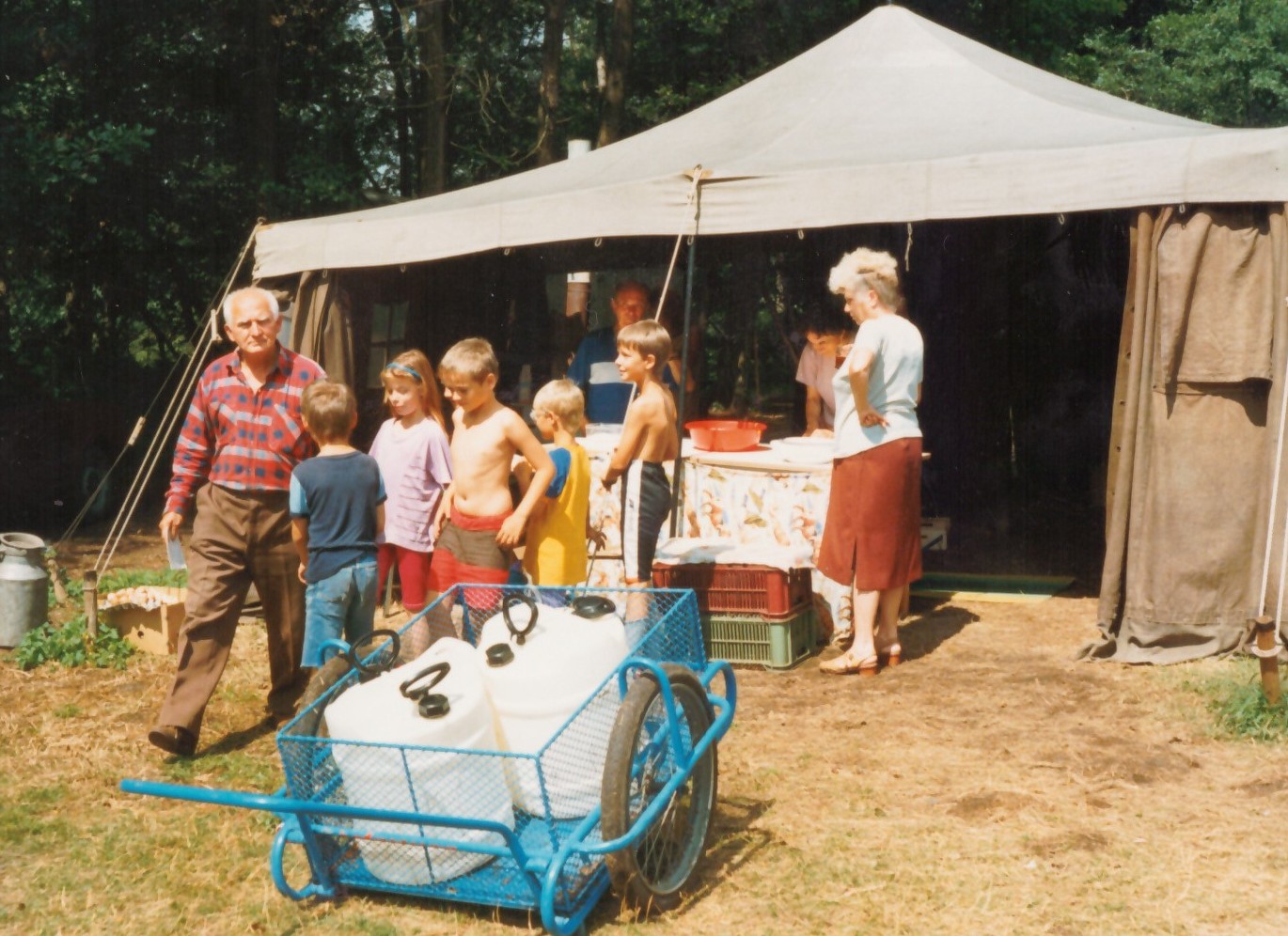
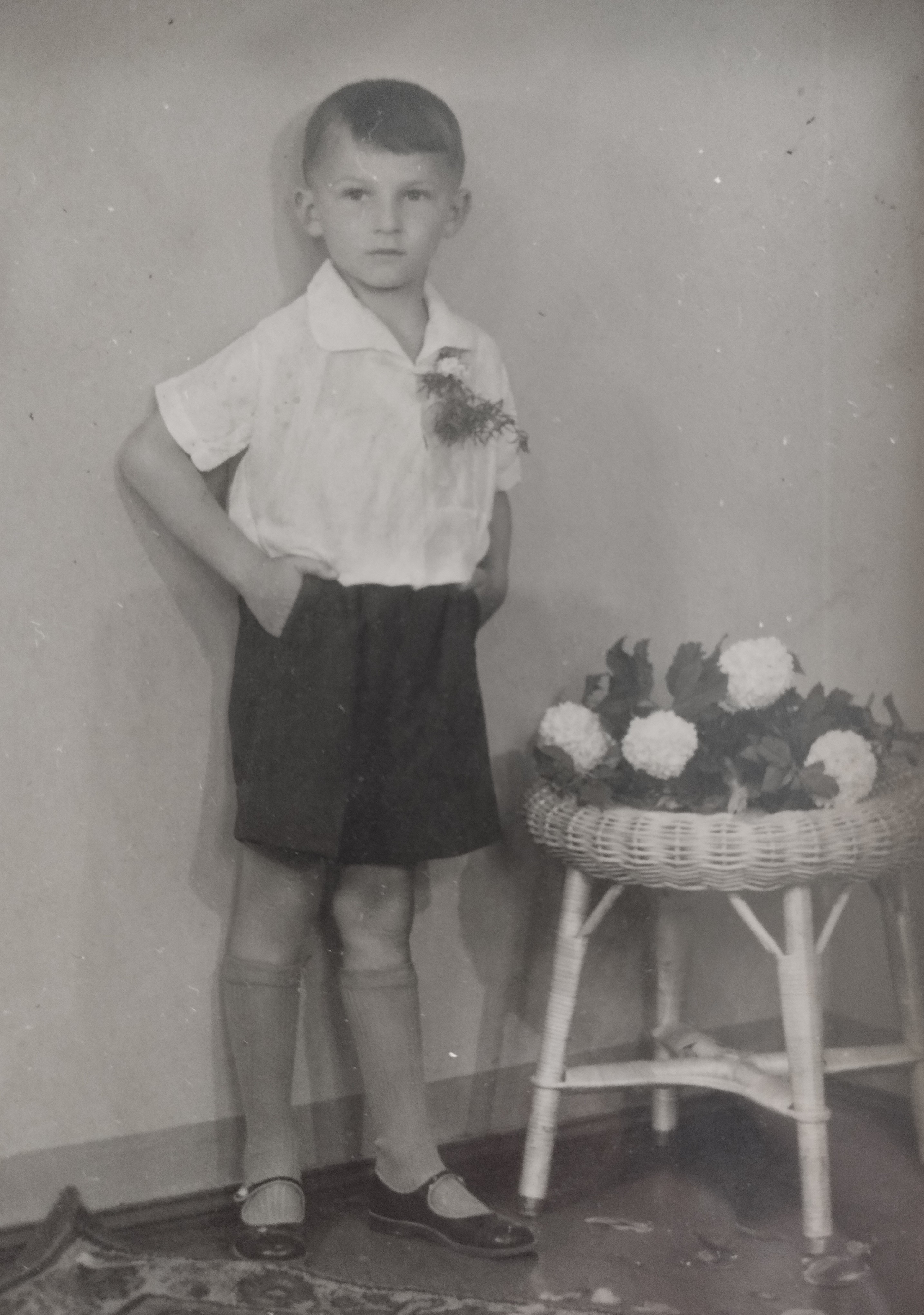
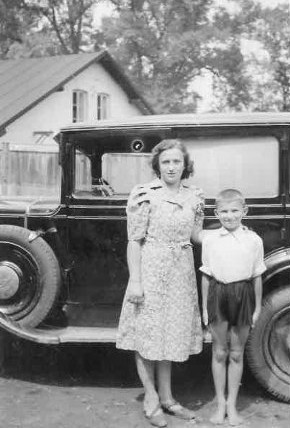
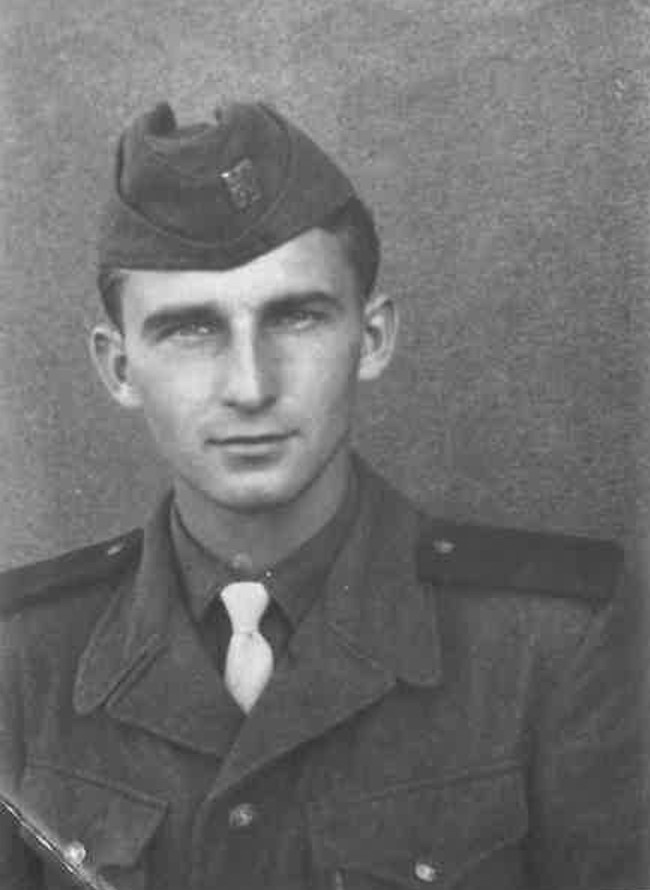
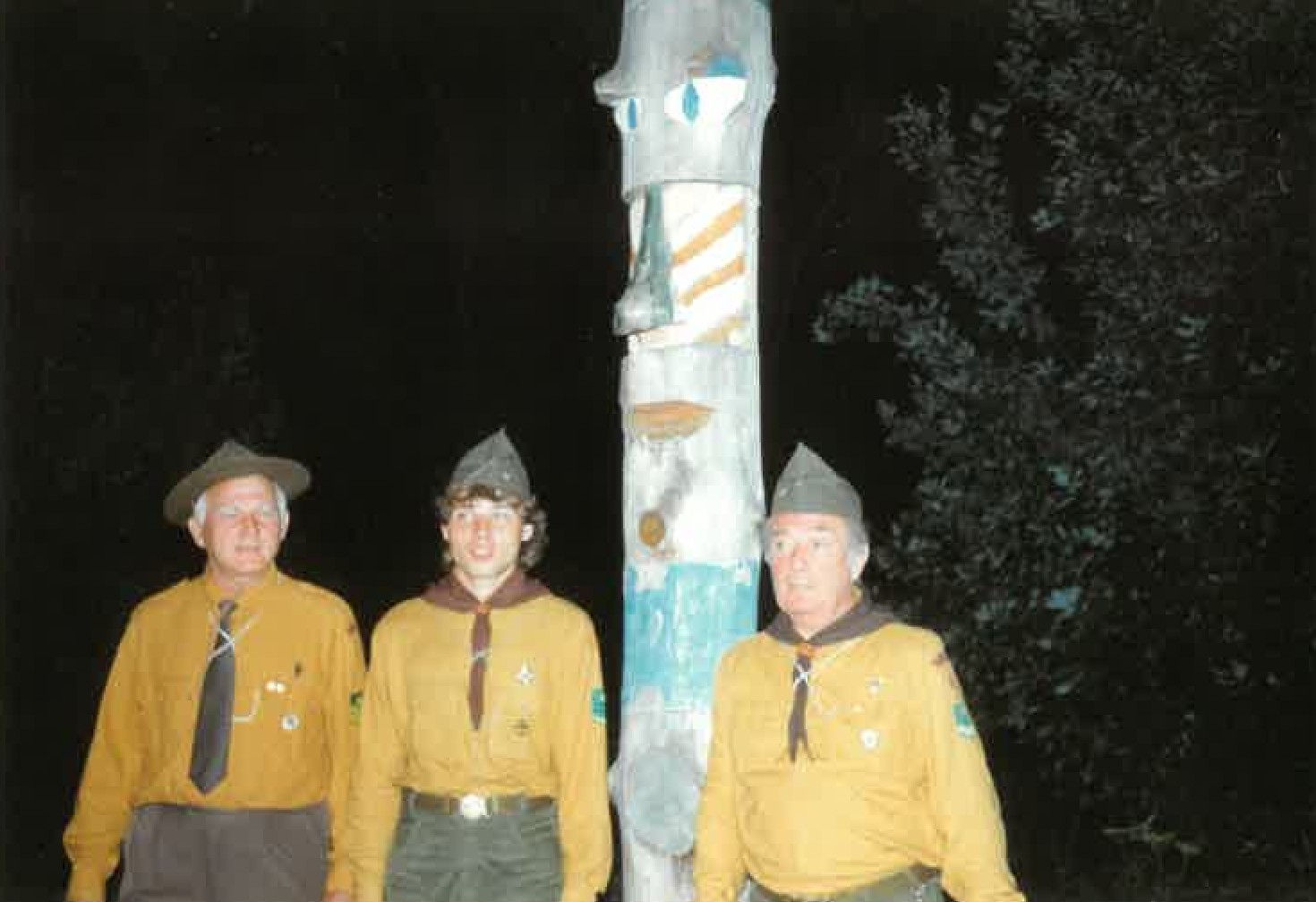
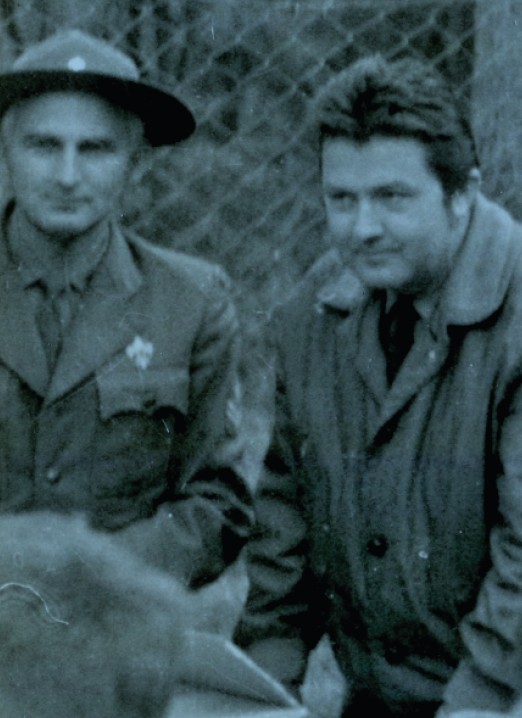
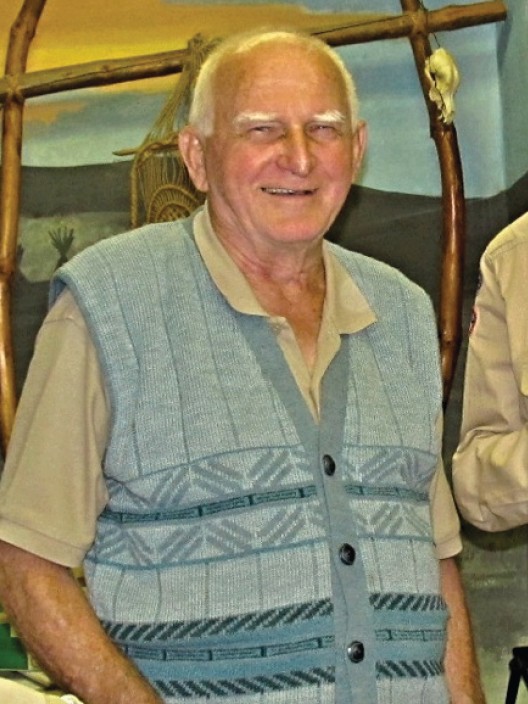
Zdeněk Beran was born in Lovosice on 5 January 1932 and lived there before and during the war. His family was not allowed to leave the Sudetenland following the Munich Agreement; his father Vlastimil Beran had to continue running a bakery in the town. The witness commuted to Czech schools in the Protectorate during the war. On 8 May 1945, he joined a march of Lovosice citizens going to welcome the Red Army but clashed with the retreating German troops. He survived the firefight but his grandfather Otakar Beran and uncle Rudolf Chrpa were killed. In the days that followed he witnessed looting and violence on the part of the Red Army and the Revolutionary Guards. He tried to escape from communist Czechoslovakia in the spring of 1948 but was caught at the border. He spent a month in prison and was released after Klement Gottwald‘s amnesty in June 1948. He later served with the Auxiliary Technical Battalions. In 1960, he signed a collaboration agreement with the StB and was listed as an agent. He worked as an electrical engineer at Secheza in Lovosice. Throughout his life he was actively involved in scouting. He lived in Lovosice in 2024. Zdeněk Beran died on 28 January 2025.
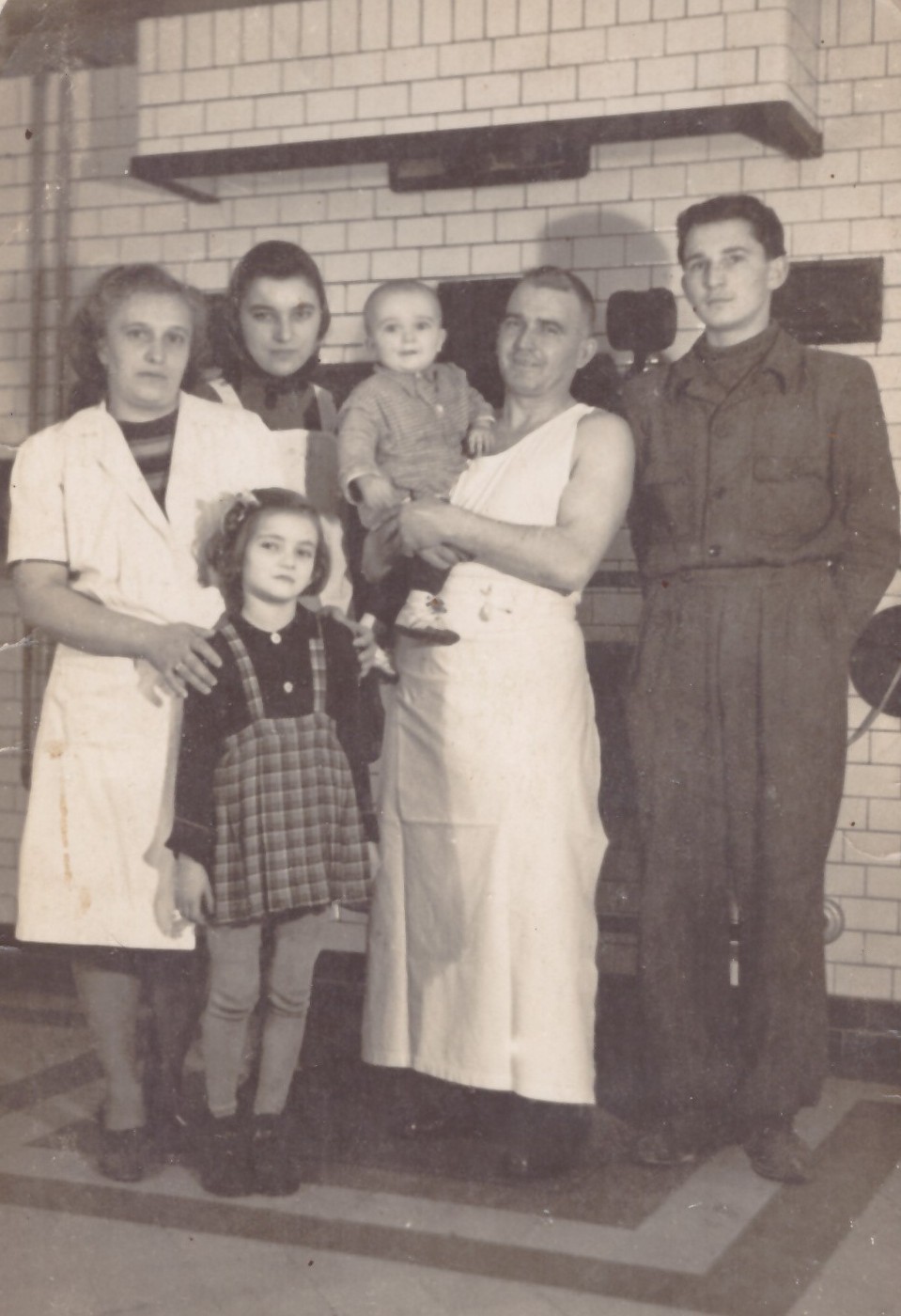
Zdeněk Beran with his family in the bakery owned by his father; left to right: witness's mother, younger sister Marie, older cousin Anna, nephew Milan, father and witness, 1947
Zdeněk Beran with his family in the bakery owned by his father; left to right: witness's mother, younger sister Marie, older cousin Anna, nephew Milan, father and witness, 1947
Hrdinové 20. století odcházejí. Nesmíme zapomenout. Dokumentujeme a vyprávíme jejich příběhy. Záleží vám na odkazu minulých generací, na občanských postojích, demokracii a vzdělávání? Pomozte nám!