František Urban

* 1937

  • "In the 1960s, land drainage and reclamation (melioration) wasn’t done that much yet. But in the 1970s, when I was working in nature protection, it became one of the key things we tried to block wherever we could. But very often, we simply couldn’t. Some cases were terrible. Let me tell you about one horrific example from the 1980s. It happened at the state farm Šumava, in the Blanice watershed. At that time, it was already known that the Blanice River had a large population of freshwater pearl mussels, and we were trying to protect them. There was a big meeting — the state farm management was there, the sector enterprise, many important people — and we all went up into the Blanice catchment area. We said: 'Please, we don’t want you using industrial fertilizers here, because the runoff flows into the Blanice and it’s killing the mussels.' The director of the state farm was actually a reasonable man. He said: 'Of course, we can take care of that.' Then we came to a spot where there was a huge pile of some powder. The director turned to the local farmer, and the farmer said: 'Oh, that’s the Austrian superphosphate, you know. We didn’t have anywhere else to store it, so we just dumped it here. It’s incredibly expensive, cost a lot of dollars — but they owed us something, so we ended up with it.' And we could see the wind blowing it away. Every time the wind picked up, a cloud of superphosphate would sweep across the landscape..."

  • "In 1960, the Ministry of Agriculture, the minister at the time was Štrougal, held a large exhibition at Hybernů called 'Forests Must Live'. Minister Štrougal was at the opening. We, as fifth-year students, were obliged to work there for a week or 14 days as guides. And of course the best students went to the first batch. So I got into that first batch with six other students who accompanied Strougal and people like that and those official guests. Some of those official guests were very critical of where our forestry was going and what was being done. We, of course, took part in that as students, gaining our own knowledge. I remember one regional director who was grossly dissatisfied with a chainsaw that had been developed here somewhere in Vodňany. And I said to him, 'Well, refuse it, Mr. Director, refuse to take it,' and he said, 'I have to, I have to take it, it's an order!' And so on..."

  • "I have always felt sorry for the deserted landscape after the Germans left. You know, it was horrible, those barracks. I worked as a tax collector in Šumava when I was in the Institute for Forest Management, I worked in the Boubín area, and there those half-ruined villages, the villages that were plundered, the remnants of the German population, in the isolated areas, some of them were very solid, very decent people, with whom one could talk very well, often much better than with some of the settlers, who were of a very different kind. I'm not saying all of them, some were decent, very decent. I didn't distinguish between Germans and Czechs. I even had a hard time speaking Czech with some of them. I had to dust off my poor knowledge of German to get along with a former gamekeeper, for example. It was excellent, we understood each other very well, it was good. Mostly everybody left anyway in 1964 and 1965 when they could move out. Almost all of them went to Germany. This particular gamekeeper said to me: 'I have to, my girls want to go to Munich'."

  • Celé nahrávky
  • 1

    České Budějovice, 26.03.2025

    (audio)
    délka: 02:16:44
  • 2

    České Budějovice, 27.03.2025

    (audio)
    délka: 01:30:24
Celé nahrávky jsou k dispozici pouze pro přihlášené uživatele.

The wind was blowing into the pile, chasing a white cloud of superphosphate across the landscape.
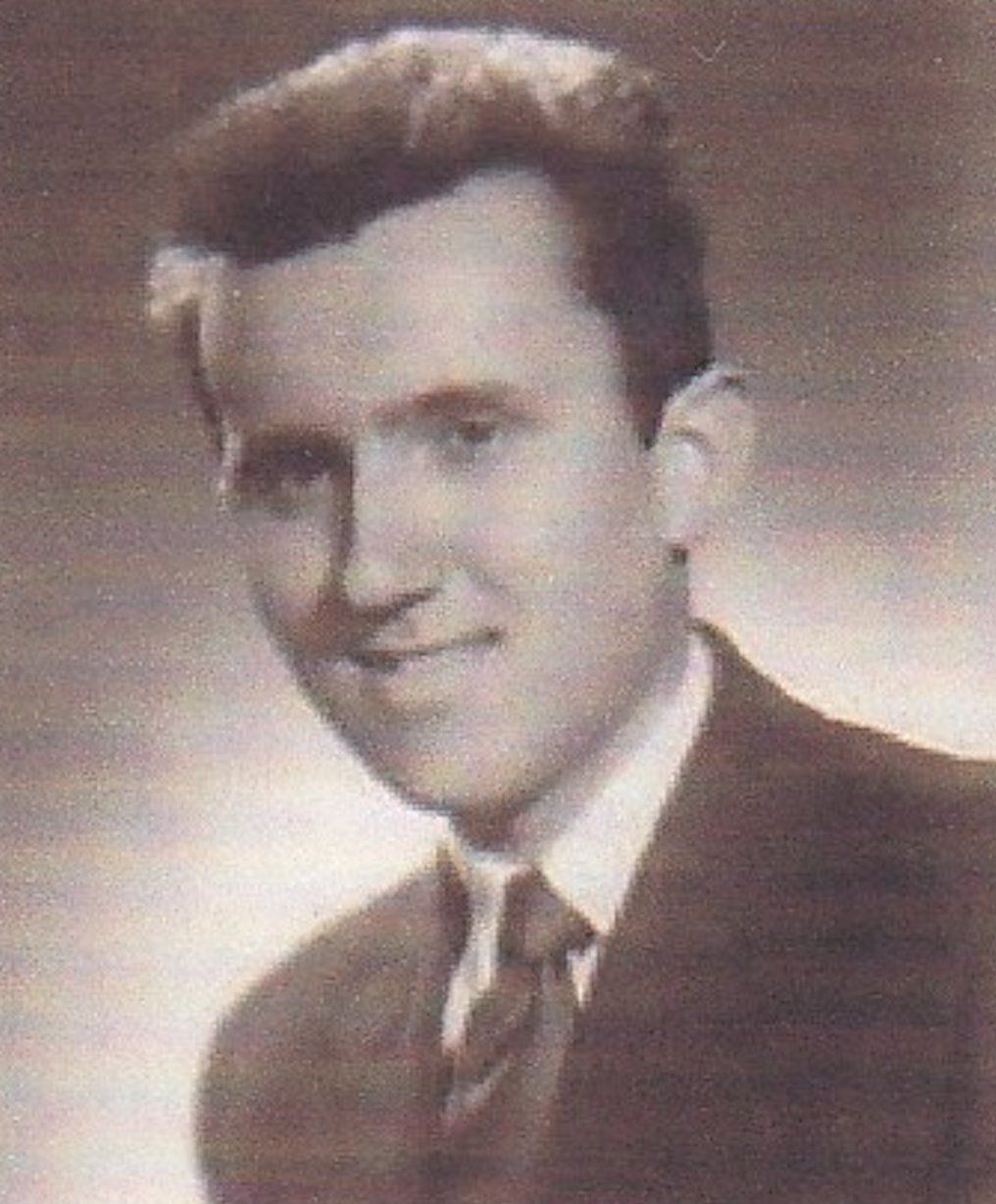
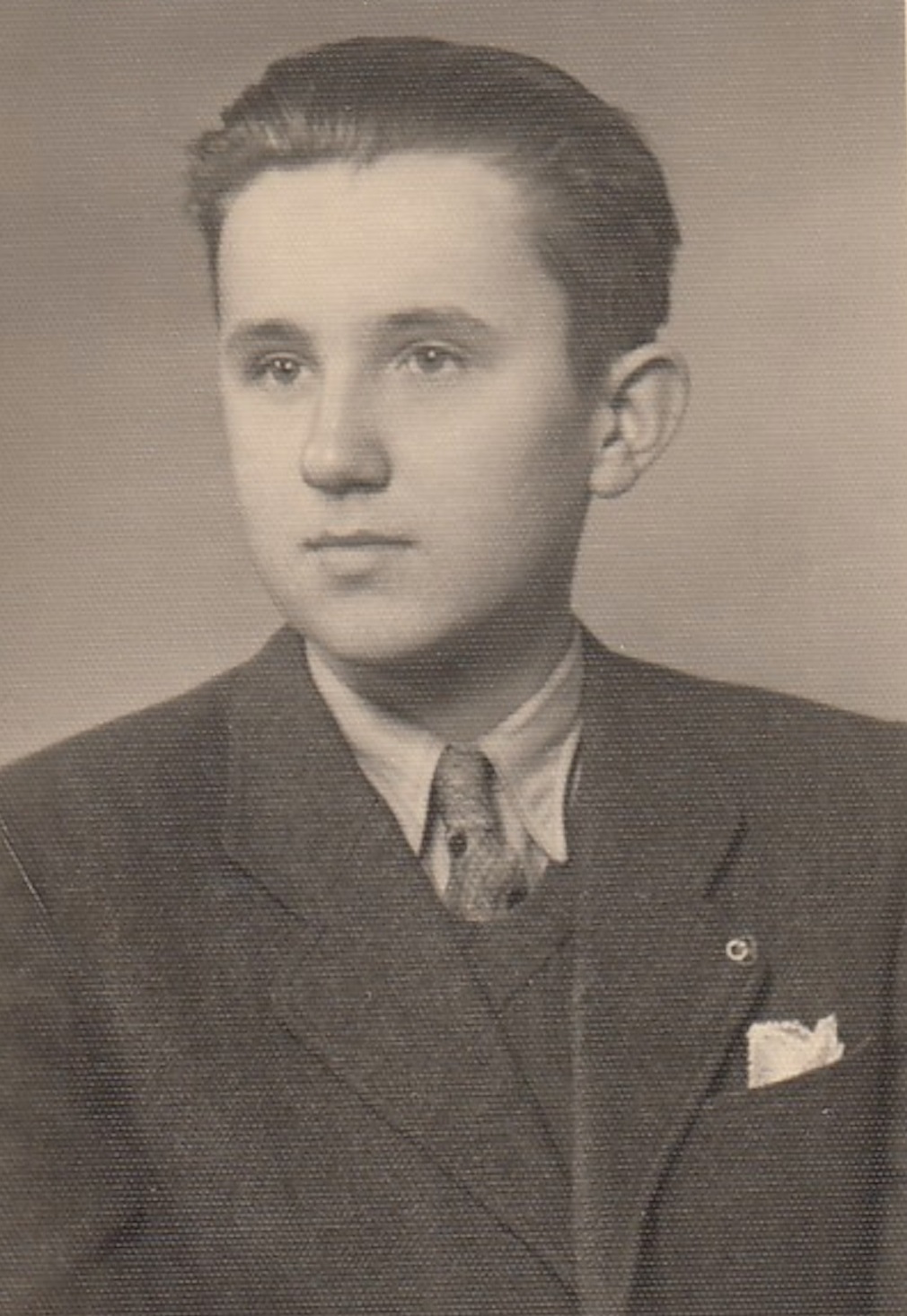
During his studies at the Faculty of Forestry at the Czech Technical University, turn of the 50s and 60s
zdroj: Archive of the witness

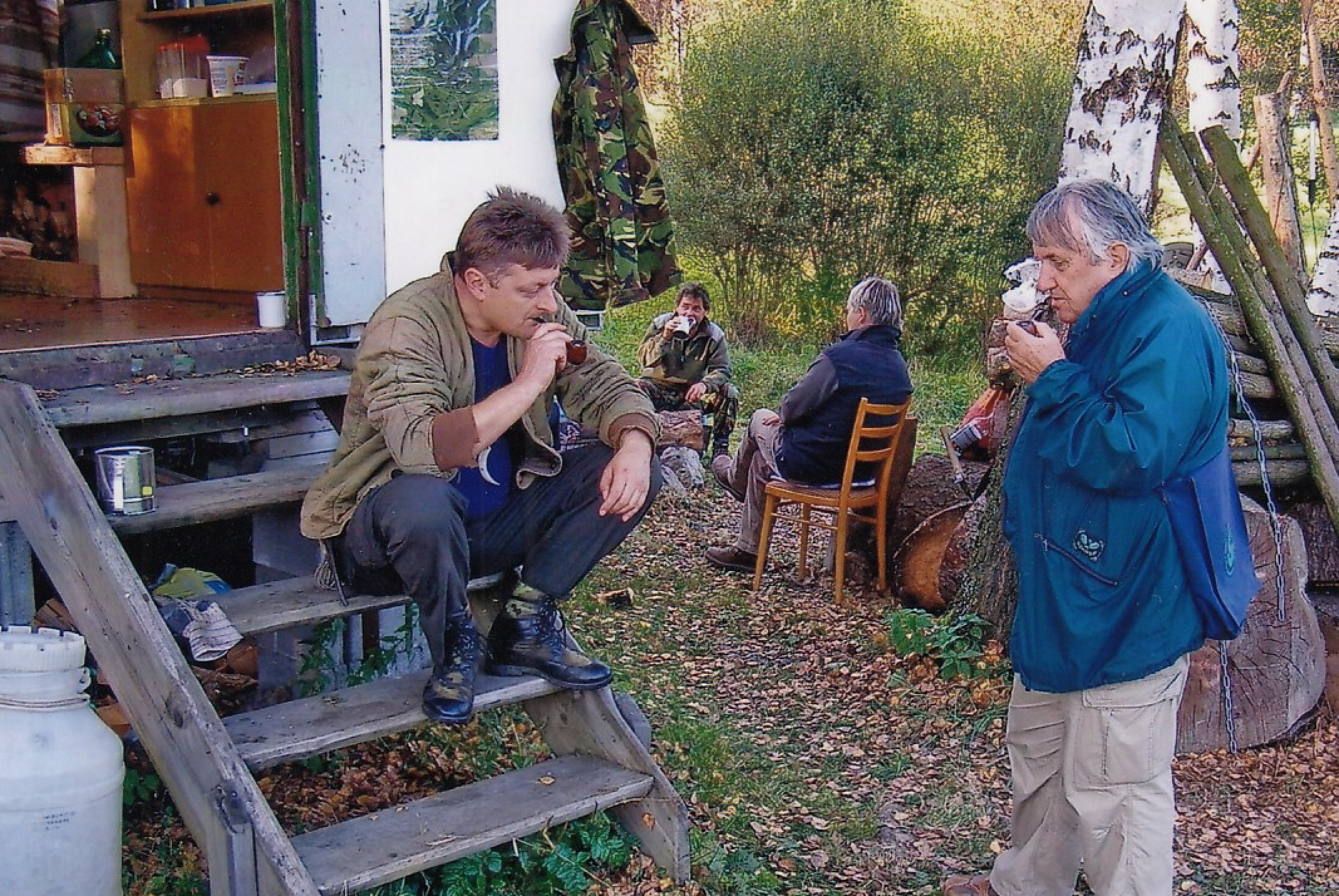
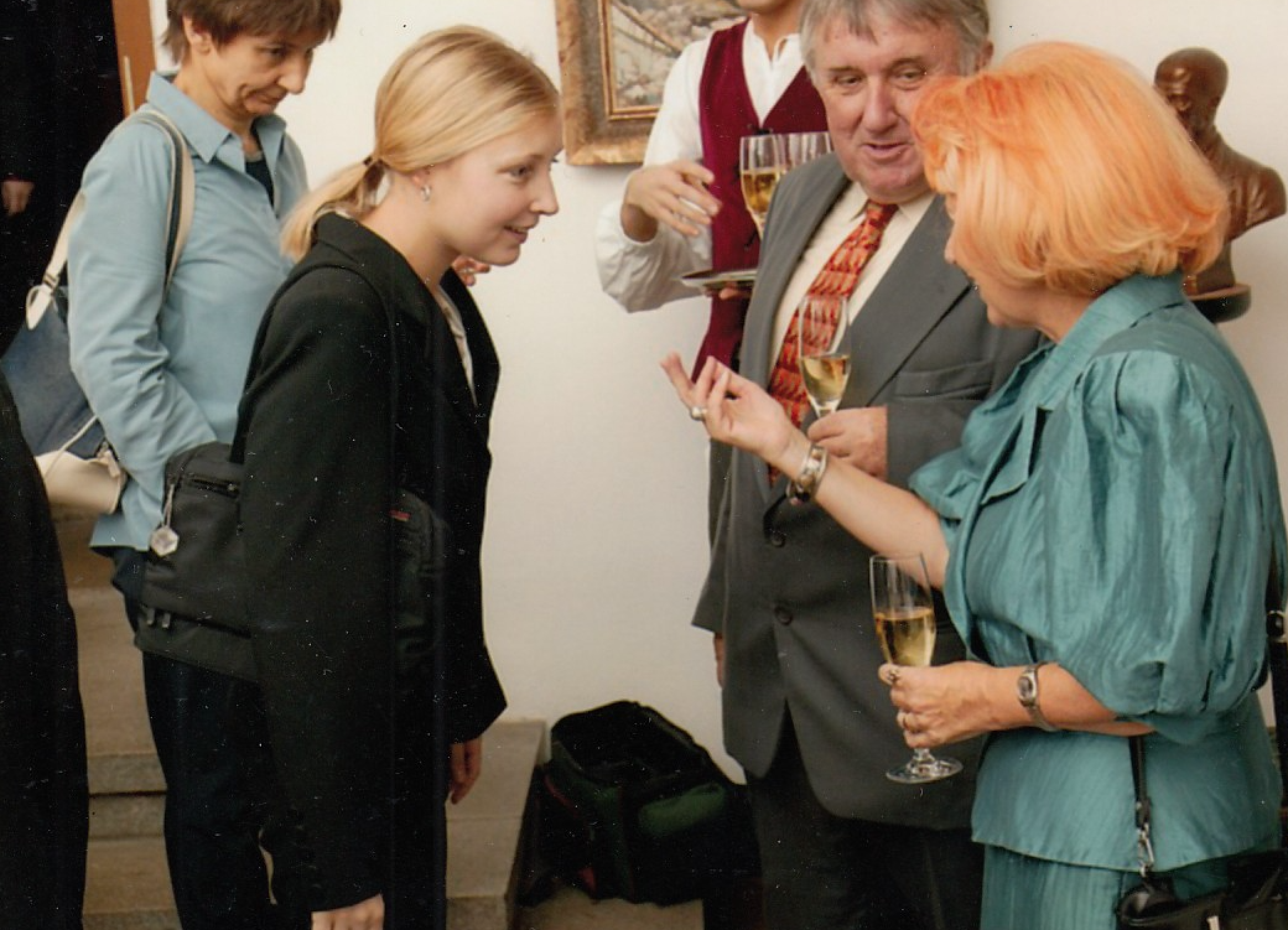
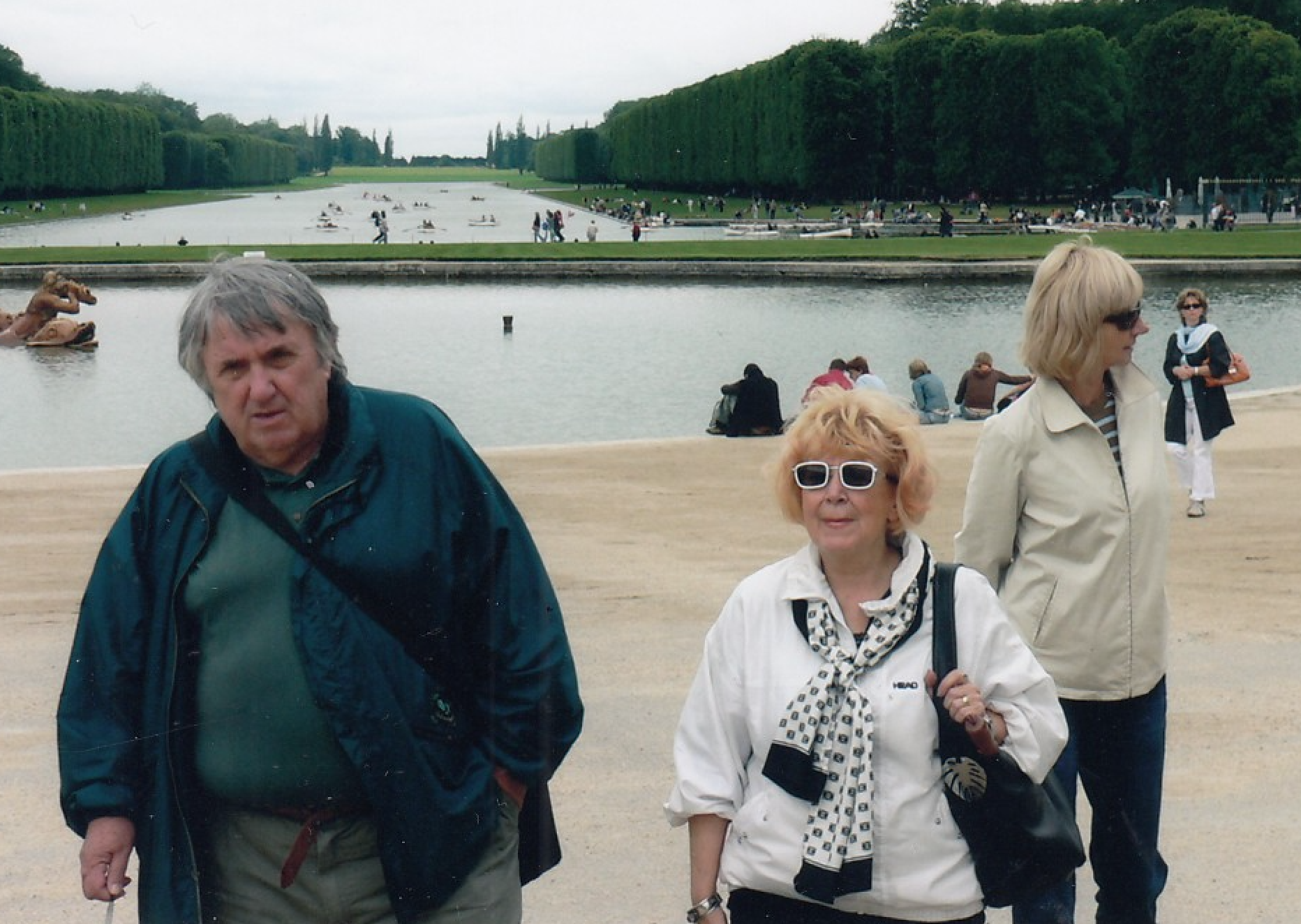
František Urban was born on November 15, 1939 in Olomouc and has lived in České Budějovice since the age of four. He has many memories from the war, he remembers the air raids on České Budějovice or his encounter with the hairdressers. From his early childhood he was fascinated by nature, his hobby was developed by the scouts and his mother, who supplied him with books about nature. In 1961, he graduated from the Faculty of Forestry at the Czech Technical University and began working as a tax collector in Šumava at the Forest Project or the Institute for Forest Management. He wanted to continue his studies, but the regime did not allow him to do so. In 1966, he went to work at the newly established Regional Nature Conservation Centre and participated in many institutional and systemic changes in nature conservation in Czechoslovakia. During the normalisation period, he organised unique international conservation camps for young people, which put him on the radar of the State Security Service (StB). He was also a journalist. After the revolution in 1989, he worked at the Ministry of the Environment and was active in many international organisations, including the International Union for Conservation of Nature (IUCN), of which he was vice-president.