Jaroslav Švach

* 1947

  • "In 1984 I founded the ensemble Břeclavánek, which was supposed to educate dancers and singers for Břeclavan, because when a new, untrained member came to us, many of them couldn't manage the difficult rehearsals and left. So we wanted the kids from the children's ensemble to come in half prepared, which we would then just prepare properly. When I founded Břeclavánek in 1984, right in 1985 we came up with the idea of doing a Christmas concert at Christmas, among other performances. When I came to the director of the House of Culture, who was our founder, his comrades from the District Committee of the Communist Party of Czechoslovakia forbade him to do it. They said no, that we shouldn't do any religious things. So I countered by saying that these were folk carols, that these were folk traditions. They said again that we mustn't have any God and no Saint Mary and such things in those carols. But in the end we did it our own way and got away with it. And I didn't have any problem with it either."

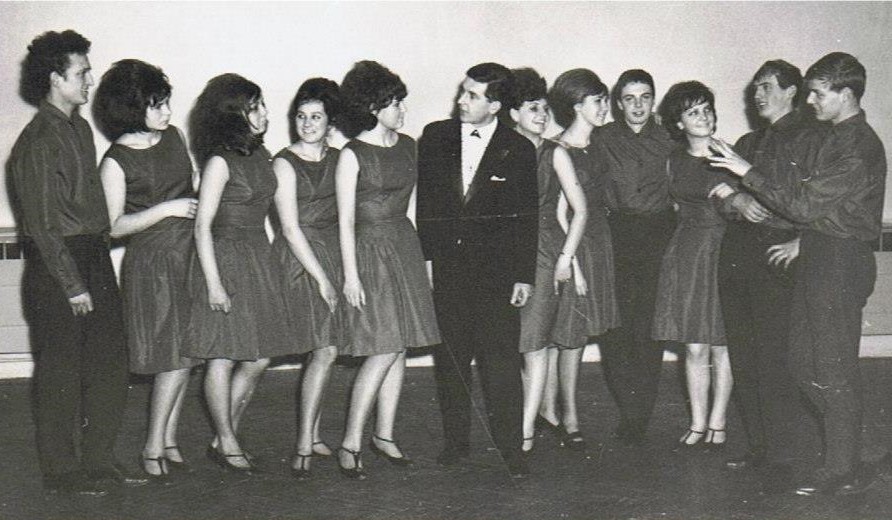
  • "During my military service, I founded an ensemble in Mikulov. We had two Hungarians from all over the country, but even two Hungarians in the ensemble, and most of them were Eastern couples. We won the national army competition of artistic creativity with that ensemble. We won the divisional round - we got a leave, we won the district round - a leave, the national round - a leave. I had three leaves fro that."

  • "Once at the border, when we were crossing into Austria, they did a check on us. I, because I have a German name, went for a personal search. They went through everything for me. Well, they found a letter that a man was carrying abroad. So that became a problem. When we came back, we had to go to the District Committee of the Communist Party of Czechoslovakia (OV KSČ) and there we confessed. Another problem arose when we were performing in Switzerland, and a lot of Czech compatriots came to see us. They were friendly with us, inviting us to a glass and wanting to talk. So the political leader reported it to the Communist Party of Czechoslovakia. So they invited us and asked us what we talked about, what we discussed with them."

  • Celé nahrávky
  • 1

    Břeclav, 12.05.2025

    (audio)
    délka: 56:16
    nahrávka pořízena v rámci projektu Příběhy regionu - JMK REG ED
Celé nahrávky jsou k dispozici pouze pro přihlášené uživatele.

I have devoted my whole life to folklore and I don‘t regret it
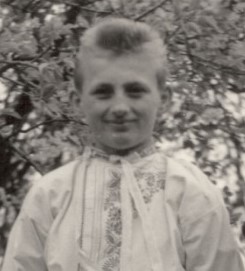
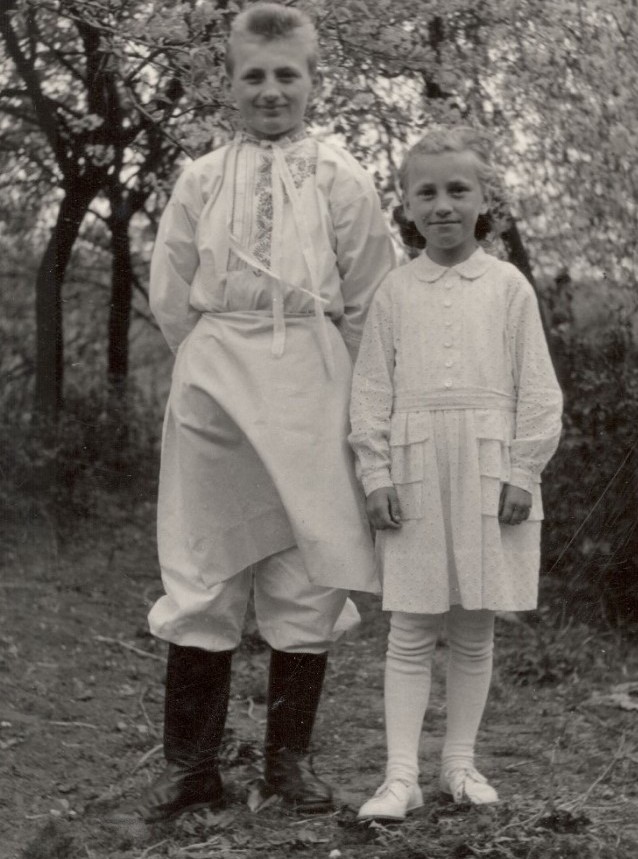
Jaroslav Švach about ten years old in a costume, 1957
zdroj: witness´s archive

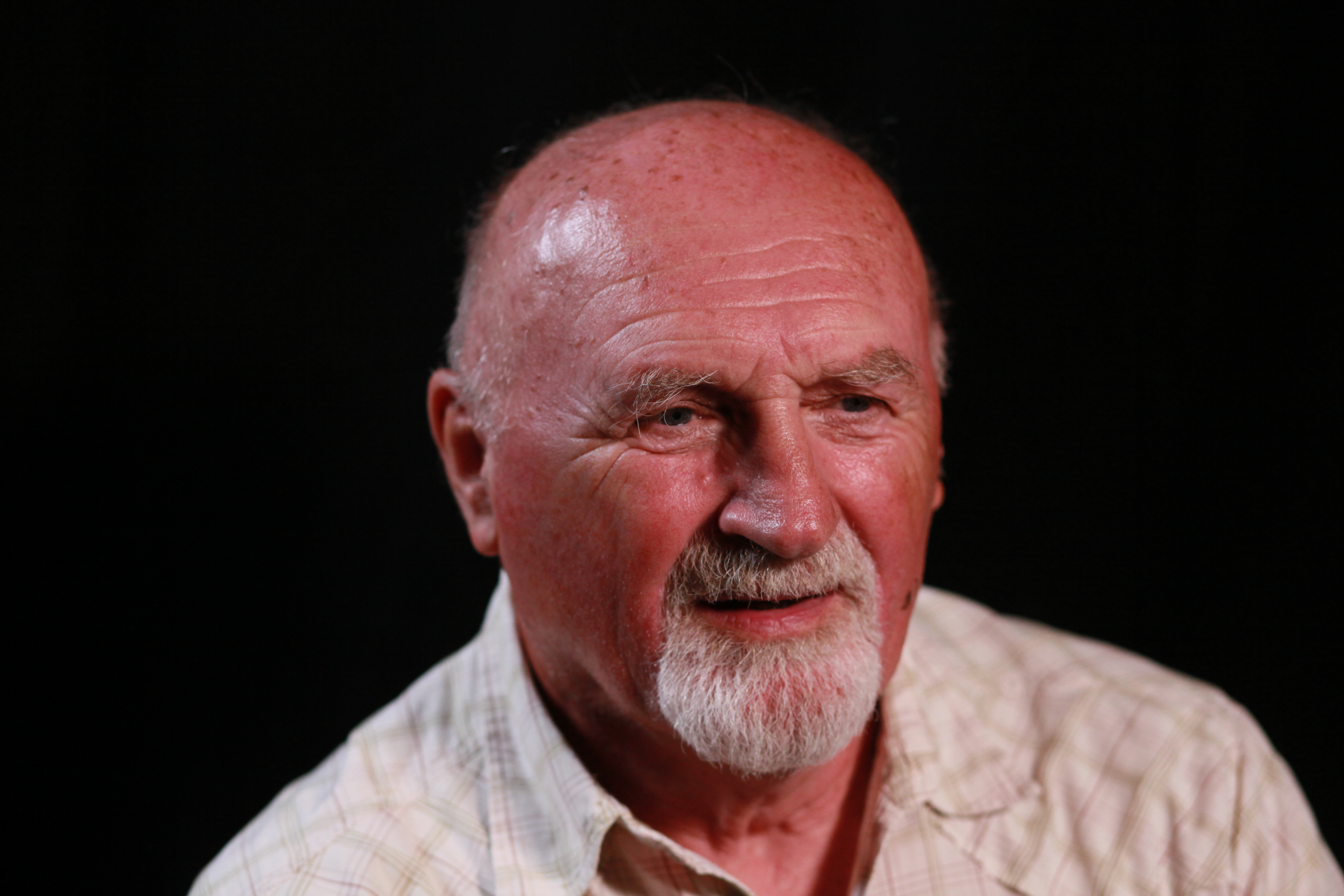
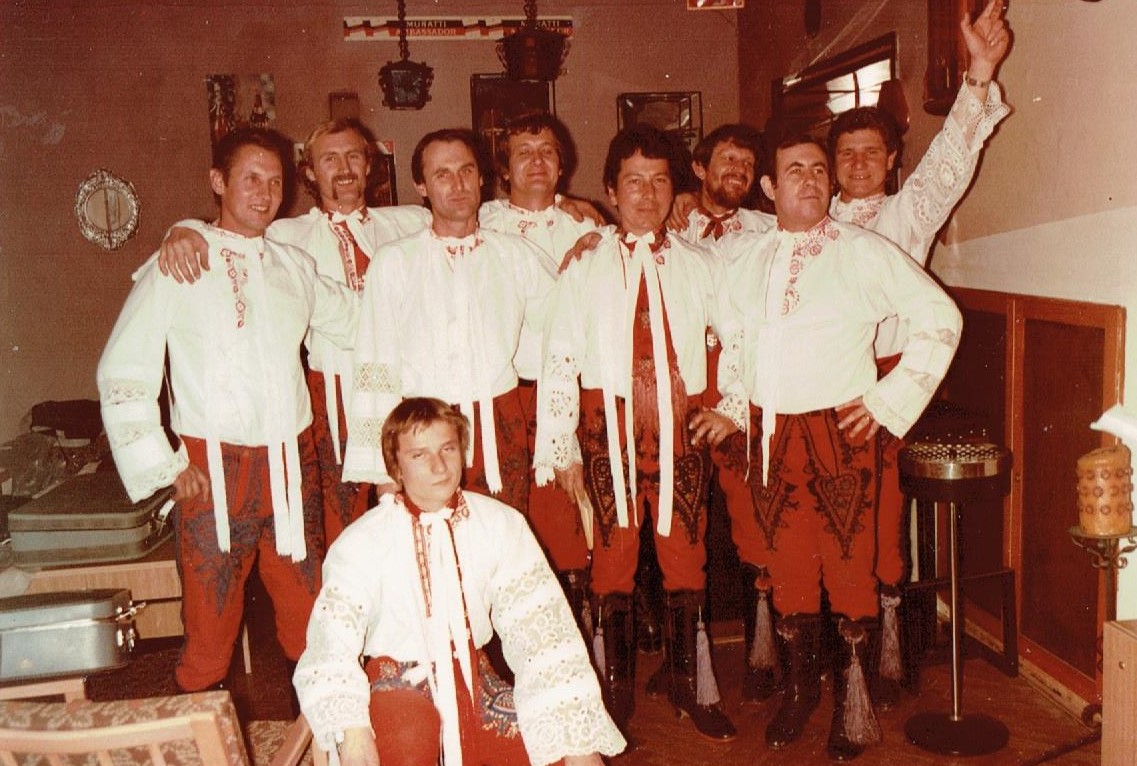
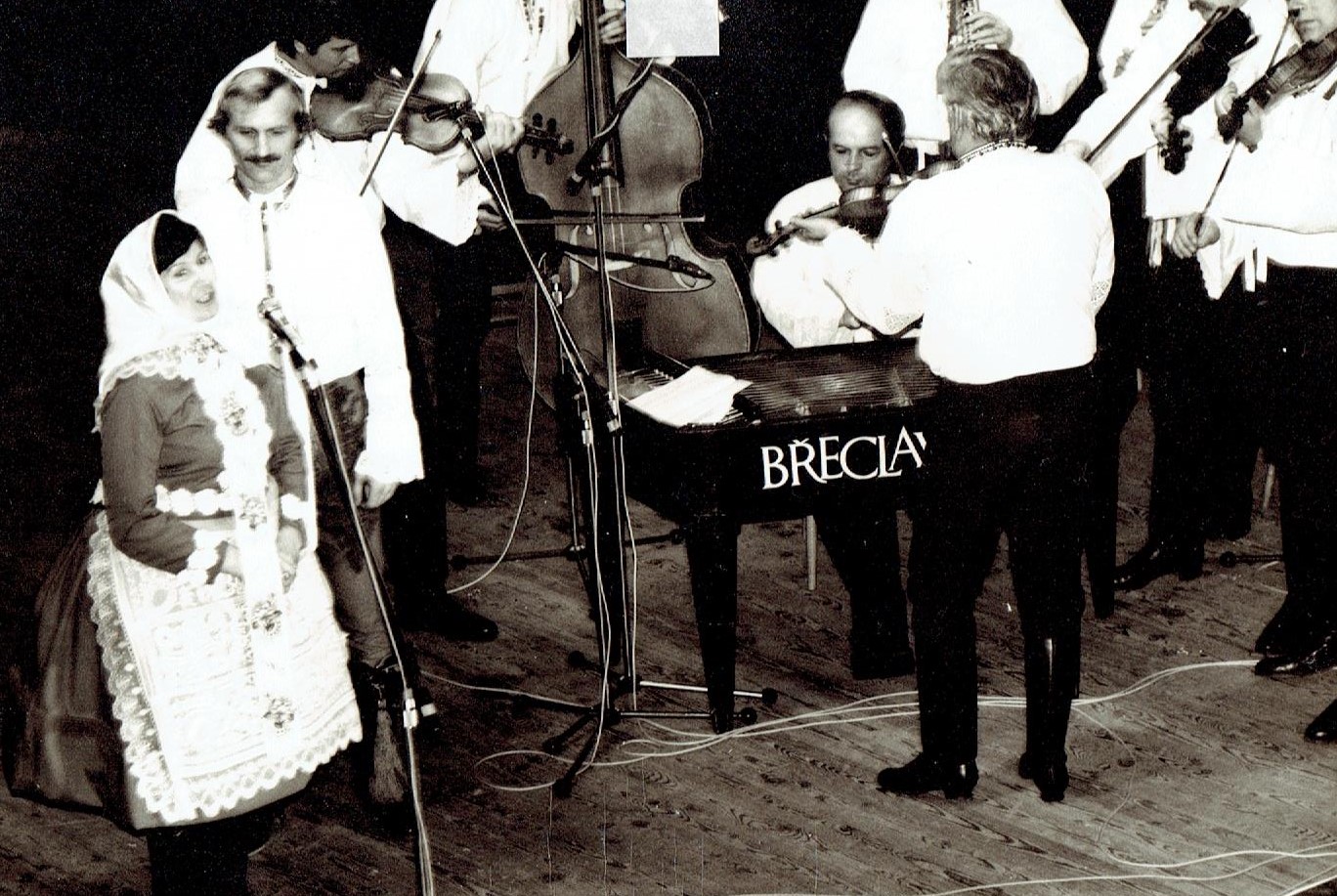
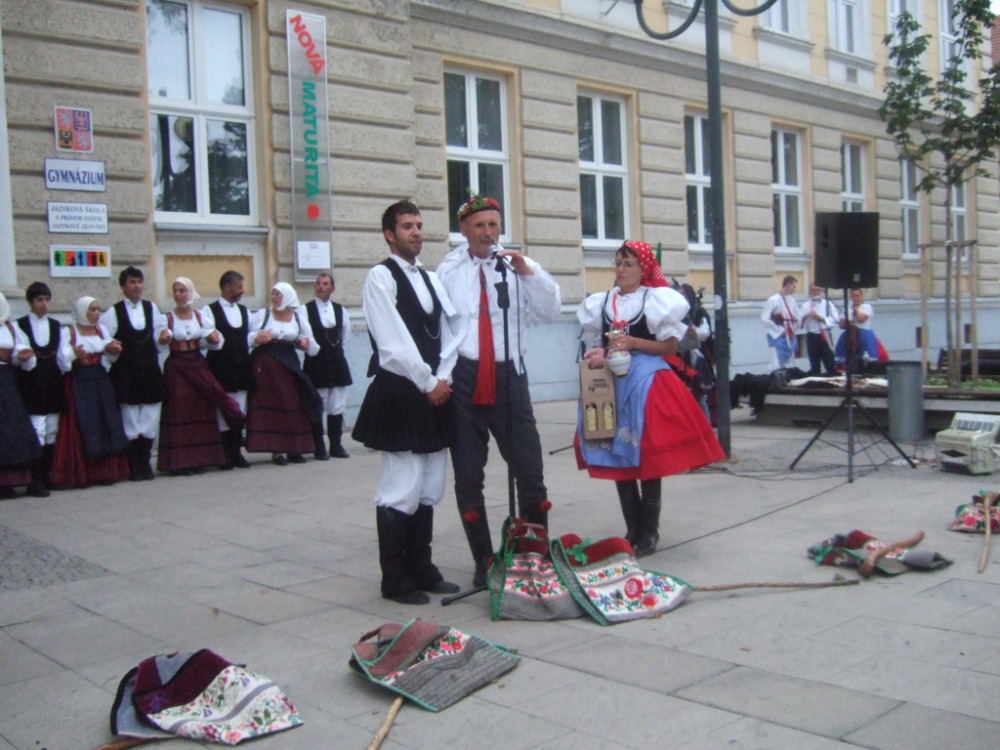
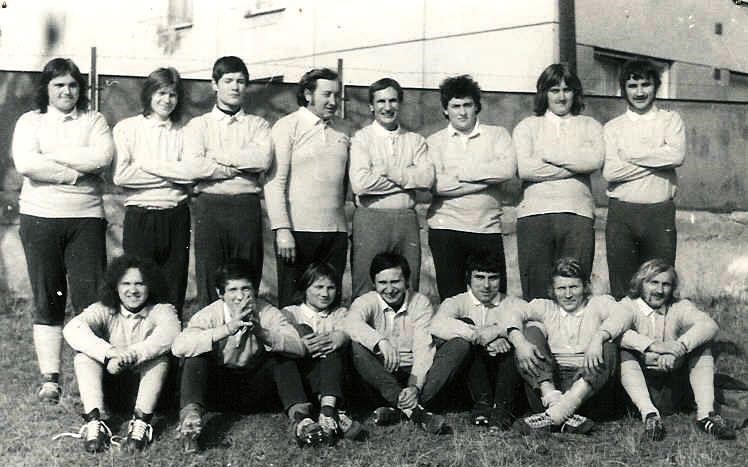
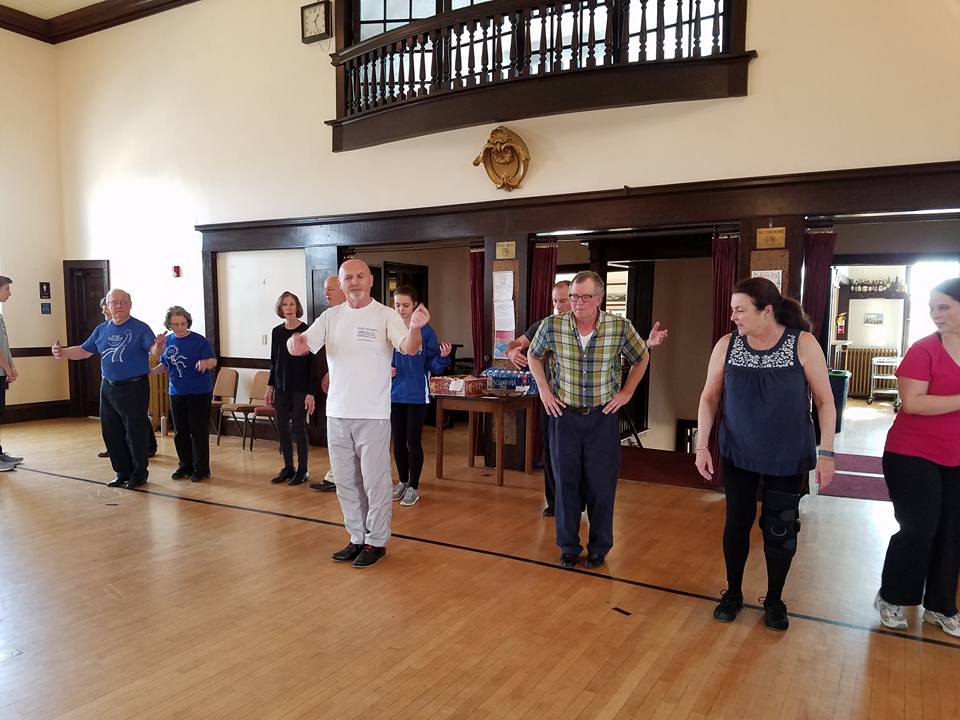
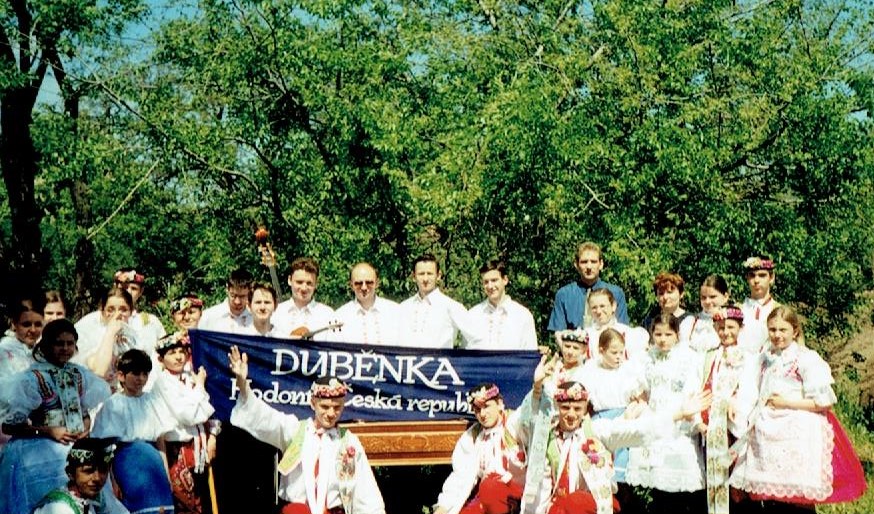
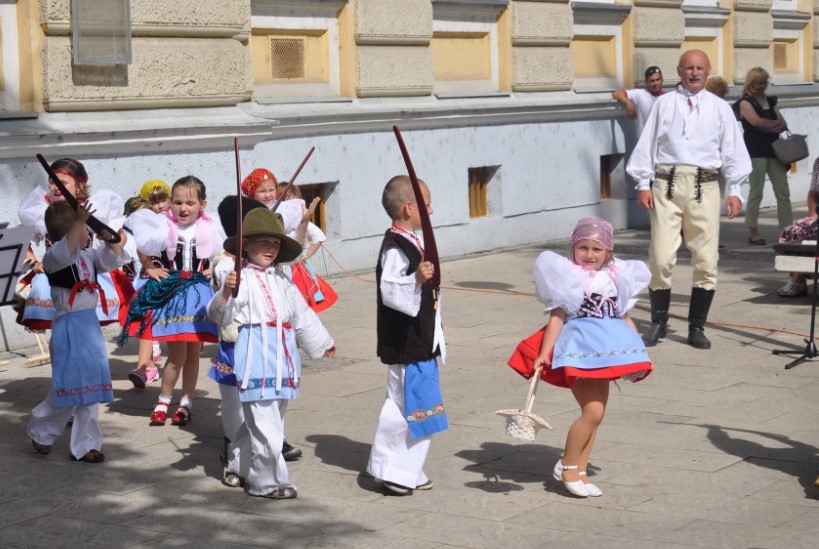
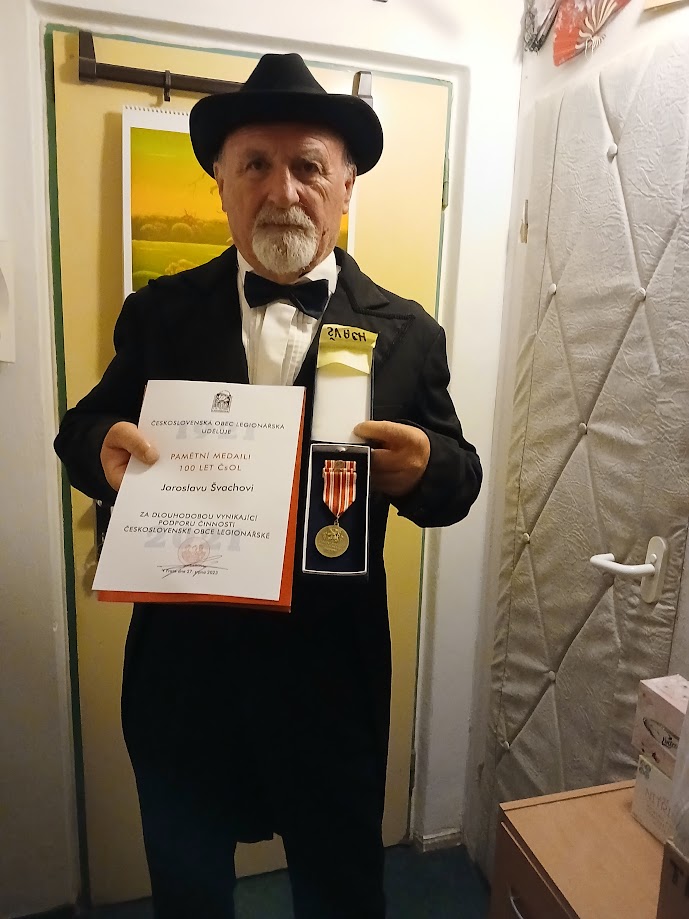
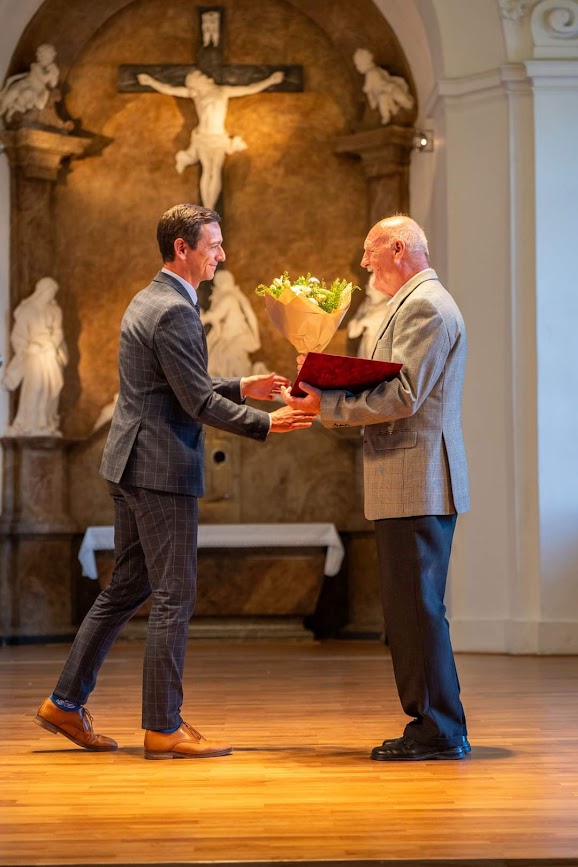
Jaroslav Švach was born on 22 September 1947 in Stará Břeclav. He was introduced to folklore by his aunt Anna. Already at the primary school he attended a folklore club led by his class teacher Růžičková. He performed with it for the first time at the Ethnographic Festival in Tvrdonice. Later he became a member of the Podlužan ensemble, with which he went to competitions and festivals abroad. He recalls that the ensembles were then accompanied by a political worker and the participants had to meet strict conditions. However, thanks to their participation in the ensemble, they were able to travel to Western countries without any major problems even during the totalitarian regime. In 1966 he enlisted in the army, first in Karlovy Vary, then in Mikulov. Also during his military service he was a member of a folklore ensemble. After the war, he lived with his family in Ostrava, returned to Breclav in 1972 and two years later joined the Břeclavan ensemble. In 1984 he founded the ensemble Břeclavanek and was active in other ensembles. After the Velvet Revolution, he continued to perform at home and abroad, and at the same time foreign ensembles came to Czechoslovakia. Since 2005, he has been a member of the Association of Lecturers and Connoisseurs of Slovácký verbuňk. He leads the folklore ensemble Old Stars Břeclav, organizes training for young „verbíř“ and serves on the senior jury of the „verbíř“ competition at the International Folklore Festival in Strážnice. In 2017 he travelled to the USA to teach folk dances to his compatriots. In 2024 he received the South Moravian Region Award for his lifelong work in folklore.