"It was not such a difficult decision for me because I was leaving in a situation where I was able to fulfill almost 100% of what I promised the people in the streets in the election campaign as an opposition politician. I mean, really, our government pursued the social democratic programme, our economy was in an excellent condition, so were our budgets - the 2018 budget ended with a surplus; we recall that with great nostalgia today witnessing the three hundred billion deficits. The country at the time was running well, we had wage growth, we had economic growth. Unfortunately, the Social Democrats were not able to make as much of it as the ANO movement was able to make of those good results. So, I think the work we did was honest and so, from that point of view, I did not feel bad about leaving. In addition, unfortunately - this was tough about leaving - I saw a Social Democracy that remained divided between the Zemanists and the more pro-European and liberal members. The conflict continued in Social Democracy even after I left. It lasted for years and in the end the more liberal left-leaning members left the party and the party moved towards national conservatism, which to a large extent suited the Zemanist conception of politics."
"The group that actually wanted to gain power in Social Democracy in violation of the party's rules and statutes, of its rules, knew beforehand that their move was very non-standard and, of course, a violation of all the rules and all the political culture. They felt that Miloš Zeman should bless it. Some of them likely got the idea that it would be a good idea, before they run the whole thing, to meet Miloš Zeman and get his blessing. That's what happened. At the same time, they were aware that what they were doing was not very clean, so they tended to keep the whole thing secret, and by lying about it and keeping it secret, the meeting in Lány took on a lot more significance than it really had. I don't think Miloš Zeman was running the whole thing. It suited him, this Lány coup, because first, it would get people who were loyal and obedient to him into the leadership of the party, that was the pro-Russian, pro-Eastern wing of Social Democracy, and second, it served the purpose he was harbouring for a long time, which was to destroy Social Democracy completely. Of course, the Lány coup weakened social democracy dramatically while strengthening the president's role, which is what he wanted. When a strong parliamentary majority formed, it was clear to him that his powers as the president were limited, and he would have to make arrangements with a prime minister who would have a majority, and God forbid if it were Sobotka, then of course communication would be much more difficult for him."
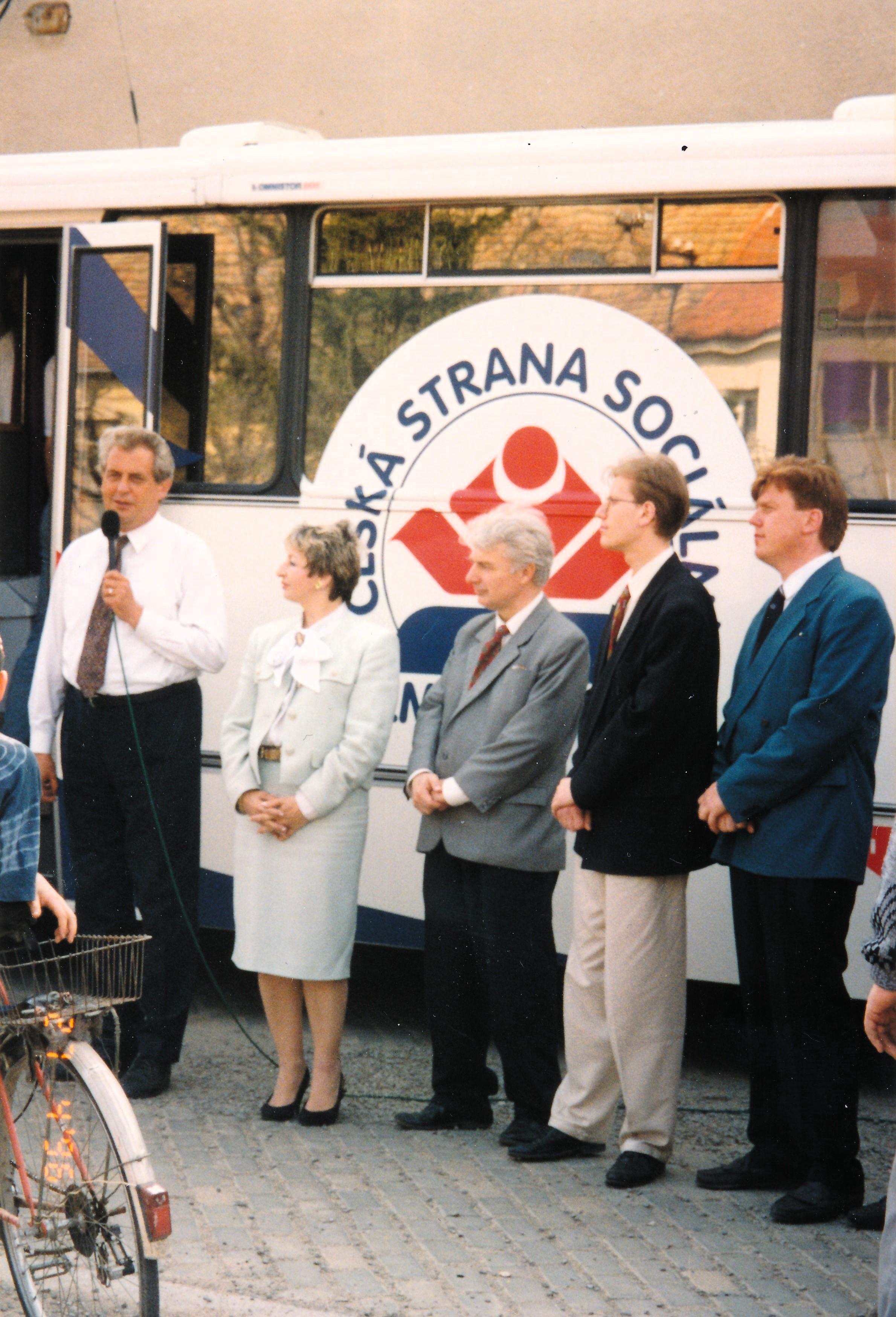
"Miloš Zeman became prime minister for four years, until 2002, and it was an opposition agreement. That was kind of the first big breaking point when I witnessed a pragmatic decision on the national level. I was one of the MPs who took a big issue with that. I remember when we passed it and Miloš Zeman convinced us that it was the right decision for the stability of the Czech Republic. I came home and we had a meeting of the Social Democrats in Slavkov. I know how depressed we all were about it and were wondering how we were going to explain this to people - having joined forces with the biggest opponent we had campaigned against. Eventually, though, given the government, its results and the stability it offered, it turned out to be a sensible decision from the state's point of view. It had its side costs, sadly, related to the fact that many things were happening as arrangements between ODS and the Social Democrats. There was a tendency to divvy up the state, divvy up the economy - the state played a much bigger role in the economy at that time than it does today - the banking sector, for example, and some of the large companies that were subsequently privatised. The arrangements were sometimes very strange. The many suspicions regarding the corrupt nature of those agreements were eventually confirmed. The background, the surroundings of Miloš Zeman, were also very strange. I didn't see it that way at the beginning, but what Miloš Zeman actually did was a big outsourcing deal within the Social Democrats. When he came, he probably didn't consider a large part of the social democracy apparatus to be capable, so he made arrangements with Miroslav Šlouf. He was a former official of the municipal committee of the SSM in Prague, and he brought in his friends from that milieu of young communists and young unionists, and he ensured that Miloš Zeman organised the election campaign perfectly. I think Miroslav Šlouf was a very talented organizer, but of course, it had its own context and connotations. That is, when Miloš Zeman became the Prime Minister, he was surrounded by the very people who were involved in the election campaign, and it was not exactly a social democratic environment. Rather, it was an environment that had ties to the former Communist Party and to various communists who then started doing business after the 1990s, and to those structures, even partly organized crime, which often benefited from the division between ODS and Social Democracy."
"We started publishing a school magazine called Reparát (Exam Retake). We wrote what was on our minds, and our classmates bought it. They brought it home, and their parents started to spread it around the district a little bit. I noticed when people I didn't know in Slavkov came up to me and ask if I was the Sobotka who wrote the magazine. I thought something was going on. Then someone brought a copy where we wrote critically about May Day to the district committee of the Communist Party, and the headmaster was tasked with stopping this activity of ours. I remember to this day Mr. Holásek calling me to the headmaster's office. Since he had singled me out as one of the leading spirits of this activity, he gave me a choice. He said, 'Either you can continue with this activity and not graduate from this school, or you can quit quickly and have a future and the whole world ahead of you.' So, my friends and I made a pragmatic decision to stop publishing the magazine and pursue graduation in order to make it. We were seventeen at the time, we were in our third year - actually it was at the beginning of our fourth year - and the whole situation was quite dramatic because, as I said, Vyškov was a communist district then. Our parents got this memo from our teachers, that is, the families were also under pressure to stop it. That was the first time I experienced this situation where some people pointed at me and asked if I was the Sobotka, some people stopped answering my greetings when the whole affair started, and some people stopped talking to us altogether and took us for written off, believing the school was over for us."
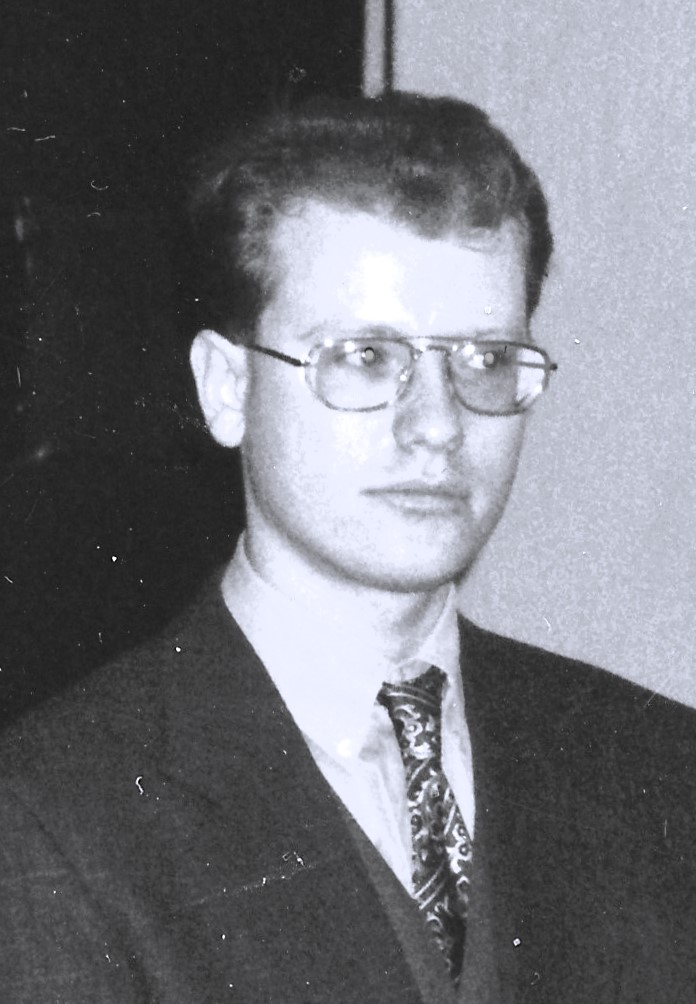
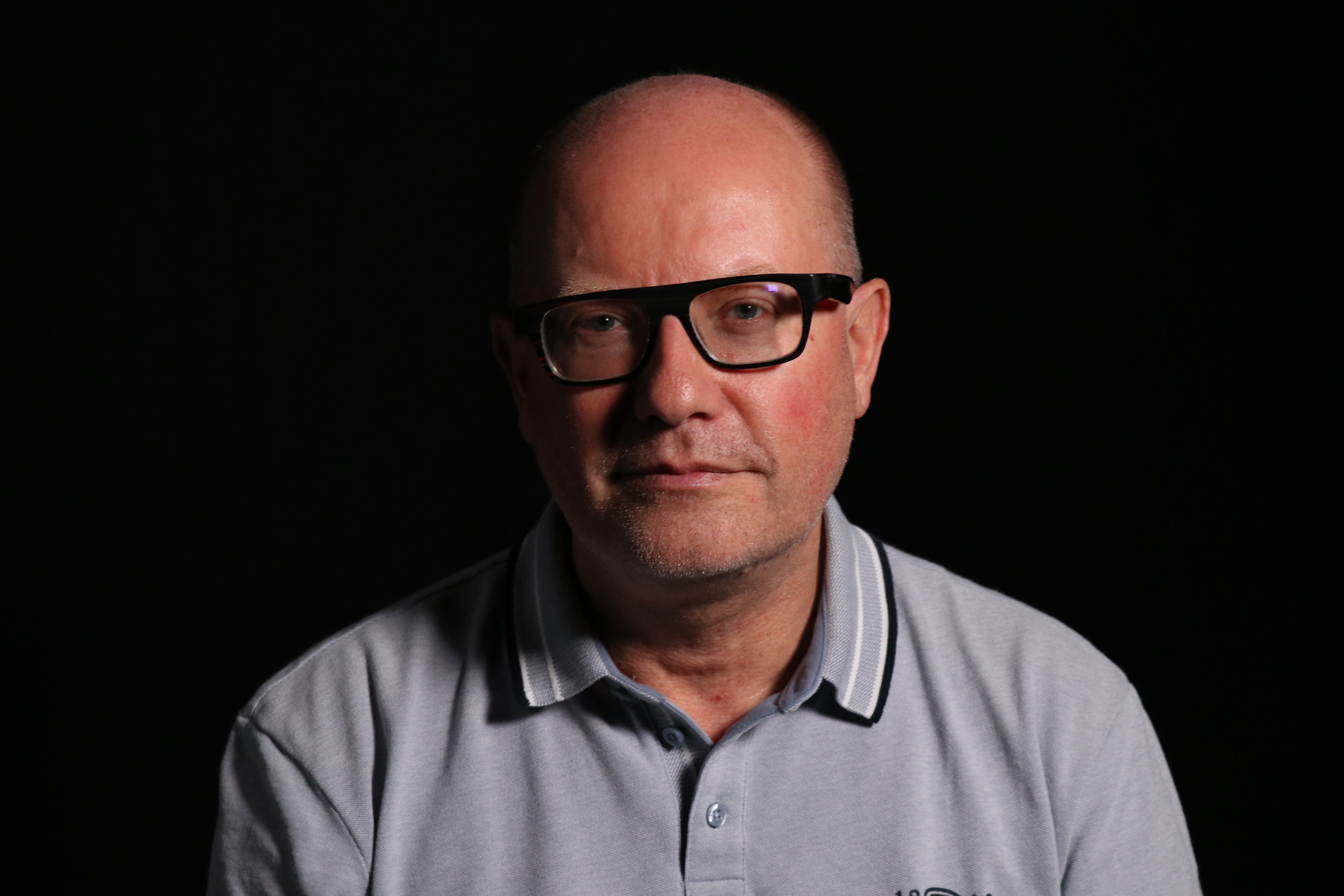
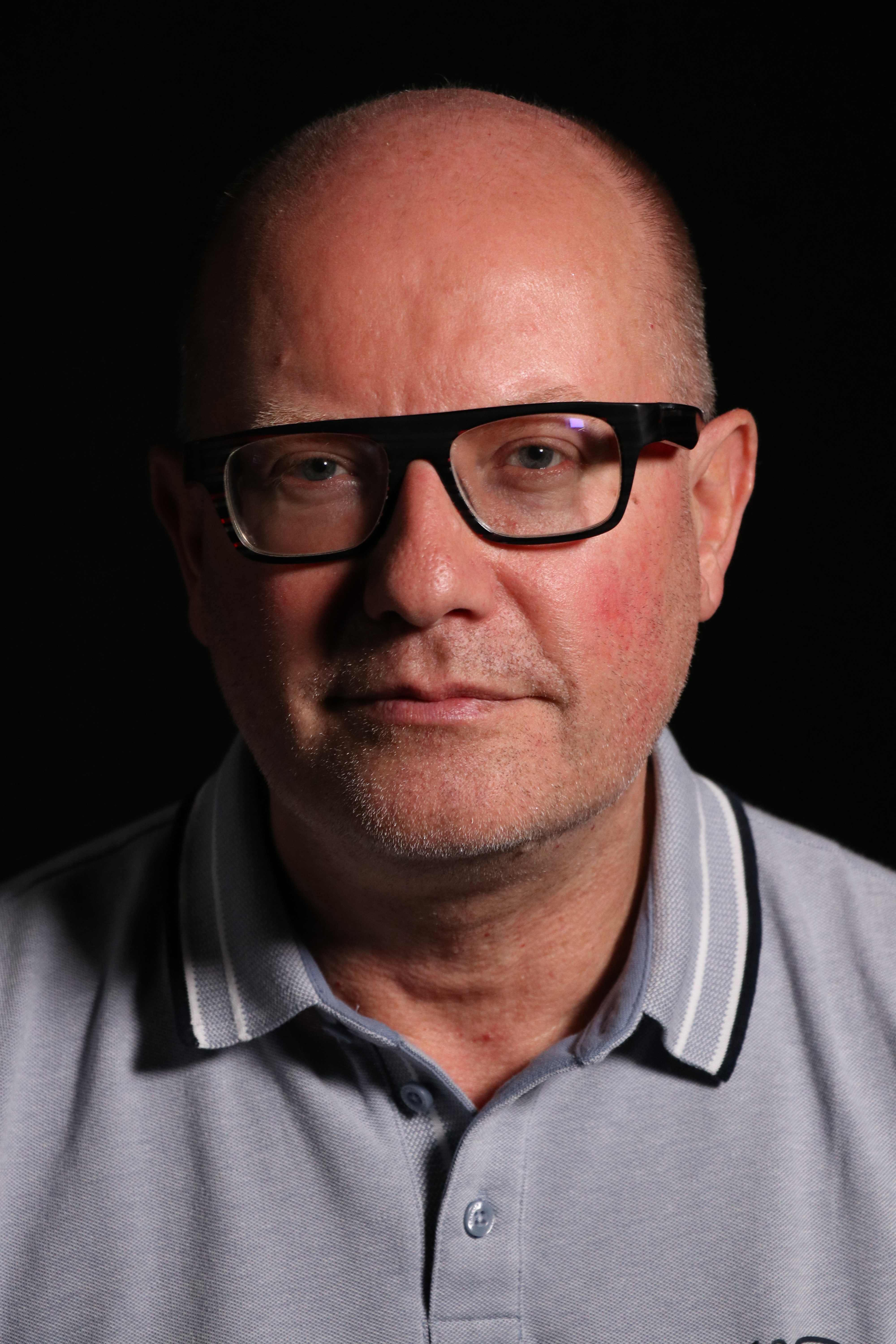
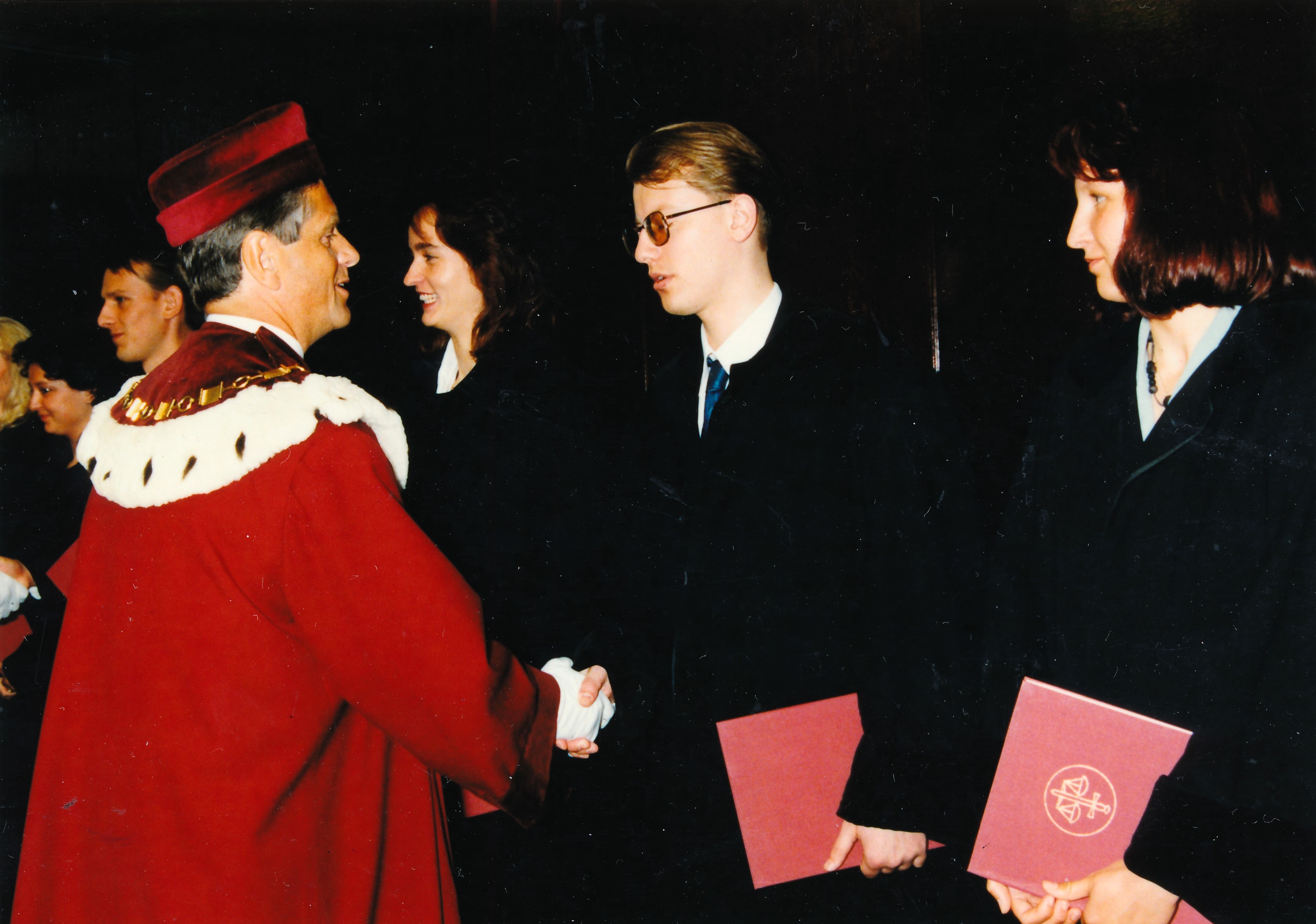
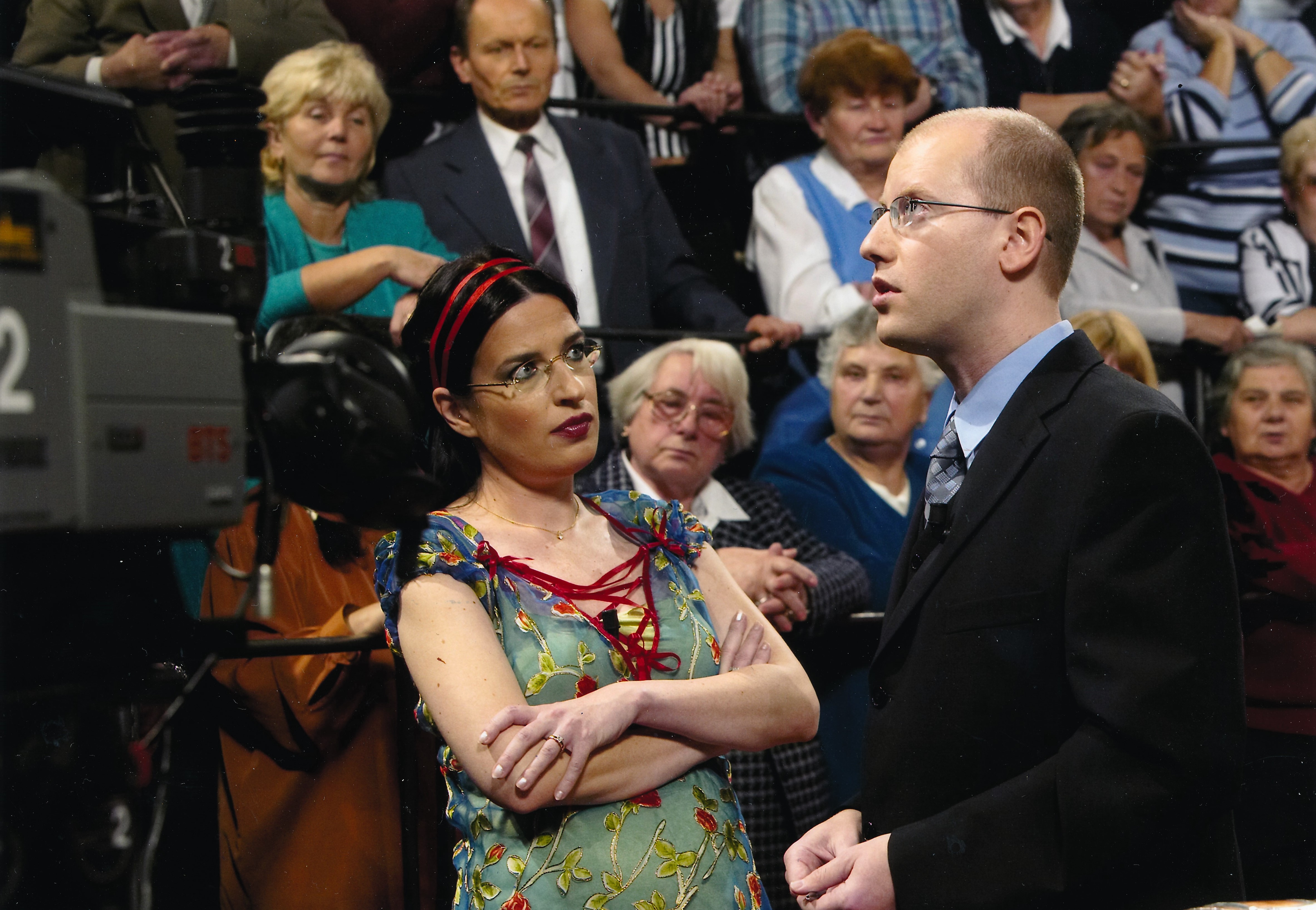
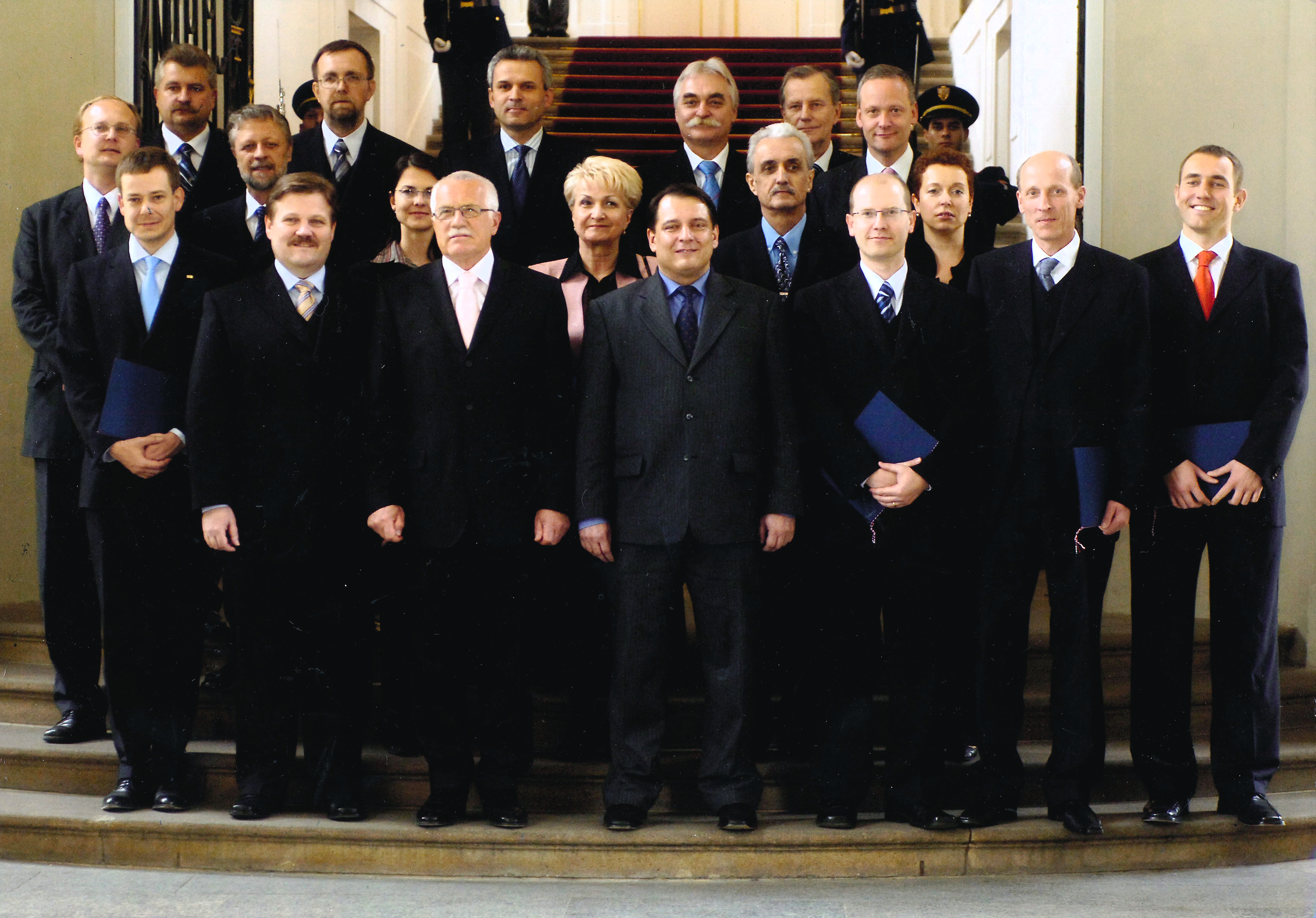
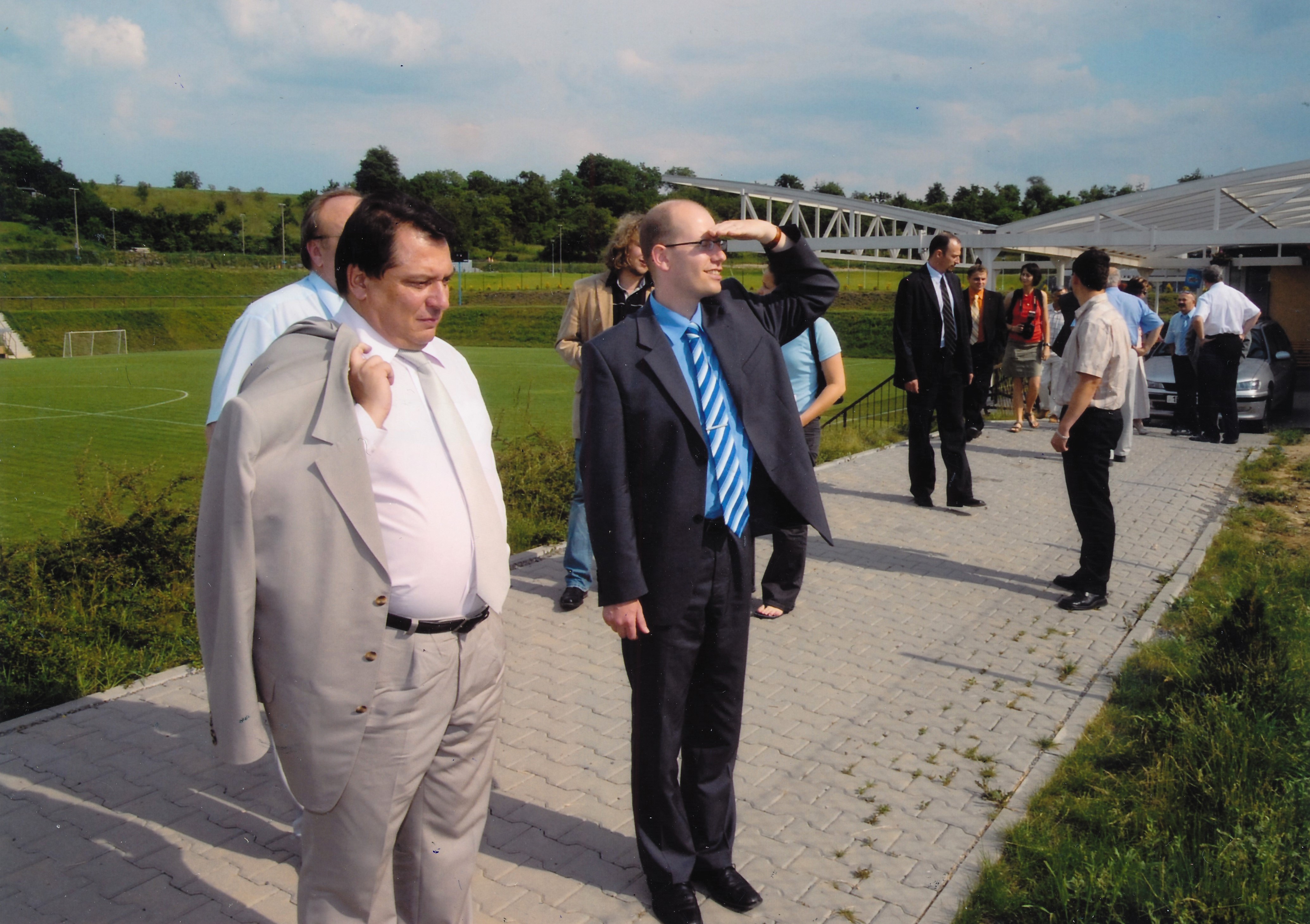
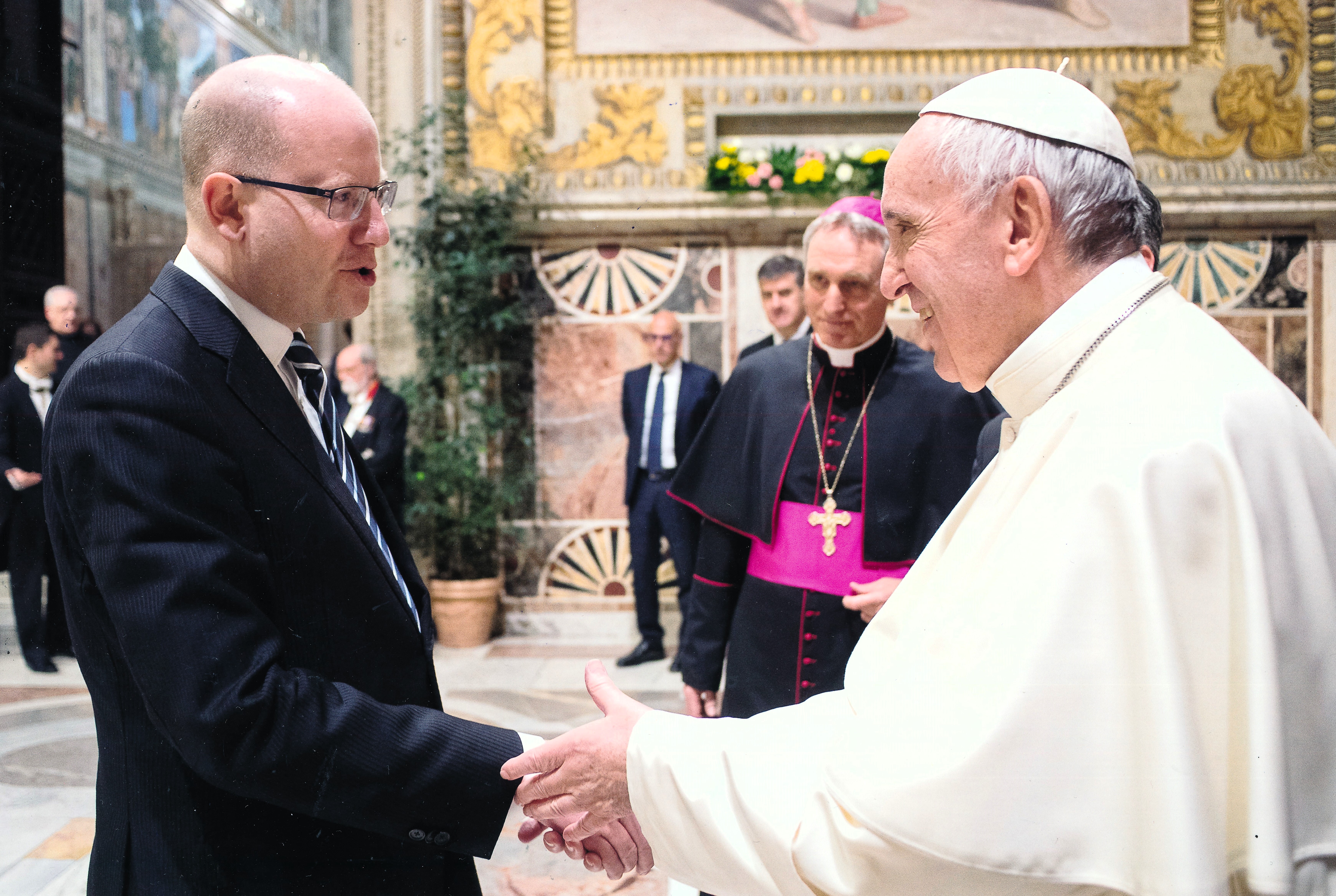
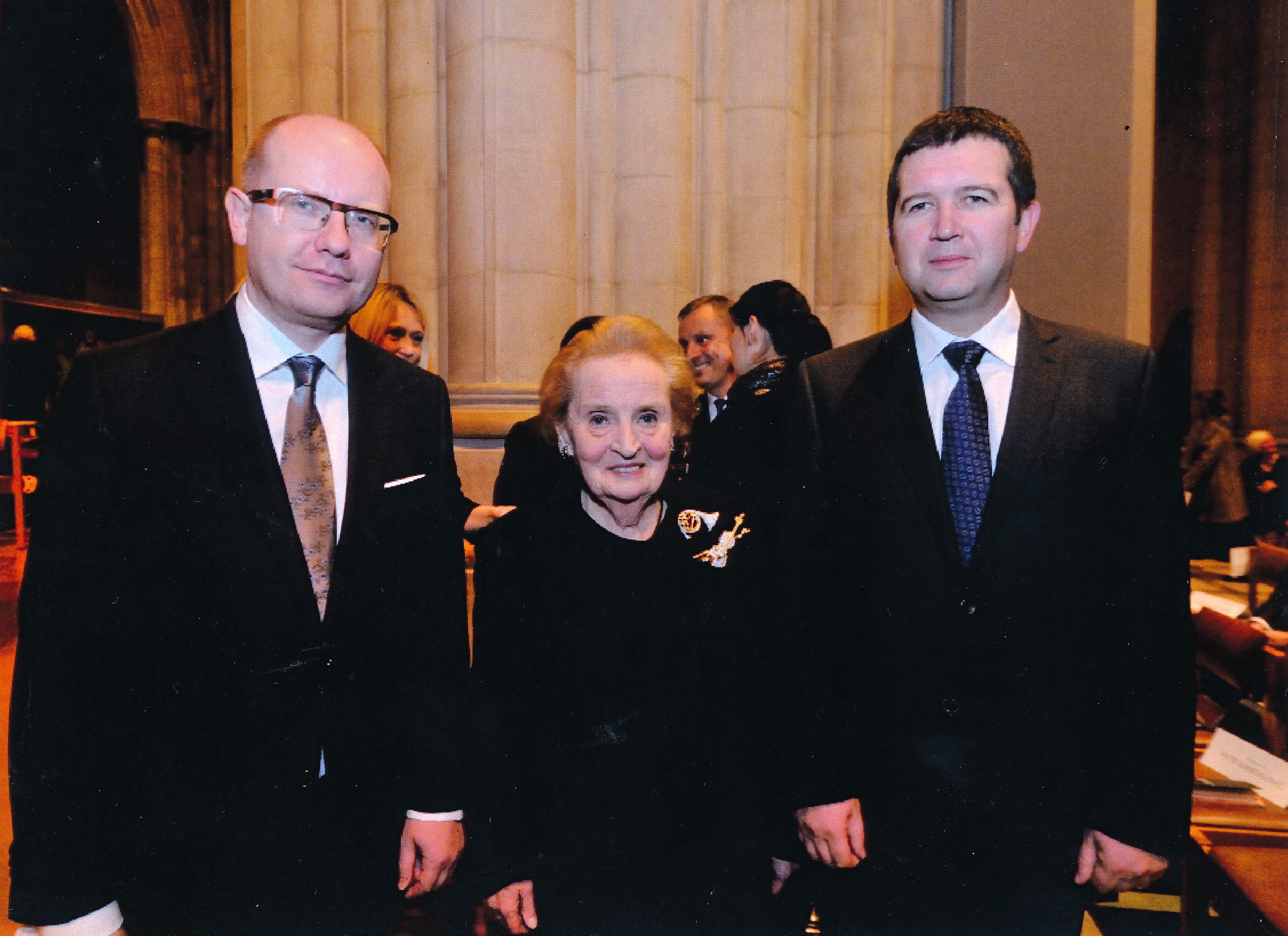
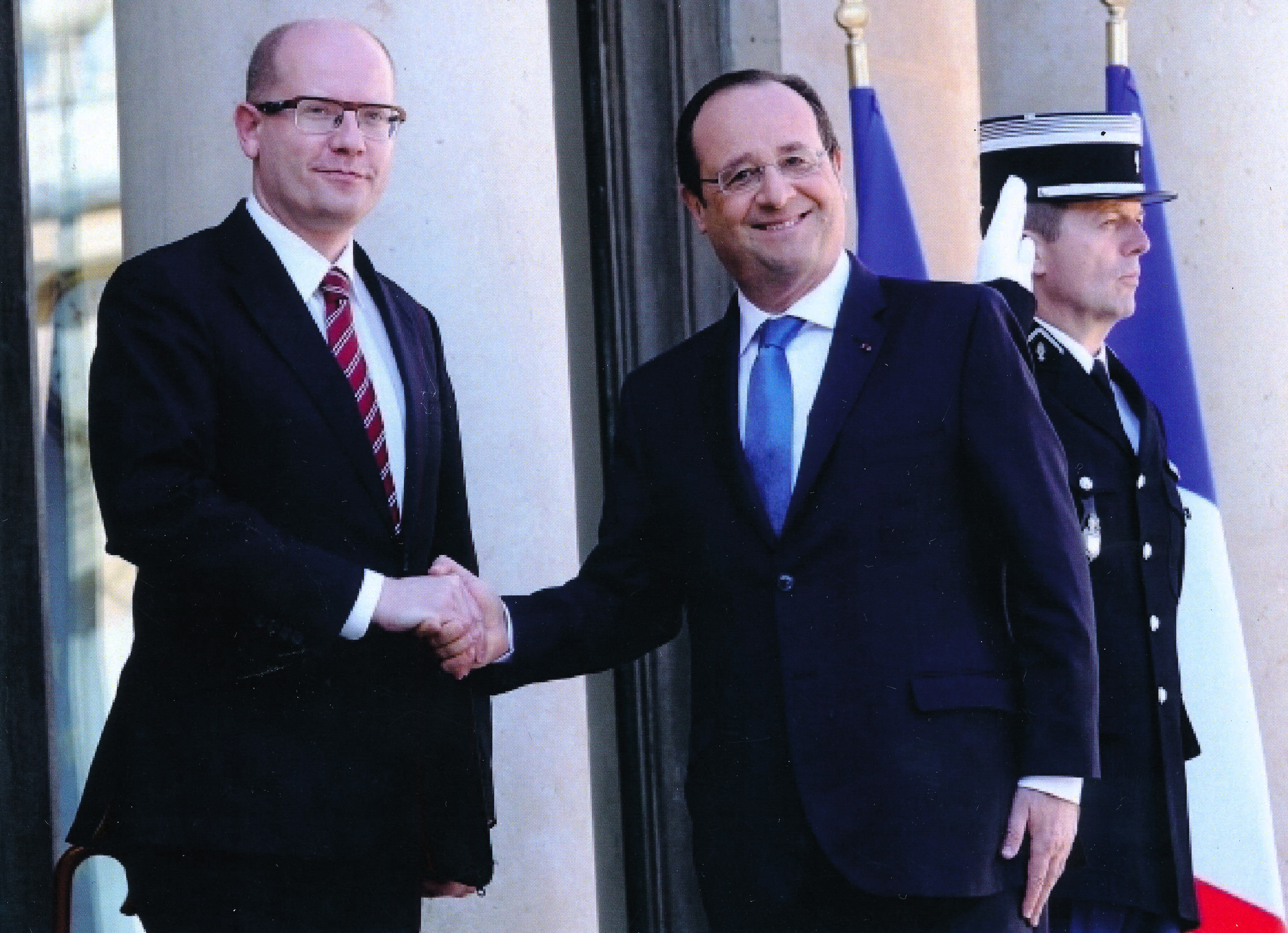
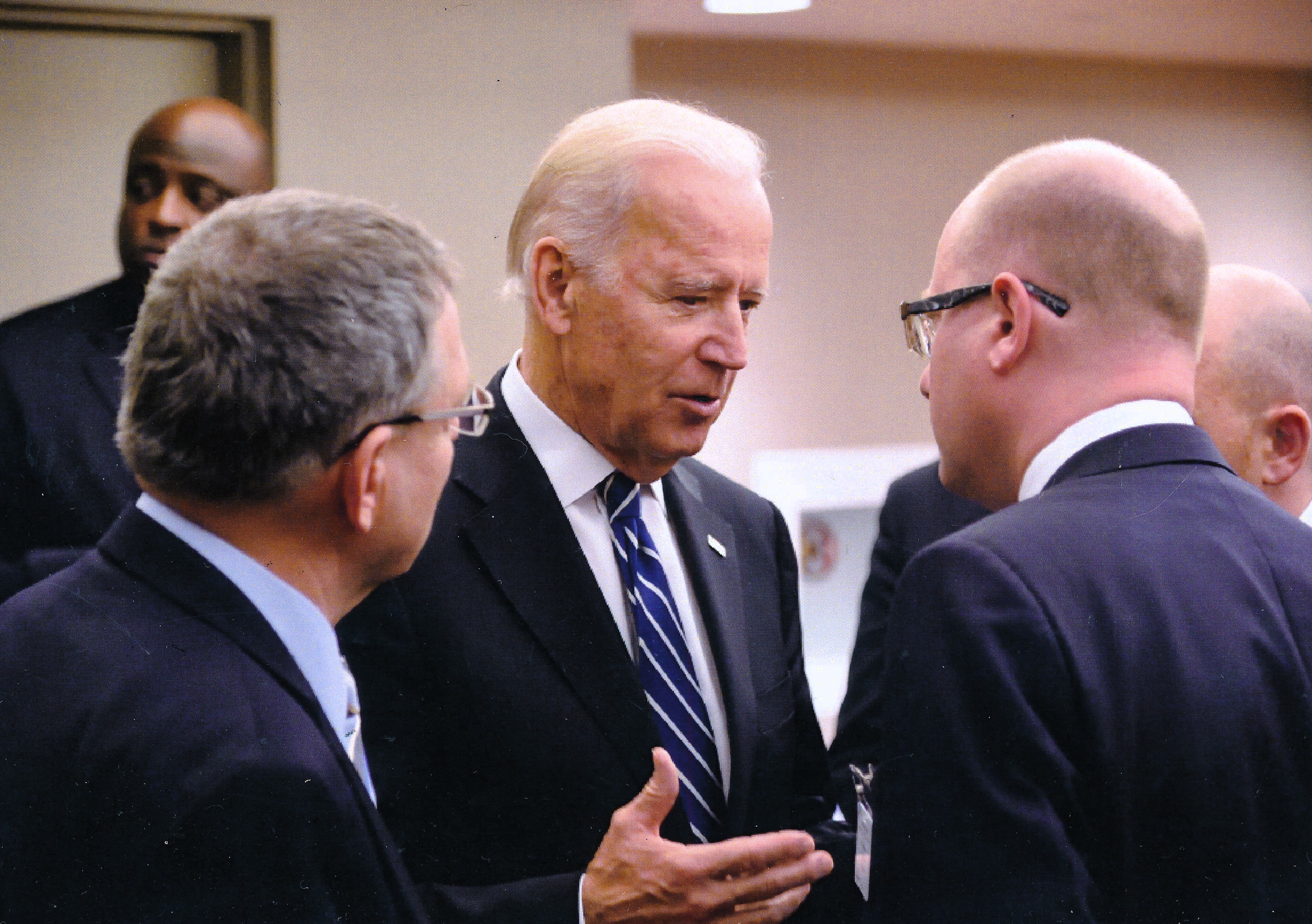
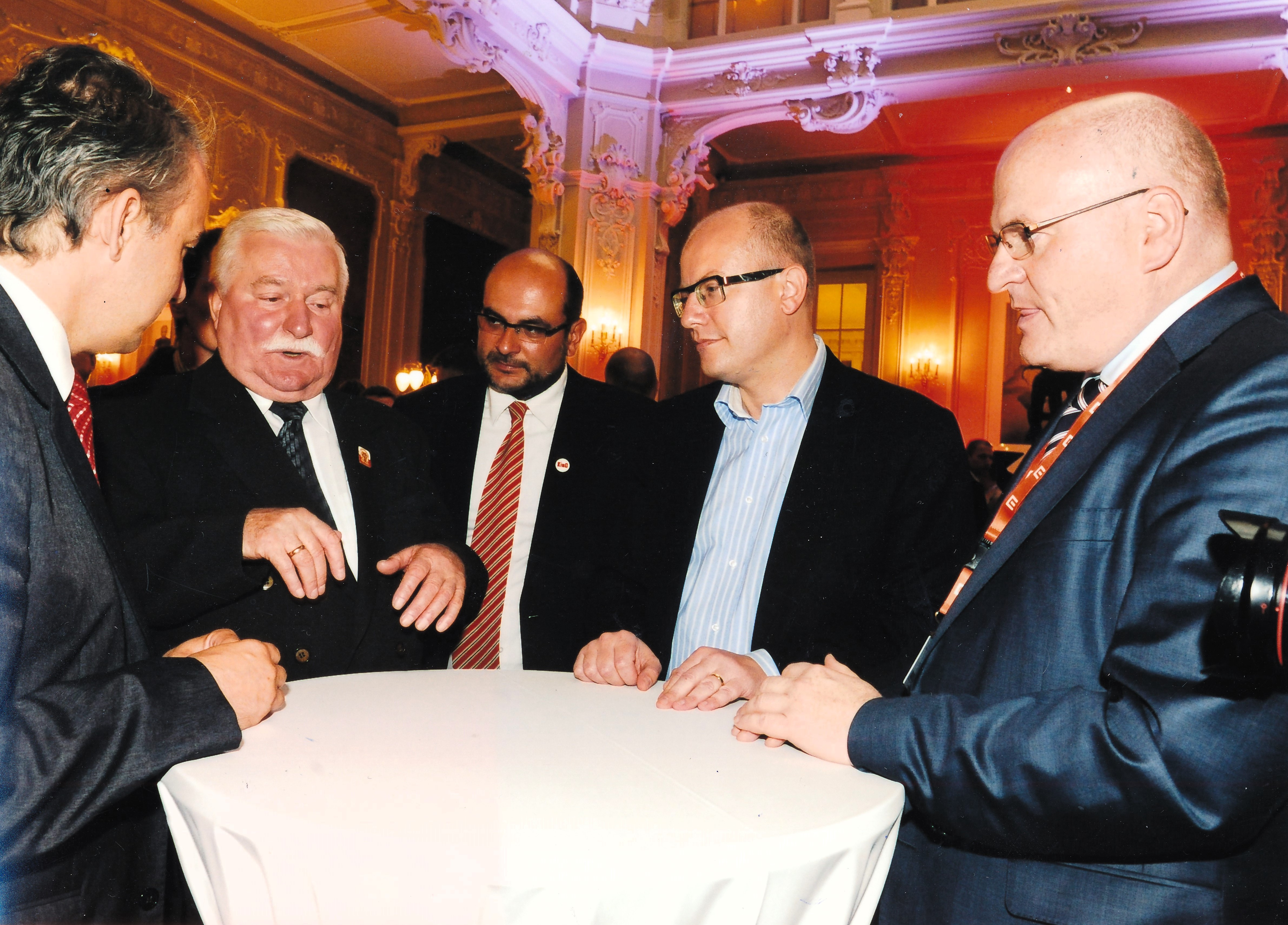
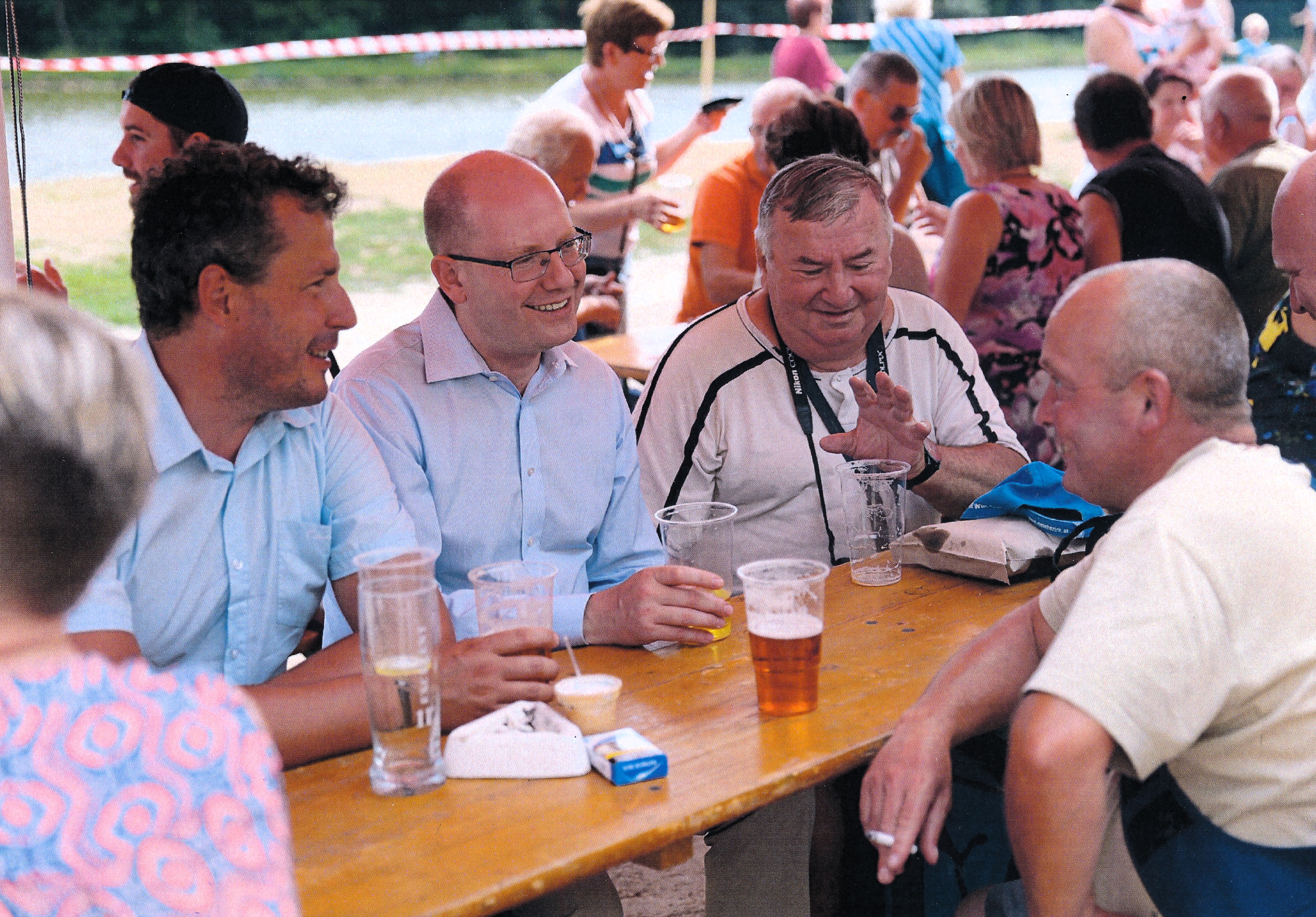
Bohuslav Sobotka was born in Brno on 23 October 1971. He spent his childhood in nearby Telnice and Slavkov u Brna. Following primary school, he entered the grammar school in Bučovice where he took part in reviving the school‘s independent magazine, Reparát. It was soon banned again by decision of the school administration. In the late 1980s, he attended protests in Prague commemorating the anniversary of the August 1968 invasion. He witnessed the Velvet Revolution of 1989 with classmates in Brno‘s Svobody Square and joined the revived social democracy in December of that year. He entered top tier politics shortly after graduating from the Faculty of Law of the Masaryk University in Brno. He was first elected to the Chamber of Deputies in 1996, served as Minister of Finance between 2002 and 2006, and as Prime Minister from 2013 to 2017. Whether as a rank-and-file member or as chairman of the Social Democracy, he worked to firmly anchor the Czech Republic in the European Union and NATO. Quitting his political career in 2018, he withdrew from public life, resigned from the Social Democrats and started working in the private sector. He was living in Prague in 2025.
Hrdinové 20. století odcházejí. Nesmíme zapomenout. Dokumentujeme a vyprávíme jejich příběhy. Záleží vám na odkazu minulých generací, na občanských postojích, demokracii a vzdělávání? Pomozte nám!